




shutterstock

Top 8 Cretan Sheep's Milk Cheeses

Last updated on August 19, 2026
01

Graviera Kritis

4.5 ·

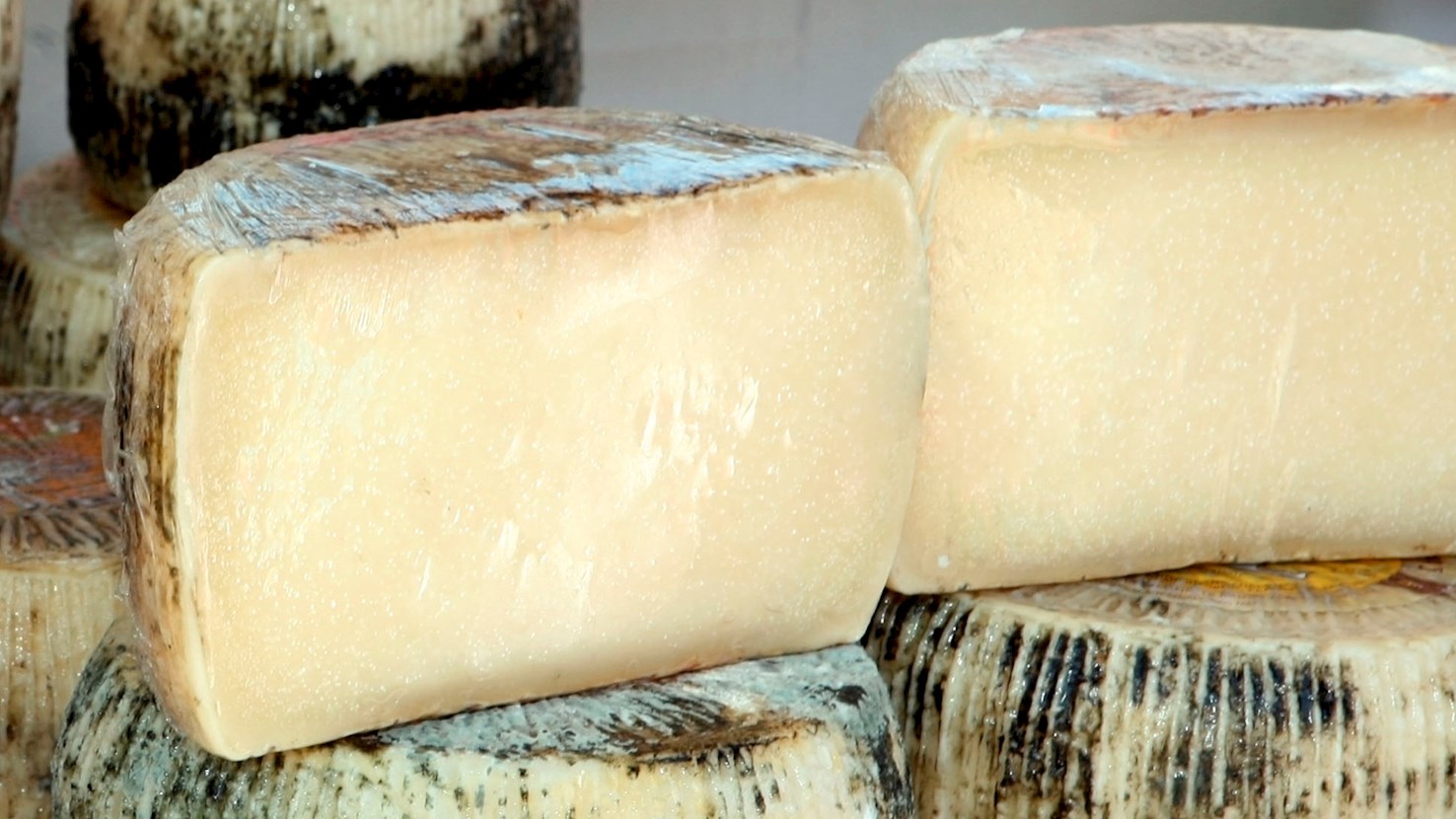
This cheese has a long history, and it is the best-known Greek graviera cheese. It is produced using traditional methods and ripened in facilities in Hania, Rethymnos, Iraklion, and Lasithio prefectures on the island of Crete. It is traditionally produced from sheep milk or from a mixture of sheep milk and a maximum of 20% goat milk. These goats and sheep wander freely on the green pastures of the island, and their diet is based on local plants, which give their milk a special quality that is expressed in this exceptional cheese. It is a hard table cheese with a light yellow color and firm texture. Its taste is slightly sweet and nutty. This cheese matures for 3 to 5 months before being put on the market. It is the most popular Greek cheese next to feta, and it can be found almost anywhere outside of Greece's borders. It can be served as an appetizer or grated and used in salads or soups.

02

Xynomyzithra Kritis

4.3 ·

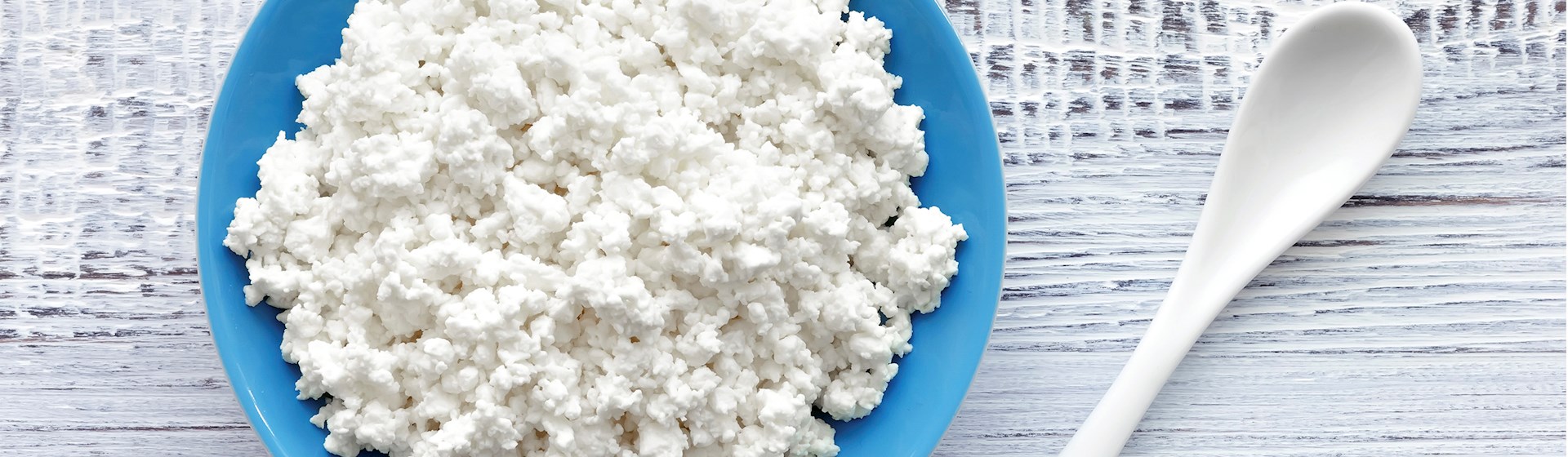
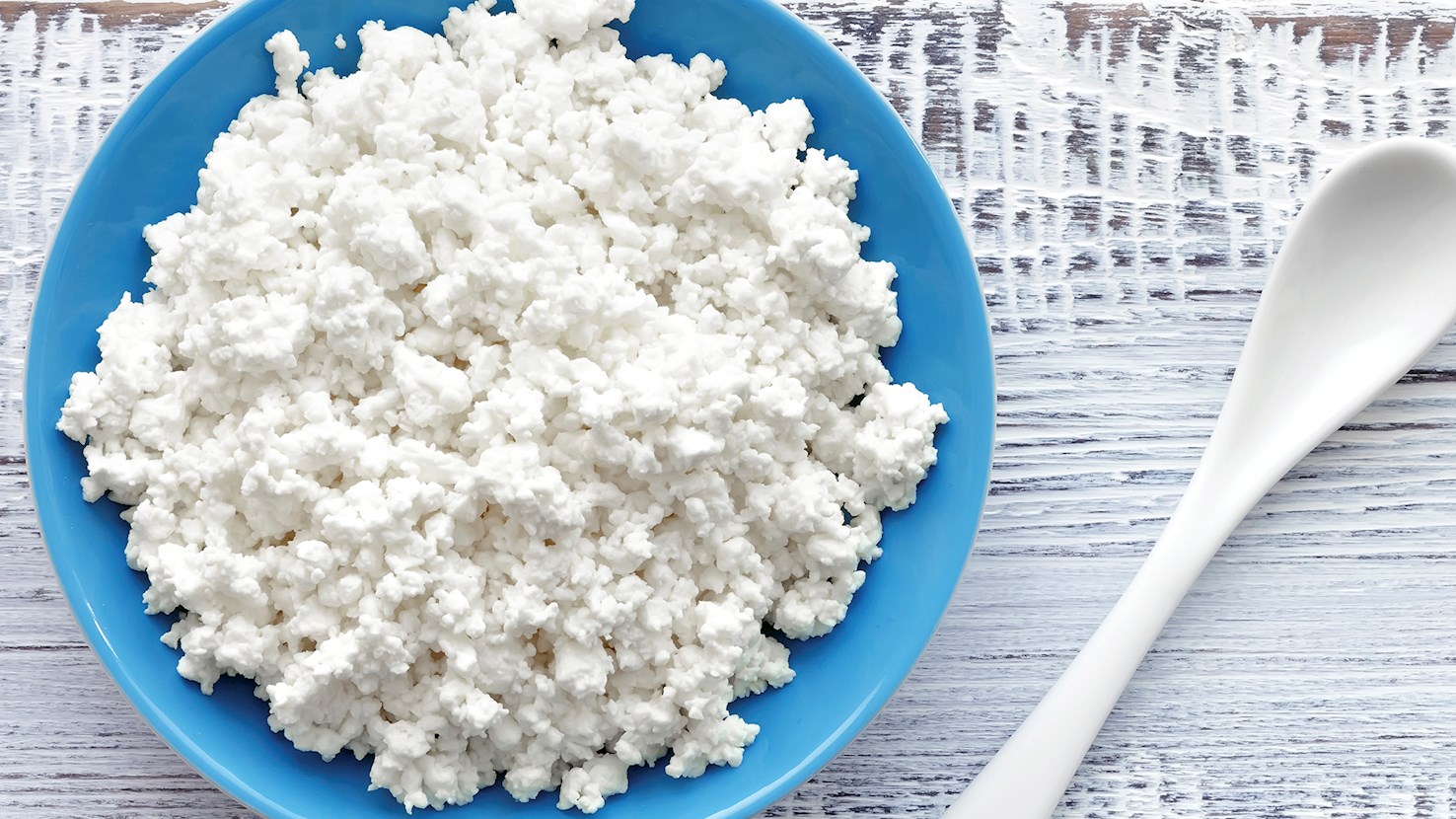
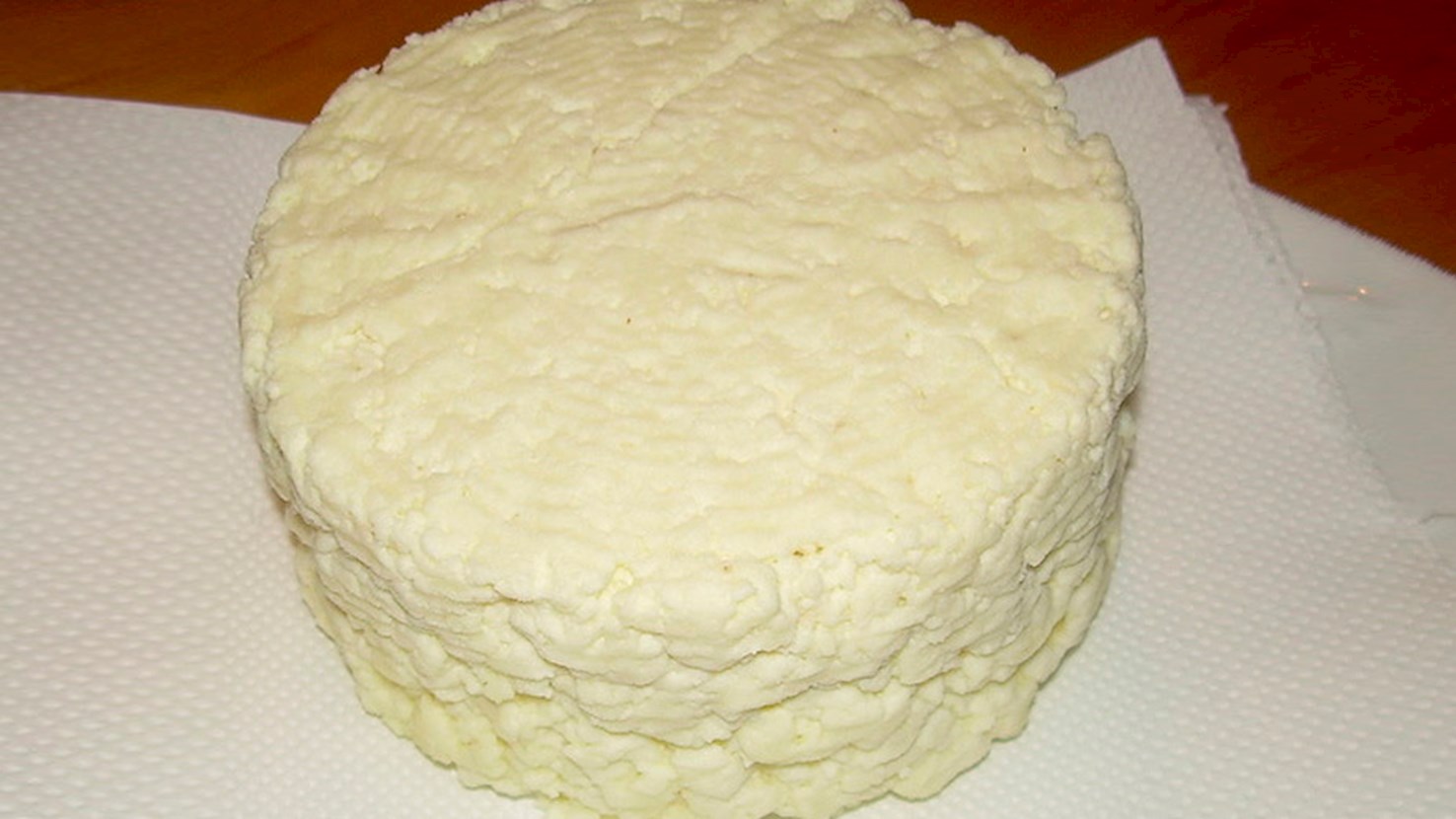
This soft table cheese is made from whey from the processing of Graviera or Kefalotyri Kritis cheeses and the addition of sheep or goat milk, or a mixture of the two. Its name is a combination of two words – mizithra and xyno – meaning 'acidic whey cheese'. It is produced on the beautiful island of Crete in the Chania, Rethymno, Heraklion, and Lasithi prefectures, where it has been produced since the 17th century. Today, Xynomyzithra Kritis is one of the most popular cheeses made on Crete. This lovely, white, rindless cheese has a distinctive sweet and sour taste, and its texture can vary from creamy to granular. Xynomyzithra Kritis can be used in a variety of recipes, as it becomes milder and softer when cooked.

03

Myzithra

4.2 ·

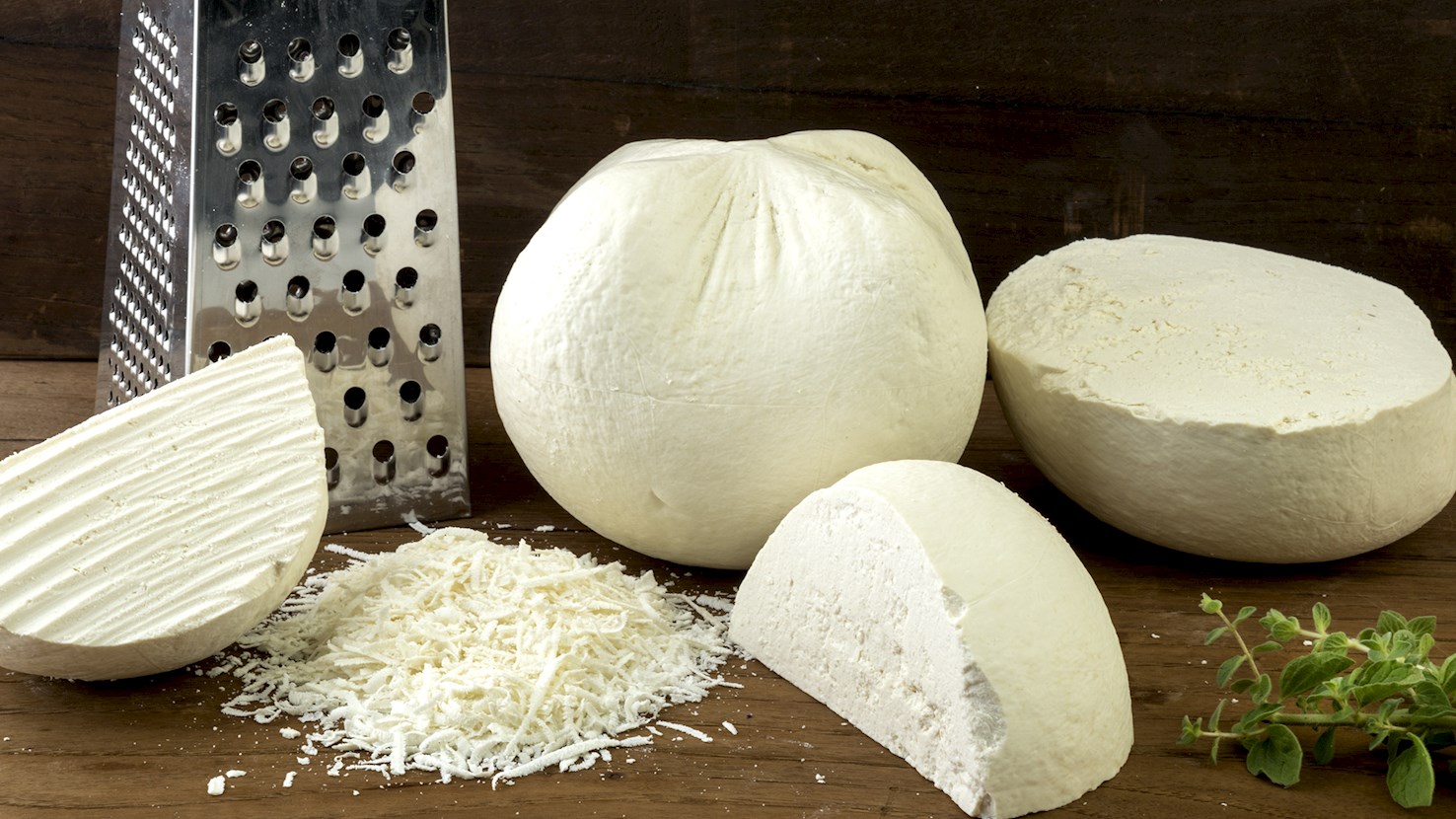
Myzithra is a traditional cheese made from the whey of goat’s or sheep’s milk cheeses. It comes in three main varieties: fresh, sour, and aged. The fresh one is soft in texture and unsalted, typically shaped into eggs or balls. Its aroma is pungent, while the flavor is quite mild. Sour myzithra is prepared with sheep’s or goat’s milk, yeast, and salt, while the aged variety is hard in texture and very salty. The first two varieties are often used in baked pastries and desserts, while the aged variety is best when grated over pasta, soups, and casseroles.

04

Malaka

4.1 ·

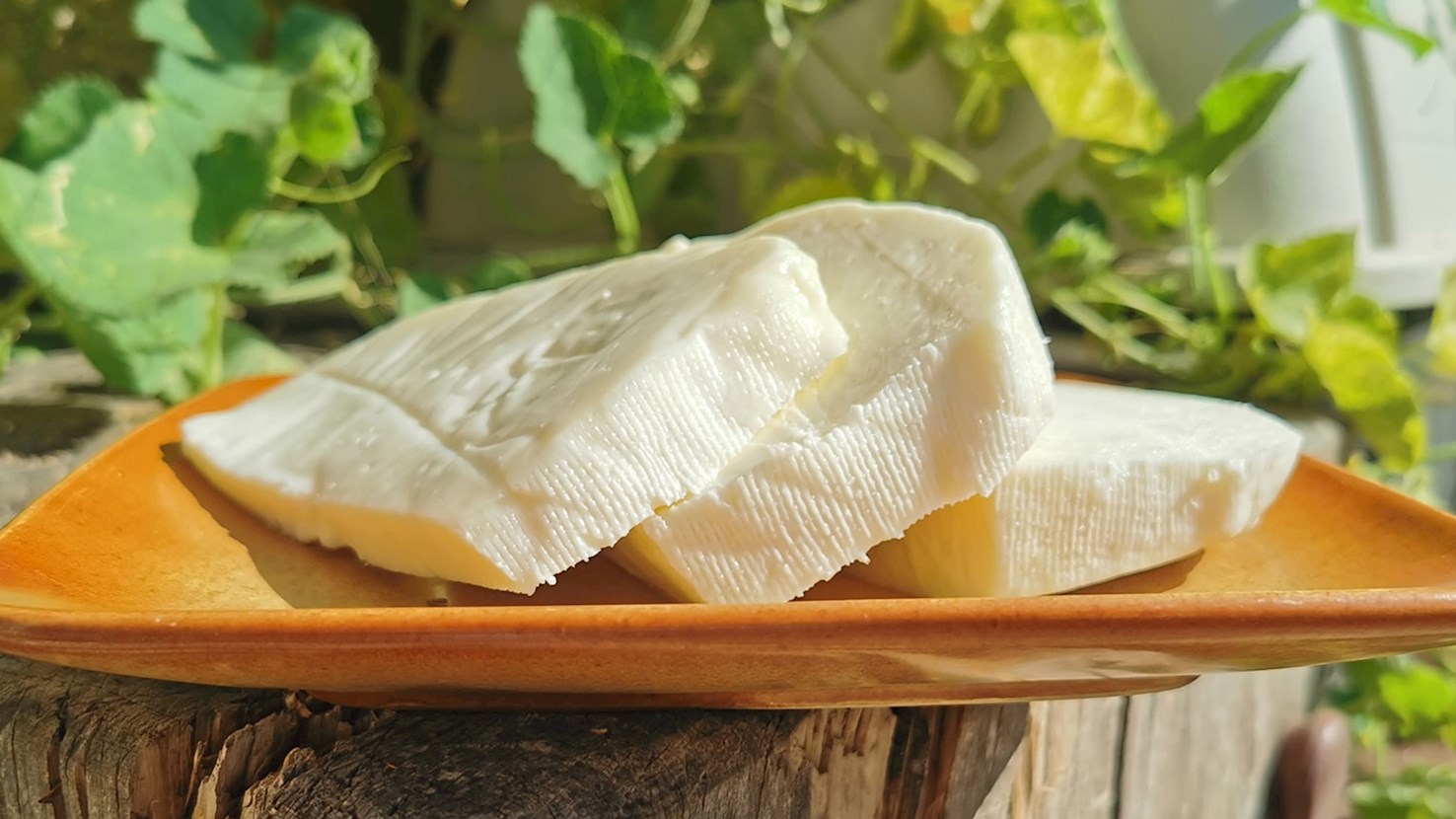
Malaka or Tiromalama is a fresh Greek curd cheese originating from Crete. It is made from sheep’s milk (or a combination of sheep’s and goat’s milk) during the first shaping of Graviera cheese. The cheese is soft and moist in texture, with a typical milky flavor. It is often compared to mozzarella regarding both the texture and the flavors. Malaka is always consumed after it has been cooked. Due to its sweet, milky flavor and a soft, malleable texture, it is often used as a filling for kalitsounia pies. Interestingly, the word malakono means to soften, referring to the texture of this delicate cheese.

05

Anthogalo

3.8 ·

Hailing from Crete, Anthogalo is a creamy fior di latte cheese that was first made by Polyphemus, according to mythology. The sheep's milk is heated, and when it starts to boil, yogurt and rennet added, and the combination is mixed with a wooden spoon. The part of the milk that rises when boiled is strained in a cheesecloth and left to dry in a cool, well-ventilated, and dark place. After a few days, the cheese is placed in a jar and refrigerated. The texture of Anthogalo is creamy, buttery, and spreadable. It goes well on potatoes, meat, vegetables, salads, pasta, or risotto, but perhaps the best combination is anthogalo on rusks with honey.

06

Xygalo Siteias

3.6 ·

This soft, spreadable cheese has been made in the municipalities of Siteia, Makry Yialos, Itanos, and Lefki for over 50 years. It is produced from goat or sheep milk from the local breeds, which feed on a diet of local herbs and aromatic plants. Sheep milk is only used when not enough goat milk is available, but in this case the fat content is adjusted to keep the fat content of the final product under 46%. The cheese is white with a creamy or granular texture. Its taste is fresh, acidic, and slightly salty – this is because salt is added to the milk before the acidification stage, which results in the final drained product having a milder taste. It is recommended to serve Xygalo as an hors d’oeuvre or to serve it in a salad with an olive oil vinaigrette dressing.

Best producers
07

Pichtogalo Chanion

3.5 ·

This fresh spreadable soft cheese is produced with non-pasteurized sheep or goat milk, or a combination of the two, in Chania prefecture on the island of Crete. It has been made in this area for a long time and is still produced using traditional methods. It is mostly made on location at the houses of breeders who produce and age Pichogalo Chanion in rooms called 'mitata' designed to maintain ideal levels of humidity. This creamy cheese is rindless and compact. Its distinctive taste is slightly salty and quite sour with a milky aftertaste and an aroma reminiscent of yogurt. Pichtogalo Chanion is usually eaten as a table cheese spread on bread and it makes a tasty appetizer when served with ouzo, raki, or Greek wine.

Best producers
08

Tyrozouli

3.1 ·

Tyrozouli is a Greek cheese produced in the mountains of western Crete. It is made from sheep’s or goat’s milk which is curdled with fig sap. The cheese is typically consumed fresh, when its texture is very soft, but it can also be matured in olive oil, when its texture becomes hard.

About this Ranking

TasteAtlas food rankings are based on the ratings of the TasteAtlas audience, with a series of mechanisms that recognize real users and that ignore bot, nationalist or local patriotic ratings, and give additional value to the ratings of users that the system recognizes as knowledgeable. For the “Top 8 Cretan Sheep's Milk Cheeses” list until August 19, 2026, 1,502 ratings were recorded, of which 522 were recognized by the system as legitimate.

TasteAtlas Rankings should not be seen as the final global conclusion about food. Their purpose is to promote excellent local foods, instill pride in traditional dishes, and arouse curiosity about dishes you haven’t tried.

What People Say

Similar Lists