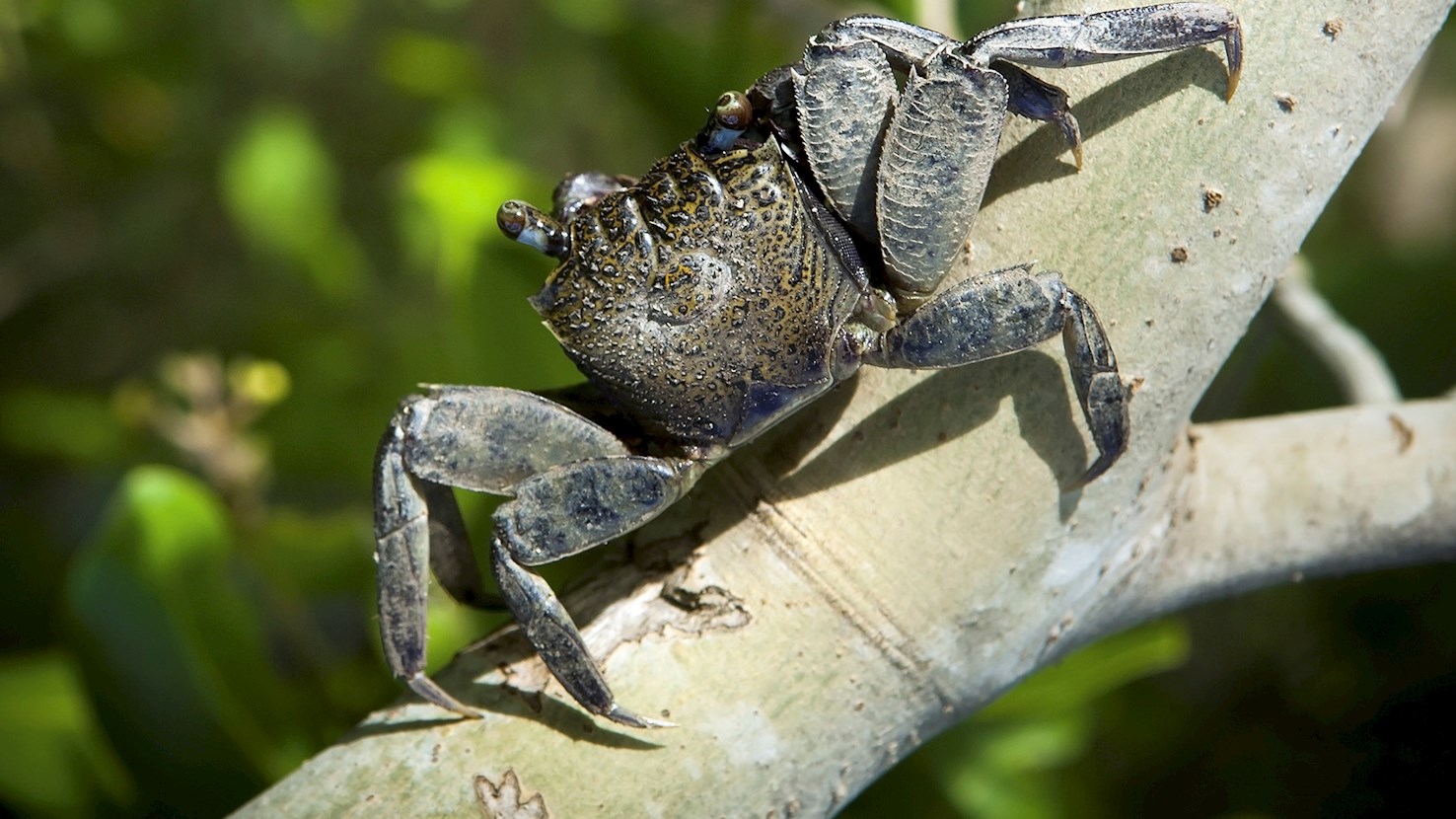
THIS SPECIES IS AT RISK OF EXTINCTION. In the mangrove-lined salt waters in the Brazilian region of Sergipe resides a small crab with flavorful, delicate flesh. It is known as aratù, a crustacean belonging to the Grapsidae family, living either in holes in the sand or inside branches of the dense vegetation. Traditionally, fishing for aratù is a women’s activity: they would draw the crabs into specially-designed wooden traps, then return to the village in the evening to share the catch with their families. However, these days, with the arrival of electricity, the situation has changed. The women clean the crabs as soon as it is caught, and the meat is kept in freezers for people who buy it at insanely low prices only to be resold to nearby restaurants, where it is sold for more than double the original price. The women also see a reduction of aratù crab in the waters due to nearby shrimp farms and the exploitation by some local gatherers who fish and eat undersize crabs of pregnant females. Due to a fungal disease, from 2000 to 2004, the daily catch of a more common type of crab, caranguejo, has fallen from 180 to 20, causing enormous problems for the aratù crabs which are now at risk of extinction.
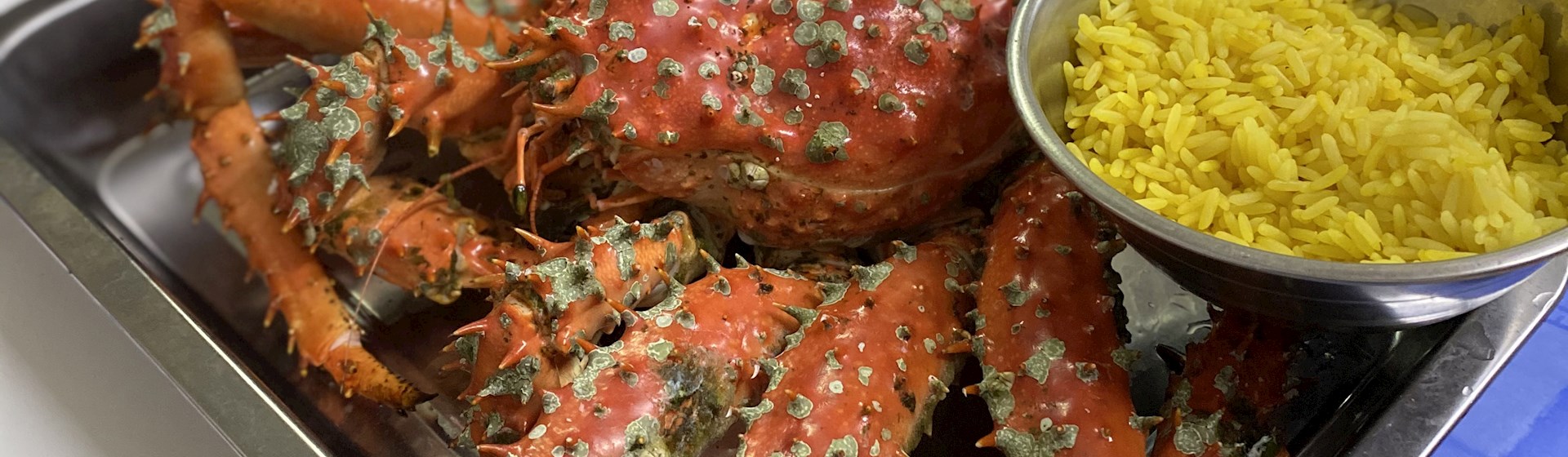
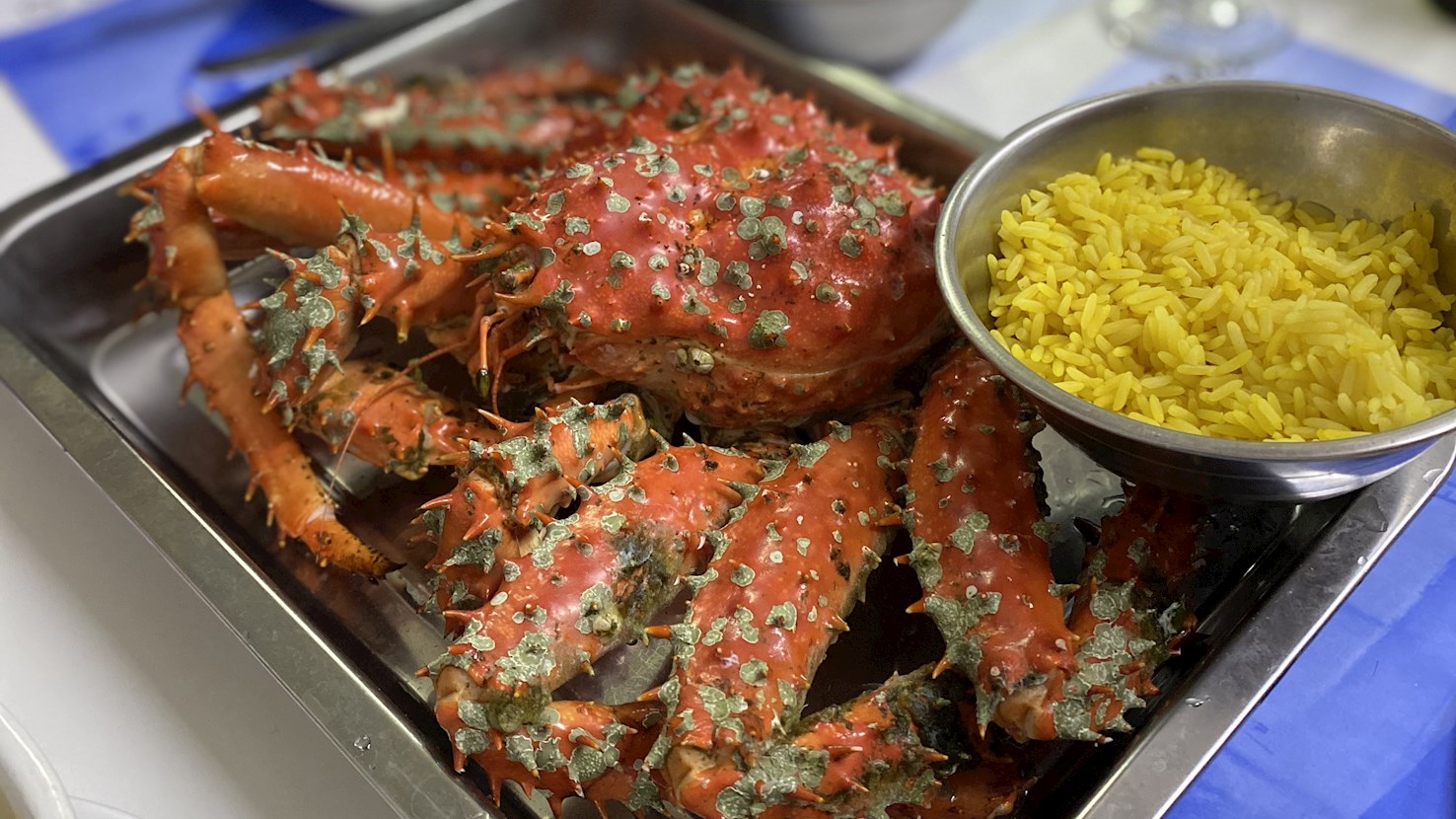
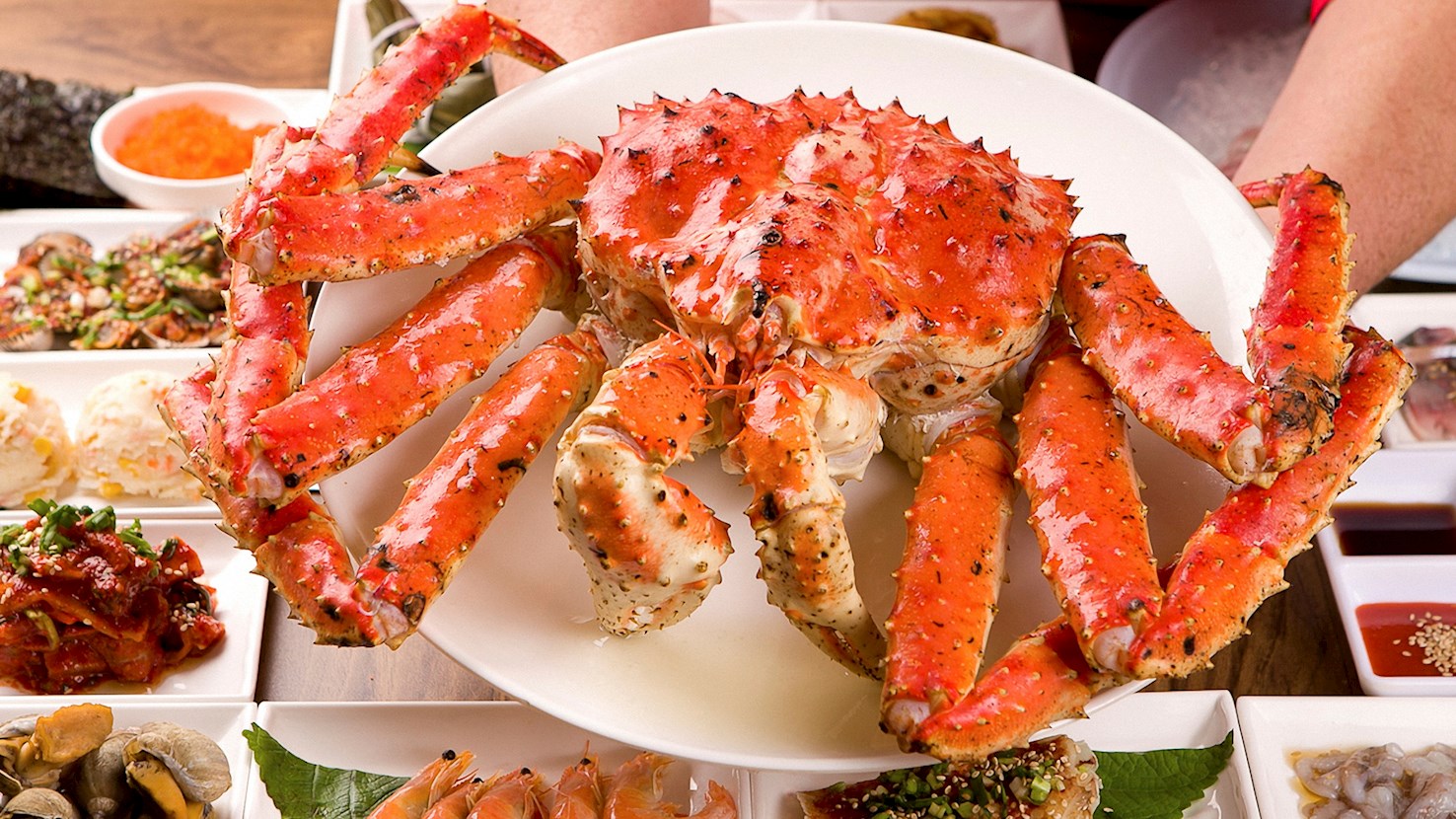
Centolla fueguina is an exceptionally flavored crustacean of the crab family Lithodes santolla, also known as Southern king crab or Tierra del Fuego crab, native across the southern coasts of Argentina and Chile. The best-known fishing grounds with the highest quality of crab are found in the Beagle Channel in the south of Argentina. The crab’s sweet, delicately flavored meat found in the long legs and the red, spiky shell is widely regarded as one of the best crab meat in the world. A gastronomic delight, centolla fueguina is undisputedly one of the most famous regional delicacies of the Tierra del Fuego province, served in restaurants all over the region. Once removed from the cold water, the crab has to be prepared or frozen immediately as its meat is very delicate and highly susceptible to deterioration. Its natural flavor shows off best when cooked plain, with no added flavors or sauces, but it is nonetheless used in the preparation of a variety of delicious crab dishes, such as crab gratins, casseroles, ceviche dishes, tarts, or crêpes, to name a few.
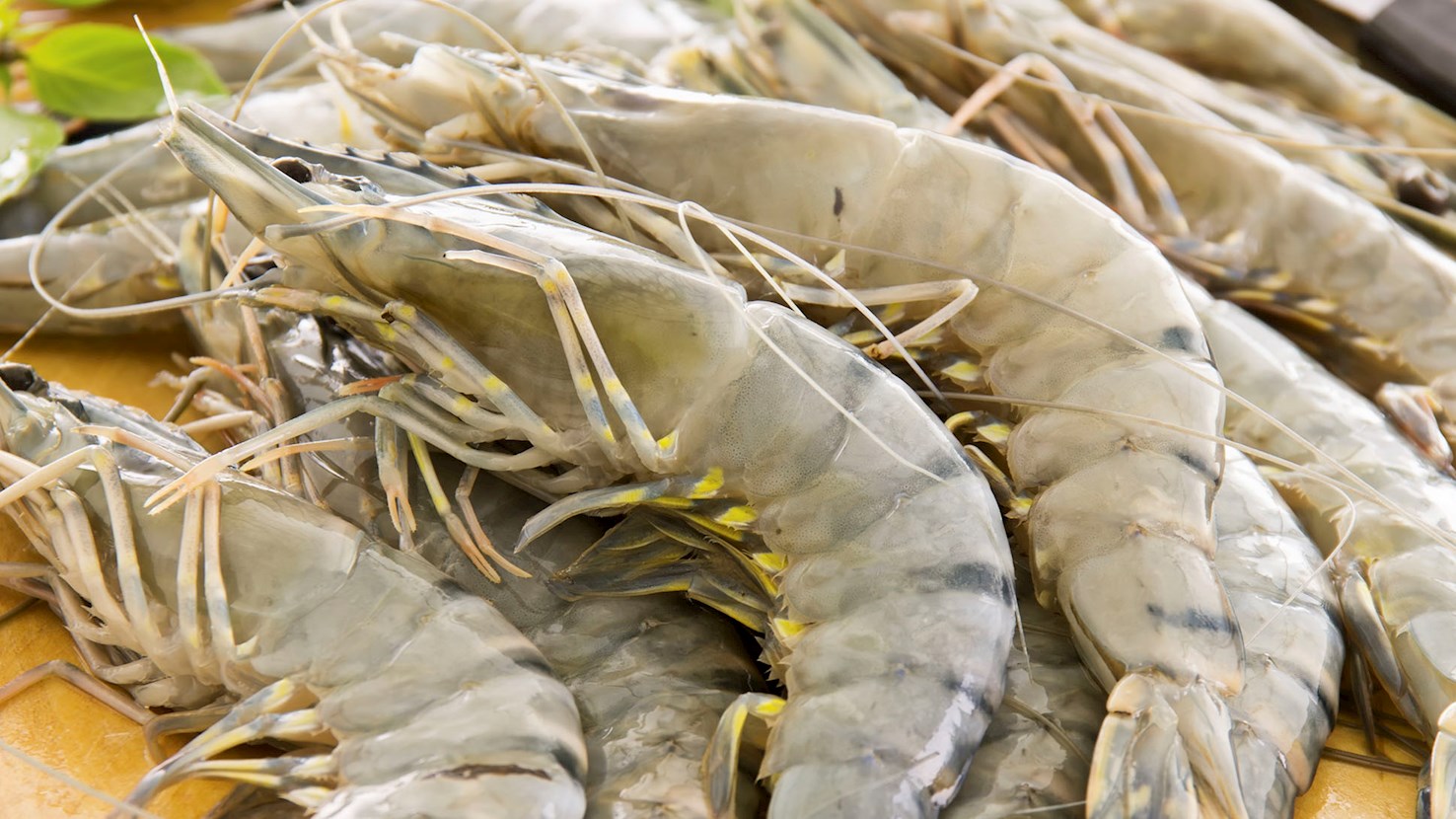
Camarão da Costa Negra (Black Coast shrimp) is a shrimp cultivated in captivity. It is produced in the municipalities of Itarema, Acaraú, Cruz, and Jijoca de Jericoacoara. Camarão da Costa Negra is high in protein content and has a sweet flavor due to the geographical environment of the region and human factors involved in the cultivation. The water used in the tanks comes from the River Acarau, which is rich in nutrients and, therefore, these shrimps have a similar flavor to that of crustaceans living in the sea. It is an all-natural product, free of antibiotics or any other chemicals. The shrimps are obtained every three months from 32 farms, and the annual production reaches 9,000 tons. Almost all of the production (99%) is sold on the domestic market, in São Paulo, Rio de Janeiro, and Brasilia, while only 1% is exported. These numbers are going to change because the Black Coast shrimp is getting more attention each year on the global level. There are also annual International Black Shrimp Festival and Grand Shrimp festival that promote this delicacy.
Lithodes santolla (the scientific classification of the southern king crab) is a species of king crab native to the coast of Chile, Argentina, and Peru. They can typically live in waters up to 150 meters deep, but some fishermen have also found them in depths of up to 600 meters. The fishing process involves cooking the legs and then flash-freezing them to preserve freshness. Thus, preparing the legs for consumption simply means reheating them using a steamer, an oven, or even a microwave, then eaten as is or dipped in a savory sauce. Also worth mentioning is that the southern king crab has one of the highest meat/shell ratios of all crabs, so the sweet and delicate interior is enough to go around!
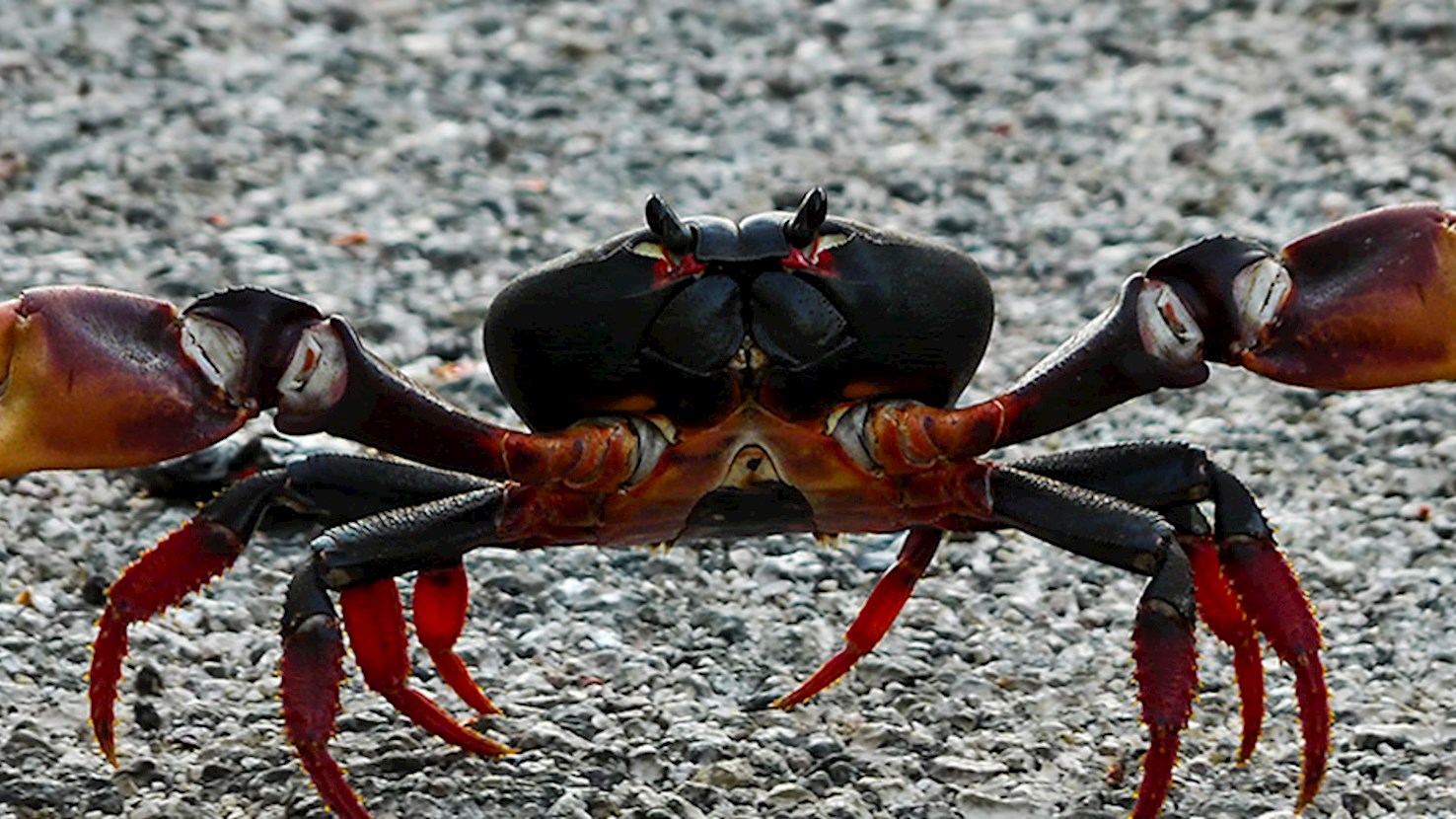
Endemic to the Colombian islands of Providencia and Santa Catalina, the black crab (lat. Gecarcinus ruricola) is easily recognizable by its black shell and red legs with yellow markings. Every year between April and June, thousands of these crabs descend from the forests and hatch their eggs in the water. The little hatchlings are born in the sea and find their own way home after 20 days, continuing to develop under rocks and logs or underground. The crabs are harvested manually by the local Raizal population – they are first kept alive in containers, then processed by women using handmade tools. They are boiled, the shells are removed in order to obtain the meat, while the claws are typically sold by piece. The meat is traditionally boiled or stewed and paired with rice, used in empanadas, or in rondón – a local dish that also contains fish and meat. However, the most popular dish is known as sopa de cangrejo (black crab soup), combining crab meat with ingredients such as sweet potatoes, flour and water dumplings, yams, garlic, coconut milk, pepper, and local aromatic herbs. During the migration period and the breeding season, the capture and consumption of black crabs is banned, and anyone caught disobeying it faces a fine that is equivalent to three months of the minimum wage. Although many islanders make their living from harvesting the crabs, during the breeding season they turn into modern-day superheroes because most of them are employed as enforcers of the ban, protecting the crabs and making sure that they continue to thrive on the island.
Concha negra or mangrove cockle (lat. Anadara tuberculosa) is a species of saltwater clam, an edible bivalve mollusk commonly found on the Pacific coast of the Americas, ranging from Baja California in Mexico to Peru. One of its distinctive features is the red-colored hemolymph (blood), which has led to its popular name in some regions as the "blood cockle". This coloration is due to a high concentration of hemoglobin, which is atypical for bivalves, as most have clear or slightly milky hemolymph. These clams have been used as a food source by indigenous peoples of the region for centuries.
Charru mussel (lat. Mytella charruana) is a species of mussel native to the Atlantic coast of Central and South America. It is primarily found in brackish and freshwater environments such as estuaries, lagoons, and rivers. The charru mussel is characterized by its elongated shell, which can vary in color but is usually dark brown or black. They are generally not harvested or consumed on a large scale. However, in certain regions where they are found, they may be collected for personal or local consumption. They can be steamed, boiled, grilled, or incorporated into various seafood dishes and recipes.
TasteAtlas food rankings are based on the ratings of the TasteAtlas audience, with a series of mechanisms that recognize real users and that ignore bot,
nationalist or local patriotic ratings, and give additional value to the ratings of users that the system recognizes as knowledgeable.
For the “Top 7 South American Shellfishes” list until July 01, 2026, 180 ratings were recorded, of which 73 were recognized by the system as legitimate.
TasteAtlas Rankings should not be seen as the final global conclusion about food. Their purpose is to promote excellent local foods,
instill pride in traditional dishes, and arouse curiosity about dishes you haven’t tried.