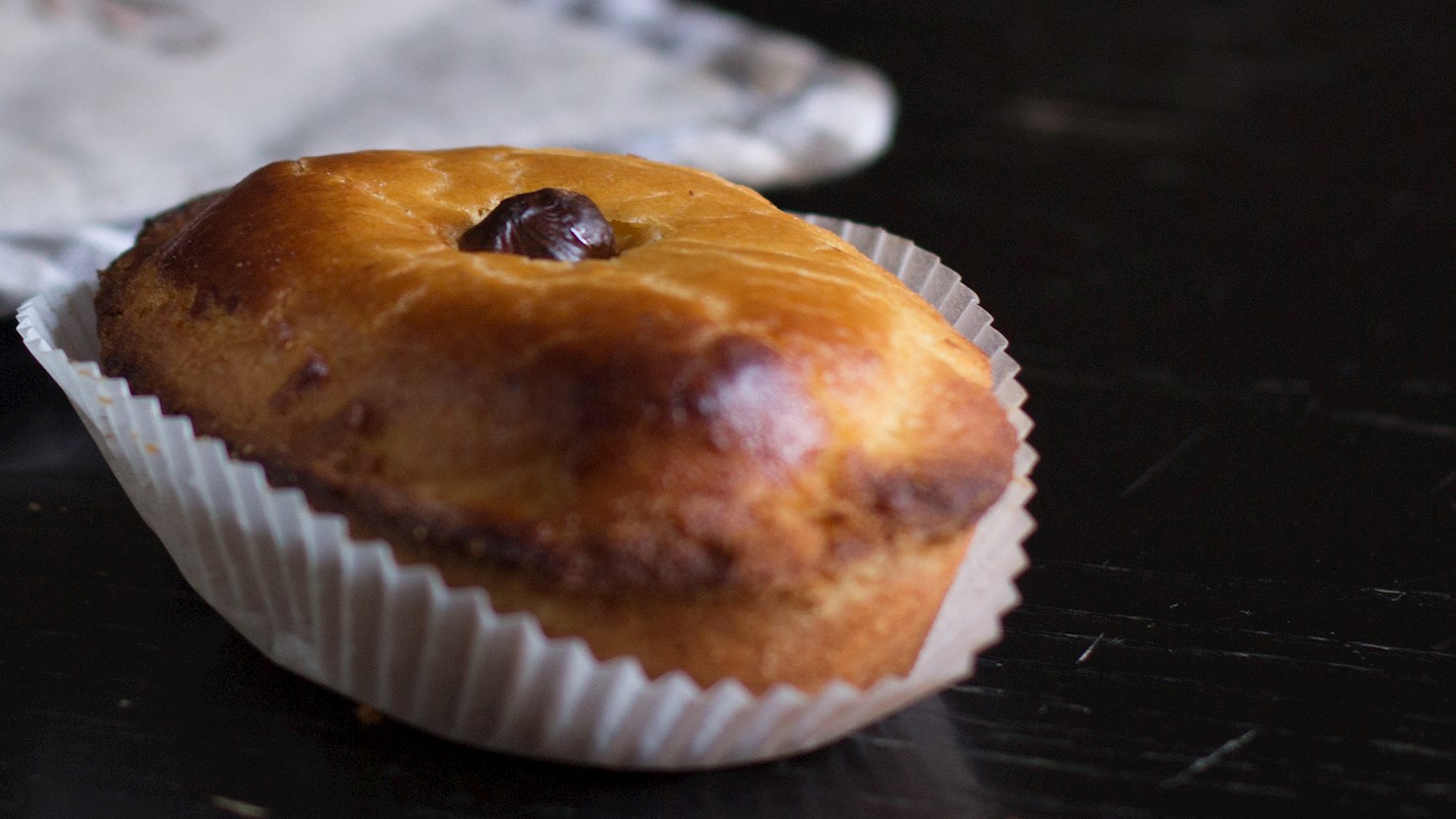
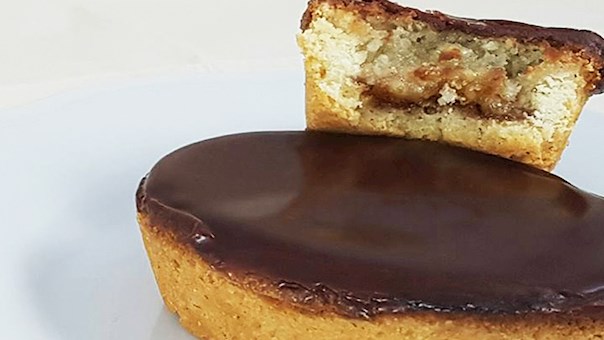
Pasticciotto is a popular Italian dessert consisting of a shortcrust pastry filled with flavorful pastry cream. Traditionally, the crust is made with lard, so that it is moister and softer than the regular crust prepared with butter. It is recommended to consume pasticciotto fresh out of the oven when it is still piping hot. Many believe that the dessert was invented in the 18th century by Andrea Ascalone, a chef from Galatina.
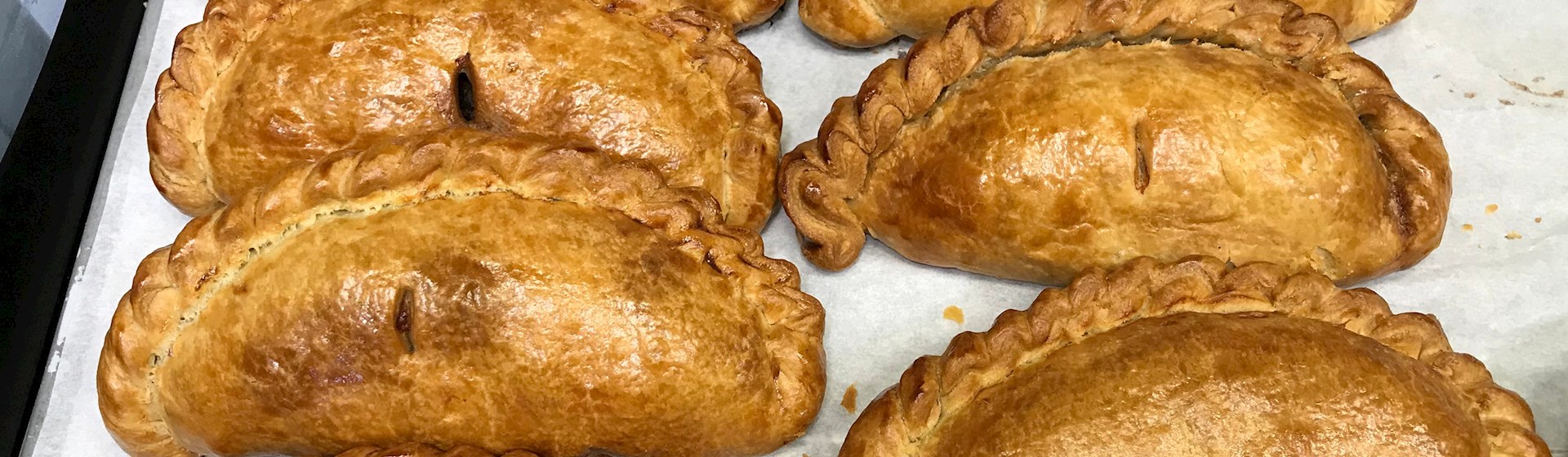
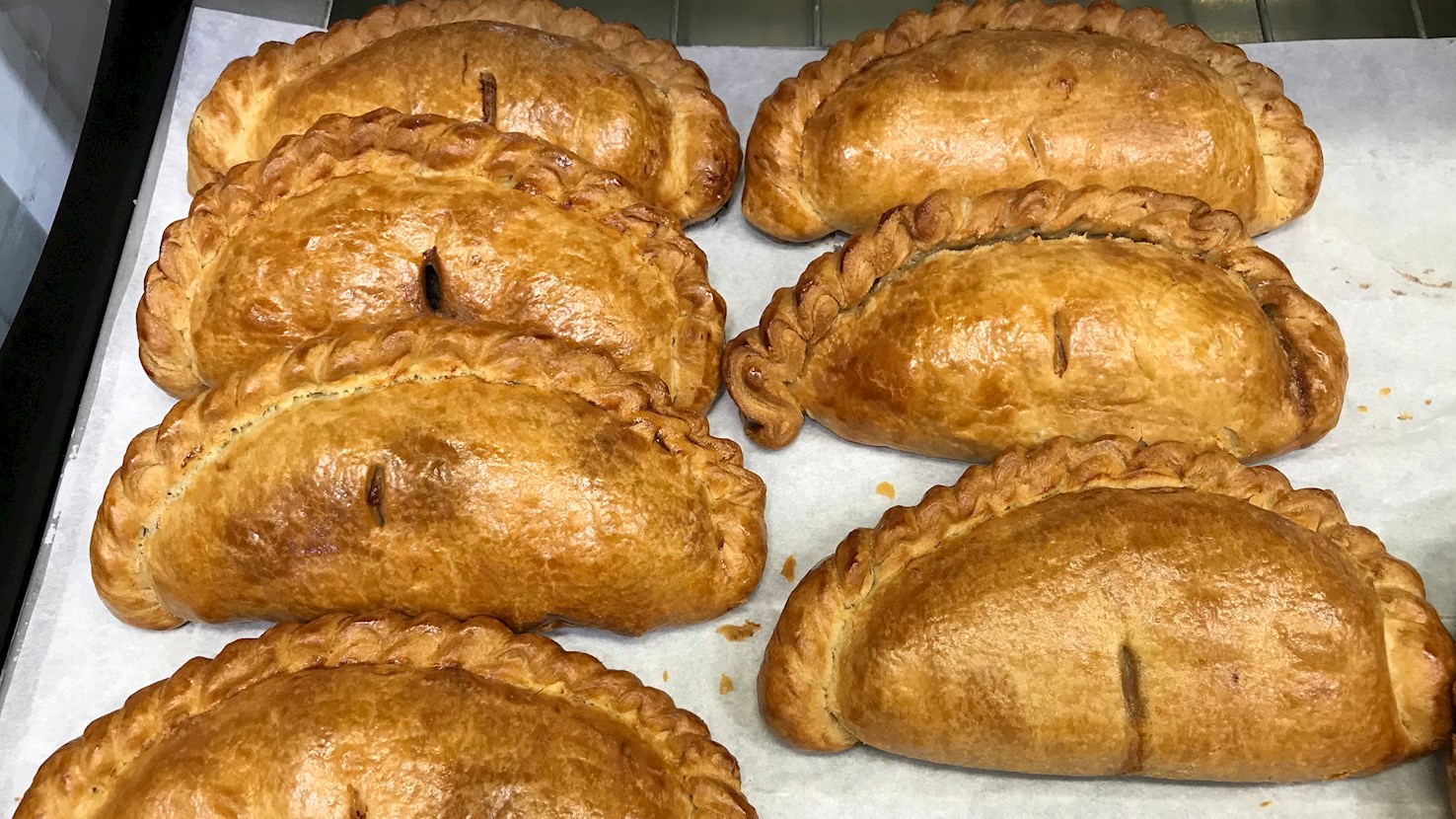
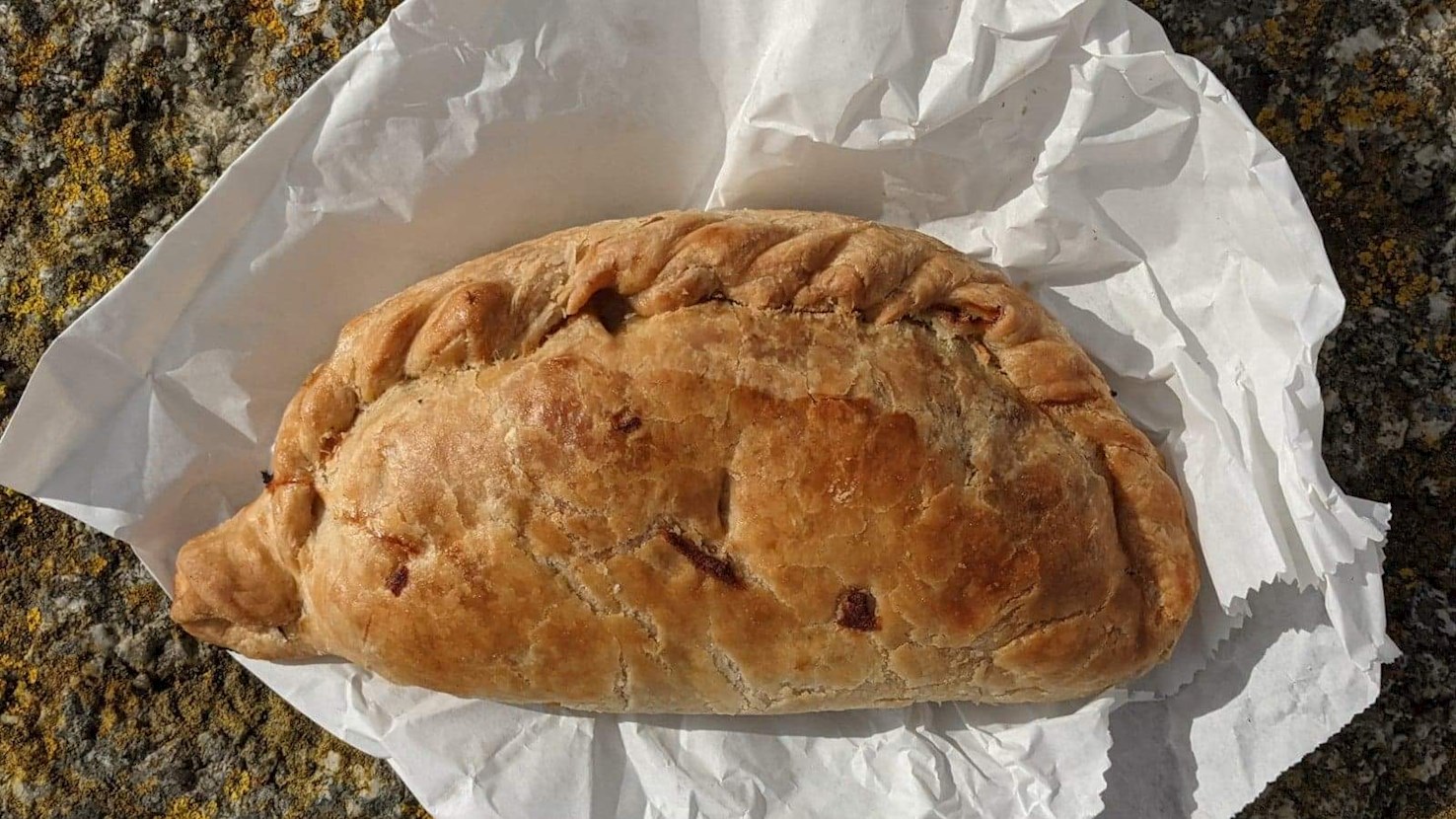
A pasty is a traditional pastry. It consists of a pastry case that’s filled with desired ingredients and then baked until golden brown. Once baked, the pasty can be served warm, but it can also be enjoyed later when it cools down. Although the most popular and widely known type of pasty is Cornwall’s Cornish pasty, there are many more types of pasty depending on the filling, such as curried potato pasty, scotch egg pasty, cheese and Marmite pasty, and even shepherd’s pie pasties that make the classic dish portable. However, the traditional Cornish pasty is filled with a mixture of beef, onions, potatoes, and swede. In the end, pasty is just a name for the shape, and the pastry can contain a myriad of different ingredients on the inside.
Cornish pasty is a popular dish that is a specialty of Cornwall. Shaped into a form of the letter D or a half-moon, this crispy and juicy pastry is filled with beef and various root vegetables and seasonings. The golden color of the pastry is achieved by using egg wash or milk glazing, while the interior is filled with potatoes, turnips, onions, diced beef, herbs, and seasonings. The final product has a balanced, savory taste, due to the fact that only high-quality beef and vegetables from the Cornwall area are used in it. It is believed that Cornish pasty was invented as a practical, portable meal for tin miners who couldn't leave the mines for lunch, and its thick crust kept the fillings warm for a long time.
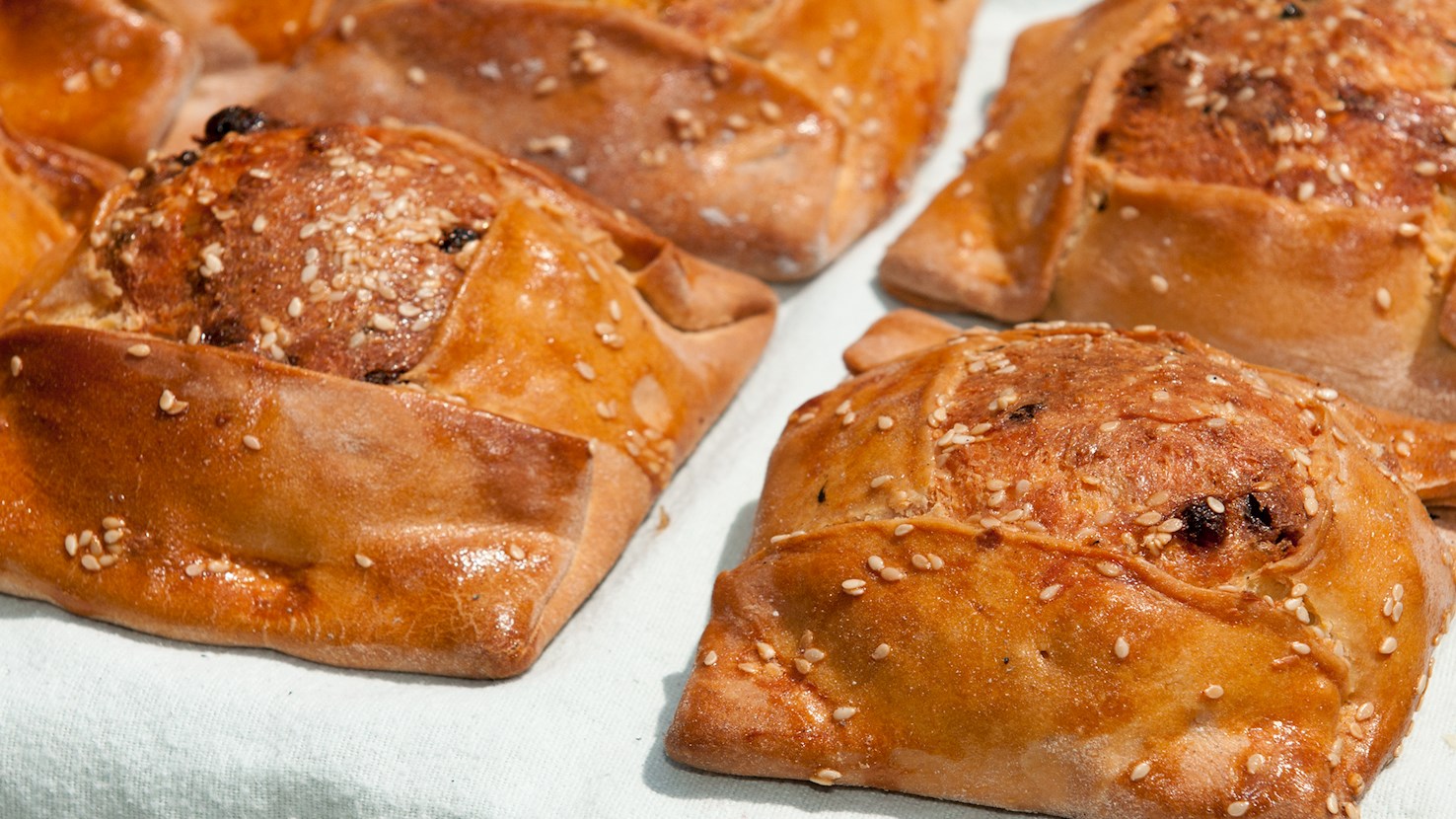
Flaouna is a traditional pastry consisting of flour, eggs, sugar, butter, yeast, water, and salt. It is additionally enriched with cheese, raisins, and fresh herbs such as mint. The dough is sprinkled with sesame seeds on top and baked until it develops a golden-brown color of the exterior. This delicious pastry is usually prepared on Good Friday as a delicacy for breaking the fast of Lent, so it is traditionally consumed on Easter Sunday.
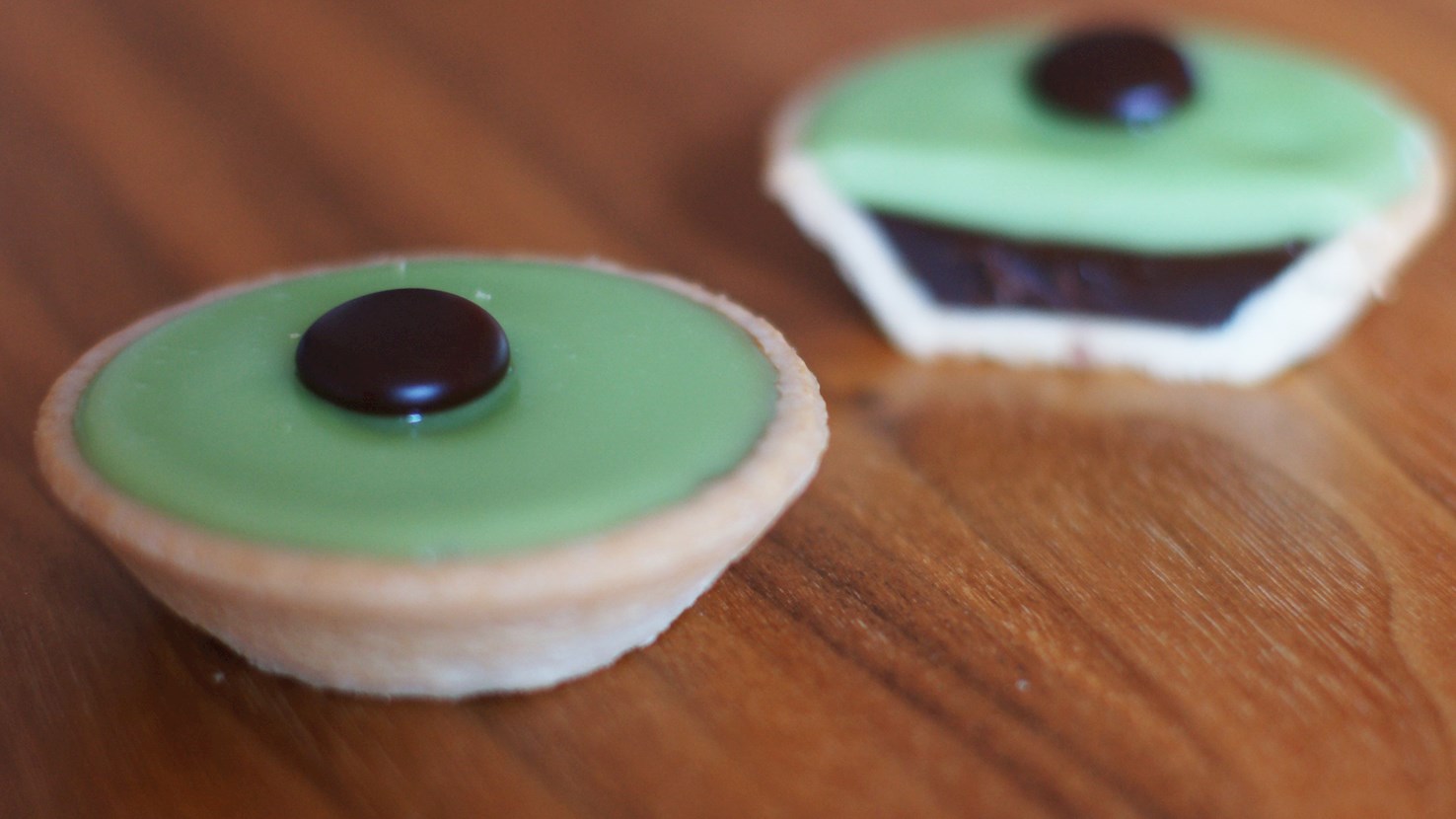
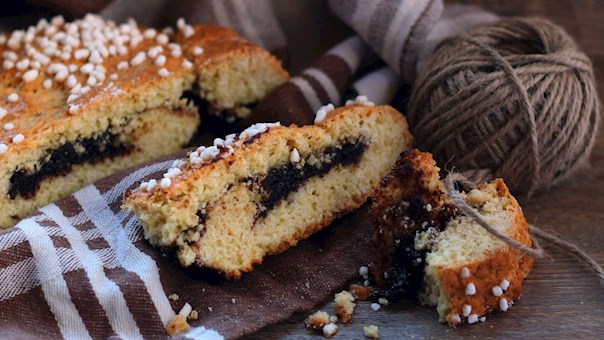
Carac is a small Swiss pastry prepared with shortbread pie crust, chocolate, cream, and green icing. It is especially popular in the French part of the country. Even though most of these pastries are prepared in smaller sizes, they can also be enlarged for festive events and gatherings, when they are served sliced, just like regular pies or cakes. The origin of carac is still quite murky, but it is known that the pastry was available in the early 20th century, while the name carac is phonetically linked to caraque, referring to a type of cocoa of high quality.
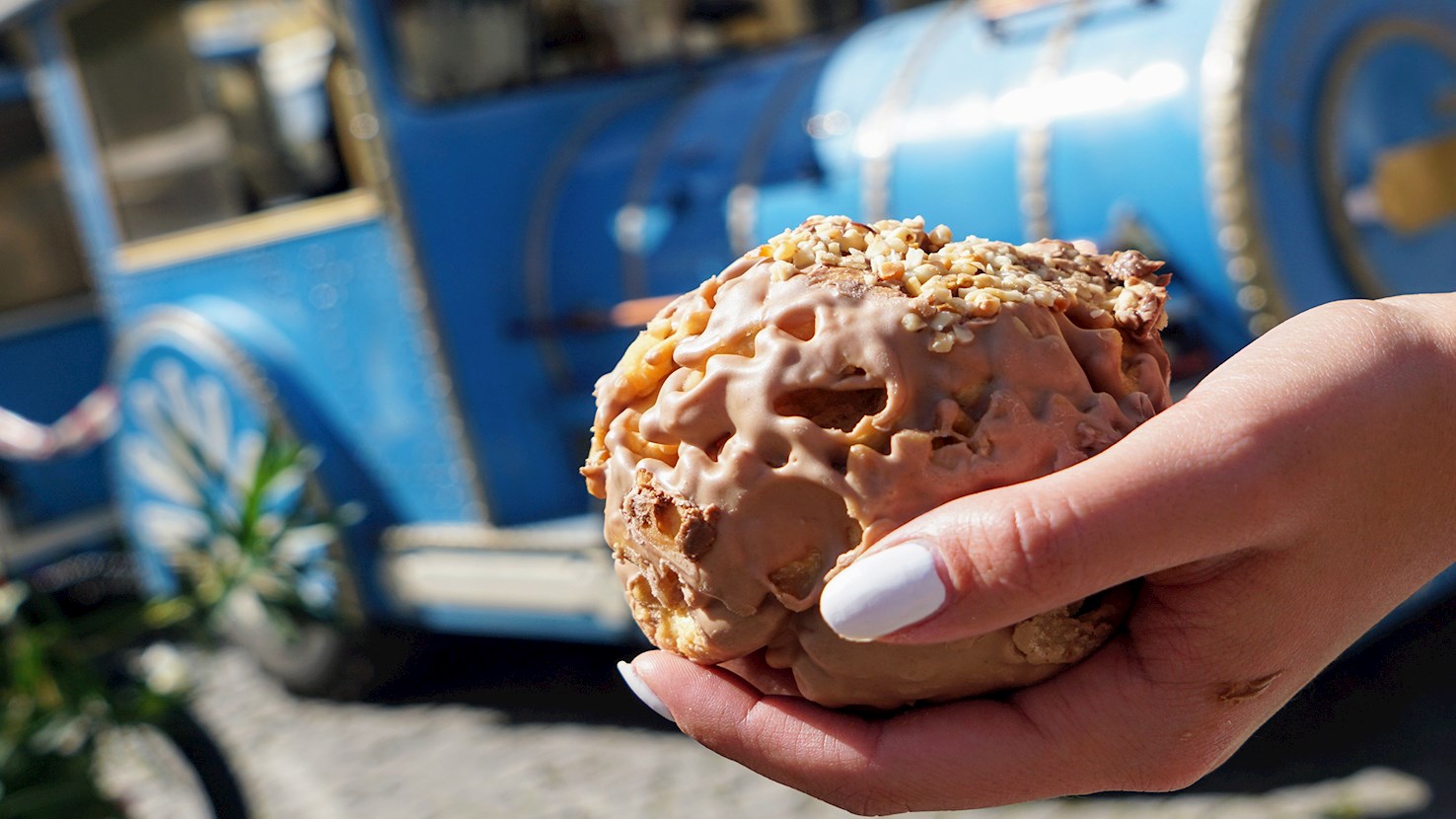
This German specialty consists of thin strips of shortcrust pastry that are loosely intertwined and wrapped into balls which are deep-fried until golden and crispy. Traditional versions are dusted with sugar, but there are also variations may be covered in chocolate glaze or different combinations of nuts, coconut, cinnamon, or marzipan. Schneeballen, which translates as snowballs, are traditionally associated with Rothenberg ob der Tauber, but they can be found throughout Bavaria. Although they were once enjoyed only on special occasions, nowadays they are a staple at numerous Bavarian pastry shops.
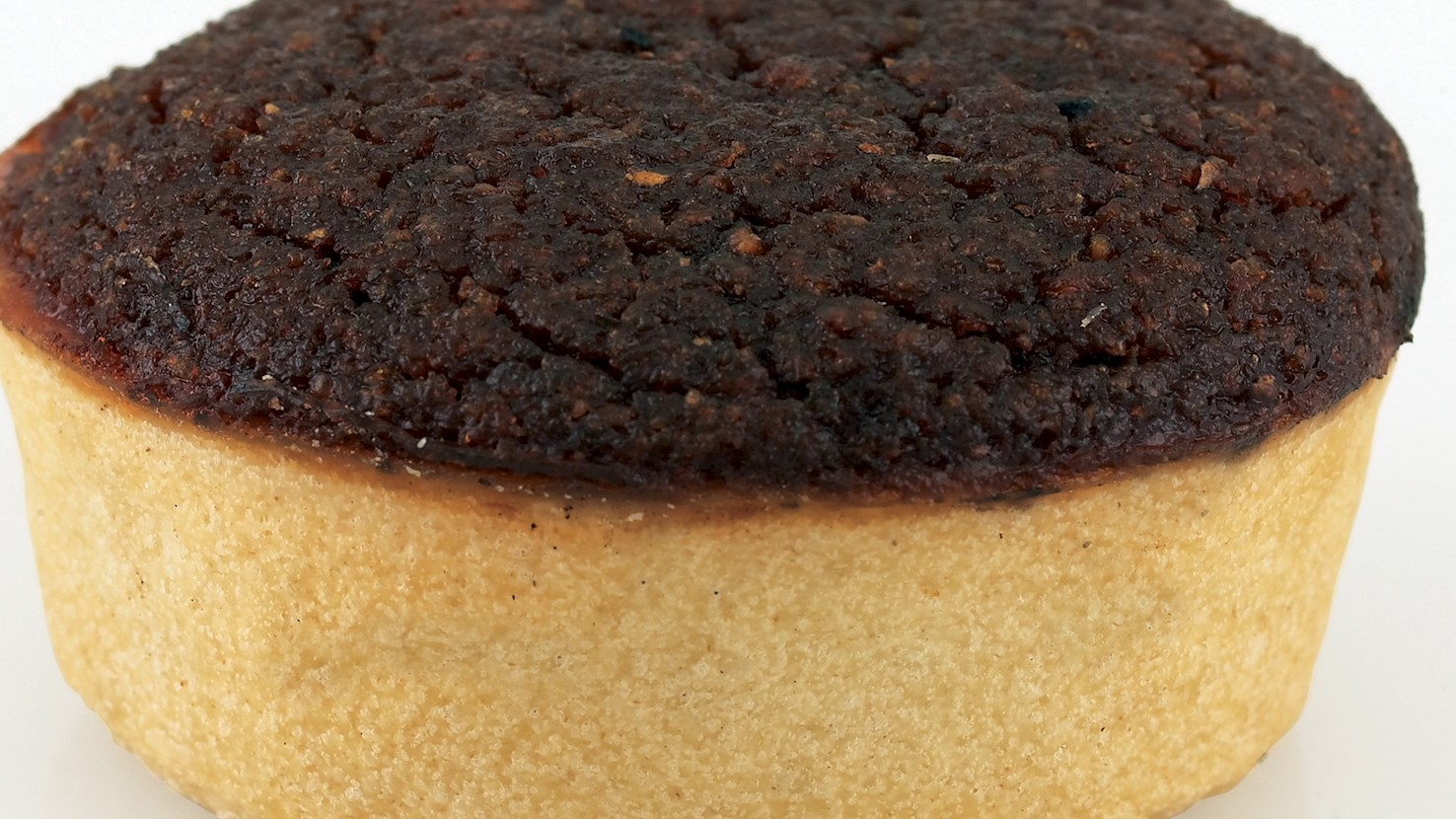
One of the most famous Belgian desserts, this sweet and spicy, tart-shaped filled pastry is prepared exclusively in the Flemish town of Lier. The delectable Liers vlaaike consists of thin, pâté brisée crust filled with a thick, creamy purée—the base is a typical, unsweetened shortbread pie crust, while the aromatic filling consists of coarse breadcrumbs, candy syrup, milk, and flour. However, the spicy flavor of vlaaike tarts comes from a secret combination of spices including cinnamon, cloves, nutmeg, and coriander. The original recipe is believed to be more than 300 years old, which makes Liers vlaaike one of the oldest baked goods from the province of Antwerp.
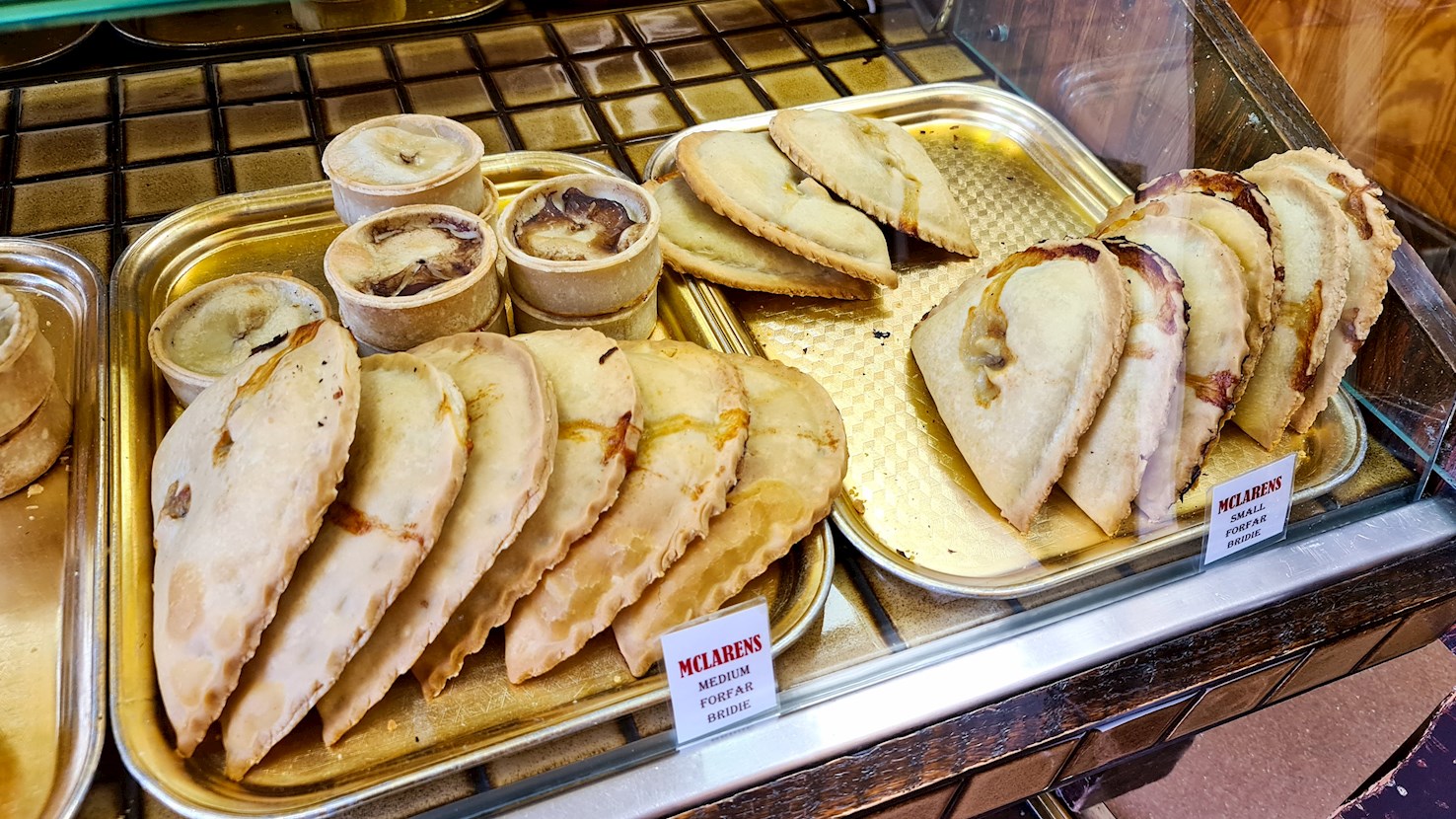
Named after the county town of Angus, where they originated in the 18th century as Scotland's answer to the already famed Cornish pasty, bridies are shortcrust pastry turnovers traditionally filled with chunks or strips of beef that was browned in suet with chopped onions. As the local stories claim, the delicious Forfar bridies took the other part of their name from a certain Margaret Bridie of Glamis who sold them at Forfarshire's weekly market. In 1896, they were mentioned in James Matthew Barrie's novel Sentimental Tommy, which made them popular across Scotland, and over time it has become a tradition to eat bridies for lunch on Saturdays.
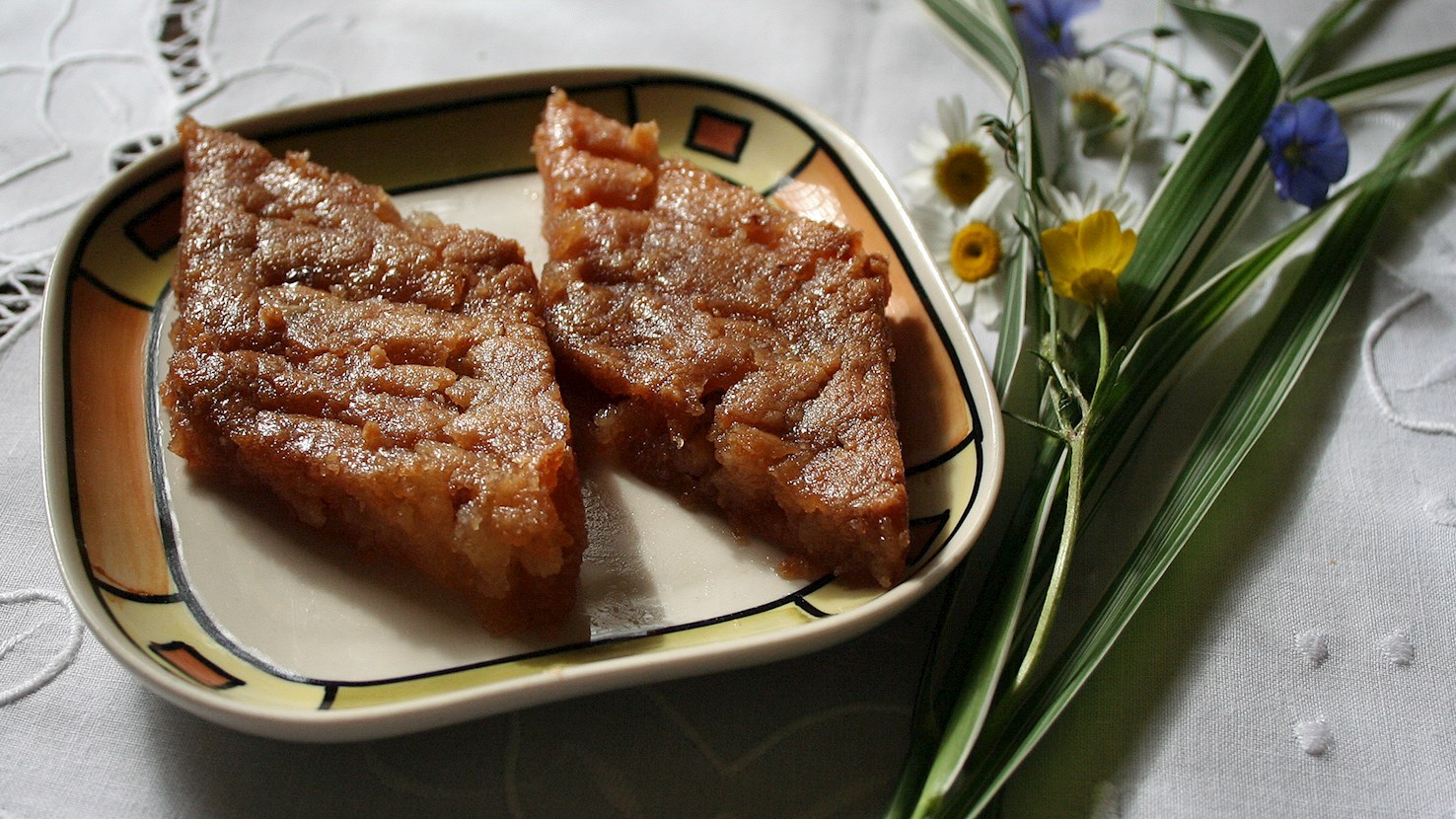
Tespishte is a dense, syrup-soaked dessert cake characterized by its heavy use of fat and a unique scoring pattern, originating from the Kosovo, with particular prominence in the city of Prizren. The composition of the dessert is a regional adaptation of Ottoman confectionery techniques, where the availability of walnuts and dairy fats in the Sharr mountain foothills influenced the modification of semolina or flour-based sweets into a more substantial, baked form. The preparation begins with the heating of a significant volume of oil or melted butter combined with milk or water, which is then integrated with wheat flour and occasionally finely ground walnuts to create a thick, pliable dough. This dough is pressed into a circular or rectangular baking pan and smoothed to a uniform thickness. Before baking, the surface is deeply scored into a diamond or lozenge pattern, which serves the functional purpose of increasing the surface area for syrup absorption. During the baking process at temperatures between 180°C and 200°C, the high fat content induces a shortbread-like texture while the exterior develops a deep golden-brown color due to the Maillard reaction. Immediately after the cake is removed from the oven, a cold sugar syrup (sherbet) is poured over the hot pastry, allowing the porous structure to saturate completely without becoming overly soft. A specific property of tespishte is its shelf stability; the high concentration of sugar and fat prevents rapid microbial spoilage, allowing it to be stored for several days without refrigeration. The dessert is served at room temperature, typically in the individual diamond-shaped portions defined by the pre-baking scoring. It is eaten as a concluding course for festive meals or during significant social events such as weddings or religious observances. Functional pairings include a garnish of crushed walnuts or a small portion of heavy cream (kaymak) to provide a textural contrast to the syrup-laden crumb. Beverage pairings focus on counteracting the intense sweetness of the cake, with bitter Turkish coffee or strong, unsweetened black tea being the standard choices to cleanse the palate.
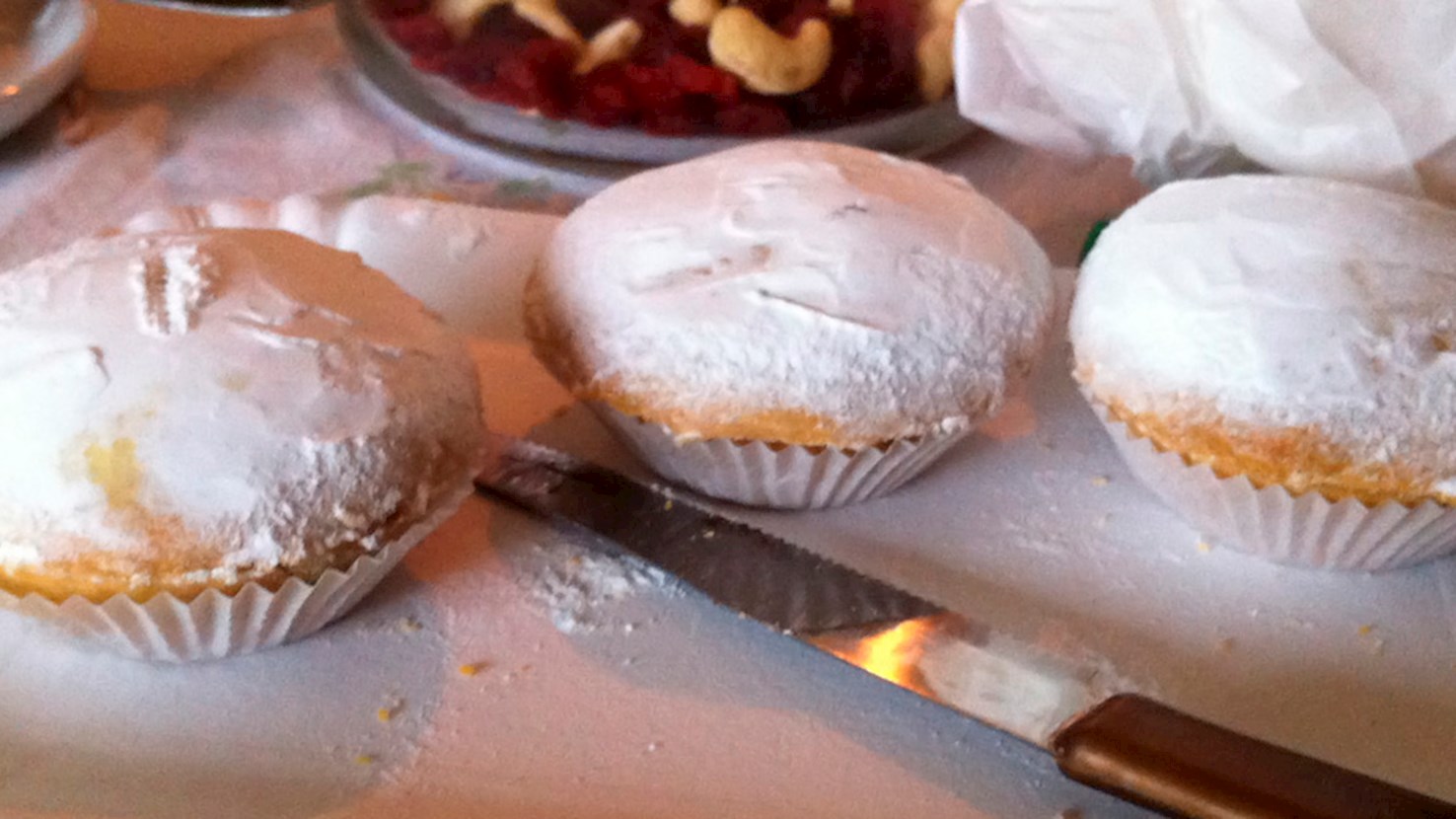
Bocconotto is a small Italian dessert consisting of a shortcrust pastry shell filled with various ingredients depending on the region. In Abruzzo, it is filled with chocolate, almonds, and fruit jam, while in Apulia, the tartlet is filled with black cherries and pastry cream. These sweet treats are often sprinkled with confectioners' sugar on top and are traditionally consumed at Christmas.
TasteAtlas food rankings are based on the ratings of the TasteAtlas audience, with a series of mechanisms that recognize real users and that ignore bot,
nationalist or local patriotic ratings, and give additional value to the ratings of users that the system recognizes as knowledgeable.
For the “Top 15 European Shortcrust Pastries” list until May 16, 2026, 561 ratings were recorded, of which 420 were recognized by the system as legitimate.
TasteAtlas Rankings should not be seen as the final global conclusion about food. Their purpose is to promote excellent local foods,
instill pride in traditional dishes, and arouse curiosity about dishes you haven’t tried.