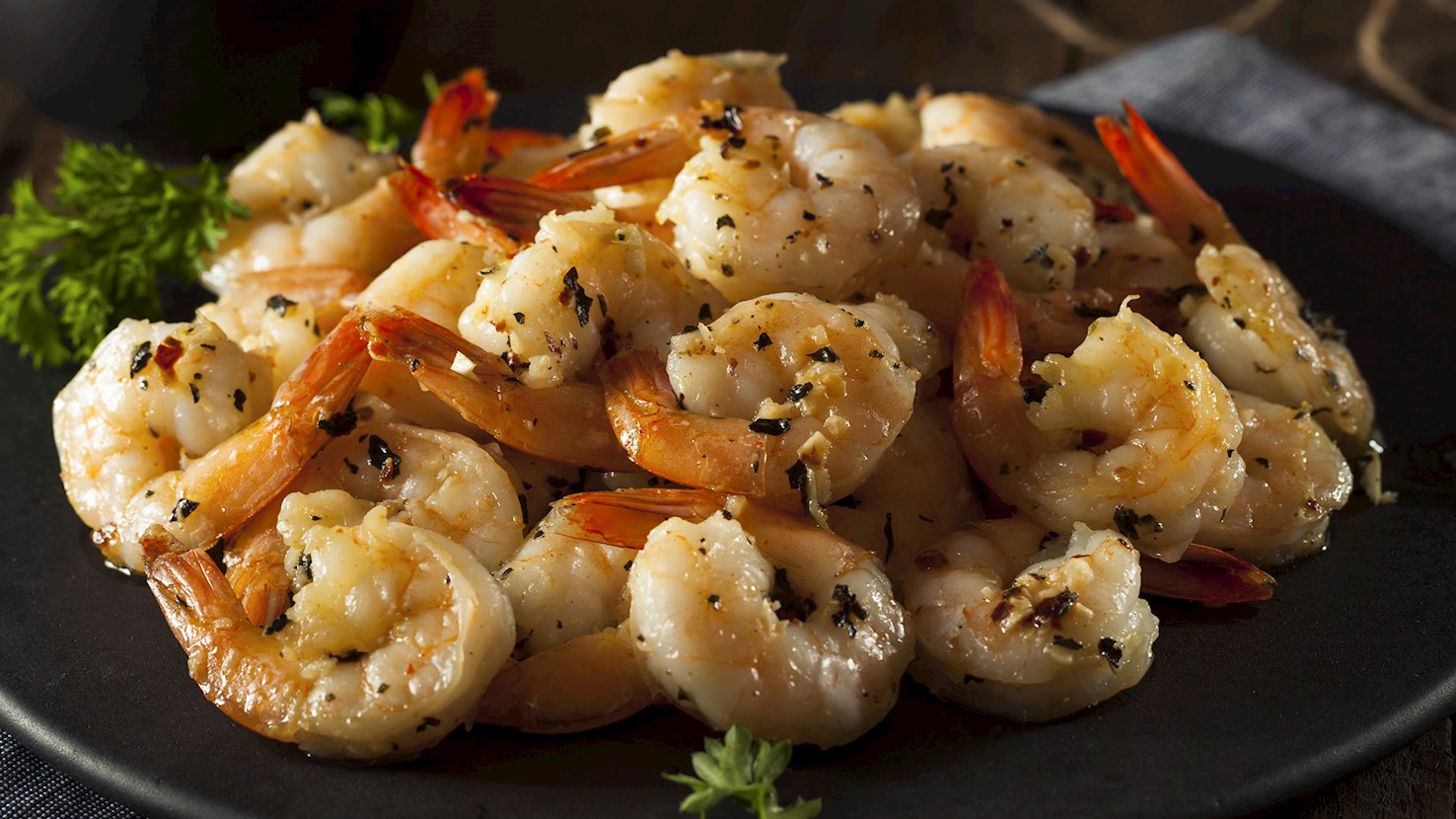
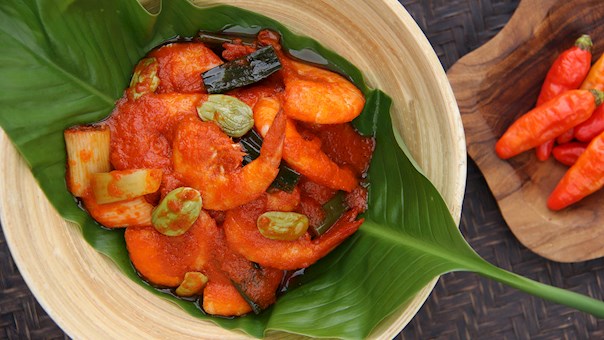
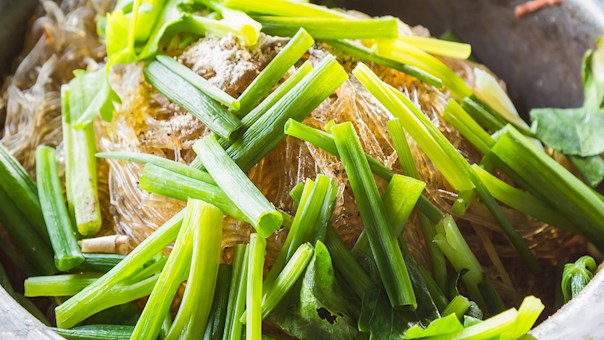
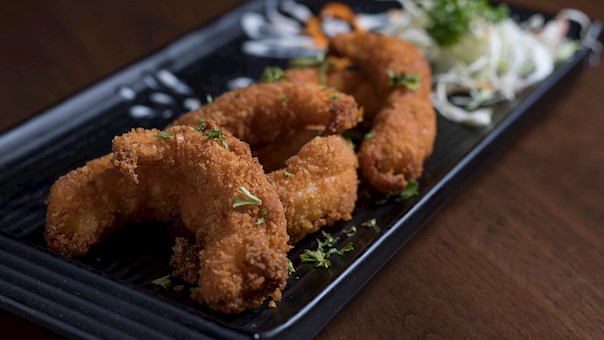
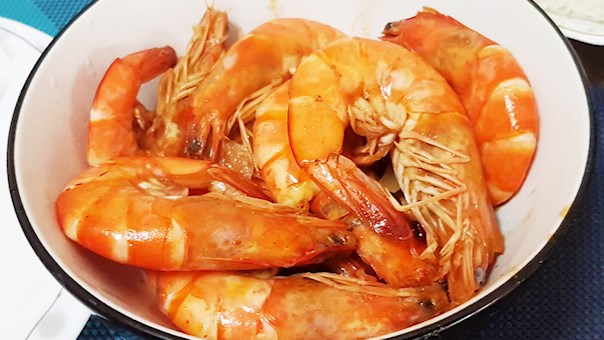
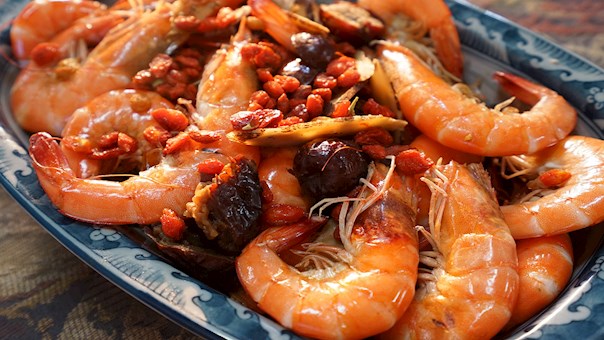
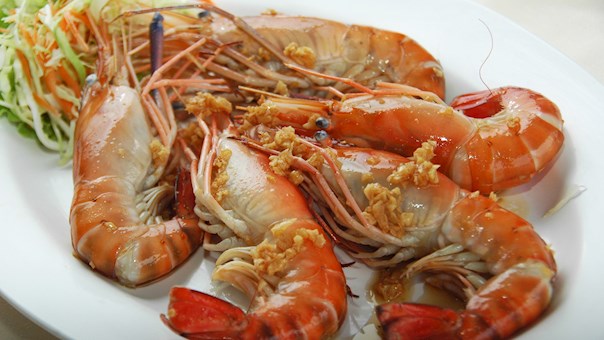
Stir-fry shrimps or you bao xia is a Chinese dish where whole shrimps are stir-fried in a wok until crispy. They are then soaked in a savory sauce that typically consists of chicken broth, black vinegar, sesame oil, sugar, and Shaoxing wine. Scallions and ginger slices are often used during the cooking process, but they might also be used as garnishes before the dish is served. Stir-fry shrimps are especially popular at Chinese New Year celebrations.
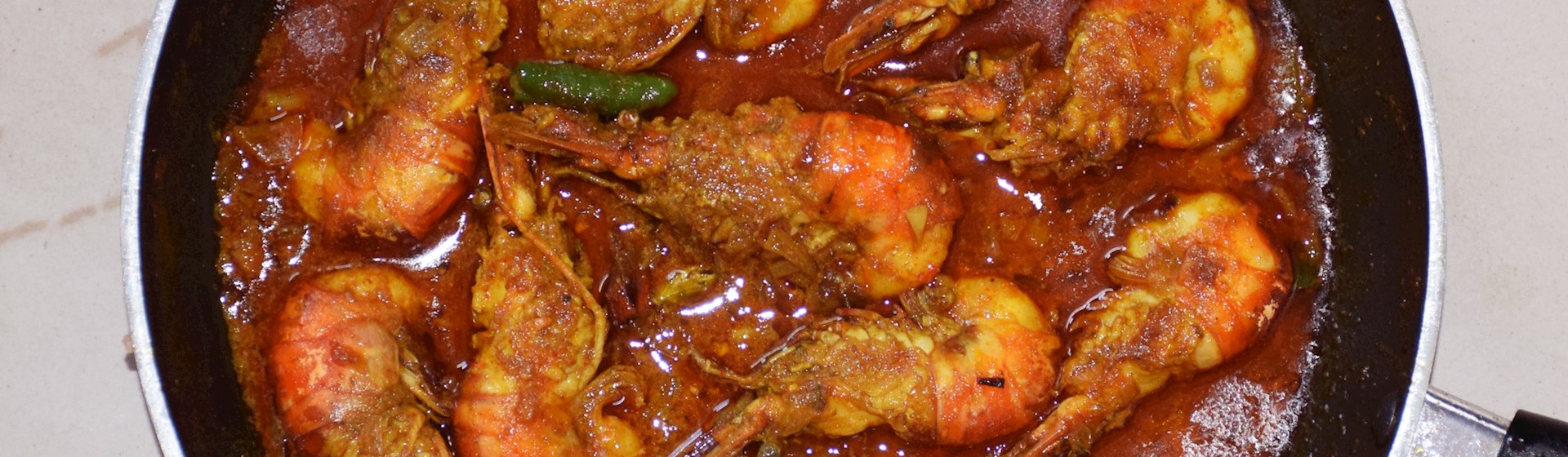
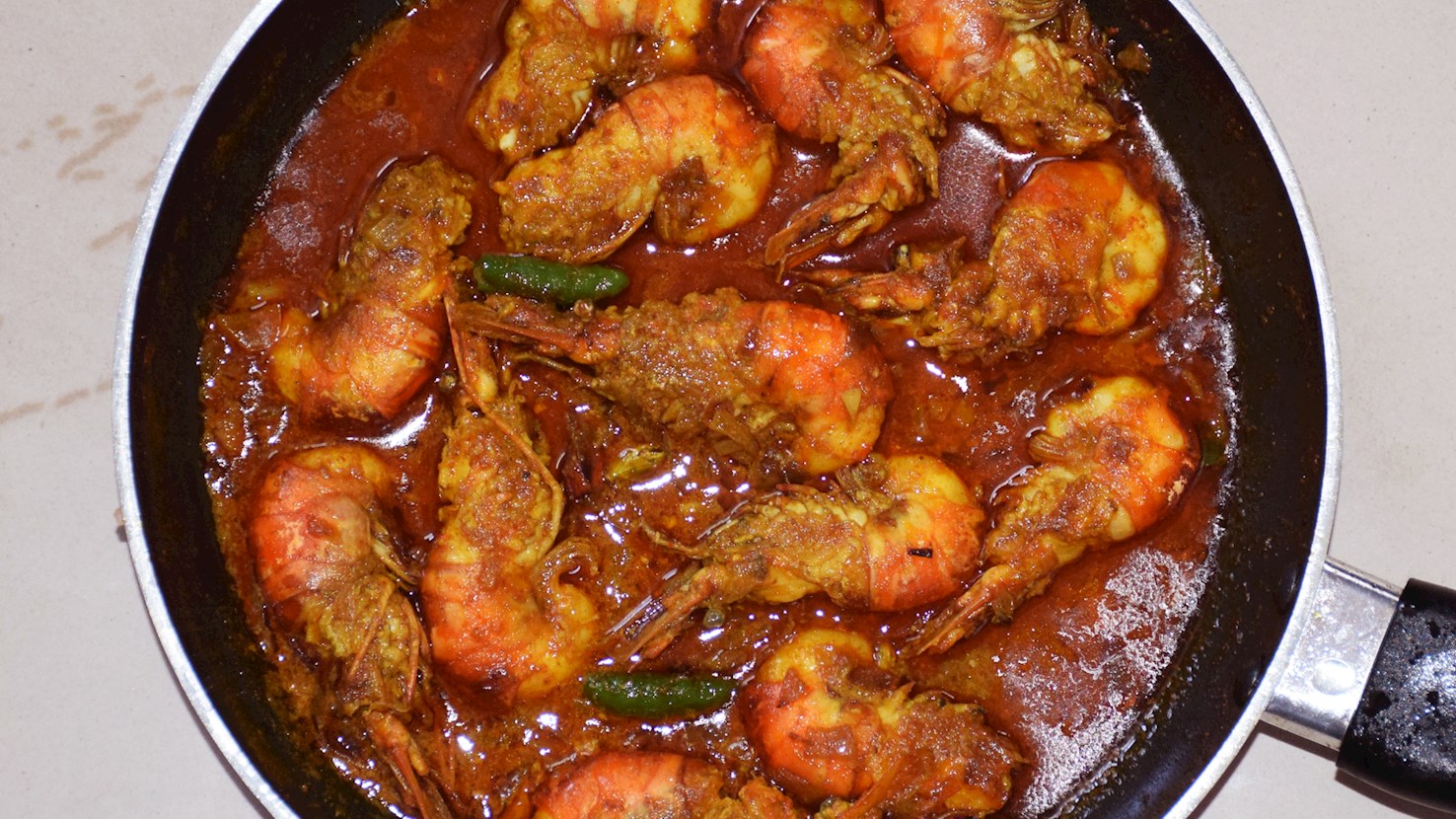
Chingri Malai curry is a traditional curry originating from the Bengal region. It’s made with a base of coconut milk and prawns that are seasoned with garam masala spices and fried in ghee or mustard oil with onions, hot chili peppers, garlic-ginger paste, and turmeric. If desired, red chili powder, cinnamon, sugar, and cardamom can be added to the curry in order to further enrich the flavors. The dish is cooked until the gravy becomes thick and creamy, and it is then served hot, usually with rice on the side. It is believed that this curry made its way to Bengali kitchens through contact with Malaysian traders, hence the name. Nowadays, it’s prepared during weddings and similar festive events.
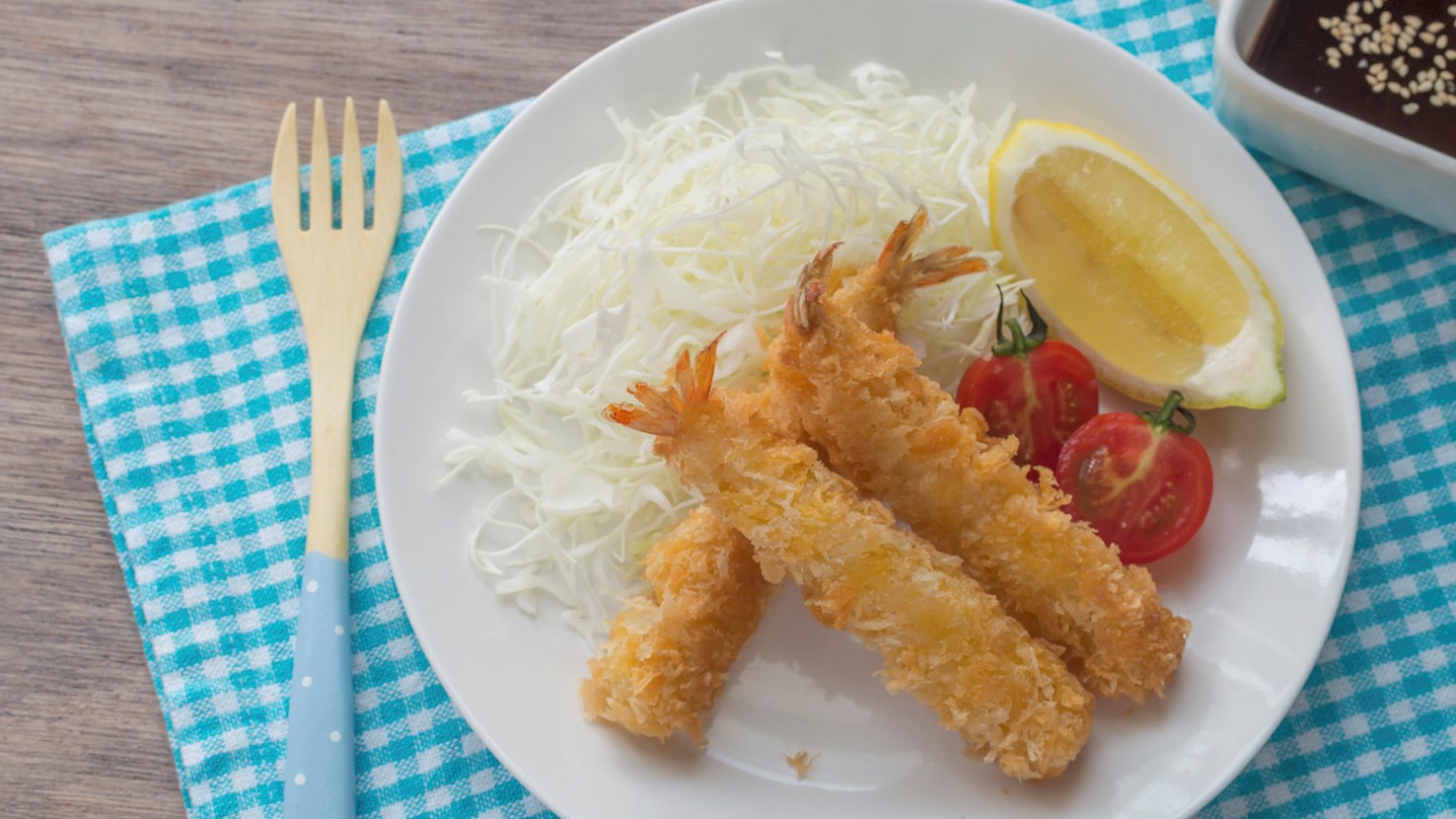
These large prawns are typically dipped in egg wash, coated in panko breadcrumbs, then deep-fried. They are one of the most popular yōshoku dishes; western-inspired Japanese meals which originated during the Meiji Restoration between the 1860s and the early 1900s. Ebi furai falls into the kawari-age category of breaded, deep-fried foods, and it is also regarded as a meibutsu, which is a Japanese term for famous foods associated with particular regions, as these fried prawns are one of Nagoya's signature dishes. Traditionally, kuruma ebi or Japanese tiger shrimps were used for preparing ebi furai, but due to a decline in their cultivation, Nagoyans have started using black tiger shrimps or even the Japanese spiny lobster called ise ebi, which can measure up to a whopping 30 centimeters in length. Ebi furai is usually served with shredded cabbage, garnished with a lemon wedge, and enjoyed with either tartar, hoisin, or Worcestershire sauce. It is either ordered à la carte or served in a bento box, a single-portion takeout meal common in Japanese cuisine, and some places even offer these delicious shrimp fritters as ebi-sando (shrimp sandwich) and ebi-dog (shrimp hot dog), while the most impressive variety is the so-called maki ebi furai: deep-fried prawns rolled and sliced in the style of maki sushi. The dish can easily be found not only in Nagoya, but all over the country, in virtually any seafood-orientated izakaya gastropub and every restaurant that sells yōshoku foods.
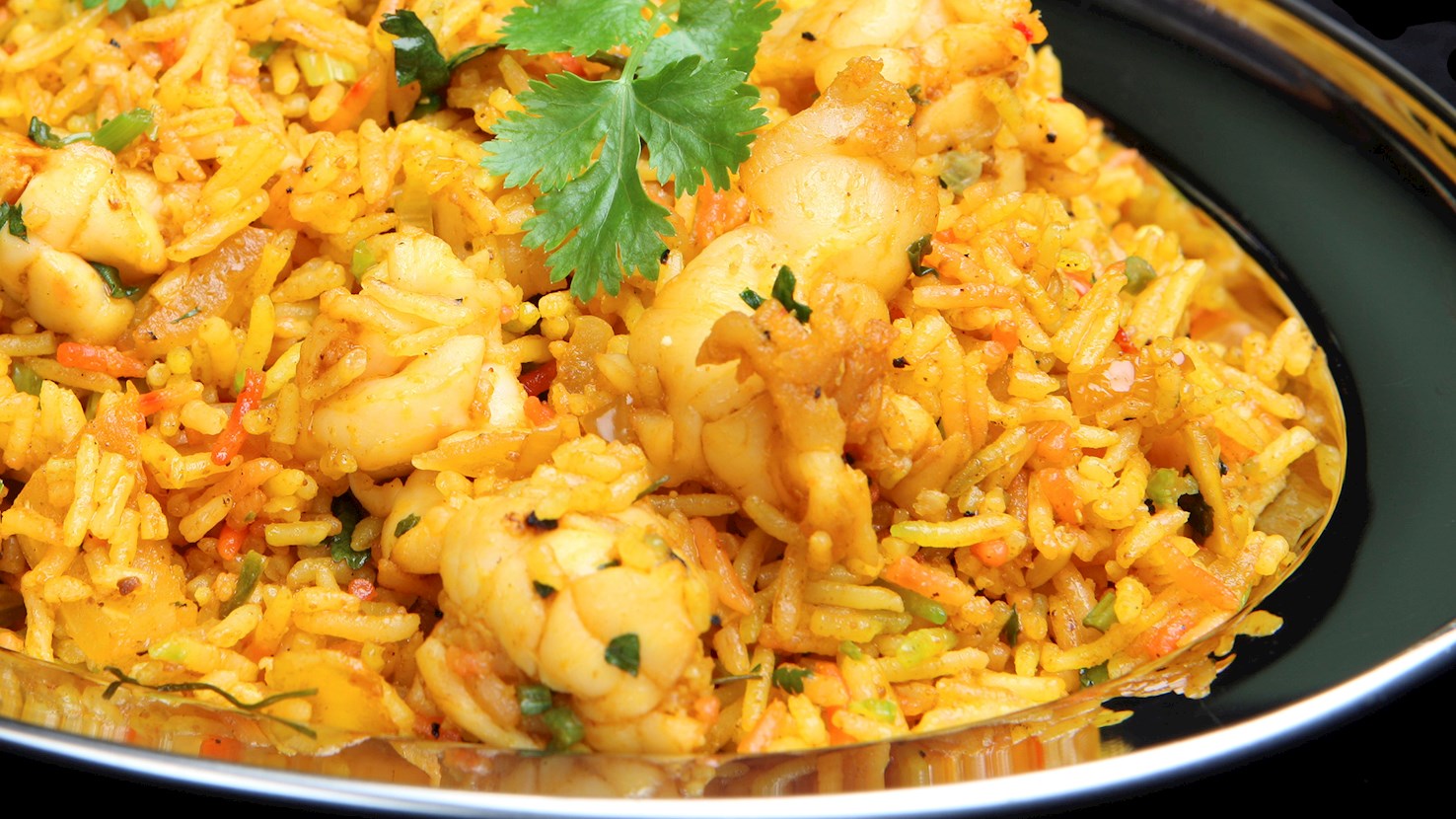
Meygoo polo is a fragrant rice dish from southern Iran, especially popular in the coastal provinces along the Persian Gulf, where shrimp fishing has shaped both the economy and the regional cuisine. The name combines meygoo, meaning shrimp, and polo, referring to Iranian-style pilaf. The roots of meygoo polo are linked to the long history of fishing communities in Bushehr, Hormozgan, and Khuzestan. For centuries, shrimp have been caught in the warm Gulf waters and preserved by sun-drying or salting. While seafood stews and grilled fish were common, the practice of combining shrimp with seasoned rice gradually developed as rice cultivation expanded inland and trade routes made spices more accessible. Over time, meygoo polo became a familiar part of household meals and festive gatherings, especially during periods when fresh shrimp was abundant. Preparing meygoo polo begins with cleaning and deveining fresh shrimp, which are briefly marinated in a blend of turmeric, lime juice, and sometimes a pinch of chili powder. Separately, onions are gently fried in oil until golden. Tomato paste and additional spices such as ground coriander, cinnamon, and black pepper are stirred in to create a base sauce. The marinated shrimp are quickly sautéed just until pink and lightly cooked. Meanwhile, long-grain Iranian rice is parboiled, drained, and layered in a pot with the spiced shrimp mixture. A little saffron water is sprinkled over the top before the pot is covered and steamed gently to finish cooking and infuse the rice with flavor. Meygoo polo is often served on a large platter, topped with extra saffron rice for color contrast. A side of torshi (pickled vegetables), fresh herbs, and yogurt helps balance the richness of the dish. In coastal towns, it is common to find it accompanied by local flatbread and sometimes a squeeze of fresh lime juice.
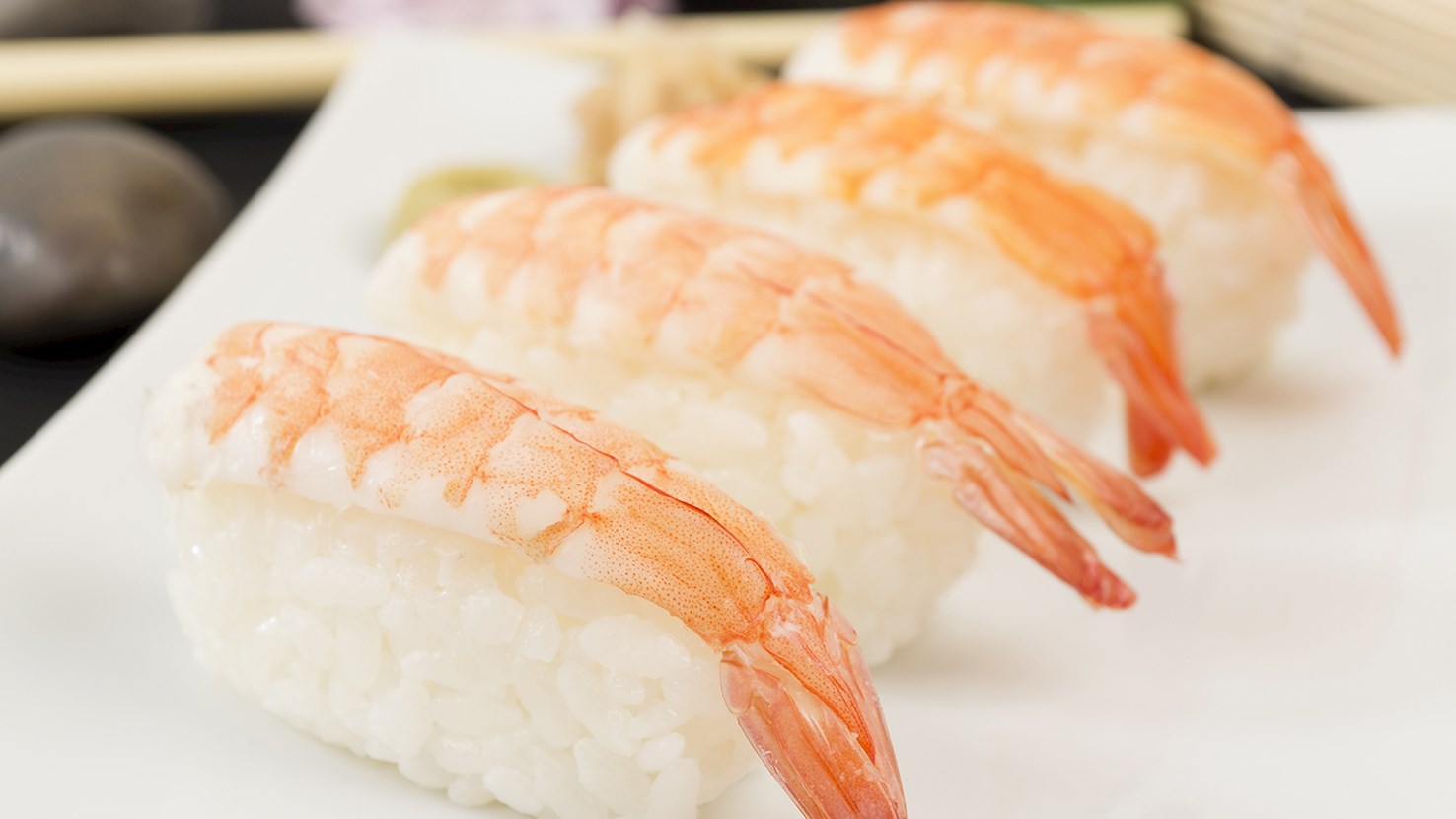
Ebi nigiri is a traditional type of nigiri sushi. It consists of hand-pressed sushi rice that's topped with butterflied shrimp. Any large shrimp will do, but kuruma ebi (Penaeus japonica) is said to be the best. The shrimp is skewered, boiled, chilled in ice (just until the exterior is cold, while it remains warm inside), and it's sometimes marinated in ginger juice in order to become more firm and have a bit more flavor. The tail is left intact for presentation purposes. This nigiri sushi is often served with wasabi or pickled ginger (gari).
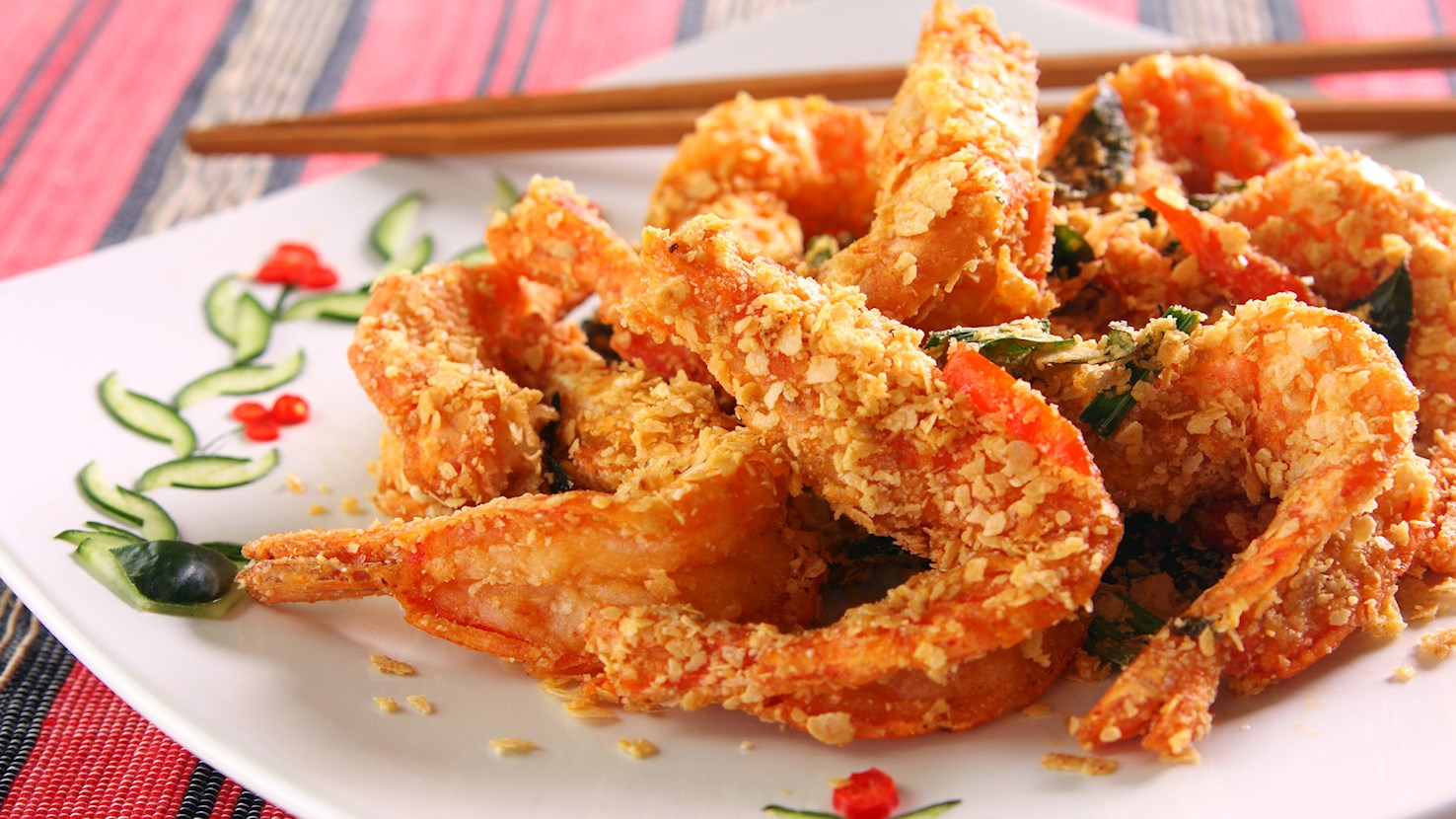
This Singaporean dish consists of crispy fried prawns that are doused in a rich combination of butter, crushed and toasted cereals, curry leaves, and chilis. Even though it is easily prepared at home, the dish is a staple at hawker centers and restaurant throughout Singapore and Malaysia. Cereal prawns are occasionally served topped with a heap of toasted, almost sand-like cereals, and they are always enjoyed hot.
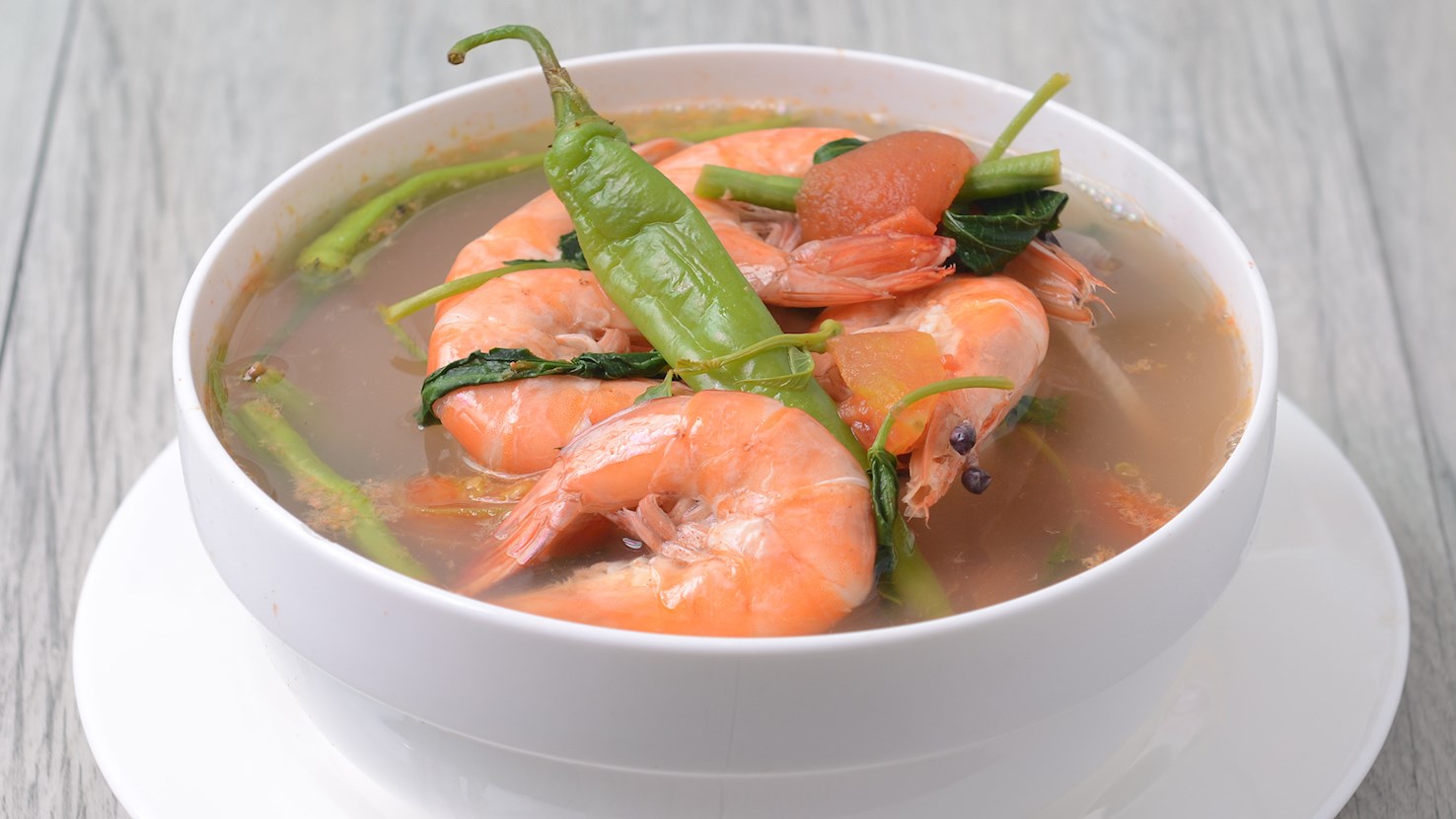
Sinigang na hipon is a Filipino shrimp soup characterized by its sour and strongly savory flavor. In addition to shrimp, this dish contains a great variety of vegetables, including onions, tomatoes, string beans, banana peppers, water spinach, taro, radishes, and ladies’ fingers, with ginger and fish sauce being added for extra flavor. Sinigang’s signature sour flavor comes from tamarind, but other natural souring agents, such as green mango, guava, santol, calamansi, bilimbi, or pineapple can also be used. Sinigang na hipon is very popular in the Philippines, where it is considered a homemade specialty. It is traditionally served hot with rice and fish sauce on the side.
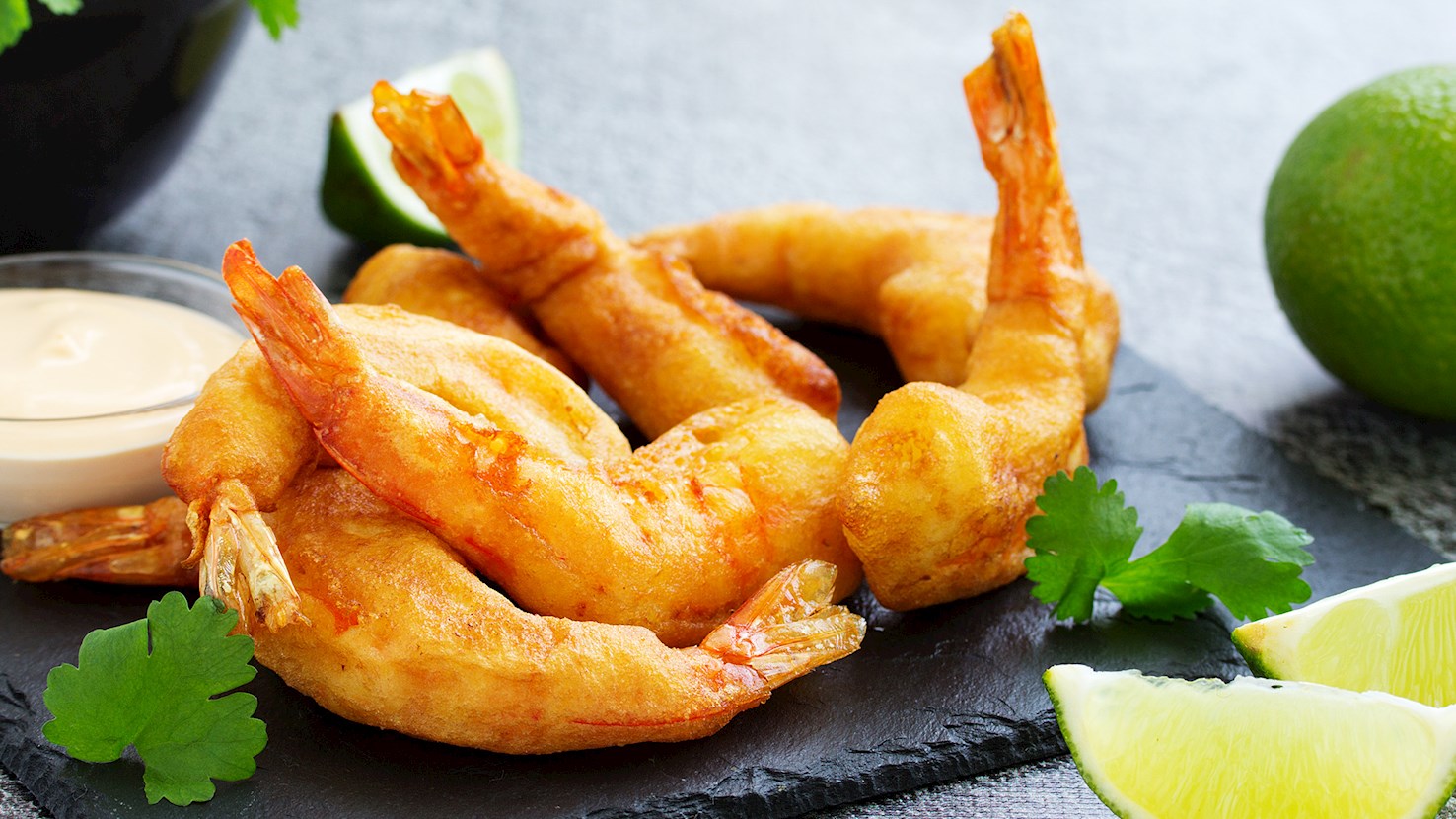
A specialty of Anhui cuisine, phoenix tail shrimp consists of crispy-fried, battered shrimps. It is typically prepared with large freshwater shrimps that have been shelled and deveined but with their tails left intact. Once cleaned, the shrimps are coated with a batter of flour, water, and seasonings, leaving the tails exposed before they’re fried to crispy perfection. The frying process makes the shrimps' tails bright red, crispy, and tilted upward, giving them a close resemblance to a phoenix's tail, hence the name phoenix tail shrimp. In China, these deep-fried crustaceans are typically enjoyed hot, accompanied by lemon wedges and a variety of dipping sauces on the side. Phoenix tail shrimps are usually eaten as snacks or appetizers.
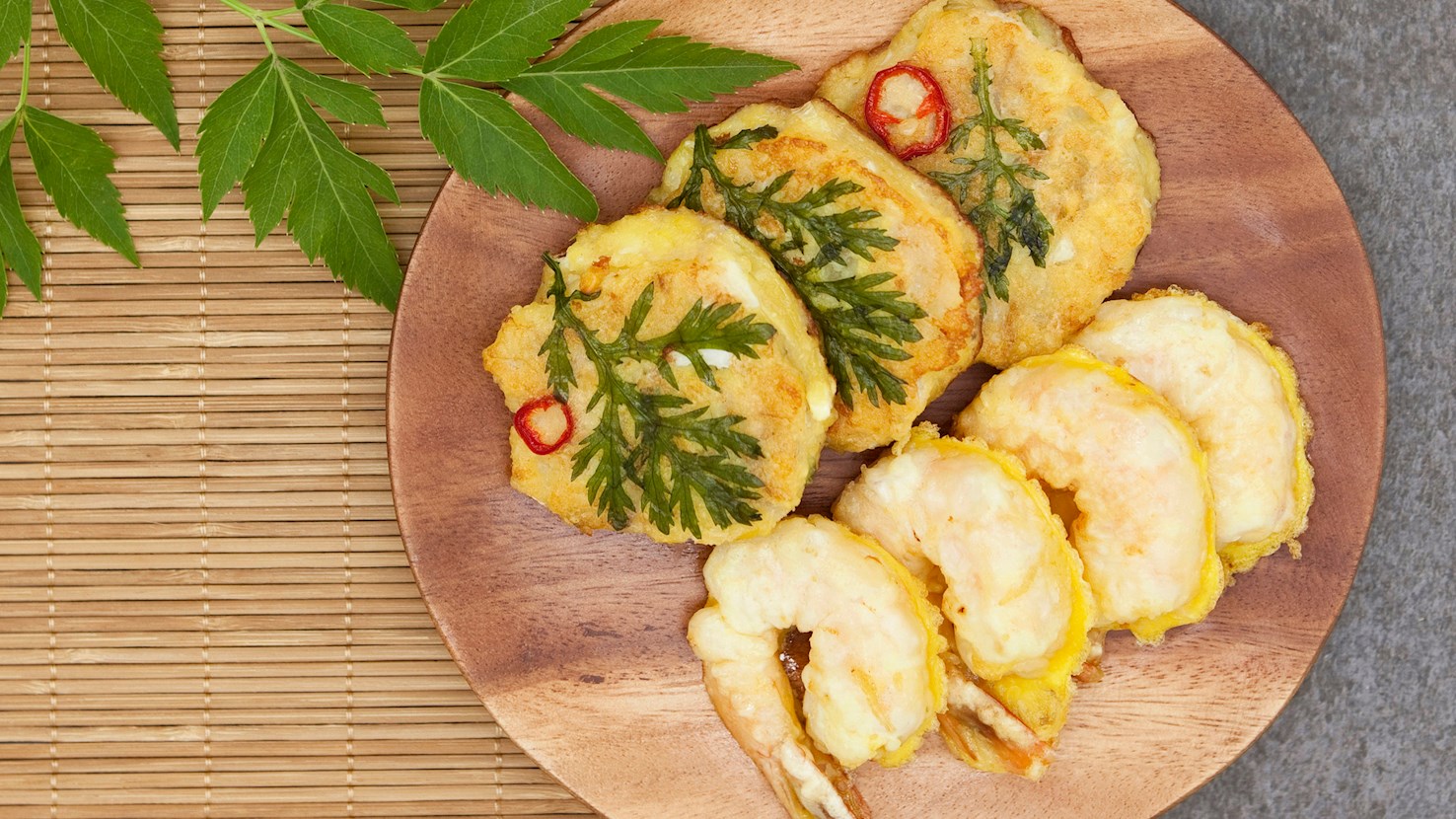
Saewoojeon is a traditional dish originating from South Korea. This type of jeon (pan-fried battered food) is made with a combination of shrimps, flour, eggs, salt, white pepper, and oil. The shrimps are cleaned and then sprinkled with salt and pepper, coated with flour, and dipped in beaten eggs. Once battered, they are pan-fried in hot oil on both sides until golden brown. Saewoojeon is served hot as a snack or an appetizer with a dipping sauce on the side.
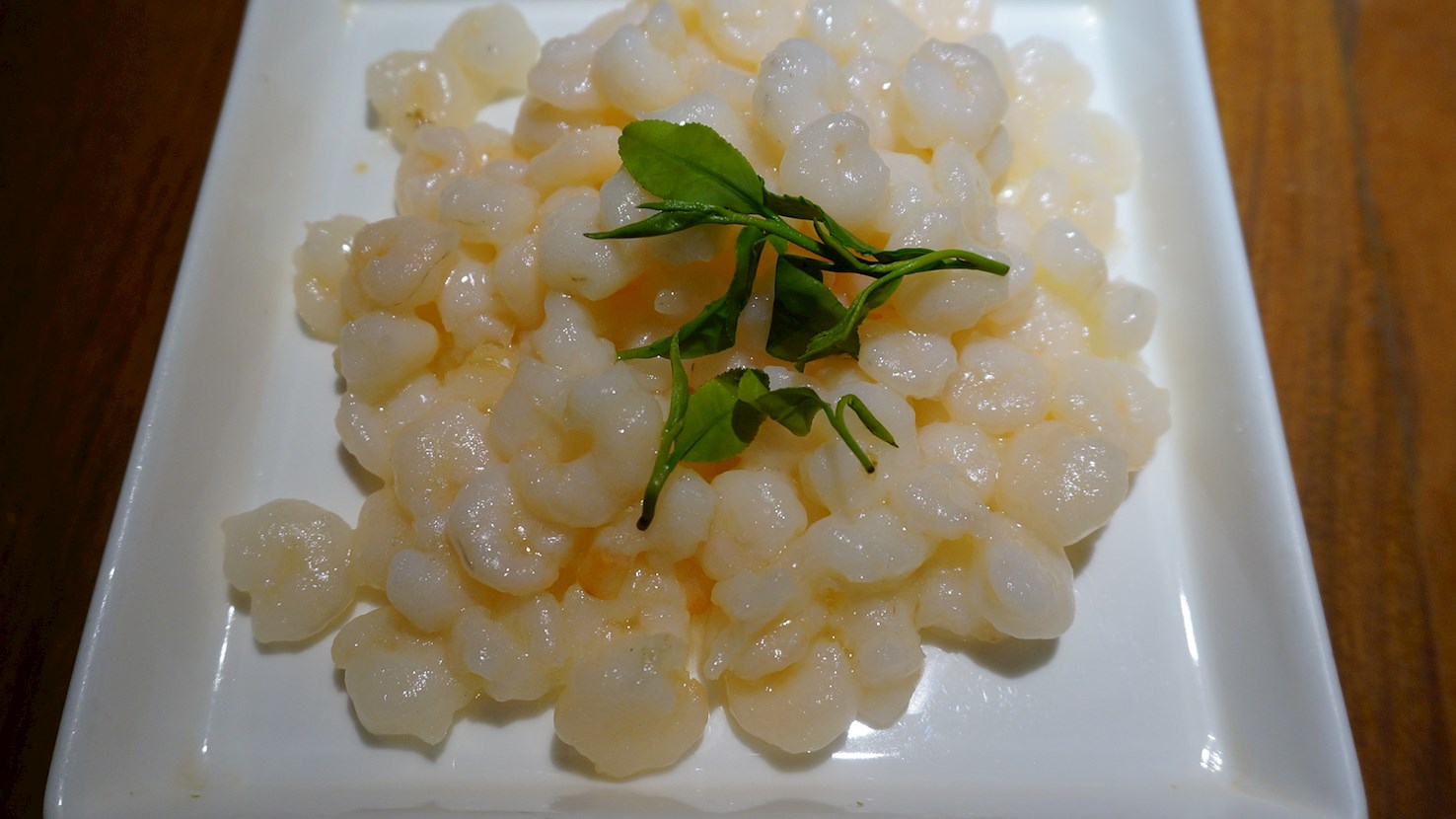
Regarded as a specialty of Hangzhou city, fried shrimps with Longjing tea is one of the best-known dishes of Zheijang cuisine that makes use of the outstanding Longjing tea. Large live shrimps are first soaked in a marinade of egg whites, cornstarch, and rice wine, and then cooked along with steeped Longjing tea. The fragrant and refreshing green shoots of Longjing tea beautifully complement the delicious white shrimps, giving this authentic dish an exquisite flavor. These stir-fried shrimps are served hot or chilled, drizzled with the cooking liquid and seasoned with salt and pepper to taste.
TasteAtlas food rankings are based on the ratings of the TasteAtlas audience, with a series of mechanisms that recognize real users and that ignore bot,
nationalist or local patriotic ratings, and give additional value to the ratings of users that the system recognizes as knowledgeable.
For the “Top 24 Asian Shrimp and Prawn Dishes” list until May 16, 2026, 747 ratings were recorded, of which 601 were recognized by the system as legitimate.
TasteAtlas Rankings should not be seen as the final global conclusion about food. Their purpose is to promote excellent local foods,
instill pride in traditional dishes, and arouse curiosity about dishes you haven’t tried.