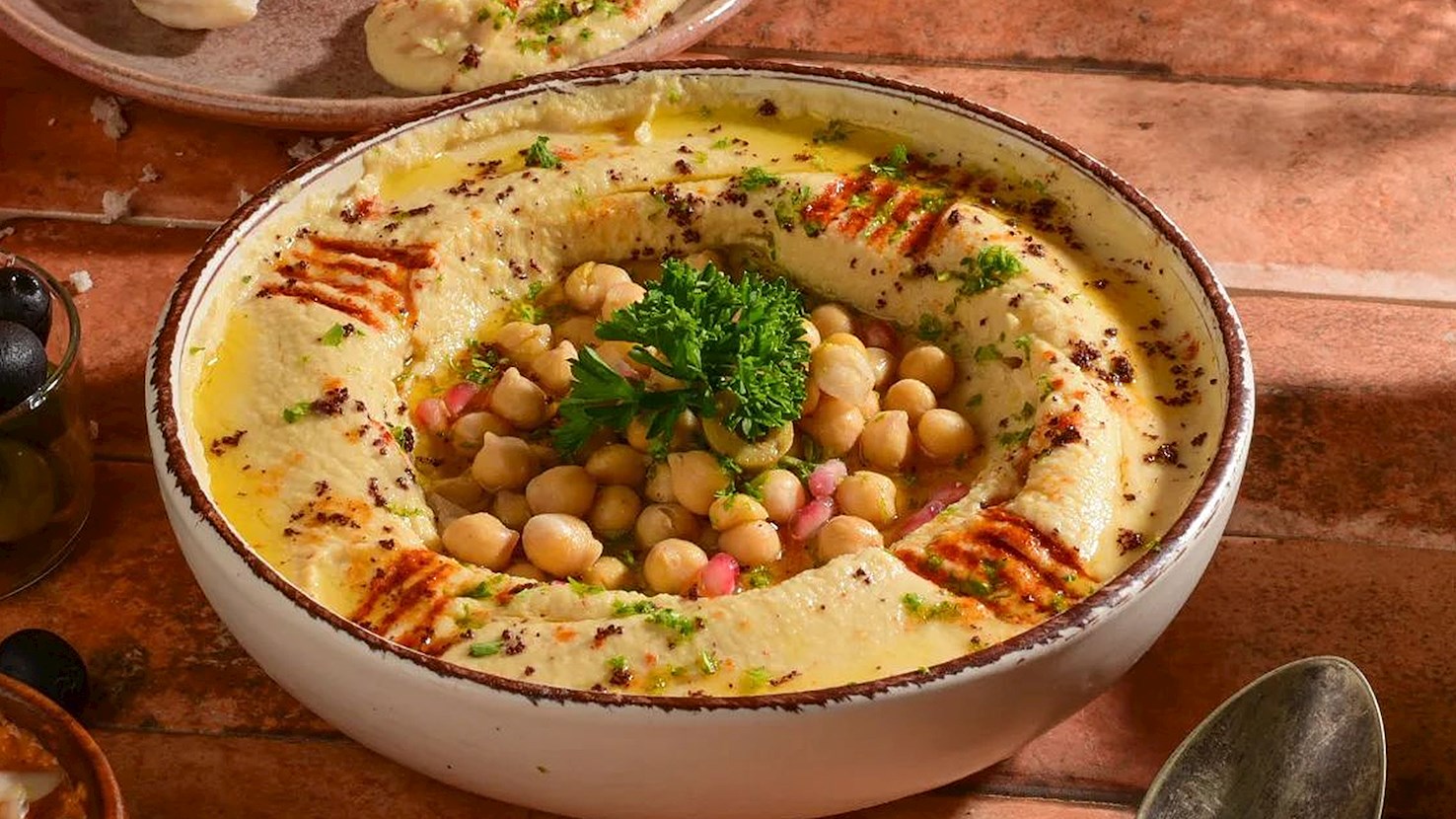
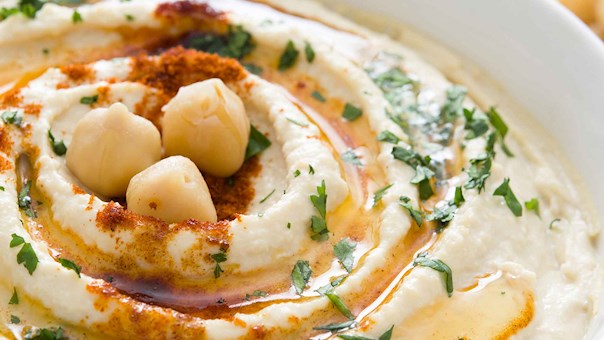
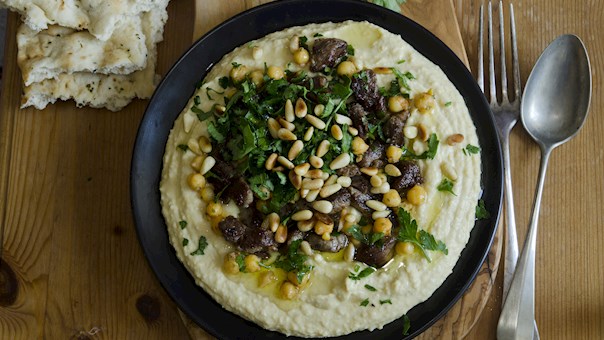
Hummus Beiruti is a Lebanese version of hummus, the famous chickpea-based dip. This version adds a large amount of garlic and spices to it. It’s usually made with a combination of chickpeas, olive oil, garlic, yogurt, tahini, cold water, cumin, lemon juice, chili peppers, chopped parsley, and paprika. Once prepared, this hummus version is plated and garnished with a drizzle of olive oil, chopped parsley, and mint leaves. Hummus Beiruti is served with freshly baked pita or lavash flatbread.
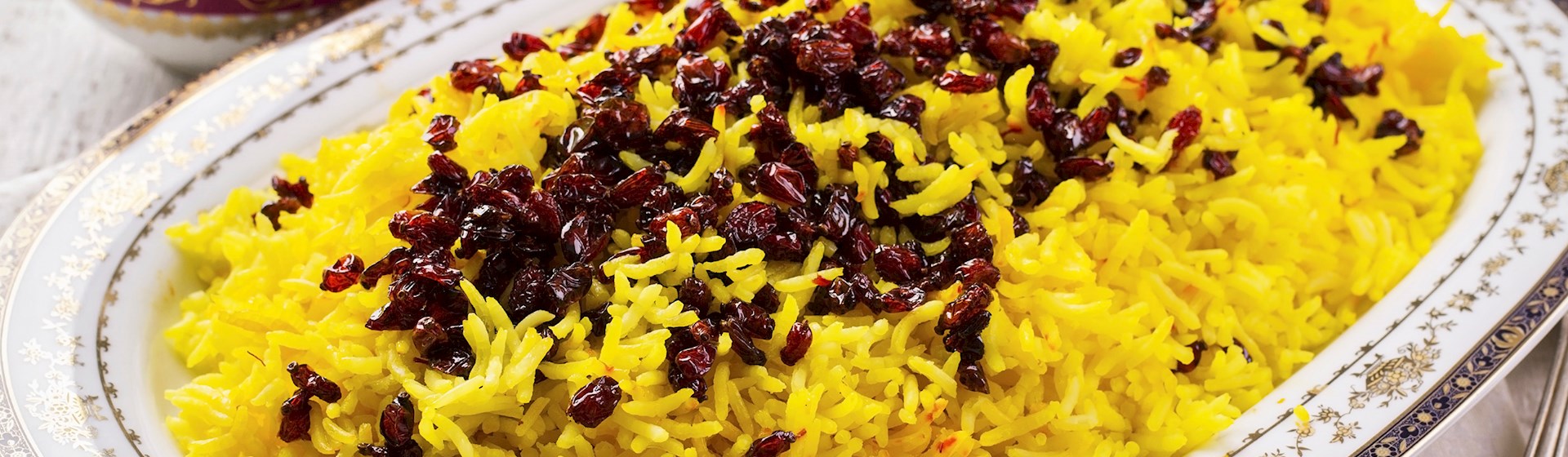
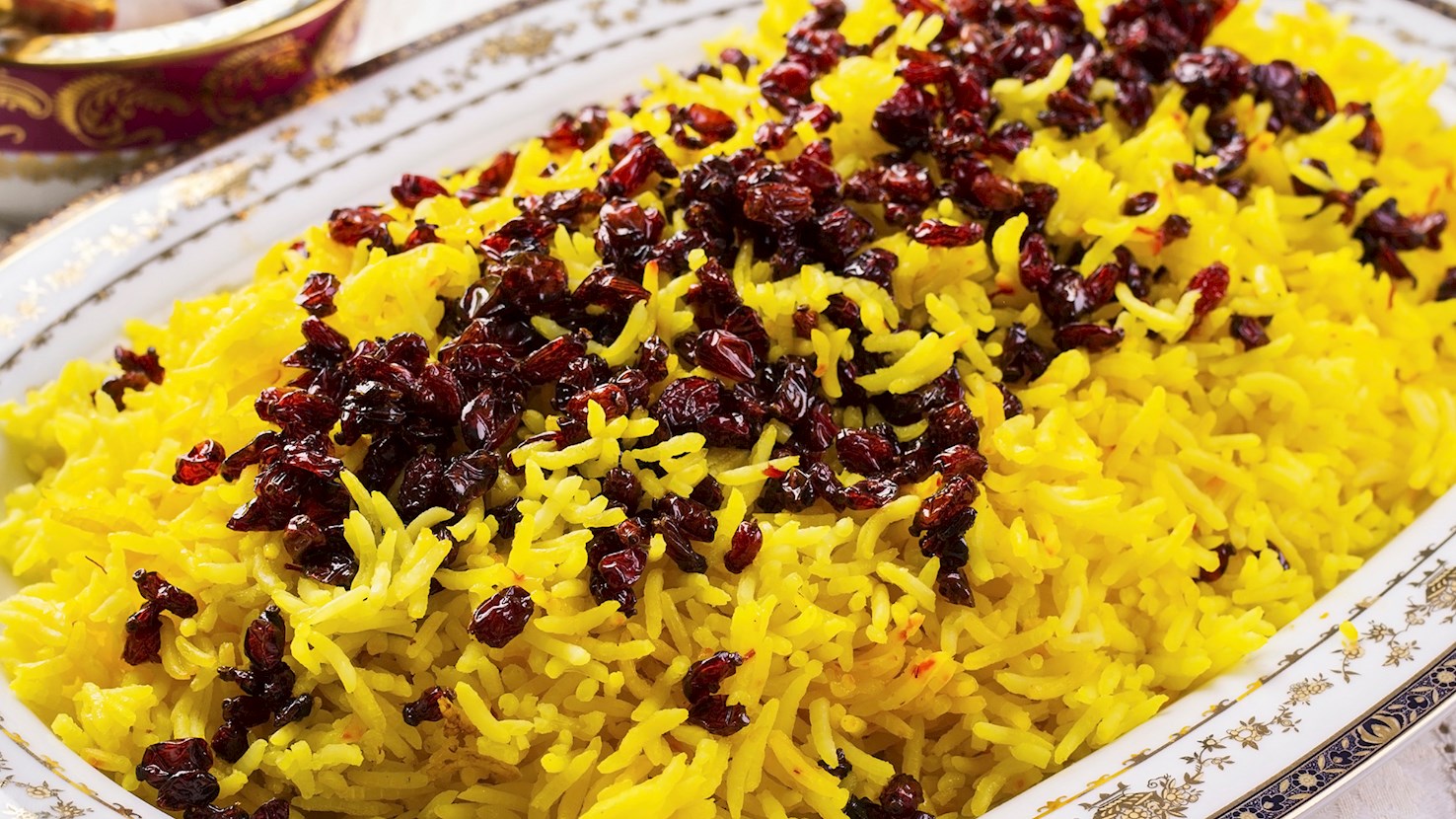
Kateh is an Iranian style of rice preparation that is simpler and faster than the elaborate steamed chelo, known for yielding a soft, cohesive texture with a slightly sticky consistency. This method is particularly associated with the Caspian provinces of northern Iran, such as Gilan and Mazandaran, where it remains the most common everyday rice dish. Unlike chelo, kateh does not require parboiling or draining, making it more convenient for quick meals. The dish is often paired with stews, grilled meats, pickles, and fresh herbs. To prepare kateh, rice is rinsed briefly and then combined in a pot with water, salt, and a generous spoonful of oil or butter. The mixture is brought to a boil over medium heat and then covered and simmered until the water is absorbed. At this stage, the rice forms a soft crust on the bottom known as tahdig, but unlike the crisp tahdig of chelo, kateh’s crust is moist and golden rather than crunchy. Once cooked, the rice is gently fluffed and served directly from the pot, requiring no additional steaming or layering. Kateh’s appeal lies in its simplicity and the mild, comforting flavor of the grains infused with butter or oil. Because the grains are cooked in exactly the amount of water they absorb, the final texture is cohesive and tender, with no need to worry about overcooking or undercooking. This straightforward method makes kateh especially popular in home kitchens, where it is often the first style of rice children learn to prepare. Though less ceremonious than chelo, kateh holds a respected place in Iranian cuisine and is valued for practicality and everyday use. In the northern provinces, it is served with dishes such as mirza ghasemi (smoky eggplant and tomato), fried fish from the Caspian Sea, or simple braised greens. Because kateh is prepared in a single pot without the need for draining, it is also well suited to rural households where cooking fuel and water are used sparingly.
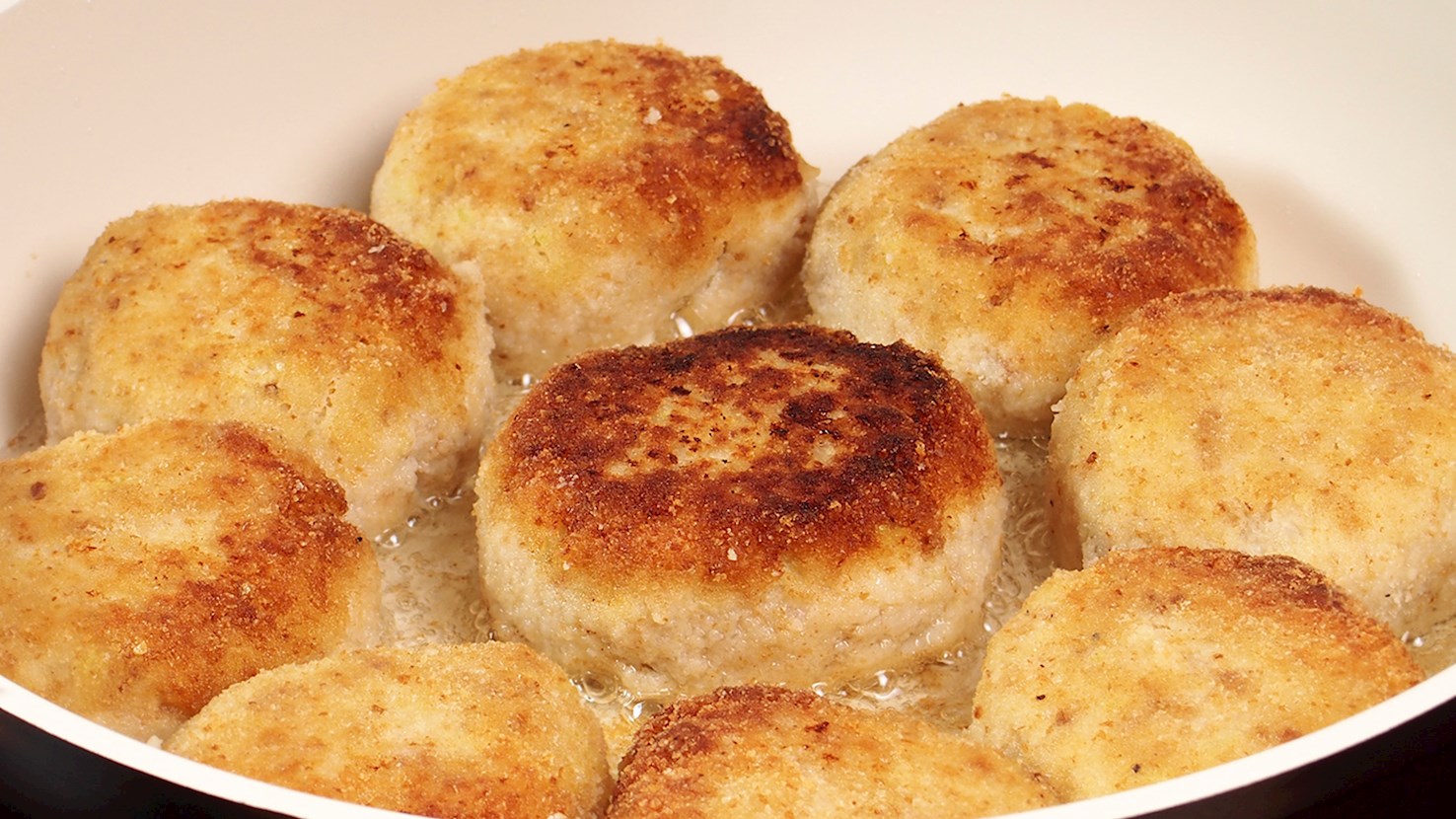
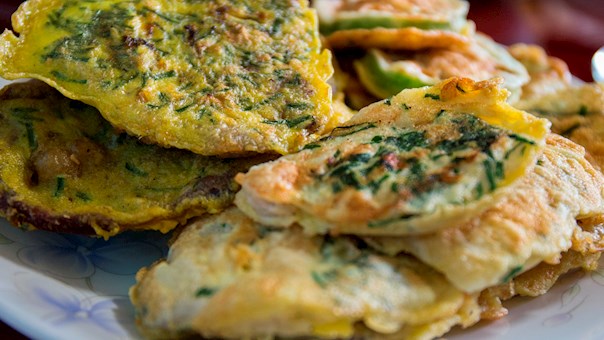
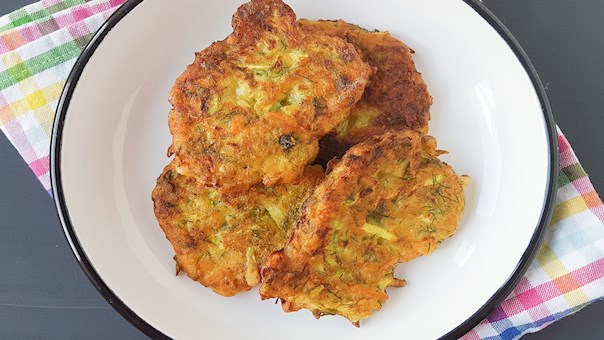
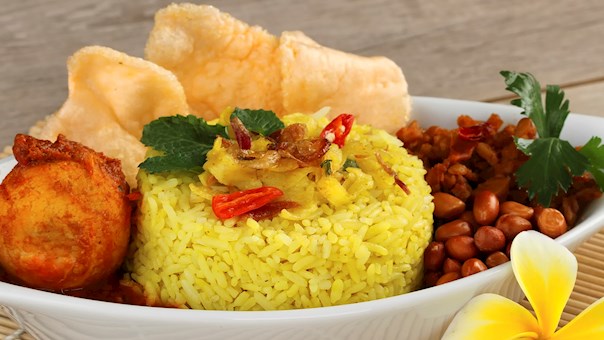
Perkedel are Indonesian fried delicacies consisting of either mashed potatoes, ground meat, ground corn, or minced fish (perkedel ikan). The name of these savory patties is derived from the Dutch word frikadel, showing the Dutch culinary influence on Indonesian territory. Prior to frying, the main ingredient is usually combined with finely chopped scallions and pepper, then dipped in beaten eggs. Perkedel is traditionally served as an appetizer or a side dish with soto ayam soup, although it can also be consumed as a main dish, when it is usually accompanied by nasi kuning (yellow rice).
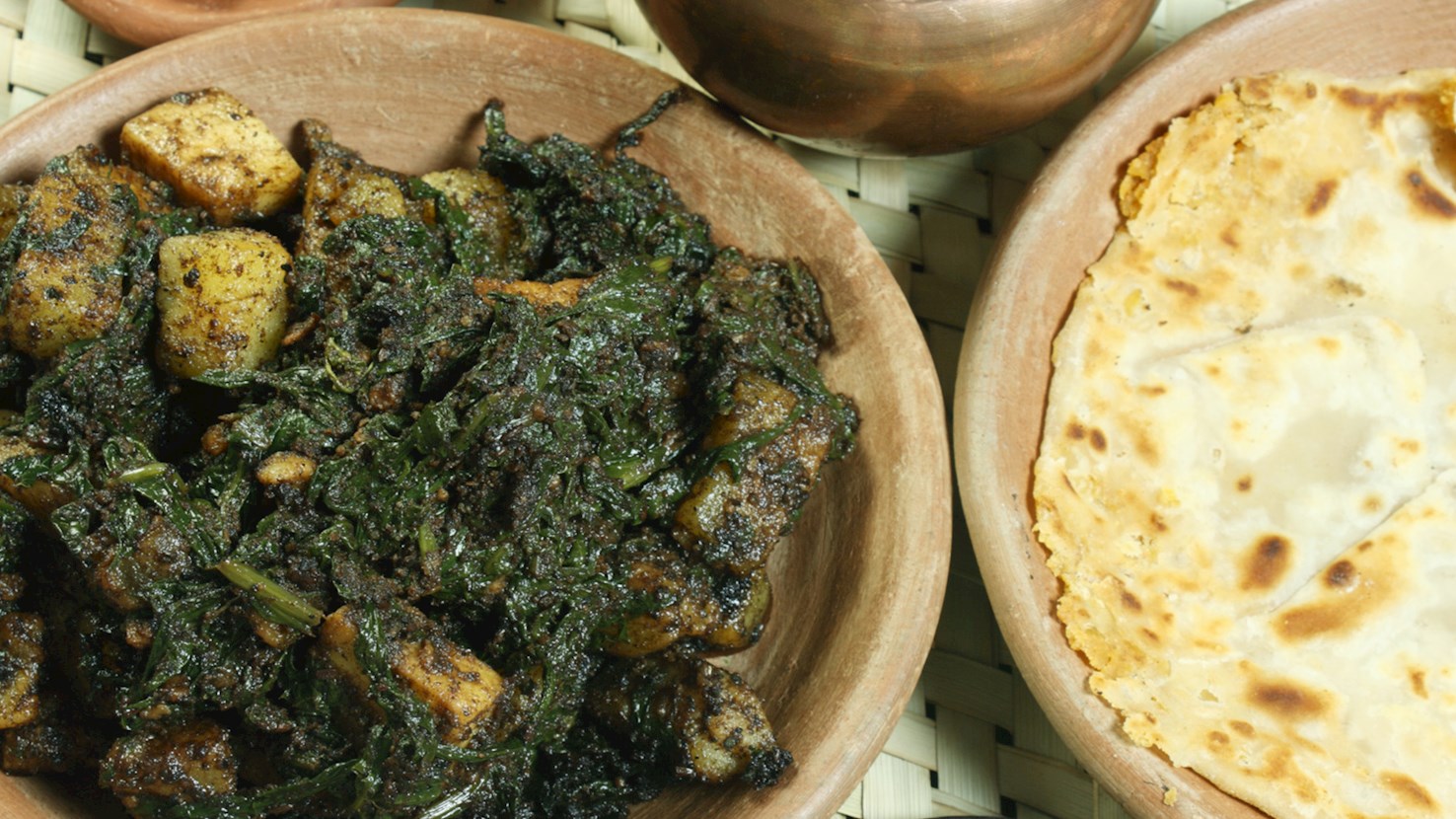
Indian saag paneer is a famous vegetable curry which incorporates diced paneer cheese doused in a creamy mixture of fresh leafy greens, also known under the name saag. It is typically made with mustard, fenugreek, spinach, bathua, or collard greens, mashed and incorporated with tomatoes and a rich spice blend. In India, the saag mixture is believed to have originated in the Punjabi region, and paneer version is just one of many varieties which incorporates this fragrant curry base. It can be enjoyed as a smaller side dish or a nutritious main meal that is usually accompanied by roti or naan.
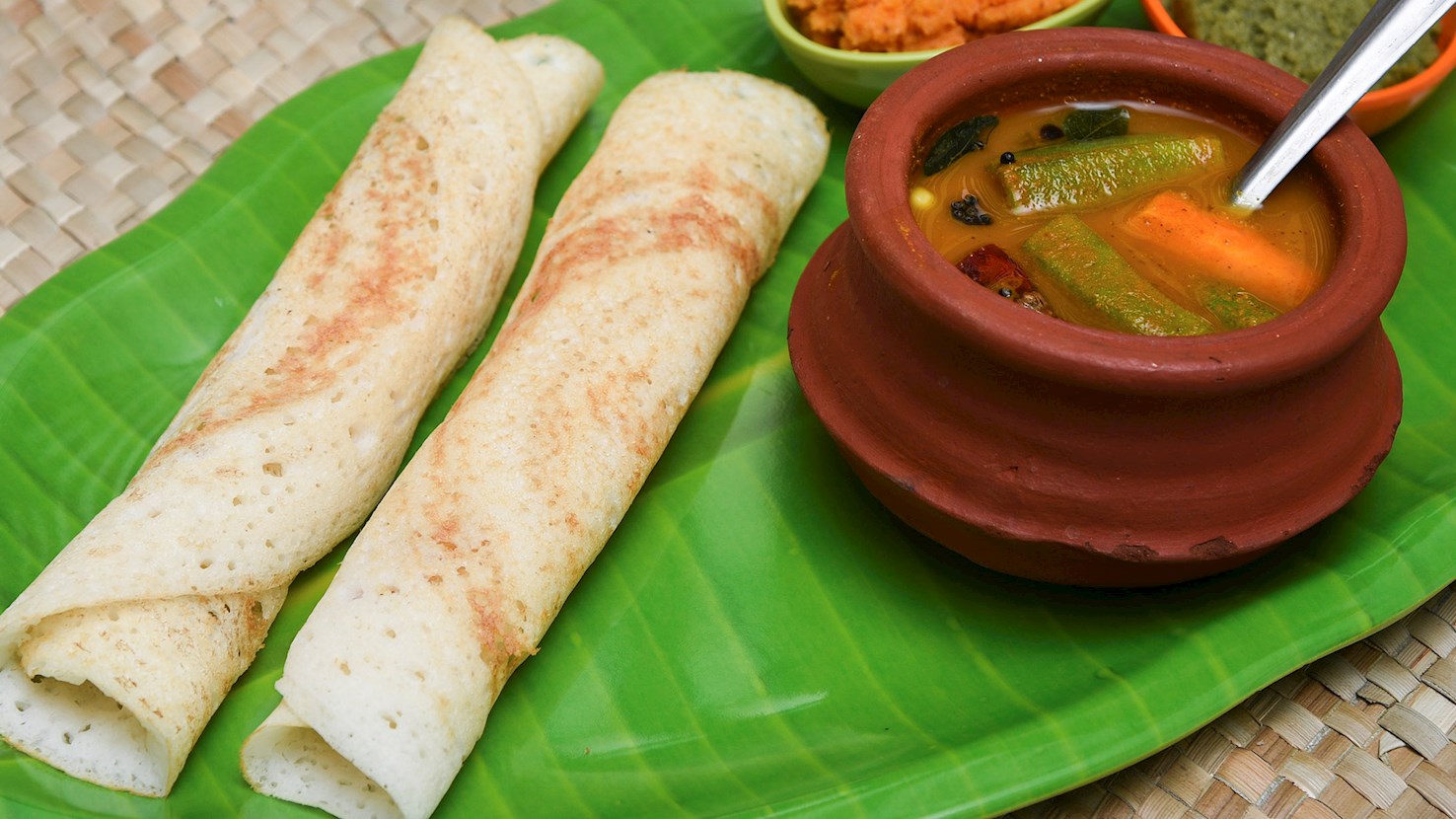
The thin pancake known as dosa is one of the most famous Indian dishes. It is made with soaked rice and black gram beans, which are ground into a paste and mixed to create a thick batter, usually left to ferment overnight. The mixture is enriched with a handful of fenugreek seeds, which give dosa its distinctive golden brown color and a delicious, crispy texture. It is then baked on a hot oiled griddle, pertaining a delicate, thin texture and round shape. Indian dosa is a staple dish in the entire country, but some believe that dosa had originated in the south Indian state of Tamil Nadu. It is an ancient dish, whose origins are traced back to the 1st century AD, when it was first mentioned in Tamil literature. Others claim that it's linked to Udupi (present day Karnataka) due to the association with the Udupi restaurants. Usually, dosa is consumed as a savory dish, commonly eaten for breakfast, dinner, or a quick snack. Since it has a rather neutral taste, dosa is an ideal accompaniment to many luscious Indian dishes, such as meat and vegetable curries or chutneys. It is often filled with ingredients and wrapped, or served on the side as an integral part of a meal, when it is usually used as a utensil to scoop the fragrant side dishes. As other ancient food staples, dosa has been adapted and combined with other ingredients to create numerous distinct varieties. Wheat flour, semolina, rice flour, or soy milk are used in some regions to create milder, diverse, and more interesting dosa varieties. This ancient Indian creation, in its numerous forms, is found everywhere in India - it is sold as a quick snack by street vendors, and it is an irreplaceable item in traditional Indian restaurants.
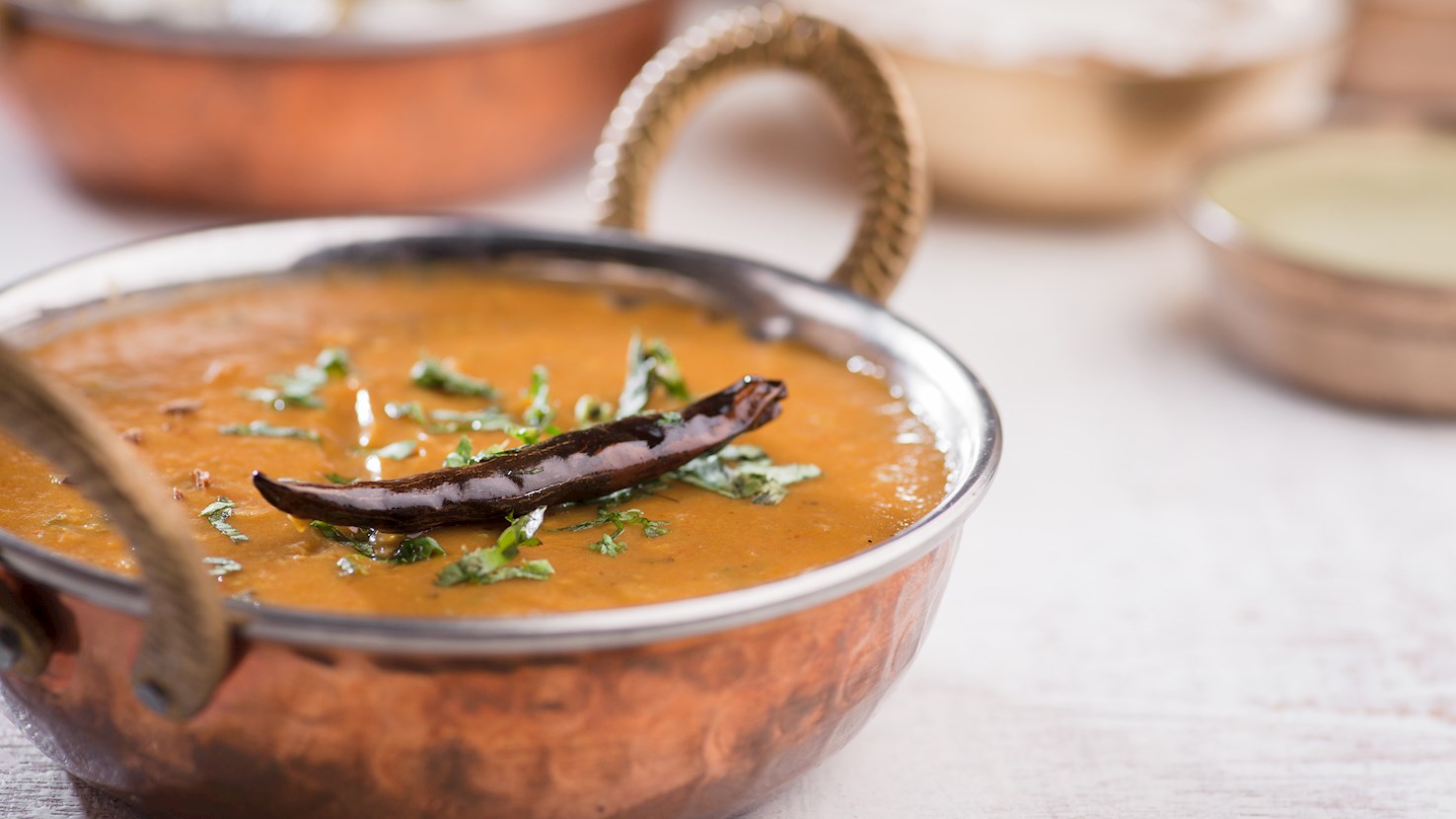
Dal tadka or tadkewali dal is a traditional legume-based dish originating from the northern parts of India. Although there are variations, the dish is usually prepared with toor dal (split yellow pigeon peas), garlic, ginger, onions, tomatoes, garam masala, chili peppers, ghee, cumin, coriander, turmeric, red chili powder, and fenugreek leaves. These ingredients are cooked and mixed with tadka (tempering), consisting of spices such as asafoetida, chili peppers, and garlic that are cooked in ghee. Once prepared, dal tadka is usually garnished with coriander leaves and served hot with jeera rice and roti on the side.
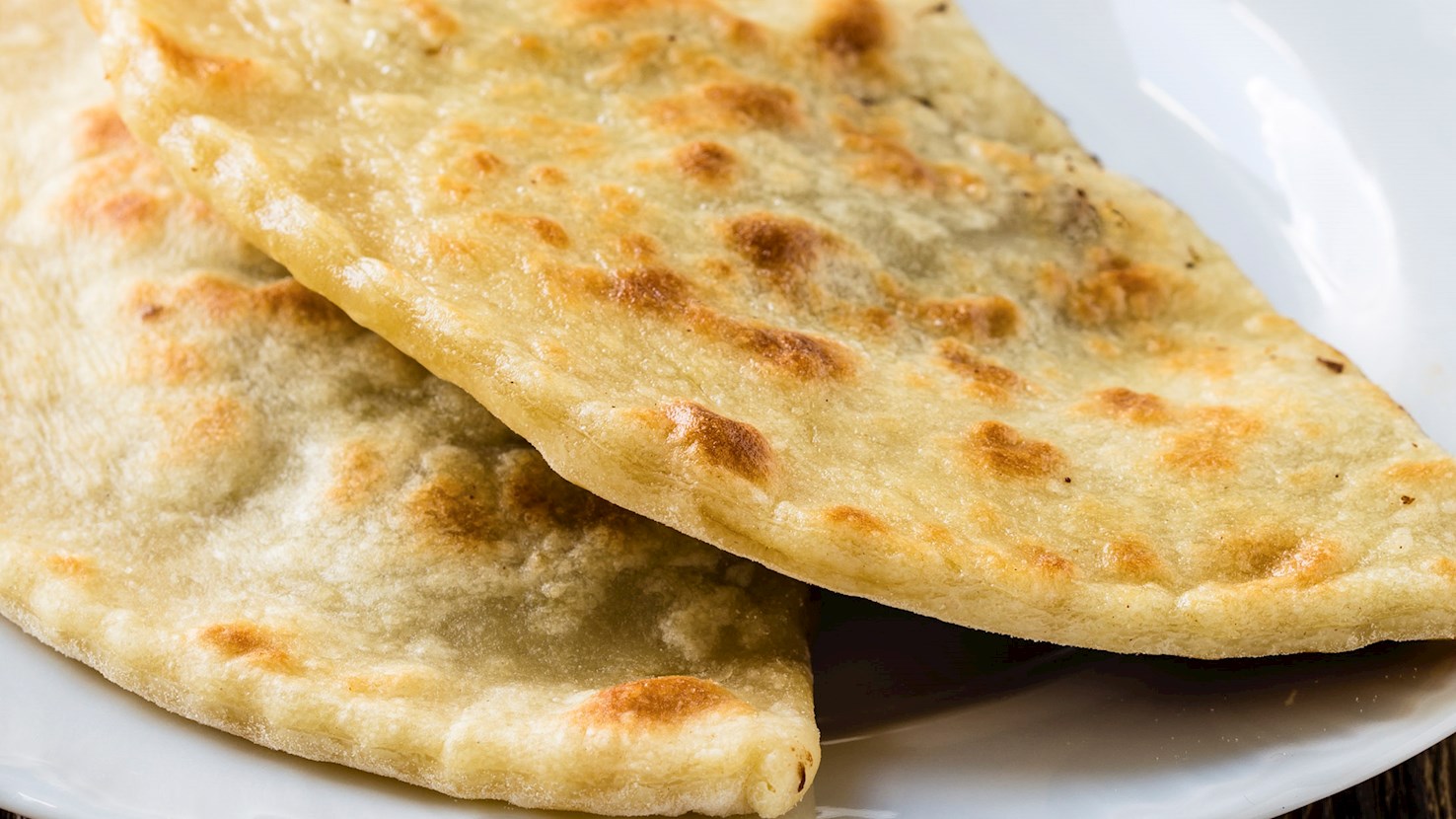
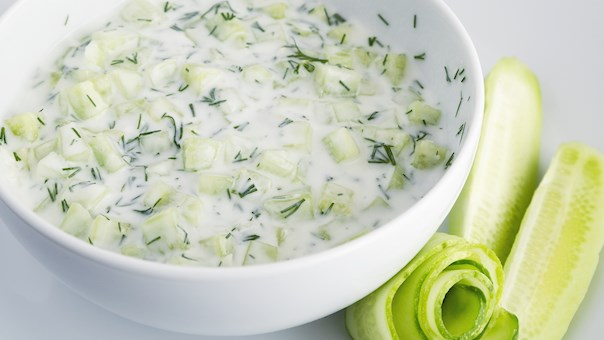
The Afghan bolani is a stuffed, pan-fried flatbread made with unleavened dough that is typically filled with a mixture of potato mash and various other ingredients such as spinach, spring onions, pumpkin, or even green or red lentils. In Afghanistan, bolani is not only a popular street snack but it is also often prepared at home and usually served as a side dish. It is traditionally enjoyed warm, accompanied by coriander chutney and a creamy, mint-flavored Afghan yogurt dip called chakkah.
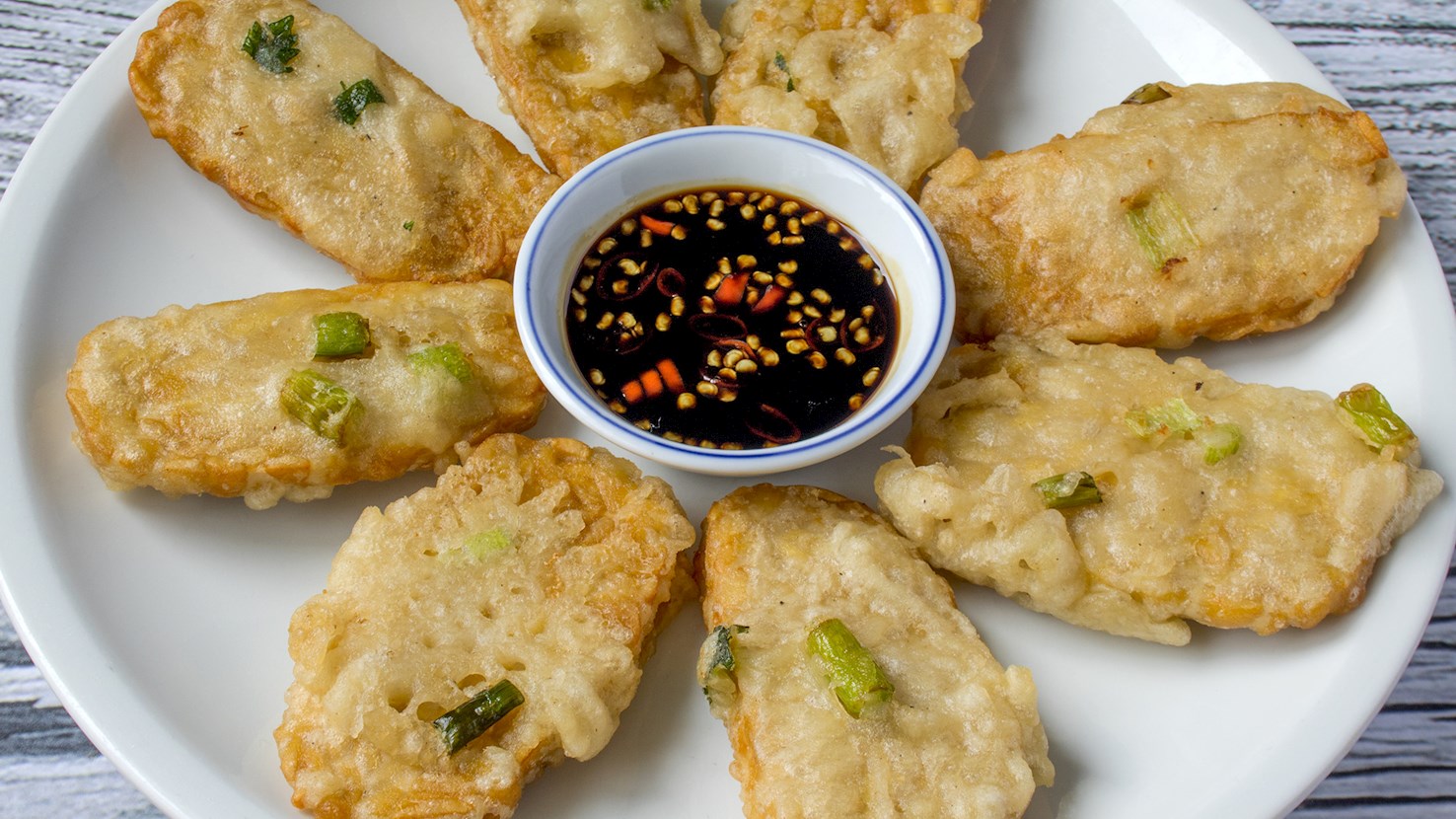
Tempeh mendoan is a variety of fried tempeh that hails from Purwokerto. Thin slices of tempeh—fermented soybean product—are dipped in batter that is enriched with ground coriander, sliced scallions, and garlic before they are deep-fried. This tempeh variety is only shortly fried, creating a crispy outer layer, while the tempeh remains soft and juicy. The name of the dish stems from Banyumasan language in which mendo roughly translates as half-cooked. This tempeh is best served with sambal, other types of chili-based dips, or kecap manis—Indonesian sweet soy sauce. It is usually enjoyed as a snack or a side dish, and it is mostly prepared and sold by street vendors.
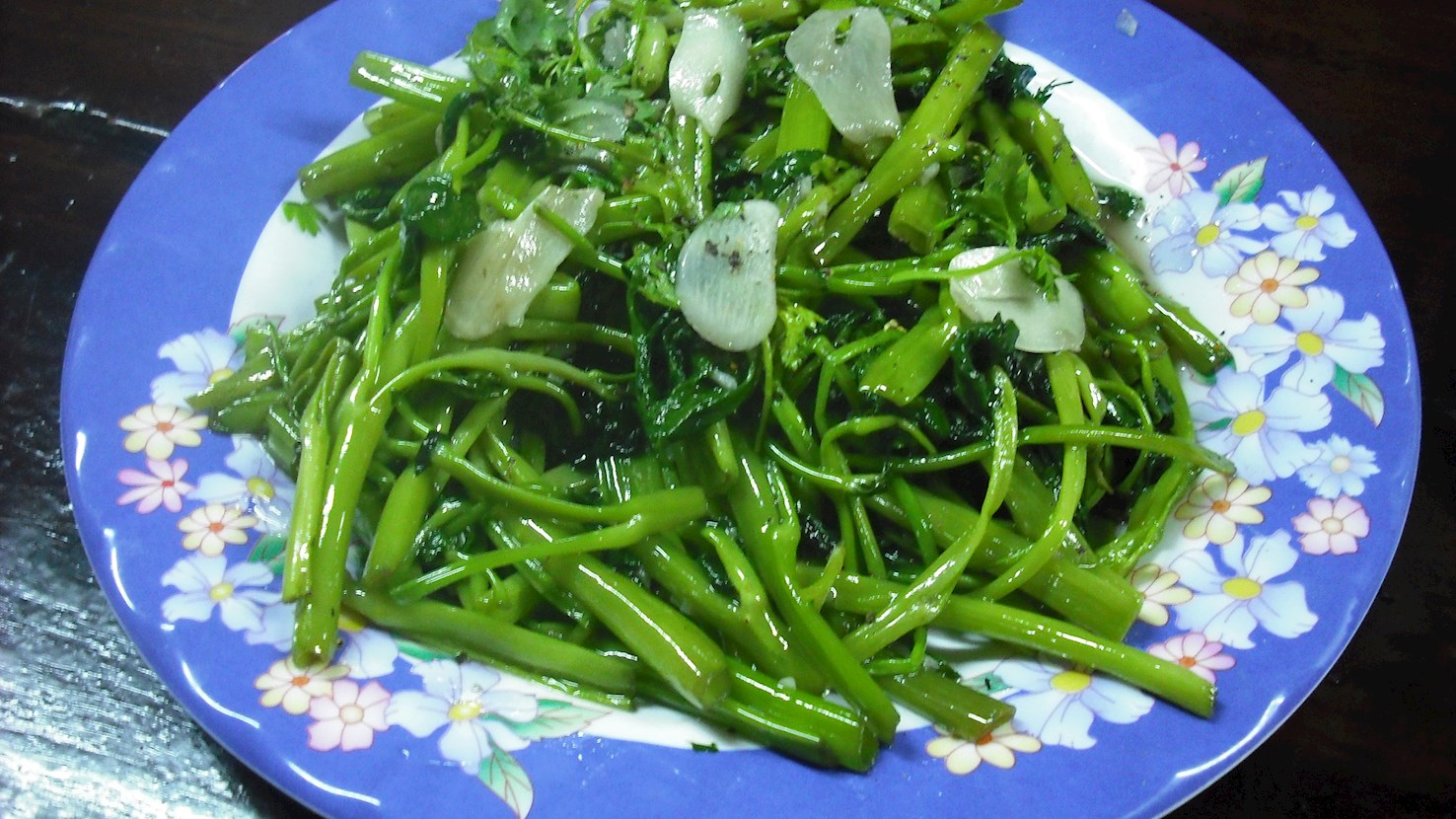
Rau muống xào tỏi is a traditional dish that's suitable for vegetarians. It's made with a combination of morning glory (water spinach), garlic, fish sauce, salt, sugar, and oyster sauce. The water spinach is blanched, then stir-fried with garlic, salt, and sugar, while the fish sauce is added near the end of cooking. This vegetable dish is served hot, usually as a part of a three-course meal, the first is a stir-fry, the second course is a boiled or steamed dish, and the third course is a soup. Rau muống xào tỏi also makes for a great accompaniment to white rice.
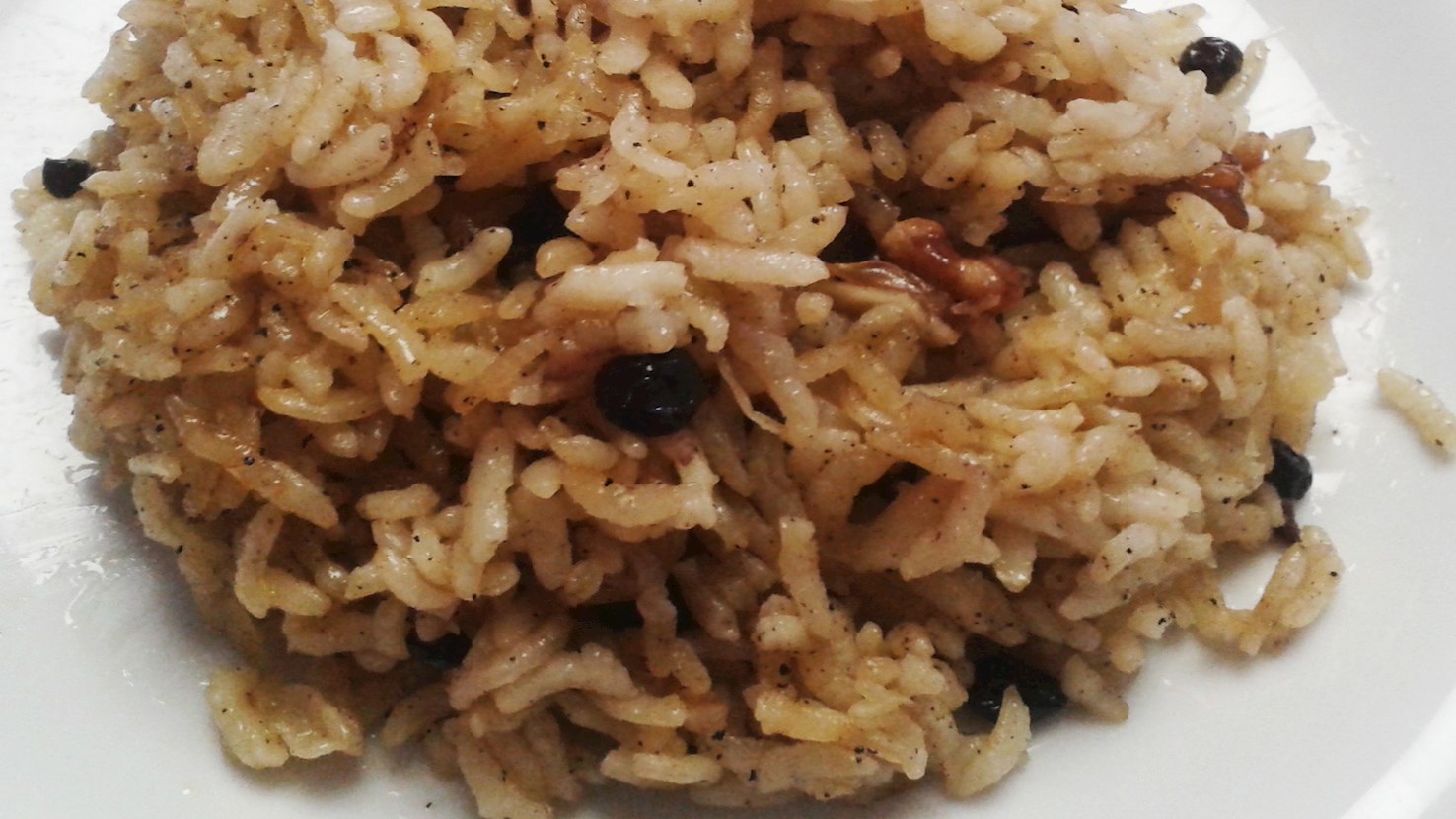
İç pilav is a flavorful Turkish pilaf made with a combination of rice (often of the Baldo variety), onions, currants, tomatoes, mint, and pine nuts. It is typically flavored with allspice, cinnamon, salt, and pepper. The ingredients are combined, and when the rice is cooked, the pilaf is ready to be stirred for one last time, then consumed. İç pilav is traditionally used as an accompaniment to roasted or fried meat dishes, but it is sometimes also used as a stuffing.
TasteAtlas food rankings are based on the ratings of the TasteAtlas audience, with a series of mechanisms that recognize real users and that ignore bot,
nationalist or local patriotic ratings, and give additional value to the ratings of users that the system recognizes as knowledgeable.
For the “Top 100 Asian Side Dishes” list until September 15, 2026, 12,251 ratings were recorded, of which 7,302 were recognized by the system as legitimate.
TasteAtlas Rankings should not be seen as the final global conclusion about food. Their purpose is to promote excellent local foods,
instill pride in traditional dishes, and arouse curiosity about dishes you haven’t tried.







What People Say