


shutterstock

Top 23 German Side Dishes

Last updated on June 15, 2026
01

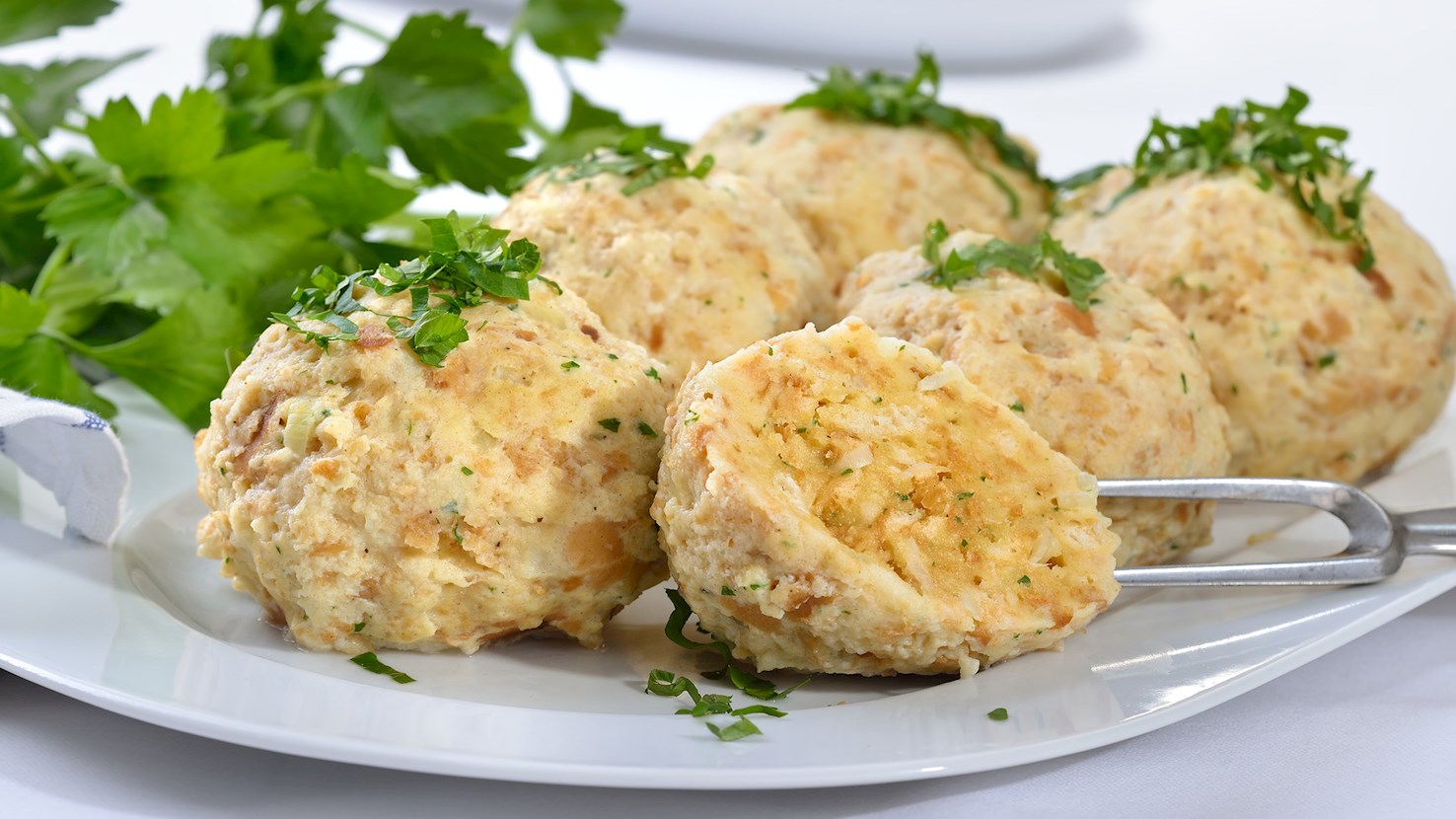
Thüringer Klöße

4.2 ·

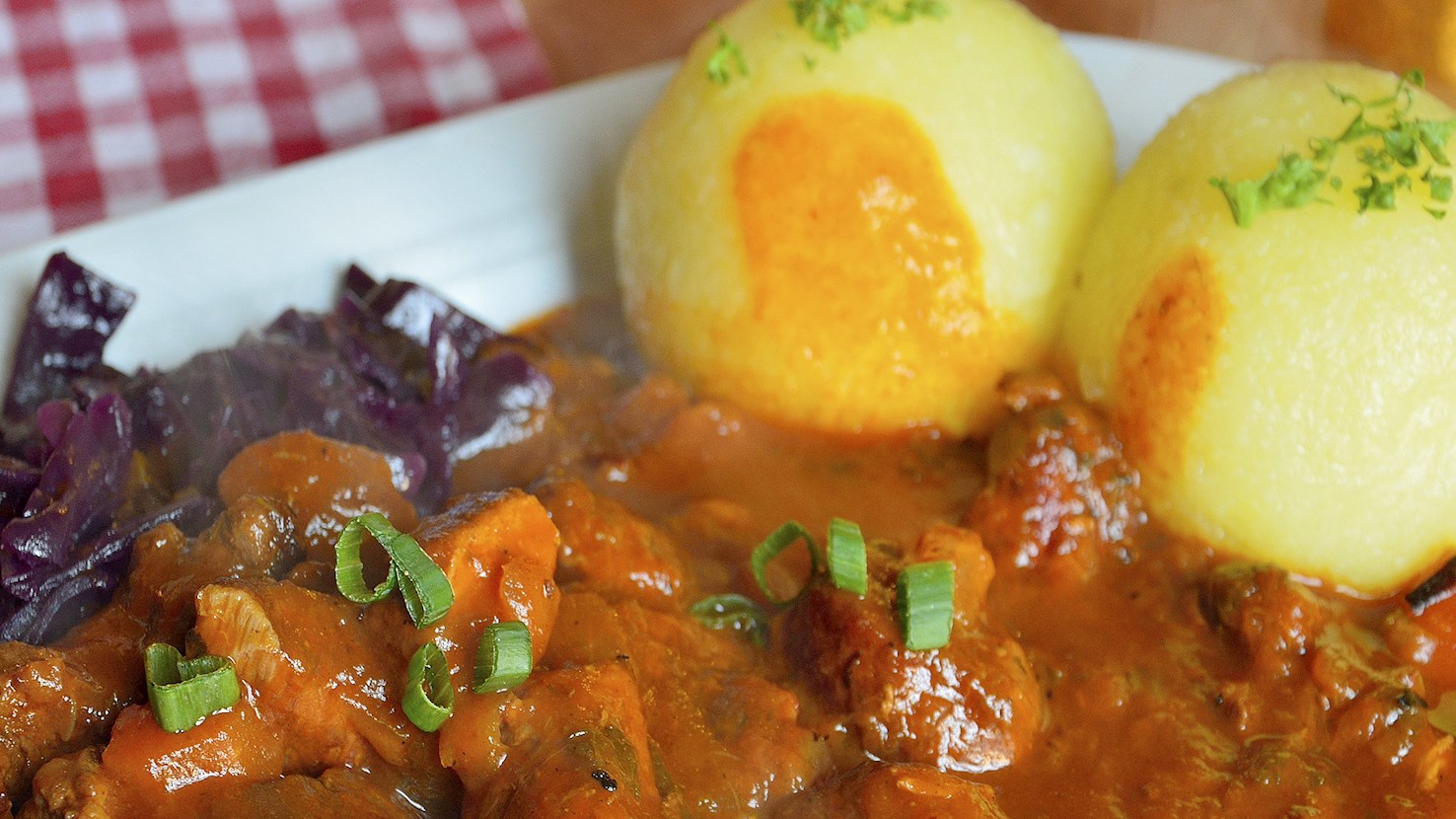
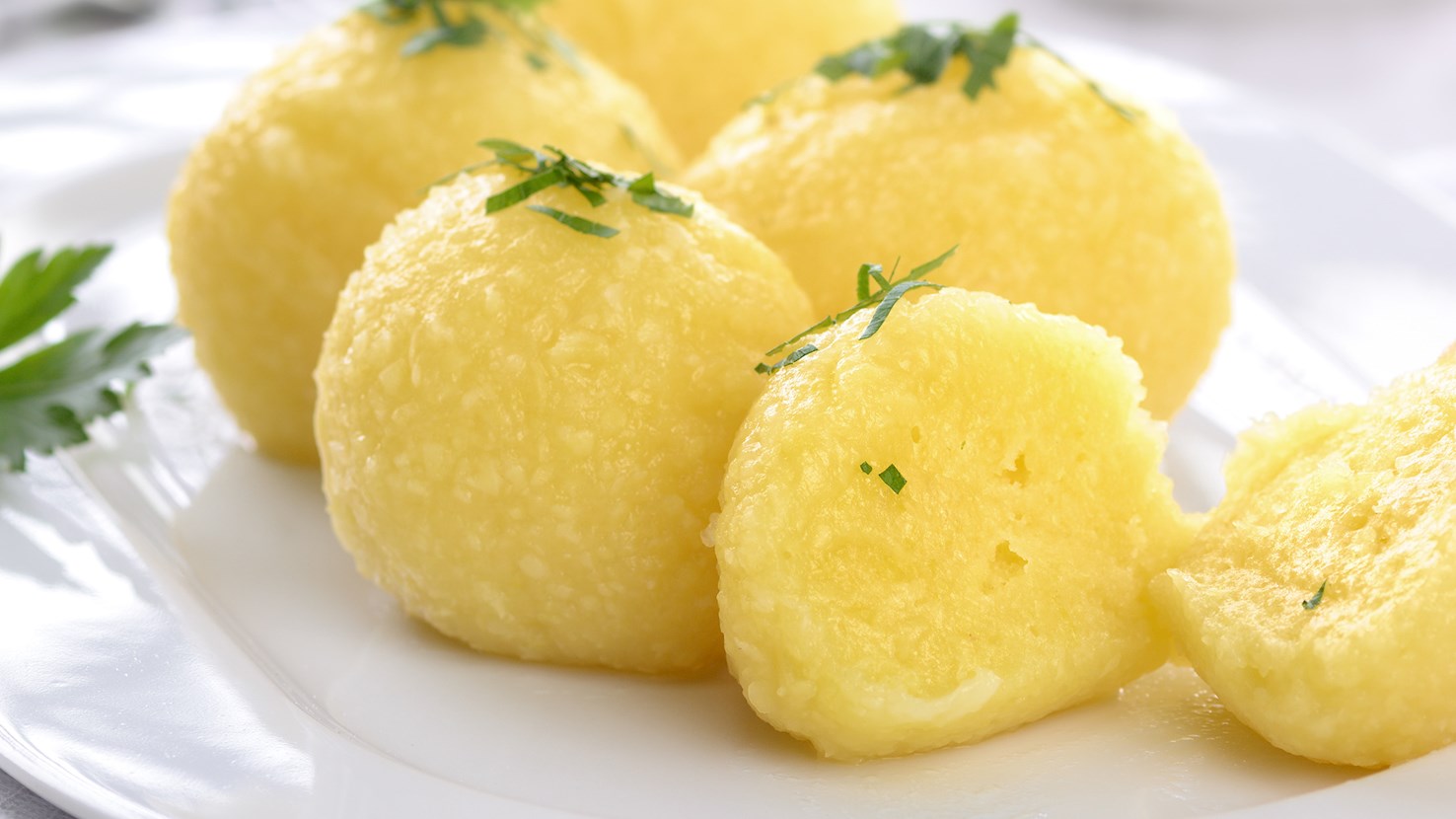
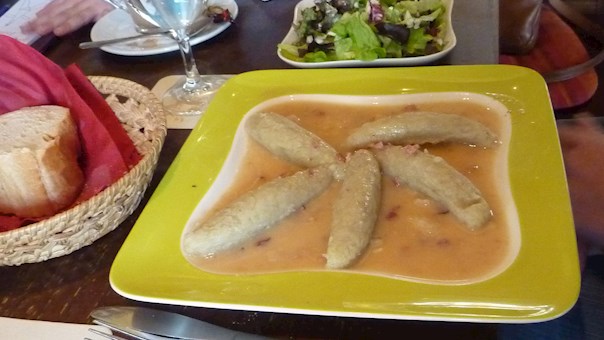
A quintessential specialty hailing from Thuringia, Thüringer klöße is a simple potato dumpling that consists of a mixture of grated raw potatoes and mashed cooked potatoes filled with crunchy cubes of bread. The dumplings are typically cooked in simmering water, but they can also be lightly browned in butter for extra flavor. These traditional Thuringian potato dumplings are a great accompaniment to a variety of German meat delicacies, and they are often served with dishes such as meat roulades, roasted meat, stuffed cabbage rolls, red cabbage, or sauerkraut. Large and perfectly rounded, these German potato dumplings used to be prepared on Sundays and were once considered to be food for the poor. In Heichelheim, there is a Thuringian Dumpling Museum (Thüringer Kloßmuseum) that honors these dumplings. Nowadays, Thüringer klöße are a staple of numerous traditional restaurants in the region.

02

Bratkartoffeln

4.1 ·

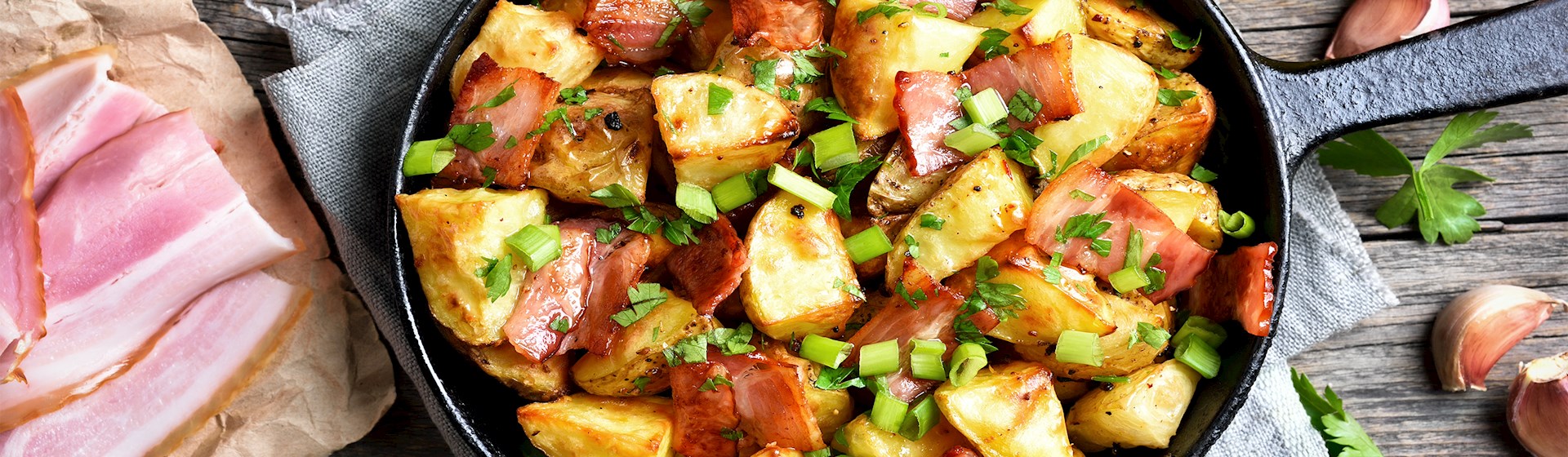
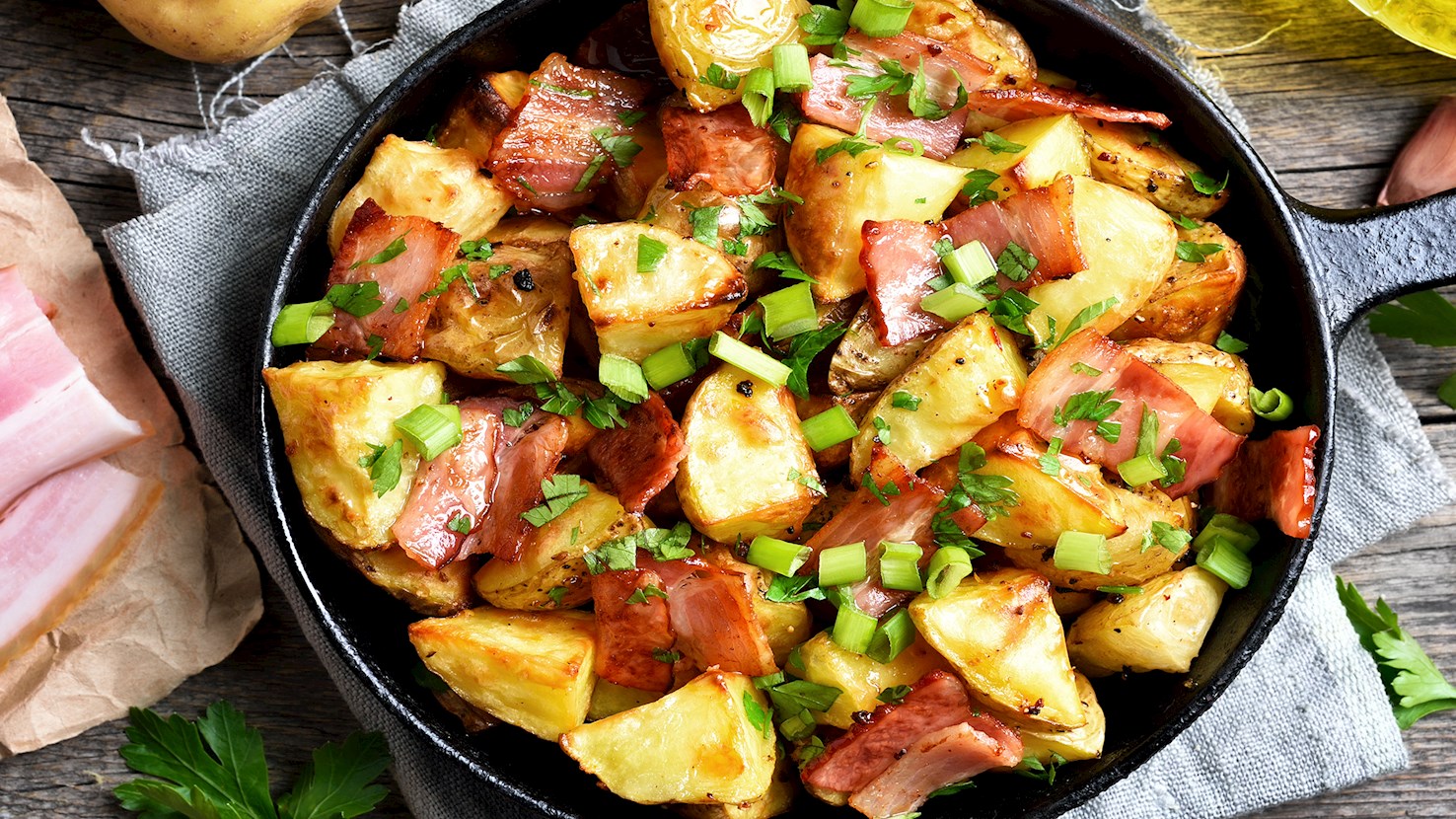
Pan-fried potatoes are a classic, versatile German dish that is easily adapted with additional ingredients and comes in different flavor combinations. The potatoes are traditionally diced or sliced, buttered and salted, and can be then combined with bacon, ham, onions, vegetables, and a variety of fresh herbs and spices. The key is to achieve crispy, golden potatoes that stay soft and tender on the inside. Simple and affordable, bratkartoffeln is a common restaurant dish as well as a popular home-cooked meal that is usually served as an accompaniment to roasted or grilled meat, sausages, fish, or fried eggs.

03

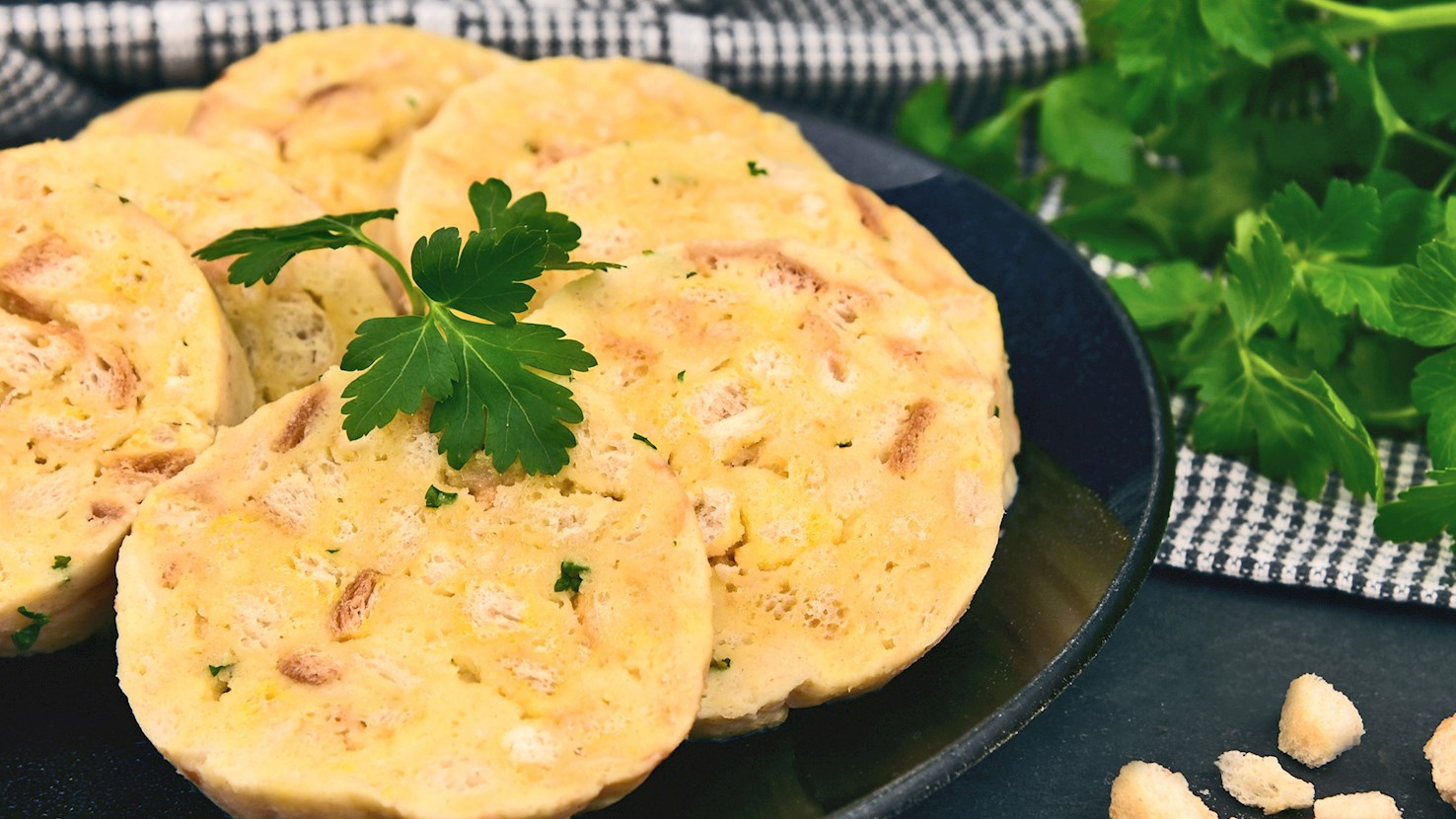
Serviettenknödel

4 ·

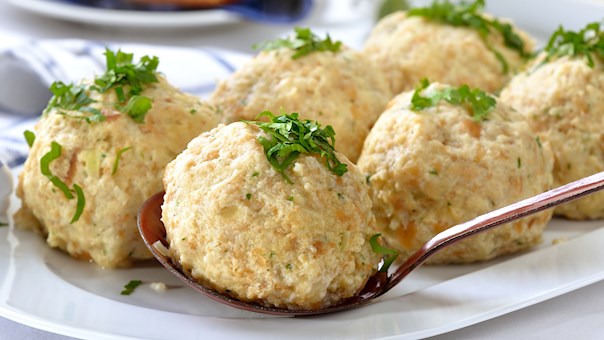
Serviettenknödel are German bread dumplings, or Semmelknödel that derive their name - napkin dumplings - from the way they are traditionally cooked: wrapped tightly and steamed inside a cloth napkin called serviette in German. They are typically made with pieces of stale bread rolls, baguettes, or pretzels, milk, eggs, lard, and softened onions. The bread mixture is usually seasoned with salt and pepper, and it is often enhanced with freshly chopped parsley and nutmeg for extra flavor. Once done, the log-shaped dumplings are generally cut into thick slices which can either be eaten as they are or pan-fried until nicely browned. These savory bread dumplings are a typical accompaniment to various roast meat delicacies, rouladen, gravy, mushroom sauces, and lentils, and they’ve been traditionally prepared for special occasions such as Christmas dinners and weddings. The dumplings are nowadays more commonly cooked in plastic wrap and aluminum foil instead of kitchen towels or napkins. Serviettenknödel have also been a part of other European cuisines, including Austrian and Czech cuisines.

04

Kartoffelpuffer

4 ·

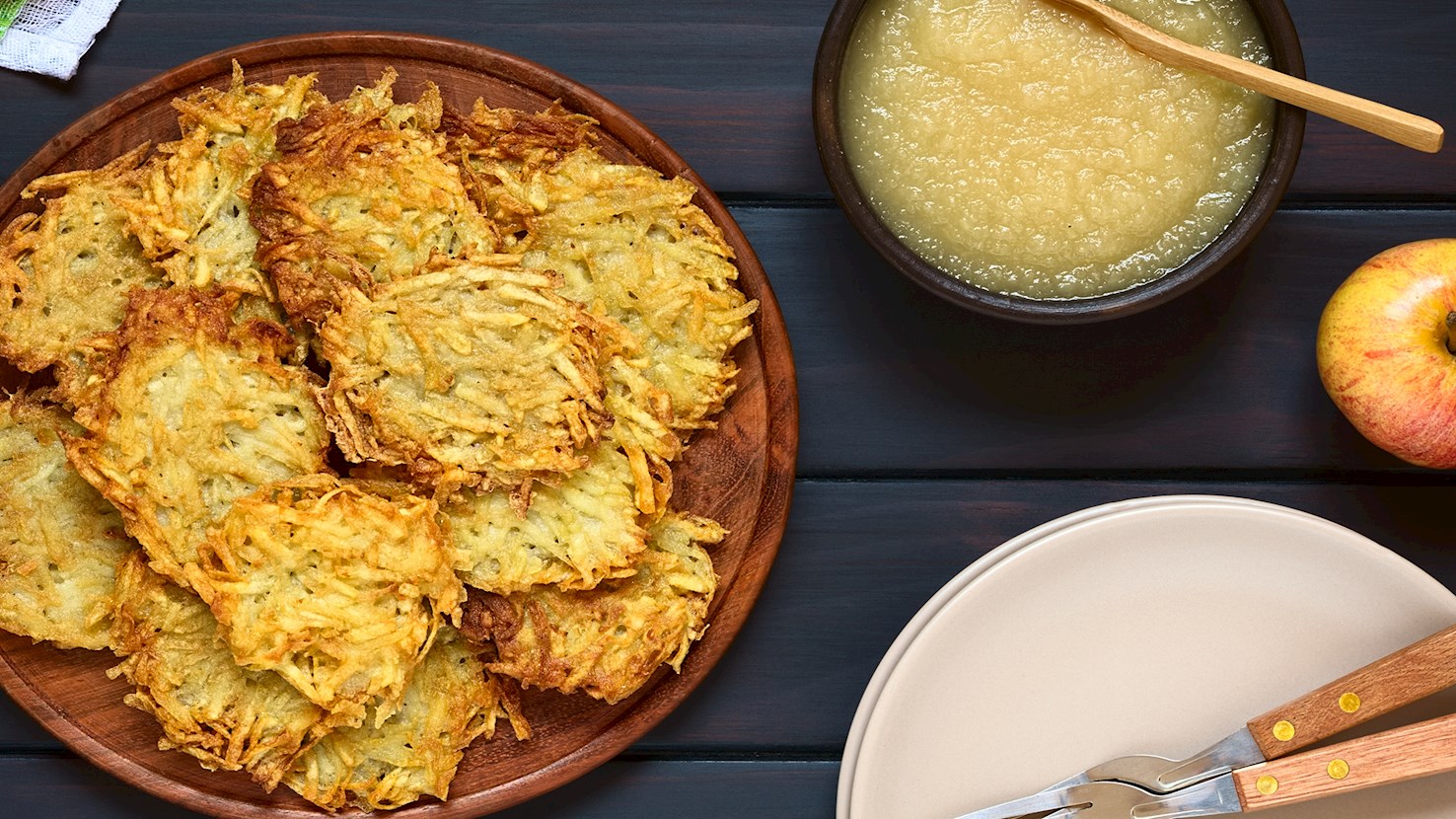
German potato pancakes are a restaurant staple, a homemade classic, and a popular street food snack. They are prepared with a thick batter that employs grated raw potatoes, flour, and eggs, and are usually shaped into flat, round discs that are shortly pan-fried until golden and crispy. Even though they are often served as a complement to stews, grilled meat, and sausages, potato pancakes make an excellent snack or main course. Kartoffelpuffers are traditionally accompanied by creamy apple sauce, fruit preserves, or sour cream.

05

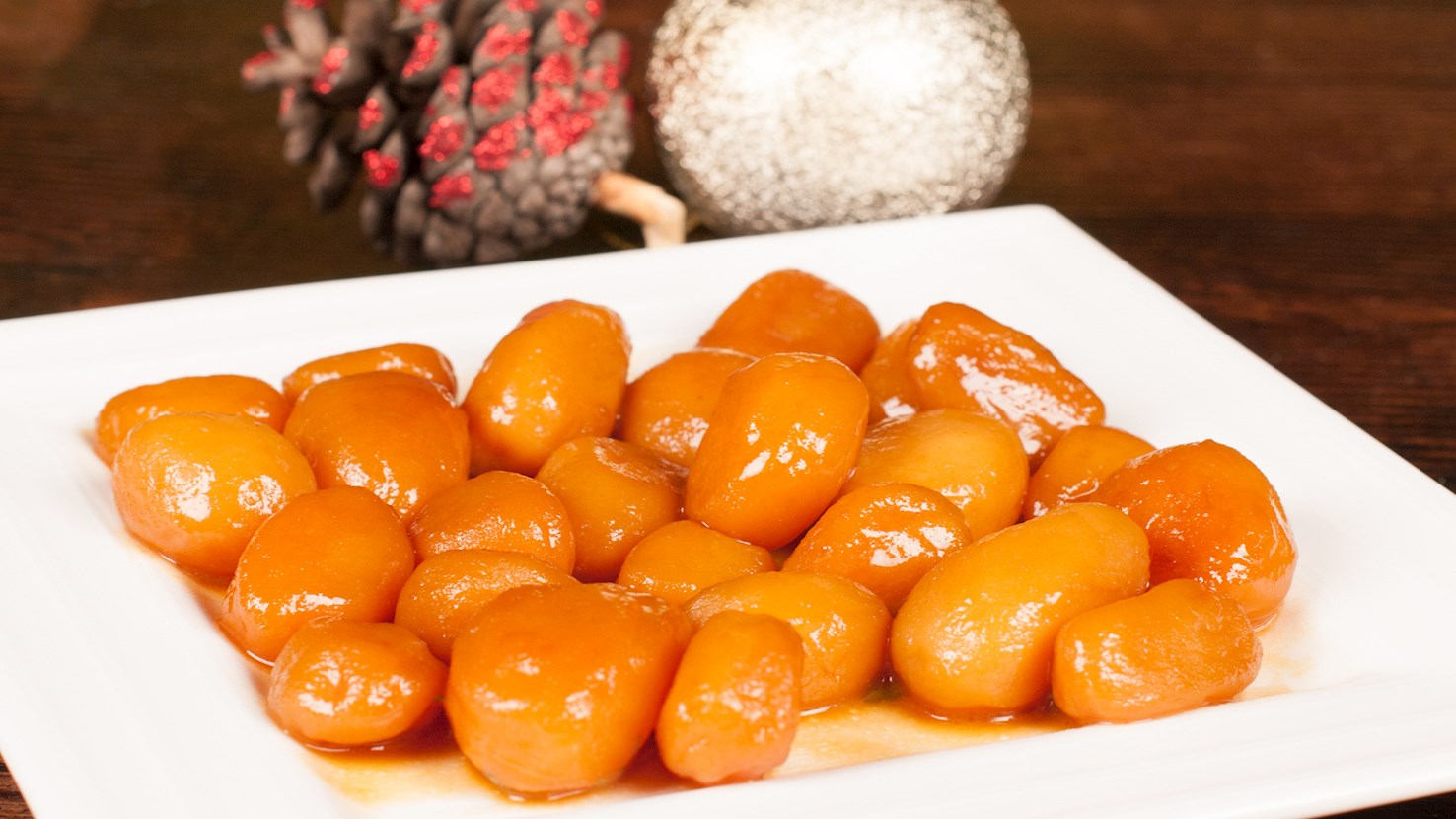
Karamellkartoffeln

3.9 ·

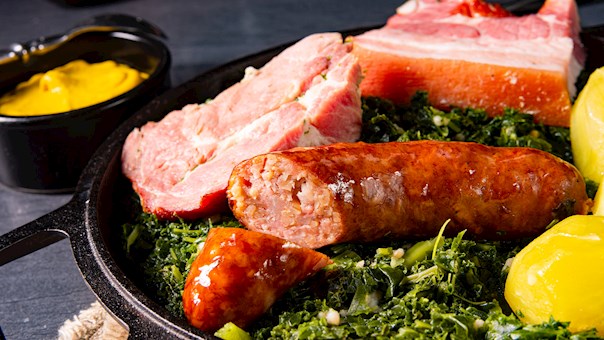
Traditionally associated with Christmastime, brunede kartofler (lit. caramelized potatoes) is a simple, yet immensely flavorful Danish dish, also eaten in the Northern Germany. The dish is usually made with a combination of new potatoes, butter, nutmeg, salt, and sugar. The butter, salt, sugar, and nutmeg are mixed together, and the mixture is poured over boiled new potatoes that have been lined in a greased gratin dish. The ingredients are gently tossed so that all of the potatoes are coated with the mixture. The dish is baked until lightly browned and crisp. Karamellkartoffeln is typically served as an accompaniment to kale ste

06

Rahmschwammerl

3.9 ·

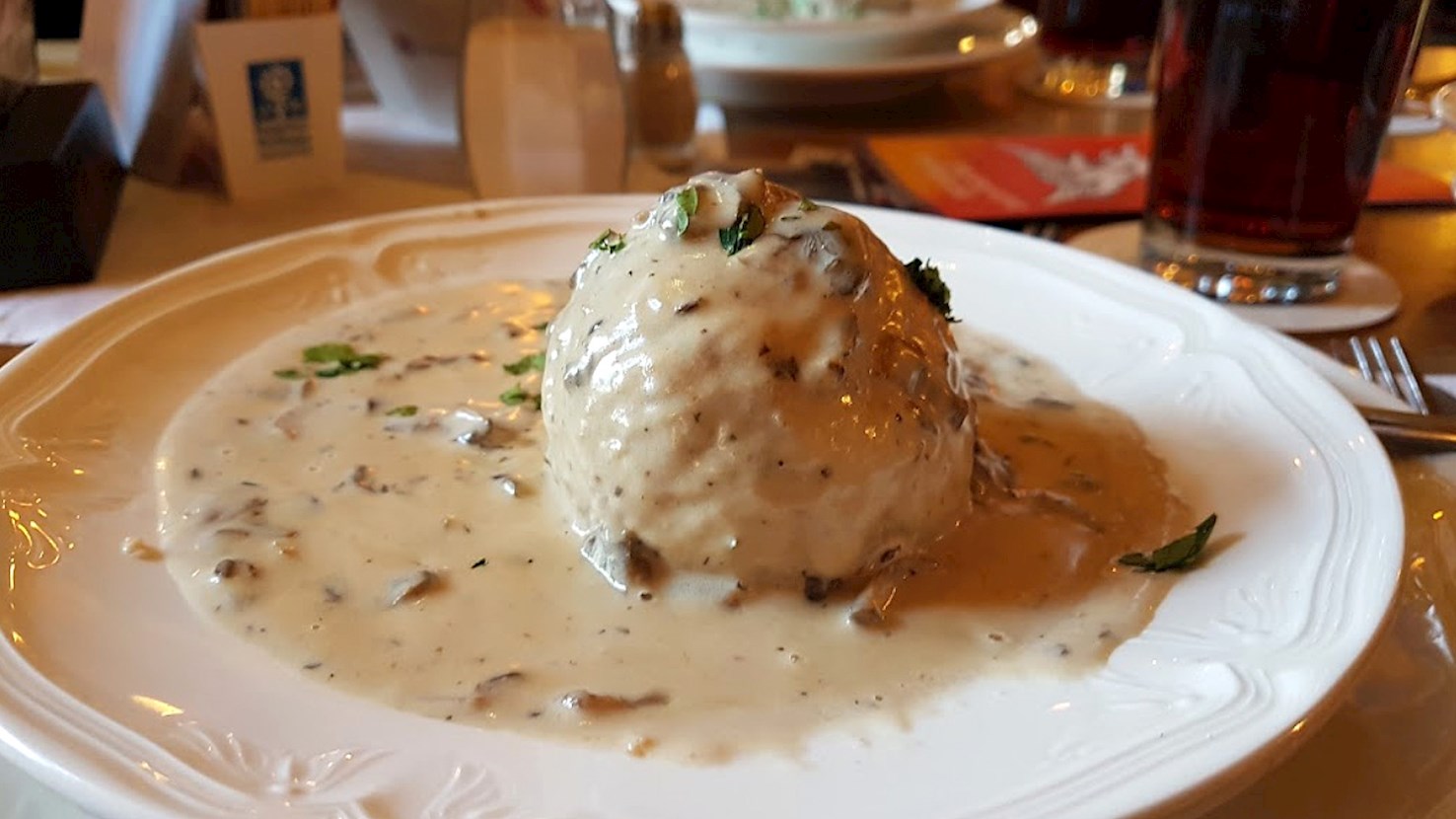
Rahmschwammerl is a traditional Bavarian dish made with a combination of mushrooms, bacon, onions, butter, flour, stock, heavy cream, sour cream, and garlic paste. It's best to use both fresh and dried mushrooms for this dish. The ingredients are sautéed, then simmered over low heat until the mushrooms become soft. Once done, it's recommended to enrich the creamy mushroom sauce with chives, then serve the rahmschwammerl as a side dish with bread dumplings, ideally accompanied by a fresh green salad.

07

Semmelknödel

3.9 ·

Semmelknödel are popular German bread dumplings–nutritious and convenient, they are one of the most versatile side dishes in traditional German cuisine. Even though there are numerous semmelknödel varieties, which come in various sizes, they all have a recognizable round form and employ bread as the base ingredient. Sliced or diced bread pieces, which can be fried in oil, are usually soaked in plain milk to soften, then mixed with eggs to form a pliable, soft base. Since they are incredibly neutral on their own, bread dumplings are usually mixed with different spices and additional ingredients to form a myriad of flavorful varieties. They commonly include onions and fresh herbs such as parsley or marjoram, but can even withstand strong flavors coming from nutmeg or fresh lemon zest. Even though semmelknödel are mostly served as a complement to various roast meat dishes and stews, they can be enjoyed as a nourishing dish on their own, usually served alongside vegetables and lentils, or doused in creamy mushroom sauces. Various dumplings are omnipresent in many European cuisines, but the invention of semmelknödel has usually been associated with the German region of Bavaria, from where it spread to other parts of Germany and countries such as Austria, Hungary, and the Czech Republic.

08

Kartoffelklöße

3.7 ·

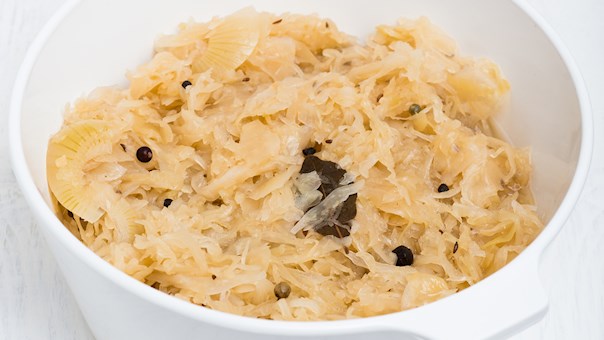
Kartoffelklöße or kartoffelknödel are traditional German potato dumplings that are consumed all over the country but are especially popular in Bavaria, Thuringia, and the Rhineland area. Depending on the variation, the dumplings may consist of cooked potatoes, raw potatoes, or a combination of both. The potato mixture can further be enhanced with the addition of other ingredients such as beaten eggs, potato starch, cornstarch, or flour, and herbs such as chives or parsley, while some versions also call for filling the dumplings with croutons, sauerkraut, or ham. Potato dumplings typically come in the shape of balls, and they are usually simmered in salted water, although they can optionally be pan-seared in butter for added flavor and texture. A common variation of potato dumplings is the one from Thuringia called Thüringer klöße, a type of dumplings made with raw and cooked potatoes containing a filling of toasted bread cubes. In Germany, potato dumplings are a staple accompaniment to dishes such as roasted and braised meat specialties with sauces, sauerbraten, sauerkraut, braised red cabbage, goulash, and rouladen.

09

Rotkohl

3.6 ·

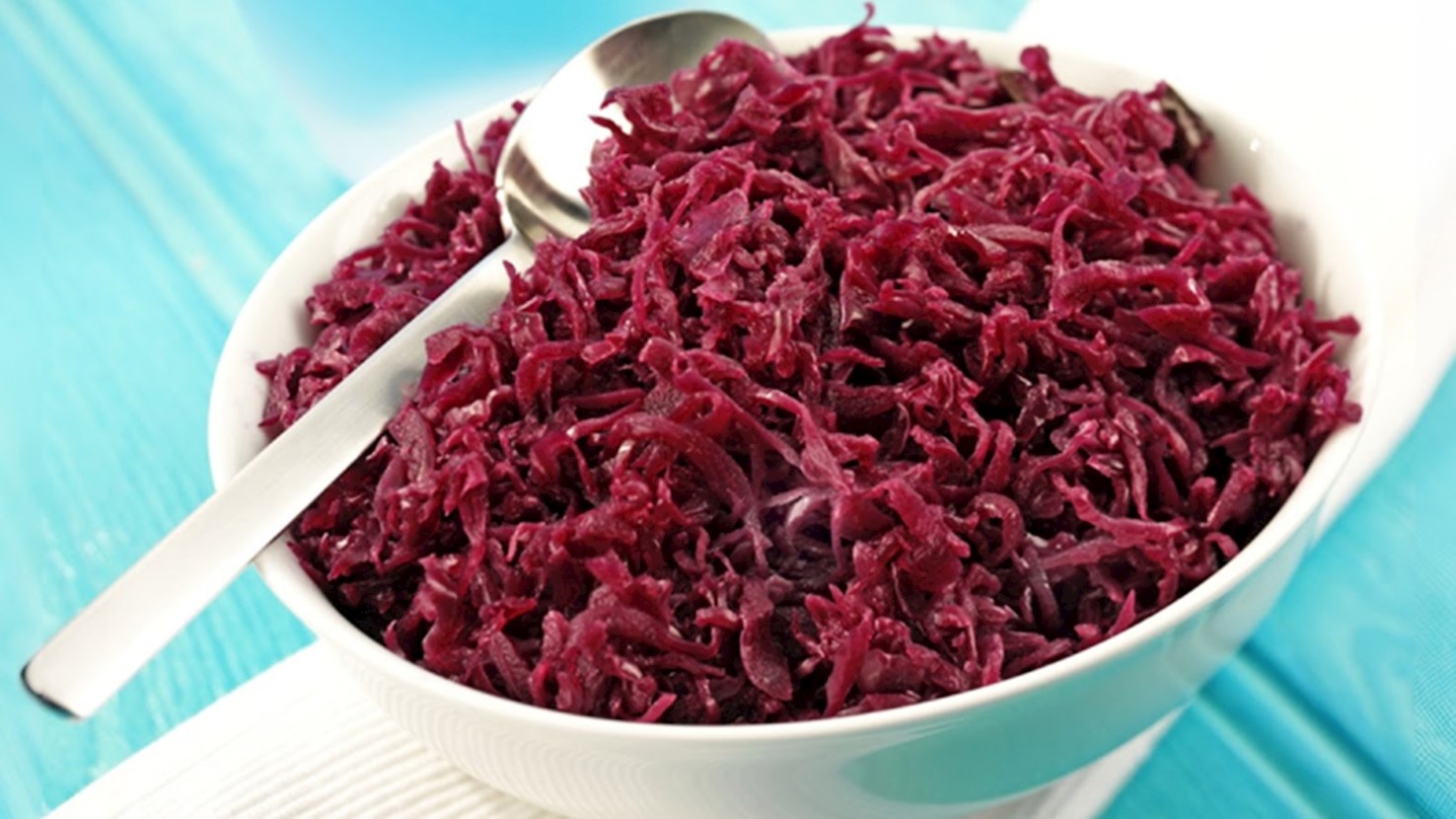
Rotkohl is a traditional salad and side dish made from red cabbage that is finely shredded and then braised or slow-cooked with ingredients like apples, onions, vinegar, sugar, and various spices such as cloves, bay leaves, and sometimes juniper berries. The dish is known for its sweet and sour flavor, which comes from the combination of sugar and vinegar, and its deep purple color, which can be enhanced by adding a bit of acidic liquid like apple cider vinegar or red wine during cooking. Rotkohl is often served as a side dish, particularly with hearty German meals such as roast pork, sausages, duck, or goose. It's especially popular in the colder months and is a common accompaniment to festive meals during Christmas.

10

Himmel und Erde

3.6 ·

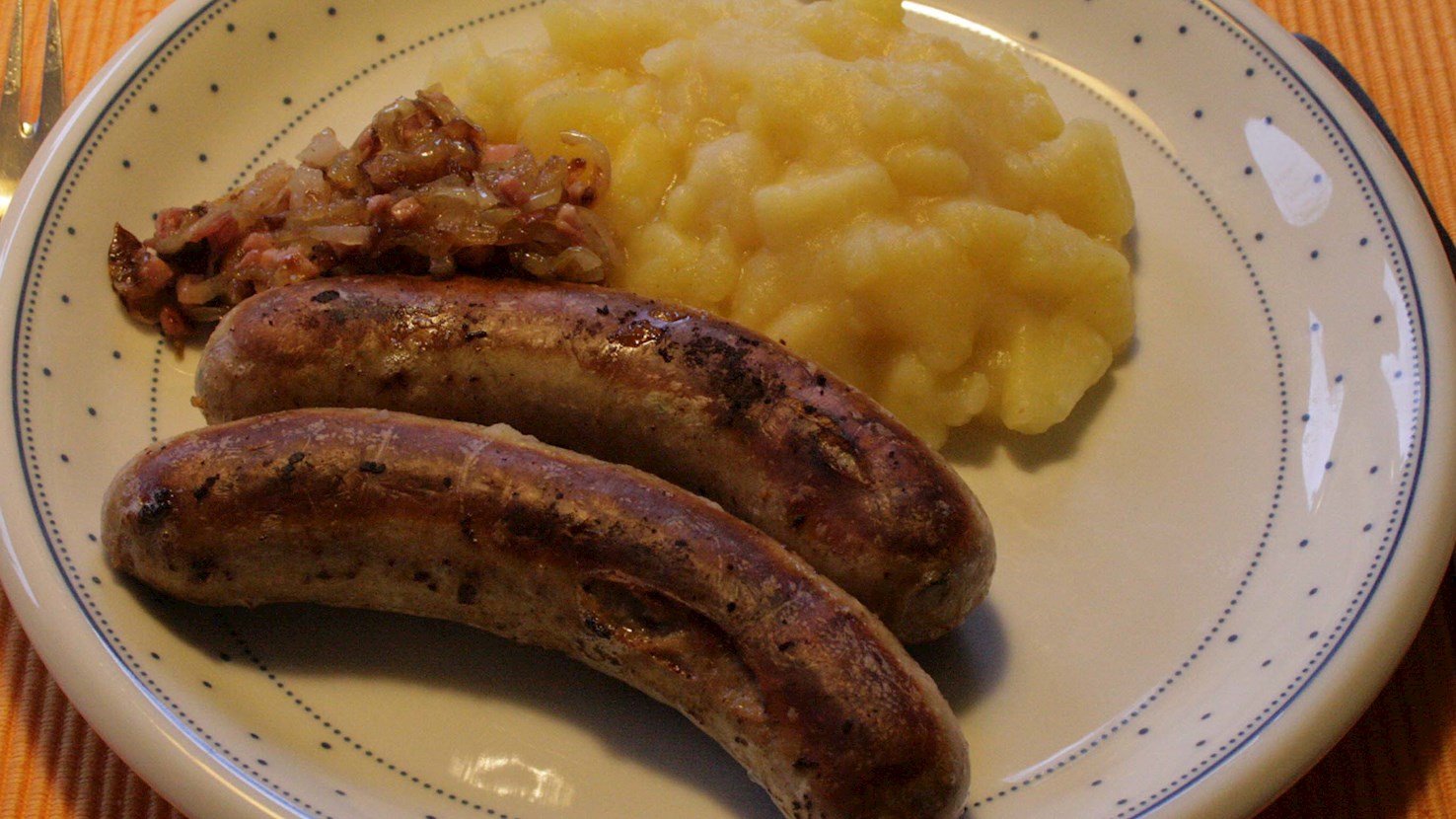
Himmel und Erde is a traditional dish originating as far back as the 18th century. Literally translated, the name of the dish means Heaven and Earth, derived from the old word for potatoes – Erdapfel. The dish consists of mashed potatoes that are paired with apple sauce. It is most commonly served with meat dishes, while purists insist on having a blood sausage on the side. In that case, the dish is sometimes referred to as Himmel, Erde, und Höllen (Heaven, Earth, and Hell). Today, there are numerous variations on the original recipe depending on the region, but the classic version is still the most popular in Rhineland, its place of origin.

Read more
View all
View map
About this ranking

TasteAtlas food rankings are based on the ratings of the TasteAtlas audience, with a series of mechanisms that recognize real users and that ignore bot, nationalist or local patriotic ratings, and give additional value to the ratings of users that the system recognizes as knowledgeable. For the “Top 23 German Side Dishes” list until June 15, 2026, 1,544 ratings were recorded, of which 1,407 were recognized by the system as legitimate. TasteAtlas Rankings should not be seen as the final global conclusion about food. Their purpose is to promote excellent local foods, instill pride in traditional dishes, and arouse curiosity about dishes you haven’t tried.

Similar lists