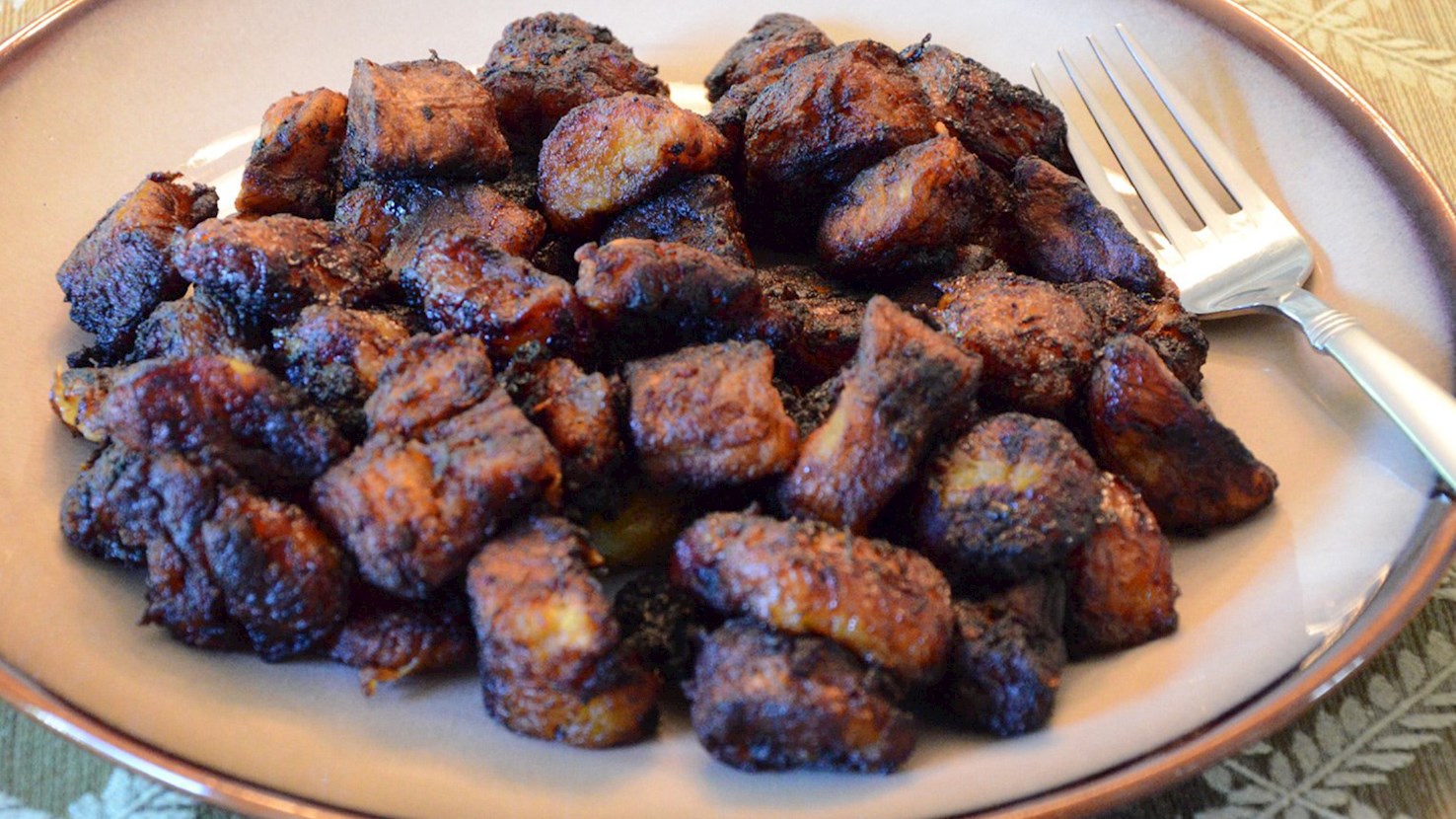
Kelewele is a flavorful Ghanaian dish consisting of deep-fried plantain chunks that are usually combined with salt, ginger, and hot peppers. It is usually served as an accompaniment to bean stews or rice dishes, although kelewele is also often sold by numerous African street vendors as a dessert. Cooks usually like to add peanuts, cloves, nutmeg, or cinnamon to the mix in order to give kelewele an additional layer of flavor.
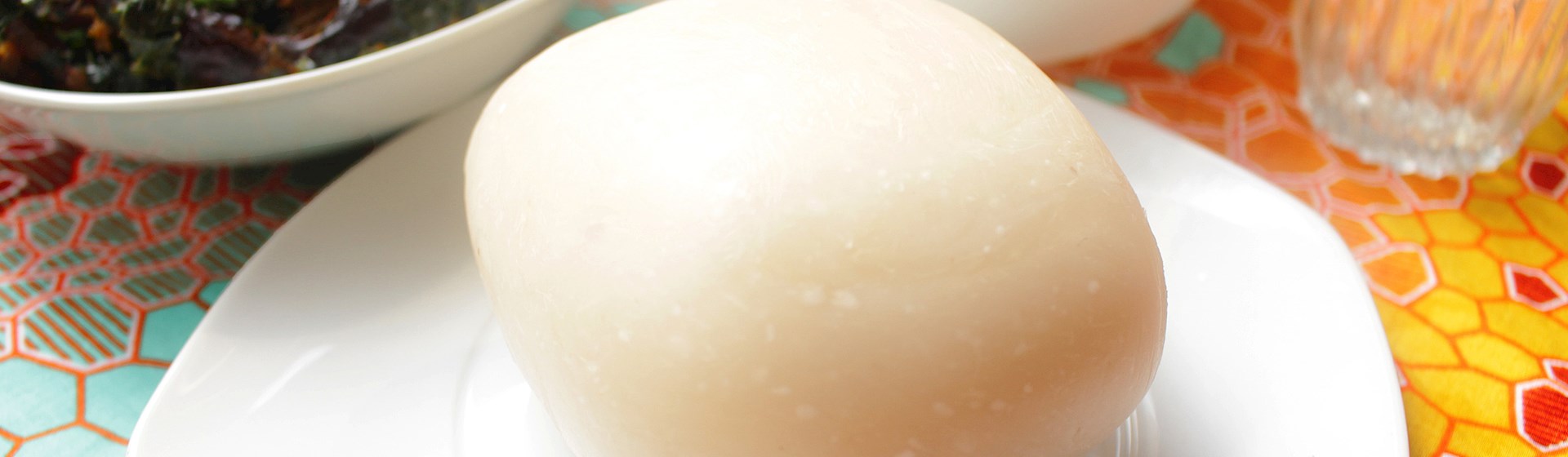
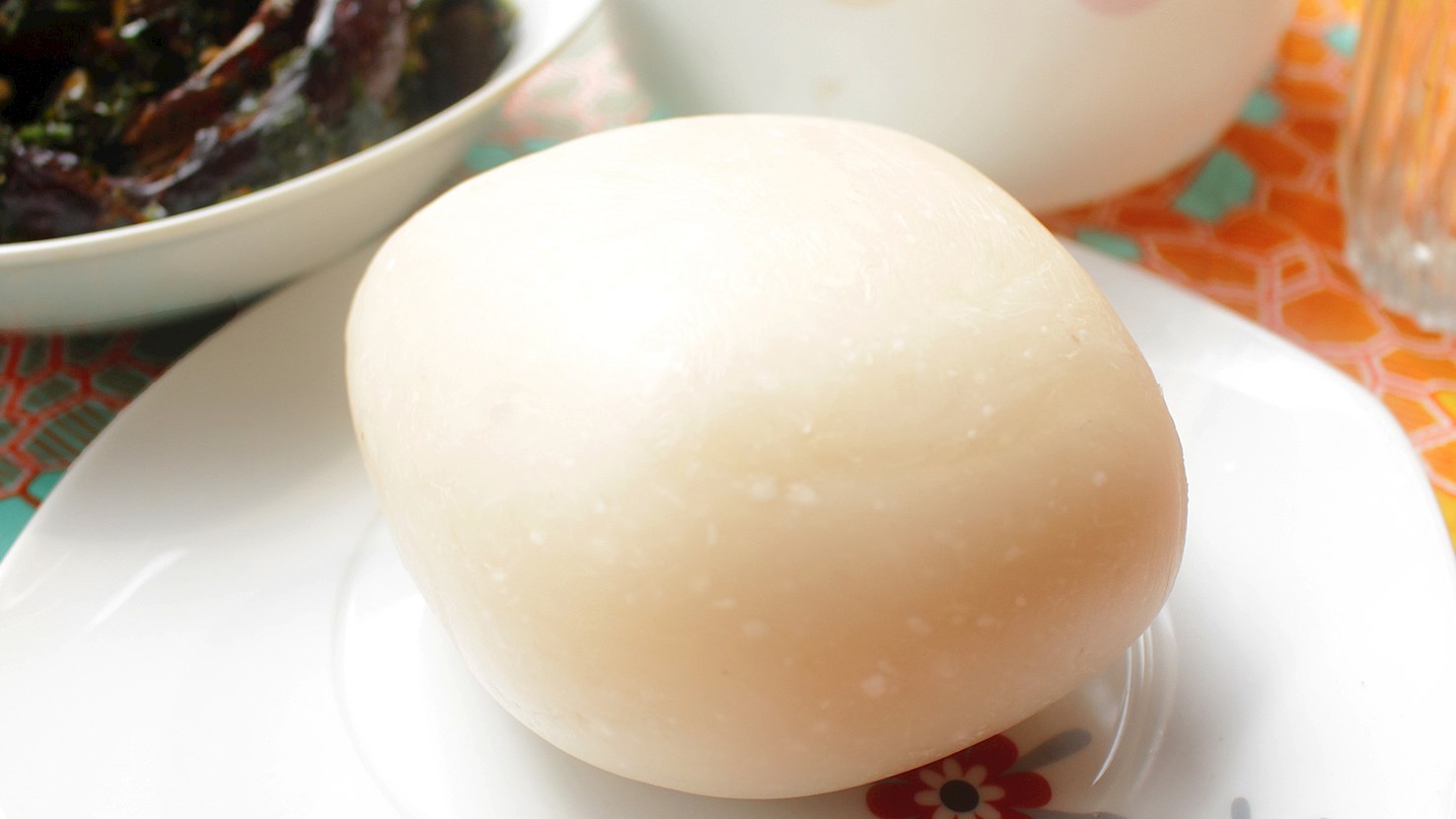
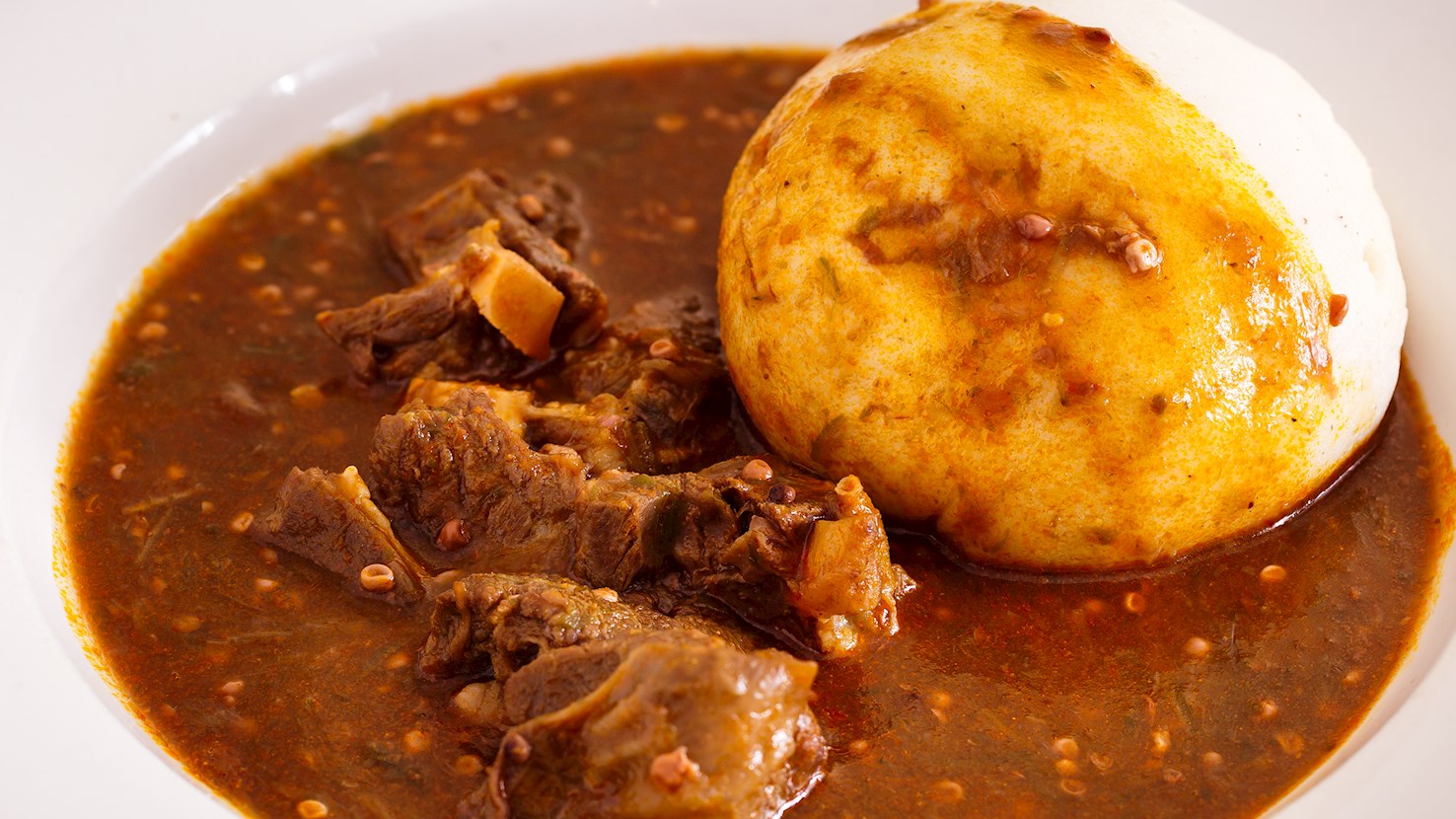
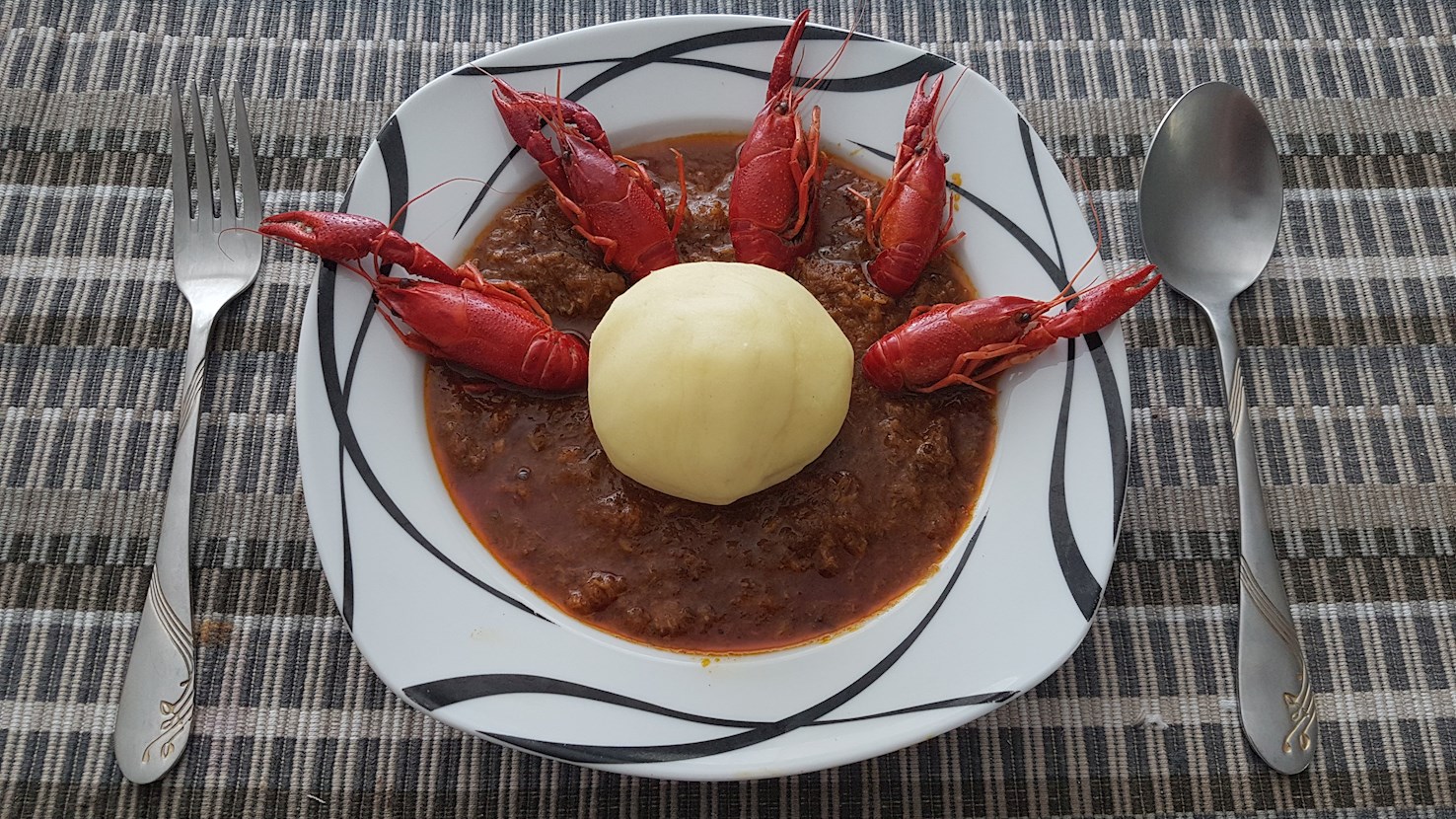
Fufu is a staple side dish made by pounding cassava and unripe plantains together with a big wooden pole and mashing them while adding water. As it needs to be vigorously stirred, it usually takes two people to make it - one pounding it, and the other moving it around between the pounding. Once the mixture is smooth, it gets shaped into small balls that are then placed in a stew or soup with meat. Similar to the Tanzanian ugali, an indentation is made in the ball, used for scooping up the sauce, with fufu acting as a spoon. The texture is quite gummy and stretchy, while the flavor is bland, but dipping it into a stew gives fufu a spicy flavor that is slightly reminiscent of peanuts. Just make sure not to eat with your left hand, as this is considered extremely disrespectful in many parts of Africa, because the left hand is used for toilet-related actions. This starchy side dish is an important accompaniment to various stews and sauce-based dishes, and it's regularly eaten throughout West and Central Africa.
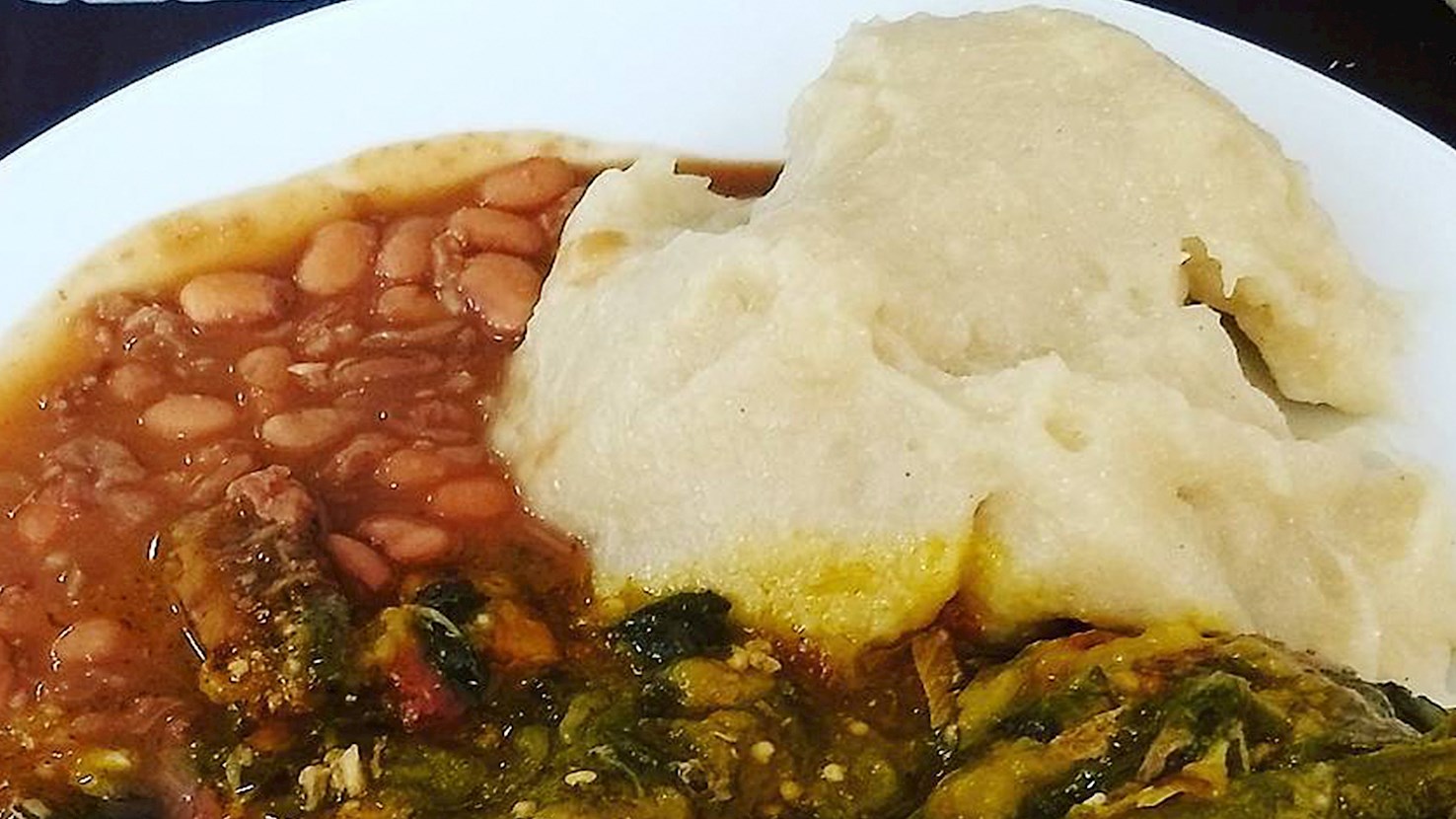
Known as funge or funje in Angola and Ghana, and mfundi in Democratic Republic of the Congo and Republic of the Congo, it is an essential side dish accompanying breakfast, lunch, and dinner meals in many households of rural families throughout these countries. It is a type of porridge known as swallow, made from cassava flour that is stirred into water. Funge has a sticky, smooth, and creamy texture, while a slightly bland flavor makes it great for evening out the intense spices found in many local dishes. Traditionally, at their most basic, these dishes consist of funge and a full-flavored, spicy sauce.
Banku is a dense, sour, steamed dough made by vigorously stirring a fermented mixture of milled corn and grated cassava over an open flame until it turns into a smooth, elastic mass. Its origins trace to the Ga-Dangme communities of the southeastern coastal plains of the African continent. During the 16th century, Portuguese merchants sailing along the Gulf of Guinea introduced maize and cassava from the Americas to local port cities. In the intense heat and humidity, coastal communities developed a careful fermentation process to keep raw maize from spoiling quickly. This process also created the sharp acidity that defines banku today. The first step in making banku is soaking raw corn kernels in water for up to five days to start lactic acid fermentation. Once softened, the kernels are milled into a wet paste together with freshly peeled and grated cassava root. The combined dough is then left in a warm place for another two days, allowing the sour flavor to become stronger. A measured block of the fermented dough is placed in a deep metal pot with a generous splash of water and a pinch of salt. As the mixture heats, it is beaten and folded forcefully against the sides of the pot with a sturdy wooden stick. This demanding stirring process removes lumps and fully cooks the raw starches, turning the loose slurry into a heavy, semi-solid white mass. Changing the ratio of corn to cassava has a major effect on the final texture. More cassava produces a softer, stickier ball, while more corn creates a firmer, stiffer bite. Once cooked, the hot paste is taken directly from the pot and shaped by hand into smooth, individual round portions. A thin plastic sheet or fresh cabbage leaf is often wrapped around each hot ball to trap steam and prevent the surface from drying out. Banku is usually served in a large, shallow bowl with deeply spiced okra stew, light peanut soup, or heavily seasoned grilled tilapia. It is eaten by tearing off small bite-sized pieces with bare fingers, rolling the dough into tight balls, and dipping them directly into hot stew or spicy red pepper sauce. Banku is consumed by almost all Ghanaian tribes, and can be traced back to the tribes in the Volta River region.
Abenkwan is a hearty Ghanaian dish consisting of palm nut pulp, water, fish or meat, tomatoes, onions, and flavorings such as pepper, salt, garlic, and chili peppers. The combination of these ingredients is cooked until it develops a thick, stewy texture. The soup is sometimes served as a starter before the main meal, although it is also commonly served as an accompaniment to fufu or rice dishes.
Gari foto is a traditional dish made with gari (cassava mash), tomatoes, onions, carrots, green peppers, oil, margarine, and seasonings. When the dish is made with ingredients such as these, with the addition of vegetables, it's usually served as a main dish, but if the vegetables are ommitted, it's served as an accompaniment to stews, rice, or beans. If desired, gari foto can be enriched with the addition of eggs or shrimp.
Plakali is a cassava-based staple food from Ghana and Côte d’Ivoire made by cooking fermented cassava dough with water until it forms a smooth, elastic, and mildly tangy paste. It belongs to the group of cassava staples eaten in southern and central parts of the country, particularly among Akan-speaking communities such as the Baoulé. The dish developed in regions where cassava became a central crop and where fermentation and pounding techniques were used to convert the root into stable, digestible foods suitable for daily meals. As cassava cultivation expanded through Ivorian and Ghanian forest zones in the nineteenth and twentieth centuries, plakali became established as a common staple alongside foutou and attiéké, valued for its neutral flavor and compatibility with a wide range of sauces. Preparation begins with fermented cassava dough, commonly known as placali or placali paste, which is mixed with water and cooked over medium heat while stirred continuously with a wooden spatula. As it heats, the starch gelatinizes and thickens, and the cook works the mixture until it becomes smooth, cohesive, and free of lumps. The final texture is soft, stretchy, and slightly sticky, with a mild acidity from the fermentation. The paste is portioned into servings and kept warm, since its ideal texture is maintained at serving temperature. A characteristic element of plakali is that it is specifically paired with sauces that require a neutral, absorbent base, and Ivorian households often match it with palm nut soup, clear okra soup, or peanut-based sauces, each highlighting the cassava paste differently. Plakali is eaten throughout southern Côte d’Ivoire and western Ghana in homes, roadside eateries, and communal gatherings, often served in rounded portions alongside bowls of sauce. It pairs well with palm nut soup, okra soup, eggplant or garden egg stew, and peanut sauce, and it is commonly accompanied by water, bissap, ginger drinks, or light beer, all of which help balance the starchiness and acidity of the cassava.
Tuo zaafi is a Northern Ghanaian dish made by cooking a combination of maize or millet flour and water. In the Hausa language, tuo means stirred, and zaafi means hot. Sticky, starchy, and full of carbohydrates, tuo zaafi is traditionally served with okra soup.
Akple is a unique Ghanaian dish consisting of corn flour, cassava flour, water, and salt. The combination of these ingredients is usually rolled into a ball and left to ferment. The dish was invented by the Ewe tribe and is traditionally consumed without any utensils. Akple is often served with a flavorful okra soup known as fetri detsi.
TasteAtlas food rankings are based on the ratings of the TasteAtlas audience, with a series of mechanisms that recognize real users and that ignore bot,
nationalist or local patriotic ratings, and give additional value to the ratings of users that the system recognizes as knowledgeable.
TasteAtlas Rankings should not be seen as the final global conclusion about food. Their purpose is to promote excellent local foods,
instill pride in traditional dishes, and arouse curiosity about dishes you haven’t tried.






What People Say