

shutterstock

Top 5 Hungarian Side Dishes

Last updated on June 15, 2026
01

Dödölle

4 ·

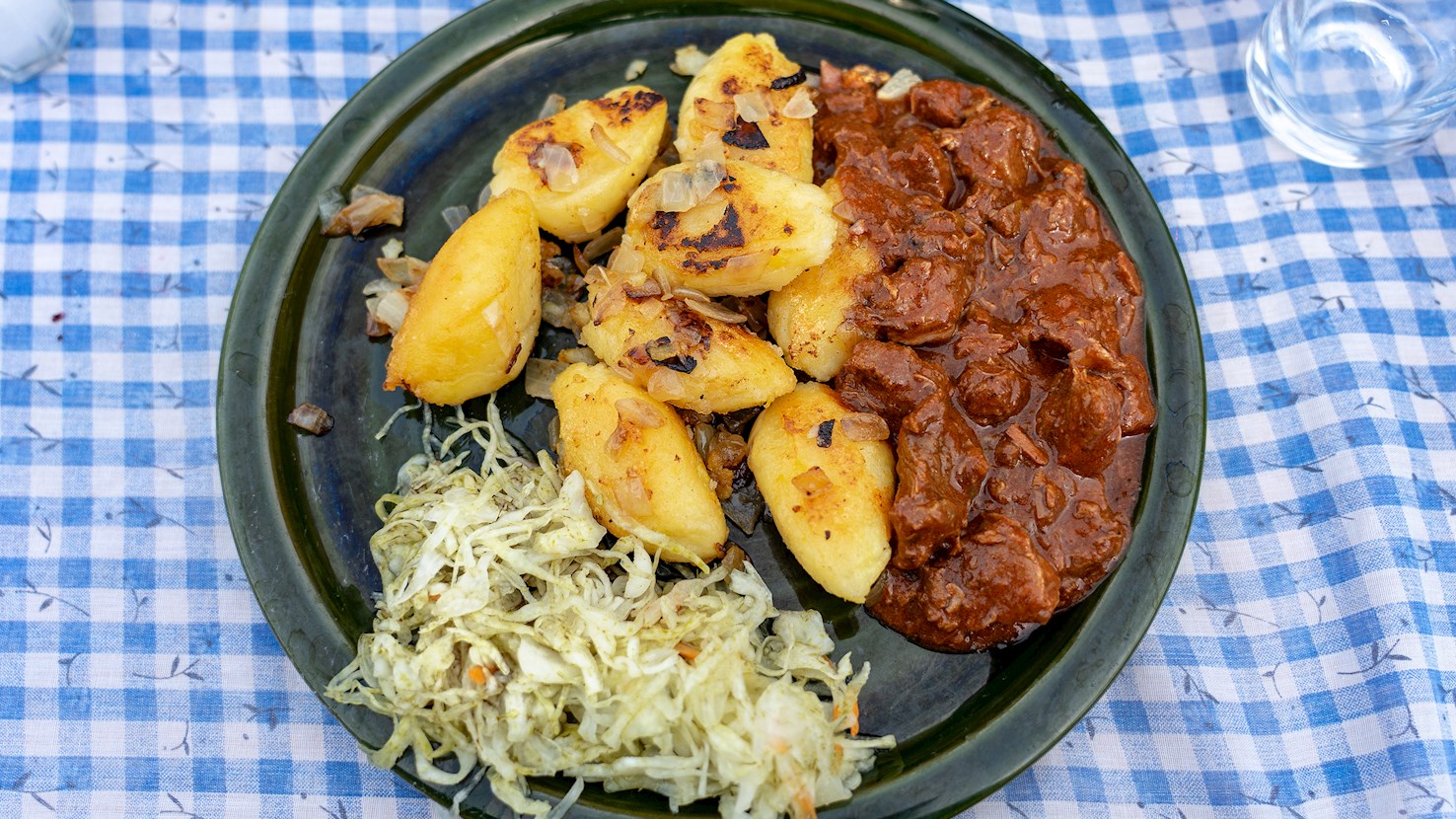
Dödölle is a traditional peasant dish originating from Hungary. These filling and inexpensive potato dumplings are made with a combination of floury potatoes, flour, lard or vegetable oil, onions, and salt. The potatoes are boiled, mashed, then mixed with flour, and the combination is shaped into small dumplings. They're traditionally fried with onions until golden brown. When served, dödölle are often topped with bacon bits or sour cream.

02

Lecsó

4 ·

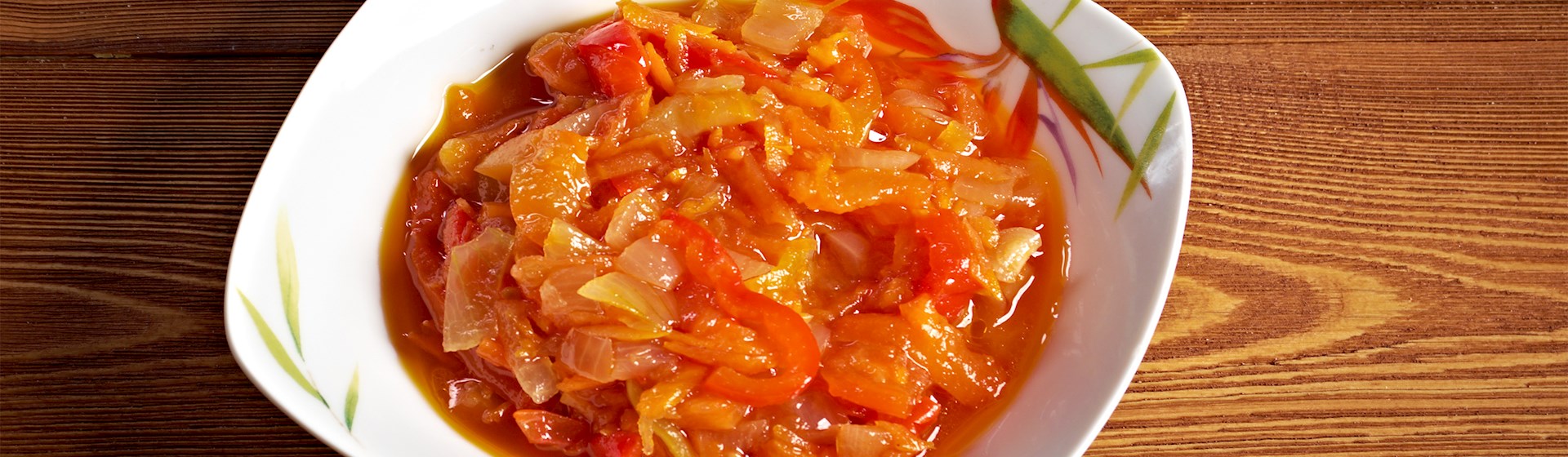
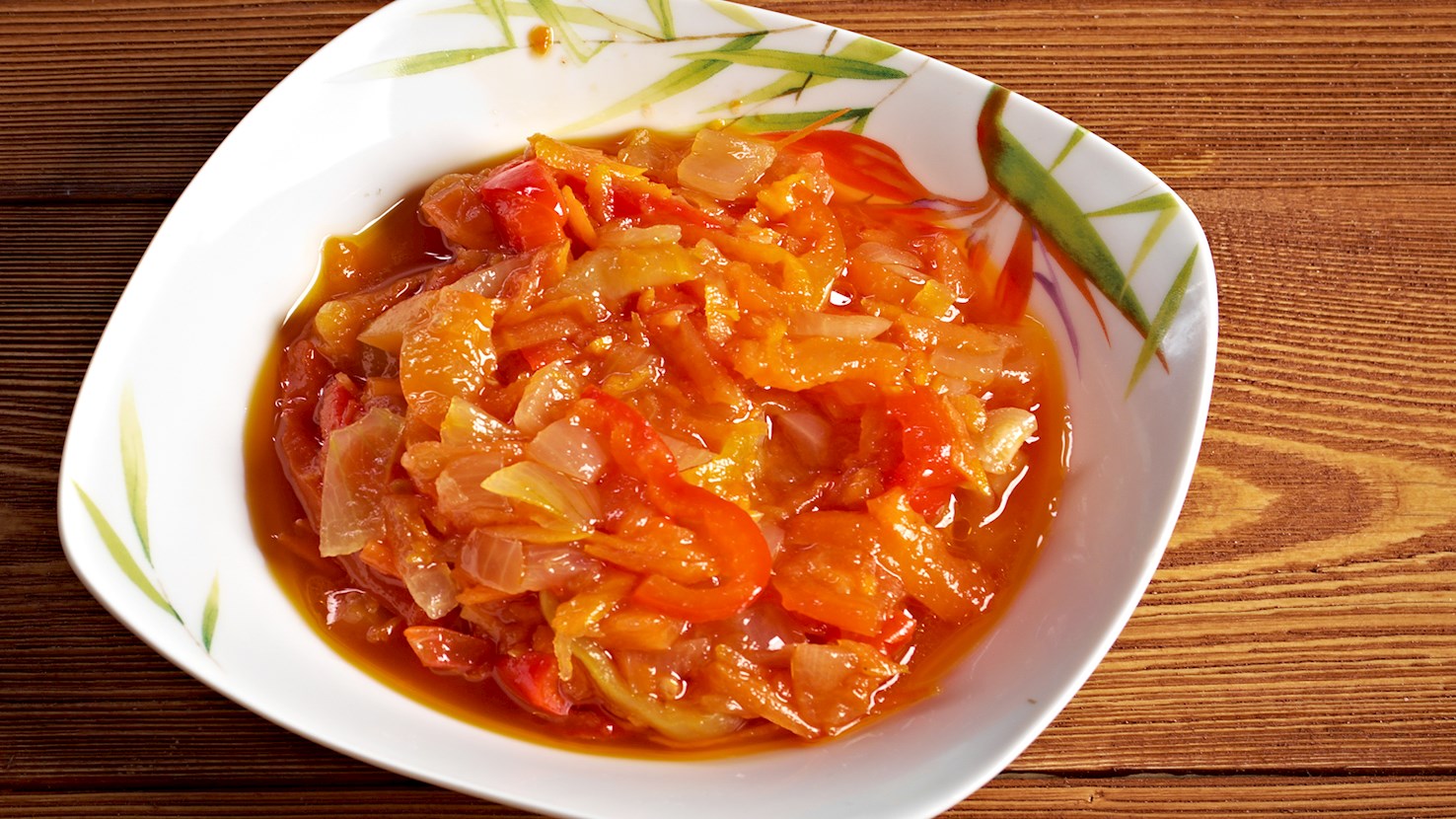
This hearty Hungarian vegetable ragout is made with a base of rendered lard or bacon fat, fried Hungarian wax peppers, tomatoes, onions, ground paprika, salt, and sometimes garlic. Lecsó can be eaten on its own with bread or with a side of rice for lunch, but it can also be served as an accompaniment to meat mains such as pork schnitzel or roasted chicken. Lecsó itself is much akin to the French ratatouille, and though this versatile dish is prepared in numerous variations, it is said that the very best lecsó is cooked over an open fire in a bogrács, the traditional Hungarian cast iron cauldron.

03

Zsemlegombóc

3.9 ·

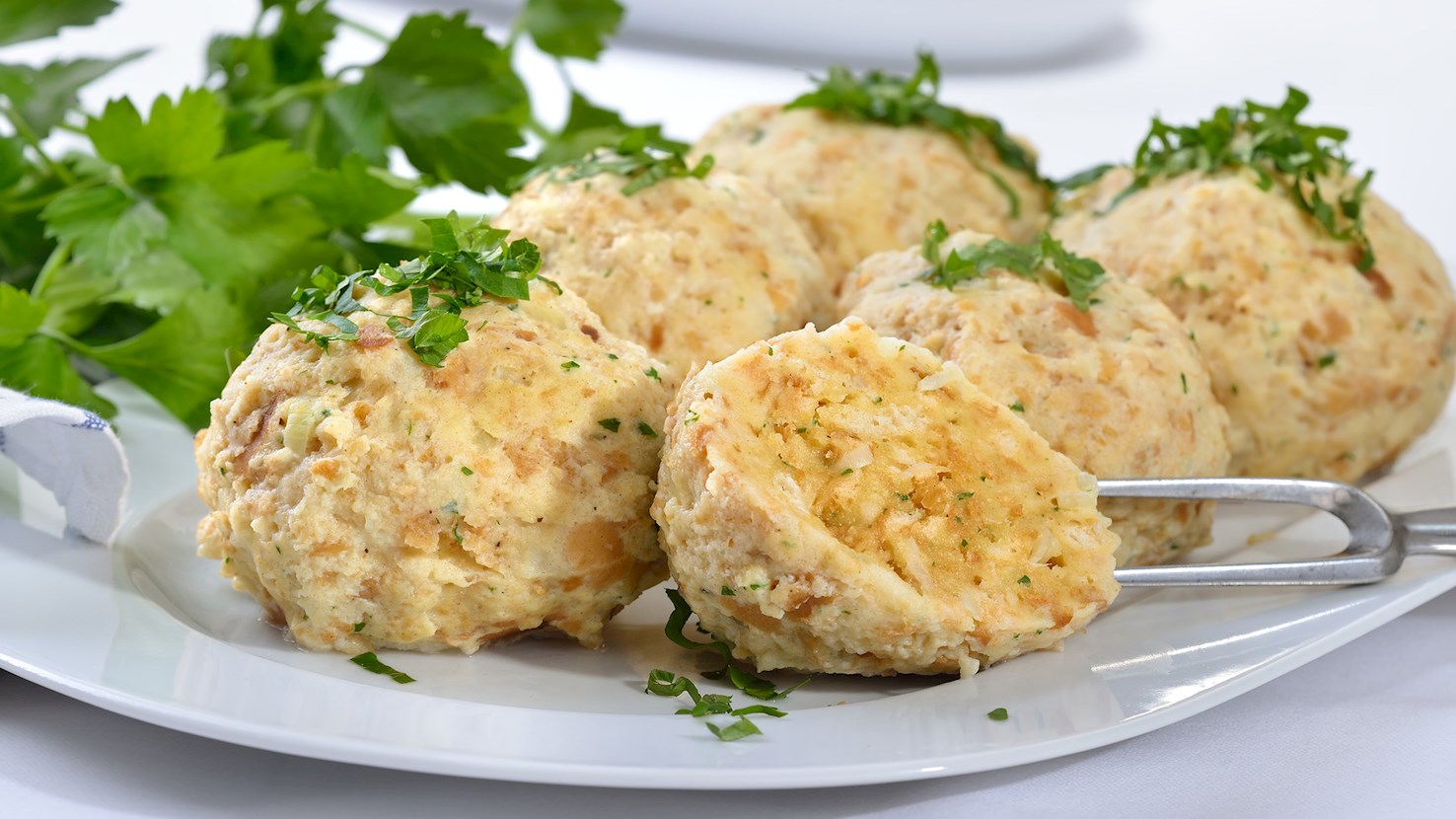
Semmelknödel are popular German bread dumplings–nutritious and convenient, they are one of the most versatile side dishes in traditional German cuisine. Even though there are numerous semmelknödel varieties, which come in various sizes, they all have a recognizable round form and employ bread as the base ingredient. Sliced or diced bread pieces, which can be fried in oil, are usually soaked in plain milk to soften, then mixed with eggs to form a pliable, soft base. Since they are incredibly neutral on their own, bread dumplings are usually mixed with different spices and additional ingredients to form a myriad of flavorful varieties. They commonly include onions and fresh herbs such as parsley or marjoram, but can even withstand strong flavors coming from nutmeg or fresh lemon zest. Even though semmelknödel are mostly served as a complement to various roast meat dishes and stews, they can be enjoyed as a nourishing dish on their own, usually served alongside vegetables and lentils, or doused in creamy mushroom sauces. Various dumplings are omnipresent in many European cuisines, but the invention of semmelknödel has usually been associated with the German region of Bavaria, from where it spread to other parts of Germany and countries such as Austria, Hungary, and the Czech Republic.

04

Füszerezett vöröskáposzta

3.8 ·

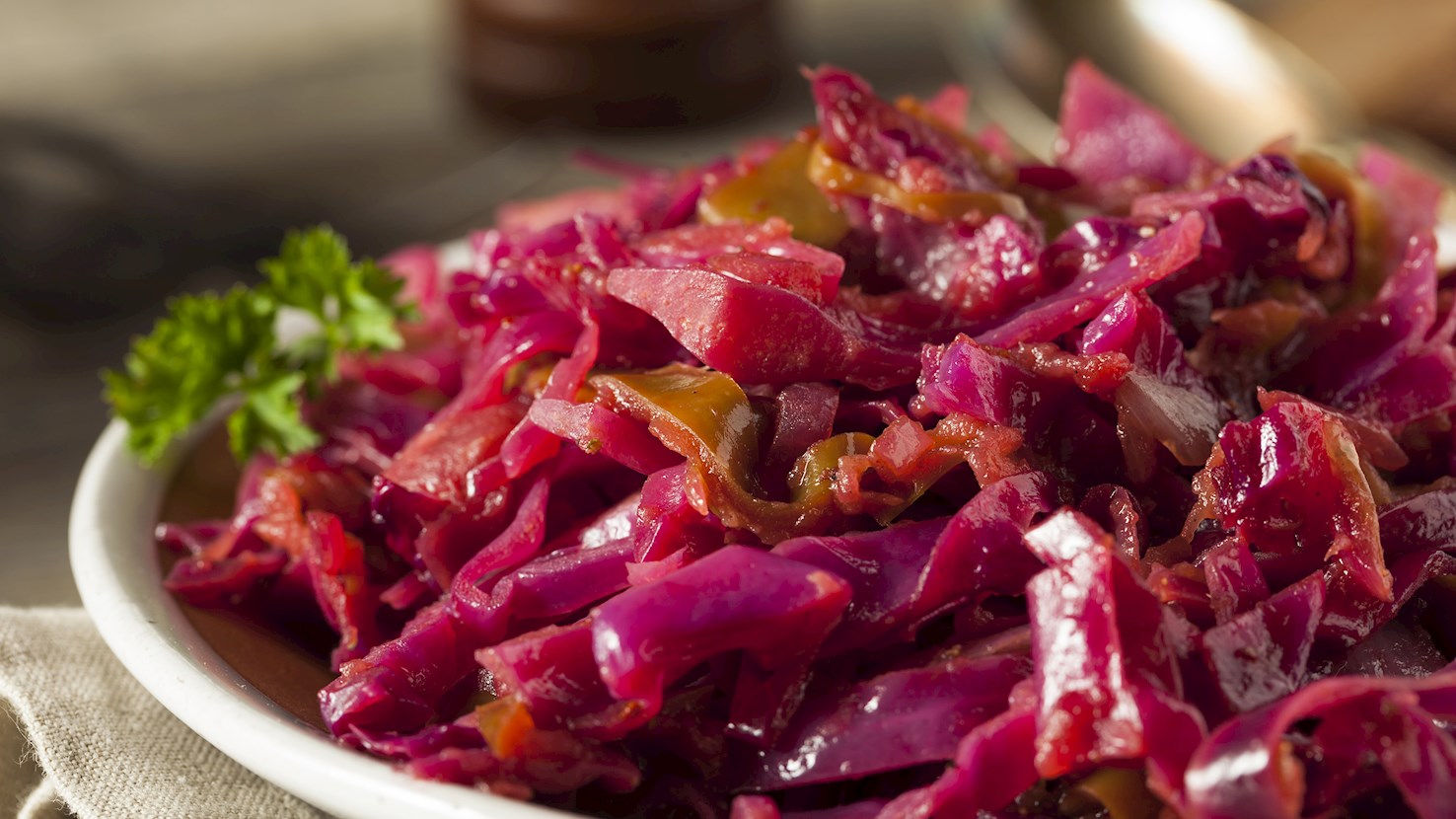
Fuszerezet voroskaposzta or spiced red cabbage is a traditional dish from Sopron. It typically consists of red cabbage, apples or pears, onions, garlic, and bacon, which are simmered in red wine with caraway, honey, and vinegar. The recipe for this savory specialty is believed to date back to the early 19th century, and it’s one of the only two Sopron-related recipes mentioned in George Lang’s Cuisine of Hungary, a 1971 cookbook concerned with Hungary’s culinary heritage. In Sopron, the traditional way to enjoy this simple delicacy is alongside meat dishes such as roast pork or game. Another similar dish that is usually associated with Sopron’s cuisine is Soproni winzer káposzta (lit. Sopron Winemaker’s Cabbage). This dish is typically made with a combination of sauerkraut, apples, onions, garlic, bacon, potatoes, fat, white wine, paprika, and cumin.

05

Főzelék

3.4 ·

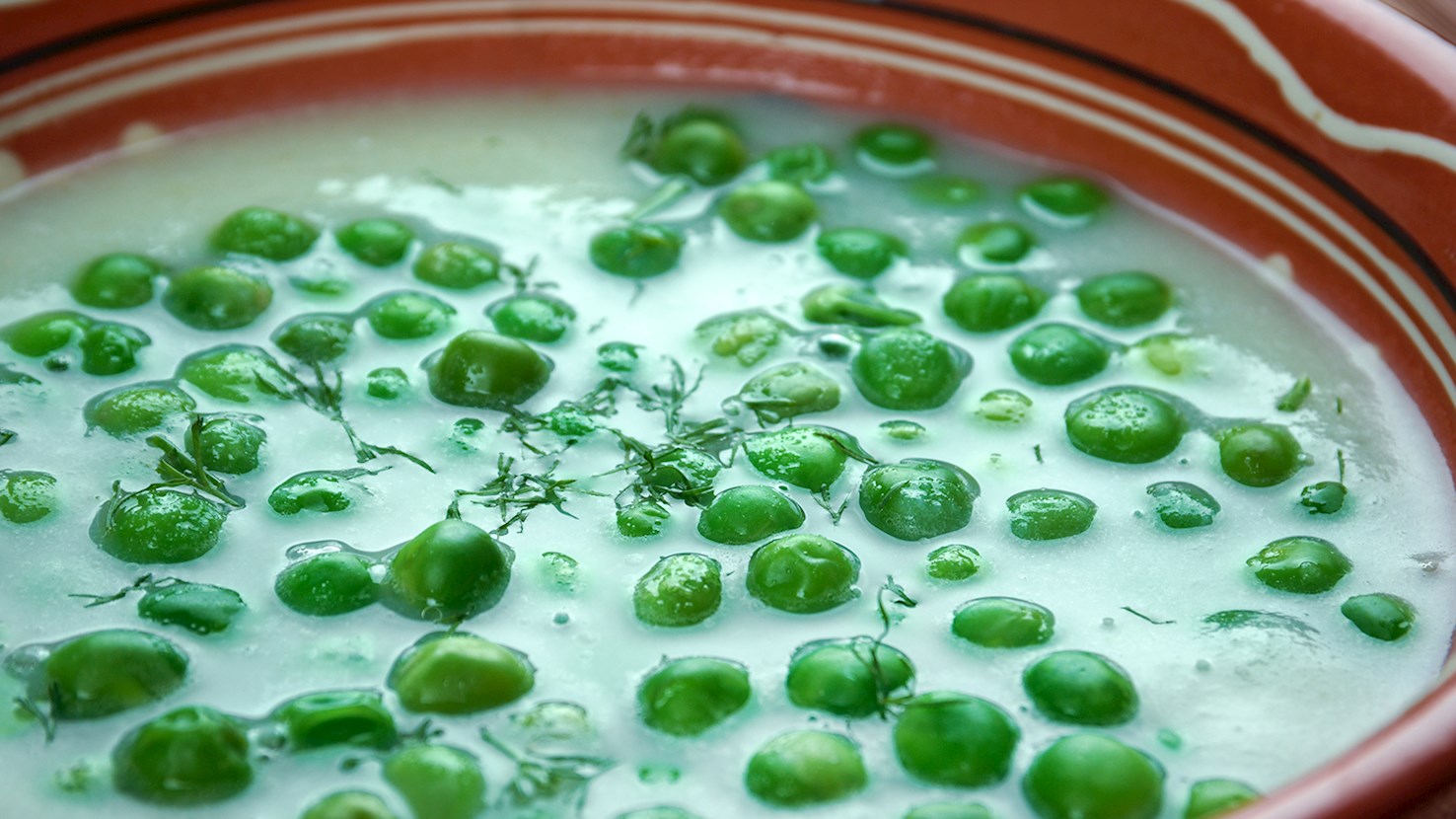
Főzelék is a thick vegetable stew originating from Hungary. Although it can be prepared with most vegetables, it's usually made with peas, spinach, lentils, potatoes, or cabbage as the main ingredient, along with a combination of onions, butter or lard, and flour, milk, or sour cream for thickening. It is believed that főzelék has been prepared in Hungary since the 16th century. Nowadays, it's usually served on its own on weekdays, and as an accompaniment to meat on festive days.

Best restaurants
Read more
View all
View map
About this ranking

TasteAtlas food rankings are based on the ratings of the TasteAtlas audience, with a series of mechanisms that recognize real users and that ignore bot, nationalist or local patriotic ratings, and give additional value to the ratings of users that the system recognizes as knowledgeable. For the “Top 5 Hungarian Side Dishes” list until June 15, 2026, 467 ratings were recorded, of which 378 were recognized by the system as legitimate. TasteAtlas Rankings should not be seen as the final global conclusion about food. Their purpose is to promote excellent local foods, instill pride in traditional dishes, and arouse curiosity about dishes you haven’t tried.

Similar lists