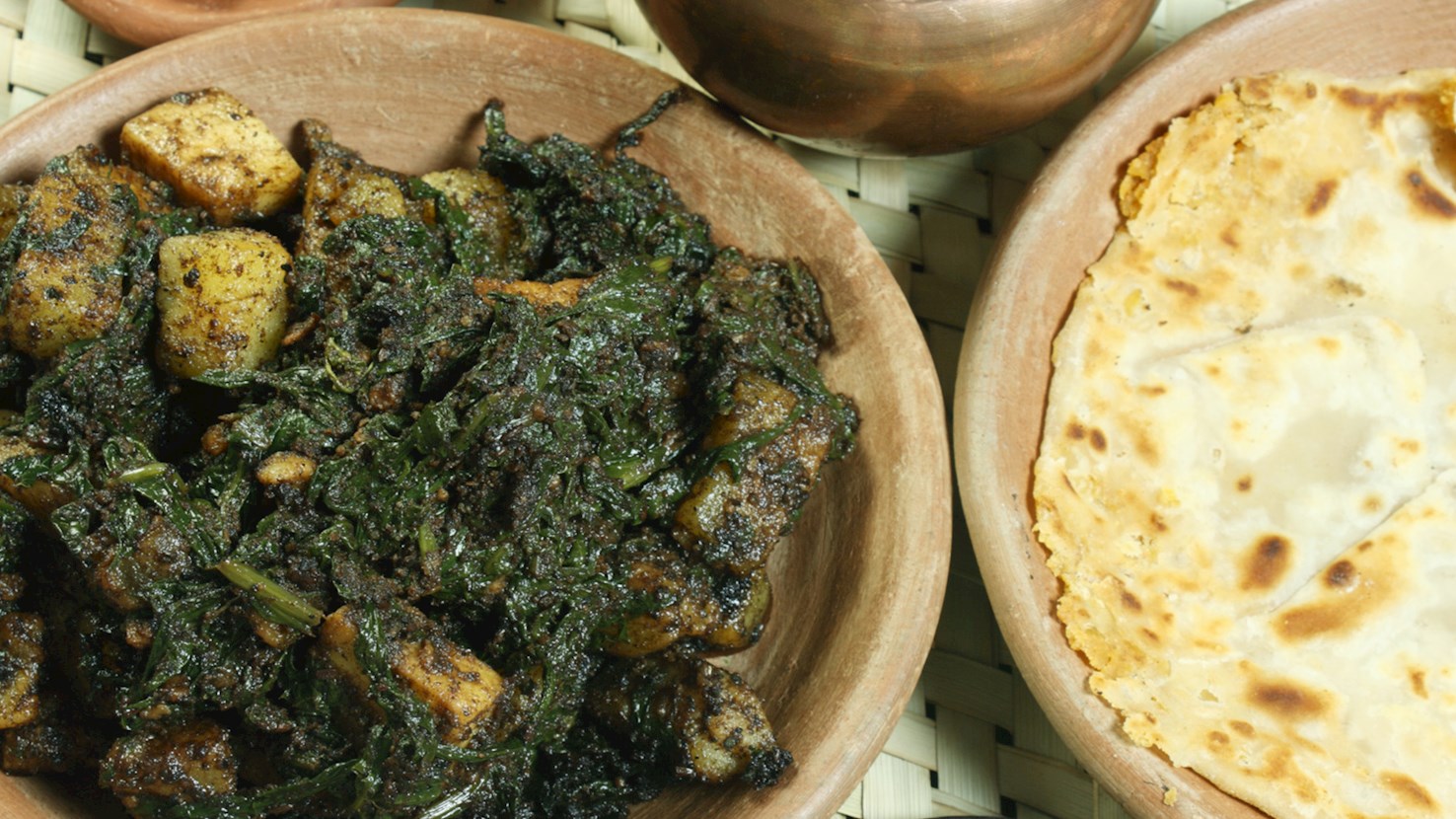
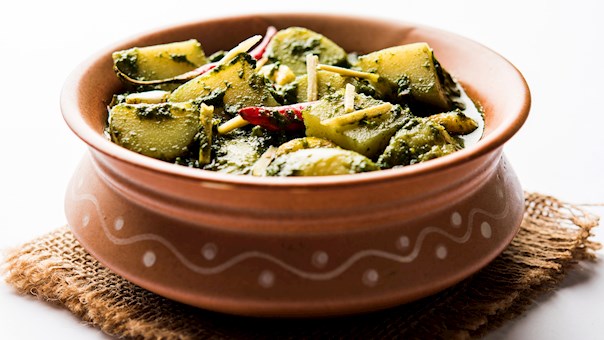
Indian saag paneer is a famous vegetable curry which incorporates diced paneer cheese doused in a creamy mixture of fresh leafy greens, also known under the name saag. It is typically made with mustard, fenugreek, spinach, bathua, or collard greens, mashed and incorporated with tomatoes and a rich spice blend. In India, the saag mixture is believed to have originated in the Punjabi region, and paneer version is just one of many varieties which incorporates this fragrant curry base. It can be enjoyed as a smaller side dish or a nutritious main meal that is usually accompanied by roti or naan.
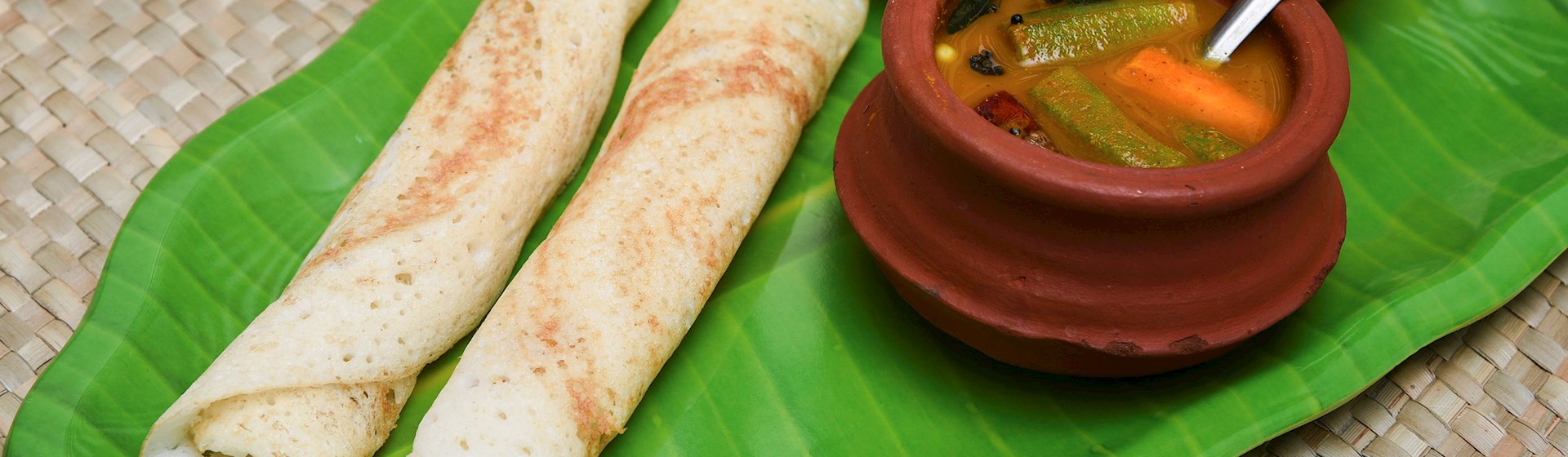
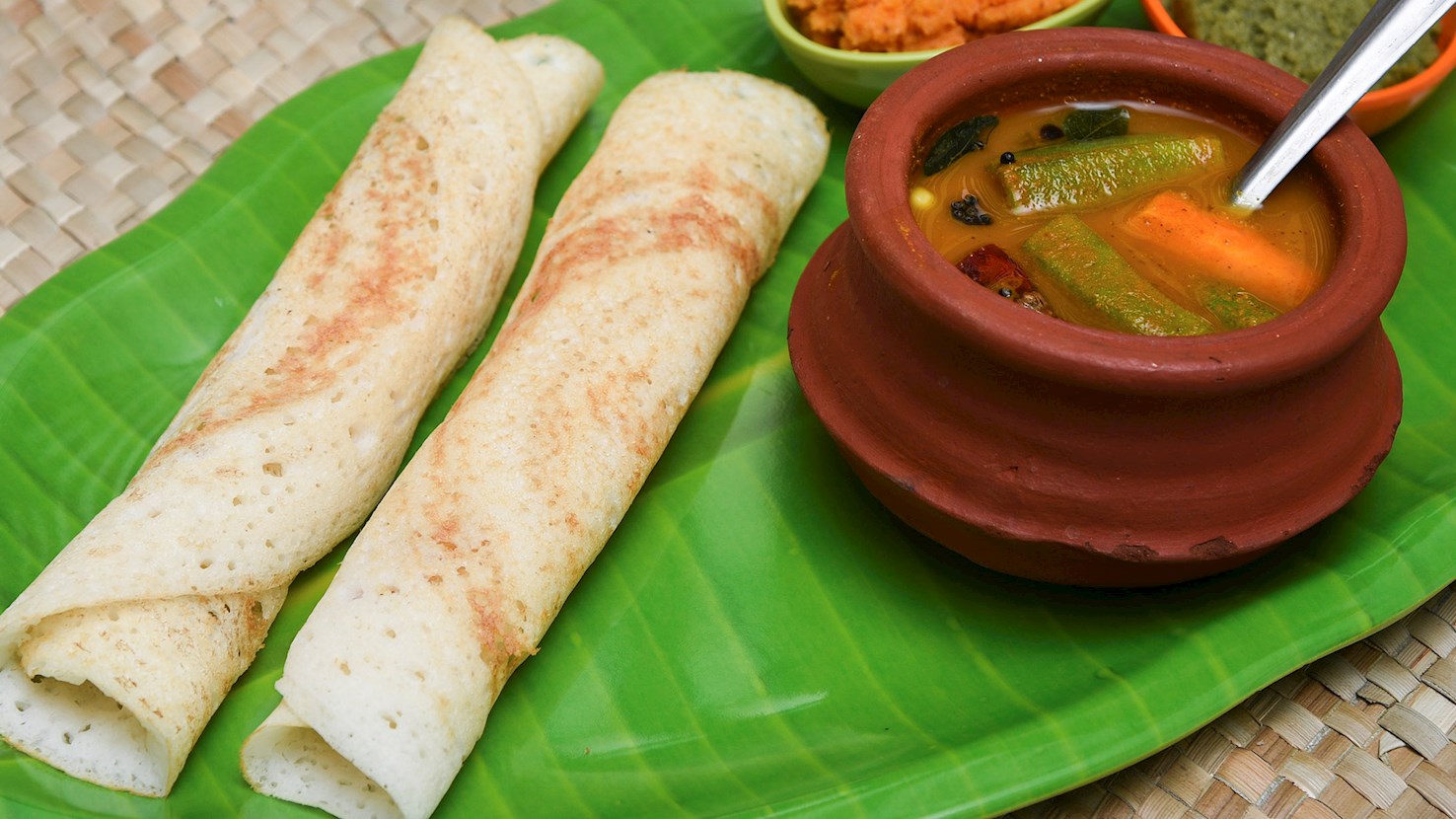
The thin pancake known as dosa is one of the most famous Indian dishes. It is made with soaked rice and black gram beans, which are ground into a paste and mixed to create a thick batter, usually left to ferment overnight. The mixture is enriched with a handful of fenugreek seeds, which give dosa its distinctive golden brown color and a delicious, crispy texture. It is then baked on a hot oiled griddle, pertaining a delicate, thin texture and round shape. Indian dosa is a staple dish in the entire country, but some believe that dosa had originated in the south Indian state of Tamil Nadu. It is an ancient dish, whose origins are traced back to the 1st century AD, when it was first mentioned in Tamil literature. Others claim that it's linked to Udupi (present day Karnataka) due to the association with the Udupi restaurants. Usually, dosa is consumed as a savory dish, commonly eaten for breakfast, dinner, or a quick snack. Since it has a rather neutral taste, dosa is an ideal accompaniment to many luscious Indian dishes, such as meat and vegetable curries or chutneys. It is often filled with ingredients and wrapped, or served on the side as an integral part of a meal, when it is usually used as a utensil to scoop the fragrant side dishes. As other ancient food staples, dosa has been adapted and combined with other ingredients to create numerous distinct varieties. Wheat flour, semolina, rice flour, or soy milk are used in some regions to create milder, diverse, and more interesting dosa varieties. This ancient Indian creation, in its numerous forms, is found everywhere in India - it is sold as a quick snack by street vendors, and it is an irreplaceable item in traditional Indian restaurants.
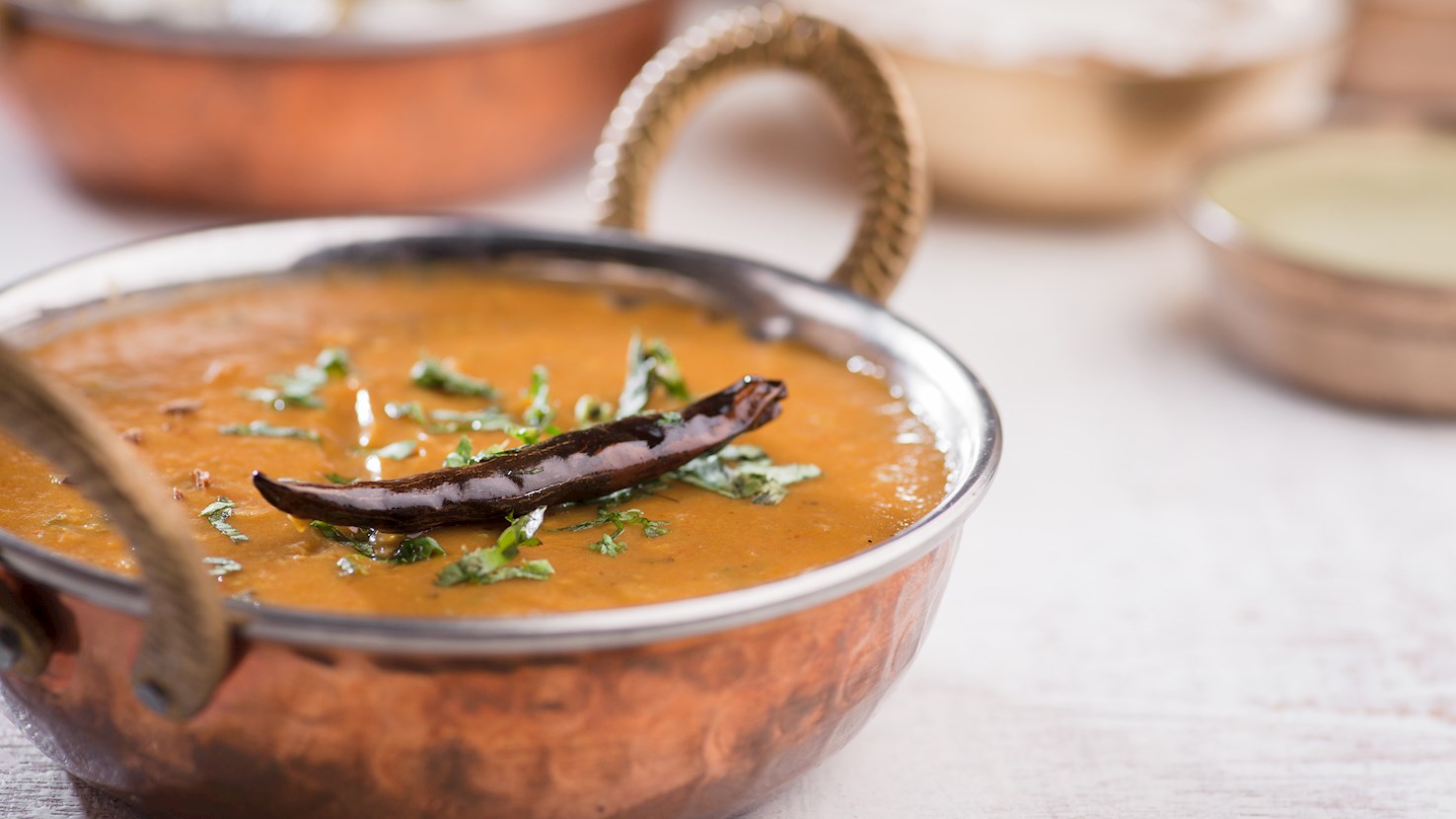
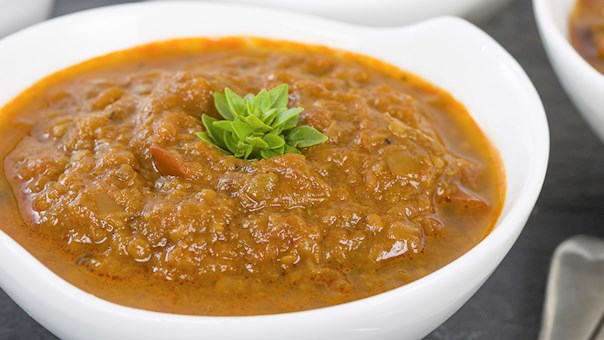
Dal tadka or tadkewali dal is a traditional legume-based dish originating from the northern parts of India. Although there are variations, the dish is usually prepared with toor dal (split yellow pigeon peas), garlic, ginger, onions, tomatoes, garam masala, chili peppers, ghee, cumin, coriander, turmeric, red chili powder, and fenugreek leaves. These ingredients are cooked and mixed with tadka (tempering), consisting of spices such as asafoetida, chili peppers, and garlic that are cooked in ghee. Once prepared, dal tadka is usually garnished with coriander leaves and served hot with jeera rice and roti on the side.
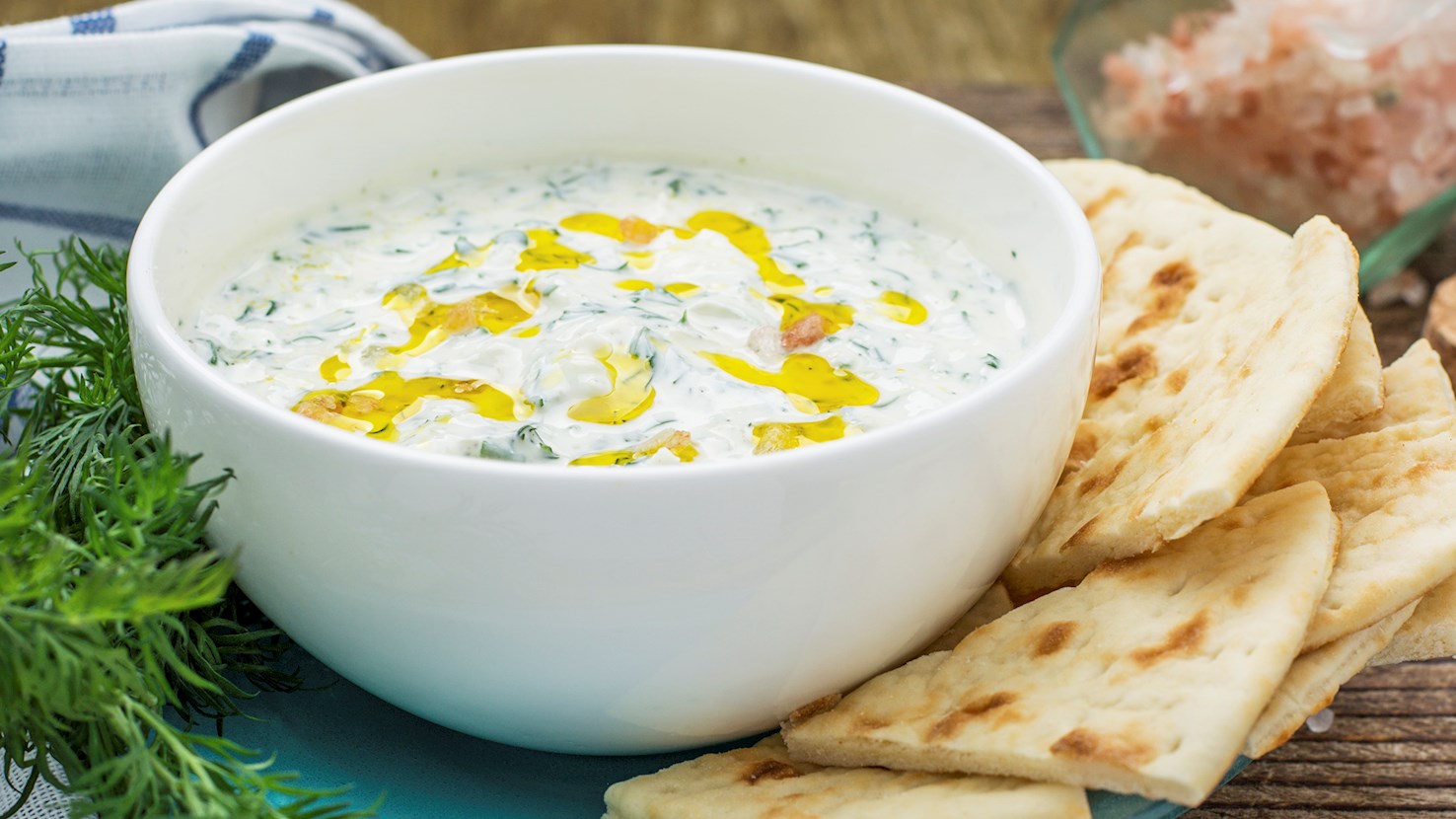
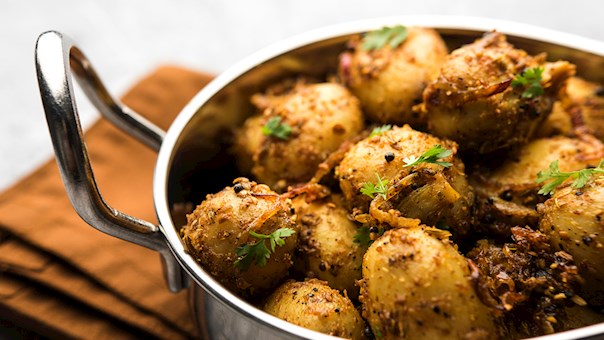
Raita is a popular Indian side dish or a condiment made by combining thick yogurt with different fruits, vegetables, and spices, so it can be either sweet or savory and spicy. The color of raita also depends on the ingredients used, but most commonly it is either white, green, or yellow. The name of the dish comes from two Sanskrit words: rajika, meaning black mustard, and tiktaka, meaning spicy. Raita's origins can be traced back to the 19th century. Some of the most common types of raita today are pineapple raita, aloo raita (made with potatoes), cucumber raita, and mixed vegetable raita. Raita is often served with main dishes such as biryani, pilaf, and kebab, when it is consumed both as a cooling agent and its spicy, contradictory counterpart.
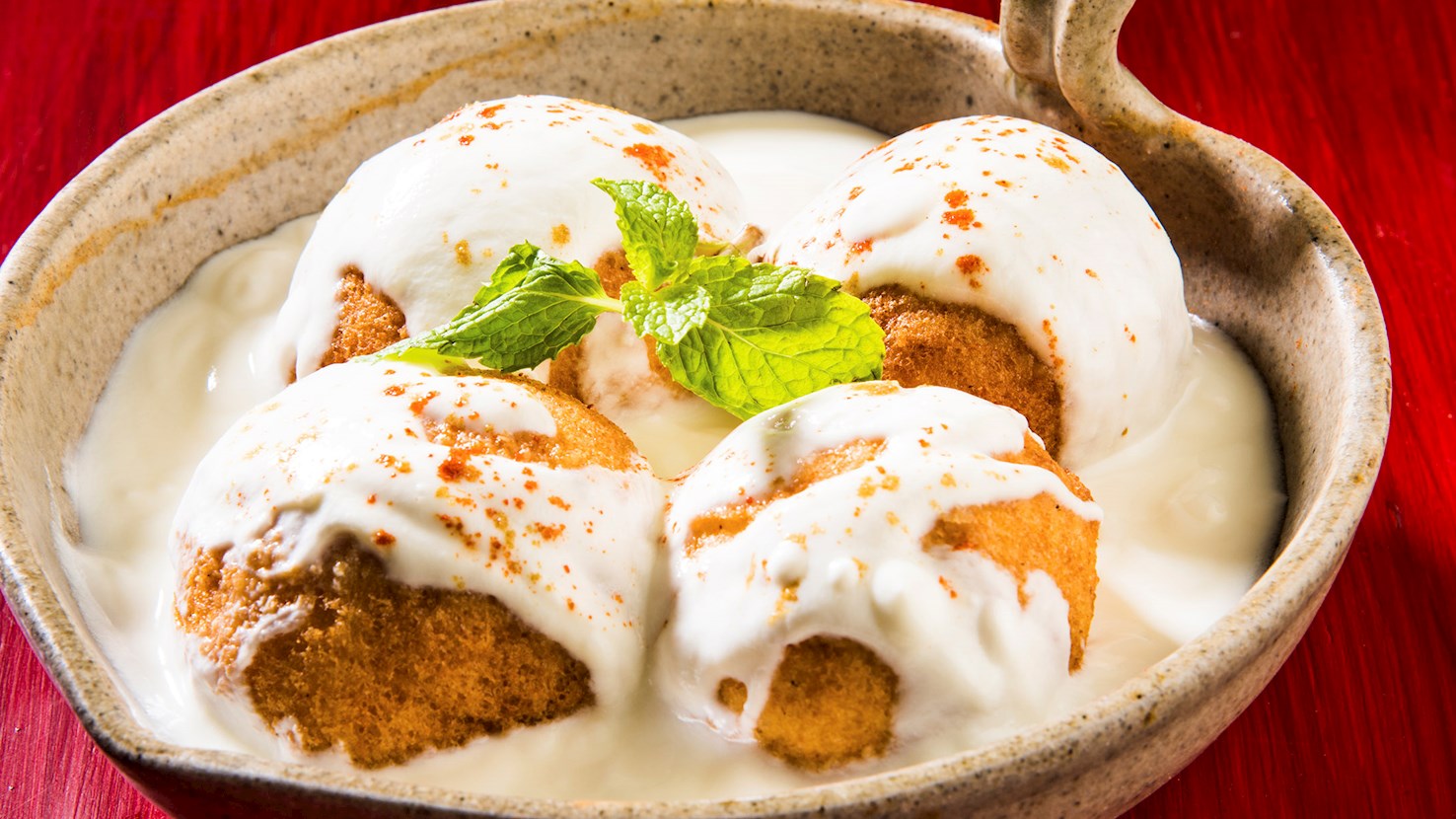
Dahi vada is a popular Indian snack that can also be served either as a main dish or as an accompaniment to vegetable or meat dishes. The dish originates from North India and consists of savory lentil-based fried balls (vadas) that are soaked in a thick yogurt (dahi). This popular street food is often topped with spices such as chili, cumin, coriander, and various chutneys. The dish is also popular at festive occasions such as weddings, and provides an ideal refreshment on a hot summer day.
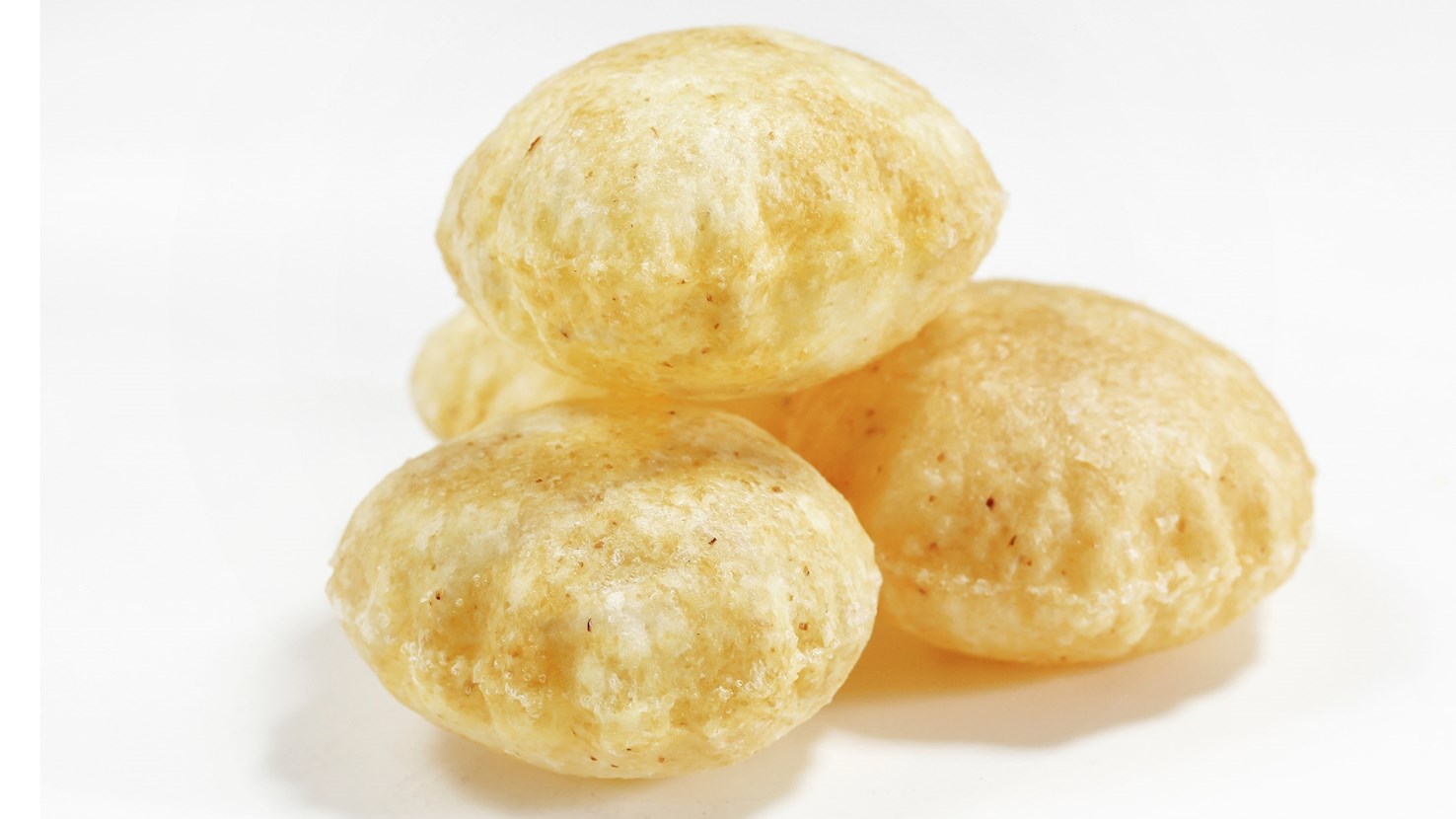
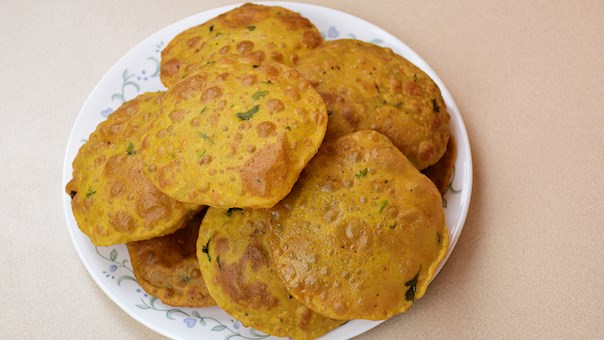
Puri is an unleavened, fried Indian bread made with water, finer or coarser wheat flour, and occasionally cumin seeds. The dough is rolled into flat round shapes and fried in copious amounts of vegetable oil or ghee. During frying, the dough absorbs oil and puri acquires the typical puffy appearance, crispy texture, and an appealing golden color. Occasionally, uncooked puri is punctured to produce a flat variety of the bread. It is consumed across the Indian subcontinent, but its origin is probably in the northern regions, where wheat flour was more usually employed. Most commonly, puri is consumed as a side dish, alongside creamy and spicy curries or a variety of vegetable dishes. It also represents an important breakfast staple and is commonly served during festivities and on special occasions. In some Indian states, it is also served as an accompaniment to sweet dishes, such as the creamy mango pulp or semolina halwa. Typical varieties include the spicy puri variety, a stuffed version filled with mashed potatoes, and the ones incorporating mashed or grated vegetables.
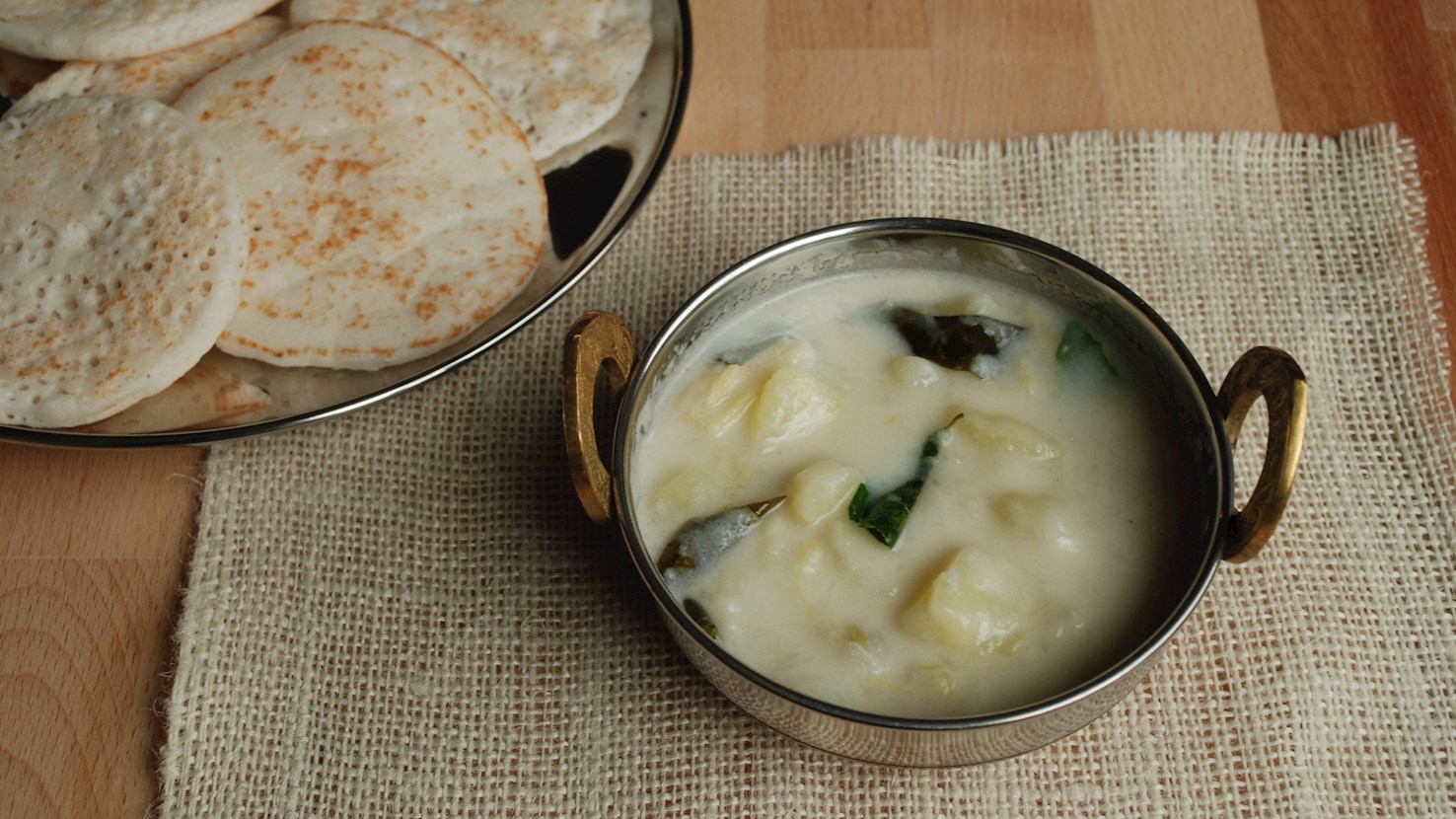
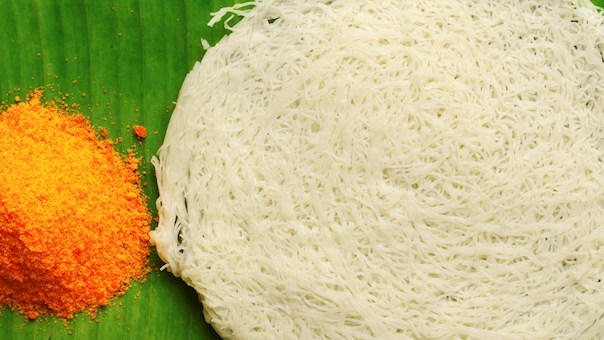
Ishtu is a traditional dish originating from Kerala. This simple stew with a soupy consistency is made with a combination of onions, potatoes, ginger, green chili peppers, curry leaves, black peppercorns, and coconut milk. The ingredients are simmered until they become tender, and (optionally) a bit of coconut oil is added to the stew just before serving. This creamy and rich dish is usually served for breakfast and it's traditionally accompanied by South Indian breakfast items such as appam, idli, or dosa.
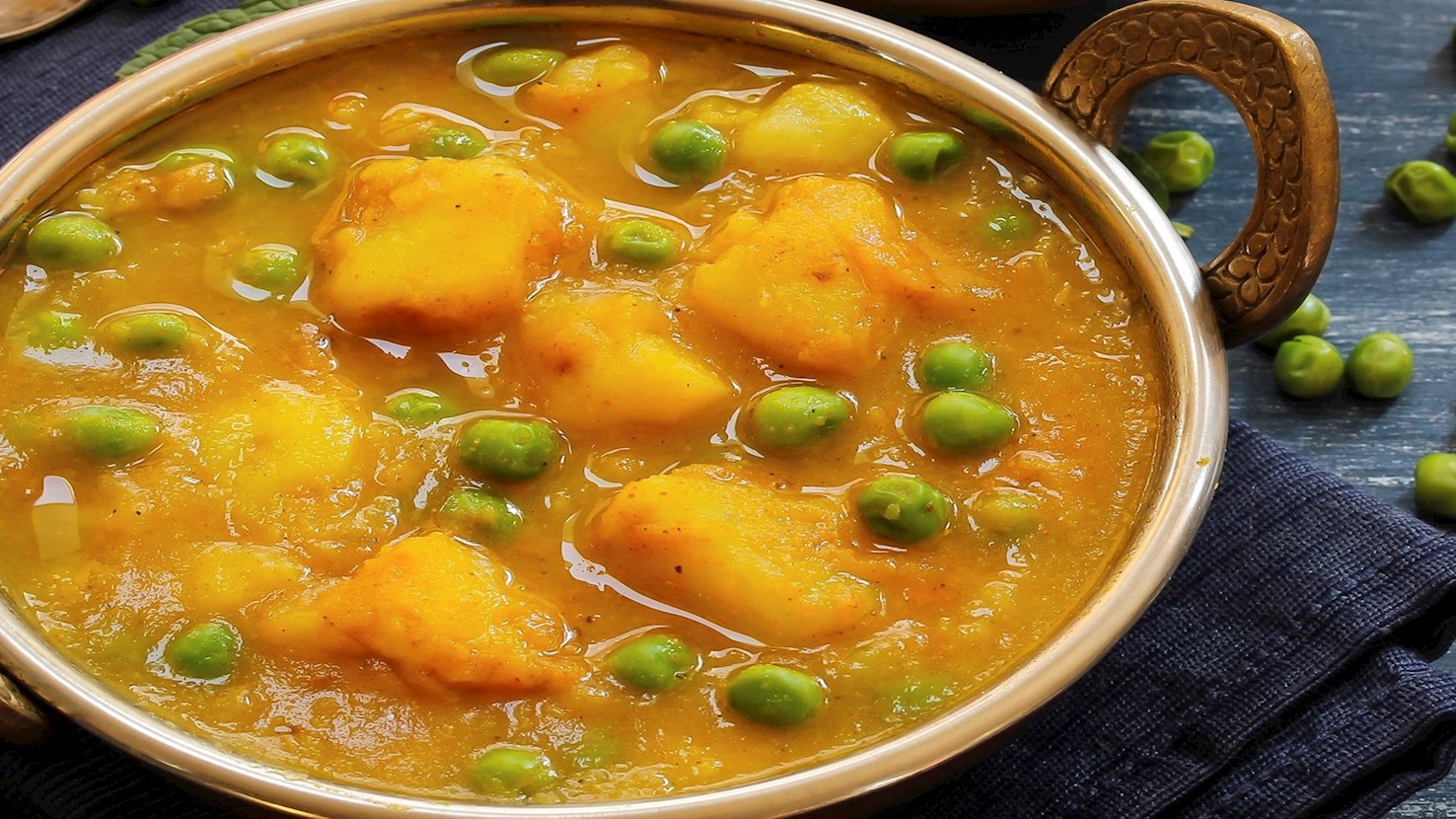
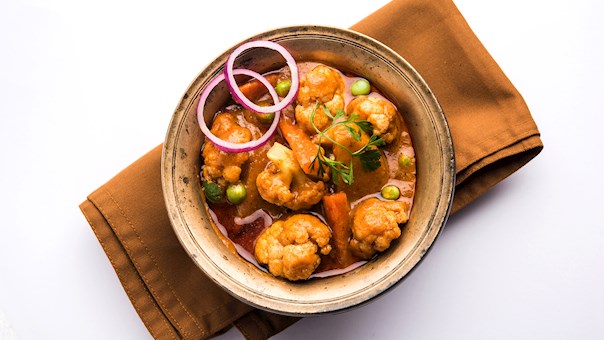
Aloo matar is a traditional North Indian dish consisting of sautéed potatoes (aloo) and green peas (matar) combined with tomato sauce and numerous spices such as garlic, ginger, coriander, onion, and cumin. It is usually served piping hot as a side dish, accompanying roti, puri, or naan. Flavorful and slightly spicy, this popular winter dish has numerous variations, with almost every family in Punjab having their own recipe.
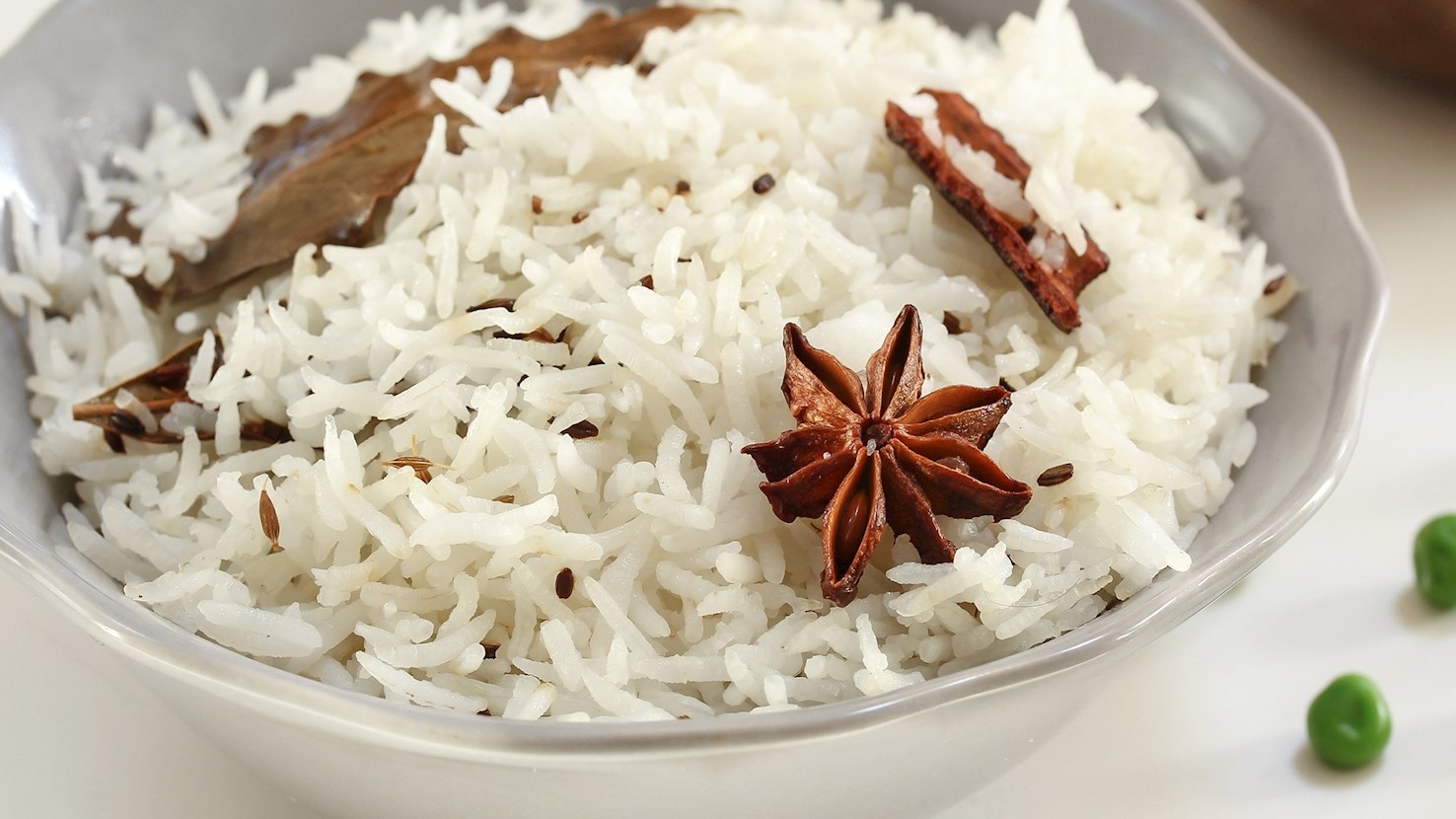
Jeera rice is a simple Indian dish made with rice and cumin seeds. Basmati rice is typically mixed with cumin seeds which have been fried in ghee, and the dish can be additionally enriched with cinnamon, cardamom, bay leaves, cloves, and coriander. Once prepared, jeera rice can be served on its own or as an accompaniment to a variety of Indian dishes. The word zeera is Hindi-Urdu for cumin seeds, hence the alternative spelling – zeera rice.
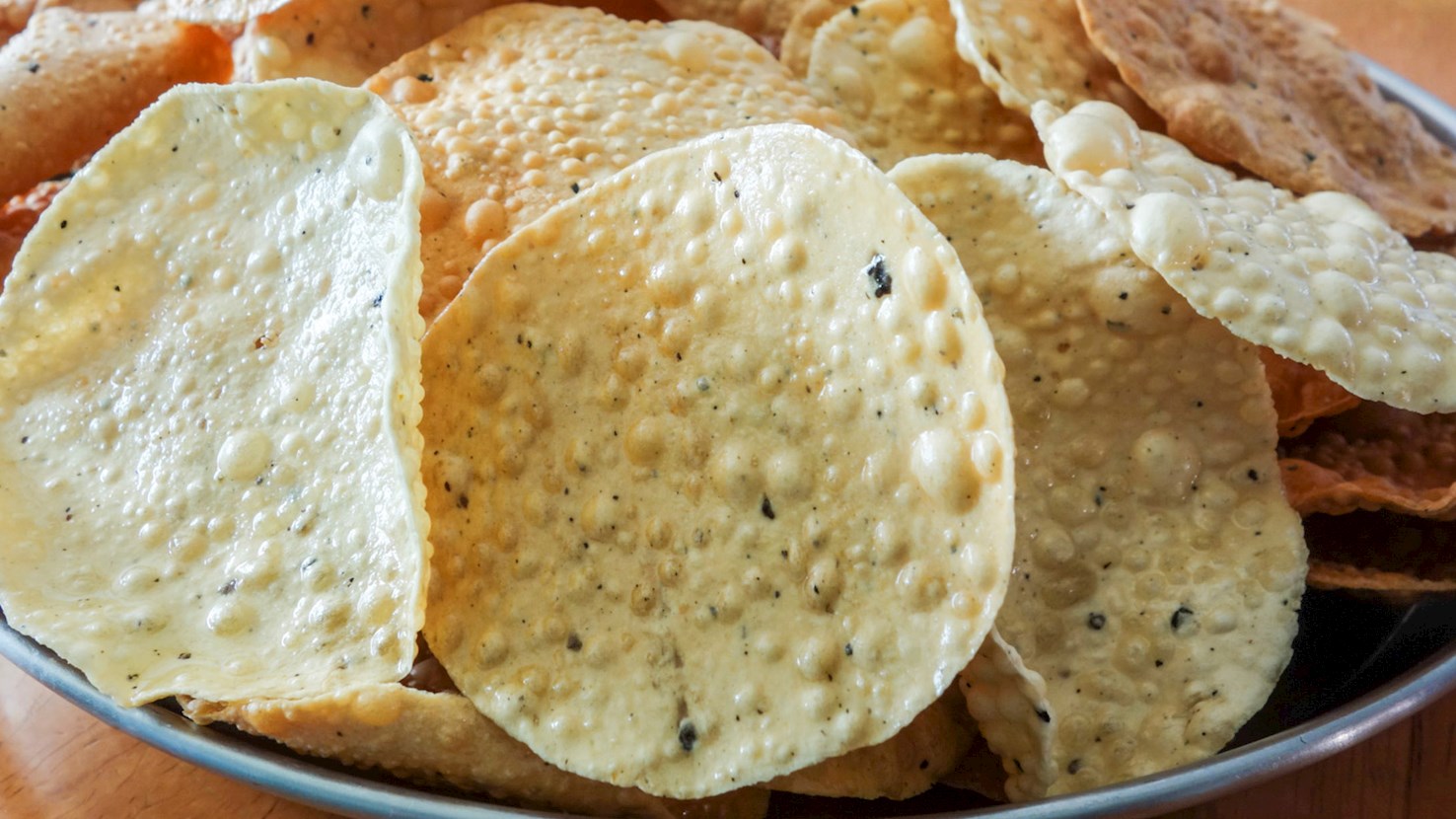
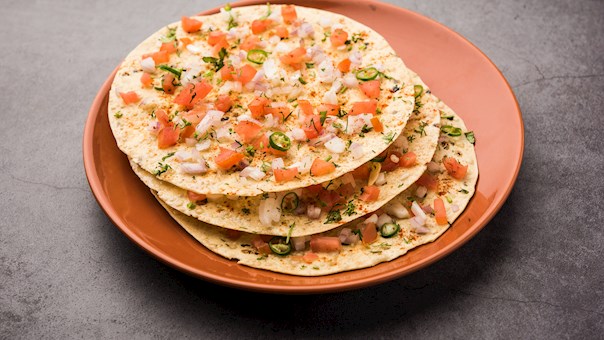
Papadum is a snack made with either gram, rice, or chickpea flour that is baked into a thin, crispy cracker bread. It can be consumed on its own, with pickles, or served with other dishes such as curries, when it's used as a utensil for scooping the dish up. Papadum can also be topped with chutneys or raita sauce and accompanied by hot tea. With its popularity, there are some variations on the dish, such as rice papadum which is boiled in water and dried in the sun, masala papadum with spices such as black pepper, chili, cumin, and garlic, or jackfruit papadum from Karnataka, which combines jackfruit with chickpea flour. Papadums are also quite popular in the United Kingdom and Australia, where the bread is served as an appetizer, and it's usually accompanied by mango chutney and lime pickle dips.
TasteAtlas food rankings are based on the ratings of the TasteAtlas audience, with a series of mechanisms that recognize real users and that ignore bot,
nationalist or local patriotic ratings, and give additional value to the ratings of users that the system recognizes as knowledgeable.
For the “Top 34 Indian Side Dishes” list until September 15, 2026, 1,597 ratings were recorded, of which 1,256 were recognized by the system as legitimate.
TasteAtlas Rankings should not be seen as the final global conclusion about food. Their purpose is to promote excellent local foods,
instill pride in traditional dishes, and arouse curiosity about dishes you haven’t tried.



What People Say