


shutterstock

Top 30 Indonesian Side Dishes

Last updated on July 15, 2026
01

Perkedel

4.3 ·

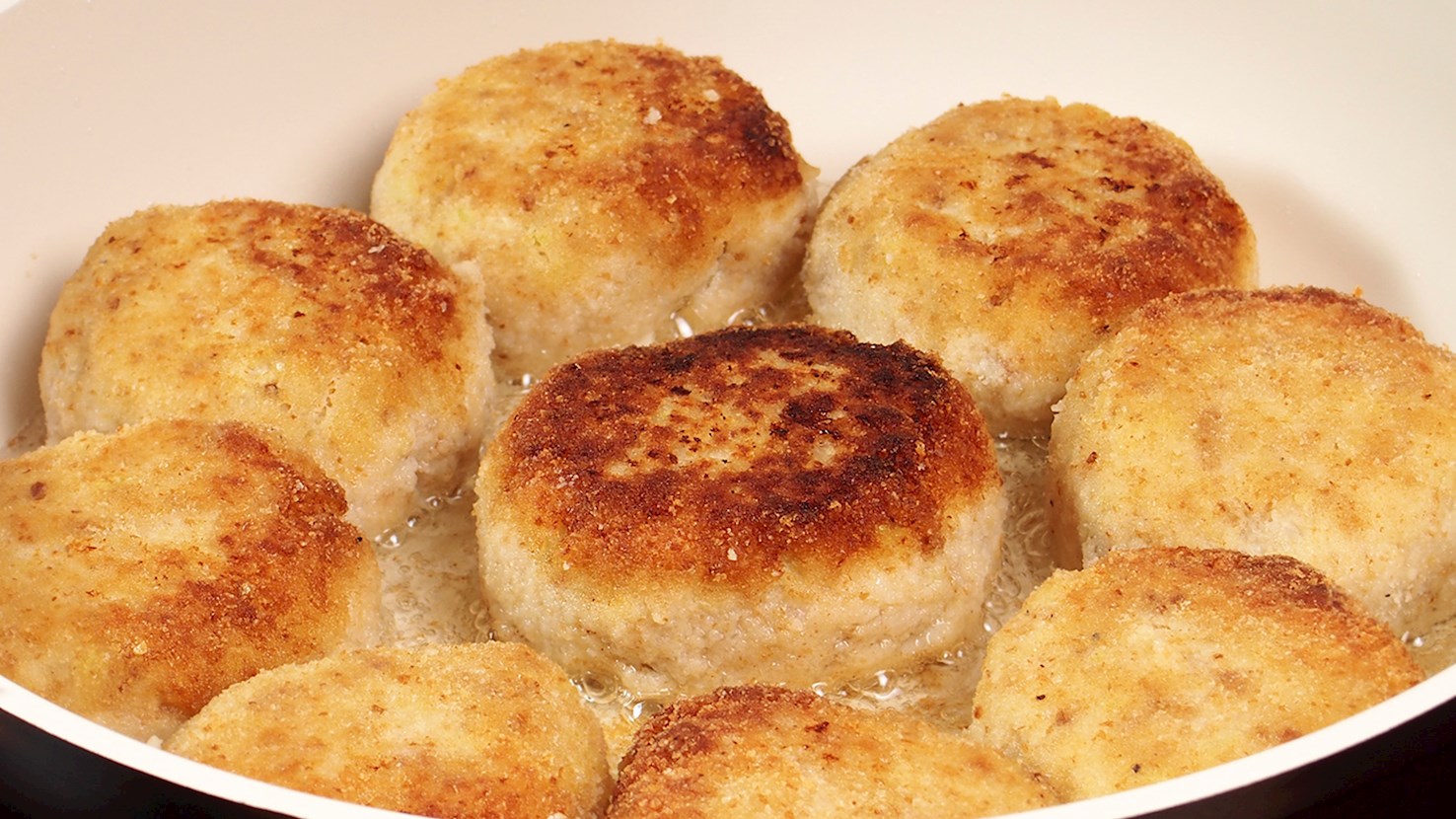
Perkedel are Indonesian fried delicacies consisting of either mashed potatoes, ground meat, ground corn, or minced fish (perkedel ikan). The name of these savory patties is derived from the Dutch word frikadel, showing the Dutch culinary influence on Indonesian territory. Prior to frying, the main ingredient is usually combined with finely chopped scallions and pepper, then dipped in beaten eggs. Perkedel is traditionally served as an appetizer or a side dish with soto ayam soup, although it can also be consumed as a main dish, when it is usually accompanied by nasi kuning (yellow rice).

02

Tempeh mendoan

4.2 ·

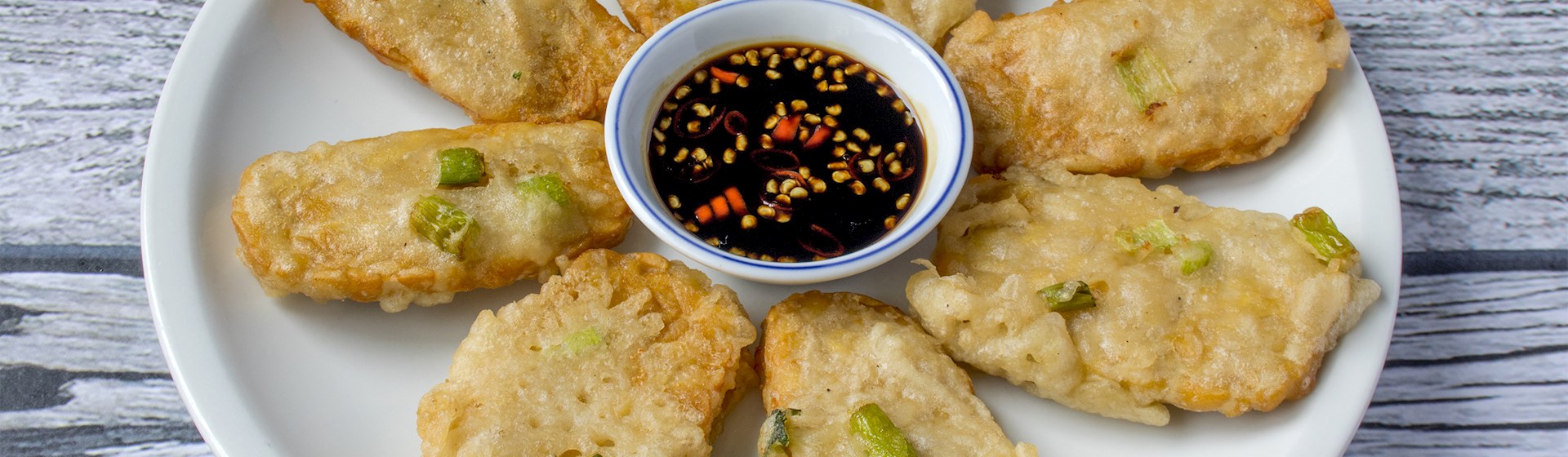
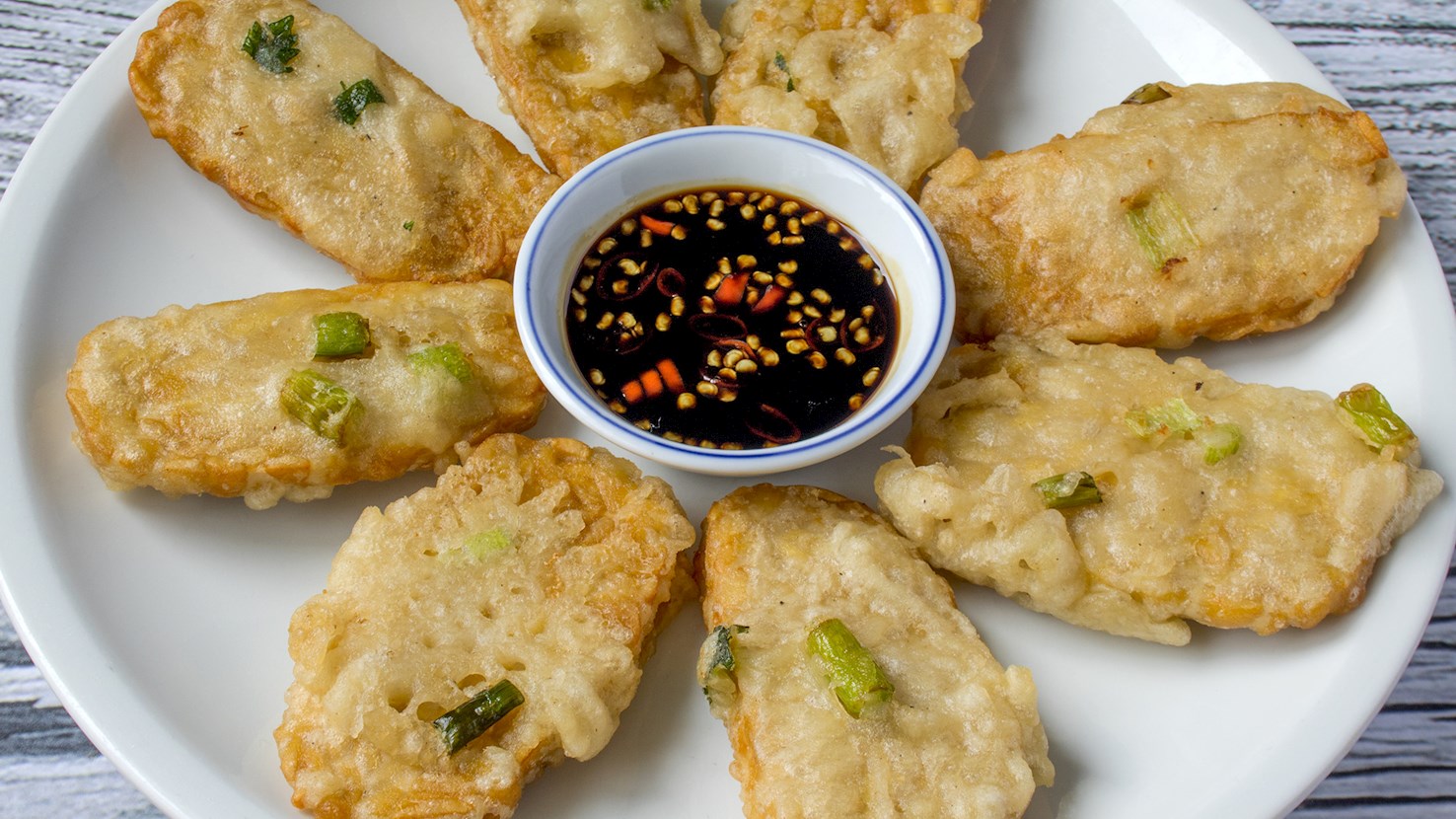
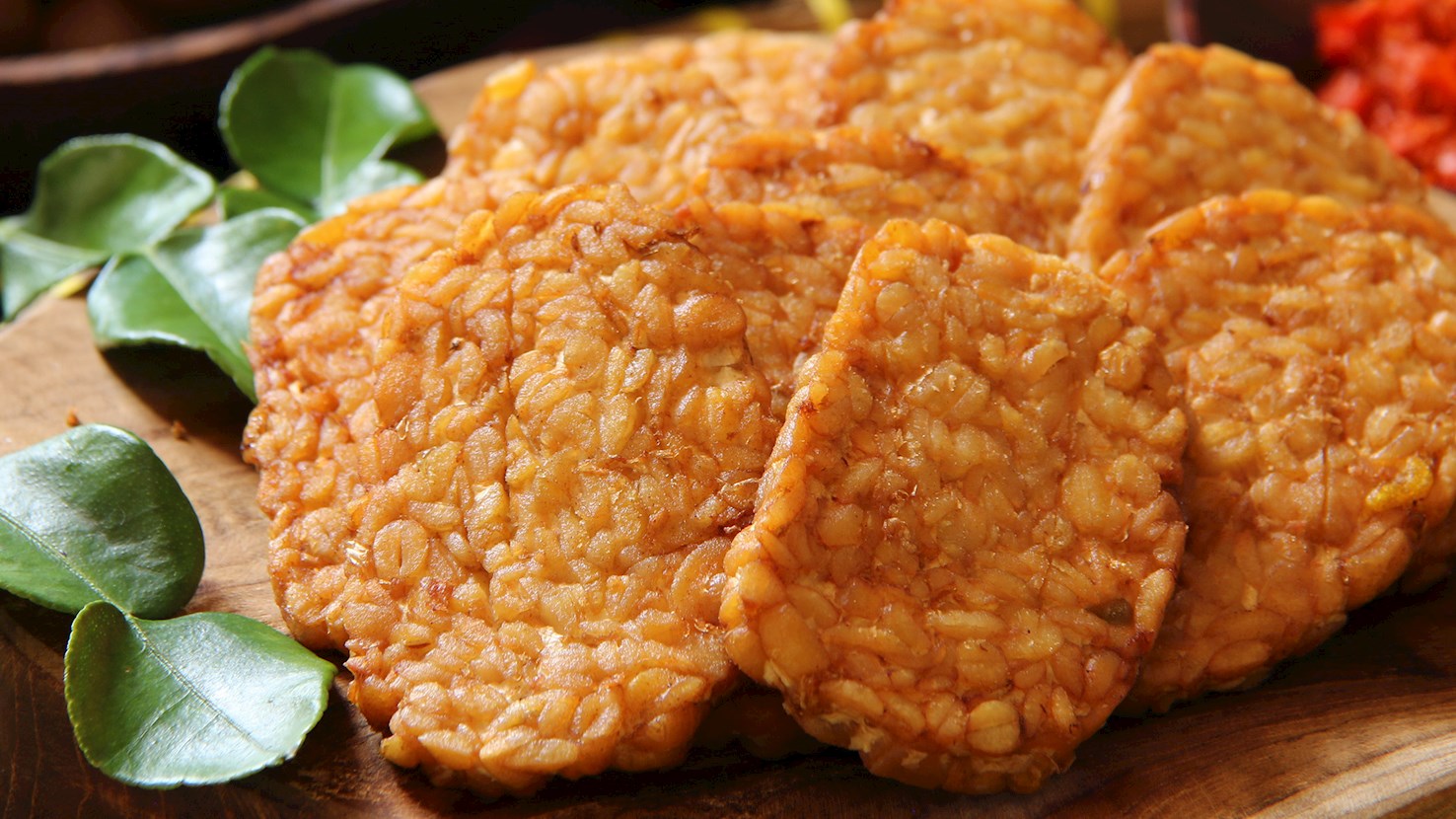
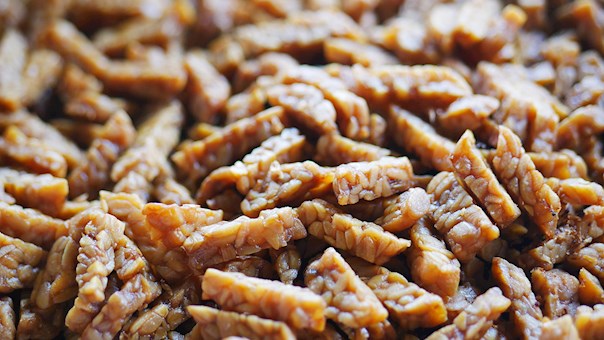
Tempeh mendoan is a variety of fried tempeh that hails from Purwokerto. Thin slices of tempeh—fermented soybean product—are dipped in batter that is enriched with ground coriander, sliced scallions, and garlic before they are deep-fried. This tempeh variety is only shortly fried, creating a crispy outer layer, while the tempeh remains soft and juicy. The name of the dish stems from Banyumasan language in which mendo roughly translates as half-cooked. This tempeh is best served with sambal, other types of chili-based dips, or kecap manis—Indonesian sweet soy sauce. It is usually enjoyed as a snack or a side dish, and it is mostly prepared and sold by street vendors.

03

Nasi kuning

4.1 ·

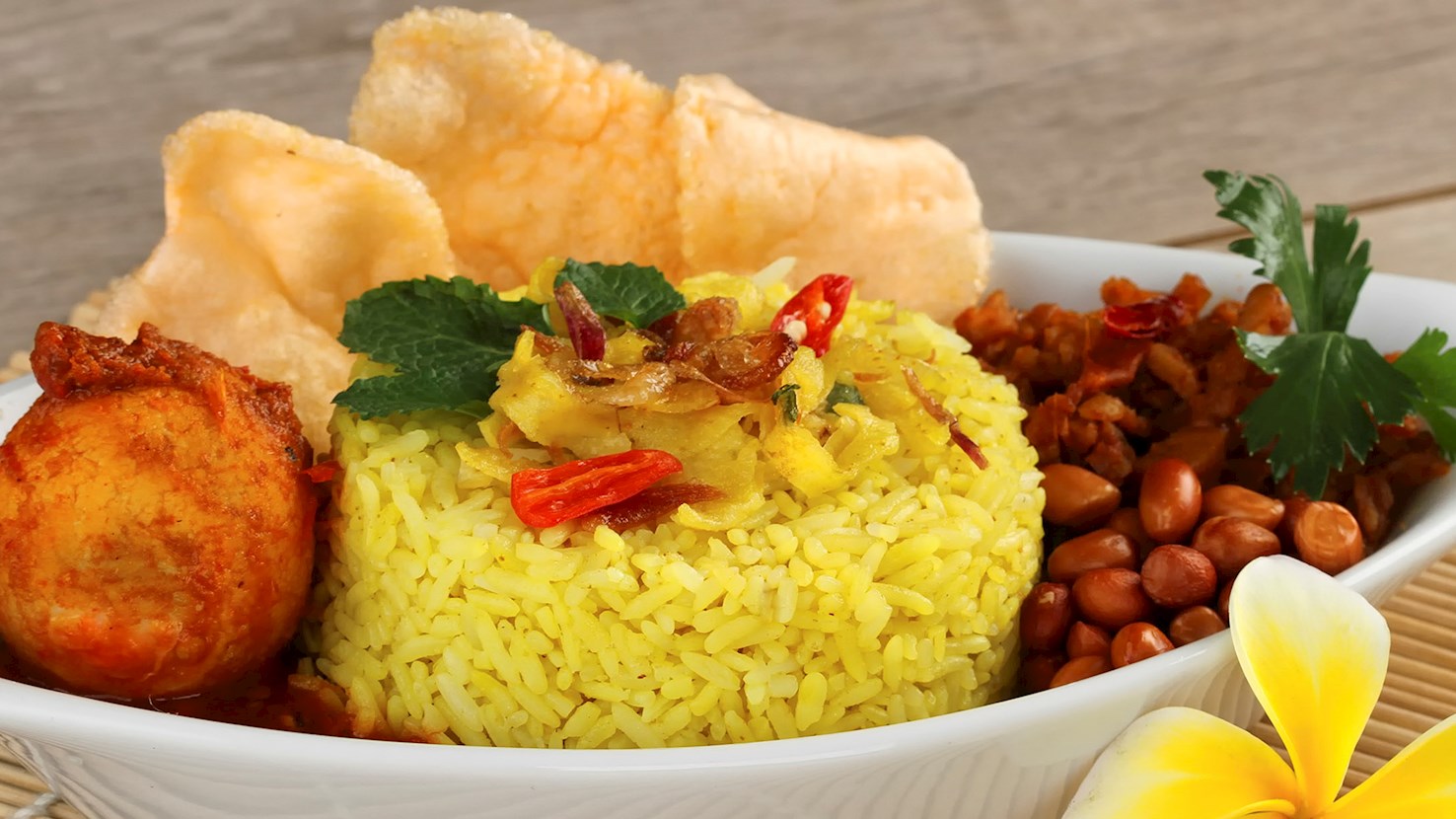
This traditional Indonesian dish consists of rice cooked in coconut milk that is usually seasoned with turmeric, lemongrass, and kaffir lime leaves. Even though yellow rice is the star of nasi kuning, the dish is assembled out of other Indonesian dishes and complements, such as fried chicken, potato fritters, sliced omelet, fried anchovies, shrimps, or fried tempeh. Sambal, the traditional Indonesian chili sauce, and serundeng (spicy fried coconut flakes) are often served as condiments. Nasi kuning is always served neatly organized on the plate, and the rice should always be placed in the middle. It is traditionally associated with the island of Java, which is considered to be the place of origin of this authentic Indonesian dish.

04

Sambal

4.1 ·

This quintessential Southeast Asian condiment is usually made only with spicy chili peppers and salt. It is occasionally adapted with lime juice, onions, sugar, ginger, shrimp paste, or vinegar. Traditionally prepared in a mortar, it is characterized by its thick consistency and an incredibly strong and sharp flavor. This original Indonesian creation has gained worldwide acclaim, and store bought varieties are available at numerous Asian food markets and international stores around the world. Sambal is used in a variety of Asian dishes, usually as a spicy condiment, seasoning, or a topping served alongside meat, seafood, vegetables, or rice.

05

Tempe goreng

4.1 ·

Tempe goreng is an Indonesian fried tempeh dish, known for its crispy texture, rich umami flavor, and aromatic spices. A staple in Javanese and Sundanese cuisine, it is made from tempeh, a fermented soybean cake that is deeply rooted in Indonesian food culture. Unlike tofu, which has a soft and spongy texture, tempeh is firm, chewy, and packed with a natural nutty taste, making it an ideal ingredient for frying. To prepare tempe goreng, the tempeh is sliced and marinated in a fragrant blend of garlic, shallots, coriander, turmeric, and salt, sometimes infused with kaffir lime leaves for added aroma. Some regional variations involve simmering the tempeh in a spiced coconut broth before frying, giving it an even deeper flavor. The marinated tempeh is then fried in hot oil until golden brown and crispy, creating a perfect contrast between the crunchy exterior and the tender, meaty inside. Tempe goreng is highly versatile and is eaten in many ways—as a simple snack with sambal, as a protein-rich side dish in rice meals like nasi uduk or nasi campur, or as part of a larger feast. Some variations coat the tempeh in batter before frying, resulting in tempe mendoan, a crispier, lighter version, while others caramelize it in kecap manis (sweet soy sauce), creating tempe goreng kecap, a slightly sweet and savory alternative.

06

Sambal matah

4.0 ·

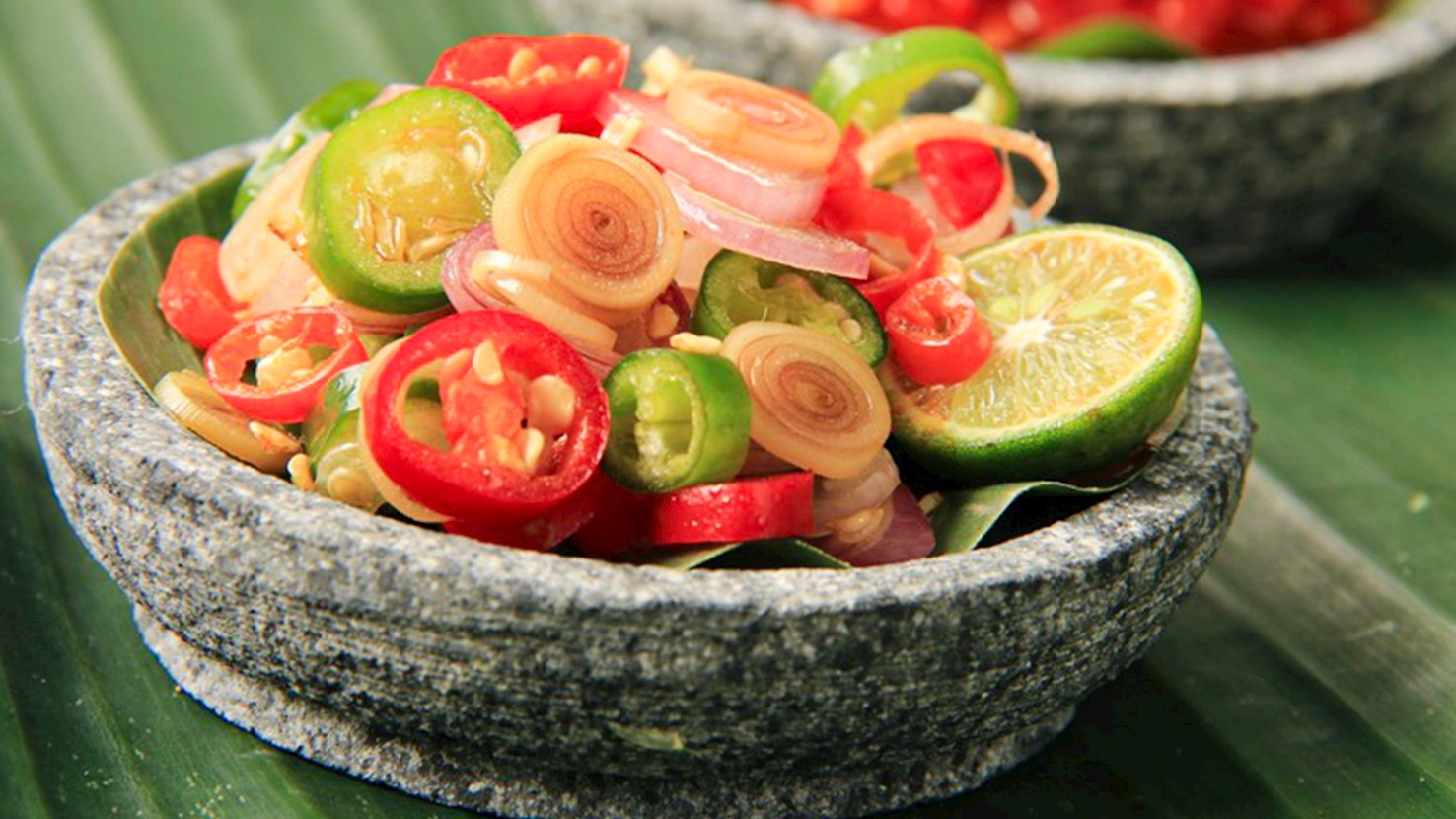
Sambal matah is a type of Indonesian sambal that features a raw mixture of chopped shallots, lemongrass, chili peppers, and sometimes garlic, mixed with coconut oil (or another type of vegetable oil) and lime juice. This sambal is known for its fresh, spicy, and slightly tangy flavor profile, making it a popular condiment in Indonesian cuisine, especially in Bali and Lombok. Unlike cooked sambals, sambal matah is prepared without any heat treatment, preserving the sharp, pungent flavors of its raw ingredients. It's commonly served as a side dish or condiment alongside grilled meats, seafood, or rice dishes, adding a burst of freshness and spice that enhances the overall flavor of the meal.

07

Krupuk

4.0 ·

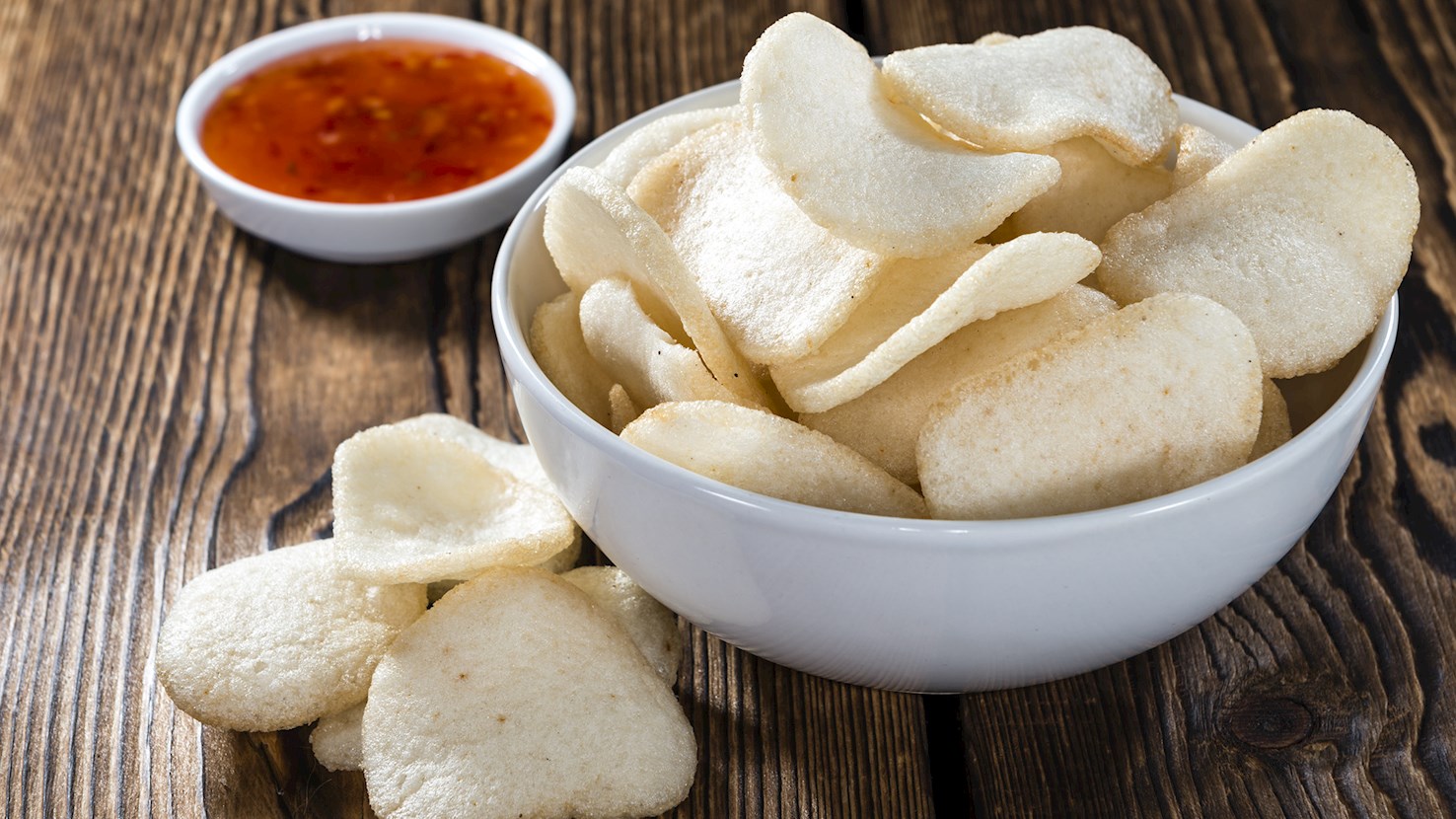
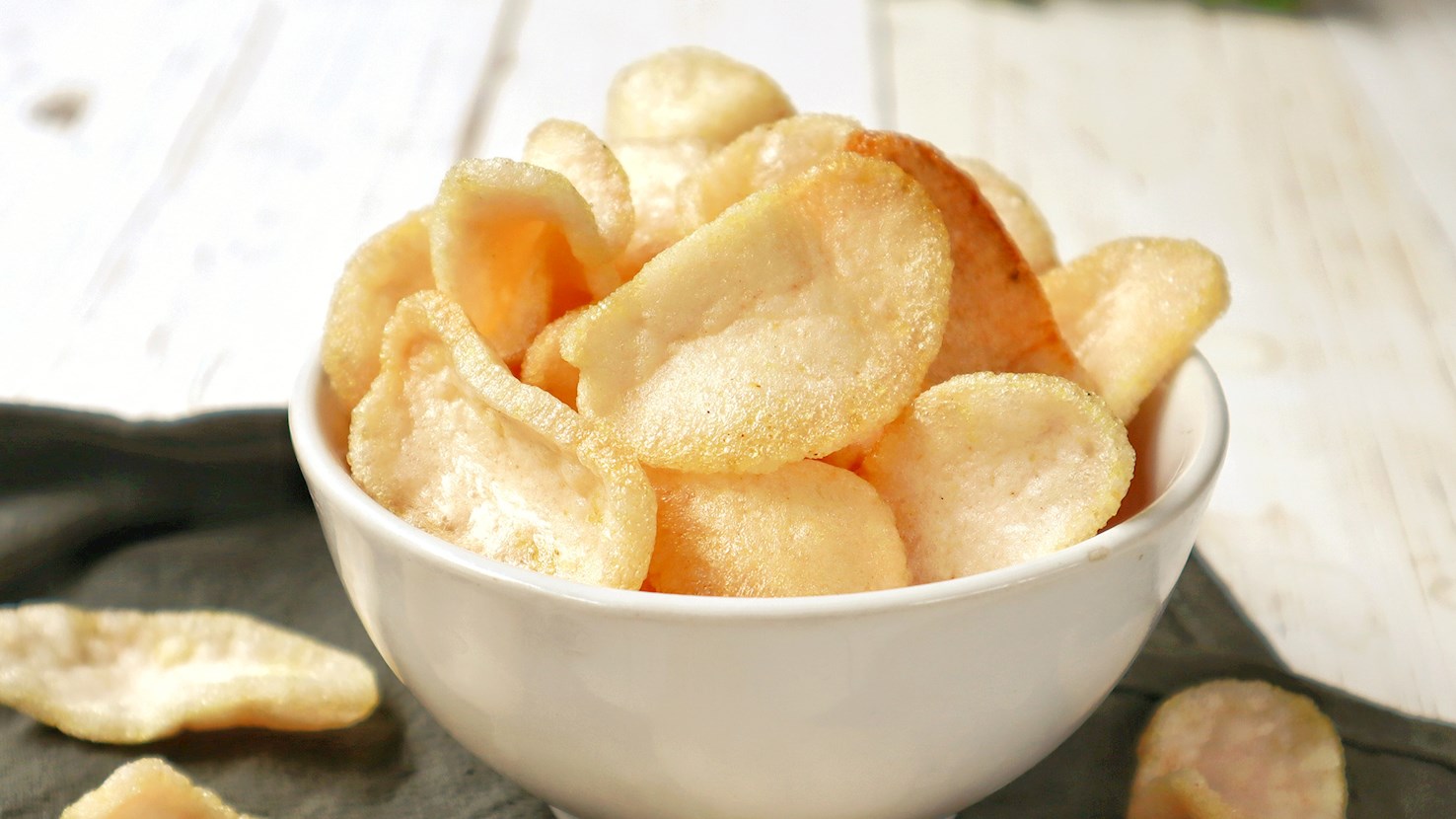
Krupuk encompasses a vast group of Asian crackers that are typically made with starch and additional ingredients, which are used as flavorings. These crispy crackers are a staple in Asia, but they are strongly associated with Indonesia, which boasts with the largest number of varieties. In Malaysia, they are known as keropok and in the Philippines as kropek. The most common types consist of seafood, and the most popular version is krupuk udang—internationally known as prawn crackers. Most krupuk are served as a topping or an accompaniment to various dishes, but they are also enjoyed as a quick, convenient snack. They are available in pre-packed versions and are often sold by street vendors. Due to historical relations, these crackers are also found in the Netherlands where they are known as kroepoek.

08

Sambal tomat

4.0 ·

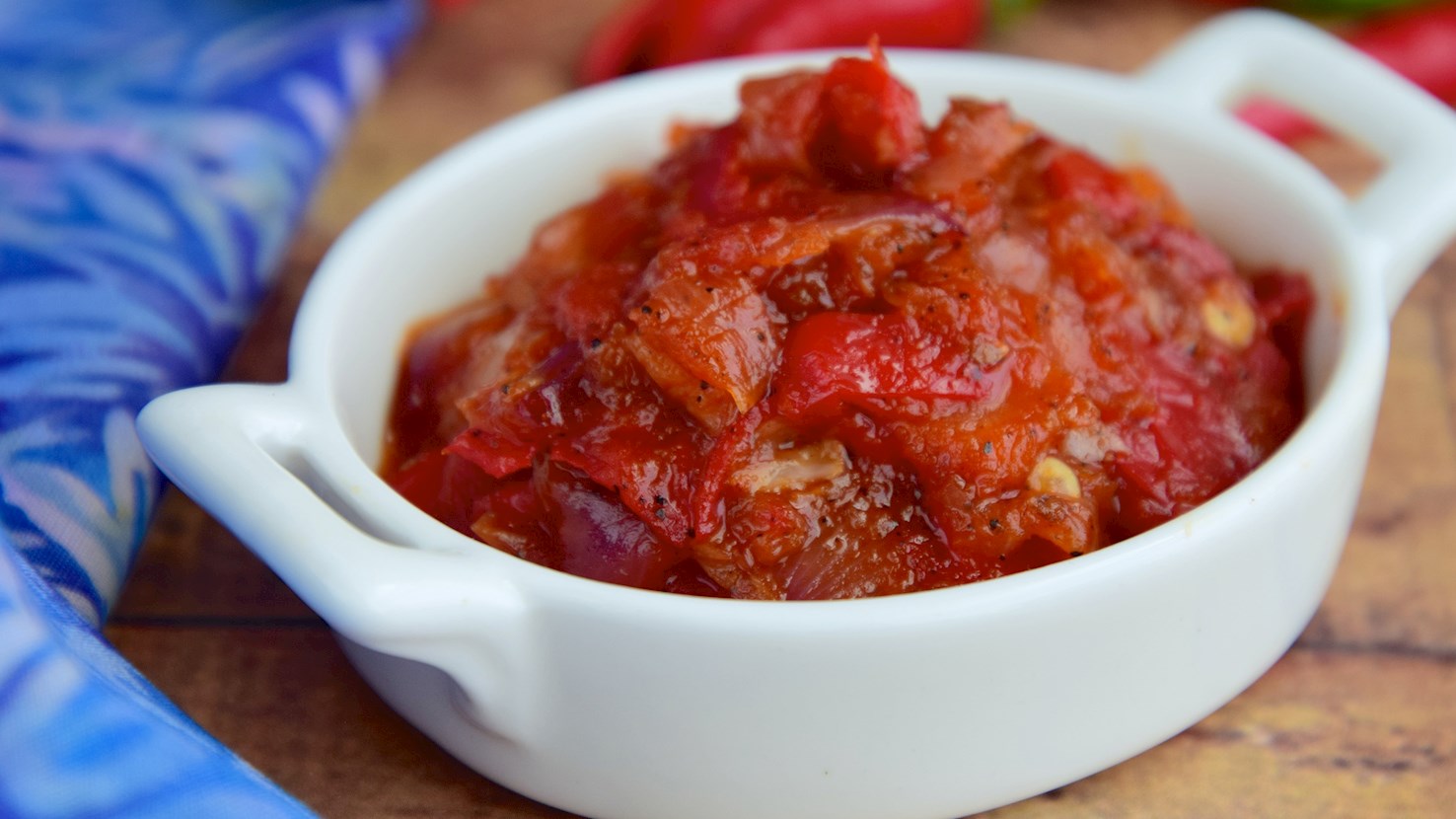
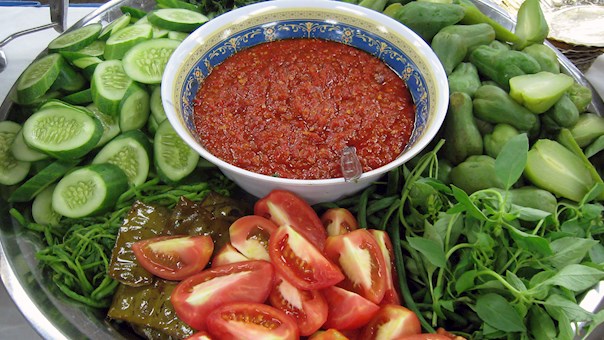
Sambal tomat is an Indonesian chili sauce that prominently features tomatoes along with chili peppers. The inclusion of tomatoes gives this sambal a distinctive tangy and somewhat sweet flavor, complementing the spiciness of the chilies. This sambal can vary in texture from smooth to chunky, depending on how finely the ingredients are chopped or blended. The basic ingredients for sambal tomat usually include fresh red chili peppers, shallots, garlic, and, of course, ripe tomatoes. Most variations also include shrimp paste (terasi) for added depth, as well as salt, sugar, and lime juice to balance the flavors. The ingredients are typically ground into a paste, which can then be cooked (fried) to intensify the flavors and meld them together, although there are also versions that are served fresh, without cooking. Sambal tomat is a versatile condiment in Indonesian cuisine, serving as a flavorful addition to dishes such as grilled fish, chicken, rice, and vegetables.

09

Krupuk udang

3.6 ·

Krupuk udang is a type of traditional Indonesian shrimp cracker, made from a mixture of ground shrimp, tapioca flour, garlic, and seasonings, which is then sun-dried and deep-fried until it puffs up into a light, crispy snack. The word krupuk (or kerupuk) means “cracker”, and udang means “shrimp”. These crackers are known for their savory, umami-rich flavor with a subtle seafood aroma, making them one of the most popular accompaniments to Indonesian meals. They are usually large, round, and slightly curled, with a light beige or pinkish color once fried. Krupuk udang is commonly served as a side dish or garnish with fried rice (nasi goreng), soups (soto, sayur asem), or even just as a snack. In soto Lamongan, they are crushed and mixed with fried garlic to make koya, the flavorful topping. Traditionally, krupuk udang is made at home or by small-scale producers who sun-dry the raw crackers before frying. Today, you can also find store-bought versions, both raw (ready to fry) and pre-fried, in Indonesian markets and Asian grocery stores worldwide.

10

Nasi timbel

3.6 ·

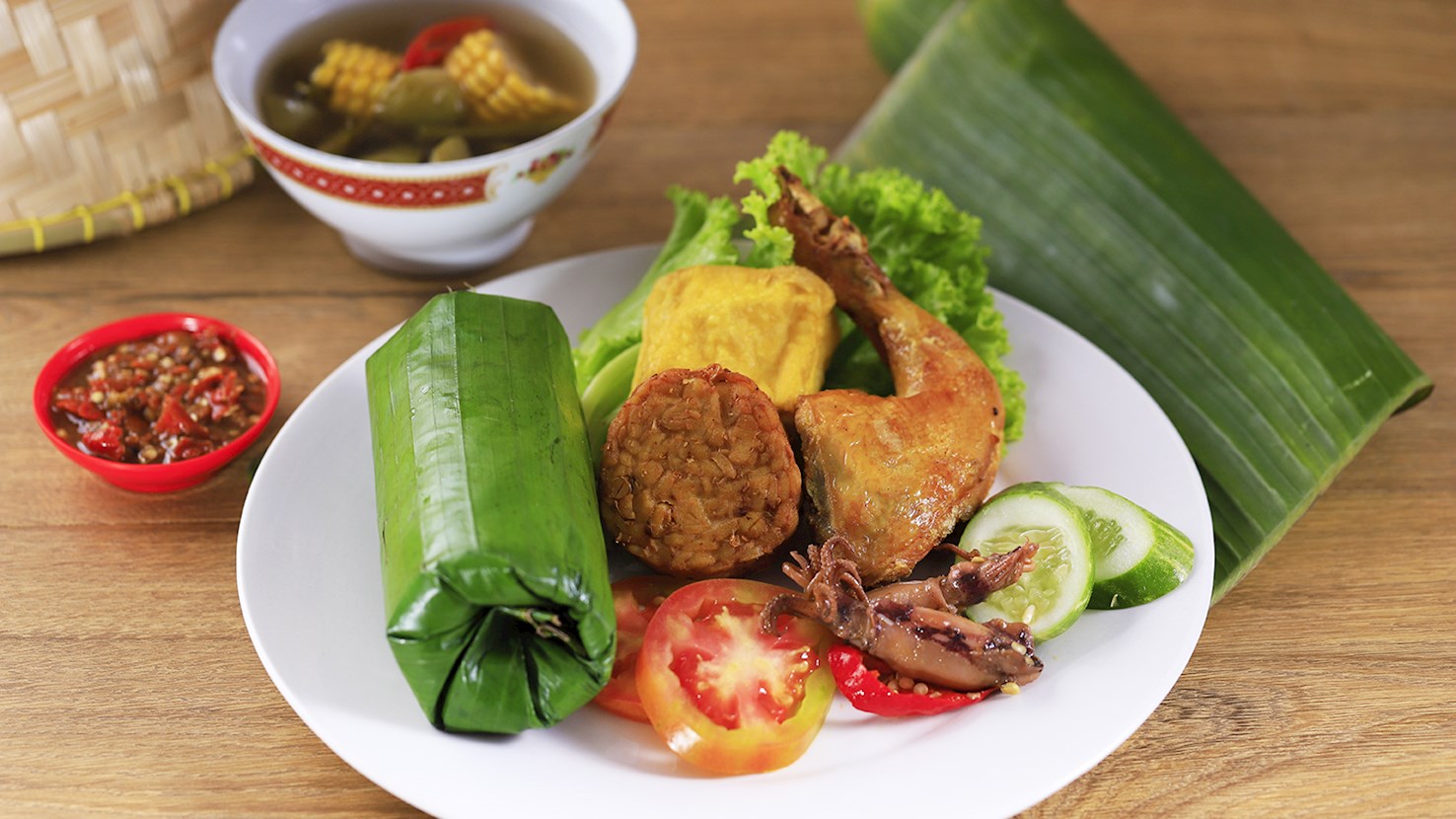
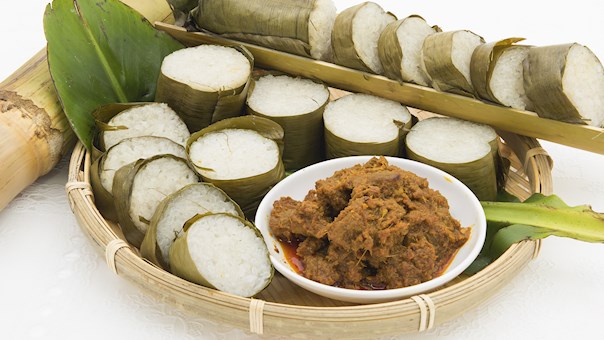
Nasi timbel is a traditional Sundanese dish from West Java that features steamed rice wrapped in banana leaves and served with a variety of savory accompaniments. The name "timbel" refers to the method of rolling hot rice tightly inside banana leaves, a practice that not only keeps the rice warm but also infuses it with a subtle, earthy aroma. The rice, typically white or sometimes red, is the central element and is usually paired with a variety of side dishes such as fried or grilled chicken, fried tofu and tempeh, salted fish, or occasionally fried duck. These proteins are often accompanied by a generous helping of sambal terasi, a spicy chili sauce made with shrimp paste, and lalapan — a raw vegetable assortment that may include cucumber, tomatoes, cabbage, long beans, and fresh basil leaves. The freshness of the vegetables contrasts beautifully with the heat of the sambal and the richness of the fried components. In some traditional settings, nasi timbel is also served with a light, sour vegetable soup called sayur asem, which adds another layer of flavor and freshness to the meal. It is a common sight in West Javanese homes, traditional eateries, and roadside warungs, often enjoyed during communal meals, family gatherings, or festive occasions.

Read more
View all
View map
About this ranking

TasteAtlas food rankings are based on the ratings of the TasteAtlas audience, with a series of mechanisms that recognize real users and that ignore bot, nationalist or local patriotic ratings, and give additional value to the ratings of users that the system recognizes as knowledgeable. For the “Top 30 Indonesian Side Dishes” list until July 15, 2026, 988 ratings were recorded, of which 741 were recognized by the system as legitimate. TasteAtlas Rankings should not be seen as the final global conclusion about food. Their purpose is to promote excellent local foods, instill pride in traditional dishes, and arouse curiosity about dishes you haven’t tried.

Similar lists