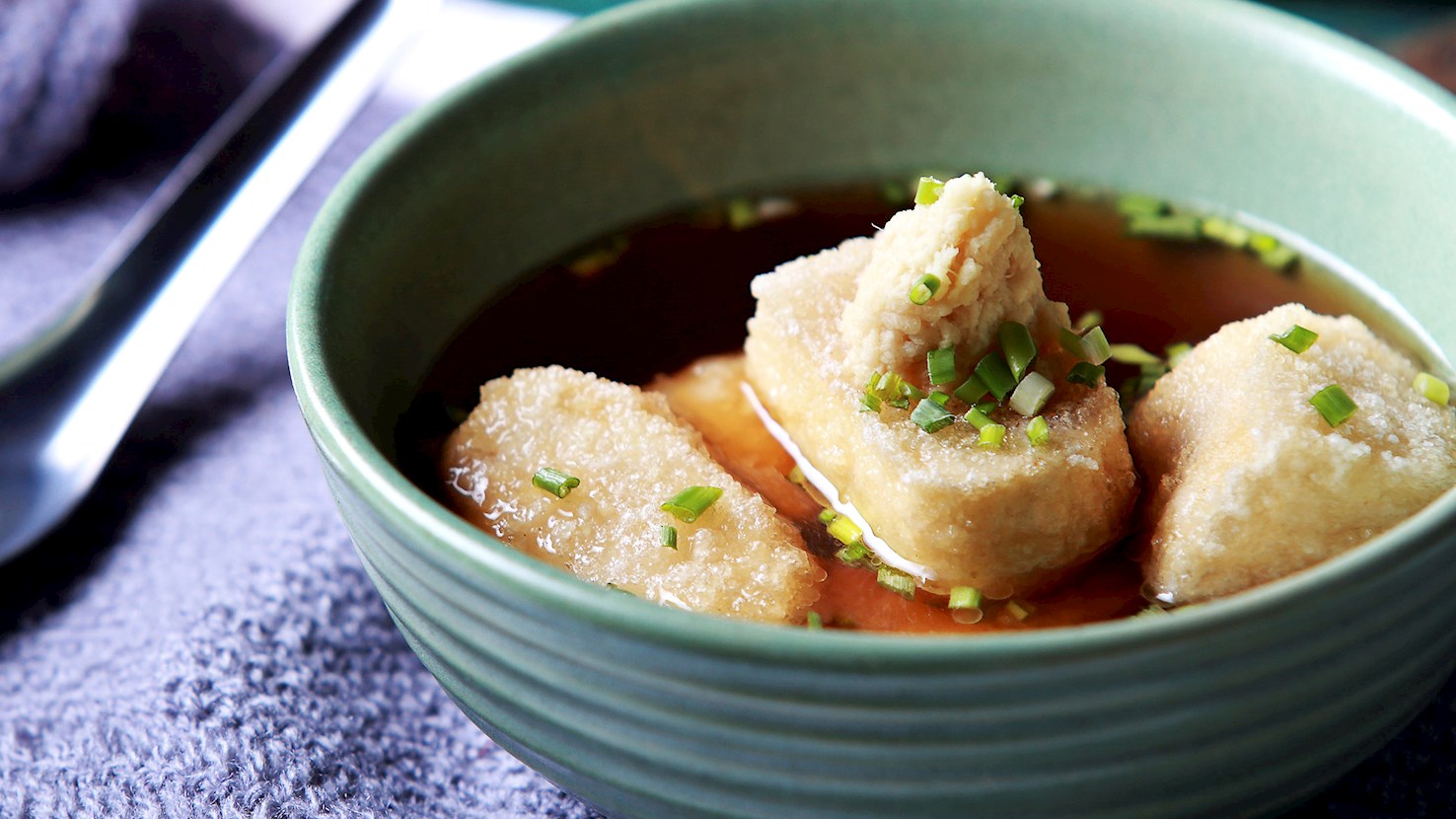
Commonly eaten as a side dish or an appetizer, agedashidofu is a popular dish consisting of deep-fried tofu that is typically served with tentsuyu dipping sauce, made with dashi, soy sauce, and mirin. It is a well known, old dish, and the recipe for it was included in a 1782 Japanese tofu cookbook called Tofu Hyakuchin, alongside other tofu dishes such as simmered and chilled tofu. Although it is easy to prepare, one can find agedashidofu in almost every Japanese restaurant. The dish is commonly topped with chopped negi spring onions, grated daikon, or dried bonito fish flakes.
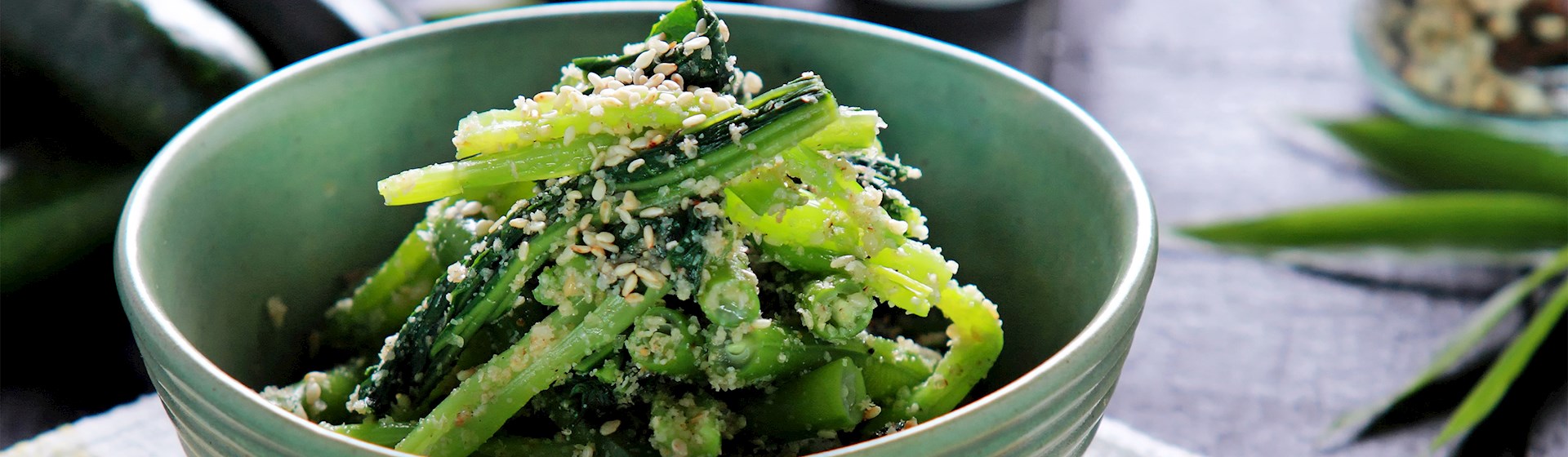
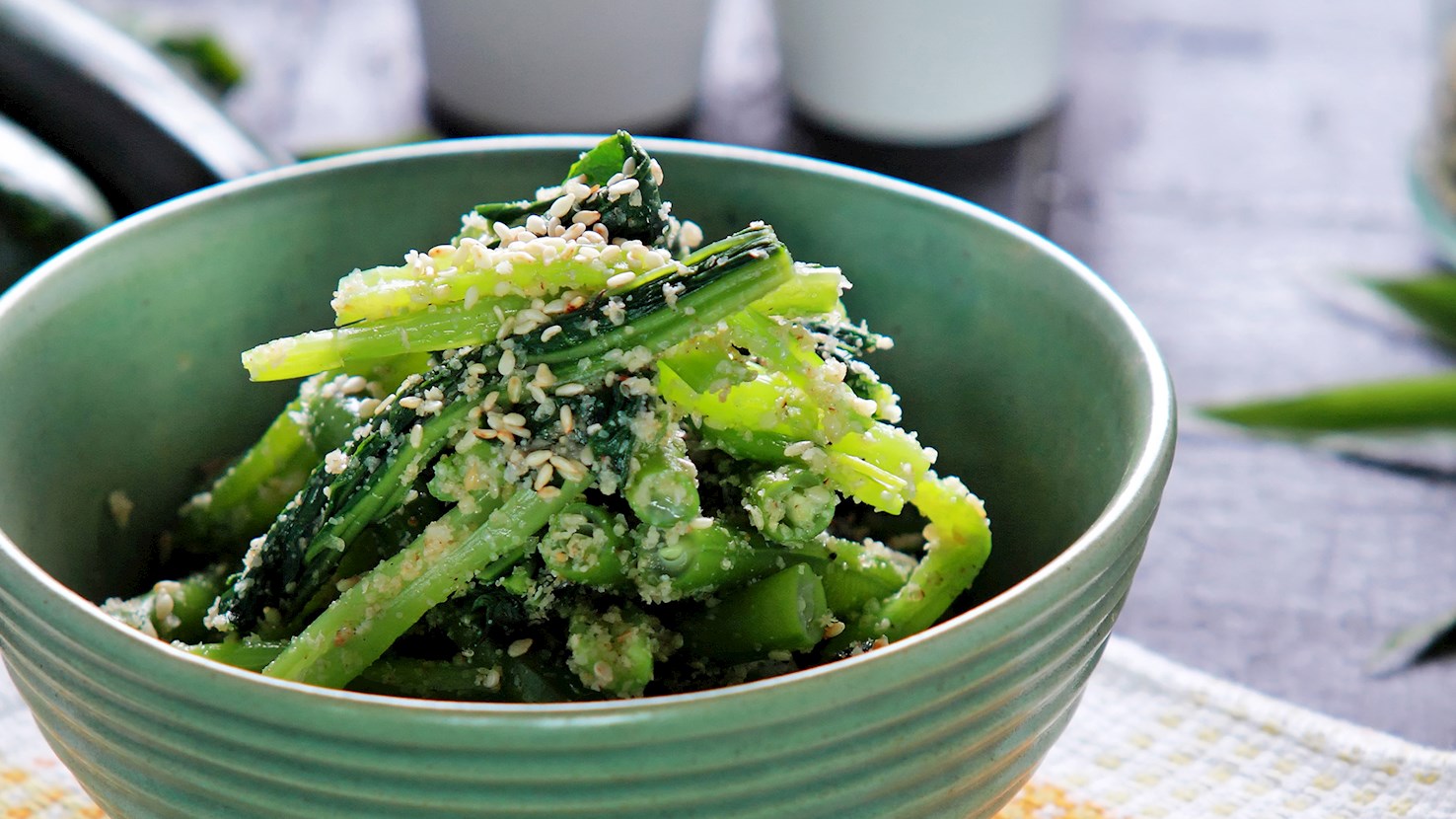
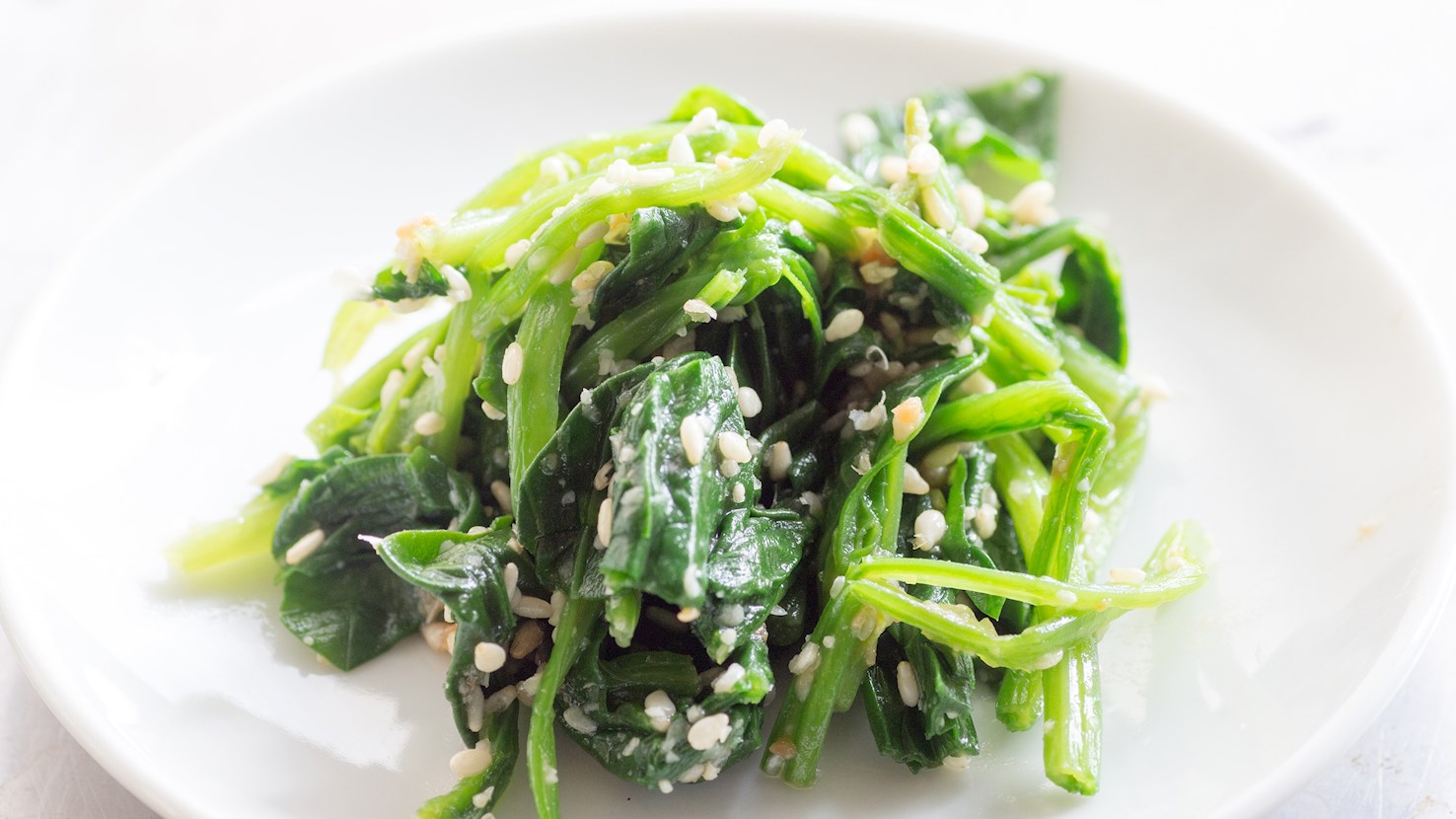
Goma-ae is a popular Japanese side dish consisting of vegetables dressed with sesame sauce. The most popular goma-ae variety is made with spinach that is topped with sesame seeds and miso paste. The name of the dish is derived from two words: goma, meaning sesame, and ae, meaning sauce.
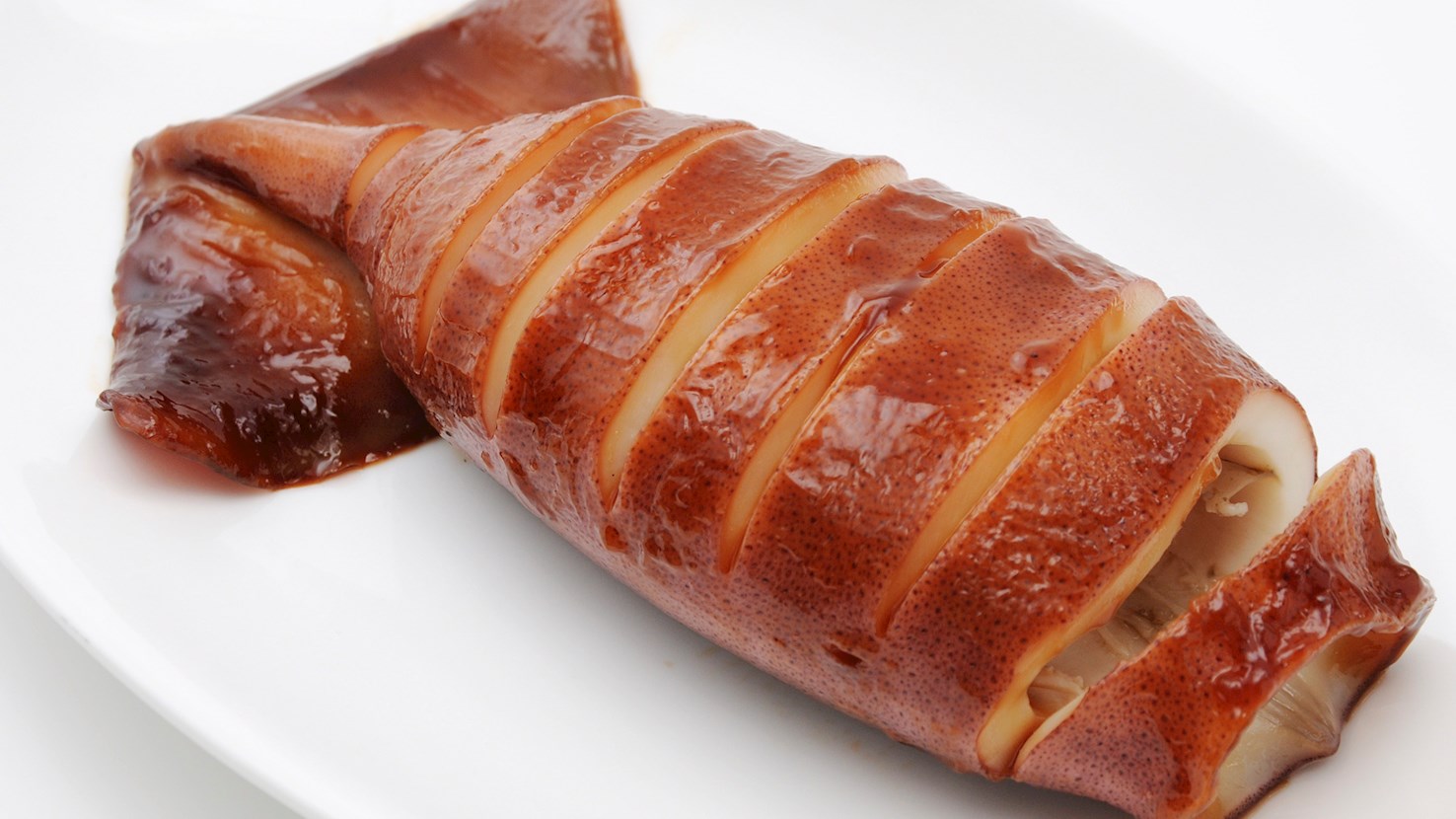
One of the favorite Japanese street food varieties is a serving of tender grilled squid known as ikayaki. It can employ different types of squid in varying sizes. Serving styles usually range from chopped squid rings to skewered whole pieces. Squid tentacles can be left out or incorporated into the dish, and occasionally they even make the central part of ikayaki. Usual accompaniment to the dish is soy or teriyaki sauce, or a traditional Japanese marinade which typically includes rice wine, miso paste, ginger, and soy sauce. The squids are prepared quickly, which leaves them tender and plump. The squids should be served immediately once they are off the grill. Although ikayaki is often served as a restaurant dish, it is more commonly sold by street vendors who prepare and offer this delicacy on the markets, around Japanese shrines, and during the local festivals. In restaurants, they can be served as an appetizer, a side dish, or as the main dish alongside rice and salad.
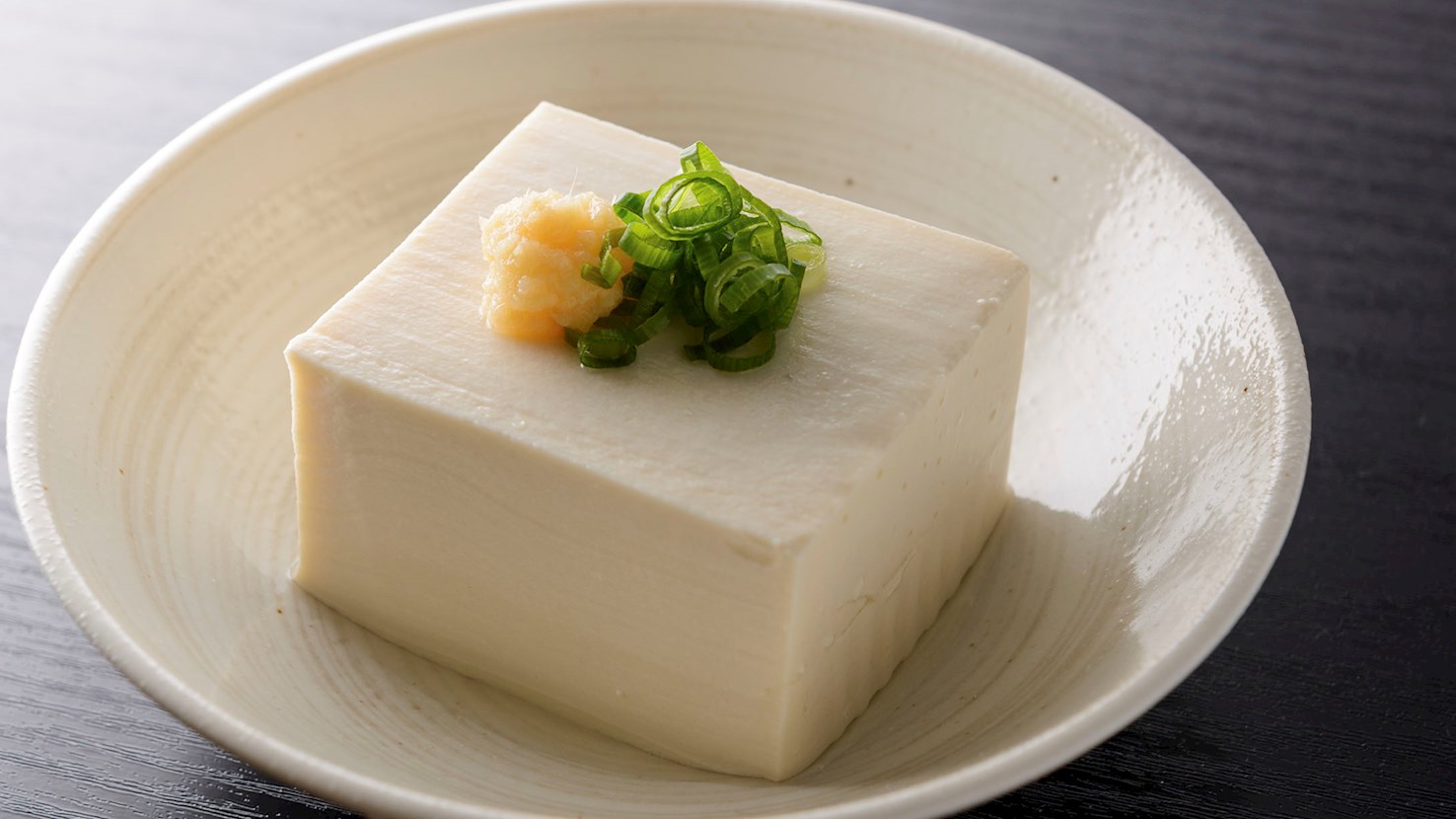
Hiyayakko, consumed mostly on hot summer days, is a block of soft tofu that is served cold and topped with finely minced scallions, fresh ginger, and flavorful dried flakes of bonito, a type of oily fish from the mackerel family. The dish is often dipped in soy sauce for an extra boost of flavor. In the Tofu Hyakuchin, a popular Japanese recipe book, it is said that hiyayakko is so famous that it needs no introduction or recipe. It is not hard to see why hiyayakko is a quintessential summer dish in Japan - it is easy to prepare, doesn't require the oven or the stove, and it provides a great example of how to appreciate all the delicate flavors of fresh tofu.
Horenso no goma-ae is a traditional salad originating from Japan. The salad is usually made with a combination of spinach, soy sauce, salt, sugar, sesame seeds, and tahini (sesame paste). The spinach is boiled in salted water, drained, and cut into smaller strips. It is then placed into a bowl and mixed with a combination of soy sauce, sugar, sesame paste, and sesame paste. This simple salad is often used in bento boxes.
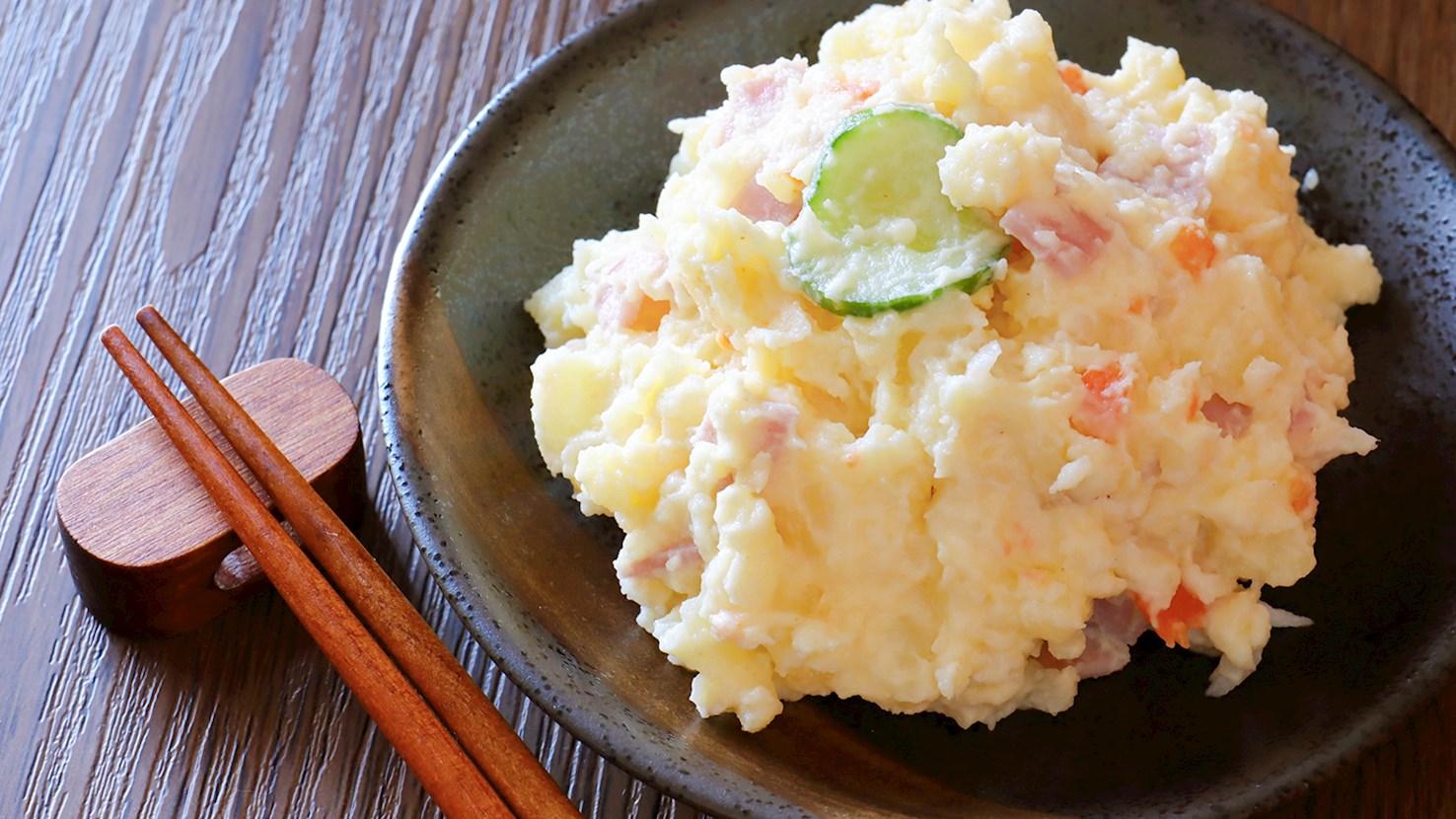
Japanese potato salad is a traditional salad that's a staple at izakayas (informal bars), but it's also often prepared at home. Although there are many variations and many ingredients can be added to the salad, it's usually made with a combination of half-mashed potatoes, sliced carrots and cucumbers, hard-boiled eggs, and sometimes ham. The salad is seasoned with Japanese kewpie mayonnaise and sometimes rice vinegar. It's often enjoyed as a side dish in bento lunch boxes. Japanese potato salad can be served warm or cold, but what's important is that it should always be both creamy and crunchy. If there are any leftovers, they can be used to make potato salad sandwiches.
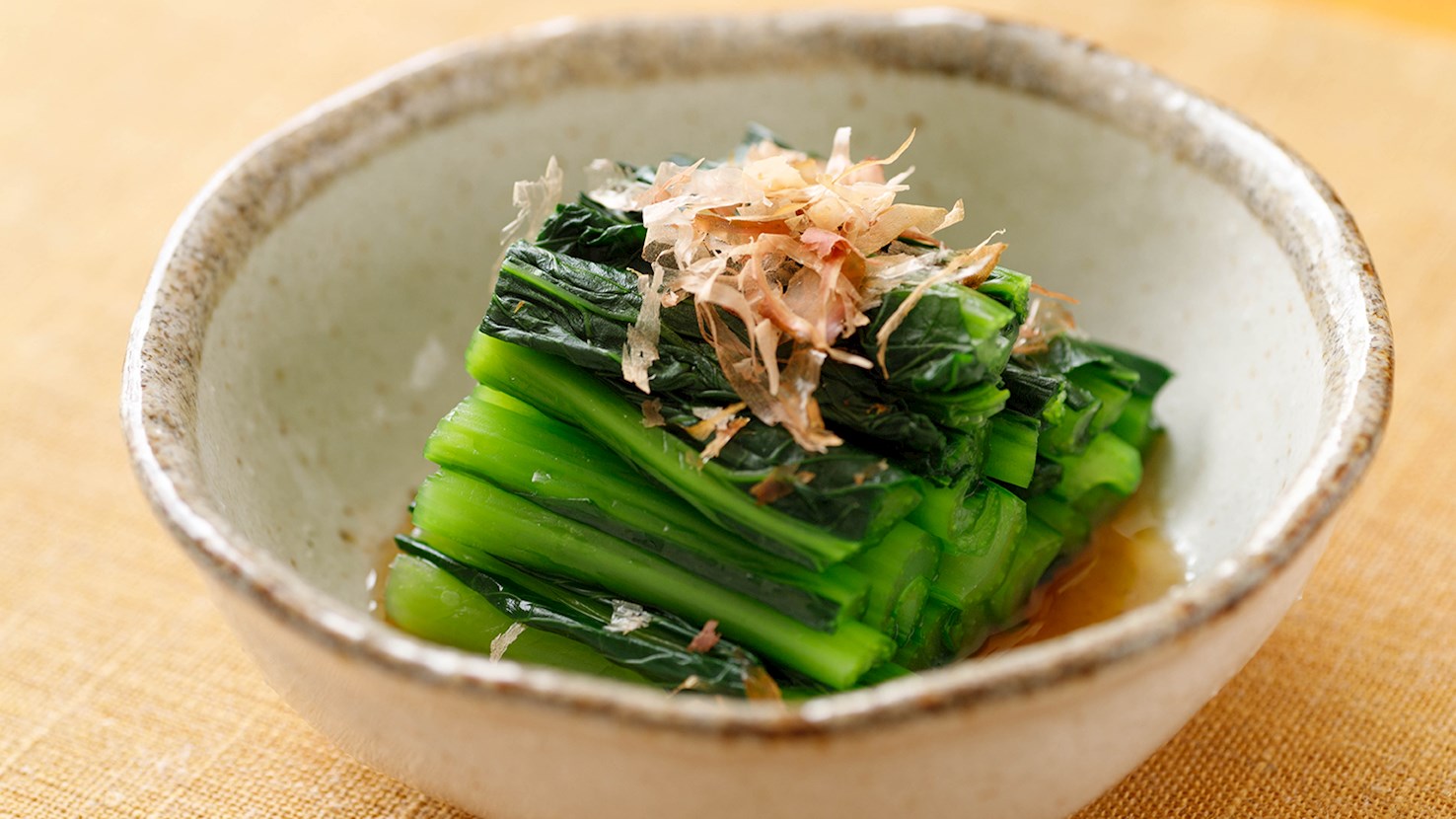
Ohitashi is a traditional dish and a technique in which vegetables (and sometimes seafood) are boiled and immersed in a dashi-based sauce. Nowadays, the dish is usually prepared with spinach that's boiled, topped with dried bonito flakes (katsuoboshi), and dressed with soy sauce. The word ohitashi is derived from hitashi, meaning to immerse or to dunk. Once prepared, ohitashi spinach salad is usually served as a side dish with steamed rice, miso soup, tonkatsu, ot mapo tofu. If spinach is unavailable, ohitashi can also be prepared with eggplant, okra, and asparagus.
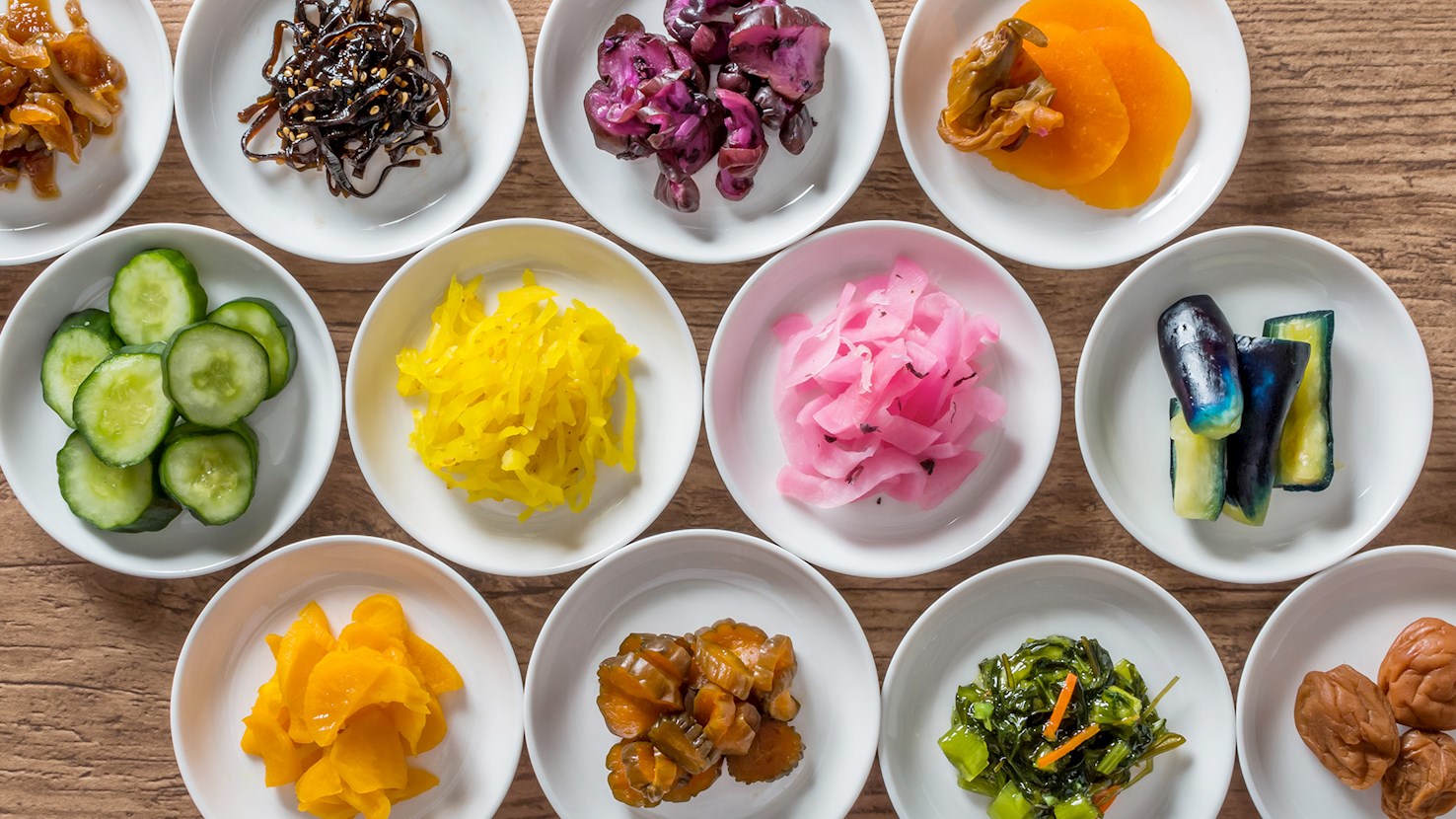
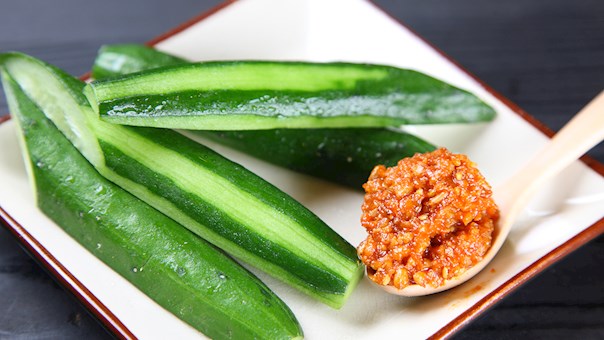
Thinly sliced Japanese pickles collectively called tsukemono (lit. pickled things) are an indispensable part of almost every washoku, a traditional Japanese meal. Tsukemono can be served as an accompaniment or garnish for meals, but it can also be served with rice as an okazu (side dish), with drinks as an otsumami (snack), or even as a part of chanoyu, the Japanese tea ceremony. These pickles of various colors and shapes are made from many different preserved fruits and vegetables; the most popular include daikon radish, aubergine, cucumbers, sour plums, turnips, carrots, gobo root, nappa cabbage, ginger, and shiso buds. Even though they can easily be prepared at home, Japanese pickles are available for purchase in most Asian grocery stores, and depending on the type of preservation, tsukemono comes in countless varieties and regional specialties. Some of the most popular are salt-pickled shiozuke, the simplest and easiest tsukemono to prepare; suzuke pickles brined in Japanese rice vinegar; the sweet and salty shoyuzuke tsukemono pickled in soy sauce which is usually combined with vinegar and sugar; and misozuke pickles cultured in miso paste seasoned with mirin, garlic, and ginger. There is also fukujinzuke, a crunchy chutney-like seven pickle relish cured in soy sauce that is commonly served as a garnish for Japanese curry; and nukazuke, one of the most complicated tsukemono pickled in rice bran - the hard outer layers of rice which are roasted and mixed with salt, kombu seaweed, and water to make a mash called nukamiso or nukadoko. Apart from providing nutritional and health benefits of lactic-acid fermentation, the tangy bits of tsukemono serve an important purpose of cleansing the palate during a meal, lend refreshing tartness to counter the heaviness of umami-rich foods, and bring color, texture, and fragrance to a meal, which is why tsukemono is sometimes also called konomono (lit. fragrant things).
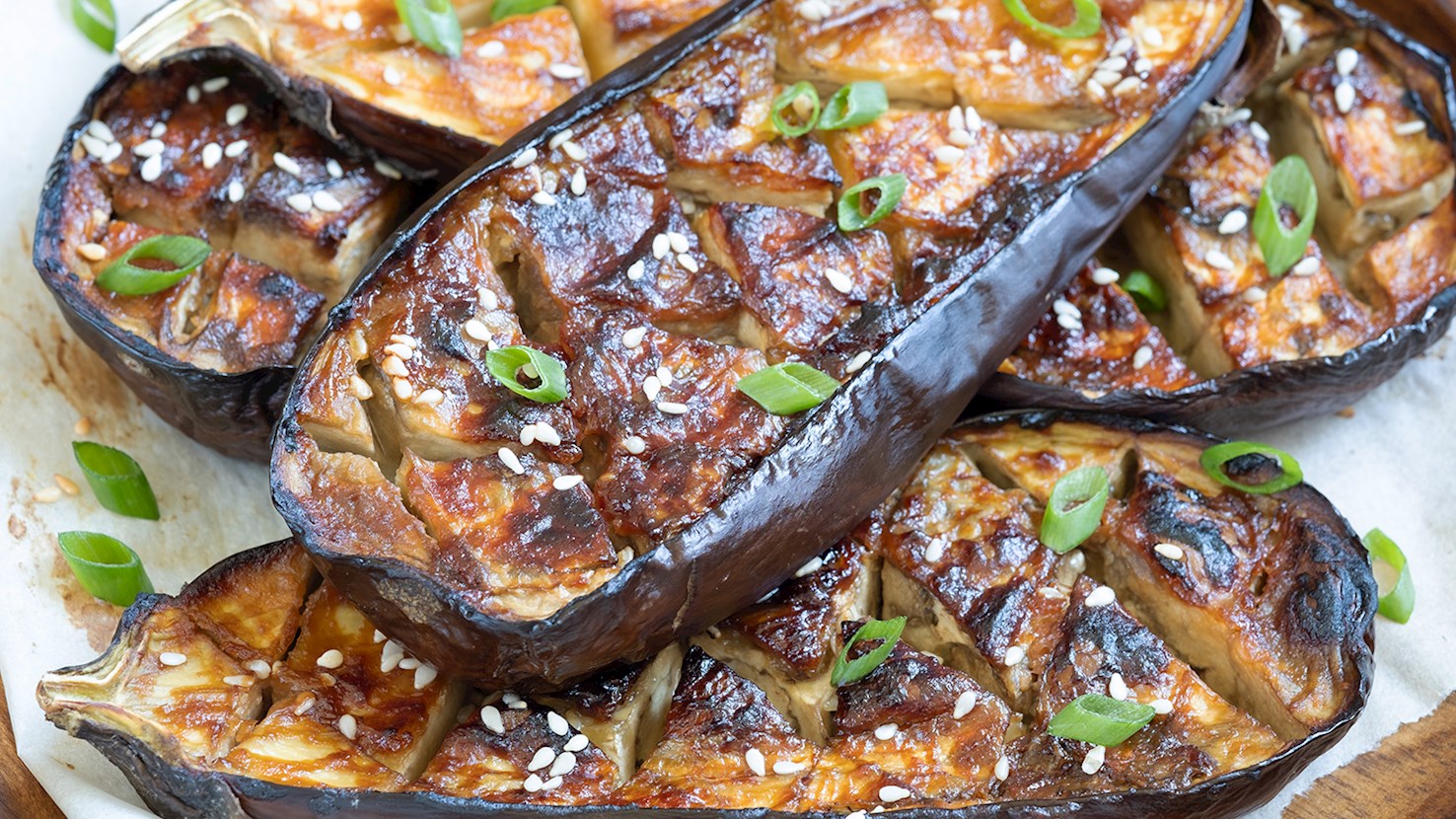
Nasu dengaku is a traditional dish that's usually served as an accompaniment. It consists of eggplants that are sliced, scored, brushed with a miso glaze, then grilled. The name of the dish literally means miso-glazed eggplant. The glaze is made with a combination of miso, mirin, sugar, and water, and it caramelizes as the eggplant cooks. Once done, nasu dengaku is served as a side dish, often with steamed white rice. It's recommended to pair the dish with a glass of brown rice genmai tea.
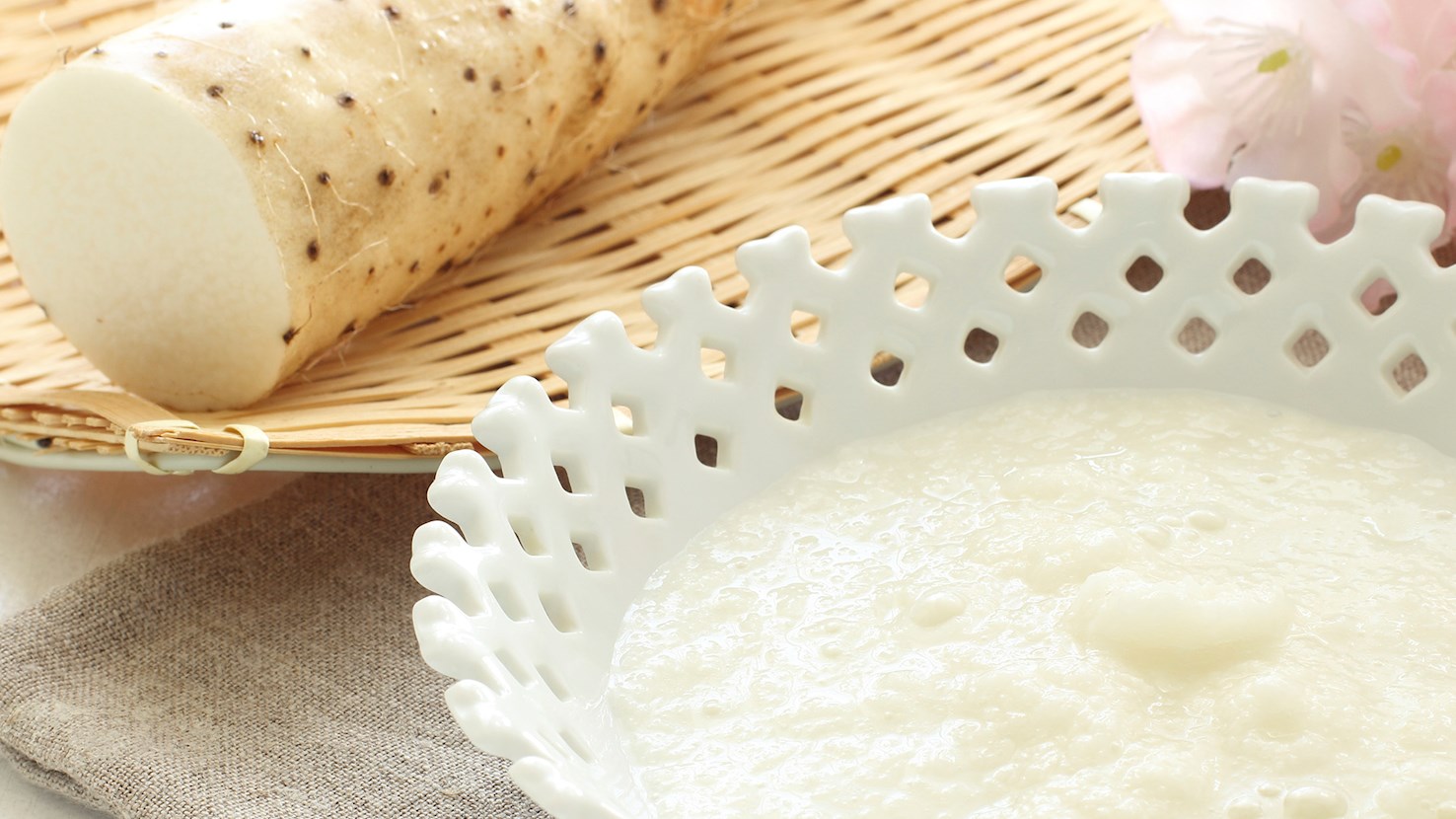
Tororo is a unique Japanese side dish that can also be used as an ingredient when added to other dishes. It consists of grated yam and is rich in vitamins and minerals. Traditionally, tororo is combined with wasabi, dashi, or spring onions. It is often added to noodle dishes in order to improve the flavor of the dish. Tororo is always served cold, and many people like to pour it over rice or salads, but it can also be consumed on its own, since it is very healthy. Its sticky, slimy texture is very appreciated in Japan because it is quite hydrating and acts as a refreshment, especially during the hot summer days.
TasteAtlas food rankings are based on the ratings of the TasteAtlas audience, with a series of mechanisms that recognize real users and that ignore bot,
nationalist or local patriotic ratings, and give additional value to the ratings of users that the system recognizes as knowledgeable.
For the “Top 18 Japanese Side Dishes” list until June 15, 2026, 354 ratings were recorded, of which 321 were recognized by the system as legitimate.
TasteAtlas Rankings should not be seen as the final global conclusion about food. Their purpose is to promote excellent local foods,
instill pride in traditional dishes, and arouse curiosity about dishes you haven’t tried.