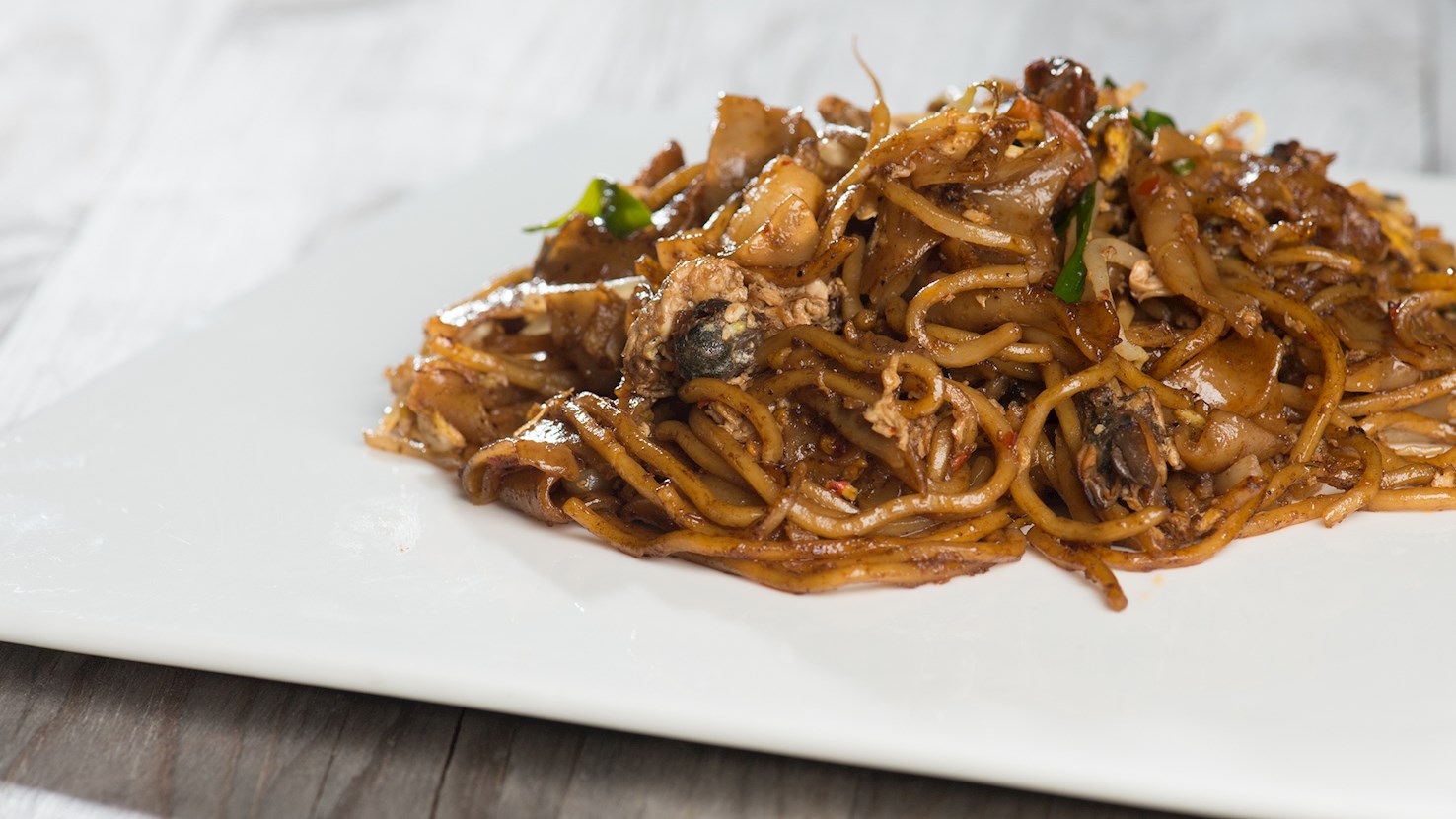
Beef kway teow is a Singaporean and Malaysian noodle dish that can be served either as a quick meal or as a side dish to bigger meals. In order to prepare it, broad and flat rice noodles are stir-fried with vegetables and herbs, and topped with slices of beef. There is also a version of this dish in a form of a soup similar to Thai beef soup, but it is usually prepared as a "dry" dish, in a thick gravy flavored with chili, soy sauce, and sesame oil. A variety of the dish is popular in Indonesia, where it’s commonly enriched with garlic, meatballs, cabbage, soy sauce, and black pepper.
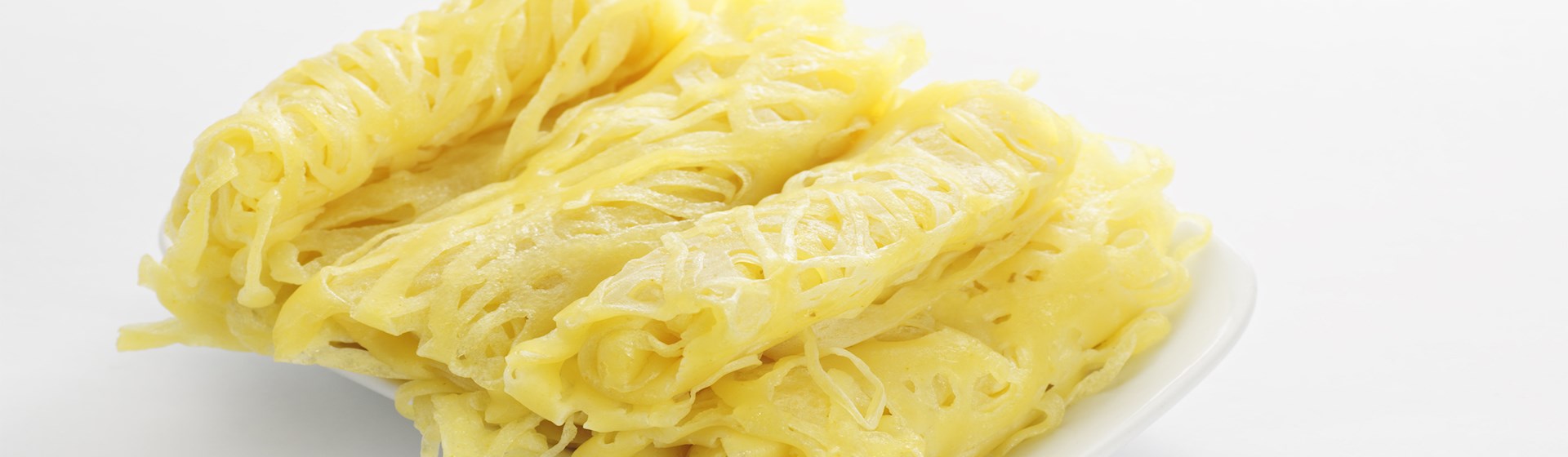
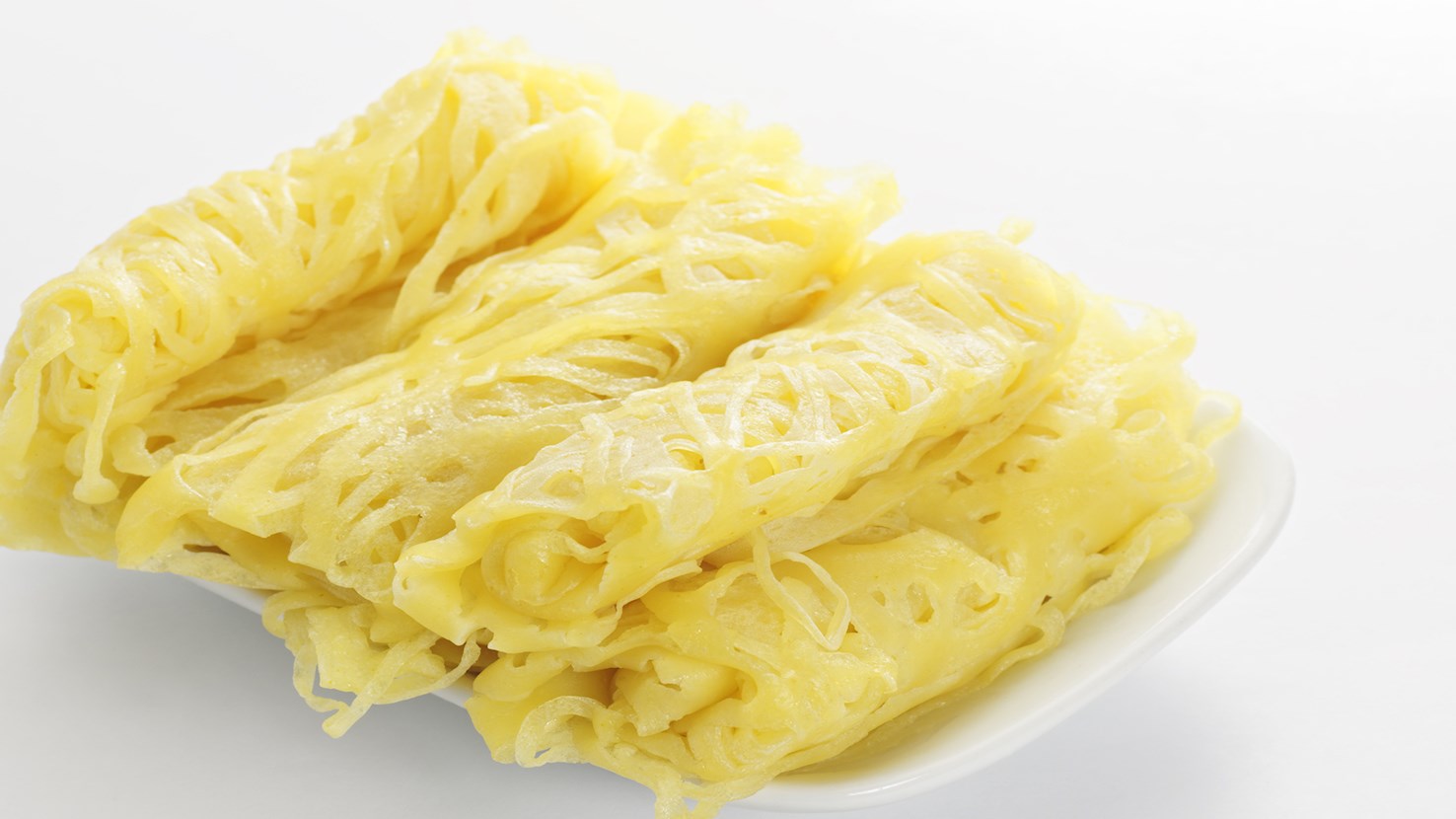
Roti jala is a popular Malaysian snack, a savory crepe consisting of flour, eggs, milk, and turmeric powder. Literally translated, roti jala means net bread, referring to its intricate net design inspired by the nets of Malaysian fishermen. The snack is commonly served warm alongside curries (especially potato and chicken curry), and it is recommended to pair it with a cup of tea. Traditionally, it is prepared for numerous Malaysian festivities and celebrations such as weddings and birthdays. Because roti jala is quite small, it is often served in sets of three or four pieces when accompanying curries, but it can also be consumed on its own throughout the year in numerous Malaysian eateries.
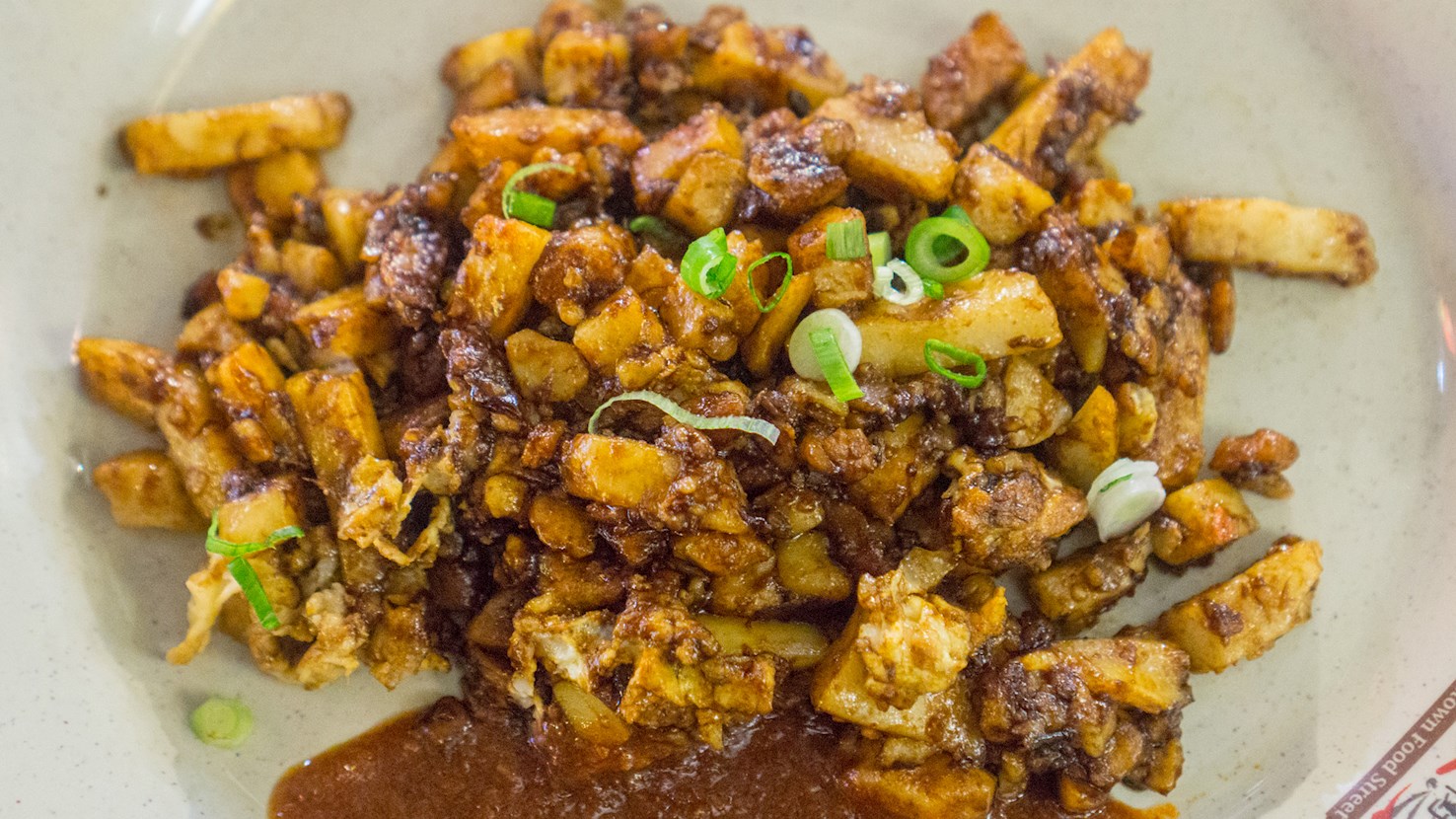
Chai tow kway is a savory dish originating in the Teochew Chinese community and widely popular in Singapore, Malaysia, Indonesia and southern Thailand, where it is often called carrot cake despite containing no carrot. The name comes from the Teochew words for radish and cake, referring to the main ingredient: steamed rice flour and white radish batter that is set into a firm cake. This cake is cut into cubes and then stir-fried with preserved radish, eggs, garlic, and seasonings. The preparation results in a dish that is both crisp and tender, with a balance of savory and lightly sweet flavors. The batter for chai tow kway begins with grated white radish, which is mixed with water and rice flour to form a thick slurry. This mixture is poured into a tray and steamed until it solidifies into a smooth, cohesive block. After cooling, the cake is diced into bite-sized pieces. In hawker stalls and home kitchens alike, the cubes are then fried in hot oil with chopped preserved radish for a salty undertone, garlic for aroma, and beaten eggs to bind everything together. Depending on preference, the dish can be prepared in a white style without sweet soy sauce, or in a black style where dark sweet soy sauce is added for a richer taste and caramelized edges. Chai tow kway is typically garnished with chopped scallions and sometimes a sprinkle of white pepper. It is eaten hot, often as a breakfast or supper dish, and is a staple offering at many hawker centers. Vendors usually prepare it fresh to order, letting customers choose how much egg or chili to include. The dish is commonly enjoyed with pickled chilies on the side, adding a sour and spicy contrast.
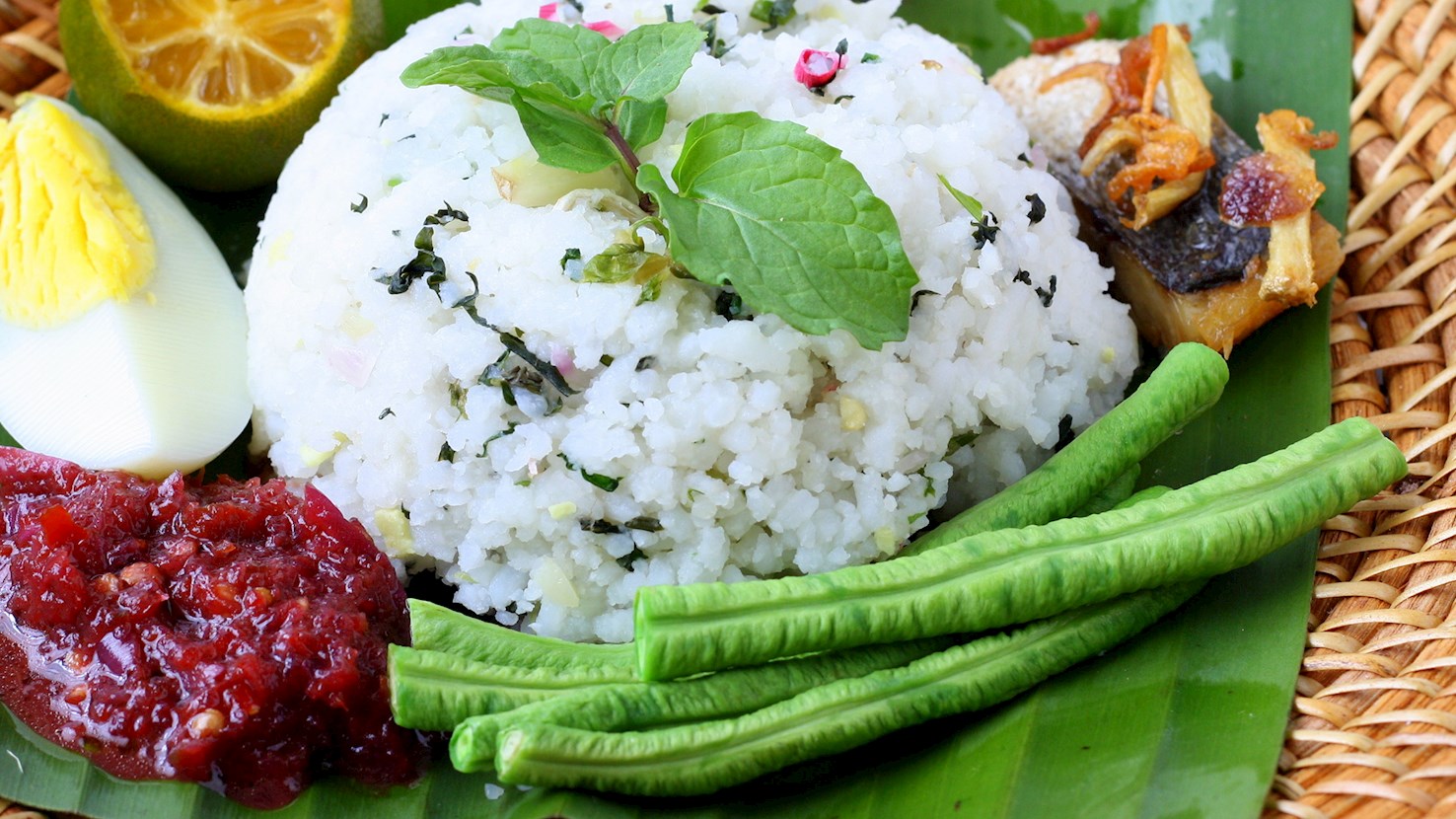
This flavorful combination of well-chilled rice and various fresh herbs is believed to have originated among the Peranakan ethnic minority, but it is nowadays enjoyed throughout Malaysia, as well as in some parts of Thailand and Indonesia, especially in Jakarta, where they make a wet and dry version of the dish. The dish commonly employs finely chopped raw herbs such as betel leaves, cashew leaves, or Indian pennywort, while the common additions also include dried shrimps, grated coconut or kersik (fried coconut paste), shallots, various spices, or occasionally shredded dried fish. Nasi ulam can be enjoyed on its own, but it is also often served as a filling and refreshing side dish with fried fish or chicken.
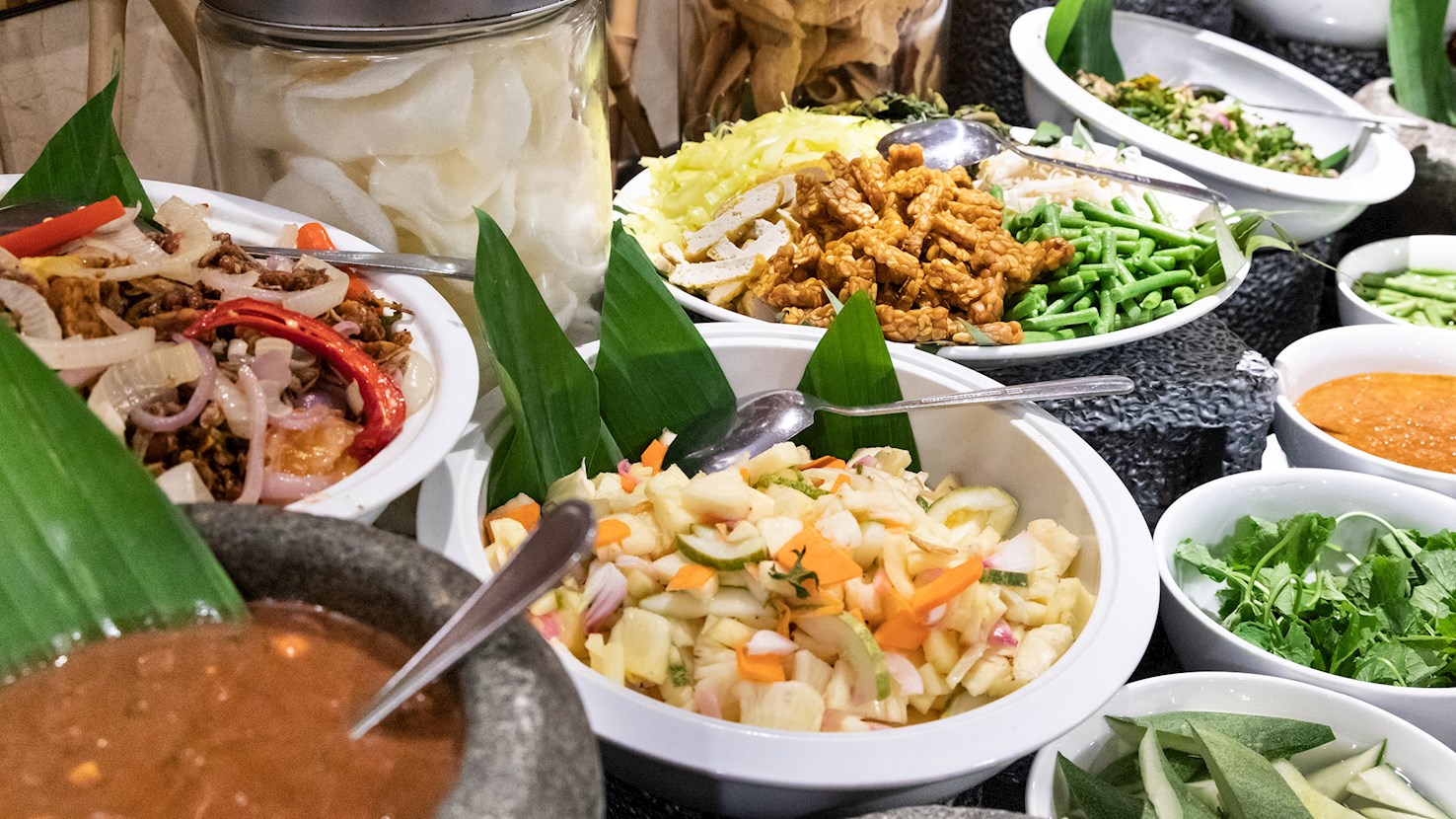
Ulam is a term that denotes different Malaysian-style salads that are typically prepared with a variety of fresh herbs and vegetables such as betel leaves, cucumbers, or banana blossom, but they can also incorporate shoots, roots, seeds, and fruits. All the ingredients can be blanched or served raw. Ulam salads are enjoyed as a side dish and are commonly topped with various Malaysian sauces such as sambal belacan, shrimp-based cincalok, or tempoyak.
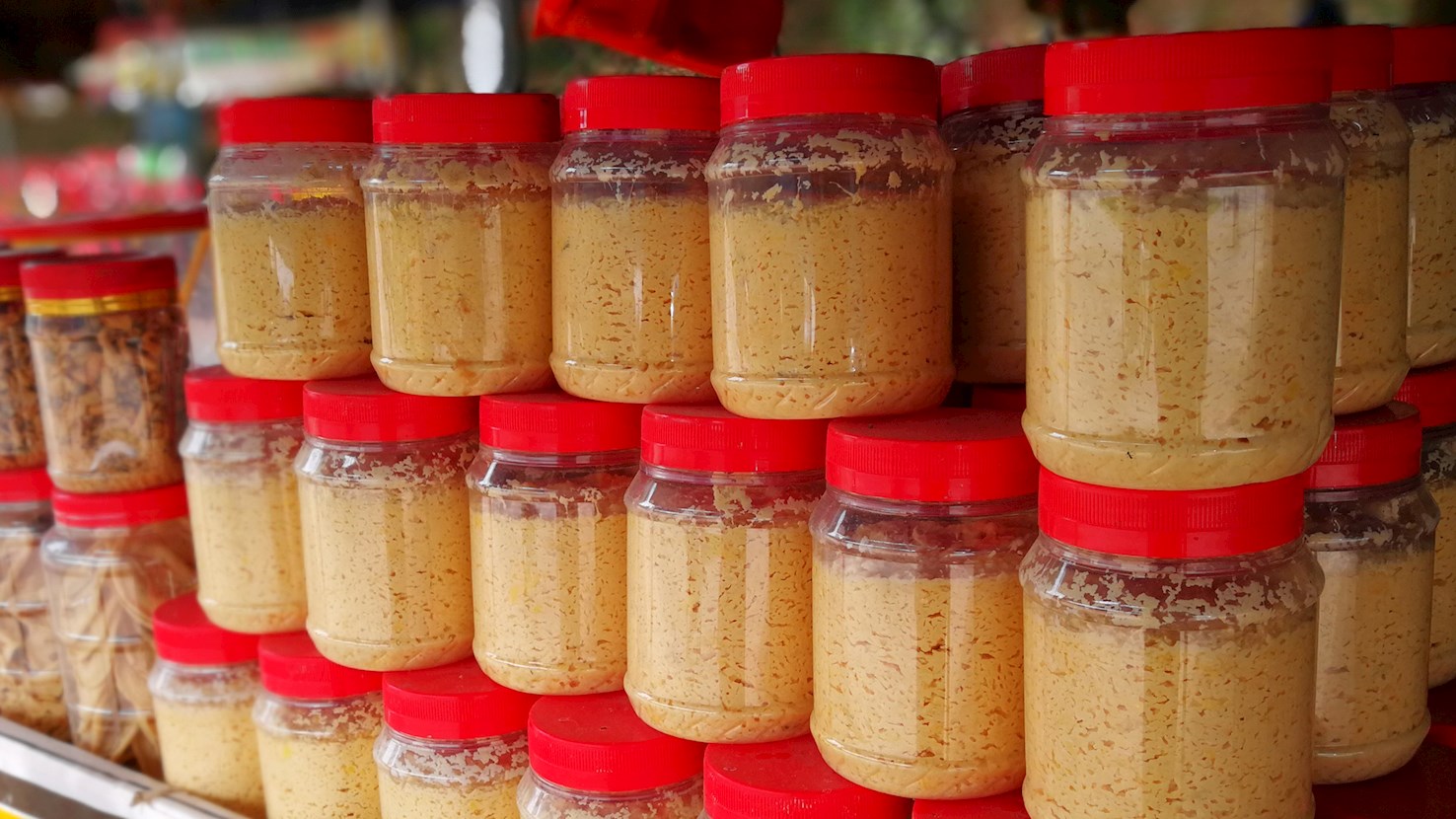
This popular Malaysian condiment is made with salted durian fruit that is left to ferment at room temperature for at least two days. Since it is highly versatile, it can vary in flavor and spiciness, but it is usually characterized by a combination of sweet, tangy, and salty flavors. Tempoyak is rarely eaten on its own, but it is often incorporated into curry-based dishes or served as an accompaniment to vegetables and rice. Like many other fermented Asian condiments, tempoyak is also believed to be an accidental invention which proved to be a great solution for ripe and low-quality durian, as well as an excellent preservation technique. Besides Malaysia, this pungent treat is also found in traditional Indonesian cuisine.
TasteAtlas food rankings are based on the ratings of the TasteAtlas audience, with a series of mechanisms that recognize real users and that ignore bot,
nationalist or local patriotic ratings, and give additional value to the ratings of users that the system recognizes as knowledgeable.
TasteAtlas Rankings should not be seen as the final global conclusion about food. Their purpose is to promote excellent local foods,
instill pride in traditional dishes, and arouse curiosity about dishes you haven’t tried.



What People Say