


shutterstock

Top 4 Nepali Side Dishes

Last updated on May 15, 2026
01

Alu kauli ko tarkari

n/a ·

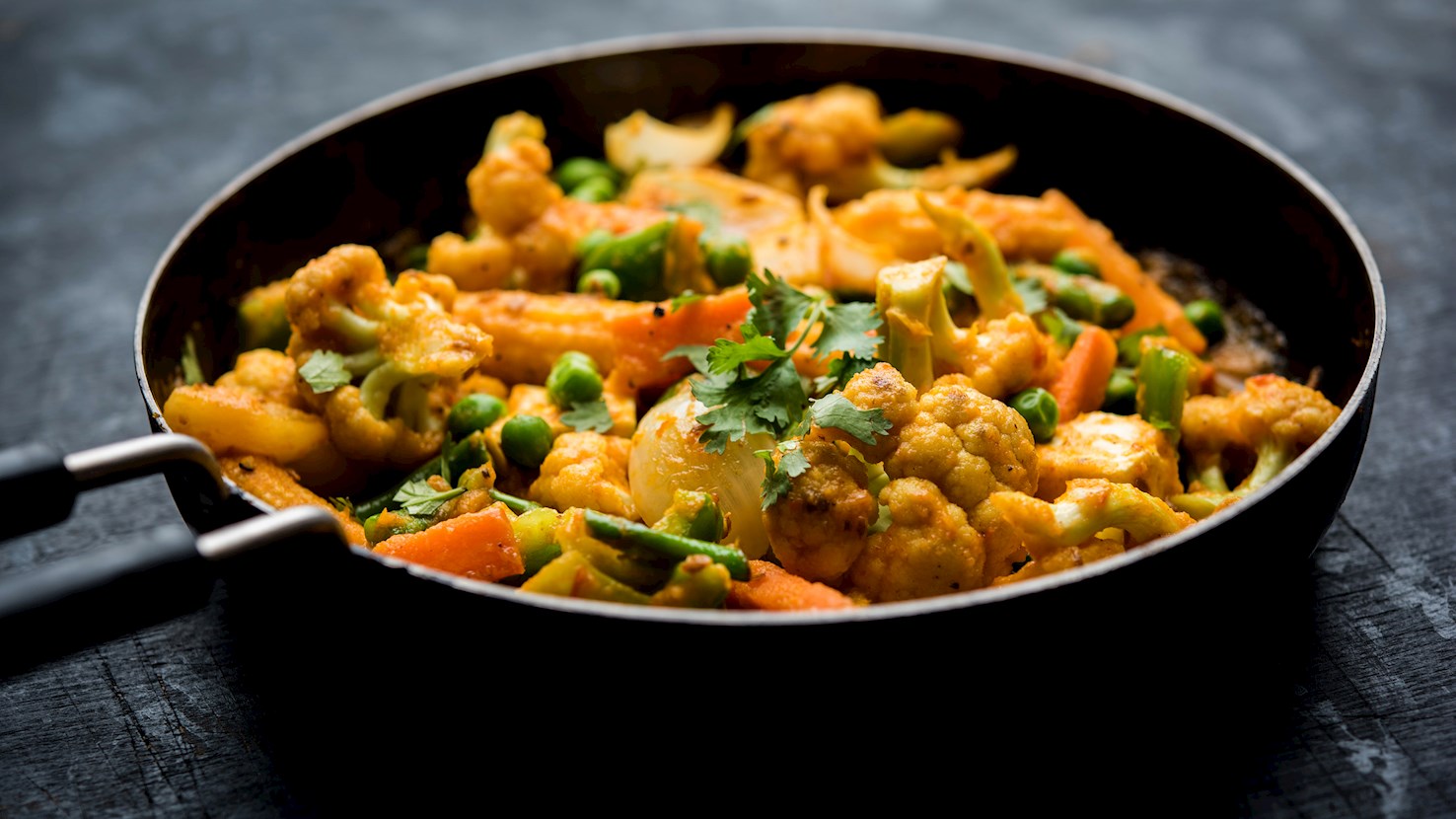
Alu kauli ko tarkari is a traditional vegetable dish originating from Nepal. The dish is usually made with a combination of cauliflower, potatoes, peas, ginger, garlic, tomatoes, olive oil, cumin, bay leaves, asafoetida, hot peppers, and turmeric. The ingredients are fried in oil in the following order: cumin seeds, bay leaves, asafoetida, hot peppers, ginger, garlic, tomatoes, potatoes, cauliflower florets, and peas. Paprika is added to taste, along with a bit of salt, and a bit of water is poured over the vegetables. The dish is simmered until everything is tender. Once done, alu kauli ko tarkari is enjoyed with rice on the side, but it can also be served as an accompaniment to main dishes.

02

Gundruk

n/a ·

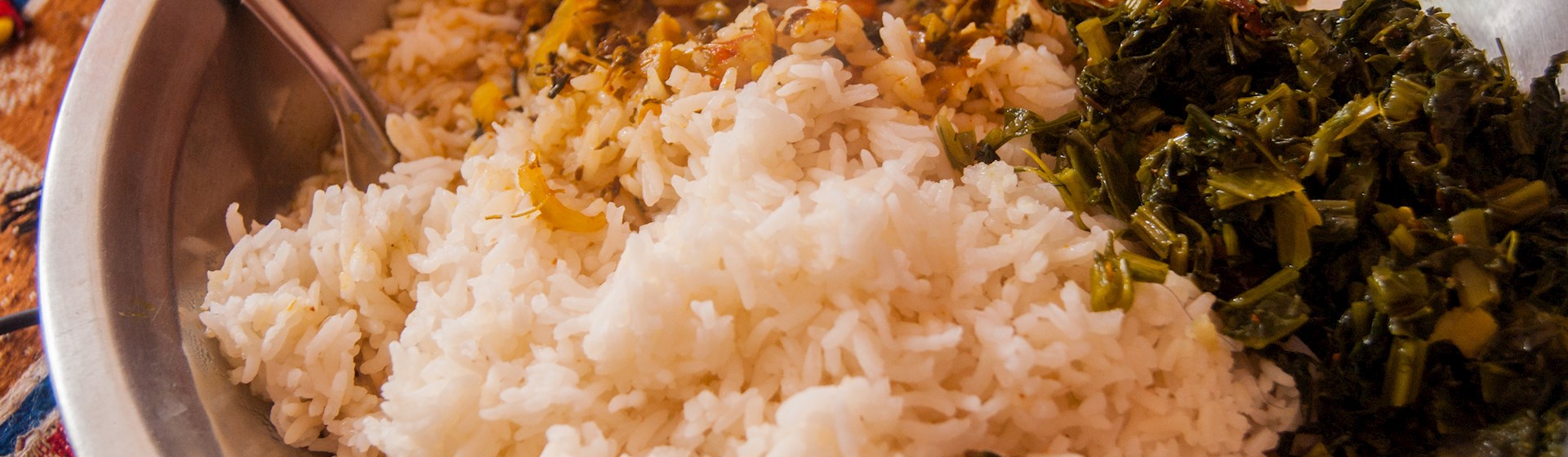
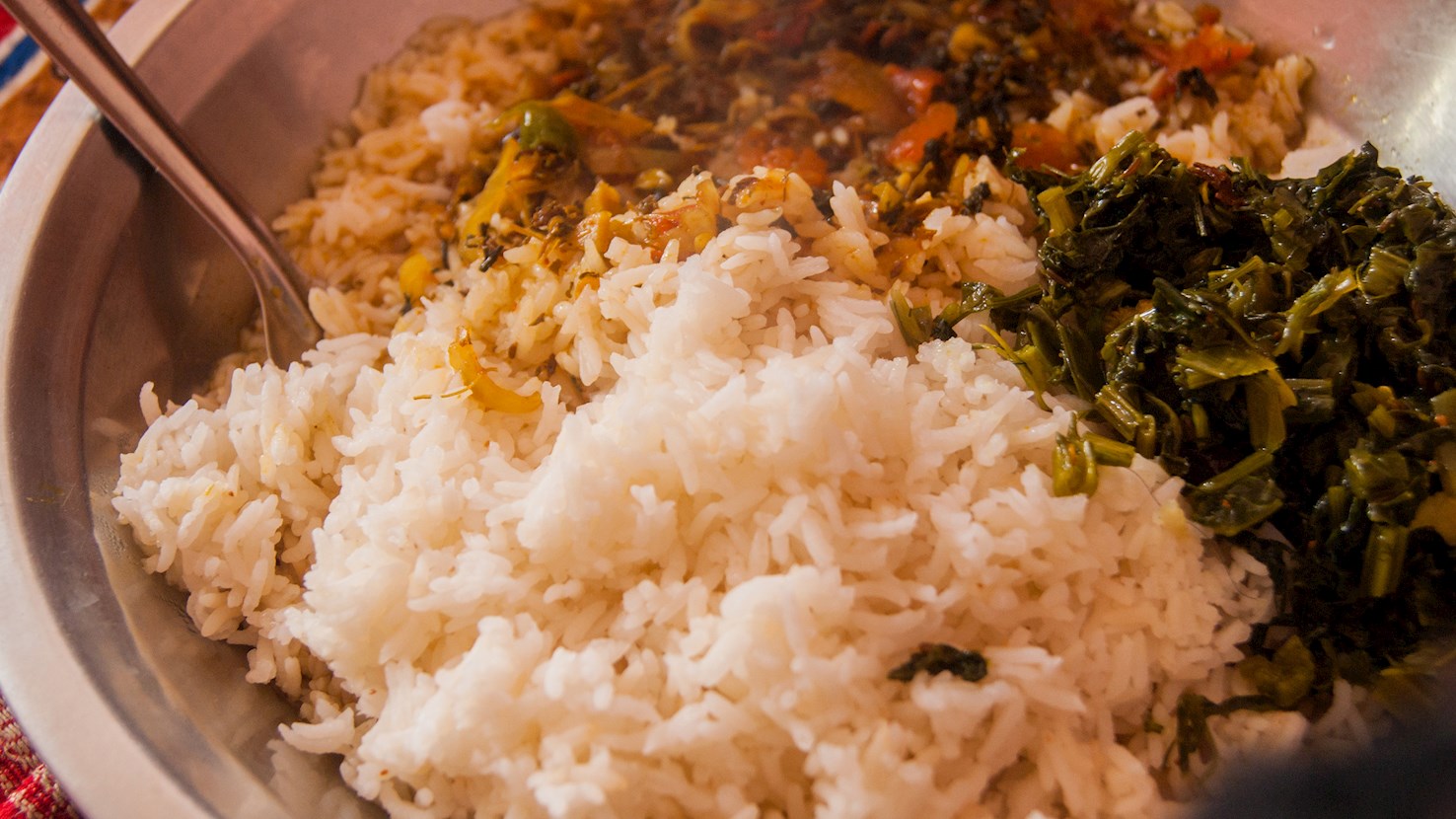
Gundruk is a popular Nepalese dish made by fermenting and drying several leafy vegetables such as rayo sag, mustard leaves, radish leaves, and cauliflower, in order to produce a sour product characterized by its dark brown color. It is a versatile food item that can be served both as an appetizer or a side dish, but it can also be made into a soup. Due to the fact that it is a great source of minerals, gundruk is especially important in rural areas of the country where people mostly feed on maize and tubers.

03

Wachipa

n/a ·

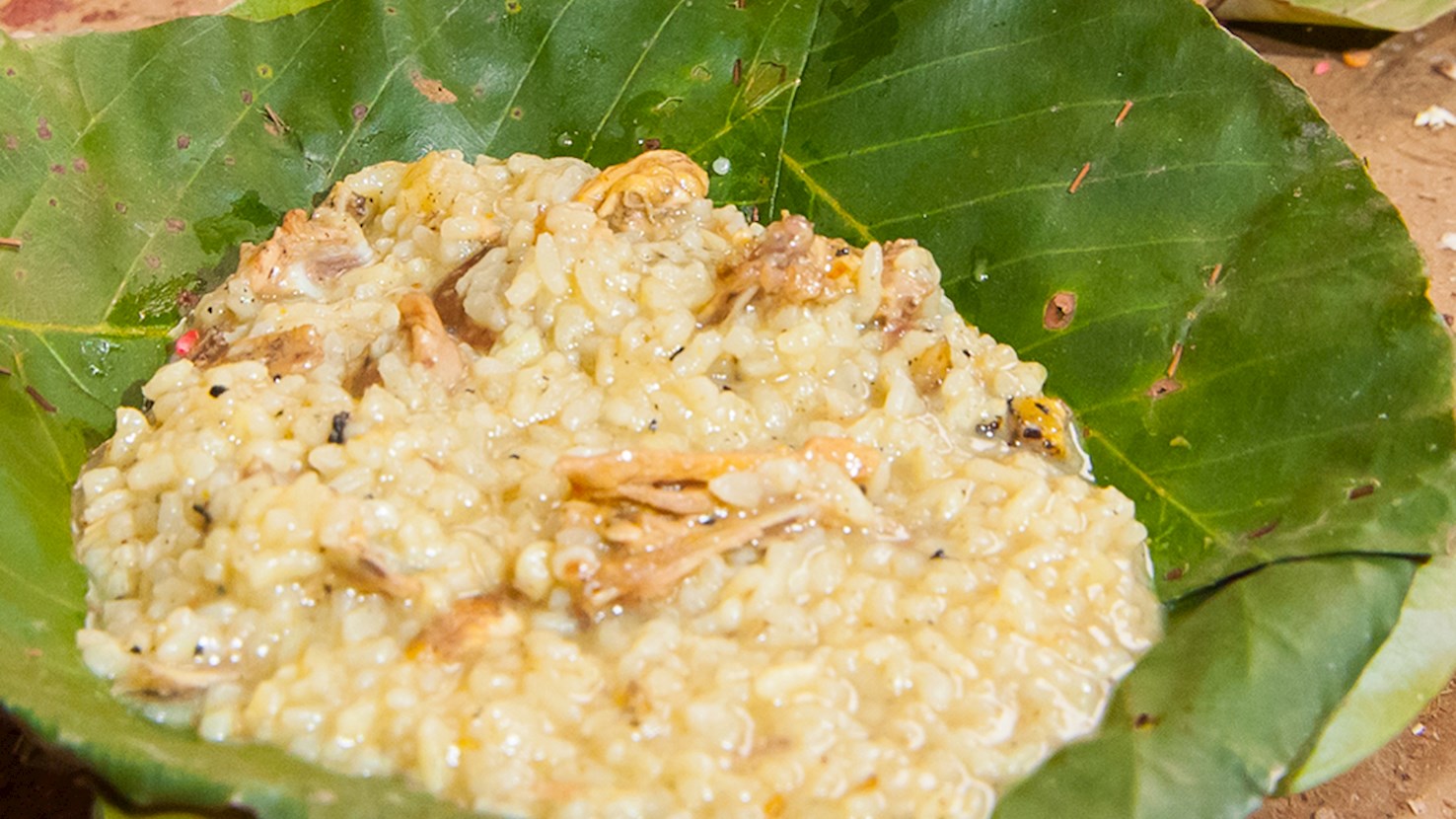
Wachipa is an unusual dish originating from the Nepalese Kirat Rai people. The dish is made with a combination of rice, minced chicken, and a powder that's made from burnt chicken feathers. This unique powder gives the dish a bitter aroma and flavor. Wachipa is typically prepared and eaten on special occasions, and some locals believe that it cures body aches. There's also a vegetarian version of wachipa in which the meat is replaced with the bitter leaves or flowers of a plant called damlapa, and it's served on a fig leaf. Both versions are traditionally served as side dishes.

04

Kinema

n/a ·

Kinema is a unique Nepalese food consisting of fermented soya beans that have a sticky texture and a slight ammoniacal odor if prepared properly. The soya beans are traditionally left to ferment for two to three days above an earthen-oven kitchen. The name of the food is derived from the words ki, meaning fermented, and nambaa, meaning flavor. It is typically consumed as a curry-like accompaniment to boiled rice, although it can also be served as a dip.

Read more
View all
View map
About this ranking

TasteAtlas food rankings are based on the ratings of the TasteAtlas audience, with a series of mechanisms that recognize real users and that ignore bot, nationalist or local patriotic ratings, and give additional value to the ratings of users that the system recognizes as knowledgeable. For the “Top 4 Nepali Side Dishes” list until May 15, 2026, 9 ratings were recorded, of which 7 were recognized by the system as legitimate. TasteAtlas Rankings should not be seen as the final global conclusion about food. Their purpose is to promote excellent local foods, instill pride in traditional dishes, and arouse curiosity about dishes you haven’t tried.

Similar lists