

shutterstock

Top 36 South American Side Dishes

Last updated on May 15, 2026
01

Choclo con queso

4.3 ·

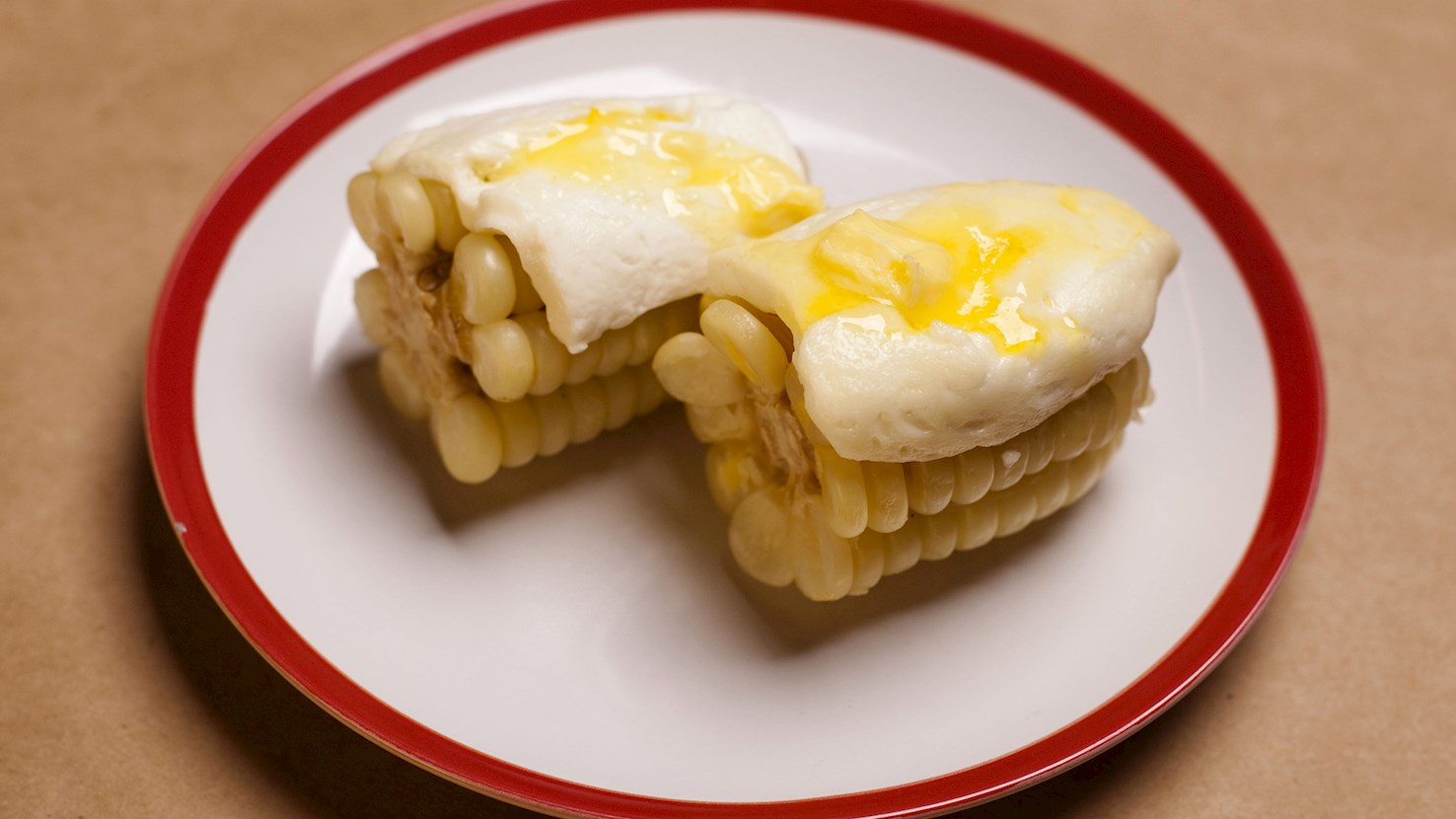
Choclo con queso is a Peruvian meal that is often consumed as a snack, an appetizer, or a side dish. Peruvian choclo is a type of corn with large kernels, nutty flavor, and chewy texture. When paired with creamy and salty cheese and a dab of butter on top, it results in choclo con queso (lit. corn with cheese). Although it can be found in restaurants, this delicious snack is most commonly bought from street vendors. In some modern interpretations, the dish can also be made into a baked casserole with added onions, cumin, flour, and milk.

02

Llapingacho

4.2 ·

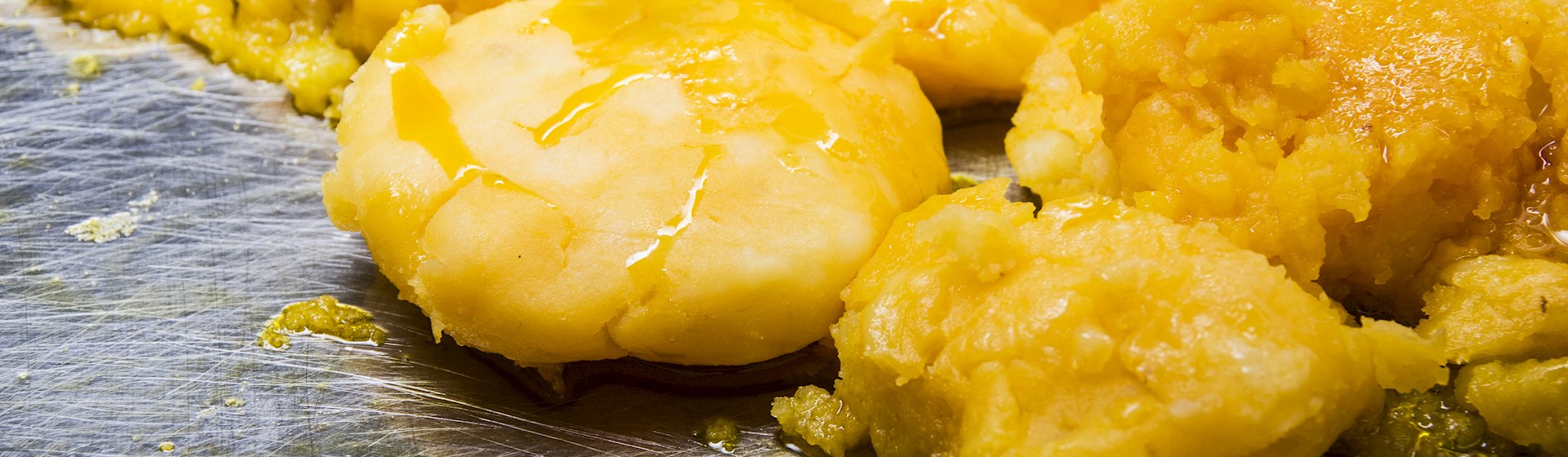
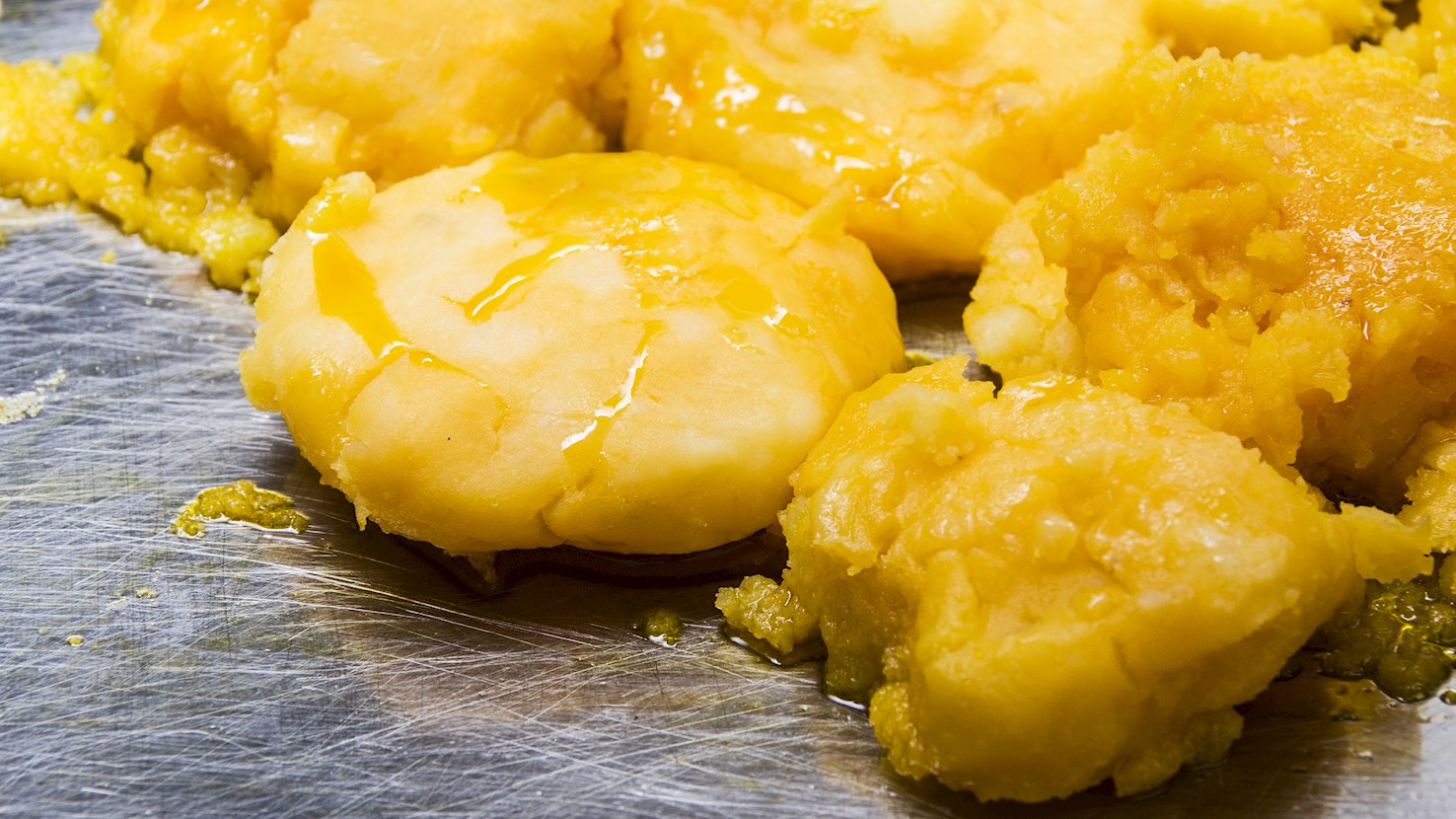
Llapingachos are typical Ecuadorian potato patties that are often served with a spicy peanut sauce on the side. They consist of cheese and mashed potatoes. The combination of those ingredients is flattened and cooked on a griddle until it develops a golden-brown color. Llapingachos are traditionally served as a side dish along with avocadoes, salads, fried eggs, pork, and chorizo.

03

Chifle

4.2 ·

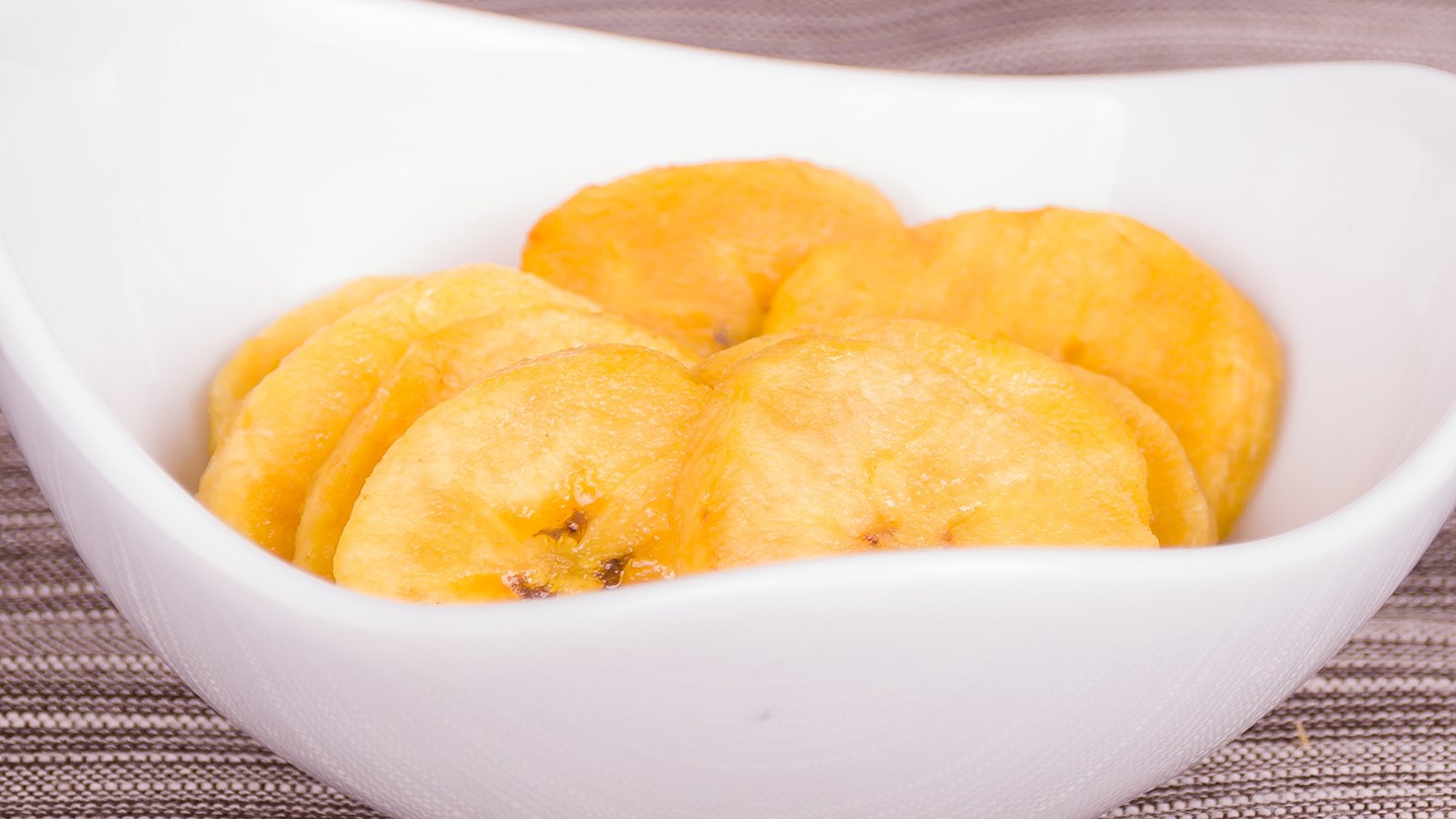
Typically associated with Ecuador and the Peruvian region of Piura, chifles are thinly sliced, fried green plantains. They can be sliced crosswise or lengthwise, and while homemade varieties are usually sold as a convenient and portable street food item, they also come in form of factory-produced snacks that are available in supermarkets. Chifles are typically sided with charqui - shredded dried and salted meat - or other snacks. Similar versions of fried plantains are found in many Latin American countries such as Guatemala, Cuba, and Puerto Rico.

Best restaurants
04

Tutu de feijão

4.2 ·

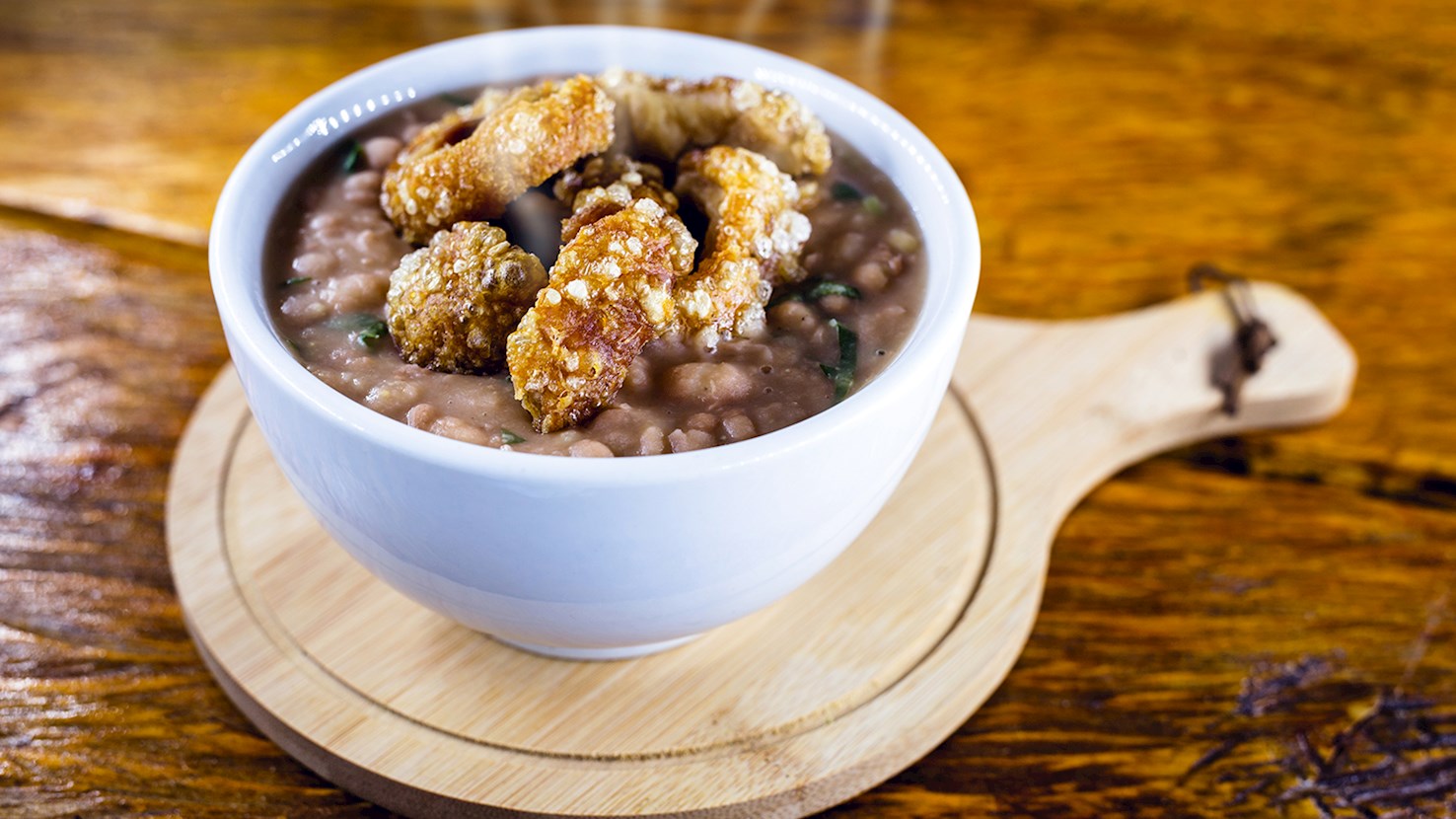
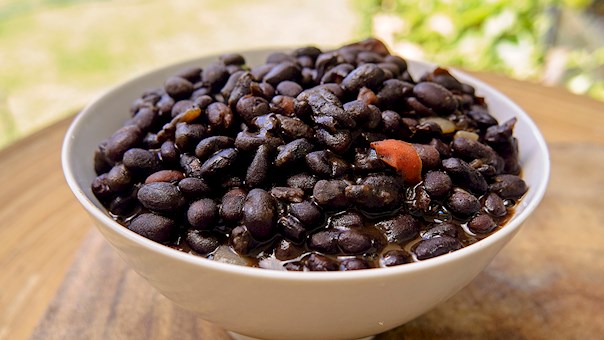
Tutu de feijão is a traditional dish originating from the region of Minas Gerais. The dish is made with a combination of puréed beans (traditionally black beans) and cassava flour that's used as a thickening agent. Other ingredients used in the dish include onions, garlic, olive oil, parsley, and bay leaves. Although there are many variations on the dish, it's usually served accompanied by pork sausages, rice, eggs, or sometimes kale.

05

Arroz con coco (Coconut rice)

4.1 ·

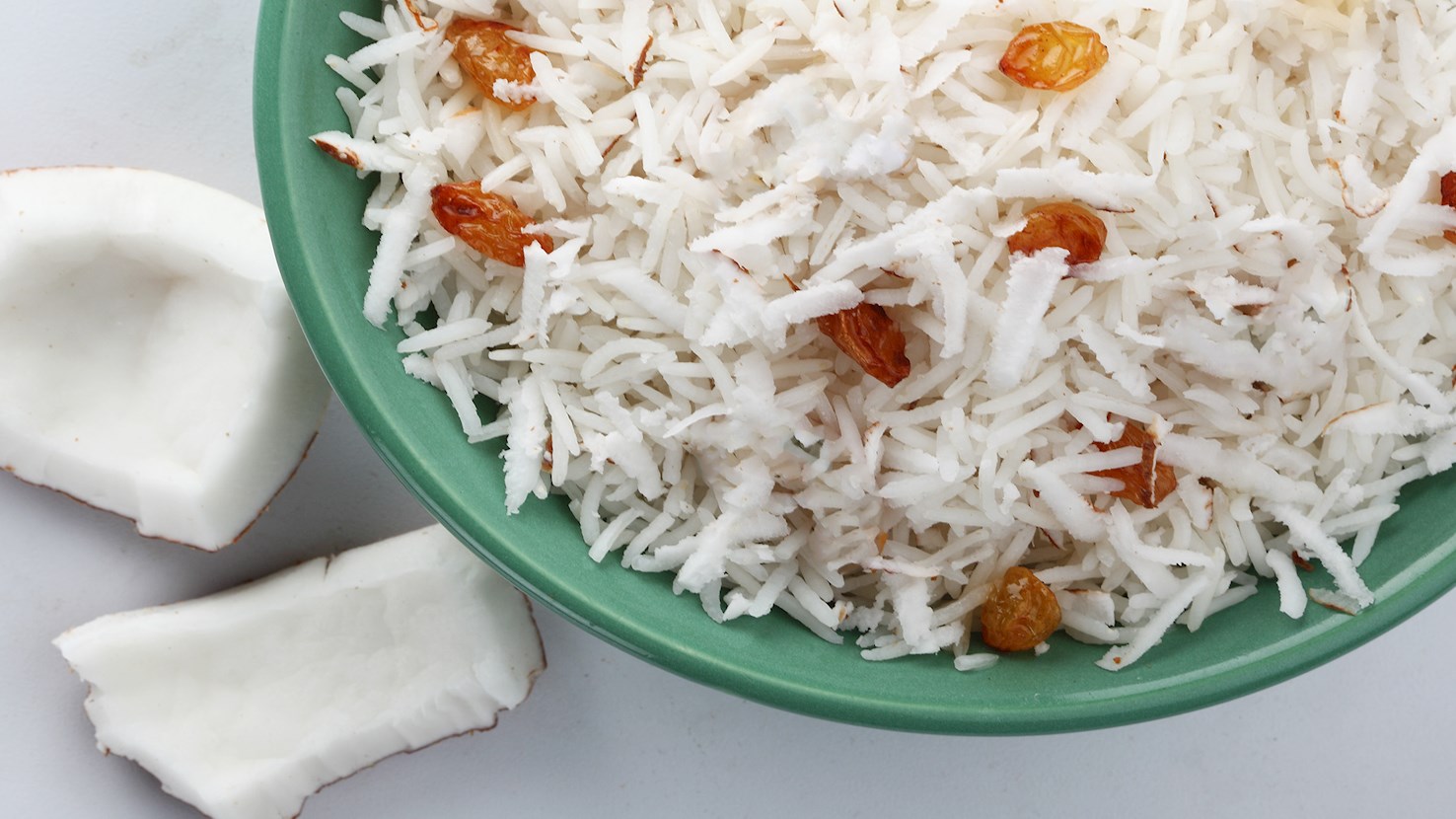
Both savory and sweet in flavor, arroz con coco is a flavorful Colombian side dish consisting of white rice, coconut milk, sugar, salt, and water. When mixed with raisins, arroz con coco becomes slightly sweeter, while the version without raisins is more savory and traditionally served with fish dishes. It is recommended to use coconut milk without stabilizers so that it can separate into fat and solids.

06

Cuscuz nordestino

4.1 ·

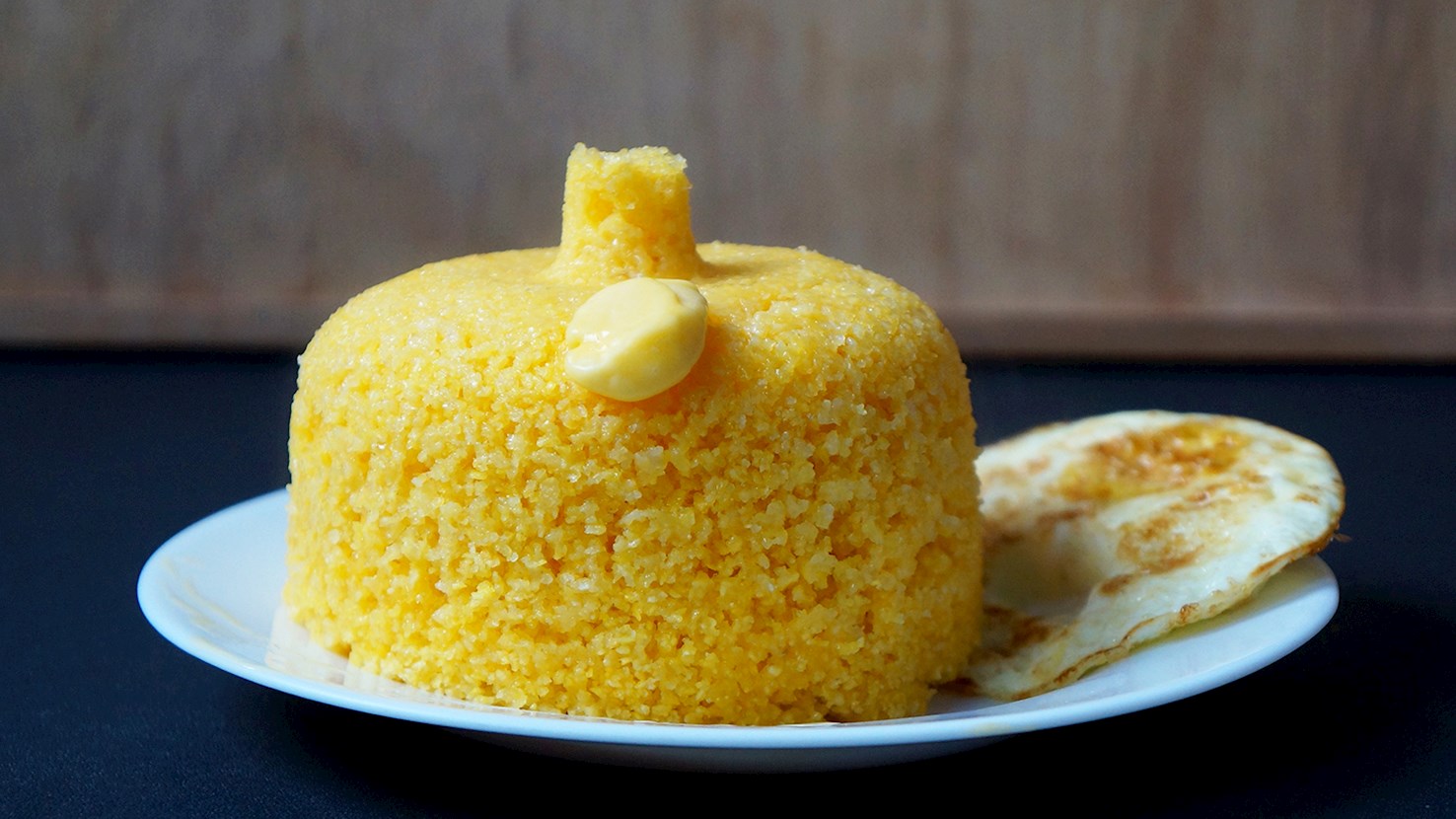
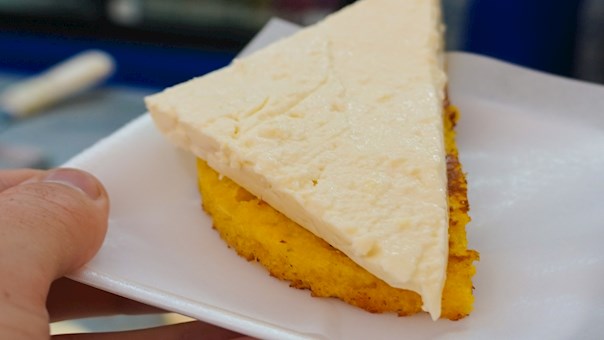
Cuscuz nordestino is a traditional dish from the Northeast region of Brazil. It is prepared with corn flour, salt, manioc starch, and either water or coconut milk. The combination of these ingredients is steamed until fragrant. Once prepared, cuscuz nordestino is cut into slices and served hot. This nutritious, inexpensive, and simple dish was brought to Brazil by Portuguese colonizers, and today it's a staple in the Northeast of Brazil – in some places, it's even used as a replacement for bread.

07

Tamalito

4.1 ·

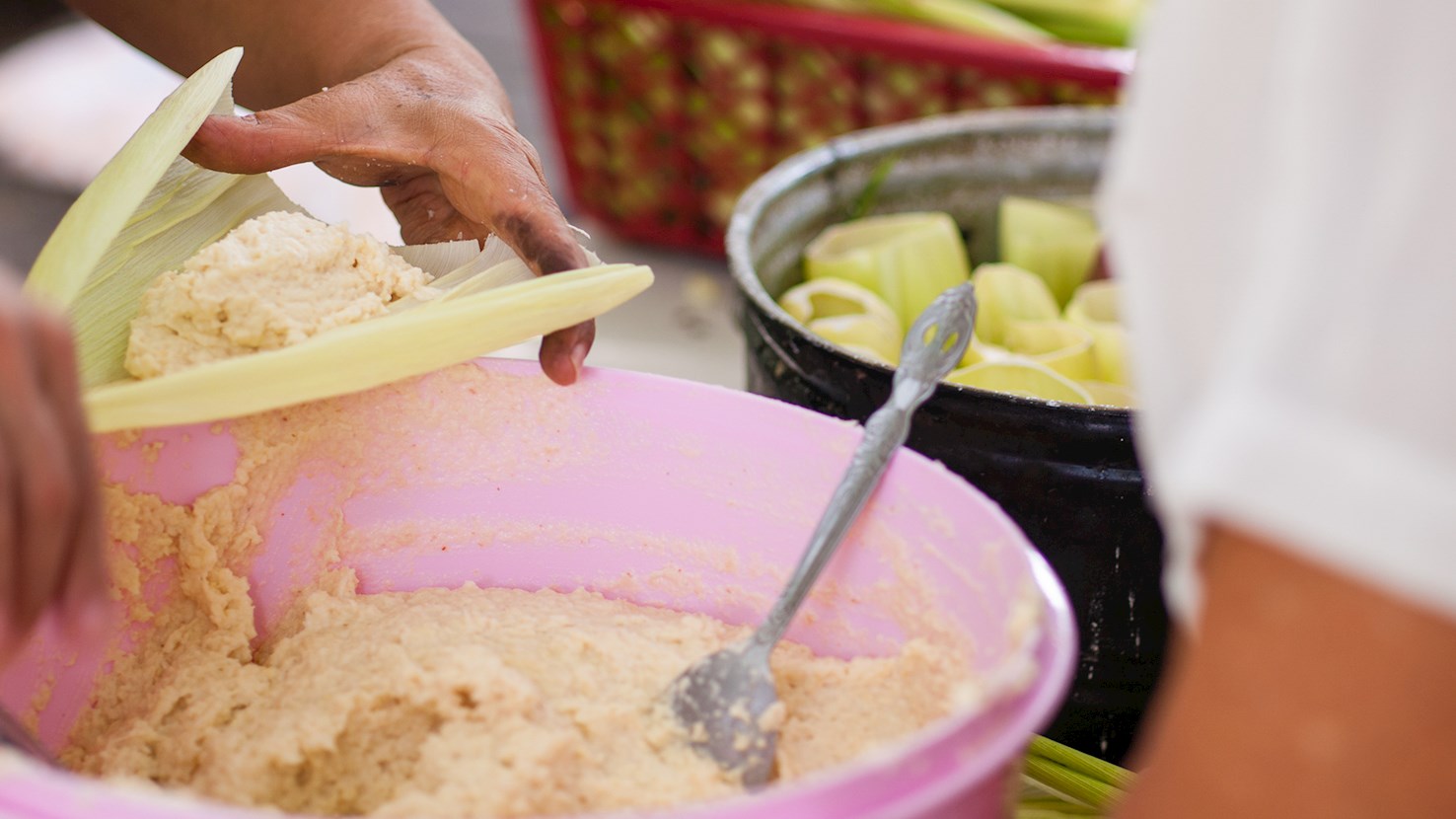
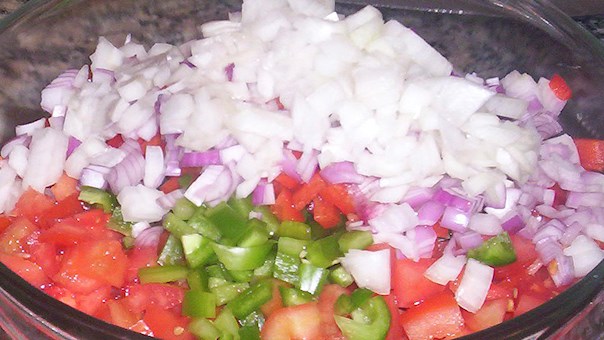
Tamalito is the Peruvian version of tamales. They are smaller and drier than tamales, but both are prepared in a similar fashion. Green maize is first combined with lard, and the combination is then filled with various ingredients and wrapped in corn leaves before being tied with a string and steamed in a pot. Tamalitos are traditionally served as a light appetizer or a tasty side dish. It is recommended to pair them with salsa criolla.

08

Papa a la huancaína

4.1 ·

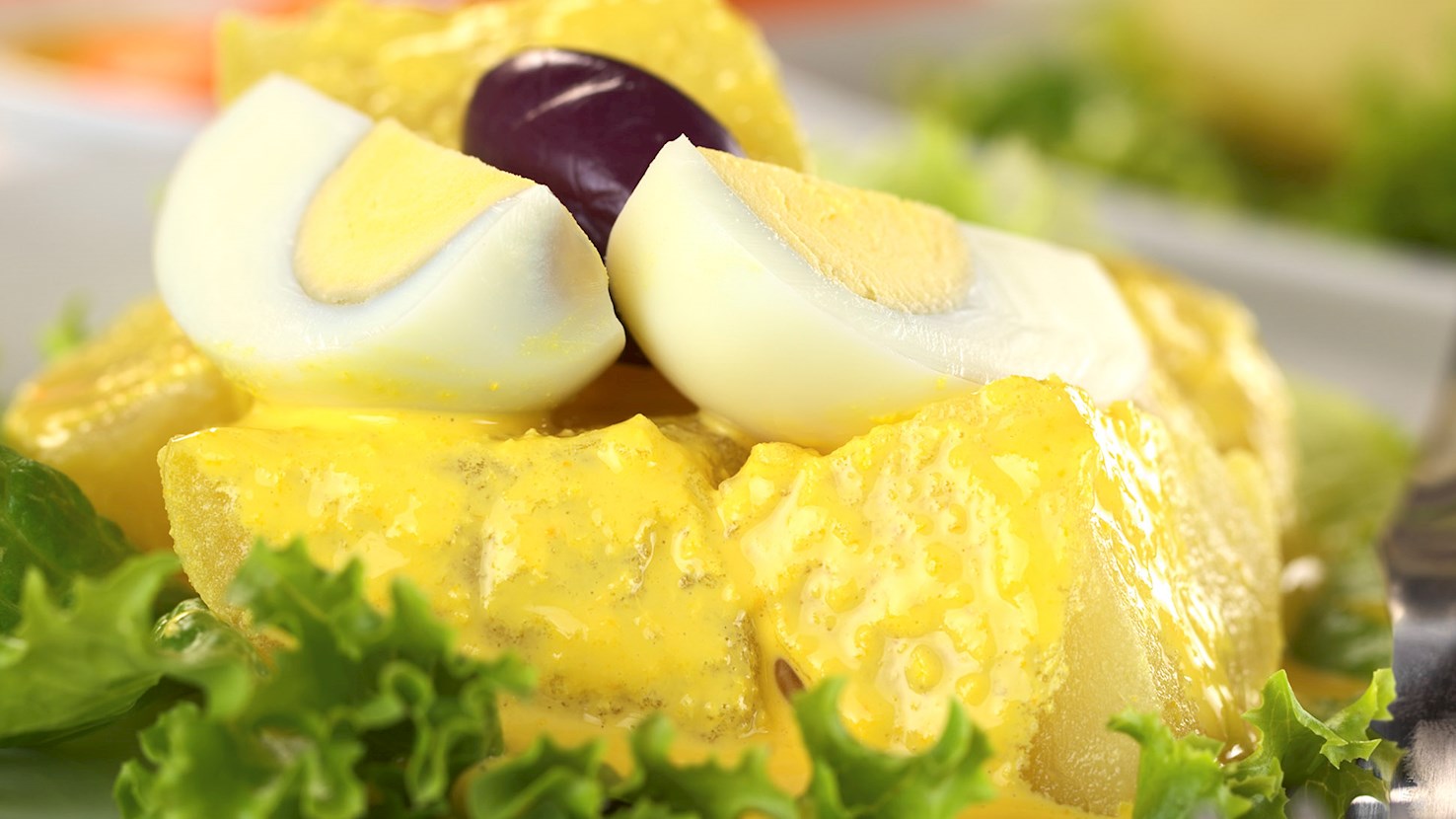
Originating from the Huancayo area of Peru, papa a la huancaína a is an authentic and unique potato dish consisting of a spicy, creamy, and rich cheese sauce that is drizzled over boiled yellow or white potatoes. The sauce consists of aji amarillo chilis, oil, milk, cheese, salt, and crackers that act as a thickener. It can be served either cold or at room temperature, as a flavorful side dish or an appetizer. Traditionally, the dish is garnished with parsley, black olives, and sliced hard-boiled eggs. According to locals, the dish was invented in the late 1800s when a woman from Huancayo offered her dish to the workers that were constructing a railroad connecting Huancayo to Lima. The dish became a crowd favorite, and the rest is history.

09

Arepa

4 ·

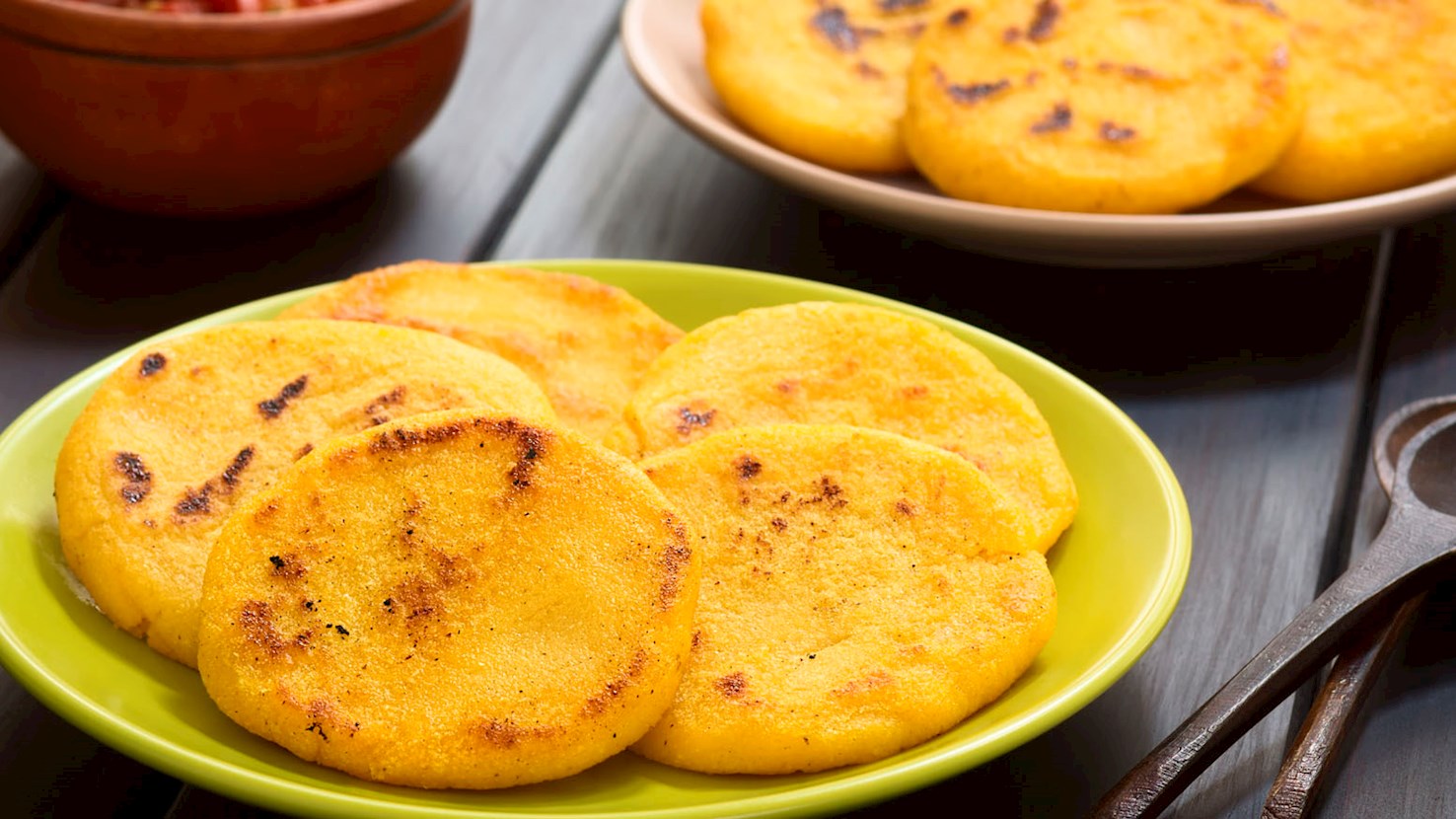
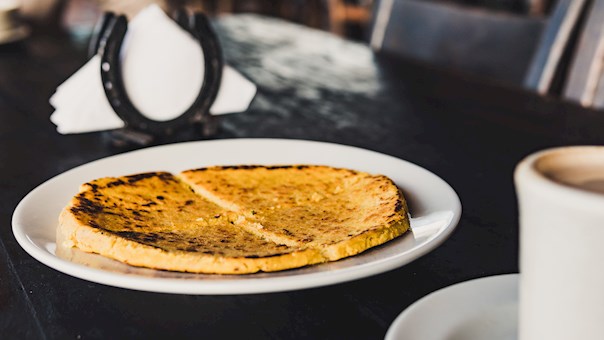
Arepa is a highly versatile cornbread made from ground corn dough or precooked corn flour. It is commonly consumed in Venezuela, Colombia, Panama, Puerto Rico, and the Dominican Republic. In Venezuela, arepa is eaten at any time of the day, throughout the whole country, and across all socio-economic groups. The golden disks with a crispy, browned crust are commonly stuffed with a variety of ingredients, and the combinations are seemingly infinite, from beans, cheese, and avocado to shredded beef and onions. For a Venezuelan breakfast, arepas are traditionally paired with a cup of strong coffee and hot dipping chocolate. Since they are not filled with anything for breakfast, they are commonly referred to as the viuda (widow). The name arepa comes from the word erepa, which is the indigenous word for this corn bread, as its origins are believed to be from the indigenous tribes across Venezuela, such as Timoto-Cuicas, Arawak, Carib, and Karina. Today, arepas are usually served at traditional eateries called areperas.

10

Farofa

4 ·

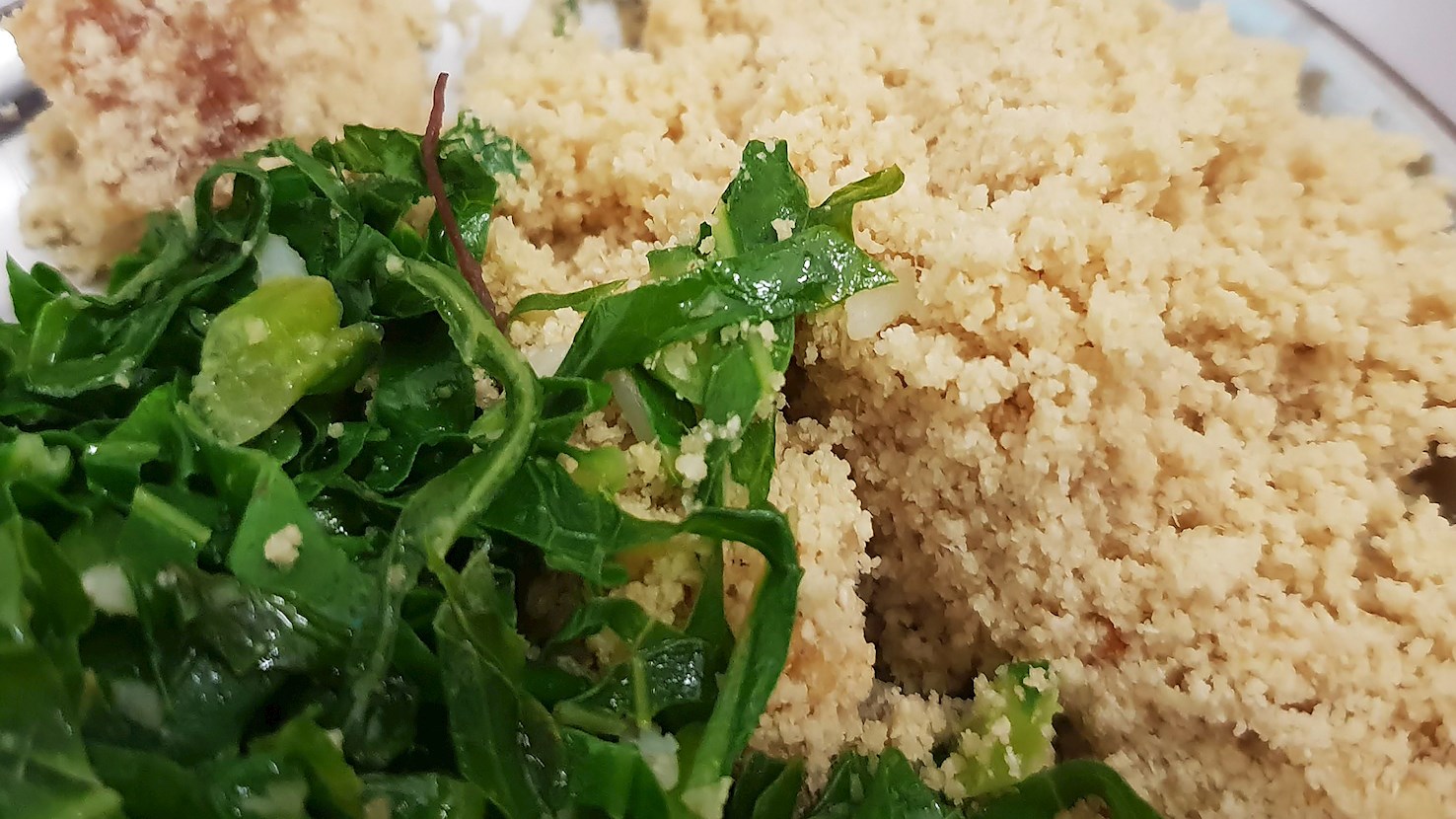
Farofa is a common side dish in Brazil that no churrasco (barbecue) is complete without. It consists of toasted manioc flour dressed up with complementary ingredients such as onions, olives, nuts, crispy bacon pieces, dried jerky, or fresh herbs. Popular since the time of Brazil's first settlers, it is typically sprinkled over savory dishes such as feijoada and xinxim. One popular variety from Bahia is made with bananas and onions. Farofa has such a legacy in Brazil that it even has its own shaker, called a farinheira, found on virtually every table in the country. Due to its sandy texture and a relative lack of flavor, outsiders are sometimes puzzled by farofa, but the habit of eating it easily sneaks up on anyone that is commonly indulging in Brazil's meat dishes.

Read more
View all
View map
About this ranking

TasteAtlas food rankings are based on the ratings of the TasteAtlas audience, with a series of mechanisms that recognize real users and that ignore bot, nationalist or local patriotic ratings, and give additional value to the ratings of users that the system recognizes as knowledgeable. For the “Top 36 South American Side Dishes” list until May 15, 2026, 3,815 ratings were recorded, of which 1,858 were recognized by the system as legitimate. TasteAtlas Rankings should not be seen as the final global conclusion about food. Their purpose is to promote excellent local foods, instill pride in traditional dishes, and arouse curiosity about dishes you haven’t tried.

Similar lists