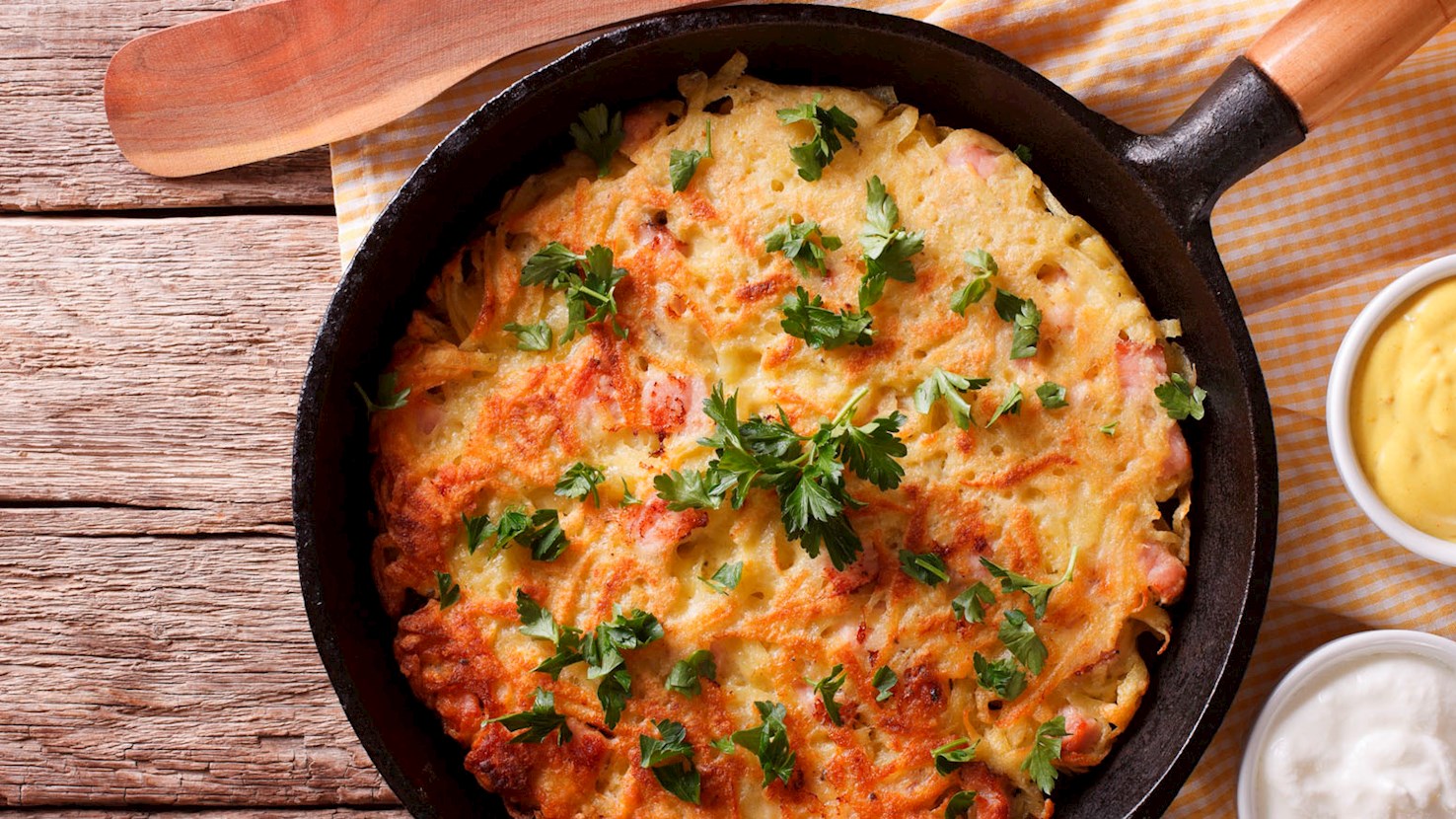
Rösti is a simple, buttery and fragrant national dish of Switzerland, a crispy crusted potato pancake with an appetizing golden color. It is a great side dish to traditional Swiss delicacies such as leberspiesschen (grilled calves' livers wrapped in bacon and sage) or émincé de veau. The potatoes for rösti are boiled, peeled, chilled, grated into long strips, and fried with butter, oil, salt, and maybe a bit of bacon fat. The dish is then cut into wedges and served to hungry consumers. Additionally, herbs, onions, ham, or grated cheese can be added to the dish to enhance its flavors. Rösti was originally consumed for breakfast by farmers from the Swiss canton of Bern, but today it is a popular side dish with lots of variations. For example, Bernese rösti is prepared with bacon, Valaisian rösti with sliced tomatoes and raclette cheese, while Basilean rösti is a mixture of potatoes and sliced onions in a 1:1 ratio.
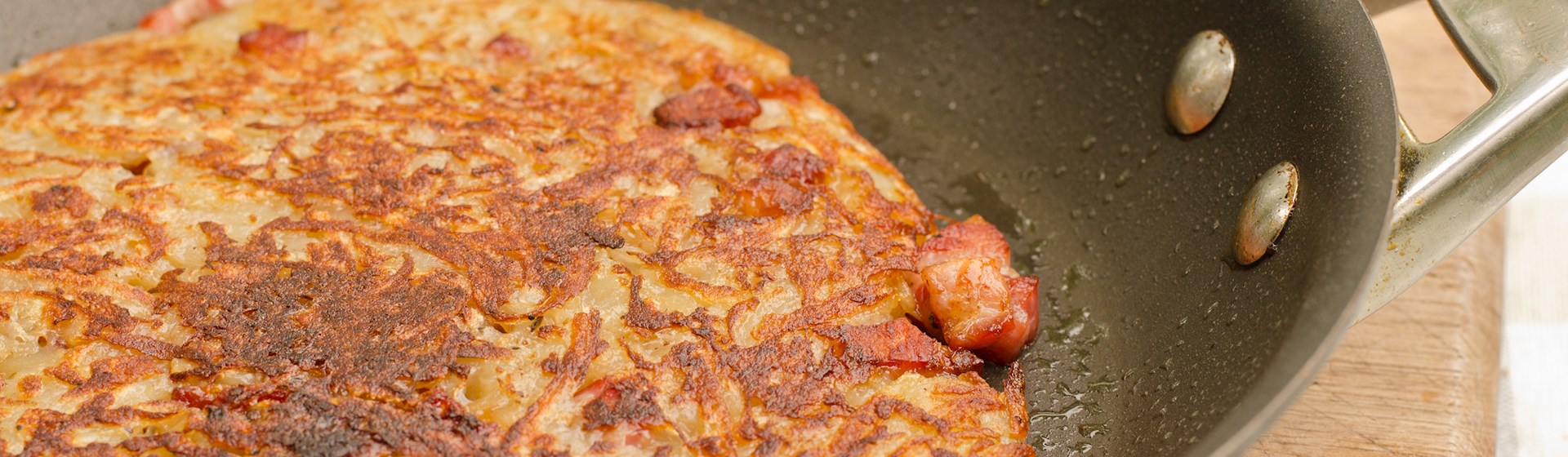
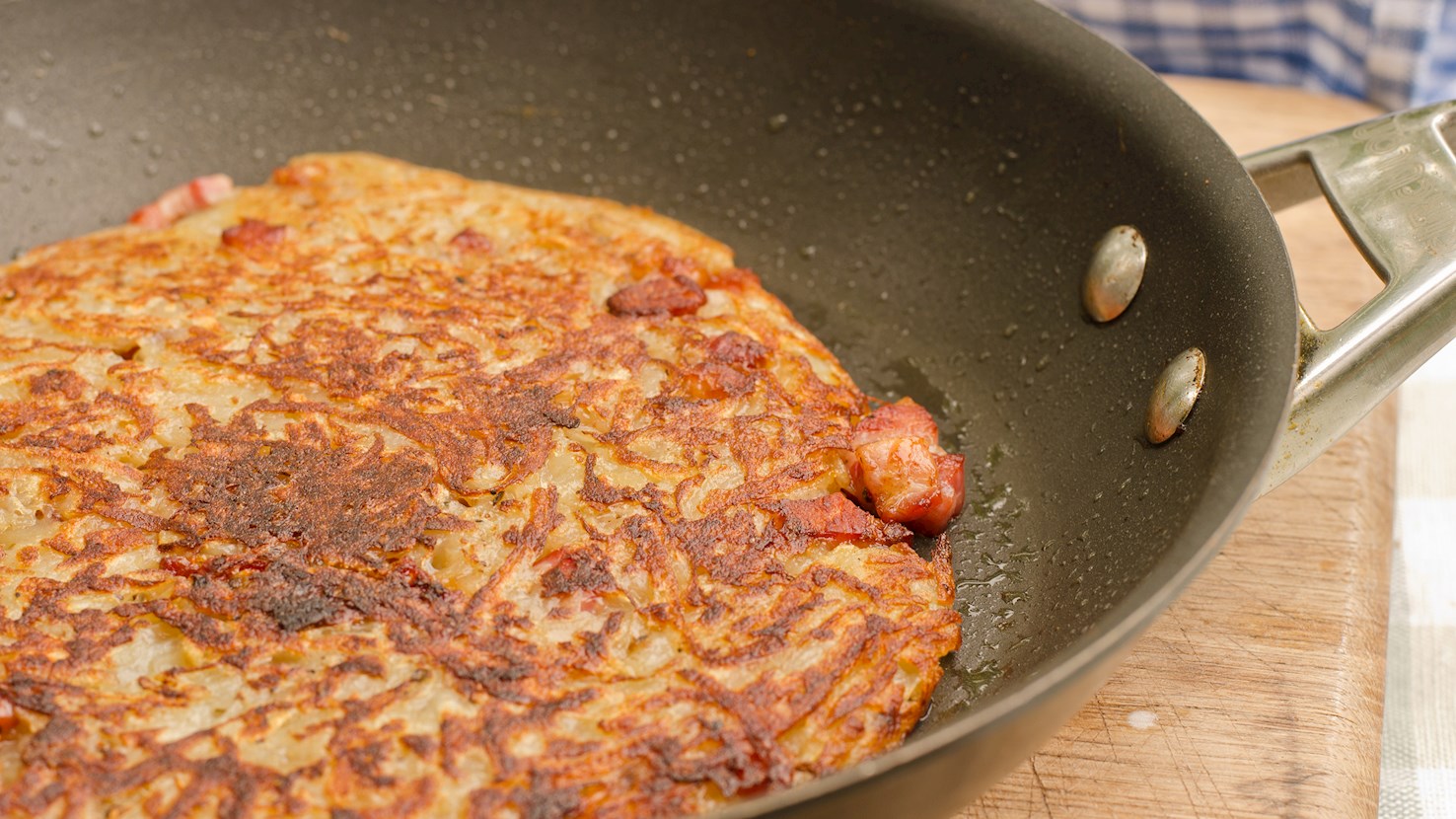
Berner rösti is a traditional variety of rösti originating from Bern. This type of rösti differs from the standard rösti due to the addition of diced bacon, and the potatoes are coarsely grated. It's made with a combination of boiled potatoes, diced bacon, butter, and salt. The potatoes are coarsely grated, seasoned with salt, and mixed with diced bacon. The mixture is fried in butter over medium heat on both sides. In the end, the bottom of the rösti should have a crispy crust. Once done, this rösti is served hot with the crust side up.
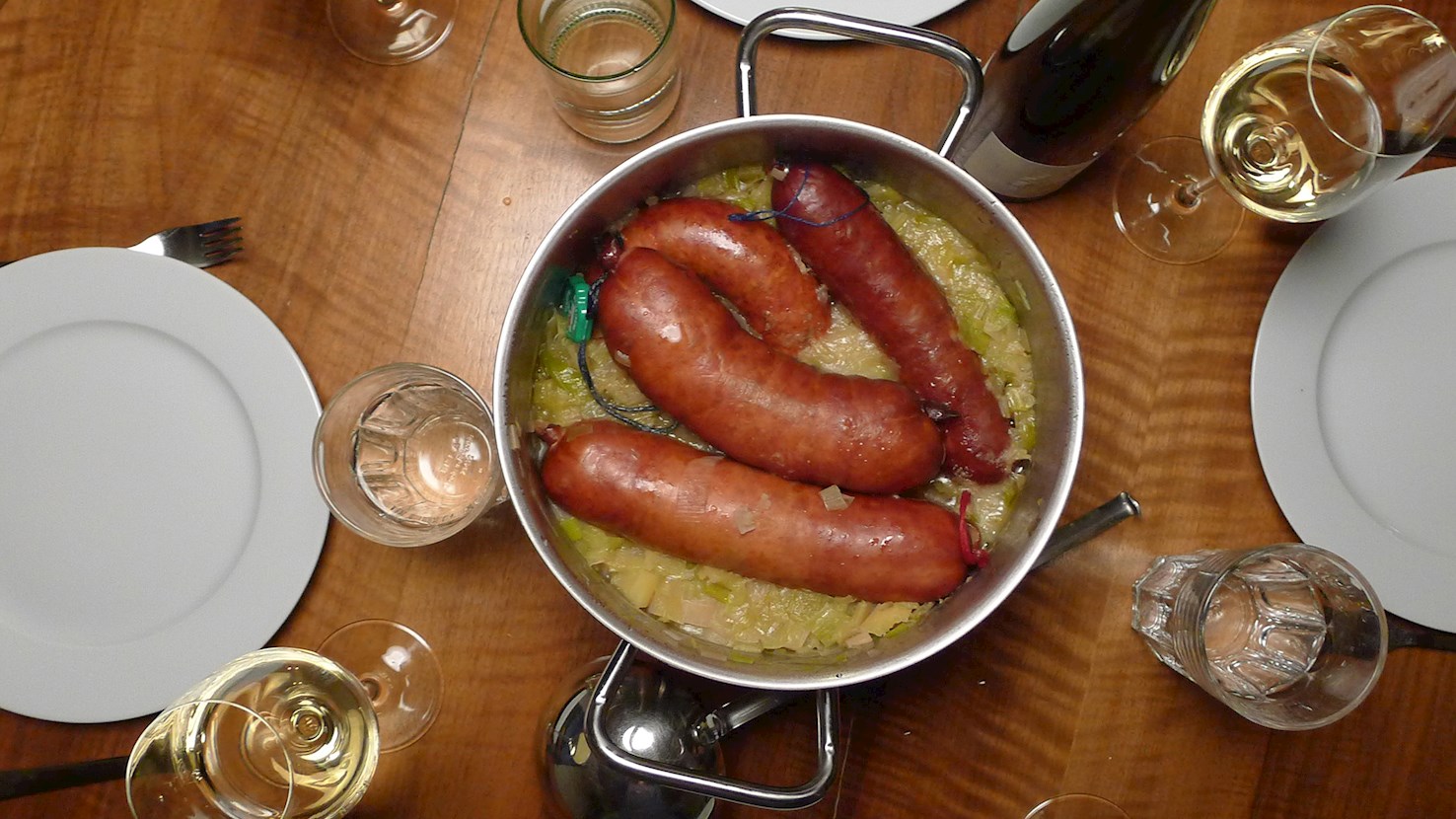
Deeply rooted in the canton of Vaud as one of its signature dishes, papet Vaudois is a delicious hotpot of leeks and potatoes which are cooked together for hours until they reach the consistency of a papette, meaning mash. This hearty vegetable side is sometimes flavored with cream, white wine, or vinegar, and it is traditionally served as a bed for the famous smoked pork sausage called saucisson Vaudois.
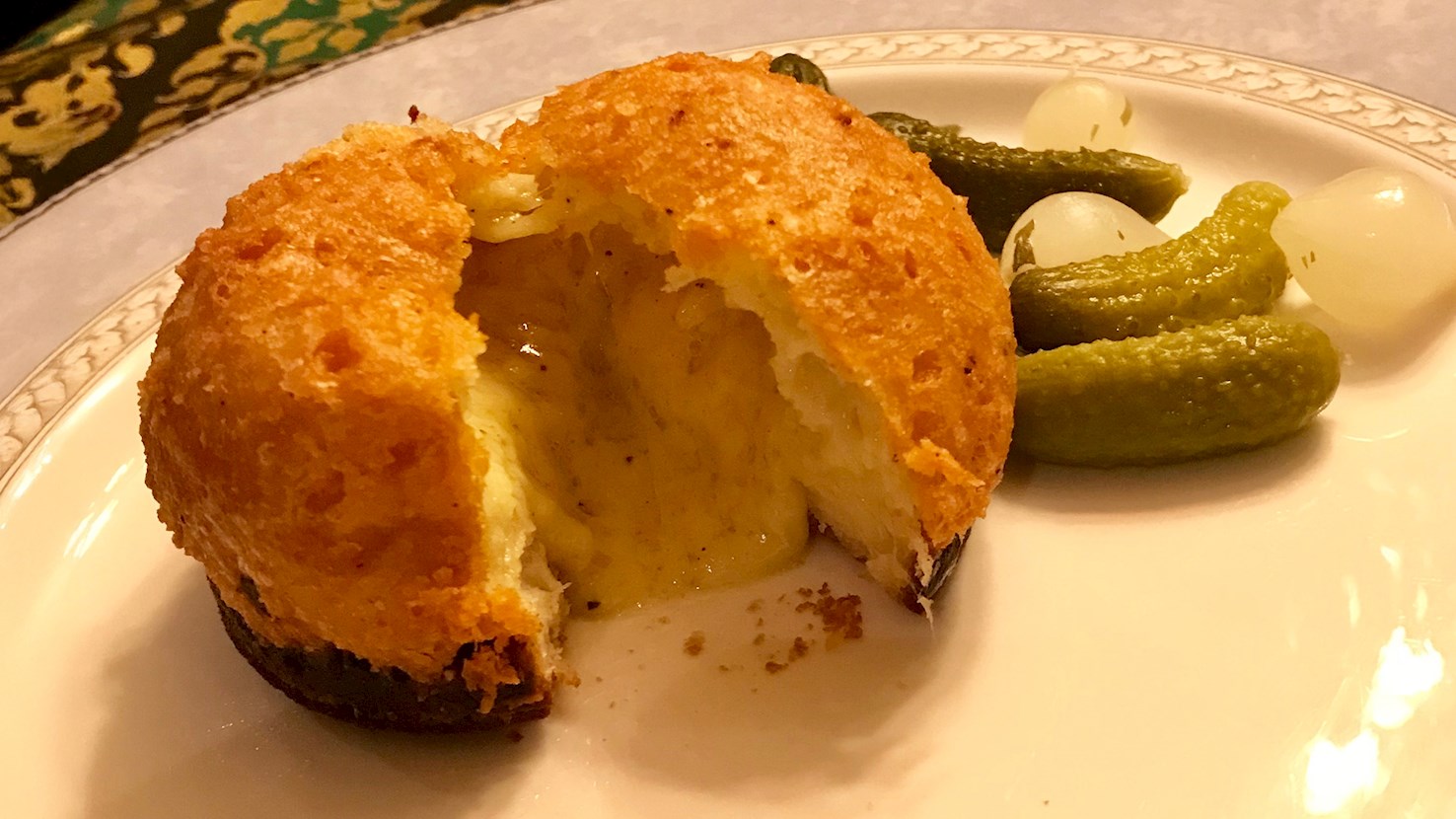
Malakoff is a Swiss dish consisting of deep-fried cheese fritters made primarily from Gruyère. This indulgent specialty hails from the French-speaking region of western Switzerland, particularly the canton of Vaud and the area around Lake Geneva. The cheese is typically sliced into logs or flattened rounds, dipped into a batter made from flour, eggs, white wine, and sometimes a hint of mustard or kirsch, then deep-fried to perfection. The result is a crunchy exterior that gives way to a molten, savory center. The origins of Malakoff are steeped in history and legend, with the dish believed to have been inspired by Swiss mercenaries who fought alongside French forces during the Crimean War. In 1855, the French troops captured the Malakoff redoubt near Sevastopol, a decisive moment in the conflict. Upon returning home, the Swiss soldiers commemorated the victory with a new culinary invention, naming it after the famous battle. Though the exact origins are debated, this historical link is widely embraced by locals and has become part of the dish’s lore. Malakoffs are typically served hot and fresh, often as an appetizer or a hearty accompaniment to a meal. They are frequently paired with pickles, pearl onions, and a simple green salad, balancing the richness of the cheese with acidity and freshness. Crusty bread and a glass of local white wine, such as a Chasselas from the Vaud vineyards, are the traditional complements that elevate the experience. Restaurants and inns around Lake Geneva, especially in villages like Vinzel, Luins, and Begnins, are renowned for their Malakoffs, often guarding their own family recipes and preparation secrets.
Maluns is a traditional dish originating from Graubünden. It's made with potatoes, flour, butter, and seasonings. The potatoes are boiled in their jackets at least a day before the preparation so that they can cool down, which causes some of the starches to convert to sugars and the potatoes will easily form into the desired lumps the next day. The grated potatoes are then mixed with salt and flour until lumps start to form. The lumpy gratings are fried in butter and a bit of oil until they become light brown in color. Maluns are traditionally served with cranberry sauce, Alpine cheeses, apple sauce, and a warm cup of café latte on the side. Before serving, it's not unusual to shave some more butter over maluns.
TasteAtlas food rankings are based on the ratings of the TasteAtlas audience, with a series of mechanisms that recognize real users and that ignore bot,
nationalist or local patriotic ratings, and give additional value to the ratings of users that the system recognizes as knowledgeable.
TasteAtlas Rankings should not be seen as the final global conclusion about food. Their purpose is to promote excellent local foods,
instill pride in traditional dishes, and arouse curiosity about dishes you haven’t tried.




What People Say