shutterstock

Top 11 Western European Smoked Cheeses

Last updated on July 22, 2026

Best Western European Smoked Cheeses
01

Quesos El Pastor

4.9 ·

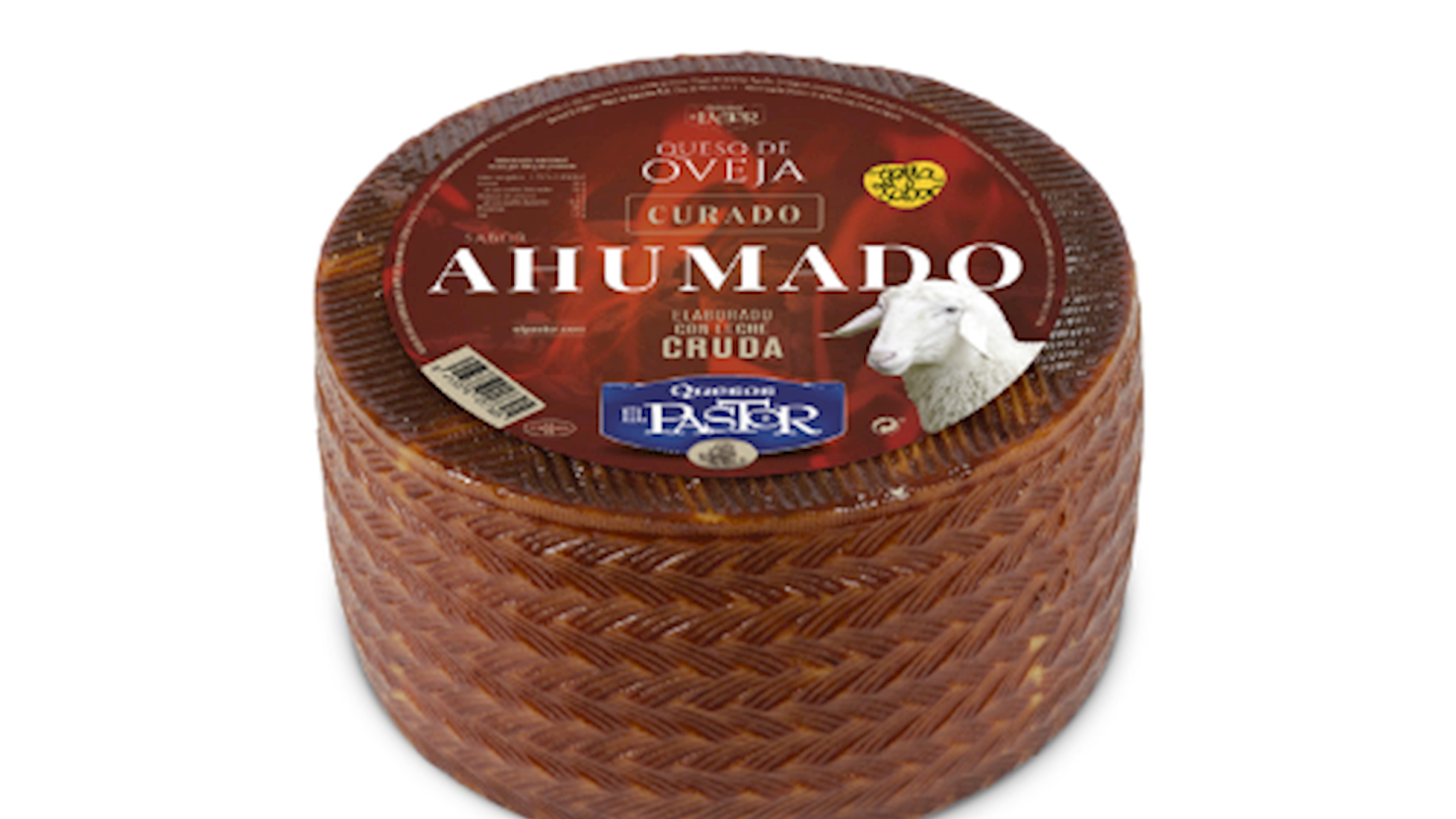
Quesos El Pastor is a Spanish cheese producer based in Santa Cristina de la Polvorosa, founded in 1967 as a small family dairy and developed into a large-scale operation with a strong focus on quality and diversification. The company was established by the Lorenzo brothers and is now managed by the second generation, maintaining continuity while expanding technologically and commercially.

Its portfolio includes a wide range of cheeses - from fresh and soft to semi-hard and aged - produced from sheep’s, goat’s, and cow’s milk, as well as mixed-milk varieties tailored to different markets. A defining feature of El Pastor is the combination of traditional cheesemaking knowledge with modern industrial processes, supported by continuous investment in production facilities, including lines for pressed cheeses, blue cheeses, and fermented products.

The company places strong emphasis on raw material quality and has adapted its range to contemporary consumer demands, including lactose-free options. Today, Quesos El Pastor exports to more than 80 countries, positioning itself as a significant global representative of Spanish cheesemaking.

Awards
World Championship Cheese Contest - Best of Class (2024)
World Cheese Awards - Gold (2024, 2023)
02

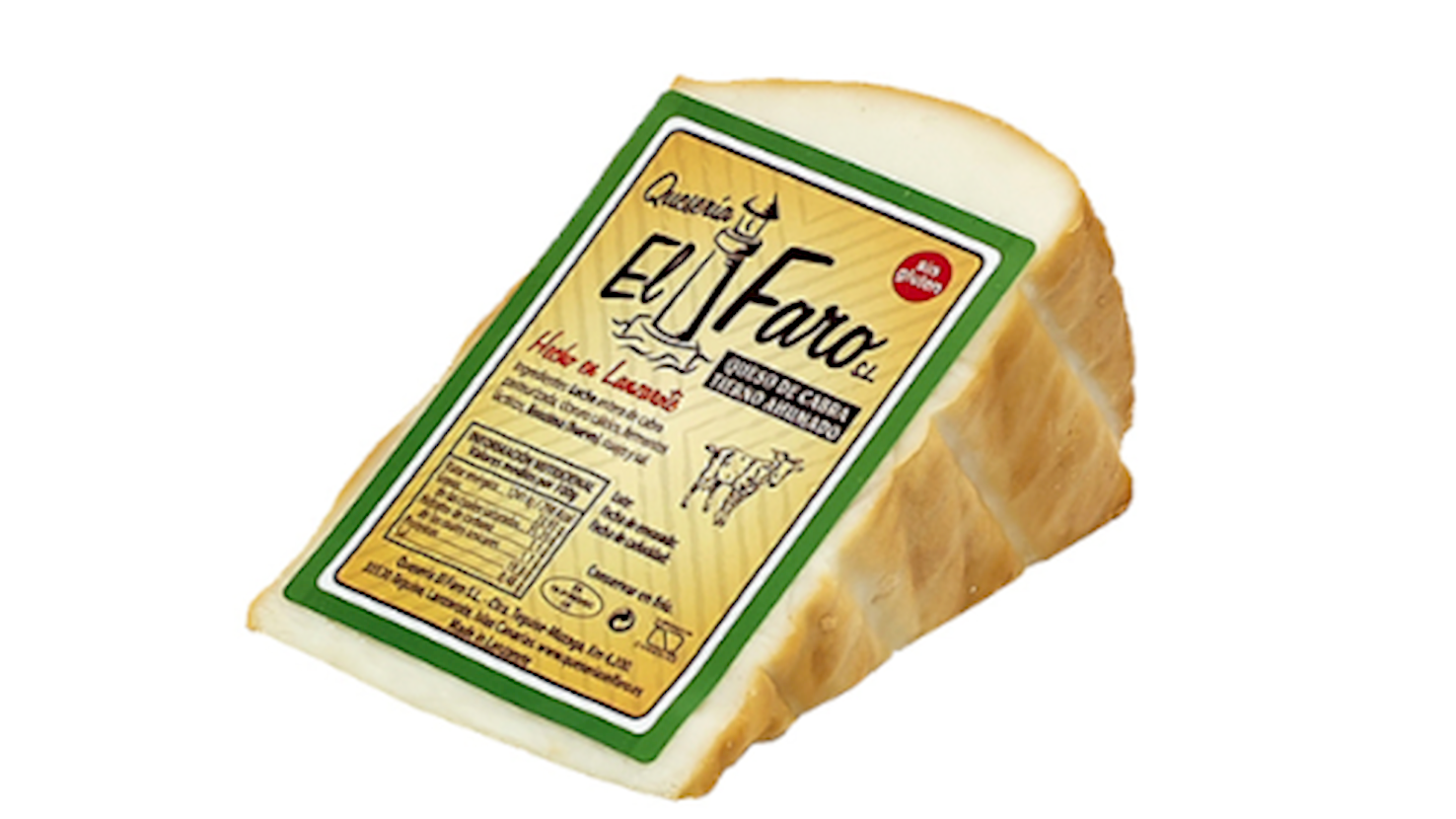
Queseria El Faro

4.8 ·

Queseria El Faro located in Las Palmas, is a cheese producer known for manufacturing traditional Spanish cheeses.

Awards
Concours International de Lyon - Gold (2025)
World Cheese Awards - Gold (2024, 2022)
03

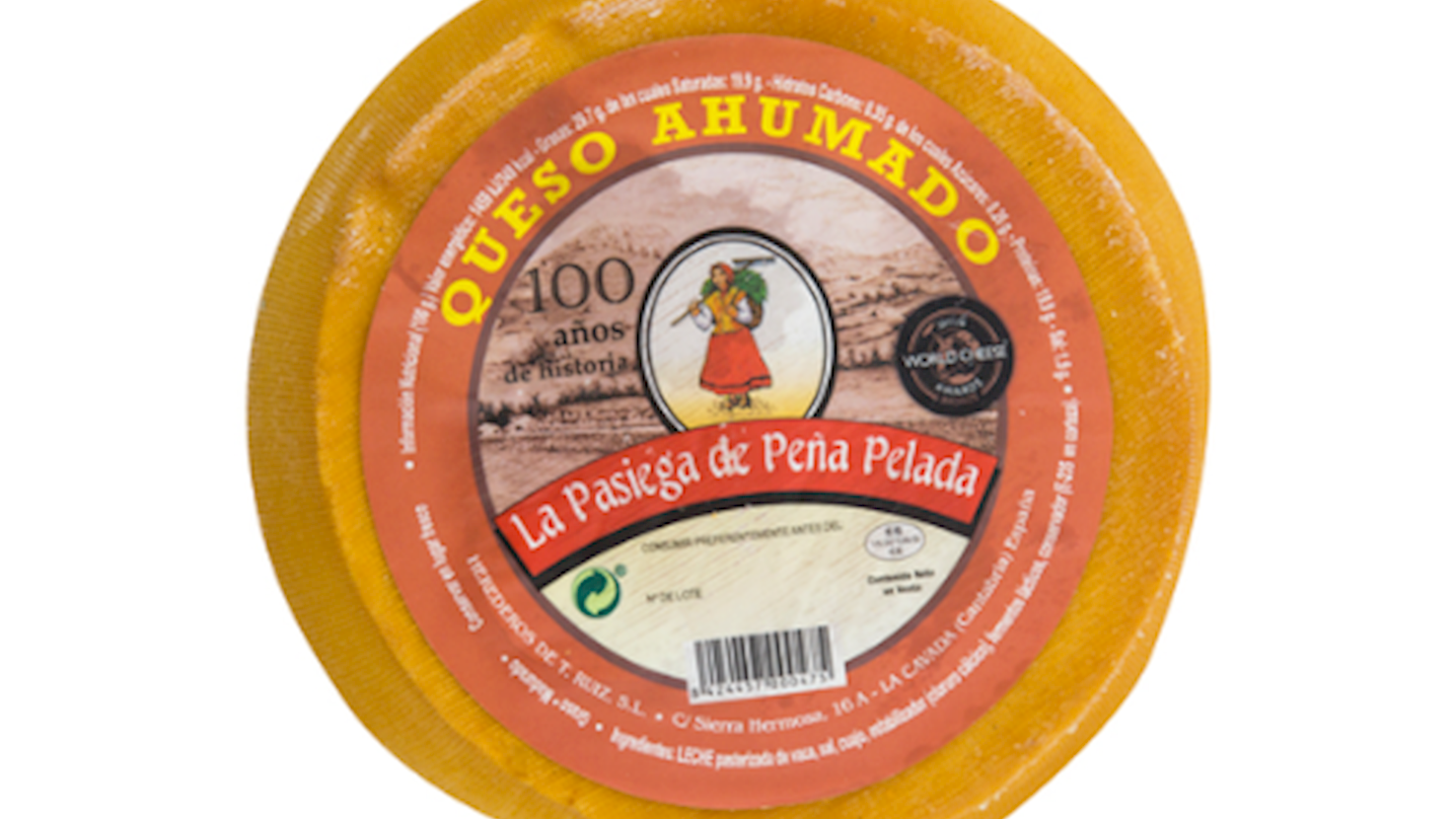
La Pasiega de Peña Pelada

4.7 ·

La Pasiega de Peña Pelada is a Spanish dairy brand from Cantabria, managed by the family company Herederos de Tomás Ruiz, with origins dating back to 1917. It is based on the Pasiego cheesemaking tradition and uses high-quality cow’s milk sourced from local farms in the region.

Production takes place in modern facilities in La Cavada, combined with traditional methods that preserve the character and authenticity of the cheeses. The brand is best known for its Queso Nata de Cantabria DOP, a protected-origin cheese valued for its creamy texture and mild, balanced flavor.

Its range also includes fresh, semi-cured, aged, and smoked cheeses designed for both traditional and gourmet markets. La Pasiega de Peña Pelada has received international awards, strengthening its position as a premium producer that connects regional heritage with modern dairy production standards.

Awards
World Cheese Awards - Super Gold (2023)
World Cheese Awards - Gold (2023)
04

Valle de San Juan

4.5 ·
Awards
Concours International de Lyon - Gold (2025)
World Cheese Awards - Gold (2024)
05

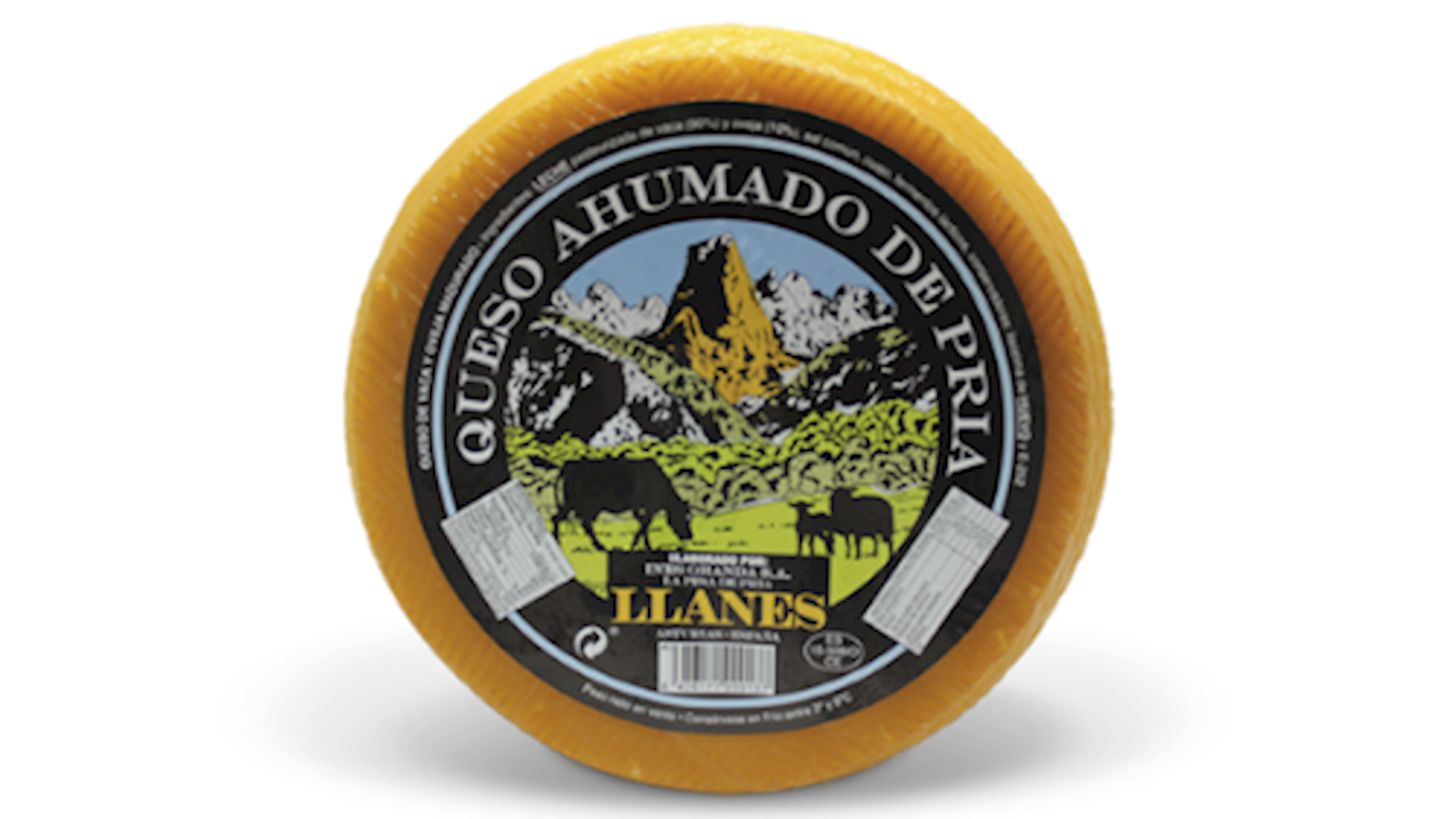
Quesería Quesos de Pría

4.5 ·

Quesería Quesos de Pría is a traditional dairy located in the Llanes area of Asturias, with origins dating back to 1938, making it one of the long-established producers in the region. Its production is based on artisanal recipes and locally sourced milk, focusing on cheeses that reflect the character of Asturian cheesemaking.

The range includes several styles such as tres leches cheese, Pría smoked cheese, and tierno varieties, all developed from a shared technological base. One of its most distinctive products is the smoked cheese, which is exposed to wood smoke after maturation, developing subtle caramelized and smoky notes while maintaining a mild dairy core.

The cheeses are generally semi-soft to semi-hard, with textures that can be buttery and slightly elastic. Flavor profiles are typically balanced and approachable, with gentle sweetness and moderate intensity rather than strong pungency.

In mixed-milk varieties, the profile becomes more complex, introducing additional nutty and smoky nuances.

06

Galbani Cheese

4.0 ·

Galbani is a leading and iconic Italian dairy brand with a tradition spanning over a century. Founded in 1882 in the town of Ballabio, in the Lombardy region of Italy, by Egidio Galbani, the brand quickly gained a strong reputation thanks to its commitment to premium quality and innovations such as the creation of Bel Paese cheese in 1906.

Today, Galbani is recognized worldwide for its expertise in producing cheeses that combine authenticity, rich flavor, and high production standards. The Galbani product range includes some of the most renowned Italian cheeses such as mozzarella, ricotta, mascarpone, gorgonzola, and parmesan, as well as traditional cured meats like prosciutto, mortadella, and salami. Galbani mozzarella is especially well-known and beloved for its soft texture and creamy taste, widely used in dishes like pizza, pasta, and salads. Since 2006, Galbani has been part of the French company Lactalis, the world's largest dairy group, which has enabled the brand to expand globally and produce locally for various markets, including the United States.

While some products are now made outside of Italy, Galbani remains faithful to its Italian roots and traditional methods of cheese-making. The brand successfully blends heritage and innovation, with a continued dedication to authentic taste and quality, making it one of the most beloved cheese brands among consumers and chefs worldwide.

Awards
World Championship Cheese Contest - Best of Class (2024, 2022, 2020, 2016, 2012, 2010)
World Cheese Awards - Gold (2022)

Best Western European Smoked Cheese Types

01

Provola

4.2 ·

Provola is an Italian cheese that's essentially the smaller version of Provolone. The cheese is made from cow's milk and originates from Campania. This pasta filata cheese is typically immersed in brine, and some of the cheeses are smoked (known as Provola affumicata) before being hung to dry for at least 4 months. The flavors can vary from mild and sweet to very sharp, depending on the aging period and the region. Apart from being available in plain and smoked varieties, Provola can also be found in various elongated shapes. The name of the cheese is derived from pruvula or pruvatura, an ancient tradition in which the priests who had assembled at the convent of San Lorenzo in Capua were offered cheese on a piece of bread as a proof of its good qualities. Provola can be eaten as a table cheese, but it's also used in dishes such as pizza (where it often replaces mozzarella), lasagna, risottos, and bruschettas.

02

Provolone Valpadana

4.1 ·

The origins of Provolone Valpadana date back to the early 1800s and the Unification of Italy, when people from the South started migrating towards the Po Valley and brought the tradition of dairy cattle farming and the technique for stretched-curd cheese production with them. Provolone Valpadana is nowadays produced all across Northern Italy; it is made with whole cow's milk and available in two varieties, Dolce (sweet) and Piccante (piquant), both of which can be Affumicato (smoked). Aged for 2-3 months, Provolone Dolce has a delicate flavor and goes well with young, fruity wines, while Provolone Piccante is matured for at least 4 months and paired with aged, red wines, since it has a much sharper, tangy flavor. Both varieties are extremely versatile and often enjoyed breaded and fried, grilled, or served with Mostarda di Cremona, a Northern Italian condiment made of different fruits preserved in a mustard seed flavored syrup.

03

Ahumado de Pría

4.0 ·

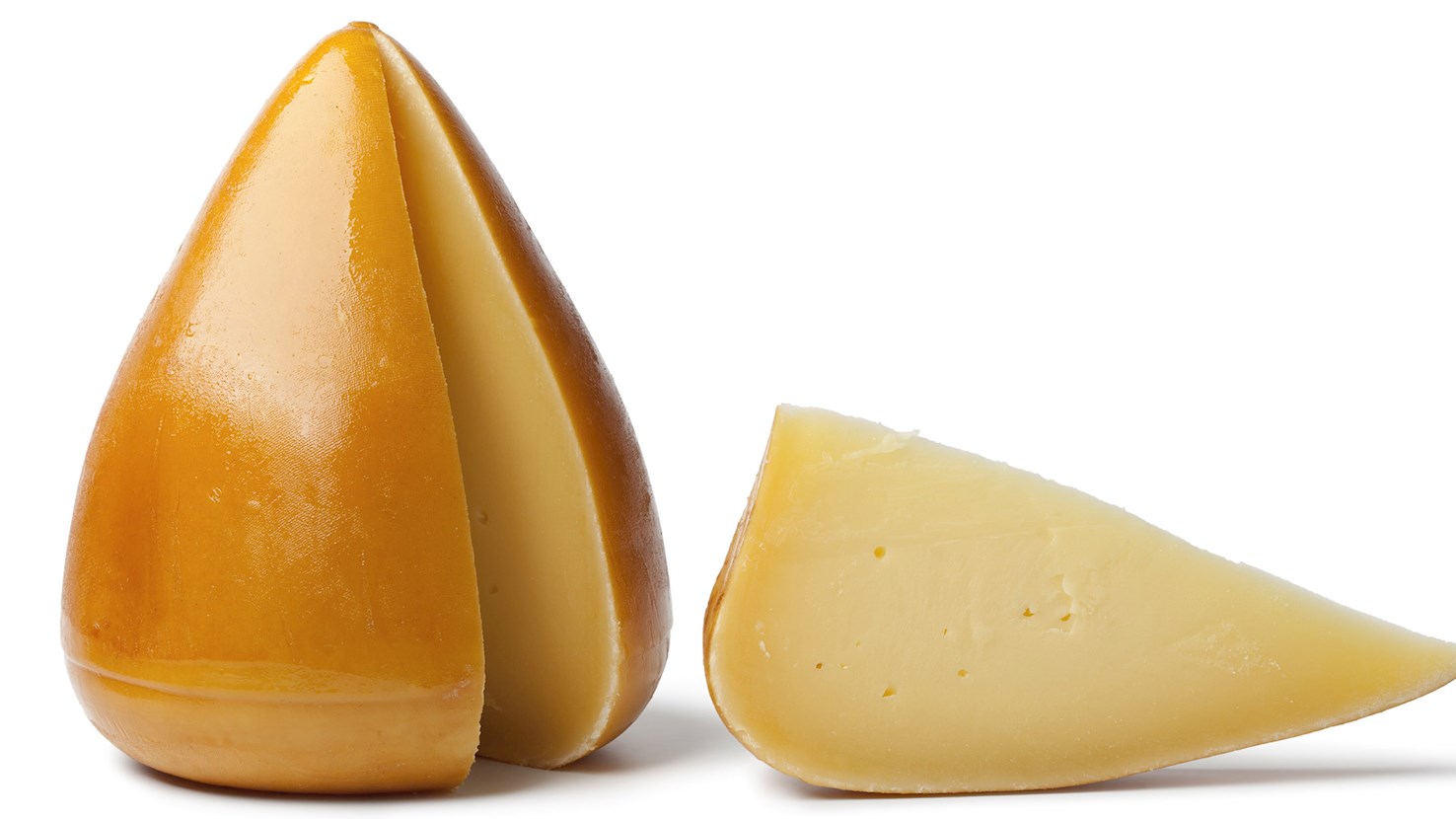
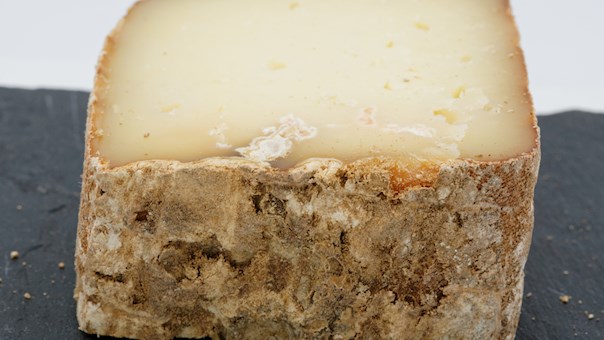
Ahumado de Pría is a Spanish cheese hailing from Asturias. The cheese is made from a mixture of cow's milk and sheep's milk cream. It's usually left to age from 2 to 6 months, and after 2 months it's smoked over beech and oak. Originally, the cheese was produced in shepherd's huts. Underneath its natural rind, the texture is dense, smooth, elastic, and creamy. The flavors and aromas are milky and smoky. It's recommended to dip Ahumado de Pría in cinnamon, cumin, and breadcrumbs, then fry it. Pair the cheese with a glass of fruity white wine from Galicia.

04

San Simón da Costa

3.7 ·

San Simón da Costa is a cheese made from raw or pasteurized cow's milk of the Galician blond, Swiss brown, and Friesian breeds in the District of Terra Chá, in the province of Lugo. It is sold in two versions; large, which is aged for a minimum of 45 days, weighing between 0,8 and 1,5 kg, and the smaller Bufón, aged for at least 30 days with a final weight of between 0,4 and 0,8 kg. This cheese acquires its typical ochre-yellow color and aroma through the smoking process, for which only birch from the local woods is used. It is sometimes immersed in olive oil to inhibit the growth of mold. For an interesting twist, the young and smoky San Simón da Costa is best enjoyed with homebaked bread and sweet caramelized apple marmalade.

05

Ricotta affumicata di Mammola

n/a ·

Ricotta affumicata di Mammola is made from the whey of goat's milk. The cheese has a soft, velvety texture, a slightly salty and fresh flavor, and a distinct smoky aroma imparted during the production process. After coagulating goat's milk with fig branches and ladling the curds into molds lined with mountain ferns, the cheese is smoked over fresh chestnut or heather wood, creating its unique flavor profile. Traditionally produced by shepherds in mountainous areas to preserve fresh ricotta, it has become a beloved regional specialty enjoyed sliced on toasted bread, drizzled with olive oil, or paired with jams and aromatic white wines. Its cylindrical shape with a mushroom-like top is distinctive, and it is celebrated annually in Mammola during the Festa della Ricotta Affumicata, held on the first Sunday of July. This cheese is a culinary symbol of Mammola's heritage and is cherished both for its traditional production methods and its rich, smoky flavor.

06

Herreño

n/a ·

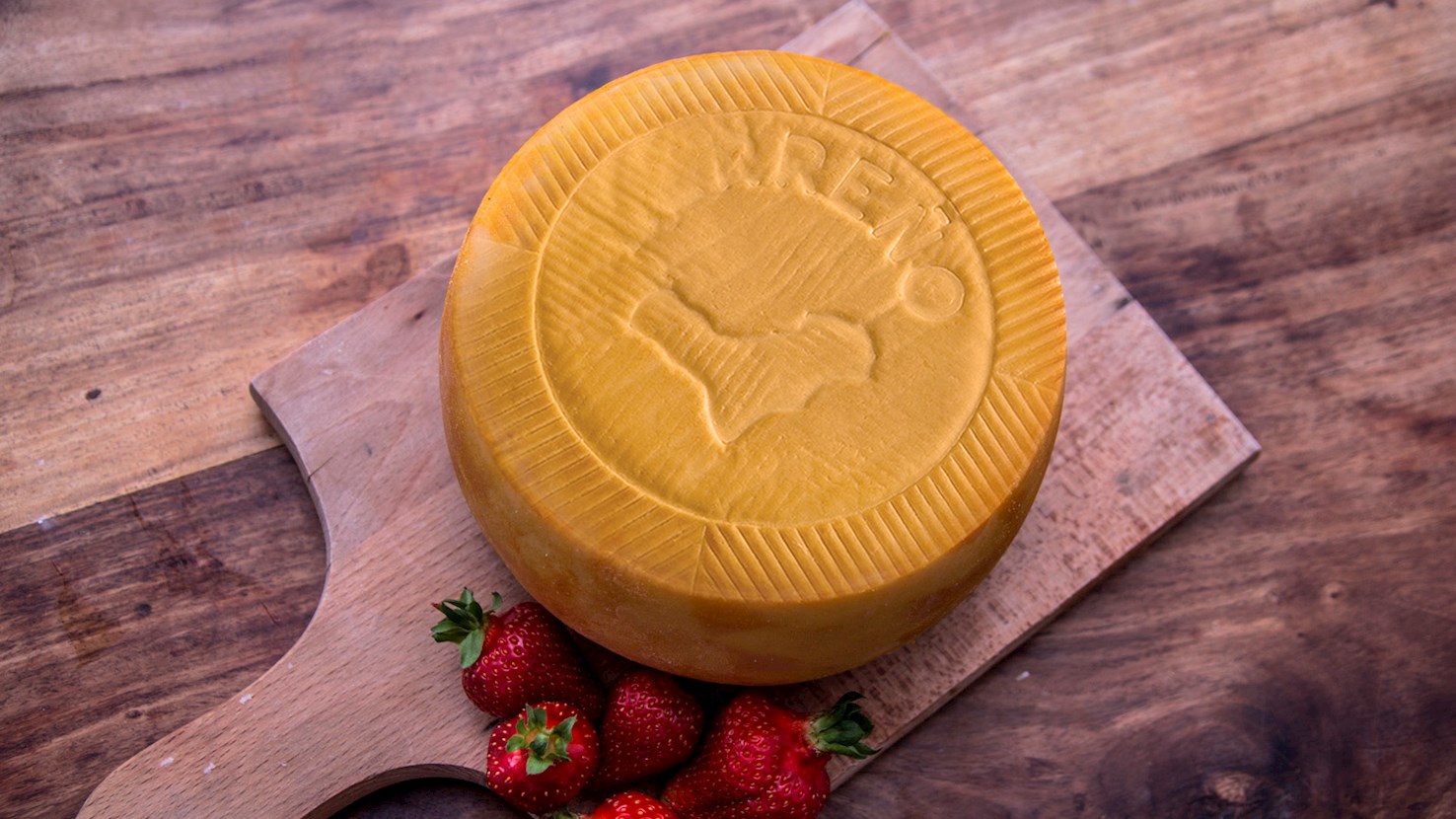
Herreño is a Spanish cheese hailing from the Canary Island, specifically the island of El Hierro. The cheese is made from goat's milk and a small amount of cow's and sheeps' milk. The wheels are smoked over wood from trunks of prickly pear cactus and figs. Herreño's smoked rind (it can also be natural and unsmoked) has decorative burnished lines coming from the racking. When young, it's bright white in color, while the flavors are fresh and acidic, and when smoked, the flavors become more delicate and buttery. The young version pairs well with rosé and white wines such as Muscat, and when aged, it goes better with red wines such as Monsant and Priorat. The cheese is also excellent when lightly grilled and drizzled with local palm honey. It can also be served with green mojo sauces or used in cheesecakes.

07

Quesucos de Liébana

n/a ·

Quesucos de Liebana is a semi-hard cheese made with full-fat milk from Tudanca, Swiss Brown and Friesian cows, sometimes combined with goat or sheep milk. It has been traditionally produced the municipalities in the district of Liébana, in Cantabria. The cheese is packed into self-draining molds, giving the cheese its characteristic wheel shape. It is matured for at least fifteen days, after which it can be smoked using juniper branches to intensify the flavor and give it a deep, smoky aroma. Quesucos de Liebana has a mild, buttery flavor and a characteristic, mellow aroma.

08

Brezain

n/a ·

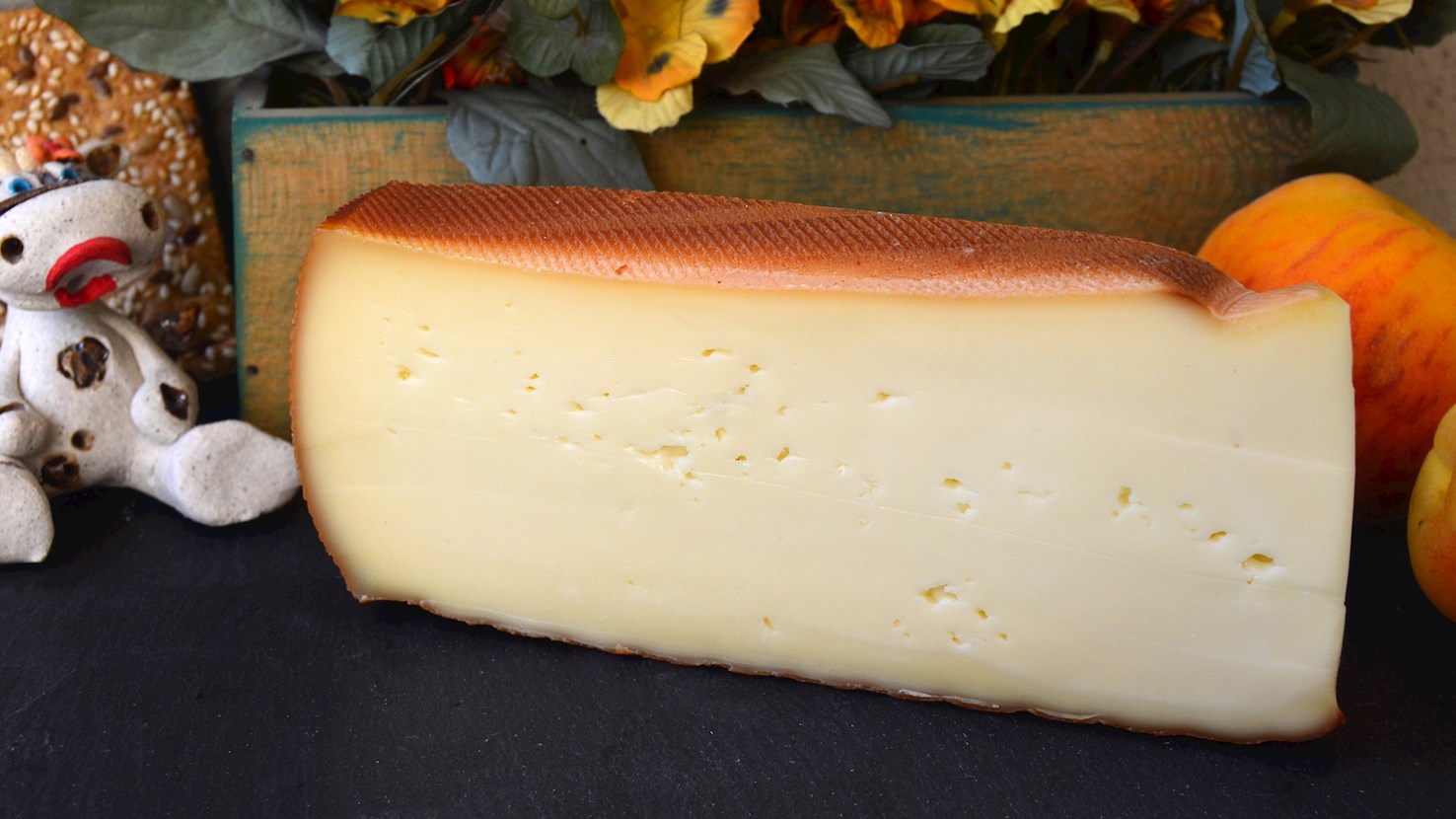
Brezain is a semi-hard raclette-style French cheese made from pasteurized cow's milk. The cheese is produced in the region of Haute-Savoie, where it must mature for at least 5 months. Its name is derived from the word braise, which means embers, referring to the method of smoking the cheese over beech and juniper wood, giving it a visually attractive amber color and a unique flavor. Brezain has a creamy texture, while the flavors are nutty, smoky, and caramel-like. It's recommended to melt it over potatoes, use it for fondues, sandwiches, or as a pizza topping. Pair it with Pinot Noir or a glass of craft beer.

09

Caggiu de crabittu

n/a ·

Caggiu de crabittu is a traditional Sardinian goat cheese made from the abomasum of a young goat (kid) and goat milk. The kid must be fed exclusively on its mother’s milk from birth until slaughter. Before slaughter, the kid continues to suckle to ensure the abomasum is full. After slaughter, the stomach is emptied and the milk is filtered and reinserted into the stomach to activate lactic ferments, transforming it into a creamy paste. The filled stomach is tied with string, dried, and smoked for about 20 days. The resulting rennet can weigh between 250 and 700 grams (10 oz to 1.5 lbs). This product has been made for centuries in Sardinia, following traditional methods, and is recognized as a Traditional Agri-Food Product (PAT) in Italy.

10

Salignon

n/a ·

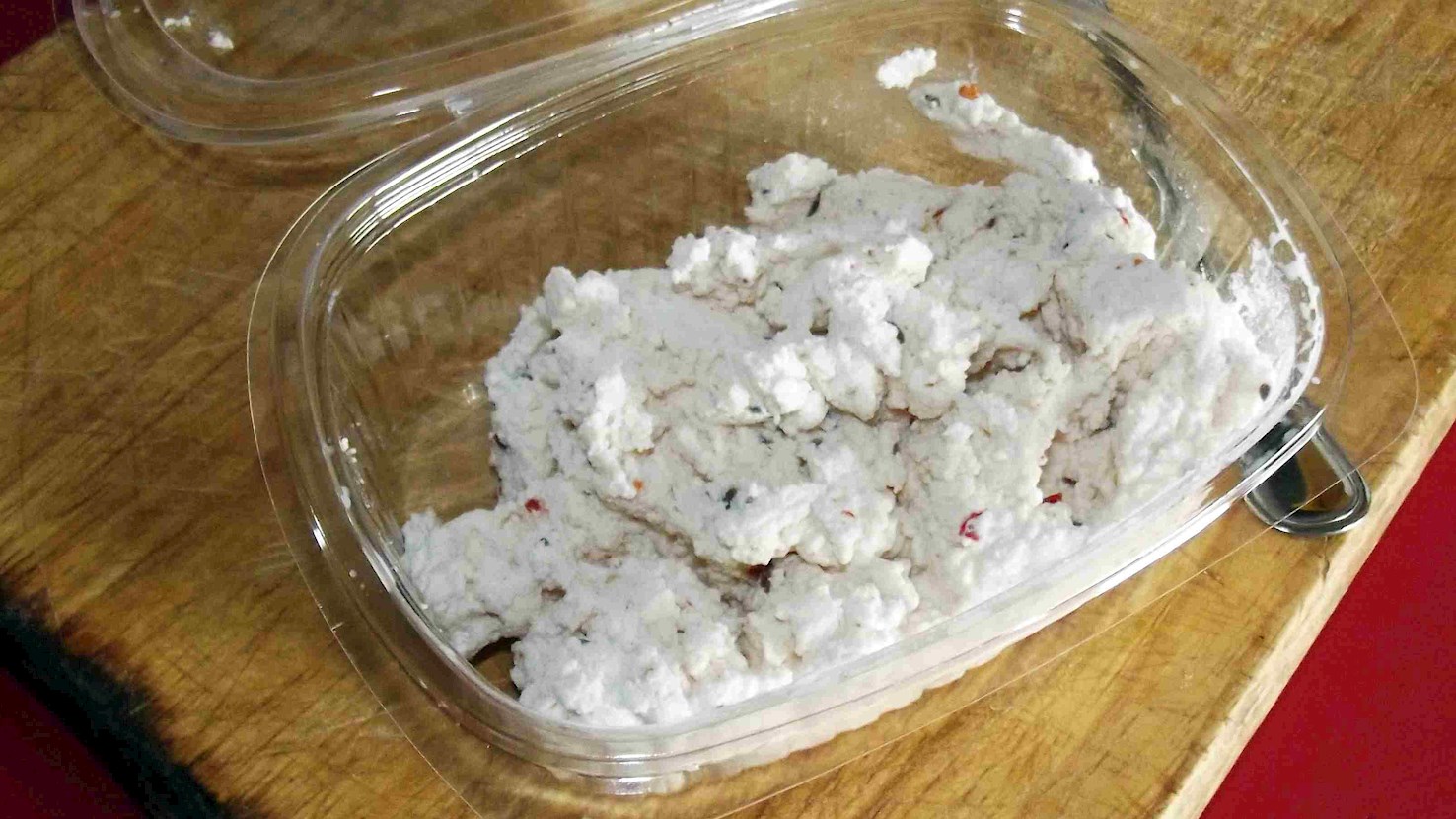
Salignon is a traditional cheese originating from the Valle d'Aosta region. It's essentially a ricotta cheese mixed with salt, pepper, mountain herbs, and chili peppers. The texture is creamy, while the flavors are spicy and hot. The cheese is made from whey that is leftover from making cheeses that were enriched with cream. It matures for a short while near the fireplace, giving the cheese a slightly smoky aroma. Salignon is traditionally served as an appetizer or a topping for an ancient local cornbread called miasse. It's difficult to find this cheese on the market because it's usually made at home by cheese producers. Serve it with polenta and vegetables or use it in sandwiches, if desired.

Read more
View all
View map
About this ranking

TasteAtlas food rankings are based on the ratings of the TasteAtlas audience, with a series of mechanisms that recognize real users and that ignore bot, nationalist or local patriotic ratings, and give additional value to the ratings of users that the system recognizes as knowledgeable. For the “Top 11 Western European Smoked Cheeses” list until July 22, 2026, 289 ratings were recorded, of which 214 were recognized by the system as legitimate. TasteAtlas Rankings should not be seen as the final global conclusion about food. Their purpose is to promote excellent local foods, instill pride in traditional dishes, and arouse curiosity about dishes you haven’t tried.

The initial list of top producers was compiled based on available reviews, awards, local recommendations, media and blog coverage, and consumer reviews. The list will be updated with ratings from TasteAtlas local ambassadors and TasteAtlas users.

Similar lists