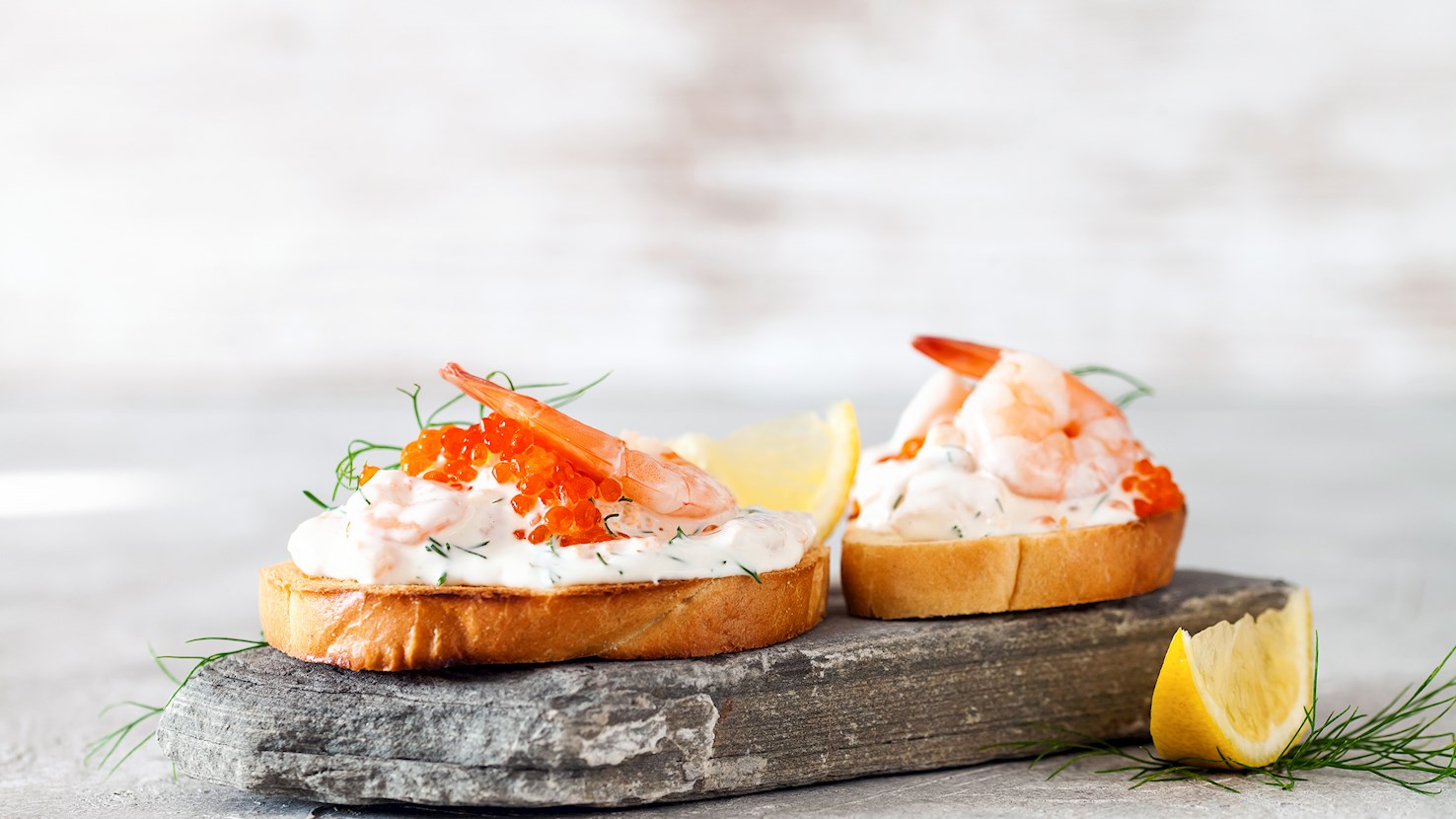
Toast Skagen is a classic and elegant Swedish open-faced sandwich that's typically served as an appetizer. It's made with white bread, shrimps, mayonnaise, Dijon mustard, whitefish roe, dill, lemon, and butter. The crusts are removed from the bread, which is then sautéed in butter until goden brown. The shrimps are chopped and mixed with mayonnaise, mustard, and dill. The mixture is then placed on the bread and the roe is placed on top of each sandwich. It's recommended to garnish each toast Skagen with a sprig of dill and serve it with a lemon slice on the side. This sandwich was invented right after WWII by a famous Swedish resteaurateur Tore Wretman, and it was named after a fishing port in Denmark.
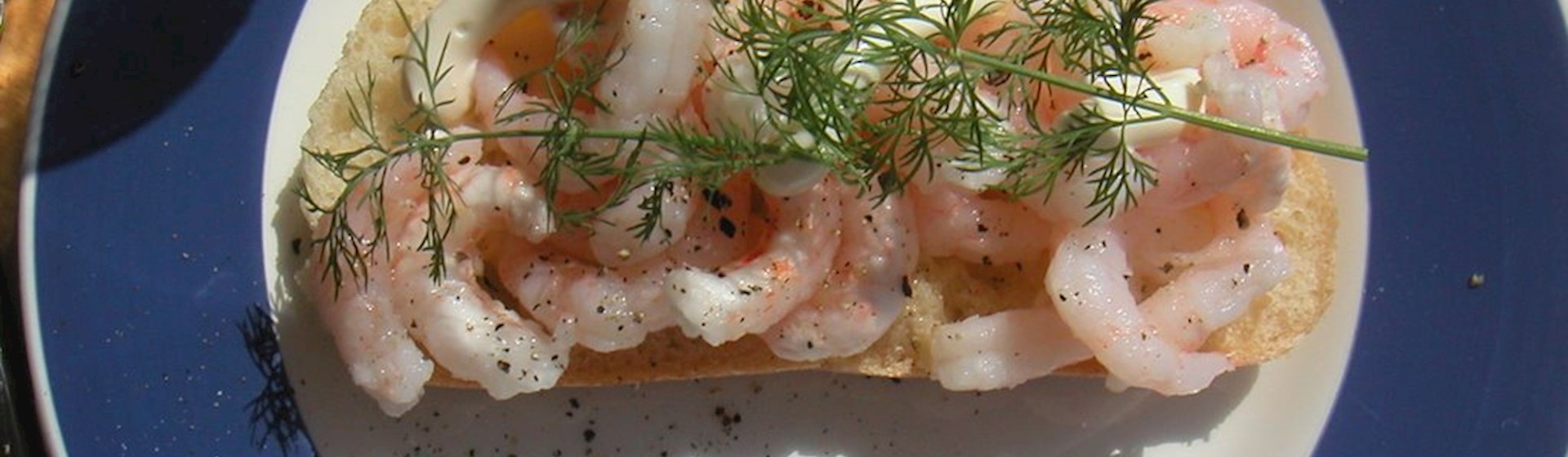
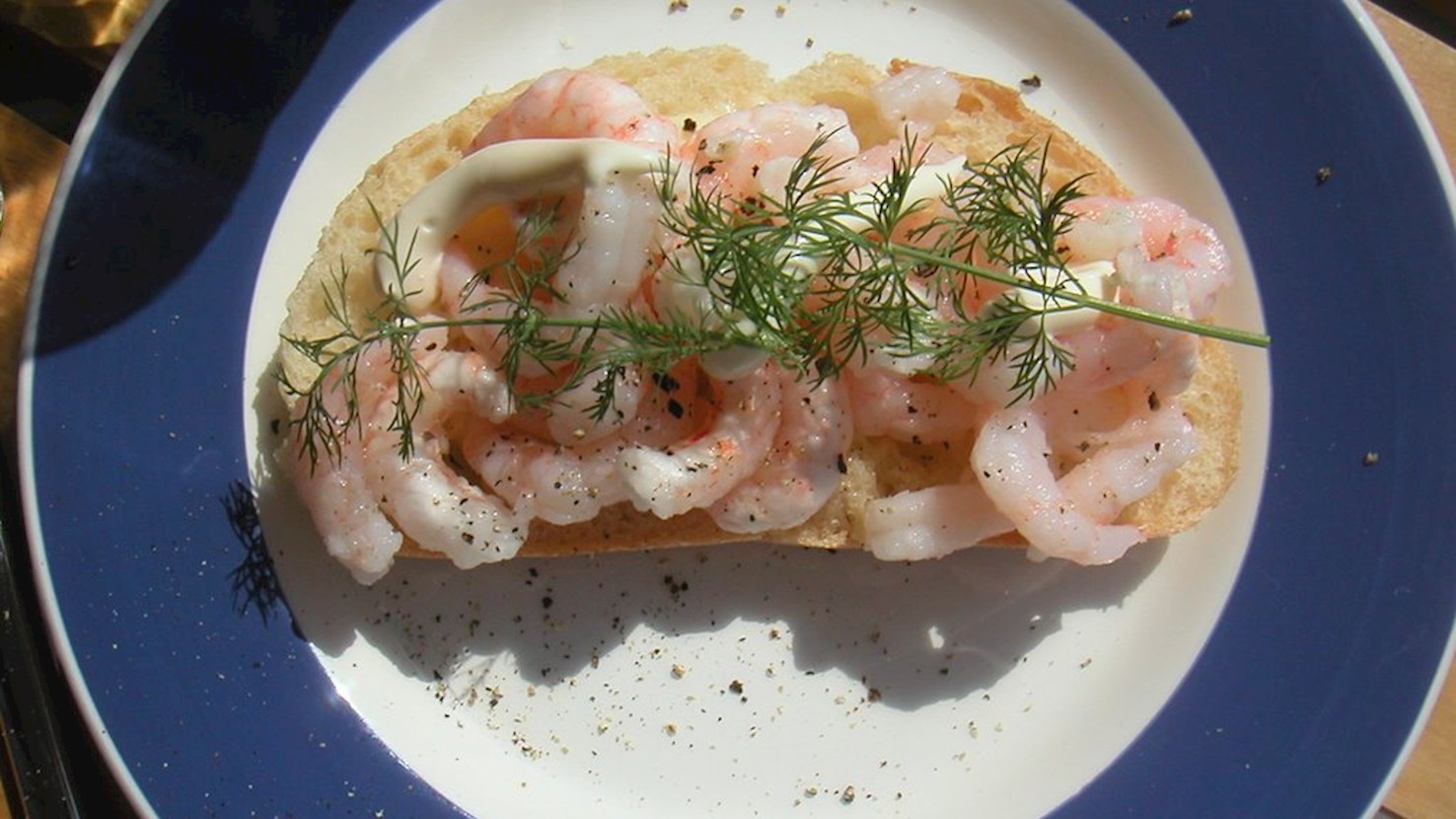
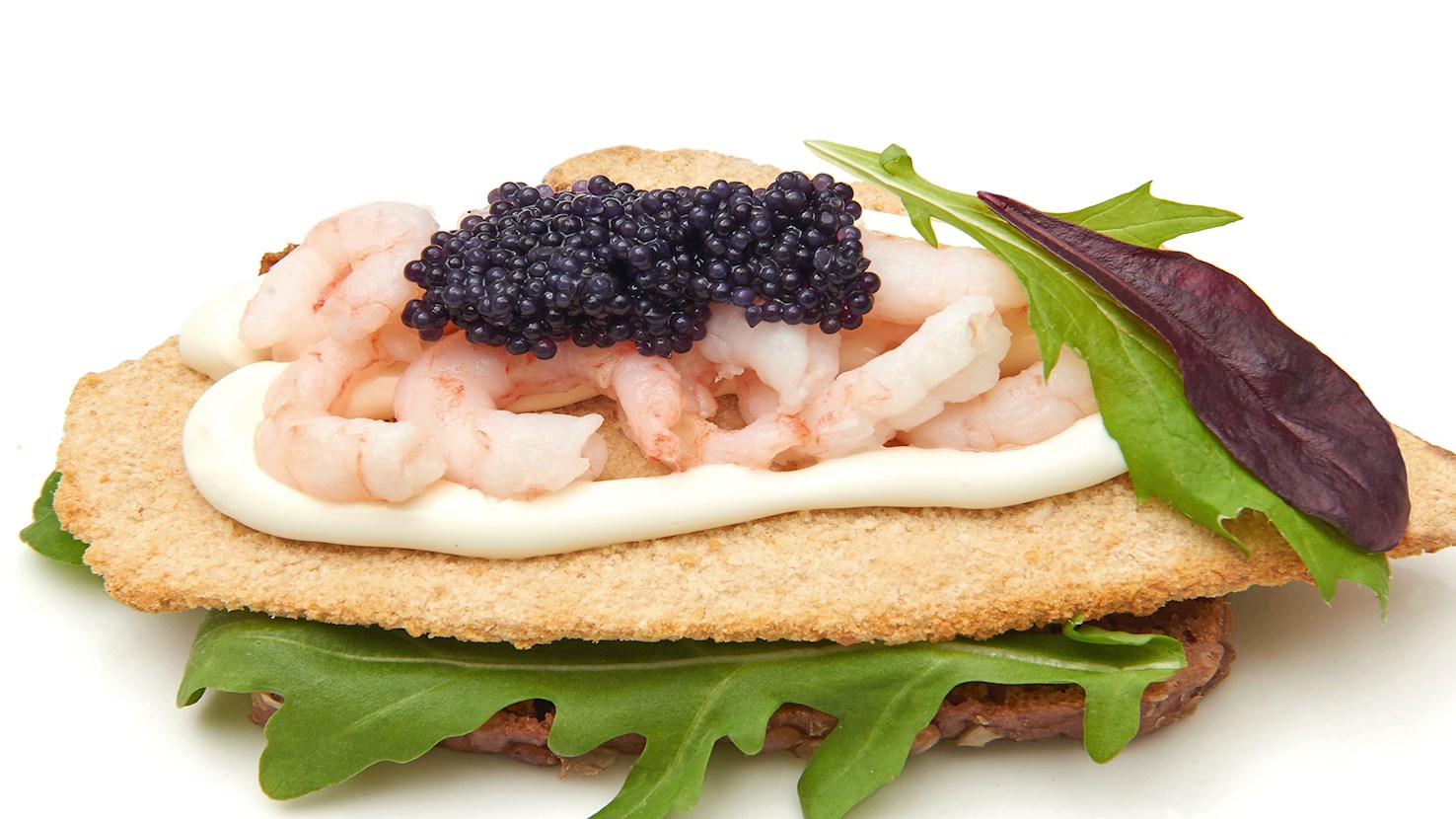
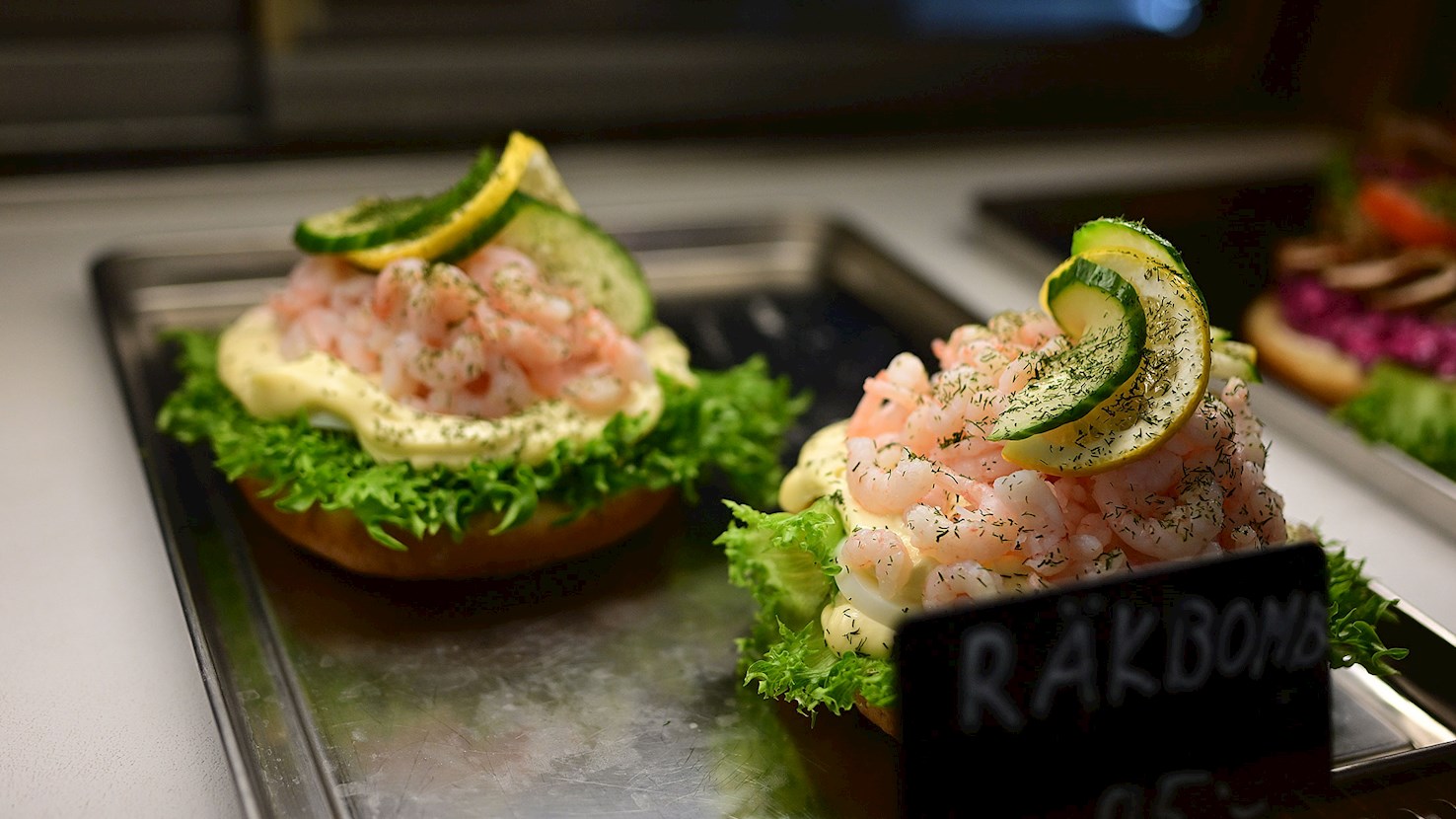
Rejemad is a Danish open-faced sandwich that’s traditionally made with small seasonal shrimp called fjordrejer. The sandwich is made with a combination of prawns, lemon juice, mayonnaise, salt, dill, and toasted slices of wholewheat bread. The prawns are boiled for a few minutes in salted water and lemon juice until bright pink. They’re peeled, seasoned with salt and pepper, and drizzled with lemon juice. The prawns are piled onto toasted bread, and the sandwich is topped with mayonnaise and garnished with dill sprigs before serving.
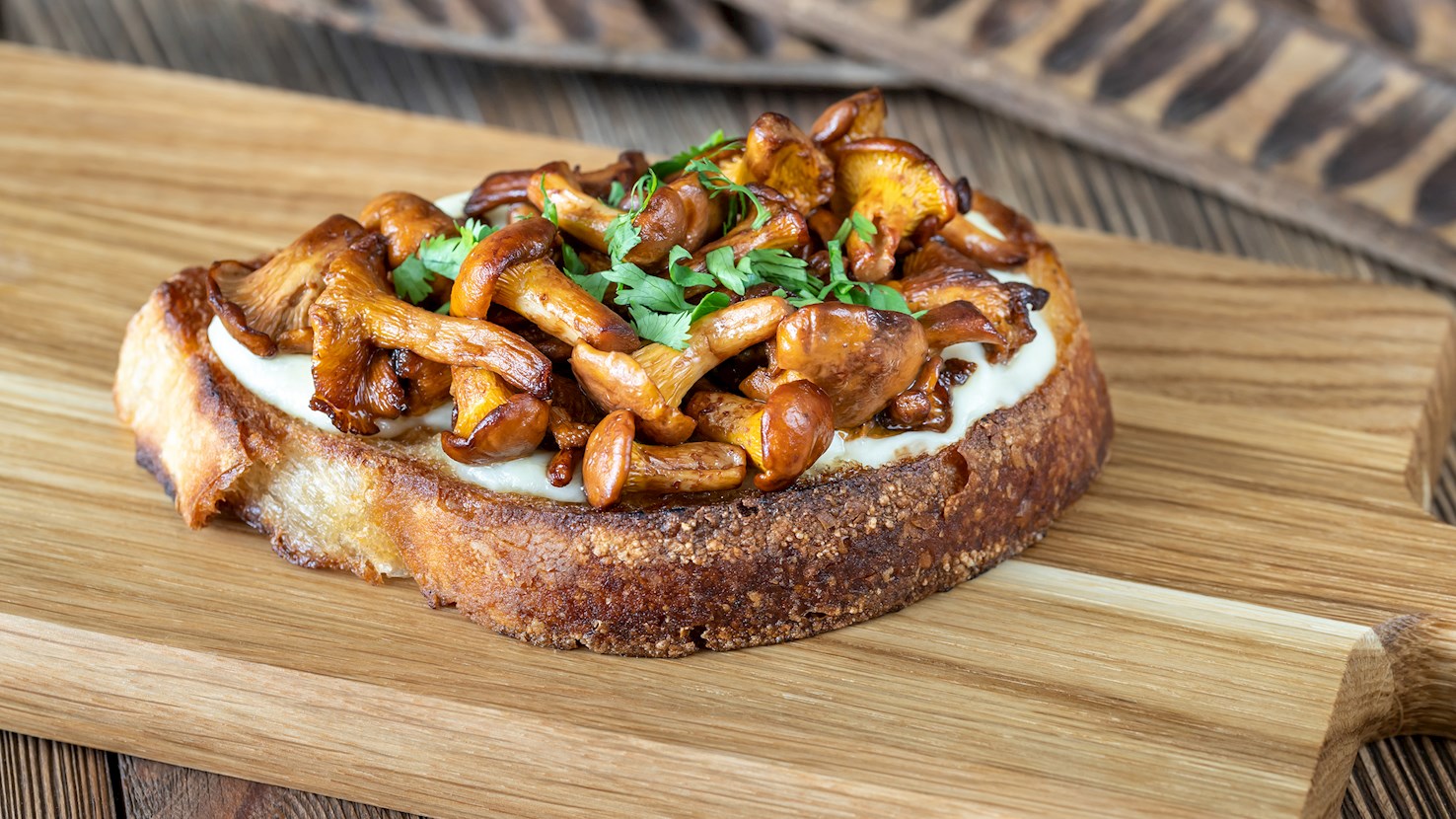
Svamptoast is a traditional open-faced sandwich. It's usually made with a combination of chanterelles or wild mushrooms, bread, butter, onions, heavy cream, parsley, lemon juice, salt, and pepper. The mushrooms are chopped and sautéed with onions in butter over medium-low heat. Once the moisture evaporates, the cream and parsley are stirred in, and the mixture should become slightly thick in consistency. Lemon juice is added to the mixture, and it's seasoned with salt and pepper. The bread slices are fried in butter on both sides until golden, and then topped with the mushroom mixture. The sandwich should be served immediately, while still warm.
Stjerneskud is a popular Danish type of open-faced sandwich, part of the traditional Danish cuisine known as "smørrebrød." The dish typically consists of a buttered piece of rye bread topped with various kinds of seafood. Commonly, it features steamed and breaded plaice fillets, with fish like salmon, and shrimp. Additionally, Stjerneskud is garnished with a variety of ingredients such as asparagus, caviar, lemon slices, and mayonnaise or a remoulade sauce.
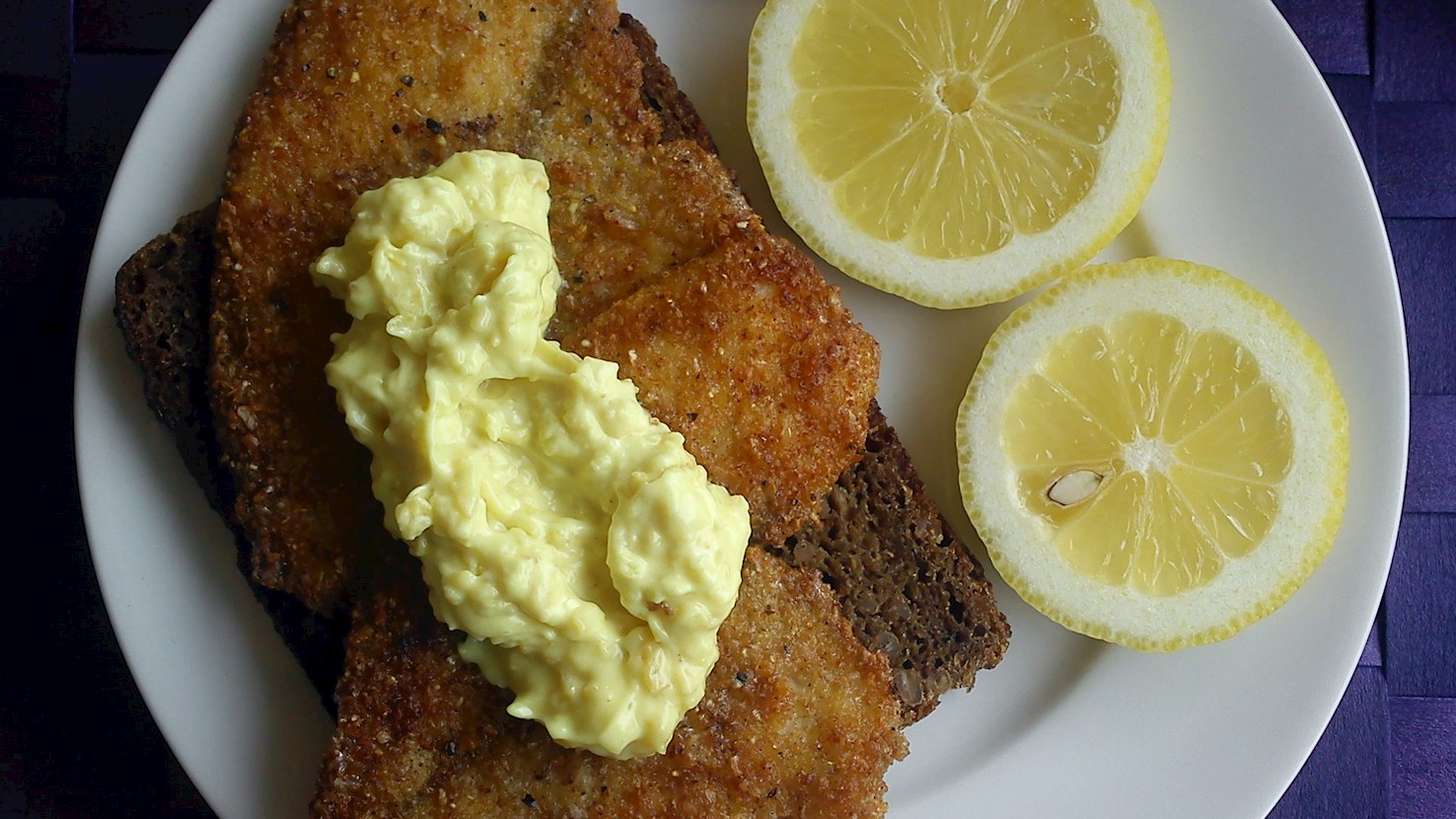
Fiskefilet med remoulade is a Danish open-faced sandwich. It consists of a breaded and fried fish fillet (plaice, cod, flounder, sole, or any white fish) that's placed on a slice of buttered rye bread (rugbrød) with lettuce leaves. The sandwich is topped with remoulade sauce and a lemon slice or wedge which can be squeezed for extra acidity, if desired. Due to the fact that the sandwich has many ingredients and eating it can be quite messy, it's often eaten with a knife and fork.
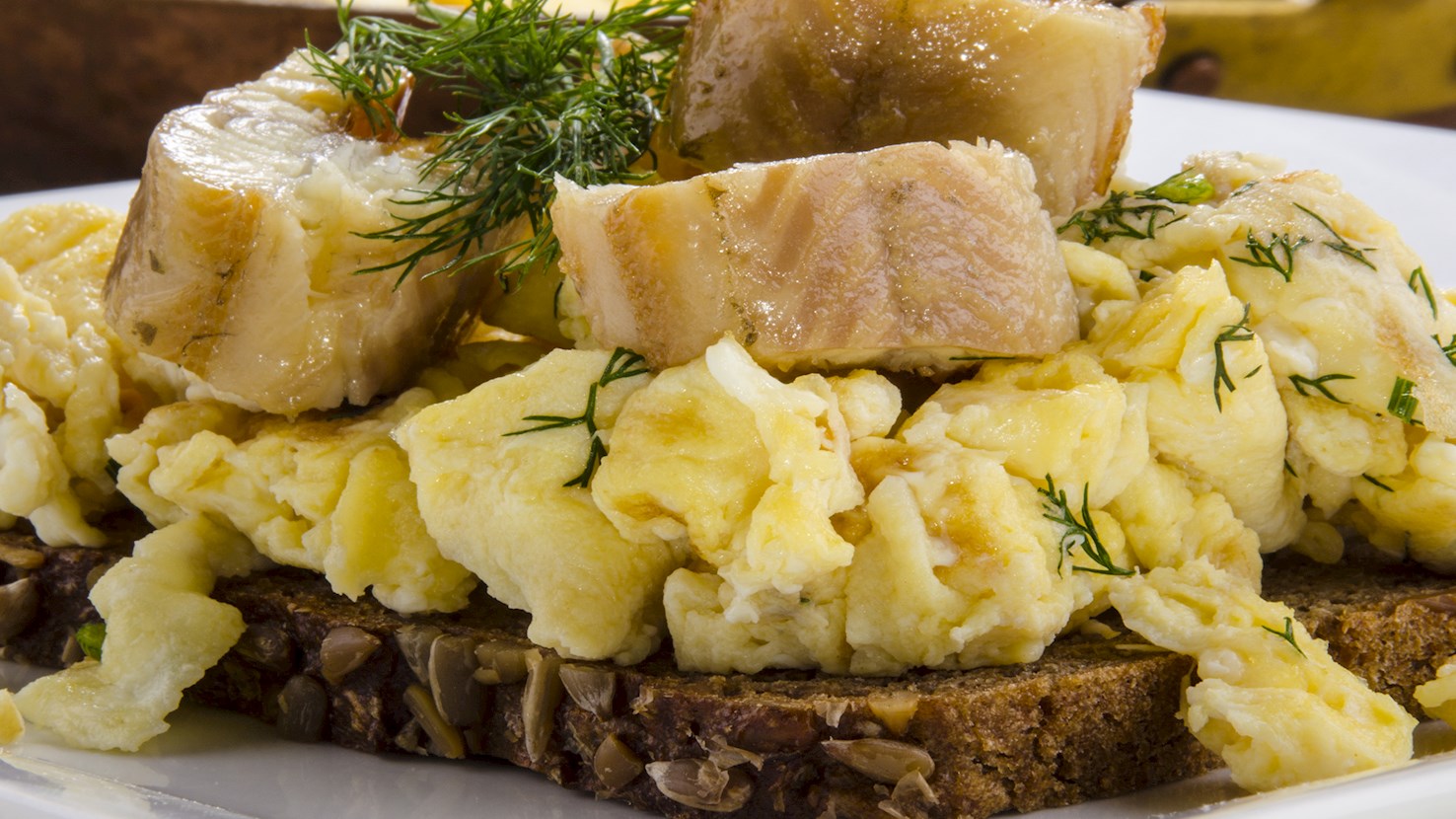
The combination of tender smoked eel and buttery scrambled eggs is a popular breakfast and lunch option in Denmark and Sweden. The combination is either served individually or as a topping on traditional, open-faced smørrebrød sandwiches. The dish is often accompanied by salads and seasoned with fresh herbs and lemon. Healthy, nutritious, and easily prepared, it is a common restaurant staple and a popular home-cooked dish.
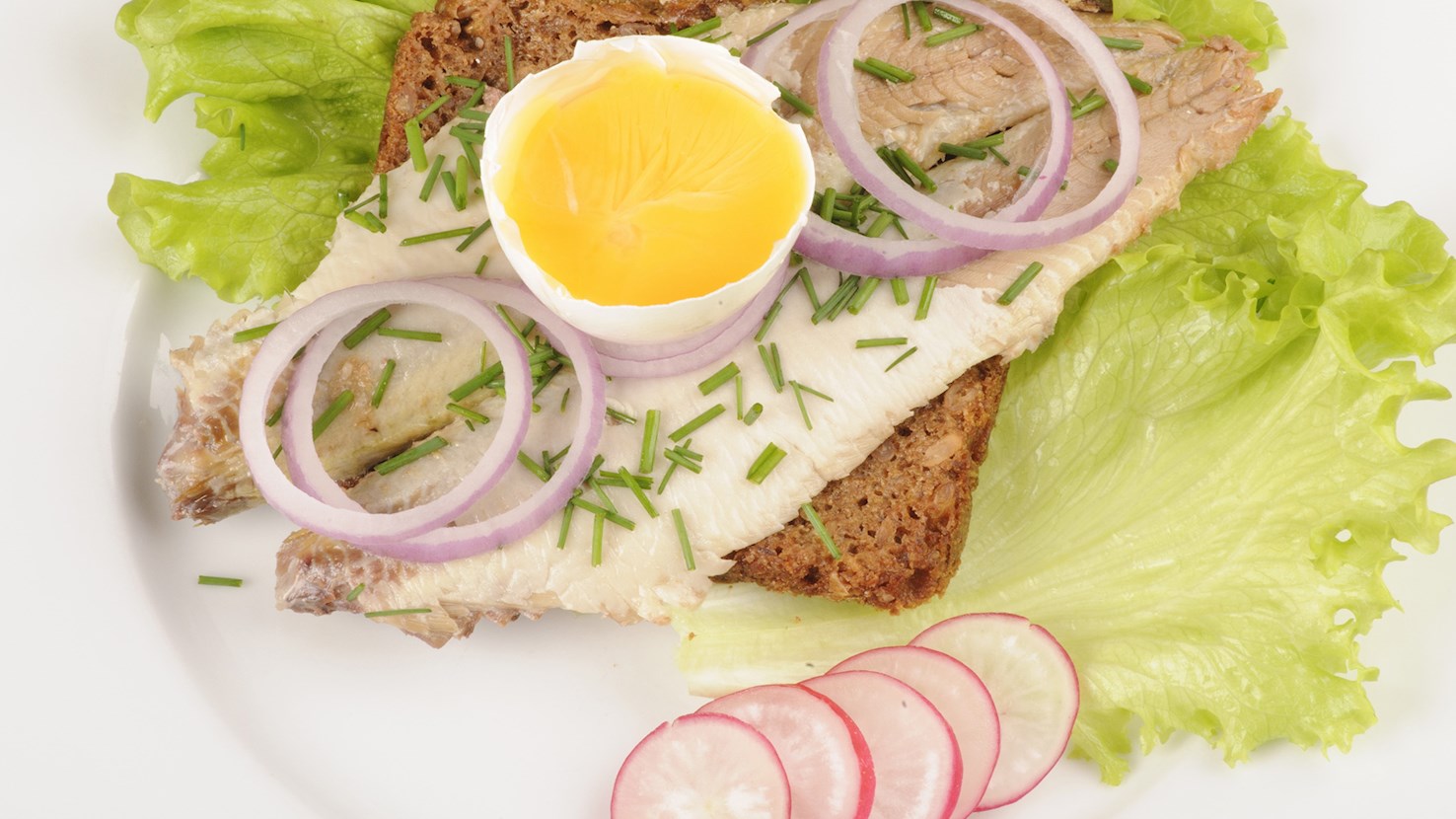
The open-faced sandwich known as sol over Gudhjem is a variety of the ubiquitous Danish smørrebrød. It is prepared with buttered rye bread that is typically topped with smoked or marinated herring, radish, chives, onion rings, and a raw egg yolk that symbolizes the sun. The unusual name of the dish can be translated as the sun over Gudhjem, referring to a city on the island of Bornholm, famous for its smoked herring and this sandwich–originally invented more than a hundred years ago. Today, this Danish classic is eaten throughout the country, and it should always be prepared and served fresh.
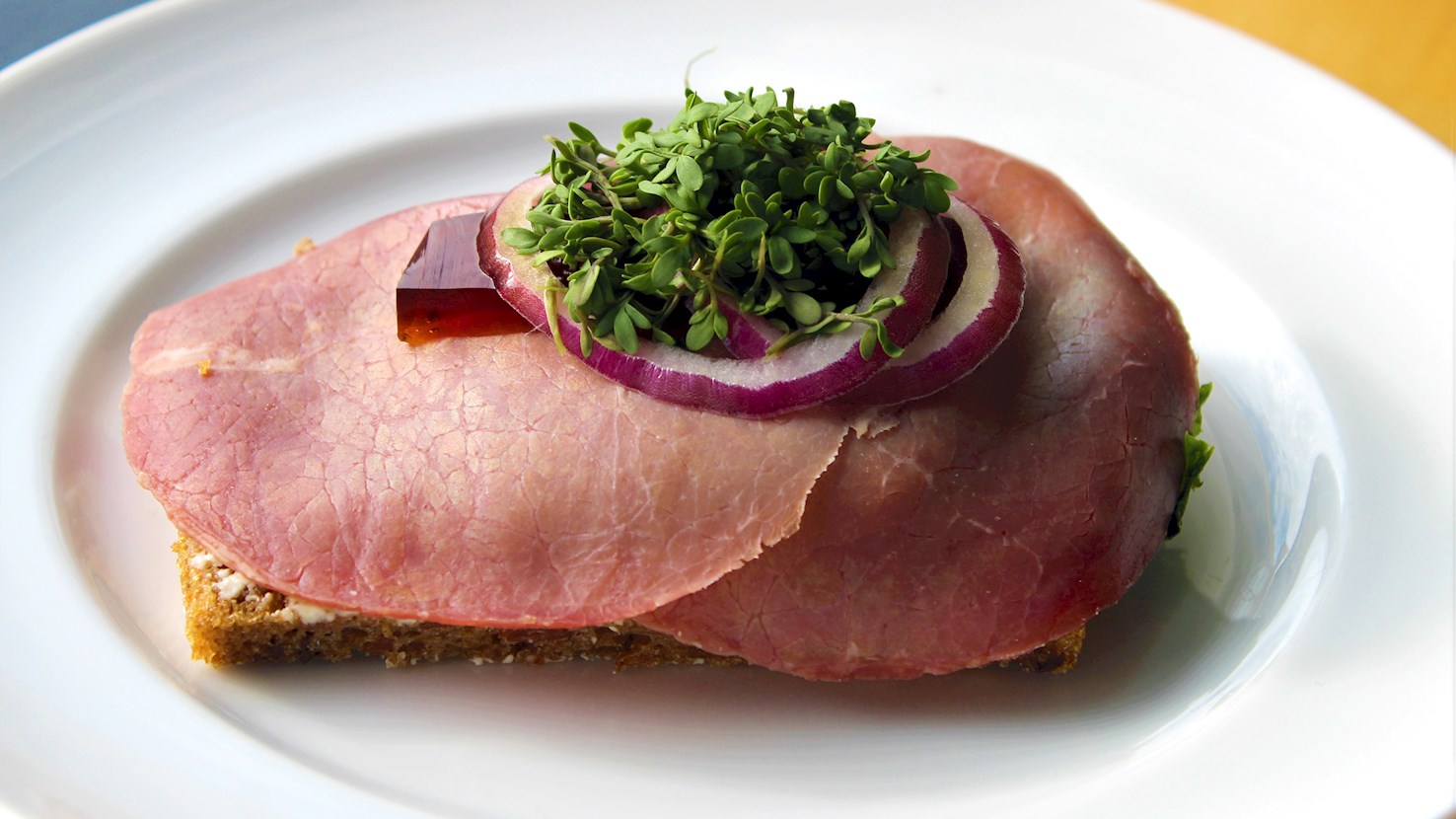
Dyrlægens natmad, which translates to veterinarian's midnight snack, is a popular variety of the Danish smørrebrød. The sandwich is assembled with rye bread that is spread with butter and used as a base to hold the various toppings which include sliced salted beef, sky (Danish meat aspic), and leverpostej (liver pâté). Traditionally, the sandwich is finished off with sliced red onions, sprouts, and a sprinkle of parsley or dill. Due to the number of ingredients, it is suggested to consume dyrlægens natmad with a knife and fork.
Rakmacka is a popular Swedish open-faced sandwich that originates from the southern coastal regions of Sweden, that features crayfish, known locally as "rak," combined with fresh ingredients served atop crisp bread. The development of rakmacka is connected to the rich fishing traditions along Sweden's coastlines, where crayfish have been a seasonal delicacy for centuries. The dish became a staple during the annual crayfish parties, or "kräftskiva," celebrated in late summer when crayfish are harvested. This festive context helped cement Rakmacka’s place as both a social food and a reflection of Sweden’s seasonal culinary rhythms. Preparation starts with cooking or purchasing fresh boiled crayfish tails, which are then peeled and arranged on buttered crispbread or rye bread. Often, a dollop of mayonnaise or a mild, creamy sauce accompanies the crayfish to add richness and moisture. Fresh herbs such as dill are sprinkled on top to complement the seafood's natural sweetness and provide a burst of aroma. Some versions include slices of hard-boiled egg or thinly sliced cucumber to introduce additional textures and freshness. Rakmacka is most commonly enjoyed during summertime gatherings, especially at traditional crayfish parties, where it is served as a starter or snack alongside cold beer or snaps. It is also a favored choice in cafes and homes throughout Sweden during the season when crayfish are abundant.
Sillmacka is a classic Swedish open-faced sandwich that features pickled herring as its central ingredient, originating from the coastal and fishing communities of Sweden. This dish reflects the Scandinavian culinary emphasis on preserving fish through pickling, a method developed to ensure availability of protein during long winters. Pickled herring became a staple due to its long shelf life and nutritional value, and placing it atop bread made it a convenient meal or snack. Over time, this preparation became a cultural staple, enjoyed across social classes and regional variations emerged based on local ingredients and preferences. Preparation of sillmacka involves selecting high-quality pickled herring, which is then placed on a slice of buttered crisp or rye bread. Additional toppings may include finely chopped raw onions, fresh dill, or slices of boiled egg, enhancing both texture and flavor. Some versions include a dollop of sour cream or mustard sauce to add creaminess and balance the acidity of the pickled fish. The sandwich is assembled simply but with attention to harmony among the ingredients. Sillmacka is commonly enjoyed throughout Sweden, especially during festive occasions such as Midsummer, Christmas, and Easter, as well as in everyday meals and fika breaks. It is typically served cold, often accompanied by snaps or aquavit, traditional Swedish spirits that complement the flavors of the pickled fish.
TasteAtlas food rankings are based on the ratings of the TasteAtlas audience, with a series of mechanisms that recognize real users and that ignore bot,
nationalist or local patriotic ratings, and give additional value to the ratings of users that the system recognizes as knowledgeable.
For the “11 Smørrebrød Varieties Ranked From the Best To the Worst” list until June 17, 2026, 777,524 ratings were recorded, of which 504,674 were recognized by the system as legitimate.
TasteAtlas Rankings should not be seen as the final global conclusion about food. Their purpose is to promote excellent local foods,
instill pride in traditional dishes, and arouse curiosity about dishes you haven’t tried.