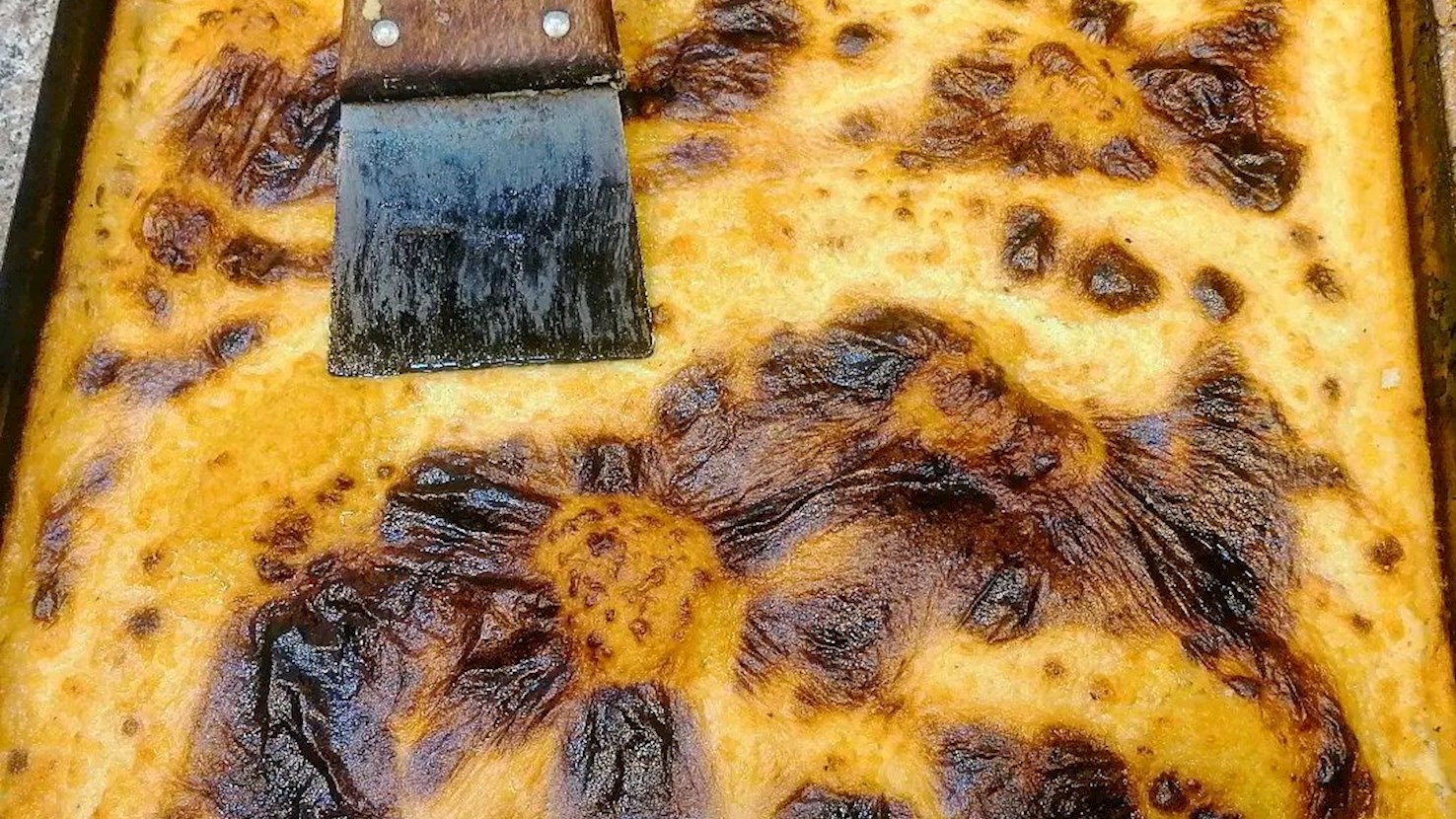
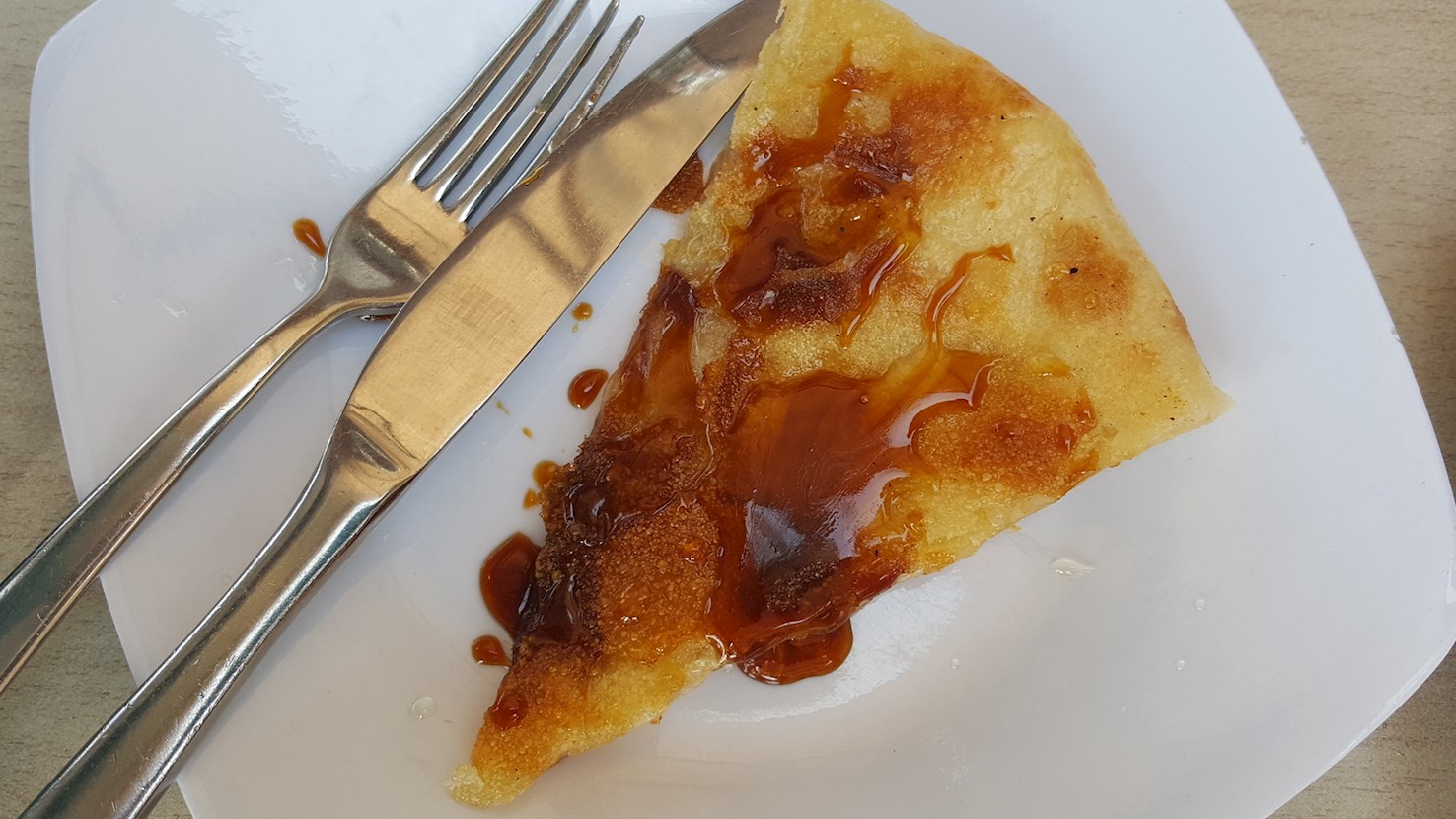
Known as karantika in Algiers and calienté in Morocco, this beloved traditional dish traces its origins back to Spanish influence during the colonial period, as its name is derived from the Spanish word calentita, which means "warm." Over time, what began as a humble, filling meal for the working class evolved into one of Algeria’s and Morocco's most cherished street foods, often enjoyed by people of all ages and backgrounds. The essence of the dish lies in its simplicity and rich, comforting flavor. It is made from a smooth batter of chickpea flour, water, oil, salt, pepper, and eggs, which is then baked until it develops a golden, slightly crisp crust on top while remaining creamy and custard-like inside. Some variations of the recipe include a pinch of cumin or a hint of chili to enhance its depth and warmth. When it comes out of the oven, the dish is traditionally cut into generous squares or wedges and often served tucked into a piece of crusty bread, making it perfect for eating on the go. It is common to find street vendors offering it with a dollop of harissa or a smear of mustard to add a spicy or tangy kick that beautifully complements its mild, nutty flavor. Part of what makes karantika or calienté so beloved is its versatility: it can be enjoyed as a snack, a light lunch, or even a comforting dinner.
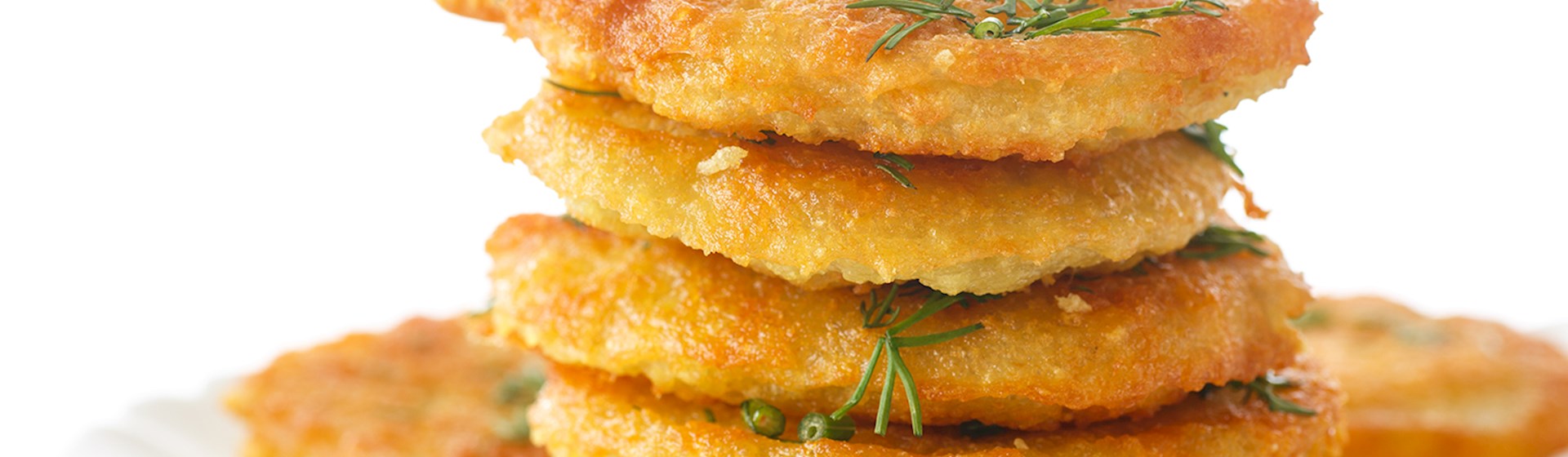
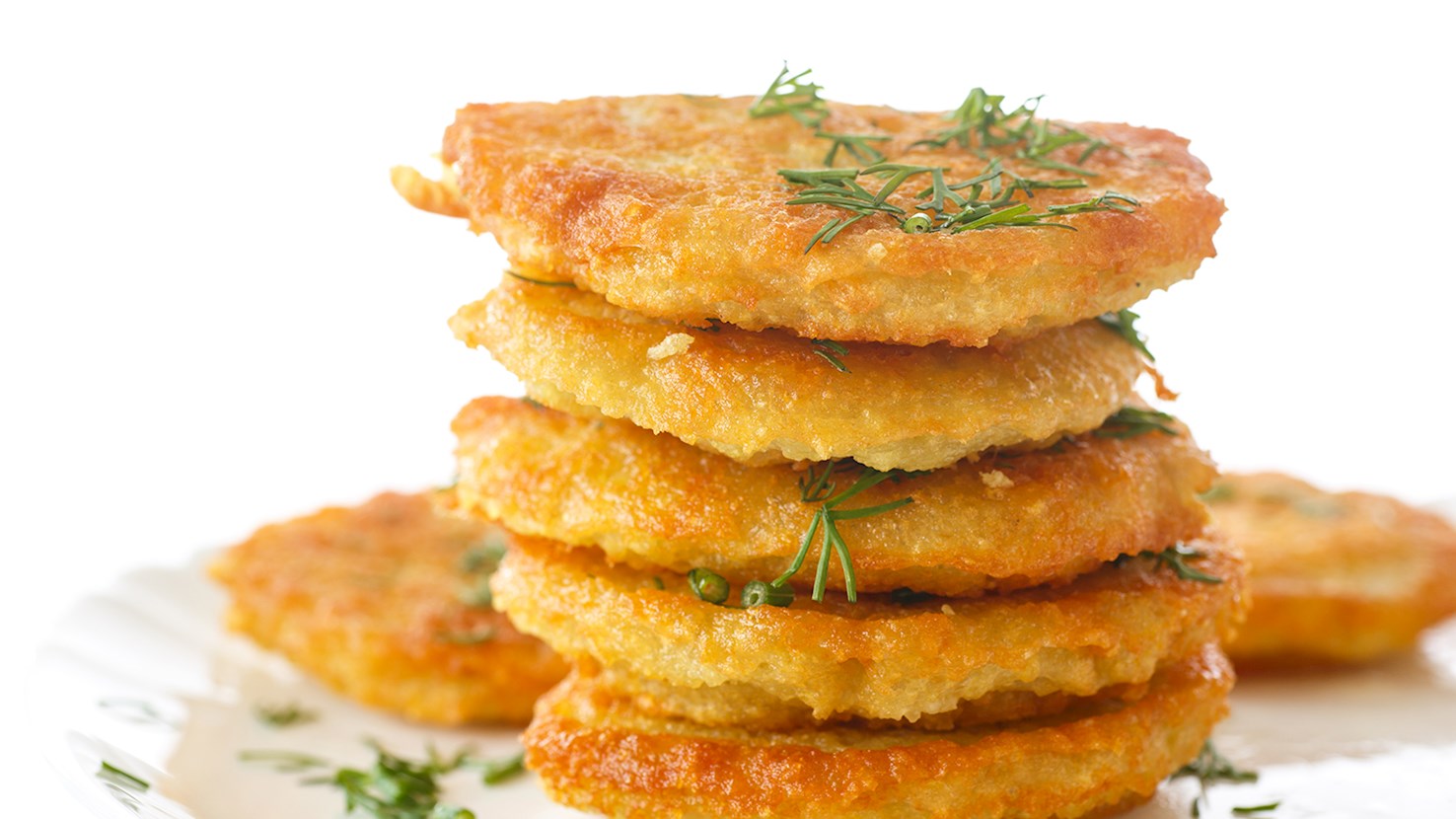
Maakouda are traditional potato fritters that are popular throughout the Maghreb, especially in Morocco, Algeria, and Tunisia. The fritters are usually prepared plain, but they can also be stuffed with meat, tuna, or cheese, although not that often. They're made with potatoes, parsley, garlic, flour, salt, and pepper. The potatoes are boiled, mashed, and mixed with other ingredients into small disks which are then deep-fried in hot oil until golden brown. Maakouda is traditionally served as an appetizer, a side dish, or an ingredient in a long sandwich roll that's usually sold as street food and served with harissa, coriander, and lemon juice. The fritters are especially popular during the month of Ramadan.
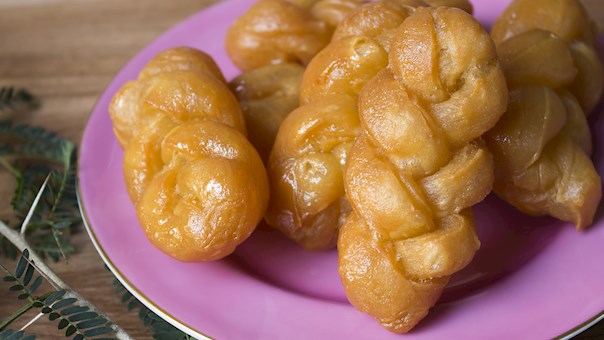
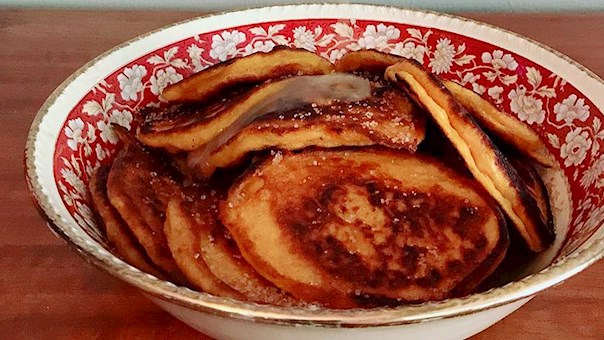
Bambalouni are traditional Tunisian doughnuts that are especially popular in the village of Sidi Bou Said. They are made with flour, hot water, yeast, and salt. After the dough has been prepared, it is fried in hot oil until golden brown, and the doughnuts are then sprinkled with sugar on top. It is recommended to serve bambalouni with coffee, either for breakfast or as a snack eaten at the end of the day.
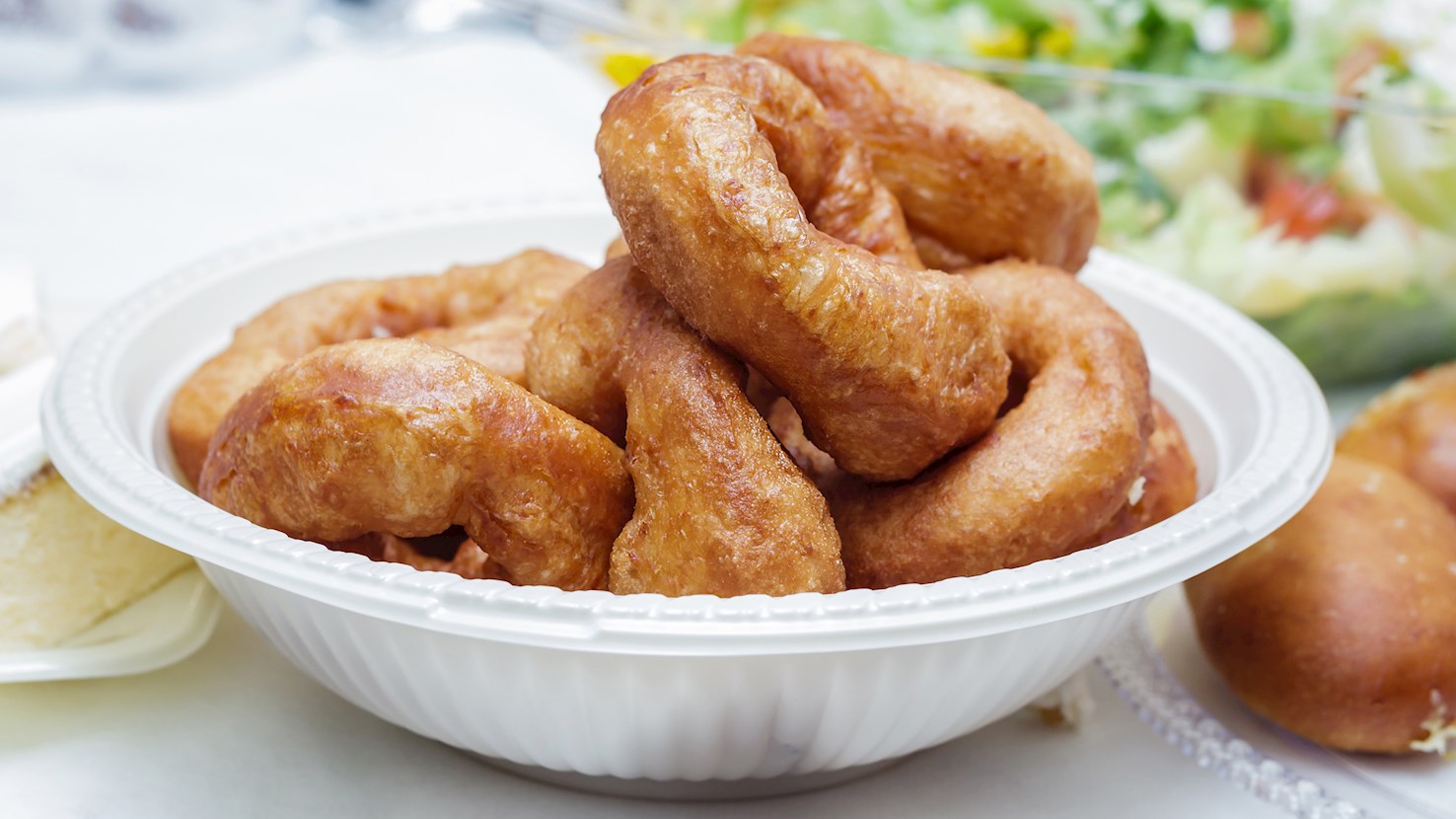
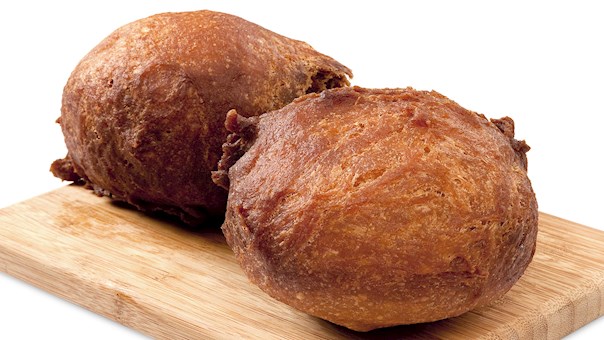
Sfenj are popular Moroccan and Algerian doughnut-like fritters made from sticky unleavened batter, similar to Libyan sfinz and Tunisian bambalouni. The dough is traditionally shaped into rings and deep-fried until it develops a golden, crispy exterior. The interior should be fluffy, tender, and chewy. These fritters are usually served hot when sold by street vendors, and they can be consumed plain or dusted with icing sugar.
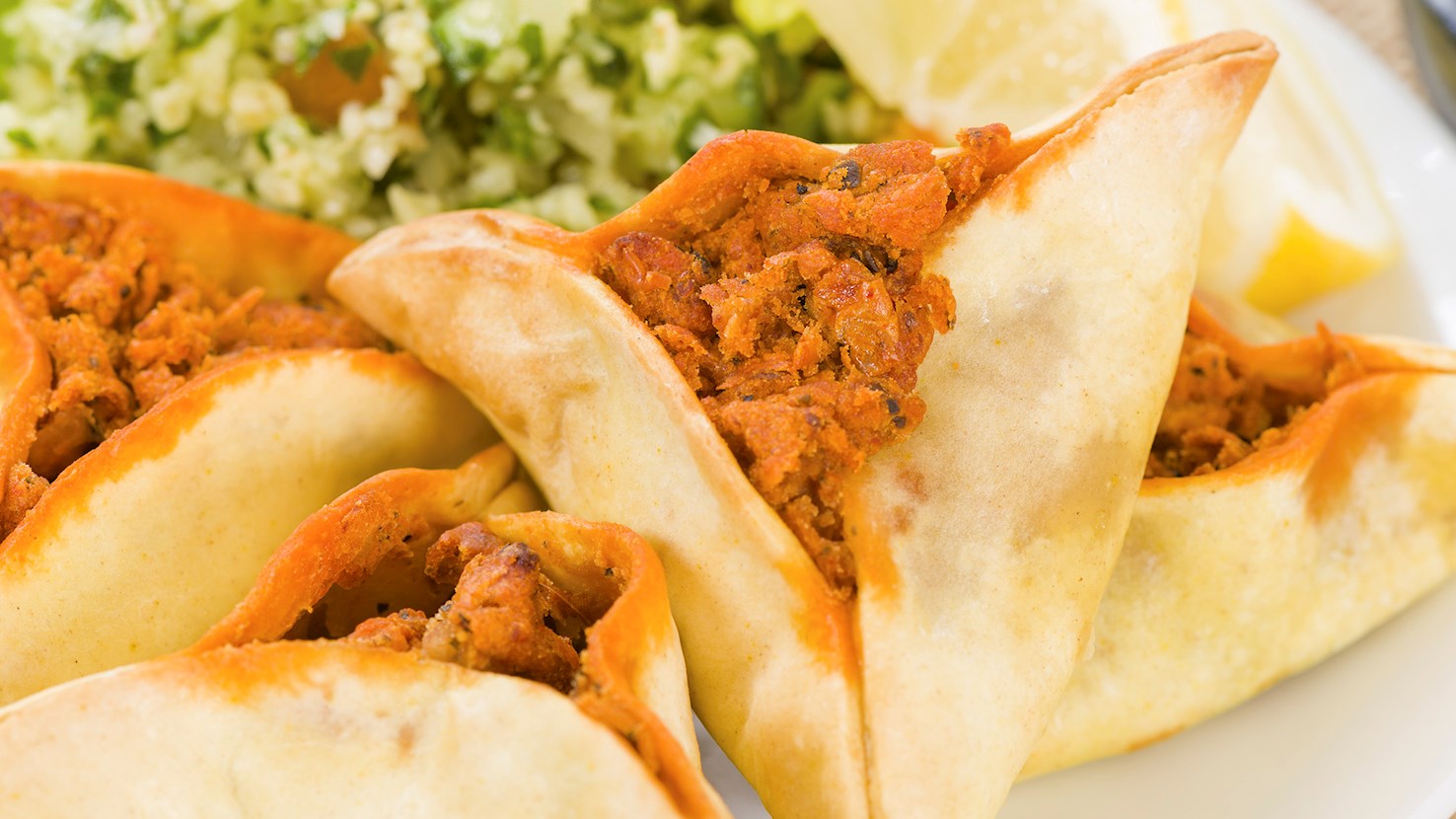
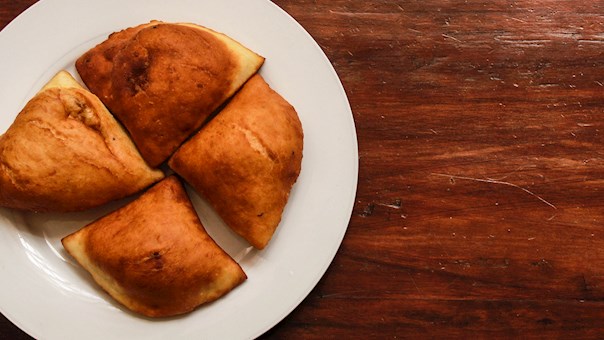
Fatayer is an Arabic specialty consisting of pockets of dough that are filled with a variety of ingredients: spinach, cheeses such as halloumi or feta, meat such as chicken, beef, or lamb, potatoes, or soft Arabic yogurt-based cheeses. The dish can be baked or fried and is commonly consumed as a snack or a light lunch. It is still unknown who invented fatayer, as the Lebanese, Syrians, Egyptians, and Palestinians all claim the dish as their own. Today, these turnovers are popular throughout the Arab region, with numerous regional varieties and different fillings.
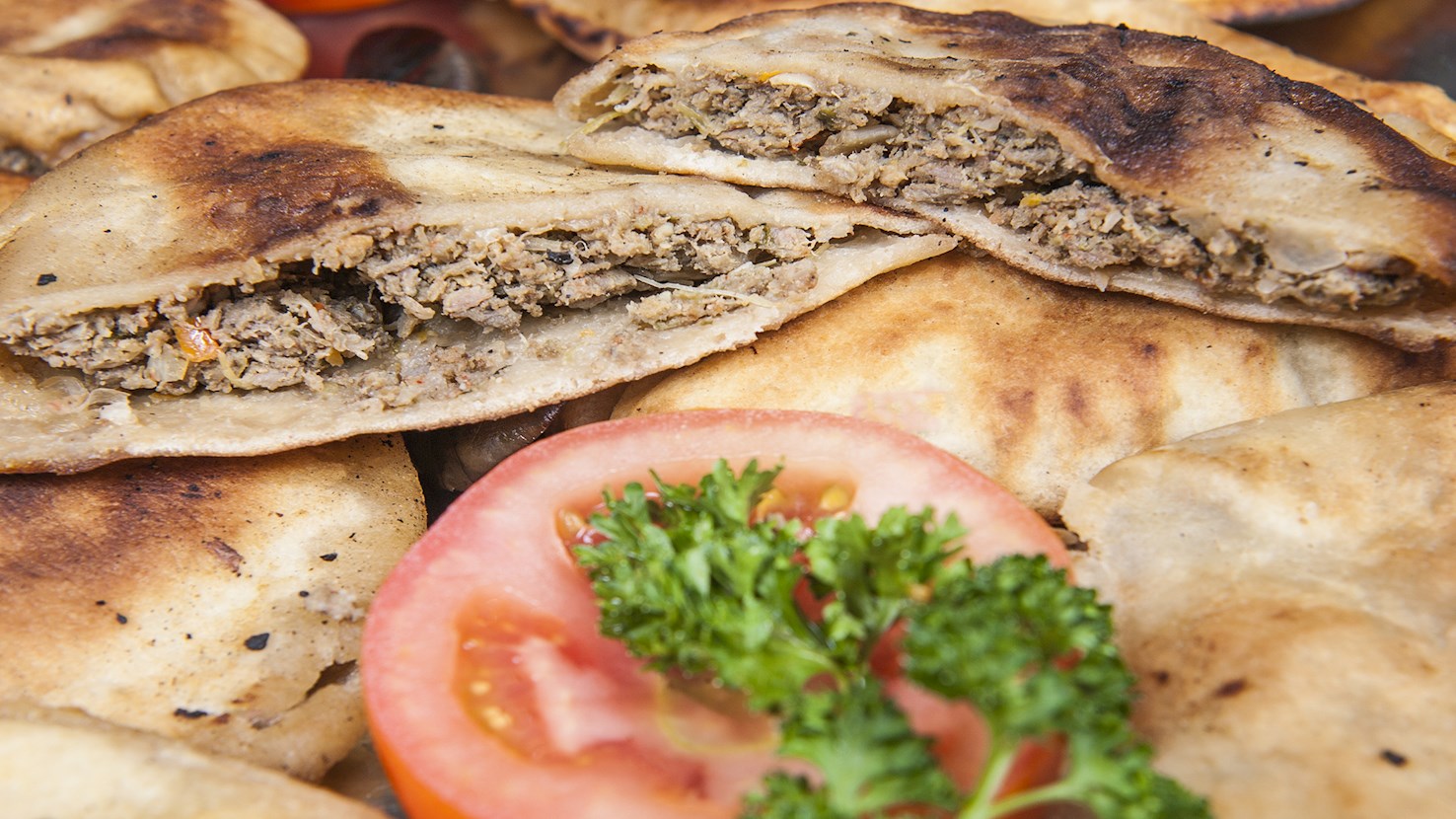
Hawawshi is a popular Egyptian snack consisting of a traditional baladi bread, in appearance similar to the famous pita pockets, stuffed with a flavorful mixture of minced meat, vegetables, and various spices. The generously seasoned meat mixture is placed inside the bread dough and baked until all the flavors combine, the meat is cooked, and the bread achieves a light golden color and a crispy texture. Whether prepared at home or enjoyed in various Egyptian food establishments, hawawshi is usually served alongside fresh vegetables, salads, and various dips.
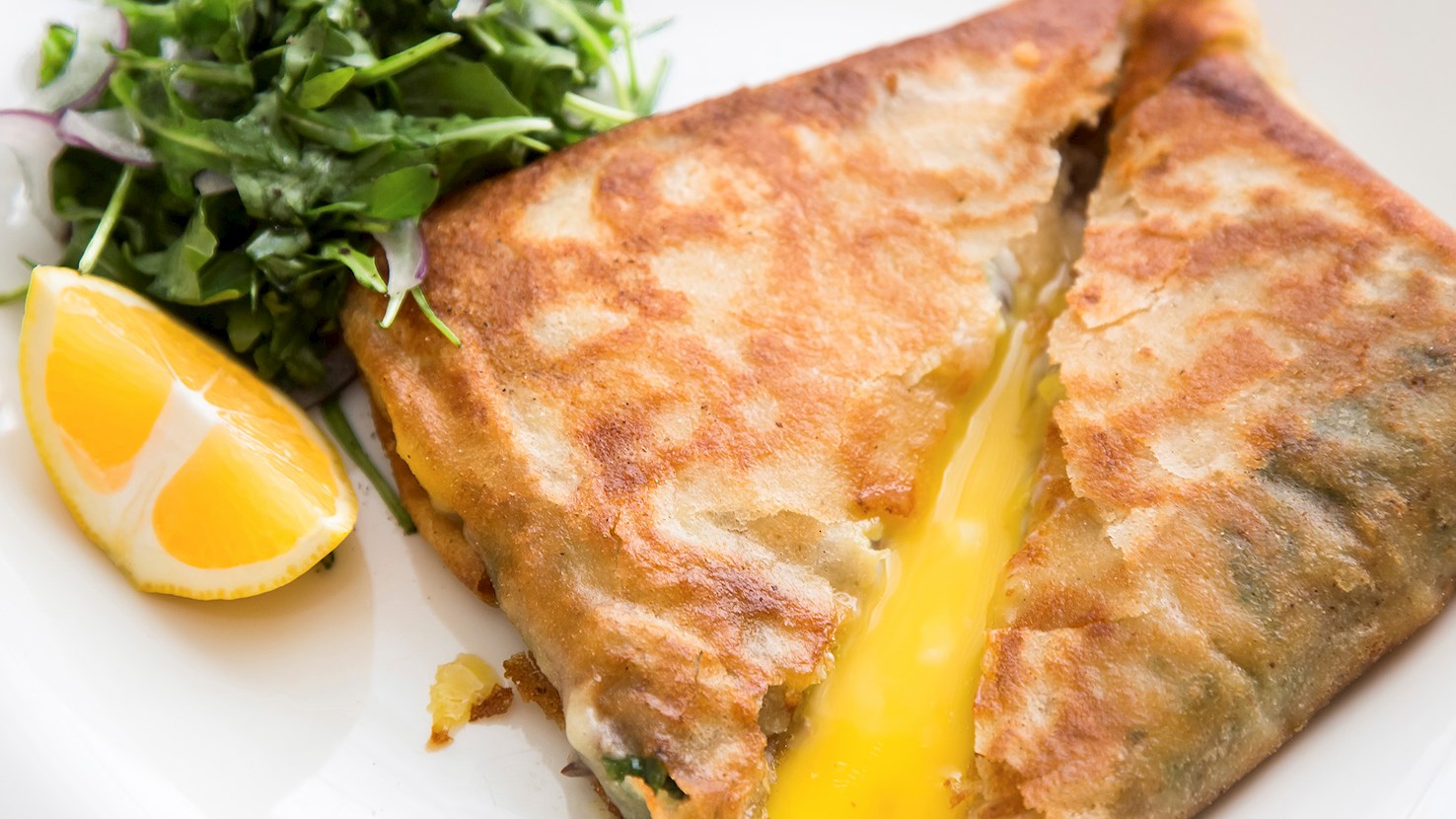
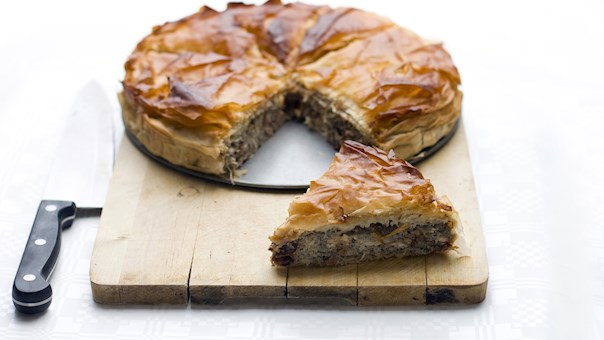
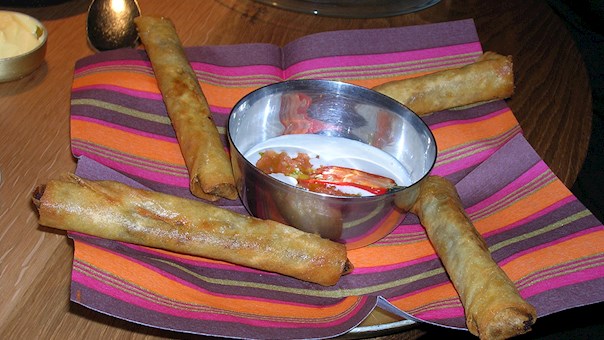
Tunisian brik is a popular dish that incorporates flaky dough filled with a variety of savory ingredients. Traditionally, malsouqa dough is used to create brik, but the more available phyllo pastry is commonly used as a replacement. Brik is usually made with layers of laminated pastry, to achieve a crunchy, layered texture. The pockets are filled with stuffing, skilfully folded, then shortly fried in deep oil or baked in an oven. The most common filling is tuna-based, enriched with traditional North African spices such as cilantro, chilis, pepper, or coriander seeds. A raw egg is often placed on top of the tuna filling, the pastry is carefully folded, and the egg partially cooks inside the flaky pastry. Other fillings can also include minced meat, anchovies, chicken, or various vegetables. Since this Tunisian classic is usually deep-fried, lemon wedges are a standard accompaniment to a plate of hot briks. The pastry is drizzled with lemon juice, which provides a hint of necessary freshness to the dish. Standard Tunisian wedding tradition suggests that the potential future husband is served an egg brik, and is supposed to eat it without dripping in order to be allowed to wed the bride. A plate of brik is commonly served as a Ramadan meal, but it is usually consumed throughout the year. Brik is always served fresh and hot.
Fetir meshaltet is an Egyptian delicacy consisting of flaky layered pastry which can be plain or filled with various sweet or savory ingredients such as ground beef, cheese, halwa, chocolate, or raisins. The dish dates back to the time of the pharaohs, when it was often used in temples as an offering to Gods. Nowadays, it is traditionally prepared and consumed for religious holidays, weddings, and similar social events, but the pastry is especially important as a symbol of hospitality. Plain fetir meshaltet is served with sweet and savory sides such as fruit jams, honey, cheese, and green olives, the savory filled version is served with sliced tomatoes, cucumbers, and a cup of tea, while the sweet-filled version is commonly served on its own or with fruit jams and cream. Although there are many Egyptian restaurants that serve this pastry, it is said that the best fetirs are made by farmers' wives in the countryside.
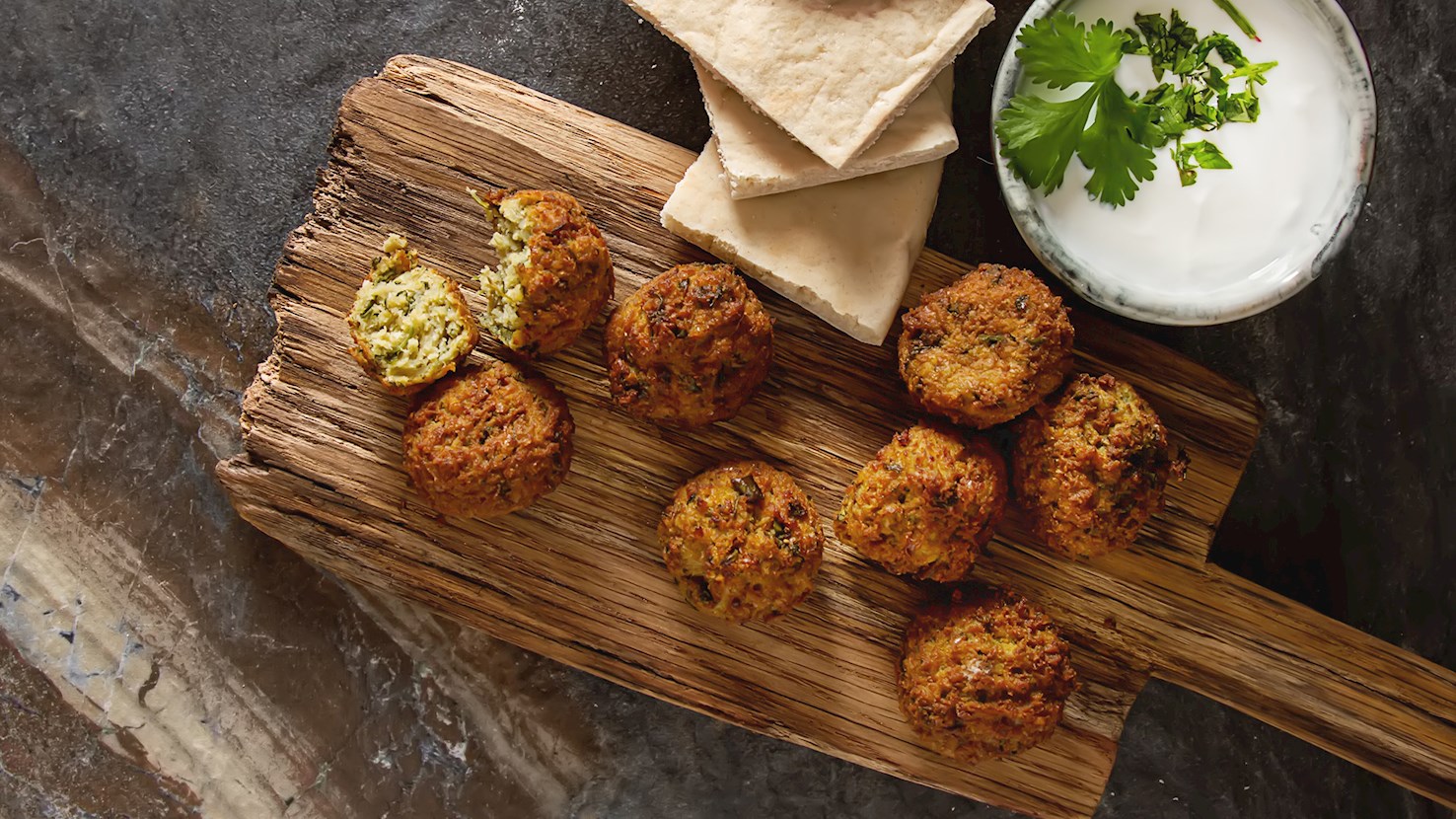
Falafel is a deep-fried food made from ground legumes, most commonly chickpeas or fava beans, and is widely eaten across the Middle East and North Africa. It is shaped into balls or patties and seasoned with herbs, onions, and spices such as cumin, coriander, and garlic. Falafel is recognized as one of the most characteristic foods of Levantine and Egyptian cuisines, commonly served in pita bread or flatbreads with salads, pickles, and tahini-based sauces. Its presence extends beyond the Middle East, having become a common street food and vegetarian option in many parts of the world. Falafel is believed to have originated in Egypt, where it was first made from fava beans and known as ta’amiya. The dish spread north through trade and migration, especially during the 20th century, and chickpeas became the preferred ingredient in Levantine regions such as Lebanon, Syria, and Palestine. Its popularity grew because it was inexpensive, nutritious, and could be prepared in large quantities, making it suitable for both home and commercial cooking. Over time, regional variations developed, with differences in texture, spice levels, and serving style. In Egypt, falafel tends to be greener and softer, while in the Levant, chickpea-based versions are denser and crispier. Preparation begins by soaking dried chickpeas or fava beans overnight, then draining and grinding them with onions, garlic, fresh herbs like parsley or cilantro, and spices. The mixture is formed into small balls or disks, often with a pinch of baking soda to ensure lightness. They are deep-fried in hot oil until golden brown and crisp on the outside while remaining moist inside. The cooking process requires precise oil temperature to achieve the right balance of texture and color without excessive oil absorption. In modern kitchens, falafel may also be baked or air-fried, though frying remains the most common method. It is served in many ways, most often in pita or laffa bread with lettuce, tomato, cucumber, pickled vegetables, tahini sauce, and sometimes hummus or yogurt sauce. In Egypt, it is commonly eaten at breakfast, while in the Levant, it is served throughout the day as a snack or meal. The dish is particularly popular among vegetarians and vegans, as it provides a high-protein option free from animal products. Falafel pairs well with beverages that balance its fried texture and spices, such as mint tea, lemonade, or yogurt drinks like ayran or laban. In Middle Eastern eateries, it is often accompanied by fries, tabbouleh, or baba ghanoush, forming part of a broader mezze spread. Across different regions, falafel maintains its core identity as a flavorful, plant-based dish prepared with skill and precision, reflecting the regional diversity and shared culinary heritage of the Middle East.
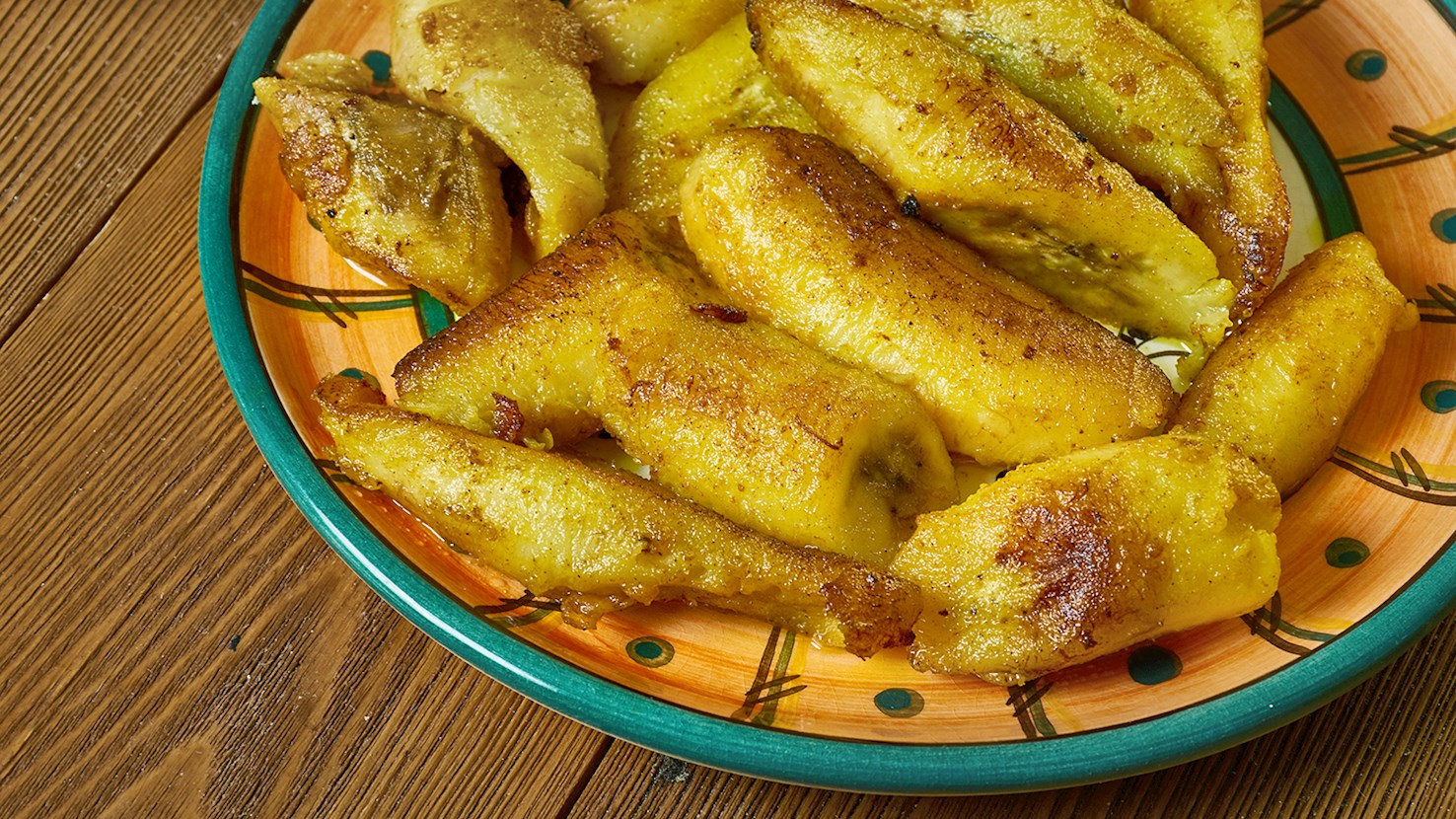
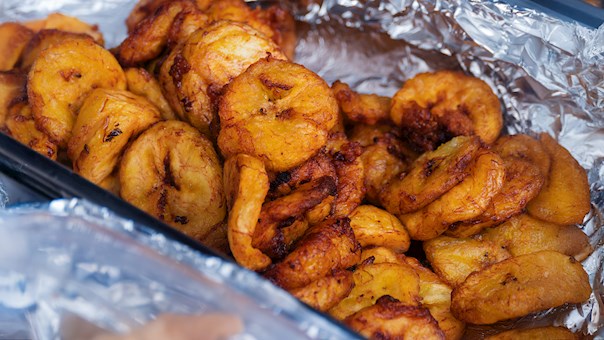
Ndizi kaanga is a popular Tanzanian meal that is typically consumed as a snack or a side dish accompanying larger meals. It consists of fried plantains that are usually unsweetened, but a pinch of sugar can be added to the plantains before frying in order to draw out the sweetness. The plantains are sometimes grilled instead of fried, and the grilled ones are typically seasoned with salt, then served with kachumbari – a salad made with onions and tomatoes.
TasteAtlas food rankings are based on the ratings of the TasteAtlas audience, with a series of mechanisms that recognize real users and that ignore bot,
nationalist or local patriotic ratings, and give additional value to the ratings of users that the system recognizes as knowledgeable.
For the “Top 58 African Snacks” list until October 15, 2026, 4,217 ratings were recorded, of which 1,454 were recognized by the system as legitimate.
TasteAtlas Rankings should not be seen as the final global conclusion about food. Their purpose is to promote excellent local foods,
instill pride in traditional dishes, and arouse curiosity about dishes you haven’t tried.















What People Say