


Top 100 Asian Snacks

Last updated on May 15, 2026

Best Asian Snacks
01

Hamamatsu gyoza

4.5 ·

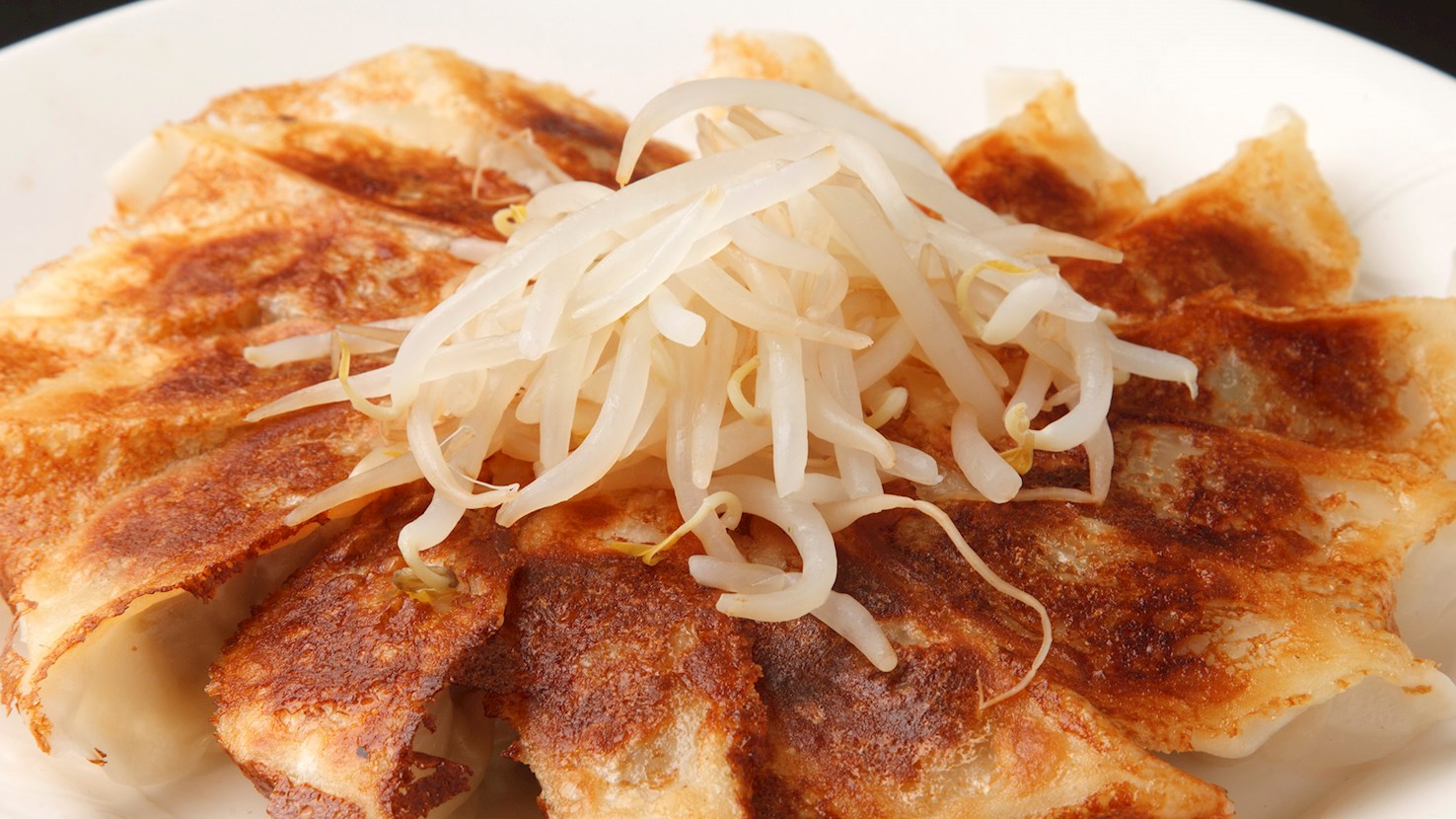
Hamamatsu is a popular variety of Japanese gyoza filled with cabbage, onions, pork, and selected seasonings. It is characterized by a unique frying style in which cooks arrange gyoza in a circular pattern (hanetsuke, a technique in which a crispy bottom connects all the gyozas) so that they can fry as many snacks as possible at the same time. It is very popular to pair Hamamatsu gyoza with a topping of bean sprouts.

Best restaurants
02

Guotie

4.5 ·

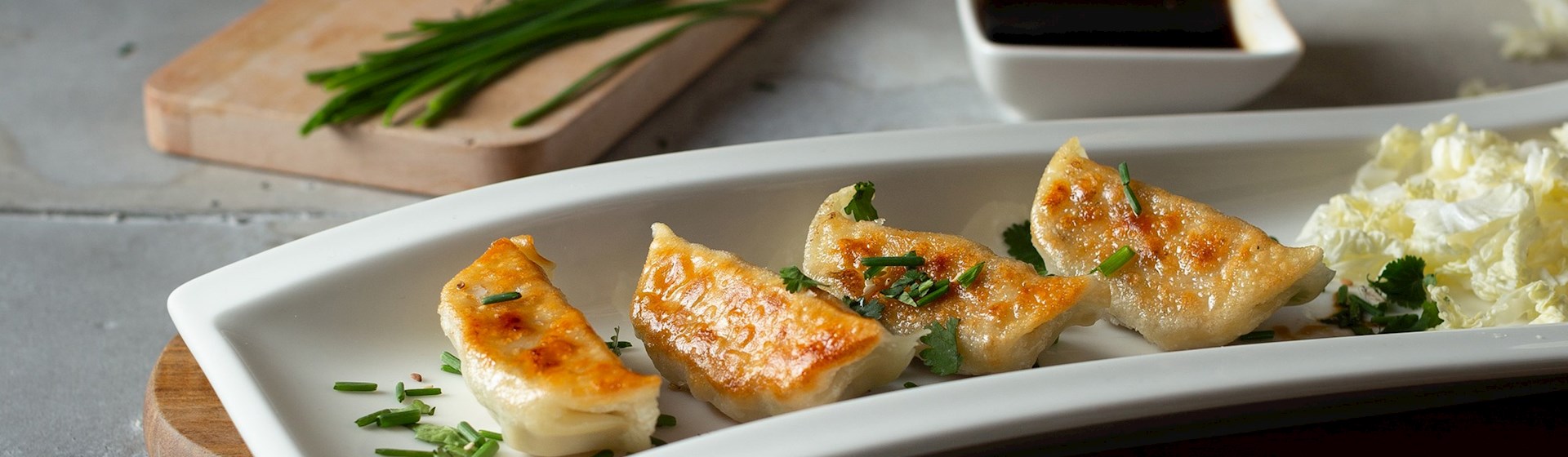
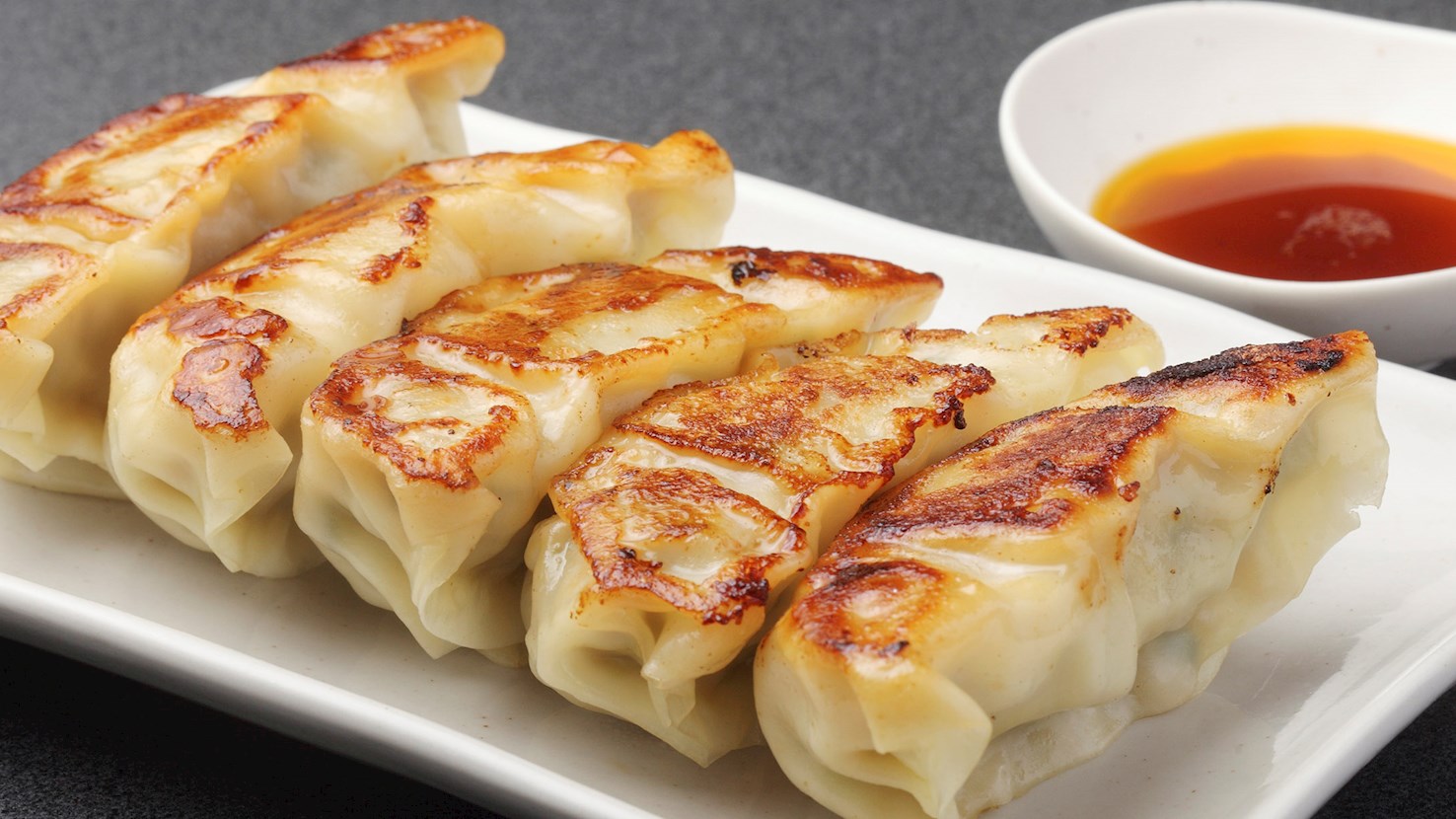
The pan-fried variety of the Chinese jiaozi dumpling, known as guotie, is a Northern Chinese dumpling typically filled with minced pork, Chinese cabbage, scallions, ginger, rice wine, and sesame seed oil. Crunchy and soft textures are achieved by a special method of preparing; while the bottom of the dumpling is frying, a small amount of liquid is added to the pan which is then covered, thus allowing the rest of the dumpling and the filling to steam. When it comes to the shape, guotie should always be long and straight as it can stand more easily and it does not fall over during cooking. Goutie can be literally translated as pot sticks, so these dumplings are often nicknamed potstickers, especially in North America. Although the first-known mention of goutie dates back to the Song Dynasty, today they are a popular street food, often eaten as a snack or an appetizer, typically accompanied by a dipping sauce.

03

Roti canai

4.4 ·

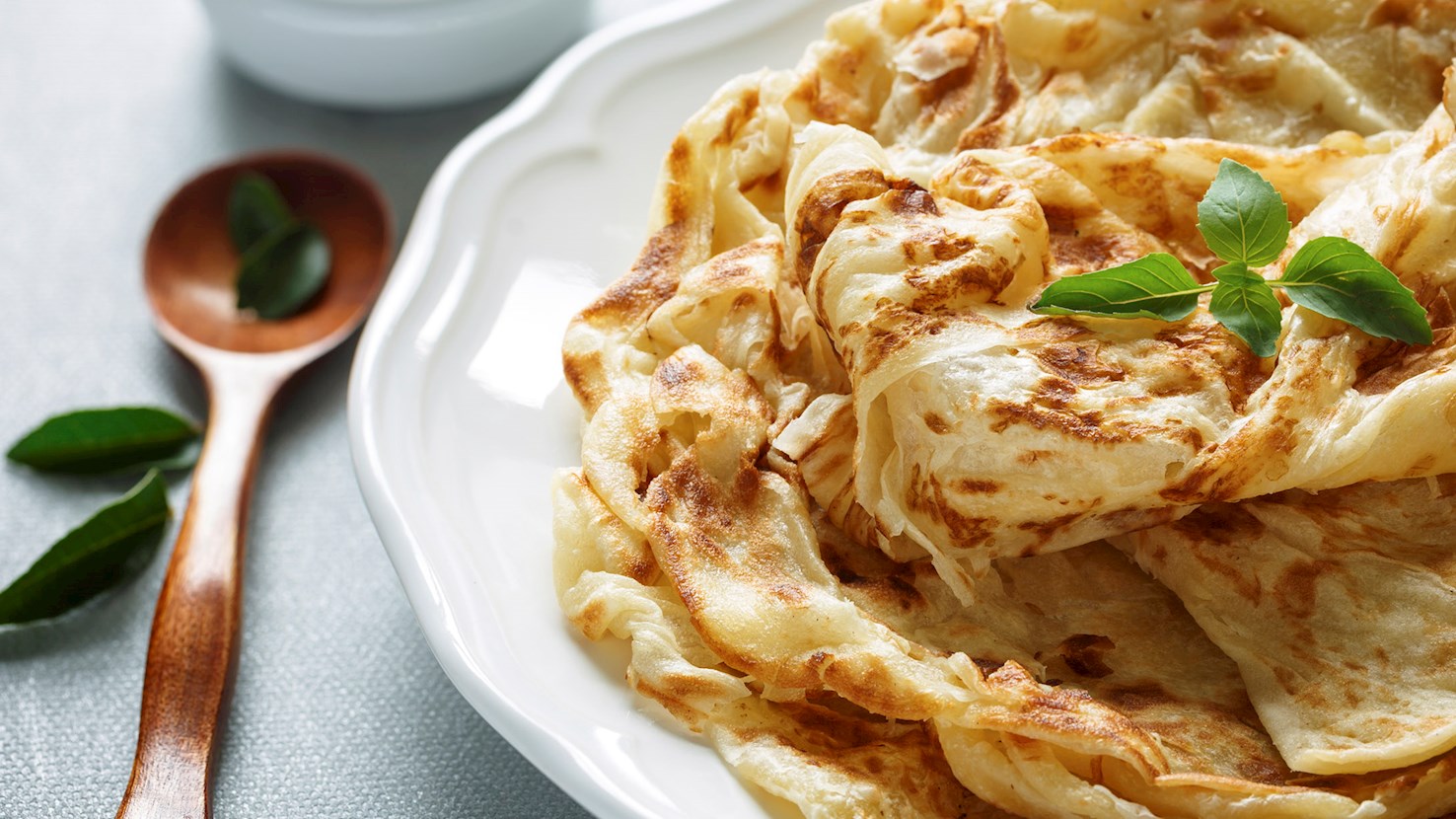
Roti canai is a traditional pan-fried flatbread made with flour, water, eggs, and fat of Indian origin, but mainly associated with Malaysia, and surrounding countries like Indonesia, Brunei, and Thailand. The dough for roti canai is repeatedly folded, so the final product has a layered texture, a soft interior, and a crispy outer layer. The most common fat used in roti canai is ghee, the traditional Indian clarified butter. It is believed that the dish originated in India when the Indian laborers who migrated to Malaysia brought the recipe and the tradition of preparing this crispy pastry to the foreign country. Usually, it is served plain in its traditional round form, as an accompaniment to curries. It can be served on the side or torn into pieces and mixed with the curry. However, roti canai is often served as the star dish, accompanied by different savory and sweet fillings and ingredients. If additional fillings are added, roti canai is usually shaped into rectangles. For example, in Malaysia, one can find various roti canai types, which are differentiated by the type of filling — egg, onion, egg and onion, banana, sardines, margarine and sugar, Maggi instant noodles, cheese, vegetable, and pork filling are some of the many available. However, roti canai doesn't have to have a filling but only a topping, such as fried eggs, curry, beans, lentils, and coffee beans. But martabak, a thick roti filled with meats, eggs, onions, and spices, is probably the best-known type of roti canai. Apart from Malaysia, it can also be found in Saudi Arabia, Yemen, and a few other countries. Other than Malaysia, a very similar type of flatbread can be found in Singapore, where it's called roti prata. This crispy bread is usually sold by street vendors called mamaks.

04

Batagor

4.4 ·

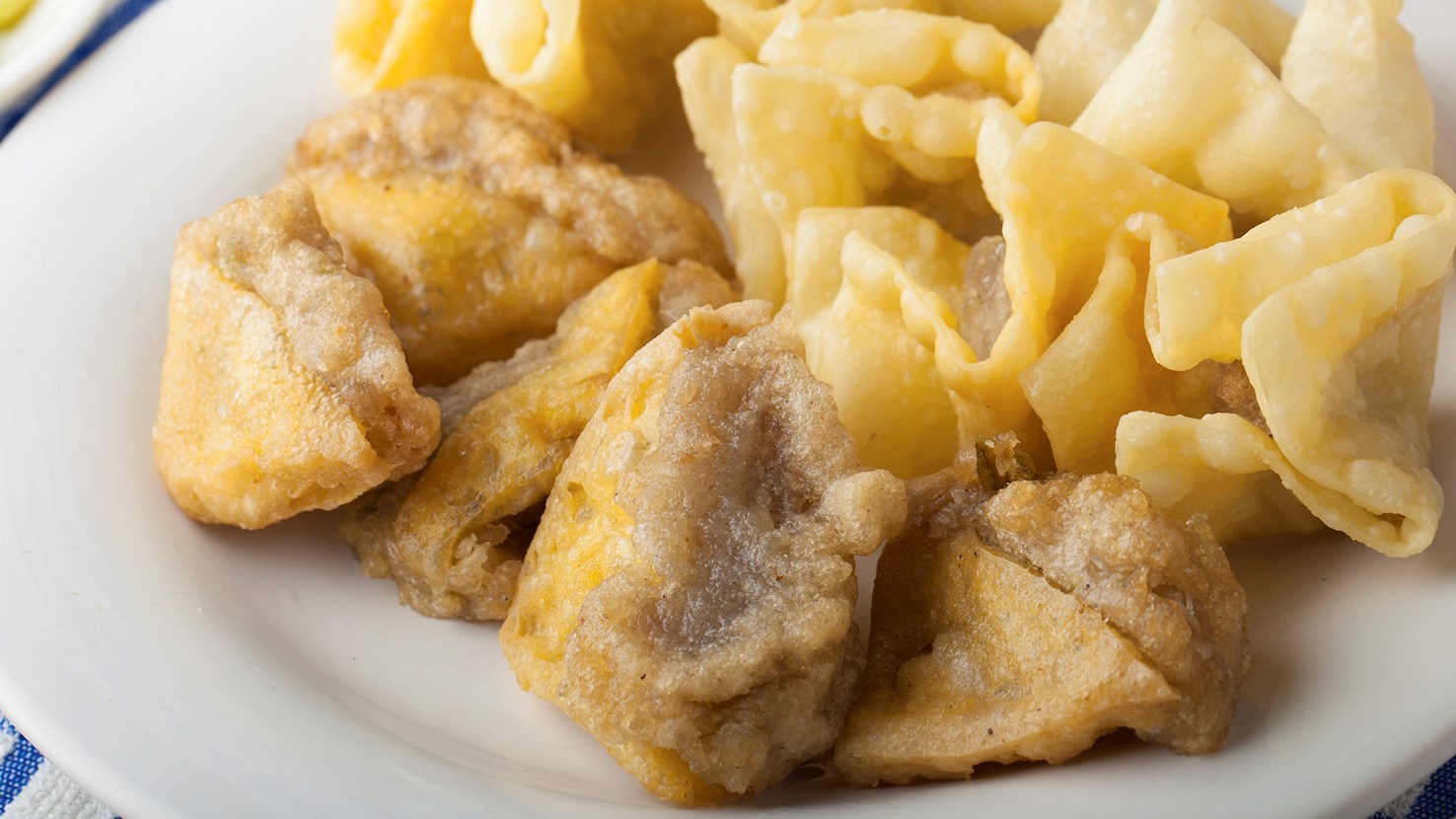
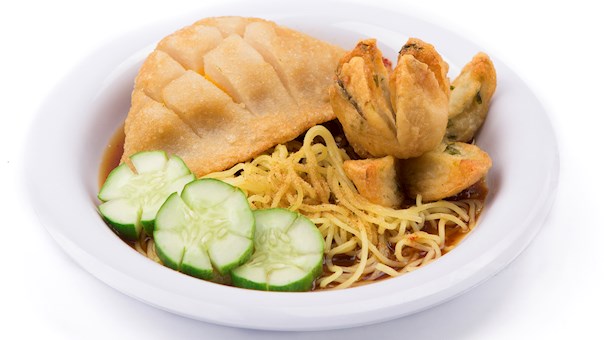
One of the most famous snacks in Indonesia is batagor, a fried fish dumpling served in a traditional spicy sauce. It has roots in the Chinese culinary tradition, which has left a trace on many Indonesian dishes. Although this famous snack is reminiscent of the more famous Chinese dumpling, its distinguishable characteristic is that it is fried, not steamed. The most common fish used to make the dish is wahoo, but tuna, mackerel, and even prawns can also be used. Potatoes, tofu, or cabbage are also occasionally added to the dish. Batagor is the perfect snack because of the way it is served. When fried, the dumplings are cut into small bite-sized pieces and covered in peanut, soy, and chili sauce with a splash of lime juice. It was invented in the 1980s in Bandung, but today it can be found throughout Indonesia. Since it is quickly prepared, it is commonly sold by street vendors, but it can also be found in many Indonesian restaurants.

05

Karipap

4.4 ·

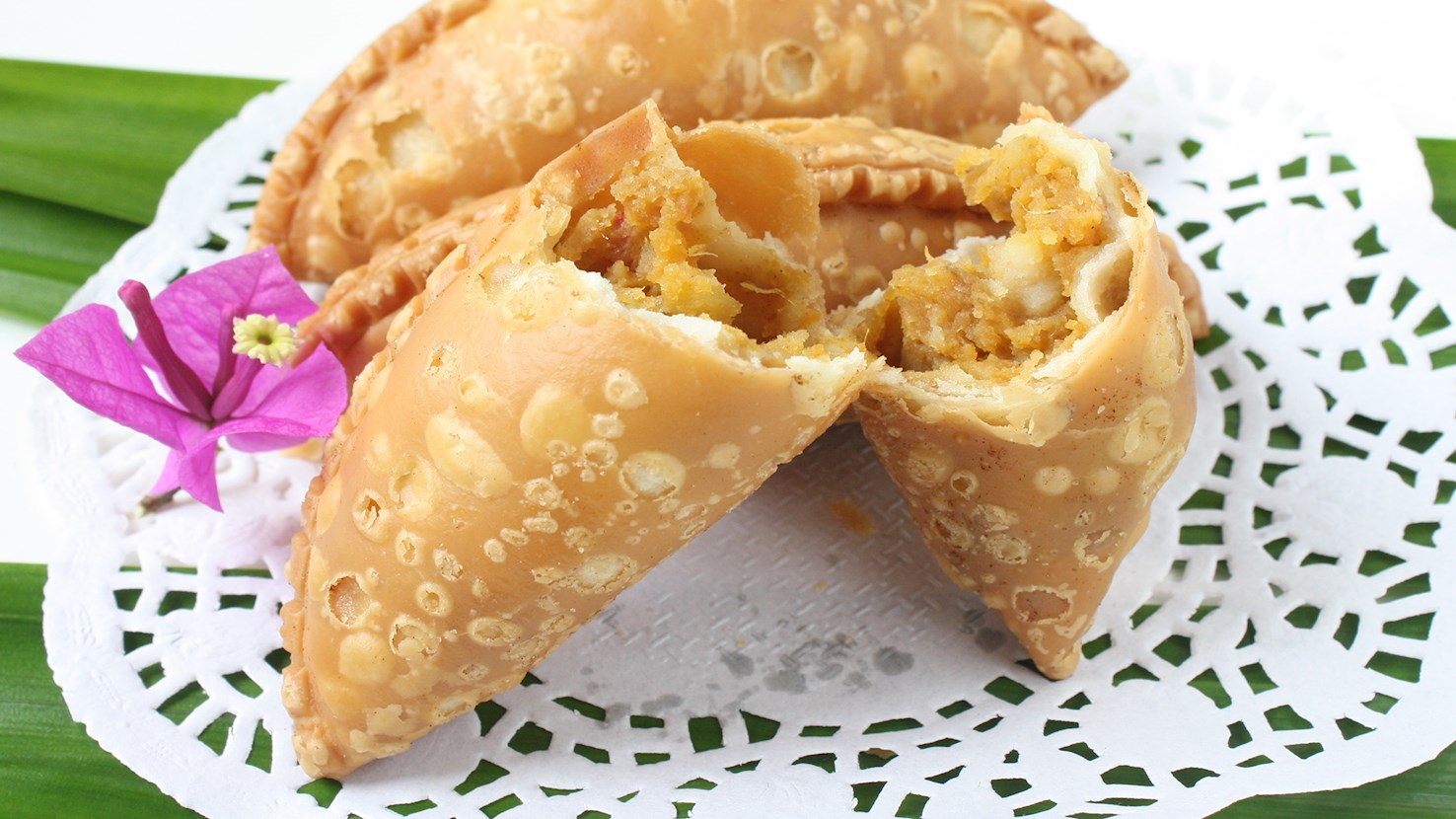
Karipap or curry puff is a small, deep-fried or baked pastry shell filled with thick chicken and potatoes curry. It is believed that the flavorful snack was invented by the Malays from the Malay Peninsula and parts of Sumatra and Borneo. It is a popular breakfast item or an afternoon snack which can be found at numerous stores, bars, and markets. Because of its simplicity and flavor, karipap quickly became popular outside Malaysia, especially in Thailand and Singapore. Today there are numerous versions of karipap, so instead of potato and chicken curry, it can be filled with various other ingredients such as tuna, sardines, and beef rendang. Crispy and flaky on the exterior, hot and soft on the interior, karipap is a snack that remains a staple of Southeast Asian cuisine.

06

Pisang goreng

4.4 ·

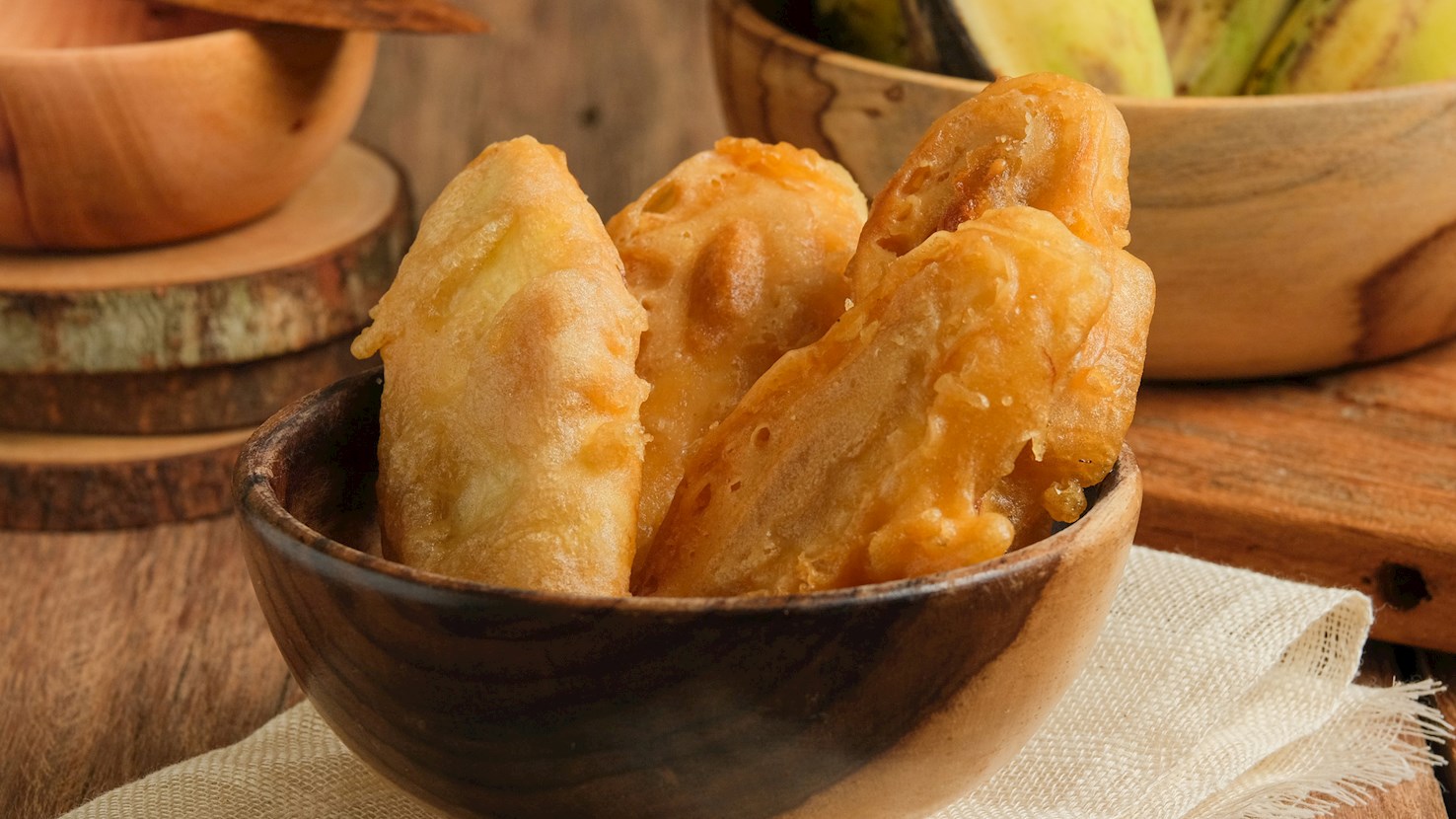
Fried bananas or plantains are a common everyday snack eaten throughout Indonesia. They come in numerous versions in which the fruit is simply fried in shallow oil, but more often sliced banana pieces are coated in batter before they are fried until golden. Besides numerous other varieties, fried bananas also appear under different names such as godoh biu on Bali or gedhang gorèng on Java. They are traditionally sold at street stalls and carts and belong to a group of gorengan dishes—Indonesian deep-fried snacks. The more elaborate version of pisang goreng are served dusted with powdered sugar and cinnamon, drizzled with chocolate, or accompanied by jams or ice cream. Similar banana-based dishes are found in other Southeast Asian regions and countries such as Singapore, the Philippines (maruya) and Malaysia (kuih kodok).

07

Ajitsuke tamago

4.4 ·

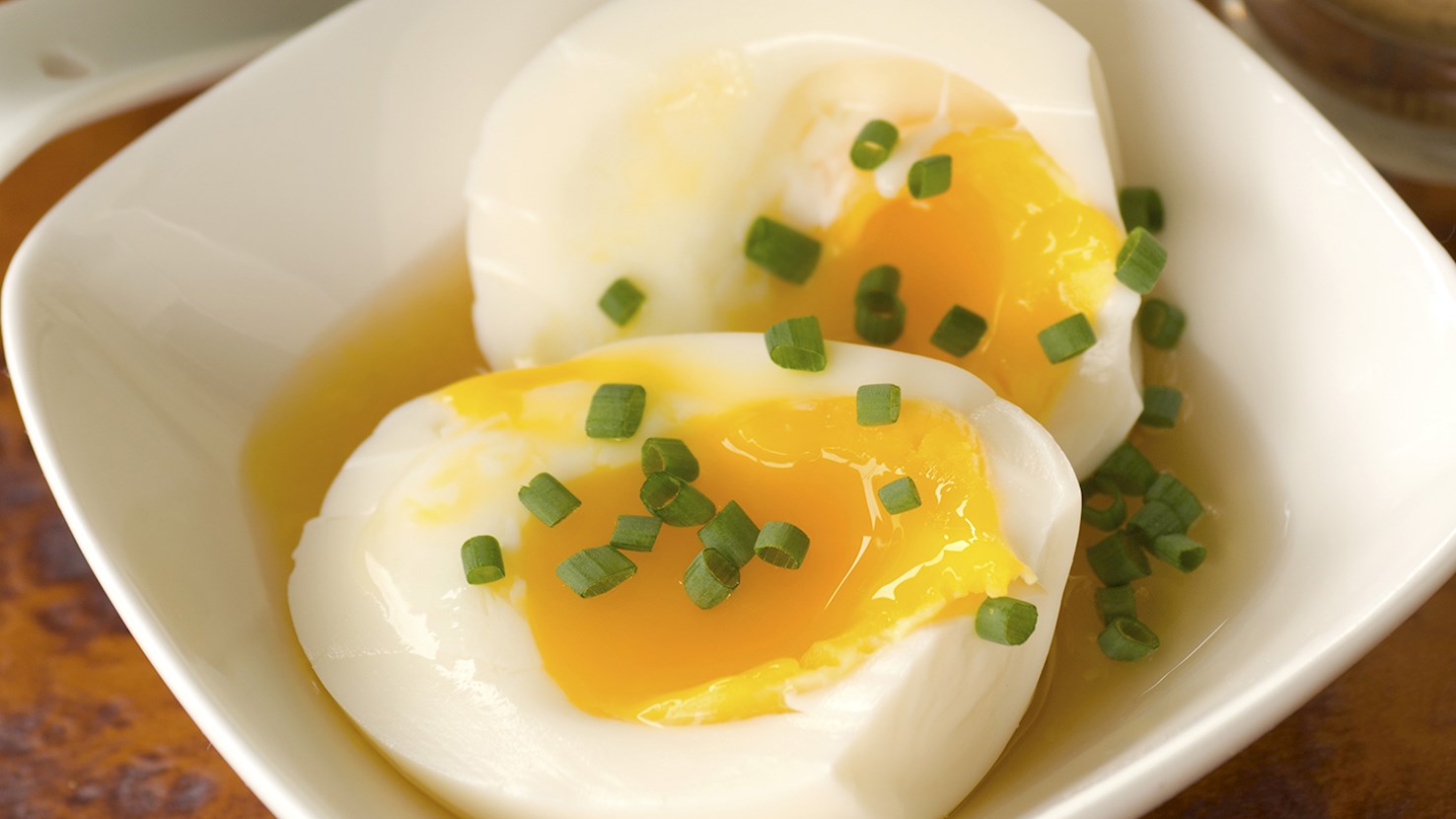
Ajitsuke tamago is a traditional dish consisting of soft-boiled eggs that have been soaked in mirin and soy sauce. The egg yolks should be custardy if properly prepared, and the eggs are eaten as a snack, a part of bento, or more commonly, enjoyed as a ramen topping. The eggs are boiled for a few minutes so that the yolk remains runny, and they are then chilled and soaked (overnight or for a few days) in a combination of water, mirin, and soy sauce. This is the basic preparation, and some cooks might add their own secret ingredients to the marinade to make the eggs more flavorful.

08

Paçanga böreği

4.3 ·

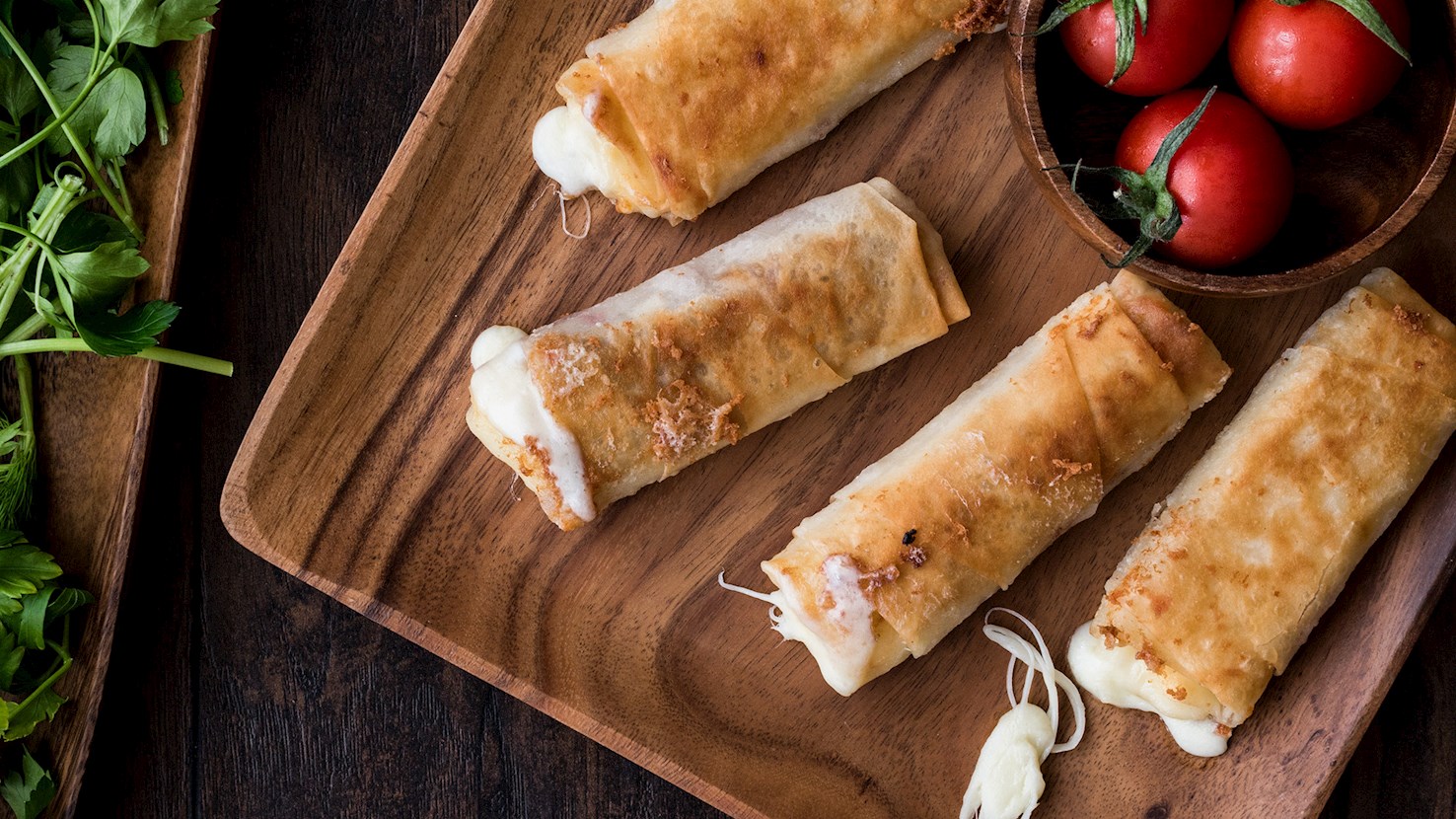
Paçanga böreği is a Turkish börek variety that's especially popular in the region of Anatolia and in Istanbul, where it's regarded as a traditional Sephardic Jewish specialty of the city. It's made by stuffing yufka or phyllo pastry with pastirma (salted, aged, dried beef) and kasar cheese. Apart from the basic ingredients, some people also like to add peppers and tomatoes to the filling. The dough is rolled, cut into rectangles, then fried. This börek can also be baked, but frying is the traditional method. Paçanga böreği is served hot and it's typically eaten as an appetizer.

09

Gyoza

4.3 ·

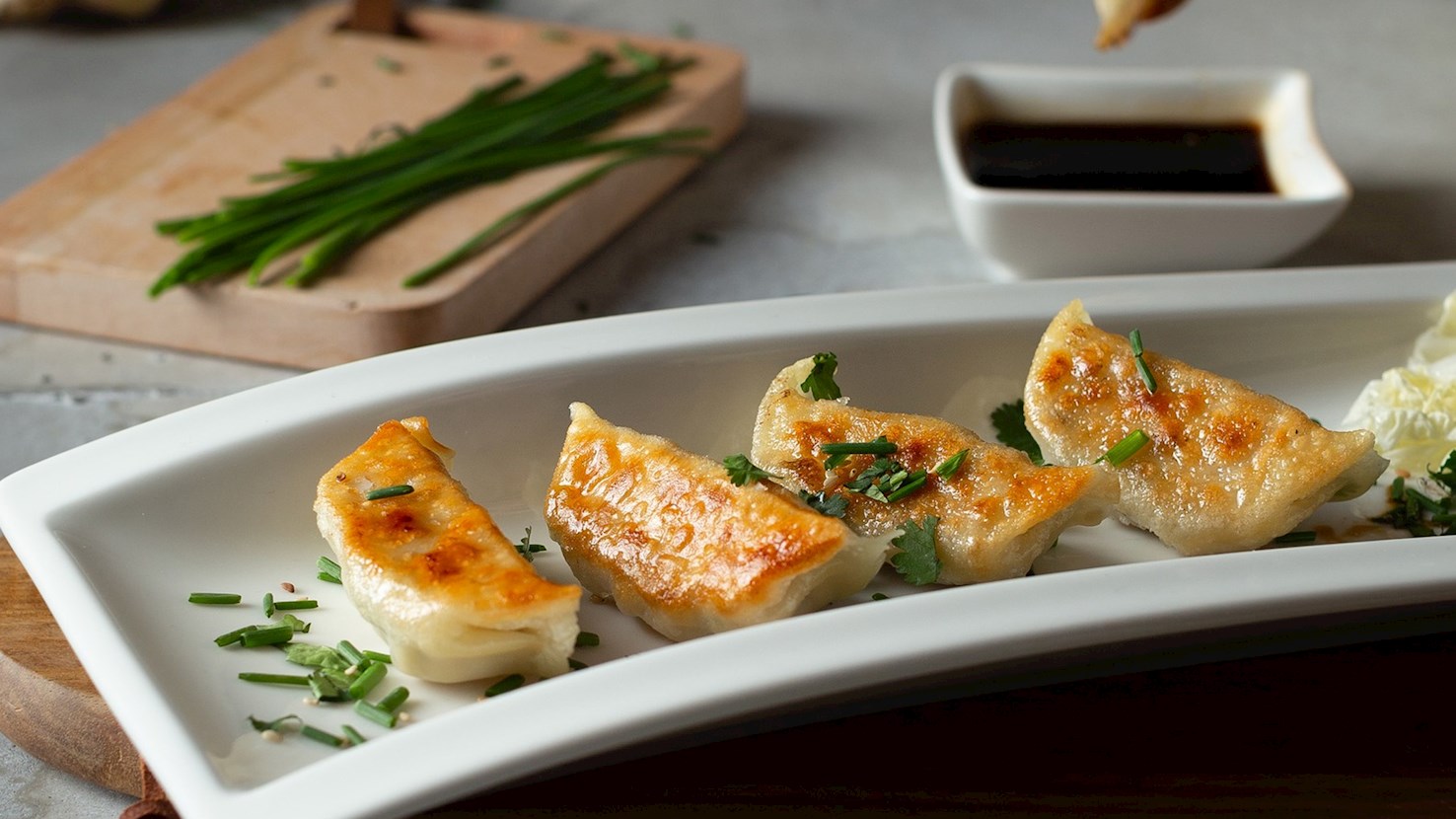
The famous Japanese gyoza are crescent-shaped dumplings that have originated from the traditional Chinese jiaozi dumplings. The recipe was slightly altered to accommodate the Japanese taste, and gyoza soon became one of the favorite Japanese meals. They consist of a thin wrapper made with wheat flour, eggs, and water, which is then stuffed with a mixture of meat and vegetables. The ingredients used in the stuffing are regionally influenced, but most commonly include minced pork or chicken, cabbage, chives, a substantial amount of garlic, ginger, and green onions. They are traditionally prepared in three different ways. The most famous are pan-fried gyoza, which are fried and then shortly steamed. Other types include boiled gyoza, usually served in broth, and the less common deep-fried variety. Traditionally, these scrumptious dumplings are served with a dipping sauce on the side, usually made with rice vinegar, soy sauce, and sesame oil. Since the 1940s, gyoza have been slowly making their progress to become one of the staple foods in Japan, commonly consumed everywhere in the country. They can be found on the menus of traditional Japanese restaurants and bought at specialized gyoza shops. In restaurants, they are usually offered as a starter, most commonly enjoyed as a snack, followed by a glass of cold beer or traditional sake. Also, although it is not a side dish per se, gyoza dumplings often accompany ramen.

10

Masala dosa

4.3 ·

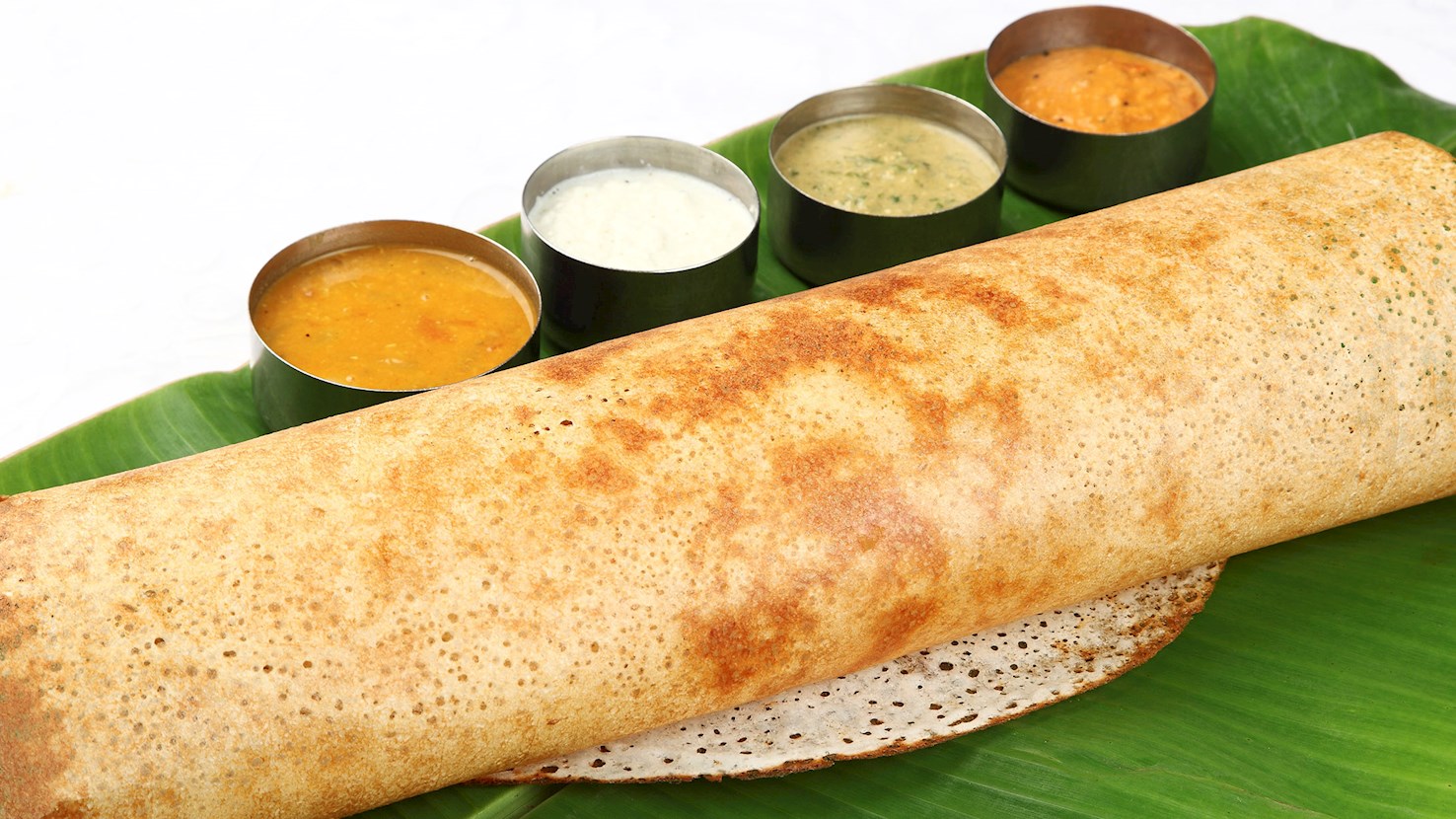
A traditional southern Indian dish known as masala dosa is popular throughout the country, made from a batter of soaked rice and lentils that is baked into a thin pancake and usually stuffed with potatoes, onions, and mustard seeds. The dish is often garnished with grated coconut and chopped coriander. With its huge popularity, there are also some variations of the dish, such as mysore masala dosa, rava masala dosa, onion masala dosa, and paper masala dosa. It is usually consumed as a quick snack or as a part of any meal of the day. Masala dosa has even made the list of 10 foods to try before you die, complied by the Huffington Post, alongside famous dishes such as Beijing duck, moussaka, and BBQ ribs.

11

Khanom khrok

4.3 ·
13

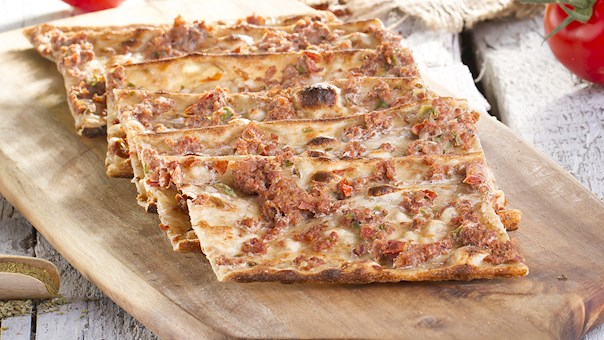
Lahmacun

4.3 ·
14

Sfiha

4.3 ·
15

Tantuni

4.3 ·
16

Etli ekmek

4.3 ·
19

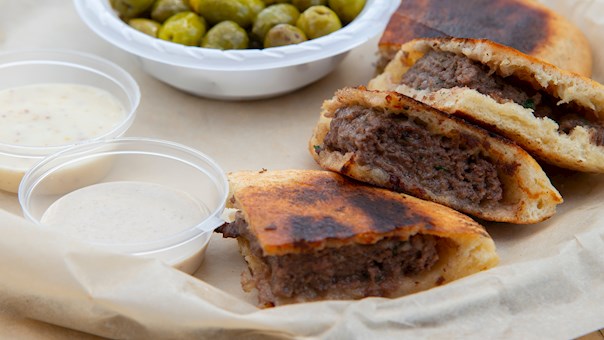
Arayes

4.2 ·
20

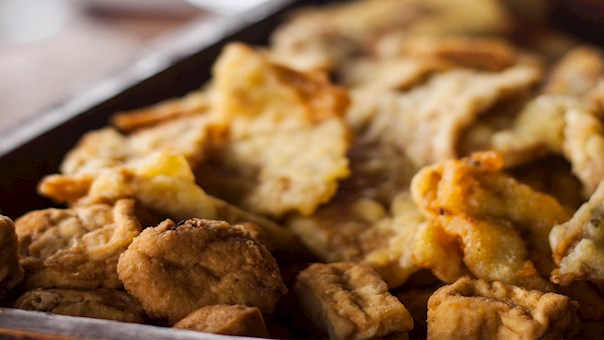
Gorengan

4.2 ·

Best Asian Snacks

01

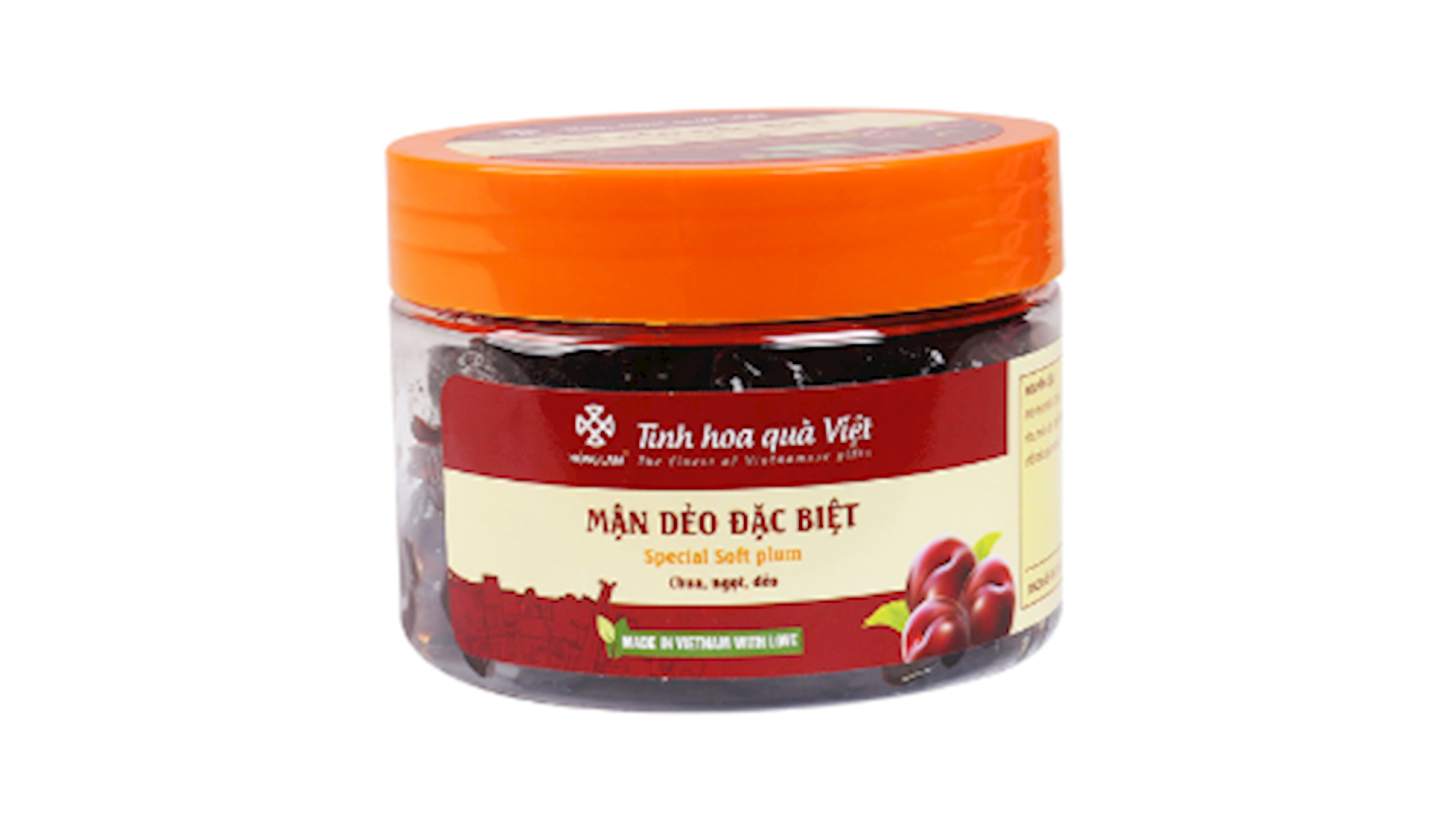
Hồng Lam Ô Mai

4.5 ·
Hồng Lam is one of Vietnam’s most renowned brands specializing in ô mai - traditional candied, marinated, or dried fruits that balance sweet, sour, and mildly spiced flavors. The brand modernizes an old artisanal practice by preserving the authentic taste of plums, apricots, kumquats, and other local fruits while applying strict hygiene and quality-control standards. The production process involves careful fruit selection, multi-stage marination, and controlled drying to achieve consistent flavor and texture, while the packaging is designed as elegant gift items that highlight the cultural value of the product. Hồng Lam has successfully transformed a once street-side delicacy into a contemporary, widely accessible specialty, positioning ô mai as a distinctive symbol of Vietnamese culinary heritage.
Read more
View all
View map
About this ranking

TasteAtlas food rankings are based on the ratings of the TasteAtlas audience, with a series of mechanisms that recognize real users and that ignore bot, nationalist or local patriotic ratings, and give additional value to the ratings of users that the system recognizes as knowledgeable. For the “Top 100 Asian Snacks” list until May 15, 2026, 25,923 ratings were recorded, of which 16,873 were recognized by the system as legitimate. TasteAtlas Rankings should not be seen as the final global conclusion about food. Their purpose is to promote excellent local foods, instill pride in traditional dishes, and arouse curiosity about dishes you haven’t tried.

The initial list of top producers was compiled based on available reviews, awards, local recommendations, media and blog coverage, and consumer reviews. The list will be updated with ratings from TasteAtlas local ambassadors and TasteAtlas users.

Similar lists