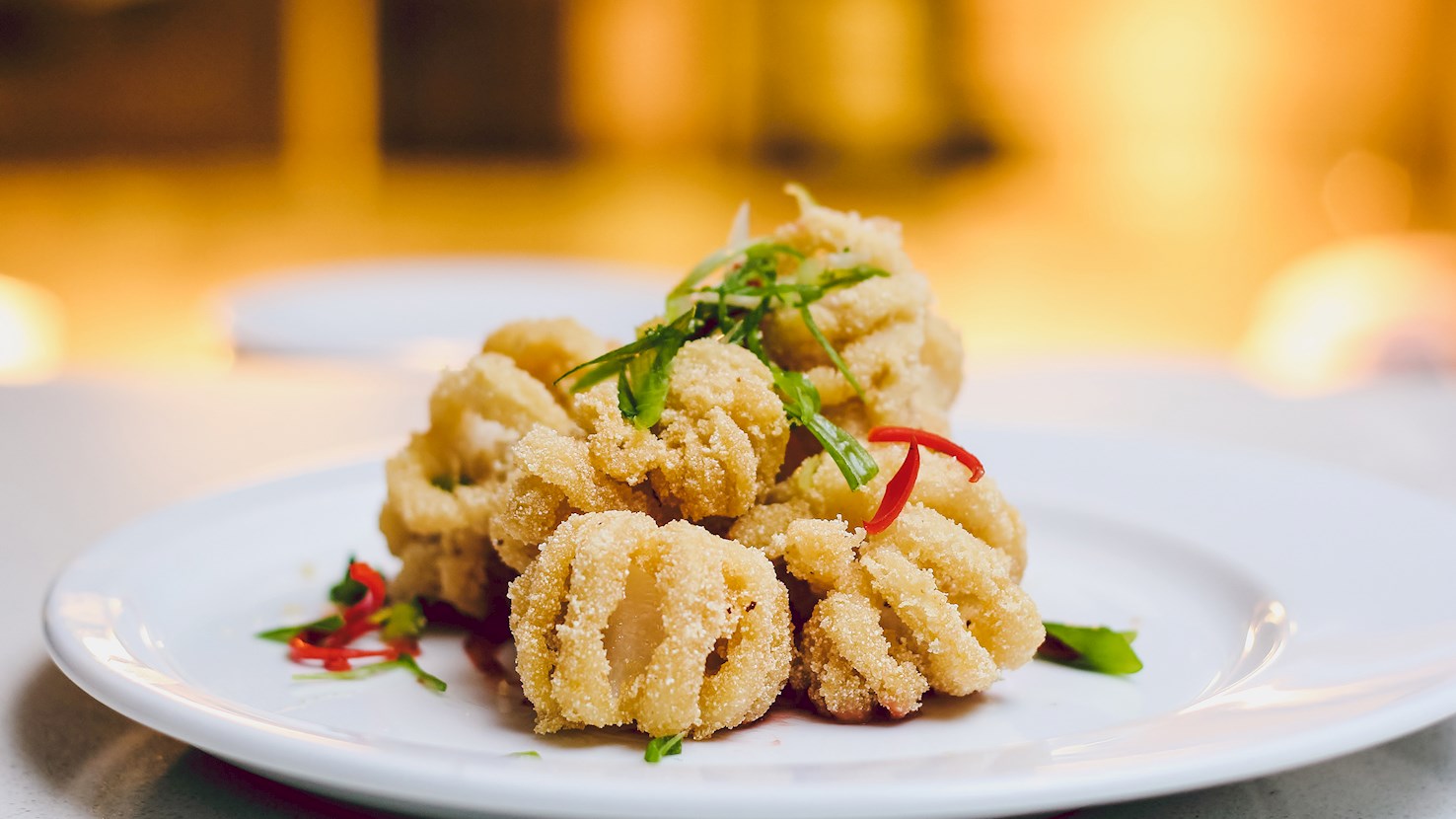
Salt and pepper calamari is a Chinese cuisine-inspired dish that’s so popular in Australia it might even be called one of Australia’s national dishes. The calamari, or squid in some cases, is covered in salt-and-pepper batter, then deep-fried to crispy perfection. The dish is often prepared and served as a bar or pub snack, and it often comes garnished with garlic, fried chili, and spring onions. Salt and pepper calamari is so widely available in the country that it can be found everywhere from cafés to pubs, restaurants, and bistros. The only thing that’s important is that the seafood should be fresh, and the seafood to batter ratio should be similar in size and coating.
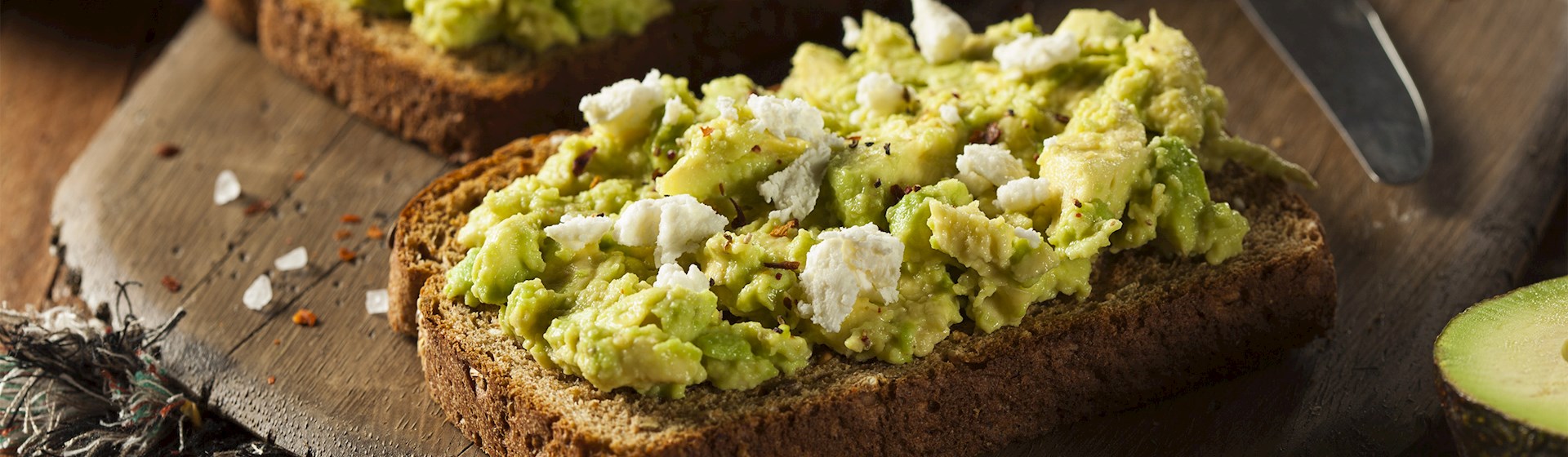
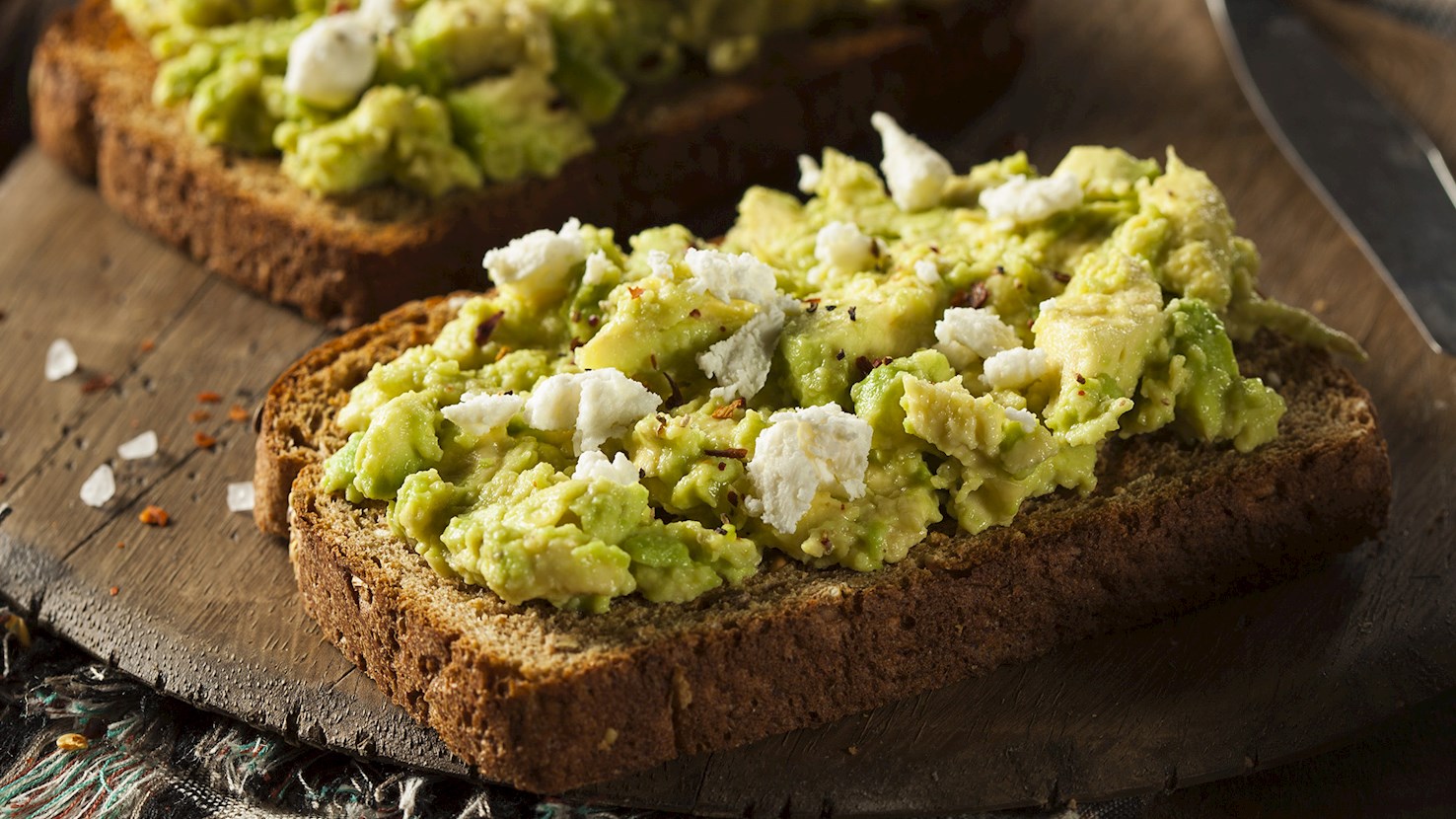
Avocado toast is a dish consisting of a piece of toasted bread topped with a combination of mashed avocados, salt, pepper, and (sometimes) citrus juice. There are many varieties of this dish, so it can be enriched with ingredients such as salmon, tomatoes, onions, eggs, garlic, cheese, olive oil, or red pepper flakes. Although the dish is quite simple and straightforward, the location of its origin is not – some claim that it is an Australian invention, while others proclaim that Los Angeles is the place where it was born. Regardless of its origin, avocado toast started its modern-day revival on Instagram, and it has been trending across the globe ever since.
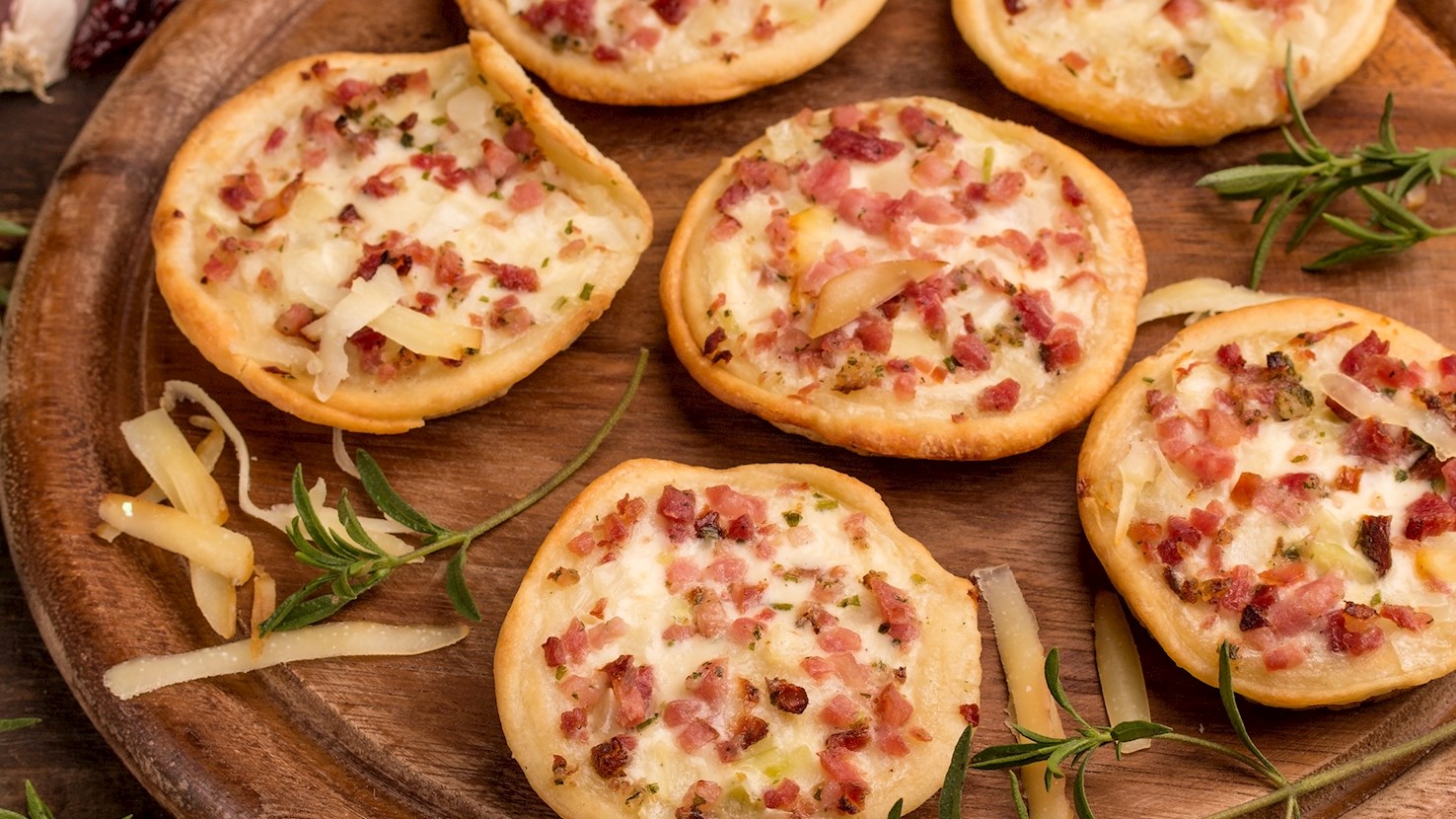
These fluffy rolls are a favorite of numerous children throughout Australia. The dough is sprinkled with bits of bacon and cheese, then baked in an oven until the cheese melts and the rolls are golden in color. For a filling meal, it is recommended to serve cheese and bacon rolls with a bowl of soup.
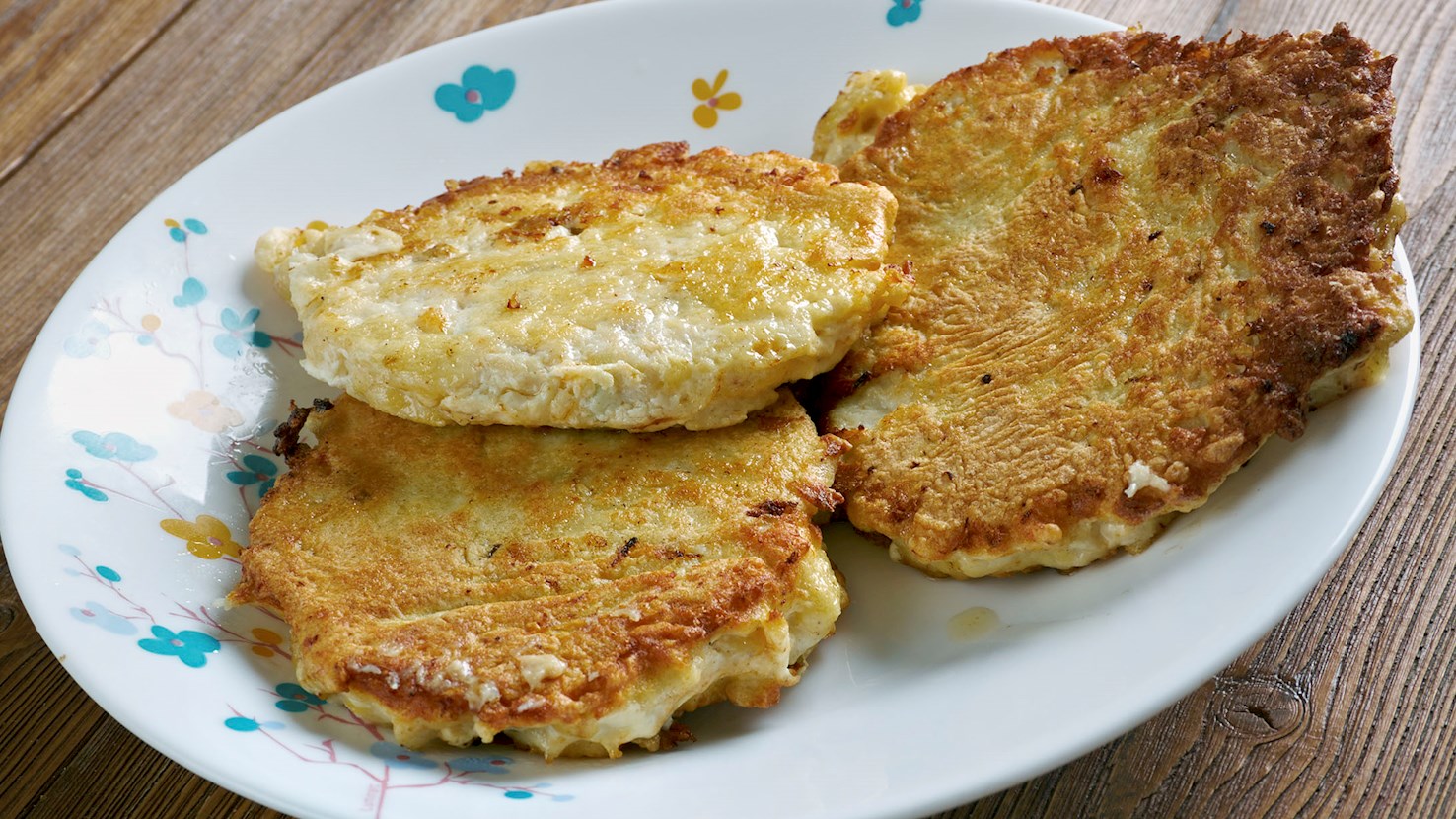
Whitebait fritters are considered a delicacy in New Zealand and they are the most popular way of preparing whitebait. The recipe is quite simple, which is in contrast to the rather pricey fish. The batter is made from eggs and flour, to which fry fish is added, then seasoned with salt and pepper, but purists will advise to limit the use of flour and just use egg whites instead of whole eggs as too much eggs, flour, and spices can interfere with the taste of fish. These fritters can be consumed as a snack, enjoyed as an appetizer, or even a main meal when paired with a fresh salad on the side.
Chiko roll is the Australian version of a Chinese spring roll or an egg roll. This snack consists of a dough made from eggs and flour which is filled with seasonings, carrots, cabbage, barley, mutton, celery, and rice. The dough is thick and almost chewy, and chiko rolls are commonly deep-fried in hot oil. They can be found in most fish and chips shops. These trademarked snacks were invented by Frank McEnroe in the 1950s. The name chiko roll refers to the original name, chicken roll, even though the snack never contained any chicken meat. Interestingly, chiko rolls are usually associated with beachside kiosks and surf culture.
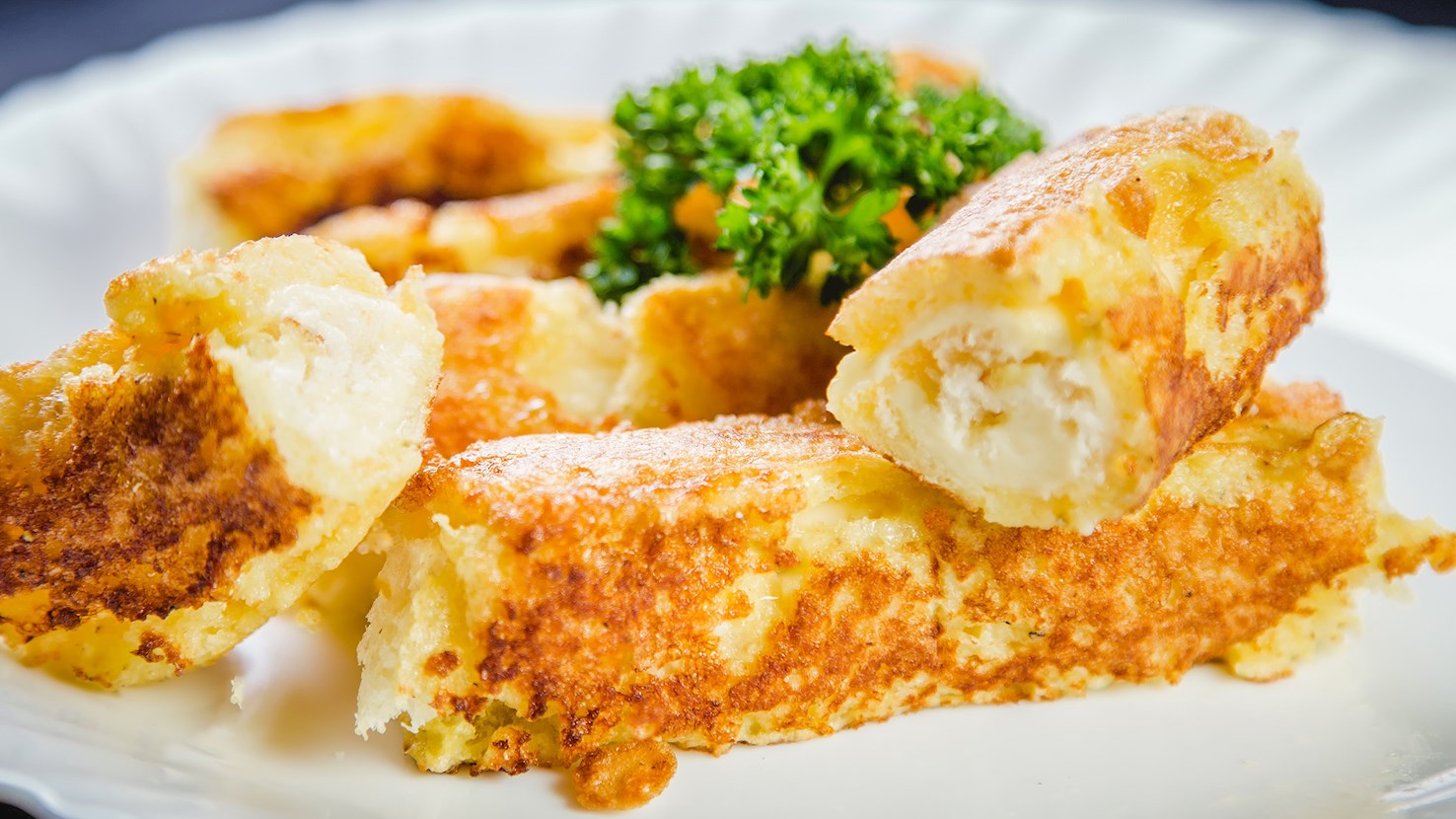
Cheese roll is a popular New Zealander snack consisting of rolled-up pieces of crustless white bread filled with cheese and onions. The combination is then grilled and topped with butter. The dish can be found at numerous cafeterias and similar food joints throughout New Zealand. It is recommended to consume cheese rolls on their own or to pair them with a hot bowl of soup.
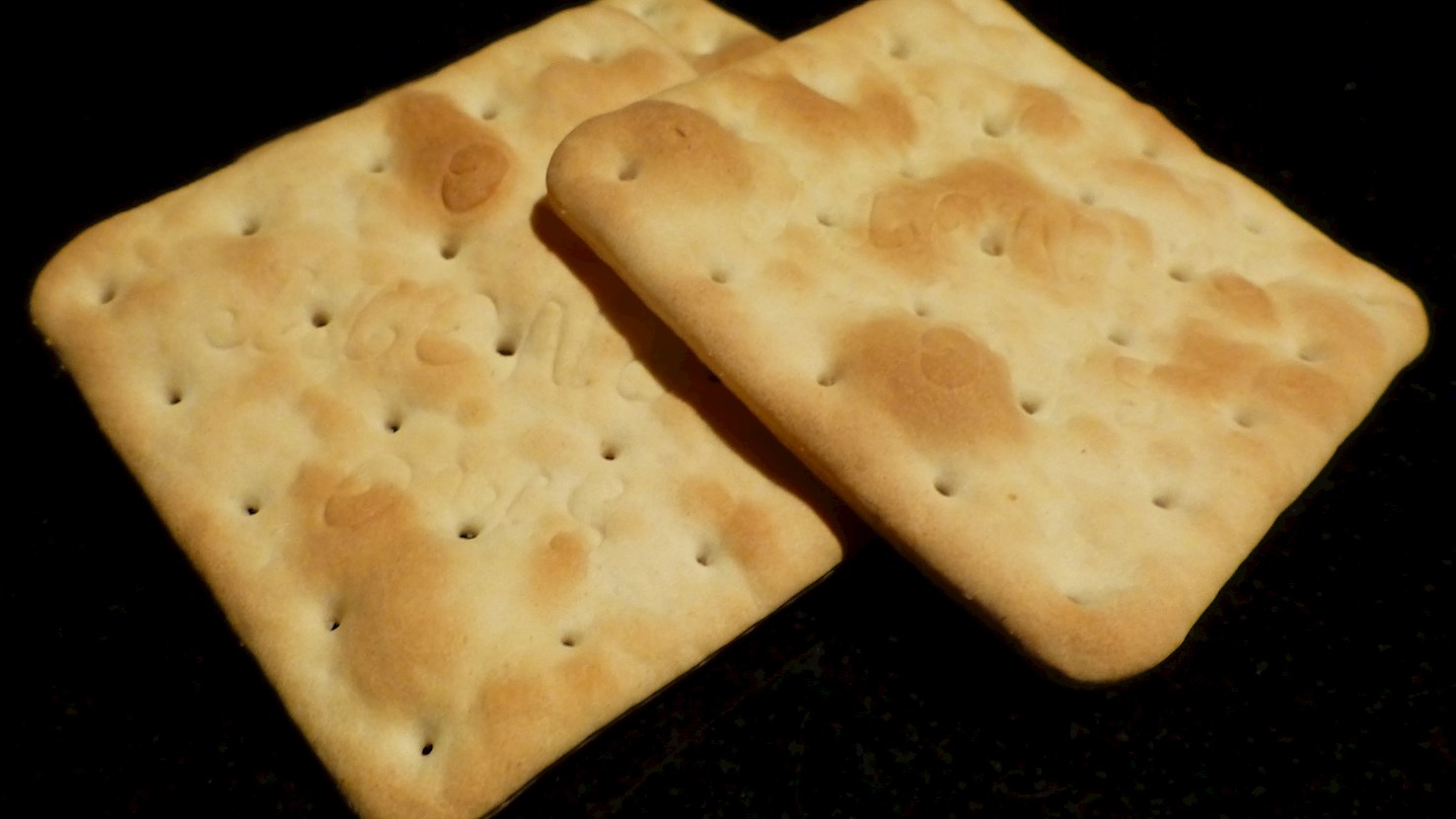
SAO biscuits are Australian savory biscuits or crackers which have been trademarked by Arnott’s since 1904. According to the producer, these biscuits are made from seven layers of flaky pastry, and they have a distinctive light and bubbly texture. Many generations of Australians are fond of these biscuits because of the small holes on their surface. When buttered and squeezed together, two biscuits produce ‘worms’ of butter which start to emerge from the tiny holes. The same effect is achieved if the filling includes Vegemite. The name of the biscuits is still a mystery, but most people believe it refers to a Salvation Army Officer.
This unusual sandwich consists of sliced butter bread that is coated in Marmite spread and sandwiched together with crispy potato chips. Though the thick, yeast-based Marmite spread is originally British, it is incredibly popular throughout Australia and New Zealand. Marmite and chip sandwich is a quickly assembled treat that is usually enjoyed as a filling snack.
Tama is a small, sweet, deep-fried fritter from Palau with a round shape, a crisp golden exterior, and a dense, soft interior. The basic batter is made from flour, sugar, eggs, milk, baking powder, salt, and vanilla before being fried in hot oil. The name comes from the Japanese word tama, meaning “ball” or “round object,” referring directly to the fritter’s shape. Tama developed during the period of strong Japanese influence in Palau. Japan took control of the islands in 1914, and Palau later became part of the Japanese-administered South Seas Mandate. Large Japanese and Okinawan communities settled there, particularly around Koror, and their influence left a lasting mark on local food culture. Tama was already being sold during the Japanese period. Palauan oral histories from the 1930s remember Japanese shops selling small fried dough balls under this name alongside coffee, shaved ice, rice dishes, and other sweets. One account specifically recalls being able to buy two tama for five sen. The fritters are closely related in form to Japanese and Okinawan fried sweets, particularly sata andagi, the round Okinawan doughnuts made from flour, sugar, and eggs. The batter begins by beating whole eggs with milk and vanilla until evenly combined. In a separate bowl, wheat flour is mixed with granulated sugar, baking powder, and salt. The wet ingredients are then stirred into the dry mixture until a thick, smooth batter forms. It needs to be firm enough to hold a rounded shape when dropped into the oil but still soft enough to expand during frying. Small spoonfuls of batter are dropped into deep hot vegetable oil. As the fritters heat, the baking powder releases gas and causes them to expand into rounded balls. They are turned as necessary so the surface browns evenly. The oil should be hot but not smoking. If it is excessively hot, the outside darkens before the dense center has cooked through. At the proper temperature, the surface develops a crisp golden crust while the inside remains soft and slightly spongy. Once fully browned, the tama are lifted from the oil with a slotted spoon and placed on paper towels or a rack to drain the excess surface fat. The most important variation is tama tuu, which adds ripe banana directly to the batter. Tuu means banana in Palauan, making the name literally banana tama. This is a specifically localized development of the basic fritter and is now an established Palauan variation. For tama tuu, very ripe bananas are mashed and mixed into the wet ingredients. Their natural sugar increases browning, while their moisture gives the interior a softer, heavier texture and a pronounced banana flavor. Because the fruit adds liquid to the batter, the amount of milk may need to be reduced to maintain the correct thickness. Modern tama tuu formulas can contain generous quantities of banana while retaining eggs, milk, vanilla, flour, sugar, baking powder, and sometimes baking soda. The result remains crisp outside but is moister and more tender than plain tama. Tama are usually served plain rather than covered with powdered sugar, icing, or a heavy glaze. Their sweetness comes from the sugar already mixed into the batter. They are commonly eaten as a breakfast food or snack and are also sold as takeaway sweets. Hot coffee is a common pairing, with its bitterness balancing the sweet fried dough, although coffee is an accompaniment rather than a required part of serving tama.
Ulkoy are deep-fried Palauan shrimp and squash fritters with a crunchy texture. In Palau, they are a national favorite along with being a delicious treat for the tourists. These fritters are usually additionally flavored with a zesty Creole seasoning, salt, cayenne pepper, and freshly chopped parsley leaves.
TasteAtlas food rankings are based on the ratings of the TasteAtlas audience, with a series of mechanisms that recognize real users and that ignore bot,
nationalist or local patriotic ratings, and give additional value to the ratings of users that the system recognizes as knowledgeable.
For the “Top 23 Oceanian Snacks” list until September 15, 2026, 808 ratings were recorded, of which 726 were recognized by the system as legitimate.
TasteAtlas Rankings should not be seen as the final global conclusion about food. Their purpose is to promote excellent local foods,
instill pride in traditional dishes, and arouse curiosity about dishes you haven’t tried.








What People Say