shutterstock

Top 100 Central European Snacks

Last updated on May 15, 2026

Best Central European Snacks
01

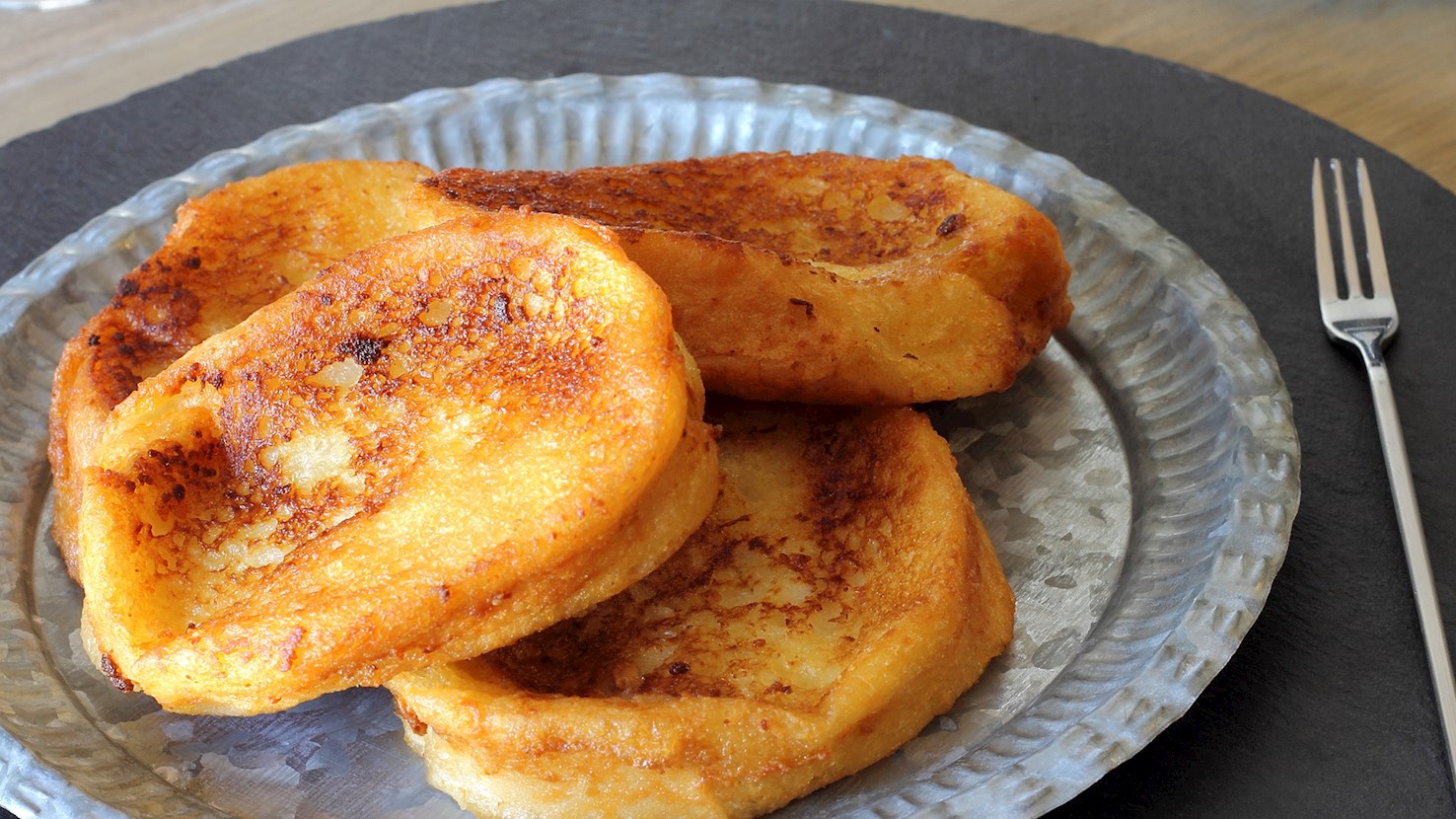
Bundás kenyér

4.4 ·

This traditional Hungarian dish is a savory version of the popular French toast. It can be prepared with various types of sliced bread that are coated in lightly beaten eggs, then shortly pan-fried until crispy. The dish is typically enjoyed as breakfast or a light evening snack and is often accompanied by creamy condiments such as mayonnaise and sour cream.

02

Lokše

4.3 ·

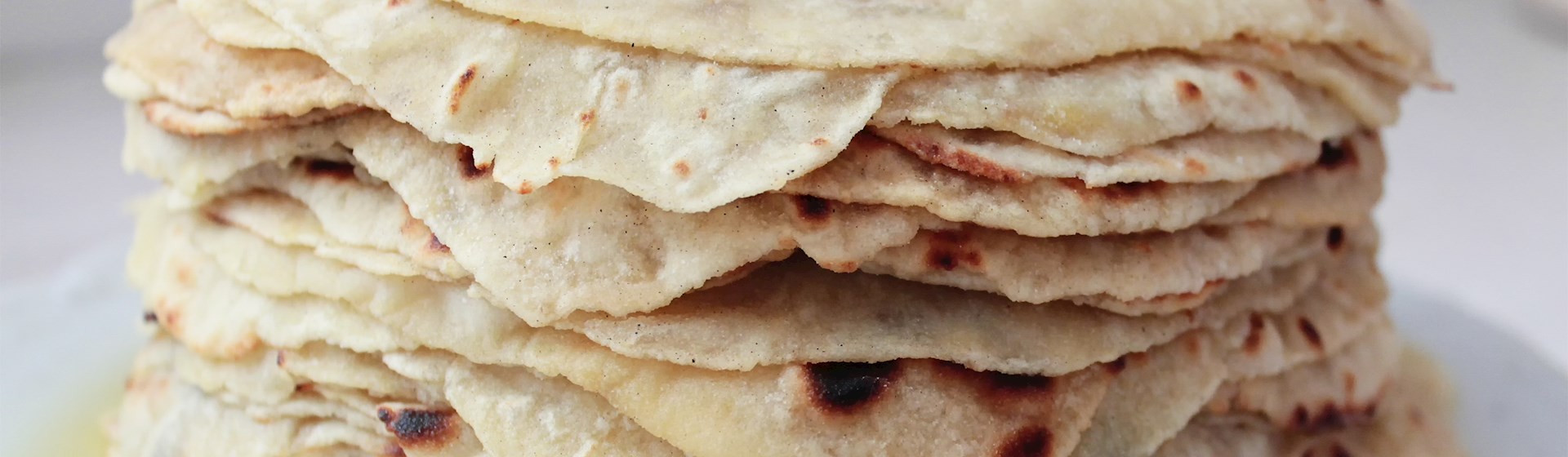
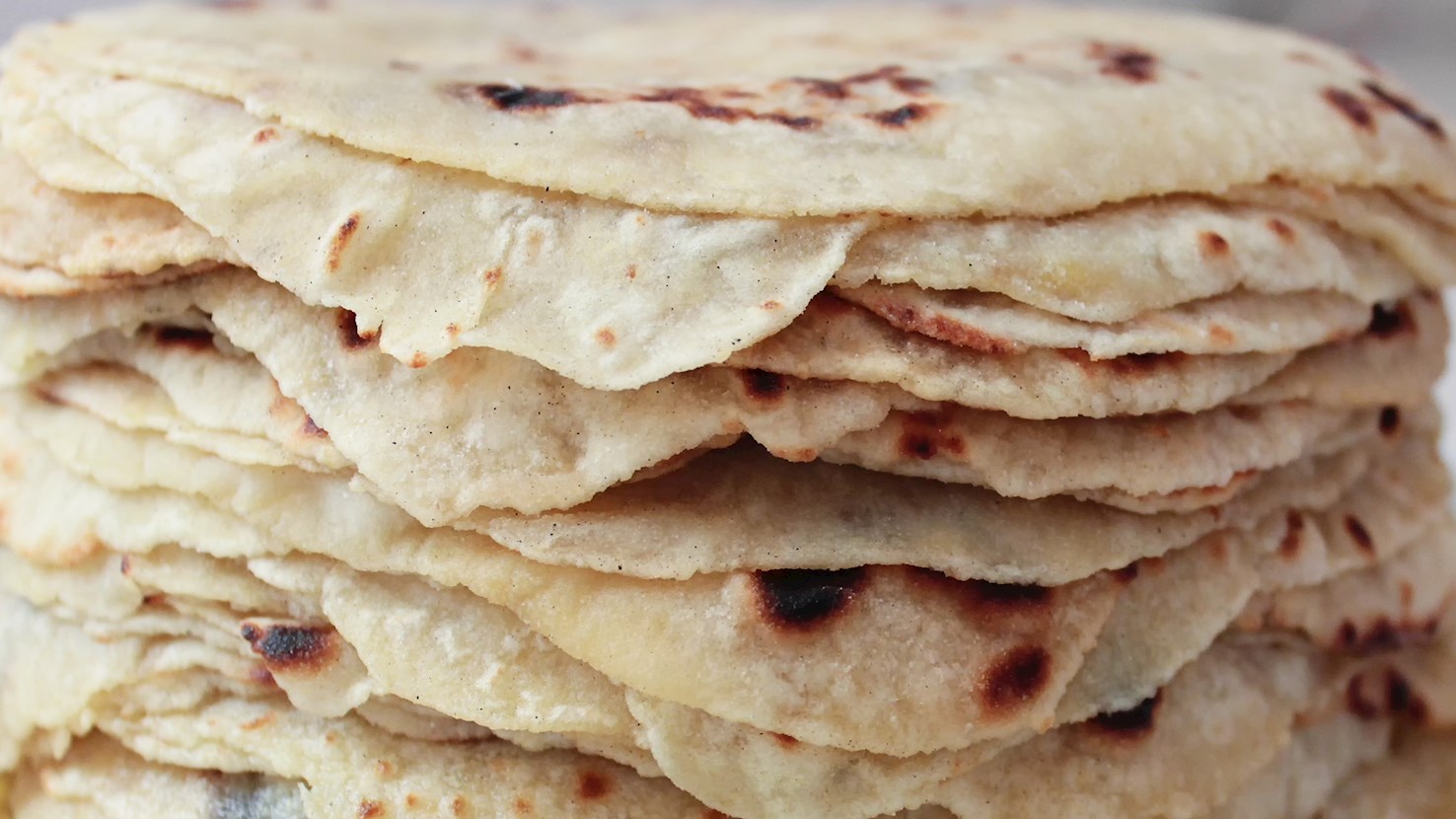
These thin, crispy potato pancakes are traditional Slovak snacks that are usually enjoyed during the Christmas festivities and Lent. They are made with a soft potato dough which is rolled into flat circular shapes and dry-baked until crispy and golden. Even though they are traditionally consumed as a savory snack filled with sauerkraut or minced meat, certain regional varieties are enjoyed as a sweet treat that is spread with fruit preserves and dusted with poppy seeds, sugar, and melted butter.

03

Zemiakové placky

4.3 ·

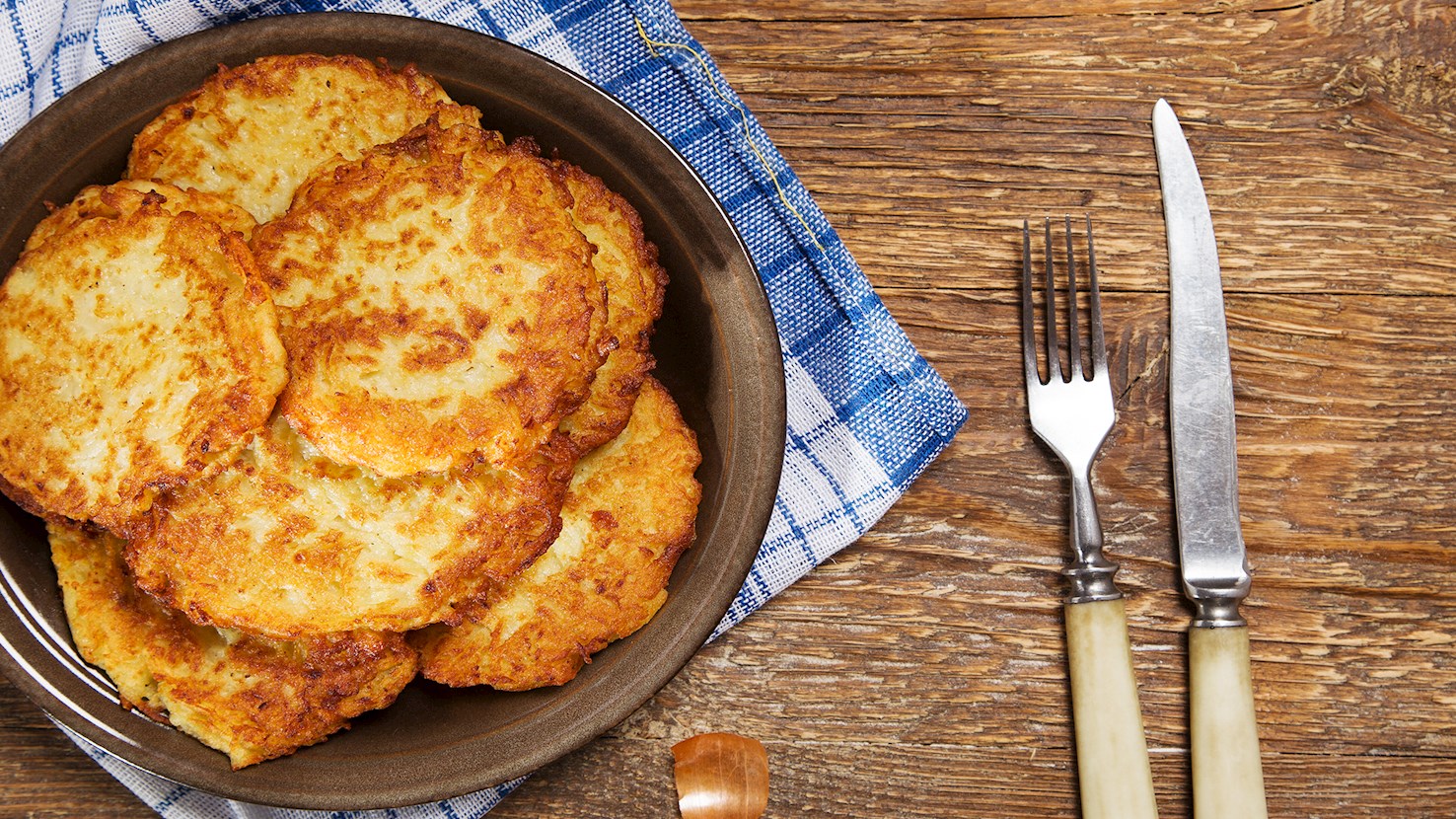
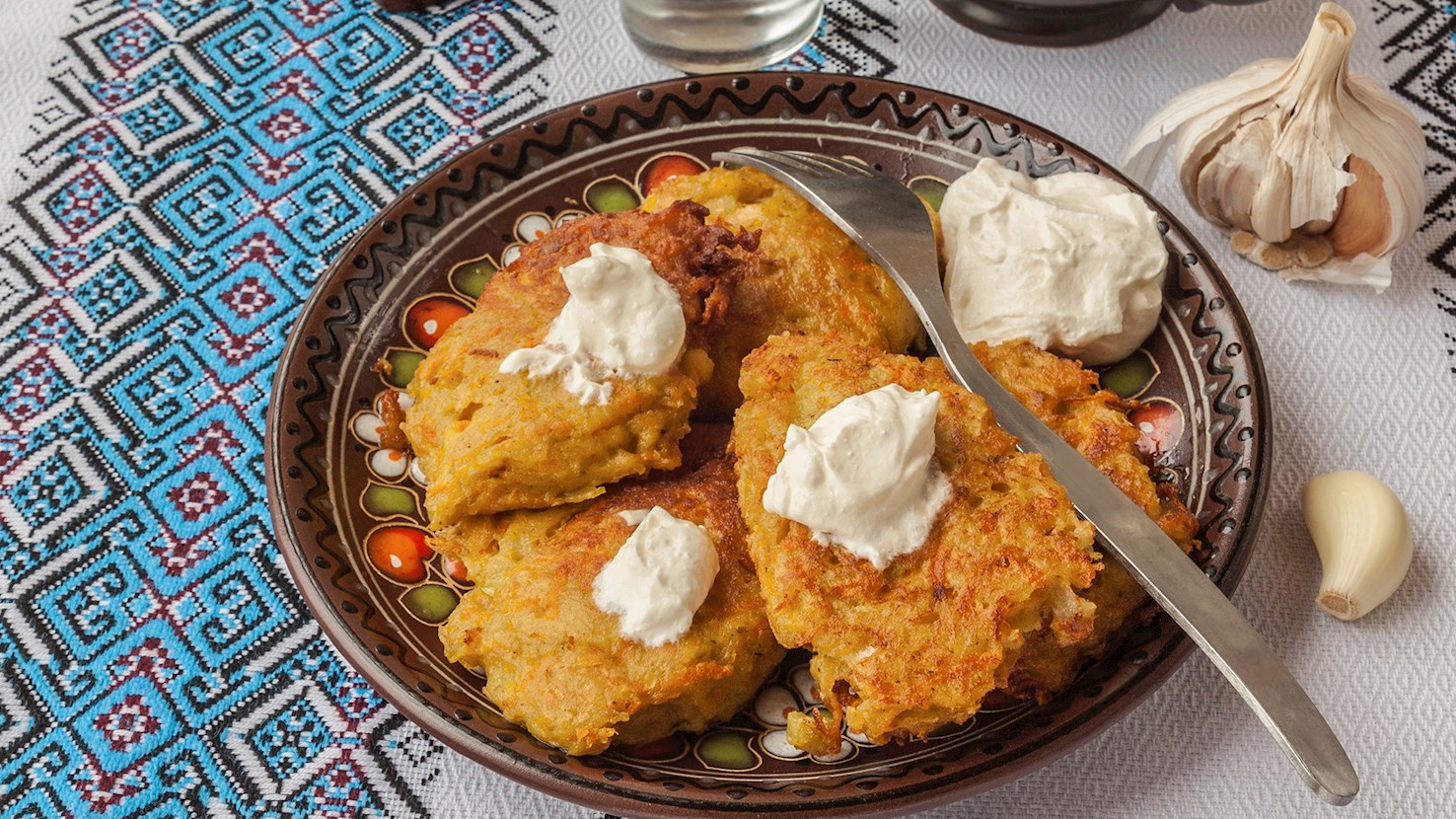
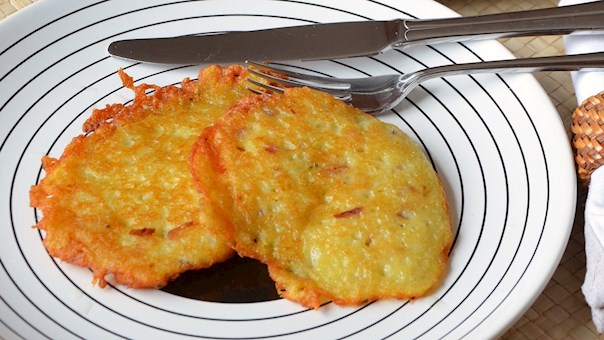
These rustic, crispy potato pancakes belong to the traditional Slovak cuisine. They consist of a thick batter made with grated potatoes, eggs, flour, and a variety of spices. Pan-fried for a short period of time until golden-brown in color, these filling snacks are usually enjoyed as the main course accompanied by various milk products, or as a side dish that is typically served alongside hearty Slovak stews.

04

Placki ziemniaczane

4.2 ·

Placki ziemniaczane are the well-known potato pancakes, a common and straightforward dish enjoyed in all parts of Poland. The combination of grated potatoes and onions, incorporated with eggs and occasionally flour, form the base of the dish. It is highly versatile, and it can be adapted with crushed garlic or spices such as marjoram, parsley, and chives, to satisfy every taste. Potato pancakes are round and small in size, similar to American pancakes, and usually fried in shallow oil. With dark and crispy skin and spongy and soft interior, this quick and adaptable dish is a staple in every Polish household. Even though Polish regard them as a national dish, slightly different varieties of potato pancakes can be found across Central and Eastern Europe. Their exact origin is hard to trace, but in all regions and countries, they represent one of the most popular traditional dishes. In Poland, they are usually served with sour cream, which can be elevated with chives, paprika, and horseradish, or a satisfying mushroom sauce. These crispy potato clusters are often consumed as a sweet treat when they are usually topped with thick applesauce or simply sprinkled with sugar. They are eaten for breakfast, lunch, or dinner, and make an excellent and quick sweet or savory snack.

05

Kruh s maslinovim uljem

4.2 ·

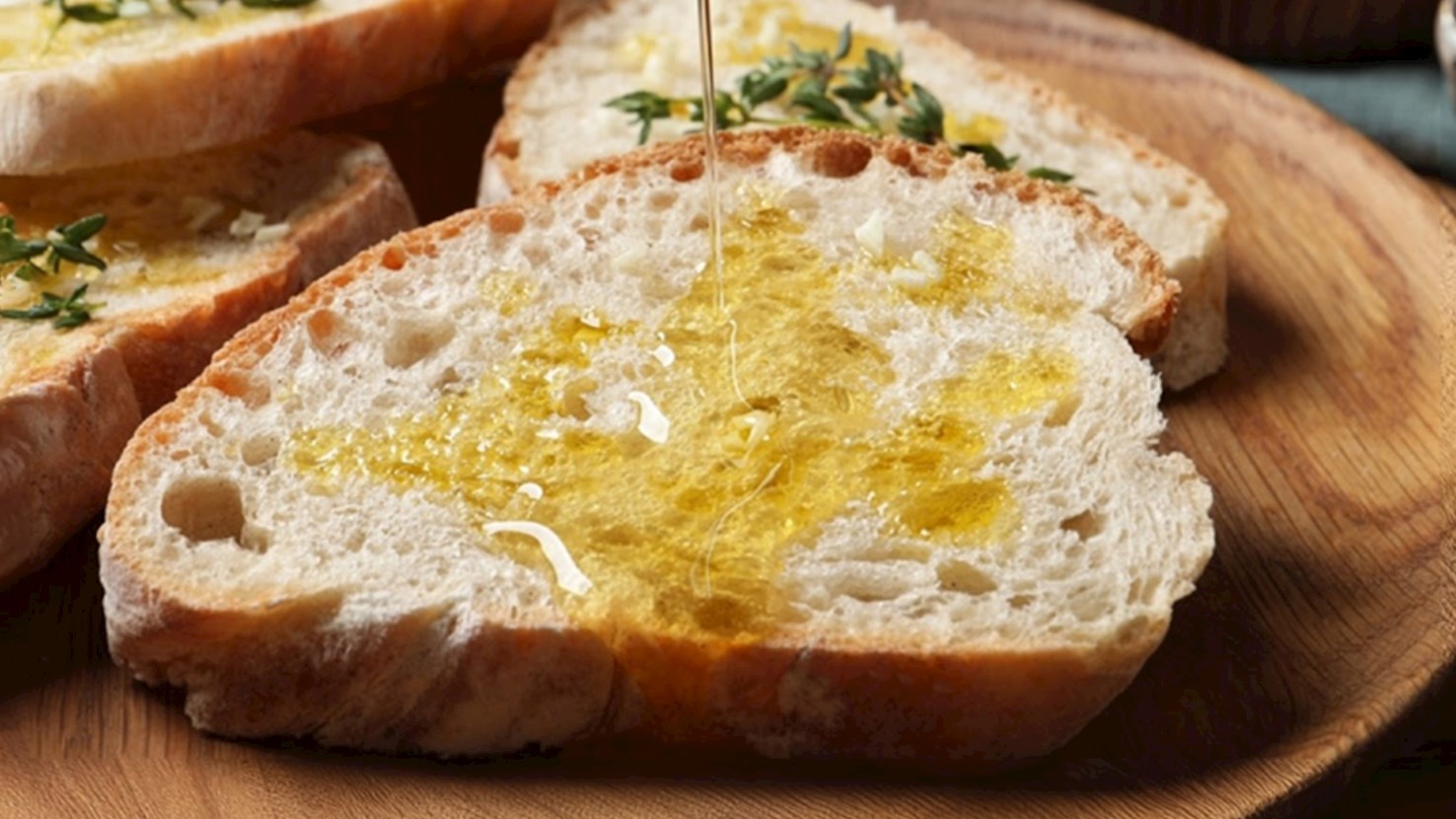
Pane e olio is an Italian phrase meaning bread and oil, referring to a simple yet classic Italian dish that highlights the quality of its basic ingredients: bread and olive oil. Traditional Italian bread such as ciabatta, focaccia, or a rustic country loaf is typically used, while extra virgin olive oil (EVOO) is the oil of choice due to its superior flavor and health benefits. High-quality, cold-pressed olive oil from regions like Tuscany or Puglia is ideal. The bread is usually sliced and may be served fresh or lightly toasted, with toasting enhancing its texture and providing a warm base for the olive oil. The olive oil is typically poured into a small dish or bowl for dipping, though some variations may include a drizzle of olive oil directly on the bread slices. The olive oil can be seasoned with a pinch of sea salt, freshly ground black pepper, or a dash of balsamic vinegar for added flavor, and some might add a sprinkle of dried or fresh herbs such as rosemary, thyme, or oregano. Rubbing a clove of garlic on the toasted bread before adding the olive oil can infuse the dish with a subtle garlic flavor, and additional toppings like sliced tomatoes, olives, or anchovies can be added for more complexity. Pane e olio is often served as an appetizer or a starter in Italian meals but can also be enjoyed as a light snack or part of an antipasto platter. This dish emphasizes the Italian culinary philosophy of using simple, high-quality ingredients to create delicious food and is a common practice in Italian households, showcasing the country's rich tradition of olive oil production and bread-making. But apart from Italy, the same dishes exist in other countries as well, such as Spain's pan con aceite, France's pain et huile d'olive, Lebanese khebez w zeit zaytoun, Turkish ekmek ve zeytinyağı, and many more.

06

Poffertjes

4.2 ·

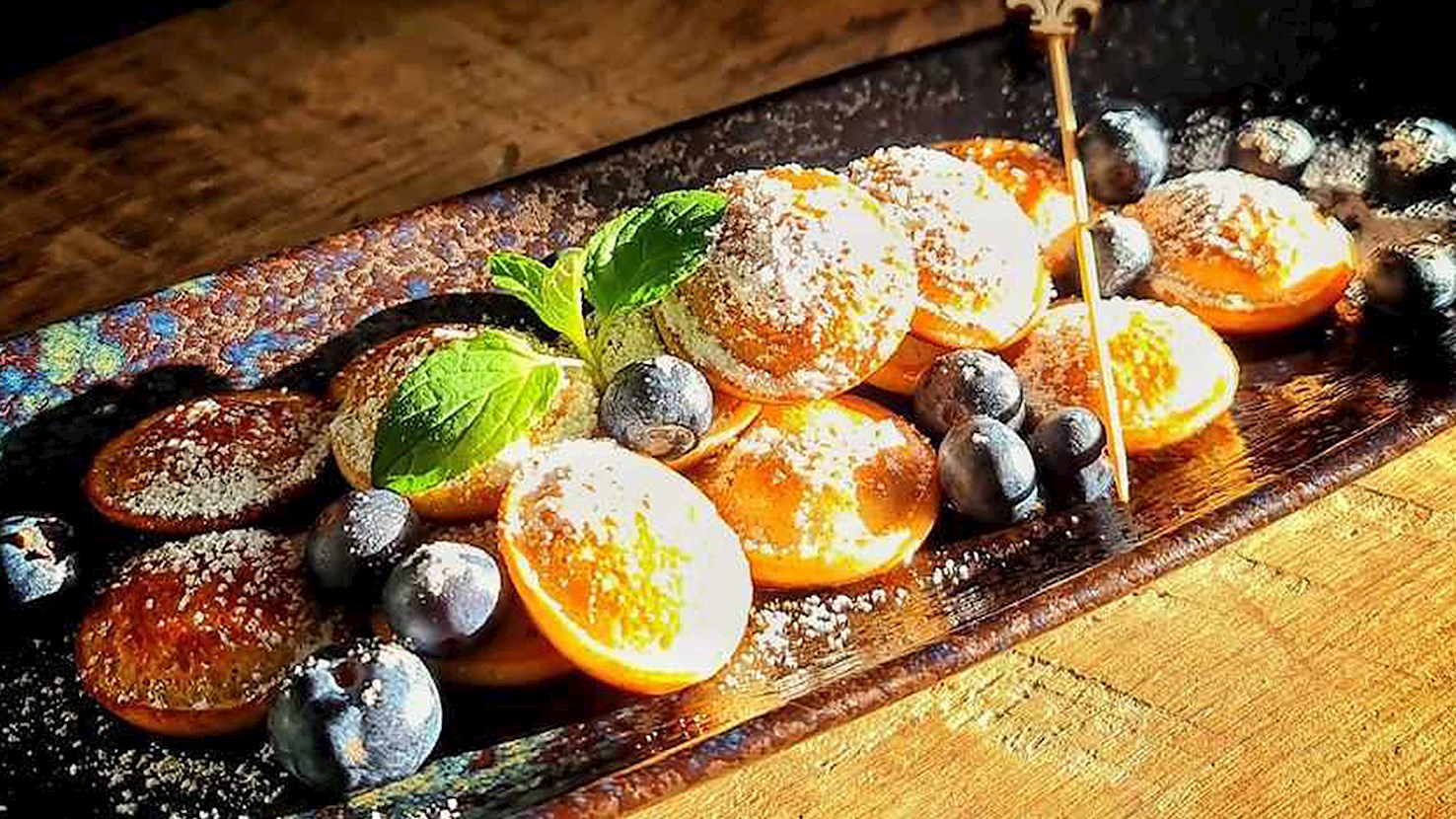
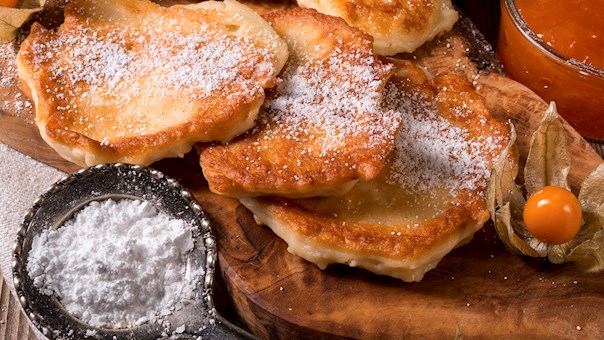
Poffertjes are small, round, and puffy Dutch pancakes made with yeast and buckwheat flour. They are baked in a special pan called poffertjespan, and usually served warm on a piece of cardboard paper when prepared outdoors, at festivals and outdoor events. They are consumed as a snack, and are rarely eaten for breakfast. Traditionally, poffertjes are topped with melted butter and powdered sugar, although there are a number of other, non-traditional toppings such as whipped cream, fresh fruit, or rum. During the Christmas and New Year period, poffertjes can be found throughout Dutch streets at numerous street carts. It is believed that poffertjes have roots in a Dutch Abbey, where they were used as a type of communion host. When the churchgoers tasted the small pancakes and liked them, poffertjes became very popular, so local stallholders seized the opportunity and started selling them as snacks. The first recipe for poffertjes is found in a cookbook from the mid-1700s, when the dish was considered a poor man's meal. Today, poffertjes are a staple of most Dutch weddings, birthday parties, and various festive occasions.

07

Quarkbällchen

4.2 ·

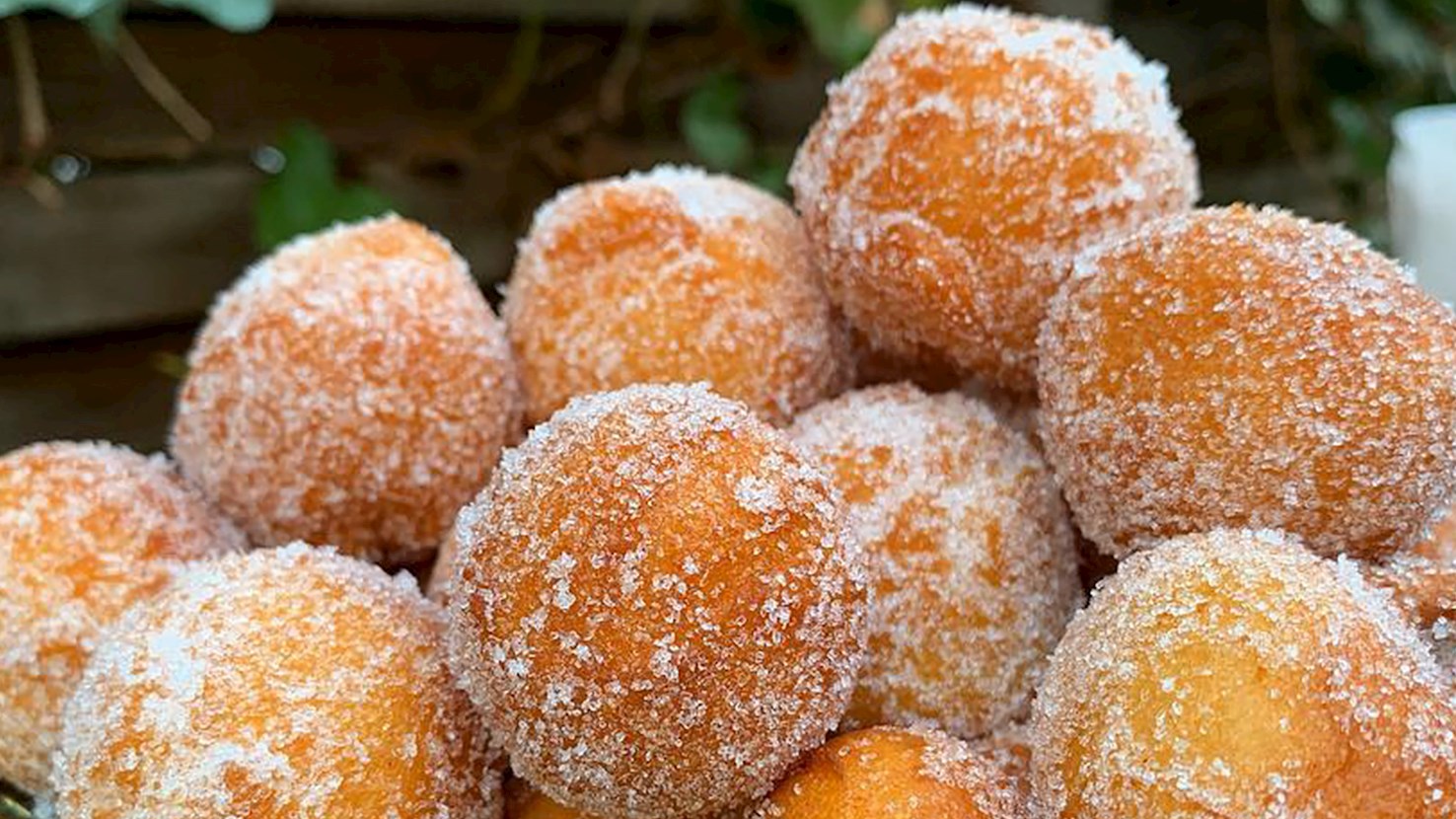
Quarkbällchen, meaning quark balls, is a traditional snack that is typically made by combining quark, flour, eggs, sugar, vanilla sugar, and baking powder. Milk, melted butter, cinnamon, lemon zest, and corn or potato starch are also sometimes added to the combination. The quark mixture is shaped into small balls which are deep-fried until golden brown on the outside and soft and fluffy on the inside. Once done, the fried balls are usually coated in powdered or granulated sugar or a cinnamon-sugar mixture. Thought to hail from Bavaria, this sweet treat is generally enjoyed as an afternoon snack alongside a cup of tea or coffee. Resembling donuts, quarkbällchen are available in bakeries throughout Germany, and they’re often prepared during the festive Christmas season, New Year’s Eve, Fasching (Germany’s carnival season), and Oktoberfest.

08

Zapiekanka

4.2 ·

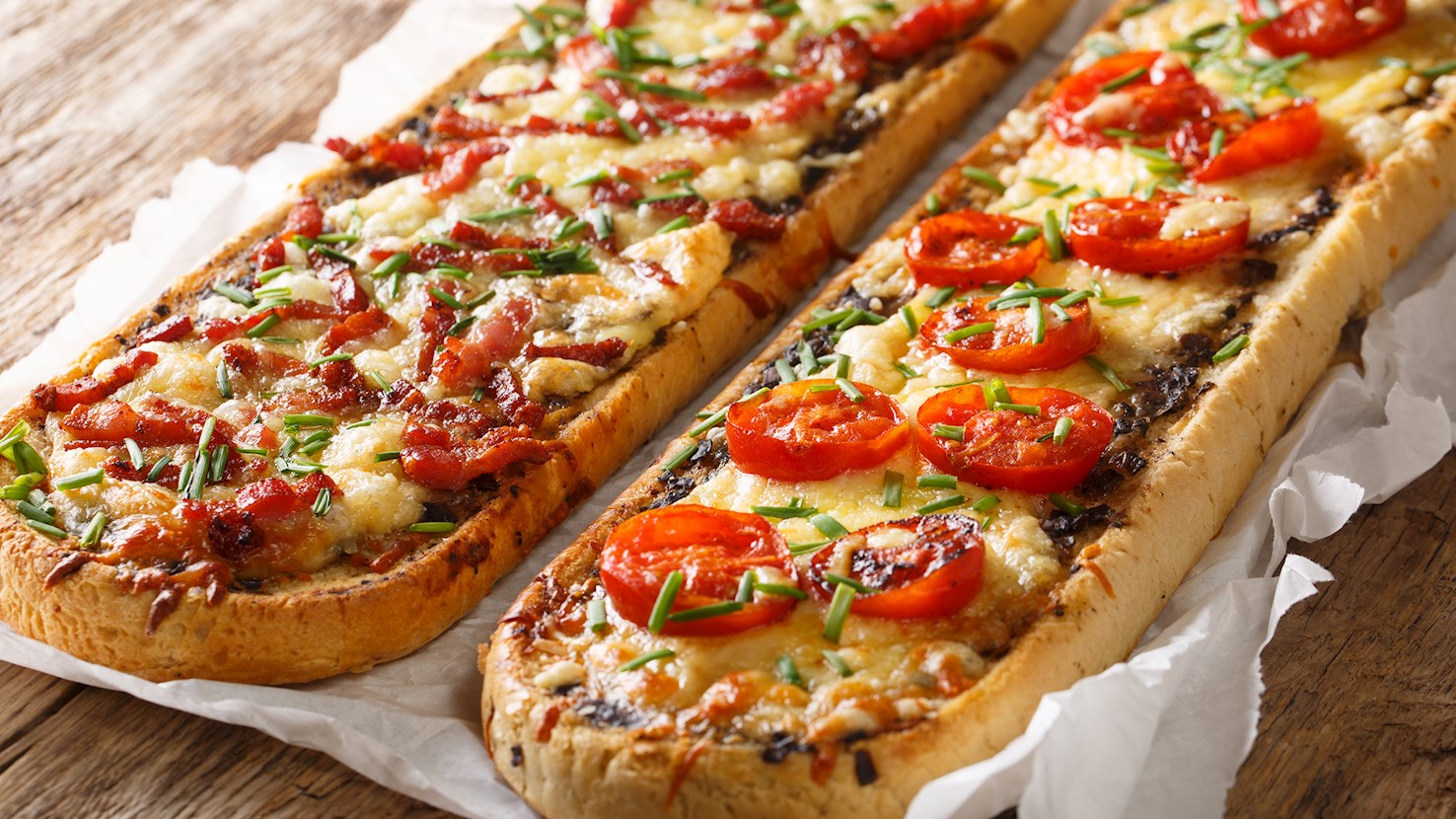
One of Poland's favorite fast foods is this unique open-faced sandwich. The scrumptious Polish zapiekanka is made with a plain white baguette cut lengthwise, topped with a variety of tasty ingredients and a generous heaping of grated semi-hard cheese, and grilled under a broiler. Hailing back to the 1970s, this snack originated at a time when even the most basic of ingredients were hard to come by in communist Poland, and people had to think of how to make the best use of whatever they had available. The original zapiekanka was made with sautéed mushrooms and cheese, but with time, a variety of other ingredients such as meat, bacon, sausages, or even feta cheese, olives, and pineapple started to become customary toppings for these crusty warm sandwiches. They are always served sizzling hot, most often with a drizzle of tomato ketchup on top. Though available across the country, zapiekanka remains the most popular snack at the fast food stands of Krakow, especially in the wee weekend hours after a long night of overindulgence.

09

Bayerische Breze

4.2 ·

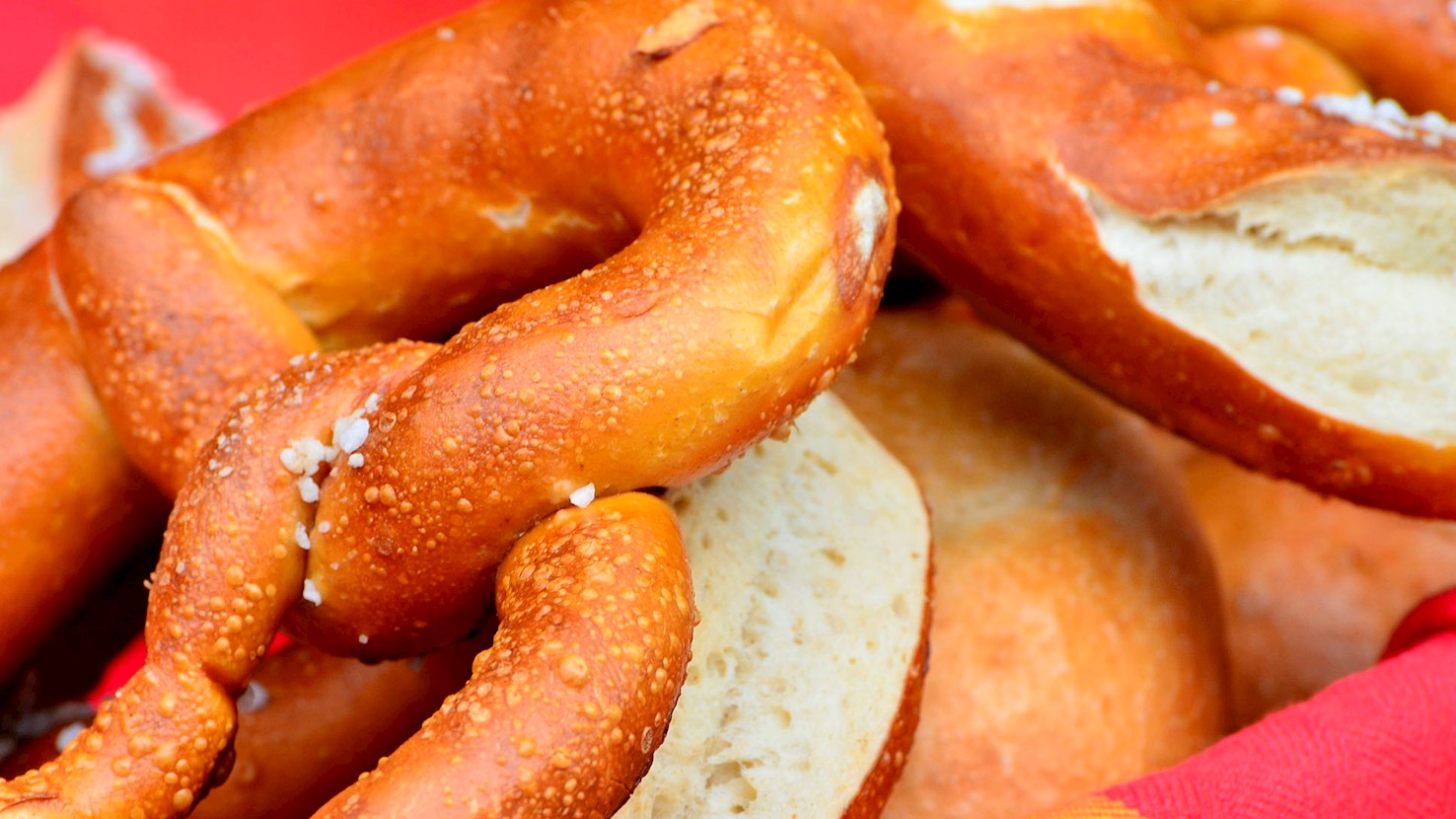
This traditional Bavarian pretzel is shaped to symbolize two arms folded for prayer, and they are available in different versions and sizes, usually topped with a sprinkling with coarse salt. Their crust is thin, dark brown, shiny, and has a cracked surface after baking. The dough, however, is juicy, tender, and light in color. As opposed to Swabian pretzels, Bavarian pretzels are thicker and not sliced lengthwise in the middle. Local differences can be recognized by their various forms. The Bavarian pretzel is a vital part of Bavarian snack culture, and it is especially delicious when buttered or paired with cheese. It is an indispensable accompaniment to Munich white sausage and Bavarian meatloaf.

10

Eierkuchen

4.1 ·

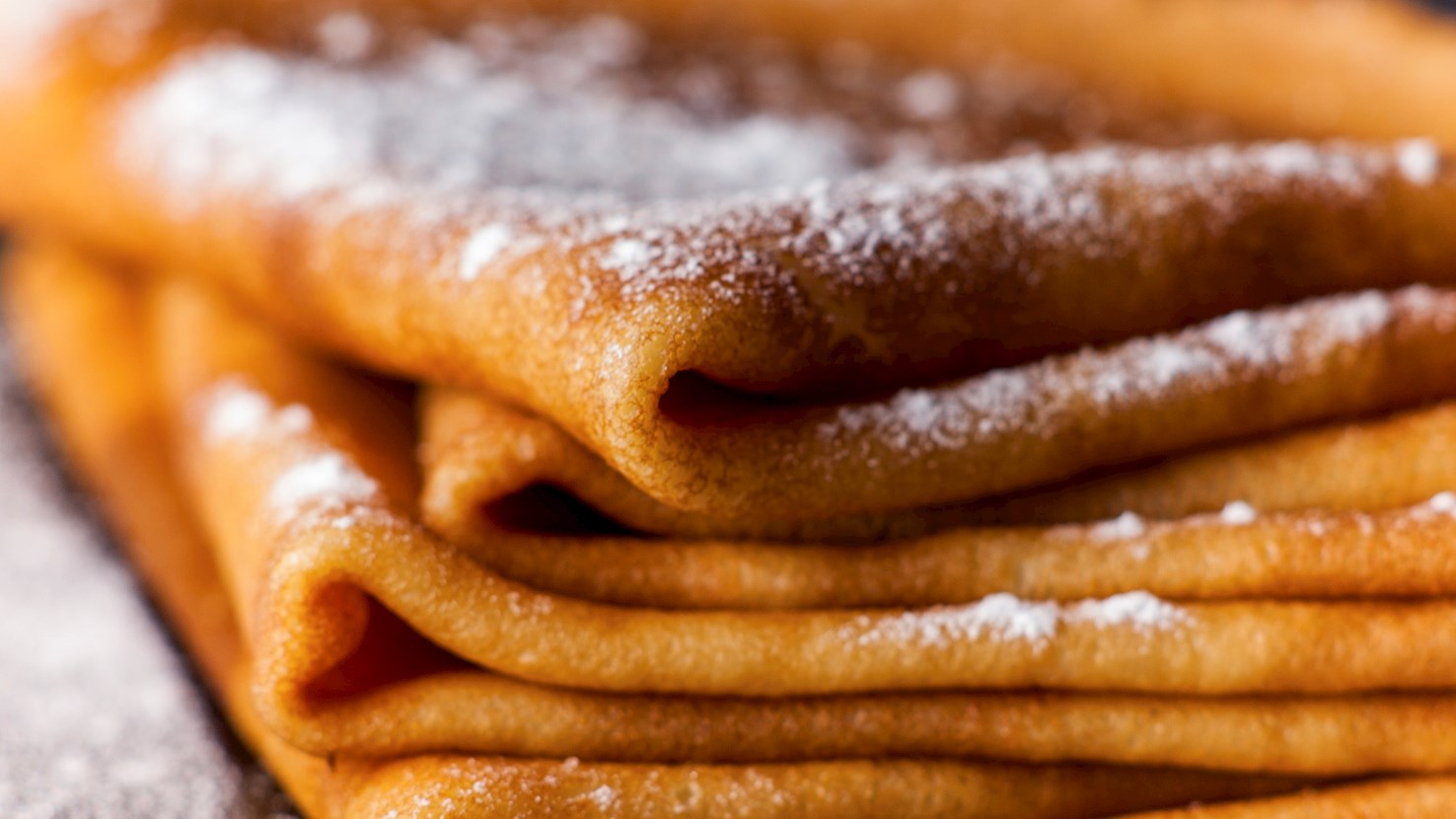
Eierkuchen are traditional German pancakes made by combining eggs, flour, milk, butter, baking powder, sugar, and salt. The batter is typically flavored with vanilla extract or cinnamon, although the sugar and other sweet flavorings may be omitted to make a savory version of these pancakes. A layer of batter is poured into melted butter or oil using a ladle, making sure the mixture covers the bottom of the pan forming a thin and round pancake. The pancakes are cooked on both sides until nicely browned, and they are then enjoyed while still warm, usually slathered with applesauce, fruit preserves, jams, or chocolate-hazelnut spreads. Also known as pfannkuchen, this simple treat is traditionally eaten for breakfast or as a sweet snack at any time of the day.

11

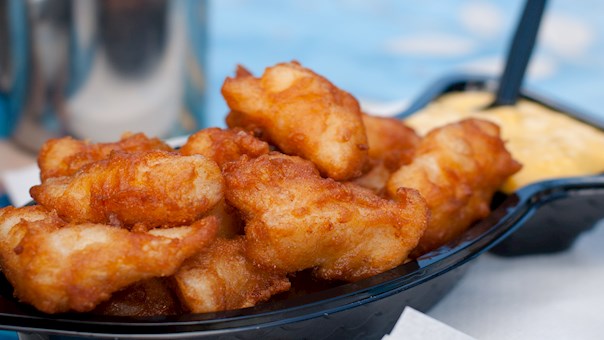
Kibbeling

4.1 ·
12

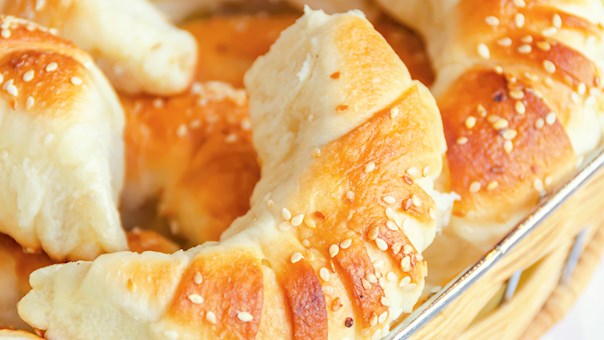
Kifli

4.1 ·
13

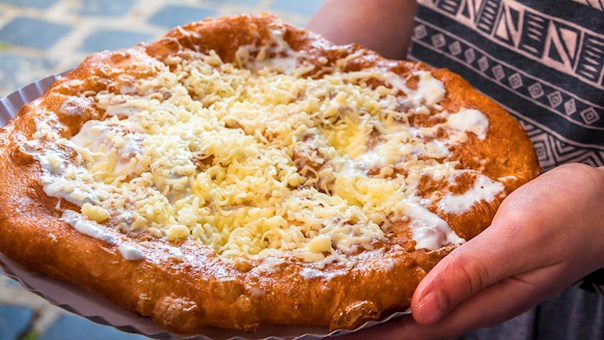
Lángos

4.1 ·
19

Racuchy

4.1 ·
20

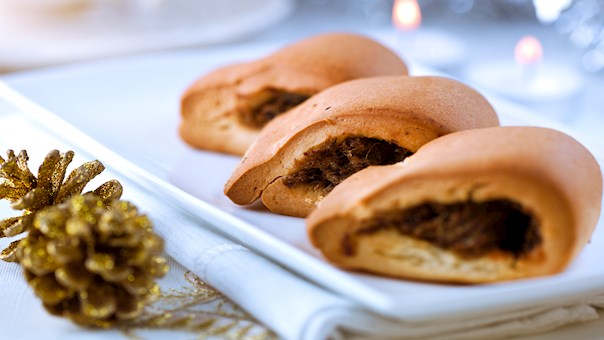
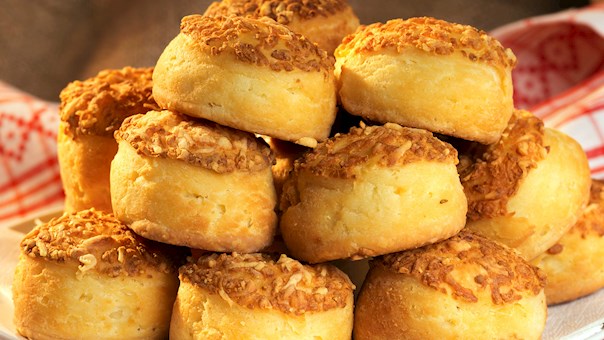
Pogácsa

4.1 ·

Best Central European Snacks
01

Van Dobben

4.3 ·
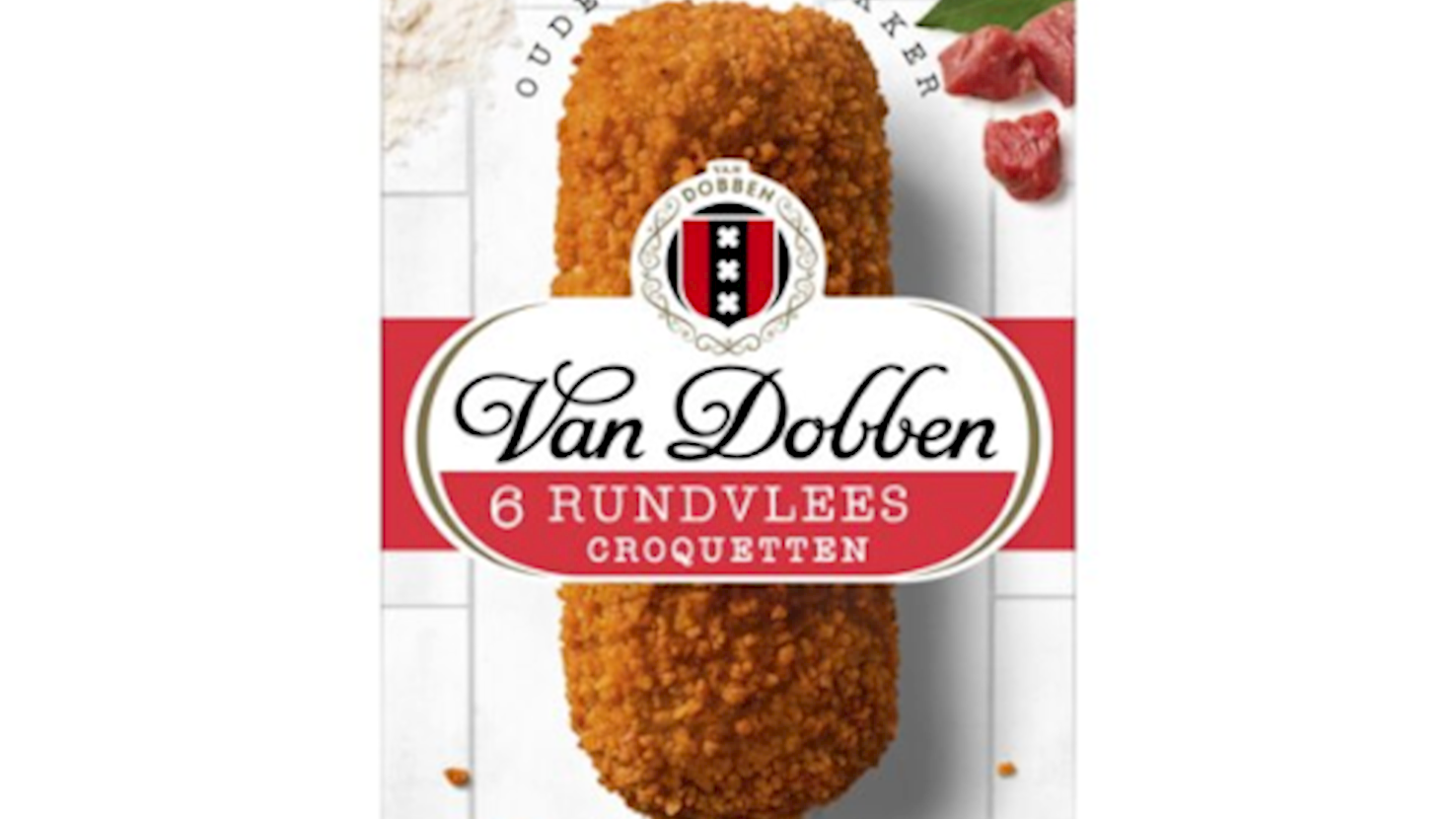
Eetsalon Van Dobben is one of the most recognizable names in traditional Dutch snack culture, with a history dating back to 1945 in the heart of Amsterdam. Founded as a small family-run eatery, it gradually became synonymous with the classic Dutch beef croquette prepared according to its original recipe. The croquettes are known for their rich, dense ragout filled with visible pieces of beef, coated in fine breadcrumbs that turn crisp and golden when fried. One of the most iconic ways to enjoy it is as a “broodje kroket”, a simple sandwich served with mustard, reflecting everyday Dutch food habits. The interior retains its old-fashioned character, with wooden details and the atmosphere of a traditional Amsterdam eetsalon. Although the brand later expanded into nationwide supermarket distribution, the original location continues to operate as a place where preparation methods and product consistency remain central. In addition to the classic beef version, the range includes items such as bitterballen and other ragout-based snacks. Today, Van Dobben represents a combination of local identity, straightforward craftsmanship, and long-standing culinary continuity within Dutch snack tradition.
Read more
View all
View map
About this ranking

TasteAtlas food rankings are based on the ratings of the TasteAtlas audience, with a series of mechanisms that recognize real users and that ignore bot, nationalist or local patriotic ratings, and give additional value to the ratings of users that the system recognizes as knowledgeable. For the “Top 100 Central European Snacks” list until May 15, 2026, 9,834 ratings were recorded, of which 7,972 were recognized by the system as legitimate. TasteAtlas Rankings should not be seen as the final global conclusion about food. Their purpose is to promote excellent local foods, instill pride in traditional dishes, and arouse curiosity about dishes you haven’t tried.

The initial list of top producers was compiled based on available reviews, awards, local recommendations, media and blog coverage, and consumer reviews. The list will be updated with ratings from TasteAtlas local ambassadors and TasteAtlas users.

Similar lists