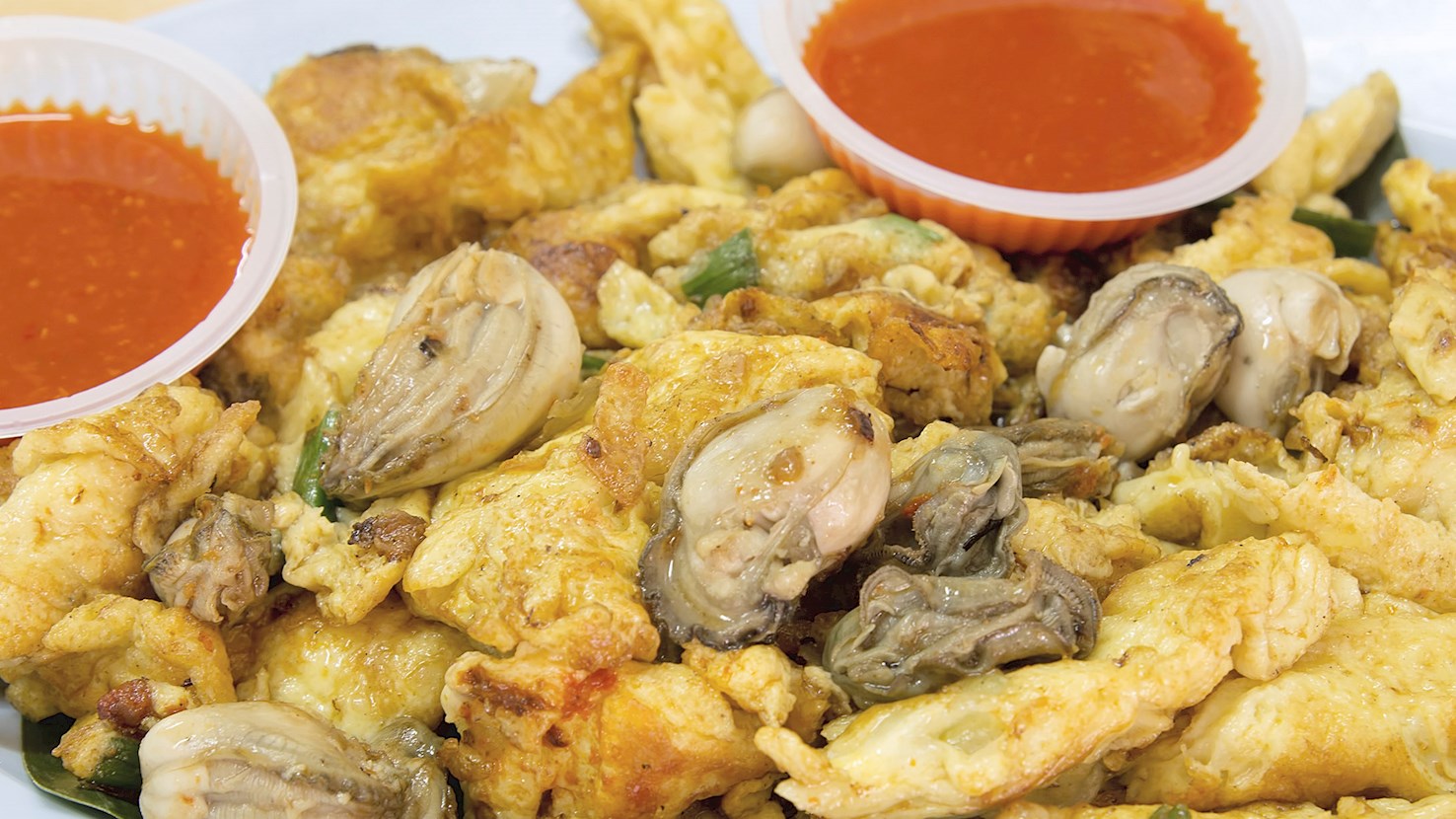
Oyster omelette is a savory egg-based dish originating in the coastal regions of southern China, particularly in Fujian and Guangdong, and it later spread across Southeast Asia, where it became a beloved staple of street food culture in places like Taiwan, Thailand, Malaysia, Singapore, and the Philippines. It combines small, fresh oysters with eggs and a starch batter, resulting in a dish that is crisp on the outside and soft within, often finished with herbs, sauces, or spicy condiments. Its roots lie in the coastal abundance of oysters and the ingenuity of cooks who sought to make use of seasonal shellfish in a satisfying and economical way. In port cities and fishing towns, oysters were plentiful but perishable, and incorporating them into quick, hot dishes allowed them to be eaten fresh while also providing nourishment and flavor to working families and laborers. The dish evolved over time, with each region adapting it to local tastes. In Fujian and Chaoshan areas, the emphasis is often on the delicate interplay of soft oysters and lightly set eggs, while in Taiwan the starch component became more prominent, forming a chewy, slightly gooey texture that contrasts with the crisp edges from the hot griddle. Thai and Malaysian versions tend to be spicier and sometimes include additional aromatics or bean sprouts for freshness and crunch. Preparation begins with a batter made of sweet potato, tapioca, or potato starch mixed with water, poured onto a hot, greased griddle or wok, and spread into a thin layer. Oysters are added on top, followed by beaten eggs, which cook quickly and bind the ingredients together. The omelette is flipped and browned until parts become crisp while the interior remains tender and moist. It is usually served hot, garnished with cilantro or scallions, and accompanied by a sweet, sour, or spicy dipping sauce, depending on the region. Today, oyster omelette is eaten both as a street snack and a restaurant dish, often associated with night markets, coastal seafood stalls, and festive occasions. It pairs well with light soups or rice porridge and is sometimes enjoyed alongside beer or tea, especially in settings where it is served as part of a shared meal.
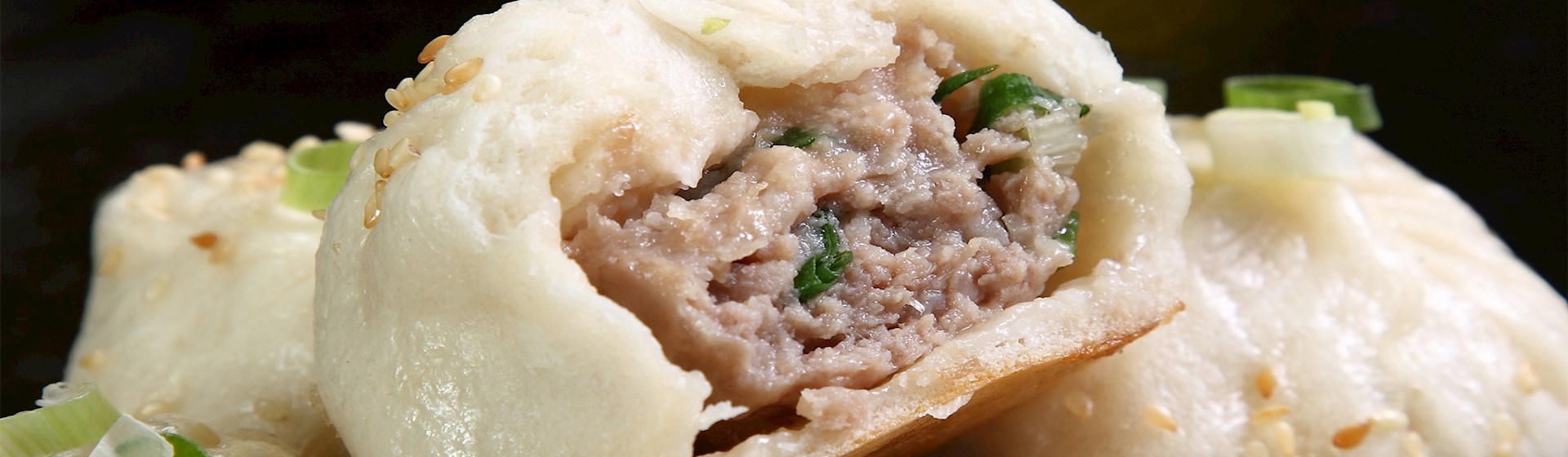
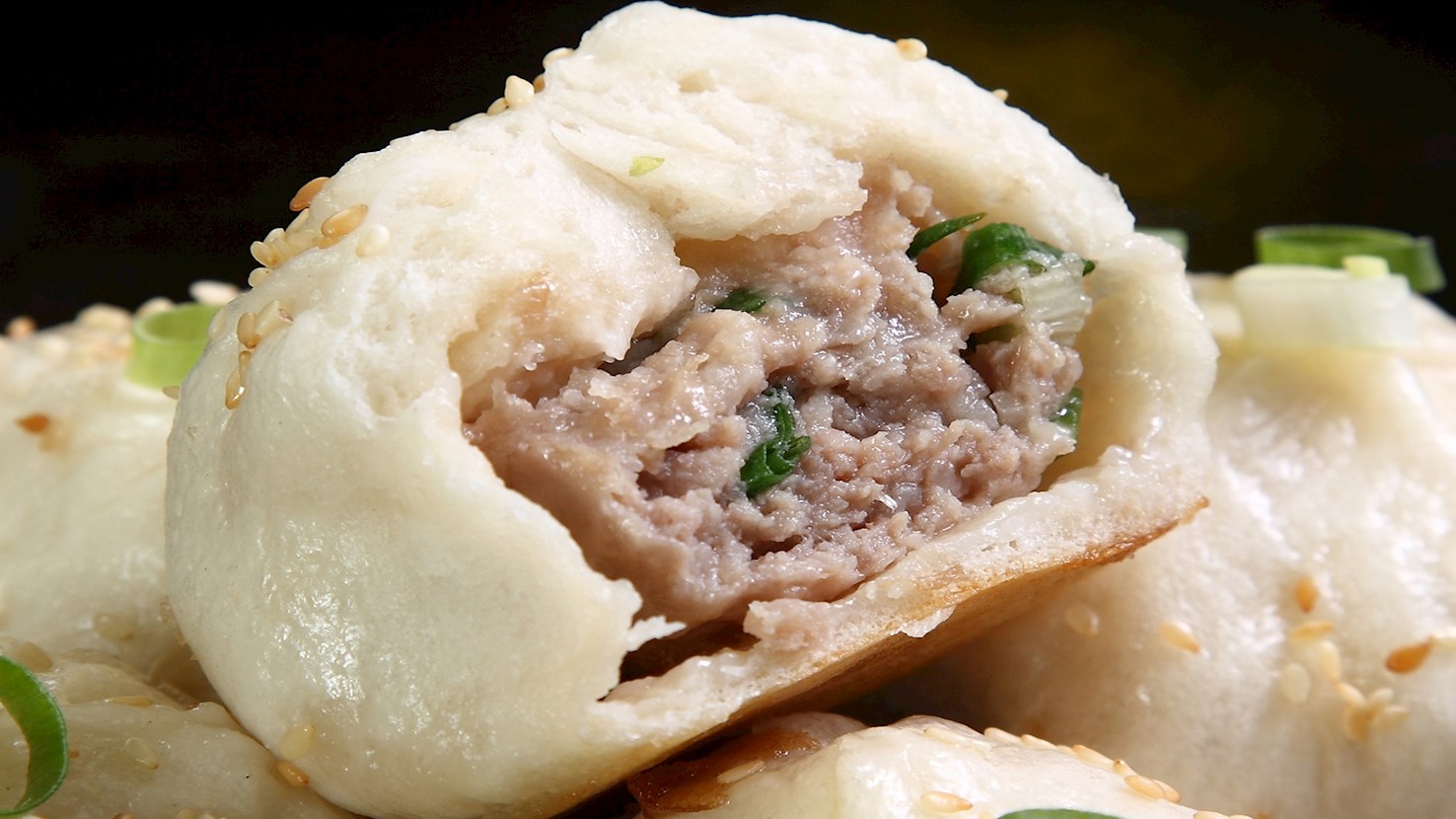
Hújiāo bǐng is a street food delicacy that is believed to have originated in Fuzhou, Fujian. This filling snack consists of a bun that is stuffed with sliced scallions and minced or finely chopped meat, preferably marinated fatty pork cuts. The buns are usually sprinkled with sesame seeds before they are baked in clay ovens. Apart from China, pepper buns are also popular in Taiwan where they are traditionally sold by street vendors of Fujian descent.
Known as a common snack food in Northern China, shaobing is a type of layered flatbread, typically topped with sesame seeds. It is made with multiple layers of dough brushed with sesame paste and resembles a flattened bread roll. Shaobing originated in the Shandong province, but today it can be found at numerous street stalls throughout the country. In fact, depending on the region, shaobing can be enjoyed in many different ways. In southern China, it is a popular breakfast choice, served with soy milk or tea and often stuffed with sweet fillings such as red bean, black sesame, or jujube (red date) paste. In the North, the Chinese prefer savory fillings: rousong (dried pork meat), char siu (roasted pork), or various stir-fried shredded meats and vegetables. However, considering that the staple crop of Northern China is wheat, shaobing is not only enjoyed as a sandwich but it is often served instead of rice, alongside main meals.
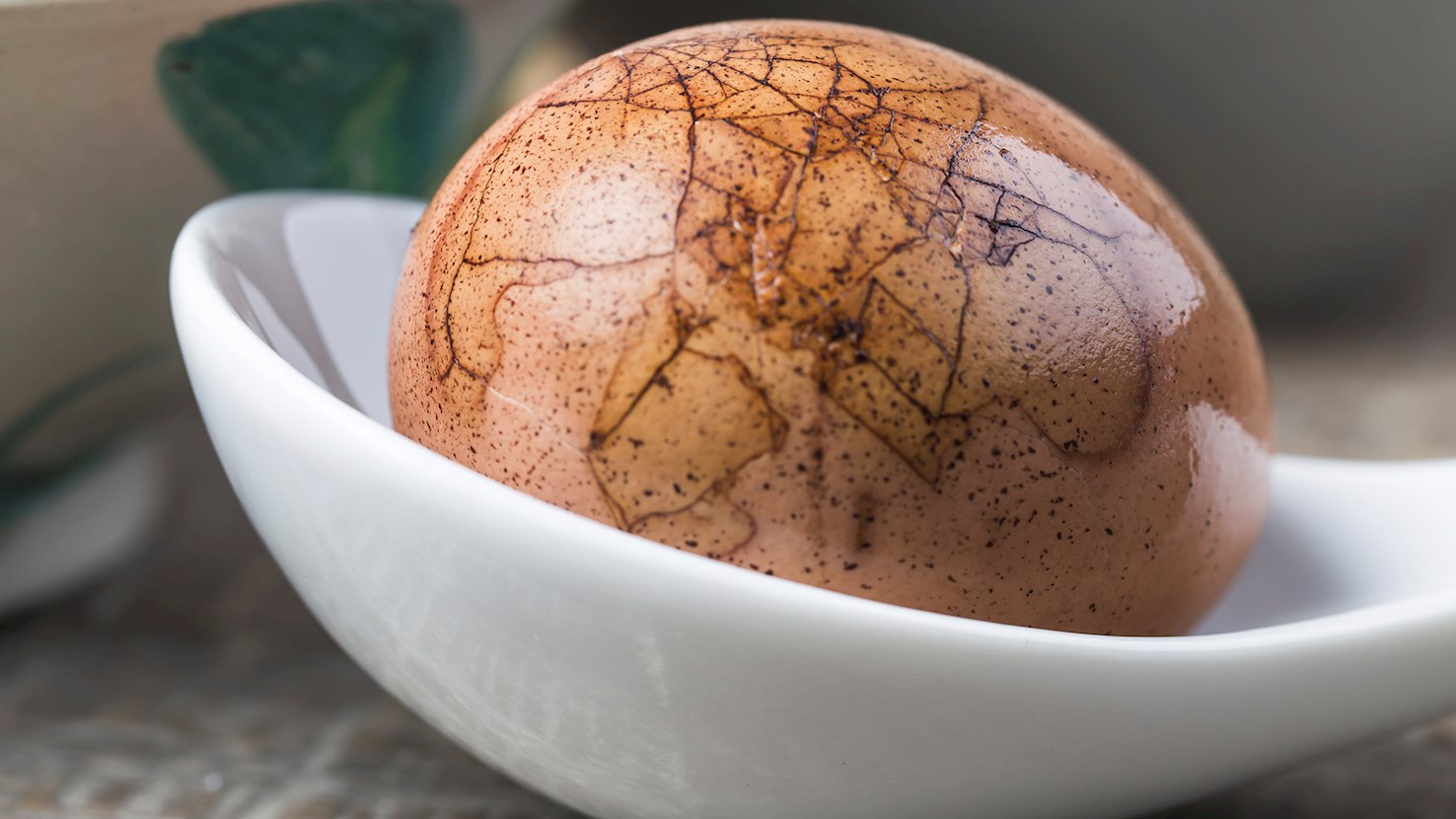
Despite its unusual name, tea is not the dominant flavor in tea egg, a popular, traditional snack item that originated in Zhejiang, but is found throughout China. The snack consists of an egg that is hard-boiled in (usually black) tea, soy sauce, and numerous spices such as anise, cinnamon, cloves, fennel, and peppercorns, which add a savory, slightly salty note to a normal egg. Tea egg is usually sold by street vendors, but it can also be found in numerous Chinese markets and Asian restaurants. It is commonly consumed on its own or served with accompaniments such as noodles or rice. Traditionally, tea eggs are eaten during Chinese New Year, symbolizing wealth, prosperity, and fertility.
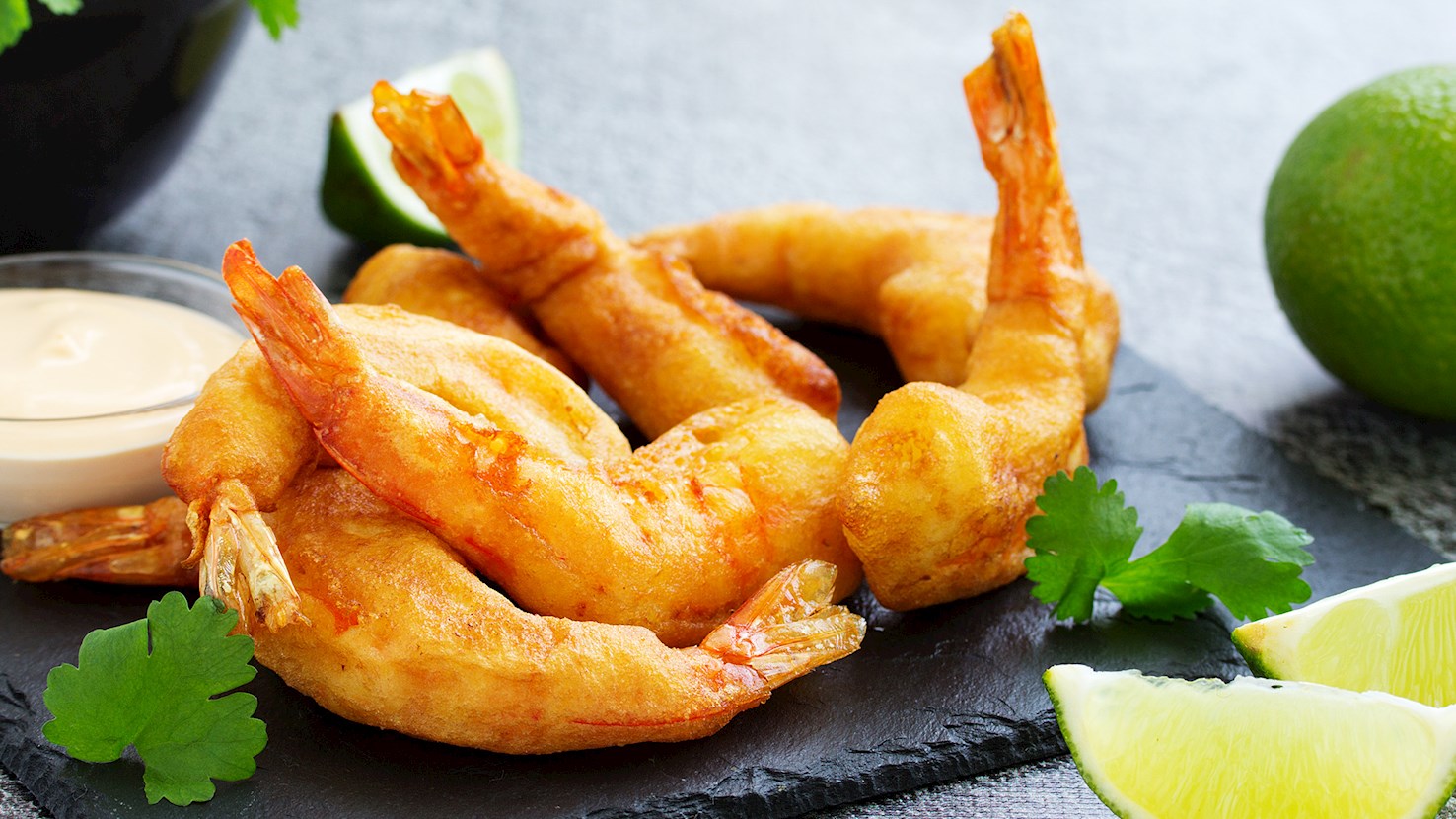
A specialty of Anhui cuisine, phoenix tail shrimp consists of crispy-fried, battered shrimps. It is typically prepared with large freshwater shrimps that have been shelled and deveined but with their tails left intact. Once cleaned, the shrimps are coated with a batter of flour, water, and seasonings, leaving the tails exposed before they’re fried to crispy perfection. The frying process makes the shrimps' tails bright red, crispy, and tilted upward, giving them a close resemblance to a phoenix's tail, hence the name phoenix tail shrimp. In China, these deep-fried crustaceans are typically enjoyed hot, accompanied by lemon wedges and a variety of dipping sauces on the side. Phoenix tail shrimps are usually eaten as snacks or appetizers.
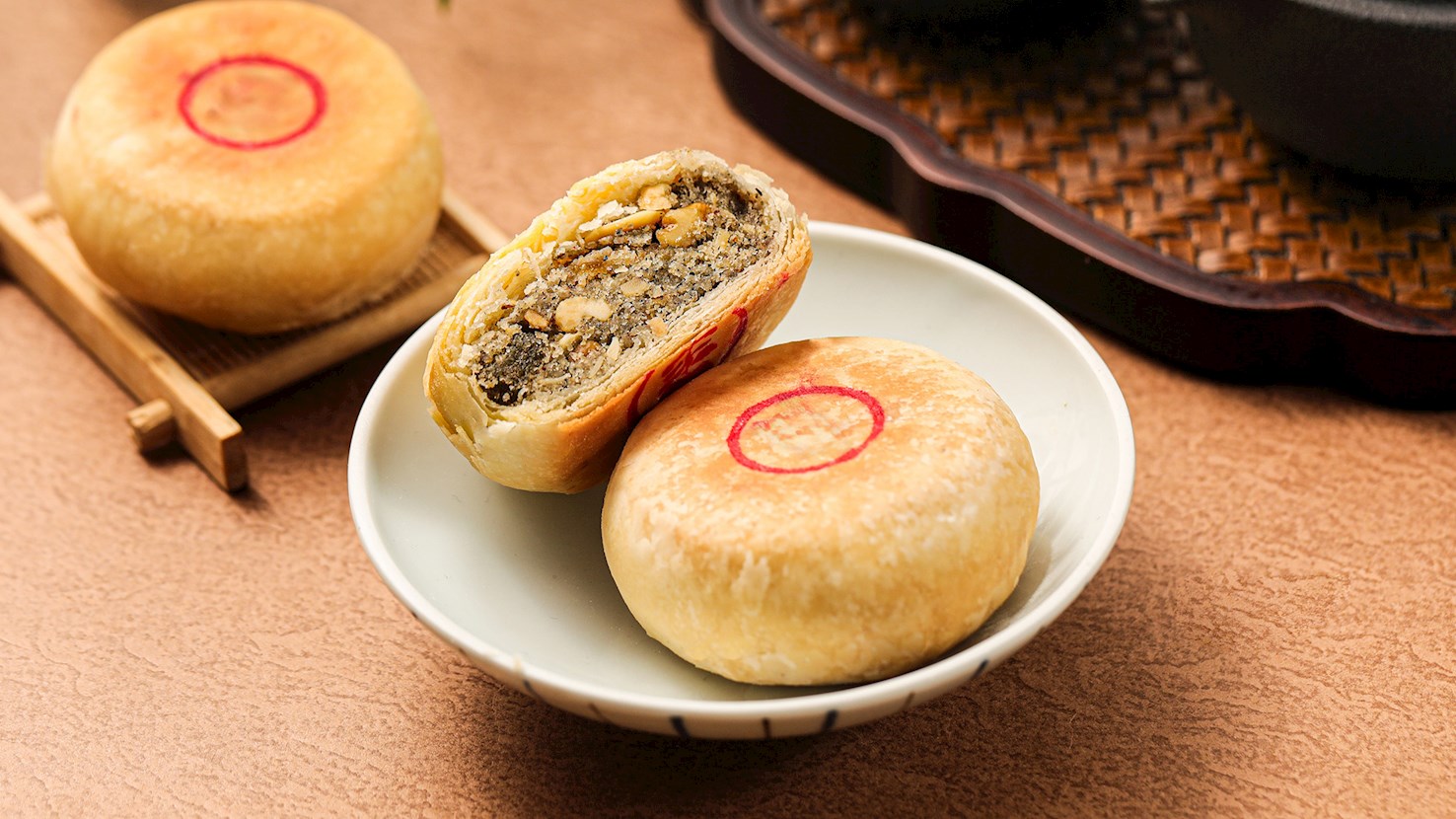
Suzhou mooncake are a particular variety of mooncake that originated from Suzhou. Differing significantly from the perhaps more widely-known Cantonese-style mooncakes, Suzhou mooncakes boast a flaky, multi-layered crust and usually comes with savory fillings. The most popular version includes fillings such as minced pork, spiced to perfection with soy sauce, sugar, and other seasonings. These mooncakes are traditionally enjoyed during the Mid-Autumn Festival but can often be found year-round in Suzhou and surrounding areas, cherished for their unique textures and delectable flavors.
Quánzhōu ròuzòng is a meat-filled zòngzi from Quanzhou in southern Fujian, made with glutinous rice wrapped in bamboo leaves and steamed or boiled until the filling and rice bind together. It comes from a region where pork, peanuts, mushrooms, and dried seafood have long been part of daily cooking, and where variations of rice dumplings developed according to local ingredients and preferences. In Quanzhou, cooks began preparing zòngzi with a distinctly savory profile that relied on salted or lightly marinated pork belly, often combined with dried shrimp, shiitake mushrooms, chestnuts, or peanuts, creating a version recognized for its soft rice and balanced seasoning. Preparation begins with soaking glutinous rice and marinating pork belly with soy sauce, rice wine, and aromatics, while fillings such as peanuts or dried shrimp are softened ahead of time. The rice and fillings are layered in bamboo leaves shaped into a cone or pillow form, tightly wrapped with string, and cooked slowly for several hours until the rice becomes tender and the pork fat permeates the grains. A notable feature is the inclusion of dried shrimp and mushrooms, which impart a savory depth that distinguishes Quanzhou’s version from sweeter or plainer styles found elsewhere. Quánzhōu ròuzòng is eaten during festivals as well as throughout the year in markets, households, and small eateries, often served hot directly after cooking or reheated in steam. It pairs well with light teas such as oolong or jasmine, and in some homes it is eaten alongside simple soups or pickled vegetables to balance the richness of the pork and glutinous rice.
Shàoxīng chòu dòufu is a regional style of fermented tofu from Shaoxing in Zhejiang province, recognized for its distinctive method of preparation and strong connection to local food culture. Unlike fried versions from other regions, the Shaoxing style is often stewed or braised in sauce, giving it a softer texture and deeper flavor profile that reflects the city’s long history of fermentation practices. The roots of this dish lie in Shaoxing’s reputation as a center of fermentation, famous for products such as Shaoxing wine, fermented vegetables, and preserved soy goods. In this environment, tofu fermentation developed with unique characteristics, producing a variety of stinky tofu that not only carried the pungent aroma common to the dish but also absorbed flavors from cooking broths enriched with soy sauce, wine, and aromatics. Over time, the Shaoxing version distinguished itself from fried variations in Hunan and Jiangsu by being associated with simmered preparations served hot, often in small bowls rather than skewers or paper trays. The preparation begins with tofu that has been fermented in a brine of vegetables, herbs, and fermented bean products, a process that develops its signature aroma. Once ready, the tofu is cut into cubes and simmered in a sauce made with Shaoxing wine, soy sauce, chili paste, garlic, and sometimes fermented bean curd. The slow cooking allows the tofu to soak up the sauce, balancing pungency with savory depth. The resulting dish is soft and rich, with layers of flavor that highlight both the fermentation and the cooking liquid. It is often garnished with fresh herbs or chili to sharpen the taste. Today, Shàoxīng chòu dòufu is eaten mainly in the markets and restaurants of Shaoxing, where it is served in bowls of richly flavored broth. Locals enjoy it as part of a meal or as a standalone snack, while visitors seek it out as one of the city’s culinary specialties.
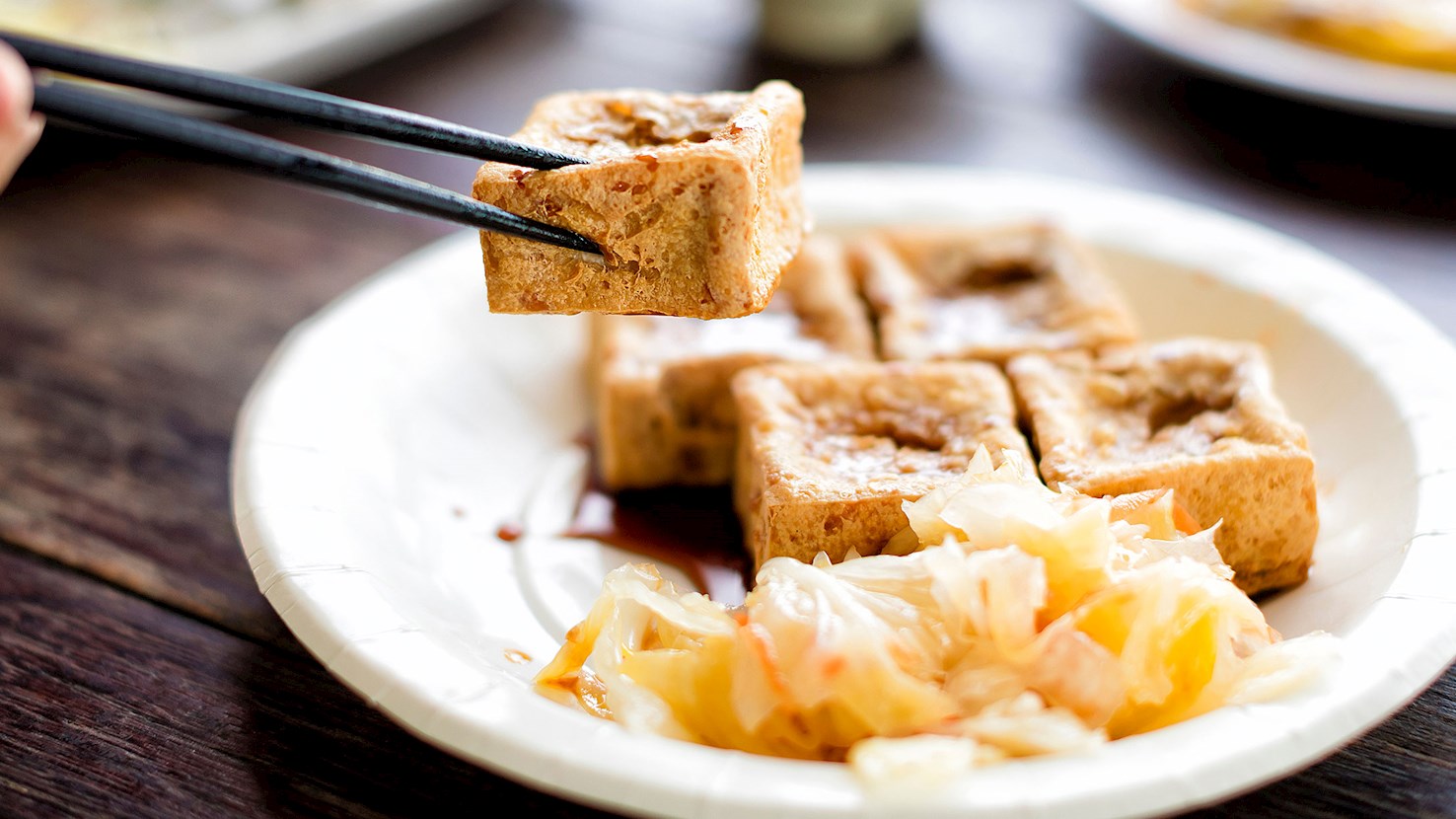
Nánjīng chòu dòufu is a regional style of stinky tofu from the city of Nanjing in Jiangsu province, known for its golden exterior, softer texture, and mild yet distinctive aroma compared to other versions found across China. While the dish shares the same foundation of fermented tofu, the Nanjing style emphasizes a balance between pungency and accessibility, making it a popular snack in the city’s markets and snack stalls. The roots of stinky tofu in Nanjing go back to the broader development of fermented soy products in southern China, where preserving tofu not only extended its shelf life but also created unique flavors appreciated by local communities. In Nanjing, the process was refined to produce a tofu that developed a noticeable but not overpowering odor, resulting in a snack more approachable than some of the sharper styles from Hunan or Shaoxing. Over time, it became part of the city’s street food culture, closely tied to the bustling markets and neighborhoods where residents sought out affordable, flavorful snacks. The preparation involves soaking tofu in a brine of fermented vegetables, herbs, and seasonings that impart both aroma and depth of flavor. Once fermented, the tofu cubes are fried in oil until the outside turns golden brown and slightly crisp, while the inside remains soft and tender. The fried tofu is then served hot, usually topped with garlic sauce, chili paste, or a drizzle of soy-based seasoning. Some vendors also add pickled vegetables or herbs to enhance the flavor. The result is a snack that combines the distinct character of fermented tofu with the savory richness of its toppings. Today, Nánjīng chòu dòufu is eaten primarily as a street snack in Nanjing, often found in night markets, food stalls, and busy shopping streets. It is enjoyed by locals as a quick bite between meals and sought out by visitors who want to experience the city’s distinct version of a nationally known dish.
TasteAtlas food rankings are based on the ratings of the TasteAtlas audience, with a series of mechanisms that recognize real users and that ignore bot,
nationalist or local patriotic ratings, and give additional value to the ratings of users that the system recognizes as knowledgeable.
TasteAtlas Rankings should not be seen as the final global conclusion about food. Their purpose is to promote excellent local foods,
instill pride in traditional dishes, and arouse curiosity about dishes you haven’t tried.





What People Say