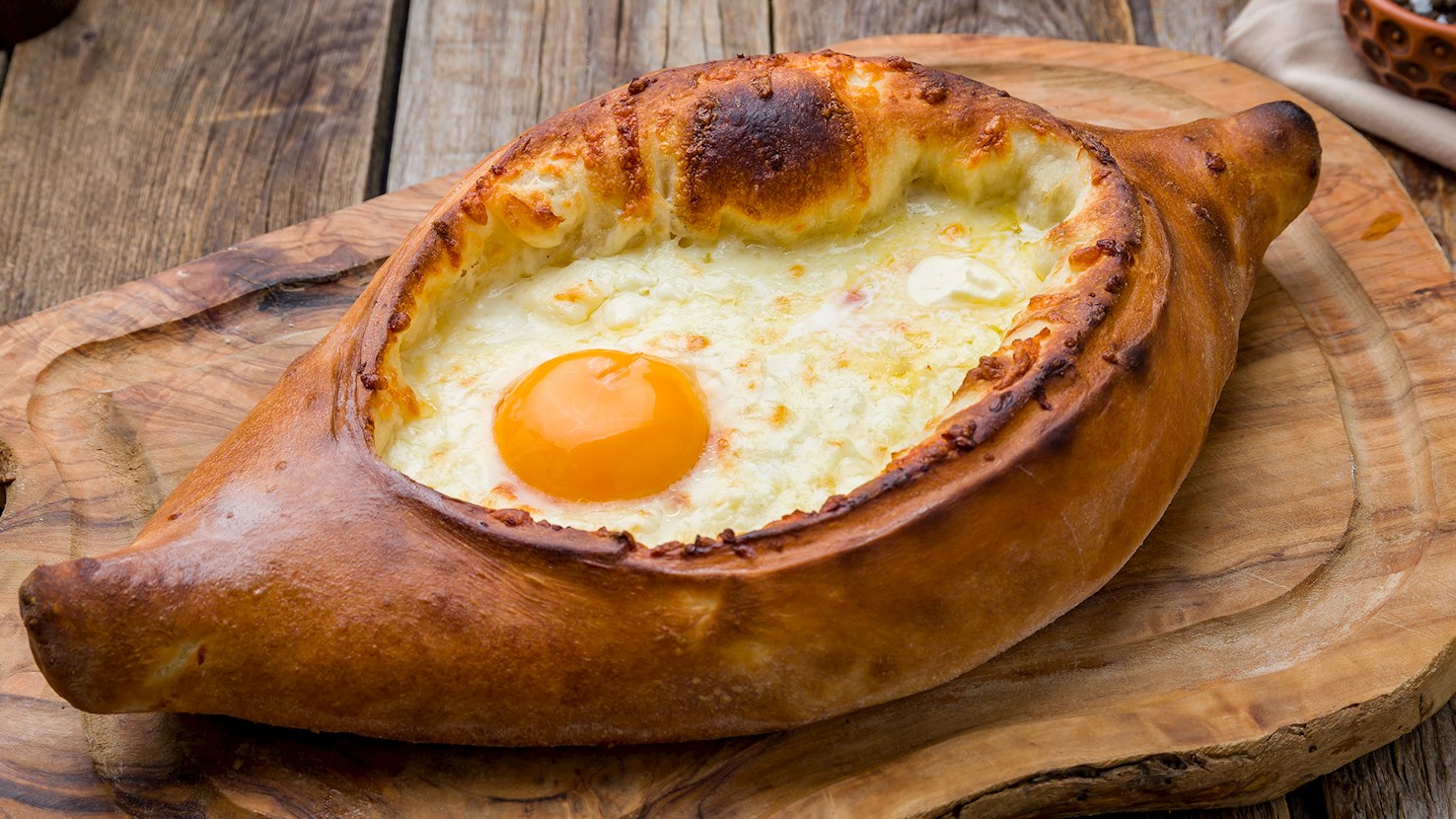
This simple cheese bread known as khachapuri is the most famous dish in Georgia. It is traditionally topped with melted cheese, eggs and butter. There are different types of khachapuri, and even though some new cheese varieties such as mozzarella and feta have been incorporated in the dish, the most common additions still include traditional Georgian Sulguni or Imeretian cheese. It is shaped into different forms, and depending on the baking procedure and its form, it can be consumed individually or shared. Two of the most common varieties include the Imeretian khachapuri, shaped into a circular form, and Adjaran khachapuri, the open-faced version topped with butter and a raw egg on top. Although it is considered a snack, khachapuri can often be consumed as a full meal. It can also be bought at numerous kiosks located alongside Georgian roads. Khachapuri is also often prepared in Russia, in the whole area of the former Soviet Union, and throughout the world.
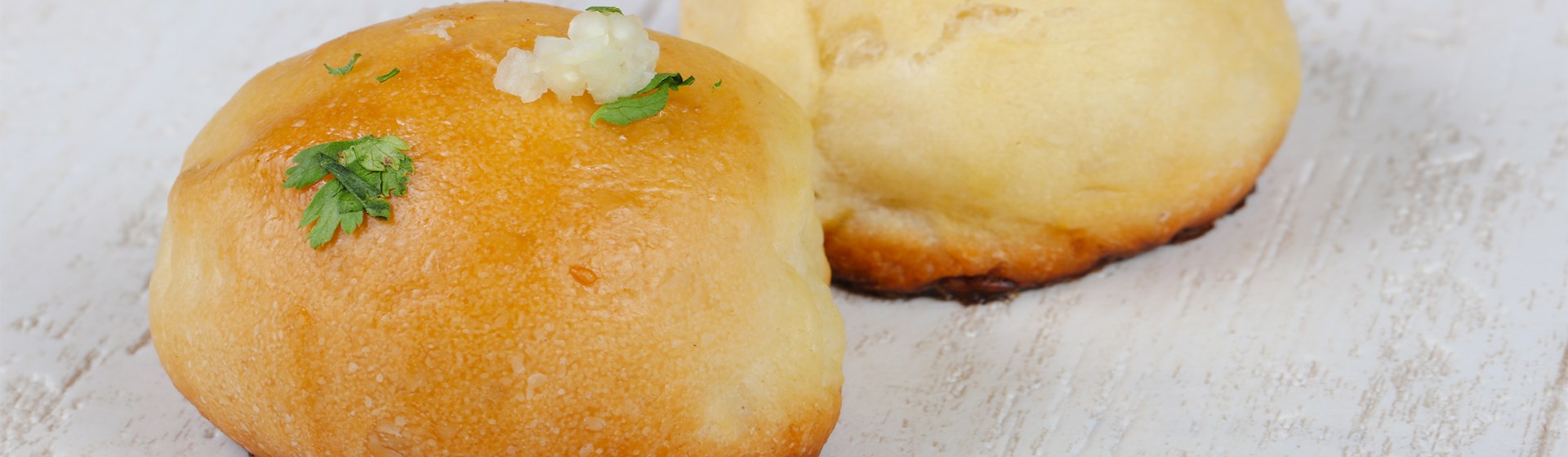
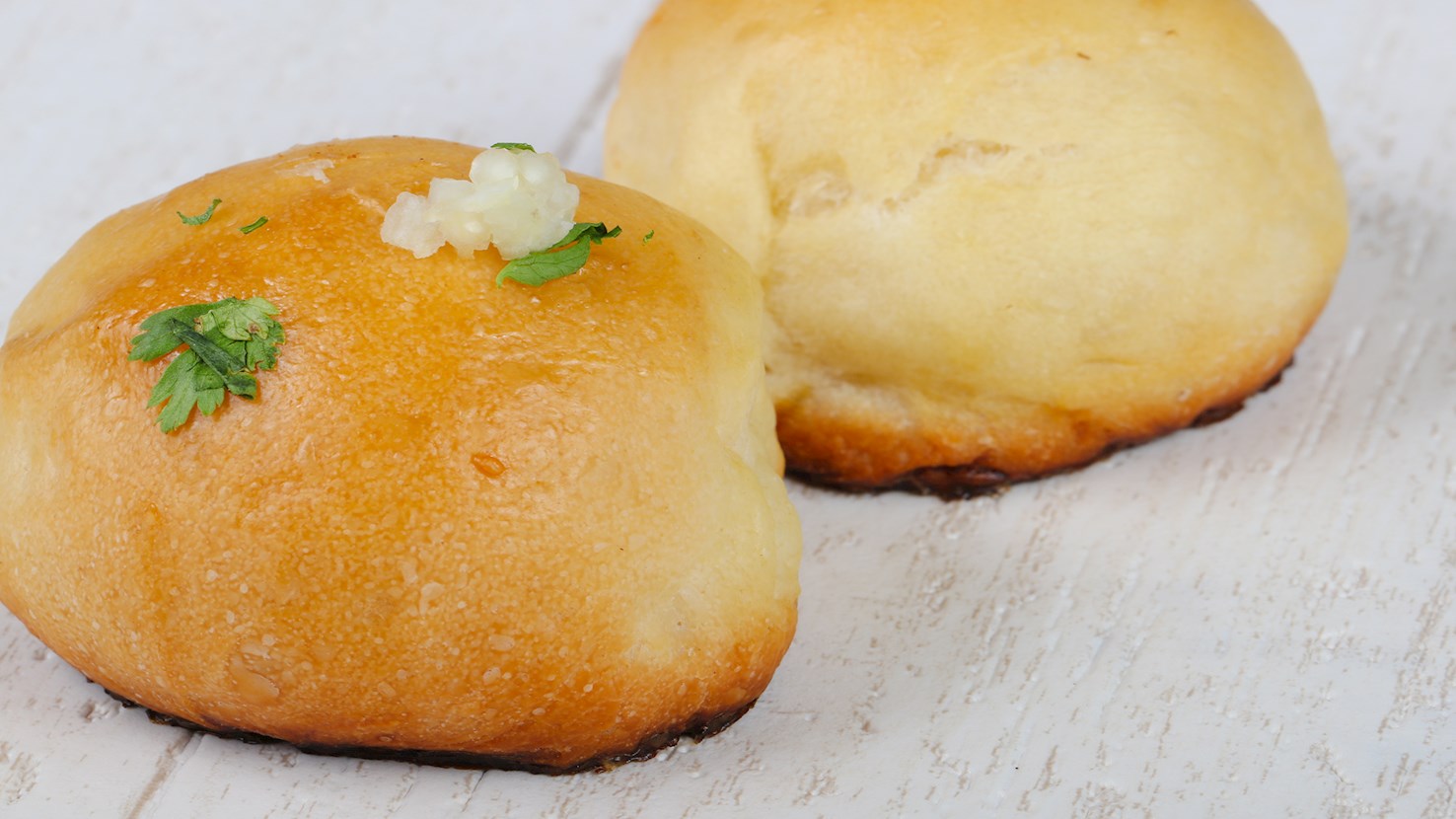
Pampushki are small Ukrainian yeasted buns. They can be prepared in sweet or savory versions. The dough usually consists of milk, flour, eggs, sugar, butter, yeast, oil, and salt, and it is then shaped into small balls. The sweet version is often stuffed with ingredients such as fruit jam, berries, fresh fruit, or cottage cheese, while the savory ones have no filling, but are traditionally flavored with garlic sauce and served alongside borscht.
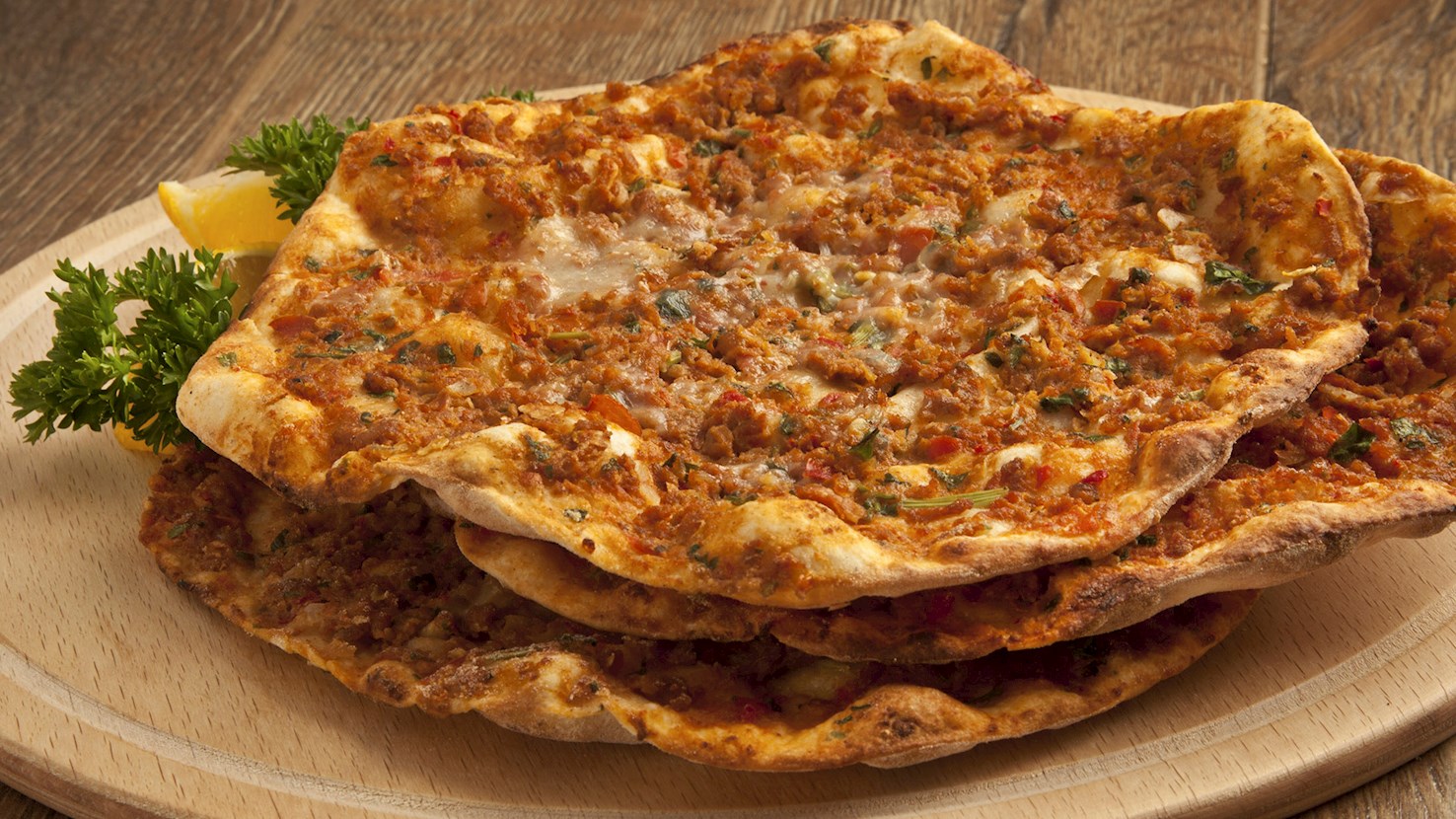
Even though lahmacun is popularly nicknamed Turkish pizza, it's origin is disputed and can be traced to Armenia, Syria, Lebanon, and Turkiye. It can be found at numerous street stalls as well as in virtually any traditional restaurant, but also in kebab eateries where they typically serve mini lahmacuns as appetizers. The perfect lahmacun is made by rolling a ball of sturdy semolina dough into a thin disc which is only lightly spread with meat - either lamb or beef, minced to a paste together with chili, onions, and other seasonings. The dish is then shortly baked in a super-hot (and preferably wood-fired) oven. Lahmacun is best served hot with a drizzle of lemon juice. It is traditionally enjoyed folded around the crispy onions and a parsley salad known as piyaz. It is recommended to pair lahmacun either with the salty, cold yogurt beverage called ayran, or şalgam suyu, the barrel-fermented juice of red carrot pickles, which is salted, spiced, and flavored with the aromatic turnip called çelem.
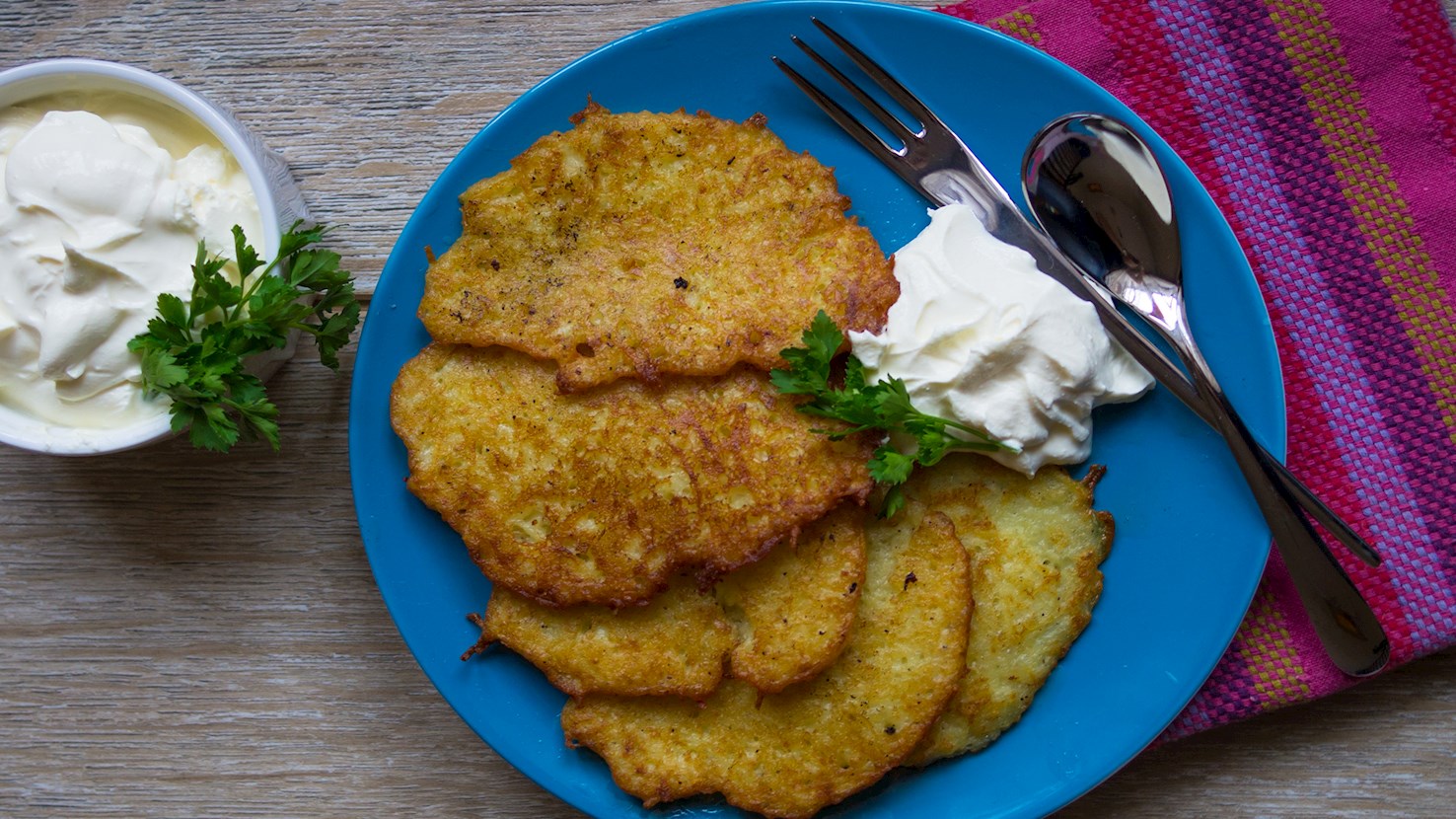
Deruny are classic Ukrainian potato pancakes made with finely grated potatoes, onions, eggs, flour, and sour cream. Once prepared, the batter is fried in a pan, resulting in small pancakes with a soft and moist interior and a slightly brown exterior. Deruny are traditionally served hot, paired with a dollop of sour cream. There are many versions of these pancakes, with added ingredients such as ground meat, mushrooms, or cabbage.
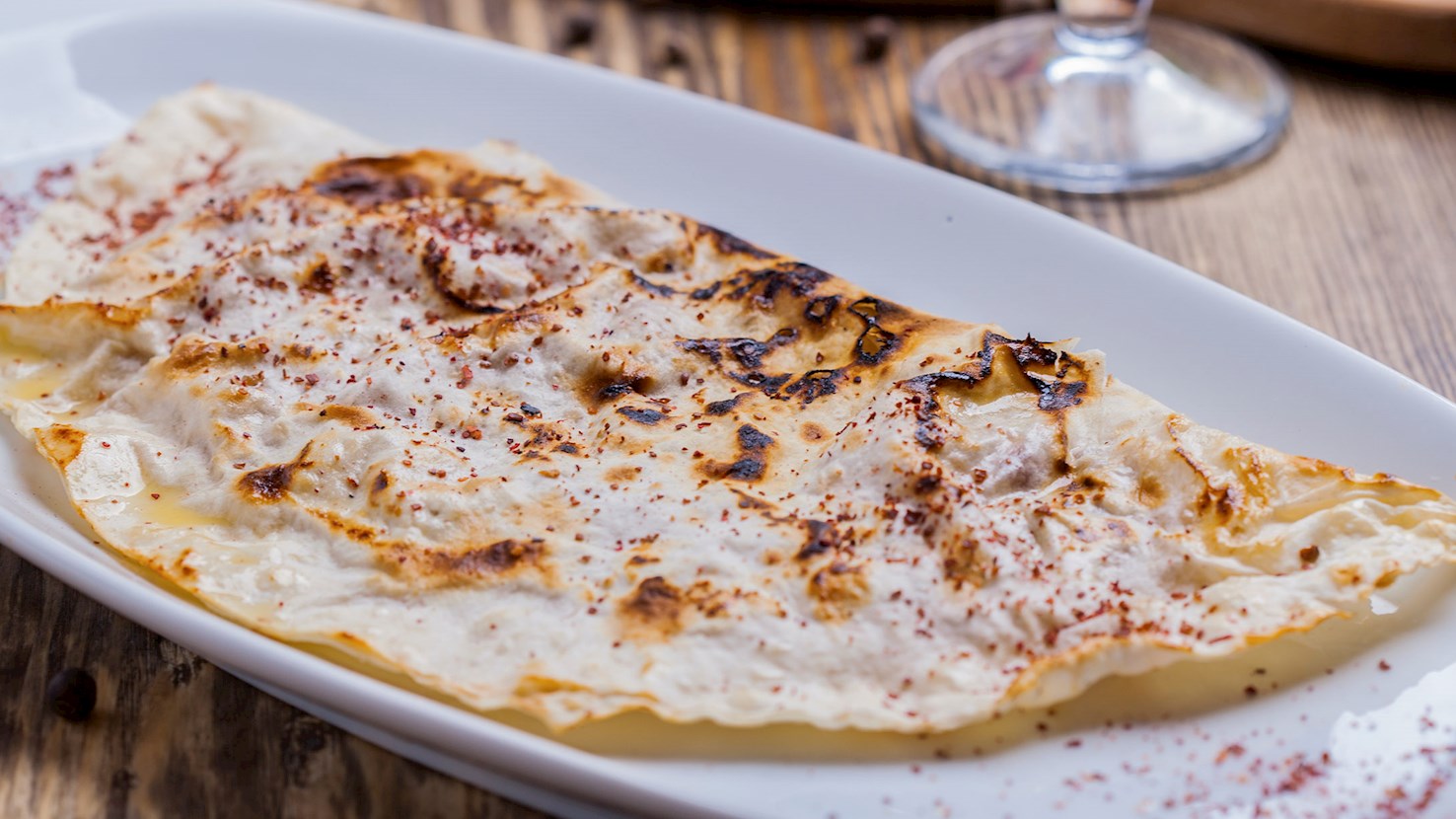
Qutab, known as gutap in Turkmenistan, is a thin filled flatbread found in Azerbaijani and Turkmen cooking. Azerbaijani qutab is usually a very thin half-moon cooked on a hot saj, while Turkmen gutap can also be baked in a tamdyr or oven or fried in oil. Common fillings include meat, fresh greens, pumpkin, and offal. The dish belongs to the wider family of filled breads found across the Turkic-speaking world, but no reliable source identifies a single creator or precise date for its appearance. Azerbaijan and Turkmenistan developed their own recognizable forms, while the closest Turkish counterpart is gözleme, which is generally treated as a separate dish rather than another name for qutab. In Azerbaijan, the dough is usually made from flour, water, and salt, rolled into thin circles, filled on one side, folded into a crescent, and cooked quickly on a saj. The finished qutab is often brushed with butter. Meat versions usually contain finely minced lamb or beef with onion, while göy qutabı is filled with seasonal greens such as spinach, sorrel, cilantro, dill, parsley, mint, and green onion. Pumpkin and sheep offal are also established fillings. Regional variations are especially visible around Lahij, Shamakhi, and the Absheron Peninsula. Corat, near Baku, is known for small meat-filled qutabs and has historically been associated with camel-meat versions. In Lahij, spring forms may contain locally gathered mountain herbs. Turkmen gutap is made in a similar folded shape but is generally more varied in cooking method. Fillings can include pumpkin, spinach, purslane, dill, green onion, meat, or mushrooms. Kädili gutap, filled with pumpkin, is one of the best-known forms. Some versions use dough enriched with egg, and the finished breads may be baked or fried rather than dry-cooked on a saj. Qutab is usually eaten hot as a snack, starter, or light meal. In Azerbaijan, meat versions are commonly served with sumac and qatıq, while greens-filled qutab works well with yogurt and fresh herbs. Pomegranate or sour fruit condiments may accompany richer meat fillings. Turkmen gutap is often served more simply, alongside tea, fresh vegetables, or fermented dairy products. Black tea is the most common beverage pairing in Azerbaijan, while both black and green tea suit Turkmen gutap. Ayran also works well with meat or greens-filled versions.
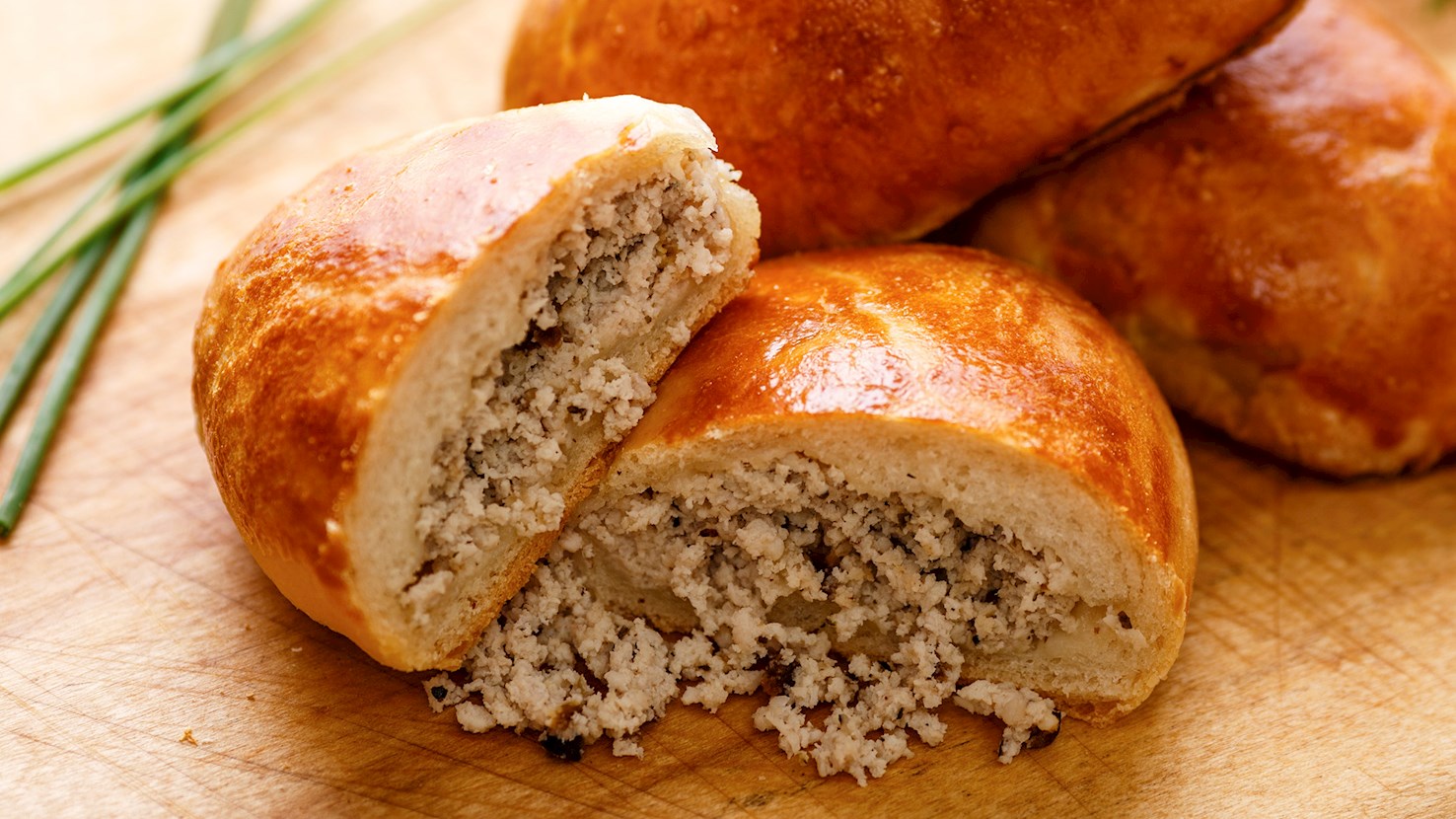
Pirozhki is one of the most popular Russian dishes, often sold as street food, although it can also be made at home. The pocket-sized, oval-shaped pirozhki are yeast dough buns stuffed with a variety of ingredients such as fresh fruits, jams, and cottage cheese for the sweet varieties, or meat, eggs, vegetables, fish, and rice for the savory versions. They can be either baked or fried. The name pirozhki can be literally translated to little pies. Pirozhki are commonly consumed as a snack, and today, they are prepared in numerous versions throughout the world.
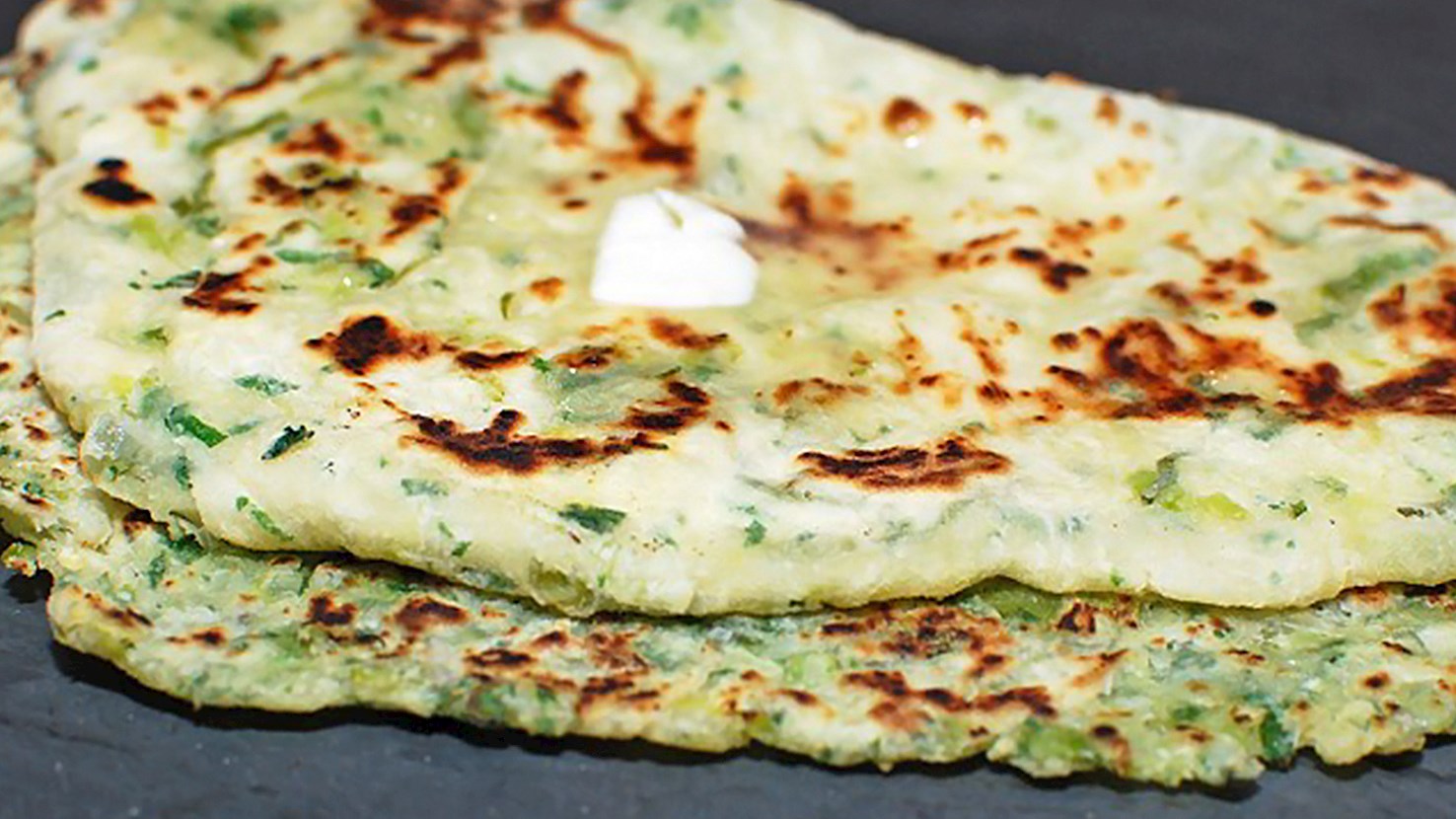
A culinary delicacy coming from Artsakh, or the Nagorno-Karabakh region, zhingyalov khats is a traditional flatbread that contains a variety of herbs and greens. Often considered a lavash with herb filling, this flatbread typically consists of a thin unleavened dough that is topped with a mixture of thinly sliced herbs and greens, folded over, sealed, and then carefully rolled out again. Zhingyalov khats is traditionally baked on a hot saj, a type of Armenian cast-iron vessel resembling a bulging tray. The filling is typically made with butter, salt, onions, and lots of herbs and greens, sometimes supposedly even up to 20 different kinds, such as spinach, leeks, scallions, nettle, chickweed, mint, parsley, tarragon, lettuce, chard, dill, or kale. In Armenia, this flatbread is commonly prepared and eaten during Lent, usually as a snack, an appetizer, or a dinner meal with some butter.
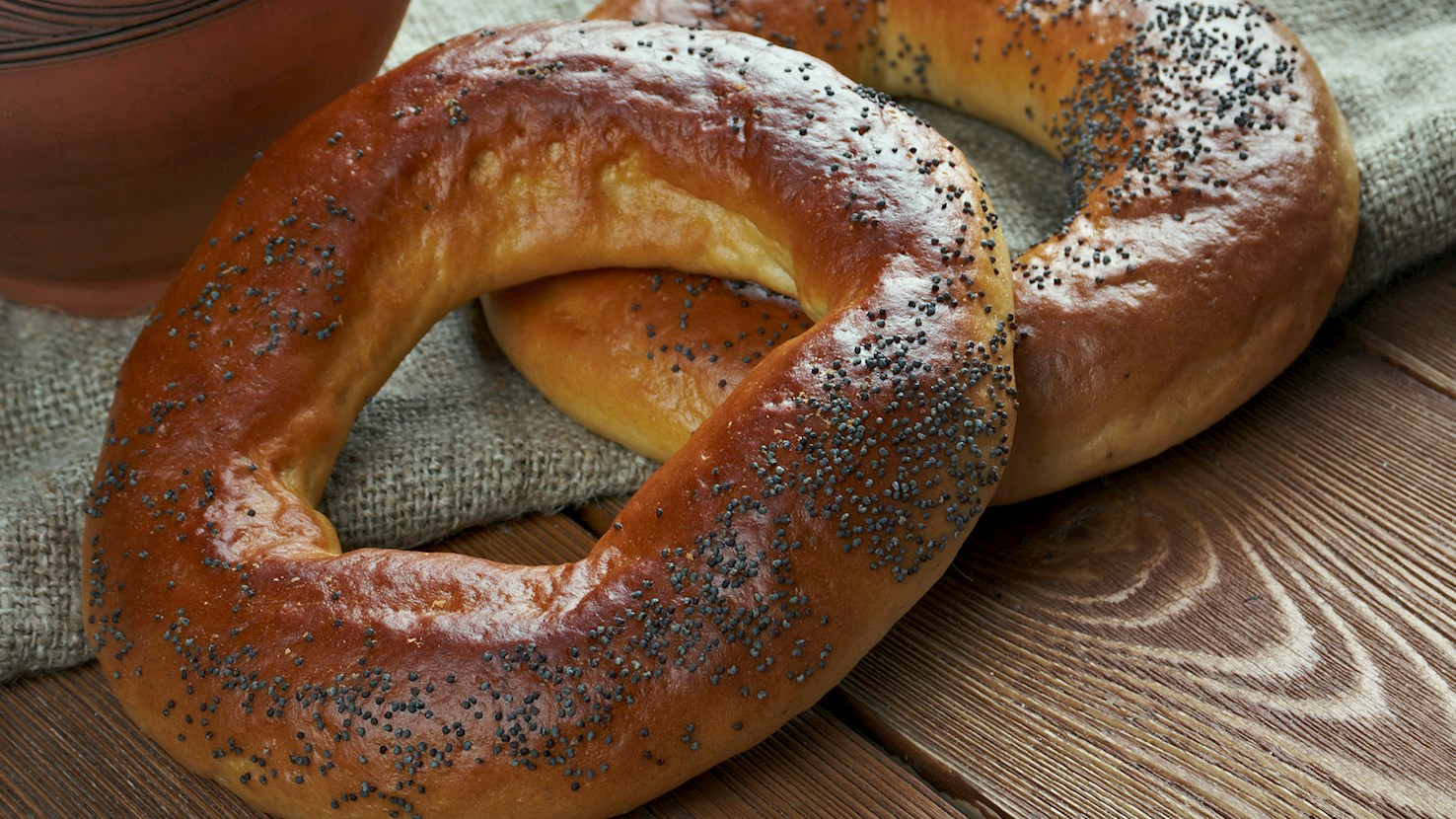
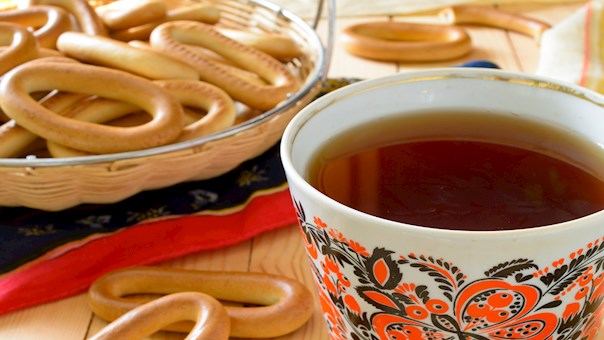
Bublik is a name that is commonly used in Eastern European countries, predominately Ukraine and Russia, when referring to a round, yeasted bun, in many ways similar to a bagel. Before baking, it is shortly poached in water and dusted with poppy seeds, sesame, or sugar. It is believed that bublik was created among the Jewish population in czarist Russia, but got its present form in Ukraine. It was originally sold from street carts, where it was lined on a string and offered to the customers. Bublik is typically consumed as a snack or as an accompaniment to coffee or tea. In Europe, there are numerous bread products resembling bublik, such as the Polish obwarzanek and Russian baranki.
Pastila is a traditional sweet originating from the 17th century. It is a cross between candy and meringue cookies: light and airy puffs made from egg whites, sugar, and fruit, reminiscent of the popular Turkish Delight. Traditionally, pastila are made from sour apples or berries, although other types of fruit can also be used. Pastila from Kolomna is thought to be the most delicious variety, and the recipe for Kolomensky pastila has been closely guarded until the 19th century. At the same time, the confectioners started using sugar instead of honey, a practice which is still in use today. Pastila is usually consumed as a dessert in between meals, although it is also often served with tea as an afternoon snack.
Perepichka is an iconic Ukrainian street food item consisting of a soft, not overly seasoned sausage that is enclosed within yeasted dough. The whole combination is deep-fried, and it is usually served piping hot without any condiments. The first version of this favorite Kyiv street food appeared in 1981 at a small kiosk on Bohdan Khmelnytsky street. Perepichka was an instant success, and this hole-in-the-wall food outlet became somewhat of an institution for both locals and tourists.
TasteAtlas food rankings are based on the ratings of the TasteAtlas audience, with a series of mechanisms that recognize real users and that ignore bot,
nationalist or local patriotic ratings, and give additional value to the ratings of users that the system recognizes as knowledgeable.
For the “Top 12 Eastern European Snacks” list until September 15, 2026, 4,131 ratings were recorded, of which 1,745 were recognized by the system as legitimate.
TasteAtlas Rankings should not be seen as the final global conclusion about food. Their purpose is to promote excellent local foods,
instill pride in traditional dishes, and arouse curiosity about dishes you haven’t tried.




What People Say