

shutterstock

Top 6 Estonian Snacks

Last updated on June 15, 2026
01

Pirukas

3.9 ·

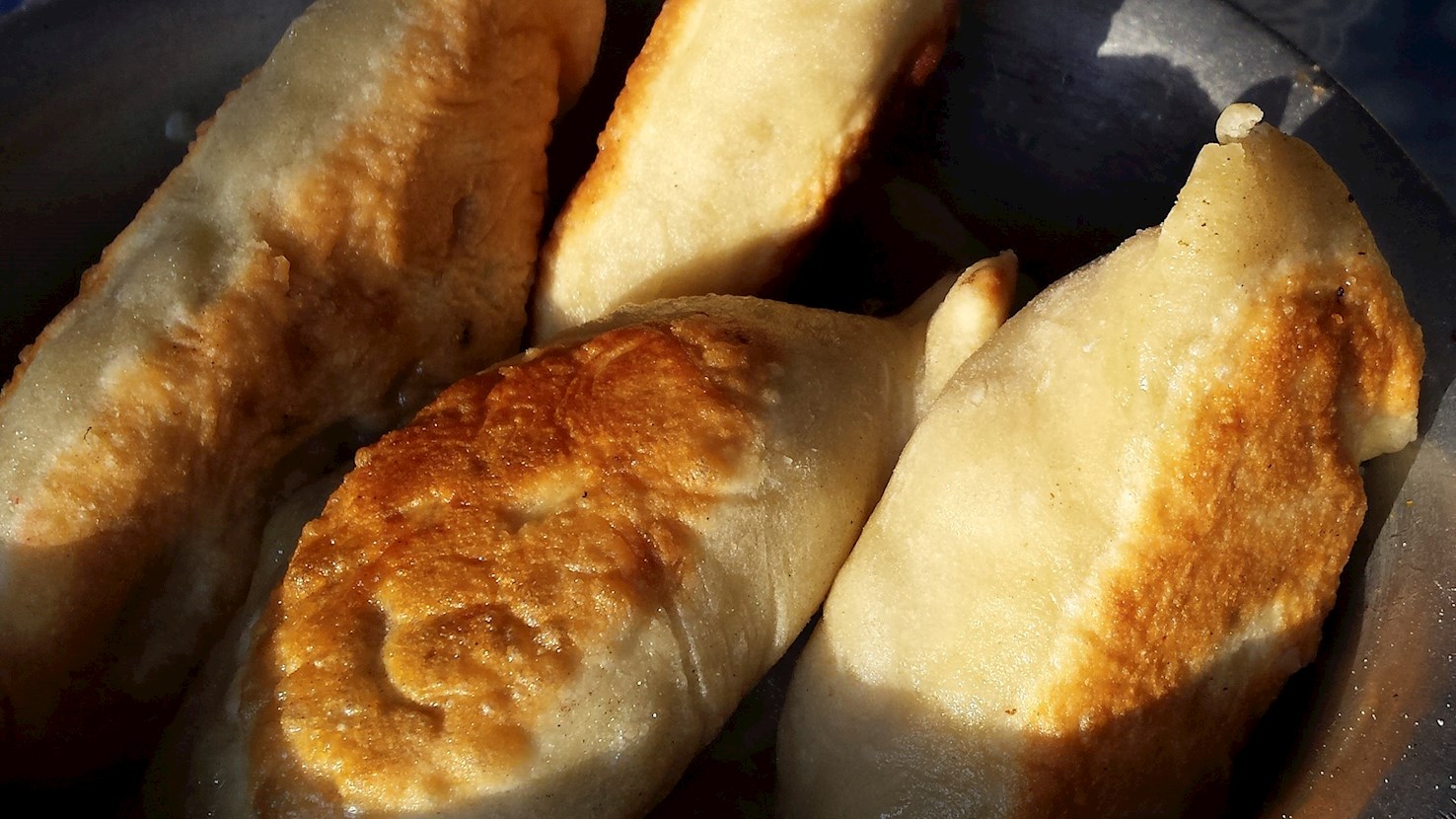
Pirukas is a typical Estonian snack consisting of dough pockets filled with a variety of ingredients. It can be classified into three categories: küpsetatud (small, baked), praetud (small, fried), and plaadipirukad (large, baked). The dough can be made with a crumbly, flaky puff pastry, or with regular bread dough. The fillings range from meat, ham, and cabbage to rice, mushrooms, and carrots. Small pirukas can be filled with a variety of different ingredients, but the large ones are filled exclusively with cabbage, meat, and carrots.

02

Kringel

3.7 ·

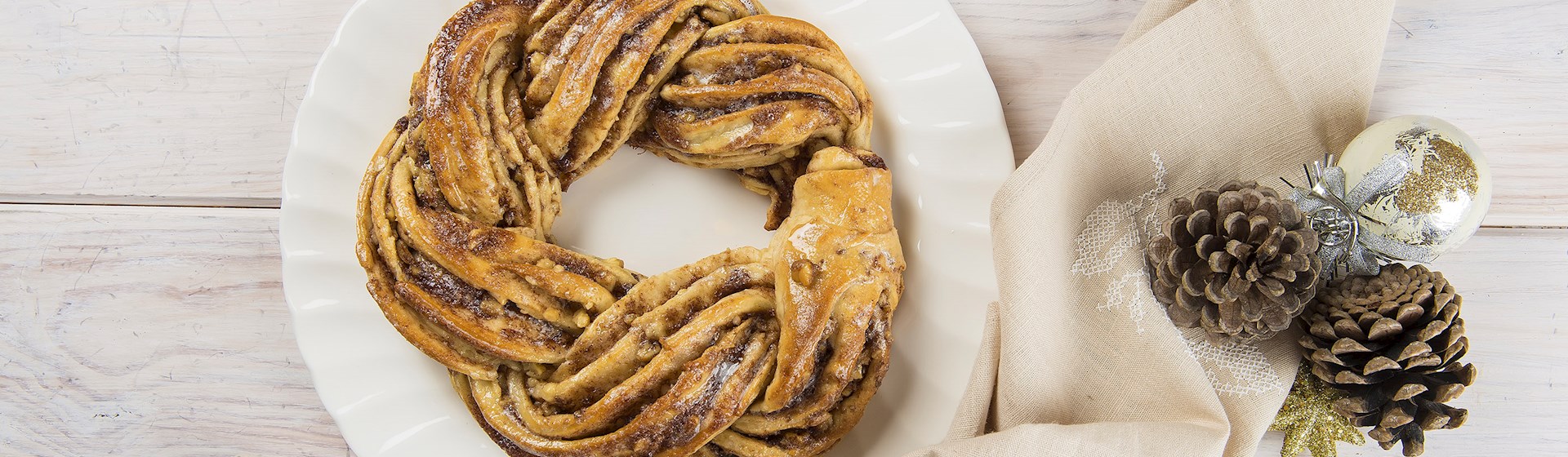
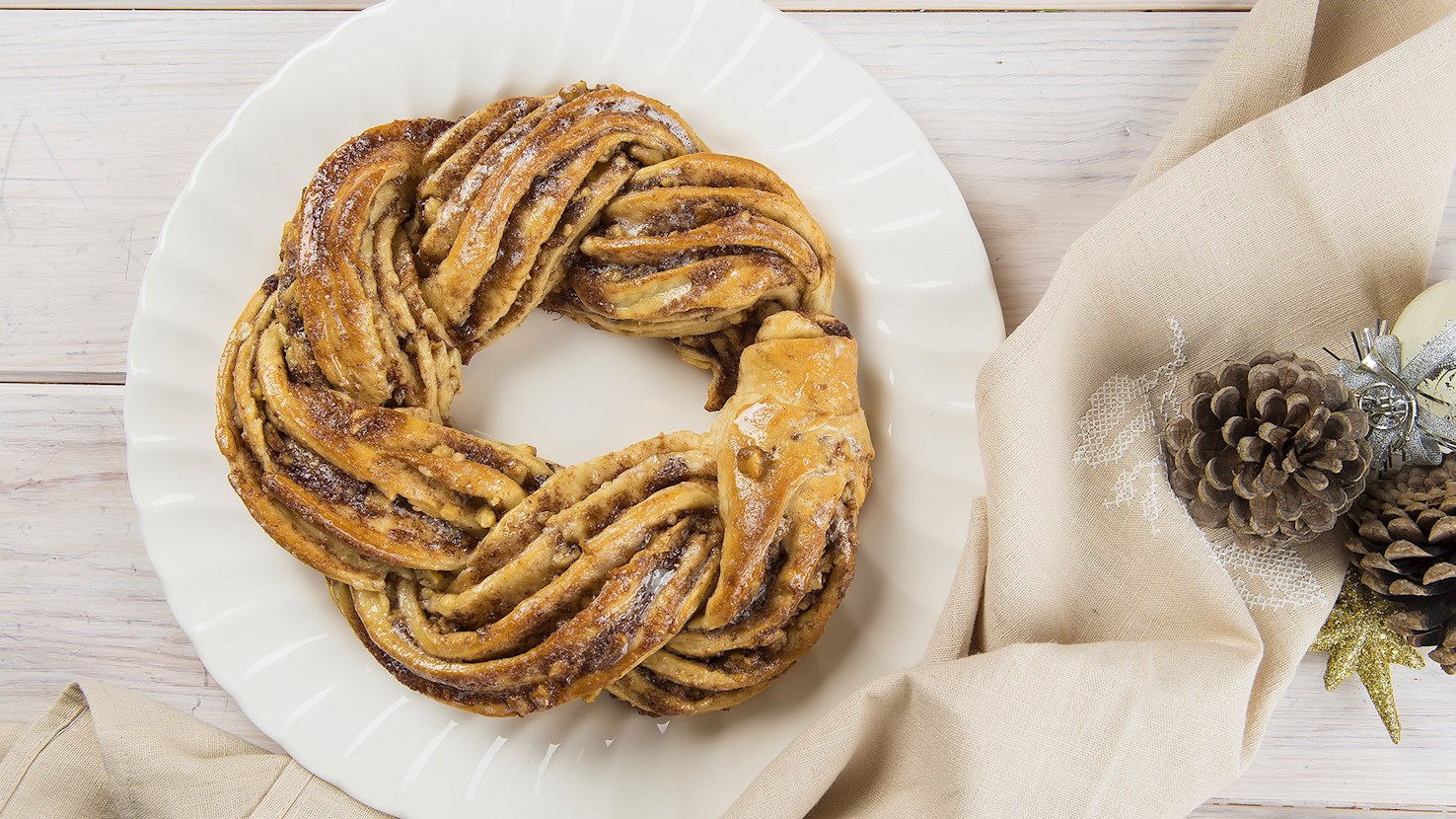
Originally a creation of Roman-Catholic monks, and now popular internationally, kringle is a delicious flaky pastry, usually shaped as a pretzel and filled with various ingredients. It was primarily introduced in Denmark, under the influence of Austrian bakers, and later it spread throughout Nordic countries and eventually to the United States, where it gained great success. Each region has created its distinct varieties, using local and seasonally available ingredients. In Denmark, kringle is usually made with either puff pastry or yeasted dough, filled with sweet concoctions that include butter and sugar, marzipan, and raisins. In the 19th century, Danish bakers introduced the tradition of preparing kringle to the United States, specifically Racine Wisconsin, where the pastry was slightly adapted to the now-famous oval shape. Kringle in Racine is always made with traditional Danish laminated dough, in which the pastry layers are generously spread with butter and filled with the lavish combination of fruits, nuts, or cream cheese. Both American and European kringle can be found in bakeries and grocery shops, but while the luscious American creations are usually enjoyed as desserts, the Danish prefer to eat their traditional pastry as an afternoon snack or a perfect accompaniment to coffee or tea.

03

Kiluvõileib (Estonian sprat sandwich)

3.5 ·

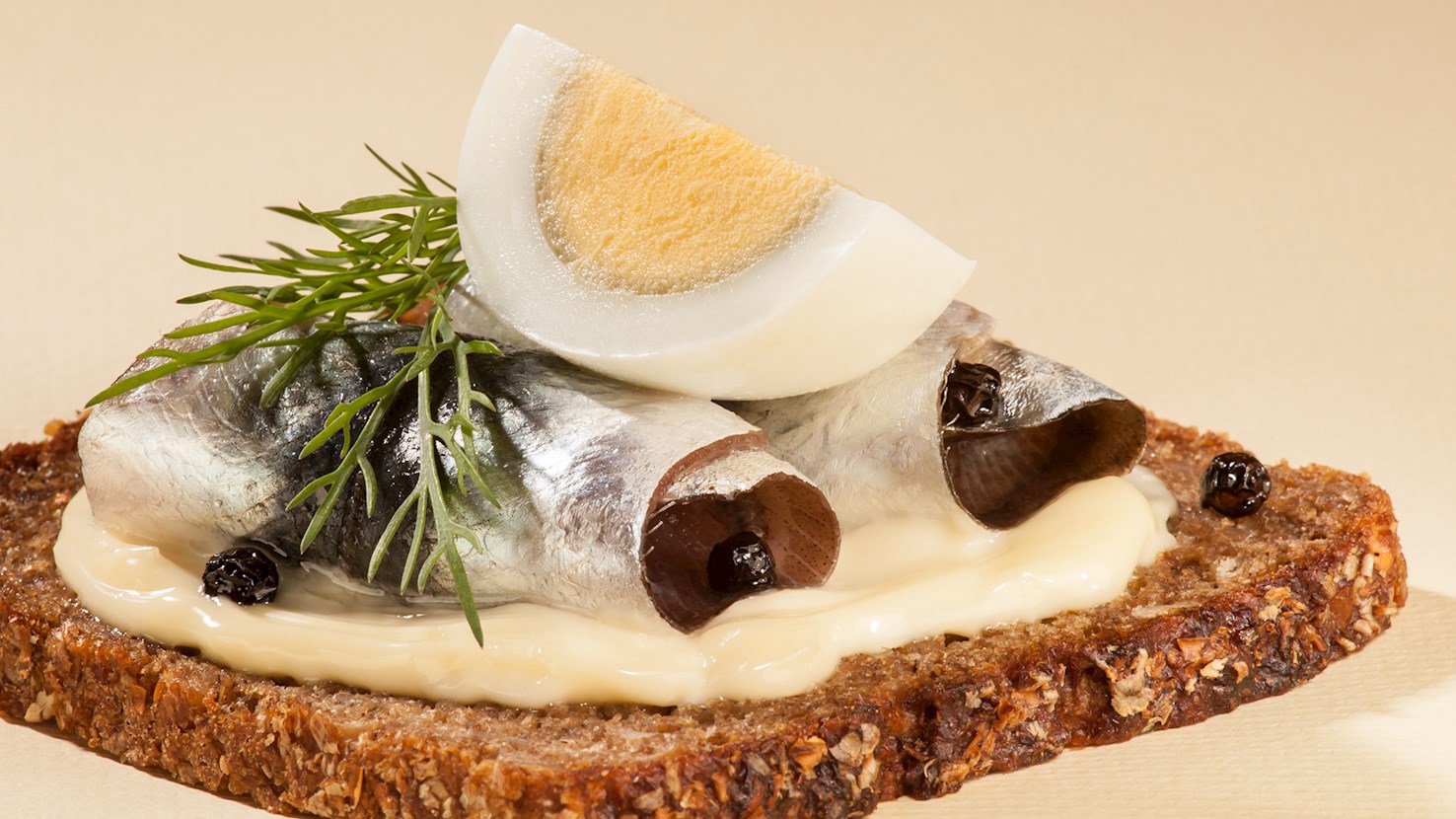
This traditional Estonian open-faced sandwich consists of a slice of rye bread that is topped with a marinated sprat fillet. The bread is often buttered, or coated with munavoi—the coarse egg and butter spread—while the fillets are occasionally complemented by poached or hard-boiled eggs, green onions, and fresh herbs. This nutritious sandwich is commonly found at local restaurants and is often served on festive occasions.

04

Mannavaht

3.2 ·

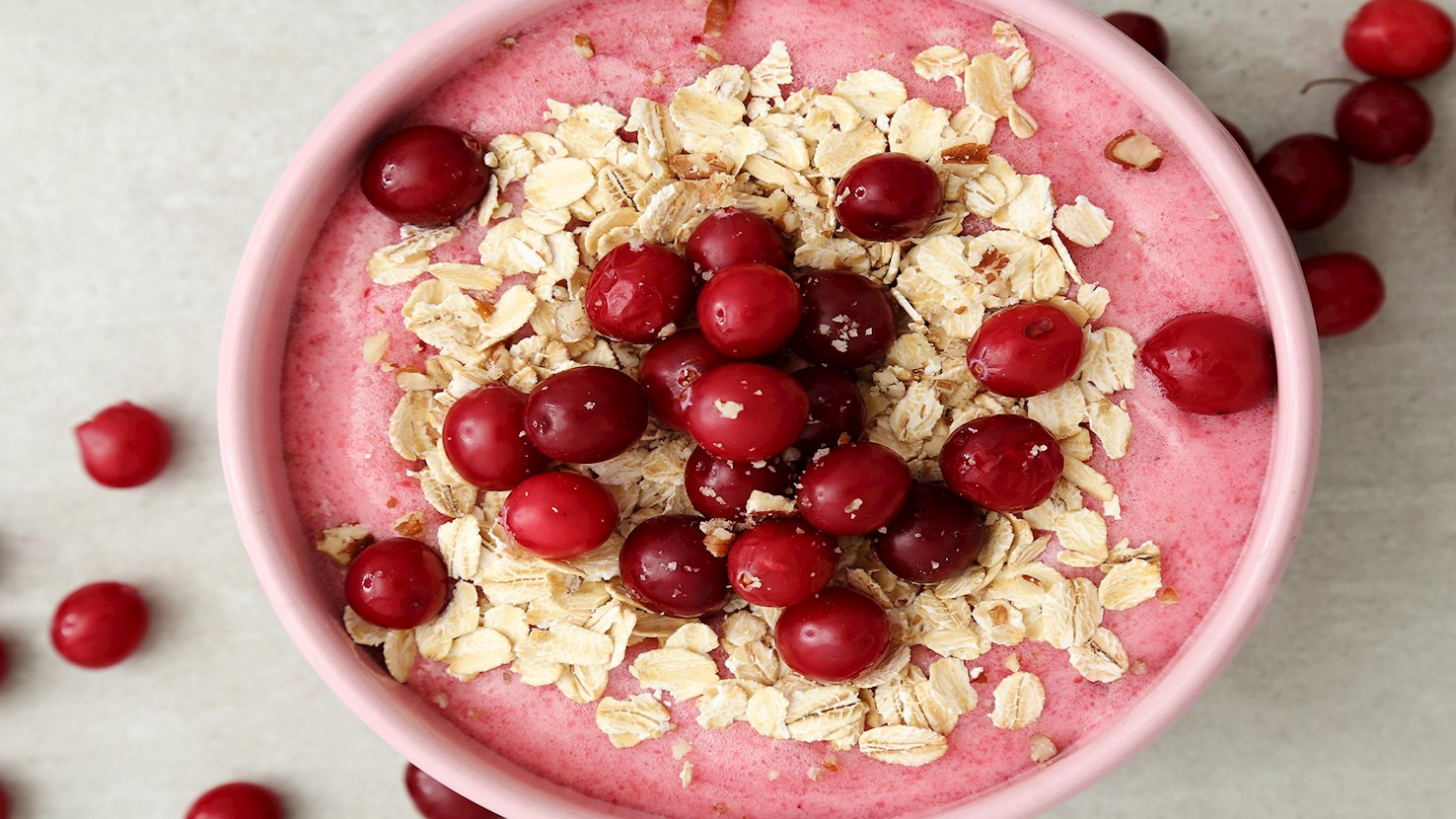
Vispipuuro, russedessert, klappgröt, debesmanna, or mannavaht are different names for a creamy Baltic semolina porridge that is prepared with fresh fruit such as tart lingonberries, cranberries, or red currants. When cooked, the thick porridge is whipped until it transforms into a unique treat with a frothy and light consistency. It is traditionally topped with cream or milk and garnished with fresh fruit. Found across Finland, Estonia, Sweden, Norway and Latvia, this dish is usually enjoyed as a sweet breakfast, a light midday snack, or a refreshing dessert.

05

Leivasupp (Estonian bread soup)

3 ·

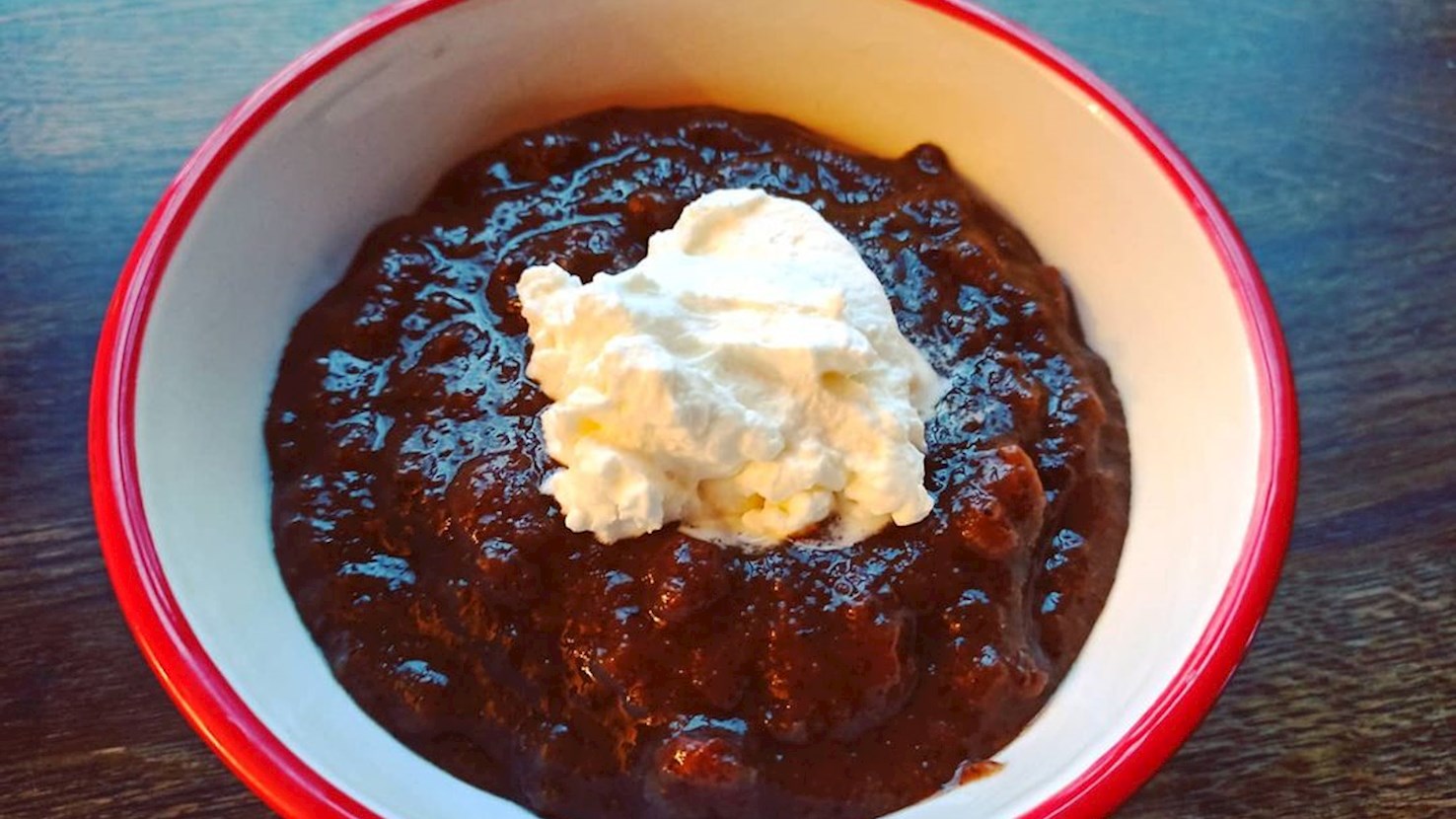
Thick, creamy, and sweet bread soup called leivasupp is a traditional dish that is usually made with soaked and mashed bread, raisins, fruit juice, cinnamon, and sugar. It is typically prepared with a traditional, dense rye bread, and is often complemented by milk, cream, fresh fruit, and nuts. This bread soup can be served warm or chilled, and it is usually enjoyed as a dessert or a light afternoon snack, but it is also a popular school lunch in the country.

06

Verikäkk

1.8 ·

Blood pancakes are enjoyed throughout Sweden, Finland, and Norway. They are prepared with a regular pancake batter that is elevated with the addition of animal blood. Whether they are formed as thinner, crêpe-like pancakes or as smaller, chewier types, the pancakes will always develop a typical dark-brown hue. They are often enriched with onions and spices, and come topped with fresh lingonberries or lingonberry jam. Blood pancakes are sold as a ready-made product across Finland and Sweden.

Read more
View all
View map
About this ranking

TasteAtlas food rankings are based on the ratings of the TasteAtlas audience, with a series of mechanisms that recognize real users and that ignore bot, nationalist or local patriotic ratings, and give additional value to the ratings of users that the system recognizes as knowledgeable. For the “Top 6 Estonian Snacks” list until June 15, 2026, 192 ratings were recorded, of which 133 were recognized by the system as legitimate. TasteAtlas Rankings should not be seen as the final global conclusion about food. Their purpose is to promote excellent local foods, instill pride in traditional dishes, and arouse curiosity about dishes you haven’t tried.

Similar lists