Quarkbällchen, meaning quark balls, is a traditional snack that is typically made by combining quark, flour, eggs, sugar, vanilla sugar, and baking powder. Milk, melted butter, cinnamon, lemon zest, and corn or potato starch are also sometimes added to the combination. The quark mixture is shaped into small balls which are deep-fried until golden brown on the outside and soft and fluffy on the inside. Once done, the fried balls are usually coated in powdered or granulated sugar or a cinnamon-sugar mixture. Thought to hail from Bavaria, this sweet treat is generally enjoyed as an afternoon snack alongside a cup of tea or coffee. Resembling donuts, quarkbällchen are available in bakeries throughout Germany, and they’re often prepared during the festive Christmas season, New Year’s Eve, Fasching (Germany’s carnival season), and Oktoberfest.
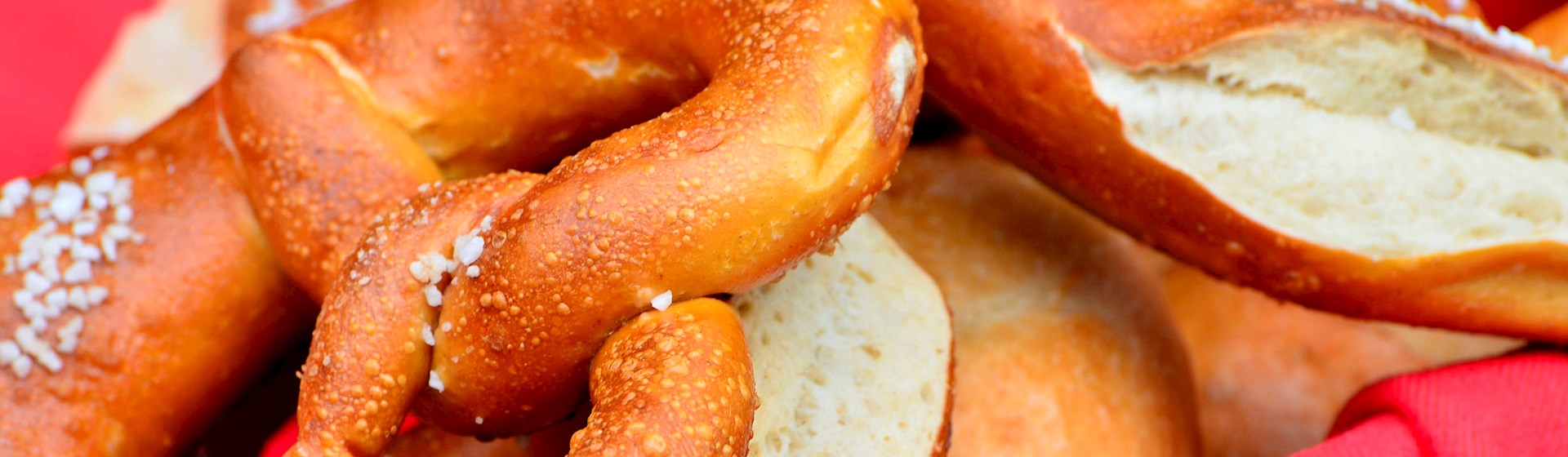
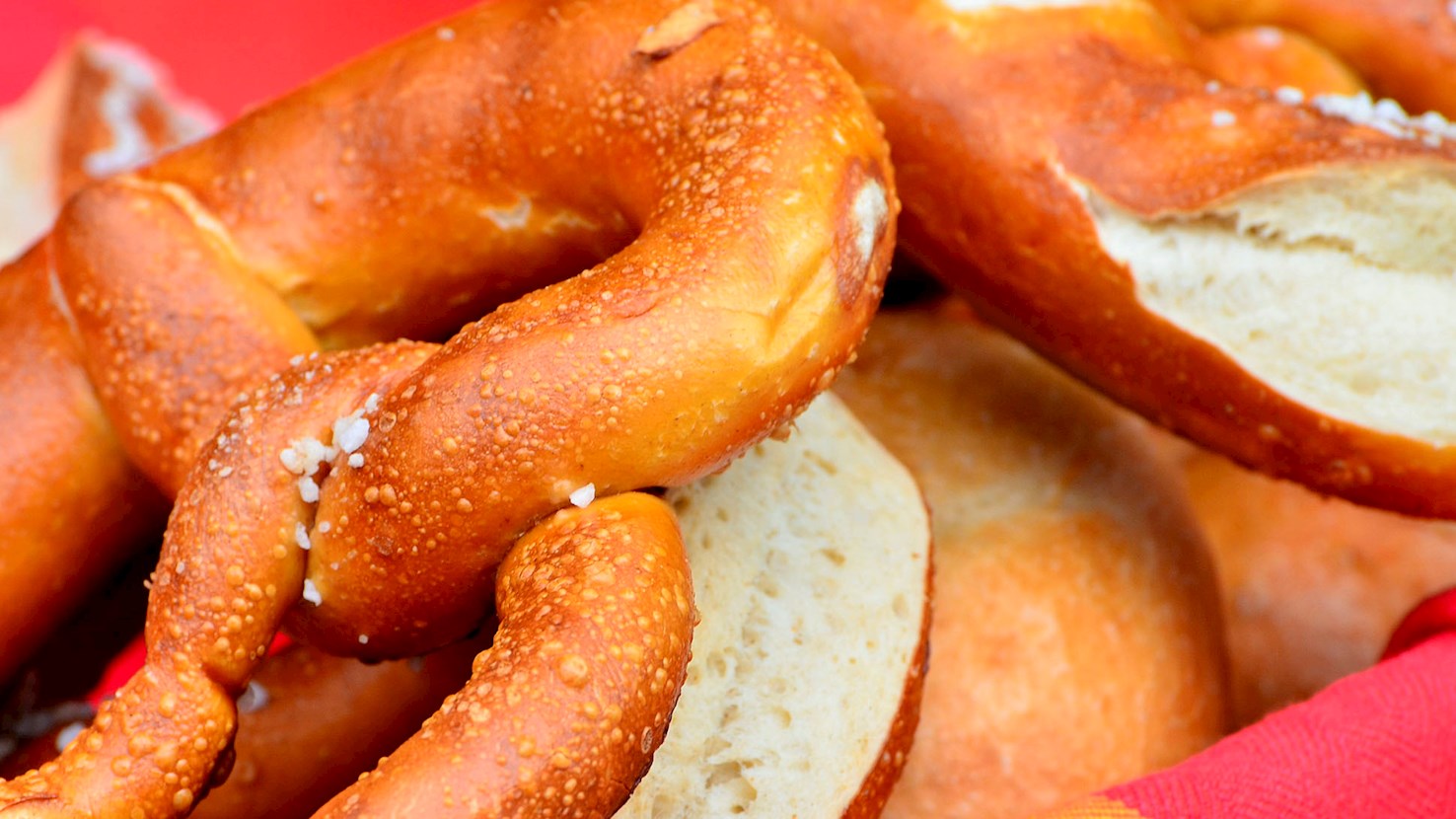
This traditional Bavarian pretzel is shaped to symbolize two arms folded for prayer, and they are available in different versions and sizes, usually topped with a sprinkling with coarse salt. Their crust is thin, dark brown, shiny, and has a cracked surface after baking. The dough, however, is juicy, tender, and light in color. As opposed to Swabian pretzels, Bavarian pretzels are thicker and not sliced lengthwise in the middle. Local differences can be recognized by their various forms. The Bavarian pretzel is a vital part of Bavarian snack culture, and it is especially delicious when buttered or paired with cheese. It is an indispensable accompaniment to Munich white sausage and Bavarian meatloaf.
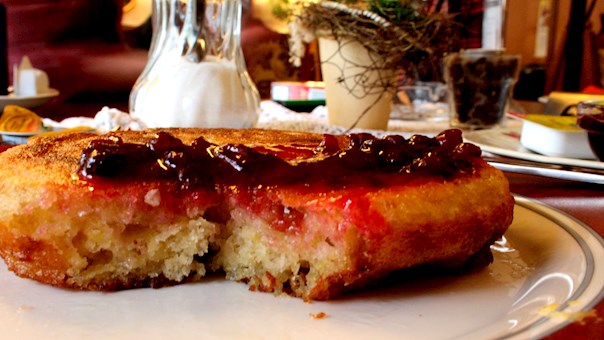
Eierkuchen are traditional German pancakes made by combining eggs, flour, milk, butter, baking powder, sugar, and salt. The batter is typically flavored with vanilla extract or cinnamon, although the sugar and other sweet flavorings may be omitted to make a savory version of these pancakes. A layer of batter is poured into melted butter or oil using a ladle, making sure the mixture covers the bottom of the pan forming a thin and round pancake. The pancakes are cooked on both sides until nicely browned, and they are then enjoyed while still warm, usually slathered with applesauce, fruit preserves, jams, or chocolate-hazelnut spreads. Also known as pfannkuchen, this simple treat is traditionally eaten for breakfast or as a sweet snack at any time of the day.
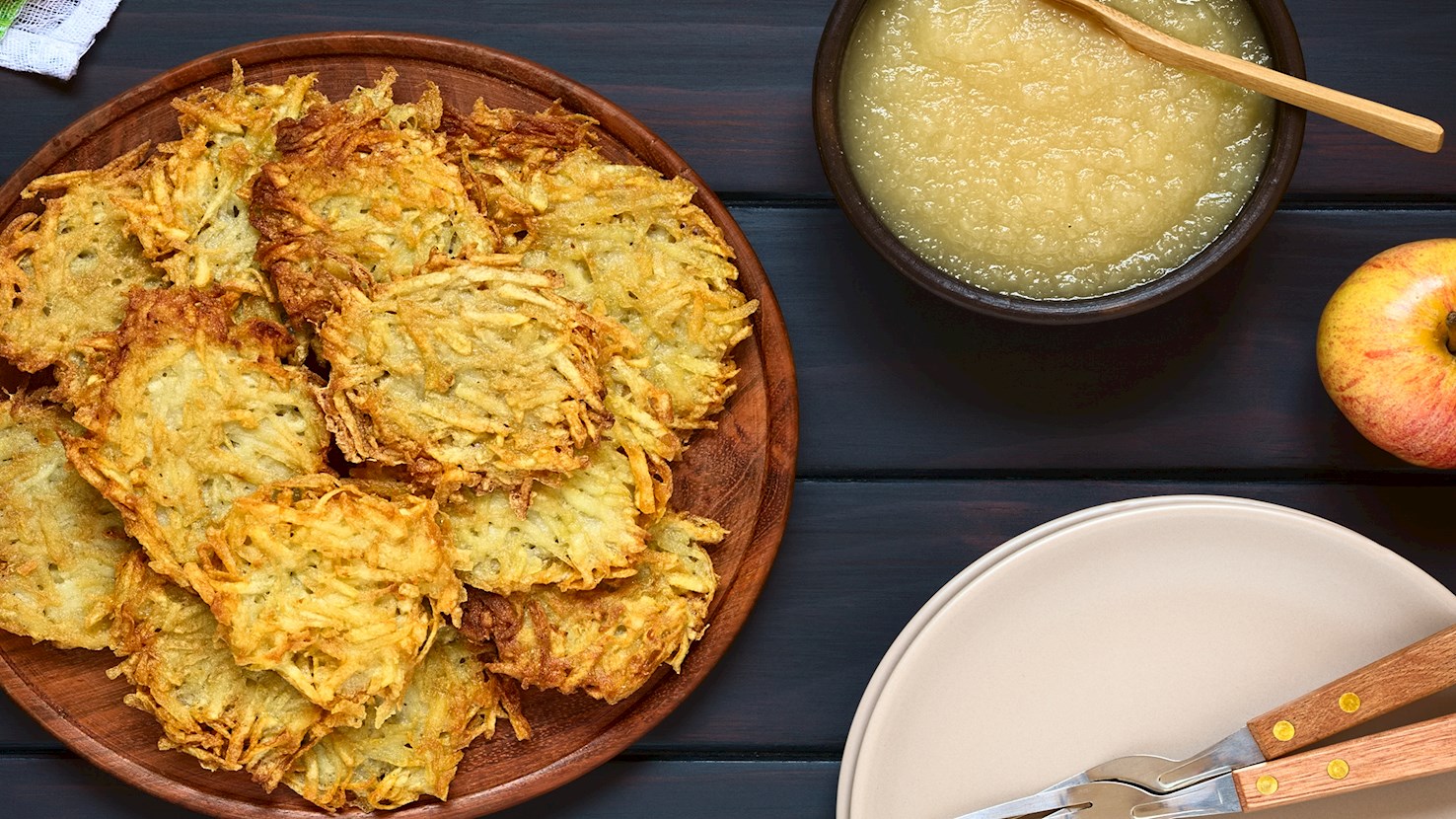
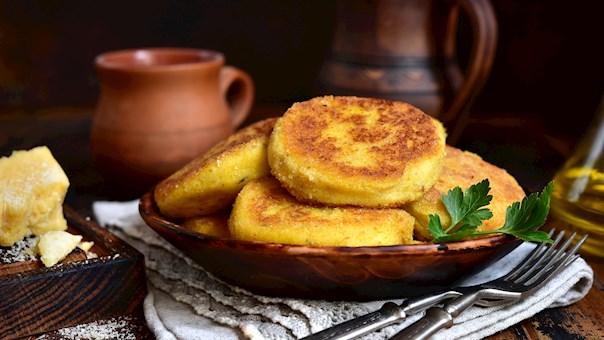
German potato pancakes are a restaurant staple, a homemade classic, and a popular street food snack. They are prepared with a thick batter that employs grated raw potatoes, flour, and eggs, and are usually shaped into flat, round discs that are shortly pan-fried until golden and crispy. Even though they are often served as a complement to stews, grilled meat, and sausages, potato pancakes make an excellent snack or main course. Kartoffelpuffers are traditionally accompanied by creamy apple sauce, fruit preserves, or sour cream.
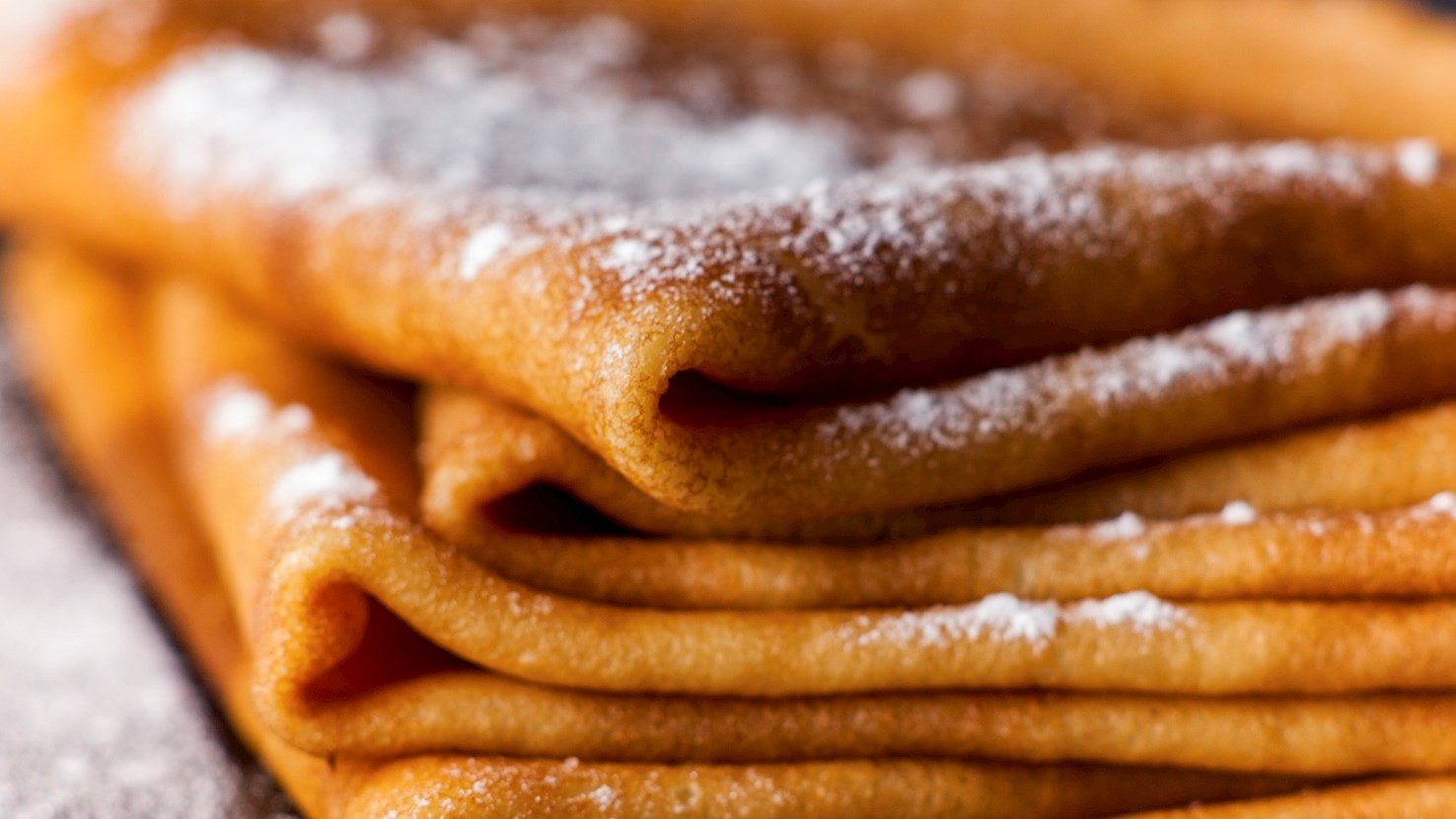
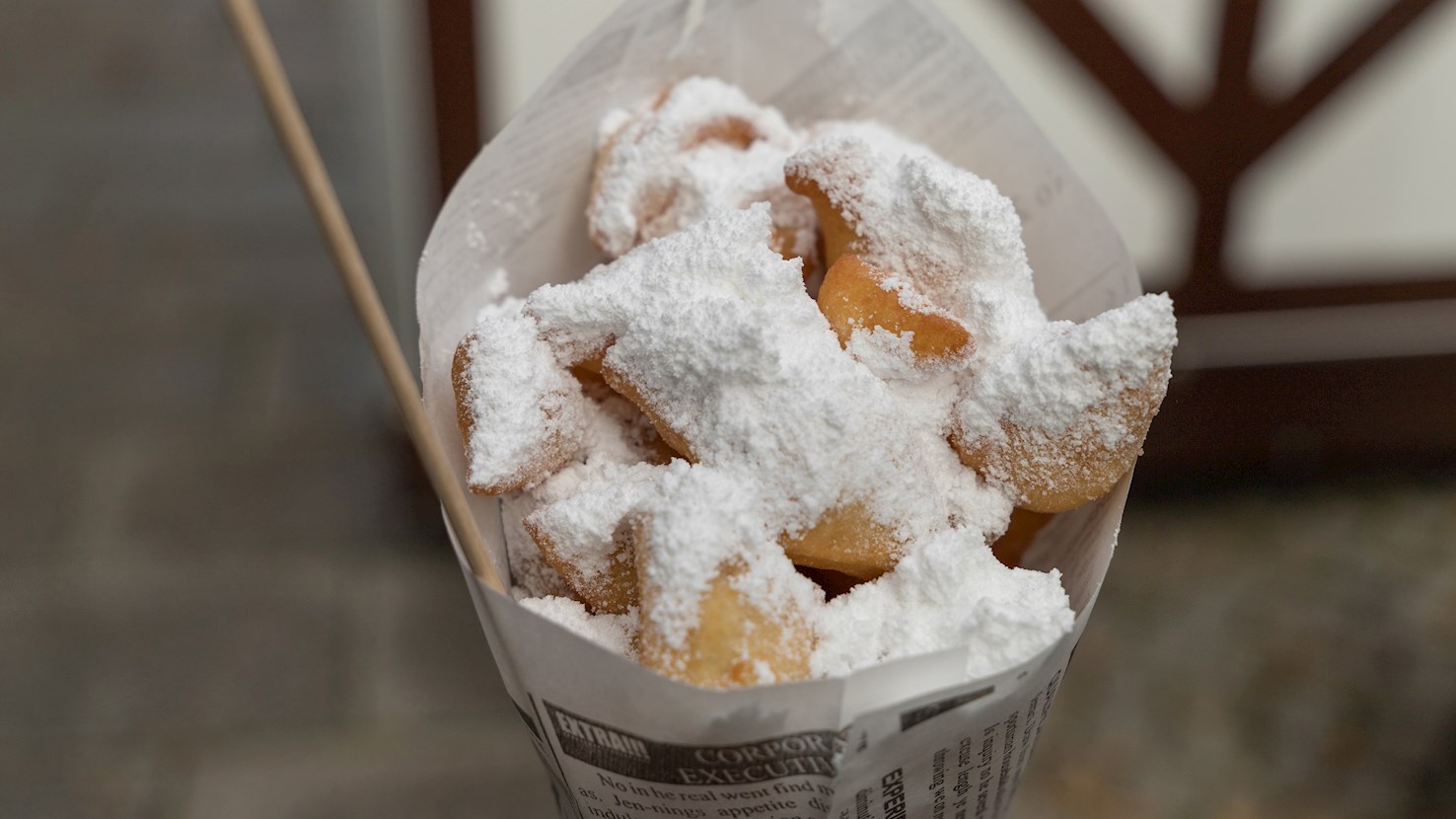
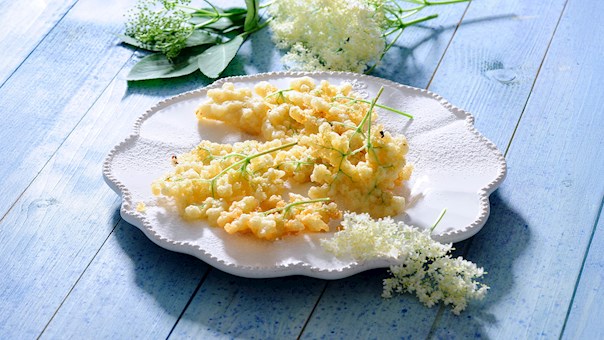
Magdeburger schmalzkuchen is a small, deep-fried pastry, considered a local specialty in the city of Magdeburg. It usually consists of yeast dough flavored with vanilla extract or vanilla sugar and lemon zest or juice. Typically rectangular or diamond-shaped, the fried pastries are consumed warm, dusted with confectioners' sugar. These small doughy pillows coated with confectioners' sugar are a staple at festivals, carnivals, and Christmas markets throughout the country.
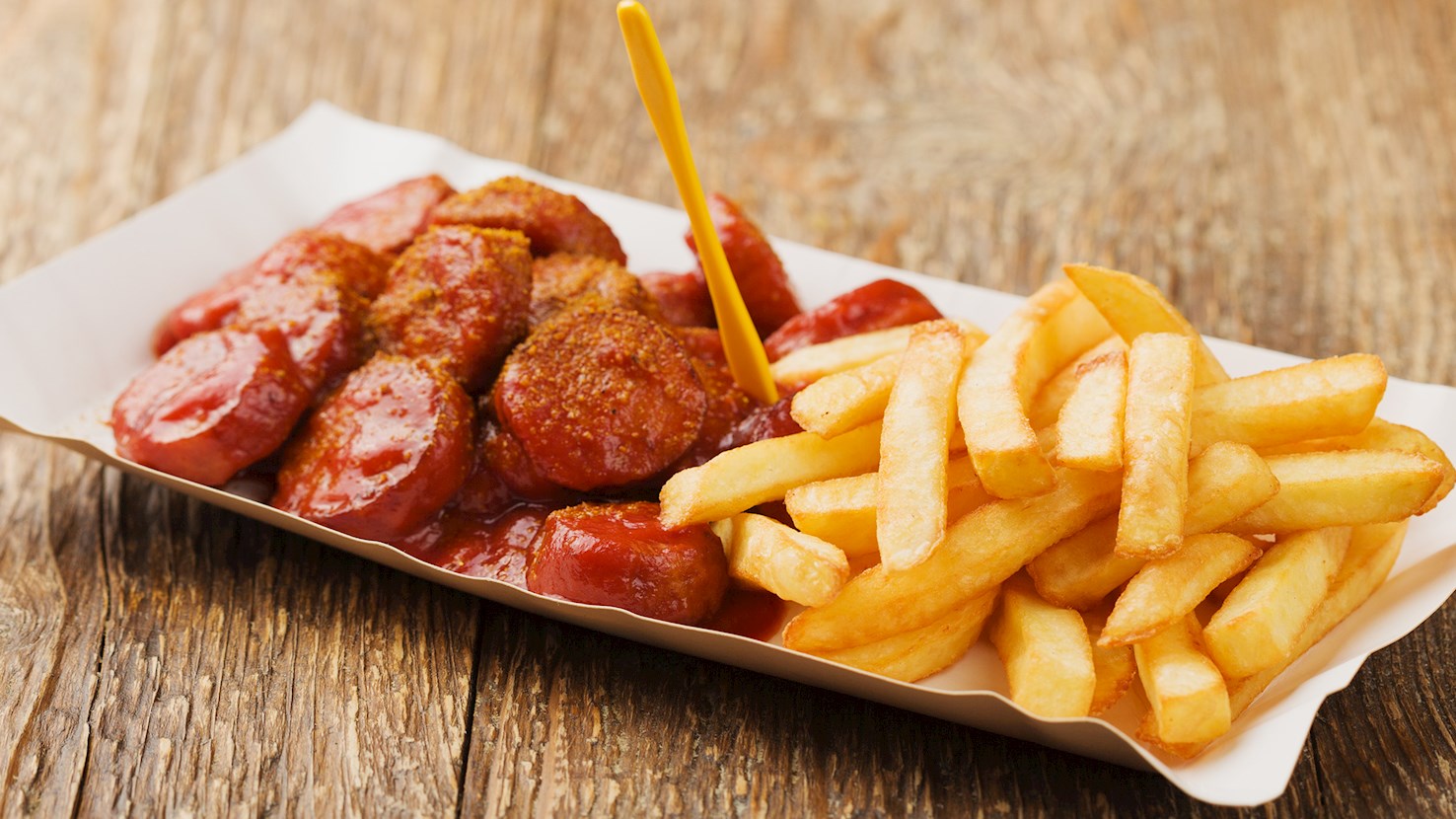
No other dish in Germany is as well known as currywurst, a street snack that has become an indispensable part of Germany’s culinary heritage. The dish is made from two essential parts - boiled and subsequently fried sausage, served whole or sliced, and a smooth and rich curry-spiced tomato sauce. With a portion of french fries or a kaiser roll on the side, the dish is usually lightly dusted with yellow curry powder. A wide range of sausages are used for currywurst, but the famous German bratwurst is the most commonly used variety. The real star of this dish is its gravy-like sauce made with puréed tomatoes and infused with the aromatic curry powder. The popularity of currywurst in Germany has generated numerous legends about its origins. Even though Hamburg is sometimes mentioned as its birthplace, Berlin is the city that is most commonly associated with the invention of this delicious dish. The most famous legend tells the story of Herta Heuwer, a Berlin local who is widely credited as the inventor of the tomato and curry concoction. In 1949, amid the aftermath of World War II, many ingredients were hard to come by and life was tough. However, thanks to Herta’s negotiating skills, she was able to get hold of a hard to come by ingredient – British yellow curry powder. She then mixed it with puréed tomatoes and other spices to create the base sauce, which she served with the sliced sausage. The dish became an instant success. Herta patented her creation and never revealed her original recipe. Later, as currywurst grew in popularity, numerous varieties popped up all over Berlin and the rest of Germany. No two are the same, and every local has their own favorite style and a favorite currywurst place. Germans are so fond of this fast food staple that they have even built a museum in its honor. Located in Berlin, the Currywurst Museum offers a glimpse into the history of the legendary currywurst, as well as a detailed overview of the numerous varieties, cooking styles, and serving options of this famous dish.
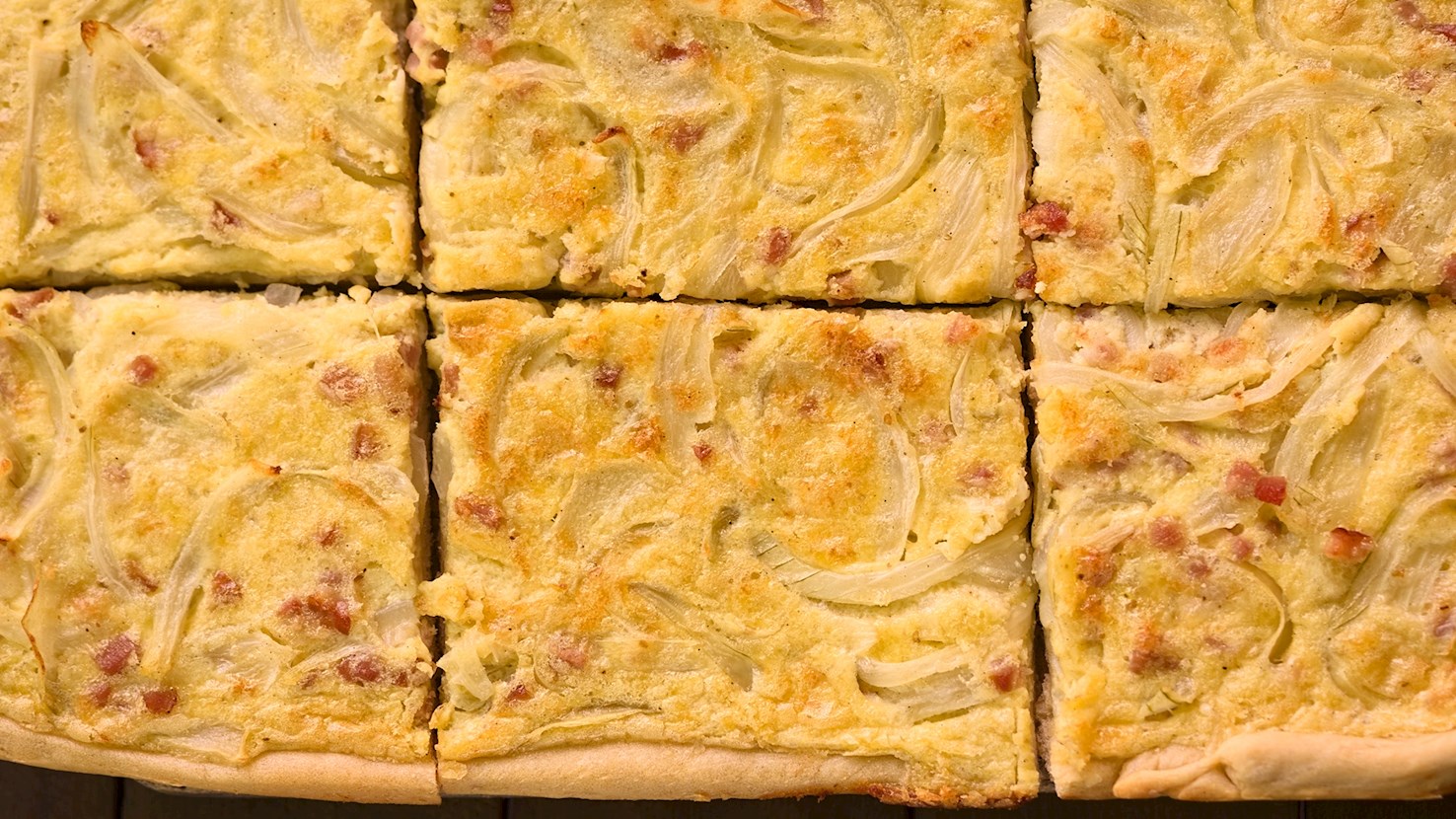
Although it translates to onion cake, German zwiebelkuchen is better described as a savory onion pie. The base of the dish is a thin, buttery crust that is usually made with yeasted dough. The center of the pie is filled with a combination of caramelized onions, smoky bacon, and a creamy mixture of eggs and sour cream. The pie is usually spiced with salt, pepper, and caraway seeds, which give the dish a deep and earthy flavor. Even though there are several varieties of zwiebelkuchen, it is traditionally baked as a round deep-dish pie. In the past, this savory delicacy was made with sour milk and plain bread dough–common staples in many German households. Today it comes in many shapes, including the usual flat, rectangular form, and can be adapted with many ingredients such as leeks and cottage cheese. It is commonly prepared at home but can be found in many German restaurants across the country. Zwiebelkuchen is commonly consumed during the annual grape harvest, and it is recommended to pair it with traditional young wines.
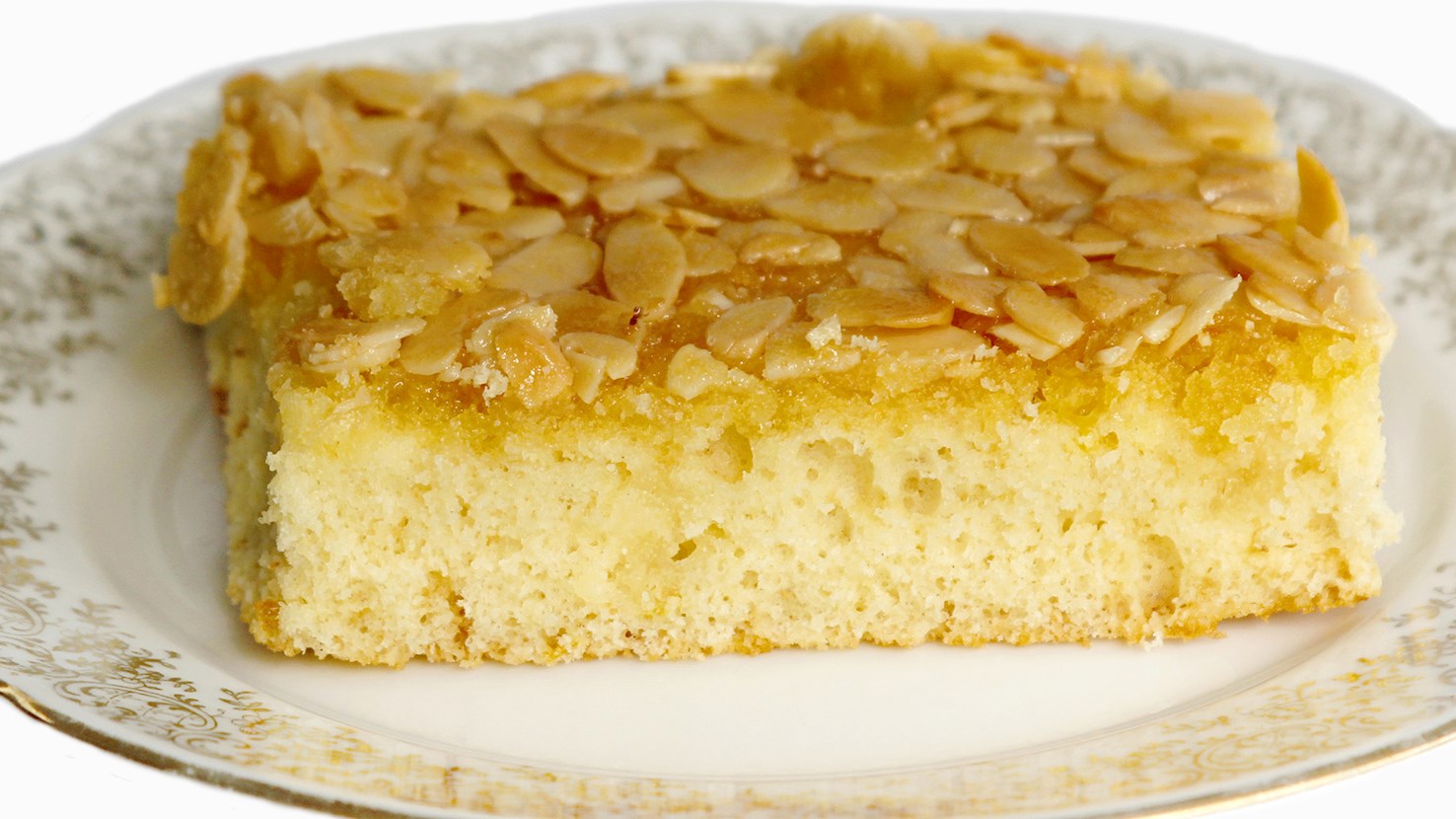
Butterkuchen is a simple cake that is mostly sold in bakeries and typically enjoyed with afternoon coffee. In some parts of Germany, it has become such an integral part of life that it’s served for special occasions such as weddings and funerals. Butter cake, as the name translates, is made with yeasted dough consisting of flour, sugar, butter, and milk. The dough is thinly rolled out in the shape of a rectangle, then poked in order to appear dimpled. Those little holes are filled with butter shavings or small butter cubes, and the entire cake is sprinkled with vanilla sugar and chopped almonds.
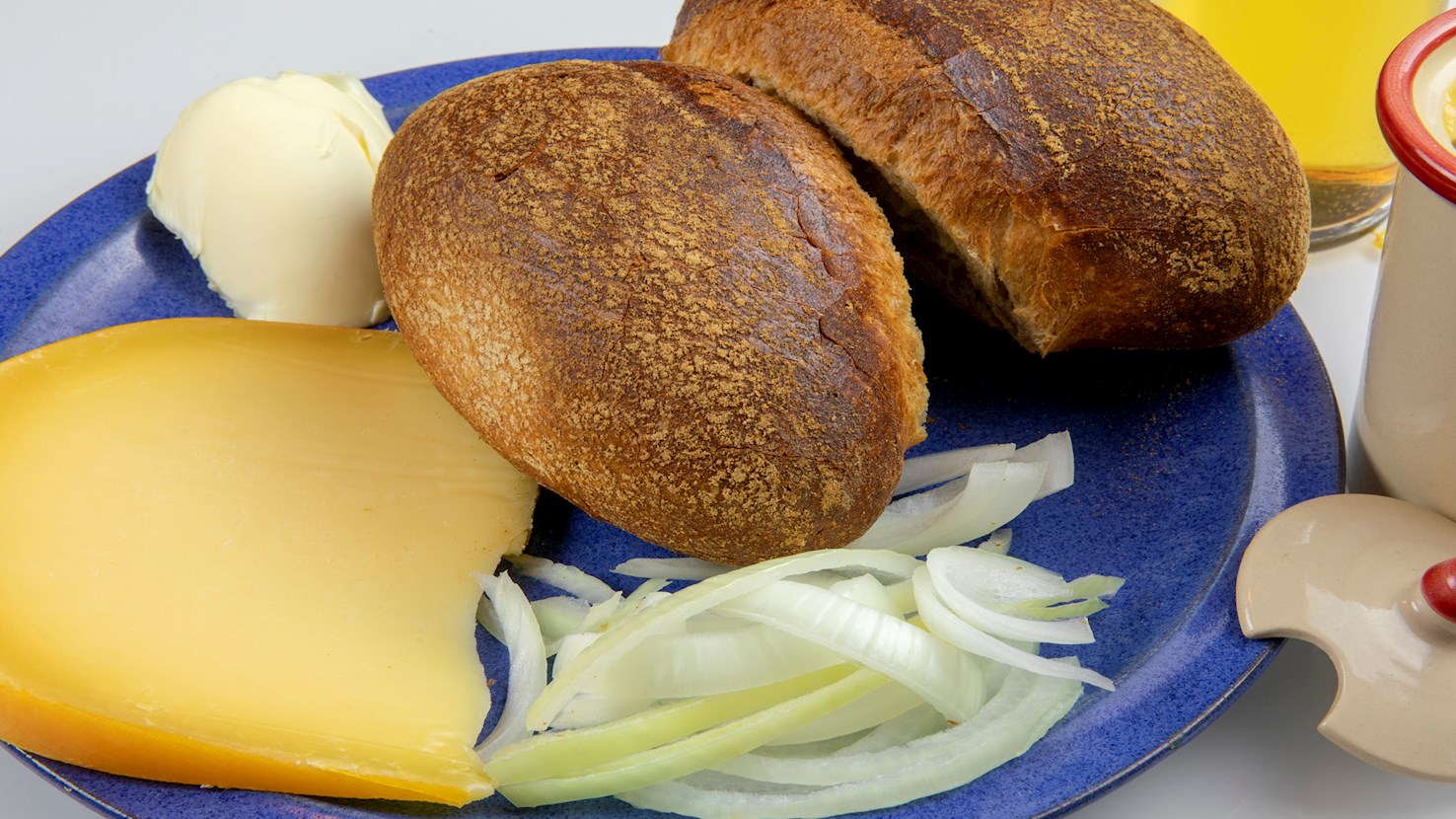
Halve hahn is a Rhenish sandwich consisting of a split rye roll (röggelchen) that is typically buttered and topped with a thick slice of medium-ripe gouda cheese, pickles, and raw onions. Mustard is commonly added as well. It is popular throughout the Rhineland, especially in the cities of Cologne and Duesseldorf, where it can be found at most restaurants, pubs, and beer gardens. The origins of this dish are debated, but halve hahn most likely originated from Cologne in the 1870s. It is eaten as a snack between gulps of kölsch beer.
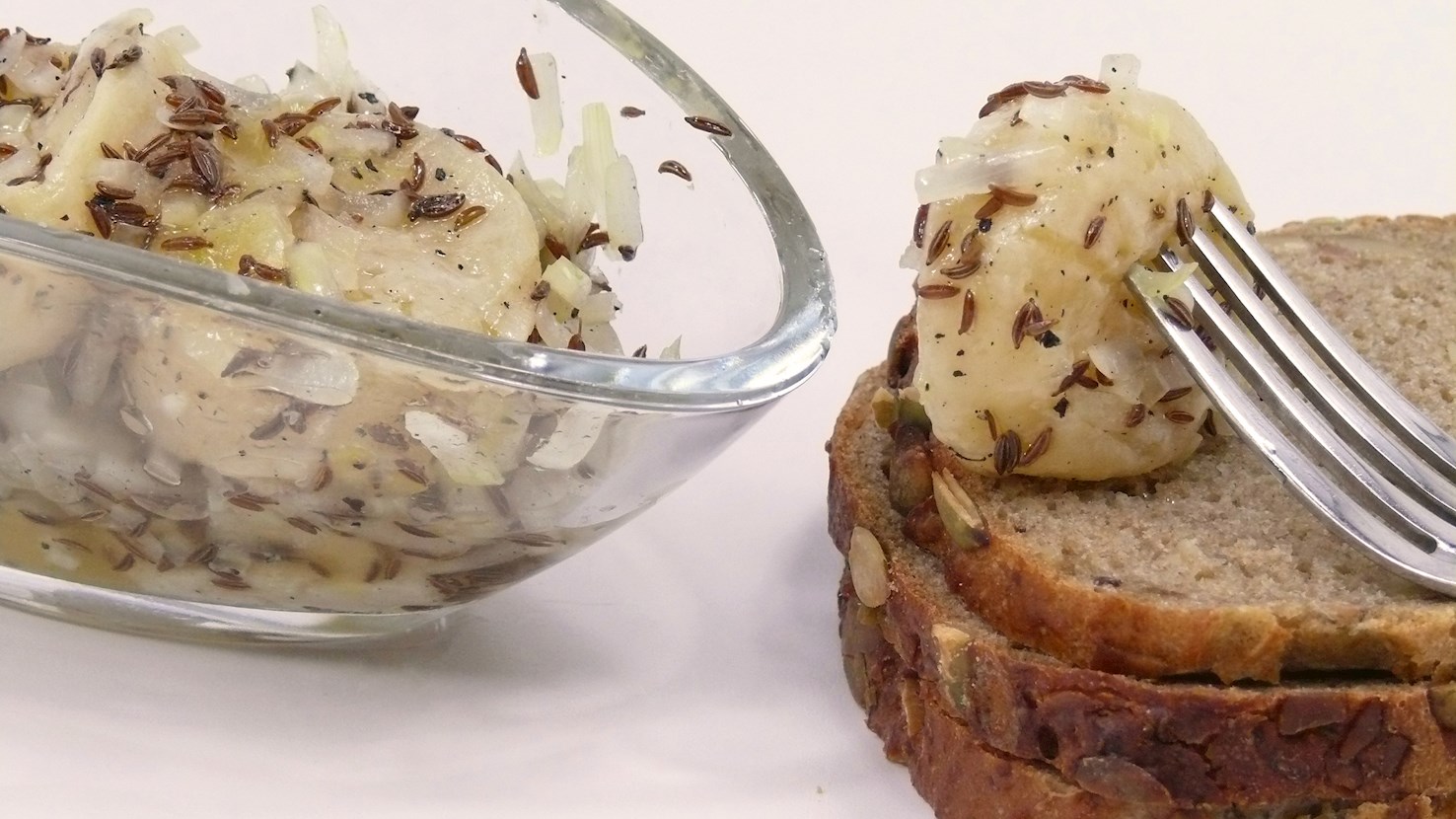
Handkäse mit Musik is a German dish originating from Hesse. It consists of hand-formed handkäse (sour milk cheese) that's topped with raw onion vinaigrette. The onion marinade stands for music (Musik) from the name, which comes in the form of flatulence caused by consuming raw onions. However, the real reason why it has music in its name is because in the past, the onions were served on the side, while vinegar and oil were served in tiny jars that made music while the servers carried them on a plate. The dish is often served only with a knife, and it's typically accompanied by bread, caraway seeds, and apfelwein (apple cider) on the side.
TasteAtlas food rankings are based on the ratings of the TasteAtlas audience, with a series of mechanisms that recognize real users and that ignore bot,
nationalist or local patriotic ratings, and give additional value to the ratings of users that the system recognizes as knowledgeable.
For the “Top 16 German Snacks” list until October 15, 2026, 1,662 ratings were recorded, of which 1,462 were recognized by the system as legitimate.
TasteAtlas Rankings should not be seen as the final global conclusion about food. Their purpose is to promote excellent local foods,
instill pride in traditional dishes, and arouse curiosity about dishes you haven’t tried.





What People Say