

shutterstock

Top 78 Italian Snacks

Last updated on May 15, 2026
01

Pizzette

4.3 ·

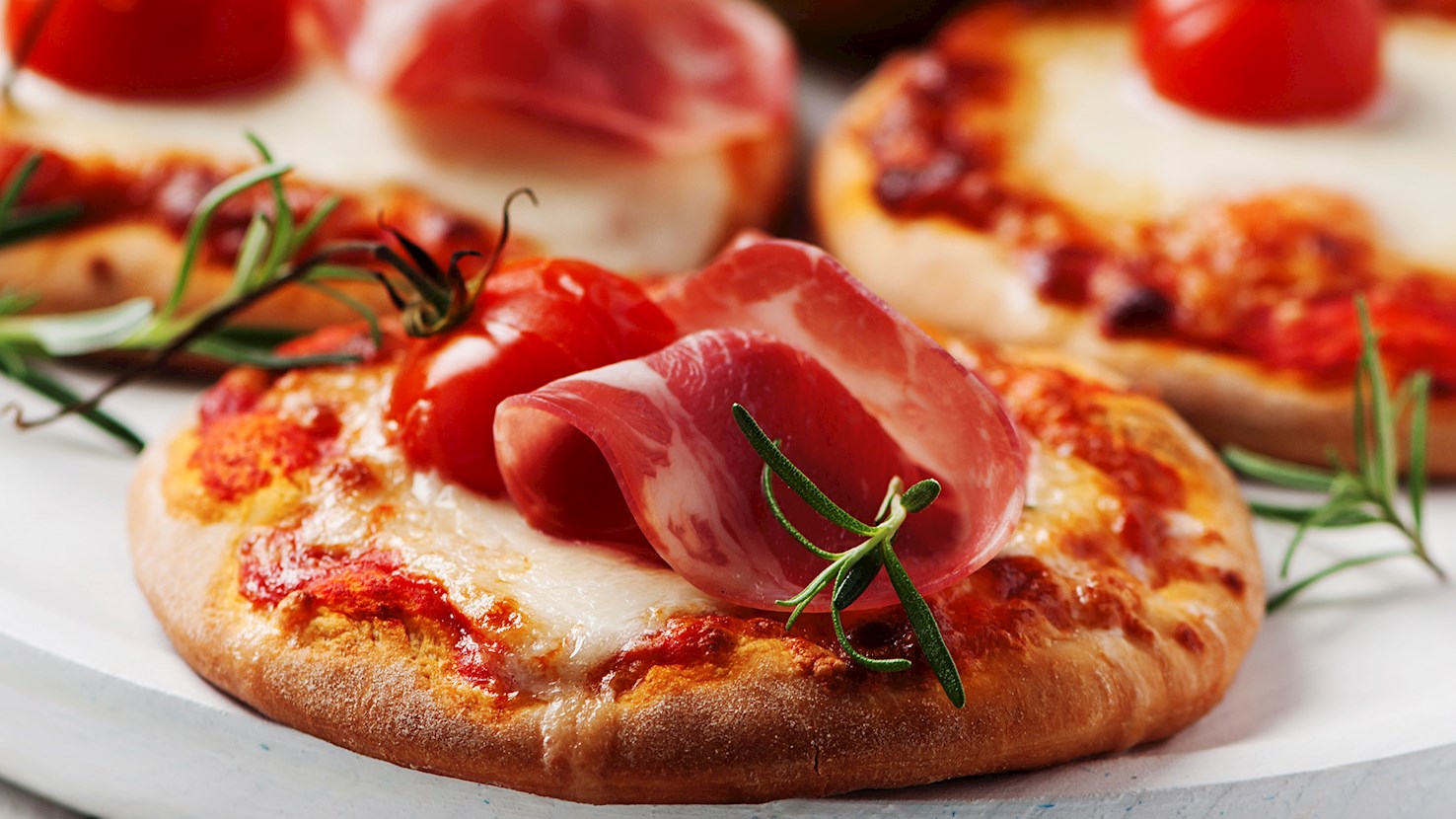
Pizzetta is a small version of pizza that varies in size and shape, so some pizzettas can even be prepared in the shape of a heart. It is made in the same way as a regular, large pizza, consisting of a dough base (or puff pastry) topped with sauces, cheeses, and various additional ingredients. The dish is usually served as an appetizer, a quick snack, or a light meal. In Rome's bakeries, pizzette are often sold by weight, and if you order an apéritif at a café, you might even get a complimentary pizzetta with your order.

02

Panzerotti

4.3 ·

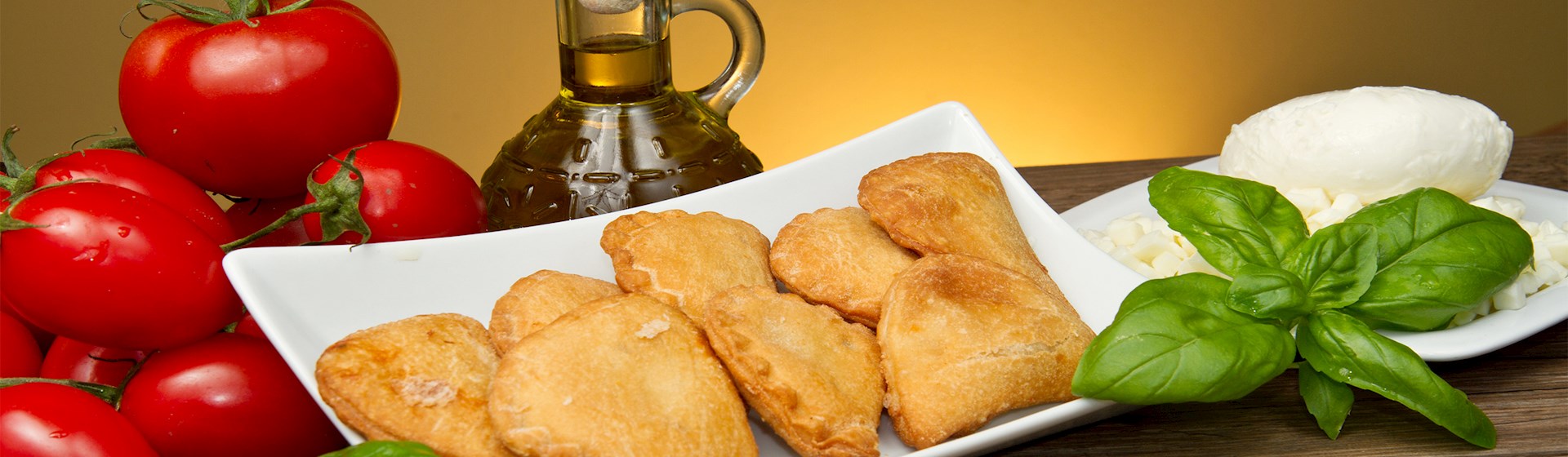
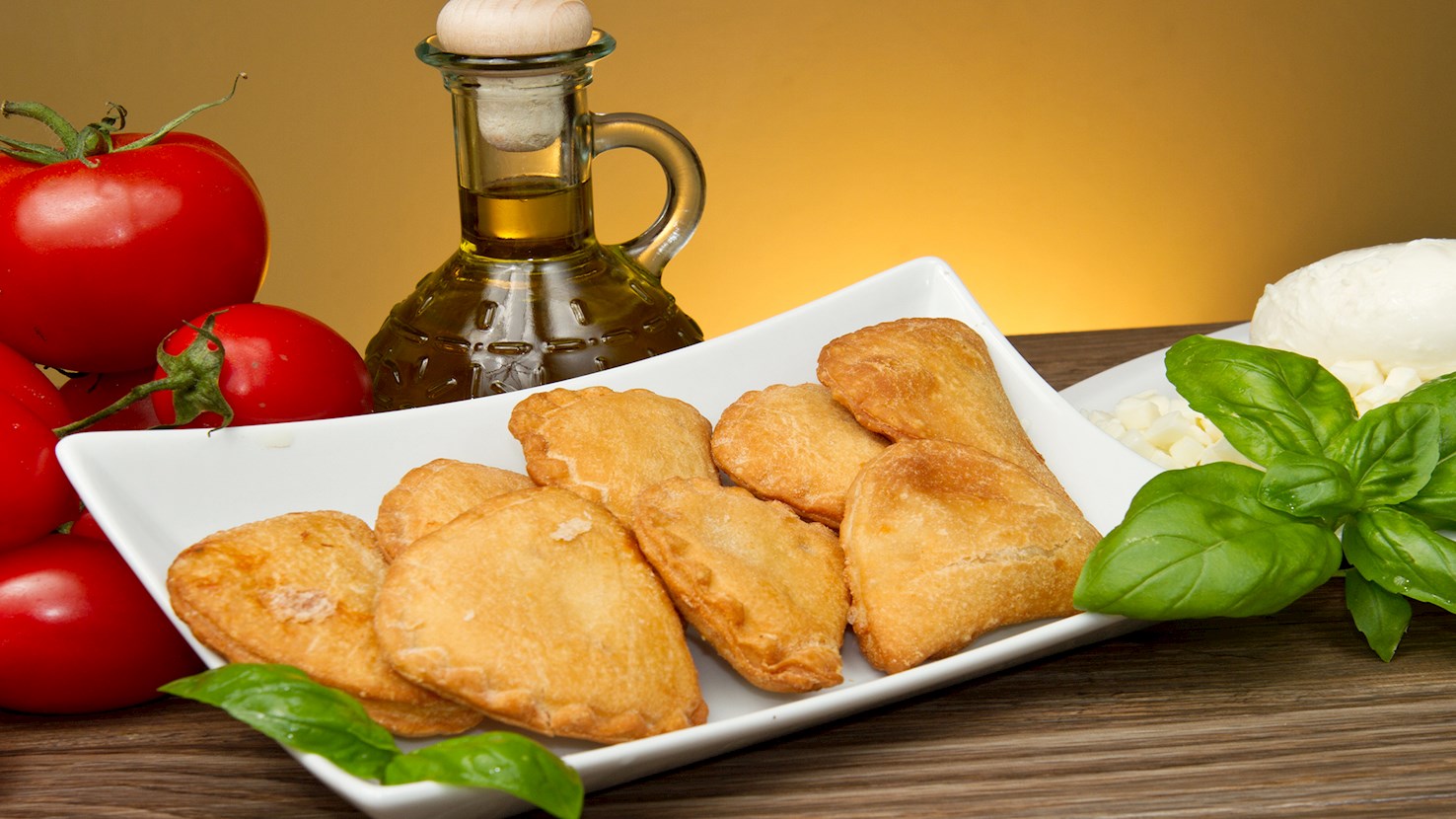
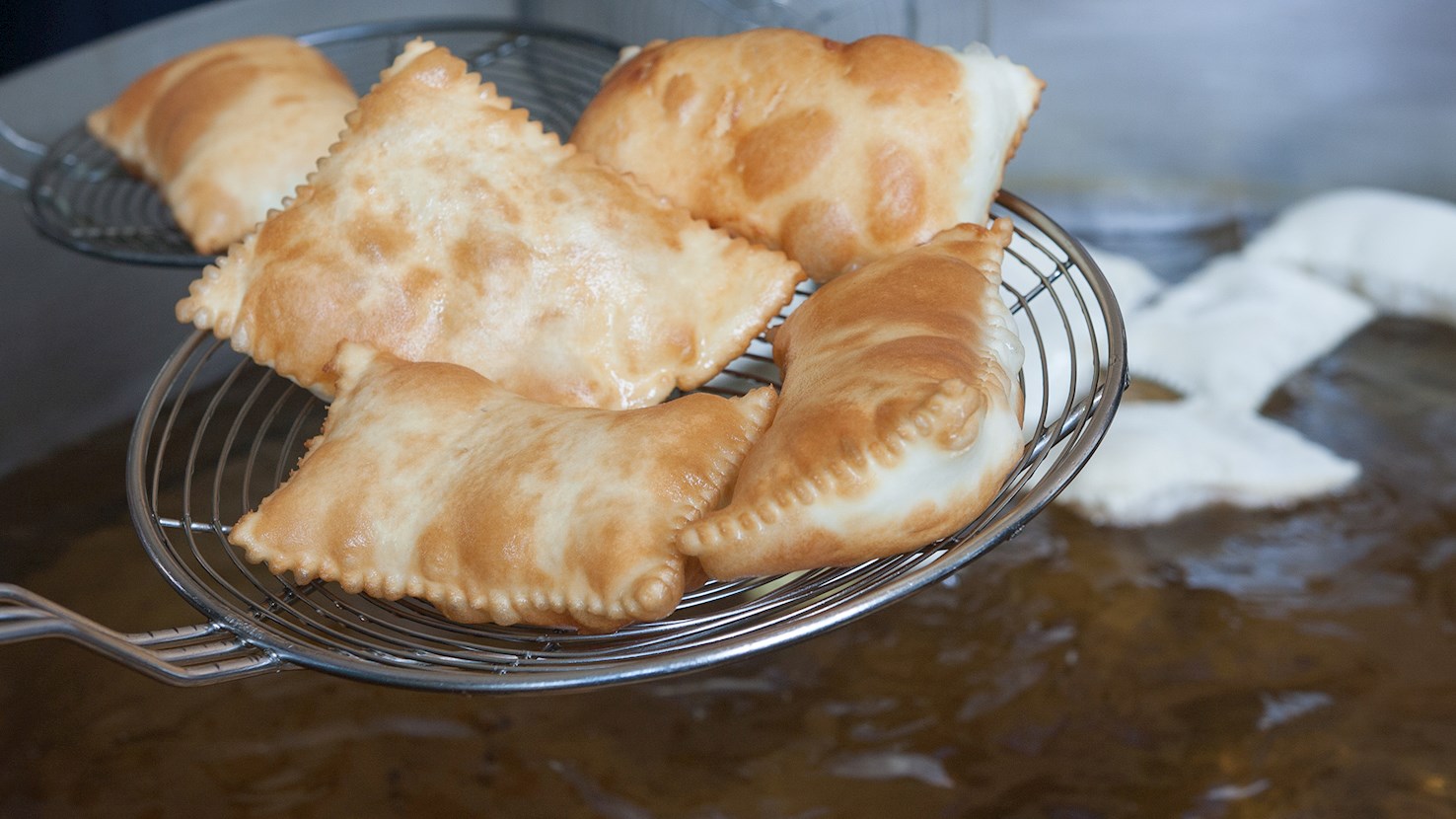
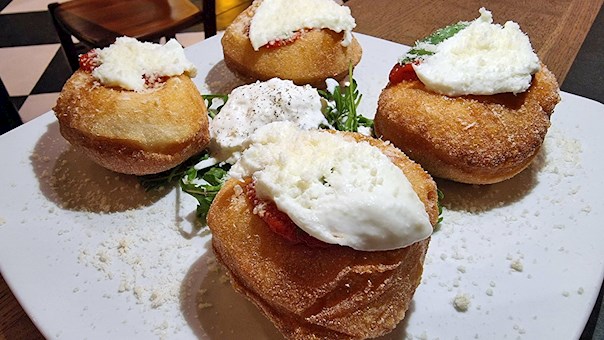
These crescent-shaped turnovers are traditionally prepared for the Carnival season, and even though it is believed that they originated in the Apulia region, panzerotti are extremely popular all across southern Italy. They resemble small calzone pizzas—both in shape and the dough used for its preparation—but instead of being oven-baked, panzerotti are deep-fried, which is why they're also called calzoni fritti (fried calzones), pizze fritte (fried pizzas), or simply frittelle (fritters). The classic panzerotto filling consists of merely tomatoes and mozzarella, but they can be filled with pretty much anything and in various combinations: prosciutto-mozzarella, pepperoni-provolone, spinach-ricotta, zucchini-mozzarella, onion-olives-tomatoes, speck-fontina, etc. Apart from the savory variations, there are also panzerotti filled with all kinds of fruits such as apples, pears, plums, oranges, cherries, peaches, and strawberries, which are wonderfully paired with ricotta, chocolate, or custard cream.

03

Erbazzone Reggiano

4.2 ·

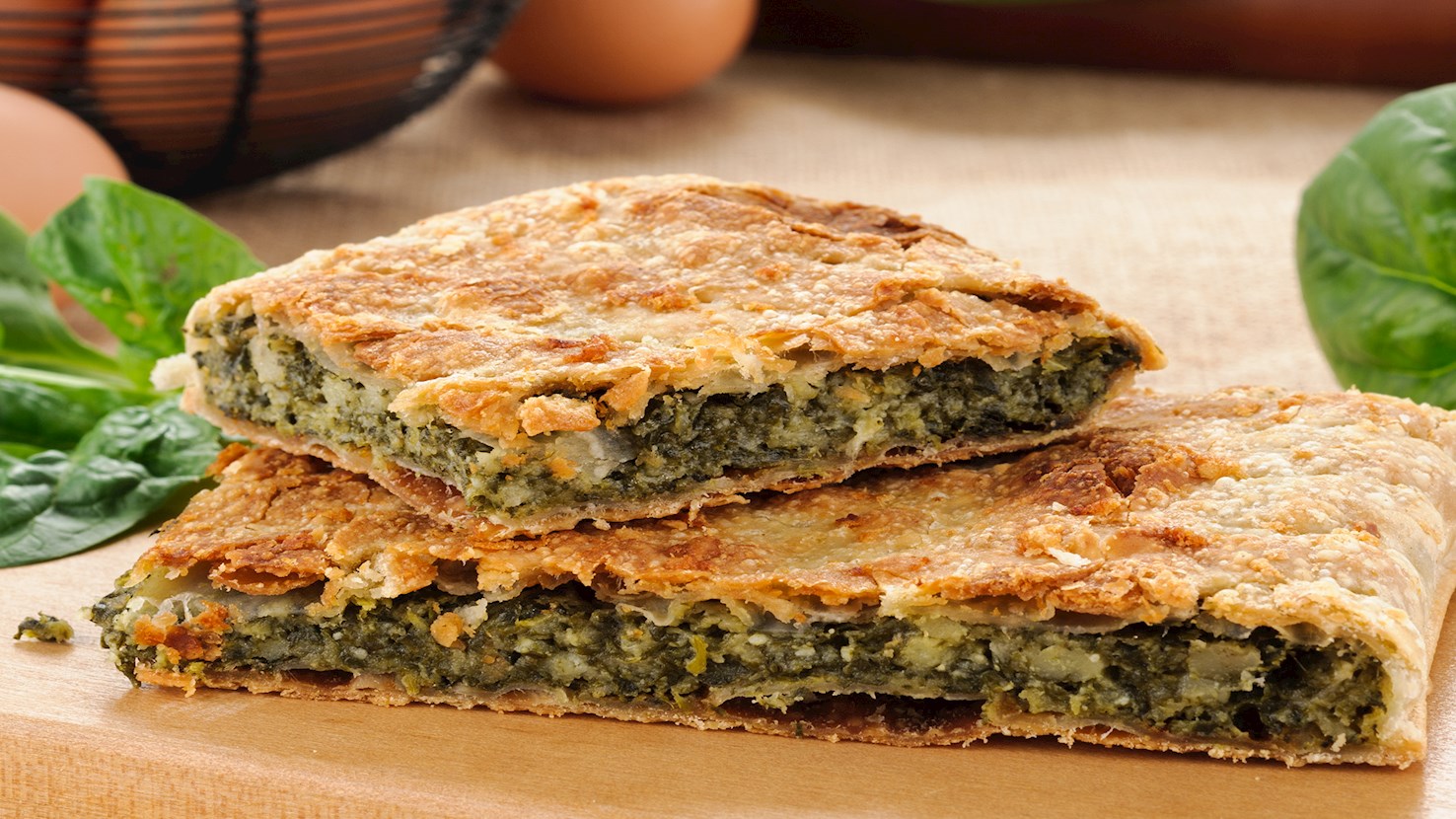
This savory pie has its origins in the Reggio Emilia province, where it was invented as a humble, rustic dish, utilizing ingredients that were in abundance. It is consists of a filling, traditionally prepared with various greens such as spinach, chard, leeks, or different herbs, which is enclosed between two layers of lard-based dough. Parmigiano Reggiano and garlic often complement the greens, and before baking, the pie is traditionally smeared with lard. Erbazzone is enjoyed as a light snack or an appetizer and is best paired with Lambrusco wine, another Reggio Emilia favorite.

04

Arancini al ragu

4.2 ·

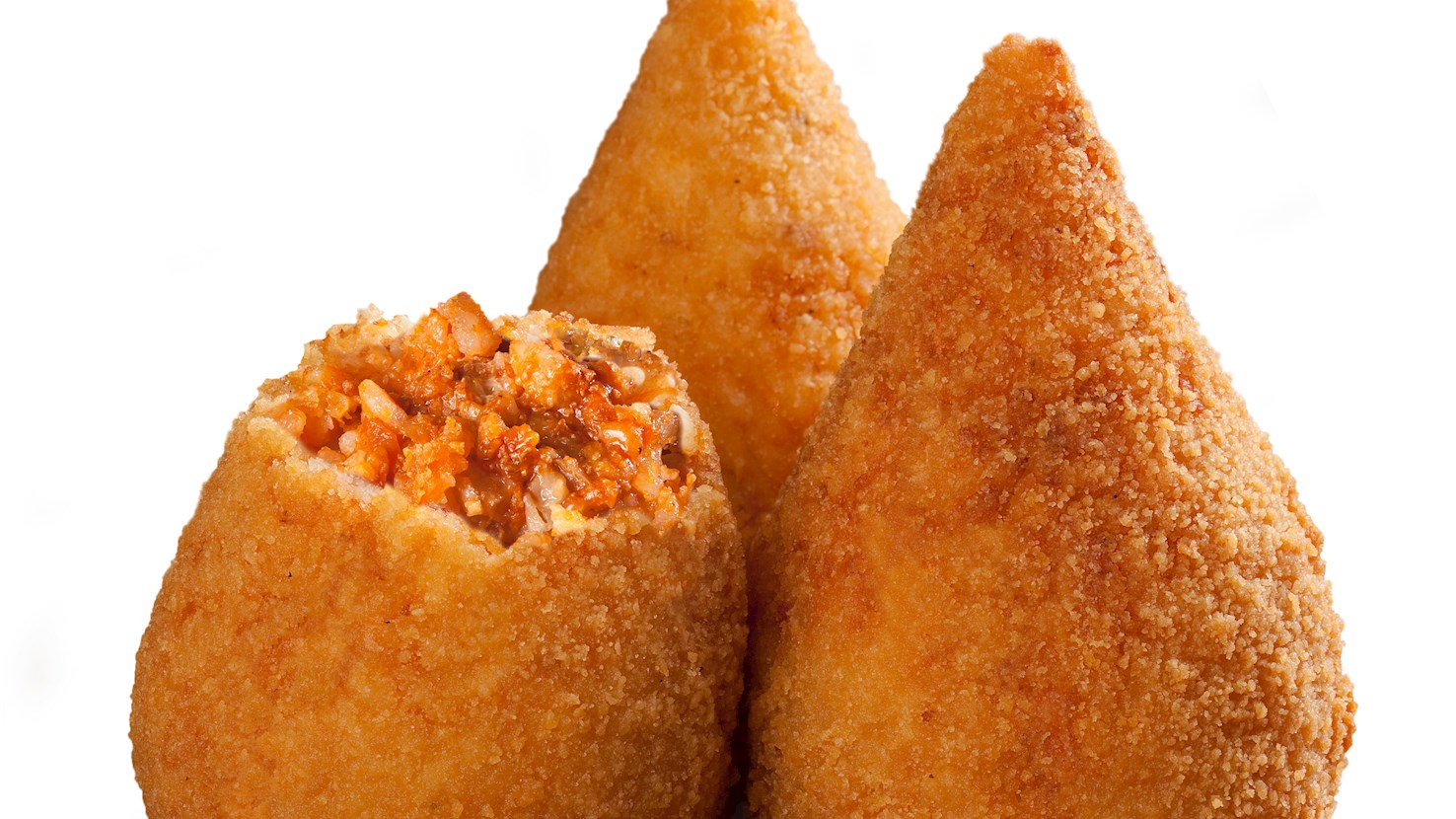
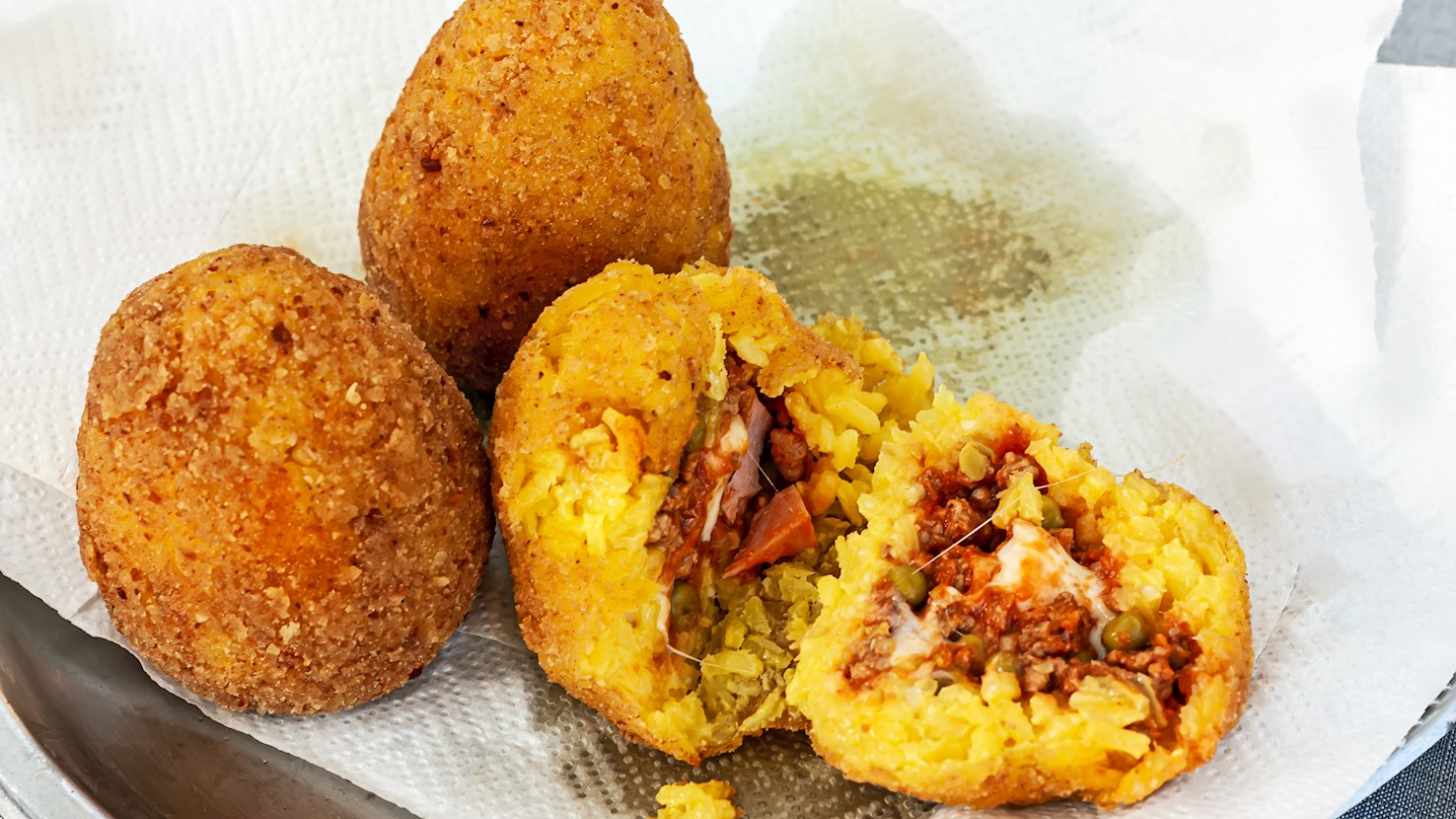
Arancini al ragu or arancini al sugo is a traditional variety of arancini rice balls originating from Sicily. For this version, the arancini are typically stuffed with ragu and cheese, and sometimes peas. The ragu is made with ground beef, onions, carrots, celery, tomatoes, olive oil, salt, and pepper. Once stuffed, the arancini are breaded and deep-fried in oil until golden and crunchy. Parsley and basil are welcome flavorings for arancini al ragu. This snack can be found in most restaurants, bakeries, and street cart stands in Sicily.

Best restaurants
05

Polpette

4.2 ·

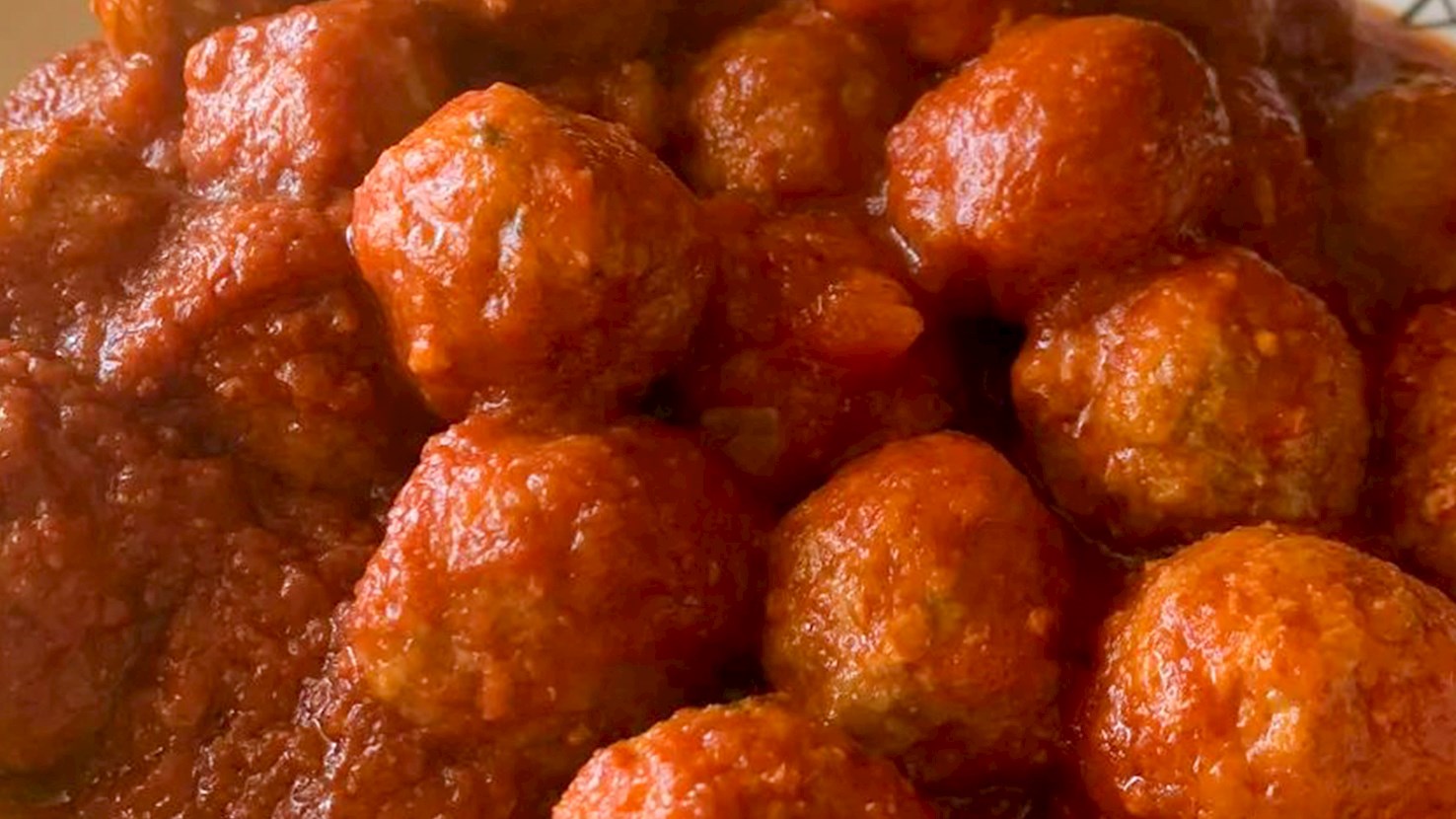
Polpette is a word denoting Italian meatballs, traditionally consisting of ground beef or veal (and sometimes pork) that is shaped into small balls. These meatballs are usually enriched with a wide variety of ingredients such as parsley, eggs, garlic, and sometimes even mortadella or Parmigiano Reggiano. Although some might think that polpette are served with pasta, that is mostly an American thing, and Italian polpette are typically consumed on their own as a snack, appetizer, or finger food that is especially beloved by children of all ages.

06

Fiori di zucca ripieni

4.2 ·

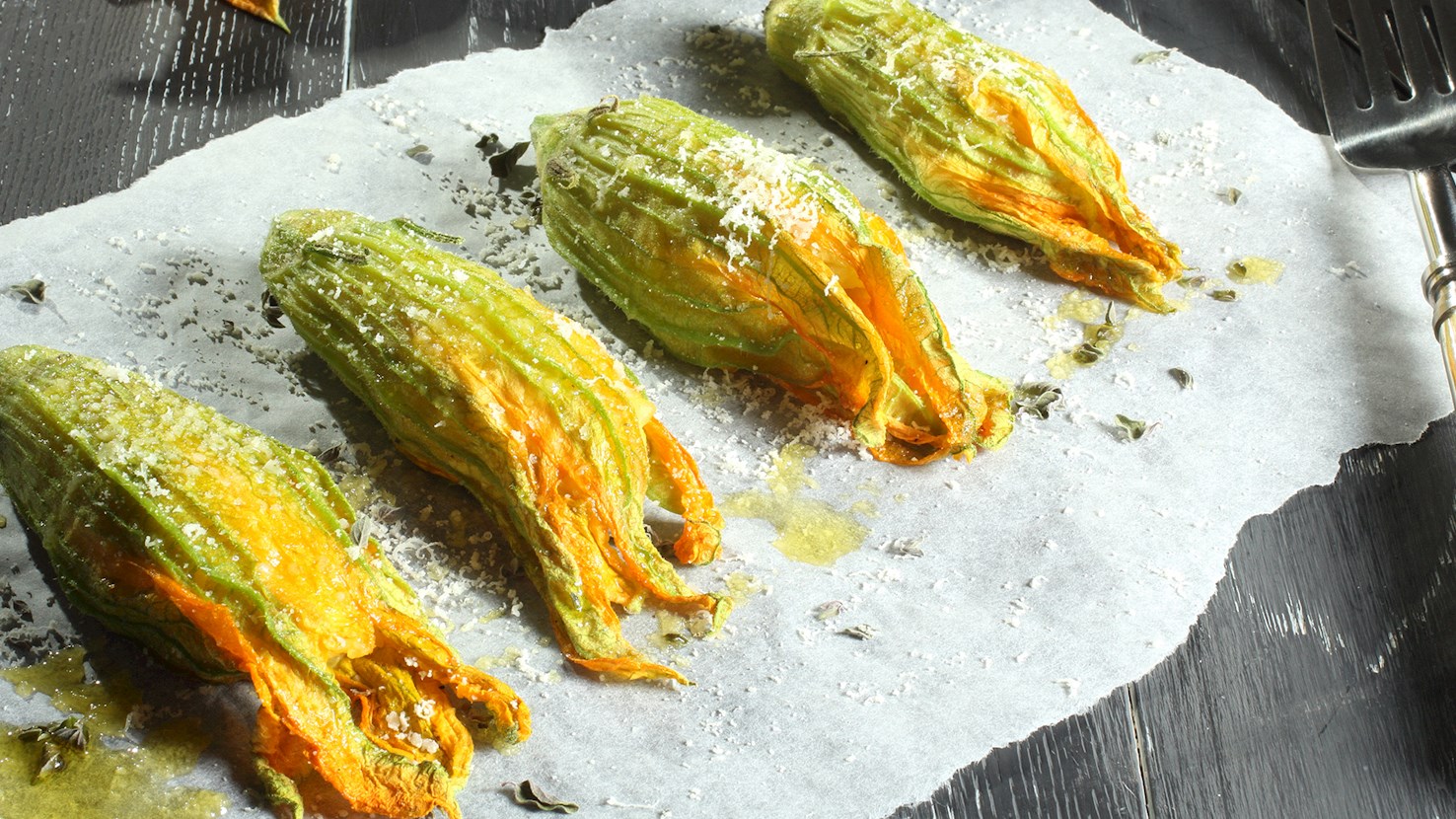
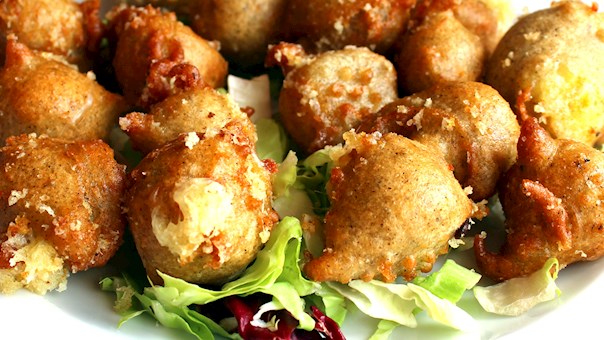
The delicate zucchini or pumpkin flowers are a rather common ingredient in Italian cuisine. They are often incorporated into various dishes such as risottos, flans, or salads, but the preferred option is to stuff them with a different combination of ingredients. The fillings typically include cheese, usually mozzarella or ricotta, meat, and fish, while the classic Ligurian-style fiori di zucca use the creamy mixture of zucchinis, mashed potatoes, and parmesan cheese. Though they can be enjoyed fresh, they are often baked (forno) or coated in batter and fried (fritti) until crispy. This colorful dish is mainly served as an appetizer or a light snack.

07

Trapizzino

4.2 ·

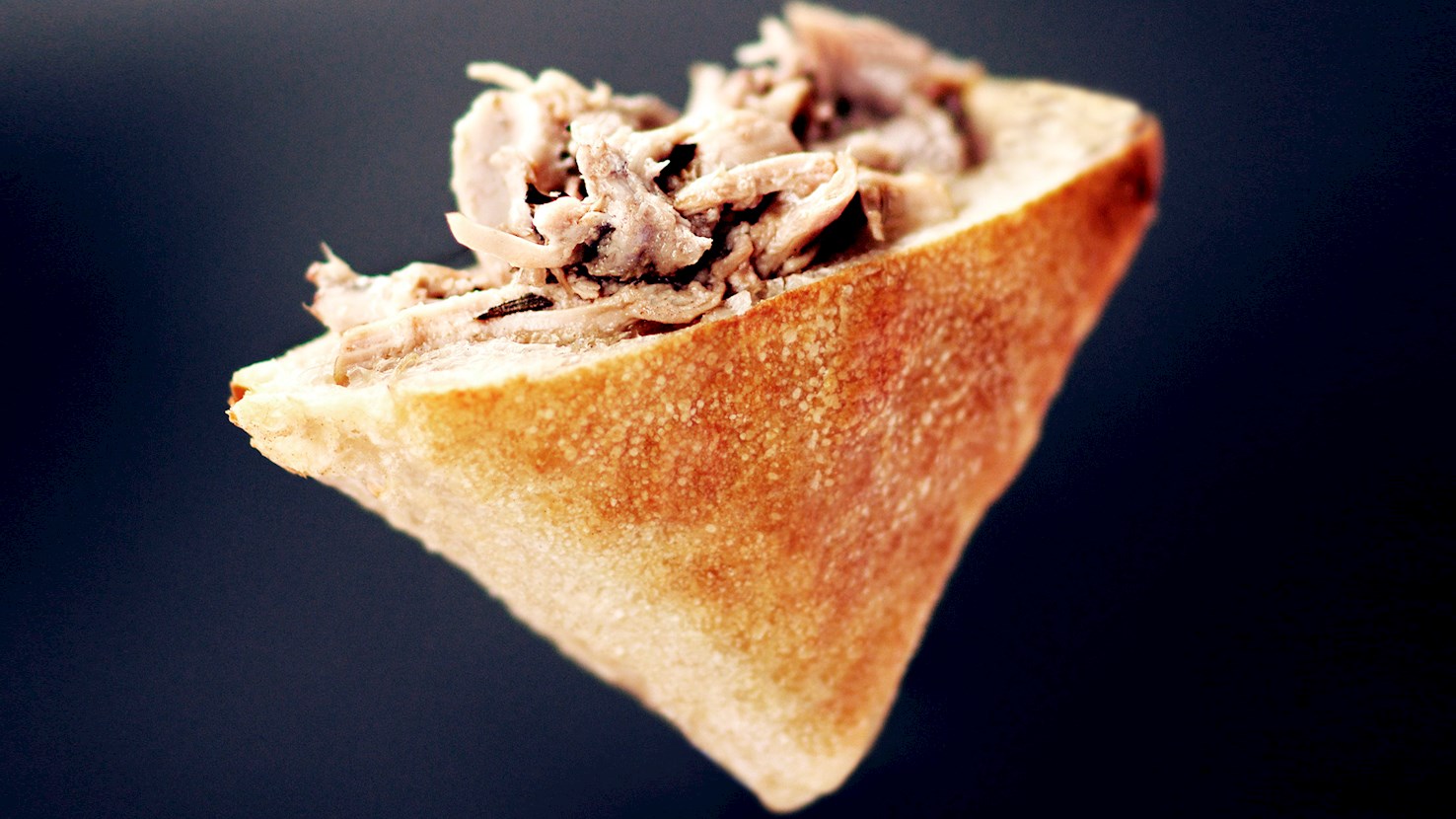
Invented by Stefano Callegari in 2008 in Rome, trapizzino is a popular street food item consisting of a pocket of pizza bianca that is typically filled with a meat or vegetable filling – usually classic Roman dishes that would traditionally be impossible to consume on the go. The tasty trapizzino originated from pizza by-the-slice, and its name is a play on words combining tramezzino (Italian triangular sandwiches) and pizza. This snack should be soft on the inside and crunchy outside, and due to its popularity, it even gained international acclaim and started to appear on the streets of New York as well.

Best restaurants
08

Gnocco fritto

4.2 ·

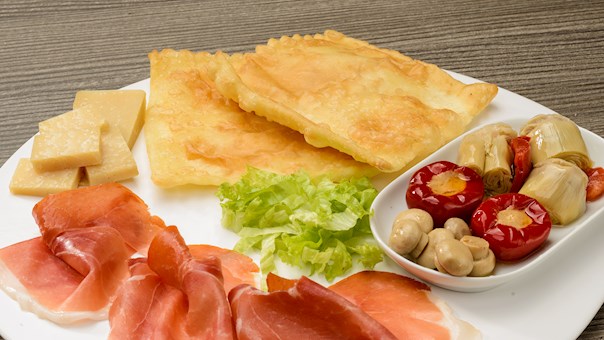
Gnocco fritto is a traditional pastry consisting of flour, lard, salt, and a leavening agent. The dough is traditionally shaped into little rectangles by flattening it with the palm of one's hand. Often times, people make small holes in the middle of the dough with their fingers, and fry the dough on lard in a pan. Gnocco fritto is traditionally served warm and paired with cheese or cured, sliced meats. In the past, it was very popular with farmers who consumed it during the days of hard labor in the fields.

09

Crocchè

4.2 ·

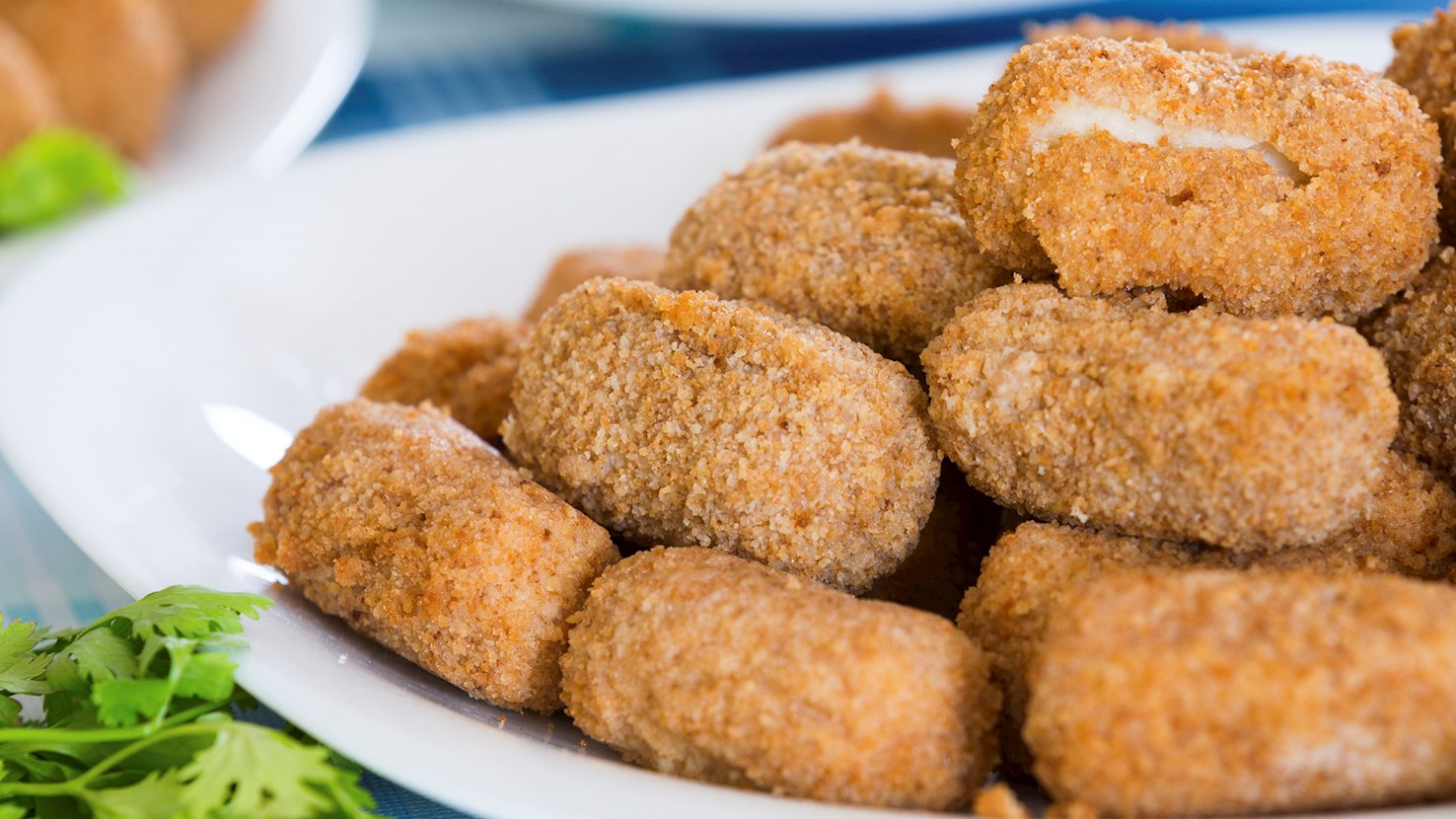
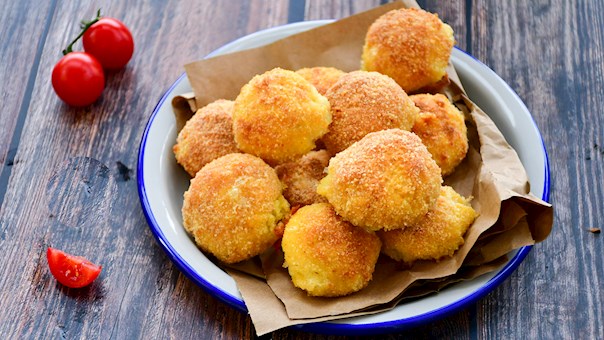
Crocchè is a famous Sicilian deep-fried snack. Also known as crocchè di patatte, and panzarotti in Neapolitan, it is made with mashed potatoes, eggs, Parmigiano and mozzarella cheese, and parsley or mint leaves. Additional ingredients occasionally include provolone cheese, prosciutto, and salami. This tasty snack with a crunchy exterior and silky soft interior was inspired by the famous French croquette, and it originated in the 17th century, when potatoes became a staple ingredient in Sicily. Crocchè is most commonly regarded as Italian street food, but it is occasionally also served in restaurants as a side dish or antipasto. It is best to consume it freshly fried, hot, and crunchy, when it is usually served with a splash of lemon juice.

10

Arancini

4.2 ·

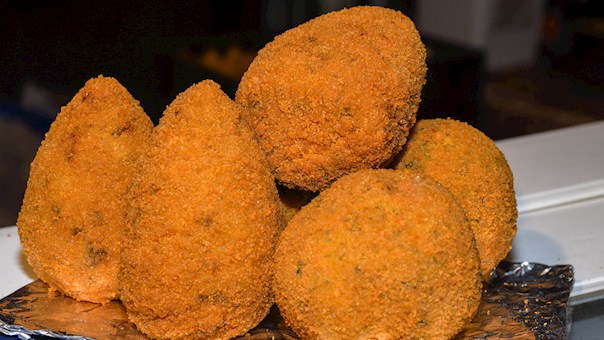
Arancini are big, golden rice balls filled with a savory combination of ingredients in the center. These balls are especially popular in Sicily. The fillings often include meat sauce with peas, dried prosciutto, cheeses such as mozzarella and pecorino, tomatoes, or dried capers. The balls are rolled in breadcrumbs and fried in hot oil, developing the characteristical golden color of the exterior. A popular theory says that the dish was invented in the 10th century during the Kalbid rule of Sicily. The name of the dish is derived from the Italian word for orange, arancia, referring to the similarities in visual appearance and color, so arancini means small oranges. Warm, delicious, and oily, arancini can often be found throughout southern Italy at numerous street carts. Every year on December 13th, there is a festival of Santa Lucia in Palermo, when the city is filled up with kiosks and carts selling these aromatic treats that are prepared specifically for the festival. During the holiday, there is even a sweet version of the dish, dusted with cocoa and sugar. Interestingly enough, western Sicilians call these snacks arancina in singular form, while eastern Sicilians call it arancino.

Read more
View all
View map
About this ranking

TasteAtlas food rankings are based on the ratings of the TasteAtlas audience, with a series of mechanisms that recognize real users and that ignore bot, nationalist or local patriotic ratings, and give additional value to the ratings of users that the system recognizes as knowledgeable. For the “Top 78 Italian Snacks” list until May 15, 2026, 3,729 ratings were recorded, of which 2,831 were recognized by the system as legitimate. TasteAtlas Rankings should not be seen as the final global conclusion about food. Their purpose is to promote excellent local foods, instill pride in traditional dishes, and arouse curiosity about dishes you haven’t tried.

Similar lists