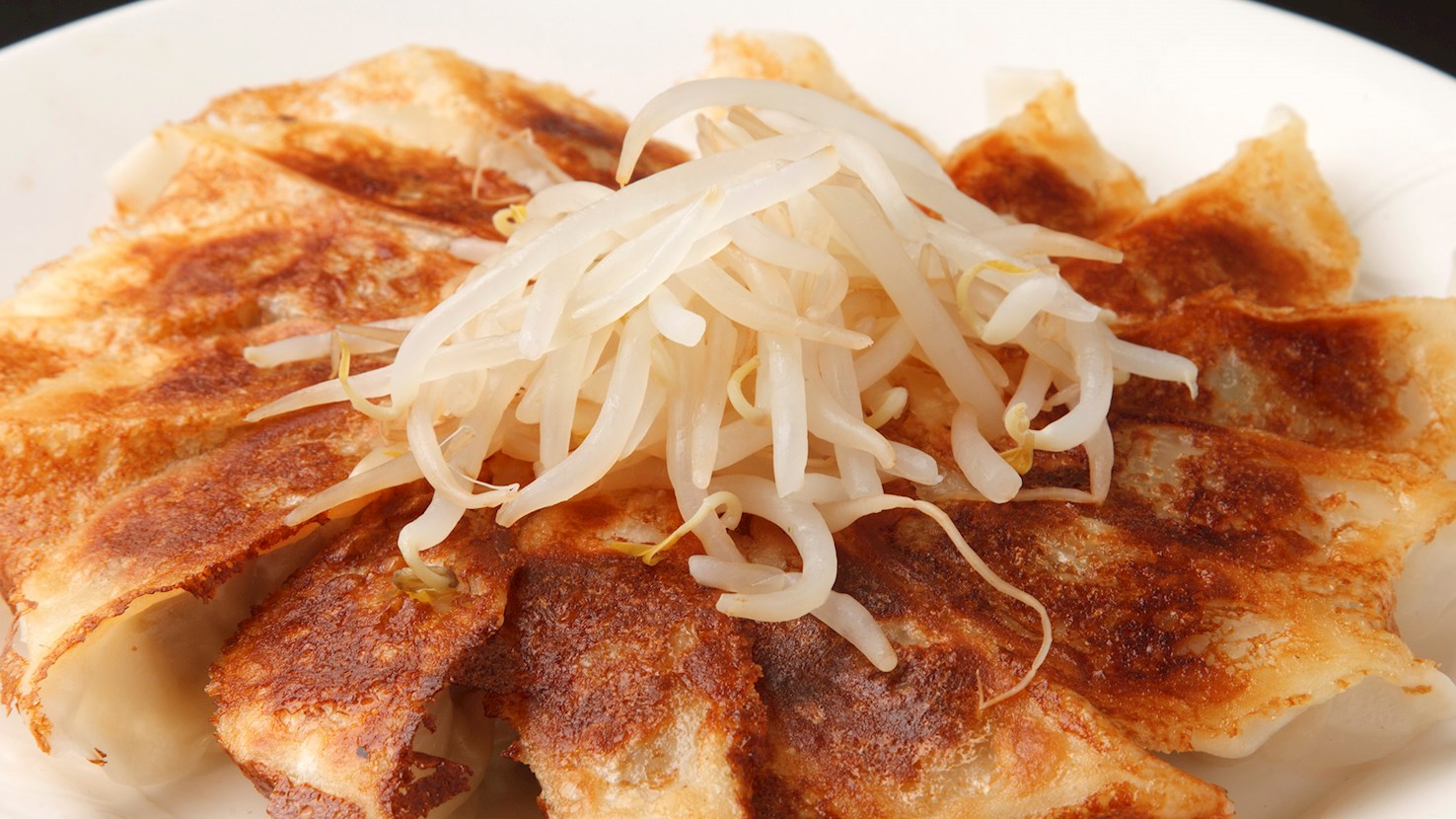
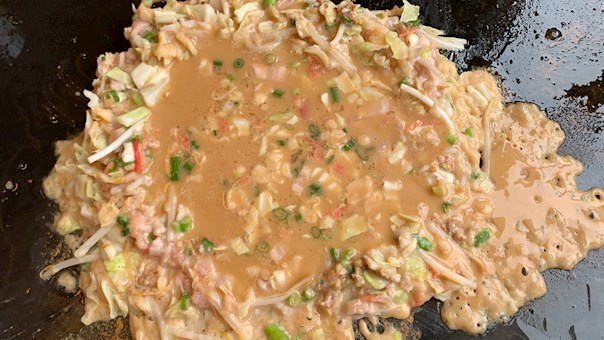
Hamamatsu is a popular variety of Japanese gyoza filled with cabbage, onions, pork, and selected seasonings. It is characterized by a unique frying style in which cooks arrange gyoza in a circular pattern (hanetsuke, a technique in which a crispy bottom connects all the gyozas) so that they can fry as many snacks as possible at the same time. It is very popular to pair Hamamatsu gyoza with a topping of bean sprouts.
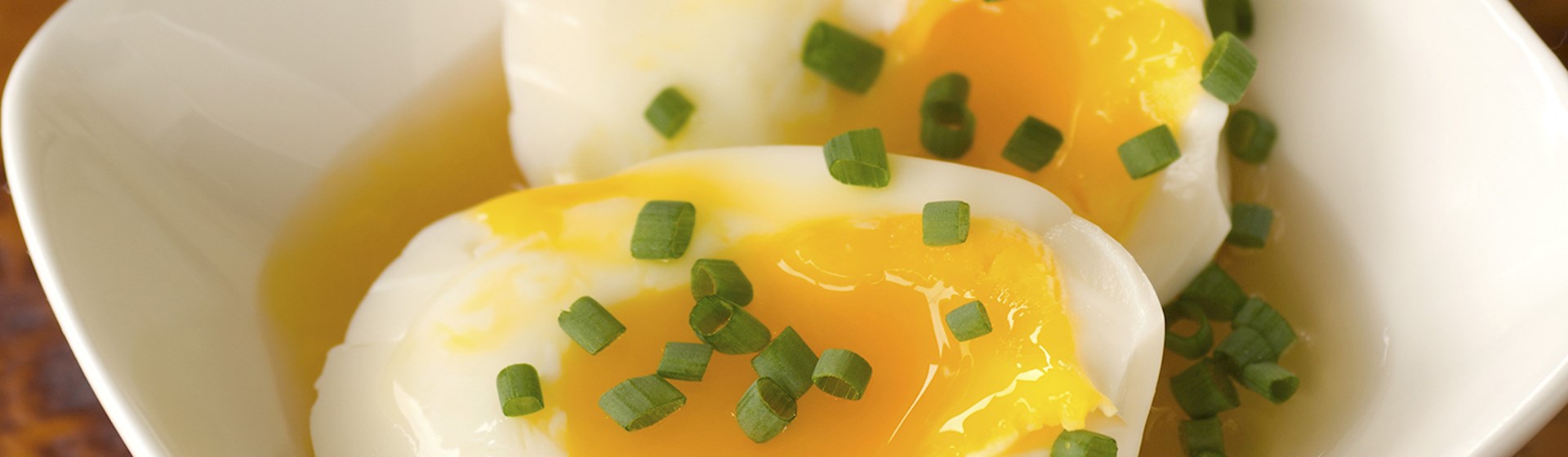
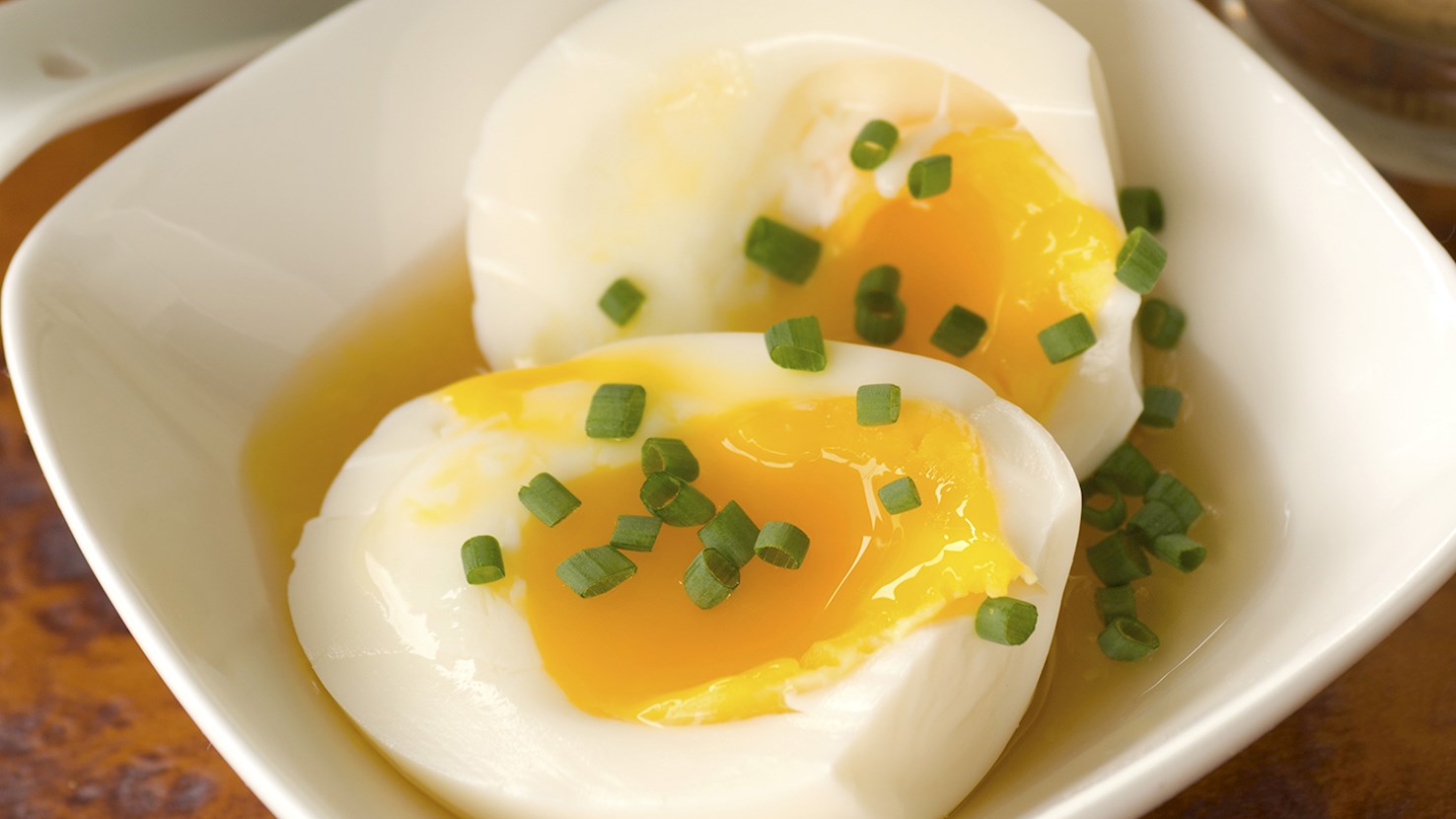
Ajitsuke tamago is a traditional dish consisting of soft-boiled eggs that have been soaked in mirin and soy sauce. The egg yolks should be custardy if properly prepared, and the eggs are eaten as a snack, a part of bento, or more commonly, enjoyed as a ramen topping. The eggs are boiled for a few minutes so that the yolk remains runny, and they are then chilled and soaked (overnight or for a few days) in a combination of water, mirin, and soy sauce. This is the basic preparation, and some cooks might add their own secret ingredients to the marinade to make the eggs more flavorful.
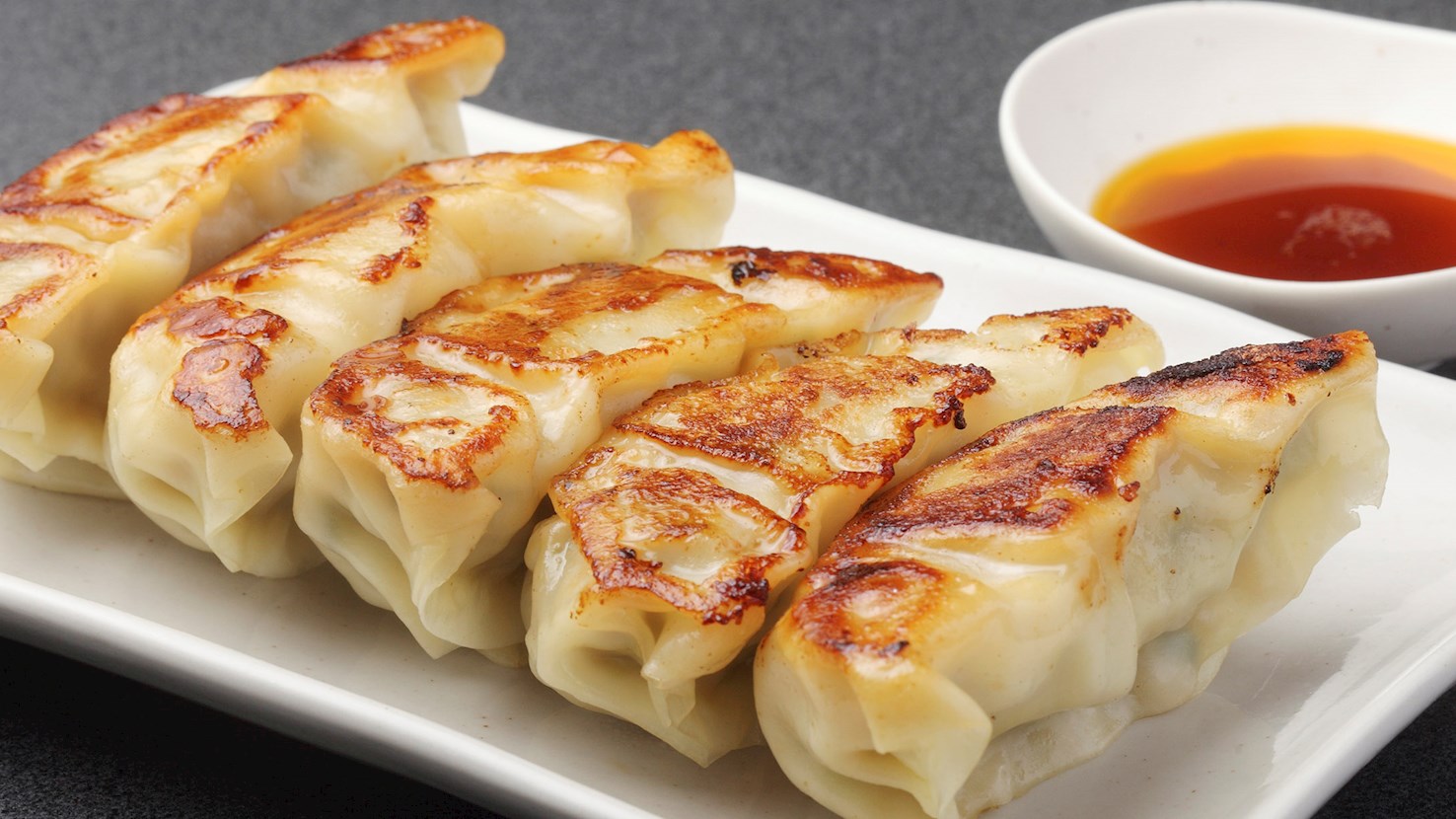
The famous Japanese gyoza are crescent-shaped dumplings that have originated from the traditional Chinese jiaozi dumplings. The recipe was slightly altered to accommodate the Japanese taste, and gyoza soon became one of the favorite Japanese meals. They consist of a thin wrapper made with wheat flour, eggs, and water, which is then stuffed with a mixture of meat and vegetables. The ingredients used in the stuffing are regionally influenced, but most commonly include minced pork or chicken, cabbage, chives, a substantial amount of garlic, ginger, and green onions. They are traditionally prepared in three different ways. The most famous are pan-fried gyoza, which are fried and then shortly steamed. Other types include boiled gyoza, usually served in broth, and the less common deep-fried variety. Traditionally, these scrumptious dumplings are served with a dipping sauce on the side, usually made with rice vinegar, soy sauce, and sesame oil. Since the 1940s, gyoza have been slowly making their progress to become one of the staple foods in Japan, commonly consumed everywhere in the country. They can be found on the menus of traditional Japanese restaurants and bought at specialized gyoza shops. In restaurants, they are usually offered as a starter, most commonly enjoyed as a snack, followed by a glass of cold beer or traditional sake. Also, although it is not a side dish per se, gyoza dumplings often accompany ramen.
Similar to an omelet or a pancake, okonomiyaki is an immensely popular Japanese dish. The batter is made with eggs, flour, water, grated yam, and shredded cabbage. Additional ingredients such as fish, seafood, meat, vegetables or cheese are also occasionally added to the mix. The batter is then pan-fried, similar to a pancake, and finally garnished with condiments such as Japanese mayonnaise, pickled ginger, fish or seaweed flakes, and topped with a sauce similar to the thick Worcestershire sauce. The dish is eaten everywhere in Japan, but it is usually associated with the Kansai region. Although there are certain disagreements about whether okonomiyaki was developed in Osaka or Tokyo, there is no doubt that Osaka popularized this unusual dish and made it an irreplaceable part of Japanese cuisine. The style and the ingredients of okonomiyaki also depend on the region, the two most prominent varieties are the Osaka and Hiroshima-style okonomiyaki. The Osaka type, also referred to as Kansai, is considered to be the traditional and more popular variety, where the condiments are usually mixed and placed on top of the pancake. The Hiroshima variety often includes yakisoba noodles, larger amounts of cabbage, and the garnishes are typically layered on top of the pancake. Japanese restaurants typically offer two choices - prepare the dish yourself or order the already cooked okonomiyaki.
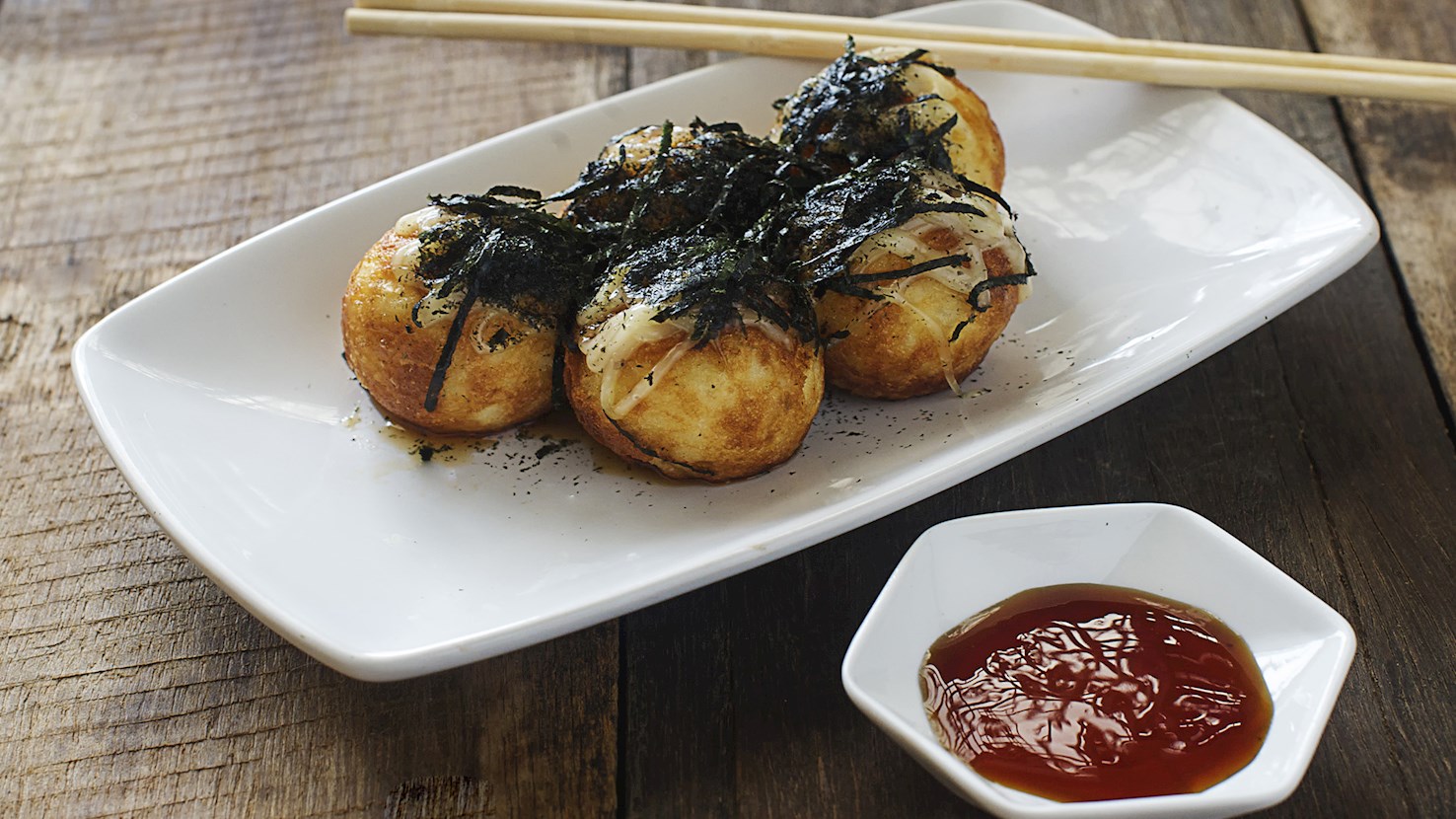
The small, round takoyaki are one of the most famous Japanese snacks, made with a simple egg batter that is enriched with diced octopus pieces. These tiny balls get their signature shape from the traditional iron pan in which they are grilled. The pan is filled with small round molds in which the batter is poured and swirled until the traditional round shape has been developed. The creamy egg mix consists of wheat flour, soy sauce, and dashi stock, and after it has been poured into the sizzling molds it is topped with tender octopus pieces. Sliced scallions, pickled ginger, crispy fried tenkasu pieces, and dried fish flakes are often incorporated to elevate the flavors of the dish. Takoyaki is believed to have originated in Osaka in 1935, and the invention of this Japanese classic is usually linked to Endo Tomekichi, a street vendor who used to sell chobayaki pancakes which were baked in similar molds. He added boiled octopus and other flavorings to create what would become one of the favorite Japanese snacks. Although octopus is the traditional complement to takoyaki, homemade varieties can include many different ingredients. Takoyaki can be found everywhere in Japan: at numerous food courts, stores, bought from street vendors, or served in specialized takoyaki restaurants. They are always served hot and are usually sold in packs of eight or twelve pieces. Traditionally, each serving is topped with a thick takoyaki sauce (similar to Worcestershire sauce), Japanese mayonnaise, a sprinkle of dried seaweed, and a layer of smoky fish flakes.
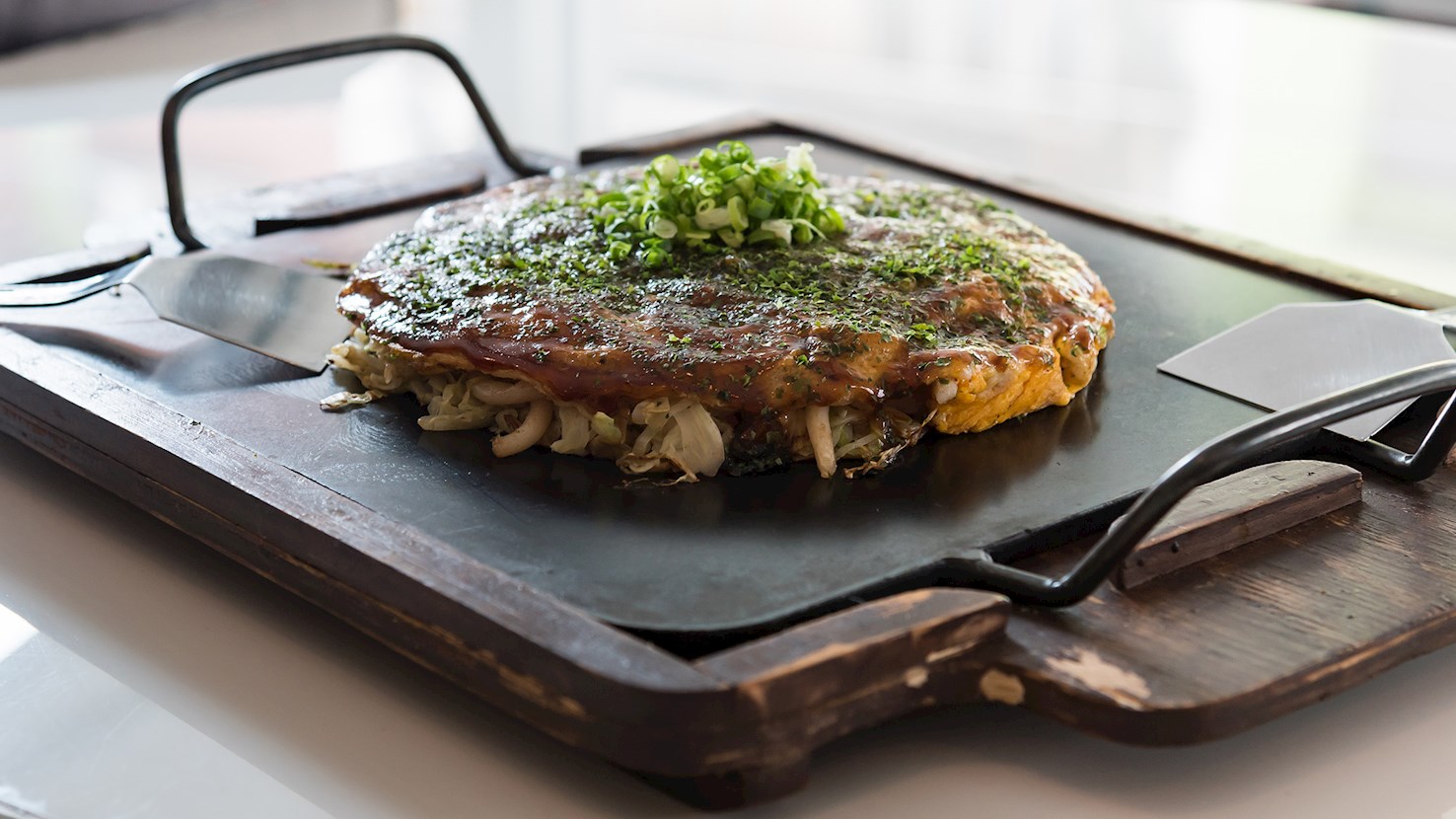
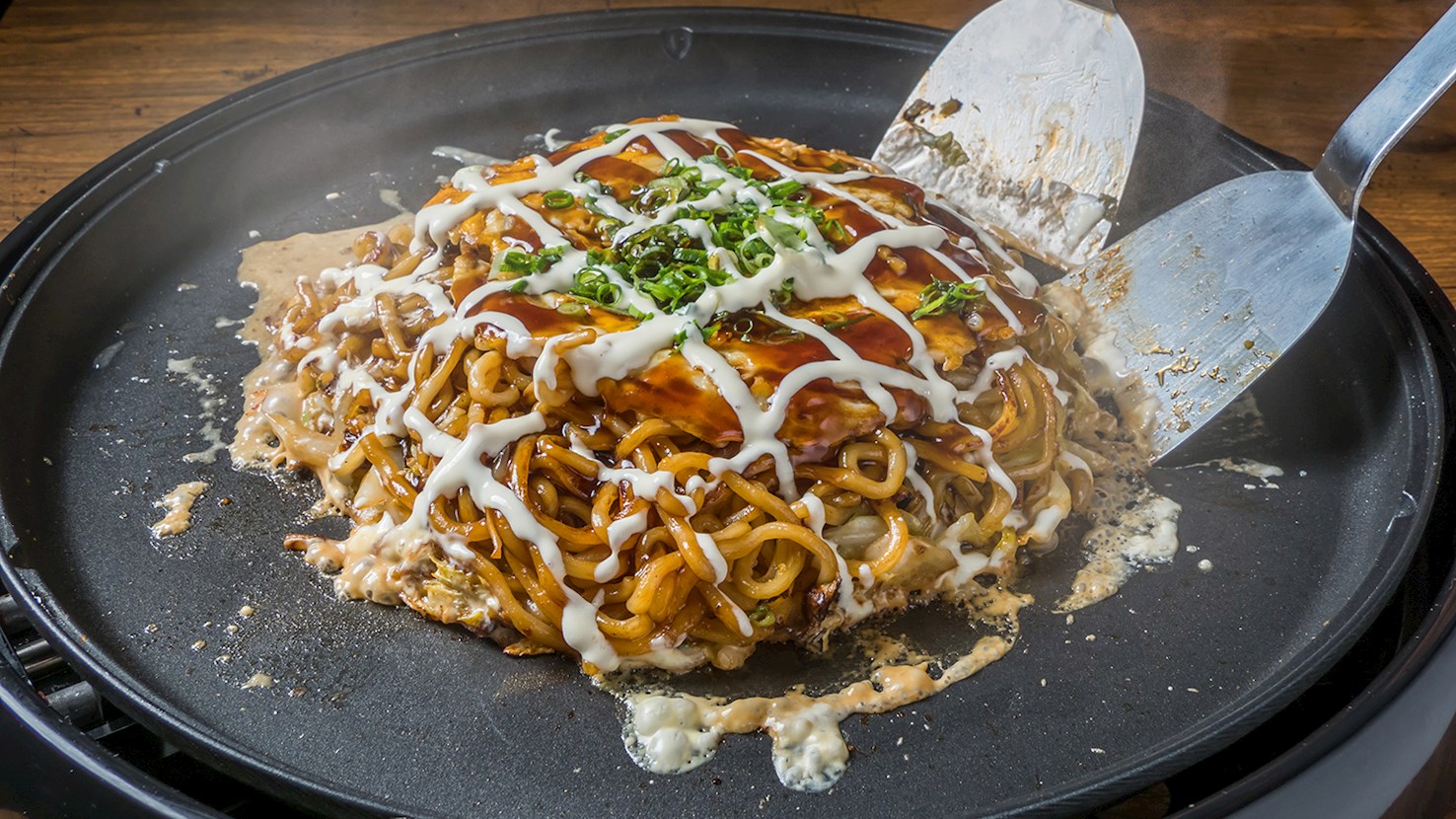
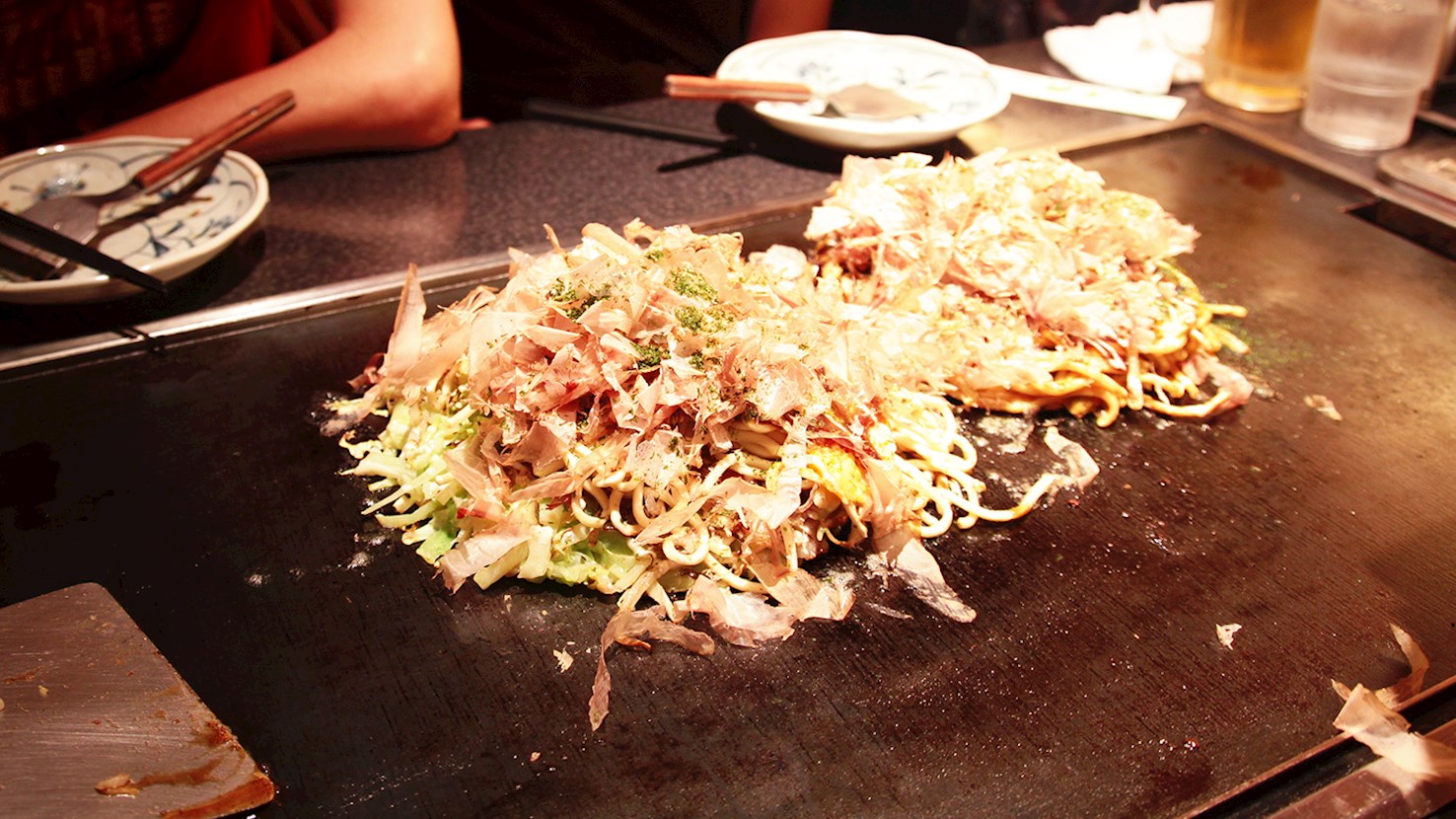
Okonomiyaki is a traditional dish that consists of batter and shredded cabbage. Two main variations come from Osaka (Kansai-style) and Hiroshima. The Hiroshima-style okonomiyaki is not prepared by mixing the ingredients together like the Osaka-style variety. Instead, the batter is cooked just like a thin pancake and all the ingredients are cooked separately and layered. Ingredients such as fried eggs, scallions, dried bonito flakes, bean sprouts, and sliced pork belly are placed on the pancake with the toppings, and the dish is served on top of yakisoba (or sometimes udon) noodles. Typical toppings include Japanese mayonnaise, dried green seaweed (aonori), and the sweet and sour okonomi sauce. This style of okonomiyaki has been around since the 1950s.
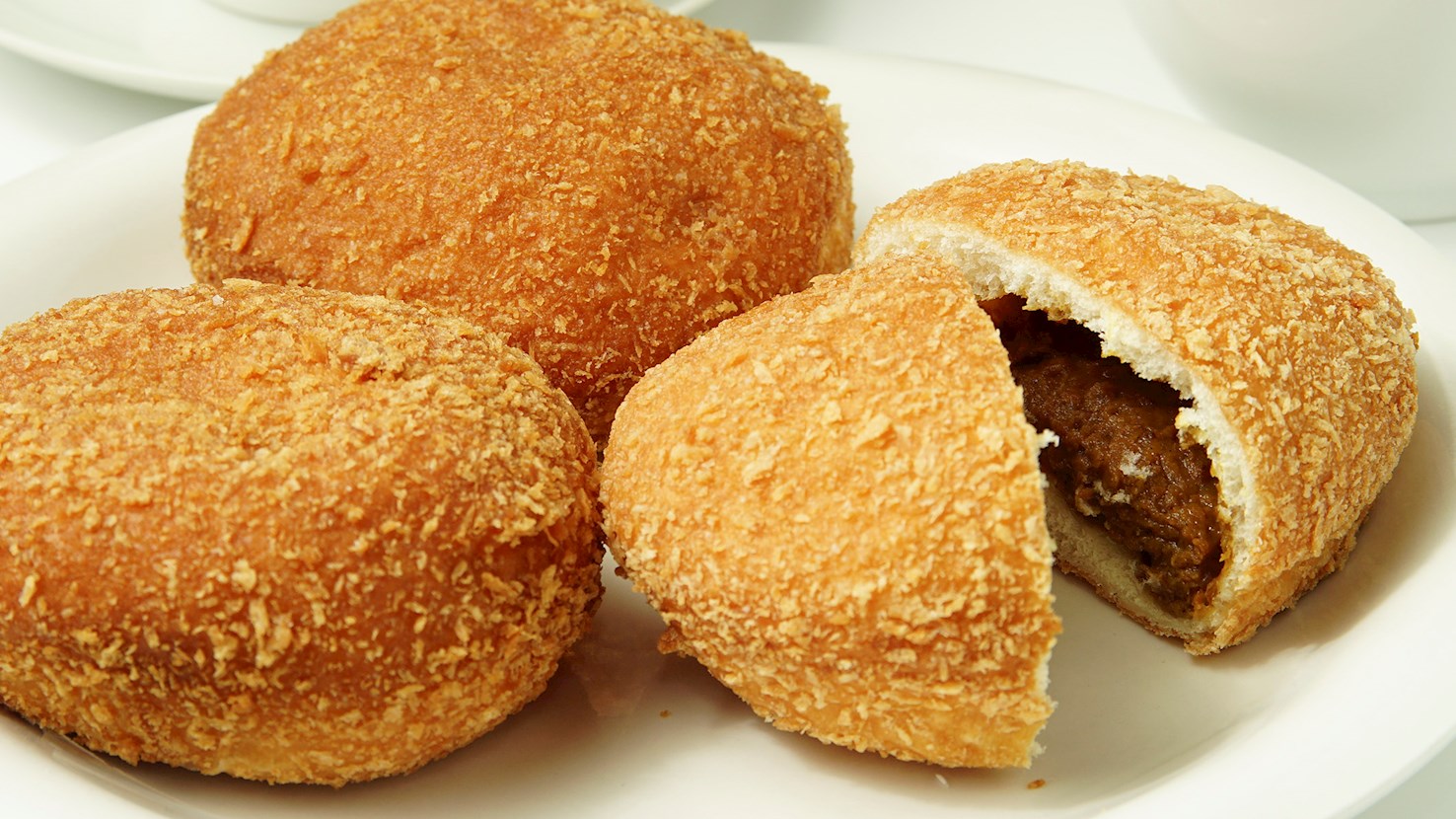
Karē pan is a Japanese delicacy made by stuffing the breaded dough with curry paste and deep-frying the combination in hot oil until it becomes golden brown in color. The dish is also known as curry doughnut, and it is a variety of okazu-pan, referring to breads with savory fillings. Once the crispy crust has been bitten into, the consumer is rewarded with mouthfuls of thick, rich curry. Karē pan is mostly consumed as a snack and can be bought at numerous street stalls, bakeries, and convenience stores throughout Japan. Since curry-flavored anything is a big hit in Japan, karē pan is one of the most popular okazu pan varieties today.
Okonomiyaki is a traditional dish that consists of batter and shredded cabbage. Two main variations come from Osaka (also called Kansai-style) and Hiroshima. The Osaka-style okonomiyaki is prepared by mixing the ingredients together – including grated yam, flour, eggs, water or dashi, and shredded cabbage – and pouring the batter on a hot griddle just like a pancake. Additional toppings and ingredients are all mixed into the batter, such as seafood, meat, and scallions, unlike the Hiroshima-style okonomiyaki, which is layered and the ingredients are cooked separately. Once cooked, the dish is topped with a special sweet and sour okonomi sauce, and usually Japanese mayonnaise and bonito flakes.
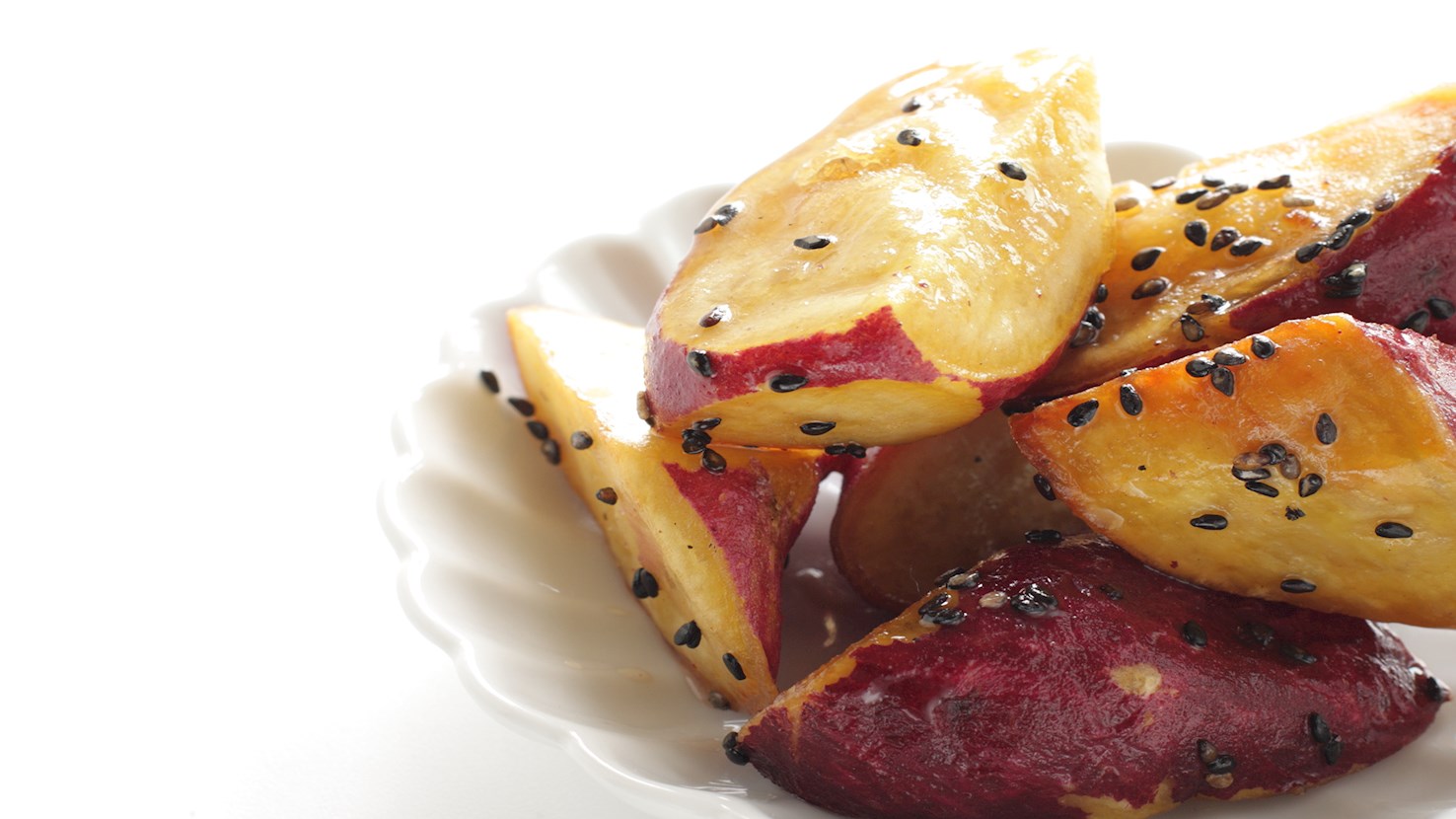
The crispy daigaku imo are Japanese deep-fried potatoes coated with a sweet sugar glaze. Glossy and crispy from the outside, the potato chunks stay juicy, tender, and soft on the inside. Since the name of this affordable treat translates to university potatoes, it is believed they first appeared among the student population in the early 1900s, and they are still prepared and sold at numerous student fairs. Prior to serving, they are traditionally sprinkled with toasted sesame seeds and enjoyed as a nutritious snack.
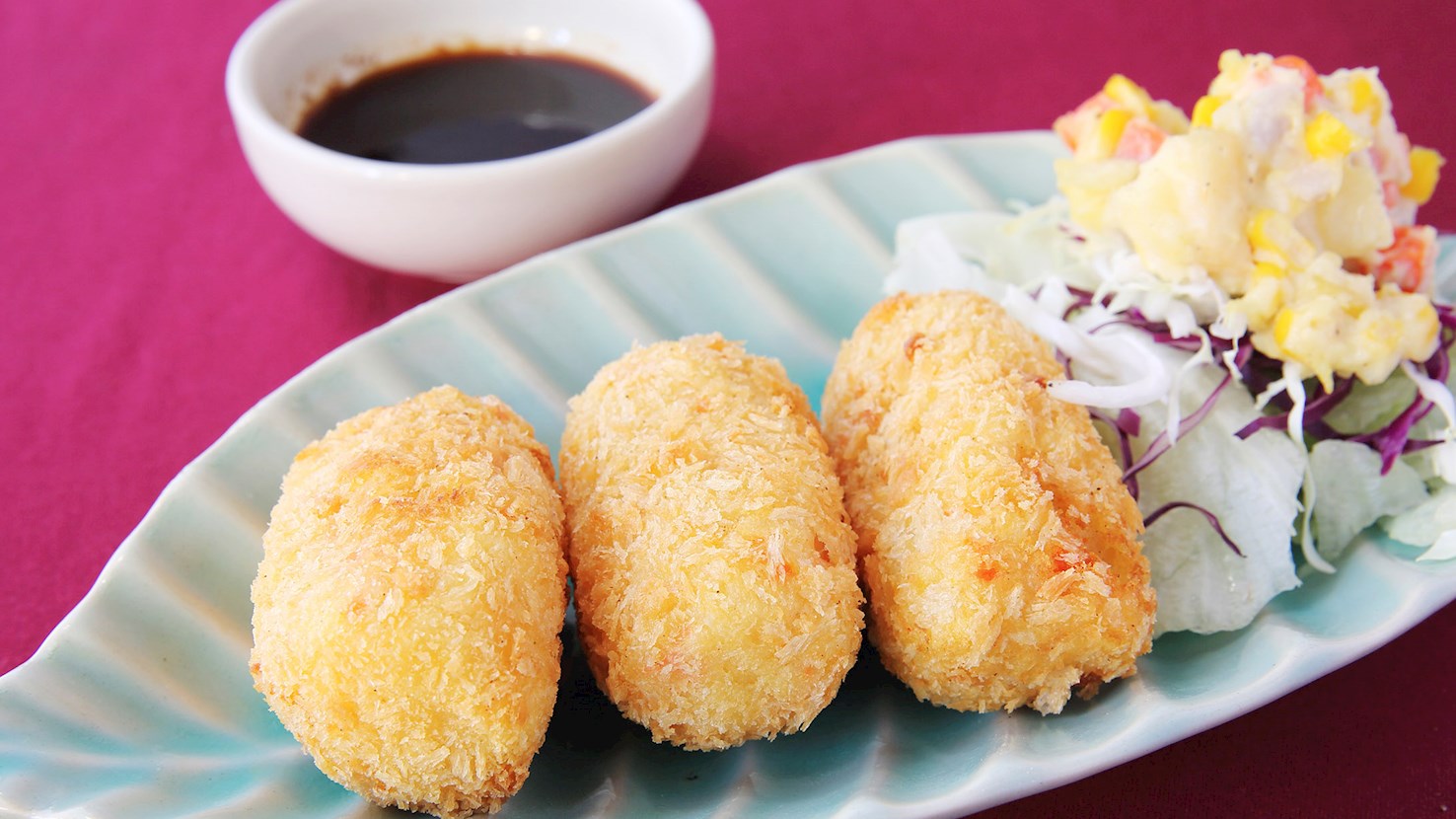
Korokke is a variety of Japanese deep-fried dishes that are a version of the French dish called croquette. It consists of a combination of mashed potatoes and chopped meat, seafood, or vegetables. The combination of those ingredients is shaped in a patty and rolled in flour, eggs, and breadcrumbs, then deep-fried. It is said that the French croquette was introduced to Japan in 1887, but today it can be found in almost every supermarket and store in Japan, since it is inexpensive, yet very tasty and flavorful. With its huge popularity, there is also a number of korokke varieties including potato, meat, tuna, curry, cream, and okara korokke. If the dish is placed in a sandwich, between two slices of bread, it is then called korokke pan or korokke sando. Korokke is often served with a type of Worcestershire sauce at the table and it is eaten with chopsticks, but if it's bought from street vendors, it usually comes wrapped in paper and is eaten using your hands.
TasteAtlas food rankings are based on the ratings of the TasteAtlas audience, with a series of mechanisms that recognize real users and that ignore bot,
nationalist or local patriotic ratings, and give additional value to the ratings of users that the system recognizes as knowledgeable.
For the “Top 37 Japanese Snacks” list until June 15, 2026, 2,870 ratings were recorded, of which 2,535 were recognized by the system as legitimate.
TasteAtlas Rankings should not be seen as the final global conclusion about food. Their purpose is to promote excellent local foods,
instill pride in traditional dishes, and arouse curiosity about dishes you haven’t tried.