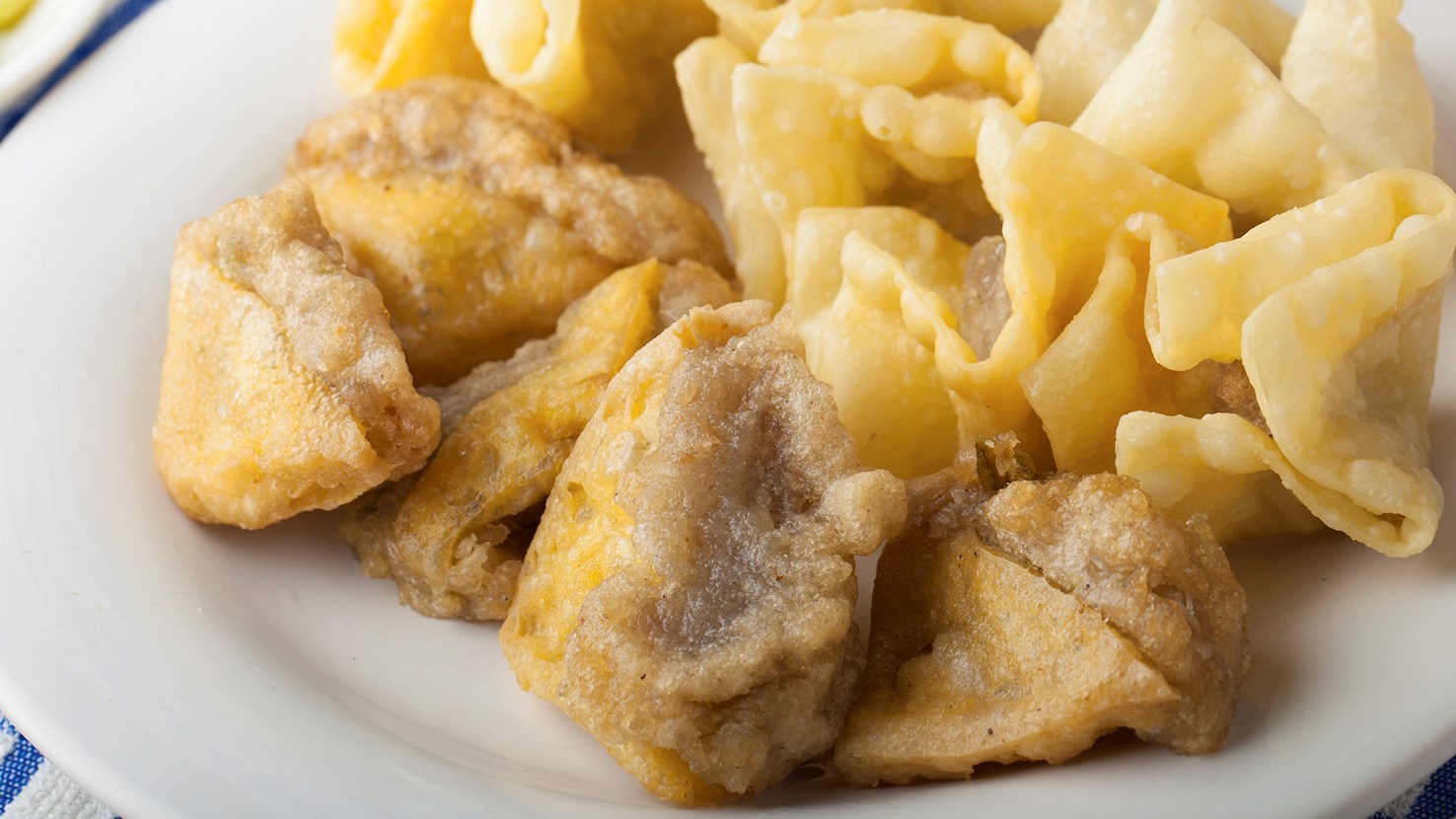
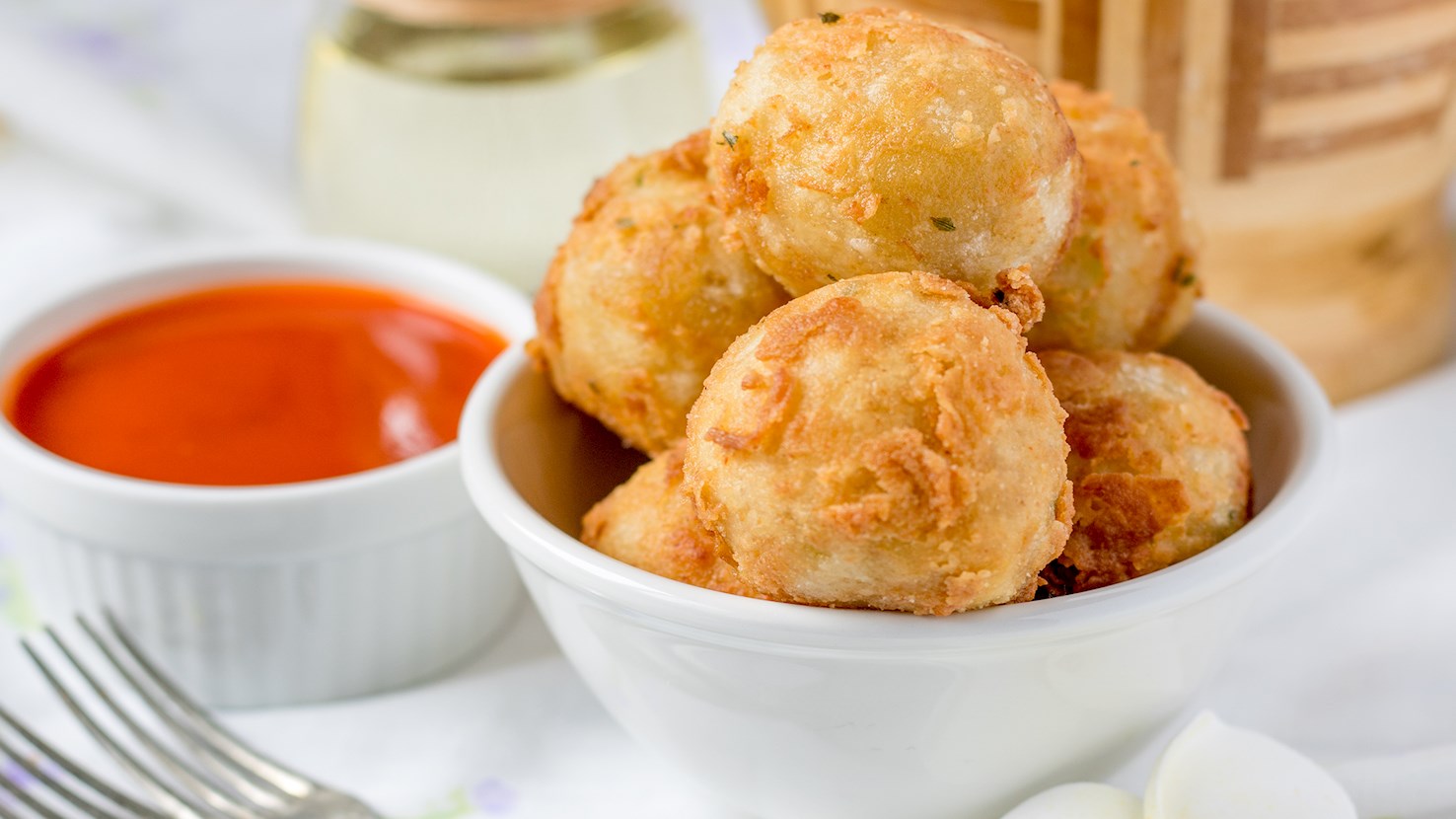
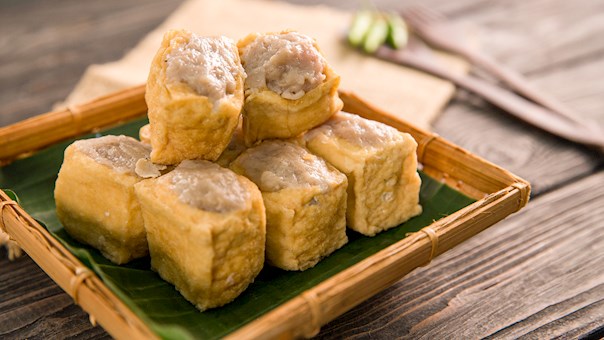
One of the most famous snacks in Indonesia is batagor, a fried fish dumpling served in a traditional spicy sauce. It has roots in the Chinese culinary tradition, which has left a trace on many Indonesian dishes. Although this famous snack is reminiscent of the more famous Chinese dumpling, its distinguishable characteristic is that it is fried, not steamed. The most common fish used to make the dish is wahoo, but tuna, mackerel, and even prawns can also be used. Potatoes, tofu, or cabbage are also occasionally added to the dish. Batagor is the perfect snack because of the way it is served. When fried, the dumplings are cut into small bite-sized pieces and covered in peanut, soy, and chili sauce with a splash of lime juice. It was invented in the 1980s in Bandung, but today it can be found throughout Indonesia. Since it is quickly prepared, it is commonly sold by street vendors, but it can also be found in many Indonesian restaurants.
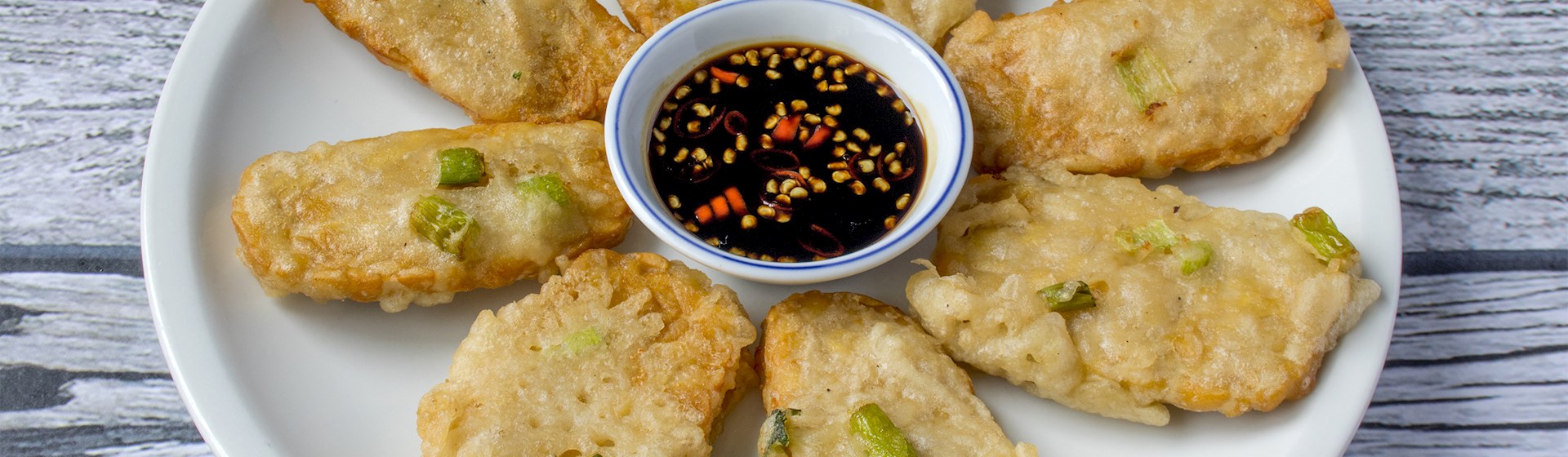
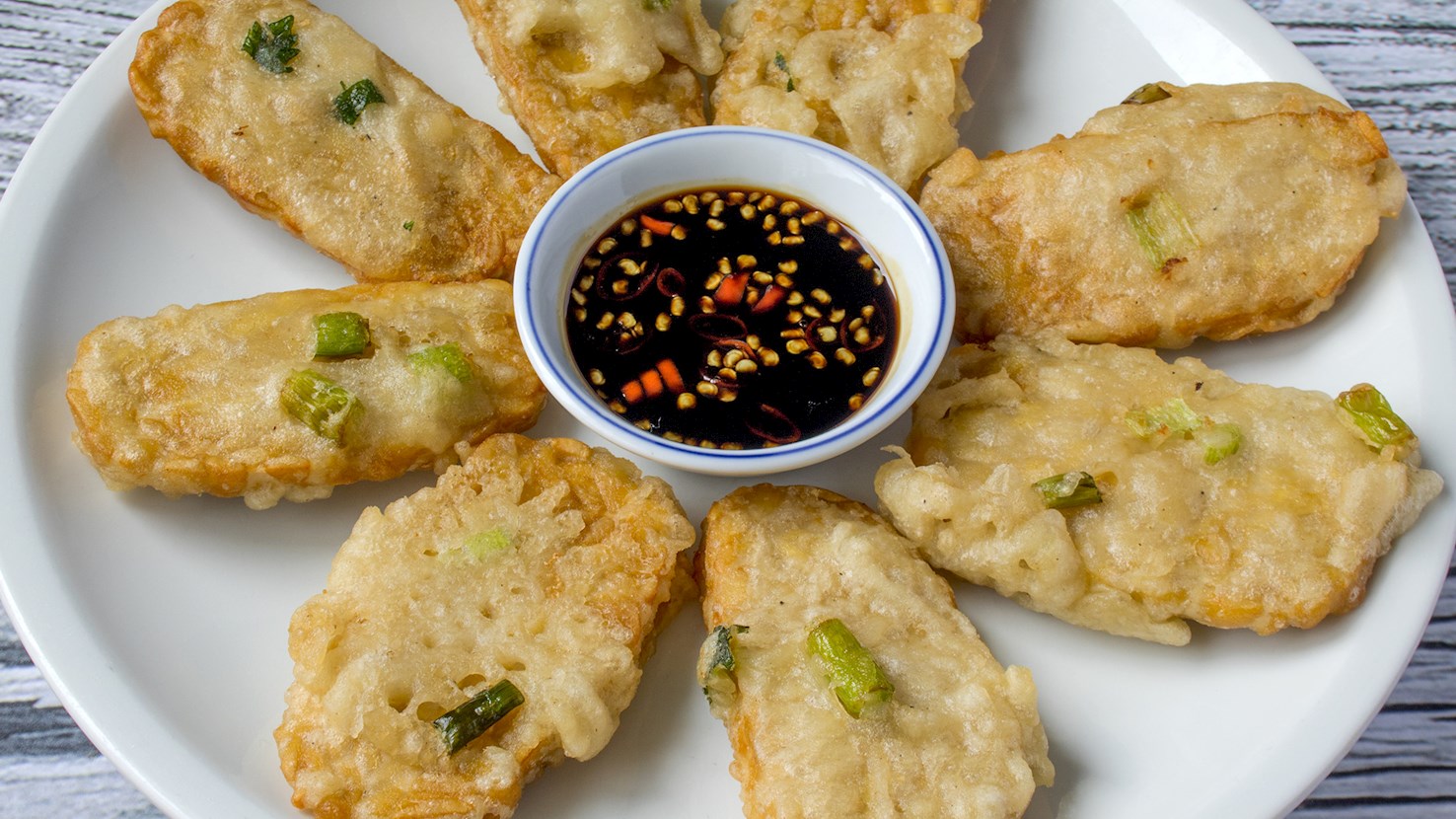
Tempeh mendoan is a variety of fried tempeh that hails from Purwokerto. Thin slices of tempeh—fermented soybean product—are dipped in batter that is enriched with ground coriander, sliced scallions, and garlic before they are deep-fried. This tempeh variety is only shortly fried, creating a crispy outer layer, while the tempeh remains soft and juicy. The name of the dish stems from Banyumasan language in which mendo roughly translates as half-cooked. This tempeh is best served with sambal, other types of chili-based dips, or kecap manis—Indonesian sweet soy sauce. It is usually enjoyed as a snack or a side dish, and it is mostly prepared and sold by street vendors.
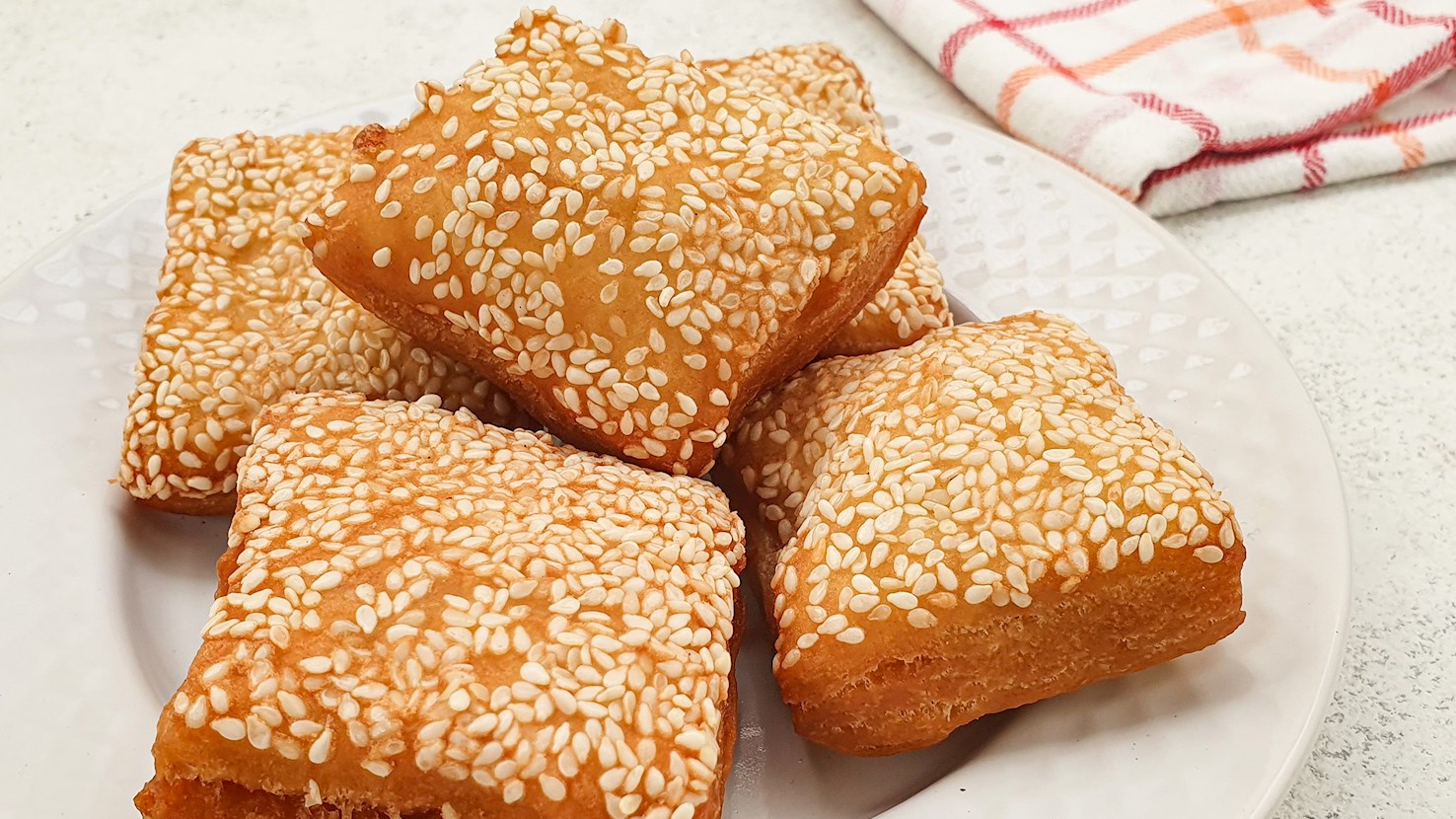
Odading is a sweet fried dough snack from Bandung, the capital of West Java. It is made by preparing a yeast-based dough enriched with sugar, milk, and sometimes eggs, then shaping it into flattened squares or rectangles before deep-frying until golden brown and puffed. The texture of odading is light and airy on the inside with a slightly chewy crust that becomes crisp as it cools. The name is believed to have originated during the colonial period, when Dutch and local influences merged in urban markets and home kitchens, leading to recipes that combined European-style enriched dough with local cooking techniques. The preparation of odading begins by mixing all-purpose flour with yeast, sugar, salt, and milk, then kneading until a smooth dough forms. The dough is left to rise until doubled in volume, then rolled out and cut into uniform pieces. Each piece is rested briefly to develop air pockets that create the characteristic fluffiness when fried. Once shaped, the dough is fried in moderately hot oil so it cooks through evenly without burning on the outside. Finished odading is sometimes sprinkled with additional sugar or brushed with a thin sugar syrup for extra sweetness. Odading is commonly eaten as a snack or breakfast item and is often sold by street vendors and small shops in Bandung, where it has long been a familiar part of everyday food culture. It is usually served warm, either plain or accompanied by coffee or tea. The snack gained renewed popularity in Indonesia after a viral video humorously promoted odading as “bread of an iron man,” which sparked national interest and boosted sales for many local vendors.
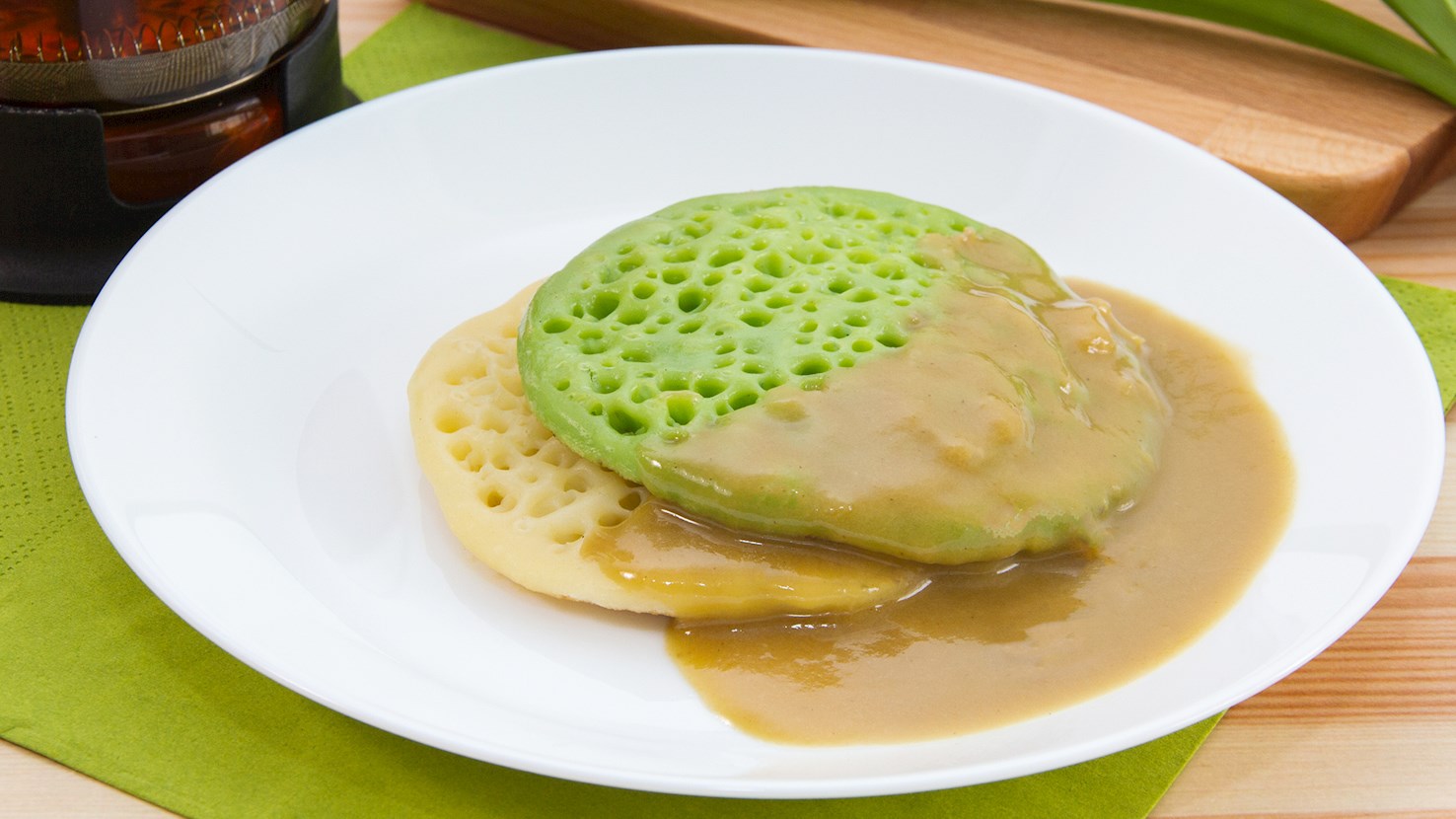
These traditional, small-sized Indonesian pancakes are usually prepared with rice flour and coconut milk. The pancakes are incredibly versatile, they come in sweet and savory versions, and can be adapted with wheat flour and various toppings such as sugar, bananas, crushed peanuts, jackfruit, chocolate sprinkles, or fermented oncom, while modern-day additions also include meat, sausages, or ice cream. Serabi pancakes are found throughout Java, but they are usually associated with the cities of Bandung and Solo. They are typically accompanied by strawberry, durian, or coconut-based kinca syrup, and are mainly sold as a quick and convenient street food. A similar dish can be found in Thailand, where it goes under the name khanom khrok.
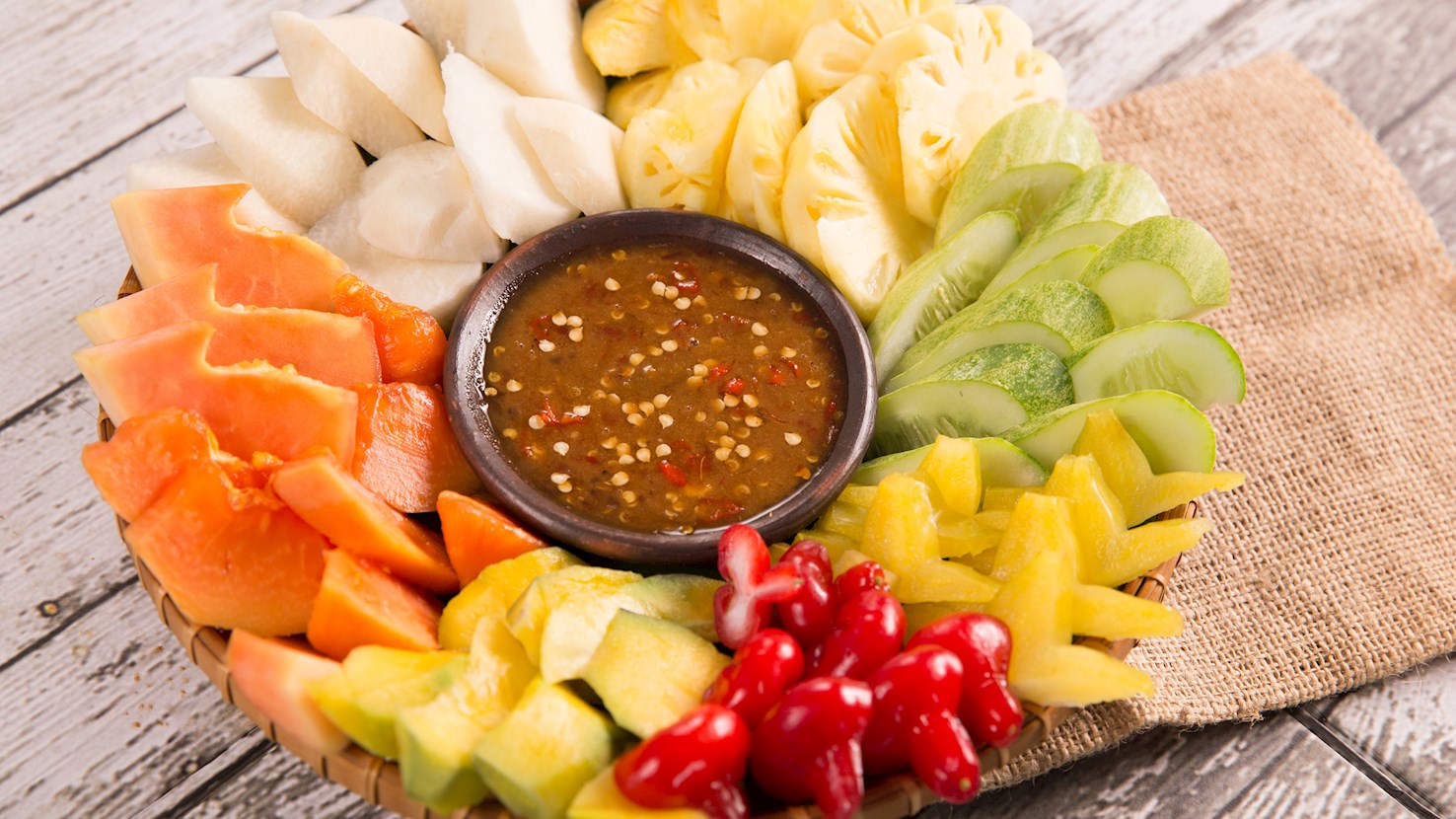
Rujak is a traditional Indonesian fruit and vegetable salad, known for its bold combination of sweet, spicy, sour, and savory flavors. A beloved street food and household dish across Indonesia, Malaysia, and Singapore, rujak typically consists of fresh tropical fruits and raw vegetables, tossed or dipped in a thick, spicy palm sugar and tamarind dressing. Unlike Western fruit salads, rujak is distinct for its complex flavor balance, with the dressing often made from palm sugar (gula Jawa), tamarind paste, peanuts, salt, shrimp paste (terasi), and bird’s eye chilies, creating a deeply umami, tangy, and fiery sauce. The fruits commonly used include pineapple, mango (ripe or unripe), jicama, cucumber, papaya, water apple, and starfruit, while some variations also add boiled sweet potatoes or tofu for extra texture. There are many regional variations of rujak, each with its unique twist. Rujak buah is the most common, featuring assorted fresh fruits with a thick, sticky dressing. Rujak cingur, a specialty from East Java, incorporates boiled beef snout (cingur), vegetables, and tofu, dressed with a more pungent shrimp paste-based sauce. Rujak ulek from West Java involves pounding the sauce and fruits together, intensifying the flavors. Rujak serut features grated fruits for a more refreshing, spoonable version, while rujak kuah pindang from Bali uses a dressing infused with fish broth for a savory depth. Rujak is typically served fresh, either as a snack or a light meal, and is often enjoyed with kerupuk (crispy crackers) for added crunch.
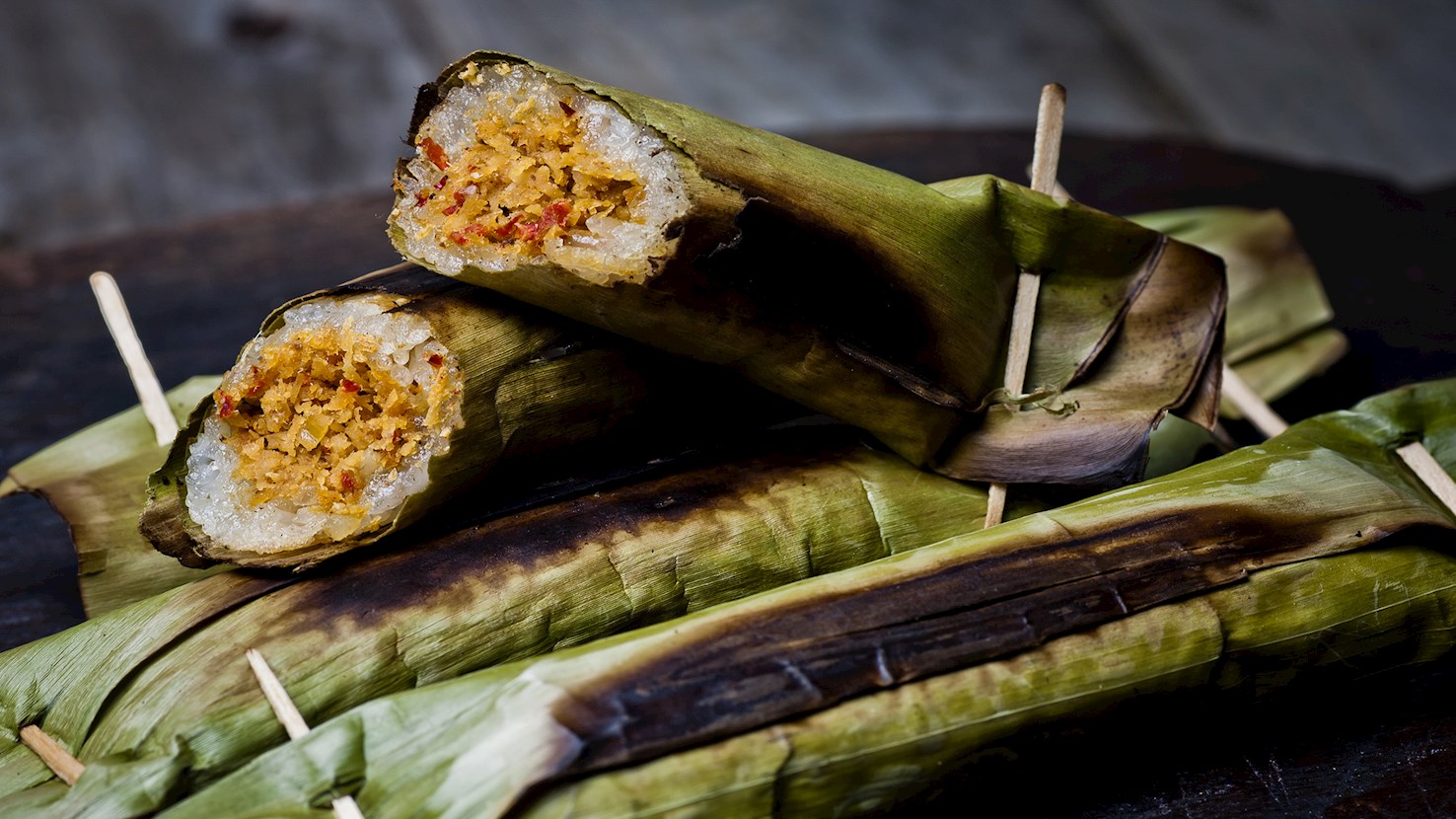
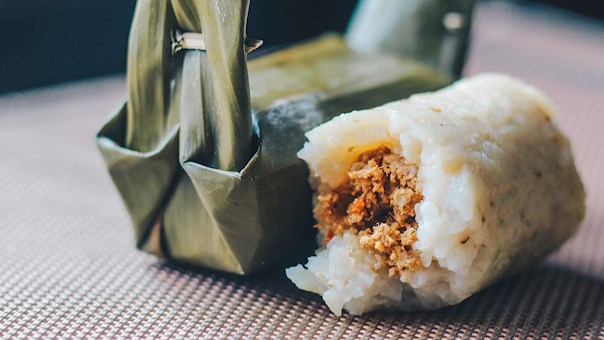
Lemper is a snack made of glutinous rice filled with savory shredded meat, traditionally chicken, although beef, fish, or even abon (meat floss) variations are also popular. The rice is first cooked in coconut milk, giving it a rich, slightly sweet taste and a sticky, tender texture that holds its shape well. Once the rice is prepared, it is flattened and wrapped around a flavorful filling made by sautéing the meat with aromatic spices such as garlic, shallots, galangal, coriander, lemongrass, and kaffir lime leaves. The seasoned mixture is then encased in the rice, shaped into a compact cylinder or rectangle, and wrapped tightly in banana leaves, which not only help preserve moisture but also impart a subtle earthy fragrance during cooking. Traditionally, lemper is steamed or lightly grilled, often leaving behind a charred scent on the banana leaves that adds another layer of complexity. It is commonly found in traditional markets, roadside stalls, and as part of ceremonial or festive offerings, appreciated for its portability, long shelf life, and comforting flavor.
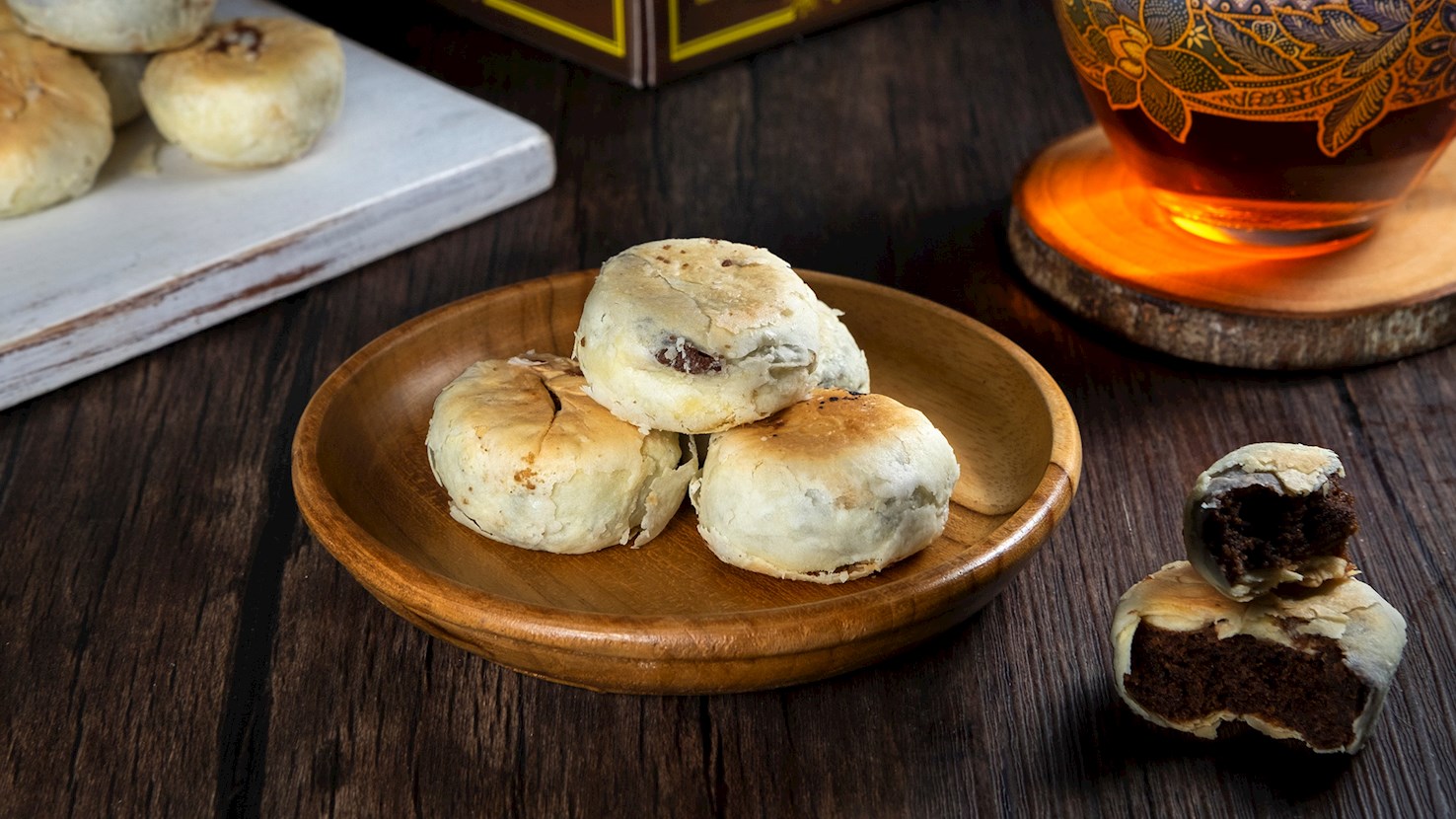
Bakpia Pathok is an Indonesian delicacy that consists of a round, slightly flattened pastry filled with a sweet mung bean mixture. The pastry is characterized by a soft and flaky texture, while its interior, containing the filling, has a pasty consistency that perfectly adheres to the dough. Its name derives from a suburb area in the city of Yogyakarta called Pathok, where the production of these pastries initially began. Apart from the traditional mung bean filling, bakpia pathok can nowadays be made with chocolate, cheese, and exotic fruits such as pineapple or durian fruit. Other, more innovative flavors have also emerged in recent years, such as cappuccino, banana cheese, blueberry cheese, and tuna. Even though it has been influenced by traditional Chinese cuisine, this specialty has been adapted to local flavors and has become one of the most beloved street snacks in Indonesia. The pastry’s flavor is not appreciated only by the local population, but also by tourists, owing to whom the pastry is nowadays considered a popular food souvenir to bring back home after visiting the country. In Indonesia, this sweet specialty can be bought from street food vendors, market stalls, and numerous shops that offer packaged versions of the pastry.
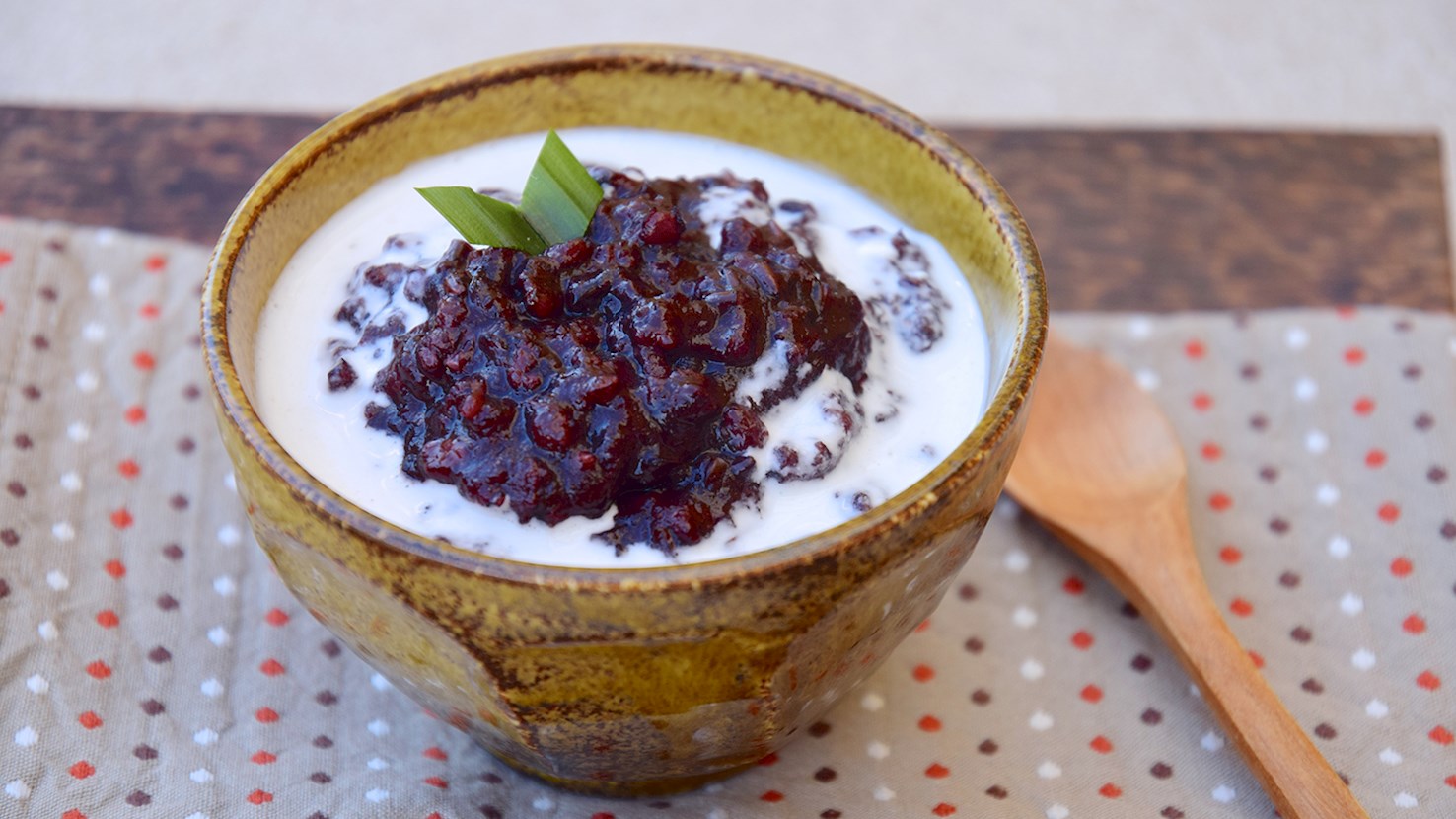
Bubur ketan hitam is an Indonesian dessert made from black glutinous rice that is slowly cooked into a thick, sweet porridge and typically served with coconut milk. It originates from Java but is enjoyed throughout Indonesia and across other parts of Southeast Asia with minor regional variations. The name translates directly to “black glutinous rice porridge,” where "bubur" means porridge, "ketan" refers to glutinous or sticky rice, and "hitam" means black. The dish is commonly eaten as a snack or dessert, particularly in the afternoon or during the fasting month of Ramadan as part of iftar meals. The main ingredient, black glutinous rice, is soaked for several hours or overnight to reduce cooking time and improve texture. It is then simmered in water until soft and slightly broken down, forming a thick consistency. During the final stages of cooking, palm sugar or granulated sugar is added to sweeten the porridge. The defining element is the topping of coconut milk, which is usually lightly salted to contrast with the sweetness of the rice. The balance of sweet and salty, along with the chewy texture of the rice and the creaminess of the coconut milk, creates a layered and satisfying flavor. Bubur ketan hitam is often served warm but can also be eaten at room temperature or chilled, depending on personal preference and climate. In some areas, it is combined with mung beans or bananas, or garnished with fried shallots or grated coconut, though these additions are optional and vary by region or household. The dish is widely available from street vendors, in food markets, and at home, where it is commonly prepared in large batches.
Krupuk udang is a type of traditional Indonesian shrimp cracker, made from a mixture of ground shrimp, tapioca flour, garlic, and seasonings, which is then sun-dried and deep-fried until it puffs up into a light, crispy snack. The word krupuk (or kerupuk) means “cracker”, and udang means “shrimp”. These crackers are known for their savory, umami-rich flavor with a subtle seafood aroma, making them one of the most popular accompaniments to Indonesian meals. They are usually large, round, and slightly curled, with a light beige or pinkish color once fried. Krupuk udang is commonly served as a side dish or garnish with fried rice (nasi goreng), soups (soto, sayur asem), or even just as a snack. In soto Lamongan, they are crushed and mixed with fried garlic to make koya, the flavorful topping. Traditionally, krupuk udang is made at home or by small-scale producers who sun-dry the raw crackers before frying. Today, you can also find store-bought versions, both raw (ready to fry) and pre-fried, in Indonesian markets and Asian grocery stores worldwide.
Cilok is a quintessential Indonesian street food snack that hails from West Java. Its name is derived from the Sundanese phrase aci dicolok, which translates to "poked tapioca," referring to the chewy texture of the tapioca-based dough and the traditional way it is served: skewered on bamboo sticks. Widely beloved across Java and beyond, cilok is the kind of humble yet addictive snack that blends texture, flavor, and local charm in a single bite-sized morsel. The base is made from tapioca flour, known locally as aci, which gives the dumplings their signature chewy consistency, similar to mochi or gnocchi. The dough is typically enhanced with garlic, salt, pepper, and sometimes a touch of all-purpose flour to provide more structure. Once shaped into small balls, the cilok is boiled until it rises to the surface, signaling that it’s fully cooked and ready for serving. What elevates cilok from simple starch to savory street food staple is its accompaniment, usually a thick, slightly sweet, and spicy peanut sauce, often drizzled with sweet soy sauce (kecap manis) or fiery sambal for an added kick. In the bustling alleys and roadside stalls of Bandung, cilok is often sold by itinerant vendors who announce their arrival with the clang of metal bowls or the rhythmic call of “cilok, cilok!” Children and adults alike flock to them, eager for this affordable and comforting snack that costs just a few thousand rupiah. While the traditional cilok is plain and unfilled, modern variations have emerged to suit evolving tastes: some are stuffed with minced chicken or beef, others are served in a rich broth, or even battered in egg and deep-fried in a dish known as cilor.
TasteAtlas food rankings are based on the ratings of the TasteAtlas audience, with a series of mechanisms that recognize real users and that ignore bot,
nationalist or local patriotic ratings, and give additional value to the ratings of users that the system recognizes as knowledgeable.
TasteAtlas Rankings should not be seen as the final global conclusion about food. Their purpose is to promote excellent local foods,
instill pride in traditional dishes, and arouse curiosity about dishes you haven’t tried.




What People Say