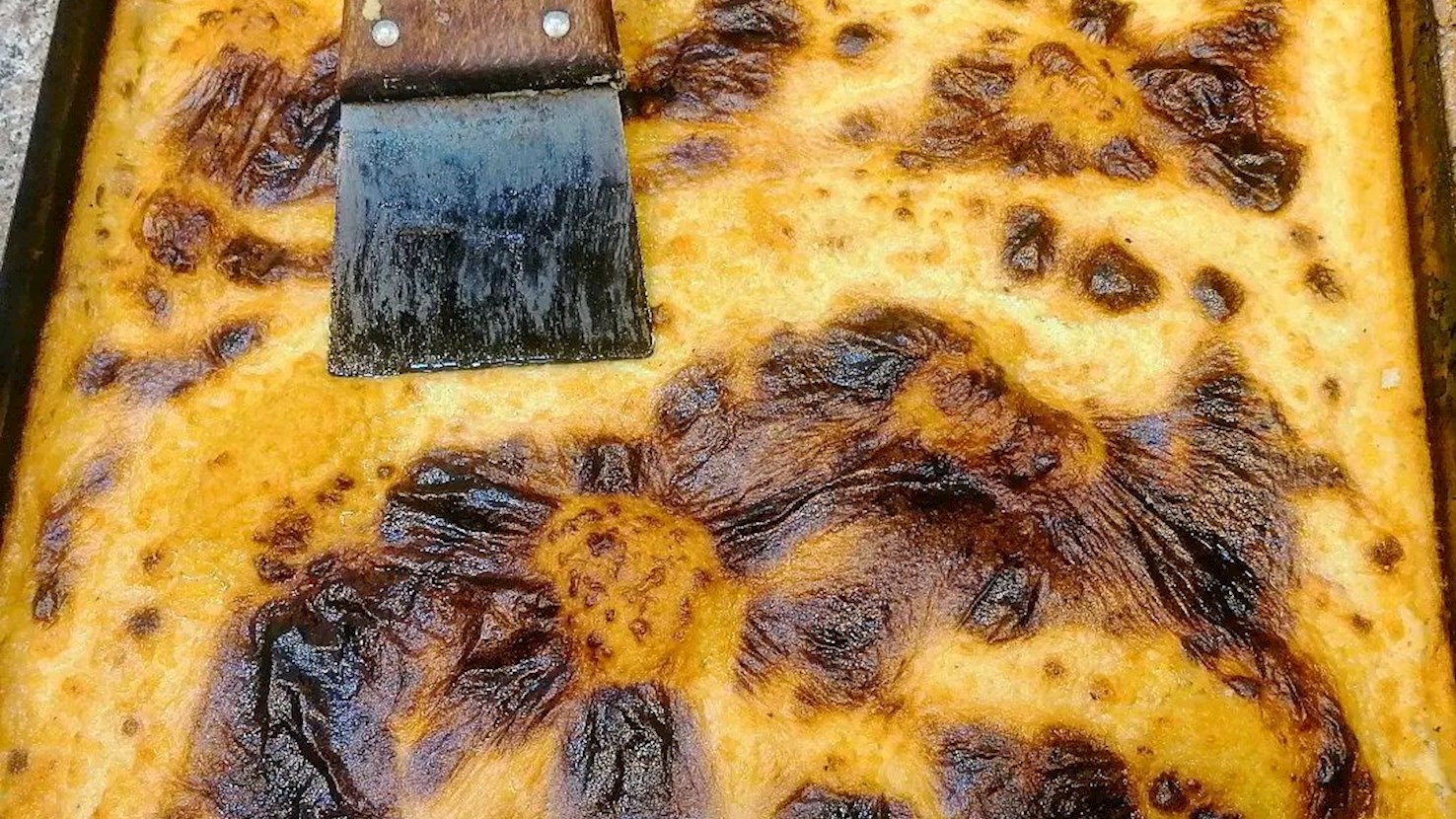
Known as karantika in Algiers and calienté in Morocco, this beloved traditional dish traces its origins back to Spanish influence during the colonial period, as its name is derived from the Spanish word calentita, which means "warm." Over time, what began as a humble, filling meal for the working class evolved into one of Algeria’s and Morocco's most cherished street foods, often enjoyed by people of all ages and backgrounds. The essence of the dish lies in its simplicity and rich, comforting flavor. It is made from a smooth batter of chickpea flour, water, oil, salt, pepper, and eggs, which is then baked until it develops a golden, slightly crisp crust on top while remaining creamy and custard-like inside. Some variations of the recipe include a pinch of cumin or a hint of chili to enhance its depth and warmth. When it comes out of the oven, the dish is traditionally cut into generous squares or wedges and often served tucked into a piece of crusty bread, making it perfect for eating on the go. It is common to find street vendors offering it with a dollop of harissa or a smear of mustard to add a spicy or tangy kick that beautifully complements its mild, nutty flavor. Part of what makes karantika or calienté so beloved is its versatility: it can be enjoyed as a snack, a light lunch, or even a comforting dinner.
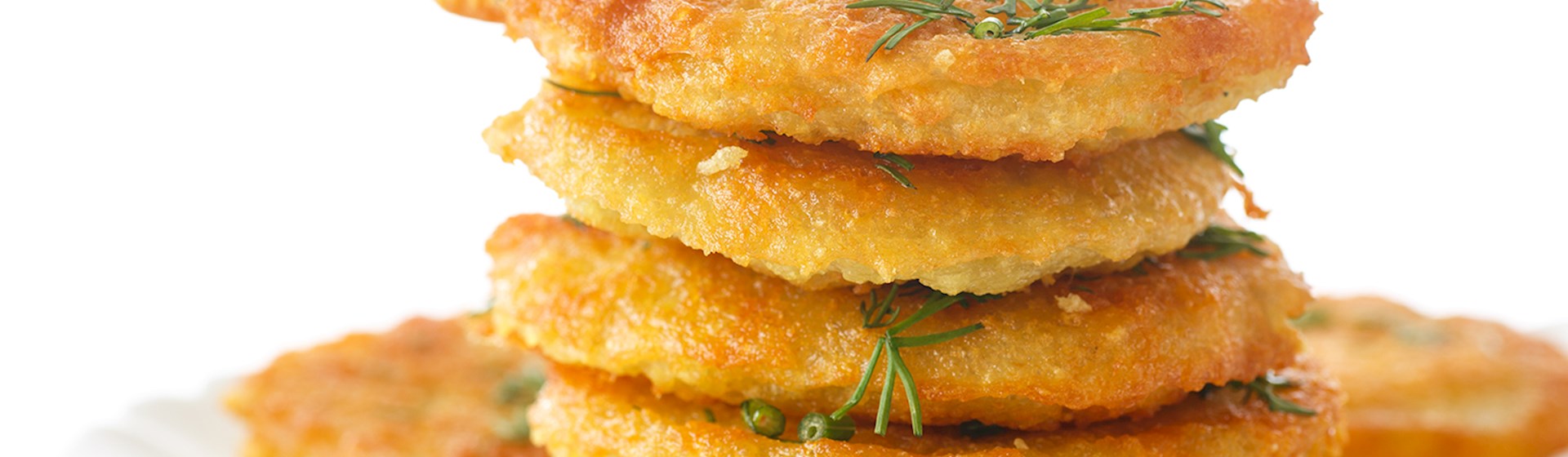
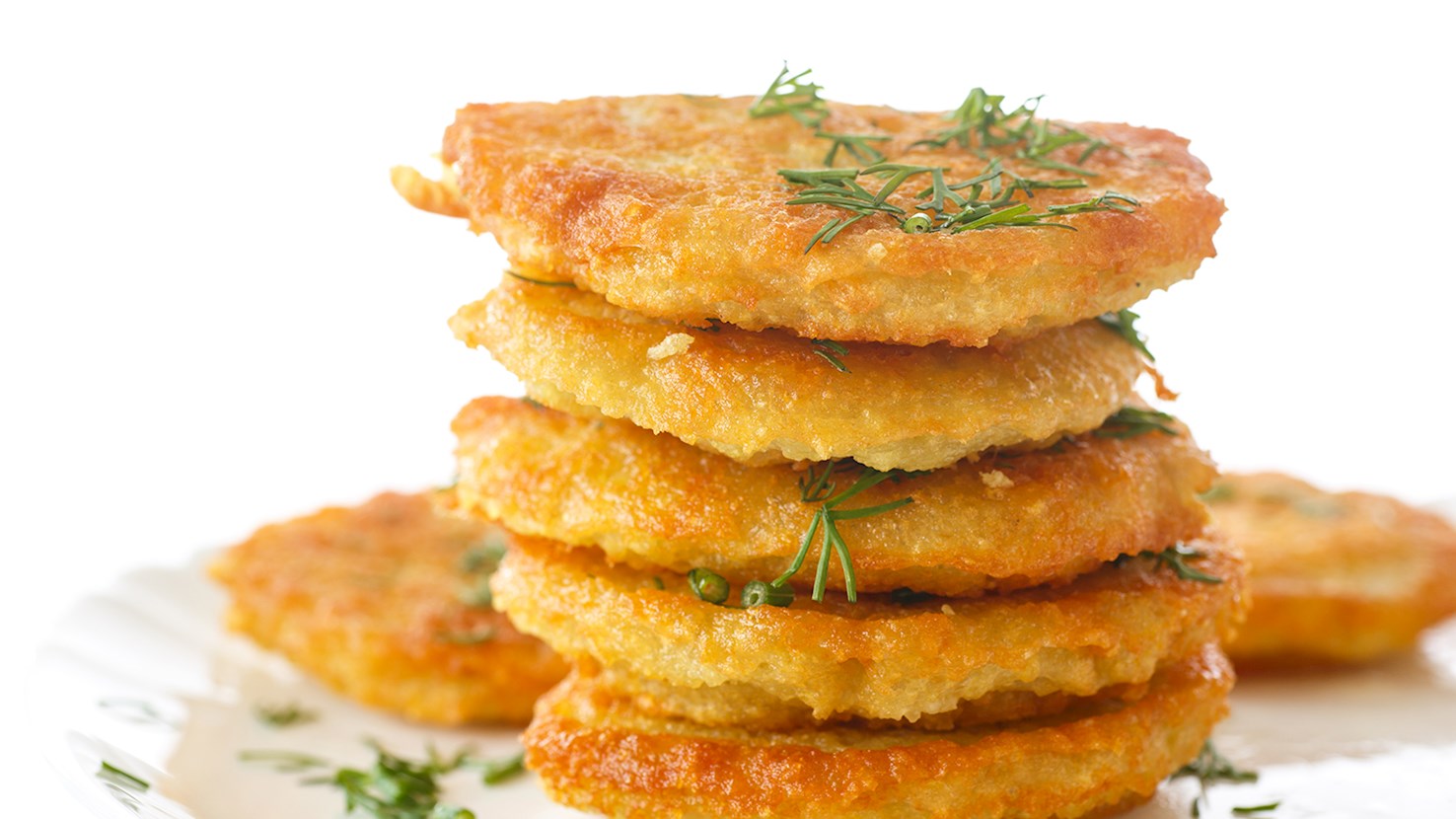
Maakouda are traditional potato fritters that are popular throughout the Maghreb, especially in Morocco, Algeria, and Tunisia. The fritters are usually prepared plain, but they can also be stuffed with meat, tuna, or cheese, although not that often. They're made with potatoes, parsley, garlic, flour, salt, and pepper. The potatoes are boiled, mashed, and mixed with other ingredients into small disks which are then deep-fried in hot oil until golden brown. Maakouda is traditionally served as an appetizer, a side dish, or an ingredient in a long sandwich roll that's usually sold as street food and served with harissa, coriander, and lemon juice. The fritters are especially popular during the month of Ramadan.
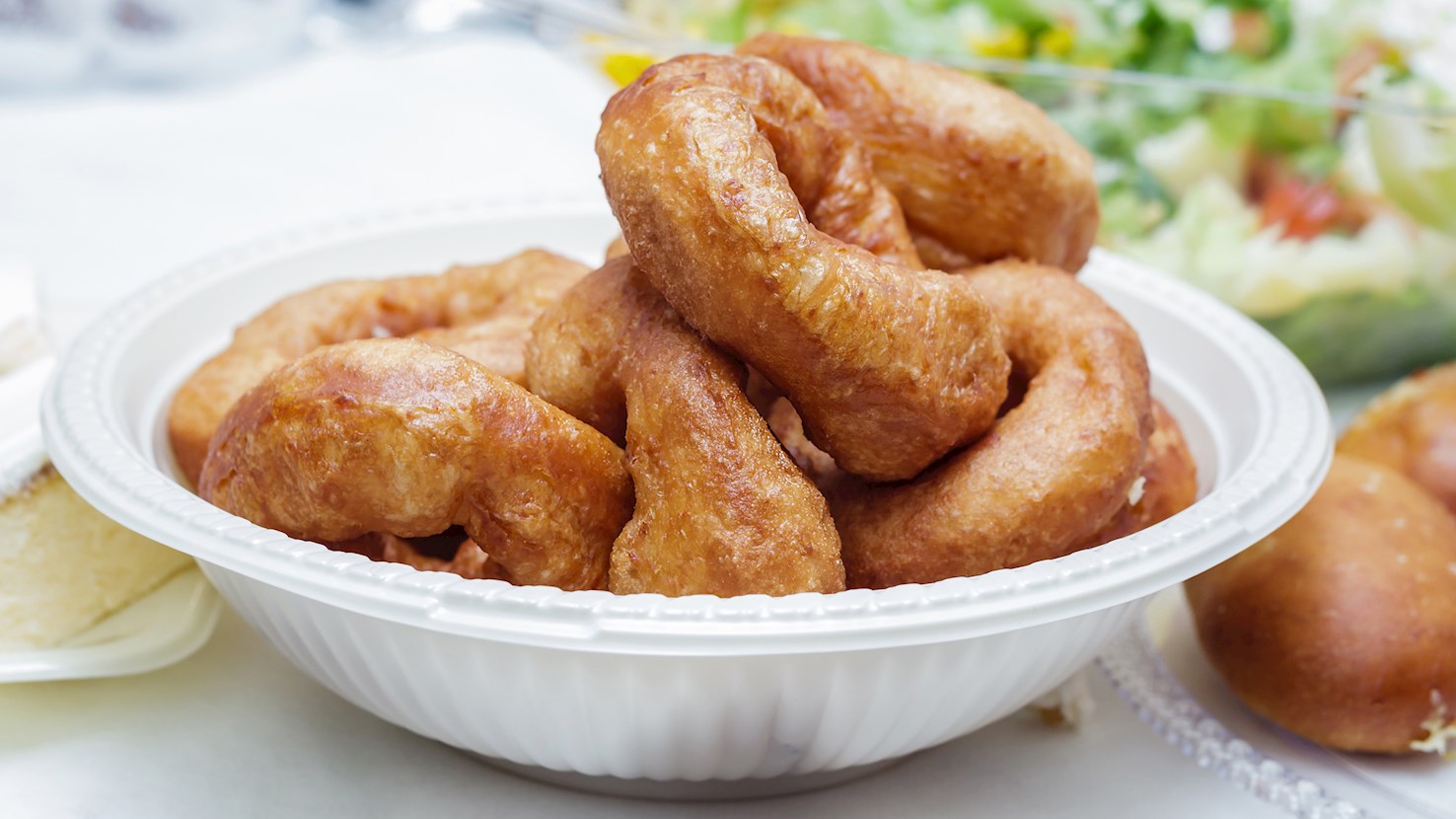
Sfenj are popular Moroccan and Algerian doughnut-like fritters made from sticky unleavened batter, similar to Libyan sfinz and Tunisian bambalouni. The dough is traditionally shaped into rings and deep-fried until it develops a golden, crispy exterior. The interior should be fluffy, tender, and chewy. These fritters are usually served hot when sold by street vendors, and they can be consumed plain or dusted with icing sugar.
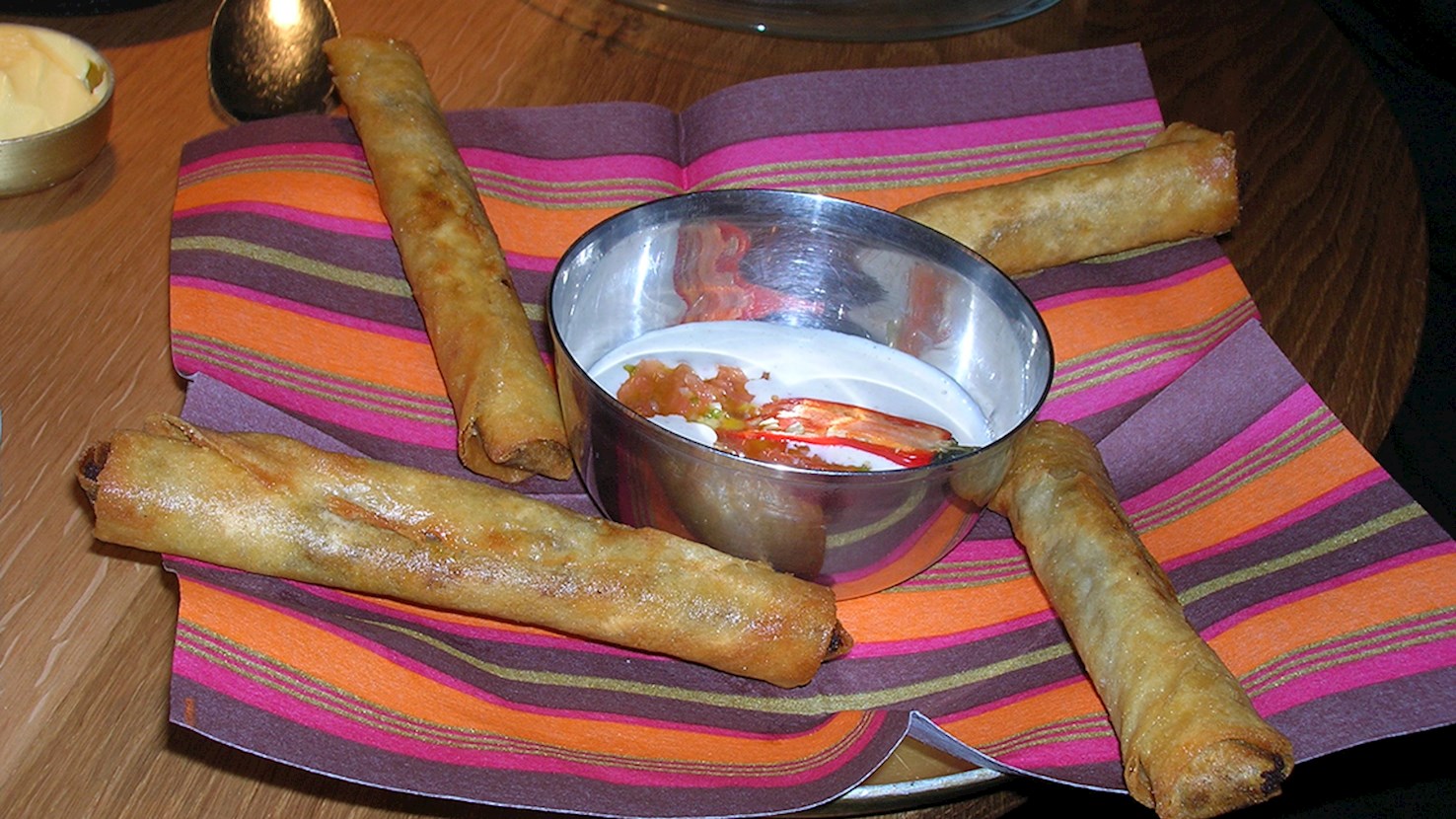
Moroccan cigars are slim, crisp, fried rolls filled most often with spiced ground meat and served as appetizers or snacks in North African and Middle Eastern Jewish cuisines, particularly in communities with roots in Morocco. Despite the name, they have no relation to tobacco products; the term refers only to their cylindrical shape. They emerged from the broader Moroccan practice of using thin pastry sheets for savory and sweet fillings, a technique seen in dishes such as briouat, where phyllo-like warqa dough is wrapped around seasoned mixtures. As Moroccan Jews migrated to Israel and other countries during the twentieth century, the dish became widely known in new settings and eventually entered Israeli street food, catering menus, and home cooking. Preparation begins by making or buying thin pastry sheets, warqa or phyllo, cut into long strips. The filling is cooked beforehand and typically includes ground beef or lamb sautéed with onions and seasoned with paprika, cumin, turmeric, pepper, salt, and sometimes cilantro or parsley. Once cooled, a small amount of filling is placed at one end of the pastry strip, which is then rolled tightly into a cylinder and sealed with a bit of flour paste or egg wash. The rolls are fried in oil until golden and crisp, though some cooks choose to bake them for a lighter version. Variations include chicken fillings, vegetable mixtures, potato-based fillings, or spicier versions using harissa or hot pepper pastes, all shaped in the same narrow form that defines the dish. Moroccan cigars are eaten in Morocco, Israel, and diaspora Jewish communities during holiday meals, Shabbat dinners, and family gatherings, and they also appear as mezze or snacks in restaurants. They are commonly served alongside salads, tahini, preserved lemon sauces, or dips made from peppers or eggplant. They pair well with mint tea, light beers, lemon-based drinks, and dry white wines, which balance the richness of the fried pastry and the spices in the filling.
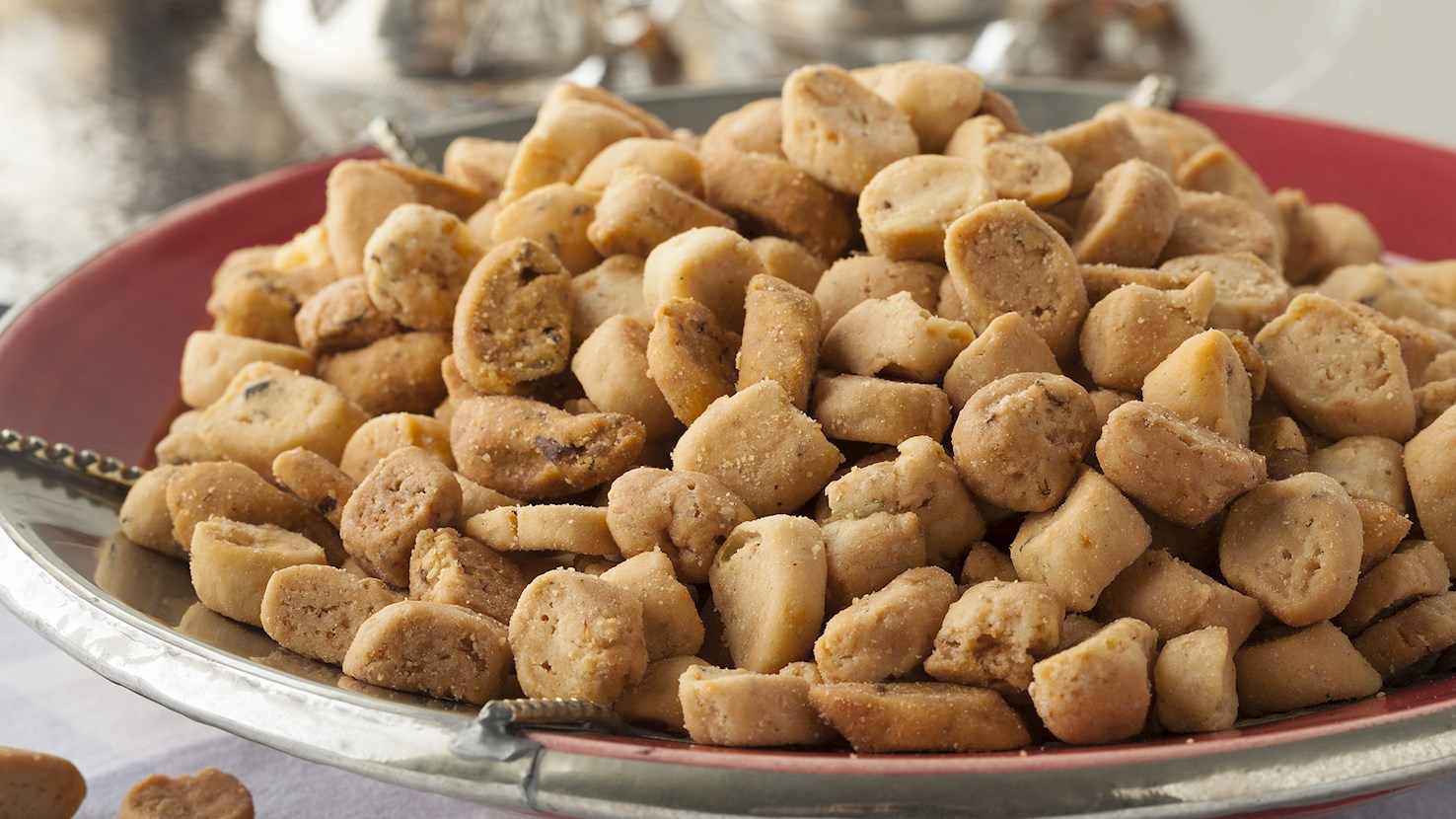
These tiny Moroccan cookies are prepared with a shortbread dough that is usually enriched with aniseed and toasted sesame seeds. The cookies are usually associated with Ashura festival—the tenth day of the first month of the Islamic calendar. On that occasion, they are typically served with a variety of dry fruits and nuts. The cookies are also prepared for other festivities and can be enjoyed as an everyday snack that best pairs with coffee or tea.
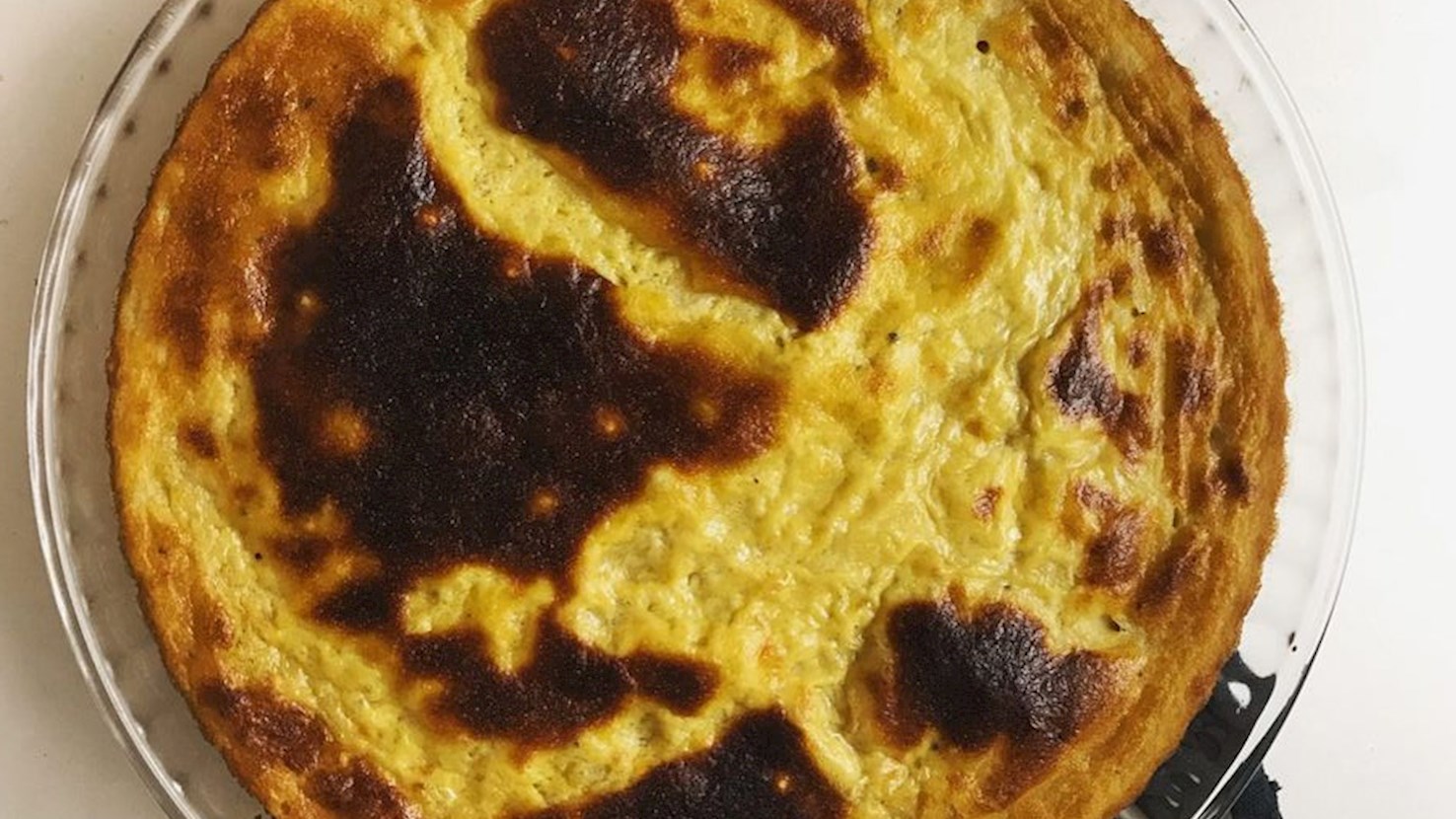
Kalinté is a traditional street bread originating from Tangier. It's usually made with a combination of chickpea flour, eggs, olive oil, salt, lukewarm water, and ground cumin or harissa sauce. Once prepared, the batter should be smooth and chilled for a while before it's baked in a brick oven, usually in a deep-dish pan. The top of kalinté is brushed with oil and it should be golden brown and glazed once it's baked. Kalinté is eaten by the slice, often as a small rectangle, and it's sprinkled with cumin or harissa before serving. The name of this flan-like dish is the Tangier slang word for heat.
TasteAtlas food rankings are based on the ratings of the TasteAtlas audience, with a series of mechanisms that recognize real users and that ignore bot,
nationalist or local patriotic ratings, and give additional value to the ratings of users that the system recognizes as knowledgeable.
TasteAtlas Rankings should not be seen as the final global conclusion about food. Their purpose is to promote excellent local foods,
instill pride in traditional dishes, and arouse curiosity about dishes you haven’t tried.



What People Say