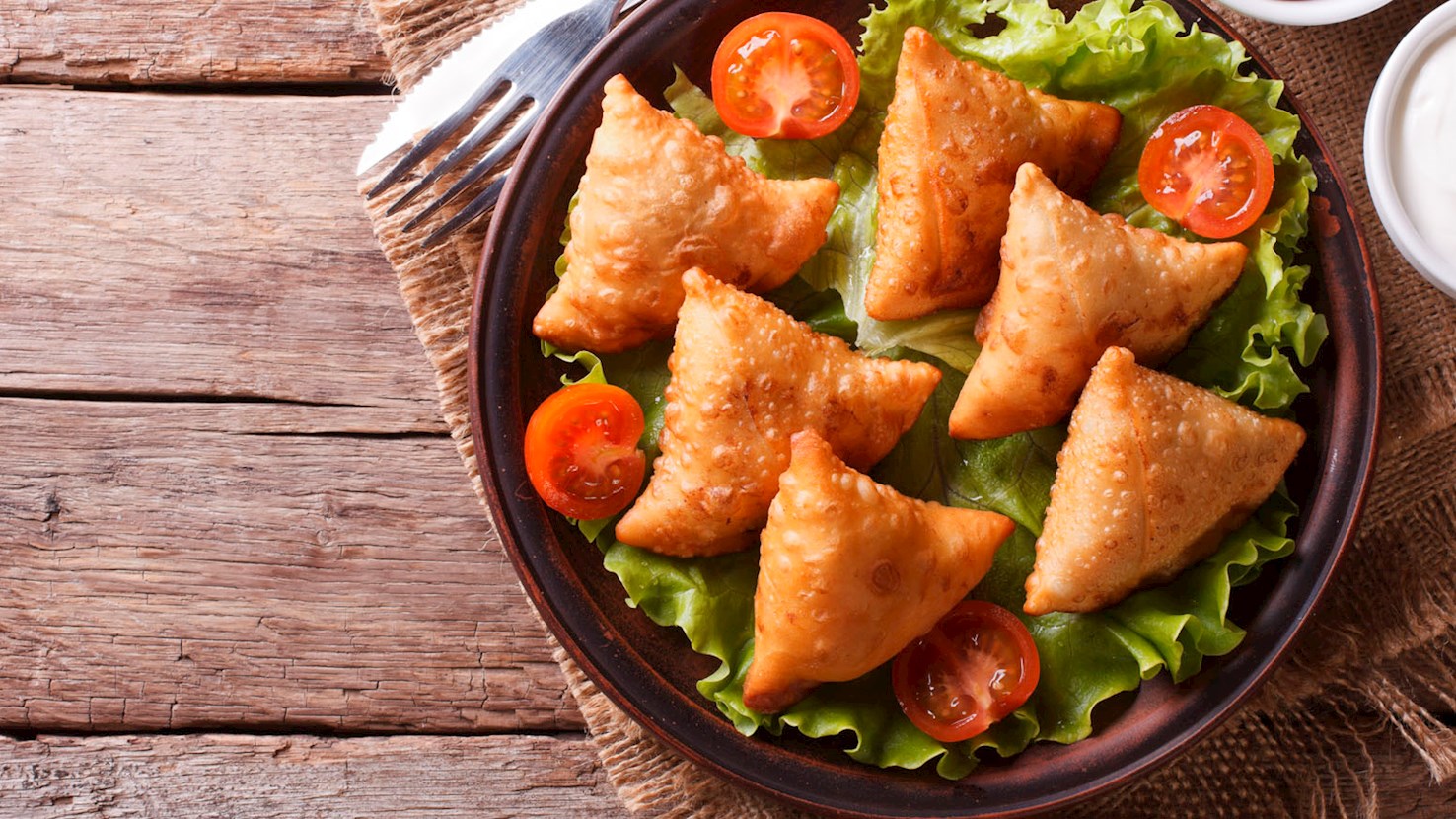
Due to their crunchy texture and a variety of different flavors, samosas provide a perfect introduction to the world of Indian cuisine for newcomers. These deep-fried, triangular pastries are filled with a variety of ingredients ranging from vegetables to meat, such as onions, lentils, spiced potatoes, peas, or ground meat. It is said that the popular, golden-brown snack travelled to India along the old trade routes from Central Asia, which is why samosas are also prevelent in Middle Eastern countries where they are typically served for Ramadan. In Saudi Arabia, for example, they are typically filled with meat or cheese and can be shaped as triangles, squares, and rolls. These savory triangles are typically served hot and accompanied with chopped onions, yogurt, or fresh, homemade Indian chutneys made with a variety of ingredients such as mint, coriander or tamarind. However, not all samosas are savory - some versions can contain a number of sweet ingredients such as pomegranate, mango, and raisins. Sweet or savory, they can be found throughout India at numerous street stalls and roadside eateries, freshly made and traditionally paired with masala chai tea.
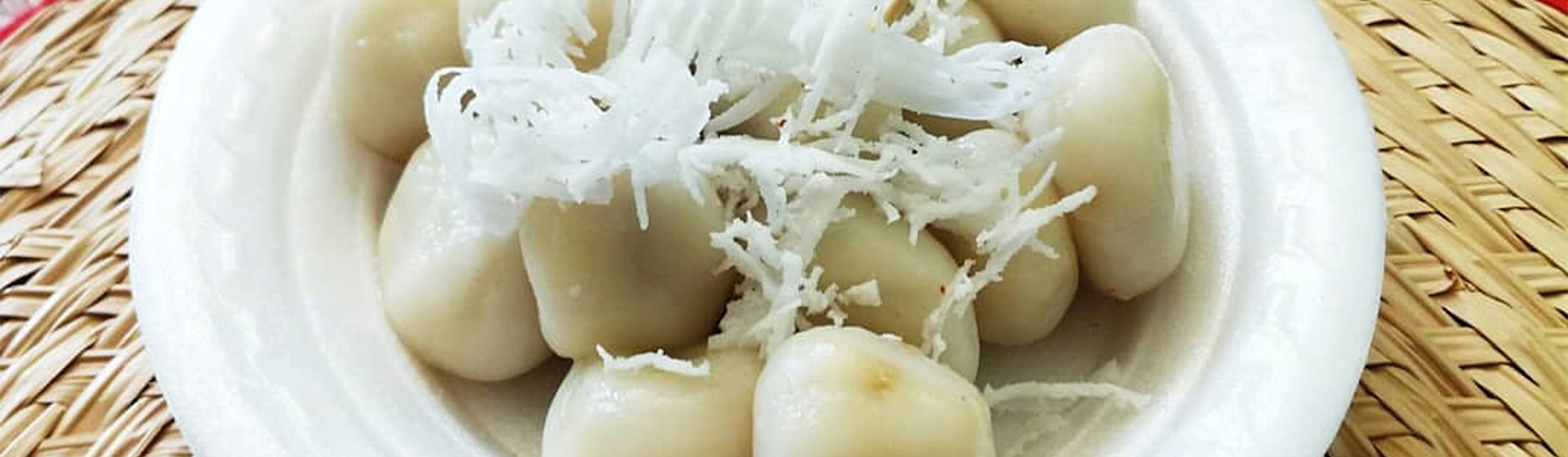
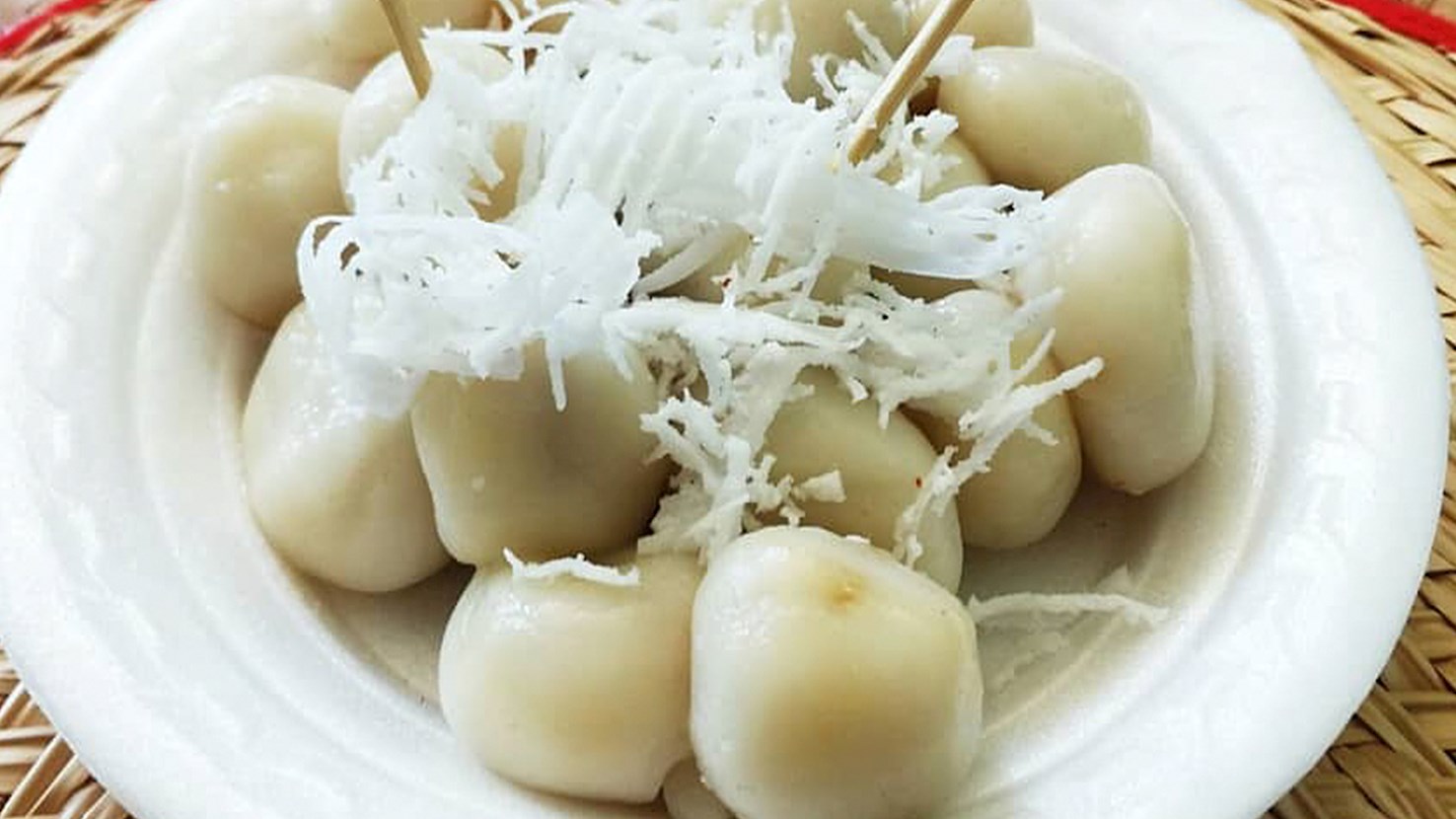
Mont lone yay paw, meaning round snack on the water, is a traditional sweet snack made by combining glutinous rice flour, rice flour, water, and salt. The combination is shaped into smooth balls, which are then typically filled with palm jaggery or palm sugar. This sweet derives its name from the tendency of the rice balls to float to the surface of the boiling water or coconut milk in which they’re being cooked once they’re done. Shredded or desiccated coconut is often sprinkled over the rice dumplings, and they’re usually served on a banana leaf while still warm. Mont lone yay paw is typically prepared for festive occasions such as Myanmar New Year (known as Thingyan or Water Festival), when groups of friends, neighbors, and family members gather to roll batches of rice balls and cook them in a big pot of boiling water over an open fire.
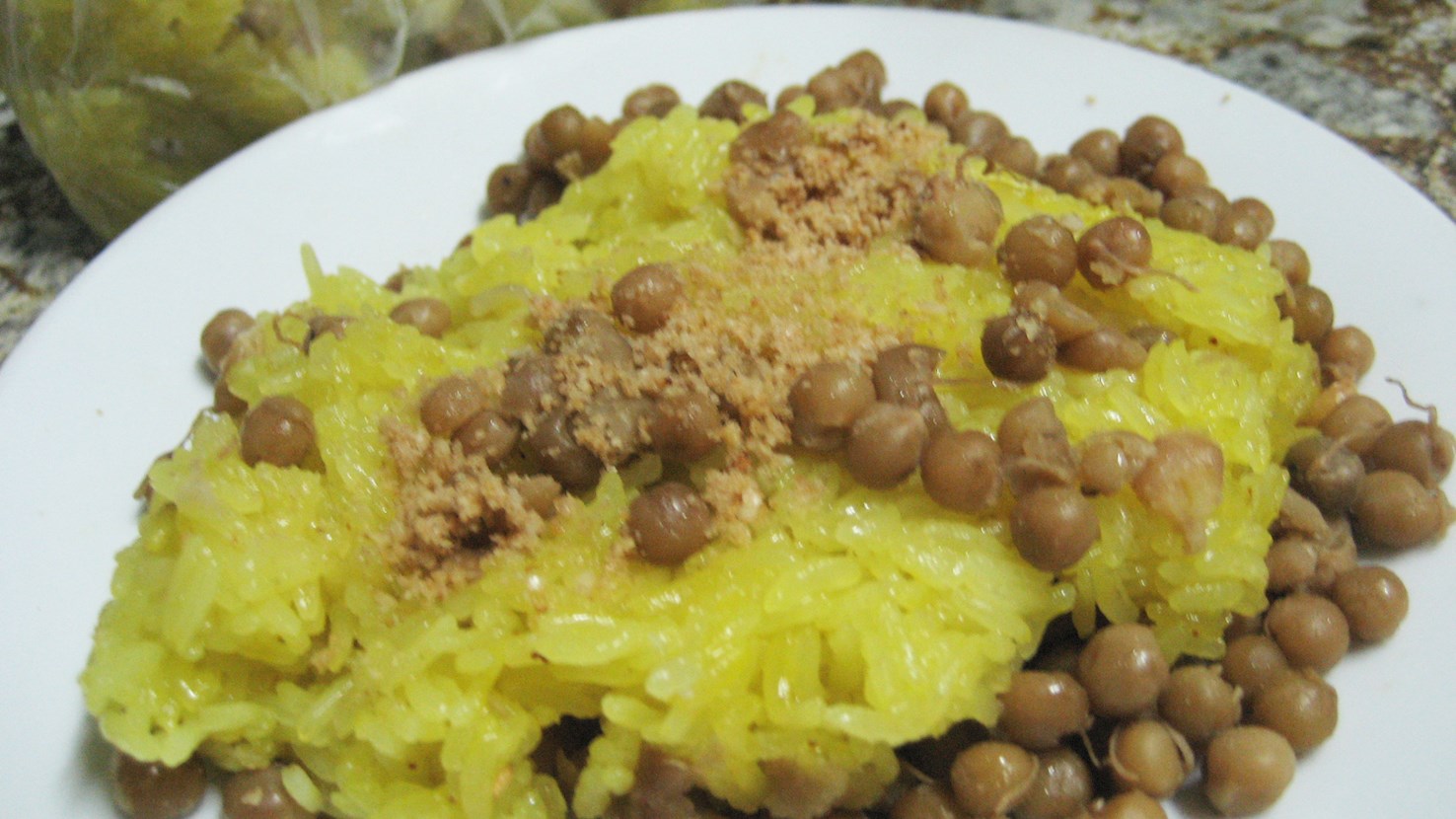
Si htamin is a traditional dish originating from Myanmar (Burma). The dish is usually made with a combination of glutinous rice, thinly sliced onions, turmeric, oil, and salt. The onions are sautéed in oil, sprinkled with turmeric, and removed from the pan. The glutinous rice is washed, drained, added to the remaining oil in the pan, sprinkled with salt, stirred, covered with water, and cooked over low heat. Once fully cooked, the rice is garnished with a mixture of fried onions and turmeric, which gives it a golden hue. The dish is usually served as a snack or breakfast, and it's often paired with peas or dried fish or prawns.
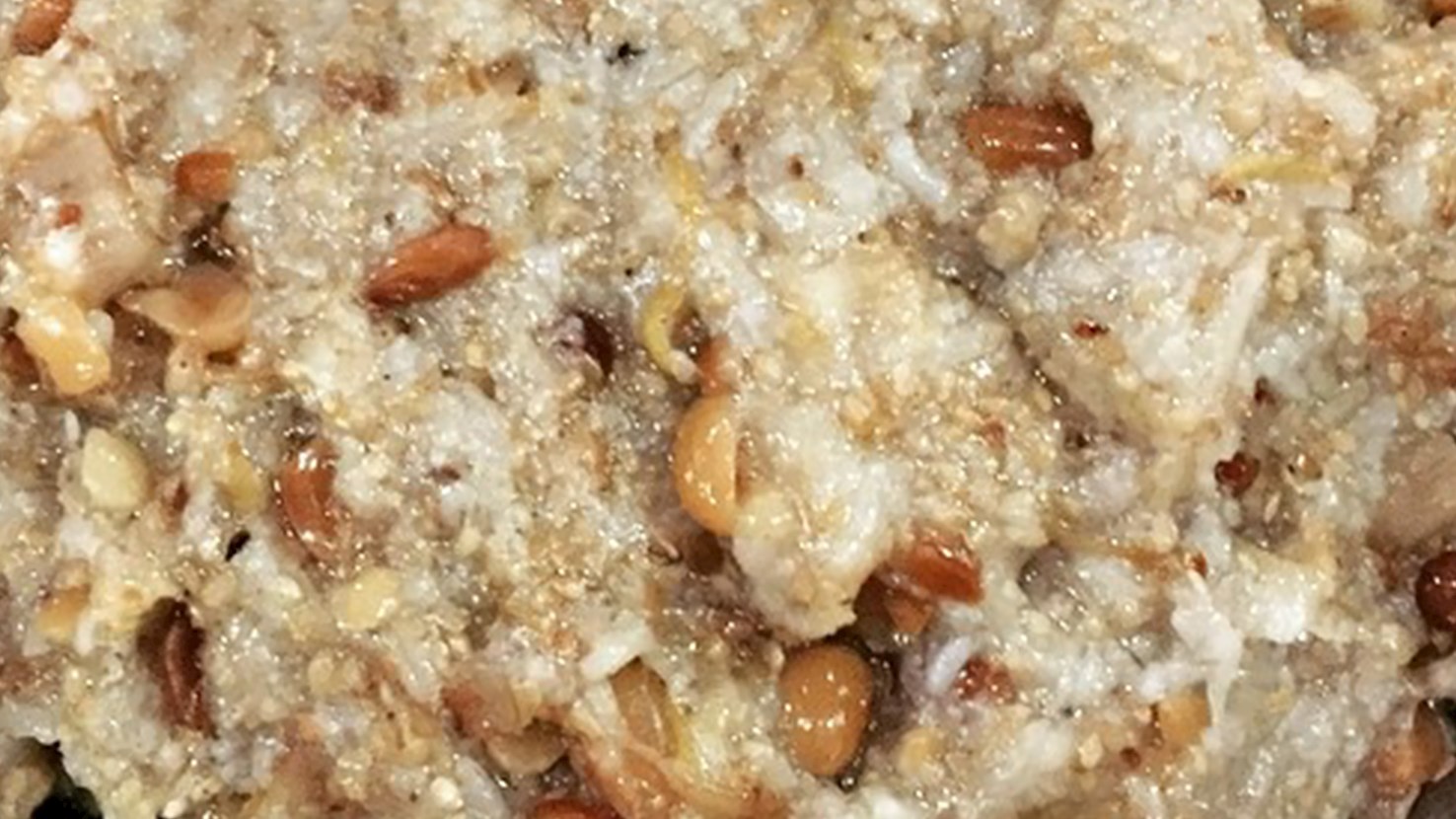
Htamanè is a traditional specialty consisting of glutinous rice, coconut shavings, peanuts, ginger, sesame seeds, water, and groundnut oil. The preparation of this savory snack is a communal activity that's associated with the annual Htamanè Festival, a rice harvest festival held around the Full Moon Day of the lunar month of Tabodwè (February). During this festivity, htamanè is prepared in large quantities to satisfy a large number of people. Teams of htamanè-makers participate in competitions that are traditionally held throughout the whole country as part of the rice festival. The participants cook the dish by vigorously stirring the rice mixture in huge woks with wooden paddles over an open fire. Traditionally, the snack is first used as a religious offering to the Buddha at pagodas and monasteries, and then the rest of the rice combination is distributed to family members, friends, and neighbors.
TasteAtlas food rankings are based on the ratings of the TasteAtlas audience, with a series of mechanisms that recognize real users and that ignore bot,
nationalist or local patriotic ratings, and give additional value to the ratings of users that the system recognizes as knowledgeable.
TasteAtlas Rankings should not be seen as the final global conclusion about food. Their purpose is to promote excellent local foods,
instill pride in traditional dishes, and arouse curiosity about dishes you haven’t tried.


What People Say