
shutterstock

Top 28 Dutch Snacks

Last updated on June 15, 2026

Best Dutch Snacks

01

Poffertjes

4.2 ·

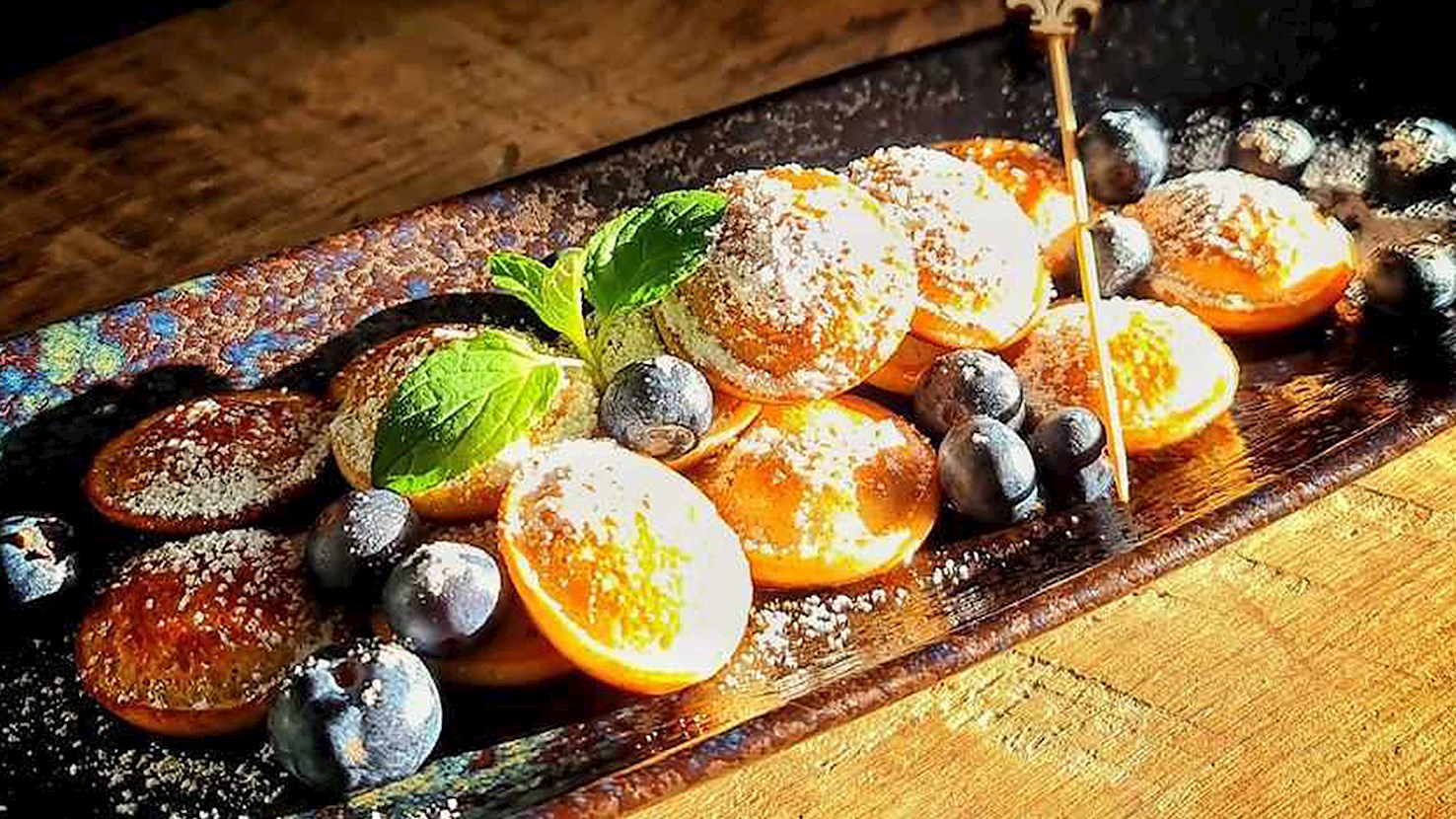
Poffertjes are small, round, and puffy Dutch pancakes made with yeast and buckwheat flour. They are baked in a special pan called poffertjespan, and usually served warm on a piece of cardboard paper when prepared outdoors, at festivals and outdoor events. They are consumed as a snack, and are rarely eaten for breakfast. Traditionally, poffertjes are topped with melted butter and powdered sugar, although there are a number of other, non-traditional toppings such as whipped cream, fresh fruit, or rum. During the Christmas and New Year period, poffertjes can be found throughout Dutch streets at numerous street carts. It is believed that poffertjes have roots in a Dutch Abbey, where they were used as a type of communion host. When the churchgoers tasted the small pancakes and liked them, poffertjes became very popular, so local stallholders seized the opportunity and started selling them as snacks. The first recipe for poffertjes is found in a cookbook from the mid-1700s, when the dish was considered a poor man's meal. Today, poffertjes are a staple of most Dutch weddings, birthday parties, and various festive occasions.

02

Kibbeling

4.1 ·

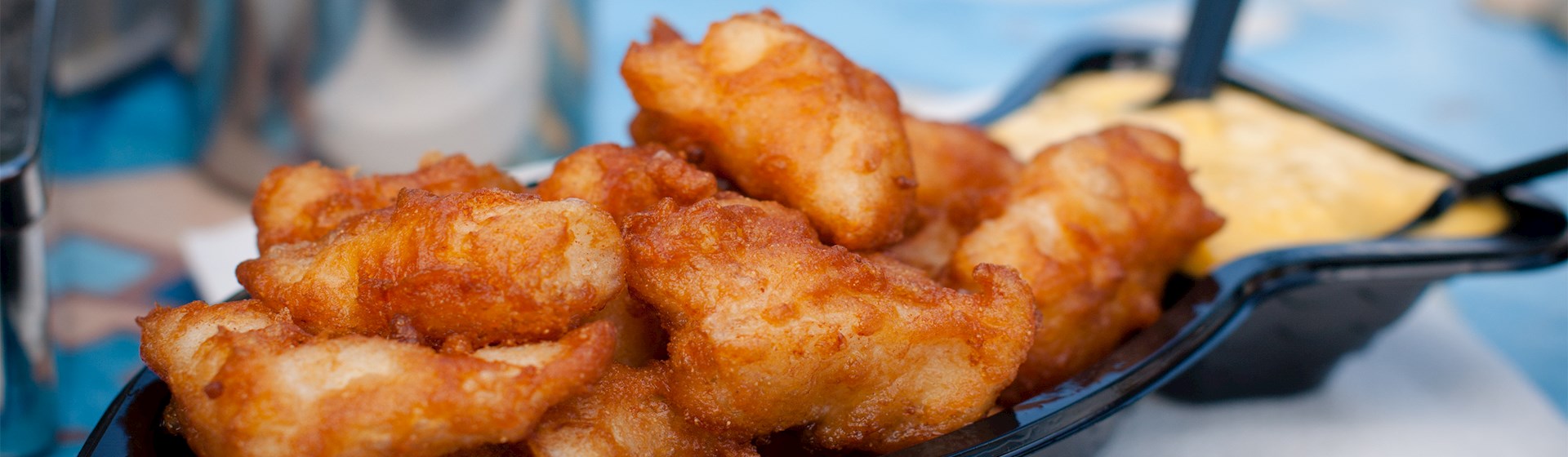
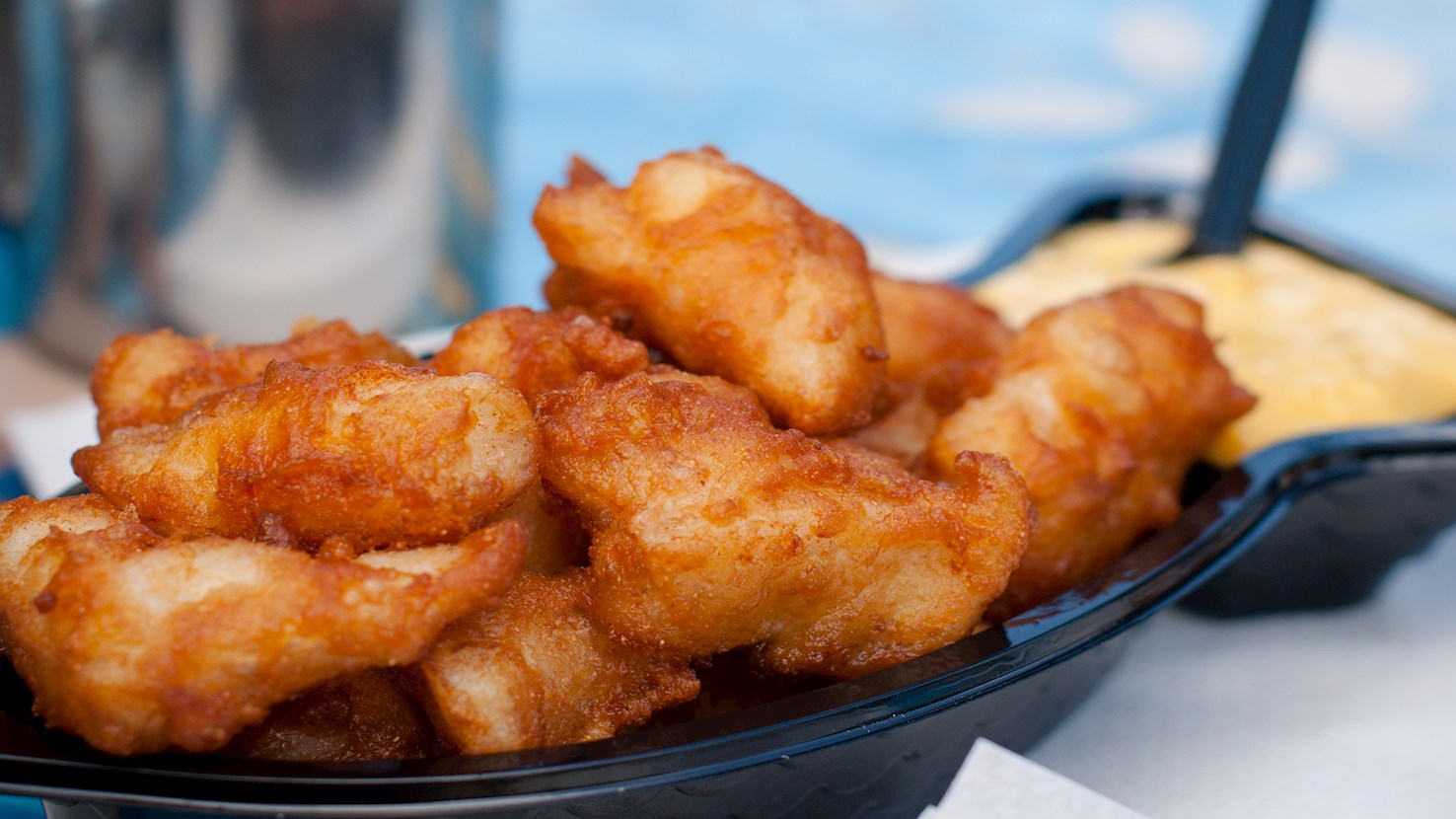
Kibbeling is a popular Dutch street food item consisting of pieces of fish that are dipped in batter, deep-fried in hot oil, and served with a dipping sauce such as garlic sauce, remoulade, ravigote, or whiskey sauce. In the Netherlands, kibbeling is mostly consumed as a snack, but it can also be prepared for dinner, when it is recommended to pair it with French fries, a fresh salad, and a sauce of choice.

03

Gerookte paling

4.1 ·

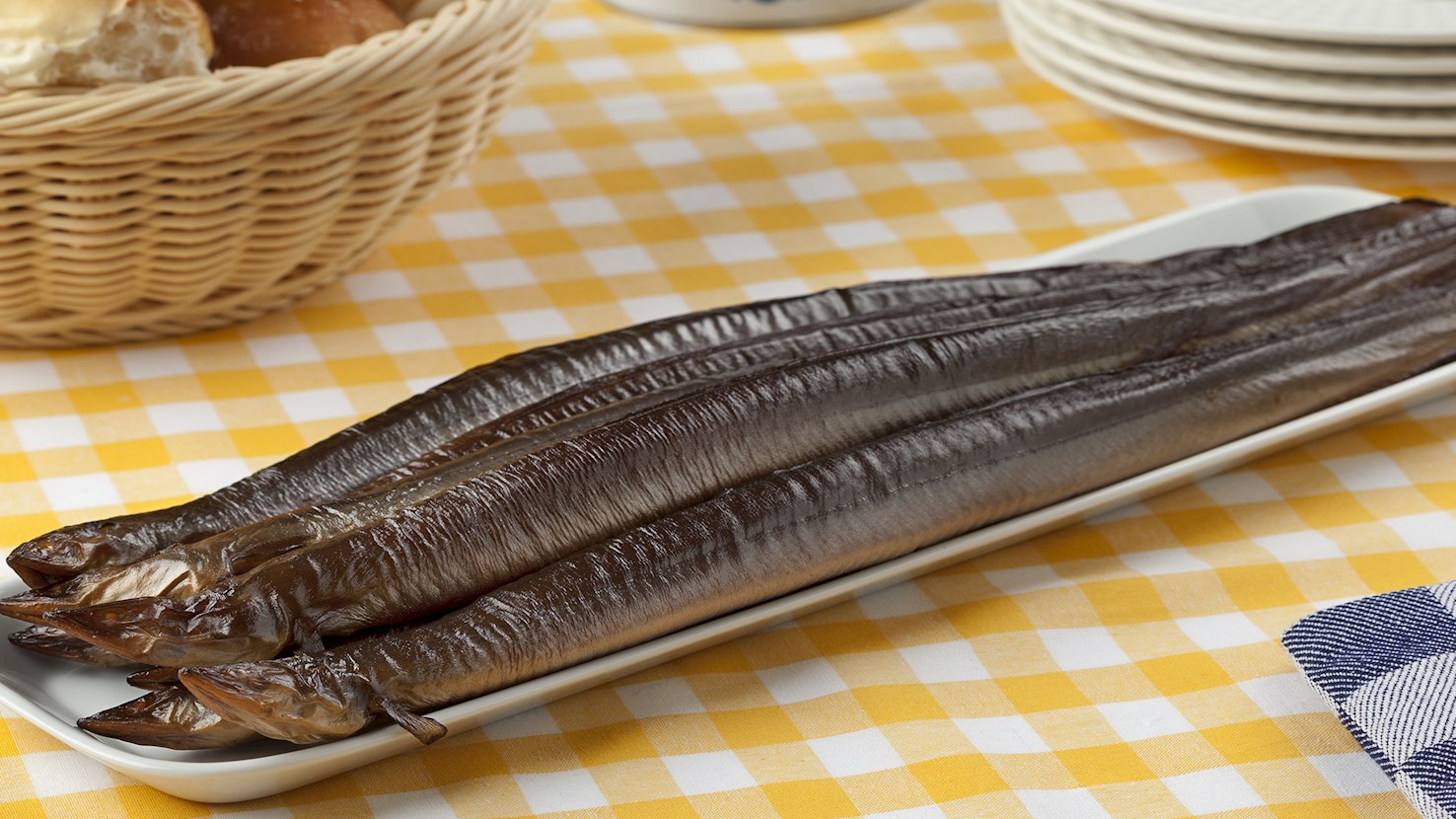
At just about every haringhuis (herring stand) or vishandel (fish shop) in Amsterdam, one can buy the Dutch delicacy of smoked eel, known as gerookte paling. In the past, smoked eel was a staple in the country, but today it is a true delicacy due to the scarcity of eels and its high price. The dish is both healthy and flavorful, filled with omega-3 fatty acids, vitamins, and protein. It is usually served on a bun or a cracker and consumed as a snack.

04

Kalfsvleeskroket

4.1 ·

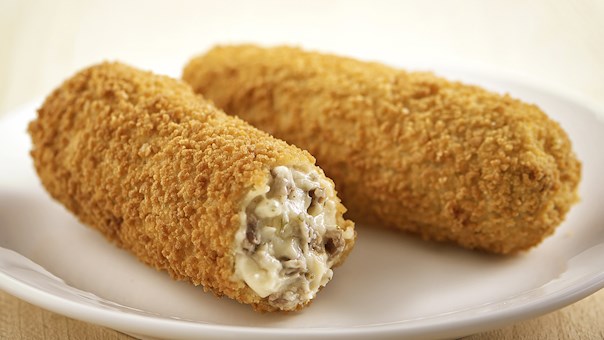
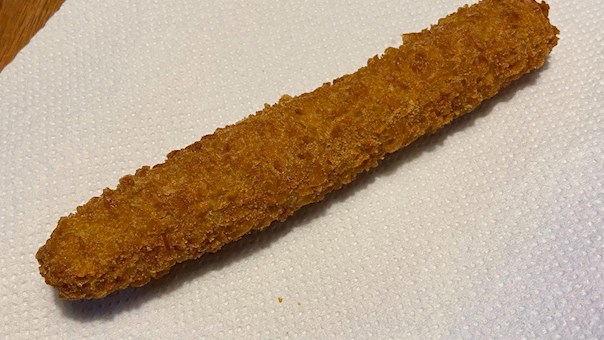
Kalfsvleeskroket is a Dutch kroket variety that is typically consumed as a snack. It can be bought at numerous streets from vending machines that serve food, or at snack bars. This elongated kroket is made from veal ragù that is thickened with flour, then breaded and deep-fried. Veal ragù kroket is usually consumed as it is or with mayonnaise, and its popularity lies in the fact that it is simple and convenient.

05

Rundvleeskroket

4.0 ·

Rundvleeskroket is a Dutch kroket variety that is typically consumed as a snack, oftentimes bought at numerous street vending machines that serve food. It has an elongated shape and consists of a flour-thickened beef ragù that is breaded and deep-fried. Rundvleeskroket is most commonly paired with mustard and consumed as it is, although it can also be placed in a bun.

06

Oliebol

3.9 ·

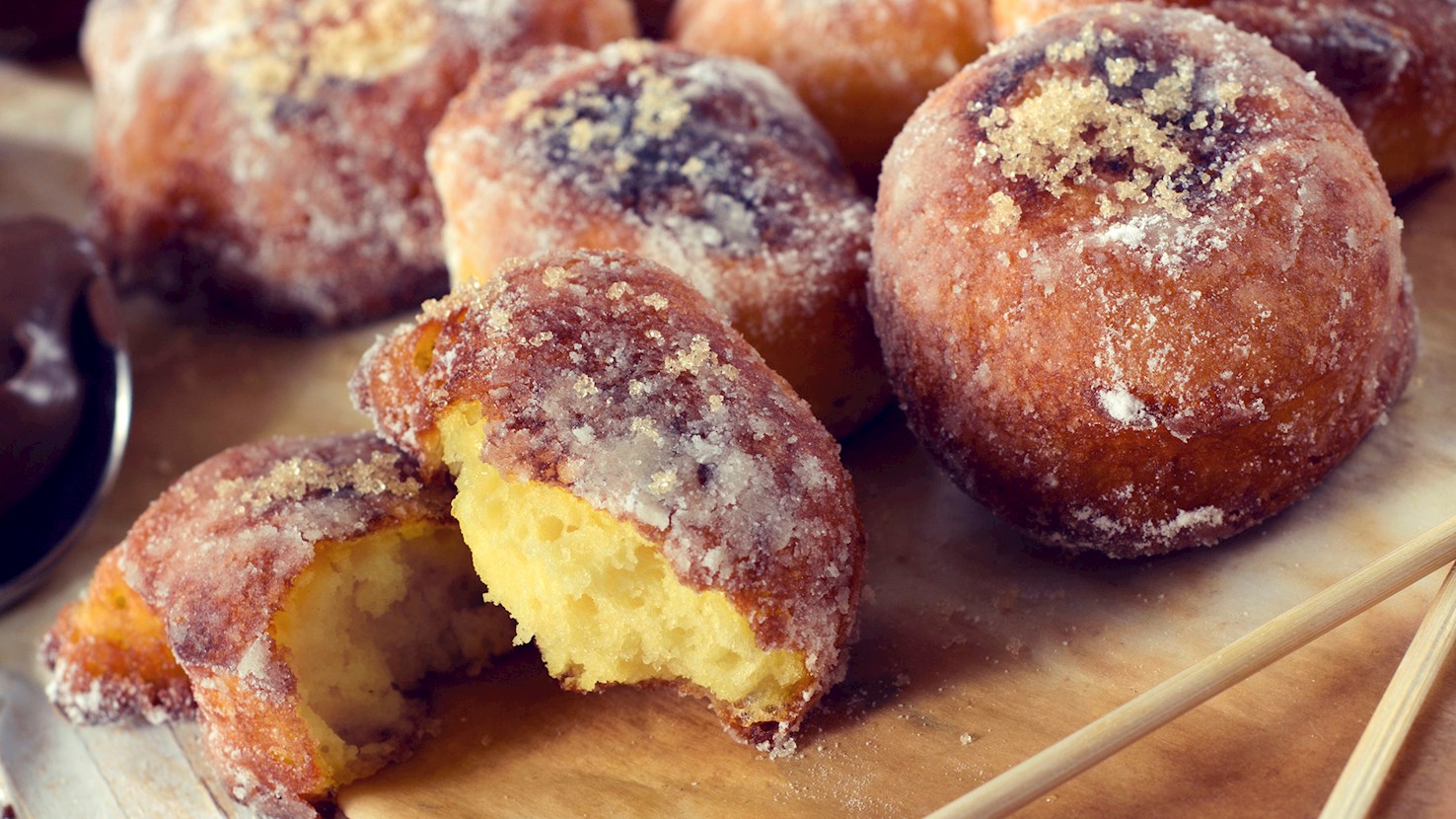
Oliebol is a traditional and Belgian snack that can be literally translated as oily ball. The dough, which is deep-fried in hot oil, is made with flour, eggs, yeast, milk, and baking powder. The exterior is crunchy, while the interior is chewy and soft, just like a true representative of comfort food at its best. Traditionally, the fritters are sprinkled with powdered sugar, while some varieties are filled with raisins or currants that were previously incorporated into the dough. Oliebollen are often prepared and consumed at numerous fairs, and they are especially popular during the Christmas and New Year period. In winter, these oily snacks can be bought at street stands throughout the Netherlands and Belgium. It is believed that oliebollen were first consumed by Germanic tribes during the Yule. The earliest recipe can be found in the 1667 book De verstandige kock, and in 1868 the word oliebol was added to Van Dale's Dutch dictionary. It is recommended to serve oliebollen with a hot cup of coffee and top them with powdered sugar before eating.

07

Bitterballen

3.8 ·

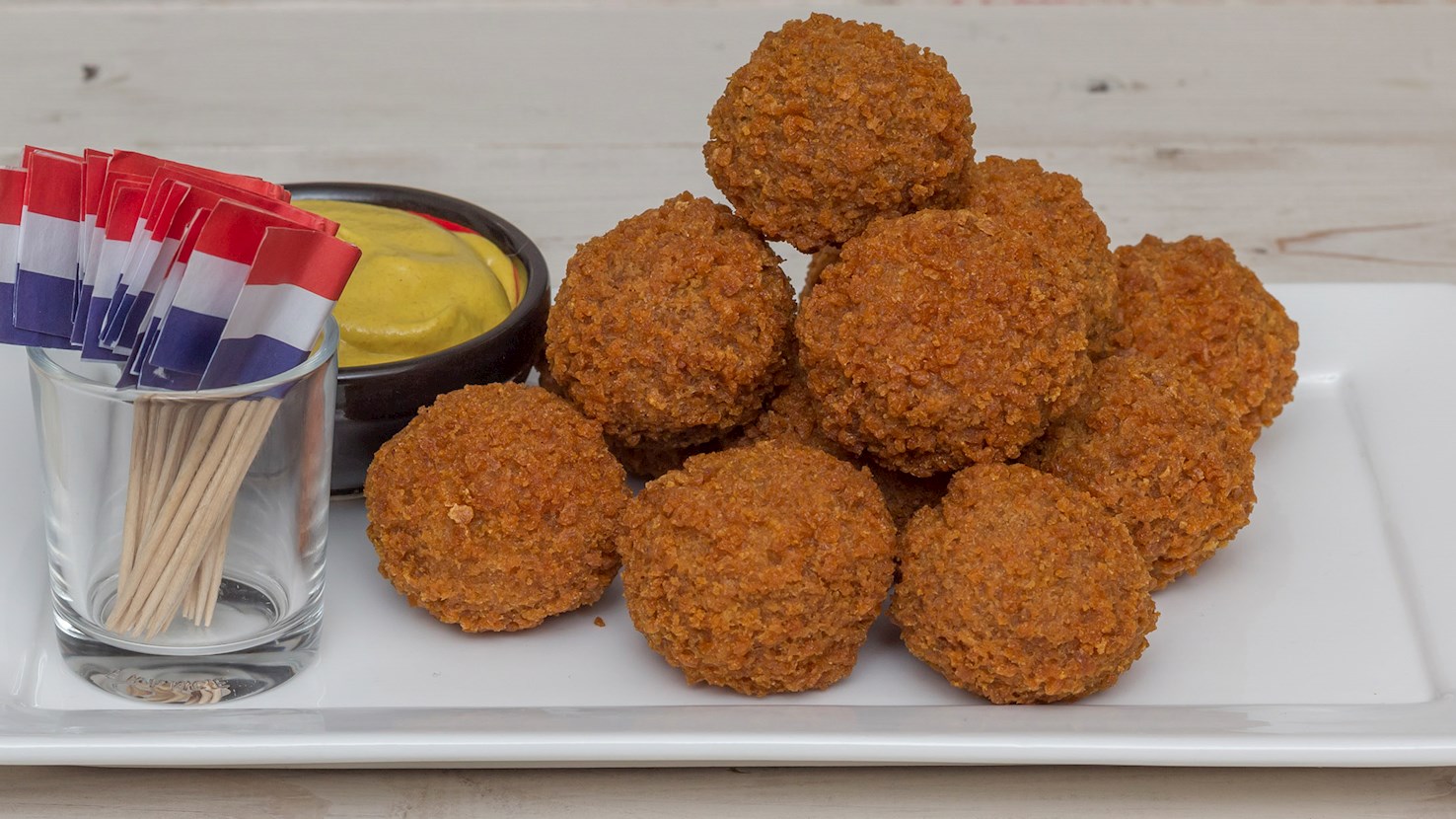
Bitterballen are Dutch deep-fried, breadcrumbed, meat-filled balls. The filling usually consists of beef, flour, beef broth, and various seasonings. The dish is usually served as a snack at bruin cafes, a popular type of bar in the Netherlands. Bitterballen are traditionally paired with mustard, french fries, and bittertjes, or Dutch bitters. It is believed that the dish was invented in the 17th century, when the Spaniards occupied the country, and the wife of an Amsterdam pub owner refined and adapted the Spanish version of the dish and served it with beer and jenever. Today, bitterballen are typically consumed while still piping hot, and they can be made with a variety of ingredients, such as chicken, veal, or mushrooms.

08

Brabants worstenbroodje

3.8 ·

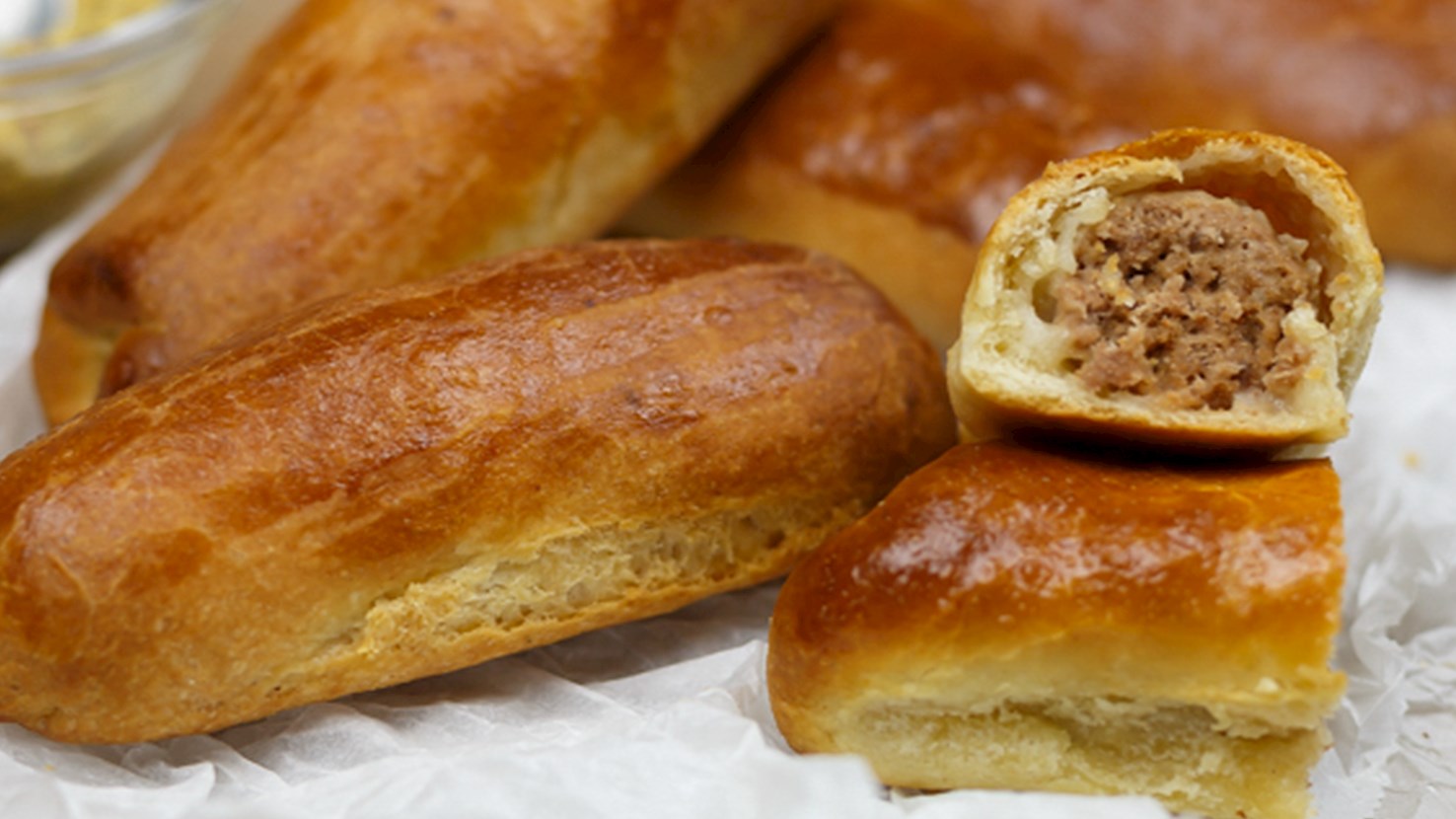
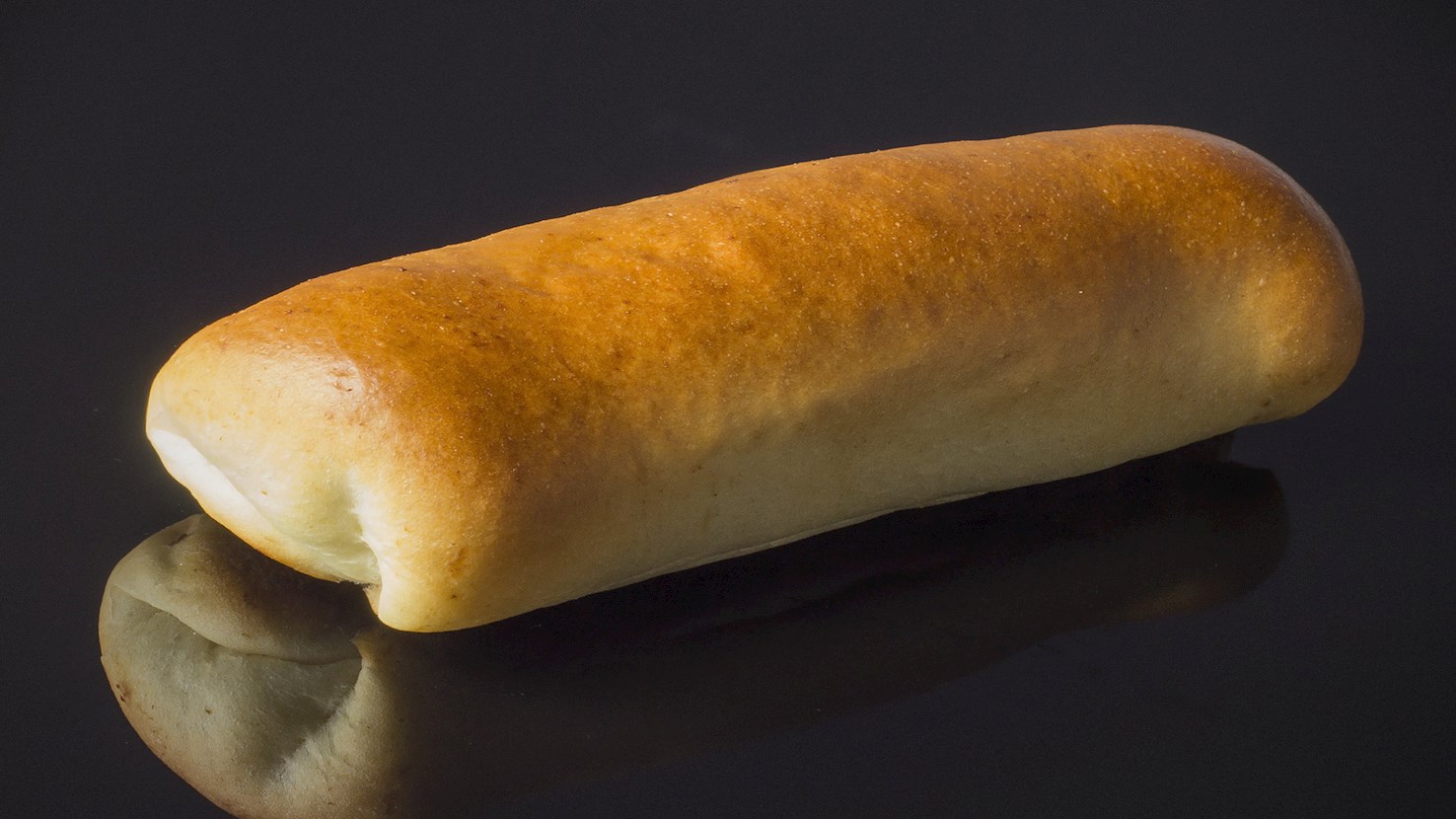
A typical snack from the Dutch province of North Brabant, worstenbroodje is a meat-filled roll that is especially popular during the colder winter months. The dough is made with flour, milk, yeast, sugar, butter, and eggs, while the filling is usually made with ground beef and pork, eggs, milk, breadcrumbs, and flavorings such as salt, pepper, nutmeg, and chopped parsley. Shaped into an elongated oval, these sausage rolls are baked in an oven until their exterior becomes golden-brown and crunchy.

Best restaurants
09

Worstenbroodje

3.8 ·

Worstenbroodjes are a Brabant specialty consisting of bread rolls filled with meat (usually ground pork and beef), spices, and herbs such as pepper, nutmeg, and parsley. These savory rolls are consumed throughout the year, but they are especially popular during the colder months in the Netherlands. It is recommended to brush the rolls with egg wash and bake them until they develop a golden-brown color on the crust.

10

Saucijzenbroodjes

3.8 ·

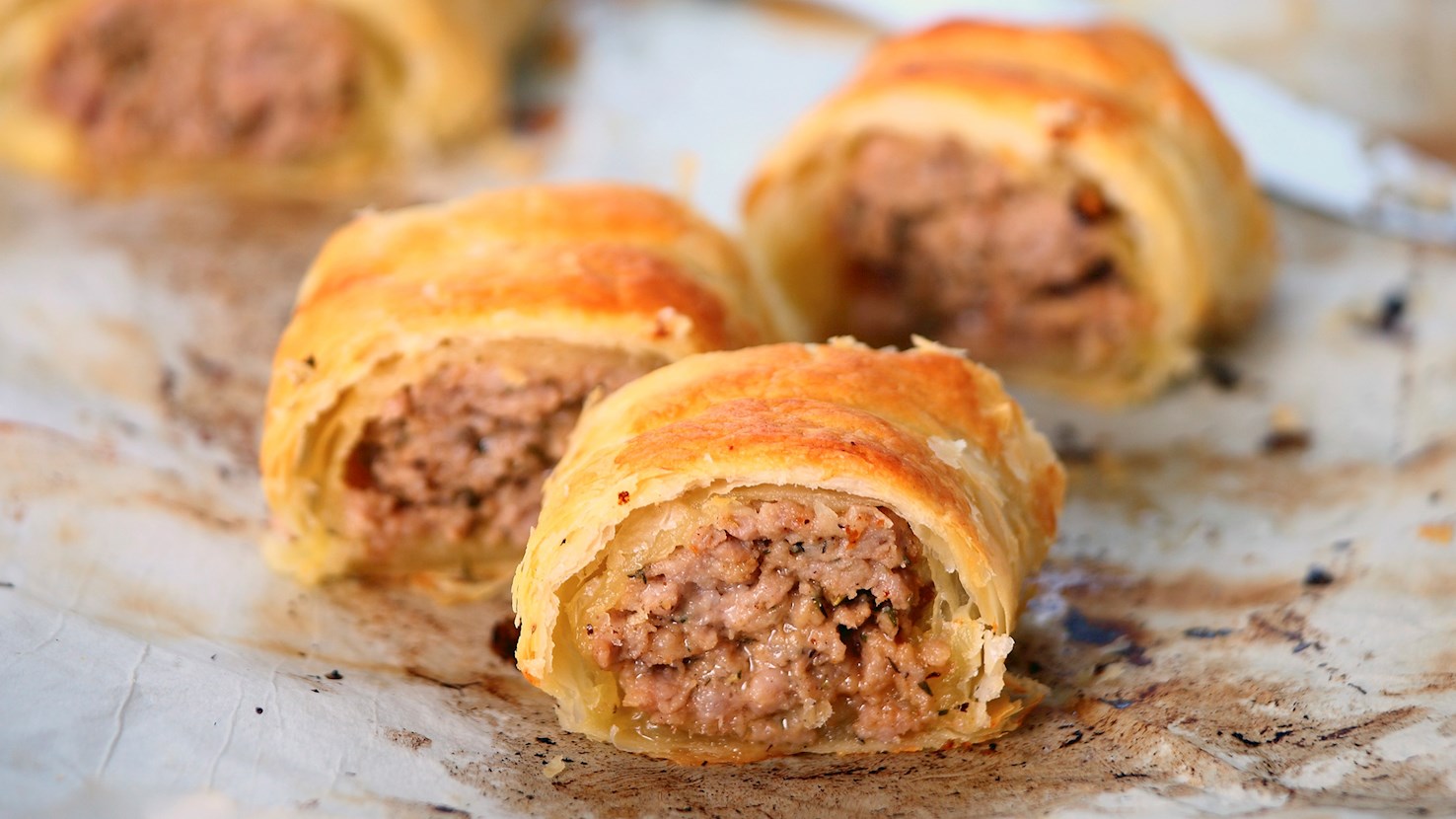
Saucijzenbroodjes (sausage rolls) is a Dutch dish consisting of meat that is wrapped in puff pastry. It is a popular snack that can be found at numerous Dutch fast food joints, street stands, bakeries, and train stations. Although the name suggests that the dish contains sausages, that is not the case–it is filled with ground beef that is spiced with nutmeg and black pepper. The combination of these ingredients is then shaped into small logs that resemble sausages. Many people like to consume it for lunch as a light meal, although the rolls can also be served at home as an appetizer. They are quite easy to make, making them a favorite food for parties and similar social gatherings.

11

Kaassoufflé

3.7 ·
12

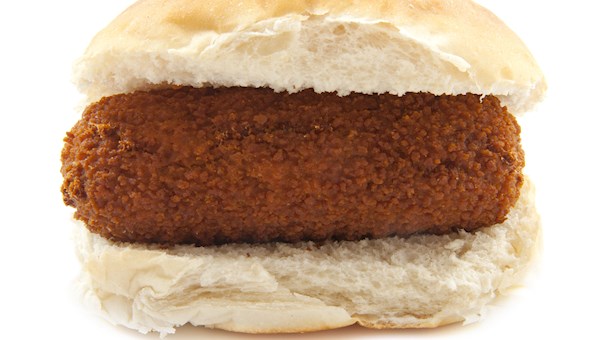
Kroket

3.7 ·
13

Kipcorn

3.7 ·
14

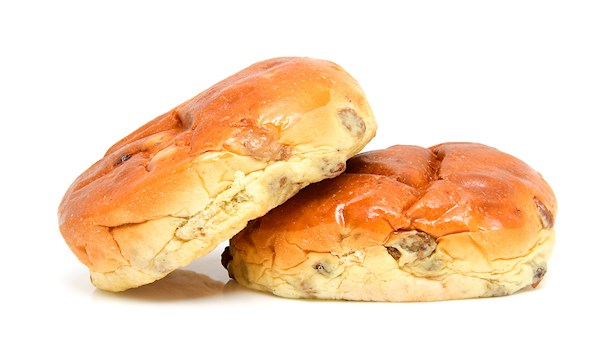
Krentenbollen

3.6 ·
15

Bamischijf

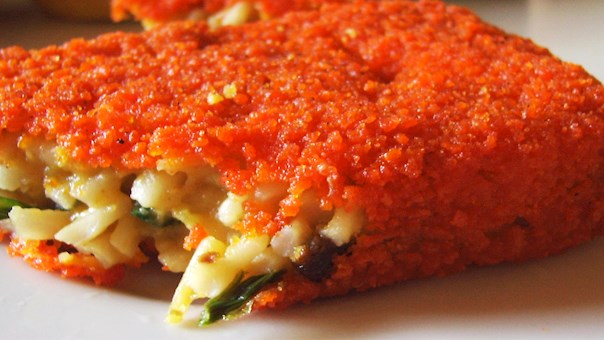
3.6 ·
16

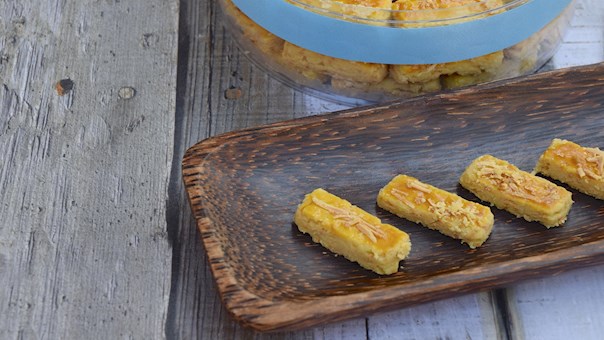
Kaasstengels

3.5 ·
18

Satékroket

3.4 ·
19

Ontbijtkoek

3.4 ·
20

Frikandel

3.3 ·

Best Dutch Snacks

01

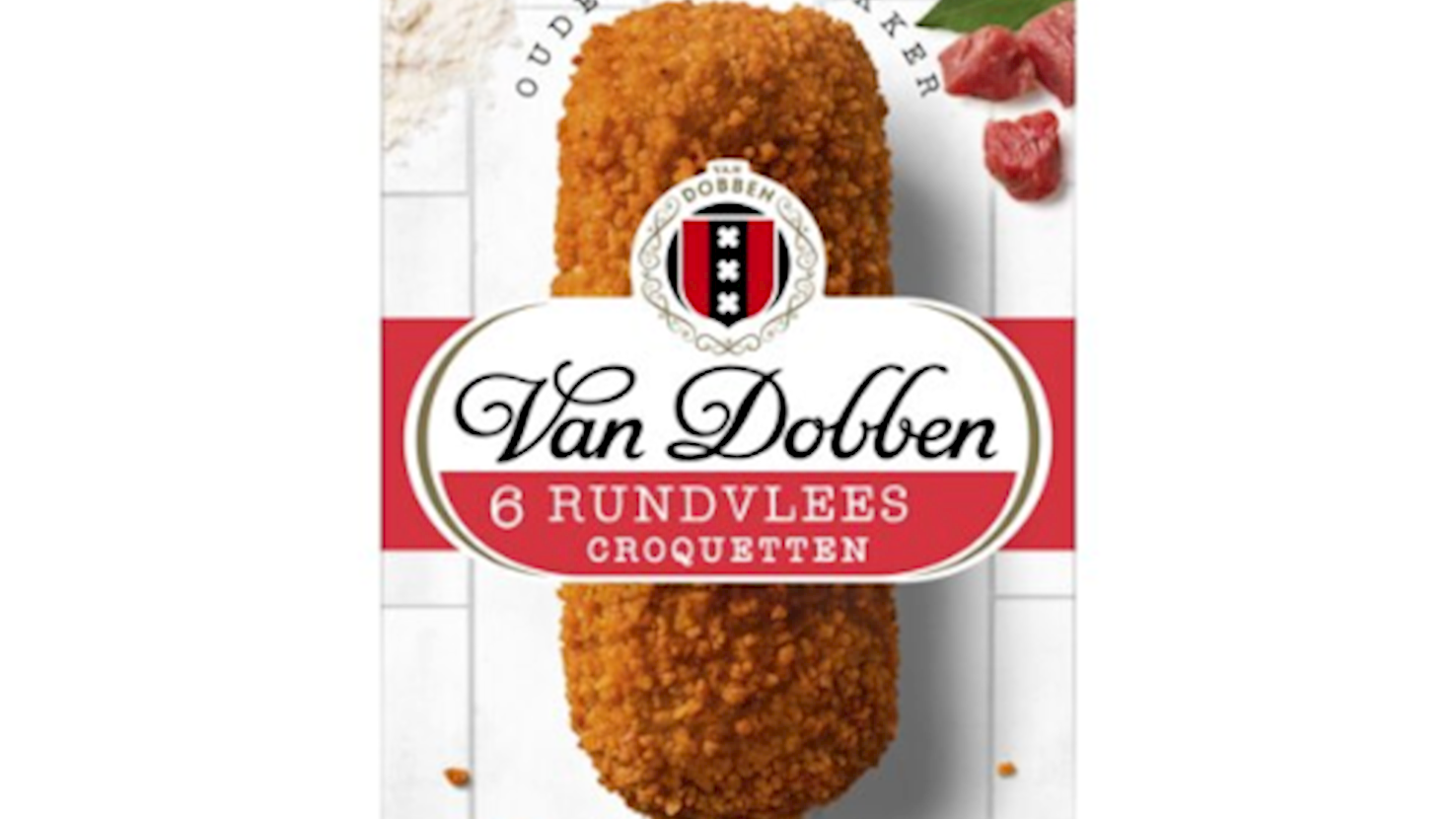
Van Dobben

3.7 ·
Eetsalon Van Dobben is one of the most recognizable names in traditional Dutch snack culture, with a history dating back to 1945 in the heart of Amsterdam. Founded as a small family-run eatery, it gradually became synonymous with the classic Dutch beef croquette prepared according to its original recipe. The croquettes are known for their rich, dense ragout filled with visible pieces of beef, coated in fine breadcrumbs that turn crisp and golden when fried. One of the most iconic ways to enjoy it is as a “broodje kroket”, a simple sandwich served with mustard, reflecting everyday Dutch food habits. The interior retains its old-fashioned character, with wooden details and the atmosphere of a traditional Amsterdam eetsalon. Although the brand later expanded into nationwide supermarket distribution, the original location continues to operate as a place where preparation methods and product consistency remain central. In addition to the classic beef version, the range includes items such as bitterballen and other ragout-based snacks. Today, Van Dobben represents a combination of local identity, straightforward craftsmanship, and long-standing culinary continuity within Dutch snack tradition.
Read more
View all
View map
About this ranking

TasteAtlas food rankings are based on the ratings of the TasteAtlas audience, with a series of mechanisms that recognize real users and that ignore bot, nationalist or local patriotic ratings, and give additional value to the ratings of users that the system recognizes as knowledgeable. For the “Top 28 Dutch Snacks” list until June 15, 2026, 2,479 ratings were recorded, of which 2,222 were recognized by the system as legitimate. TasteAtlas Rankings should not be seen as the final global conclusion about food. Their purpose is to promote excellent local foods, instill pride in traditional dishes, and arouse curiosity about dishes you haven’t tried.

The initial list of top producers was compiled based on available reviews, awards, local recommendations, media and blog coverage, and consumer reviews. The list will be updated with ratings from TasteAtlas local ambassadors and TasteAtlas users.

Similar lists