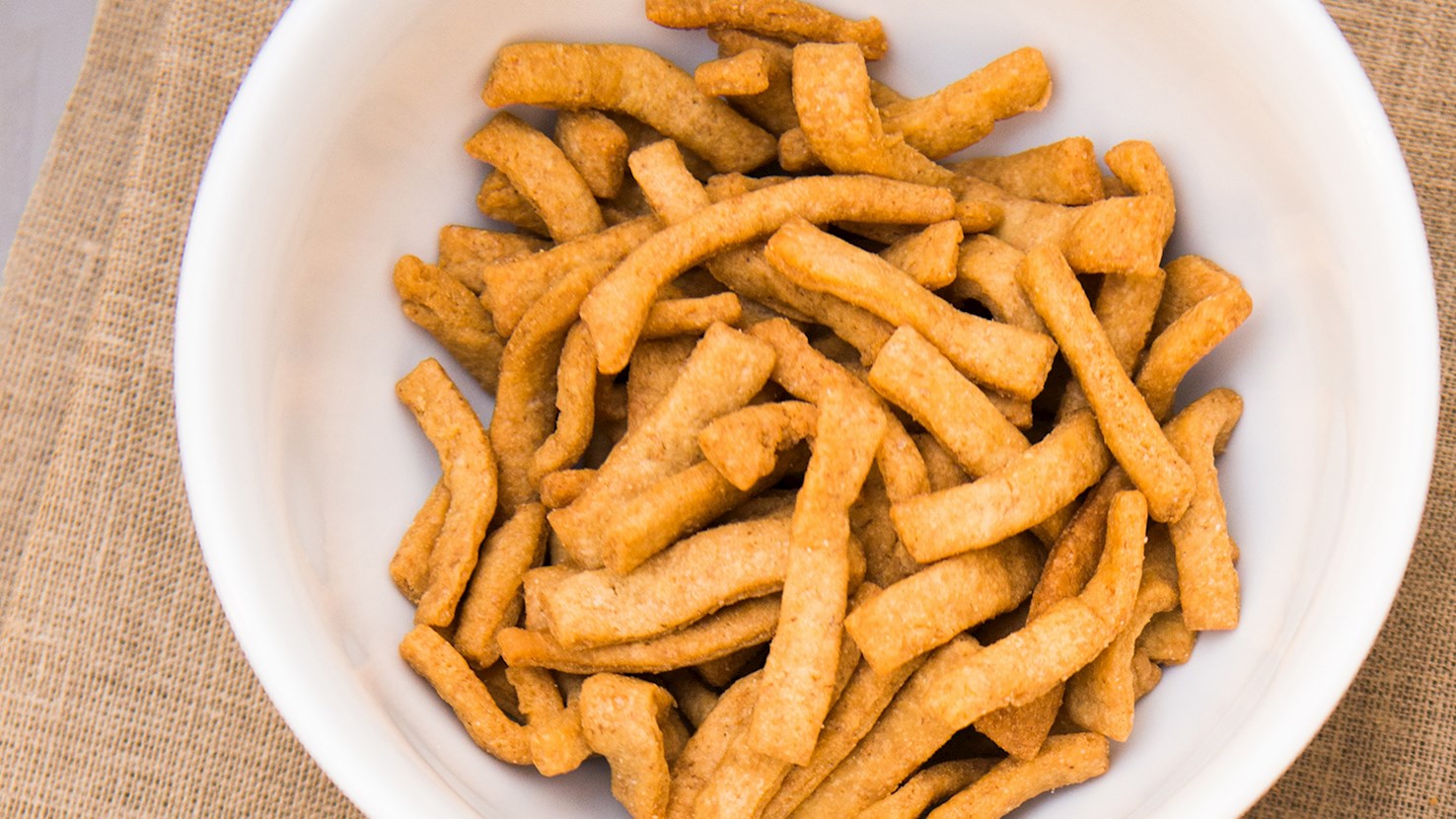
Chin chin is a popular Nigerian snack. It's made with a combination of flour, sugar, butter or margarine, and milk, but there are some optional ingredients such as ground nutmeg, baking powder, and eggs which are added depending on personal preferences. Once the stretchy and sticky dough has been formed, it's rolled and cut into desired shapes (usually small squares or strips) before being fried in hot vegetable oil until golden brown. These traditional snacks can be either crunchy or hard, depending on the preparation. In Nigeria, chin chin is often seen at weddings and during Christmas. It's recommended to pair it with a chilled beverage on the side.
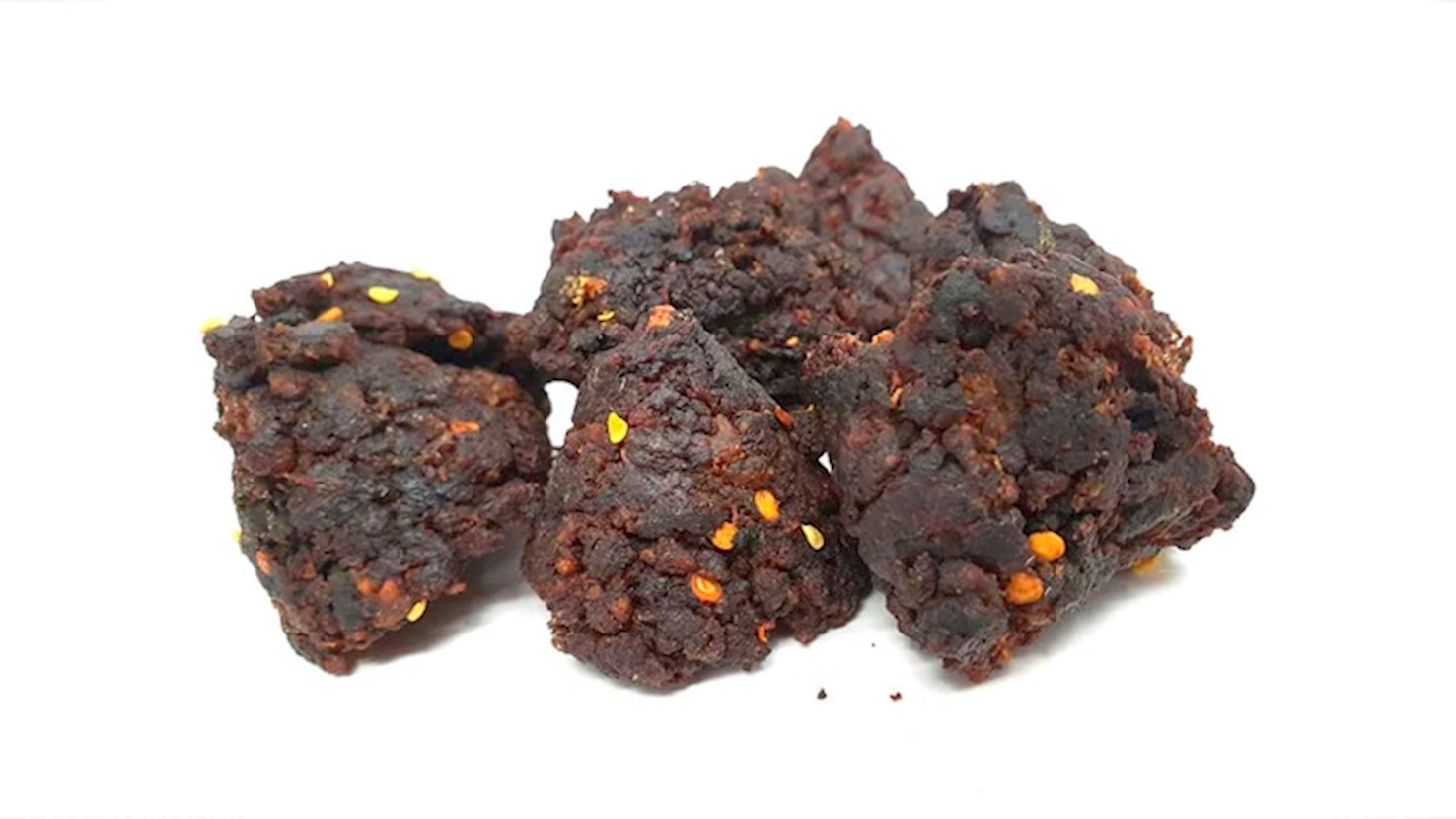
Kuli-kuli is Benin's national dish, also popular in Nigeria and Ghana, providing nutrition, protein, and sustenance to the poor and often malnourished locals who have limited access to food. This simple meal consists of ground, smashed peanuts that are shaped into balls or biscuits which are deep-fried in their own oils. Prior to frying, the paste is mixed with salt, pepper, and some spices, if available. To put it simply, it is deep-fried peanut butter. The finished product doesn't look appetizing, but it tastes quite good, with golden brown fritters drained and served either hot or cold and eaten as a snack. Kuli-kuli can also be sprinkled over salads or accompanied by koko, fura, kamu, or with a blend of garri, sugar and water, called garri soakings.
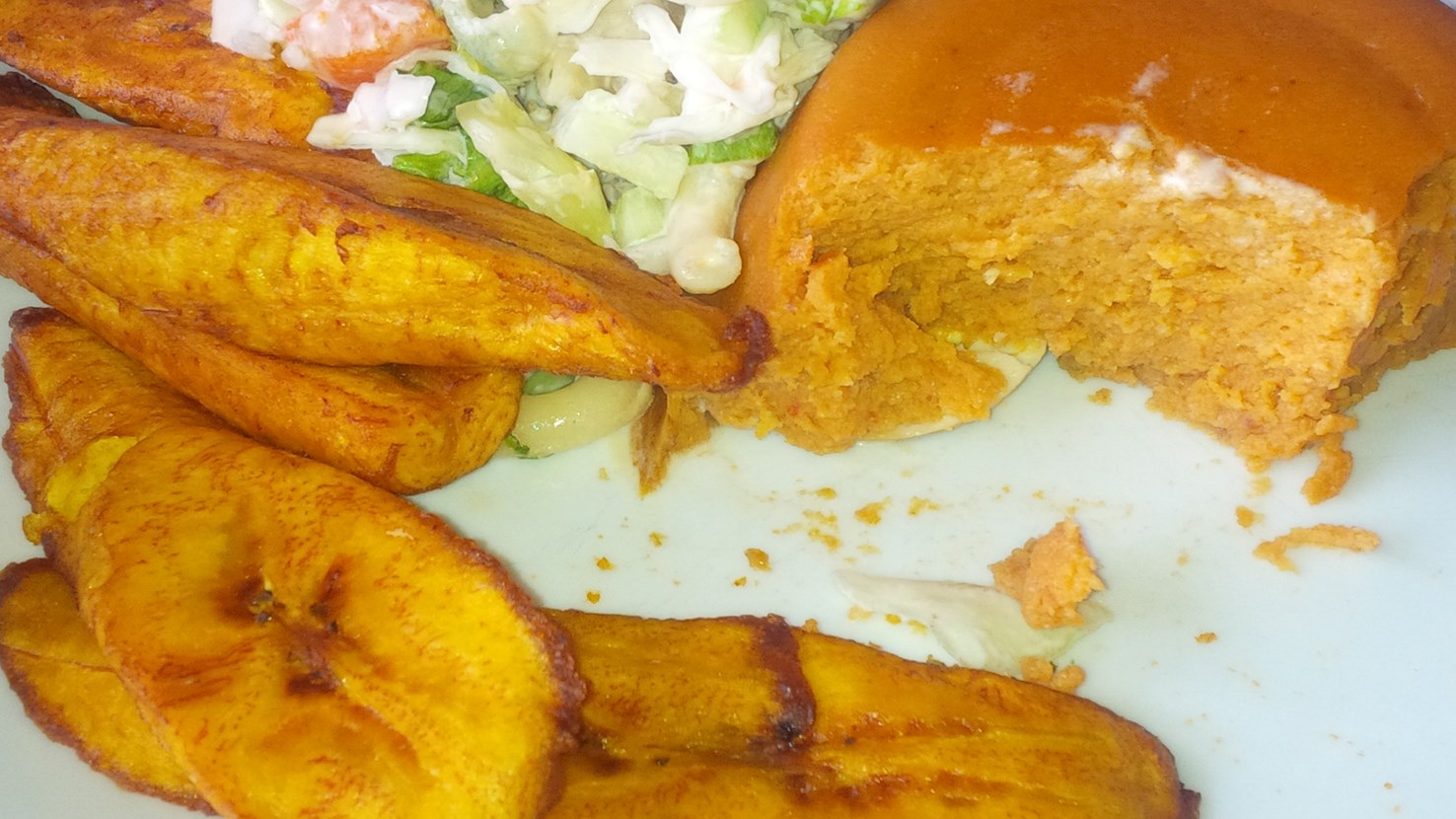
Moin moin is a savory steamed pudding made from peeled black-eyed peas or brown beans blended with peppers, onions, chilies, and seasonings. Closely associated with Yoruba food culture in West Africa, it reflects the region’s long history of growing and using cowpeas. These hardy legumes have been cultivated for thousands of years and remain an important source of protein, especially in areas where they thrive despite heat and limited rainfall. The process begins by soaking the beans until their skins soften. Rubbing them between the hands loosens the husks, which are rinsed away to leave the pale inner beans. These are blended with red bell peppers, onions, Scotch bonnet or habanero chilies, and often ground crayfish. The mixture should be smooth and light rather than thick and grainy. Red palm oil or another oil is then stirred into the stock, along with salt and additional seasonings, giving the batter a richer flavor and a softer texture. Moin moin can be kept simple or filled with several additions. Hard-boiled eggs, smoked fish, corned beef, fresh fish, shrimp, or pieces of meat may be placed inside the batter before steaming. One elaborate variation is known as moin moin elemi meje, commonly translated as “moin moin with seven lives,” a name that refers to its generous assortment of fillings. Simpler versions rely only on beans, peppers, onions, oil, and seasoning, allowing the legumes' earthy flavor to remain at the center. The batter is commonly wrapped in broad Thaumatococcus daniellii leaves, also known as uma leaves. The leaves are folded into compact parcels that hold the liquid securely while allowing steam to circulate around them. They also give the finished pudding a subtle herbal aroma that cannot be reproduced by metal tins, foil, or plastic containers. The parcels are arranged in a pot above simmering water and steamed until the batter sets into a soft but firm cake. Once unwrapped, moin moin has a smooth, moist interior and a warm orange or reddish color from the peppers and palm oil. It may be eaten on its own as a filling snack or served as part of a larger meal. Common pairings include jollof rice, fried plantains, bread, pap, or garri soaked in cold water. Its mild bean base, peppery heat, and rich fillings make it satisfying without feeling heavy.
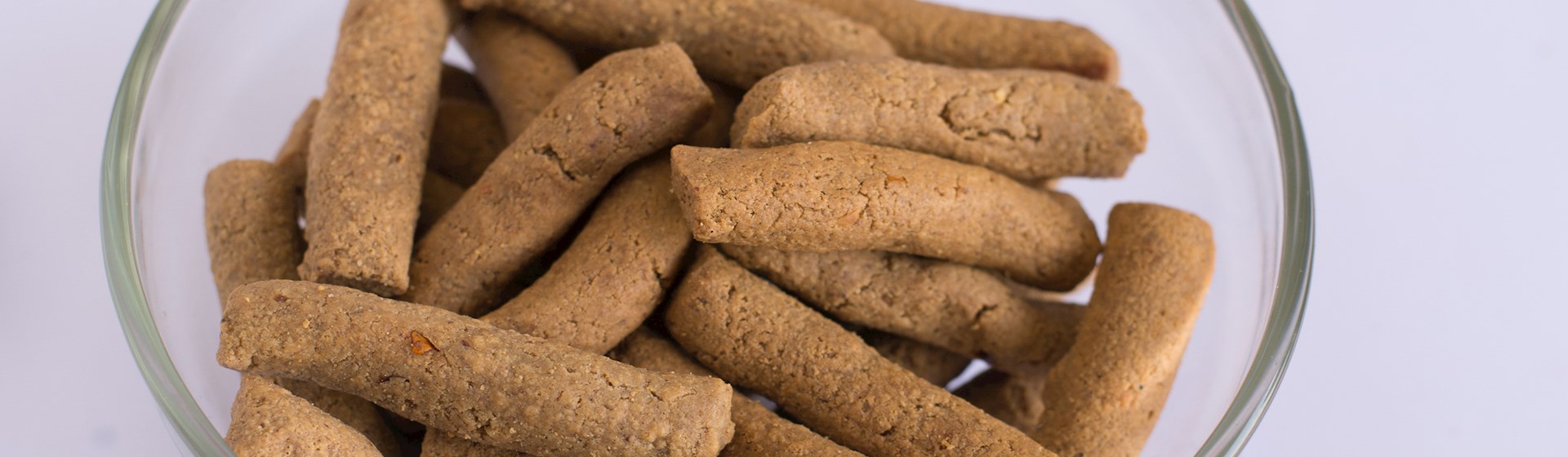
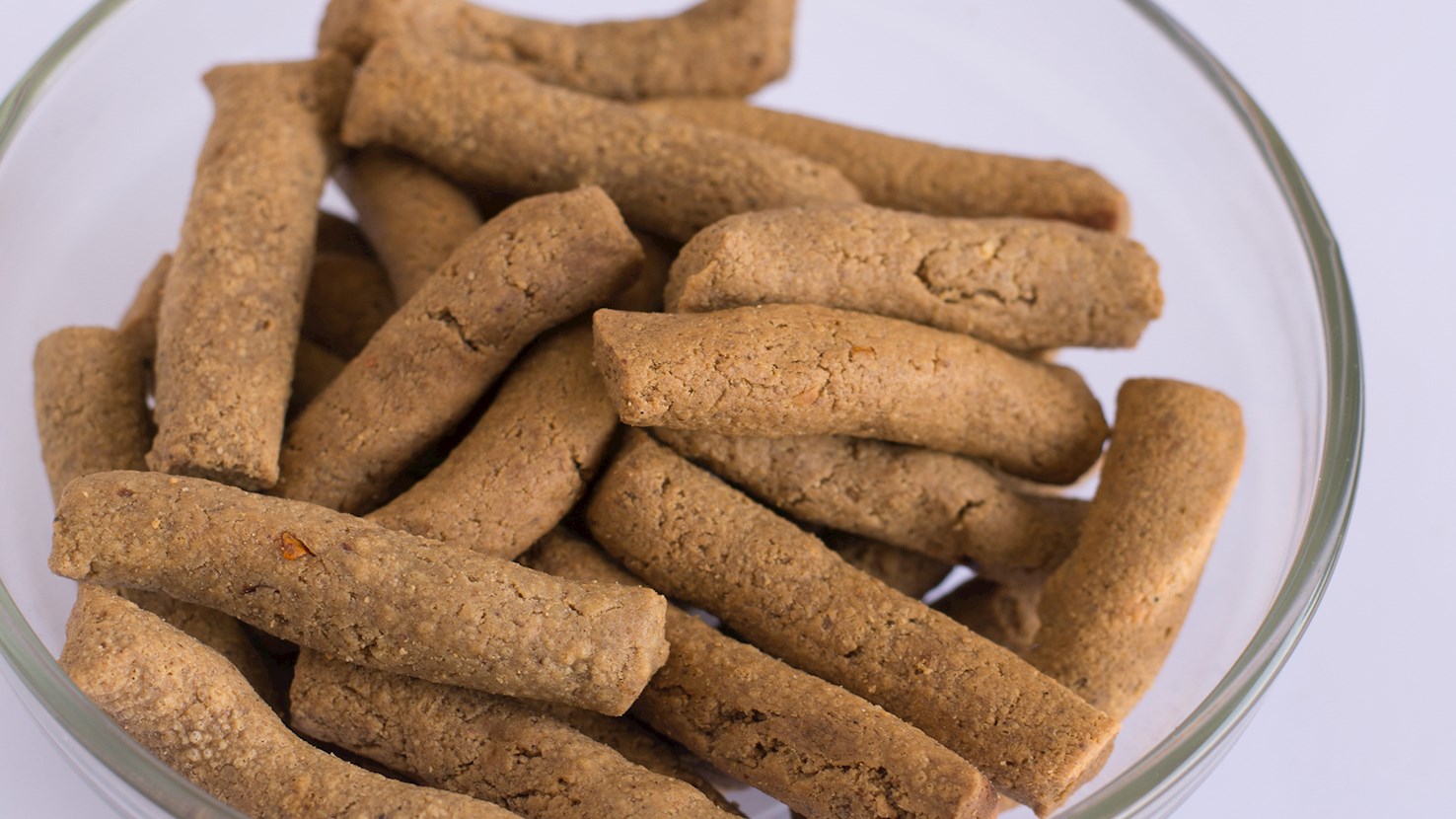
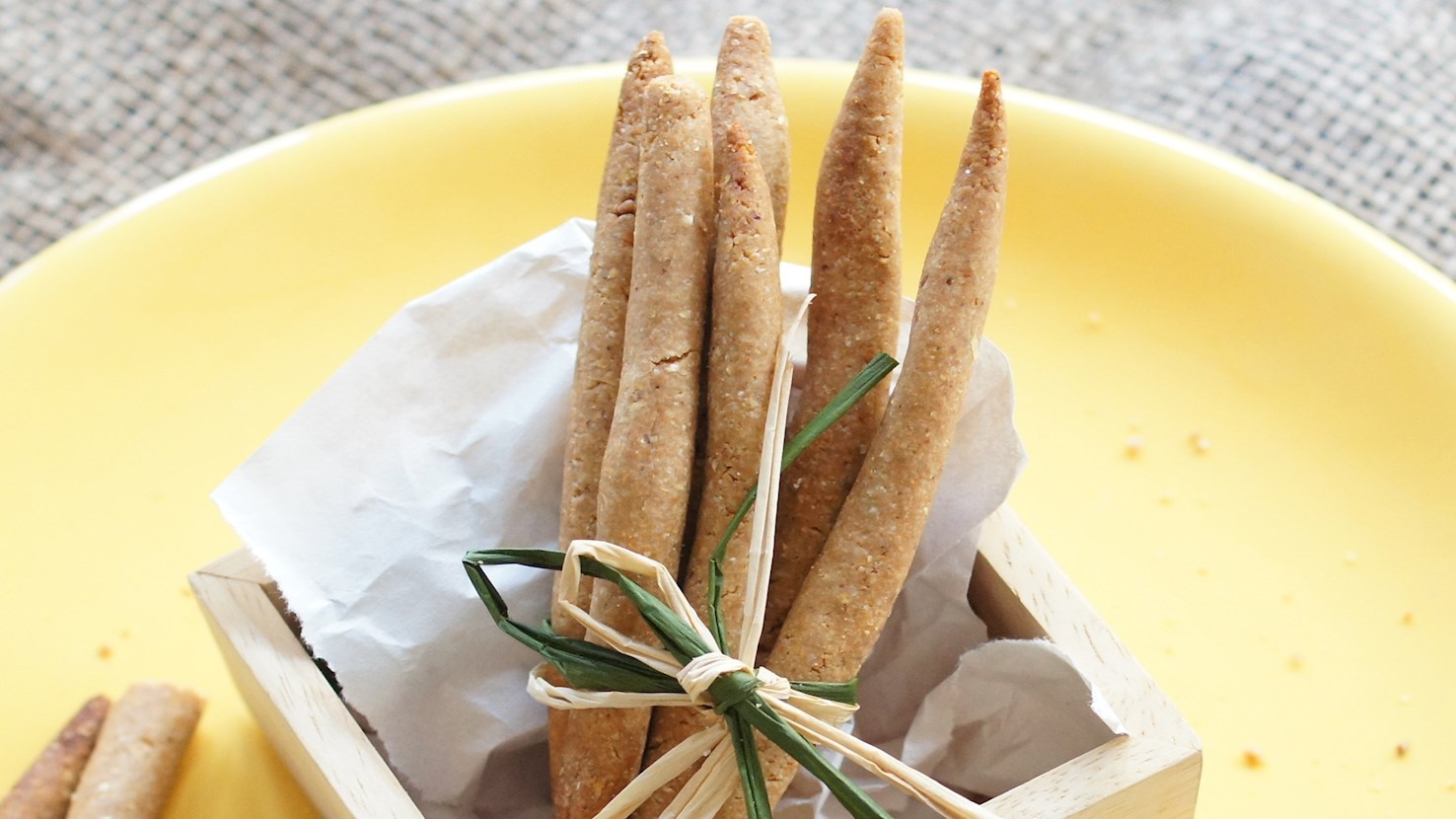
Kokoro is a crunchy Nigerian snack that is shaped into a stick. It is prepared by combining maize flour paste with sugar and cassava or yam flour. The concoction is rolled on a flat surface or between one's palms in order to get a long stick, which is then fried in palm oil or groundnut oil. There are two basic versions of kokoro – one is plain, and the other one is spicy, with added chili peppers or chili powder. Ginger can also be used to add extra flavor to kokoro, but it is completely optional. These extremely crunchy snacks can be eaten on their own or with fruit juices and soft drinks on the side.
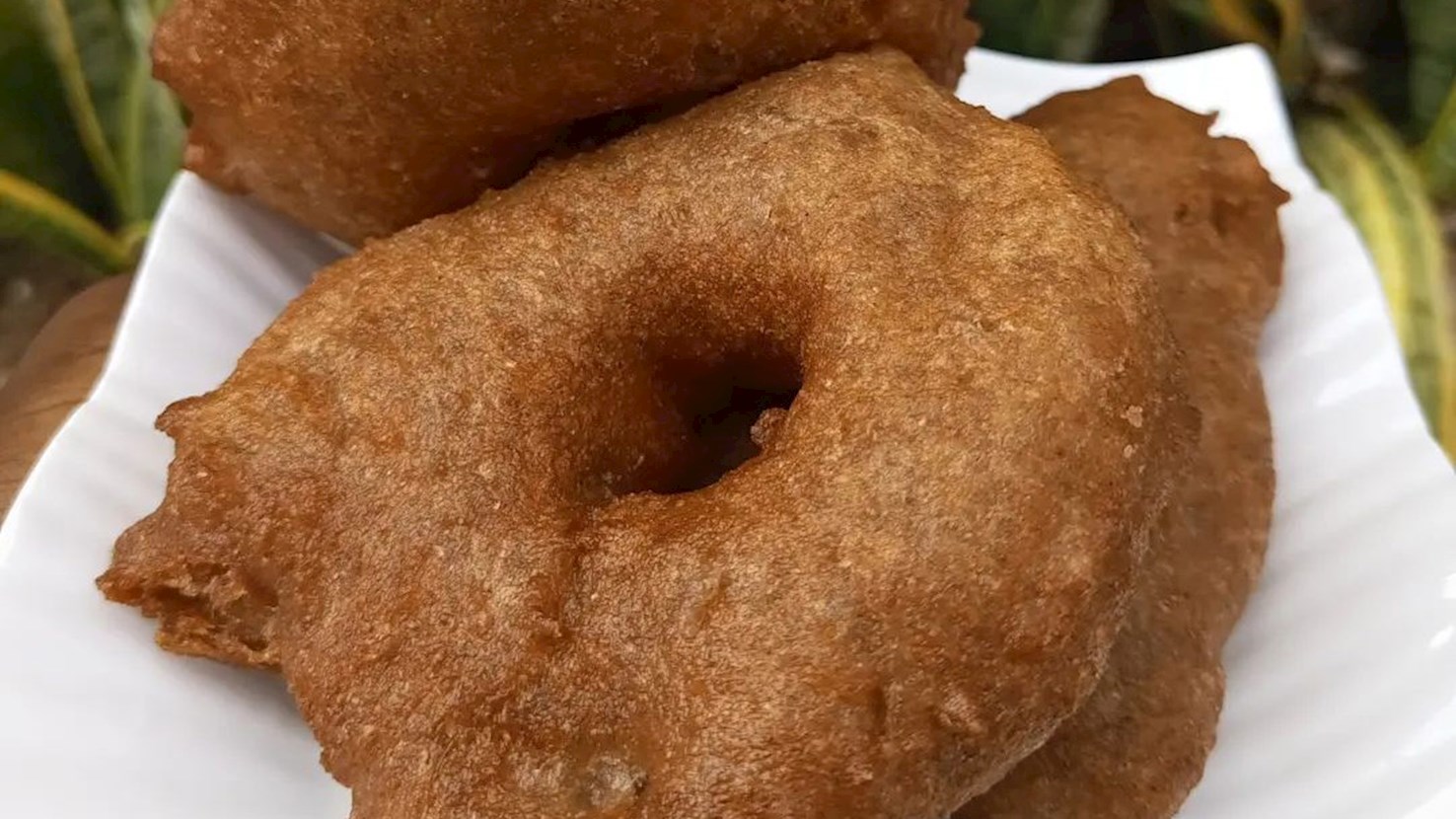
Funkaso or pinkaso is a traditional savory fritter originating from Nigeria. This Hausa peoples specialty is usually made with a combination of wheat flour, baking powder, oil, salt, sugar, and yeast. The flour is mixed with warm water and all the other ingredients in order to make the dough. A small amount of dough is pinched off, and a hole is made in the middle before it's fried in oil on both sides until golden brown. Once done, funkaso is typically eaten as a snack on its own or served as an accompaniment to soups or stews. If desired, funkaso dough can be enriched with onions or hot peppers.
Dodo Ikire is a traditional and unique snack originating from Ikire in Osun State, Nigeria. The snack is made with leftover or very ripe plantains, oil, salt, and pepper. The plantains are mashed and mixed with salt and pepper. The mixture is shaped into small irregular balls that are deep-fried in palm oil. This snack is often sold on streets in southwest Nigeria, and it’s a kids’ favorite. When sold on the streets, dodo Ikire is typically wrapped in foil. If desired, the snack can be enriched with red chili flakes.
TasteAtlas food rankings are based on the ratings of the TasteAtlas audience, with a series of mechanisms that recognize real users and that ignore bot,
nationalist or local patriotic ratings, and give additional value to the ratings of users that the system recognizes as knowledgeable.
TasteAtlas Rankings should not be seen as the final global conclusion about food. Their purpose is to promote excellent local foods,
instill pride in traditional dishes, and arouse curiosity about dishes you haven’t tried.



What People Say