

shutterstock

Top 20 Northern European Snacks

Last updated on August 15, 2026
01

Skillingsboller

3.9 ·

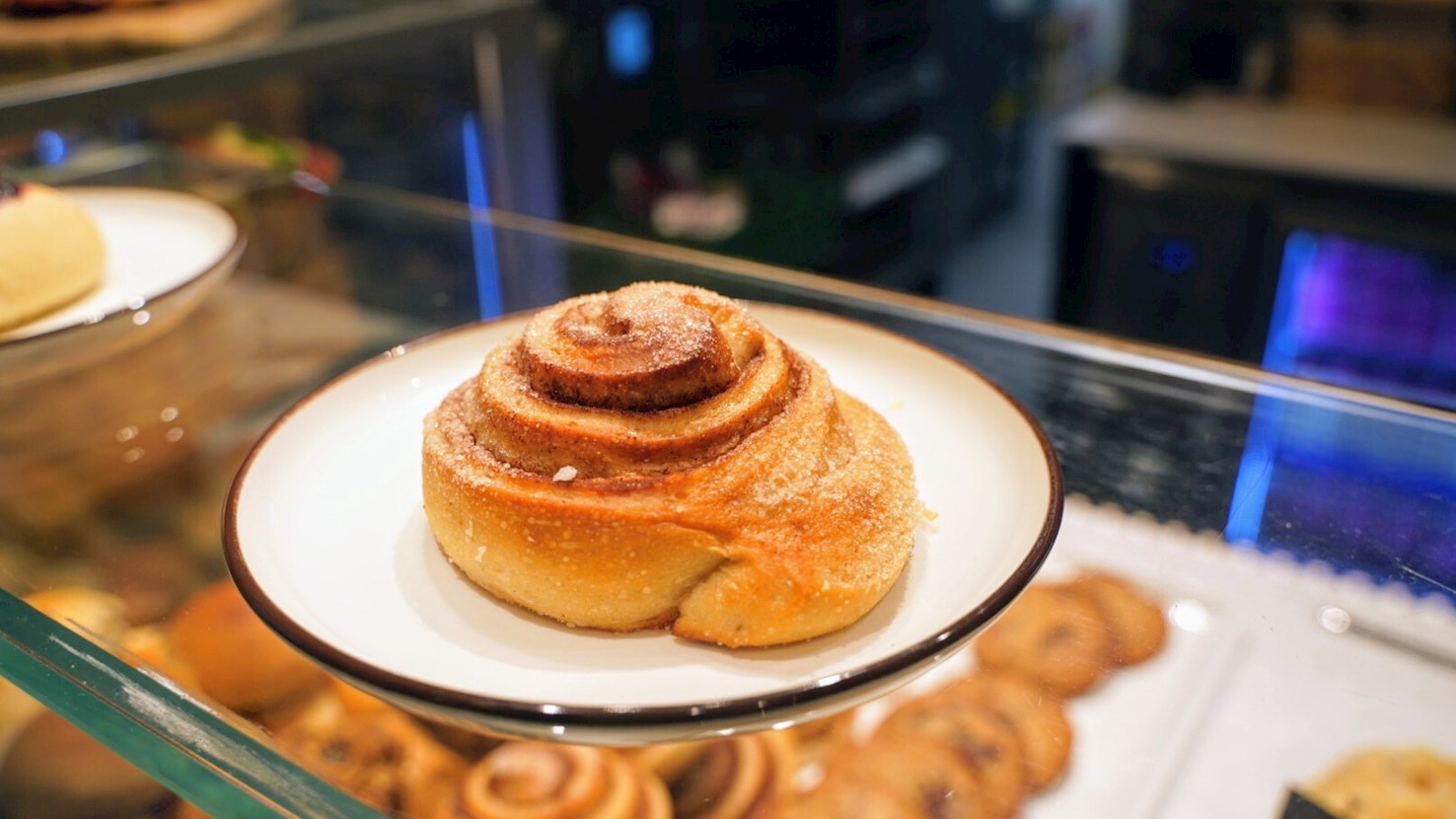
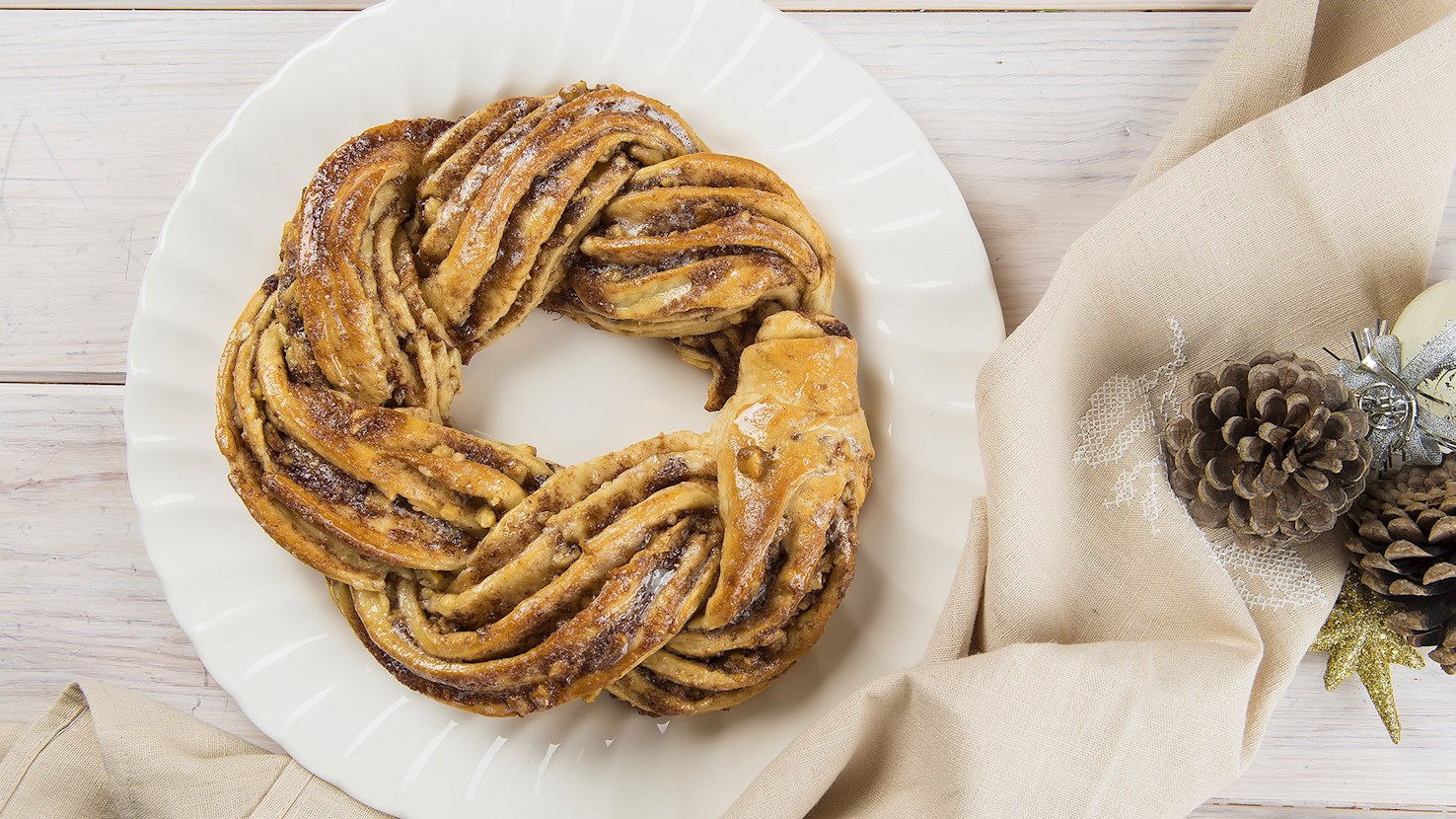
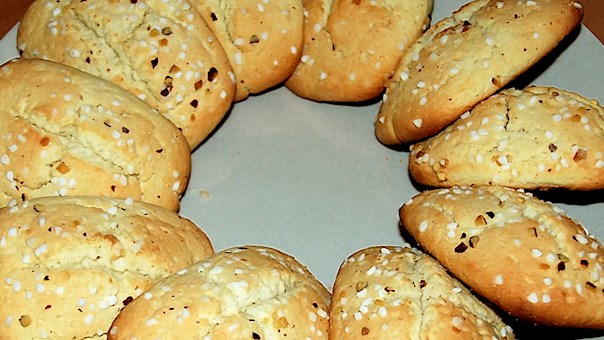
Skillingsboller is a traditional version of a cinnamon roll. This circular pastry is usually associated with Bergen. The rolls are made with a combination of flour, milk, yeast, eggs, sugar, cardamom, lots of butter, and chopped almonds (optional). After the baking, skillingsbolle are brushed with additional butter on the top and the bottom while they are still hot. The top is also sprinkled with extra sugar and cinnamon. The name skillingsboller means penny bun. They're usually eaten as an afternoon snack with a cup of coffee on the side, but some people like to eat them with brown cheese (Brunost).

Best restaurants
02

Tarteletter

3.9 ·

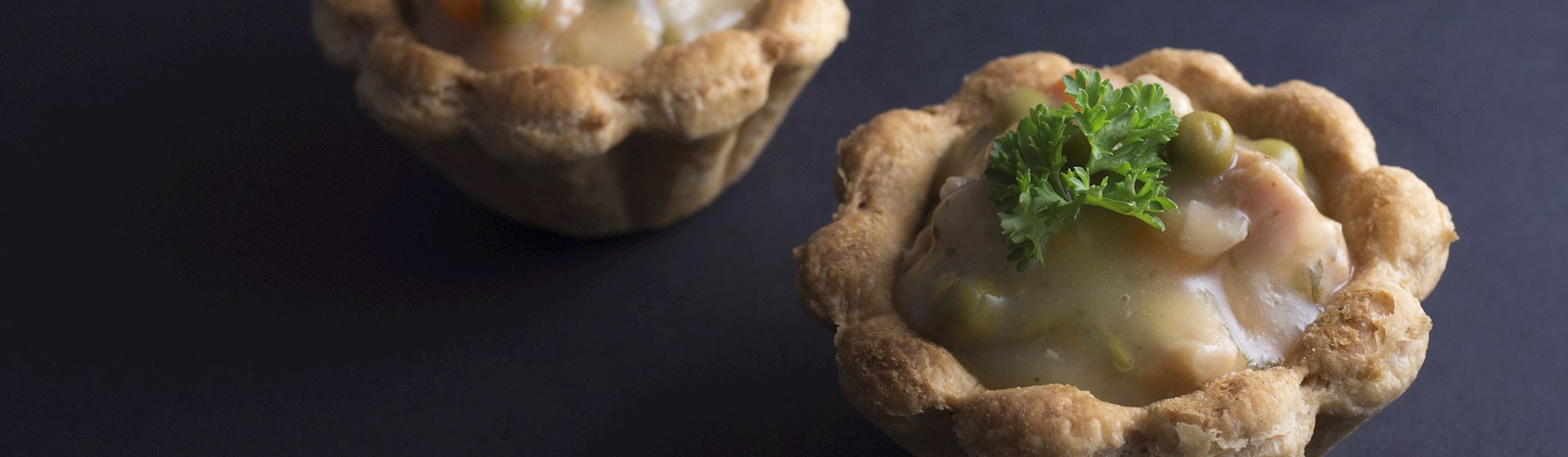
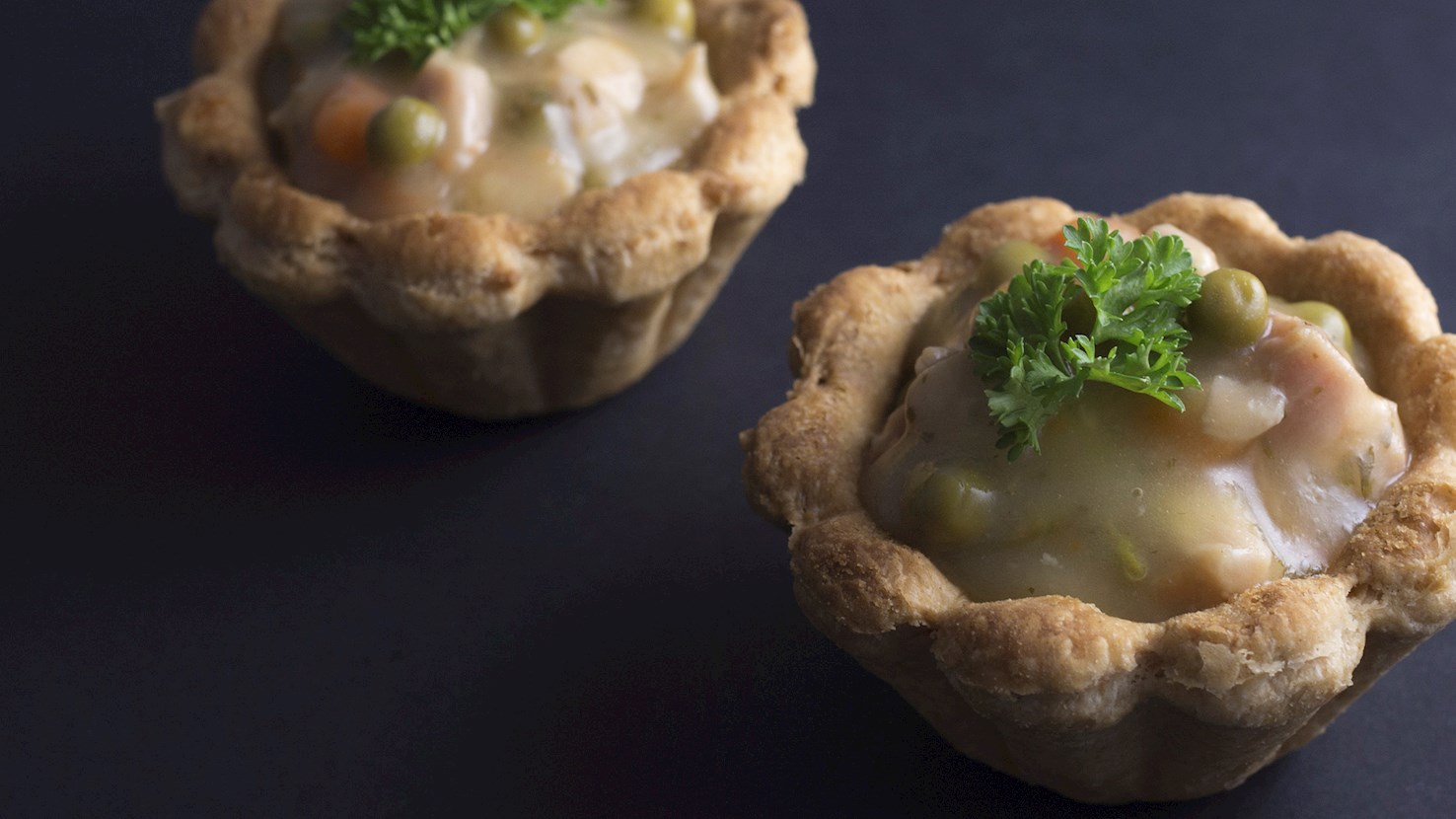
Danish tarteletter are crispy, pre-baked puff pastry shells used as containers for various fillings. They initially appeared in the late 19th century as a sophisticated dish which slowly became popular among all social classes. Even though these shells are typically associated with sweet fillings, Danes prefer to complement them with different savory ingredients such as meat, seafood, and vegetables. Through history, tarteletter were incredibly popular and served at parties and banquets. Even though their popularity has recently diminished, they are still a beloved Danish dish enjoyed as a quick snack or a filling appetizer.

03

Møsbrømlefse

3.9 ·

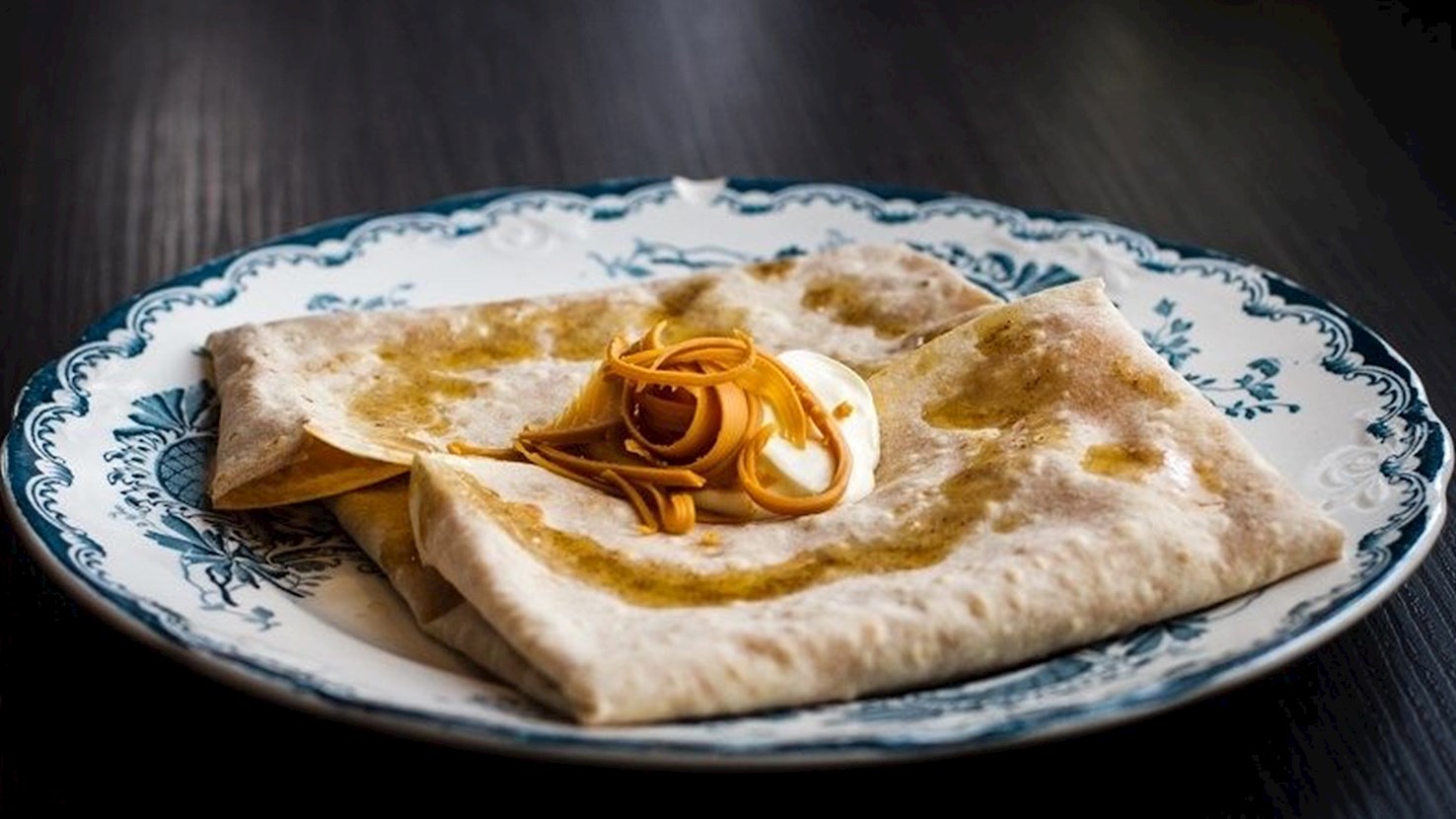
Møsbrømlefse is a traditional sweet snack originating from Salten. It consists of a lefse flatbread that's stuffed with melted goat cheese, buttermilk, syrup, and flour. The combination is slathered on the flatbread, and it can be eaten as it is, or topped with additional ingredients such as butter, sugar, or sour cream. In the past, møsbrømlefse was prepared for workers who needed a substantial meal to power them through in the cold. Nowadays, it's a tasty afternoon snack or an after-school treat.

04

Kringle

3.7 ·

Originally a creation of Roman-Catholic monks, and now popular internationally, kringle is a delicious flaky pastry, usually shaped as a pretzel and filled with various ingredients. It was primarily introduced in Denmark, under the influence of Austrian bakers, and later it spread throughout Nordic countries and eventually to the United States, where it gained great success. Each region has created its distinct varieties, using local and seasonally available ingredients. In Denmark, kringle is usually made with either puff pastry or yeasted dough, filled with sweet concoctions that include butter and sugar, marzipan, and raisins. In the 19th century, Danish bakers introduced the tradition of preparing kringle to the United States, specifically Racine Wisconsin, where the pastry was slightly adapted to the now-famous oval shape. Kringle in Racine is always made with traditional Danish laminated dough, in which the pastry layers are generously spread with butter and filled with the lavish combination of fruits, nuts, or cream cheese. Both American and European kringle can be found in bakeries and grocery shops, but while the luscious American creations are usually enjoyed as desserts, the Danish prefer to eat their traditional pastry as an afternoon snack or a perfect accompaniment to coffee or tea.

Best restaurants
05

Sultsina

3.6 ·

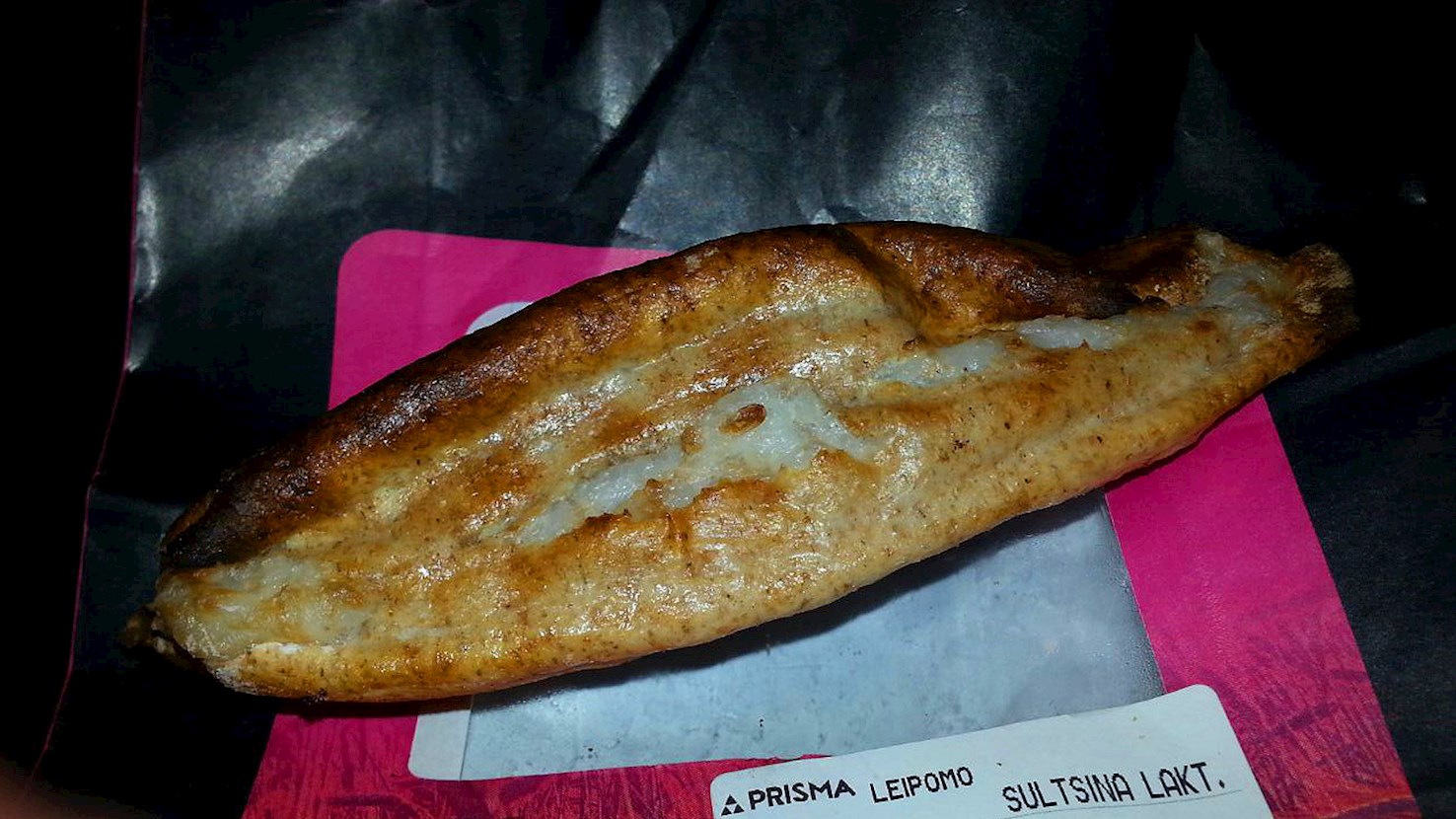
Sultsina is a flat, unleavened rye pastry wrapped around a thick filling of sweetened rice or semolina porridge. Agricultural records from Karelia show that rye had become the dominant crop by the twelfth century and played a major role in the local diet. Before modern ovens became common, rural households baked thin rye rounds directly on the flat stone surfaces of wood-fired heating stoves. Nineteenth-century accounts from the North Karelian municipality of Joensuu describe households baking large batches of the dry rye crusts on Saturdays, stacking them for storage, and making fresh porridge fillings on Sunday mornings. The outer shell is made by kneading coarse rye flour with cold water and a generous pinch of salt until a stiff, dark dough forms. Small pieces of dough are rolled out with a wooden rolling pin into very thin, almost translucent circles. The raw rounds are then cooked on a very hot, dry iron skillet without any oil or fat. The high heat creates dark brown scorch marks and removes most of the moisture, leaving the crusts dry and firm. The filling is made by simmering short-grain white rice or fine semolina in whole milk until the grains soften completely and the mixture thickens and becomes starchy. Melted butter and white sugar are then mixed into the hot porridge. Changing the starch used in the filling changes the texture considerably. Replacing rice with fine semolina creates a smoother, silkier center without the distinct chew of rice. A small amount of refined white wheat flour can also be mixed into the coarse rye dough to make it more elastic and less likely to tear while being rolled very thin. Some households use barley porridge instead of rice, producing a darker and earthier flavor. The dry rye rounds need to be softened before serving. Both sides are brushed generously with melted butter or warm water. The hot porridge is then spread evenly over the surface. The edges can be folded inward, or the entire round can be rolled tightly into a thick cylinder. Sultsina is served warm and usually eaten by hand. It is commonly paired with a cold glass of fermented buttermilk or fresh whole milk, which balances the dense rye crust and thick porridge filling.

06

Lörtsy

3.6 ·

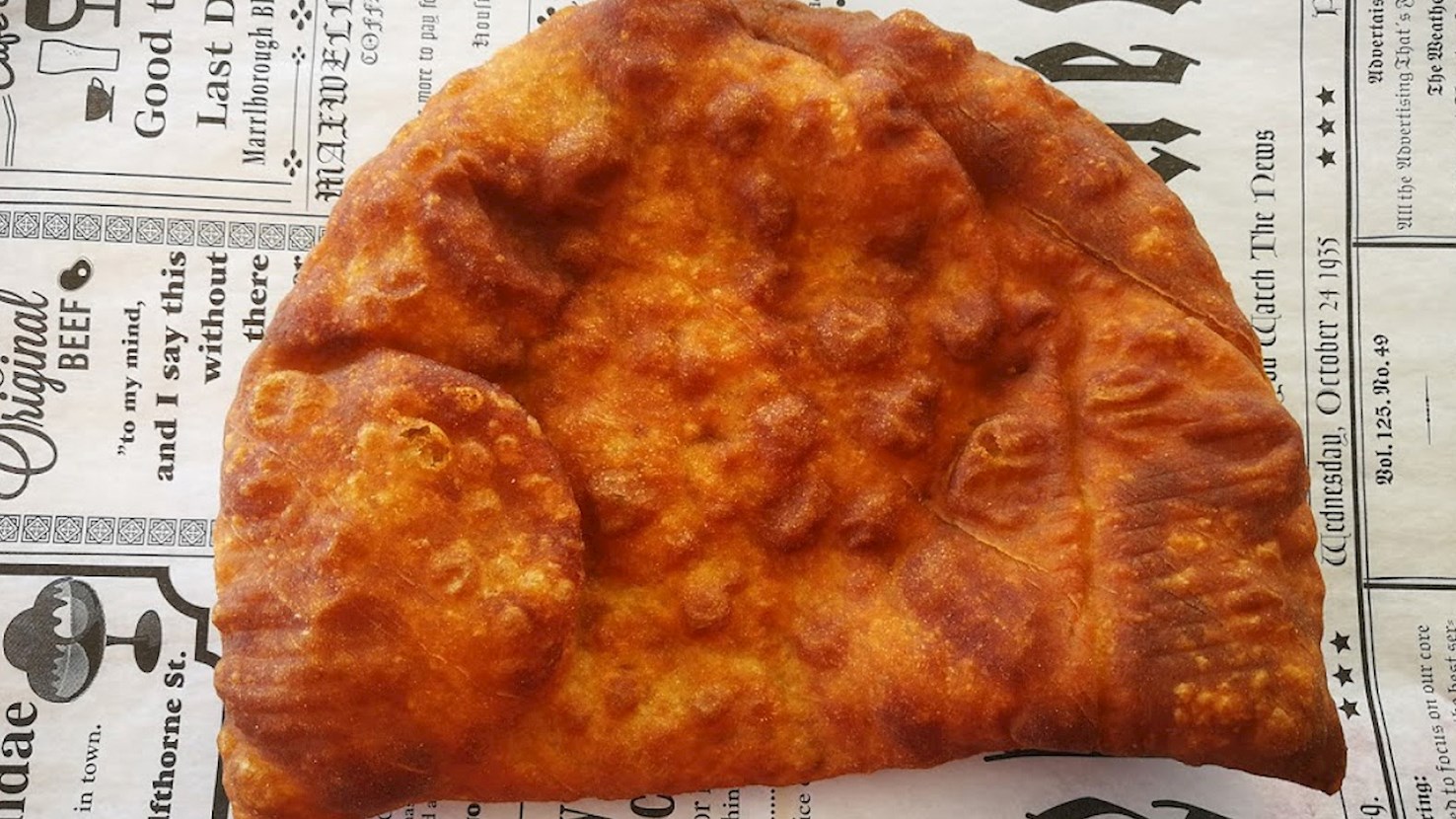
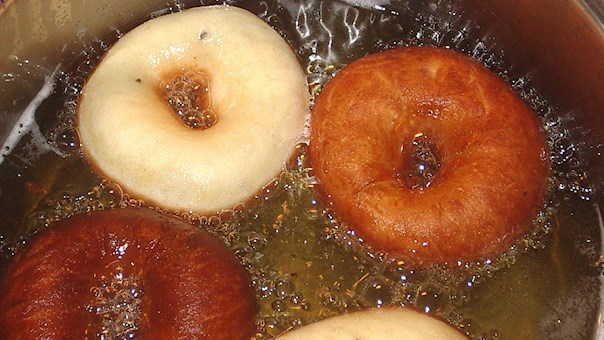
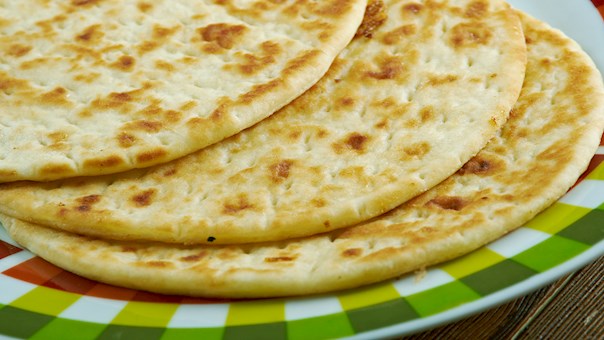
This large, half-moon shaped Finnish pastry is a specialty of the Savonia region, where it is commonly sold at the local markets. Lörtsy is usually deep-fried and comes in a variety of sweet and savory fillings such as minced meat or various jams. It is best enjoyed freshly prepared as a savory snack or a sugar-coated dessert.

07

Mannapuuro

3.6 ·

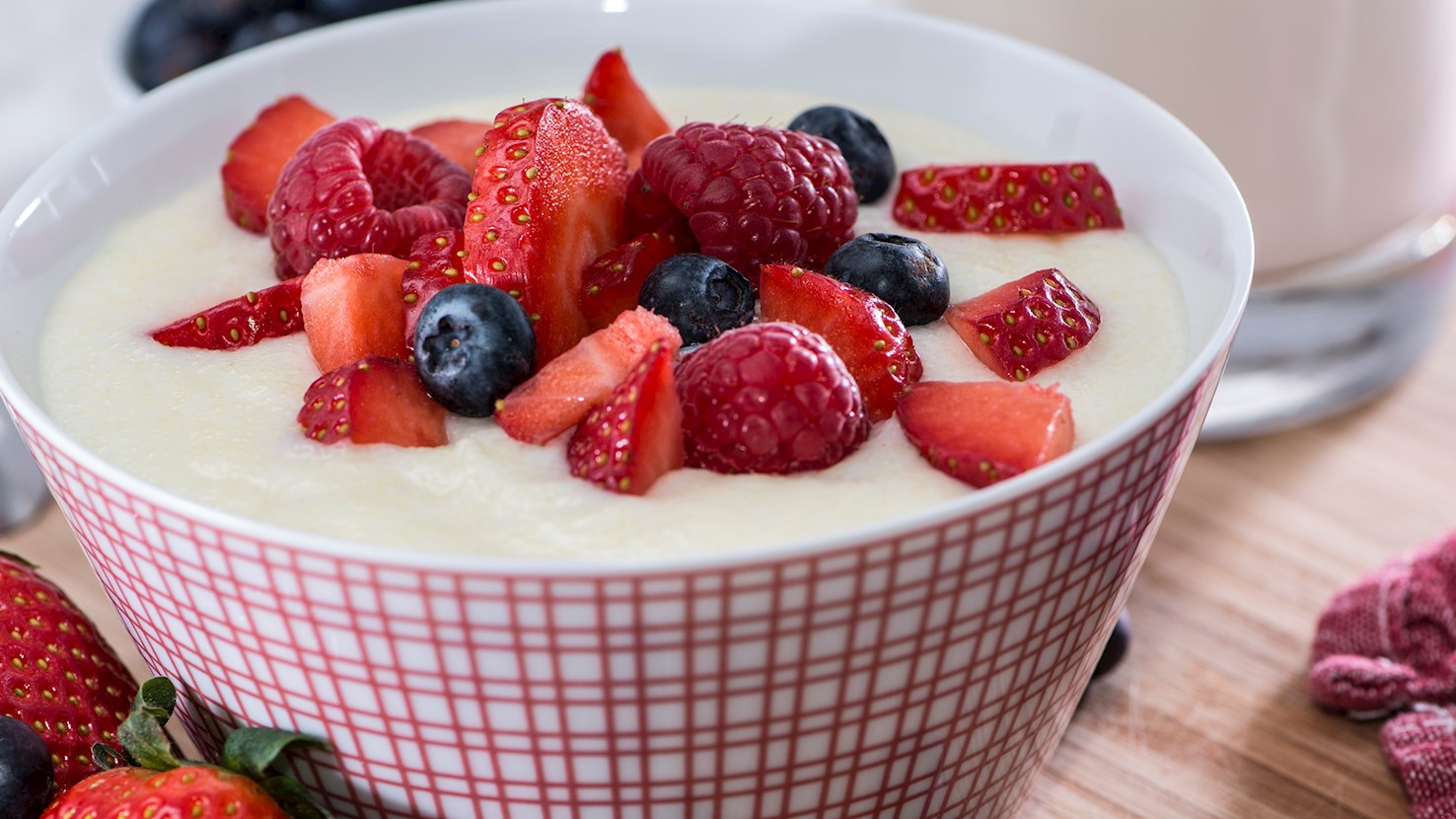
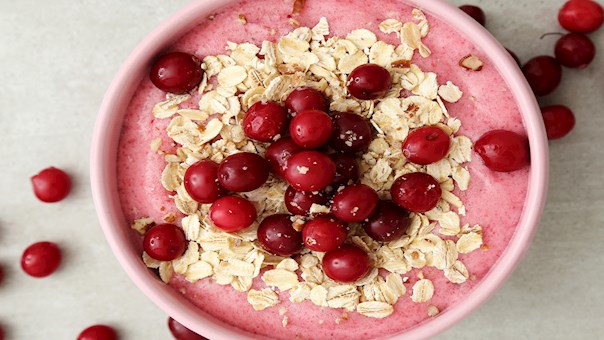
This creamy semolina porridge is a traditional dish that is usually consumed as a nutritious breakfast, a light snack, or a simple dessert. Prepared with semolina, milk, and just a pinch of salt, the key is to cook it slowly until it achieves the desired consistency. Usually enjoyed warm, the bowl of this warm porridge is lightly sweetened and traditionally served drizzled with butter. It is recommended to garnish it with fresh fruit or various preserves.

08

Flatkaka

3.5 ·

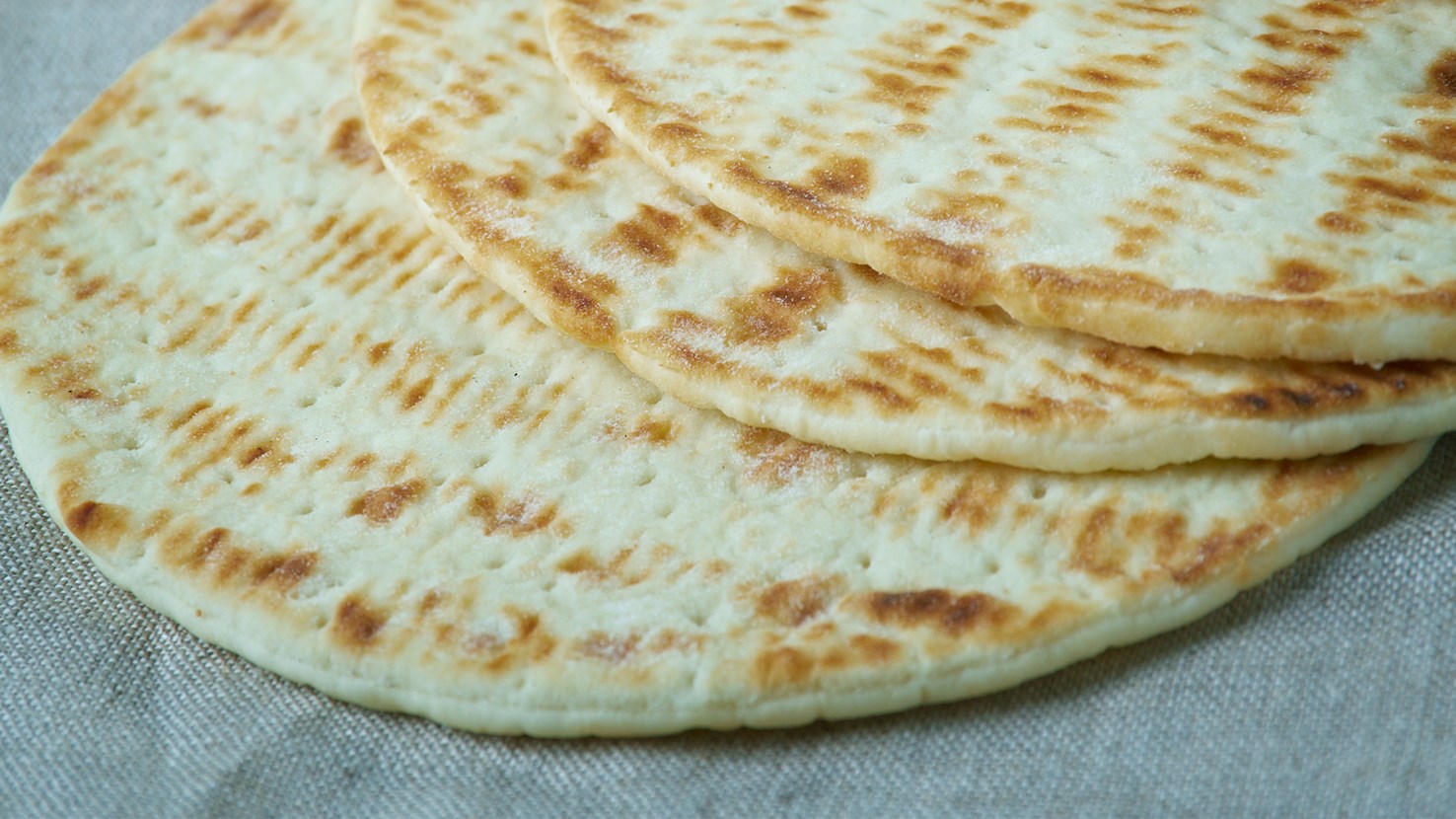
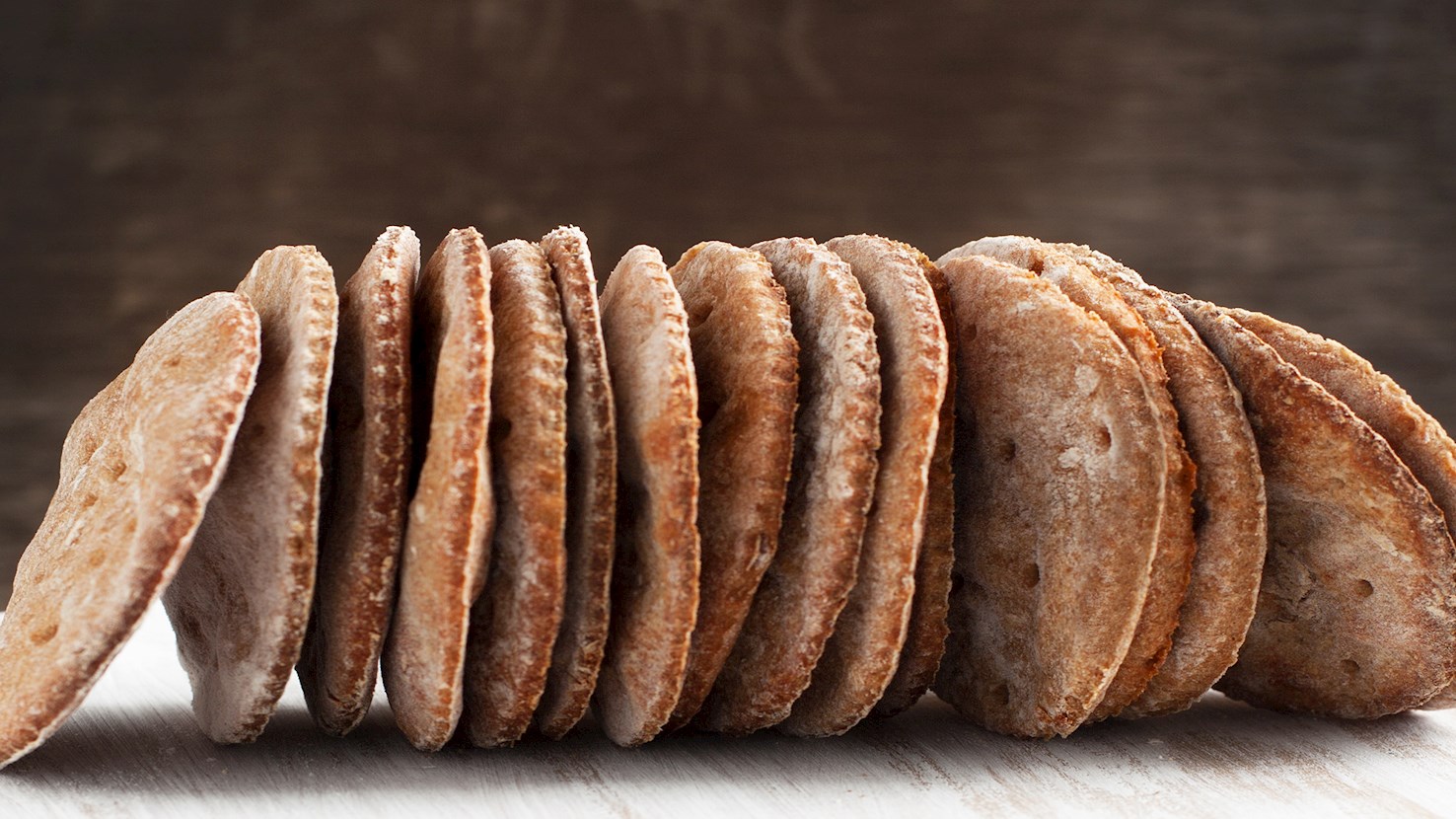
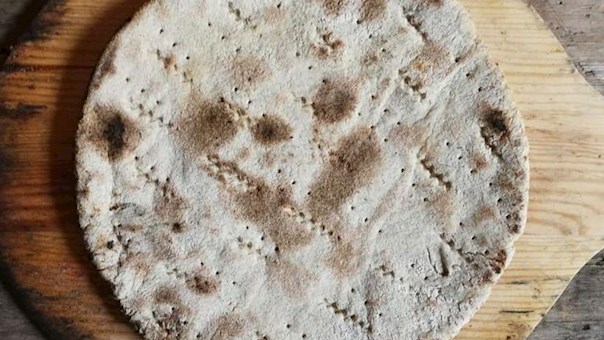
Flatkaka, meaning flat cake, is a traditional rye bread characterized by its flat appearance and fork prick marks on its surface. The flatbread is unleavened and baked in a pan, then served cut into quarters or halves. In the past, it was baked on hot stones, but today people even make them at home on electric hot plates. The bread is usually topped with butter, smoked salmon, smoked lamb, or pickled herring. Due to the fact that flatkaka is light, yet packed with energy, it is a quintessential hiking snack in Iceland.

09

Näkkileipä

3.5 ·

Finnish näkkileipä is a crispy, thick flatbread that is usually prepared with rye flour and closely resembles Swedish knäckebröd. It was traditionally round, but today it appears in various forms and can be prepared with seeds and different types of flour. Nowadays it is mainly factory-produced and makes a convenient, quick snack that is often paired with creamy spreads and various toppings.

10

Knäckebröd

3.3 ·

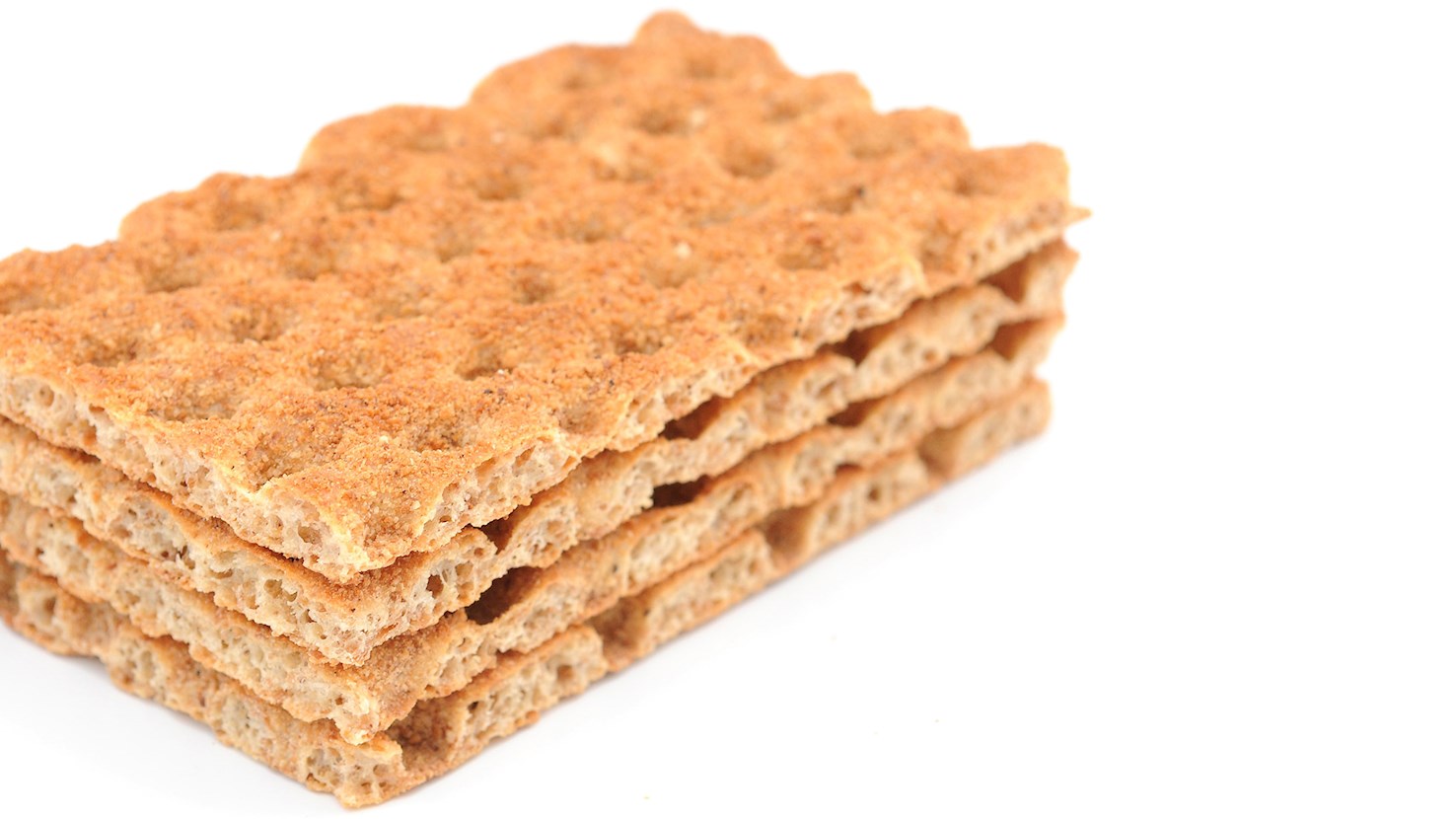
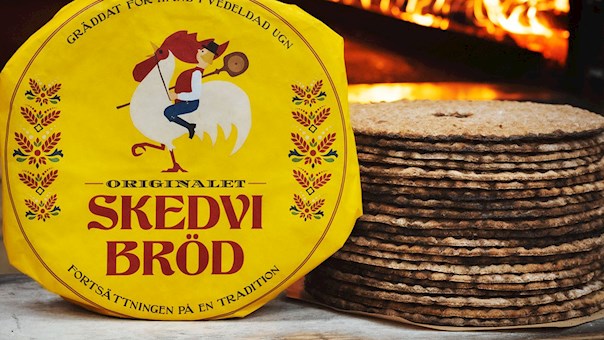
Knäckebröd is the original name of this famous Swedish crispbread. Even though it is regarded as a bread variety, its crunchy texture and thin form have more similarities to crackers. The key ingredient is rye flour, which was the main element in the original version. Today, a variety of seeds such as sesame, sunflower, pumpkin, or flax seeds are used to create different versions of this crispy bread. The tradition of preparing knäckebröd in Sweden appeared in a time of hardship, approximately 500 years ago, when bread was considered a rare and luxurious food item. This way of preparation, which uses a small percentage of water, allows the bread to stay crispy and fresh for a longer period of time. Today, most of these crackers are factory-produced, but easy preparation and convenient storing make it a standard homemade option. Light, easy to crack and to handle, it is a perfect accompaniment that is served alongside a variety of appetizers, dips, sauces, cold meat cuts, smoked salmon, cheese, and fruit spreads. In Sweden, it is a staple breakfast ingredient that is also commonly consumed as a snack or a light dinner.

About this Ranking

TasteAtlas food rankings are based on the ratings of the TasteAtlas audience, with a series of mechanisms that recognize real users and that ignore bot, nationalist or local patriotic ratings, and give additional value to the ratings of users that the system recognizes as knowledgeable. For the “Top 20 Northern European Snacks” list until August 15, 2026, 735 ratings were recorded, of which 628 were recognized by the system as legitimate.

TasteAtlas Rankings should not be seen as the final global conclusion about food. Their purpose is to promote excellent local foods, instill pride in traditional dishes, and arouse curiosity about dishes you haven’t tried.

What People Say

Similar Lists