

shutterstock

Top 7 Pakistani Snacks

Last updated on June 15, 2026
01

Chaat

4.2 ·

Chaat is a term signifying a huge variety of Indian street foods, snacks, or small meals which usually combine salty, spicy, sweet, and sour flavors. The name chaat is derived from a Hindi verb chaatna, meaning to lick, possibly referring to the finger-licking good quality of the dishes. Chaats are usually small, consumed on their own as a snack, or combined with other dishes to form a big meal. Throughout India, Pakistan, and Bangladesh, chaat can be found at chaatwallas (street vendors), serving various dishes, from stuffed bread to deep-fried pastries with accompanying dipping sauces. In India, a chaat stand is usually specialized for one or two dishes which are always made fresh. If chaat is offered in a larger restaurant, it is often accompanied by a traditional Indian drink called lassi. Chaat dishes are very popular due to their enormous variety: from crispy fried potatoes, sevpuri, and pakora, to chila pancakes with chutney and pav bhaji, there is a variety of chaat for every type of consumer.

02

Gol Gappa

4.2 ·

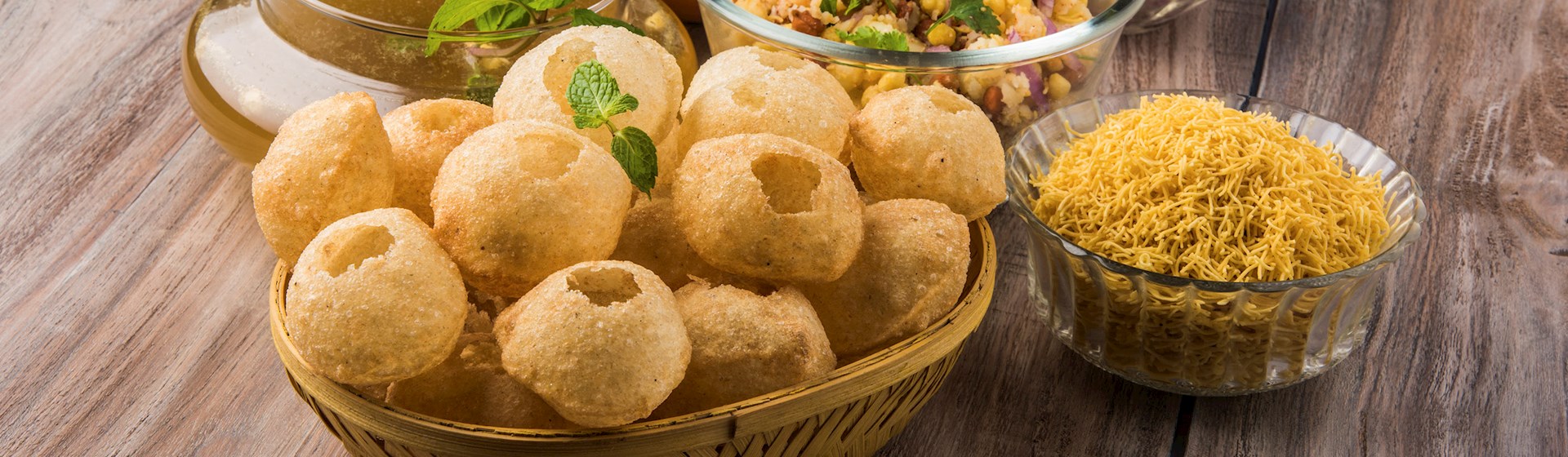
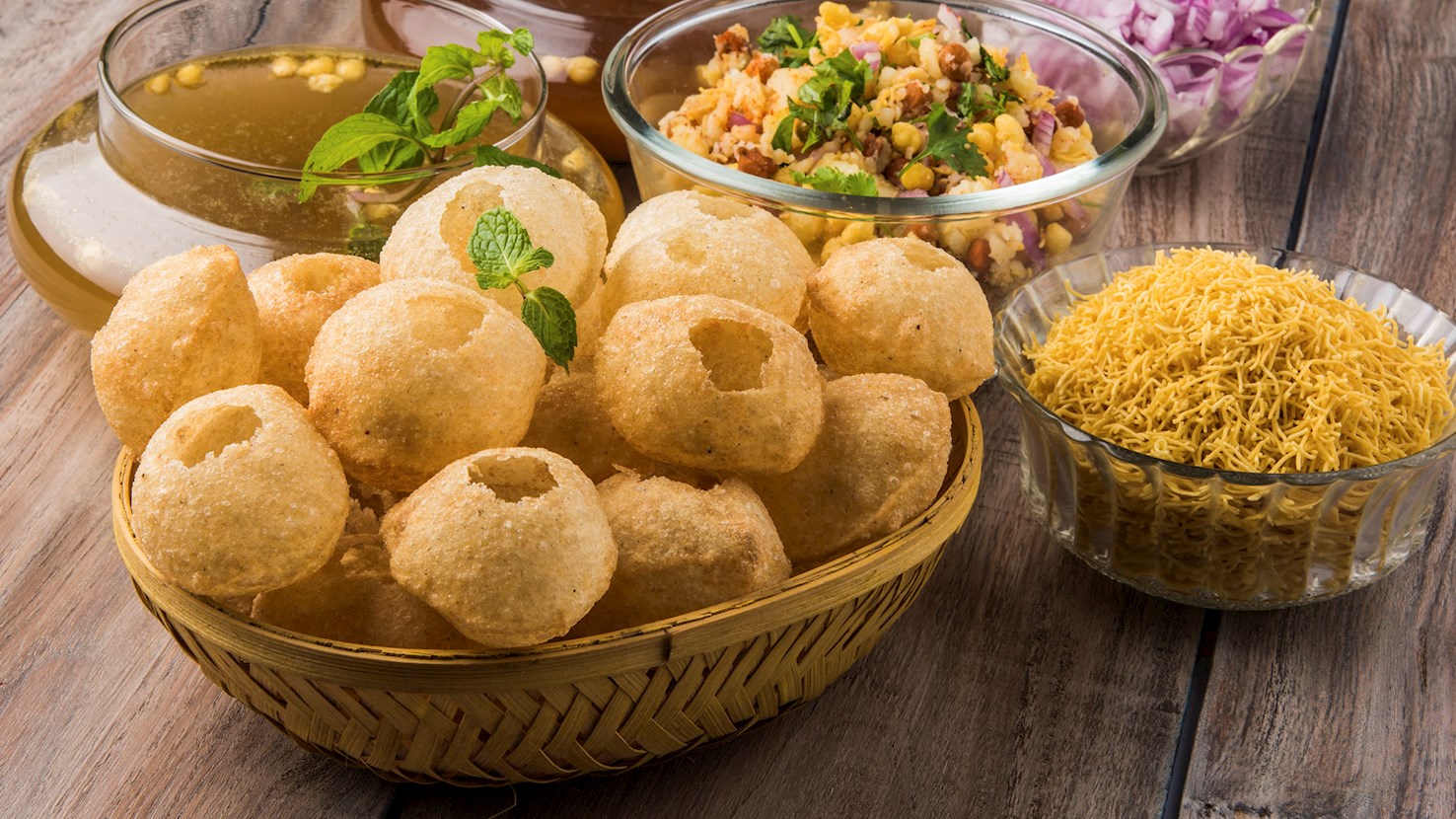
Panipuri is a street snack that is extremely popular in India, Bangladesh, Pakistan, and Nepal. Small in size, it consists of a hollow puri that is fried until crispy, then stuffed with a combination of flavored water called pani, tamarind chutney, chaat masala, potatoes, onions, hot chillis, and chickpeas. In North India, panipuri is known as golgappa, gol referring to the crispy shell, and gappa referring to the eating process, since these small snacks are typically eaten one at a time. It is believed that panipuri originated in Uttar Pradesh and gradually spread in popularity throughout the country and outside of it. Today, panipuri stalls are a staple at most fairs, festivals, or weddings in India.

03

Samosa

4.1 ·

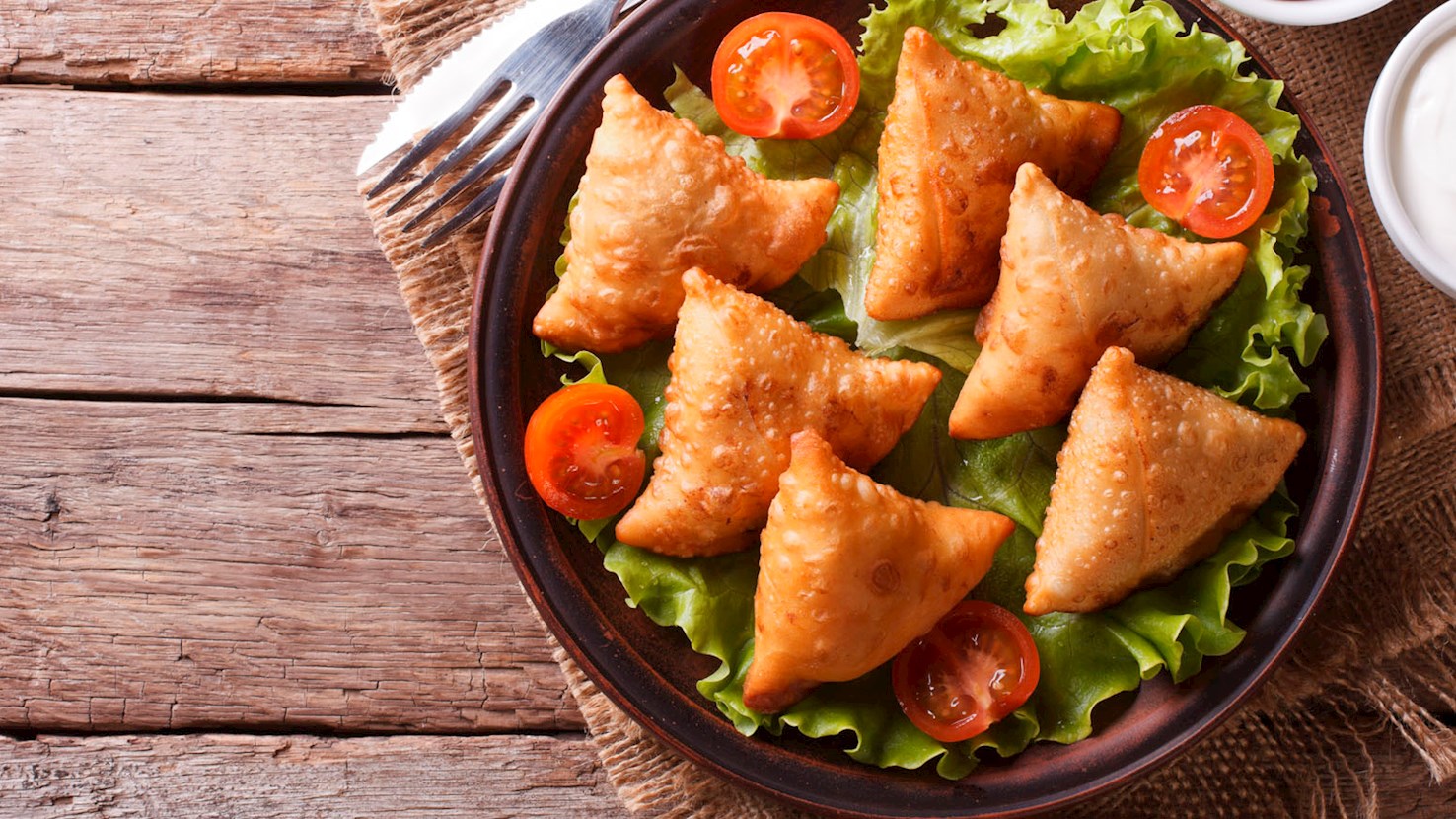
Due to their crunchy texture and a variety of different flavors, samosas provide a perfect introduction to the world of Indian cuisine for newcomers. These deep-fried, triangular pastries are filled with a variety of ingredients ranging from vegetables to meat, such as onions, lentils, spiced potatoes, peas, or ground meat. It is said that the popular, golden-brown snack travelled to India along the old trade routes from Central Asia, which is why samosas are also prevelent in Middle Eastern countries where they are typically served for Ramadan. In Saudi Arabia, for example, they are typically filled with meat or cheese and can be shaped as triangles, squares, and rolls. These savory triangles are typically served hot and accompanied with chopped onions, yogurt, or fresh, homemade Indian chutneys made with a variety of ingredients such as mint, coriander or tamarind. However, not all samosas are savory - some versions can contain a number of sweet ingredients such as pomegranate, mango, and raisins. Sweet or savory, they can be found throughout India at numerous street stalls and roadside eateries, freshly made and traditionally paired with masala chai tea.

04

Papad

3.8 ·

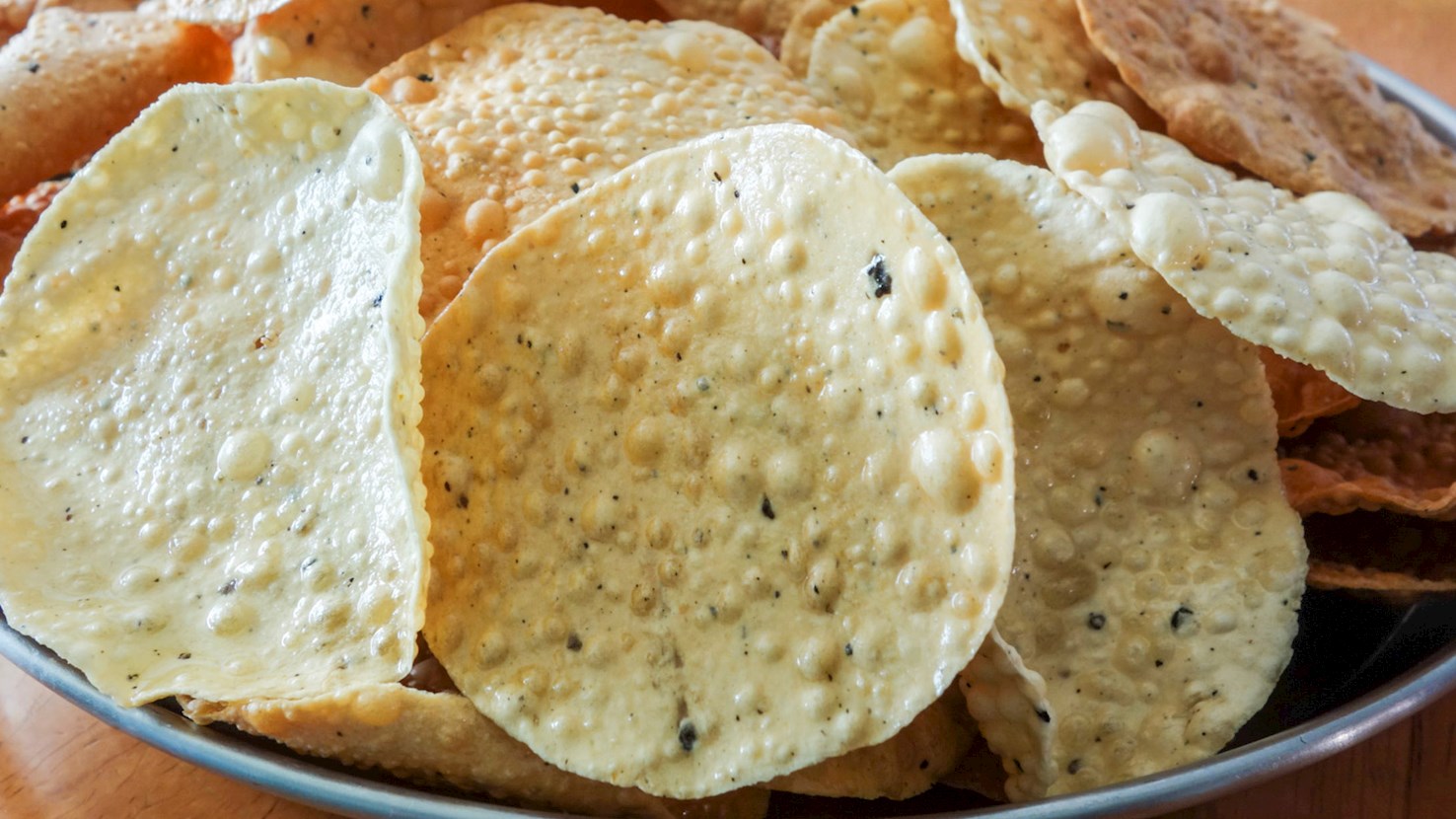
Papadum is a snack made with either gram, rice, or chickpea flour that is baked into a thin, crispy cracker bread. It can be consumed on its own, with pickles, or served with other dishes such as curries, when it's used as a utensil for scooping the dish up. Papadum can also be topped with chutneys or raita sauce and accompanied by hot tea. With its popularity, there are some variations on the dish, such as rice papadum which is boiled in water and dried in the sun, masala papadum with spices such as black pepper, chili, cumin, and garlic, or jackfruit papadum from Karnataka, which combines jackfruit with chickpea flour. Papadums are also quite popular in the United Kingdom and Australia, where the bread is served as an appetizer, and it's usually accompanied by mango chutney and lime pickle dips.

05

Bhalla

3.6 ·

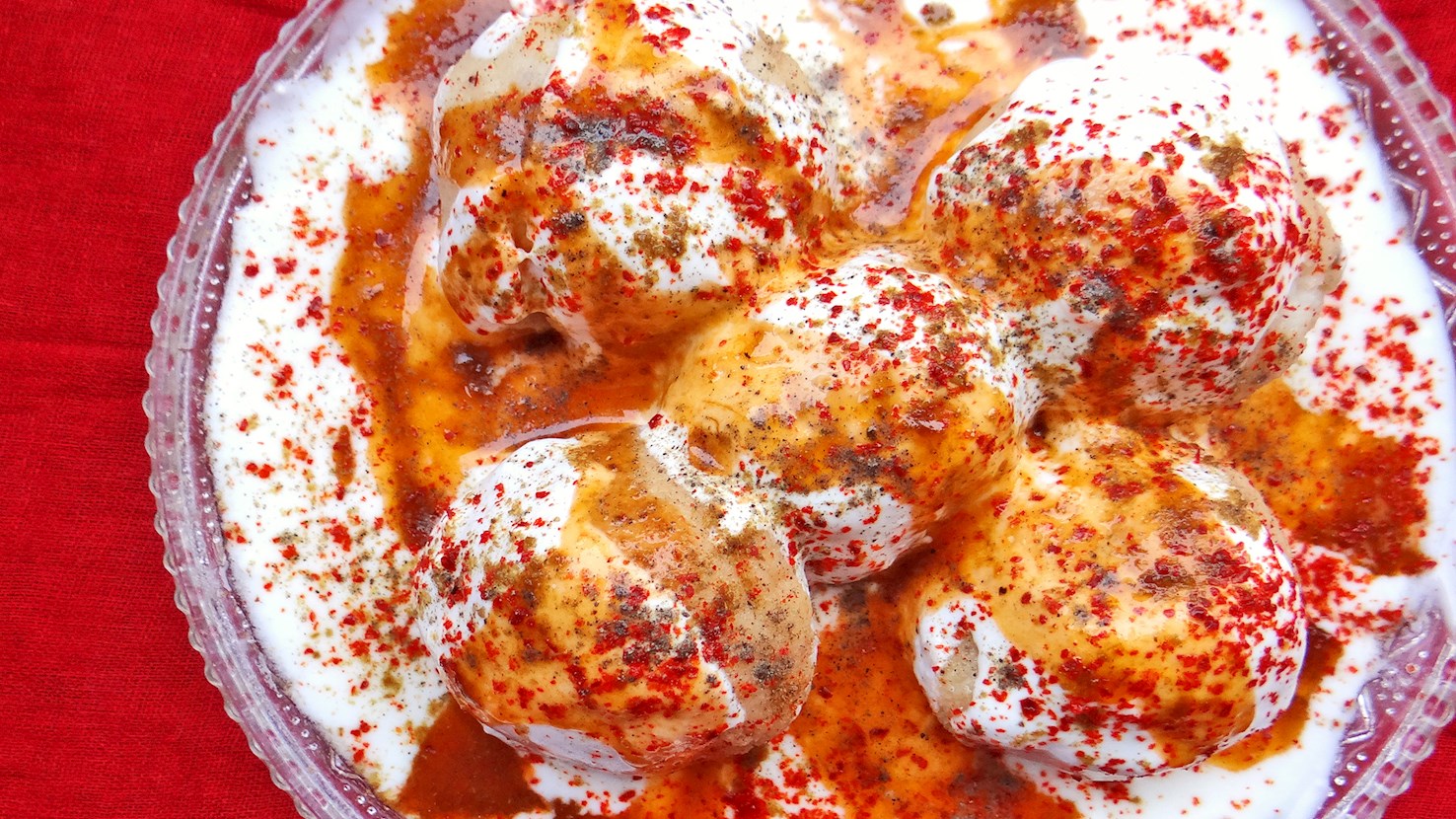
Bhalla is a flavorful snack that is popular throughout Pakistan and North India. It is prepared with a combination of green bean paste and various spices, which is then shaped into croquets and deep-fried in hot oil. This street food staple can be bought at numerous street stands and chaat shops, where it is typically served cold, drizzled with dahi yogurt and chutneys.

06

Bun Kebab

3.2 ·

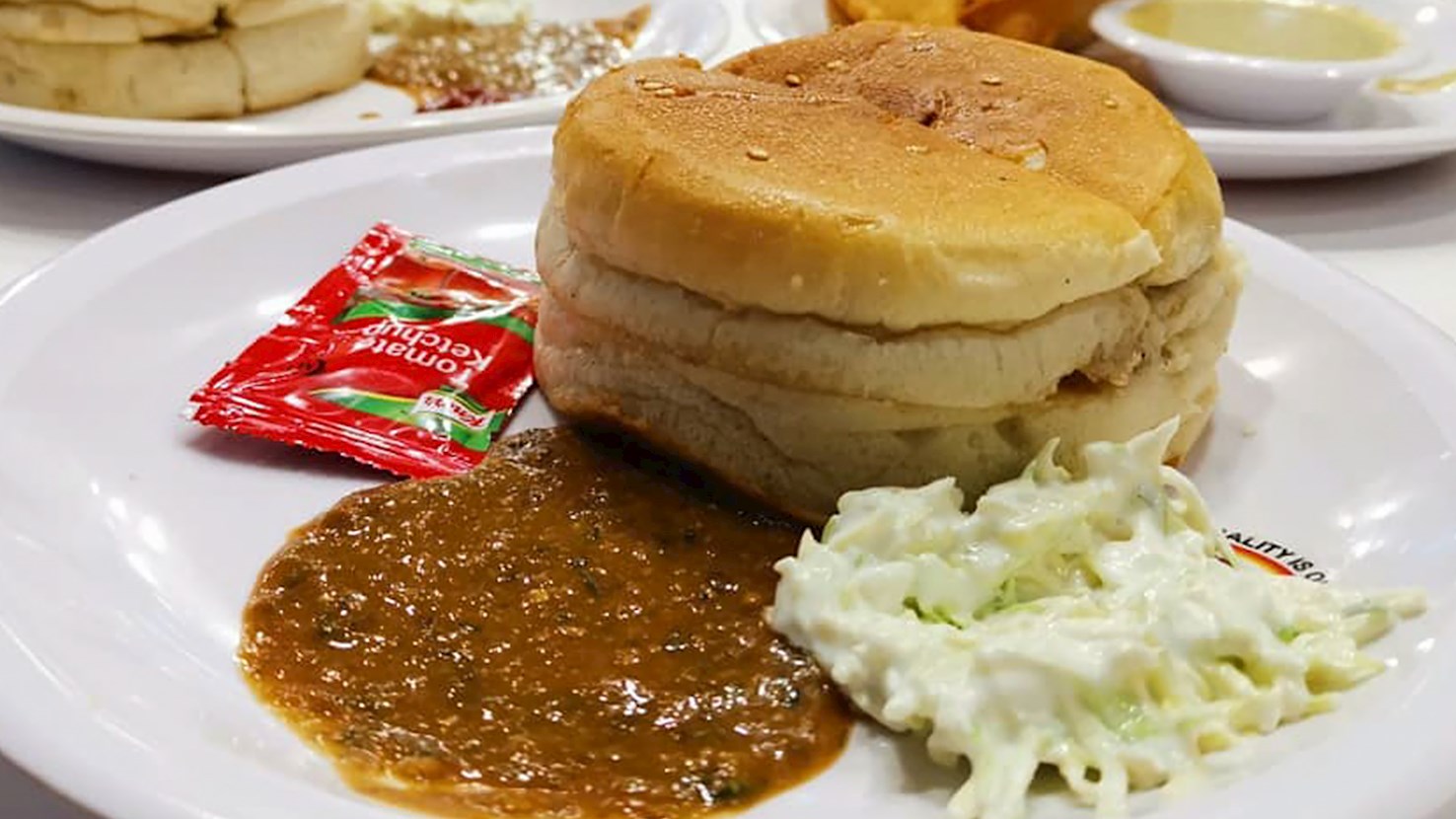
Bun kebab is a traditional street food item originating from Karachi, where it is relished in nearly every corner of the city. This savory snack typically consists of a bun filled with a combination of shami kebab, chutney, raita, slices of onions, tomatoes, and cucumbers. The filled bun is then seared until nicely colored and crispy. Chicken, beef, and mutton, along with the vegetarian chana dal (split chickpea kebab) and daal aloo (spicy lentil and potato kebab) patties comprise the typical selection of kebabs used in the preparation of bun kebab. Optional additions include egg omelets, tamarind sauce, cheese, and bacon. In Pakistan, bun kebab is usually enjoyed hot, cut in half and accompanied by roasted sweet potatoes, hash browns, extra condiments, and a cup of chai latte on the side.

07

Namak para

n/a ·

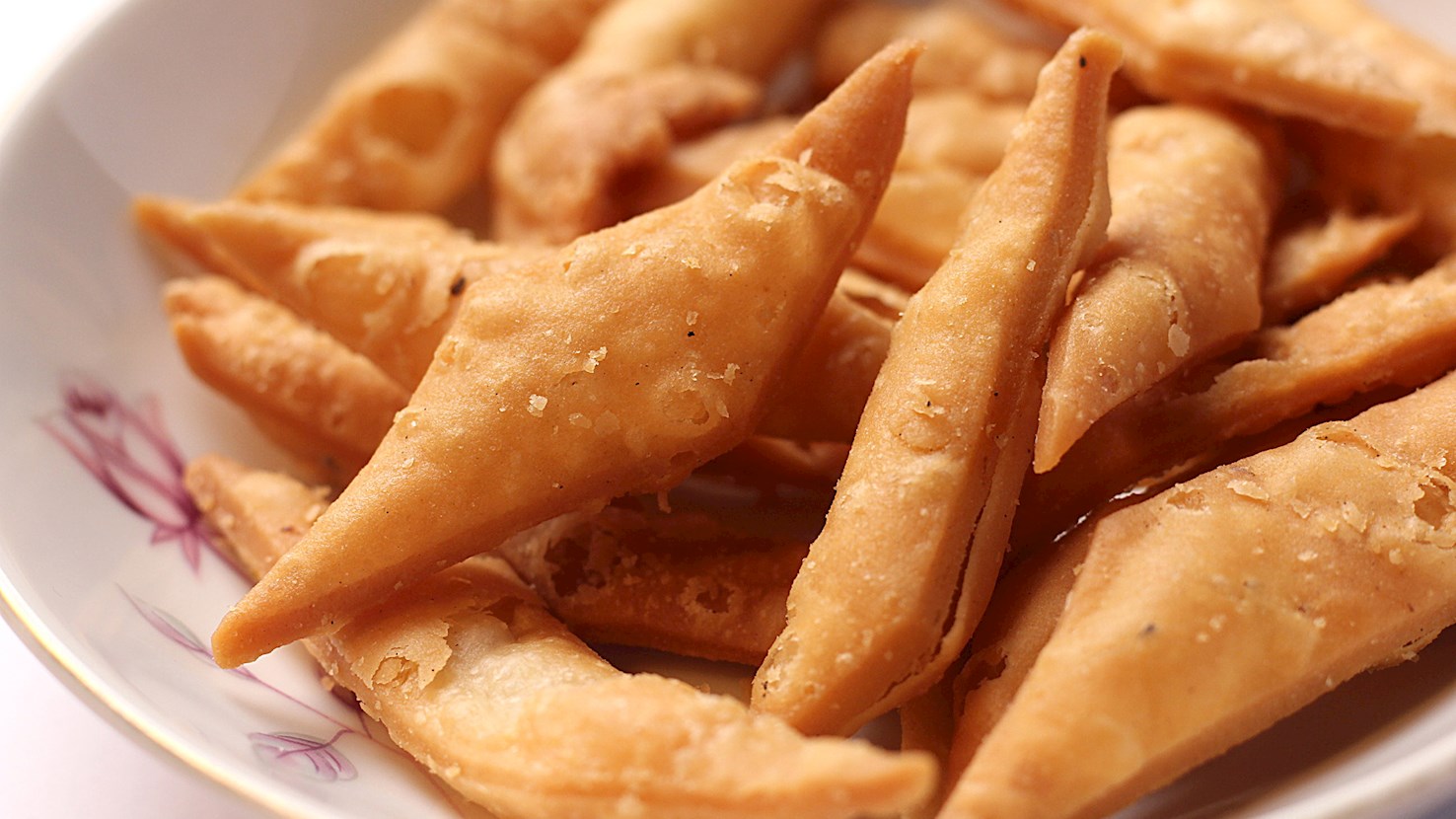
Namak para is a traditional crispy snack originating from India, but it's also popular in Pakistan. The snack is made with a combination of wheat flour, ghee, oil, salt, asafoetida, and black pepper, while onions and ajwain seeds are a nice addition, although not mandatory. The ingredients are mixed with water and kneaded into thick dough that's rolled, cut into diamond shapes, and fried in oil until the namak paras turn golden. This snack is typically served with tea on the side.

Read more
View all
View map
About this ranking

TasteAtlas food rankings are based on the ratings of the TasteAtlas audience, with a series of mechanisms that recognize real users and that ignore bot, nationalist or local patriotic ratings, and give additional value to the ratings of users that the system recognizes as knowledgeable. For the “Top 7 Pakistani Snacks” list until June 15, 2026, 1,166 ratings were recorded, of which 928 were recognized by the system as legitimate. TasteAtlas Rankings should not be seen as the final global conclusion about food. Their purpose is to promote excellent local foods, instill pride in traditional dishes, and arouse curiosity about dishes you haven’t tried.

Similar lists