


Top 5 Paraguayan Snacks

Last updated on May 15, 2026
01

Chipa

4.1 ·

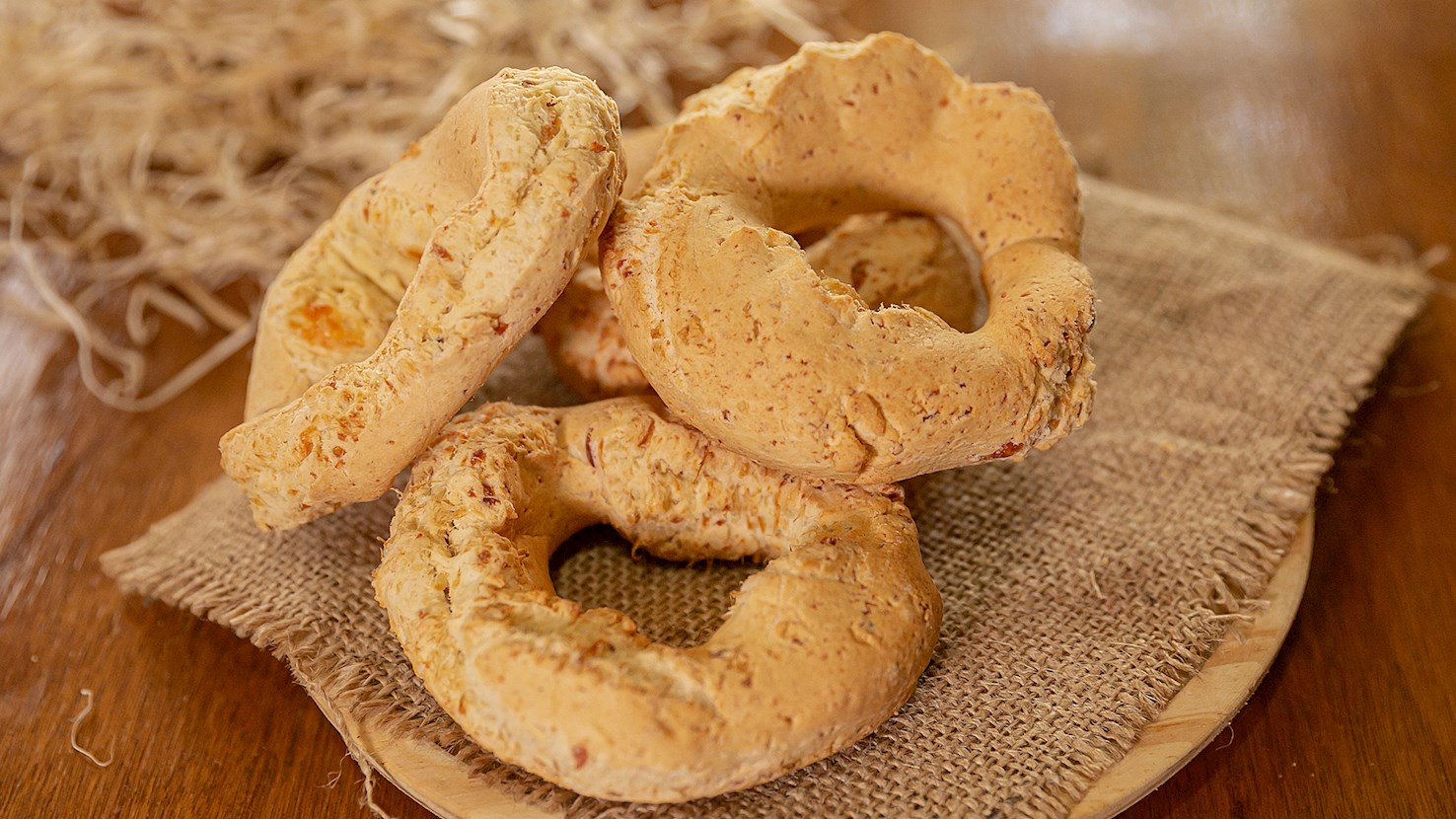
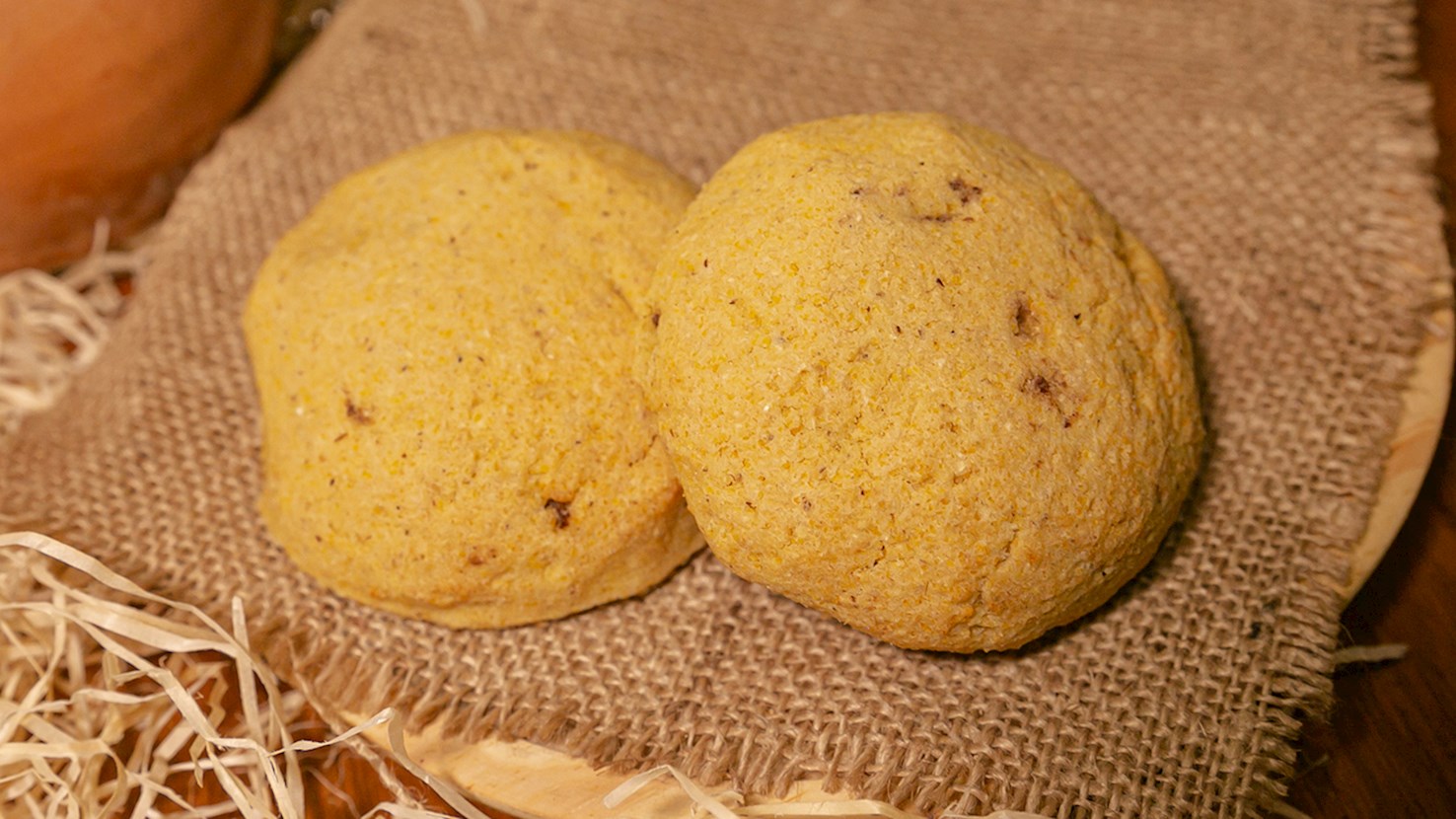
A simple bun called chipa is the most common food staple in Paraguay. The famous bread is made with cassava flour, lard, and anise. It originates from the Native American people Guarani, indigenous to the Amazon area of Brazil, Argentina, and Paraguay. The origin of chipa dates back to the time when wheat was not present in South America, and cassava was the most commonly used starch in the area. In colonial times, the Jesuit missionaries introduced milk, eggs, and cheese to the indigenous people, which finalized the chipa recipe. The use of cassava starch and lard results in the crunchy exterior of the bun, while the use of anise gives the bread buns an unusual and unique flavor. Although chipas are eaten all year round in Paraguay, they have a significant importance during the Holy Week, so they are often prepared and eaten during the Easter festivities. For the people of Paraguay, chipas represent their daily bread which is eaten together with numerous main meals or as a snack. Traditionally, the buns are prepared at home, but they are also sold by many street vendors, called chiperas, especially along Paraguayan roads.

02

Pastel mandi'o

4.1 ·

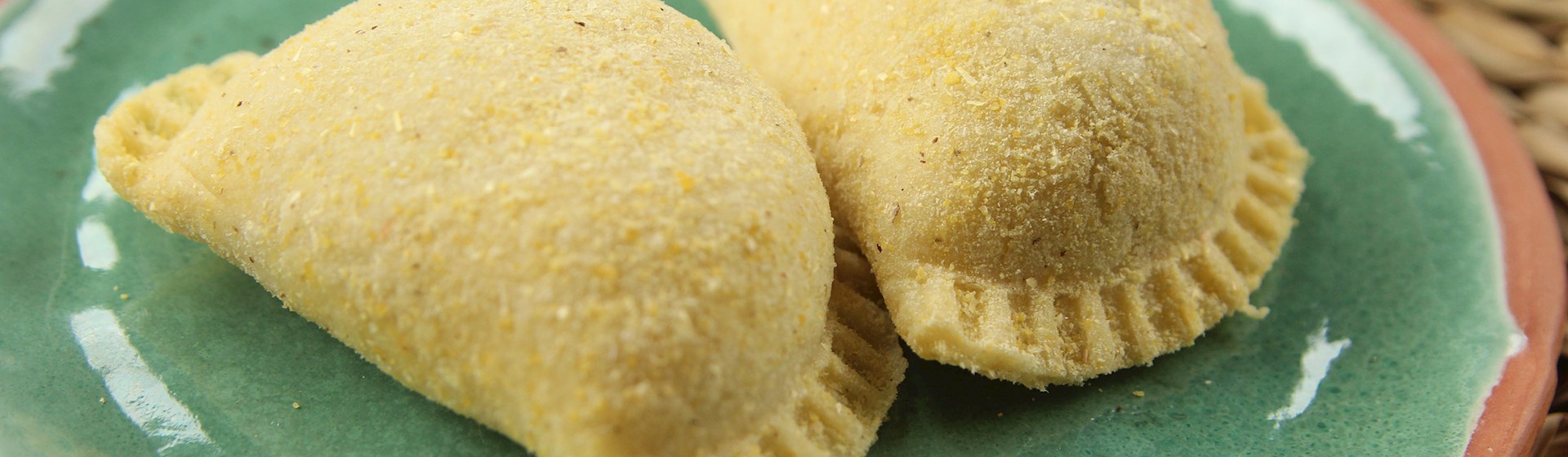
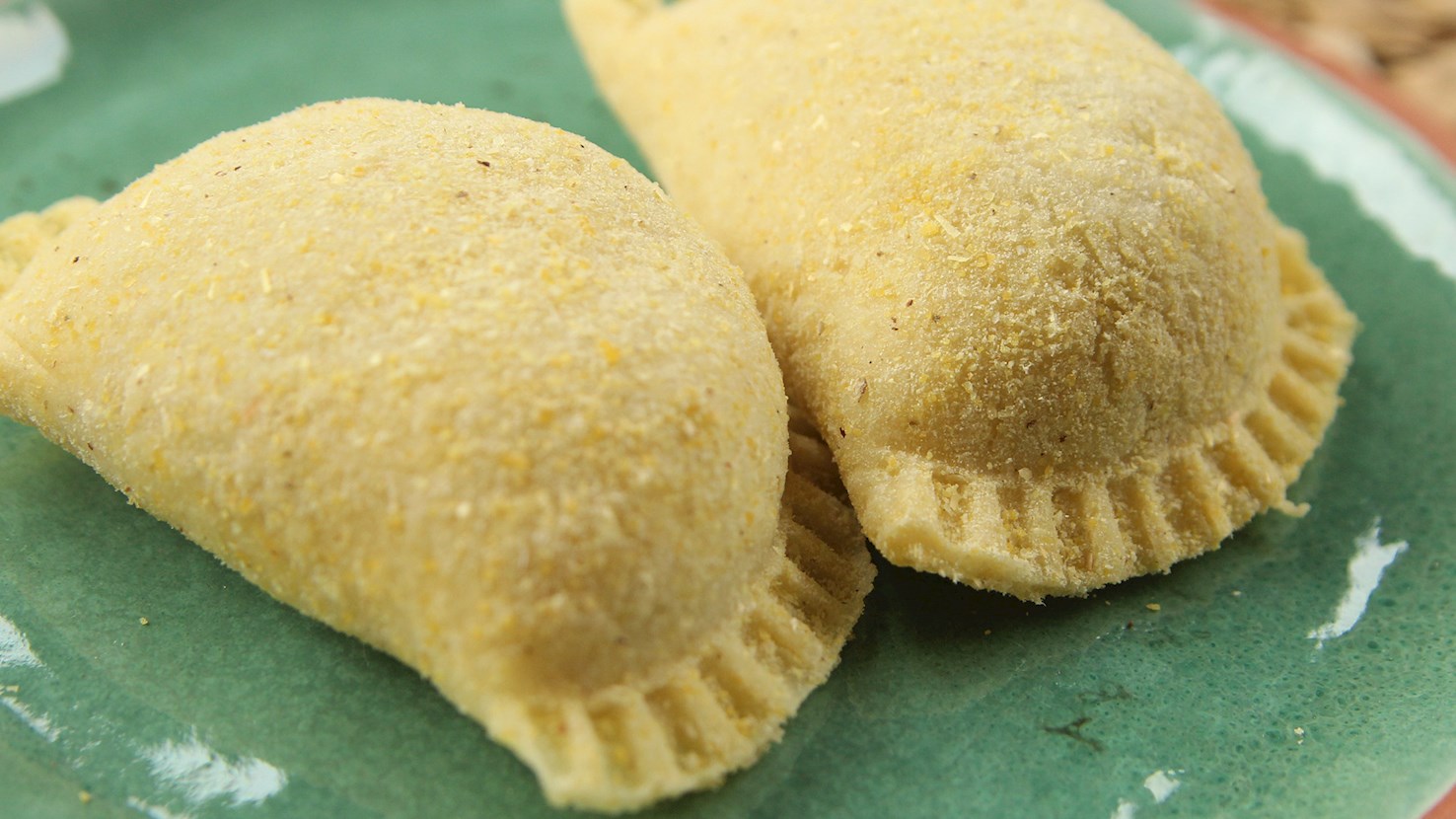
Pastel mandi’o is a doughy snack made with cornflour, boiled cassava, fat, and eggs. It is stuffed with a mixture of minced meat, boiled eggs, and seasonings. These snacks are fried in oil or fat and served hot. The dough is sweet, and the filling is replete with flavors, giving the dish a distinctive taste. Mandi’o means cassava in the Guarani language, and it is this ingredient which gives a unique Guarani twist to the dish. These snacks resemble empanadas, mainly differing from the latter in the use of cornflour and cassava, which are typical for Paraguay. They encompass the authentic taste of Paraguayan cuisine and are a popular street food served in local bars, particularly during the festival of San Juan. Common accompaniments to pastel mandi’o include hot sauces and refreshing salads.

03

Chipa guasu

4 ·

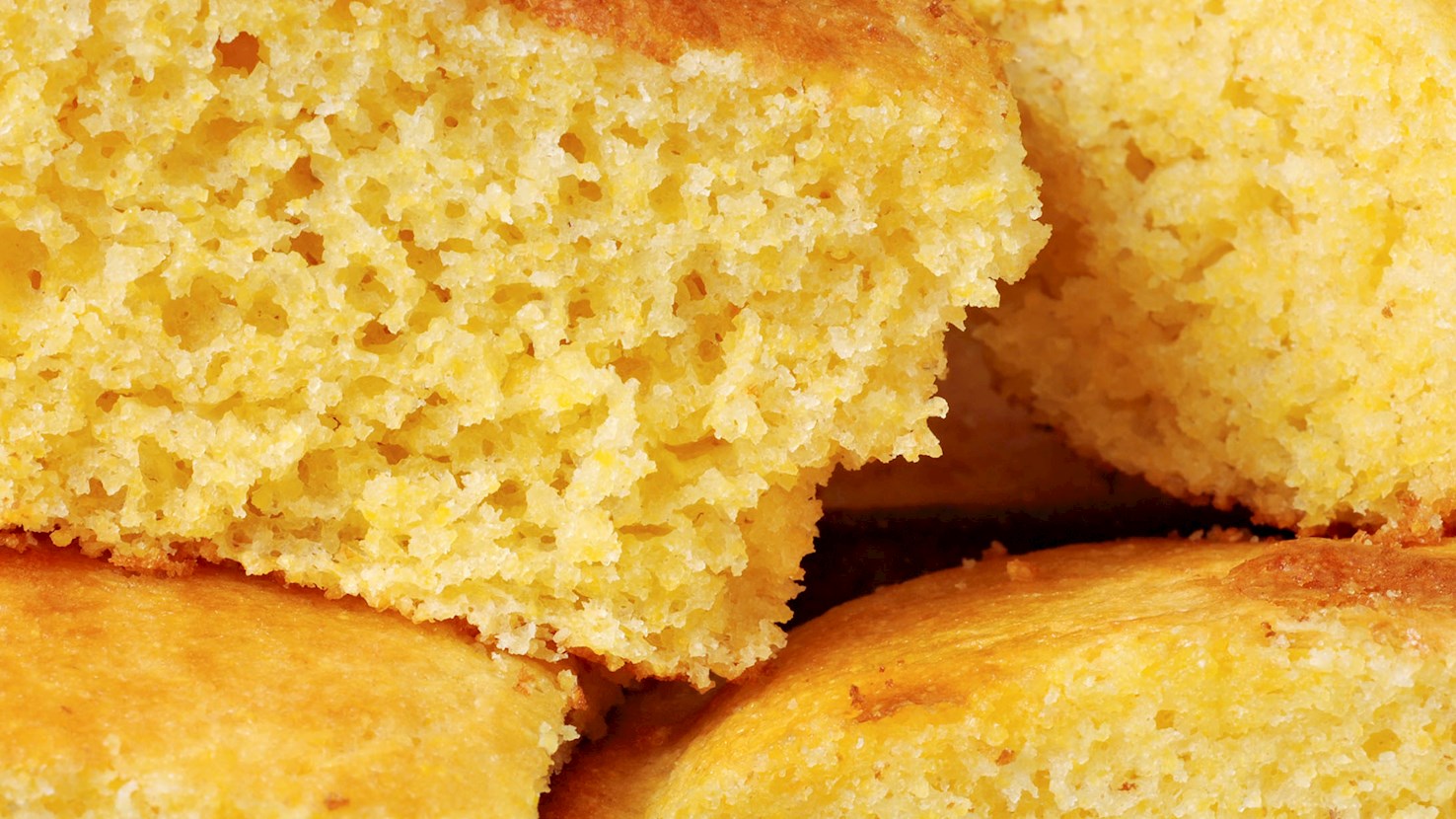
Chipa guasu is a variety of chipa, a cake based on corn grains with the addition of onions, water, eggs, cinnamon, milk, and cheese. Its name stems from two words - chipa, referring to a variety of corn-based cakes, and guasu, which means big in Guarani, so one can say that chipa guasu is the largest of all chipas. It is a favorite side dish in Paraguay during the corn harvest, when cooks brown them in hornos, traditional mud adobe-built outdoor ovens. The dish was invented during the Paraguayan War in the mid-1850s, when food was scarce, and people needed food that was affordable, simple, and highly caloric, providing nourishment during the day. One can often find chipa guasu at asados, which is the Paraguayan version of classic American barbecues. Although it is hard to rival homemade chipa guasu, it can be found in many restaurants in Asunción, the capital of Paraguay.

Best restaurants
04

Chipa so'o

3.5 ·

Chipa so'o is a savory cake that is popular in Paraguay and Argentina. The dough is prepared with a combination of pork fat, corn flour, corn starch, milk, salt, and cheese. Once prepared, the dough is shaped into balls and filled with a mixture of eggs and ground or finely chopped meat. Before baking, chipa so'o is brushed with milk in order to develop a nice color on the exterior. This chipa variety is consumed as a hearty snack, but it can also make for a calorie-laden lunch.

05

Lampreado

n/a ·

Lampreado, also known as payaguá mascada, is a nutritious Paraguayan cassava fritter that is traditionally filled with ground beef and scallions. In order to prepare it, cassava is first cooked, mashed, then combined with other ingredients, and the concoction is then fried in hot oil until golden brown. Some recipes also include lard, and the dish is best served with a fresh salad on the side. Lampreado is especially popular at the Fiesta de San Juan (St. John festival), which is celebrated annually on June 24.

Read more
View all
View map
About this ranking

TasteAtlas food rankings are based on the ratings of the TasteAtlas audience, with a series of mechanisms that recognize real users and that ignore bot, nationalist or local patriotic ratings, and give additional value to the ratings of users that the system recognizes as knowledgeable. For the “Top 5 Paraguayan Snacks” list until May 15, 2026, 279 ratings were recorded, of which 137 were recognized by the system as legitimate. TasteAtlas Rankings should not be seen as the final global conclusion about food. Their purpose is to promote excellent local foods, instill pride in traditional dishes, and arouse curiosity about dishes you haven’t tried.

Similar lists