shutterstock

Top 100 Southeast Asian Snacks

Last updated on June 15, 2026

Best Southeast Asian Snacks
01

Roti canai

4.4 ·

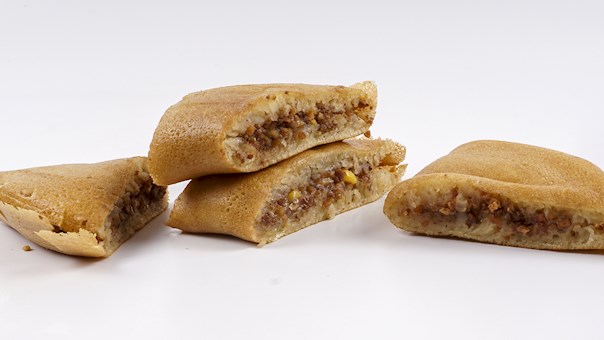
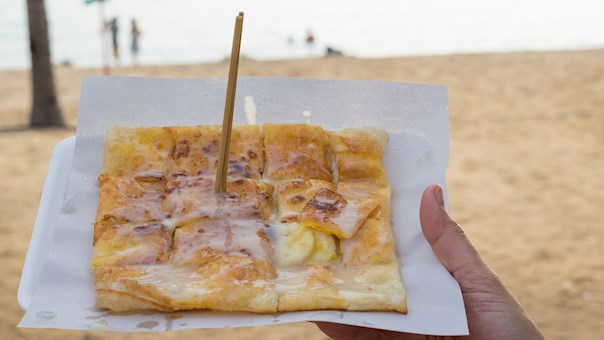
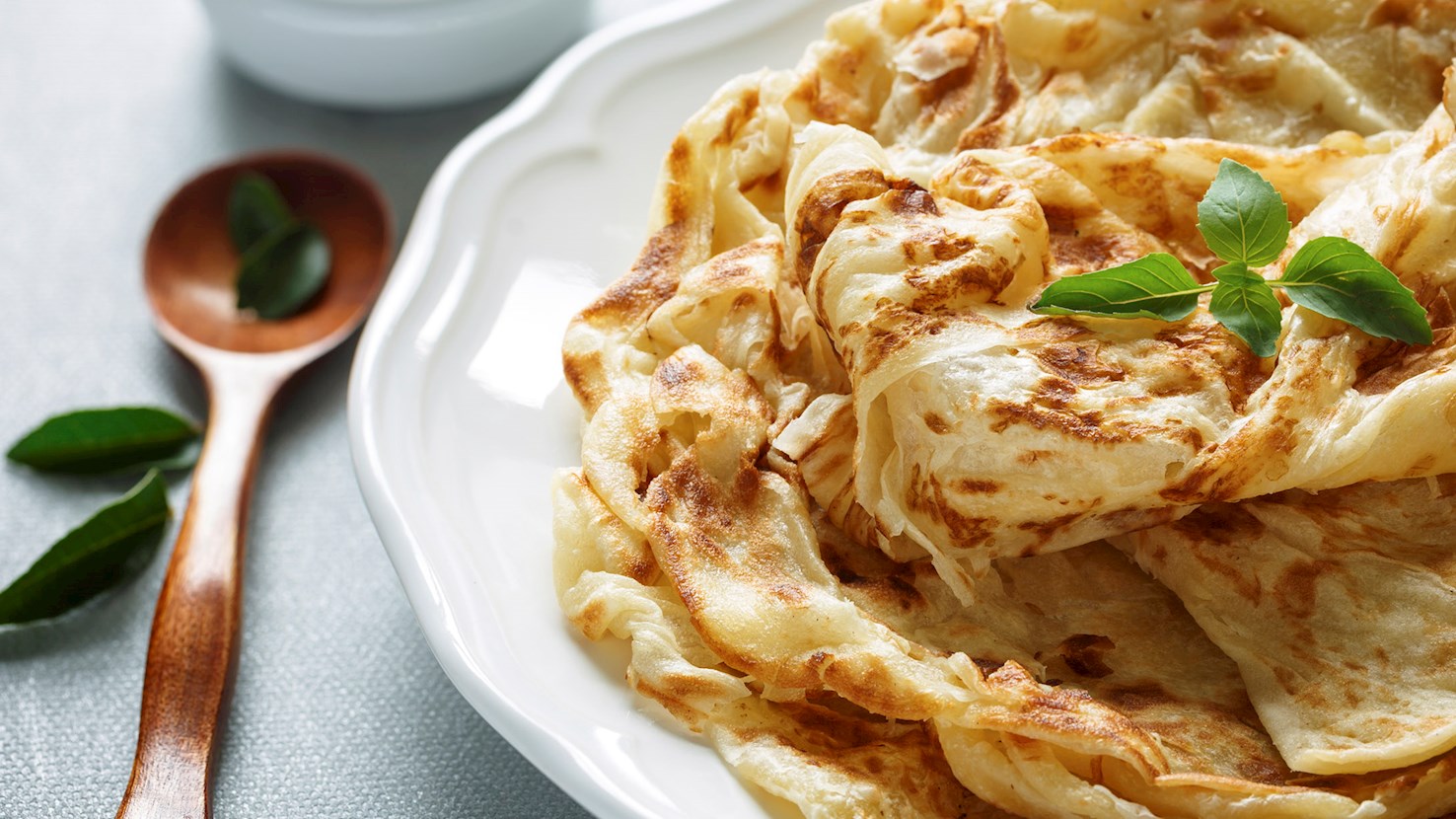
Roti canai is a traditional pan-fried flatbread made with flour, water, eggs, and fat of Indian origin, but mainly associated with Malaysia, and surrounding countries like Indonesia, Brunei, and Thailand. The dough for roti canai is repeatedly folded, so the final product has a layered texture, a soft interior, and a crispy outer layer. The most common fat used in roti canai is ghee, the traditional Indian clarified butter. It is believed that the dish originated in India when the Indian laborers who migrated to Malaysia brought the recipe and the tradition of preparing this crispy pastry to the foreign country. Usually, it is served plain in its traditional round form, as an accompaniment to curries. It can be served on the side or torn into pieces and mixed with the curry. However, roti canai is often served as the star dish, accompanied by different savory and sweet fillings and ingredients. If additional fillings are added, roti canai is usually shaped into rectangles. For example, in Malaysia, one can find various roti canai types, which are differentiated by the type of filling — egg, onion, egg and onion, banana, sardines, margarine and sugar, Maggi instant noodles, cheese, vegetable, and pork filling are some of the many available. However, roti canai doesn't have to have a filling but only a topping, such as fried eggs, curry, beans, lentils, and coffee beans. But martabak, a thick roti filled with meats, eggs, onions, and spices, is probably the best-known type of roti canai. Apart from Malaysia, it can also be found in Saudi Arabia, Yemen, and a few other countries. Other than Malaysia, a very similar type of flatbread can be found in Singapore, where it's called roti prata. This crispy bread is usually sold by street vendors called mamaks.

02

Batagor

4.4 ·

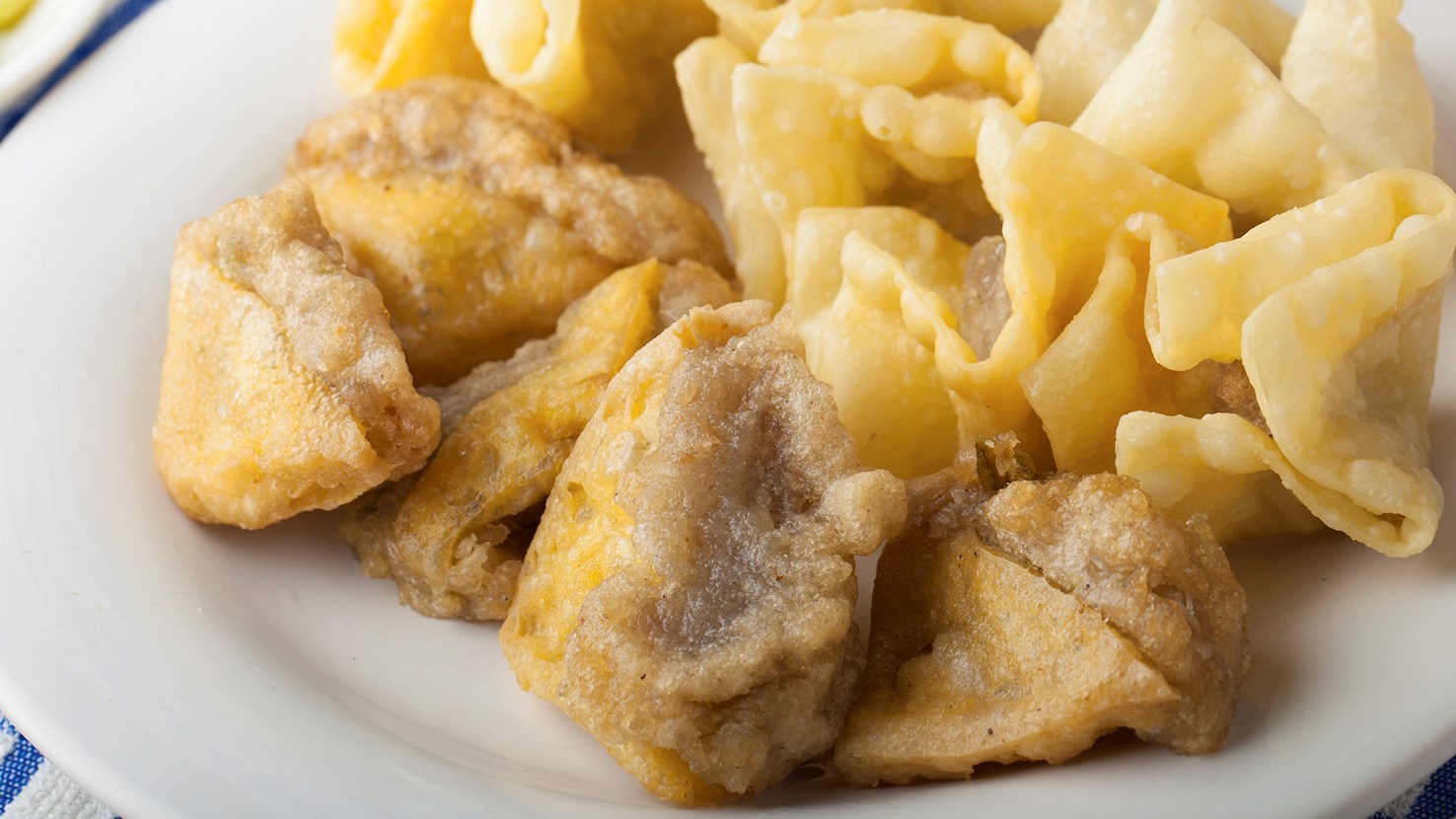
One of the most famous snacks in Indonesia is batagor, a fried fish dumpling served in a traditional spicy sauce. It has roots in the Chinese culinary tradition, which has left a trace on many Indonesian dishes. Although this famous snack is reminiscent of the more famous Chinese dumpling, its distinguishable characteristic is that it is fried, not steamed. The most common fish used to make the dish is wahoo, but tuna, mackerel, and even prawns can also be used. Potatoes, tofu, or cabbage are also occasionally added to the dish. Batagor is the perfect snack because of the way it is served. When fried, the dumplings are cut into small bite-sized pieces and covered in peanut, soy, and chili sauce with a splash of lime juice. It was invented in the 1980s in Bandung, but today it can be found throughout Indonesia. Since it is quickly prepared, it is commonly sold by street vendors, but it can also be found in many Indonesian restaurants.

03

Karipap

4.4 ·

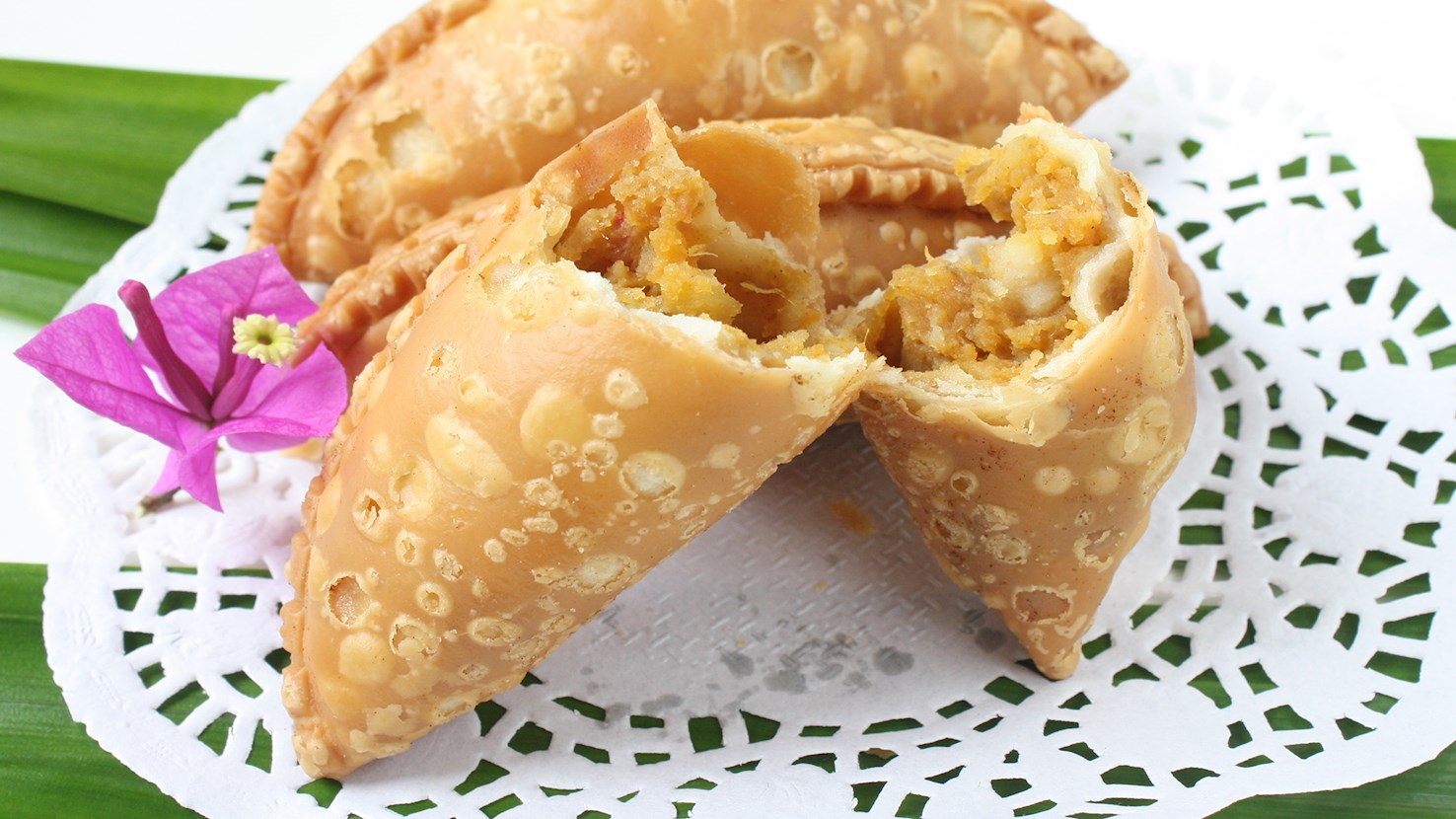
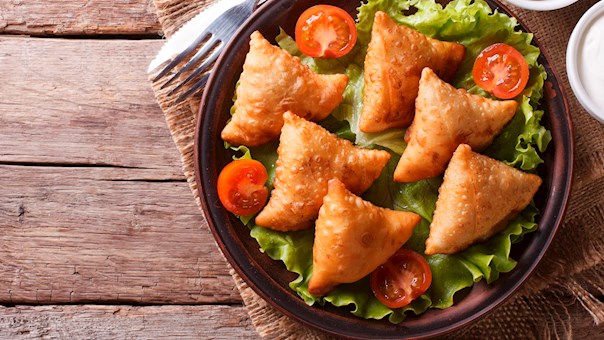
Karipap or curry puff is a small, deep-fried or baked pastry shell filled with thick chicken and potatoes curry. It is believed that the flavorful snack was invented by the Malays from the Malay Peninsula and parts of Sumatra and Borneo. It is a popular breakfast item or an afternoon snack which can be found at numerous stores, bars, and markets. Because of its simplicity and flavor, karipap quickly became popular outside Malaysia, especially in Thailand and Singapore. Today there are numerous versions of karipap, so instead of potato and chicken curry, it can be filled with various other ingredients such as tuna, sardines, and beef rendang. Crispy and flaky on the exterior, hot and soft on the interior, karipap is a snack that remains a staple of Southeast Asian cuisine.

04

Pisang goreng

4.4 ·

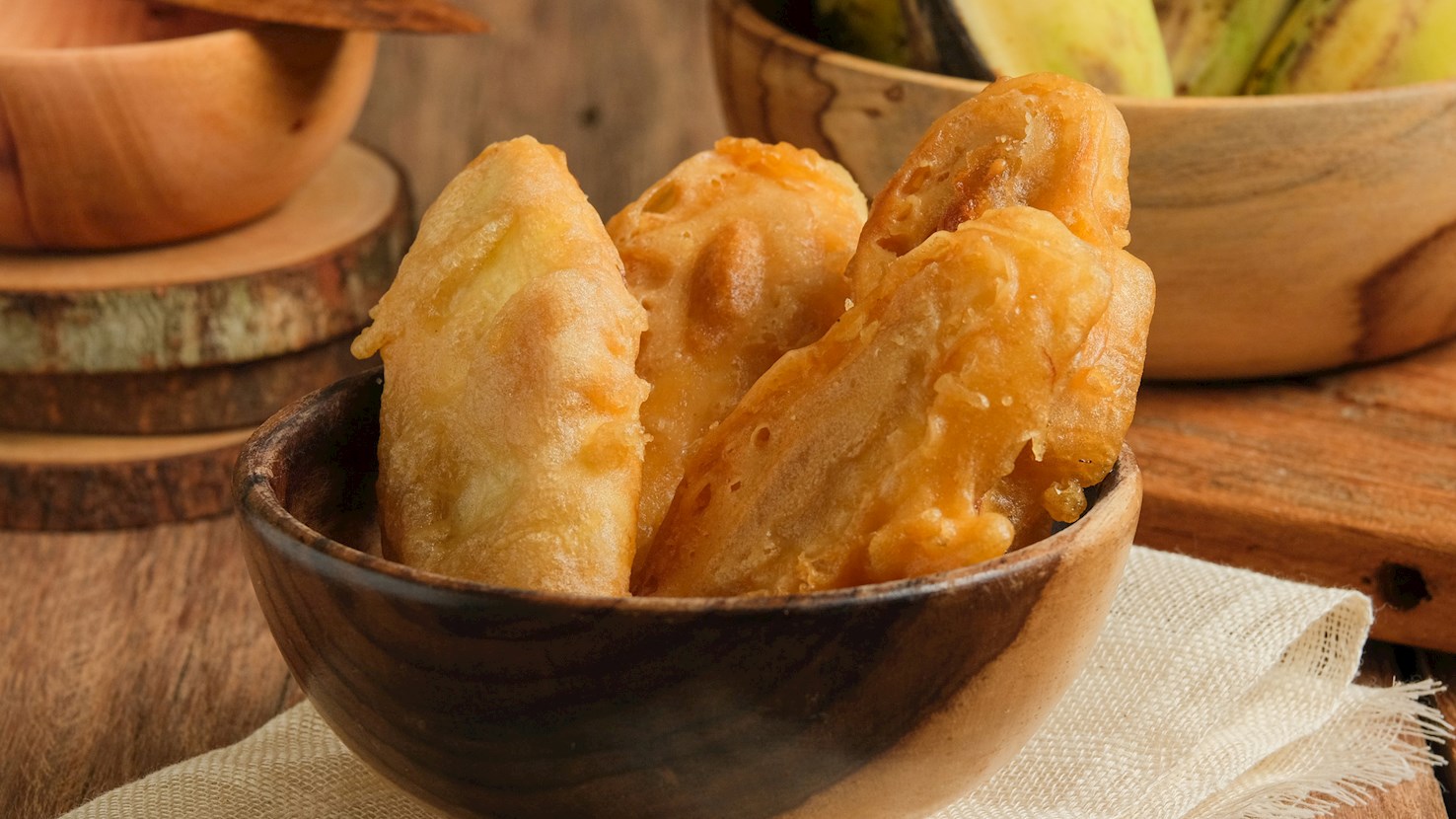
Fried bananas or plantains are a common everyday snack eaten throughout Indonesia. They come in numerous versions in which the fruit is simply fried in shallow oil, but more often sliced banana pieces are coated in batter before they are fried until golden. Besides numerous other varieties, fried bananas also appear under different names such as godoh biu on Bali or gedhang gorèng on Java. They are traditionally sold at street stalls and carts and belong to a group of gorengan dishes—Indonesian deep-fried snacks. The more elaborate version of pisang goreng are served dusted with powdered sugar and cinnamon, drizzled with chocolate, or accompanied by jams or ice cream. Similar banana-based dishes are found in other Southeast Asian regions and countries such as Singapore, the Philippines (maruya) and Malaysia (kuih kodok).

05

Khanom khrok

4.3 ·

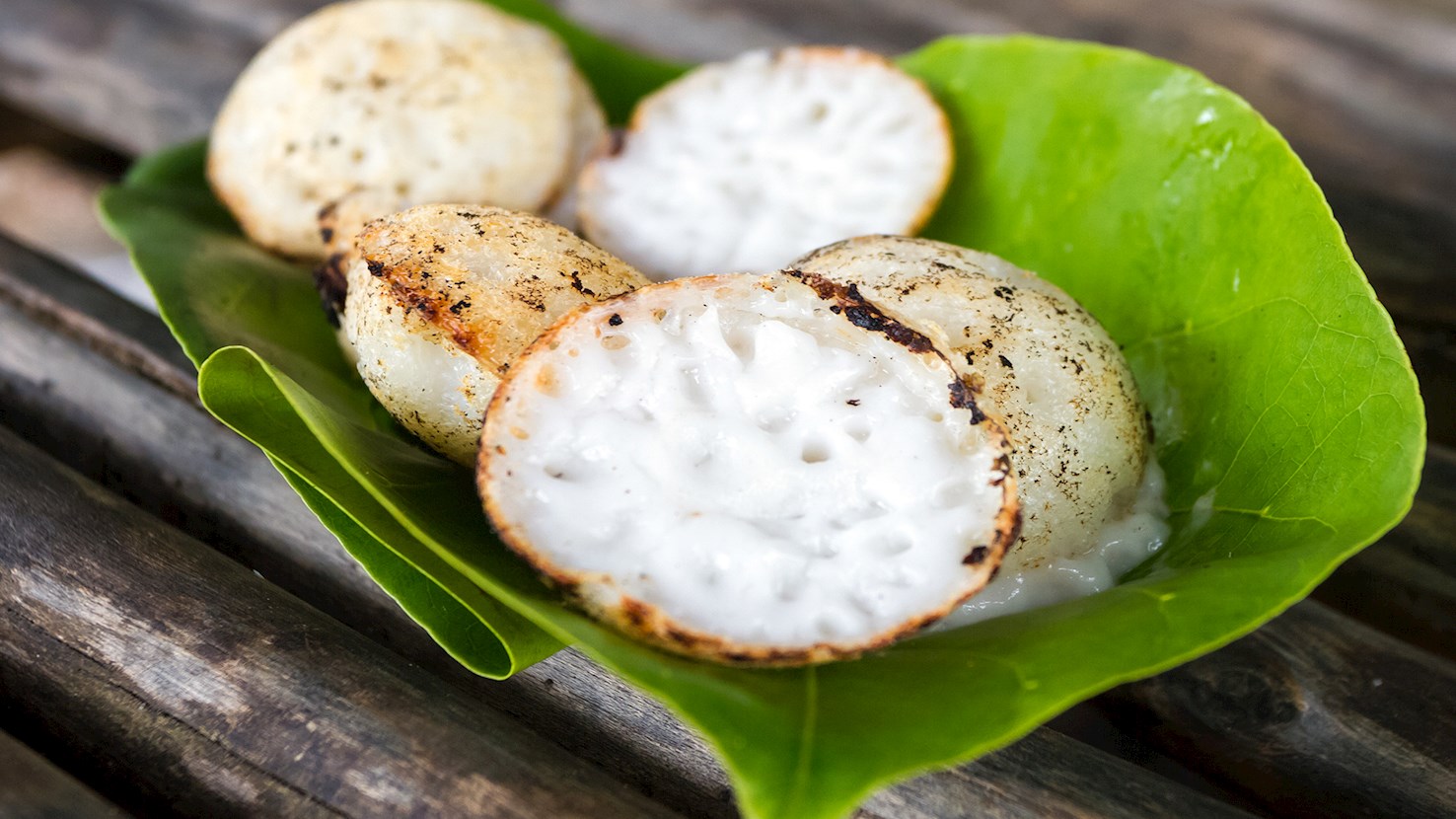
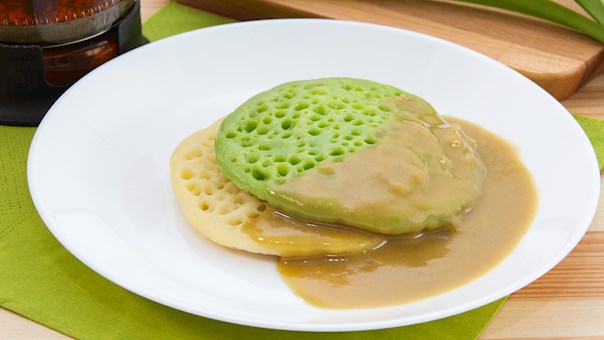
This small-sized Thai dessert, which is often referred to as a pancake, pudding, or a cake, is created with a batter that combines rice flour and coconut milk. The dessert is baked in large iron pans that have small, round indentations, and it is typically prepared in two stages—with a batter that is used as a crispy bottom layer, and a creamy, lightly sweetened coconut milk filling. Typical additions to the custard-like filling include sliced scallions, taro, corn, or pumpkin. Khanom khrok is a staple street food in Thailand, typically enjoyed as a quick and filling snack that balances sweet and savory flavors extremely well.

06

Lumpiang Shanghai

4.3 ·

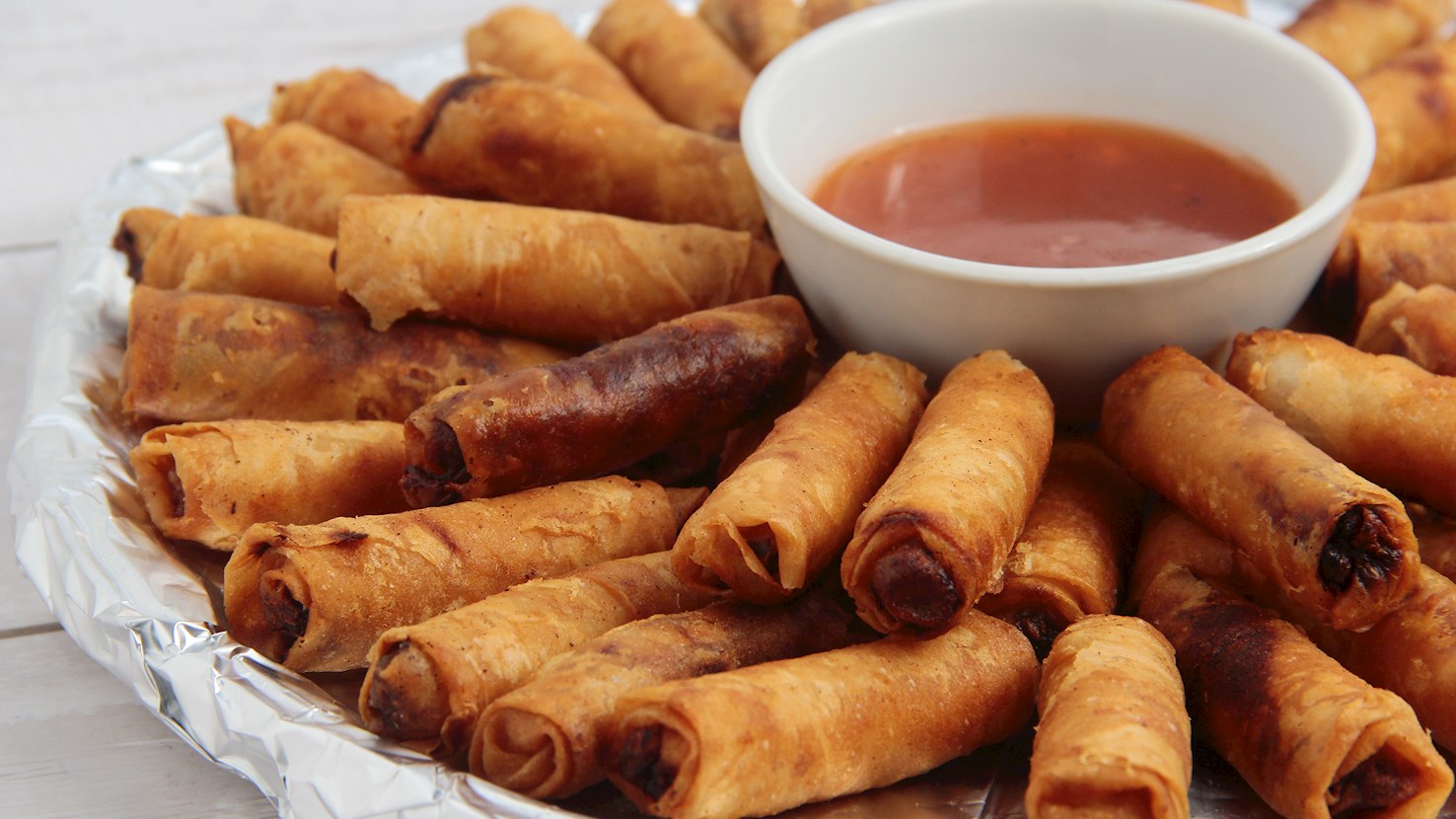
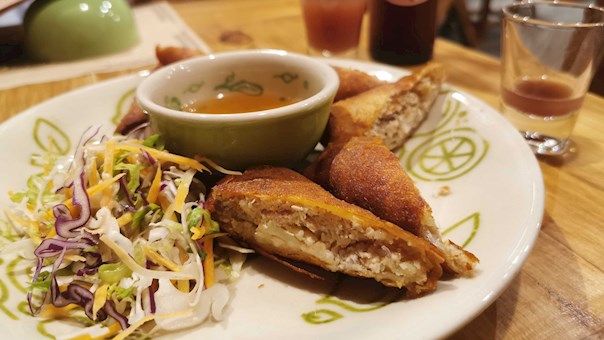
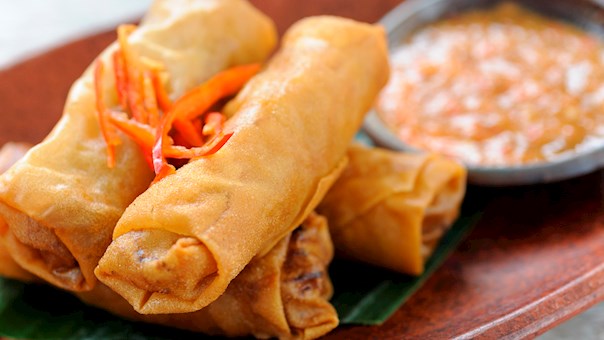
Lumpiang Shanghai is the most popular variety of lumpia, the crispy deep-fried Filipino snack that evolved from Chinese spring rolls. Even though lumpia appears in numerous variations, the Shanghai version is characterized by a savory filling which combines ground pork or beef with carrots, onions, various seasonings, and (occasionally) shrimps. Lumpiang Shanghai is usually sold at numerous street stalls throughout the country, but it is also a staple dish served on special and festive occasions. This delicious and crispy snack is usually served accompanied by sweet and sour dipping sauce.

07

Pempek

4.3 ·

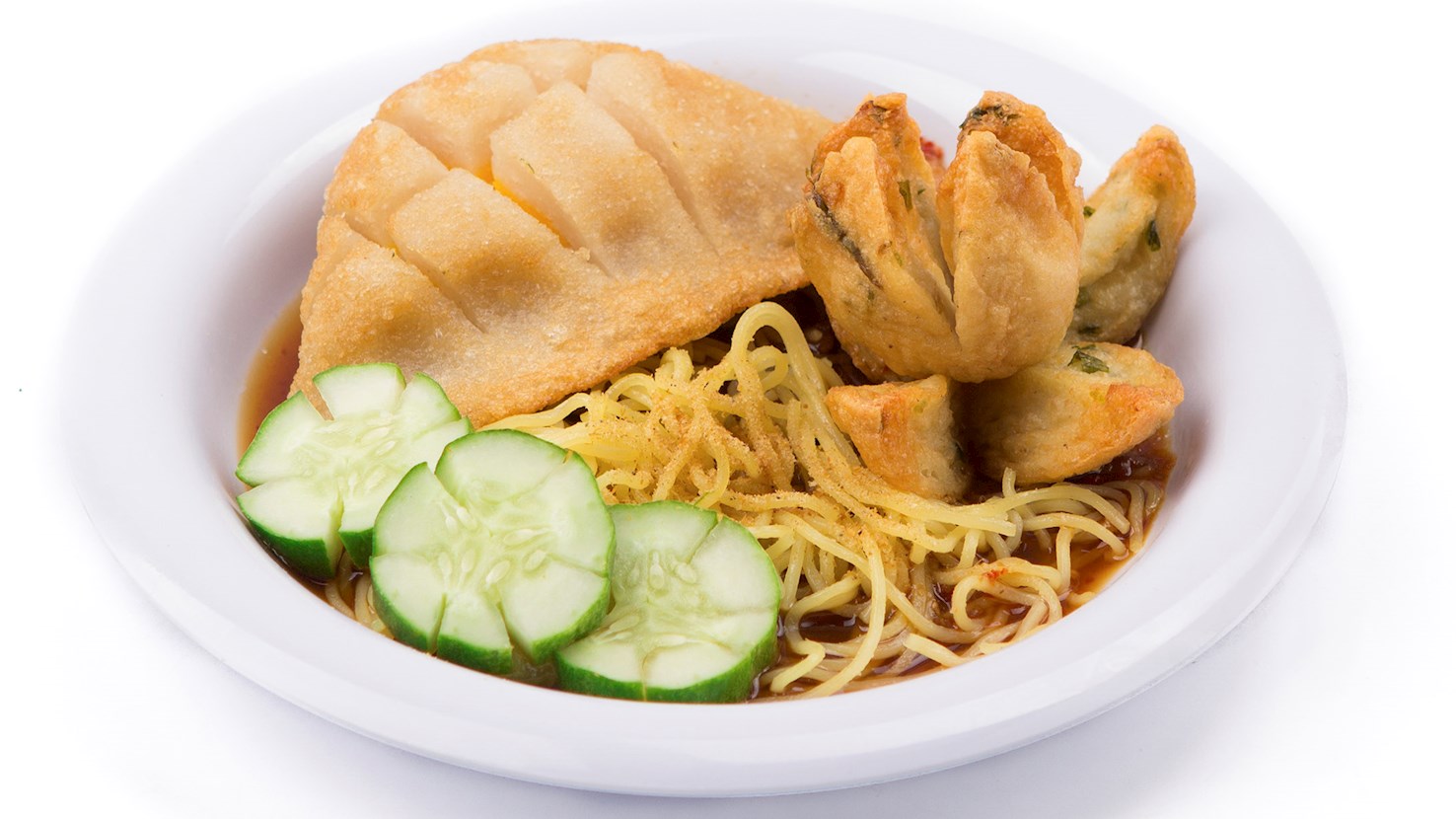
Pempek is a traditional fish cake made with ground fish meat and tapioca. The actual origin of this dish is the city of Palembang, situated in the South Sumatra province. The origin story of pempek says that an old Palembang citizen was tired of the traditional fried or grilled fish, so he thought of an innovative way to ground the meat, mix it with tapioca flour, and deep-fry it to get a crunchy and delicious snack. He then used to cycle through the city and sell the fish cakes to Palembang citizens. Over time, pempek was recognized as a praise-worthy snack, and today it is considered to be a traditional Indonesian delicacy. These round or rectangular cakes are usually steamed, and right before serving they are fried in vegetable oil and cut into bite-sized pieces. Sliced cucumbers, noodles, or rice are typical accompaniments, and the traditional sweet and sour sauce is usually served on the side so the customers can adapt the flavors to their taste.

08

Gorengan

4.2 ·

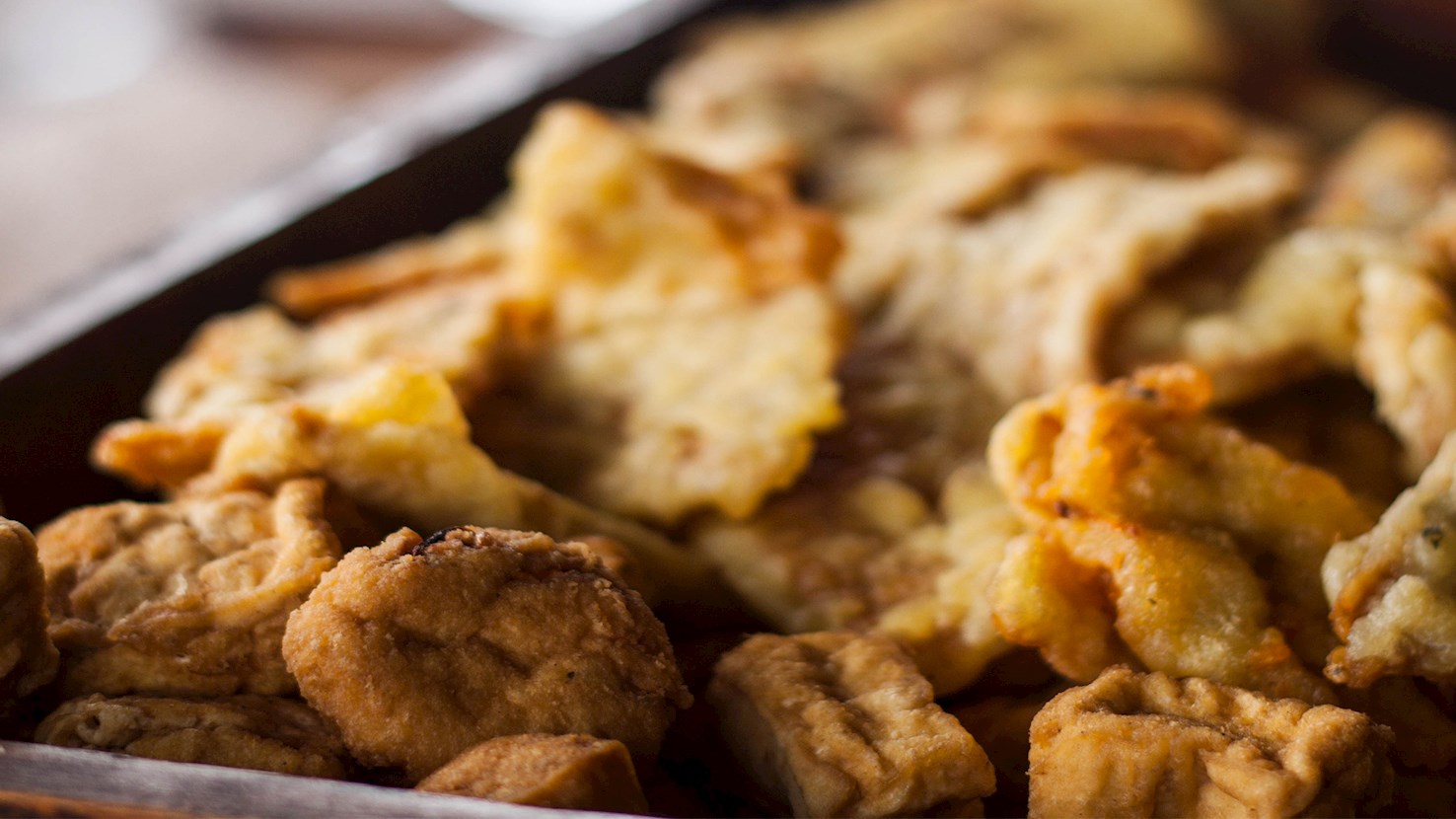
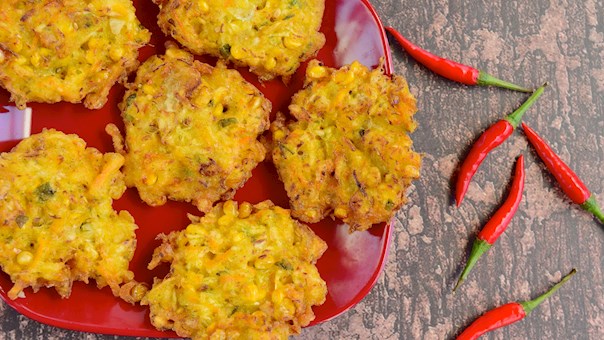
Gorengan is a generic name that refers to a wide group of Indonesian deep-fried snacks that can be prepared with a variety of ingredients. Whether savory or sweet, the fritters usually combine egg batter with various additions such as bananas, tempeh, tofu, sweet potatoes, or jackfruit. The ingredients can be finely sliced and incorporated into the batter or merely dipped before they are fried. Gorengan is one of the most common Indonesian street food items that is sold at numerous markets throughout the country. Although they come in a seemingly endless number of combinations, some of the most popular varieties include pisang goreng (bananas), ubi goreng (sweet potato), aci goreng (fried tapioca dough), tahu goreng (fried tofu), and singkong goreng (fried cassava).

09

Tempeh mendoan

4.2 ·

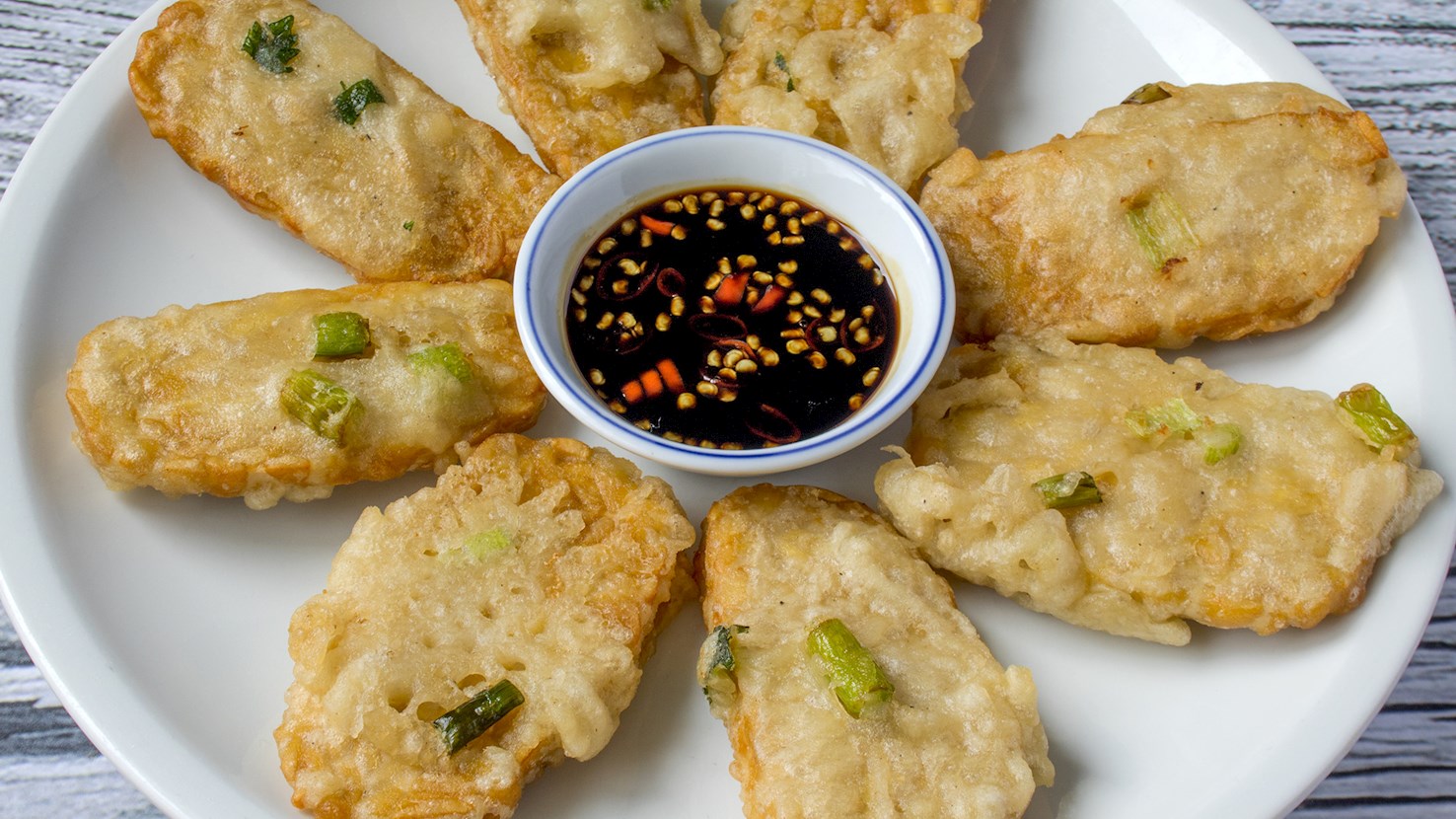
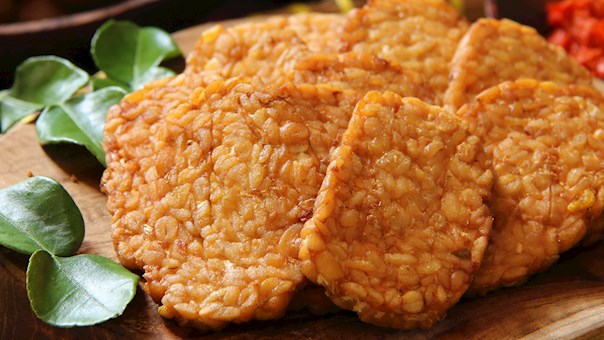
Tempeh mendoan is a variety of fried tempeh that hails from Purwokerto. Thin slices of tempeh—fermented soybean product—are dipped in batter that is enriched with ground coriander, sliced scallions, and garlic before they are deep-fried. This tempeh variety is only shortly fried, creating a crispy outer layer, while the tempeh remains soft and juicy. The name of the dish stems from Banyumasan language in which mendo roughly translates as half-cooked. This tempeh is best served with sambal, other types of chili-based dips, or kecap manis—Indonesian sweet soy sauce. It is usually enjoyed as a snack or a side dish, and it is mostly prepared and sold by street vendors.

10

Chạo tôm (Sugar Cane Shrimp)

4.2 ·

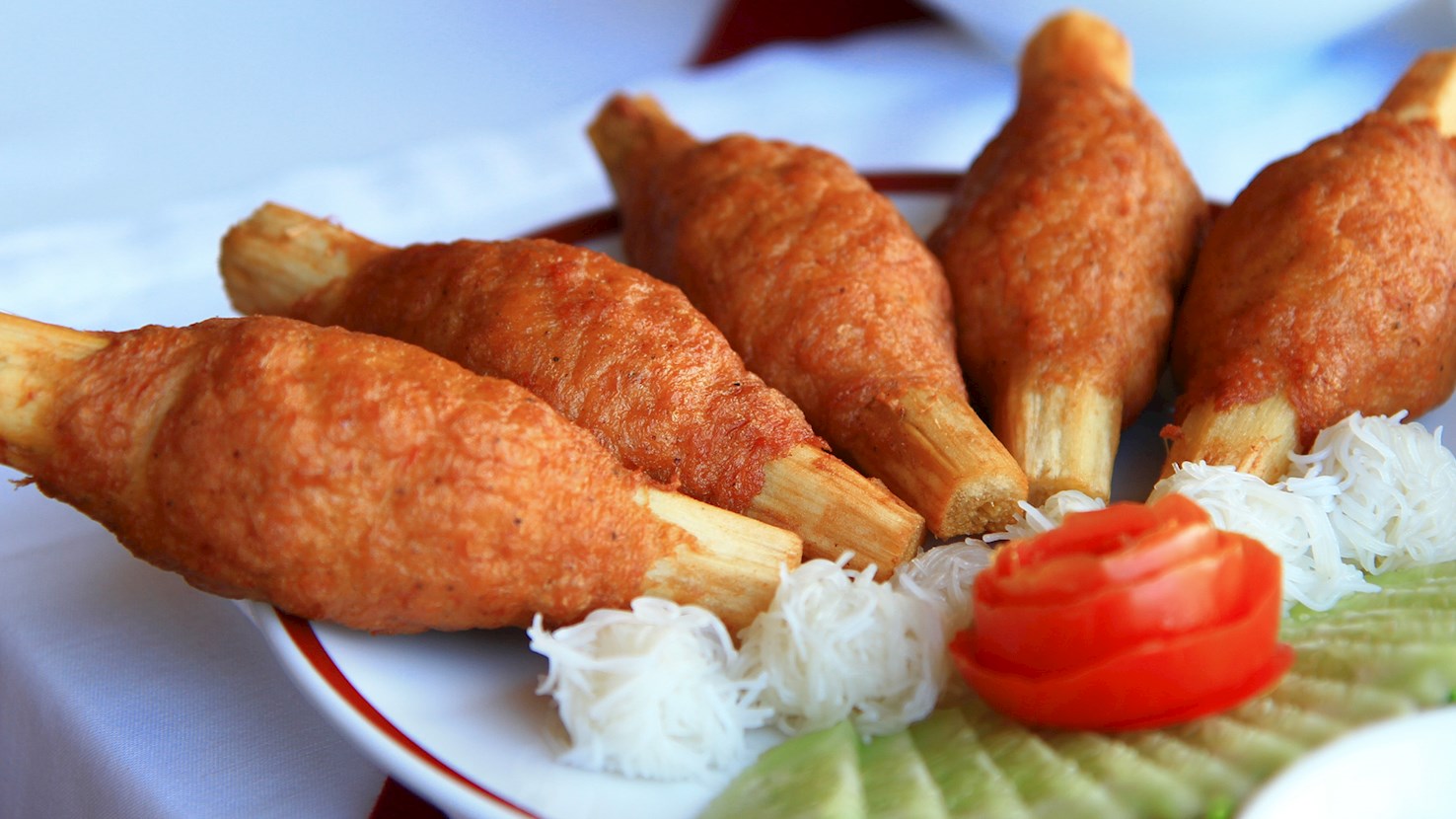
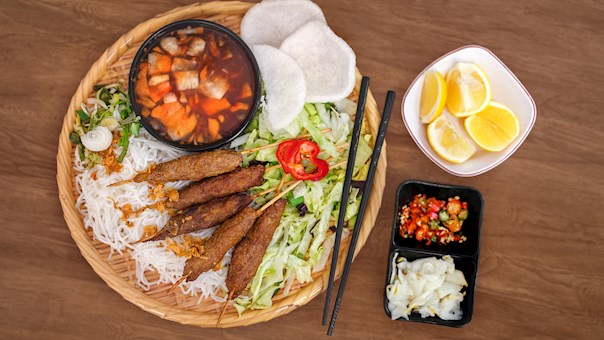
This traditional Vietnamese snack consists of shrimp paste that is wrapped around a sugar cane. The paste is often enriched with garlic, spices, and occasionally pork paste before it is shaped around the cane and then steamed, grilled, or fried. The dish originates from Huế, Central Vietnam, but it is enjoyed throughout the country. Although it was once reserved for special occasions, this delicious combination is nowadays commonly enjoyed as an appetizer or a light snack. The dish can be enjoyed as a whole, but the shrimp can also be taken off the cane, wrapped in lettuce, and then dipped in the nước chấm sauce. Apart from the dipping sauce, chạo tôm is often accompanied by sliced fresh vegetables and bánh hỏi rice noodles.

Best Southeast Asian Snacks
01

Hồng Lam Ô Mai

4.5 ·
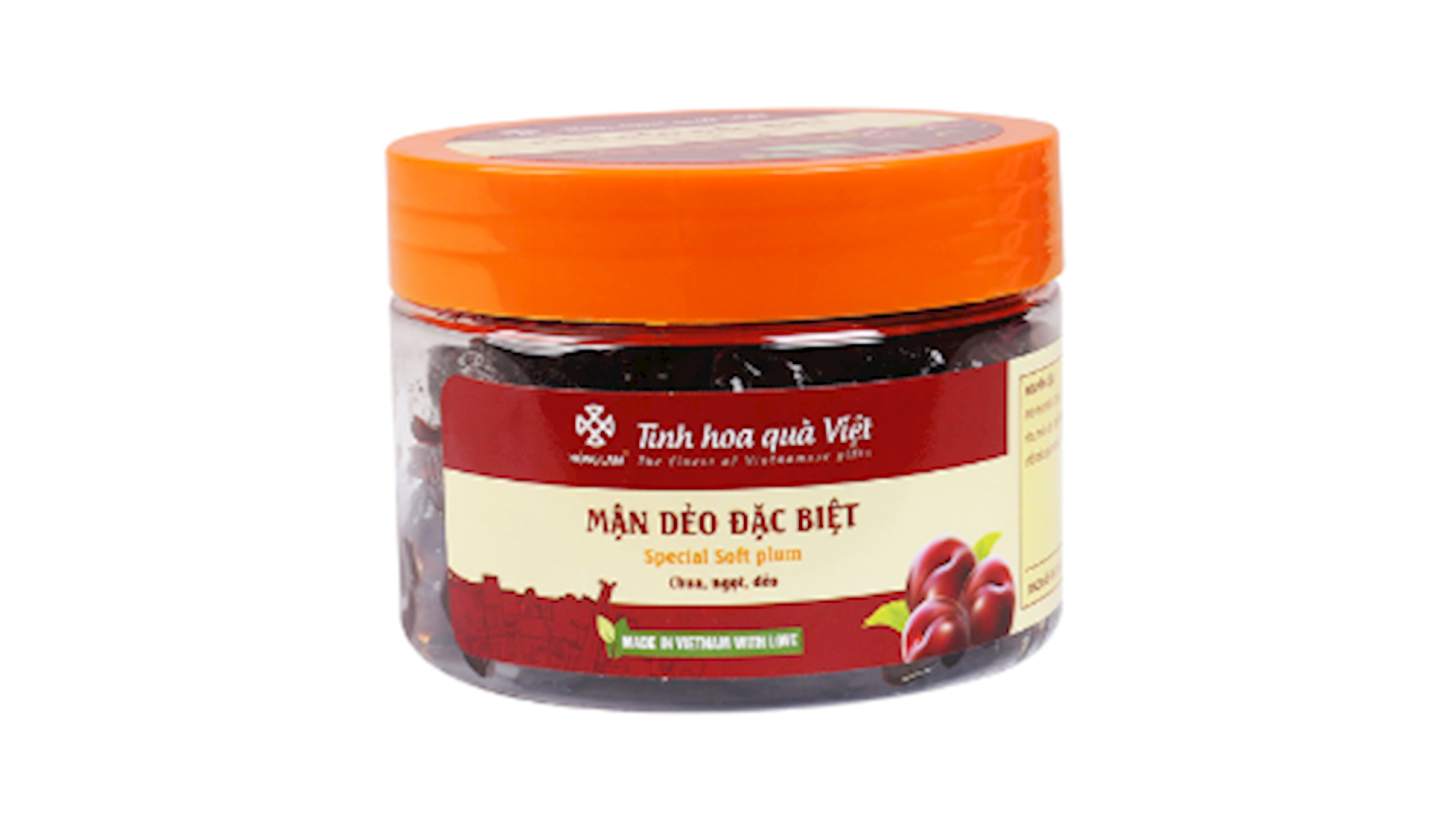
Hồng Lam is one of Vietnam’s most renowned brands specializing in ô mai - traditional candied, marinated, or dried fruits that balance sweet, sour, and mildly spiced flavors. The brand modernizes an old artisanal practice by preserving the authentic taste of plums, apricots, kumquats, and other local fruits while applying strict hygiene and quality-control standards. The production process involves careful fruit selection, multi-stage marination, and controlled drying to achieve consistent flavor and texture, while the packaging is designed as elegant gift items that highlight the cultural value of the product. Hồng Lam has successfully transformed a once street-side delicacy into a contemporary, widely accessible specialty, positioning ô mai as a distinctive symbol of Vietnamese culinary heritage.
Read more
View all
View map
About this ranking

TasteAtlas food rankings are based on the ratings of the TasteAtlas audience, with a series of mechanisms that recognize real users and that ignore bot, nationalist or local patriotic ratings, and give additional value to the ratings of users that the system recognizes as knowledgeable. For the “Top 100 Southeast Asian Snacks” list until June 15, 2026, 5,934 ratings were recorded, of which 4,179 were recognized by the system as legitimate. TasteAtlas Rankings should not be seen as the final global conclusion about food. Their purpose is to promote excellent local foods, instill pride in traditional dishes, and arouse curiosity about dishes you haven’t tried.

The initial list of top producers was compiled based on available reviews, awards, local recommendations, media and blog coverage, and consumer reviews. The list will be updated with ratings from TasteAtlas local ambassadors and TasteAtlas users.

Similar lists