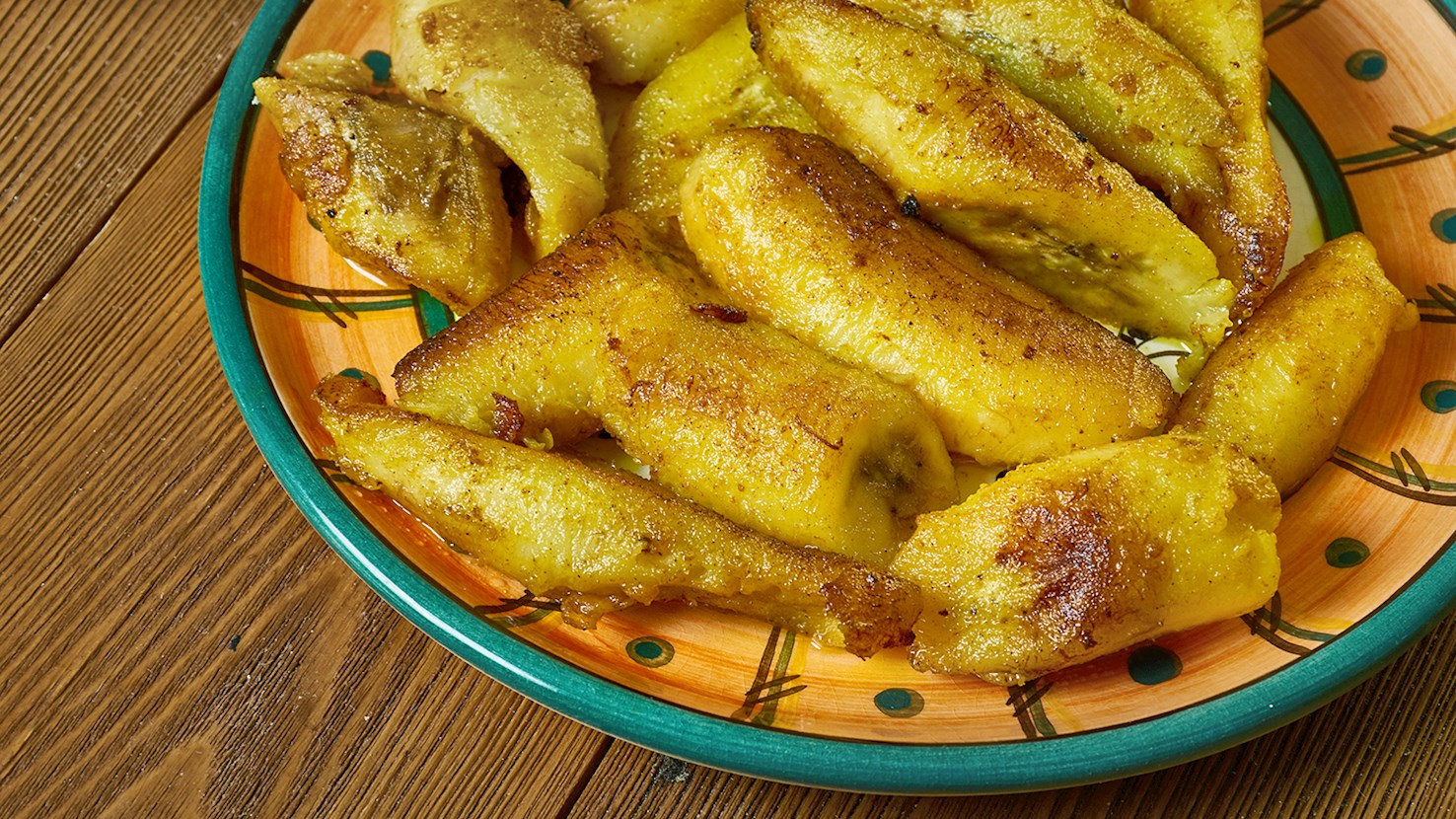
Ndizi kaanga is a popular Tanzanian meal that is typically consumed as a snack or a side dish accompanying larger meals. It consists of fried plantains that are usually unsweetened, but a pinch of sugar can be added to the plantains before frying in order to draw out the sweetness. The plantains are sometimes grilled instead of fried, and the grilled ones are typically seasoned with salt, then served with kachumbari – a salad made with onions and tomatoes.
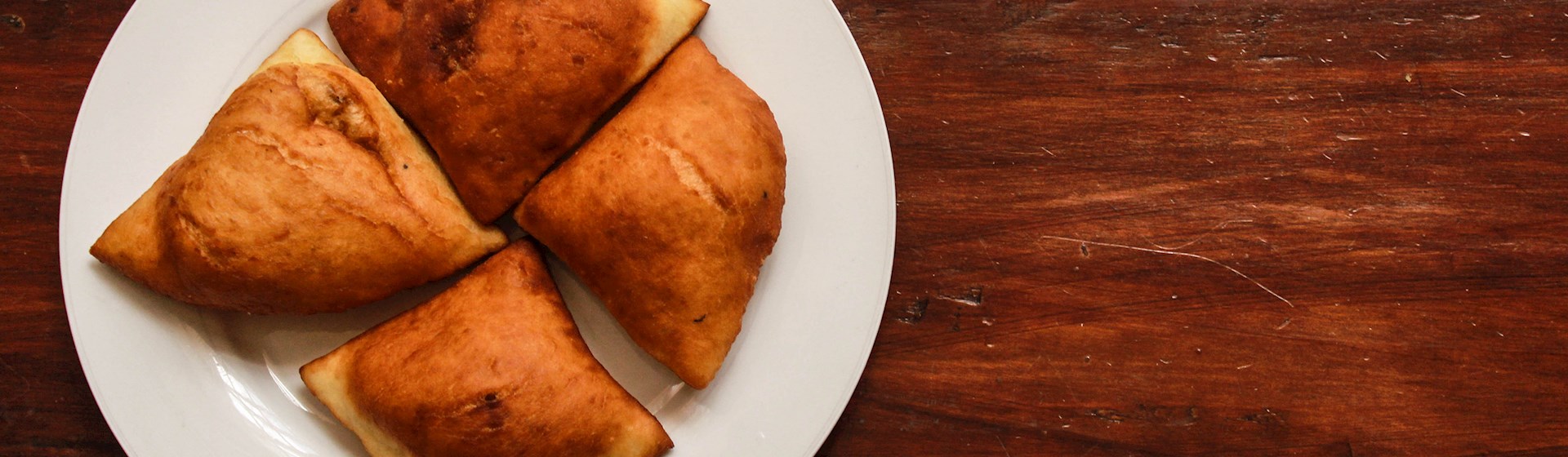
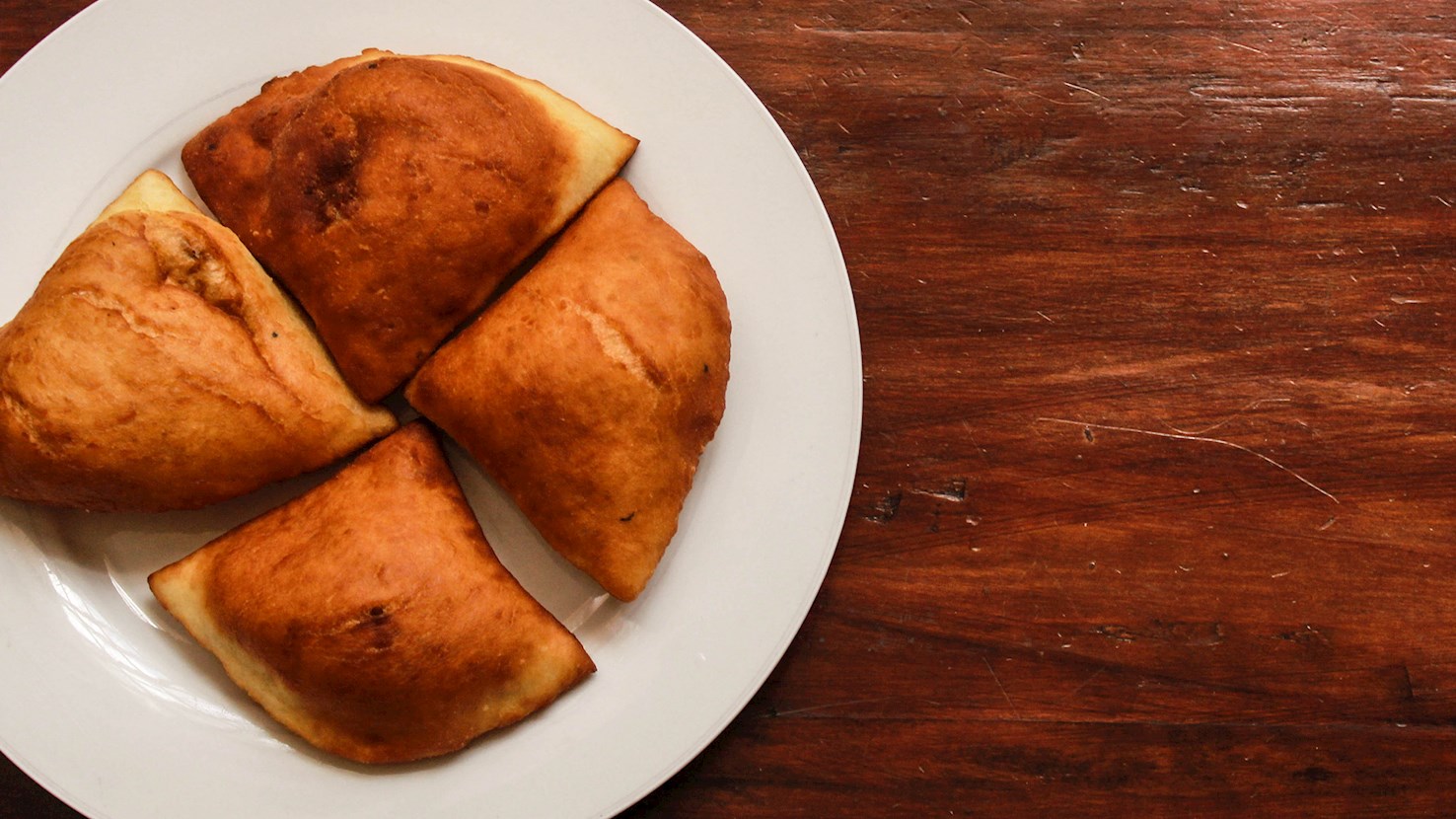
This African snack is very popular in countries such as Tanzania, Uganda, and Kenya. The dough is made with sugar, flour, water, yeast, and milk or coconut milk. It can be additionally enriched with ingredients such as ground peanuts or almonds. After the dough has been shaped into triangles, circles, or ovals, it is fried in hot oil. Mandazi can be served for breakfast with tea, as a tasty appetizer before lunch, or even as a late-night snack. It is often served with fruit-flavored dips, but when served as a dessert, mandazi is typically dusted with powdered sugar or cinnamon in order to add some sweetness to it.
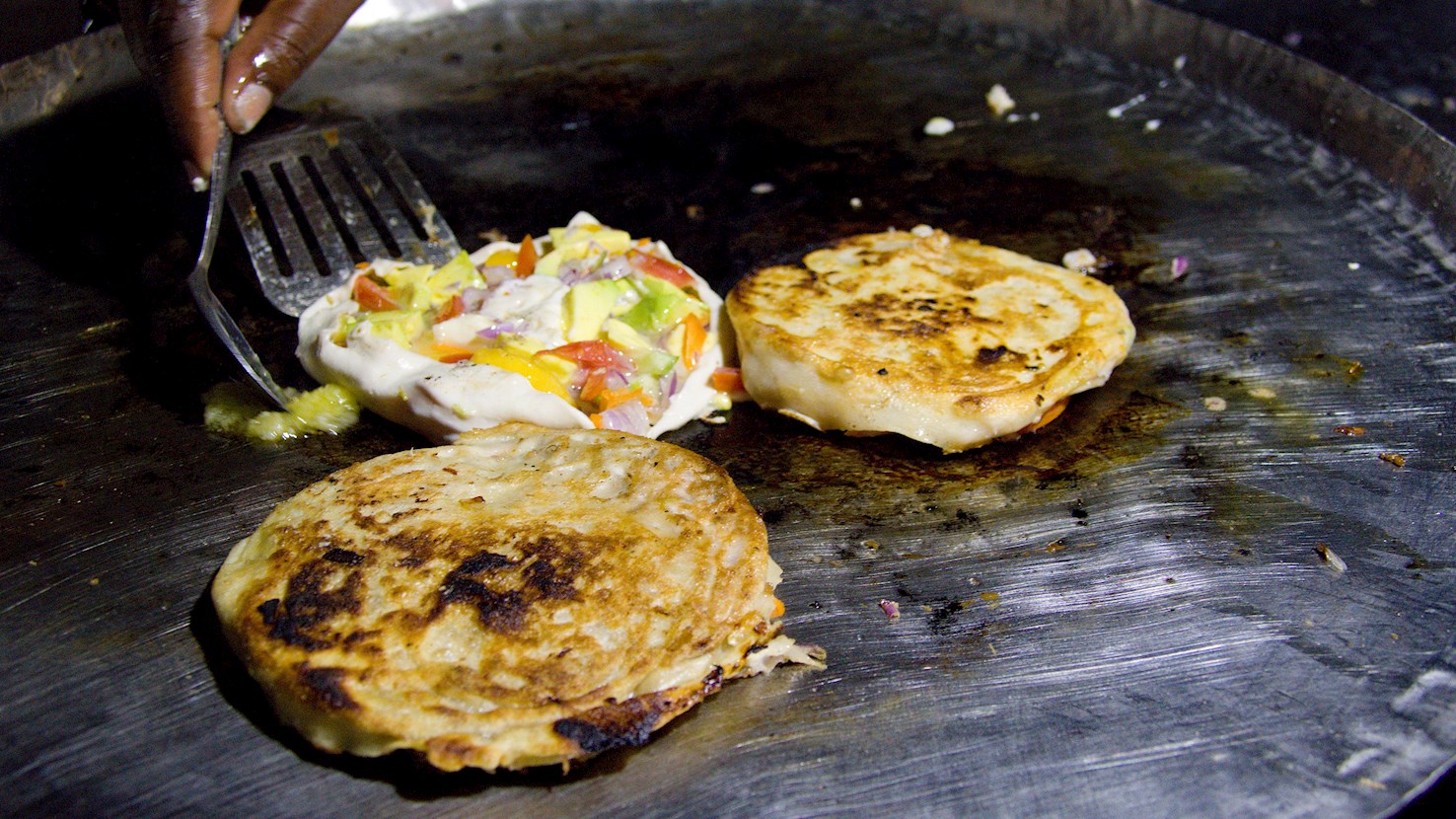
Although it shares the name with the traditional Italian dish, this version from Zanzibar does not have much in common with Italian pizza. It is made unleavened dough that is stretched thin and filled with various ingredients. When filled, the sides are wrapped, and this pancake-like creation is then fried in ghee until it is golden and crispy. The combination of ingredients in the filling may include anything from meat such as beef or chicken, seafood, various vegetables, cheese, mayonnaise, or eggs. Sweet versions often consist of different combinations of bananas, chocolate spread, mangoes, or peanut butter. Although it is not known how and when it originated, this quick and filling snack has become a common sight in Zanzibar. It is mostly prepared and sold by street vendors.
Viazi karai is a potato-based fried dish found in coastal and urban areas of Kenya and Tanzania, especially in cities with strong Swahili cultural influence, where boiled potatoes are coated in a spiced batter and deep-fried before being served hot. Its presence is tied to the Indian Ocean trade networks that shaped coastal East African foodways over centuries, introducing spices, gram flour, and frying techniques that were gradually adapted to locally available staples such as potatoes, which became widely cultivated during the colonial period and integrated into everyday cooking and street vending. Preparation begins by parboiling whole or halved potatoes until just tender, then coating them in a batter made from gram flour, water, and ground spices such as turmeric, cumin, and chili, after which they are fried in hot oil until the exterior is crisp and golden while the interior remains soft. A defining aspect of viazi karai is the contrast between the mildly seasoned potato and the spiced crust, which allows it to be eaten on its own or combined with condiments without losing balance, and it is commonly served with fresh chili paste, tamarind sauce, or chutney that adds acidity and heat rather than richness. Viazi karai is eaten casually as a snack or light meal, most often purchased from street vendors in the afternoon or evening and consumed by hand, and it pairs naturally with black tea, spiced tea, or cold soft drinks, while in some settings it is eaten alongside other fried snacks as part of a shared assortment rather than as a plated dish.
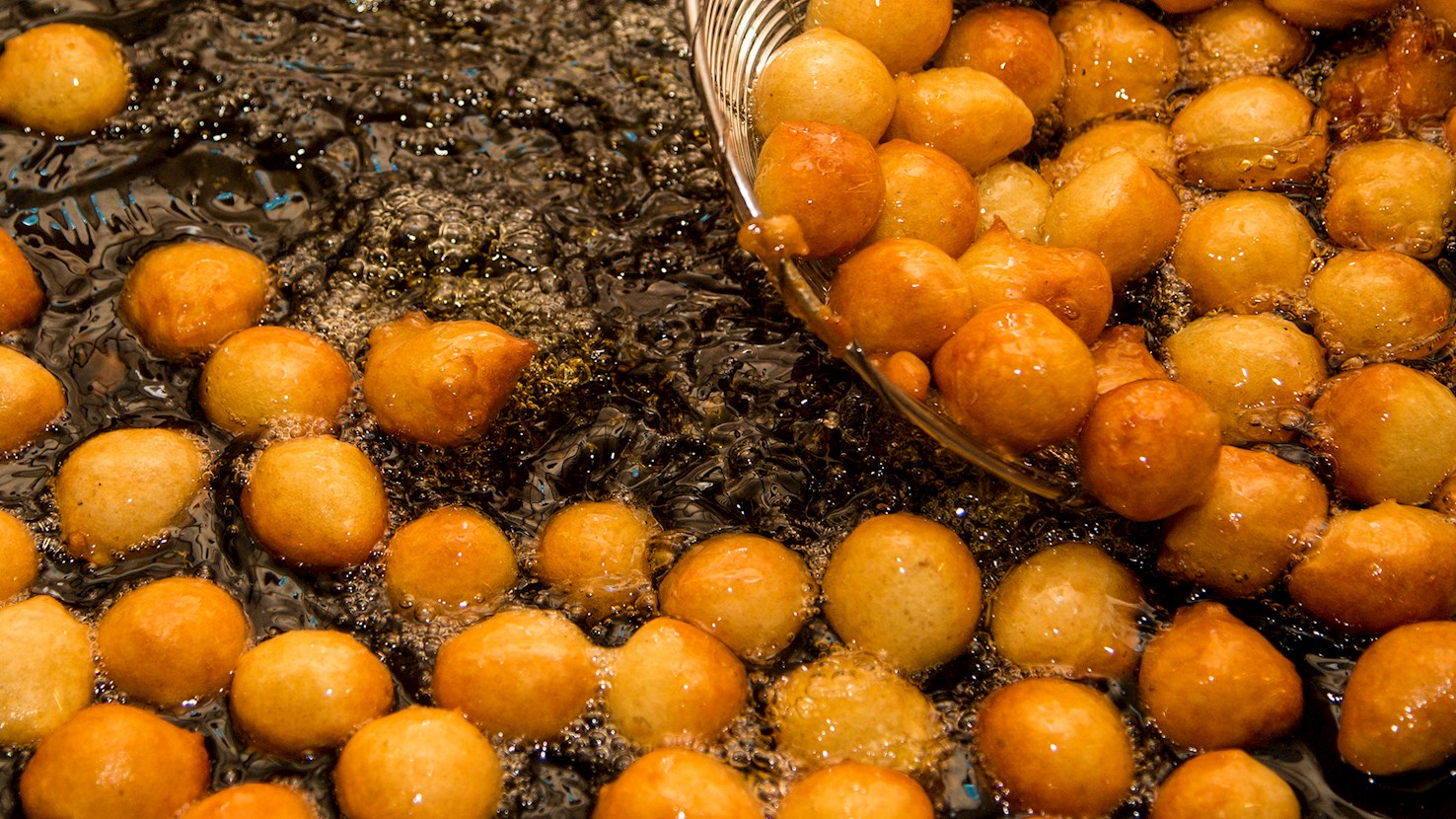
Kaimati is a deep-fried dough sweet widely eaten in coastal and urban areas of Kenya and Tanzania, where it appears as small, irregular pieces of yeast-raised batter fried until light and golden and then coated with sugar syrup or honey. Its presence in these regions developed through long-standing connections between East African coastal societies and the Indian Ocean trading network, which brought wheat flour, refined sugar, and yeast-based baking practices into everyday use, allowing fried dough sweets to become common in markets, homes, and communal gatherings while taking on forms shaped by local preferences and ingredients. The preparation relies on a loose batter made from wheat flour, yeast, water, and sugar that is allowed to ferment until airy, then dropped by hand or spoon into hot oil where it puffs and sets quickly, creating a porous interior and crisp surface, after which the pieces are drained and tossed or drizzled with hot syrup so sweetness coats the exterior without soaking the center. Kaimati is eaten fresh, most often in the late afternoon or evening, shared casually rather than plated, and it is commonly accompanied by plain black tea, lightly spiced tea, or simple coffee, whose bitterness offsets the sweetness, while in many settings it is served alongside other fried snacks, both sweet and savory, as part of a broader snack spread rather than as a standalone course.
TasteAtlas food rankings are based on the ratings of the TasteAtlas audience, with a series of mechanisms that recognize real users and that ignore bot,
nationalist or local patriotic ratings, and give additional value to the ratings of users that the system recognizes as knowledgeable.
For the “Top 5 Tanzanian Snacks” list until June 15, 2026, 32 ratings were recorded, of which 28 were recognized by the system as legitimate.
TasteAtlas Rankings should not be seen as the final global conclusion about food. Their purpose is to promote excellent local foods,
instill pride in traditional dishes, and arouse curiosity about dishes you haven’t tried.