M.B.

Top 26 Vietnamese Snacks

Last updated on August 15, 2026

Best Vietnamese Snacks
01

Chạo tôm (Sugar Cane Shrimp)

4.2 ·

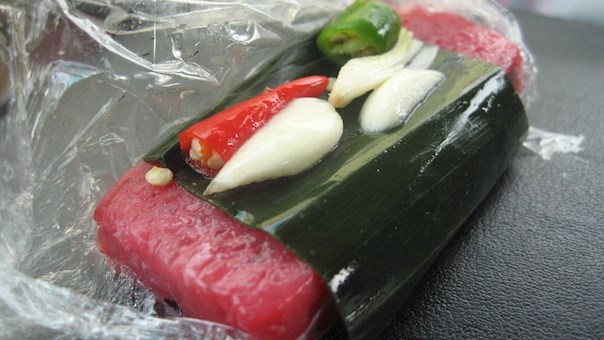
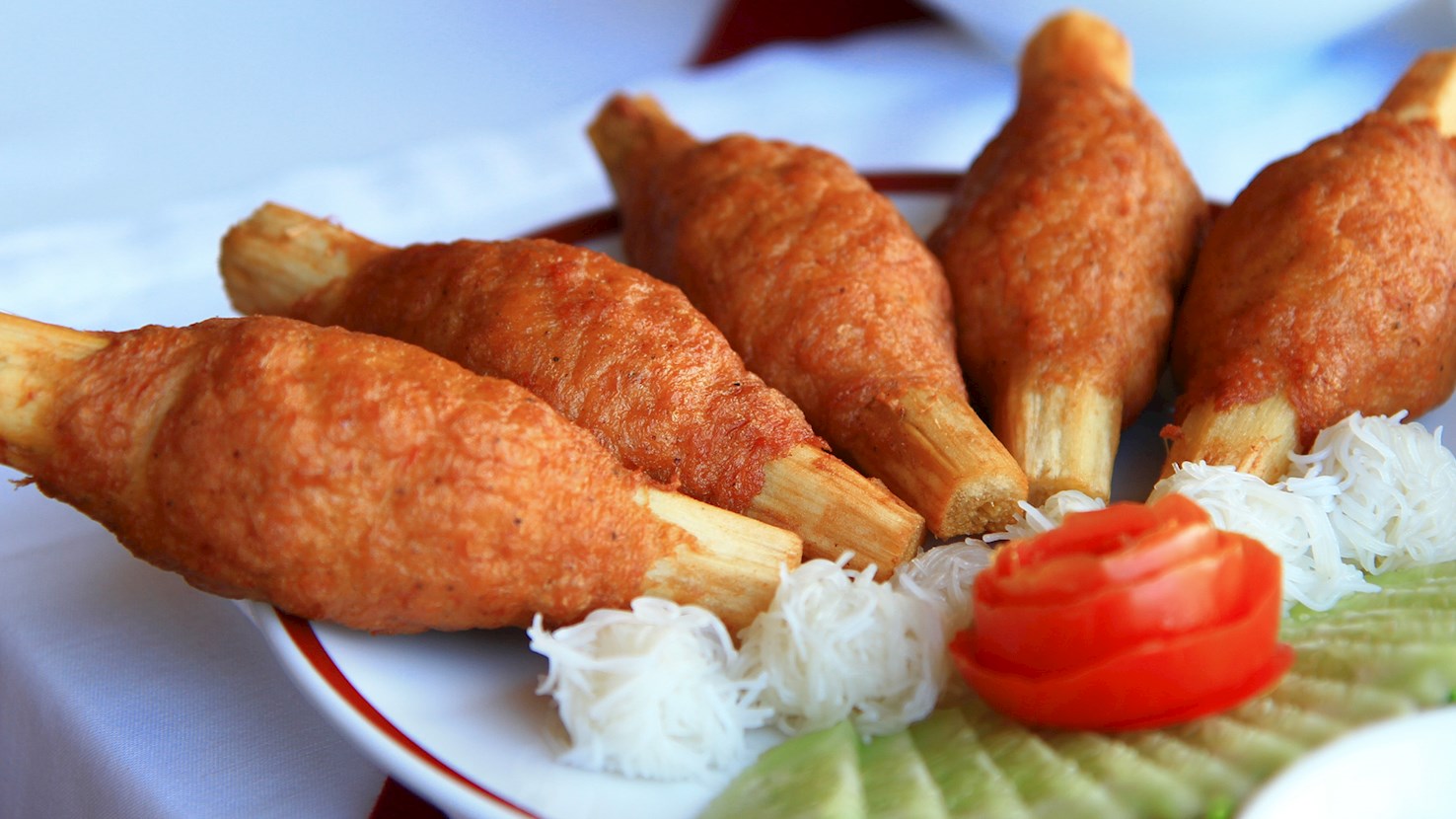
This traditional Vietnamese snack consists of shrimp paste that is wrapped around a sugar cane. The paste is often enriched with garlic, spices, and occasionally pork paste before it is shaped around the cane and then steamed, grilled, or fried. The dish originates from Huế, Central Vietnam, but it is enjoyed throughout the country. Although it was once reserved for special occasions, this delicious combination is nowadays commonly enjoyed as an appetizer or a light snack. The dish can be enjoyed as a whole, but the shrimp can also be taken off the cane, wrapped in lettuce, and then dipped in the nước chấm sauce. Apart from the dipping sauce, chạo tôm is often accompanied by sliced fresh vegetables and bánh hỏi rice noodles.

02

Chả giò (Vietnamese Fried Spring Rolls)

4.1 ·

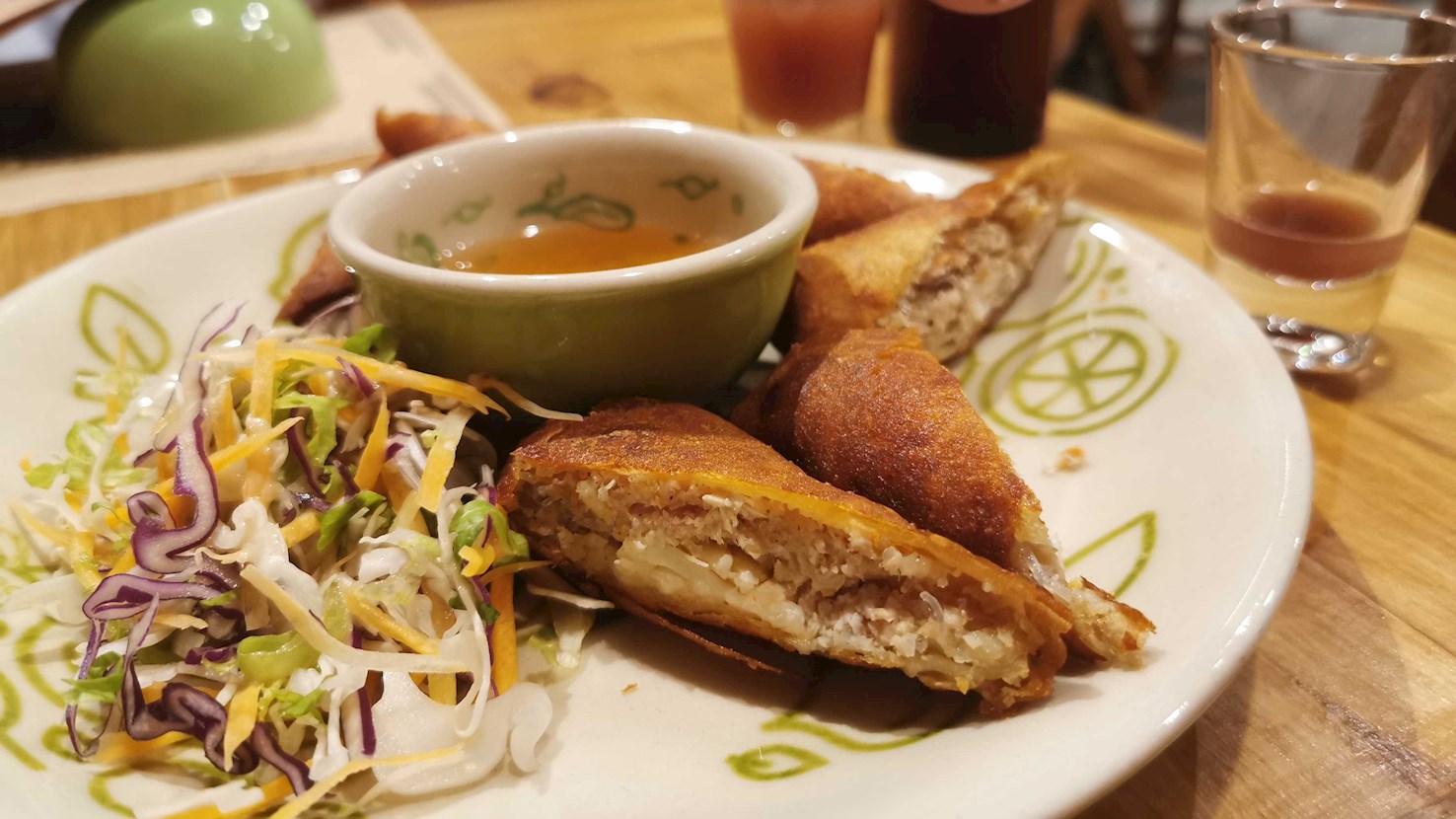
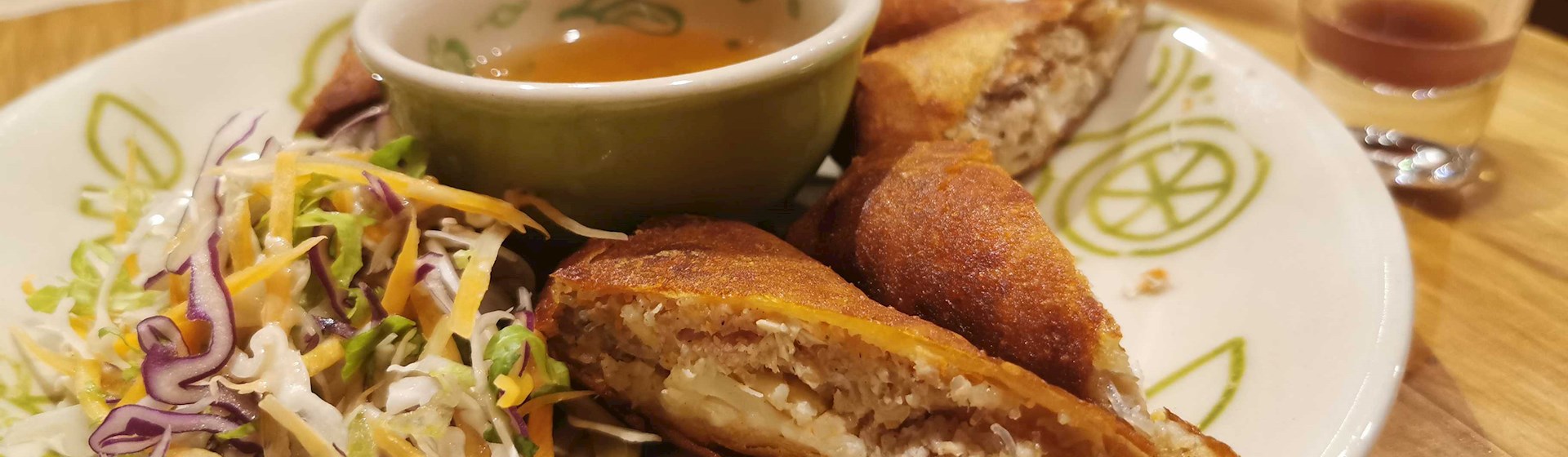
Called chả giò in the south, and nem rán in northern Vietnam, both names are used to refer to the same dish - fried spring rolls. The main characteristic of these tasty rolls is the pork and shrimp filling, wrapped in delicate rice paper. Frequent additions to the stuffing include vegetables such as carrots, cabbage, or mushrooms, glass noodles, and bean sprouts. The rolls are shortly fried and result in a treat with an appetizing golden color, a thin, crispy, and light outer layer, and a delectable filling. They are believed to have developed under Chinese influence in Vietnam, but the rolls kept their distinct character and became one of the most common dishes eaten in the country. They are usually served as an appetizer, but can also constitute a satisfying main meal. The combination of ground pork and minced shrimp is the most common one, but other varieties are also possible and might even include crab meat or tofu. Whether they are served as an appetizer or the main meal, chả giò are usually accompanied by lettuce, fresh cucumbers, and a serving of fish sauce or sweet and sour sauce. Besides Vietnam, these tasty rolls are commonly served in many Vietnamese restaurants around the world.

03

Nem lui (Grilled Ground Pork on Lemongrass Skewers)

4.1 ·

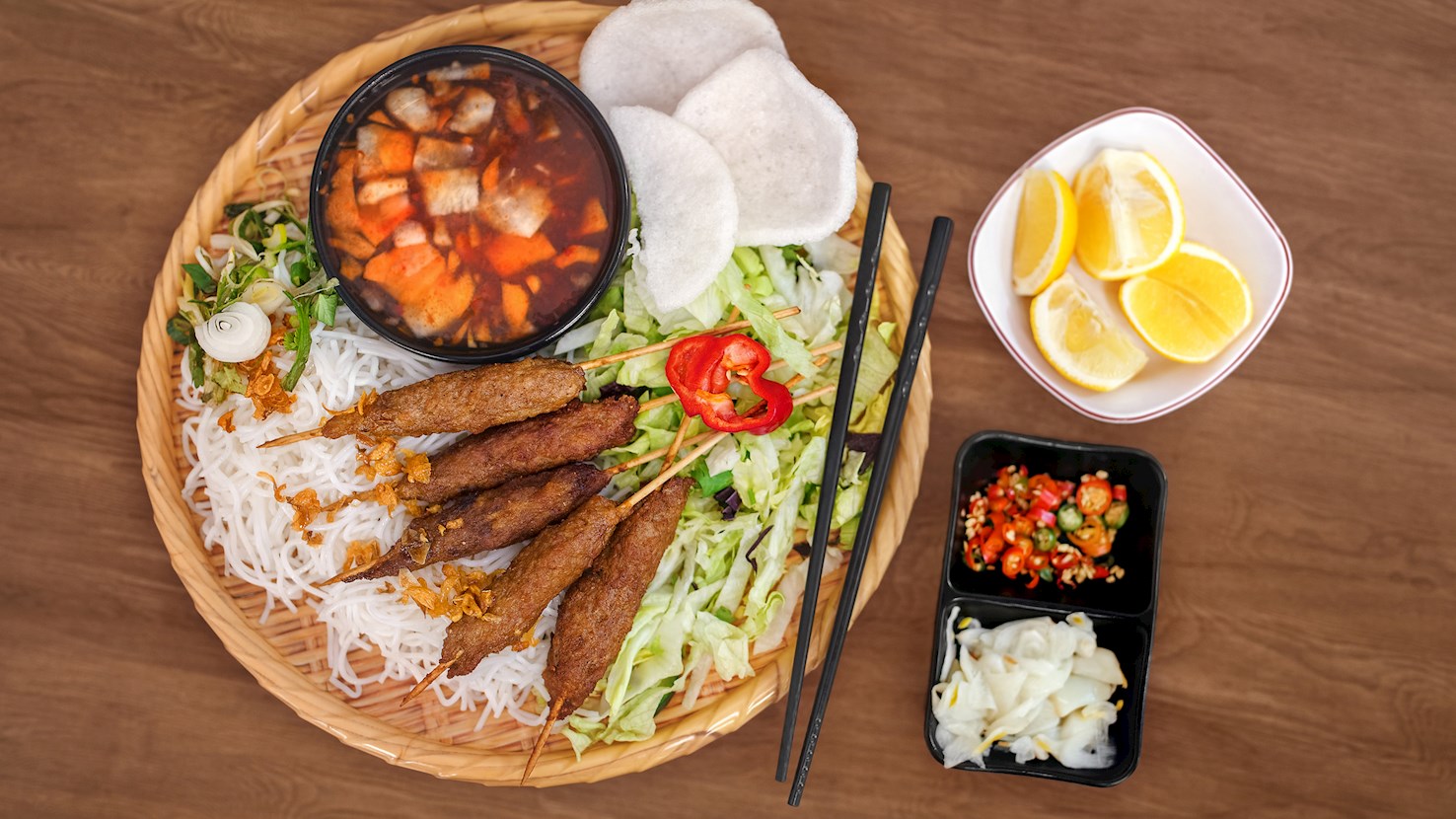
Nem lui is a traditional dish originating from Hue. The dish consists of ground pork that's grilled on a lemongrass skewer. Other ingredients often include black pepper, pork skin, garlic, shallots, and fish sauce. The meat combination is rolled into a sausage shape around a lemongrass stick, and it's then brushed with oil and grilled on a coal stove until slightly charred. Nem lui typically comes accompanied by vegetables, Vietnamese herbs, and rice paper that's rolled like a spring roll while the grilled ground pork is used as the filling, and the combination is then dipped in a sweet and sour peanut-sesame sauce. The dish is served as a main course or a snack in the afternoon.

Best restaurants
04

Bánh bao (Vietnamese Steamed Buns)

4.1 ·

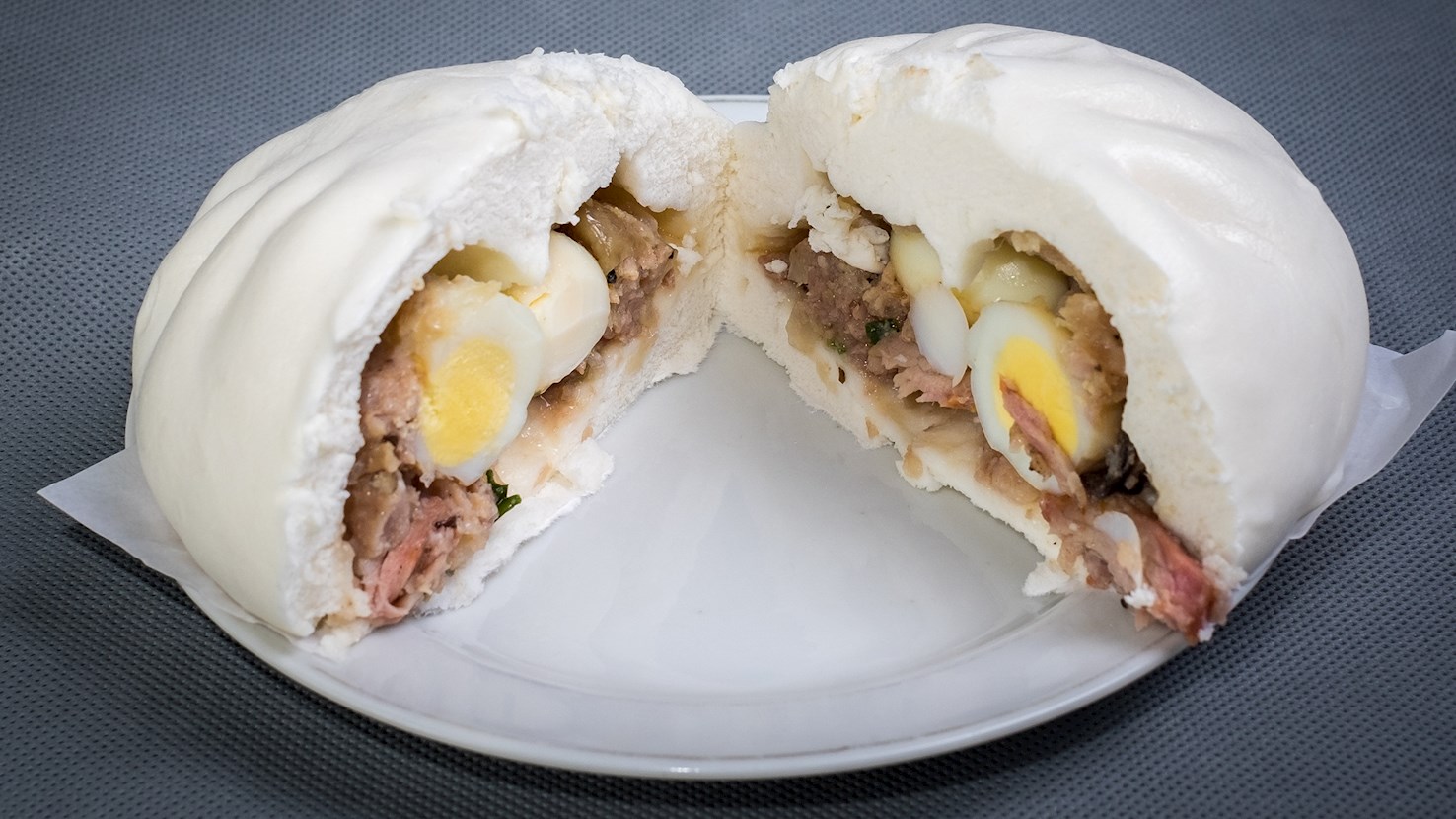
Bánh bao is a Vietnamese take on the Chinese steamed baozi buns. They usually consist of seasoned ground pork, mushrooms, hard-boiled eggs, and slices of Chinese sausage. All the ingredients are neatly wrapped into a light yeasted dough to form round balls which are then steamed. The dish was undoubtedly influenced by the Chinese baozi, but it was eventually adapted with typical Vietnamese flavors and has become a staple food throughout the country. It is usually enjoyed as breakfast or a snack, preferably with tea on the side.

Best restaurants
05

Gỏi cuốn (Vietnamese Summer Rolls)

4.1 ·

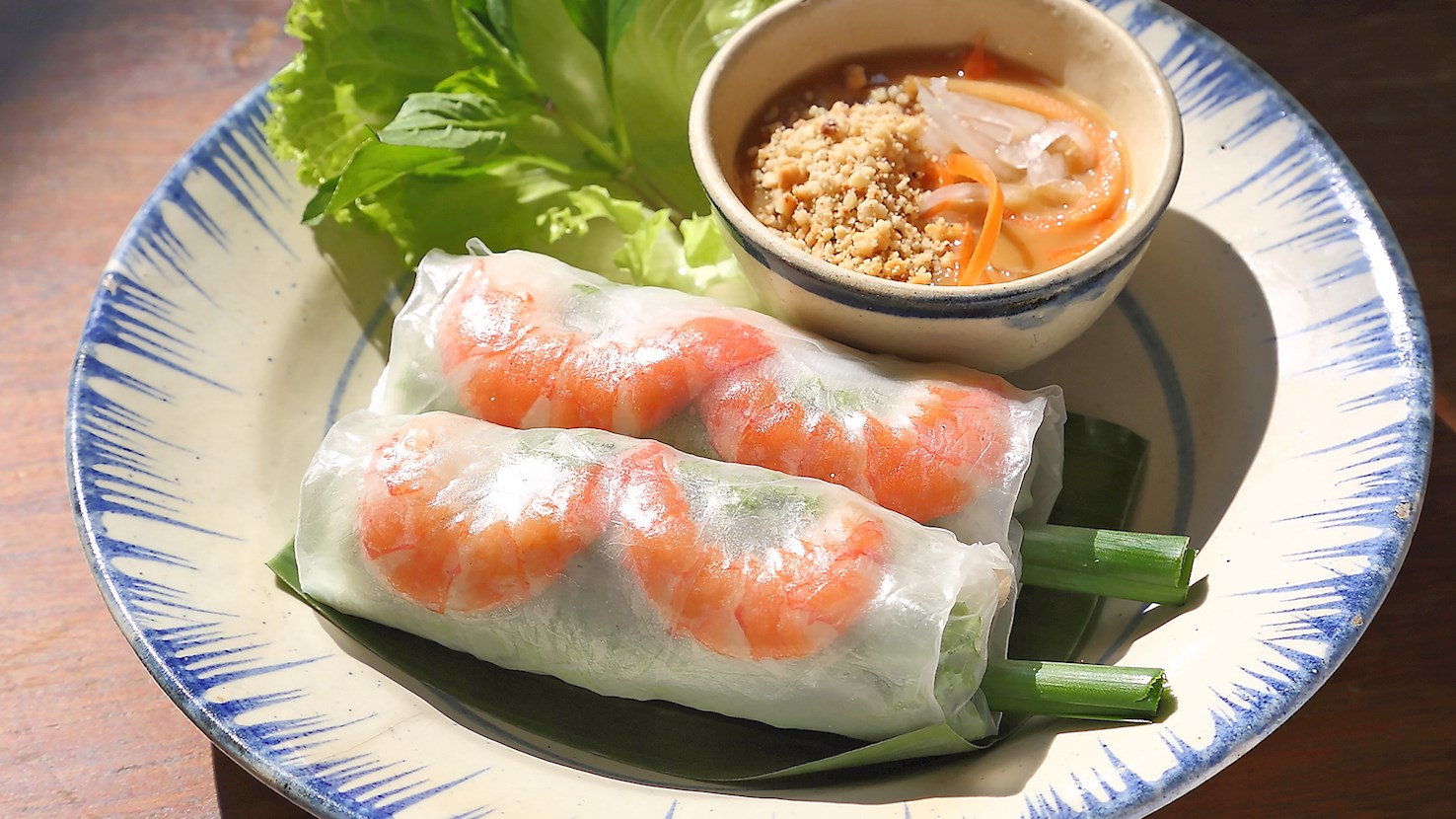
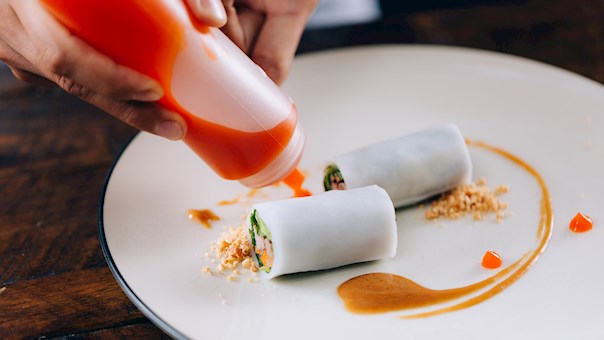
These crispy summer rolls are prepared by wrapping soaked rice paper (bánh tráng) around various ingredients. Although the most common combinations include meat or seafood - usually beef, pork, shrimps, or crab meat, as well as rice vermicelli noodles - the stars of the dish are fresh and aromatic herbs and vegetables such as mint, cilantro, cucumbers, or mushrooms. The rolls are always served at room temperature or well-chilled, and they're usually accompanied by nước chấm (fish sauce), peanut sauce, or hoisin sauce. Interestingly, these Vietnamese rolls were included in the list of the world's 50 best foods by CNN.

Best restaurants
06

Bánh xèo (Crispy Vietnamese Pancake)

4.0 ·

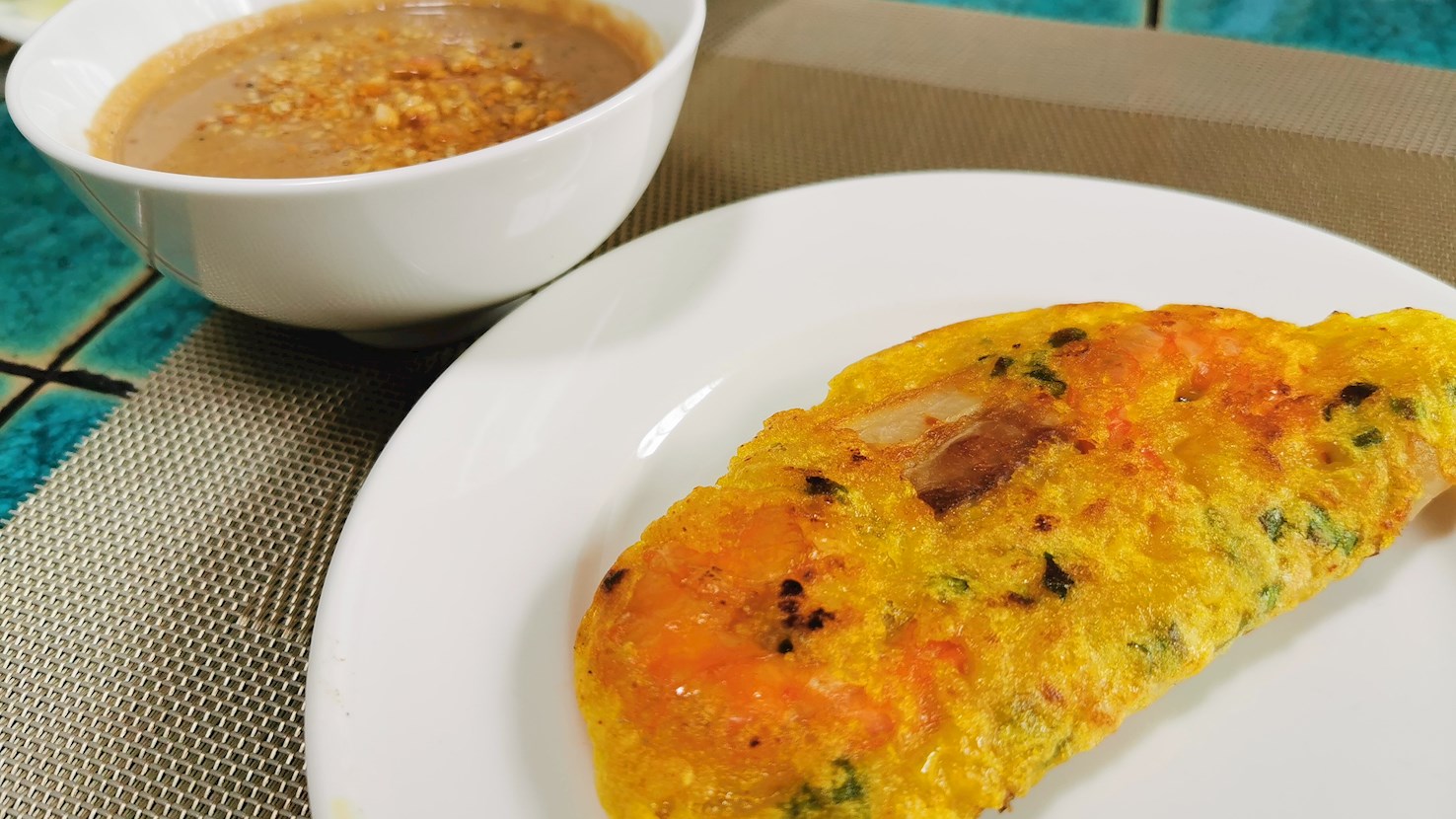
Loosely translated as sizzling pancakes, bánh xèo is a famous Vietnamese dish that combines crunchy crêpes with a variety of savory ingredients. The distinctive Vietnamese element in these nourishing pancakes is rice flour, which is combined with water, turmeric, and coconut milk or coconut cream in order to create the thick yellow batter. Additional ingredients, most commonly scallions, bean sprouts, shrimps, and cubed pork or beef, are sautéed before the mixture is added to the pan. The pancake is pan-fried at a low temperature and gently folded in half, keeping the ingredients safely tucked inside the pancake. Bánh xèo is eaten everywhere in Vietnam, with slight regional differences in ingredients. Traditionally, it is served in a unique way, usually complemented with vegetables such as lettuce, carrots, and cucumbers, heavily seasoned with fresh cilantro, mint, and parsley. Famous nuoc cham sauce, made with fish sauce, lime juice, sugar, chopped chili peppers, and garlic is typically served alongside bánh xèo. The pancakes are always freshly prepared and are supposed to be torn in larger pieces, which are usually wrapped in lettuce or rice paper and eaten by hand. The dish is also a popular street food item in Cambodia and Thailand.

07

Bánh khọt (Vietnamese Mini Savory Pancakes)

4.0 ·

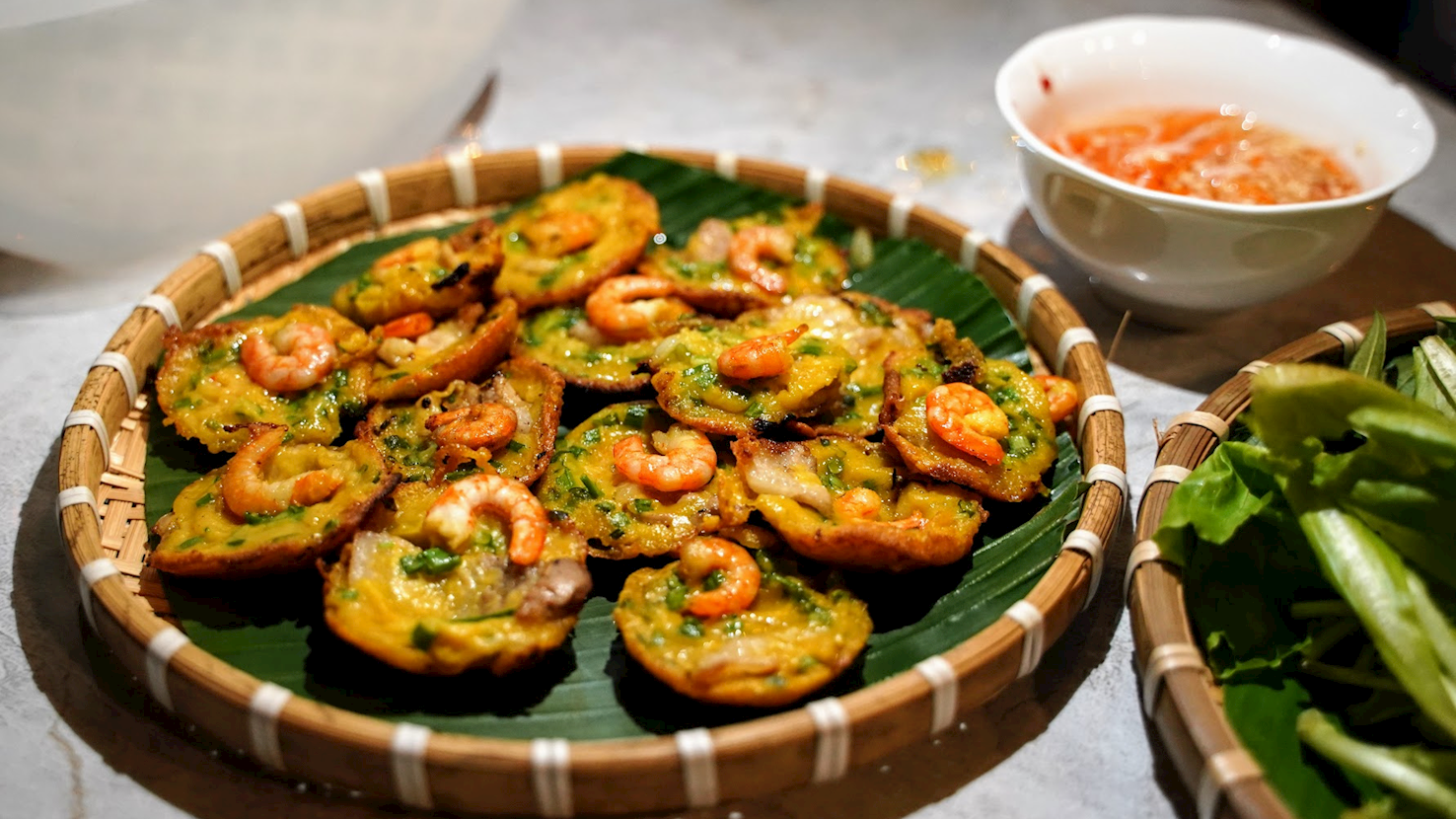
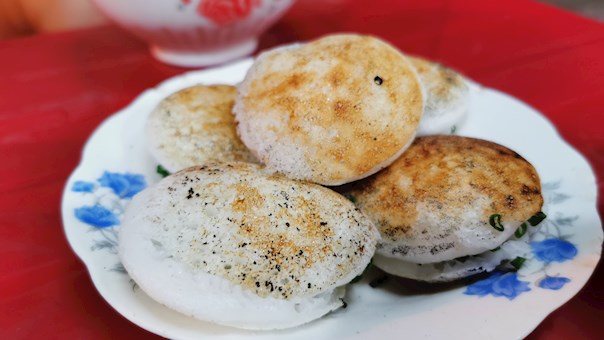
Bánh khọt is a savory Vietnamese pancake made with a thin rice flour batter and cooked on outdoor grills equipped with a specialized terracotta bánh khọt mold. The batter is poured into the mold, and the pancake is then topped with various savory ingredients. Once prepared, these small puffed pancakes are often served with aromatic herbs and leafy vegetables on the side, which can be used as wrappers. Fish sauce is also a staple accompaniment to bánh khọt. Although it’s often confused with bánh căn (as it’s called in Central Vietnam), bánh khọt is not as soft as bánh căn because it’s fried in oil until crunchy and contains turmeric, which gives it a nice yellow color, unlike bánh căn, which doesn’t contain turmeric.

08

Bánh rán (Deep-Fried Glutinous Rice Balls)

3.9 ·

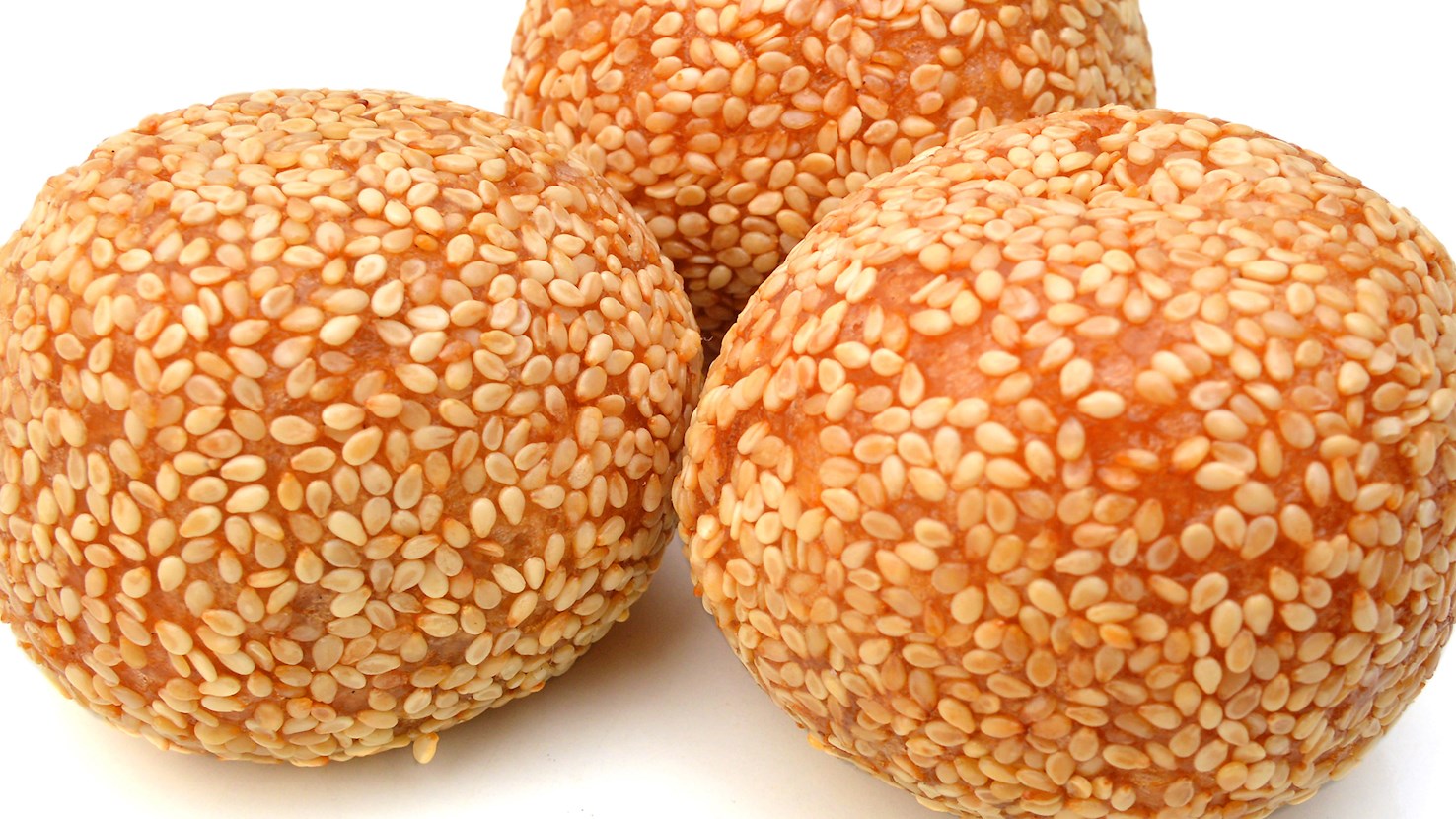
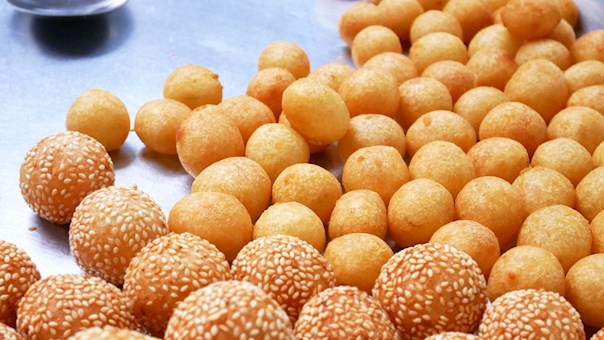
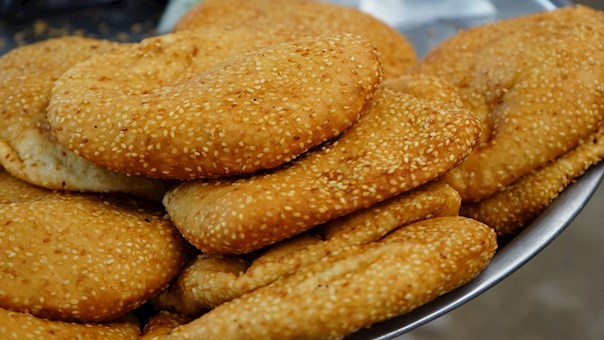
Bánh rán is a popular Vietnamese snack consisting of glutinous rice flour balls that are usually filled with red bean paste, then deep-fried in hot oil. Jasmine flower essence is traditionally used for flavoring the filling, and the crunchy balls are almost always rolled in sesame seeds. There is also a savory variety of bánh rán that is oval in shape and usually served with a dipping sauce consisting of fish sauce, sugar, vinegar, chili, and garlic.

Best restaurants
09

Nem nướng (Vietnamese Grilled Pork Sausage)

3.9 ·

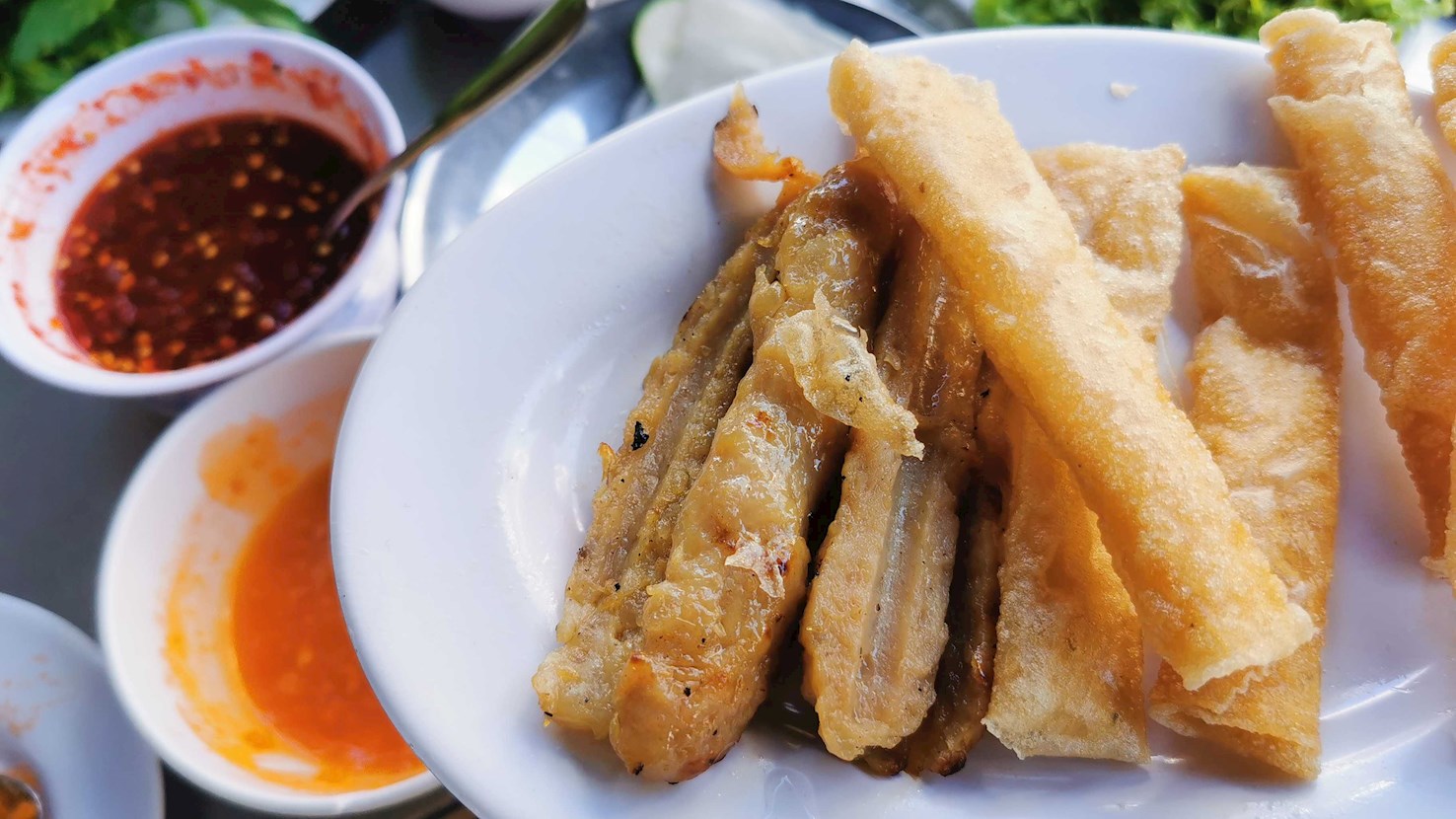
Nem nướng is a traditional Vietnamese grilled sausage originating from Nha Trang. The sausage is usually made with a combination of ground pork fat and meat, garlic, fish sauce, shallots, sugar, black pepper, and often baking soda that's used for puffing up the meat. The meat is formed into patties and balls or placed on skewers before the grilling process. Once done, nem nướng can be served in many ways – with steamed rice and fresh or pickled vegetables; wrapped in rice paper; paired with rice noodles, or in a bánh mì sandwich. The sausage is often accompanied by nước chấm dipping sauce, and it's served as an appetizer or a snack.

10

Chuối chiên (Vietnamese Fried Bananas)

3.8 ·

Fried bananas are a popular Vietnamese street snack usually made with small, fragrant, and ripe chuối xiêm bananas. Before they are fried, lengthwise banana slices are flattened and then coated in a batter that typically combines rice and wheat flour, coconut milk or coconut cream, sugar, and various optional additions such as cinnamon, shredded coconut, flavorings, or honey. Fried bananas are best served warm, and they are occasionally sprinkled with sesame seeds and accompanied by coconut sauce.

Best Vietnamese Snacks

01

Hồng Lam Ô Mai

4.5 ·

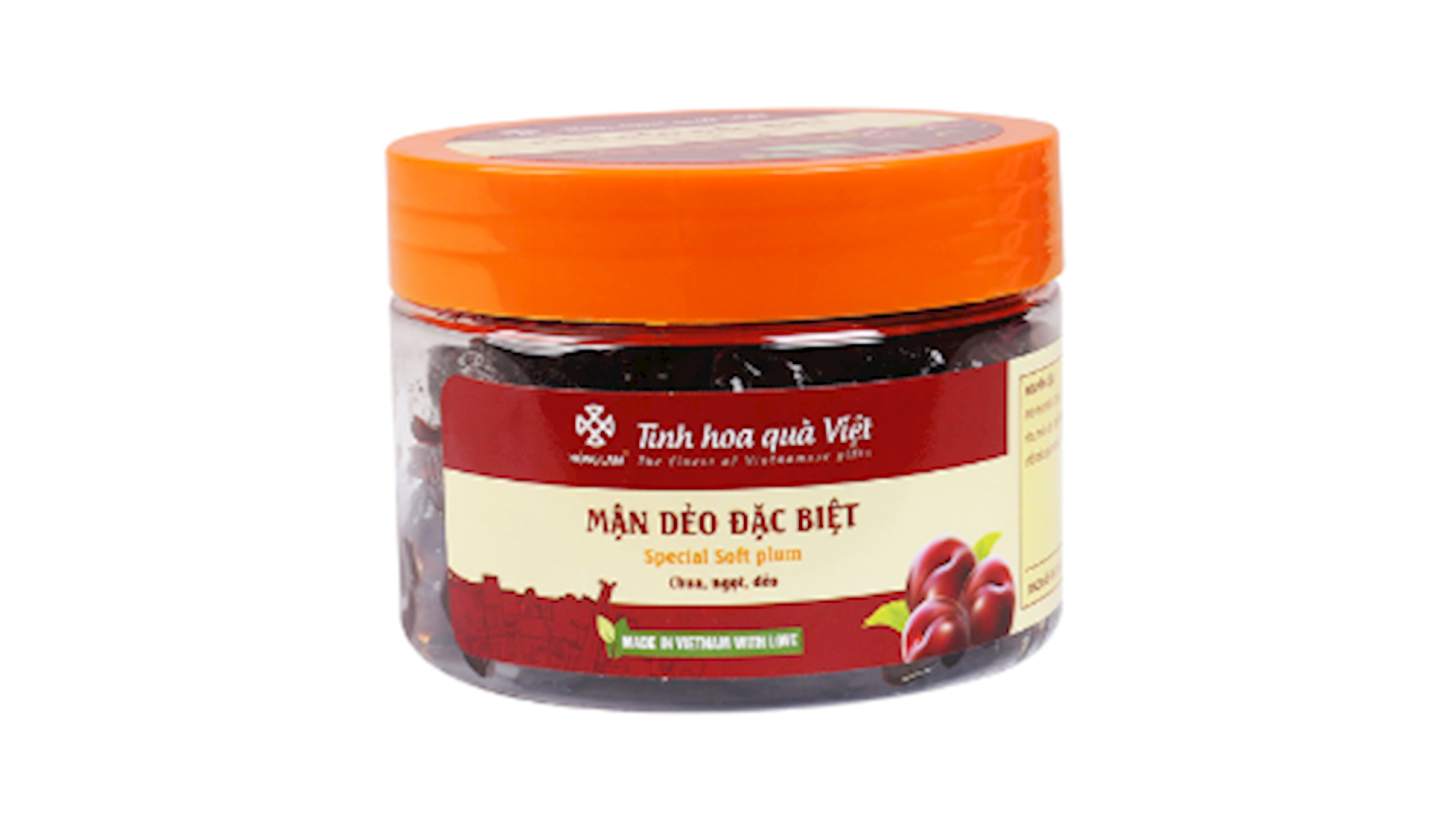
Hồng Lam is one of Vietnam’s most renowned brands specializing in ô mai - traditional candied, marinated, or dried fruits that balance sweet, sour, and mildly spiced flavors. The brand modernizes an old artisanal practice by preserving the authentic taste of plums, apricots, kumquats, and other local fruits while applying strict hygiene and quality-control standards.

The production process involves careful fruit selection, multi-stage marination, and controlled drying to achieve consistent flavor and texture, while the packaging is designed as elegant gift items that highlight the cultural value of the product. Hồng Lam has successfully transformed a once street-side delicacy into a contemporary, widely accessible specialty, positioning ô mai as a distinctive symbol of Vietnamese culinary heritage.

About this Ranking

TasteAtlas food rankings are based on the ratings of the TasteAtlas audience, with a series of mechanisms that recognize real users and that ignore bot, nationalist or local patriotic ratings, and give additional value to the ratings of users that the system recognizes as knowledgeable. For the “Top 26 Vietnamese Snacks” list until August 15, 2026, 1,499 ratings were recorded, of which 1,122 were recognized by the system as legitimate.

TasteAtlas Rankings should not be seen as the final global conclusion about food. Their purpose is to promote excellent local foods, instill pride in traditional dishes, and arouse curiosity about dishes you haven’t tried.

The initial list of top producers was compiled based on available reviews, awards, local recommendations, media and blog coverage, and consumer reviews. The list will be updated with ratings from TasteAtlas local ambassadors and TasteAtlas users.

What People Say

Similar Lists