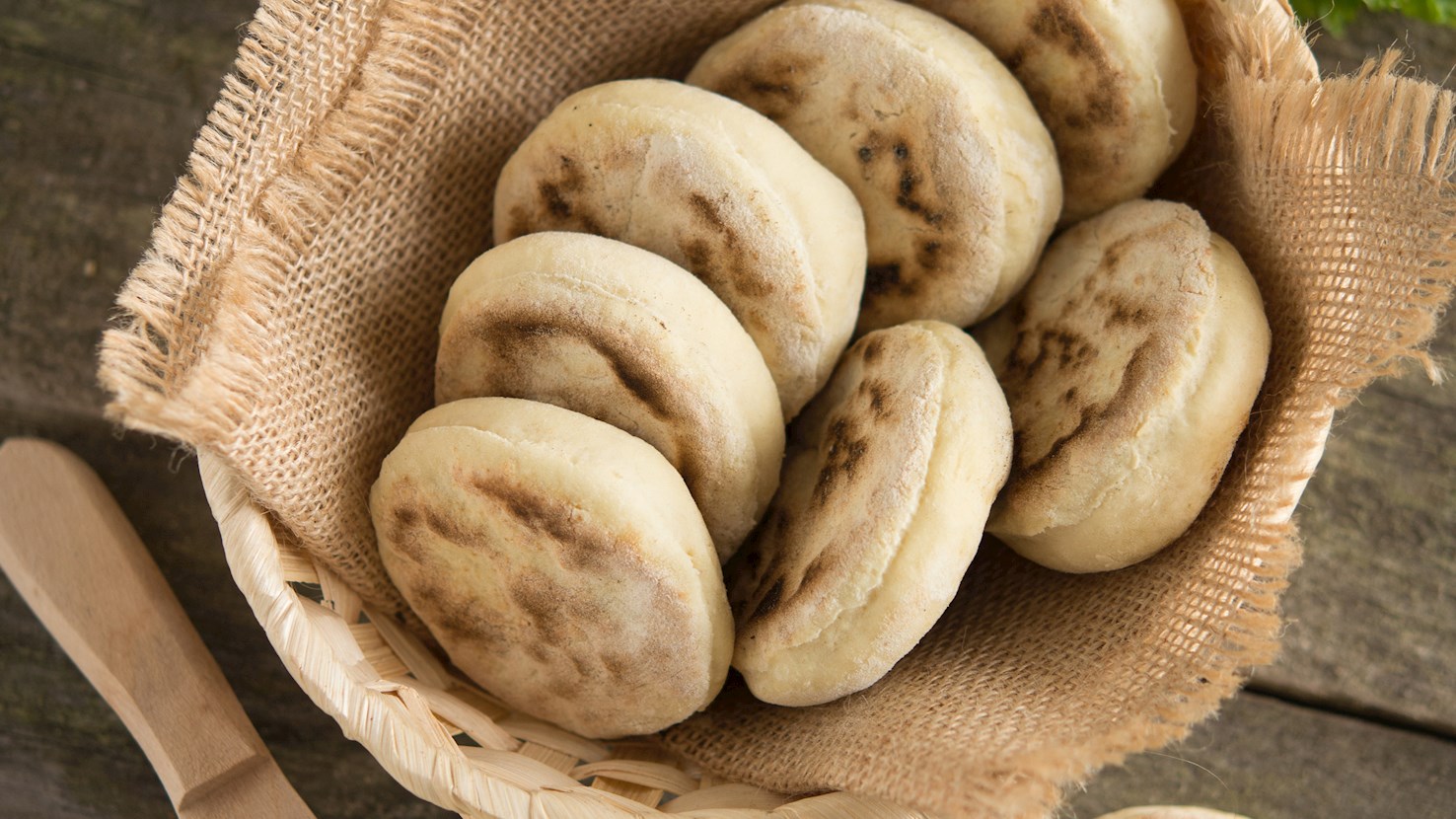
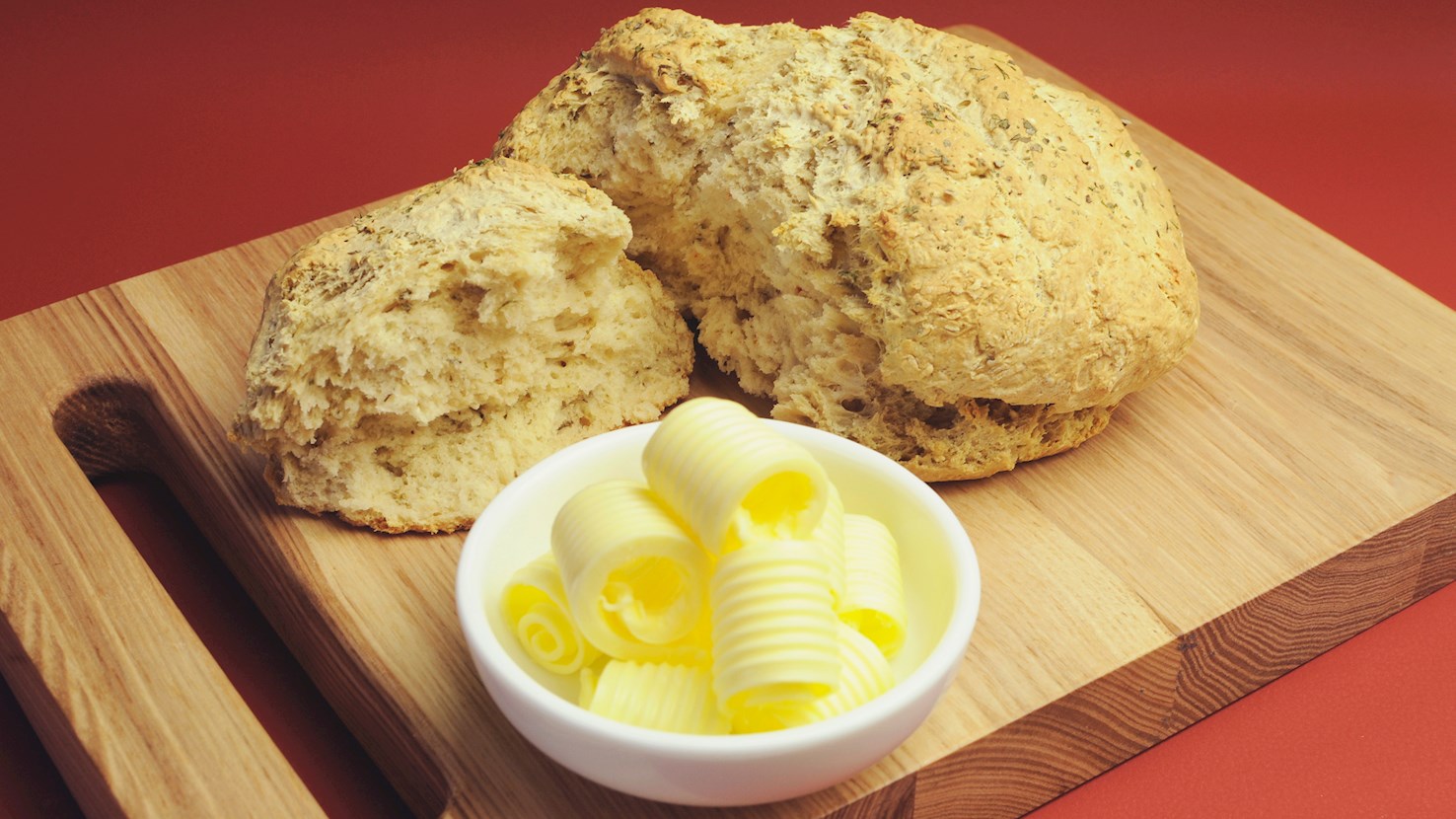
Incredibly similar to Irish soda bread, the soft proziaki are traditional Polish bread rolls that originally hail from the Subcarpathian region and date back to the 19th century. Though the recipes vary across the region, they typically consist of flour, baking soda (proza), and the choice of milk, sour milk, water, sour cream, buttermilk, or kefir. In the past, they were baked on old-fashioned stove tops, but nowadays they are commonly dry-baked on classic pans. Proziaki can be paired with sweet or savory ingredients such as butter, cheese, or marmalades.
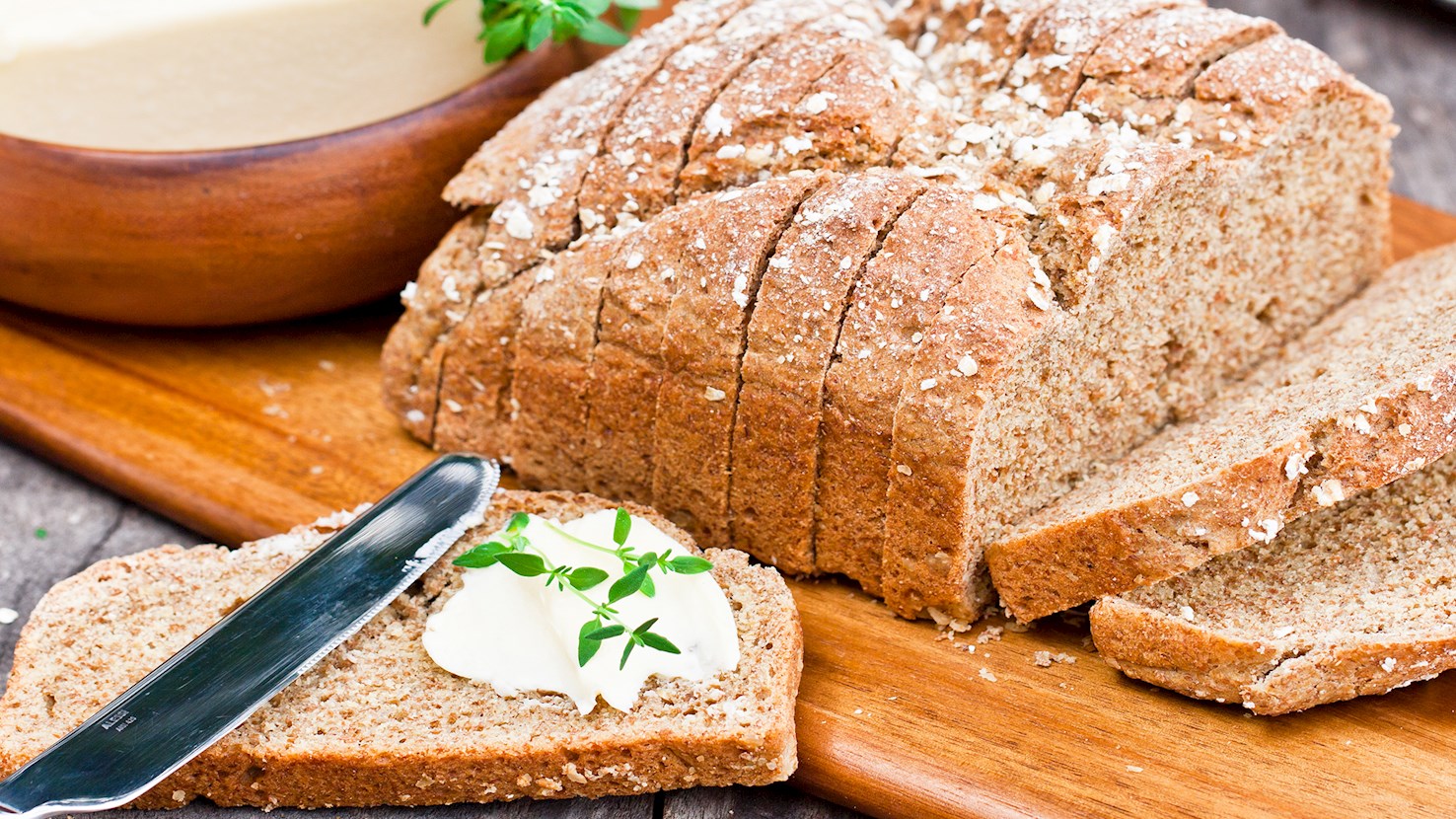
Irish brown bread is a staple loaf from Ireland, made with coarse wholemeal flour, baking soda, and buttermilk, giving it a dense texture and a distinctively nutty flavor. It grew out of the need for a hearty and inexpensive bread that could be baked quickly in rural households where yeast was not always accessible. Over time, it became closely associated with daily Irish meals, appearing at breakfast tables, in lunch baskets, and alongside stews and soups. The preparation is straightforward, relying on the natural reaction between baking soda and the acidity of buttermilk to give rise to the bread. Wholemeal flour provides most of the body, often mixed with some white flour to lighten the loaf, and salt balances the flavor. The dough is shaped into a round, scored with a cross on top, and baked until it forms a firm crust with a tender interior. Some families add small touches like a spoonful of molasses or treacle for sweetness, while others keep it plain and robust. What sets Irish brown bread apart from similar soda breads is the use of coarse wholemeal flour, which gives it a hearty bite and makes it more filling. Because of this, it has long been regarded as an everyday bread rather than a special-occasion one, and its rustic character reflects the practical nature of Irish home cooking. Today, it is eaten across Ireland in both homes and restaurants, often sliced thick and served with butter, smoked salmon, or cheeses, and it is just as common on the side of a bowl of seafood chowder or a plate of Irish stew. In cafés, it appears with soups and salads, while in hotels it is part of breakfast spreads alongside jams and marmalades.
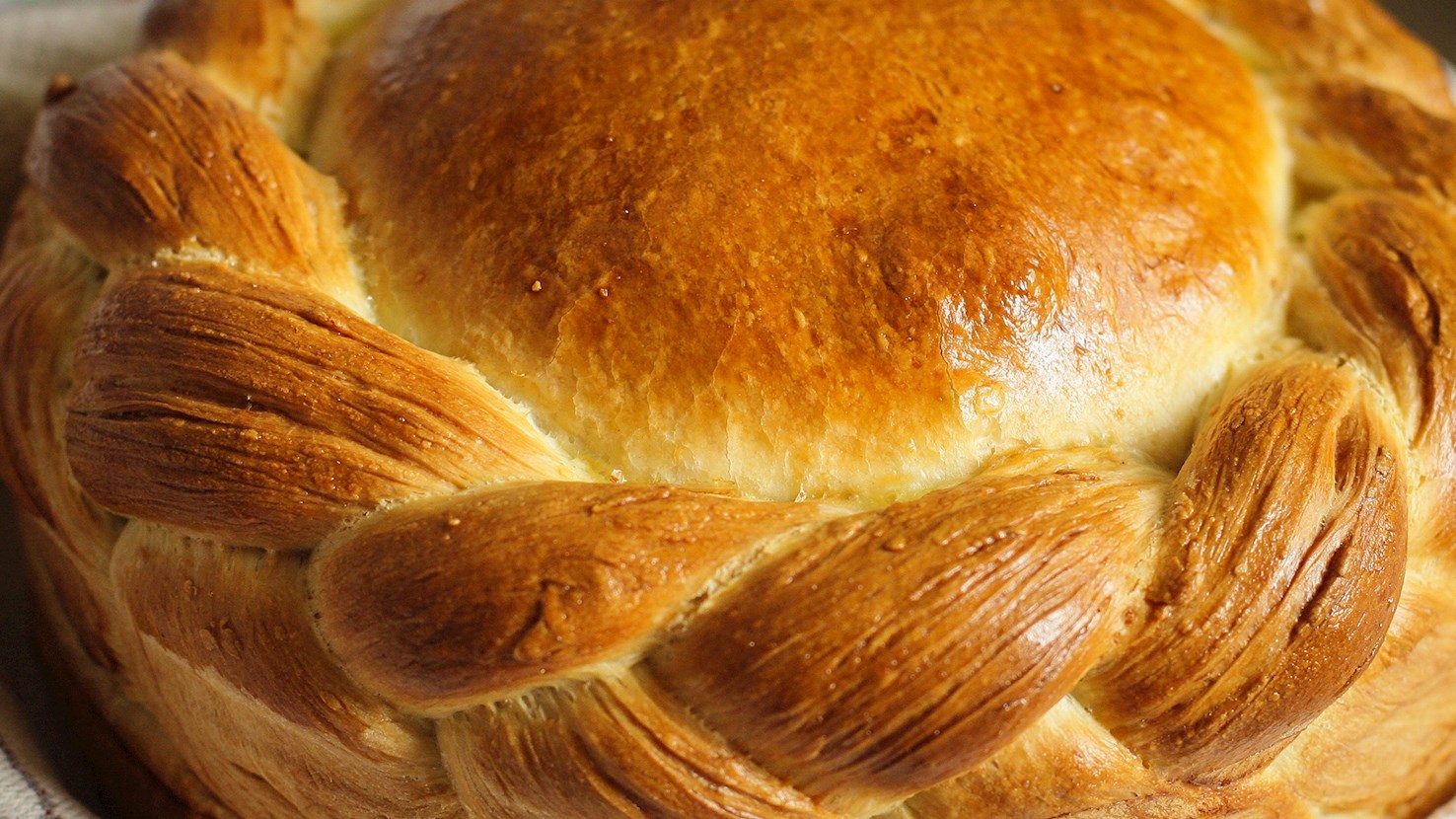
Česnica is a Serbian round-shaped bread consisting of flour, salt, water, and yeast. Traditionally, it is prepared on Christmas Eve, with a coin baked inside the loaf. The name of the bread is derived from the word čest, meaning to share, referring to the fact that it is shared communaly on Christmas morning. The bread is typically rotated three times counterclockwise before each consumer is allowed to tear of a piece and consume it.
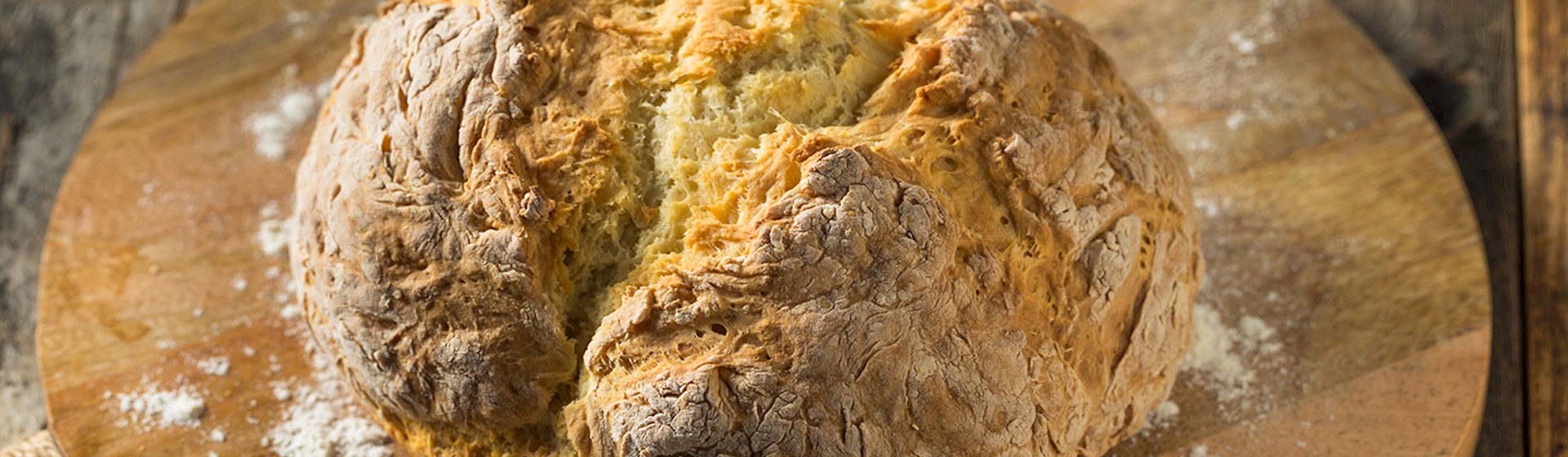
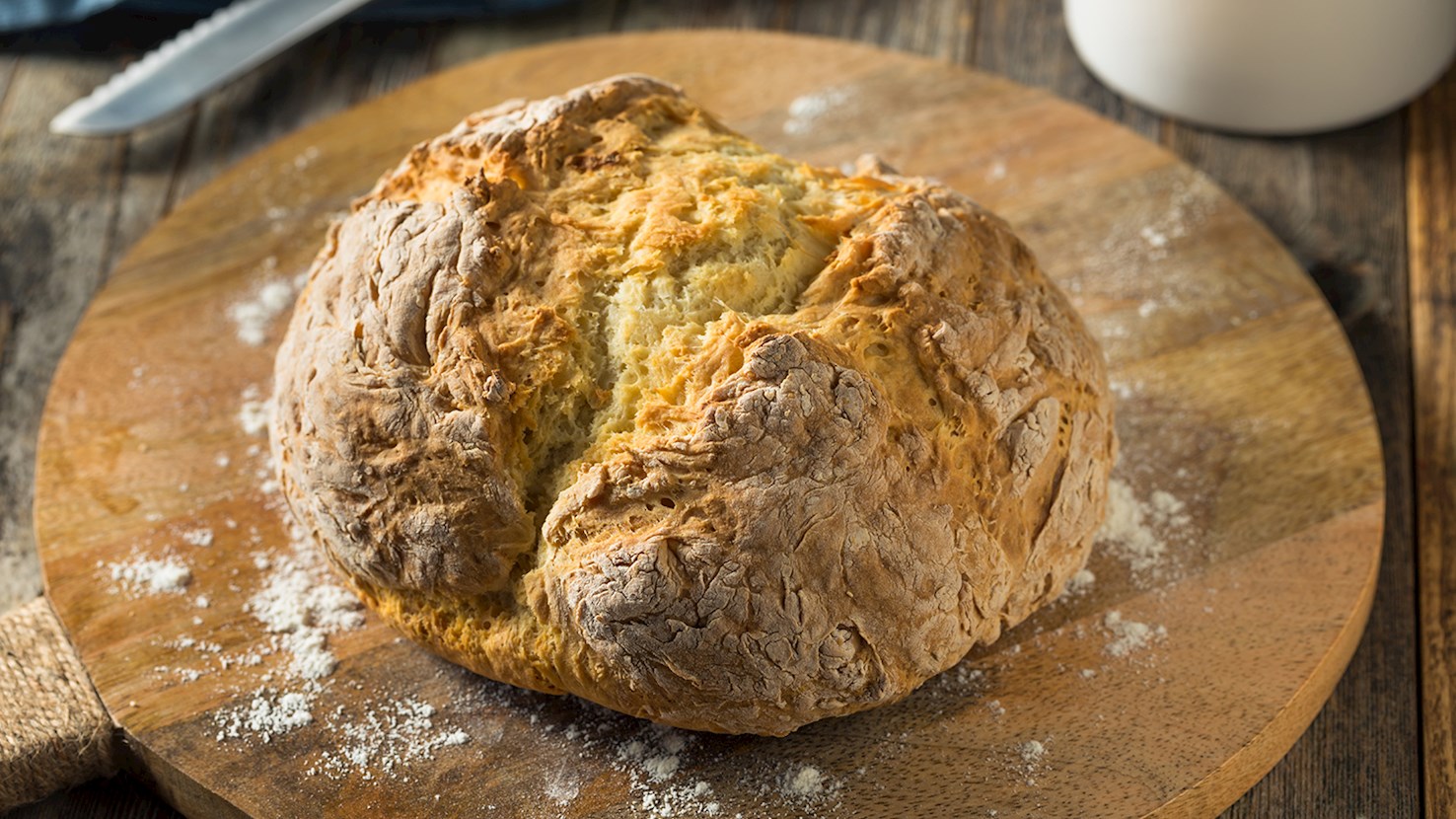
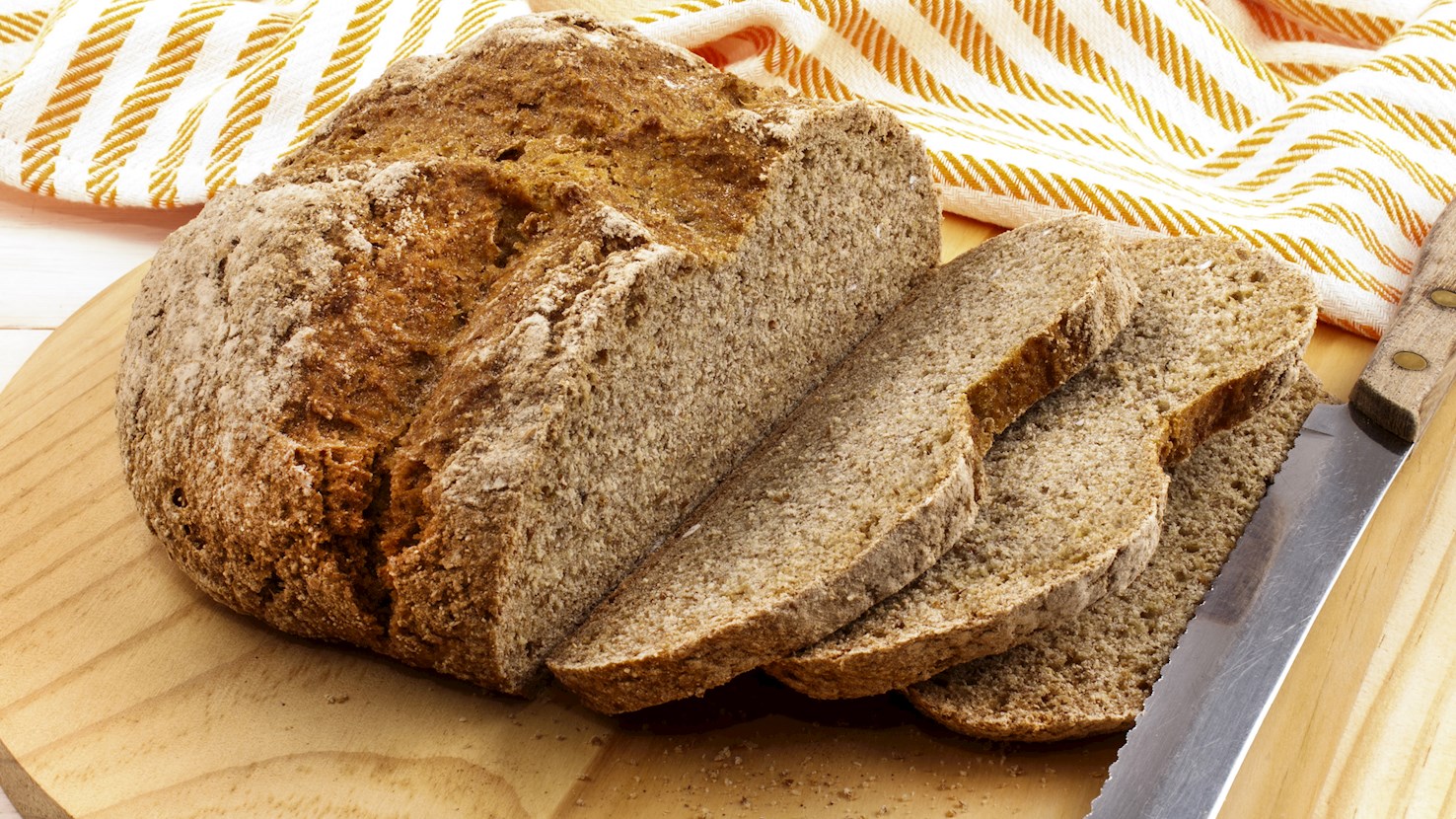
Soda bread is a type of quick bread from Ireland that is made without yeast, relying instead on the reaction between baking soda and acidic buttermilk to create its rise. Although this type of bread has been known for centuries and was first invented by Native Americans, it was not until the 19th century that soda bread as we know it today became commonplace in Ireland. As a result of the potato famine, as well as Ireland's weather and geographical conditions, which allowed only the production of soft wheat that had low protein content, the Irish turned to soda bread as their main source of nutrition. It quickly spread across rural Ireland because it required only basic ingredients (flour, salt, baking soda, and buttermilk) making it practical in homes where ovens were uncommon and bread was often baked on griddles or in iron pots over open fires. The preparation is straightforward, with the dry ingredients mixed together and then combined with buttermilk until a soft dough forms. It is shaped into a round and often scored with a cross before baking, which allows heat to penetrate evenly and helps the loaf expand without splitting unevenly. The resulting bread has a dense crumb with a tender texture and a distinct tang from the buttermilk. Variations emerged over time, with some versions enriched with butter, sugar, or eggs, while others incorporated raisins, caraway seeds, or oats. In some regions, the bread is made with wholemeal flour, producing a heartier loaf known as brown soda bread. Soda bread is eaten throughout Ireland and is also widely recognized abroad, particularly in Irish communities. It is usually served alongside soups and stews, where its dense texture is ideal for soaking up broths, or simply enjoyed with butter and jam for breakfast or tea. It pairs naturally with strong cheeses, smoked salmon, and hearty meat dishes, and is sometimes used as a base for open sandwiches.
Wheaten bread is the name that Northern Irish people use for brown soda bread. Interestingly, this bread is made without yeast and consists of wholewheat flour, plain flour, salt, soda bicarbonate, butter, sugar, buttermilk, and a bit of rolled oats for sprinkling the top of the bread. When taken out of the oven, it can be smeared with butter and jam, but wheaten bread is also a good accompaniment to soups, cold cuts, or smoked salmon. It is believed that the bread dates back to 1840 when soda bicarbonate was first introduced to the country.
Damper is a traditional bushman's bread that was originally prepared with flour, water, and salt. The bread was cooked in the coals of a campfire, and it was first mentioned in Memoirs, edited by Barron Field, who was a judge of the Supreme Court of New South Wales. According to one theory, the name damper is derived from a Lancashire expression, referring to something that damps the appetite. However, historian James Bonwick says that the name is derived from a process of damping the fire by covering it with ashes. According to Bonwick, William Bond, a baker from Pitt Street, Sydney, baked the first damper bread. Regardless of its origin, damper is one of Australia's iconic symbols of bush life, and the recipes have evolved to include the addition of butter, milk, and other ingredients. Today, this classic, historic bread can even be bought in some Australian bakeries, and it is not uncommon to top it with honey, jam, or golden syrup.
Tropanec is a Croatian specialty bread originating from the area of Novi Marof. It is made with just a few simple ingredients – corn flour, soda bicarbonate, salt, a bit of sugar, and sour milk. The dough is formed into a large circular shape, and it is then baked in the oven until golden brown. Before the baking process, the dough is typically pricked with a fork. This unleavened bread is traditionally served for breakfast. Although it is typically made with corn flour, the bread can also be prepared with rye flour or wheat flour. In the past, tropanec was sometimes baked directly on the stovetop, which is the reason why it is often referred to as kolač na tabli (plate-baked cake).
TasteAtlas food rankings are based on the ratings of the TasteAtlas audience, with a series of mechanisms that recognize real users and that ignore bot,
nationalist or local patriotic ratings, and give additional value to the ratings of users that the system recognizes as knowledgeable.
For the “Top 7 Soda Breads in the World” list until June 15, 2026, 265 ratings were recorded, of which 206 were recognized by the system as legitimate.
TasteAtlas Rankings should not be seen as the final global conclusion about food. Their purpose is to promote excellent local foods,
instill pride in traditional dishes, and arouse curiosity about dishes you haven’t tried.