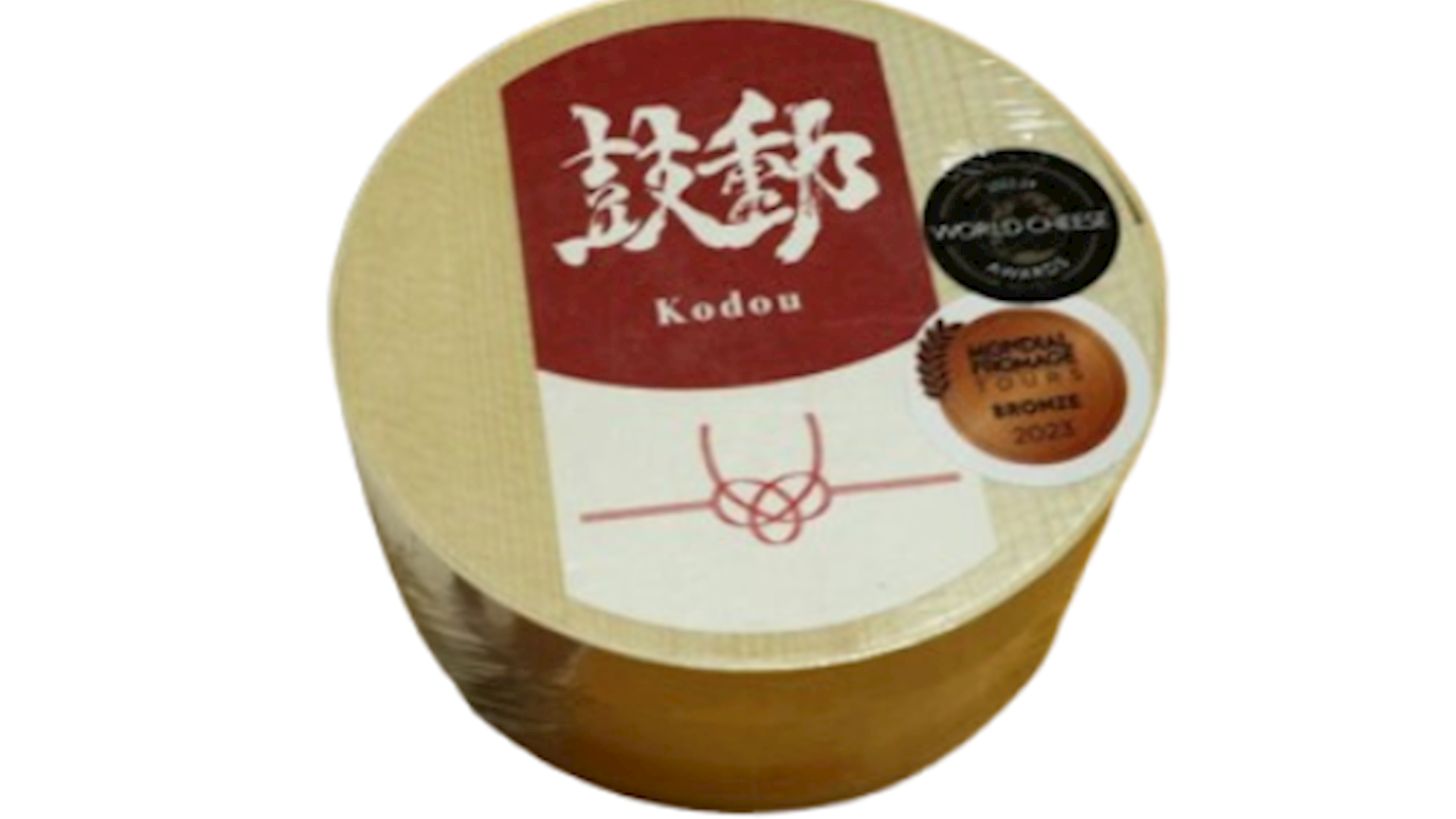
Kyodo Gakusha is a Japanese cooperative and social organization founded in the 1970s, bringing together agriculture, artisanal production, and social inclusion through shared living and working. It operates in several locations across Japan, with its most well-known site being the Shintoku farm on the island of Hokkaido, where cheeses and other dairy products are made in accordance with principles of sustainability and respect for nature. The core idea of Kyodo Gakusha is to create a community in which people from diverse life circumstances, including those who need additional support, work, learn, and grow together through everyday activities. Food production is not seen merely as an economic activity, but as part of a broader life philosophy based on cooperation, responsibility, and balance between humans and their environment. Cheese from Shintoku is produced in small batches with great attention to milk quality and the aging process, which has earned it recognition beyond Japan. Today, Kyodo Gakusha is regarded as a unique example of how social mission, rural development, and high-quality artisanal food production can be meaningfully integrated.
Awards
World Cheese Awards - Gold
(2021)
Japan Cheese Awards - Gold
(2025, 2024, 2018, 2016, 2015)
Tulum peyniri is a Turkish cheese made primarely from goat's milk. It is primarily produced in the country's mountainous regions. The cheese is white in color, has a creamy texture, and its flavors range from mild and slightly sweet to strong and somewhat bitter. It is recommended to serve it drizzled with olive oil and pair it with fruit, figs, olives, and fresh vegetables.
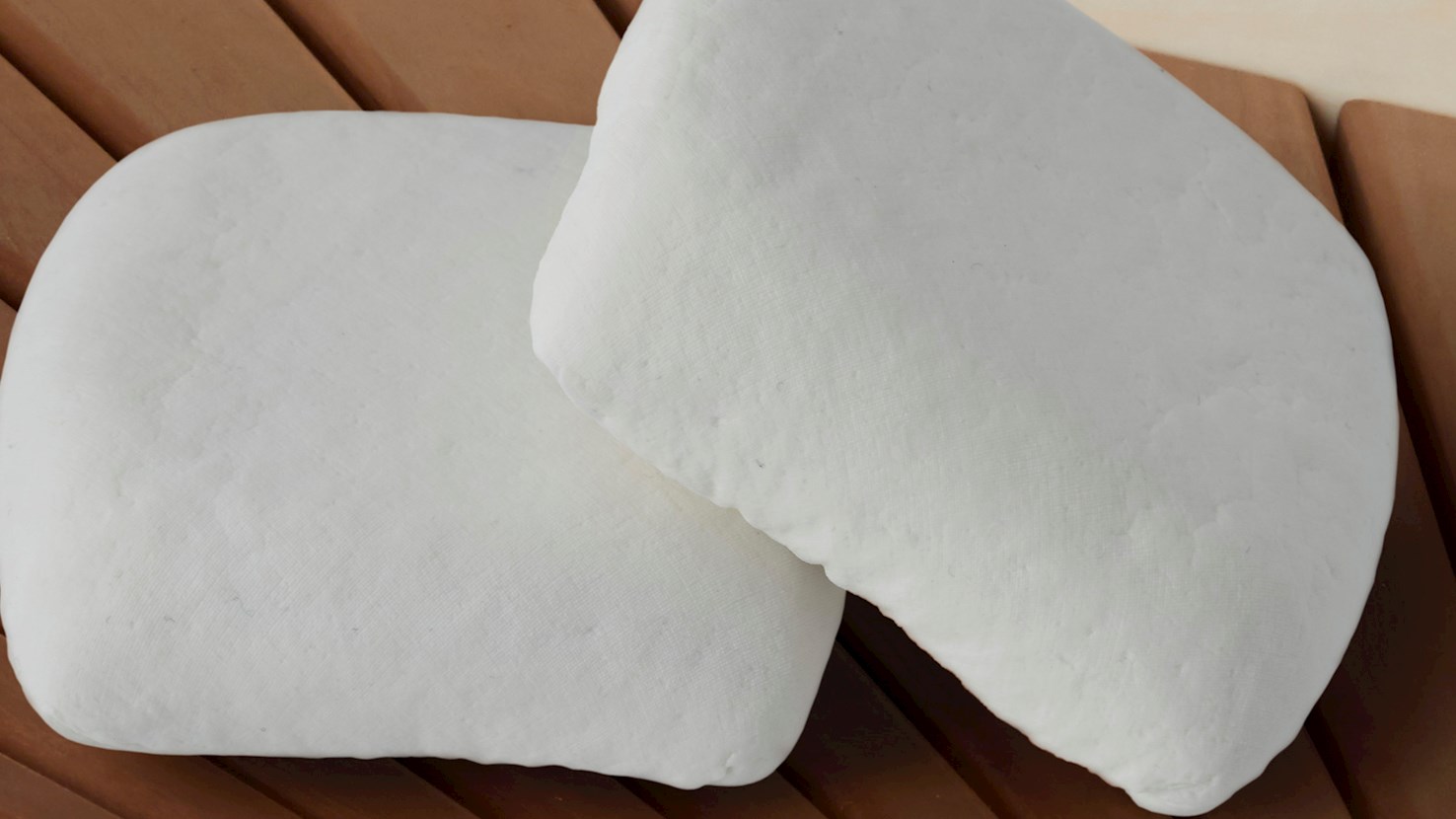
Akkawi is a white brined cheese originating from the city of Acre (Akko) in northern Palestine, from which it takes its name. It is widely produced and consumed across the Levant, including Lebanon, Syria, Jordan, and Israel. The cheese is made primarily from cow’s milk, though goat or sheep milk versions exist in rural areas. Akkawi is known for its mild, slightly salty flavor and semi-firm, elastic texture, placing it among the family of Middle Eastern white cheeses similar to nabulsi or halloumi but softer and less salty. It is eaten fresh, often paired with bread, olives, and vegetables, or used in cooking and baking for its melting quality. The cheese originated in coastal towns of the Eastern Mediterranean, where dairy production developed alongside salt-curing and brining methods that allowed milk to be preserved in warm climates. Farmers and cheesemakers in Acre and nearby regions refined a process for curdling and aging cheese in brine, creating a consistent product that could be stored and traded. Its spread across the Levant was facilitated by local markets and migration, and over time, akkawi became a common household staple, valued for its balance of flavor and versatility. Today, it is one of the most widely available Arabic cheeses, produced both by small dairies and industrial manufacturers. To prepare akkawi, milk is heated and mixed with rennet to separate the curds from the whey. The curds are drained, pressed lightly, and cut into blocks, which are then soaked in brine for preservation. The level of salt can vary: fresh akkawi is rinsed before eating to reduce saltiness, while aged versions have a firmer, saltier character. The cheese has a smooth, dense texture that softens slightly at room temperature and melts easily when heated, making it suitable for pastries, sandwiches, and desserts. In Lebanese and Palestinian cooking, it is commonly used in sweets such as kunafa and qatayef, where its subtle salt balances the sugar syrup. It also appears in savory dishes like manakish, pies, and omelets. Akkawi is served both raw and cooked, sliced alongside cucumbers, tomatoes, and olives for breakfast or melted in baked goods and stuffed pastries. Its mild flavor allows it to accompany a wide range of foods without dominating the palate. When eaten fresh, it pairs well with flatbreads, mint tea, or coffee, while baked forms are often enjoyed with sweetened drinks or fruit syrups. Its firm yet creamy texture distinguishes it from sharper or crumblier white cheeses, giving it a distinctive place in Levantine cuisine as both a table cheese and a cooking ingredient.
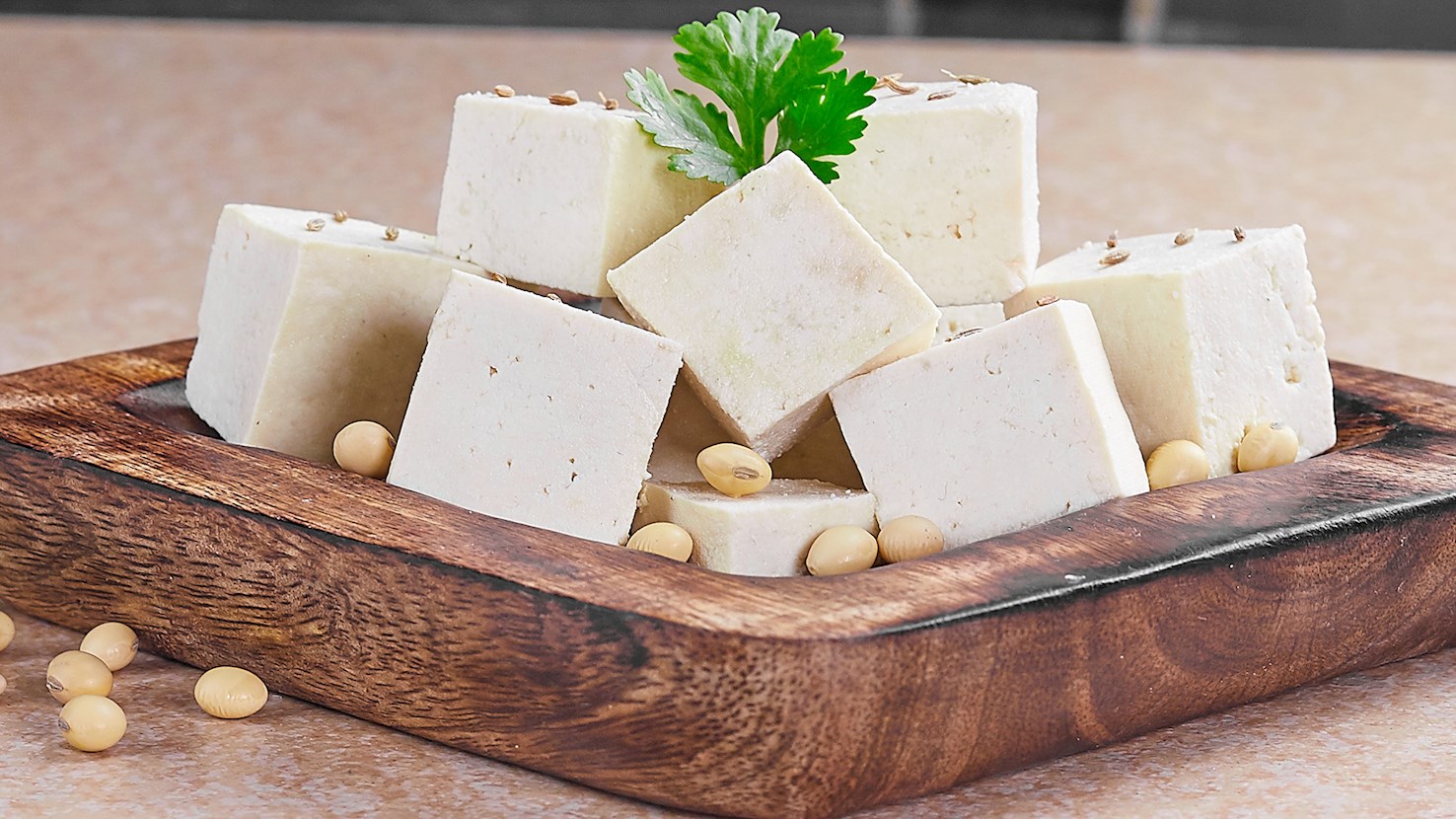
Paneer is a moist fresh cheese with a soft and crumbly texture, made from pasteurized cow's milk or water buffalo's milk. Unlike most cheeses, paneer does not involve rennet in the production process, and that is what makes it completely vegetarian. It has origins in India and Bangladesh, and has been mentioned in the Vedas, dating back to 6000 BC. Its name comes from the Persian and Turkish word for cheese, peynir. This cheese is often used in curries, especially in the north of India, and pairs well with strong and spicy flavors. Paneer is also incorporated in a variety of other Indian dishes such as saag paneer (spinach), shahi paneer (cream, tomatoes, and spices), and the famous mattar paneer (peas and tomatoes). This cheese is so versatile that it's even used in kebabs. Its softer, more crumbly version called chenna is often used to make a variety of popular desserts such as rasgulla and sandesh.
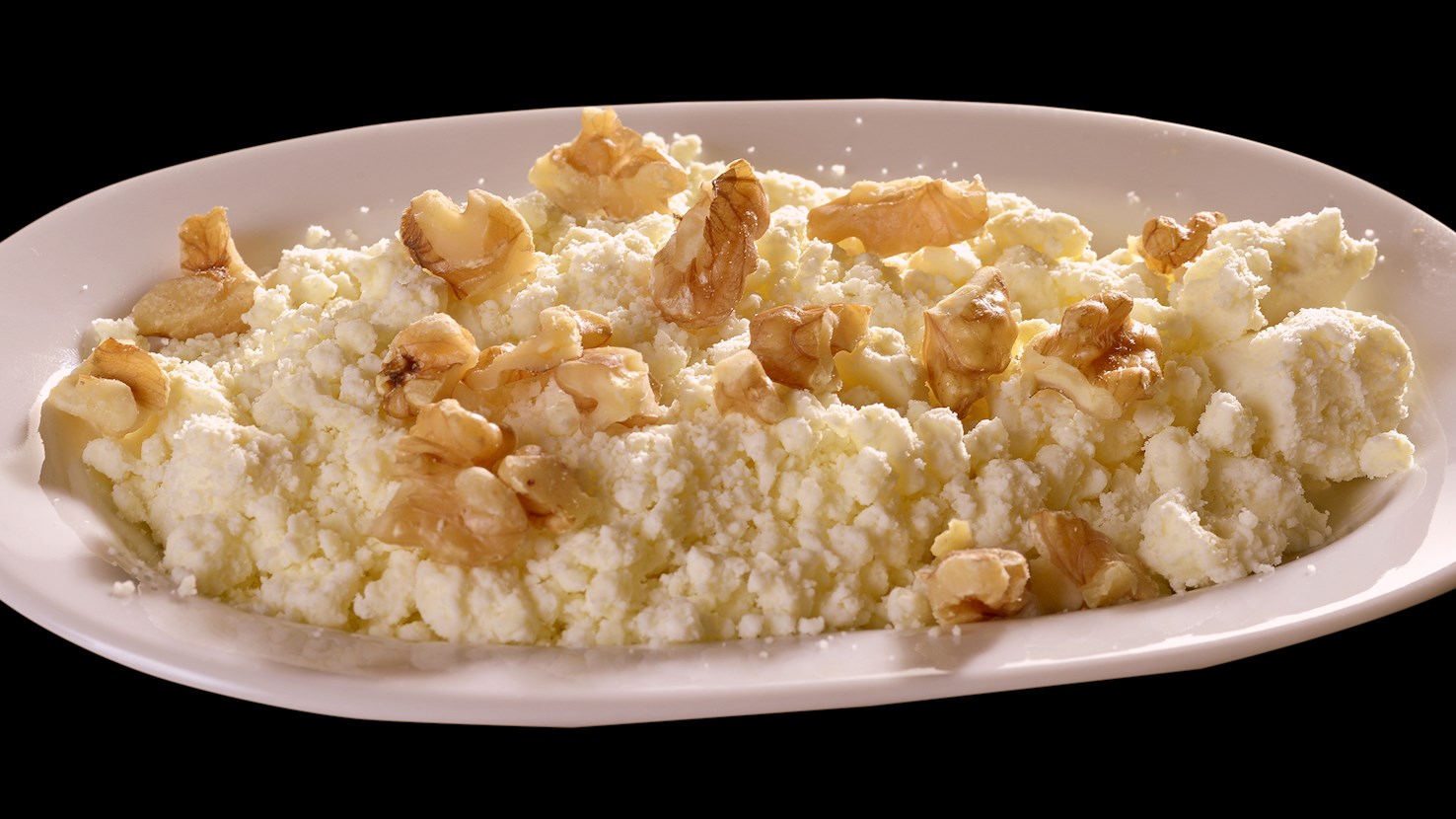
Lor is a Turkish white cheese made from leftovers that are strained out of milk curds. Its texture is very dry and crumbly, and doesn't change much when heated. Due to the fact that Lor has a high protein content, it's very popular with health-conscious people and bodybuilders. Although it's rarely eaten on its own, it can be served for breakfast after being mixed with spices and herbs. The cheese is usually used in börek or gözleme pancakes.
Hatay peyniri, also known as künefe peyniri, is a soft, rindless cheese usually made from raw cow's or goat's milk (sometimes even a combination of both), produced in the Hatay province of Türkiye. It is white or light yellow in color, has a creamy and stretchy texture, is unsalted, and has a mild taste. It is mostly used in the preparation of the authentic local dessert Antakya künefesi, but it can also be eaten on its own as a part of meze, added as a filling for börek, or topping for pasta, pides, and other dishes.
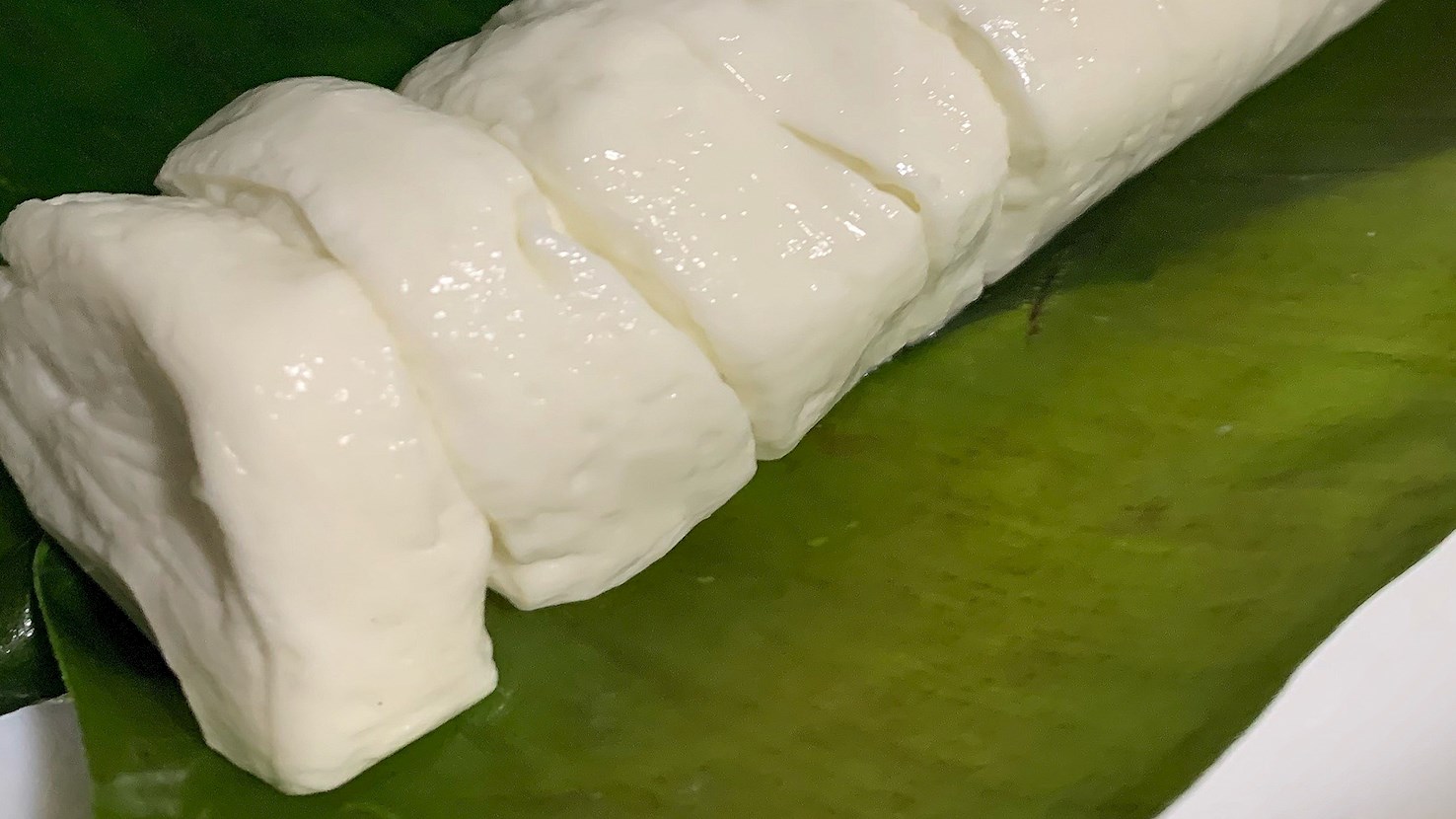
Kesong puti is a white cheese originating from the Philippine provinces of Bulacan, Bacolod, Cebu, Laguna, and Samar. It is made from carabao milk, salt, and either rennet or white vinegar. This fresh cheese contains five times more milk fat and protein than fresh milk. It has a slightly pungent aroma and a salty flavor with a creamy aftertaste. Kesong puti is often consumed for breakfast, when it is served with local bread known as pan de sal, but the cheese is also typically served during Christmas and New Year’s festivities.
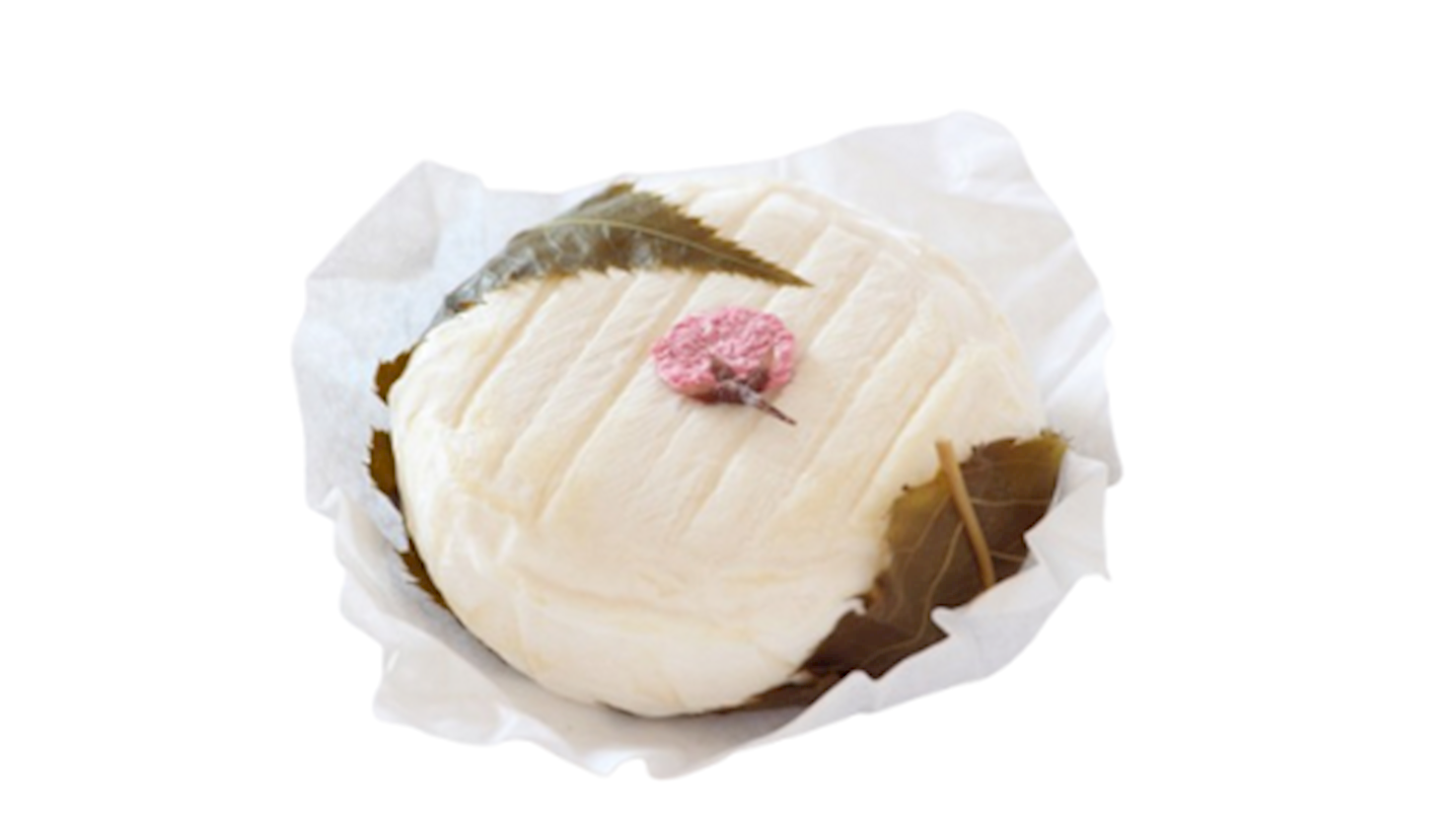
Sakura is a Japanese soft cheese made from cow's milk, Japanese yeast, and microbes. It is produced by Kyodogakusha in Hokkaido. The cheese is aged for 10 days, and has a unique pickled cherry blossom in the center (hence the name), making it visually reminiscent of the Japanese flag. It is covered in a soft white mold, and on the inside it is smooth in texture, while the flavors are delicate, creamy, and light, with notes of shiso leaf and a faint aroma of cherry blossom. Sakura is available only between January and May. It was also the first Japanese cheese to win the gold medal at the Mountain Cheese Olympics in Appenzell, Switzerland.
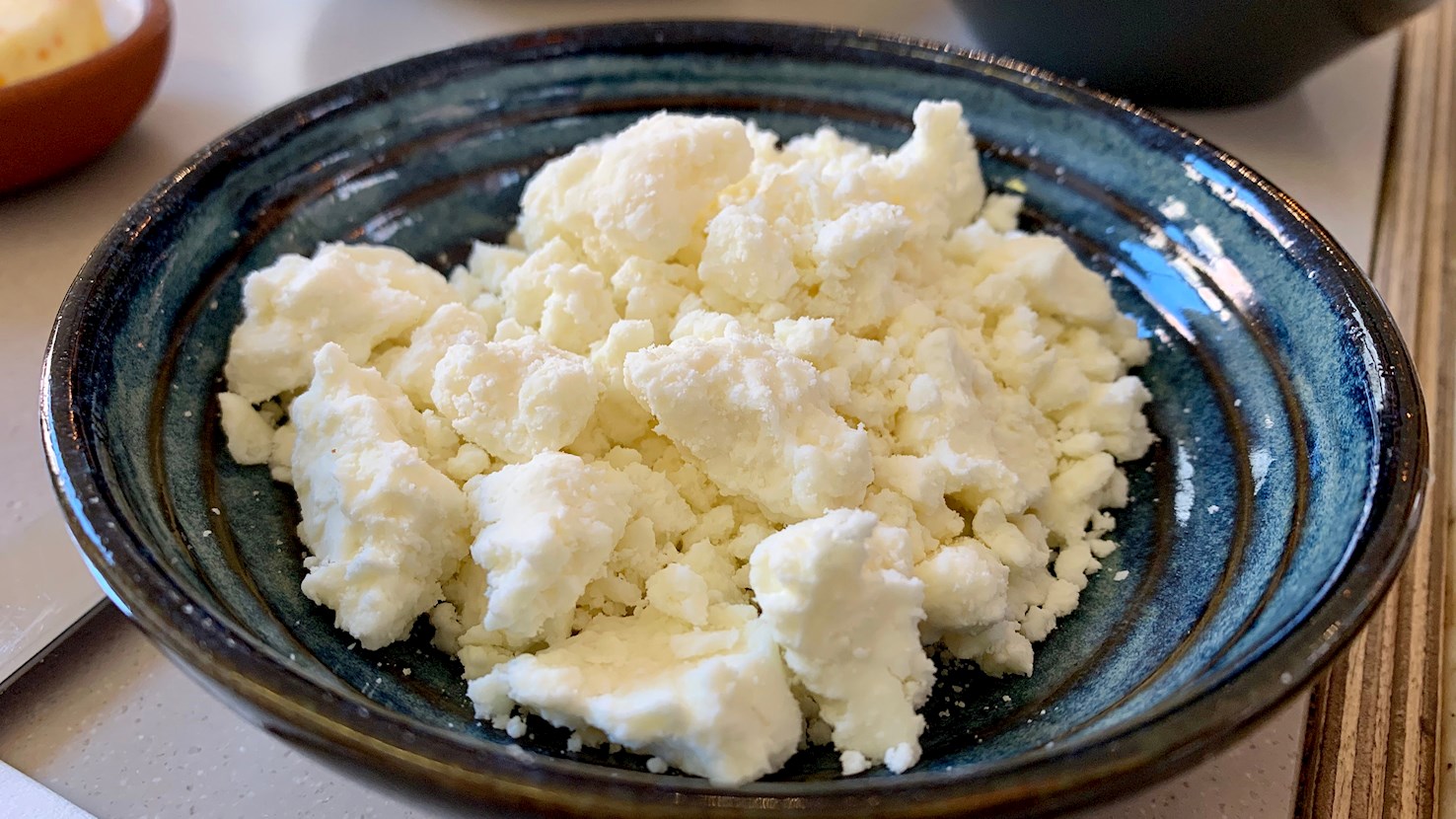
Dathsi is a traditional cottage cheese made from cow's or yak's milk. The process of making Datshi cheese consists of several steps, the first being the preparation of dahi (a type of curd) from raw milk. Dahi is then turned into mar (a type of butter), and the liquid buttermilk residue of that process, called mohi, is heated until it starts to coagulate, forming clumps. These clumps are known as dathsi, and in the final step, they are drained through a cloth and formed into small cheese balls. These have a slightly tangy and nutty flavor and a firm and crumbly texture. Datshi is often paired with spicy chili peppers, which is a signature feature of Bhutanese cuisine, or used in soups and stews, as well as in stir-fries and curries. It can also be served on its own as a snack or as a side dish.
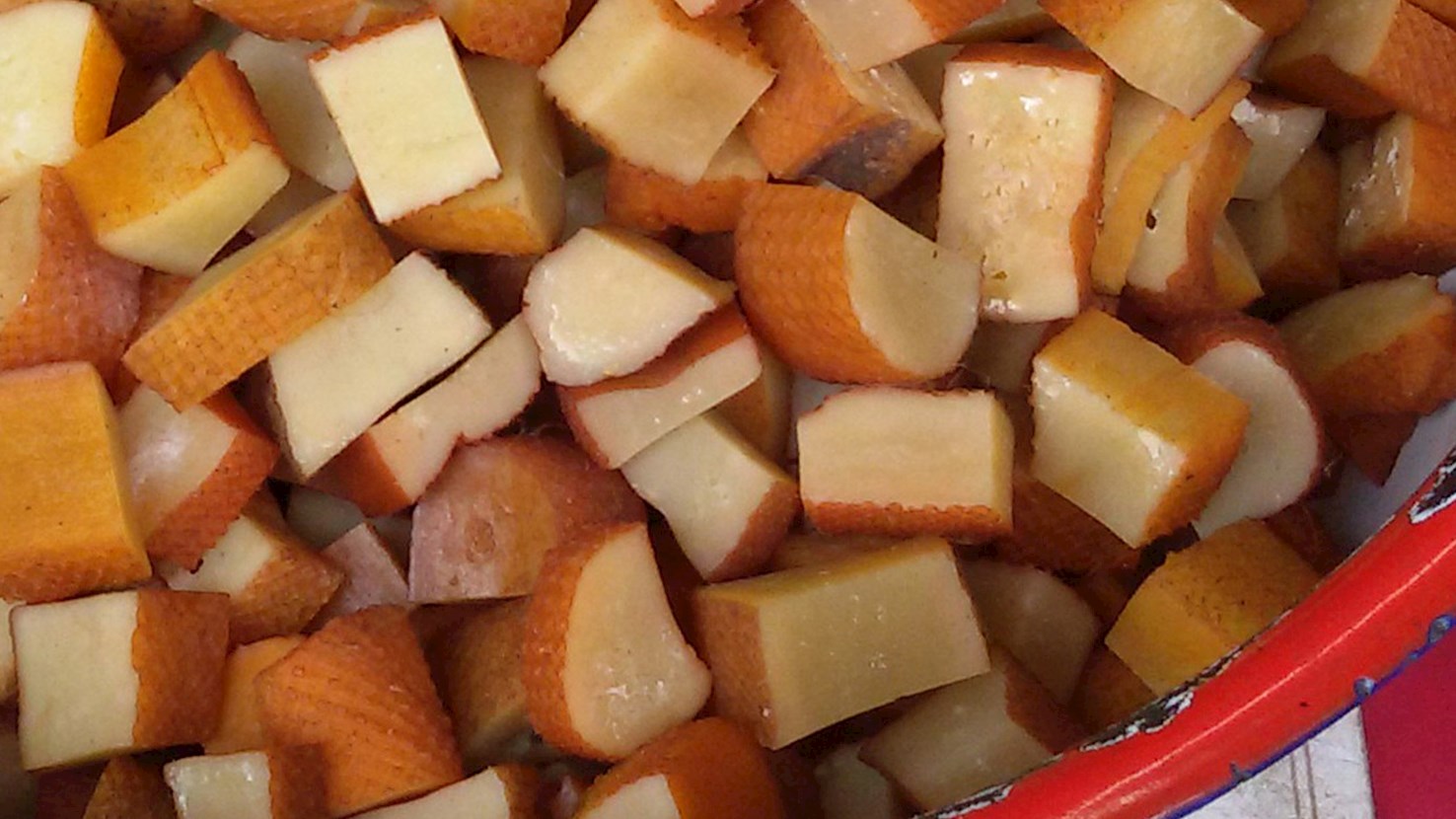
Chhurpi is a pale yellow cheese made from cow's milk (the soft variety) or yak's milk (the hard variety), produced in the Himalayan regions. The soft variety is often used as a substitute for vegetables, so it is usually used in curries and consumed with rice. The hard variety can last up to 20 years if properly stored in yak skin. The flavor of chhurpi can best be described as fresh and tangy.
Gvina levana is a soft, spreadable white cheese widely used in Israel, known for its mild flavor, smooth texture, and versatility in both savory and sweet dishes. It is made from cow’s milk and is sold in various fat percentages, most commonly between five and nine percent, though lower and higher options exist. The cheese belongs to a broader category of fresh dairy products common throughout the Middle East and Eastern Europe, yet it developed a specific identity in Israel as a household staple and as a component in pastries, sandwiches, and breakfast dishes. Its emergence in the Israeli market followed the growth of the country’s dairy industry in the mid-twentieth century, when producers adapted European fresh-cheese processes to local milk supply, consumer taste, and refrigeration methods. Over time, gvina levana became a familiar ingredient in both home and commercial kitchens. Preparation begins with pasteurized cow’s milk that is cultured with lactic bacteria, causing it to thicken and sour gently. The curd is drained until it reaches a creamy consistency but remains spreadable, and salt is added in small amounts. The cheese is packed without aging, which preserves its mild, slightly tangy flavor. It differs from yogurt in its lower acidity and from cream cheese in its lighter texture and reduced richness. Some versions are whipped for extra smoothness, while others are left slightly looser for mixing into doughs or salads. Its neutral profile makes it useful as a base for herbs, spices, or sweet additions such as honey. Gvina levana is eaten throughout Israel in breakfasts, sandwiches, baked goods, and pastries like ziva or burekas that call for a soft white cheese filling. It is spread on bread, mixed into dips, added to pasta, or used as a topping for roasted vegetables. In home cooking it is often combined with za’atar, olive oil, tomatoes, or cucumbers for simple meals. It pairs well with fresh breads, herbs, and raw vegetables, and beverages that accompany it include tea, coffee, fresh juices, and light white wines, which complement its gentle acidity and soft texture.
TasteAtlas food rankings are based on the ratings of the TasteAtlas audience, with a series of mechanisms that recognize real users and that ignore bot,
nationalist or local patriotic ratings, and give additional value to the ratings of users that the system recognizes as knowledgeable.
For the “Top 12 Asian Soft Cheeses” list until June 05, 2026, 1,151 ratings were recorded, of which 456 were recognized by the system as legitimate.
TasteAtlas Rankings should not be seen as the final global conclusion about food. Their purpose is to promote excellent local foods,
instill pride in traditional dishes, and arouse curiosity about dishes you haven’t tried.
The initial list of top producers was compiled based on available reviews, awards, local recommendations, media and blog coverage, and consumer reviews.
The list will be updated with ratings from TasteAtlas local ambassadors and TasteAtlas users.