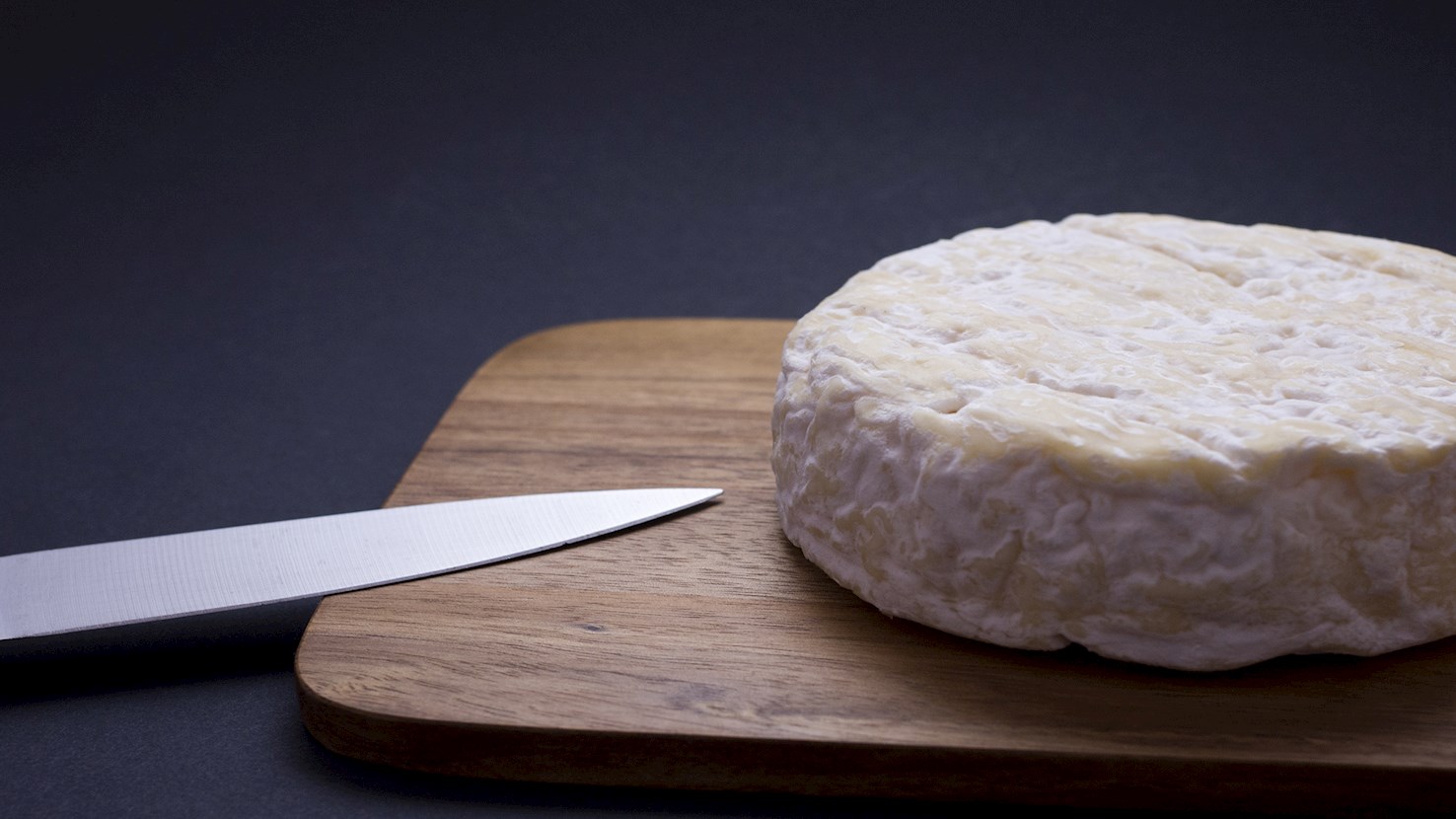
Saint-Félicien is a soft French cheese originating from the region of Rhône-Alpes. The cheese is made from cow’s milk and has a creamy texture, while its flavor can be described as fruity, sour, nutty, and buttery. During the aging process, it develops a bloomy rind with a strong mushroomy aroma which does not really match the flavors of the cheese. Due to its fragile nature, this cheese often comes packaged in small terracotta pots. It is recommended to pair it with crusty baguettes, olives, or a glass of red wine.
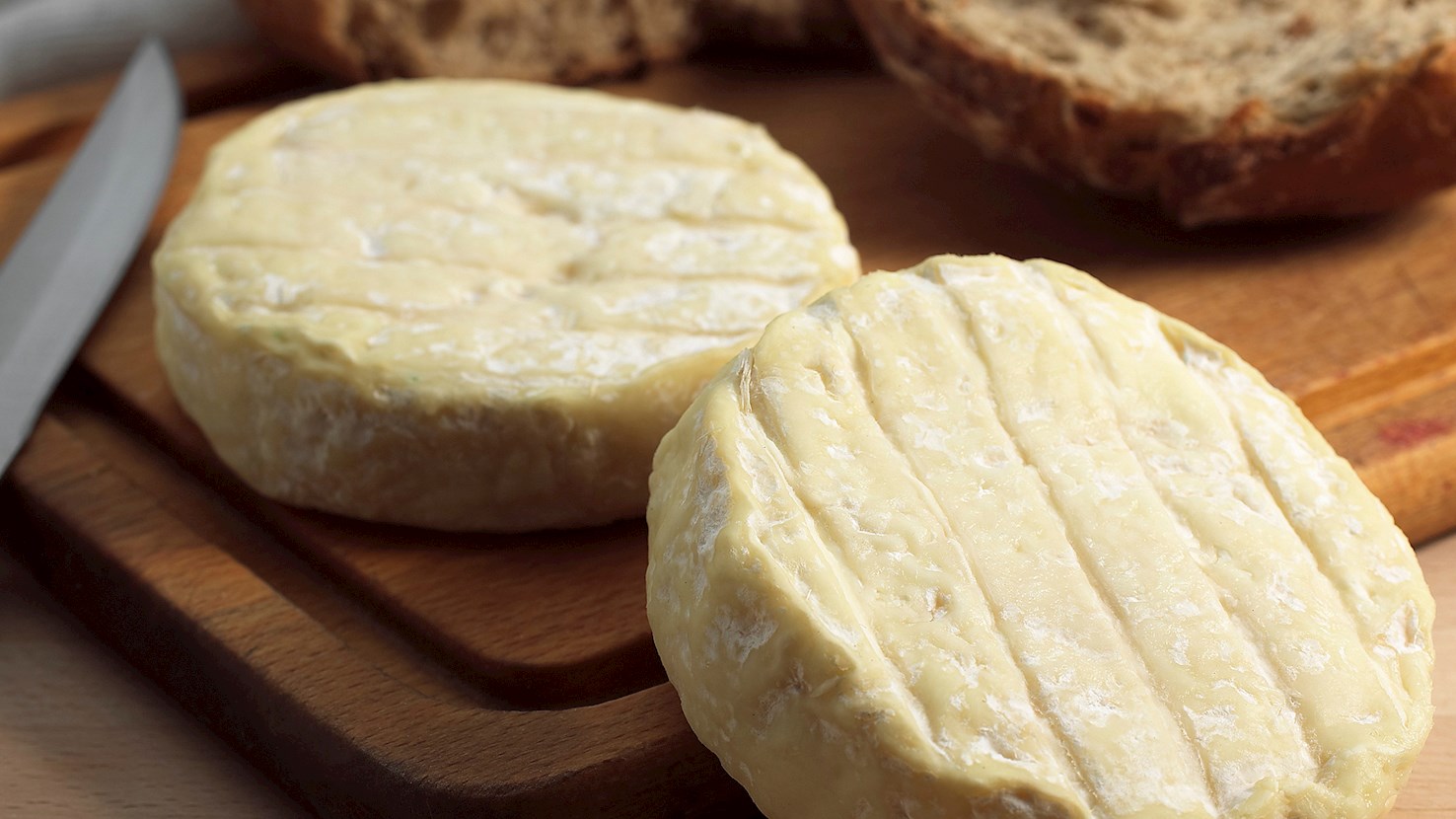
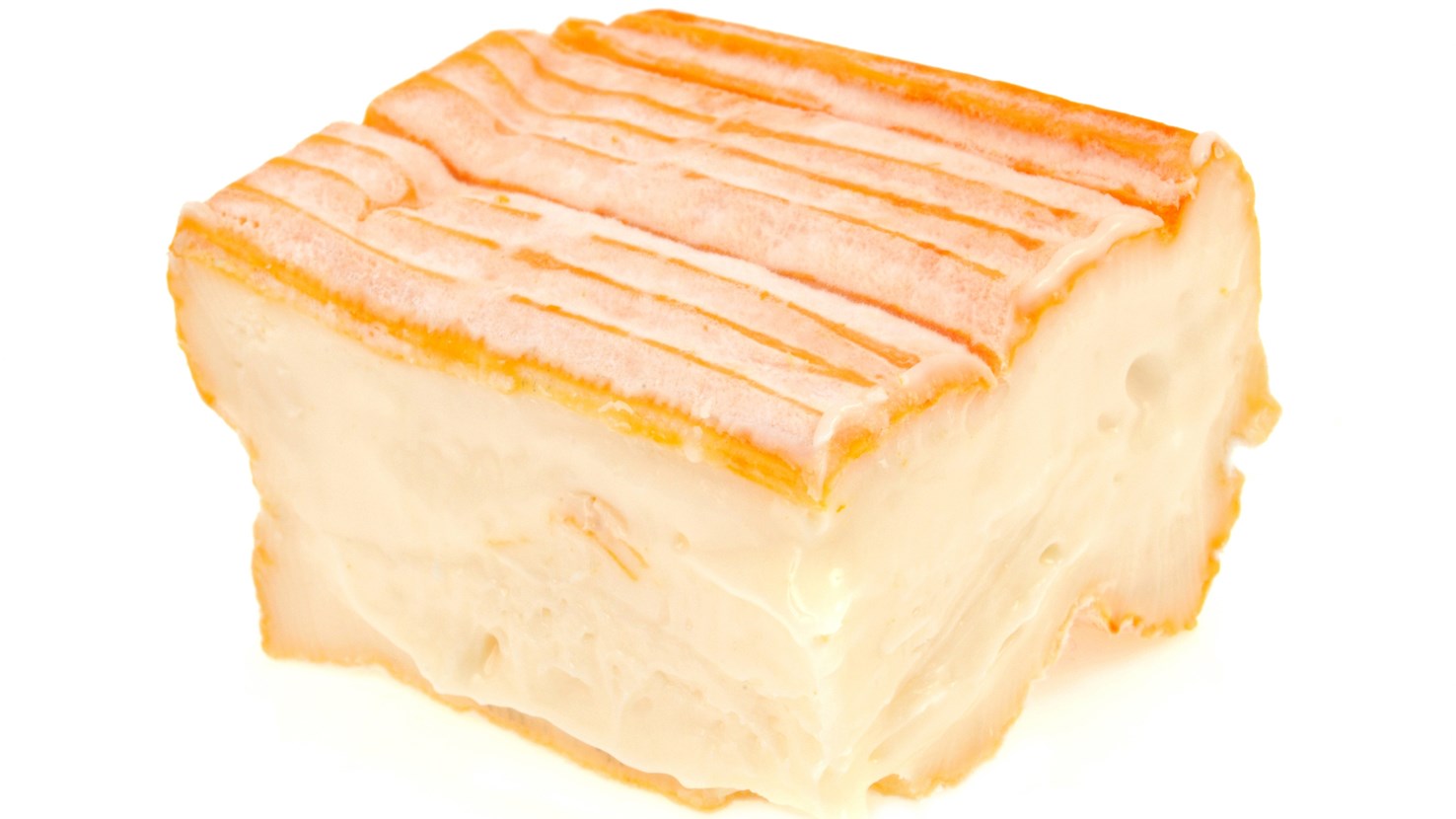
Saint-Marcellin is a cheese made from full-fat cow's milk in the French regions of Drôme, Isére and Savoie, and it is named after the town of the same name belonging to the Isére region. The cheese comes in two varieties - either dry or soft. Dry cheese is made according to the local tradition and has a firm texture, while the soft one is matured for a longer time to develop more intense aromas and a creamier texture. If the soft variety is left at room temperature, its rind is almost nonexistent. The taste is reminiscent of fruit and honey, milk, mushrooms and is slightly salty. Saint-Marcellin is best paired with dry white wines, baguettes, crackers or sliced, fresh fruit such as apples or persimmons.
Picodon is a small, round cheese made from goat's milk, with a minimum weight of 60 grams, produced in the Ardéche and Drôme regions in France. Its rind is thin, with yellow or white mold speckled with blue on the exterior. The maturation period is at least 14 days. On the inside, it is white or yellow, with a fine texture that becomes crumbly if it is matured for a longer period of time. Its flavor is fresh and clean, with a balance of salty and acidic notes, but it gets concentrated and sharp if it is matured longer, when the cheese loses half of its mass by drying out. Picodon is best eaten after a meal, paired with red or dry white wines, garlic and shallots.
Fromager d’Affinois is a French soft cheese made from cow’s milk. Although d'Affinois is quite similar to Brie in flavor and visual appearance, it is actually much creamier. The cheese has an edible bloomy rind and a silky-smooth texture which is achieved by the process known as ultra-filtration – it breaks down the fat molecules so that they disperse further through the body. After about 2 weeks of ripening, its aroma is fresh and milky, while the flavor can best be described as mild, buttery, and sweet. It is recommended to serve the cheese with crusty bread or fruit. If served with bread, pair it with Beaujolais, and if served with fruit, pair it with Sauvignon Blanc or Chardonnay.
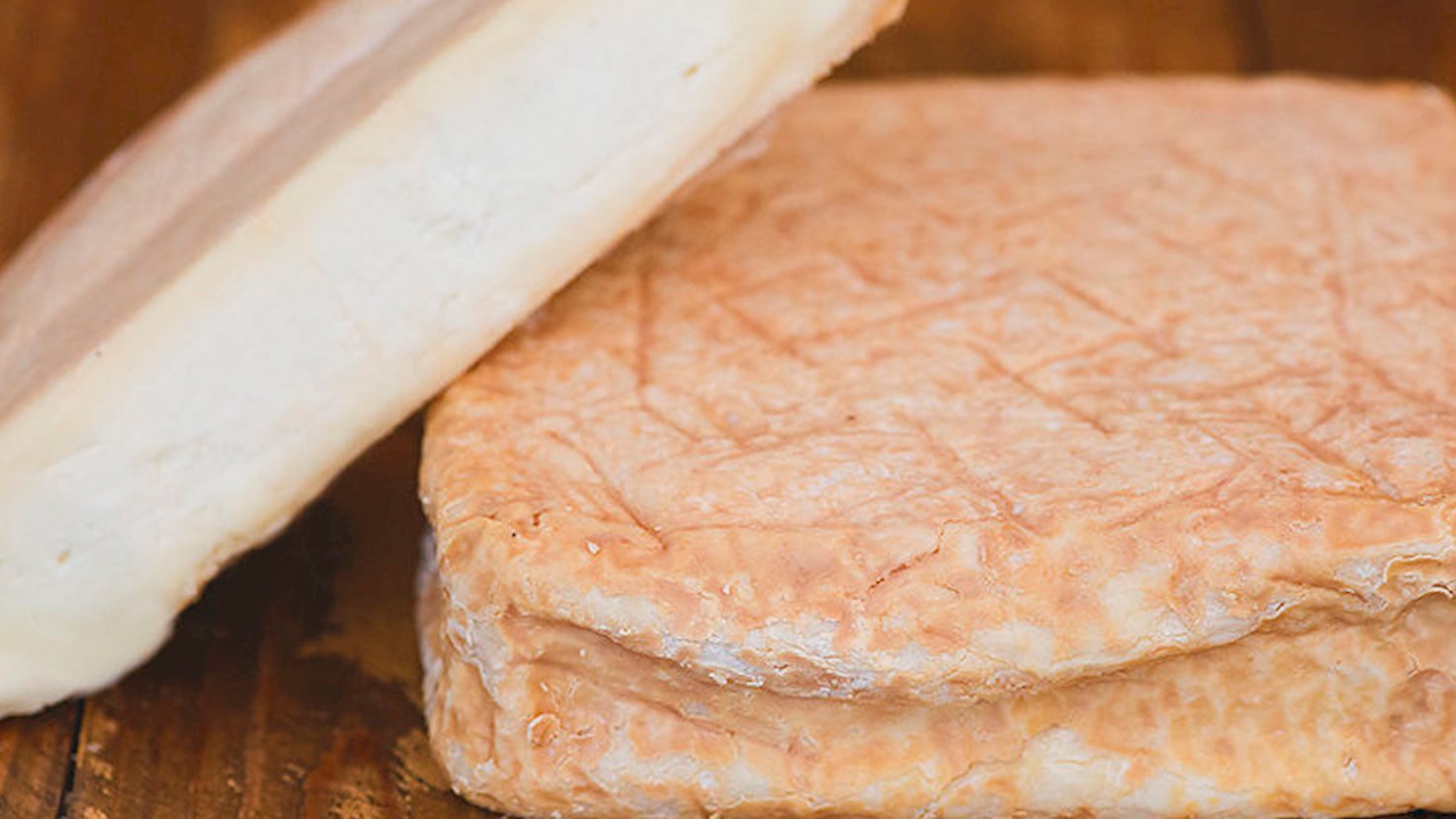
Chevrotin is a mold-pressed cheese made from goat's milk in the region of Haute-Savoie in France. It has a fine white rind and is packaged with a thin sheet of spruce boards on its base that can be removed. The boards allow the cheese to drain during the maturation period and also help with regulating the humidity in the package. Its flavor is slightly sweet, yoghurt-like, and unusual, with the aroma of goats, nuts, and flowers from the mountainous region. The texture is smooth and fine, slightly crumbly, perfect for pasta dishes or roasted vegetables. Pair Chevrotin with light dry wines.
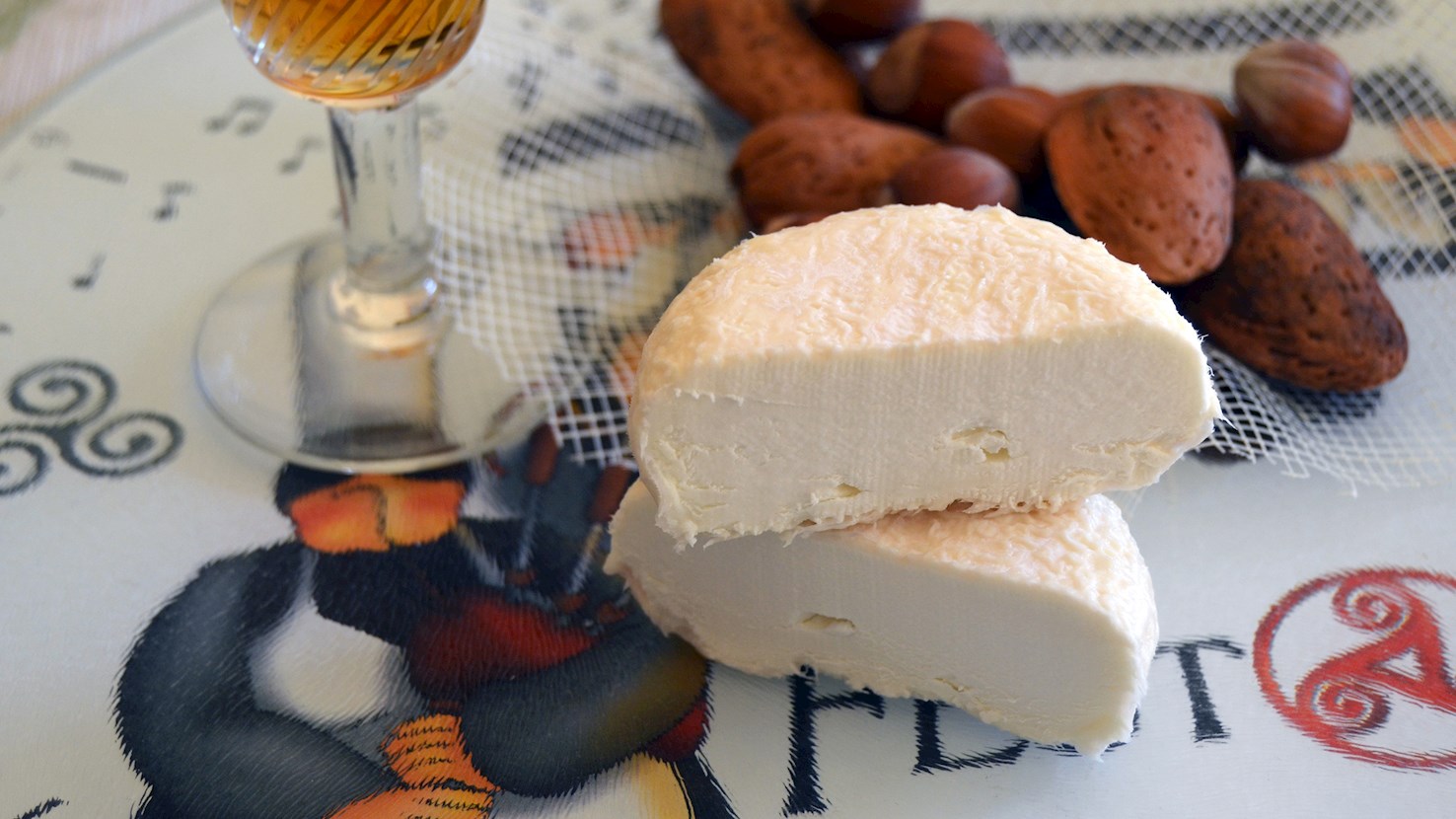
Rigotte de Condrieu is a small, soft cheese made from raw goat's milk in the French region of Rhône-Alpes. Its name comes from the word rigot, meaning 'small stream', and the city of Condrieu near Lyon. Its flavor develops upon maturity (at least three weeks), with a nutty, sweet, slightly acidic taste and honey, acacia and hazelnut undertones. Rigotte has a dry, bloomy, wrinkled rind on the exterior while on the interior it has a texture that is quite moist and creamy. It is best when paired with a round white wine or with a bold red wine and used in salads or as an appetiser.
Brebirousse d'Argental is a French cheese hailing from the Rhone-Alpes region. This brie-style cheese is made from pasteurized sheep's milk, and it's aged for 3 weeks. Underneath its bloomy, anatto-washed rind, the texture is creamy and soft, becoming gooey and runny at times. The aromas are grassy, while the flavors are creamy, buttery, sweet, pleasantly tangy, and mushroomy. It's recommended to leave the cheese at room temperature, then spoon it out and spread it over crackers or toast. Alternatively, serve it with cold cuts, sweet fruit, or chestnut honey, and pair it with a glass of dry cider.
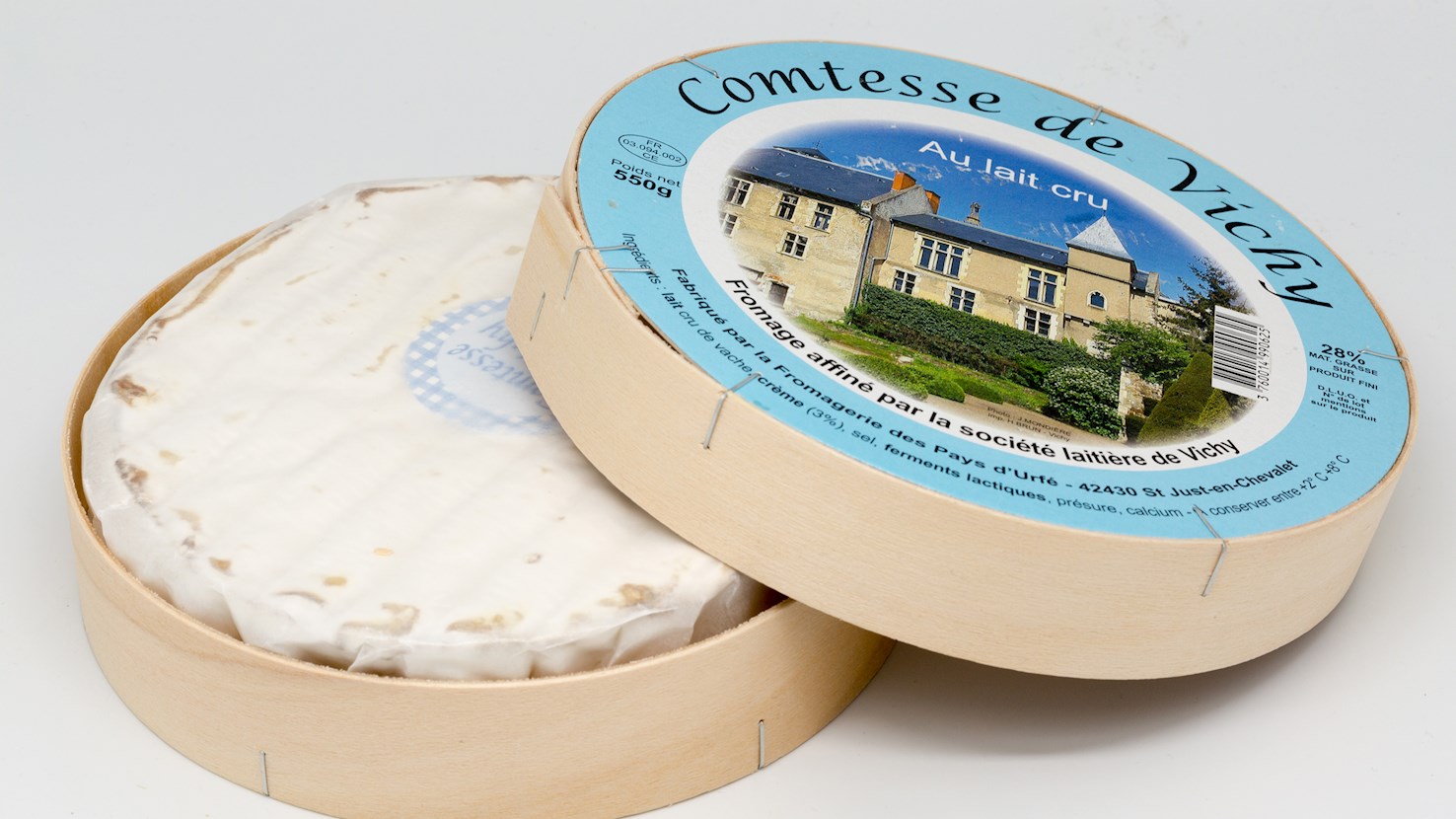
Comtesse de Vichy is a French cheese that’s made in Saint-Just-en-Chevalet. The cheese is made from raw cow’s milk and it’s usually left to age for a month before consumption. During the aging process, the cheese is wrapped with spruce bark and lightly washed with brine. Underneath its bloomy rind, the texture is soft, runny, and melting. The aromas are woody and flowery, while the flavors are creamy and milky.
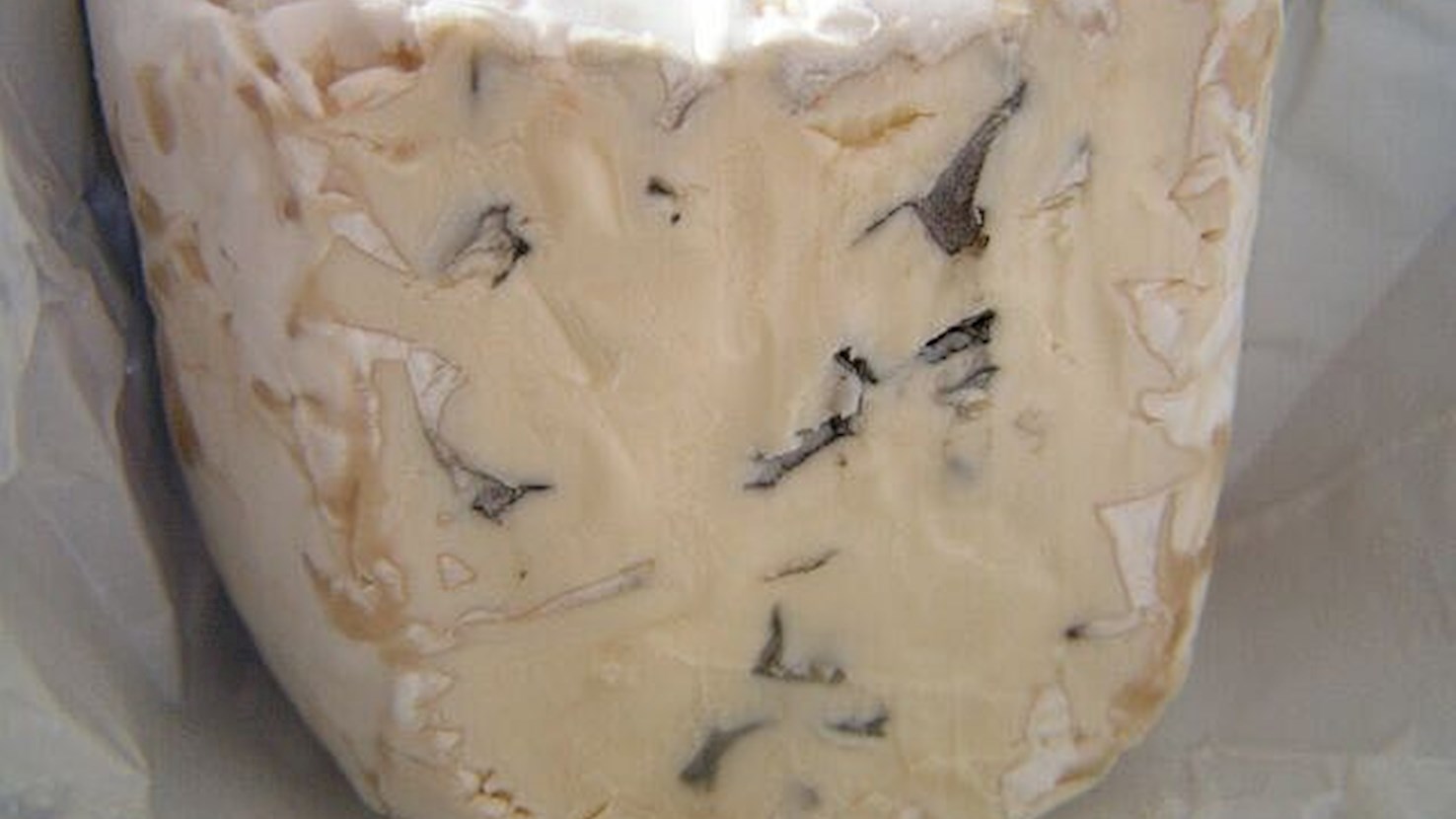
La Roche is a French cheese hailing from Rhone-Alpes where it's produced by Fromagerie Guilloteau. The cheese is made from pasteurized cow's milk. This blue cheese is left to mature for about 3 weeks. The texture is creamy, soft, and yielding but not runny, and there are numerous veins of blue mold running throughout the paste. The flavors are well-balanced and delicate, with tangy, sweet, and mushroomy notes.
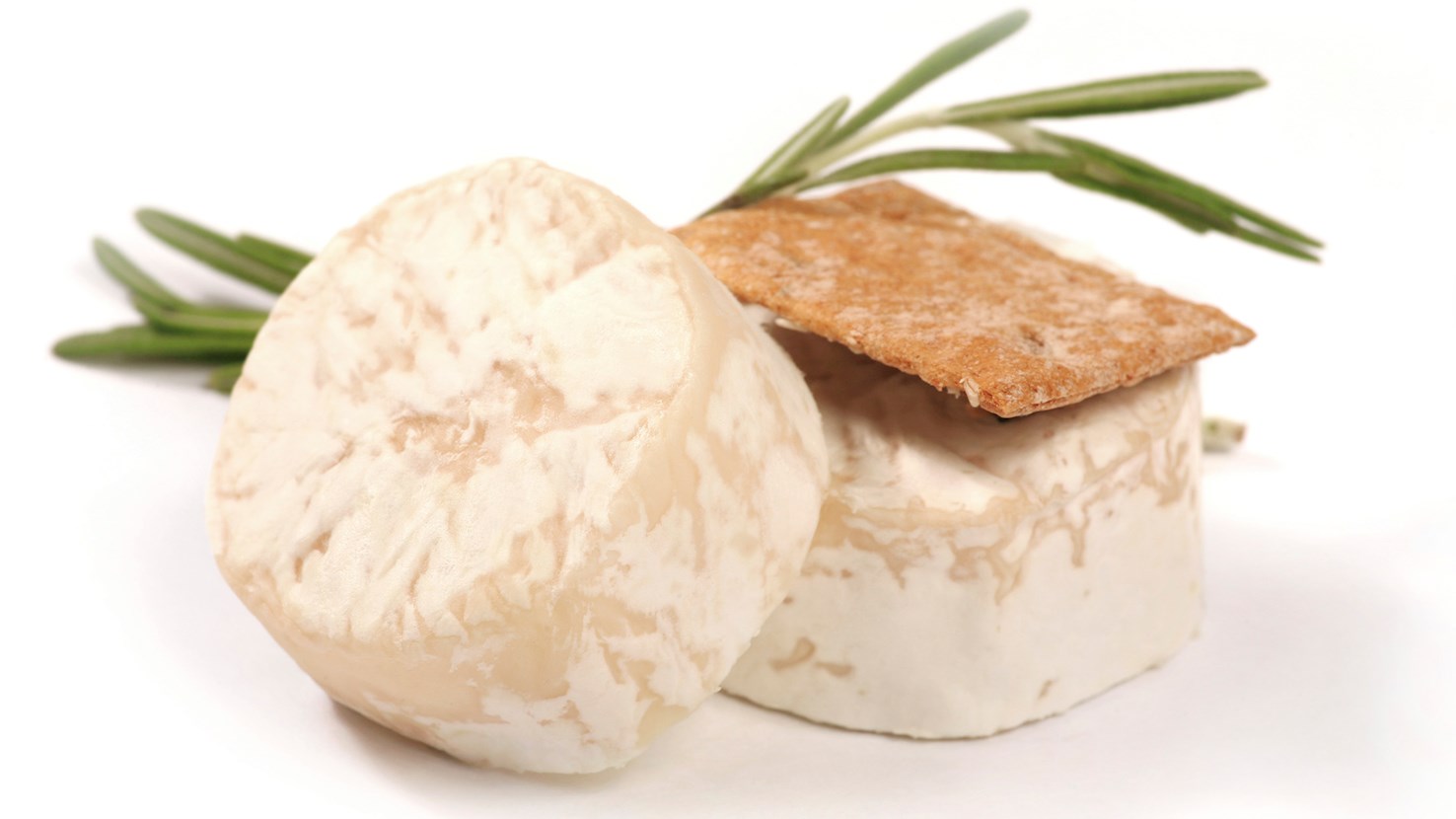
Caillé doux de Saint-Félicien is a goat’s-milk cheese from France, produced in the northern part of the Ardèche department around the village of Saint-Félicien. Its roots lie in mountain dairy farms where goats were milked daily and cheese makers developed a rapid-coagulation method called caillé doux to process warm milk immediately after milking, aiming to produce a soft, mild curd rather than the firmer goat cheeses common in other areas. In its production whole raw goat’s milk is used, immediately processed without reheating, rennet and small amounts of mesophilic or thermophilic starter cultures are added to coagulate under warm conditions; once the curd forms (in about two to three hours) it is roughly cut to speed whey drainage, molded and drained for three to five hours with one or more turnings, then unmolded, salted on both faces, dried for two to four days and aged for approximately two weeks in a room at around 8-15 °C with about 80% humidity until the flat disc (typically 8-10 cm / 4 inches in diameter, 1.5-2 cm / 0.5 inches high, weighing about 90-110 g / 3-4 oz) develops a thin cream-colored rind sometimes flecked with white or bluish moulds and the interior becomes a smooth, creamy, ivory-white paste with a mild, slightly nutty taste and very low acid bite. Common variants include cheeses made at slightly higher altitude or with small additions of local herbs which subtly shift the flavour profile, also some producers choose to age a little longer than the standard two weeks to deepen aroma and soften paste further. A unique characteristic of Caillé doux de Saint-Félicien is its method of immediate warm-milk processing (no delay, no reheating) which limits acidification and gives it its “doux” (sweet) quality, distinguishing it from most goat cheeses in the region. It is eaten at room temperature as part of a cheese plate or as a delicate finish to a meal, commonly paired with crusty country bread, fresh figs or raw vegetables and works well with a crisp dry white wine from the Rhône-Alps area or a light rosé that complements its creamy texture and gentle goat-milk flavour.
TasteAtlas food rankings are based on the ratings of the TasteAtlas audience, with a series of mechanisms that recognize real users and that ignore bot,
nationalist or local patriotic ratings, and give additional value to the ratings of users that the system recognizes as knowledgeable.
TasteAtlas Rankings should not be seen as the final global conclusion about food. Their purpose is to promote excellent local foods,
instill pride in traditional dishes, and arouse curiosity about dishes you haven’t tried.







What People Say