Top 49 European Soft Drinks

Last updated on September 23, 2026

Best European Soft Drinks
01

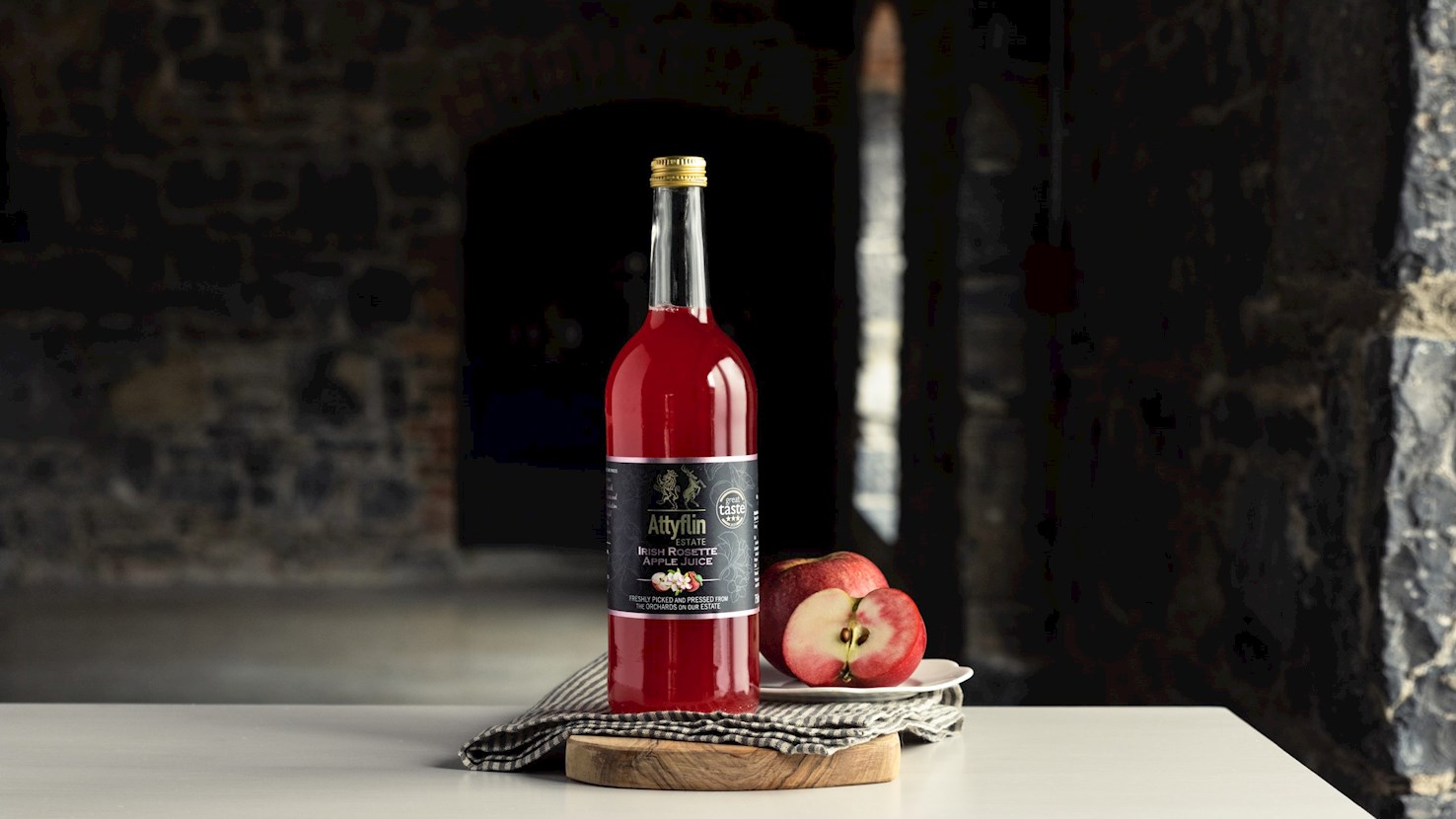
Attyflin

4.8 ·
Awards
Great Taste Awards - 3 Stars (2021)
02

Something & Nothing

4.8 ·
Awards
Great Taste Awards - 3 Stars (2023)
Great Taste Awards - 2 Stars (2024)
03

Beyond the Bean

4.8 ·

Beyond the Bean is a company based in Bristol that specializes in producing soft drinks and various beverage-related products. Established in 1997, it offers a range of syrups, smoothies, and frappes.

The company targets the café and hospitality industry, providing ingredients and supplies for coffee shops and other venues. Beyond the Bean is involved in product innovation and emphasizes quality and flavor.

Awards
Great Taste Awards - 3 Stars (2022)
Great Taste Awards - 2 Stars (2024, 2023)
04

Cotswold Kombucha™

4.8 ·

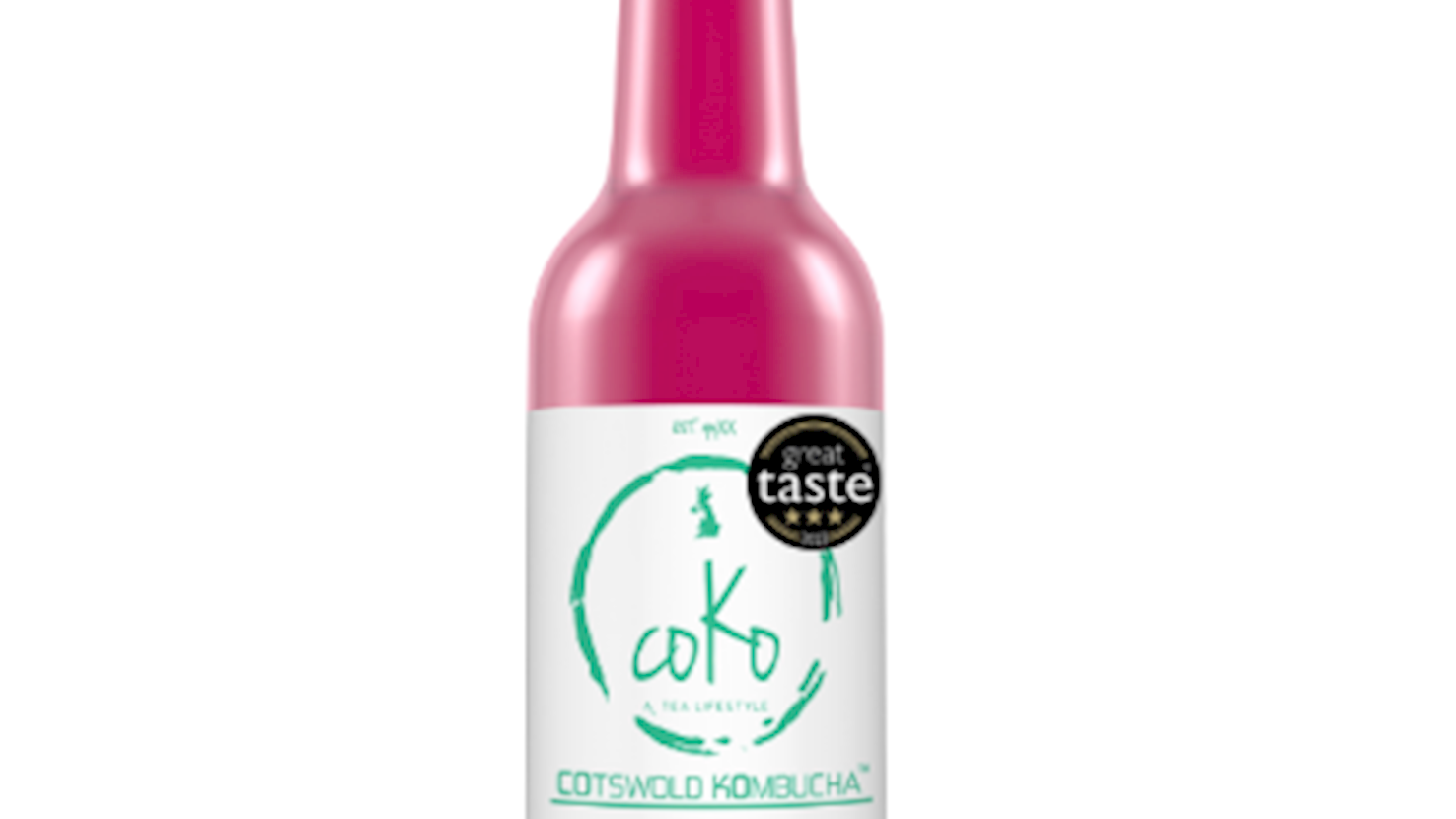
Cotswold Kombucha™ is a soft drink producer based in Cheltenham, specializing in fermented tea beverages known as kombucha. Their products are crafted using traditional fermentation methods and natural ingredients.

The company emphasizes sustainability and health benefits associated with consuming kombucha.

Awards
Great Taste Awards - 3 Stars (2022)
Great Taste Awards - 2 Stars (2023)
05

Didier Goubet

4.8 ·

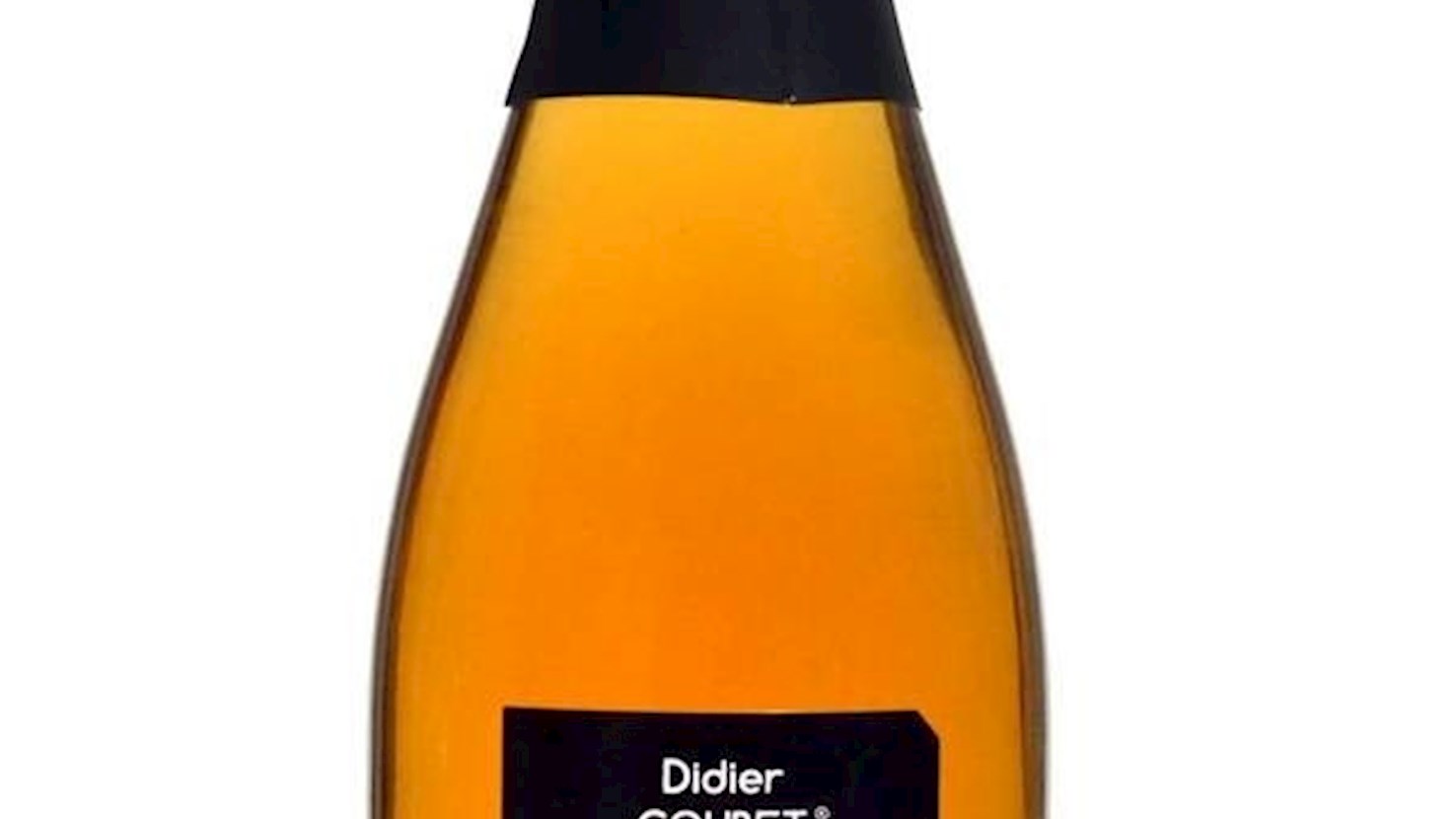
DIDIER GOUBET is a French soft drink producer that specializes in creating non-alcoholic fine beverages. The company is known for its focus on producing natural, organic juices and non-alcoholic wines.

These products are made without added sugars, preservatives, or colorings, emphasizing pure fruit flavors.

Awards
Great Taste Awards - 3 Stars (2021)
Great Taste Awards - 2 Stars (2021)
06

Willy's

4.5 ·
Awards
Great Taste Awards - 3 Stars (2024, 2023, 2021)
Great Taste Awards - 2 Stars (2023, 2022, 2021)
07

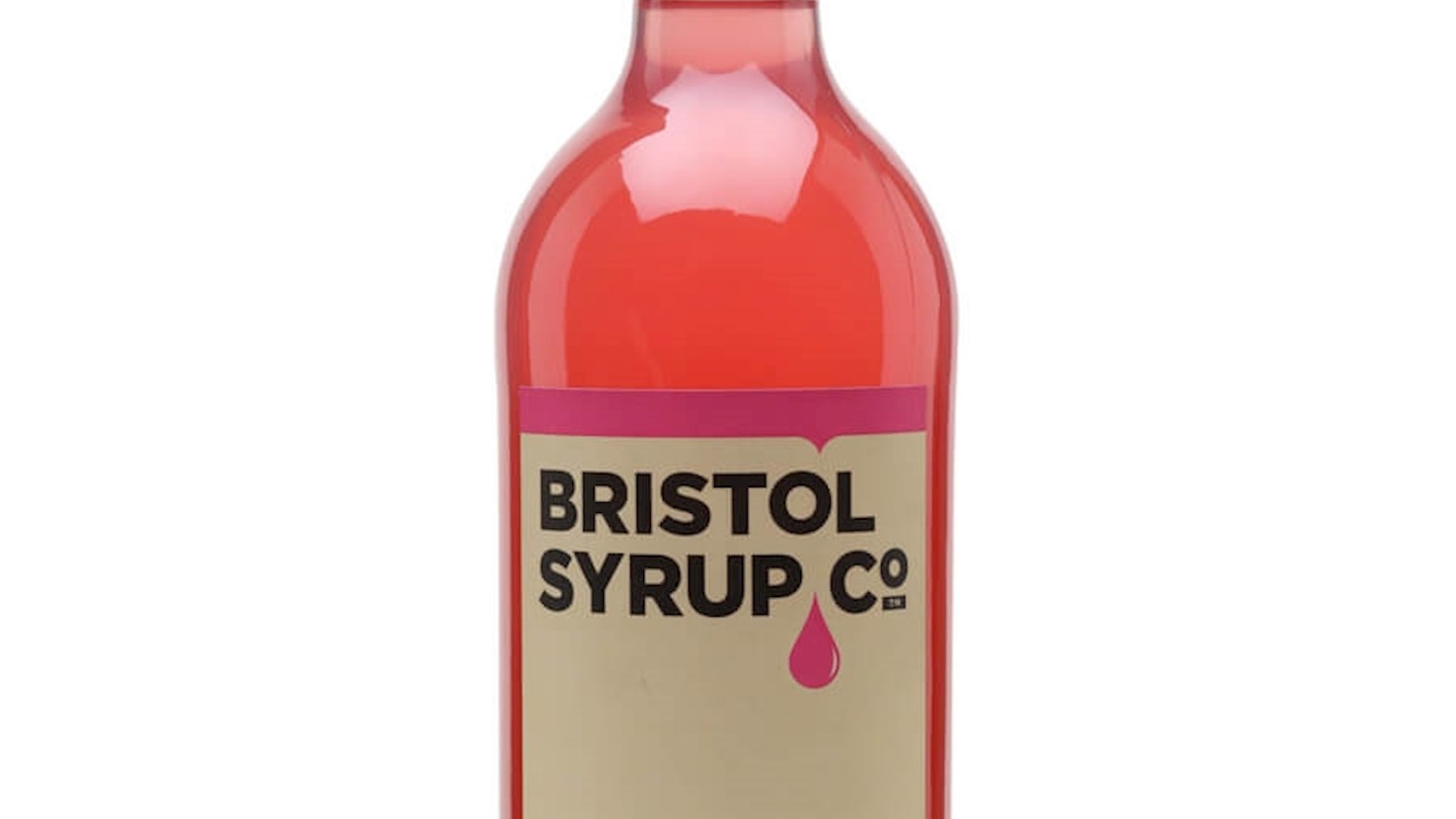
Bristol Syrup Company

4.5 ·

Bristol Syrup Company is a producer of unique and premium syrups designed specifically for mixologists and bartenders. The company focuses on using high-quality ingredients to create a diverse range of flavors tailored for cocktails.

Bristol Syrup Company is based in Bristol, UK, and is known for collaborating with industry professionals to ensure their products meet the demands of the modern bar scene.

Awards
Great Taste Awards - 2 Stars (2024, 2022, 2021)
08

Seabuckthorn Scotland

4.5 ·
Awards
Great Taste Awards - 3 Stars (2024)
09

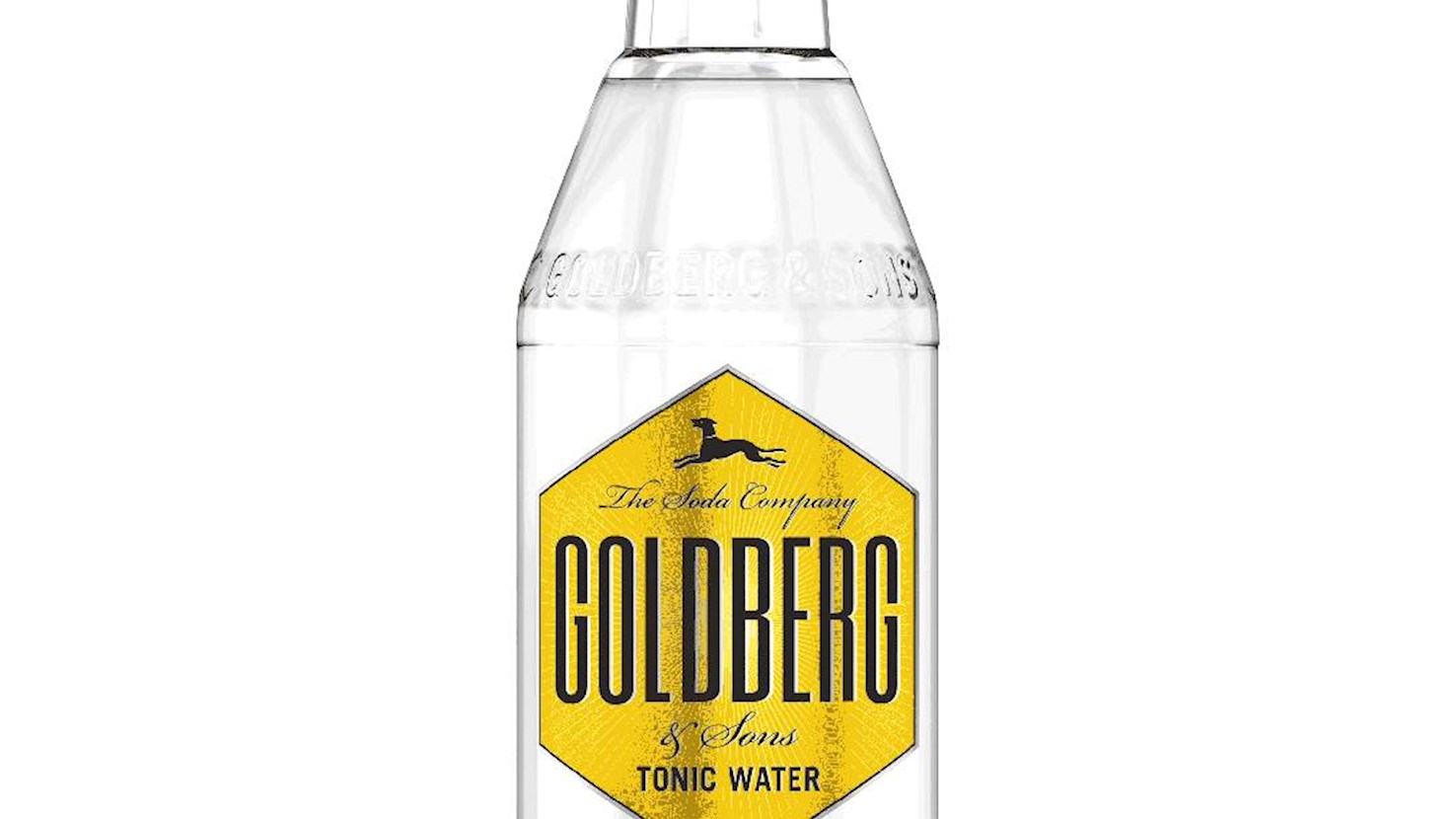
Goldberg & Sons

4.5 ·

Goldberg & Sons is a renowned producer of premium carbonated beverages, especially known for its bitter lemonades and high-quality mixers. The company is part of MB Holding GmbH & Co.

KG, further confirming its commitment to quality and innovation in the beverage industry. These drinks are designed to perfectly complement high-quality spirits, and with their high carbon dioxide content, they provide a refreshing and intense taste experience.

Goldberg & Sons products are highly favored by internationally renowned bartenders who rely on their quality when creating their signature cocktails.

Awards
Crystal Taste Award - 3 stars (2024)
10

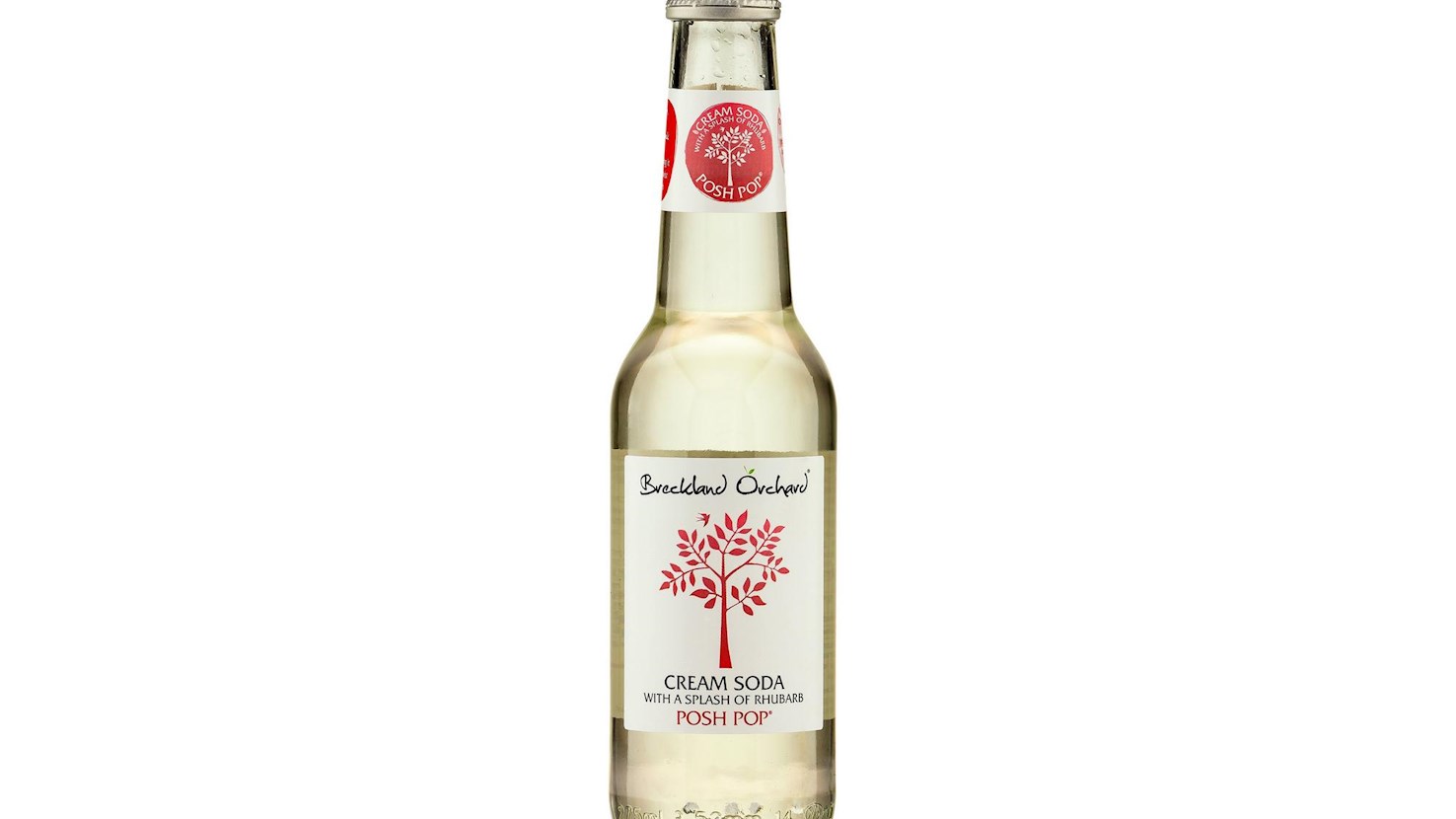
Breckland Orchard

4.5 ·

Breckland Orchard is a soft drink producer based in Cambridge, UK. The company specializes in creating premium, award-winning fizzy drinks, known for their distinctive flavors and natural ingredients.

They use traditional recipes to craft their range of carbonated drinks, which include flavors like Elderflower, Ginger Beer, and Rhubarb & Rosehip. Breckland Orchard's drinks are sold through various retailers and online platforms, catering to a market that values quality and artisanal production.

Awards
Great Taste Awards - 2 Stars (2024, 2023)

Best European Soft Drink Types
01

Chinotto

3.9 ·

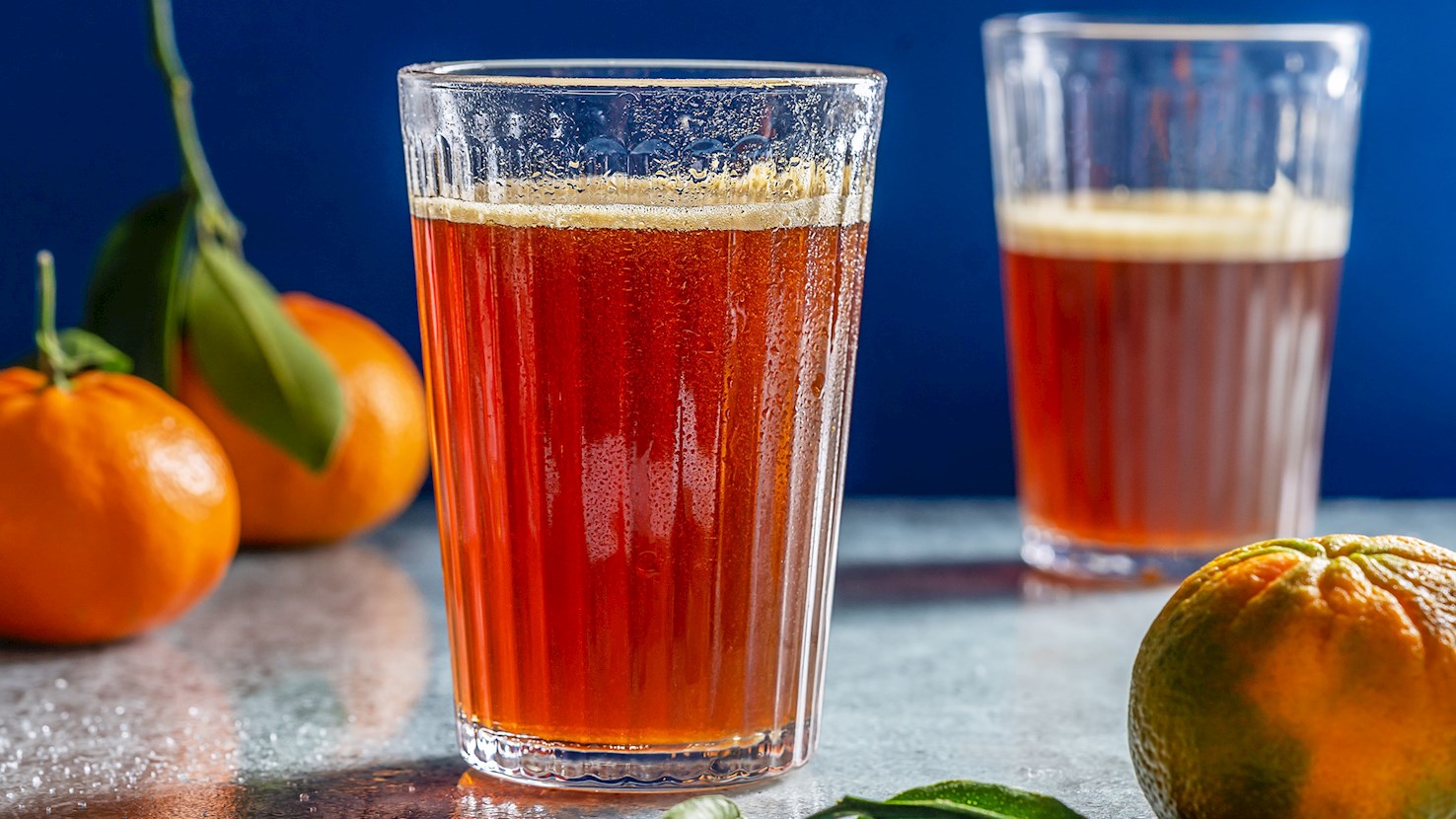
Chinotto is a carbonated soft drink made from the juice of the chinotto fruit. This beverage has been produced since the early 20th century in Liguria region of Italy. The chinotto fruit, a small and intensely bitter citrus fruit, imparts a distinctive flavor to the drink that balances sweetness with a pronounced bitter note. The primary ingredients include chinotto fruit extract, sugar, carbonated water, caramel color, and various natural flavors. The flavor profile is often described as a mix between cola and citrus with herbal undertones. Chinotto is typically dark in color, similar to cola, and is carbonated. Several brands are well-known for producing chinotto, like San Pellegrino, which offers a widely recognized version of the drink, known for its high quality. Other notable brands include Neri and Lurisia, the latter of which is known for its premium, artisanal approach to producing chinotto. It is often served chilled or over ice, making it a popular choice for a refreshing beverage, or as a mixer in cocktails.

02

Club-Mate

3.7 ·

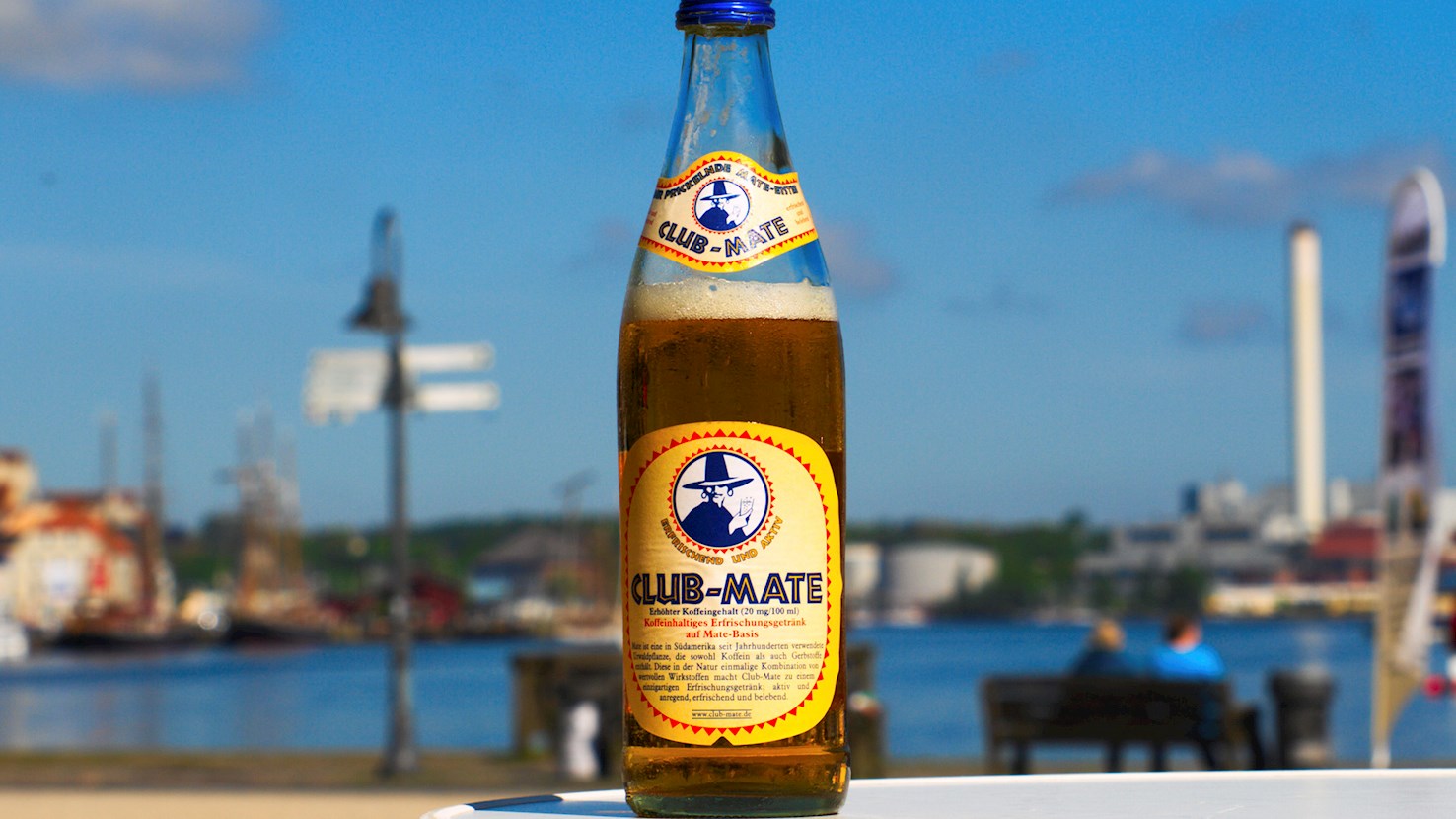
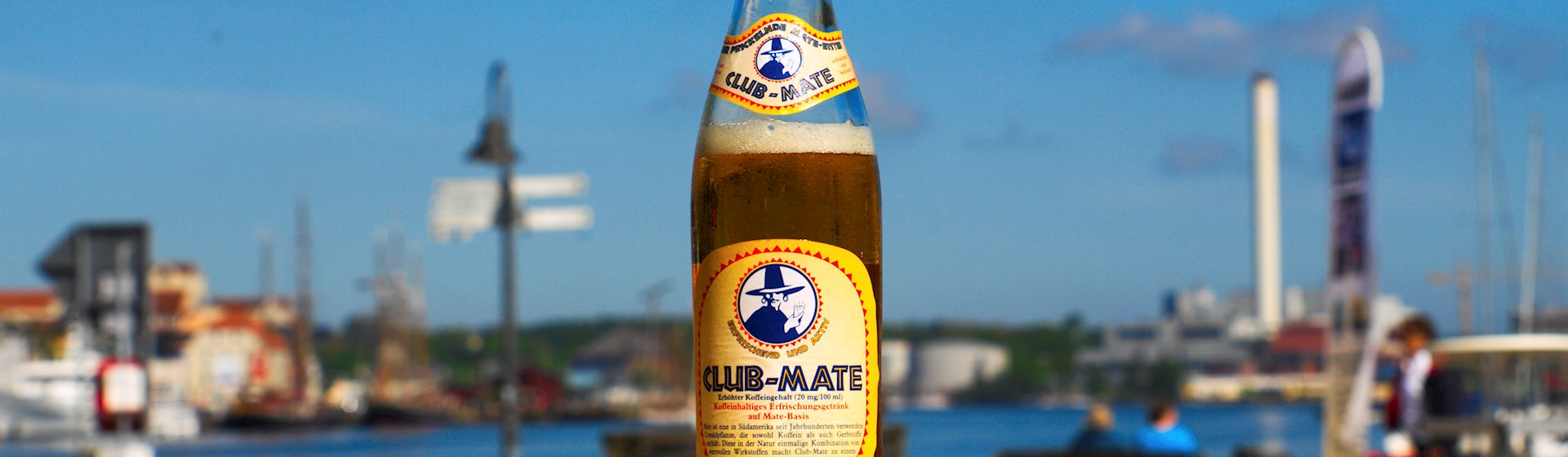
Club-Mate is a caffeinated soft drink made from mate-extract, an infusion of dried yerba mate leaves. Compared to other soft drinks, it has a relatively low sugar content and a caffeine content of 20 mg per 100ml. It was originally formulated and marketed by Geola Beverages of Dietenhofen, Germany. Today it’s produced by the Loscher Brewery which was established in 1924. A wide variety of flavors are available such as Club-Mate IceT Kraftstoff, Club-Mate winter edition, and Club-Mate Granat, among others.

03

Apfelschorle

3.6 ·

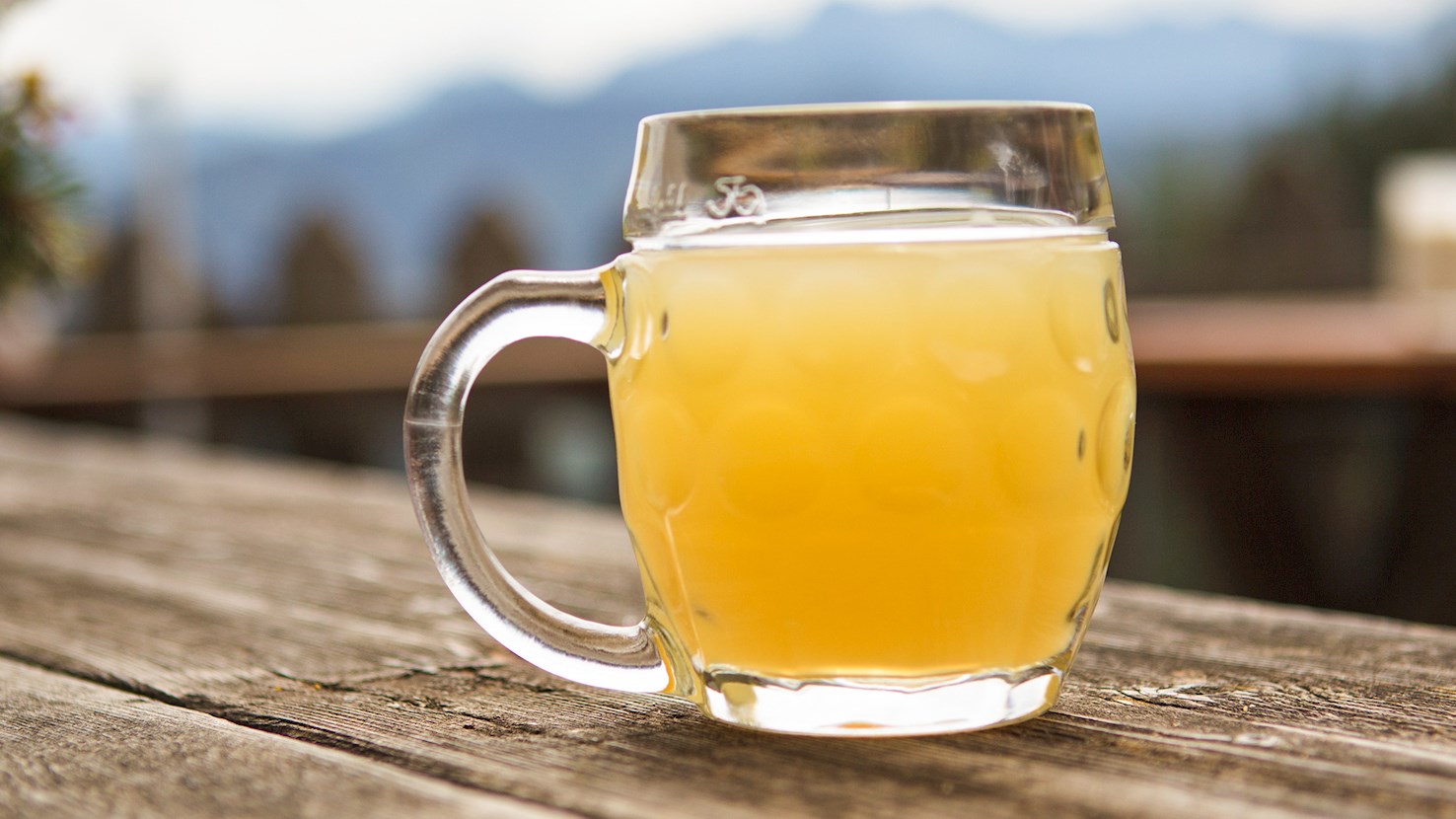
Apfelschorle is a popular beverage originating from Germany (and popular in neighboring Austria and Switzerland), consisting of a mix of apple juice and sparkling mineral water. The drink is well-loved for its refreshing taste and is a healthier alternative to sugary soft drinks, offering a natural sweetness from the apple juice tempered by the crispness of carbonated water. Apfelschorle typically contains a ratio of about 50% to 60% apple juice to 40% to 50% sparkling water, although this can vary according to personal preference or commercial brands. This beverage is especially popular during the warmer months and is commonly found in restaurants, cafes, and supermarkets throughout Germany and neighboring countries. It's also easy to make at home, allowing for adjustments in sweetness and carbonation level to suit individual tastes.

04

Spezi

3.6 ·

Spezi is a German soft drink made by mixing cola and orange soda, known for its balanced combination of citrus brightness and cola depth. It originated in Germany, where the practice of blending cola with orange-flavored soda began in the mid-20th century and gradually became a widespread beverage choice. The name "Spezi" initially referred to a specific brand introduced by the Brauhaus Riegele in Augsburg in the 1950s, but over time it became a generic term in colloquial usage across German-speaking countries for any cola-orange mix, even when produced by other companies. The drink typically consists of about equal parts cola and orange soda, resulting in a beverage that has the caramel and caffeine notes of cola alongside the fruity tang and sweetness of orange. Its flavor is often described as refreshing and easy to drink, with lower acidity than pure orange soda and less heaviness than cola alone. Some formulations also include lemon or a touch of herbs for complexity, though the base remains consistent. Commercially bottled Spezi contains carbonated water, sugar or sweeteners, caffeine, and natural or artificial flavorings from both cola and citrus components. Colorants and stabilizers are also standard, as in most soft drinks. Spezi is especially popular in southern Germany, Austria, and parts of Switzerland, where it is served in restaurants, sold in bottles or cans in supermarkets, and available on draft in some beer gardens or cafés. While it appeals to all age groups, it is particularly common among teenagers and young adults as a non-alcoholic alternative to beer or energy drinks. Some people also mix it themselves at home or in bars by combining equal parts of Coca-Cola (or Pepsi) with orange Fanta or a local equivalent, resulting in a homemade version often called “Cola-Mix” or simply “Mezzo Mix” when using the Coca-Cola-owned brand.

05

Vimto

3.5 ·

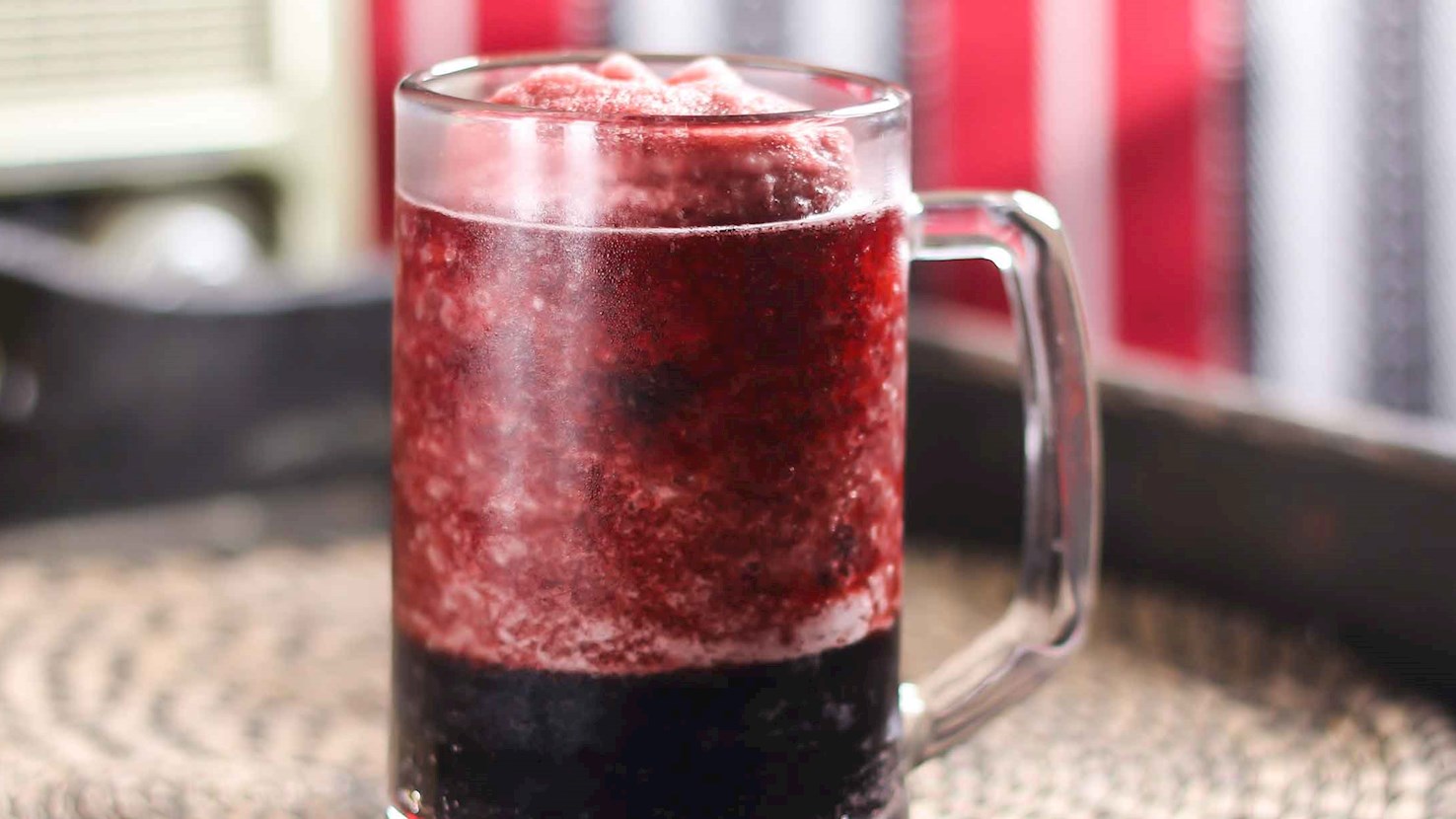
Vimto is an iconic British purple-colored soft drink created in 1908 in Manchester, England. Originally, it was registered as a health tonic and came in the form of concentrated syrup intended to invigorate and refresh during the hot summer months. The name Vimto is derived from the words "vim," which means energy or vitality, and "to", which is shortened form of the word "tonic". Today, there are many variations of the original drink, with Vimto Cordial (still, dilutable version, closest to its original form) and Fizzy Vimto (premixed carbonated version) being the most popular ones. Vimto's unique flavor comes from its blend of fruits, herbs, and spices, which give it a distinctive taste that is sweet, tangy, and slightly fruity. The exact recipe is a closely guarded secret, but it is known that the key ingredients include grape juice, blackcurrant juice, raspberry juice, and a blend of secret herbs and spices. Vimto has become an iconic part of British pop culture and is often associated with special occasions such as Christmas and birthday parties, where it is used to make festive cocktails.

06

Lagidze tskali (Lagidze water)

3.0 ·

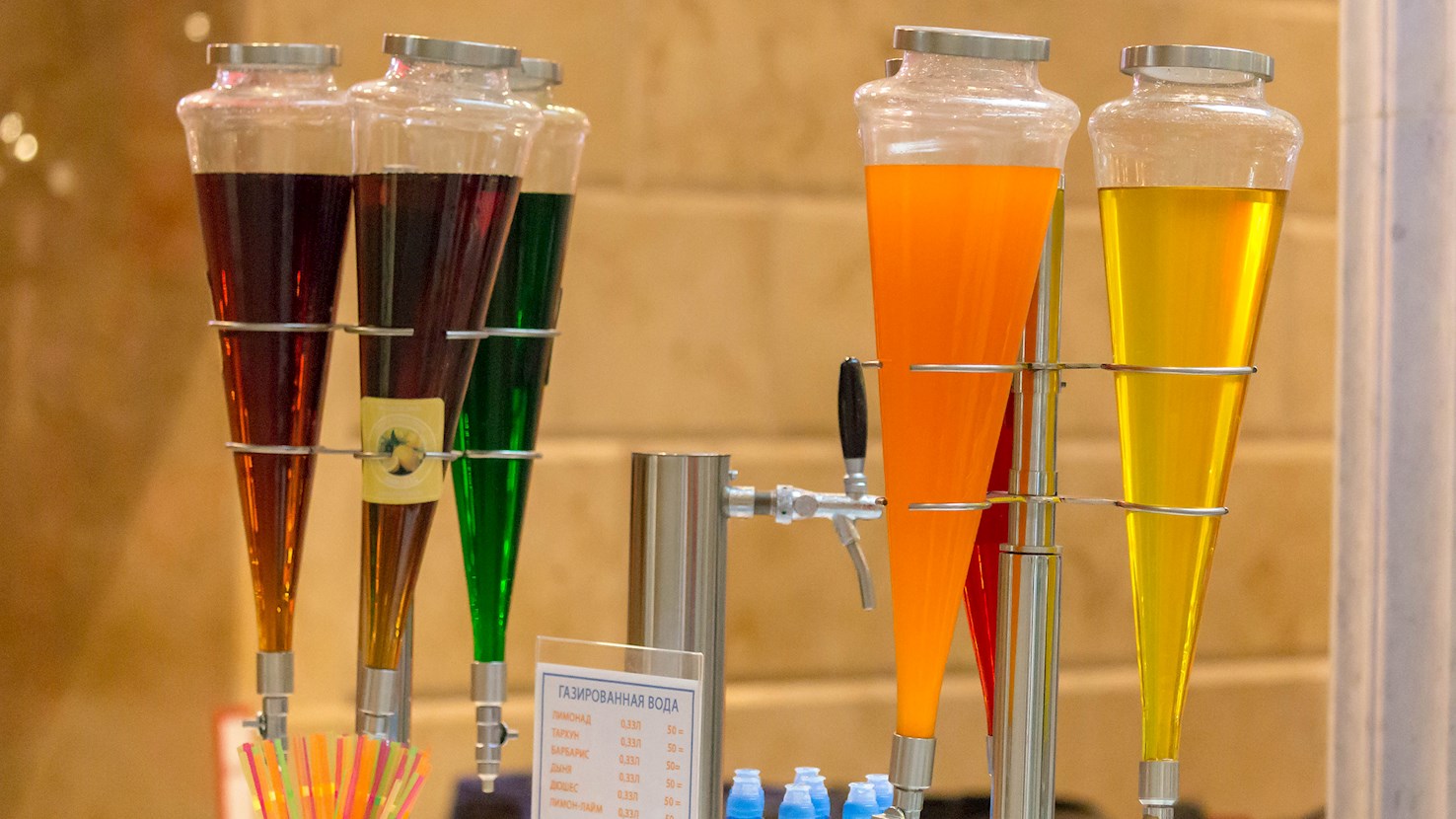
Lagidze water is a Georgian soda that combines soda and natural syrups. Preparation of Lagidze soda is an authentic local experience as it is mainly prepared by mixing syrups and pouring soda directly from the soda fountain, but bottled versions are also available. There are various flavors - typically based on local fruit and herbs. One of the most popular flavors is made with tarragon (tarkhuna). The drink was invented in 1887 by a pharmacist Mitrofan Lagidze from Kutaisi. He wanted to create completely natural syrups exclusively made from locally-sourced igredients. The first Lagidze shop was opened in Tbilisi, and in 2014, the drink was listed as an intangible cultural heritage of Georgia. It is recommended to pair Lagidze water with khachapuri.

07

Tsitsibira

n/a ·

Tsitsibira is the Greek term for a traditional, homemade ginger beer. It's a popular drink in Greece, particularly on the island of Corfu, where it was introduced by the British and has been made for centuries. The preparation of tsitsibira involves the fermentation of a mixture of water, sugar, lemon, and ginger. The resulting drink is a fizzy, non-alcoholic (or very low-alcohol) beverage that's both sweet and tangy, with the characteristic spicy flavor of ginger. The fermentation process can take a few days, and the strength of the flavor can be adjusted by changing the amount of ginger or letting it ferment longer. It's often enjoyed cold, particularly in the summer months.

08

Brasilena

n/a ·

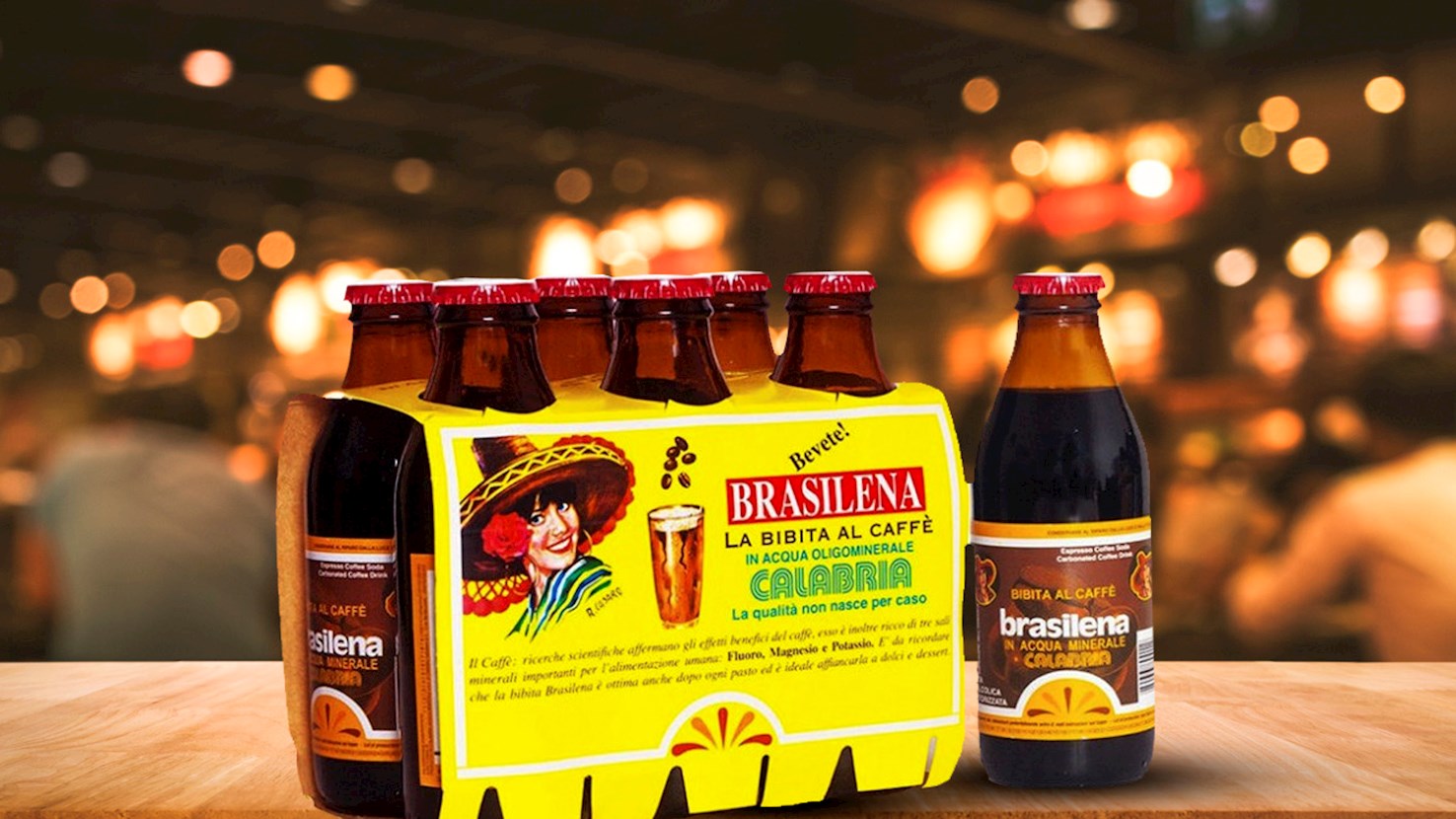
Brasilena is a non-alcoholic coffee soda that hails from Calabria. The drink is made with natural coffee aromas and locally-sourced mineral water. It is a thirst-quenching fizzy drink with a characteristic dark brown color, medium carbonation, and rich coffee flavor. This soda has been on the market for over 50 years—it was first produced in 1982, and it soon gained a loyal following in southern Italy, mainly Calabria, Apulia, Sicily, and Campania. It is also exported to several other countries. The drink is produced by a local Calabrian company Acqua Calabria. Brasilena is usually enjoyed as a refreshing, well-chilled drink, but it is also incorporated into cocktails. It comes in glass bottles and aluminium cans, and it still retains its 60s-like vintage design with dominant brown and yellow colors.

09

Gassosa al caffè

n/a ·

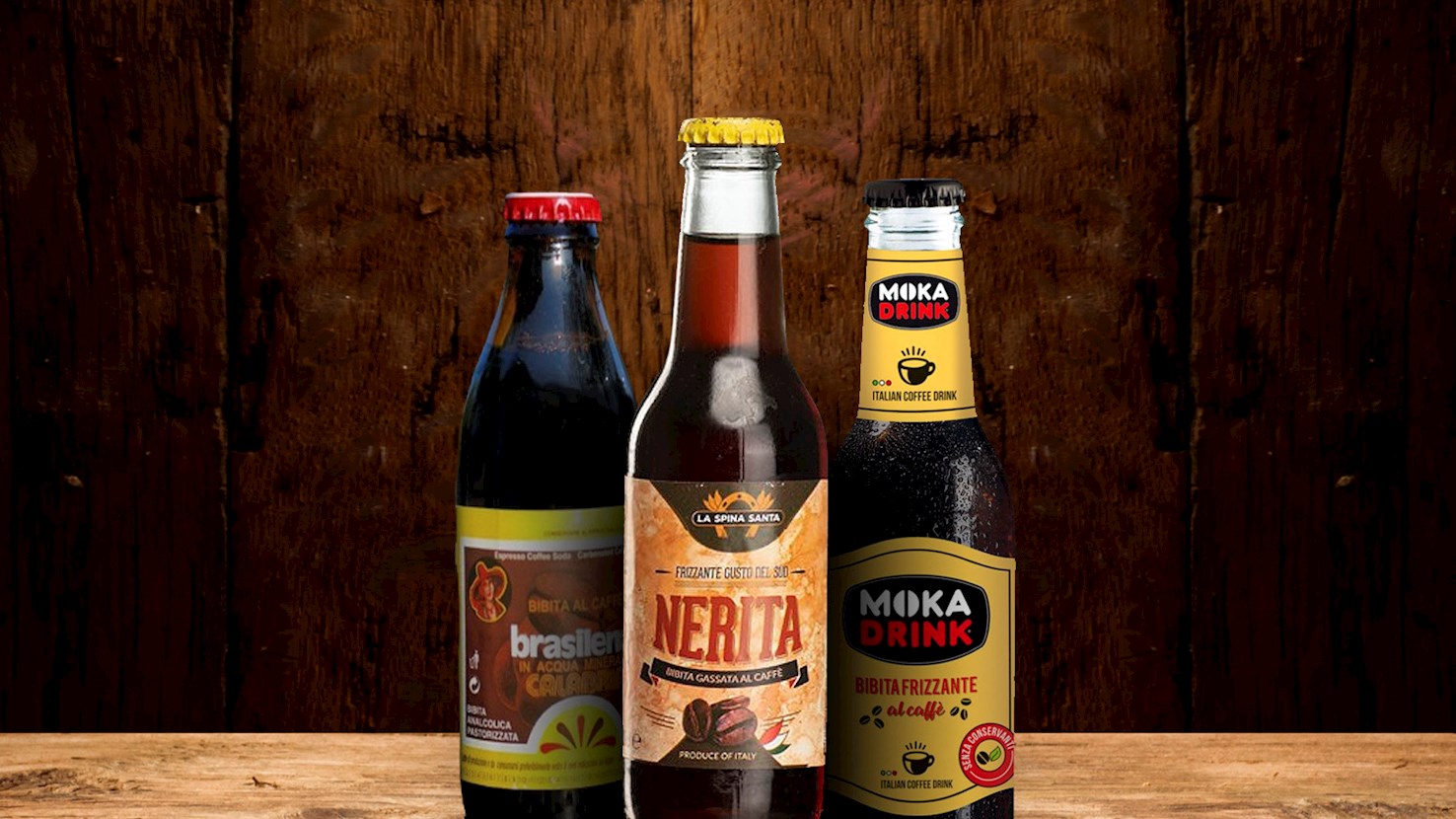
Gassosa al caffè is a Calabrian specialty – a soft drink that is best described as coffee-flavored soda. The drink is sparkling, refreshing, and subtly sweet, with hints of caramel and a distinctive coffee flavor and aroma. There are several brands of coffee-flavored sodas, some of the most notable are Brasilena, Siesta, Bibicaffè, and MokaDrink. The first variety that appeared on the market was Bibicaffè. It was introduced in 1941, but its history goes back to the beginning of the century. Gassosa al caffè is usually sold in glass bottles, and many companies use vintage and retro advertising.

10

Julebrus

n/a ·

Julebrus is a Norwegian seasonal soft drink produced for the Christmas period, sold across the country by large beverage companies as well as smaller local breweries, and recognized by its characteristic red or brown color depending on the producer. It developed in the early twentieth century when breweries sought to offer a non-alcoholic holiday beverage, often as an alternative for younger consumers during a time when beer sales were regulated, and recipes were shaped by regional preferences that led to differing color, aroma, and sweetness profiles. Production involves carbonated water mixed with flavored syrups that can include fruit notes such as strawberry, raspberry, or citrus for the red versions, and caramelized or malt-influenced flavor bases for the brown versions, with each manufacturer adjusting extracts, colorants, and sugar content to achieve a recognizable house style; bottling is done shortly before the holiday season to meet demand that peaks in November and December. A notable element is that Norwegian breweries maintain distinct formulations, so julebrus varies widely in taste from one region to another, which has created local loyalty and ongoing comparisons between brands. It is consumed throughout Norway during the weeks leading up to Christmas, served chilled at home gatherings, school events, and family meals, and it pairs easily with holiday foods such as roast meats, cured pork rib, rice pudding, and baked goods, while also being drunk on its own as a seasonal treat.

About this Ranking

TasteAtlas food rankings are based on the ratings of the TasteAtlas audience, with a series of mechanisms that recognize real users and that ignore bot, nationalist or local patriotic ratings, and give additional value to the ratings of users that the system recognizes as knowledgeable.

TasteAtlas Rankings should not be seen as the final global conclusion about food. Their purpose is to promote excellent local foods, instill pride in traditional dishes, and arouse curiosity about dishes you haven’t tried.

The initial list of top producers was compiled based on available reviews, awards, local recommendations, media and blog coverage, and consumer reviews. The list will be updated with ratings from TasteAtlas local ambassadors and TasteAtlas users.

What People Say

Similar Lists