



Top 12 Central American Soups

Last updated on May 15, 2026
01

Sopa de gallina india

3.9 ·

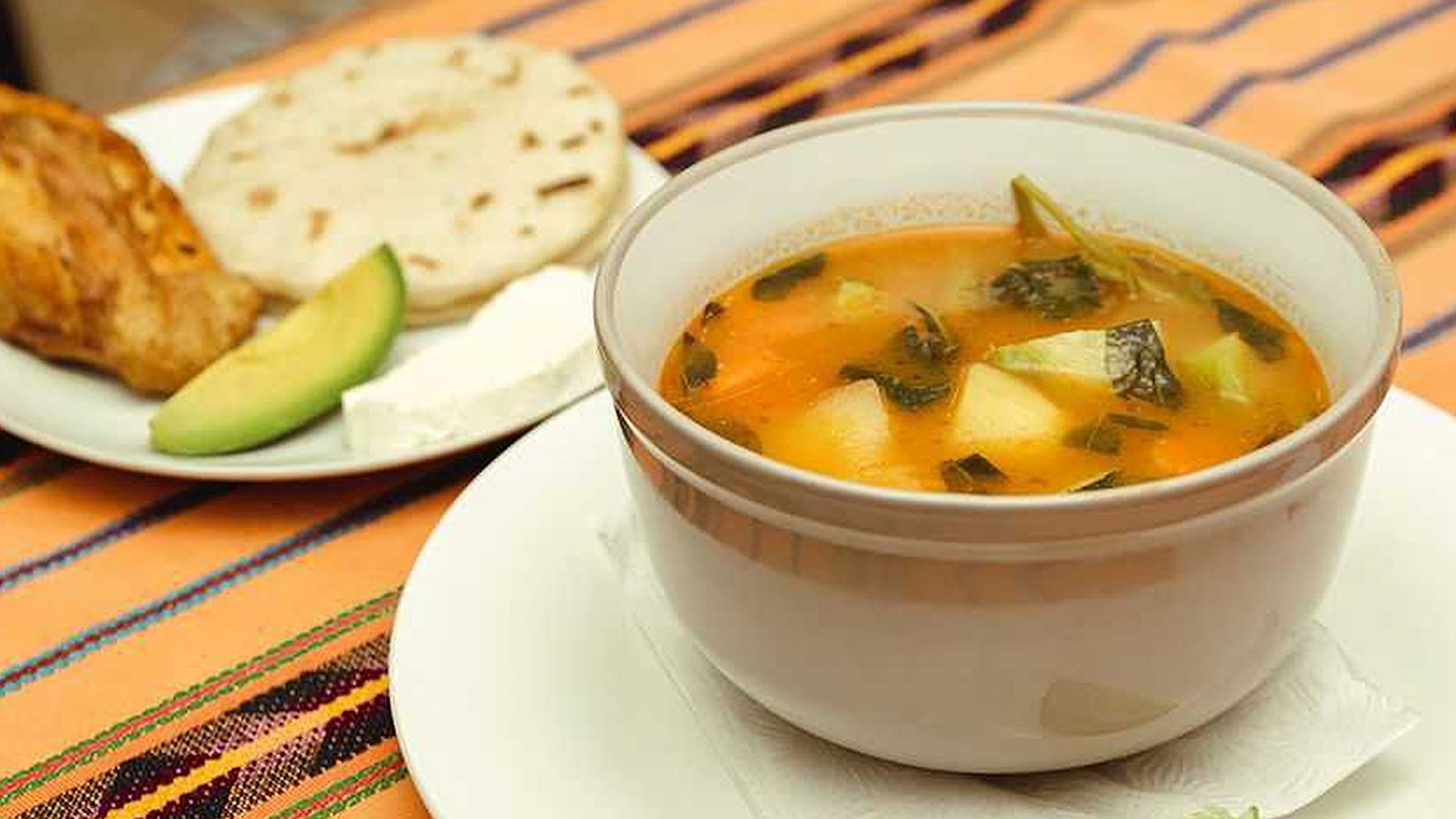
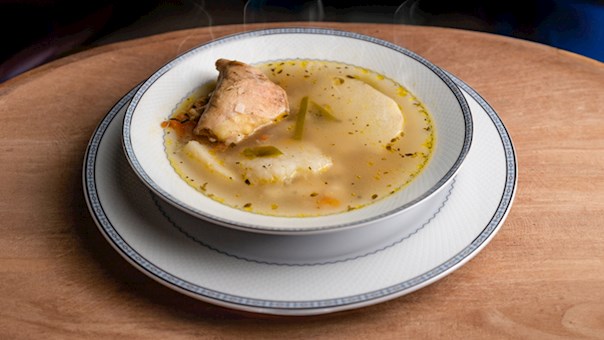
The star ingredient of this traditional Salvadoran soup or broth is a free-range, home-raised chicken known as gallina india. With an incomparable, rich flavor due to it being raised in a natural environment and fed on a natural diet, the chicken is typically cooked in water with a variety of chopped vegetables, garlic, herbs, spices, and seasonings. Typical vegetables used in the soup include carrots, onions, pipián (a type of small squash eaten as a vegetable), tomatoes, potatoes, corn, green chilis, and chayote (a green, pear-shaped vegetable), while the most common herbs and spices used in the dish include parsley, chipilín (a leguminous plant), pepper, red pepper, achiote (a type of spice made from the seeds of the annatto tree), and basil. Some versions may also include other ingredients such as rice, small eggs, or even meatballs (called albondigas). Sopa de gallina india is usually enjoyed warm in bowls with the chicken cut into large pieces. After it’s been cooked, the chicken may also be cut into pieces, roasted, and then served alongside the soup.

02

Tapado de pescado

3.9 ·

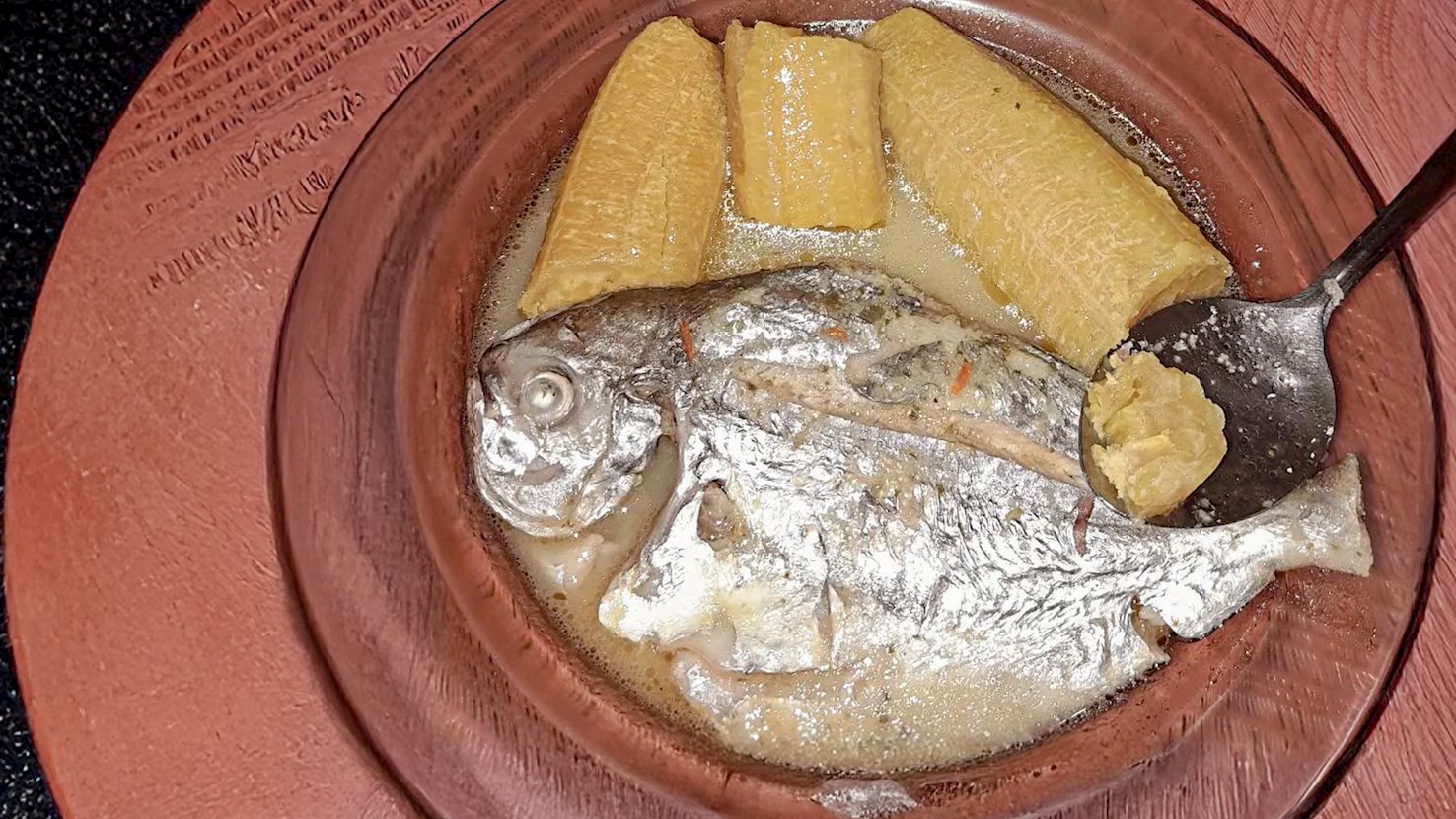
Tapado de pescado is a flavorful Honduran specialty soup featuring ingredients such as white fish (snapper, haddock, bass), coconut milk, plantains, yucca, squash, yams, onions, and seasonings. The soup has a slightly sweet flavor due to the usage of coconut milk, and a creamy texture due to the richness of various vegetables. Tapado de pescado is so popular that the indigenous Hondurans known as Garifunas usually sell it to tourists on local beaches.

03

Sopa marinera hondureña

3.6 ·

Sopa marinera is a flavorful Honduran soup consisting of fish and seafood such as octopus and shrimps, plantains, cassava, and coriander, cooked in coconut milk. The soup is extremely healthy due to the fact that all of the ingredients are cooked for only 15 minutes, preserving most of the nutrients in the process. In order to accentuate its slightly sour flavor, some cooks add a small amount of white wine to the soup.

04

Sopa negra

3 ·

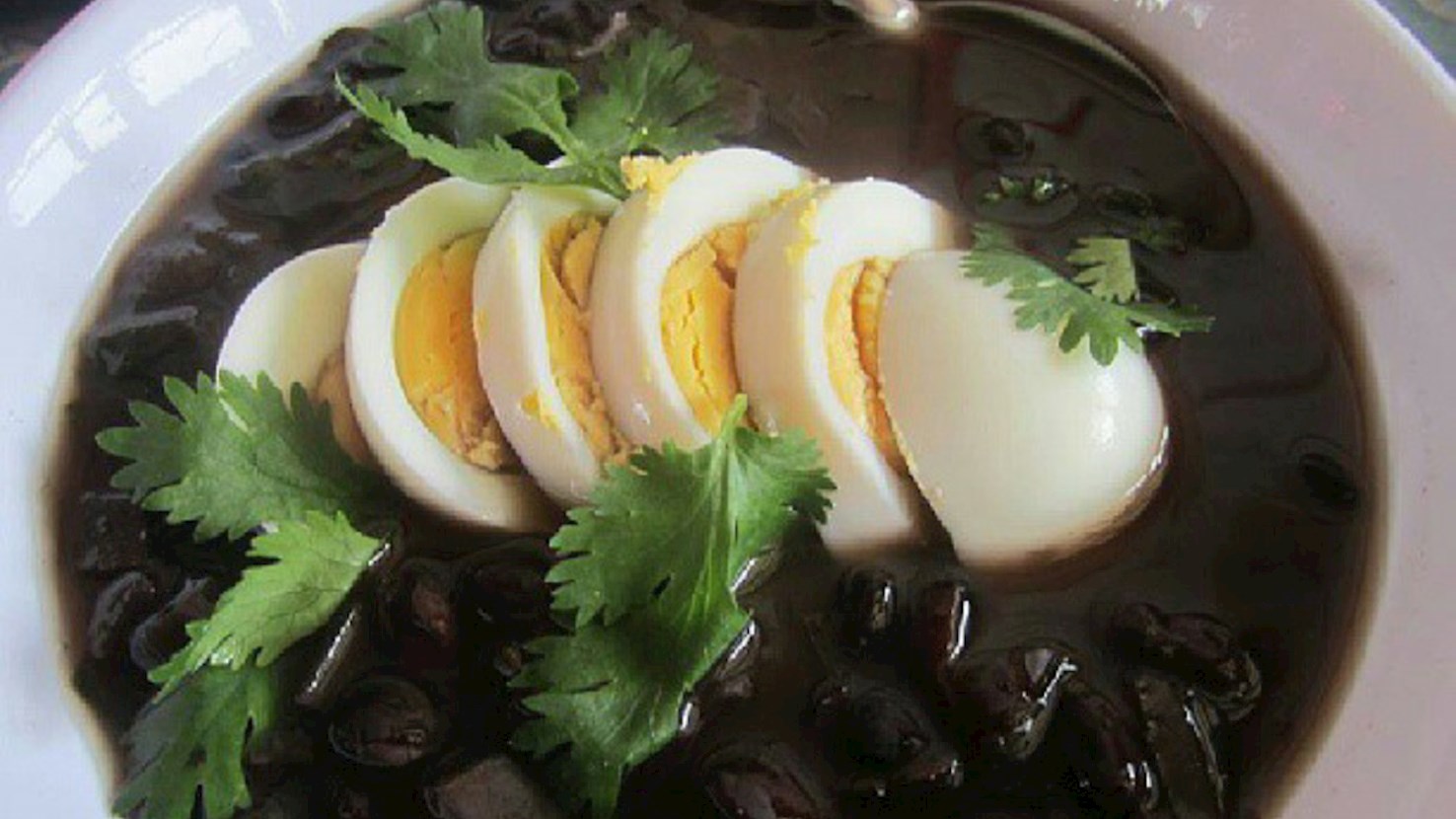
Sopa negra is a traditional soup with variations throughout Latin America. It's made with a combination of black beans, onions, bell peppers, hot peppers, cilantro, garlic, and chicken broth. The soup is cooked until the beans become tender, and it's then garnished with chopped hard-boiled eggs and a dollop of sour cream or avocado slices. The eggs are cooked in the soup and then removed and peeled before being used as garnishes. This hearty bean soup is usually served with warm corn tortillas on the side and white rice that's mixed into the soup.

05

Sopa de caracol

2.9 ·

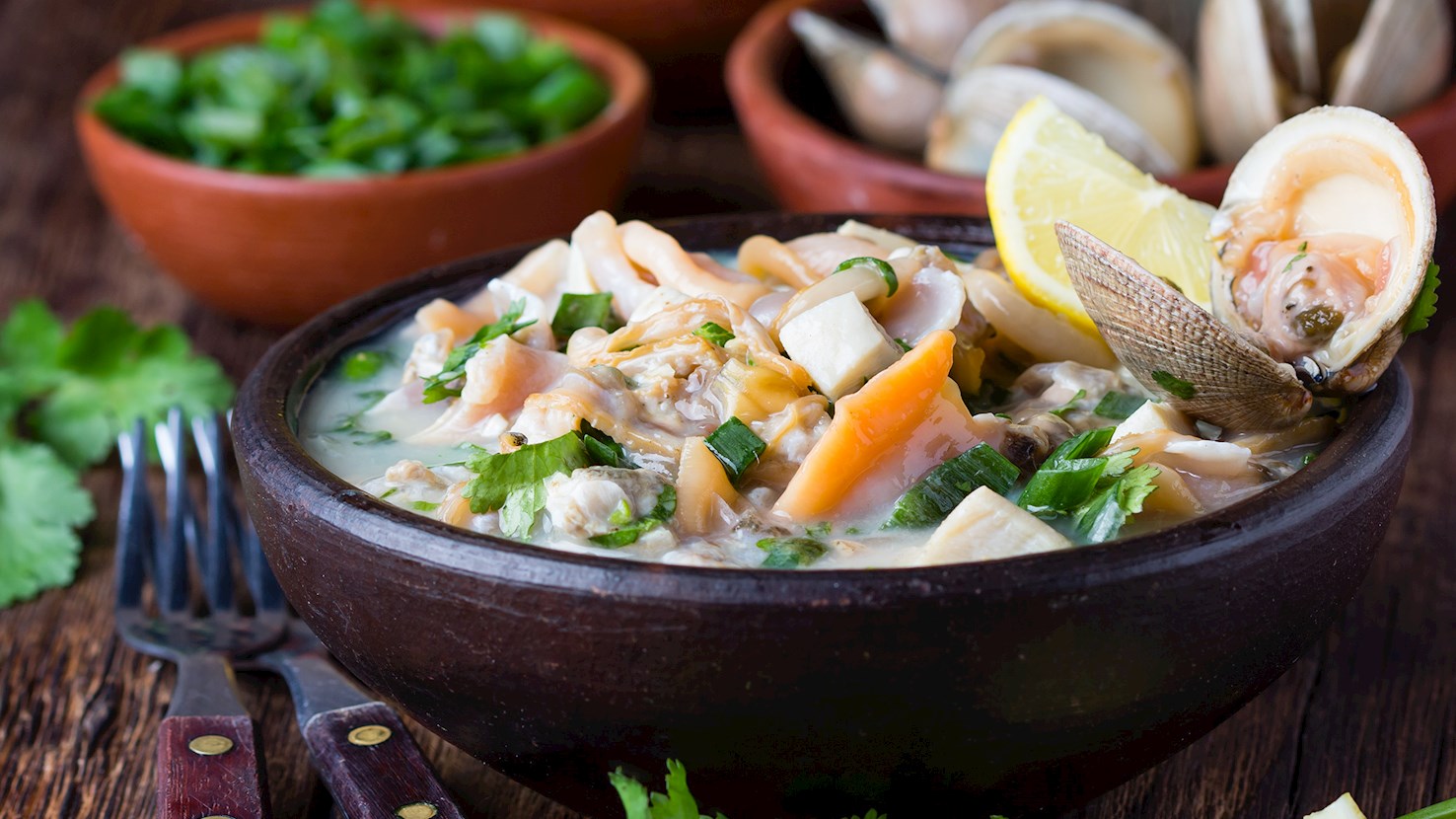
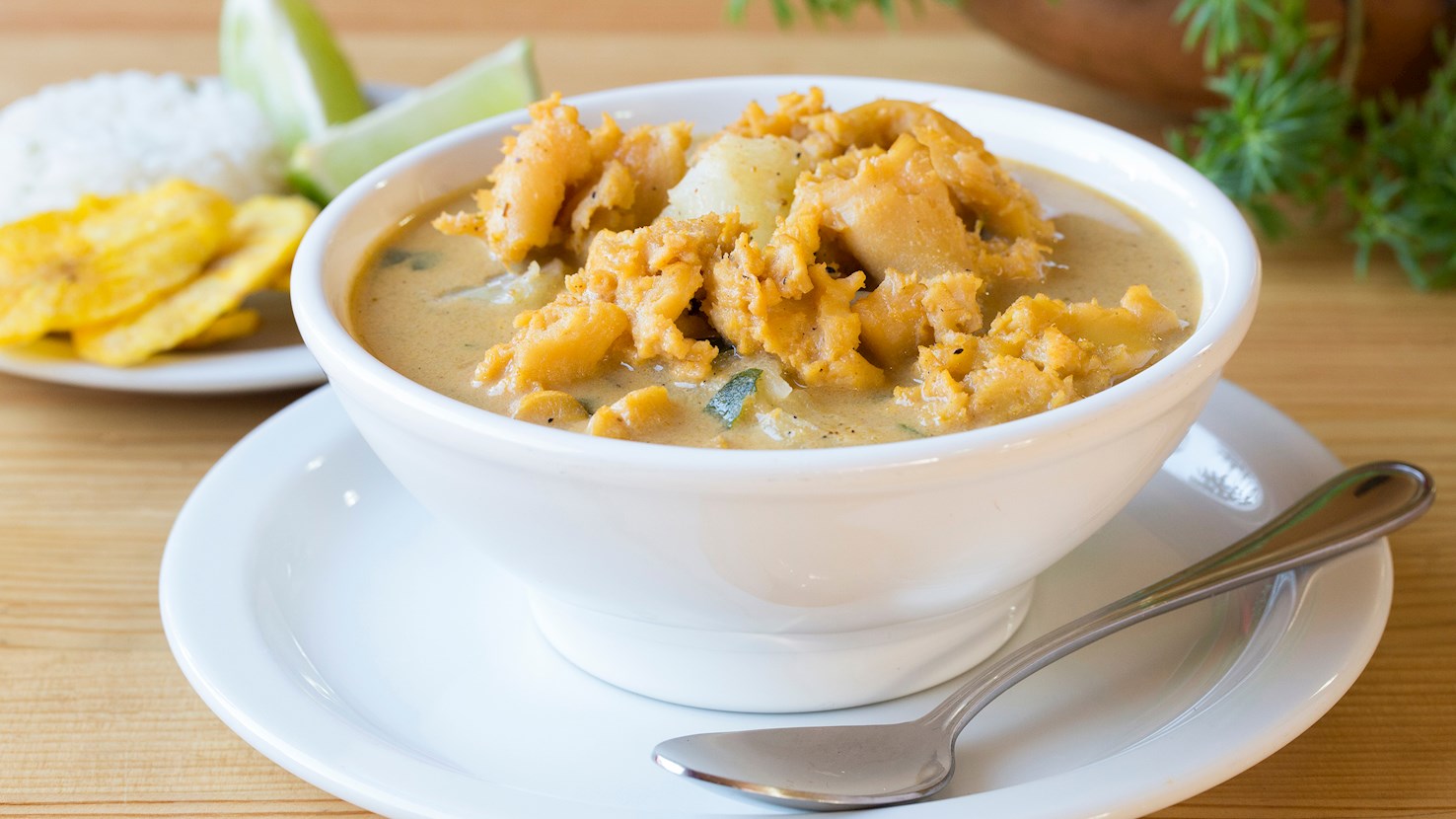
Sopa de caracol is one of the most notable dishes in Honduran cuisine, consisting of large pieces of conch cooked in coconut milk with the addition of conch broth, cassava, plantains, and spices such as coriander, garlic, and chili. For added flavor, it is not unusual to add more vegetables, be it onions, carrots, or finely diced tomatoes. The dish is popular throughout the Caribbean, particularly on islands such as the Bahamas and Jamaica.

06

Sopa de pata

2.6 ·

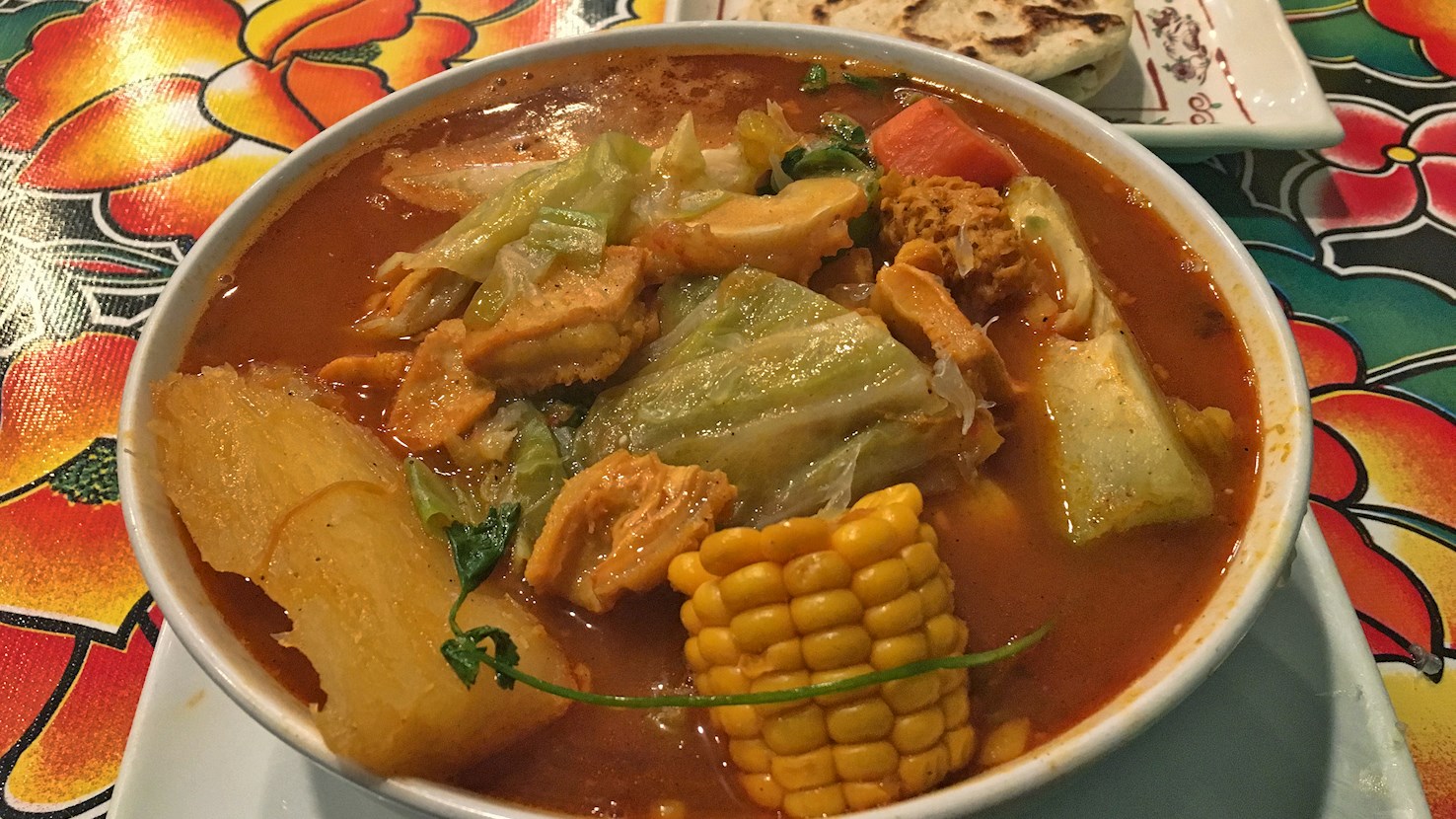
Sopa de pata is a traditional soup. It's made with a combination of tripe, cow's feet, sweet corn, green beans, chayotes, cassava, and bananas. The soup is spiced with onions, garlic, cumin, and achiote, while its rich and buttery flavor is coming from cow hooves. The hooves are washed in lemon juice before being added to the soup in order to lose their barnyardy aroma. When served, the soup is often garnished with culantro and sprinkled with chili powder.

07

Sopa de cola

2.5 ·

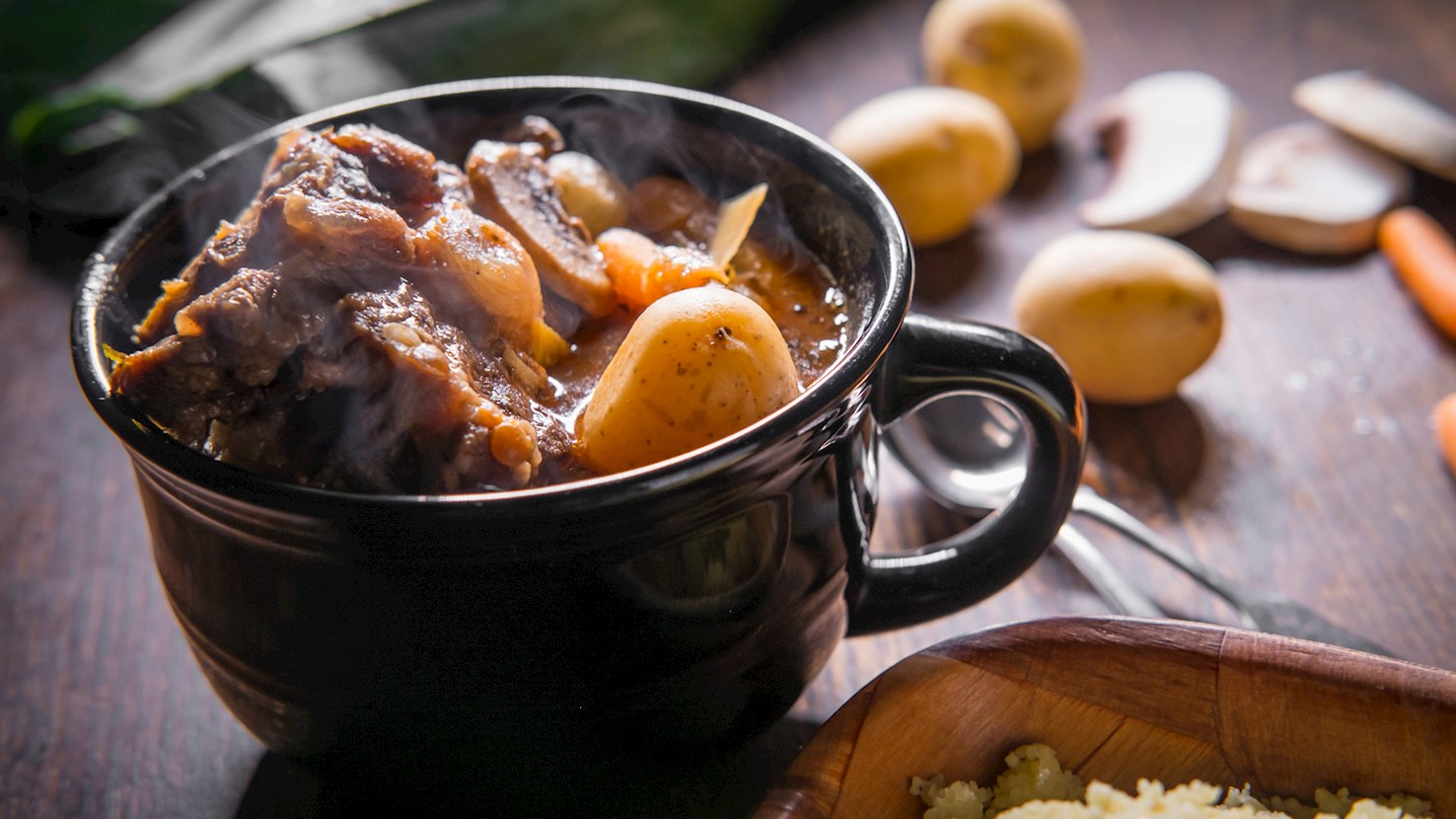
Sopa de cola is a traditional soup made with oxtail. Typically, the soup is prepared in a large metal pot over an open fire. The pieces of oxtail are cooked long and slow in water to which a great variety of vegetables, herbs, spices, and seasonings are added at staggered intervals throughout the cooking process. Typical ingredients used in the preparation of this rich soup include onions, scallions, carrots, tomatoes, bell peppers, chayote squashes, pipián squashes, chilote (baby corn), quequisque (a starchy root), ripe plantains, ears of corn, cilantro, and lemon juice. The slow-cooking process results in a flavorful broth filled with tender pieces of bone-in meat and vegetables. Sopa de cola is usually enjoyed piping hot, and it is typically accompanied by a side of rice or chili peppers.

08

Chimole

n/a ·

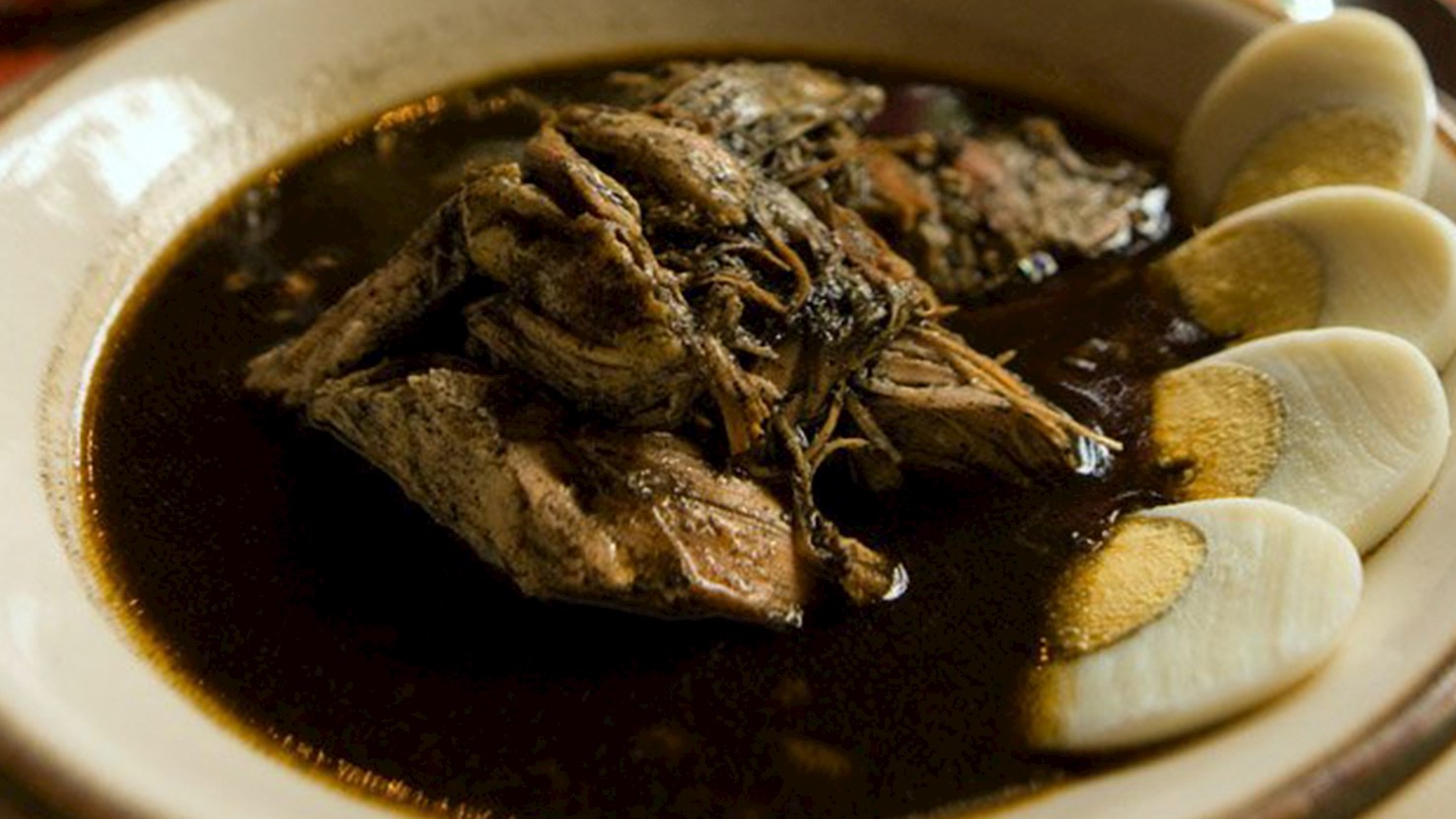
Chimole is a traditional Sunday soup, also known as black dinna due to its black color coming from recado negro. The soup also incorporates ingredients such as chicken, onions, potatoes, and a variety of spices such as cumin, peppercorns, oregano, and hot peppers. Chimole is usually served with corn tortillas on the side.

09

Sopa de capirotadas

n/a ·

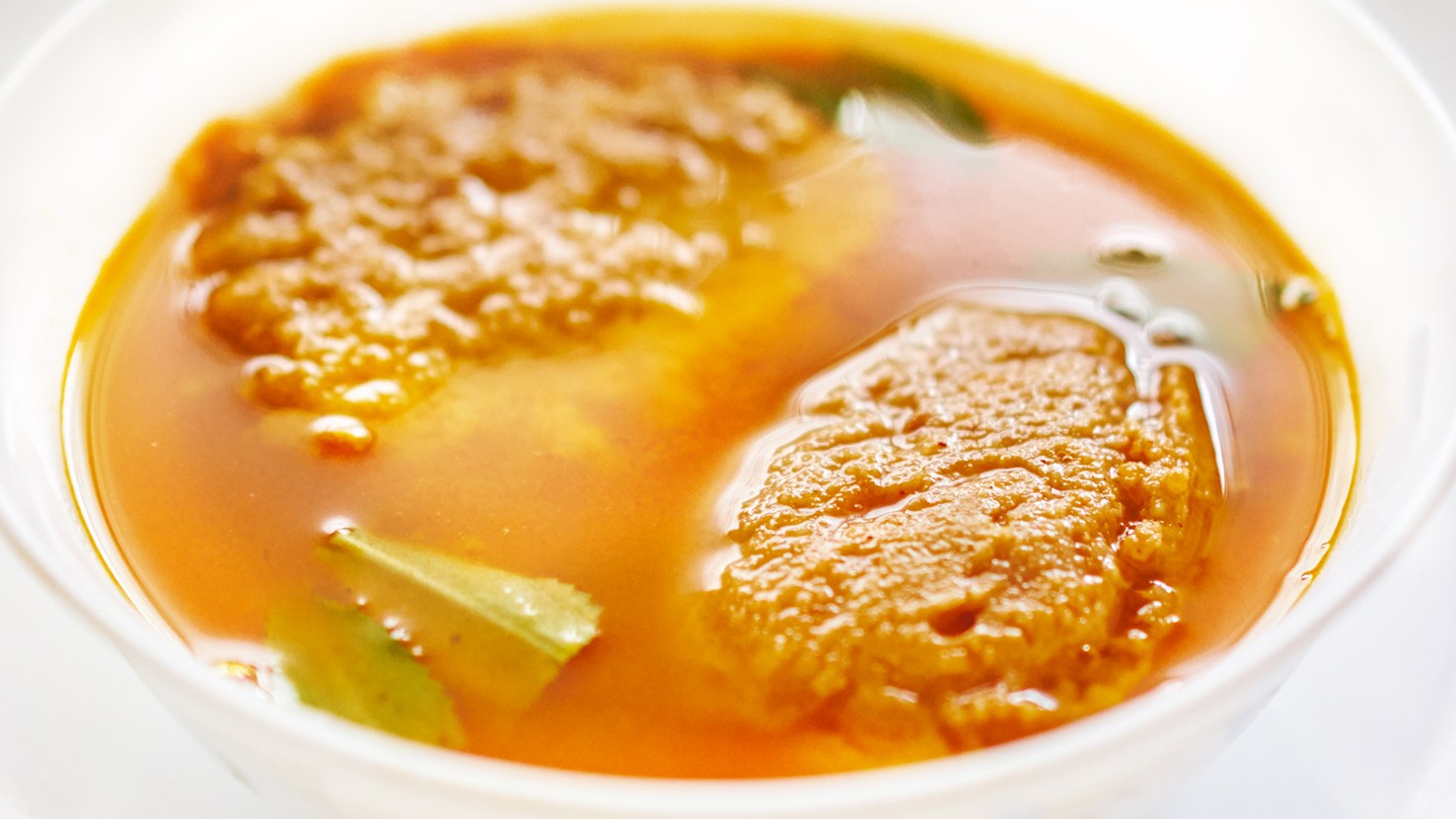
Sopa de capirotadas is a hearty Honduran soup filled with dumplings made with cheese and cornmeal. It is traditionally prepared only during Lent and Easter, and was originally used as a meal for those who could not afford fish, which is traditionally consumed during Lent. It is recommended to use dry cheese so that the dumplings do not fall apart.

10

Sopa de pejibaye (Pejibaye soup)

n/a ·

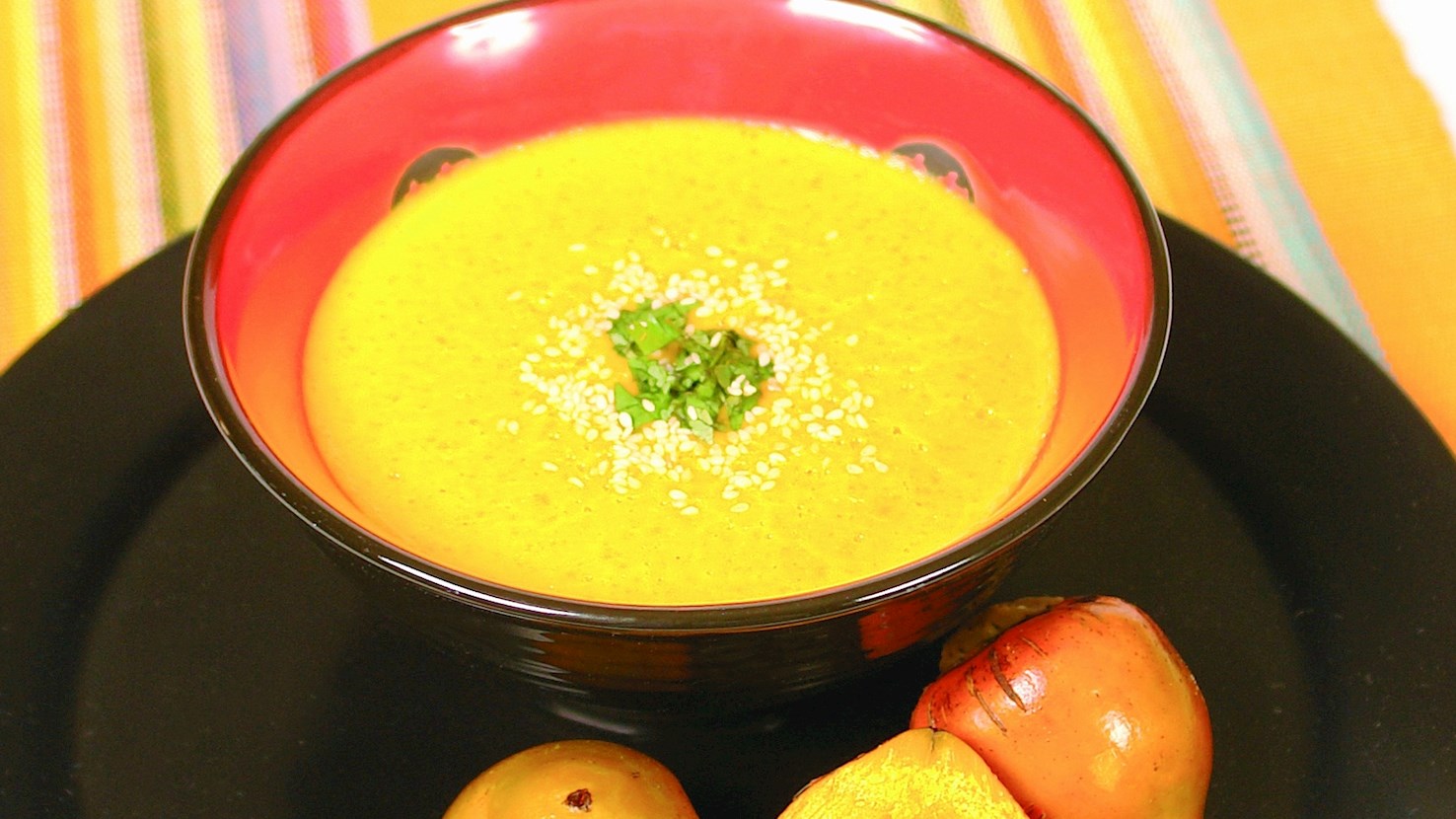
Crema de pejibaye is a flavorful Costa Rican soup consisting of chicken stock, oil, milk or cream, chopped onions, garlic, sweet peppers, and pejibaye palm fruit, which is almost exclusively consumed in Costa Rica. The soup has a flavor reminiscent of chestnut purée and Japanese pumpkins. Pejibayes are also traditionally served cold with mayonnaise and consumed as a snack.

11

Sancocho Panameño

n/a ·
12

Serre la sus

n/a ·
Read more
View all
View map
About this ranking

TasteAtlas food rankings are based on the ratings of the TasteAtlas audience, with a series of mechanisms that recognize real users and that ignore bot, nationalist or local patriotic ratings, and give additional value to the ratings of users that the system recognizes as knowledgeable. For the “Top 12 Central American Soups” list until May 15, 2026, 261 ratings were recorded, of which 94 were recognized by the system as legitimate. TasteAtlas Rankings should not be seen as the final global conclusion about food. Their purpose is to promote excellent local foods, instill pride in traditional dishes, and arouse curiosity about dishes you haven’t tried.

Similar lists