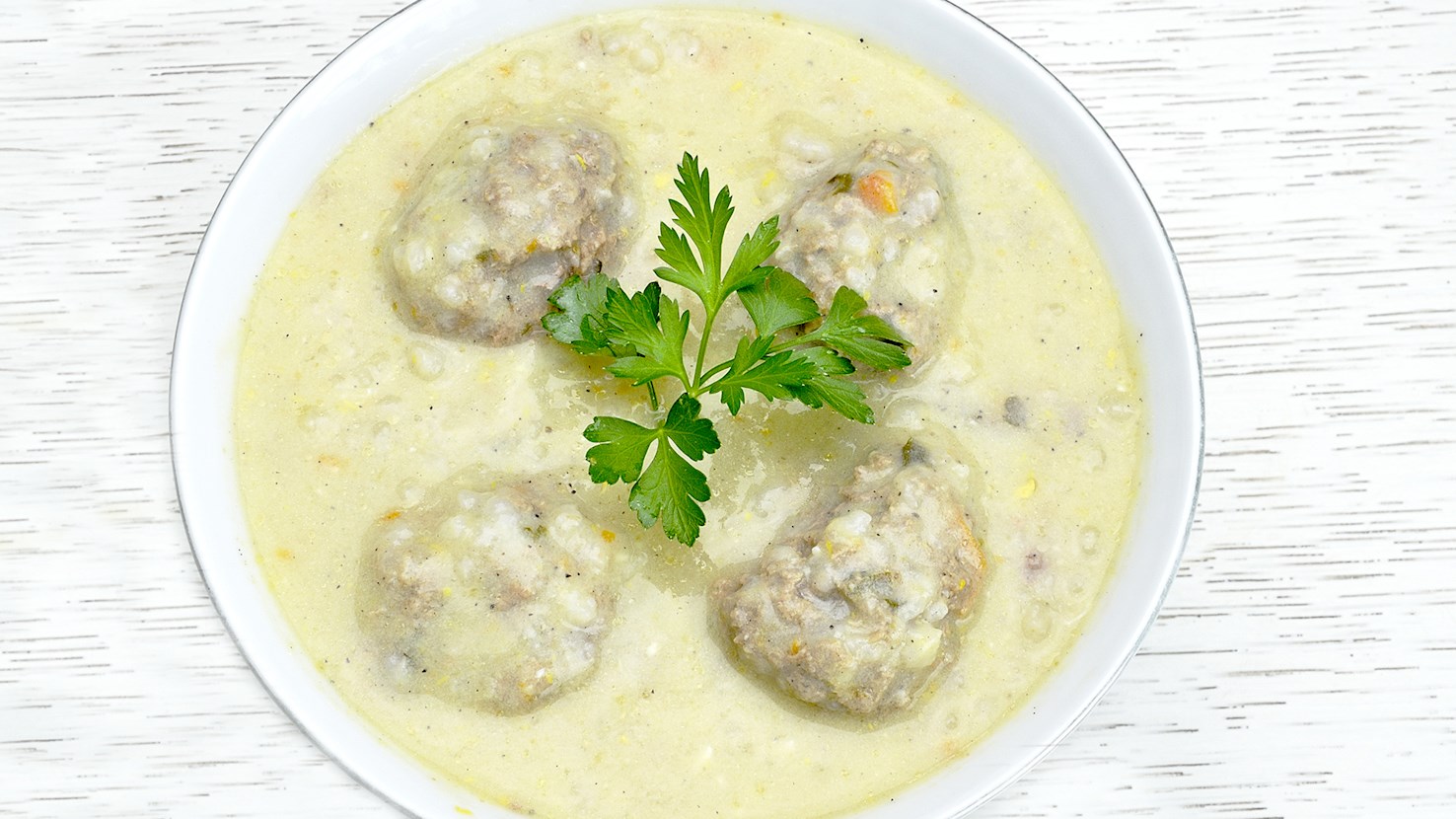
This hearty Greek soup couples tender beef meatballs and a creamy, flavorful broth. The meatballs and the broth are usually seasoned with various fresh herbs, and the whole dish is finished with the addition of avgolemono—the creamy egg and lemon sauce—which thickens the broth and adds the characteristical zesty flavor. Traditionally associated with wintertime, youvarlakia is usually accompanied by bread and enjoyed as a nutritious main course.
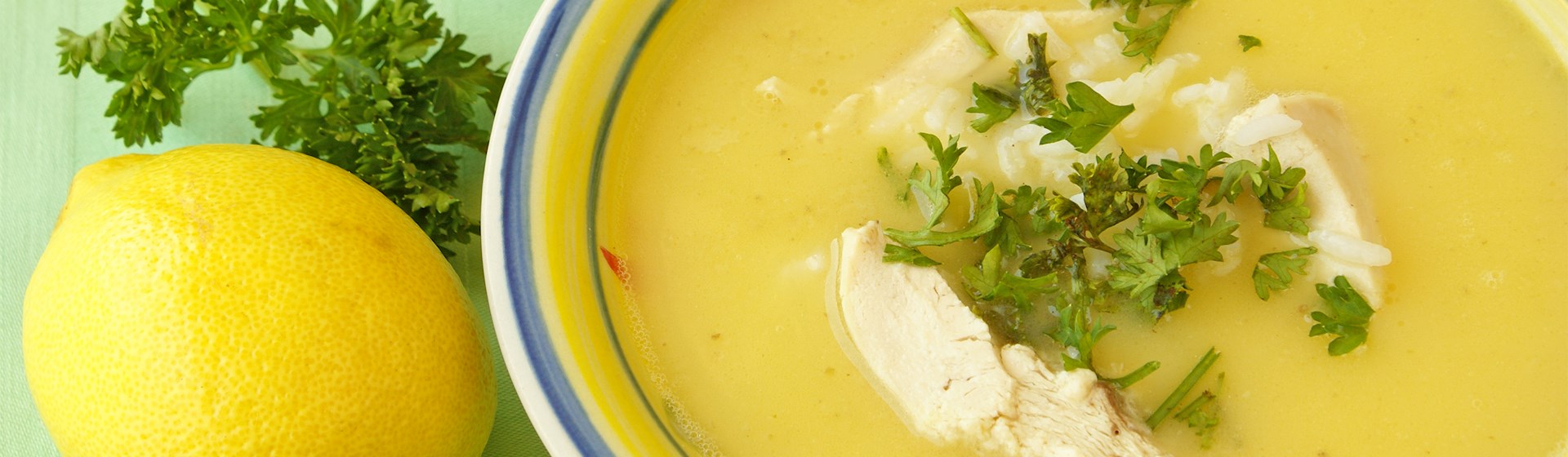
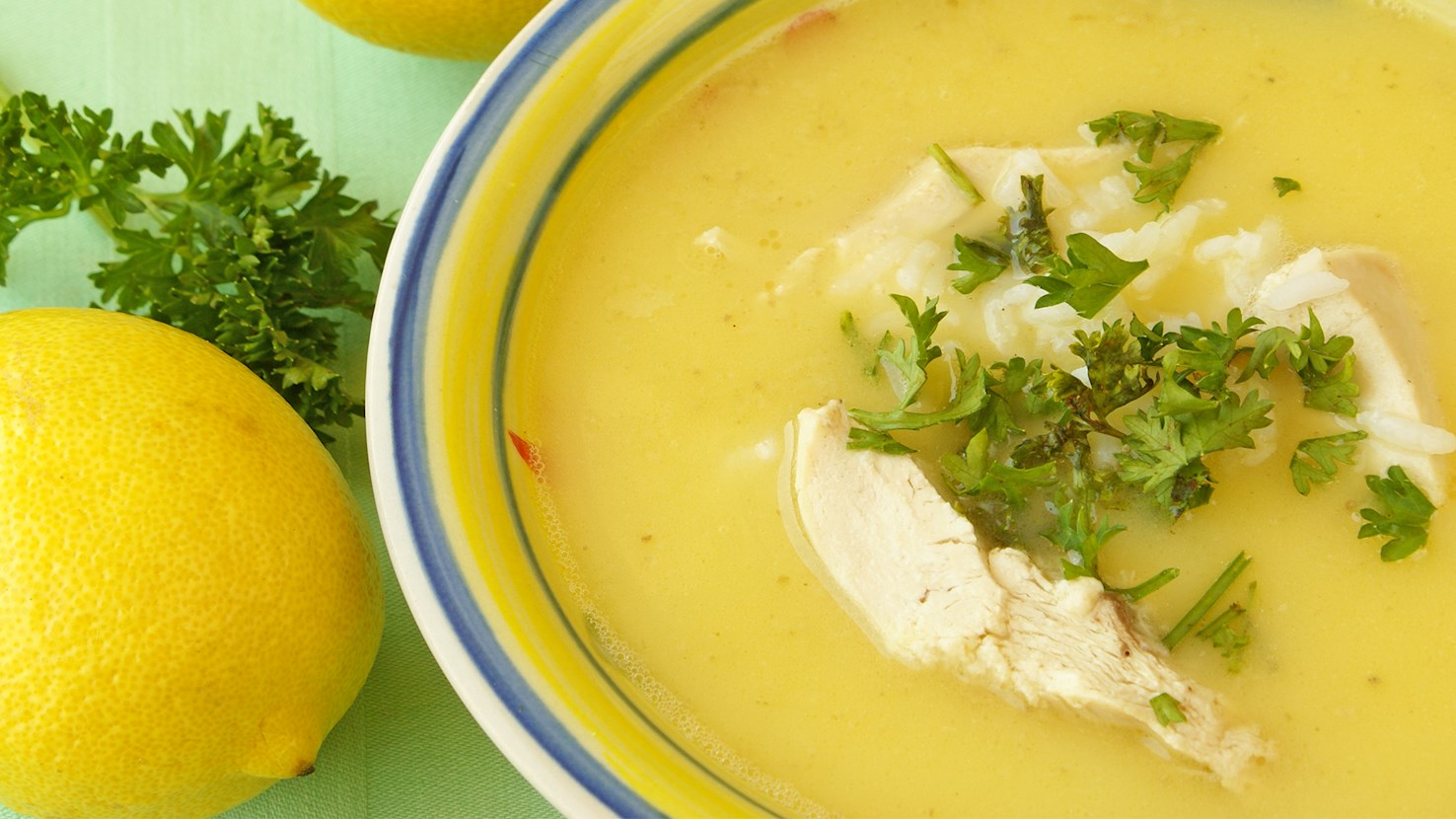
Avgolemono is a silky, lemon-infused chicken soup thickened exclusively with tempered eggs and filled with short-grain rice or small pasta. In Greece, the egg-lemon mixture was historically used not only as the base for soup, but also as a sauce for dishes such as dolma, the rice-stuffed vine leaves common throughout the region. Similar egg-based sour sauces and soups are also found in Middle Eastern and Sephardic Jewish cooking, which points to a shared culinary heritage shaped by centuries of movement, adaptation, and exchange across the Mediterranean. The base is usually prepared by simmering chicken with aromatic vegetables until the broth becomes rich and flavorful, after which rice, or occasionally orzo, is cooked directly in the liquid. Beaten eggs are then combined with lemon juice and carefully tempered with hot broth before being stirred back into the pot, creating the soup’s characteristic velvety texture. Although avgolemono is now strongly associated with Greek cuisine, the egg-and-acid thickening technique is often linked to Sephardic Jewish culinary traditions. One of its likely predecessors was agristada, a sauce made with eggs and souring agents such as verjuice, vinegar, or pomegranate juice. As lemons became increasingly common throughout the Mediterranean, lemon juice gradually replaced older acidic ingredients, and the technique spread through the cuisines of the eastern Mediterranean, the Balkans, and the Aegean. Avgolemono appears in several forms. It may be served as a light, refined soup, or made heartier by adding shredded chicken back into the broth. Rice is the most common starch, though orzo and other small pasta shapes are also used. Some versions are made with fish or vegetable stock, while others rely on separated eggs, with the whites whipped before being folded with the yolks and lemon juice, giving the soup a lighter, foamier consistency. The soup is usually served immediately after thickening, since boiling it directly can cause the eggs to curdle. It is commonly finished with freshly ground black pepper, chopped dill, or a little extra lemon. Warm, bright, and creamy without being heavy, avgolemono is one of the most recognizable examples of the Greek preference for simple ingredients transformed through careful technique.
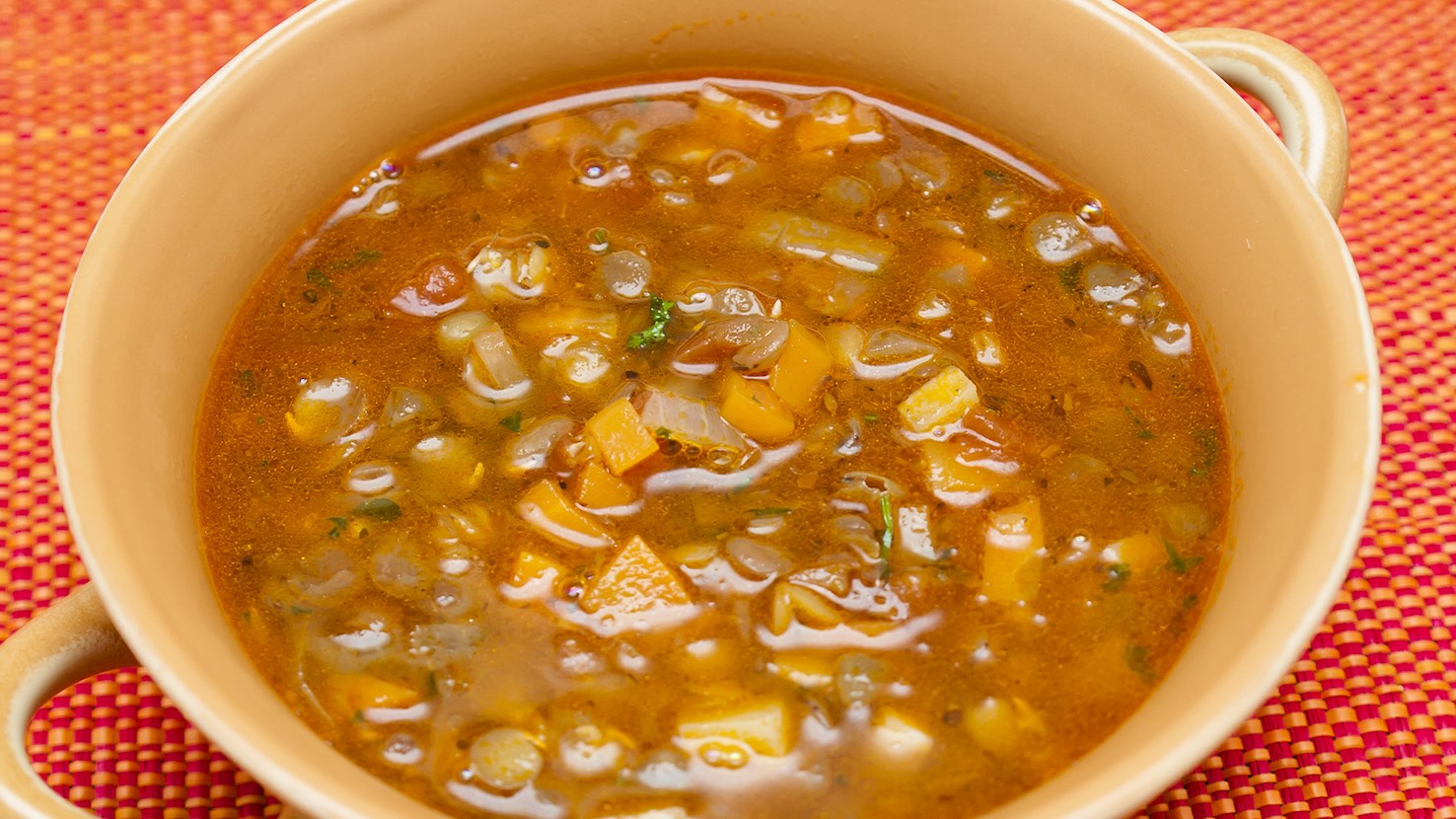
This traditional Greek lentil soup is simple in ingredients and preparation, but results in a dish that is packed with flavors. Characterized by its dense texture, next to brown or green lentils, the soup often incorporates onions, garlic, carrots, and occasionally puréed tomatoes. Always served warm and sometimes topped with olive oil and vinegar, fakes is enjoyed as a nourishing winter meal and is usually accompanied by a few bread slices.
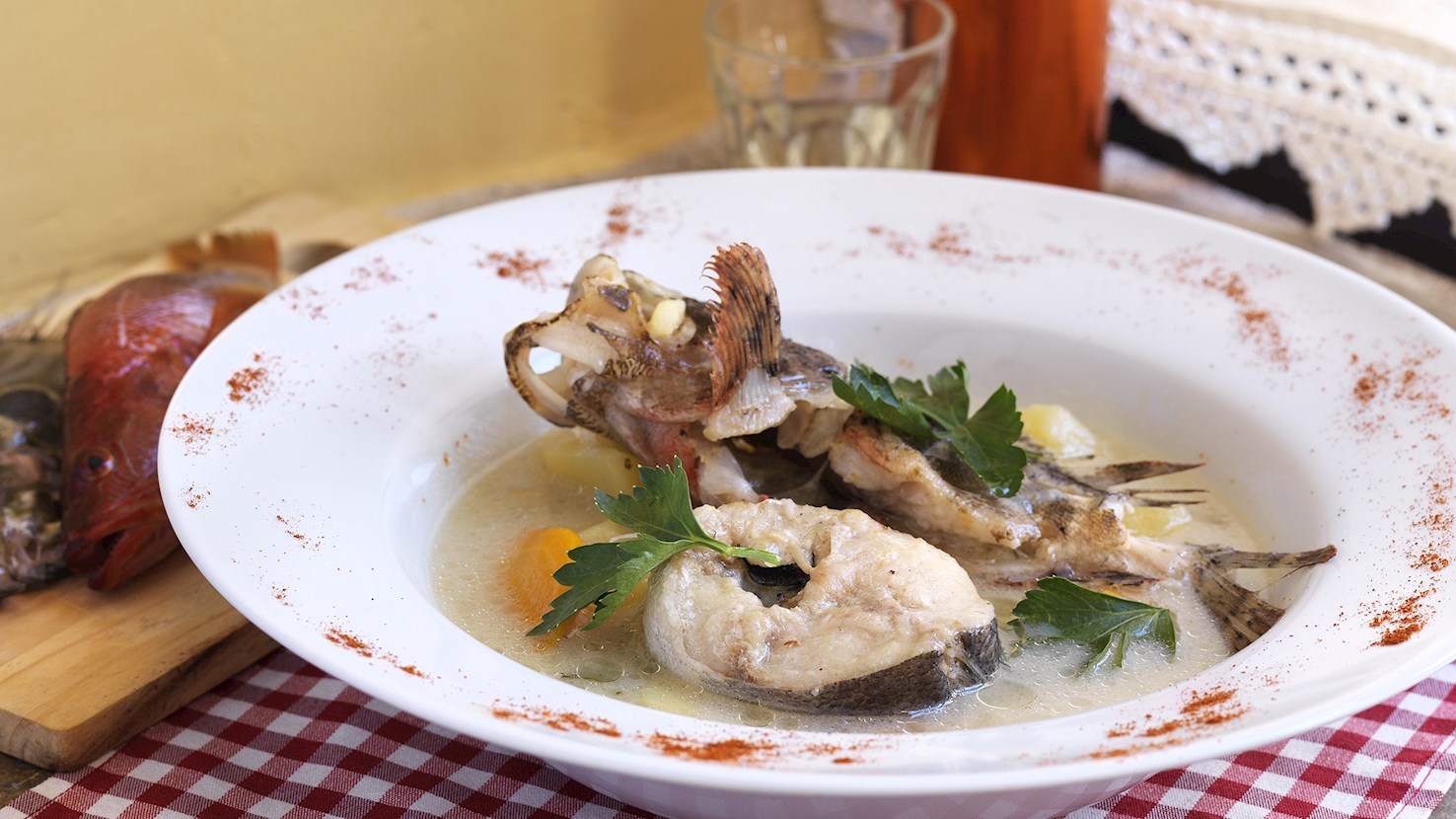
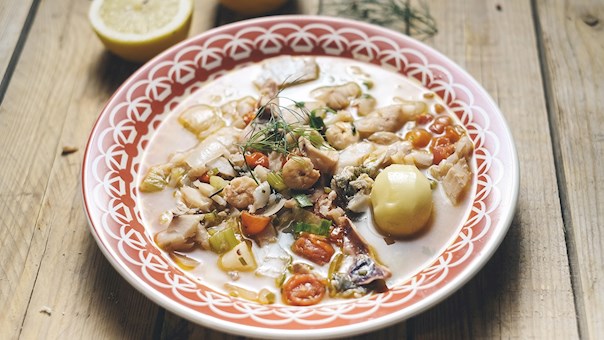
Greek psarosoupa (lit. fish soup) is a simple dish consists of fish—usually the firm-fleshed varieties like red mullet, snapper, cod, or red gurnard—poached with vegetables; most often a combination of carrots, celery, and onions, or leeks, garlic, and potatoes. Once it is cooked, the fish is set aside while the broth is boiled with rice. Quite often, an egg beaten with lemon juice is stirred into the broth, making psarosoupa a filling, yet surprisingly light dish.
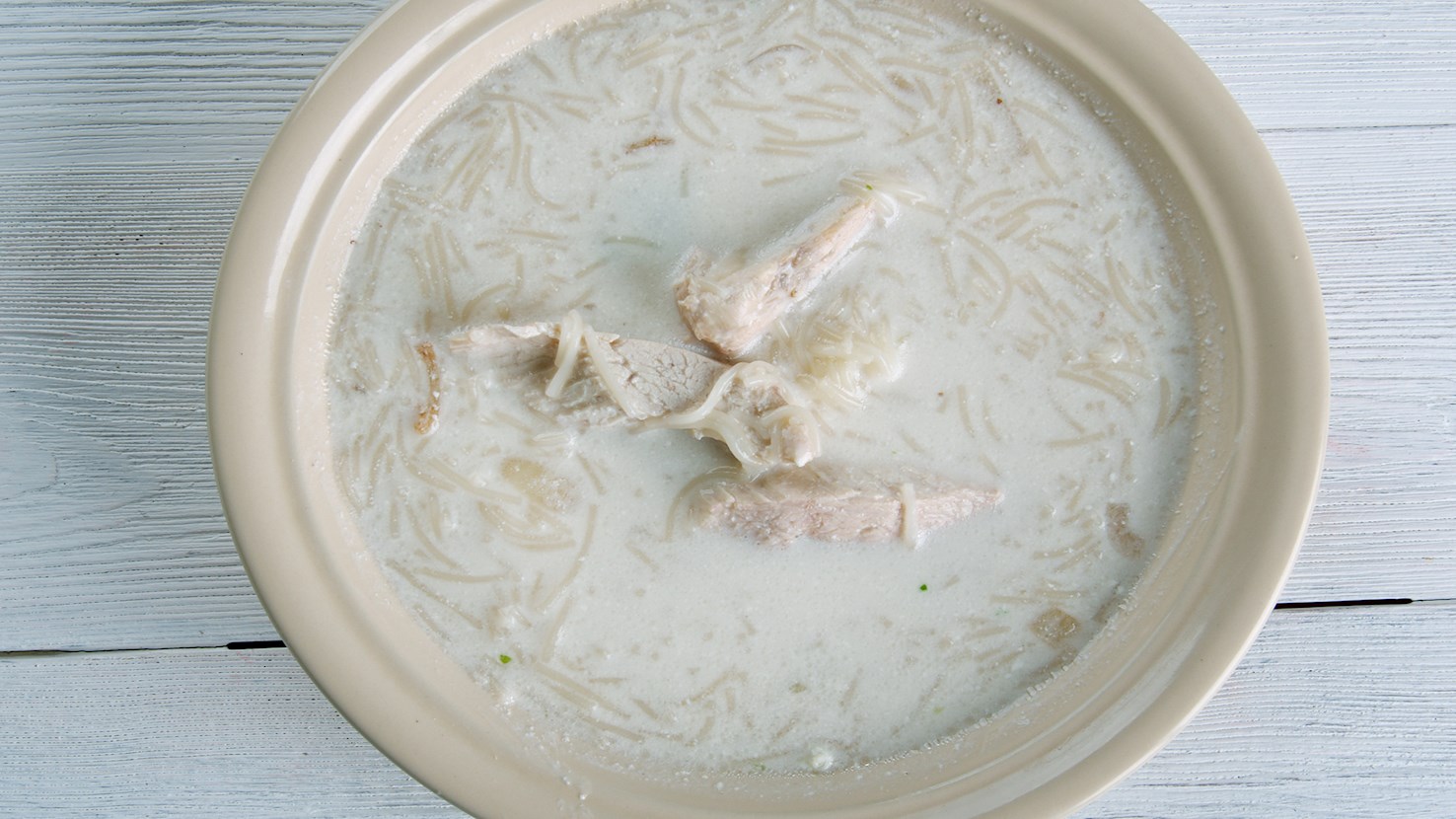
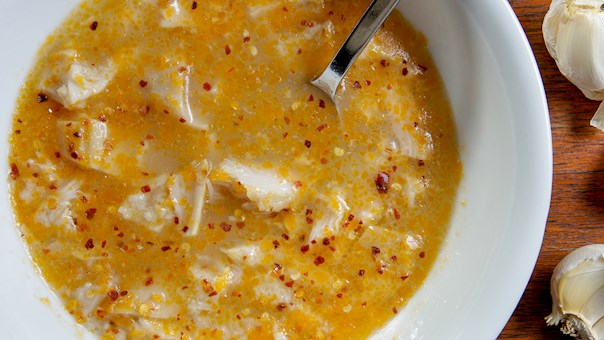
Greek chicken soup is a comforting dish that is made with a flavorful chicken broth, tender chicken cuts, various root vegetables, and a choice of pasta or rice. Even though it can be prepared with a clear broth, Greeks prefer to thicken the soup with avgolemono—a creamy egg and lemon sauce. Hearty and nutritious, chicken soup is a restaurant staple as well as a classic home-cooked dish.
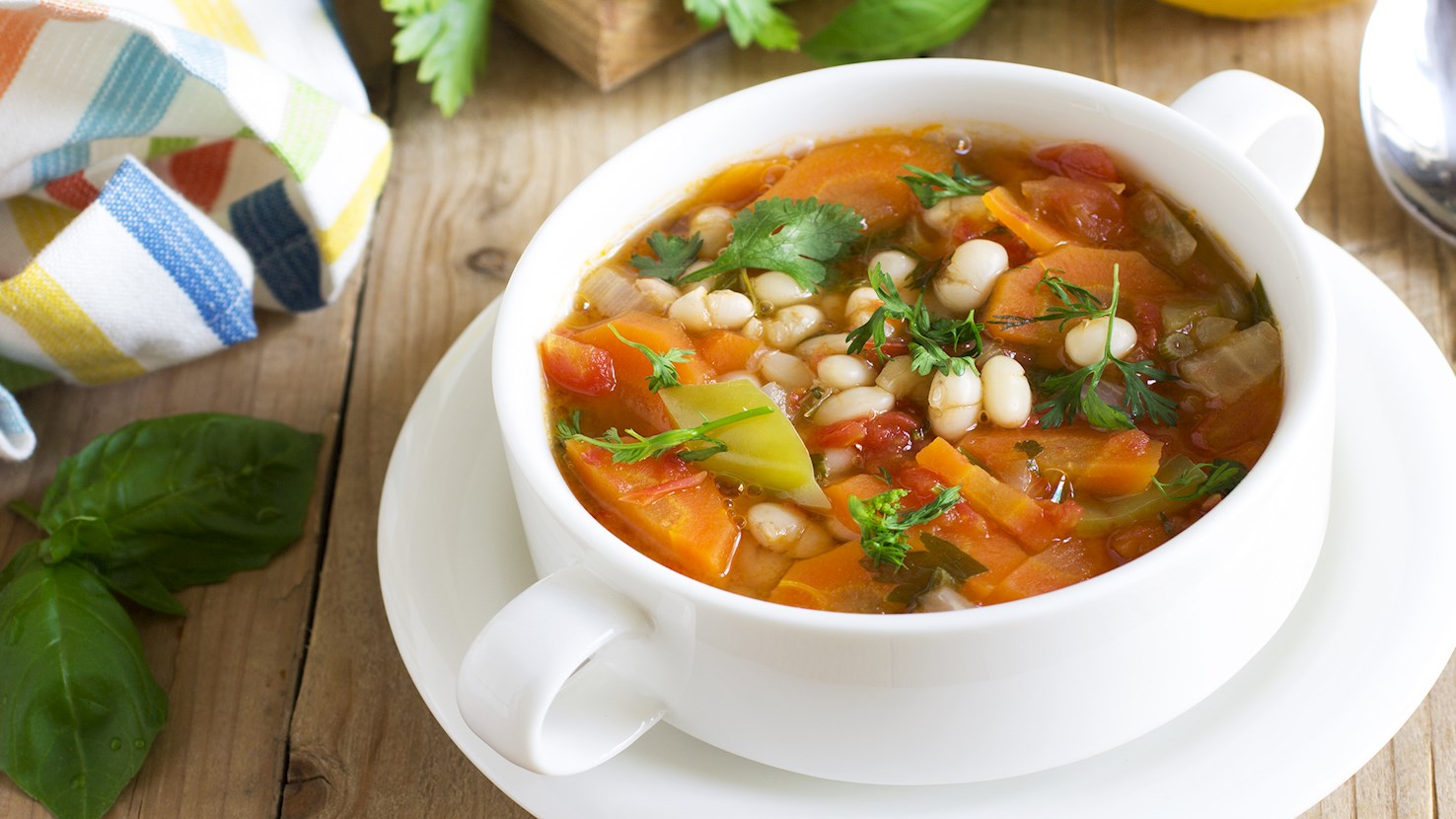
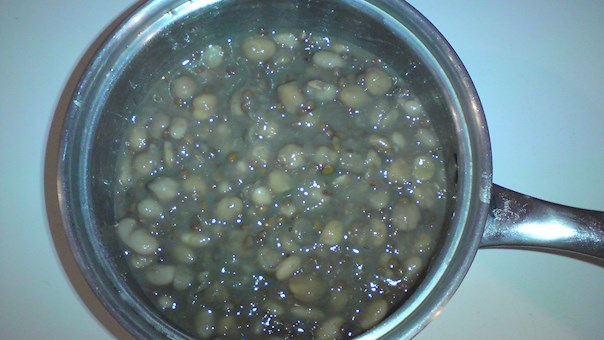
Fasolada is a simple and traditional Greek and Cypriot soup made from dried white beans that are drizzled with olive oil and eaten with various vegetables and herbs such as onions, celery, and tomatoes. The dish is nutritious and reminiscent of antiquity, as barley, olives, and beans were the three crops that sustained the armies of Alexander the Great. Fasolada is eaten throughout the year, but it is traditionally consumed during Lent, when Orthodox Christians go through a religious fast. The name fasolada comes from the word fasoli, meaning beans, hence the name of this healthy and flavorful alternative to meat dishes. According to a myth, it was created when Theseus went to kill the Minotaur, and on his way he stopped to make a sacrifice to the Greek God Apollo, promising that if he kills the Minotaur, he would give Apollo some olive branches that were decorated with fruits. Upon his return, there was no food left on the ship, so Theseus and his comrades gathered anything they could find and cooked it in a savory stew, creating the fasolada. An inexpensive and tasty dish, fasolada is often accompanied by crusty bread, feta cheese and olives on the side.
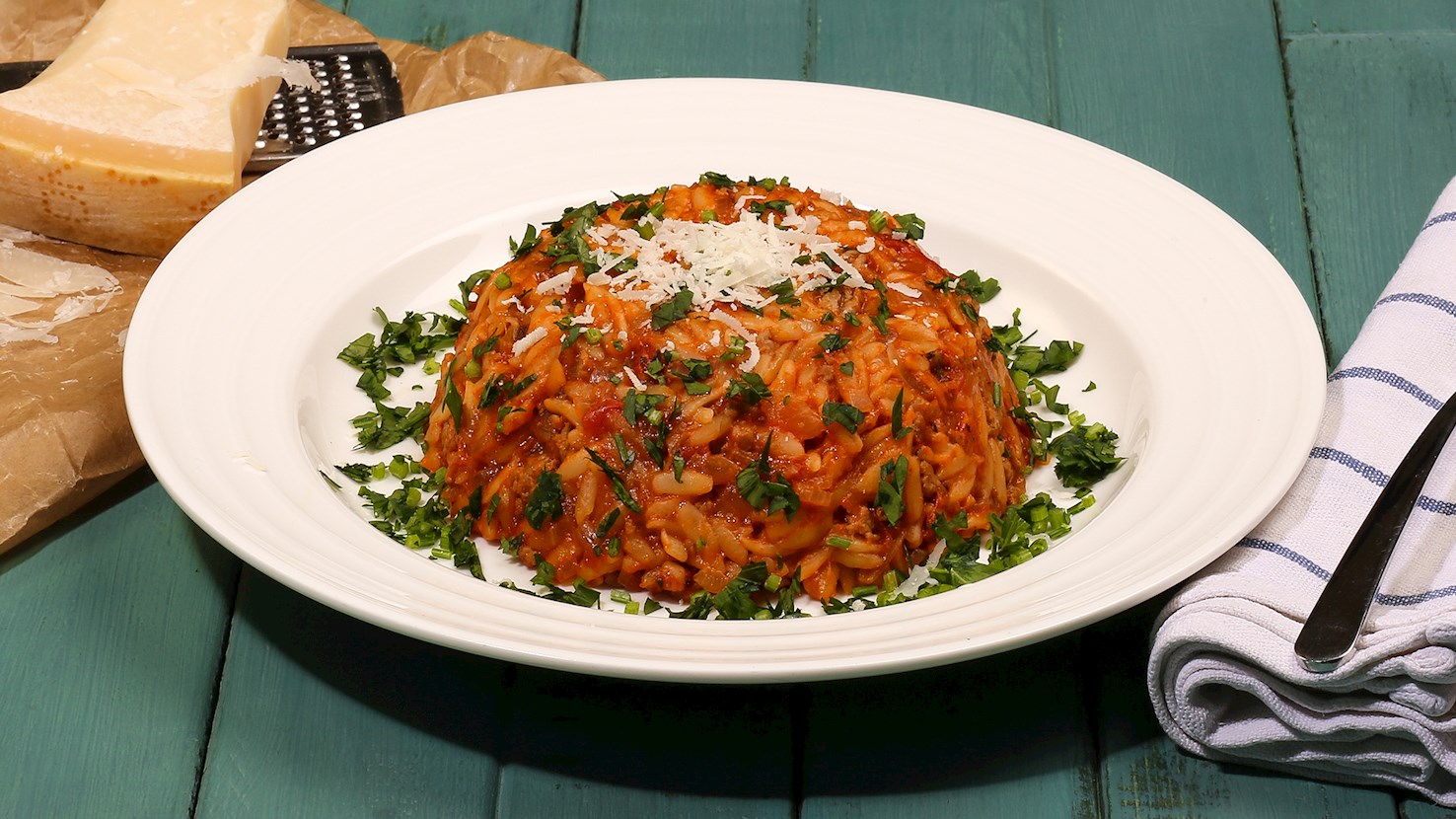
The term manestra in Greece is quite versatile and may refer to orzo pasta, a tomato soup that is enriched with orzo, or a rich orzo-based stew. On the Cycladic islands, manestra mainly denotes a tomato-based orzo soup that is usually enriched with onions, garlic, and olive oil, then occasionally topped with grated cheese. However, the term is often used to refer to a rich orzo stew or a casserole that is elevated with tomatoes and meat and is occasionally interchangeable with the names giouvetsi and kritharaki. Both dishes are classic comfort food, believed to have been invented under Italian culinary tradition.
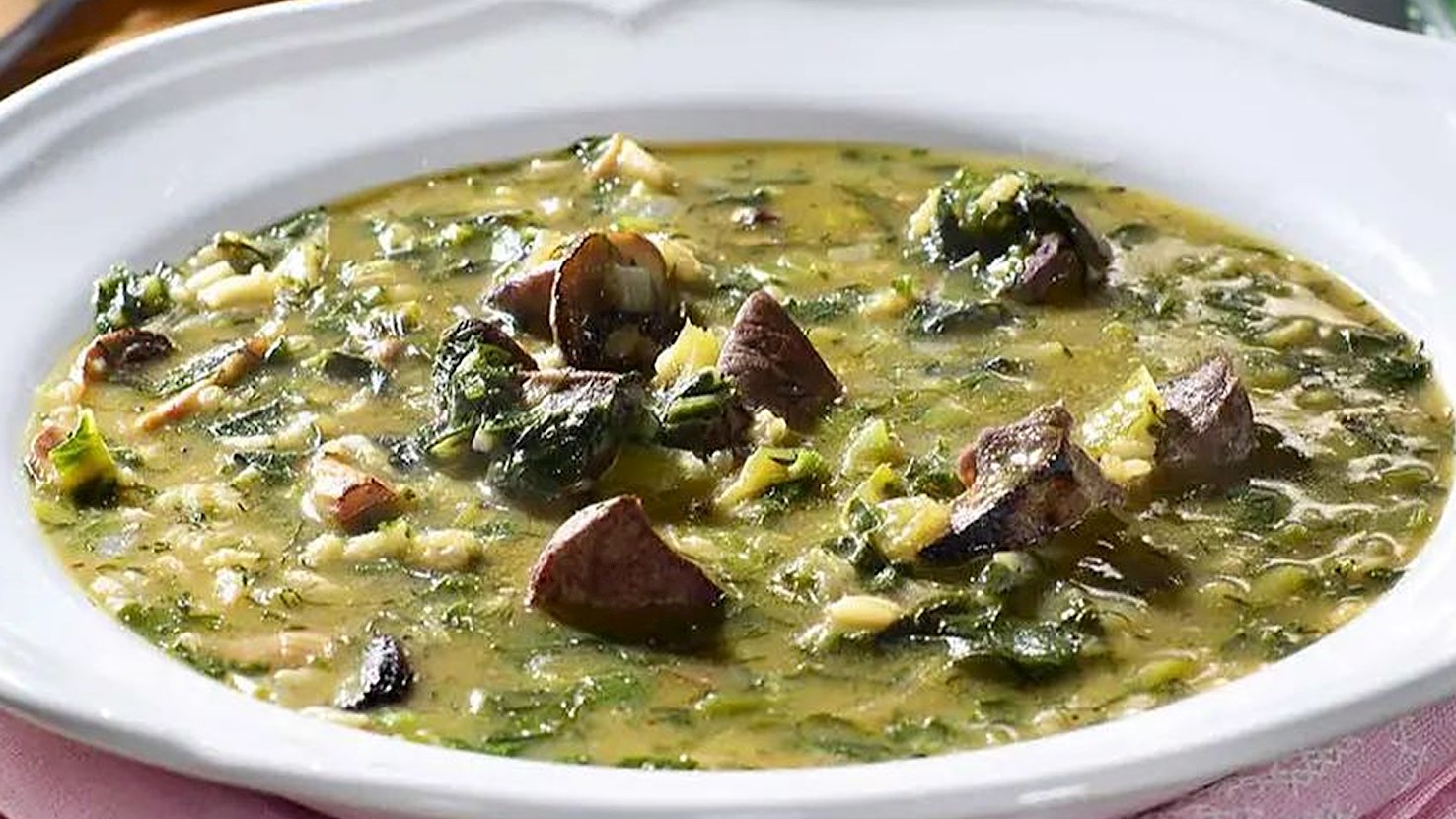
The original version of this classic soup stems from the Greek Easter tradition in which roasted lamb was served as the main course during the festive Easter lunch. The parts of the lamb unsuitable for roasting were then incorporated into magiritsa, and the soup was usually consumed to break the Lent. Today it comes in numerous varieties that are still mainly prepared with lamb, lamb offal, and vegetables. All of the ingredients create a flavorful broth that is thickened with a creamy egg and lemon sauce, then seasoned with various spices and fresh herbs. Despite numerous varieties, magiritsa is still an important part of Greek Easter tradition.
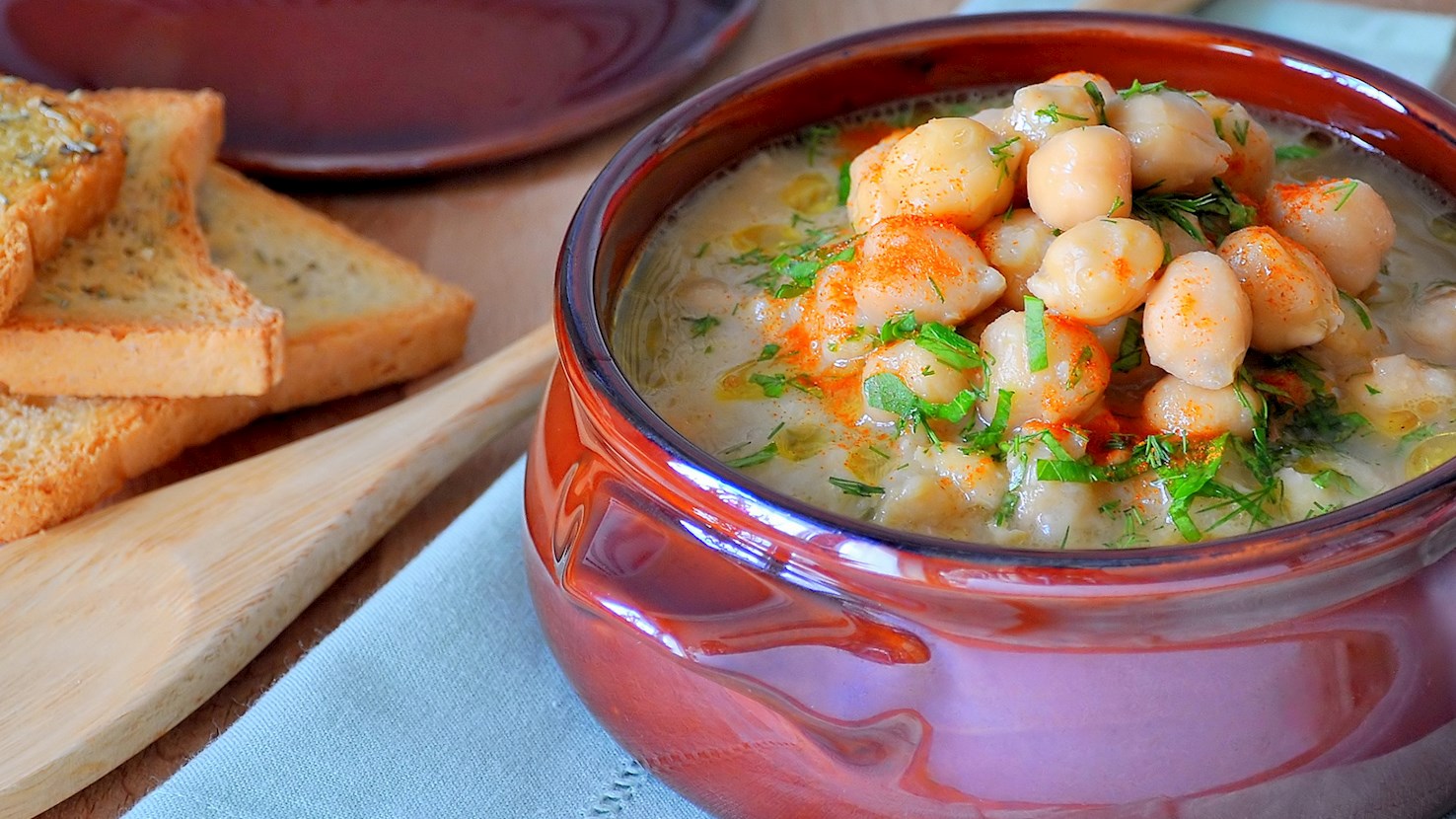
This thick and nutritious chickpea soup is a Greek classic that is enjoyed throughout the country, but is traditionally associated with the island of Sifnos, where it comes in a form of a thick, oven-cooked stew. Revithia varies in consistency and additional ingredients, but it is often enriched with lemon and olive oil that give the dish its specific, tangy flavor. It is usually enjoyed warm, served drizzled with olive oil, and accompanied by bread.
This traditional Greek soup is usually prepared with beef, or occasionally goat or mutton meat. Alongside meat, the soup also employs various garden vegetables such as potatoes, carrots, and onions, and in some cases, it is enriched with pasta or a traditional wheat product known as trahana. Kreatosoupa is a dish that grew out as a hearty, country-style meal, and is best served with crusty bread on the side.
TasteAtlas food rankings are based on the ratings of the TasteAtlas audience, with a series of mechanisms that recognize real users and that ignore bot,
nationalist or local patriotic ratings, and give additional value to the ratings of users that the system recognizes as knowledgeable.
For the “Top 18 Greek Soups” list until September 15, 2026, 1,807 ratings were recorded, of which 920 were recognized by the system as legitimate.
TasteAtlas Rankings should not be seen as the final global conclusion about food. Their purpose is to promote excellent local foods,
instill pride in traditional dishes, and arouse curiosity about dishes you haven’t tried.







What People Say