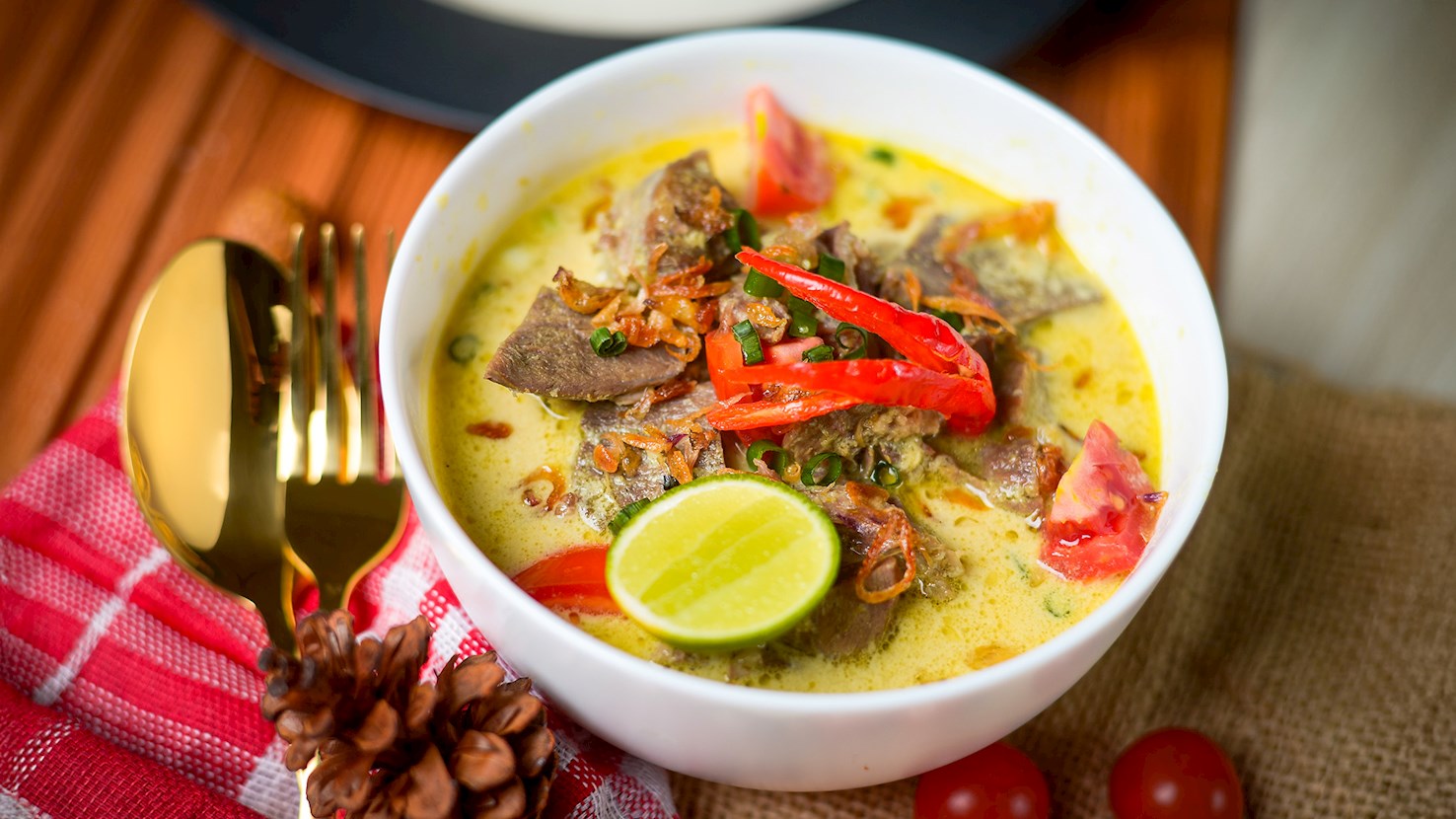
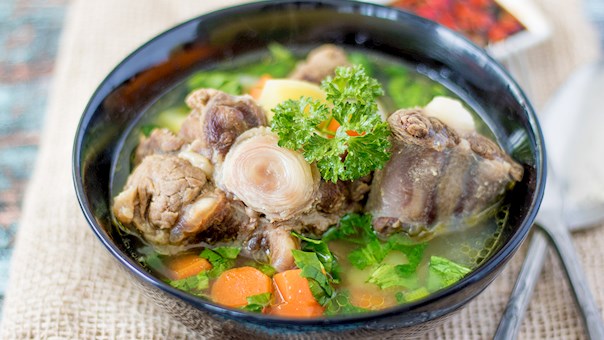
Soto Betawi is a hearty beef soup consisting of chunks of meat and offal that are slowly simmered in a coconut milk broth, which is usually enriched with various spices such as lemongrass, turmeric, galangal, kefir lime leaves, and coriander. When served, the soup is accompanied by different condiments that typically include tomatoes, scallions, sweet soy sauce, and emping crackers. Because of its name, it is believed that the dish originated in Jakarta among the Betawi people, and today it is one of the most popular dishes in the city, usually sold at various street stalls, restaurants, or hawker-style establishments. Soto Betawi is traditionally enjoyed with steamed rice and pickled acar on the side.
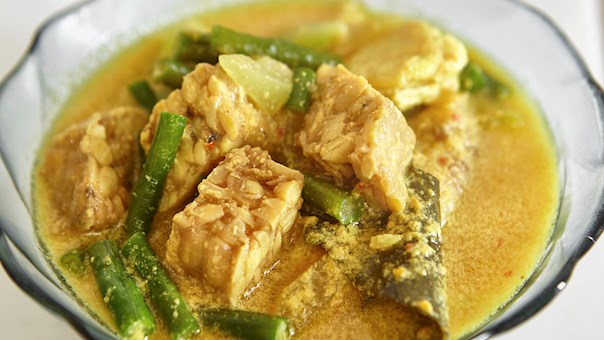
Gulai is a spicy Indonesian dish resembling a stew or a thick soup. Because of its appearance and taste, it is often dubbed as the Indonesian curry. Any meat variety can be the main ingredient in gulai, as well as offal, seafood, or vegetables. The ingredients are cooked in a combination of coconut milk and spices until the sauce achieves a thick consistency. Gulai originated in Sumatra, most likely under Indian culinary influence, but nowadays it is enjoyed everywhere in Indonesia. The dish can be found at Indonesian hawker centers and traditional restaurants. The most common side dish served alongside gulai is steamed rice.
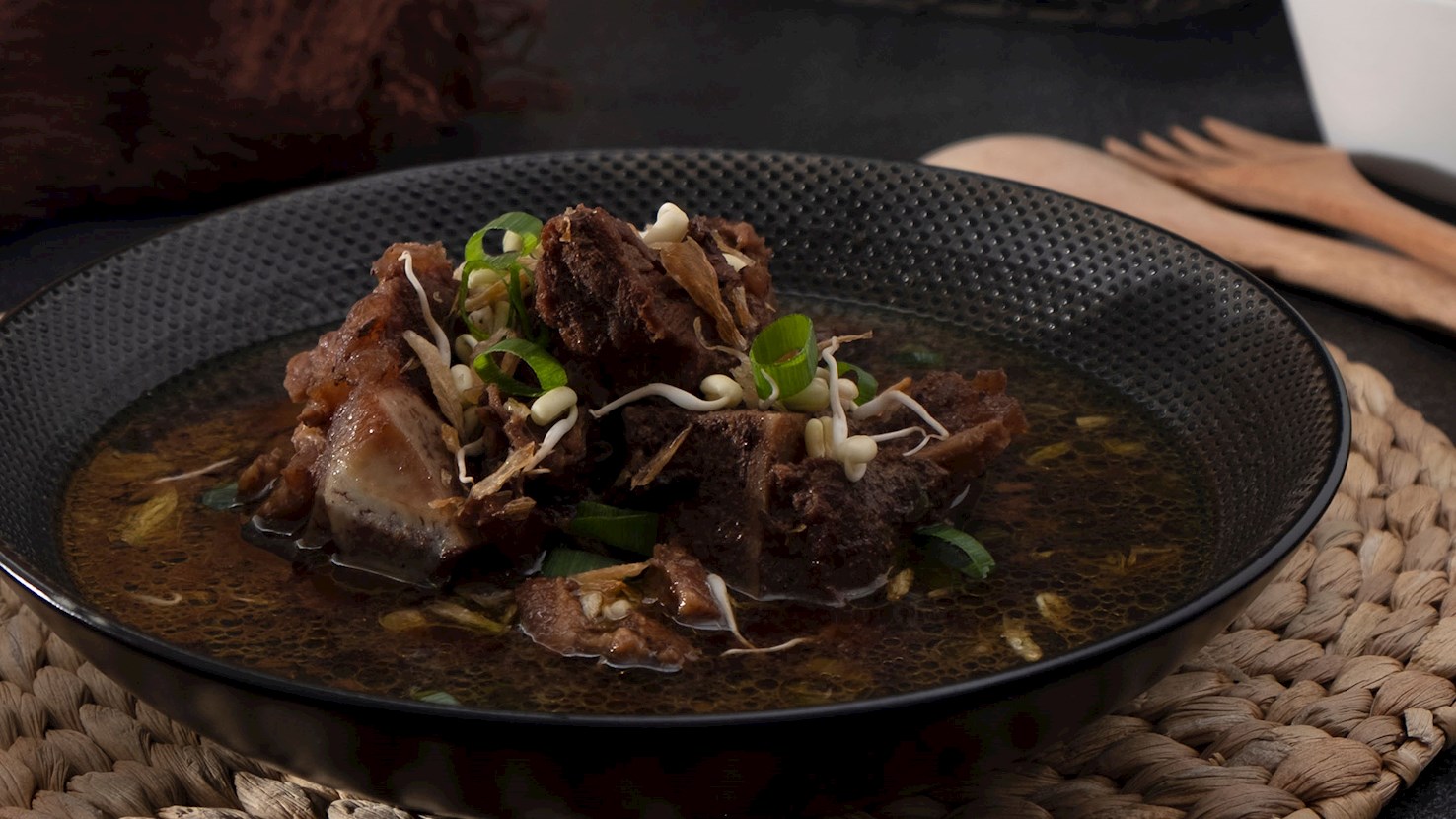
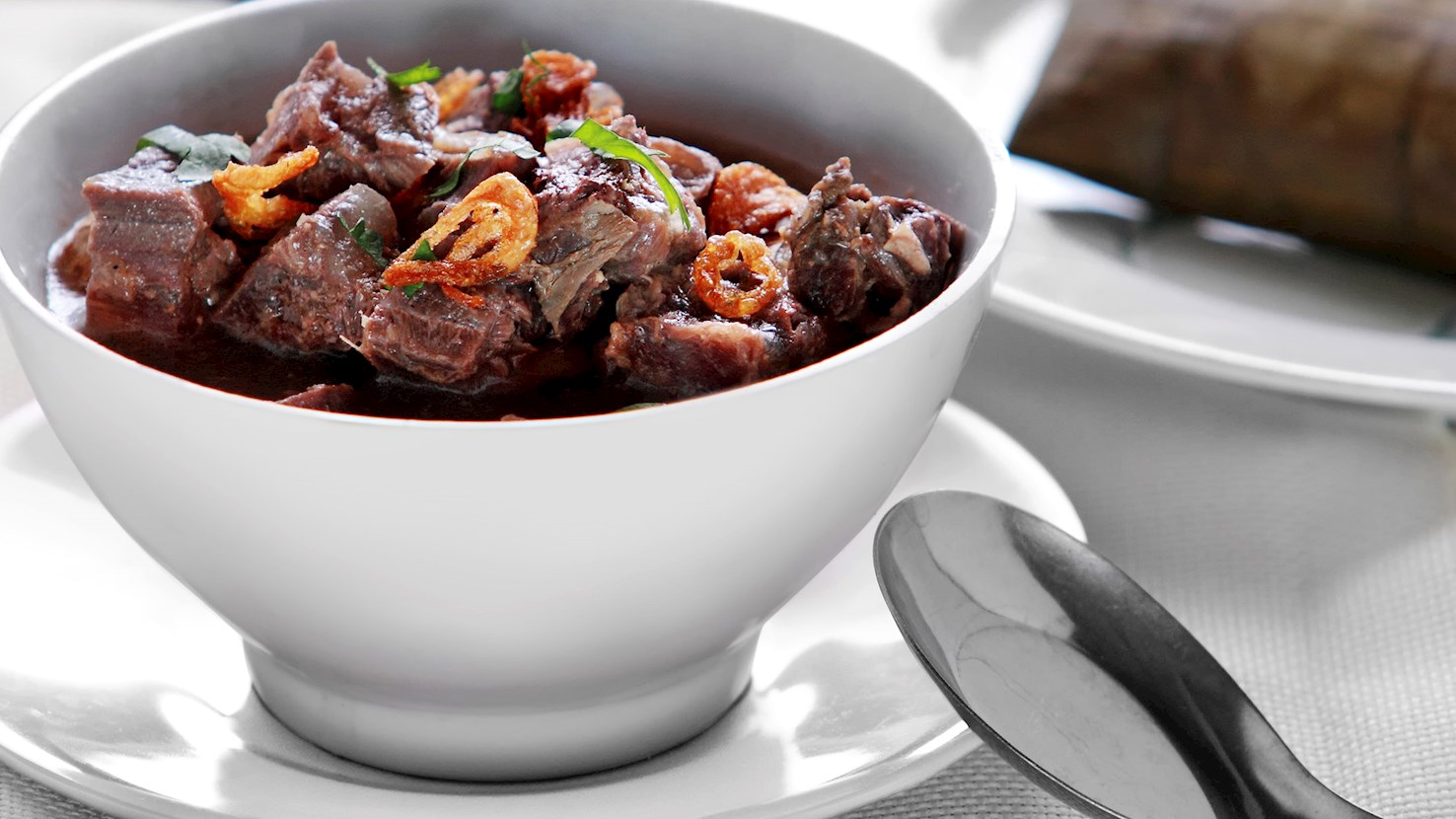
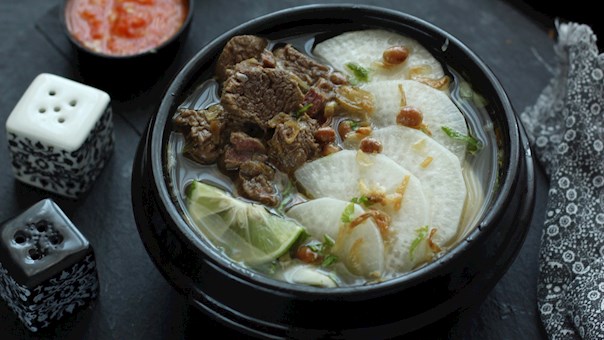
Rawon is a unique Indonesian dish with origins in East Java. This flavorful soup is usually made with slow-braised beef and other traditional Indonesian ingredients such as lime leaves, lemongrass, ginger, and chili. However, the key element is buah kluwek, the Indonesian black nut. This unusual Indonesian spice is highly toxic when raw, and always needs to be fermented before consumption. It is ground with other ingredients and spices, giving the dish its earthy and sour taste and the unique dark black color. The origin of the dish is believed to be the city of Surabaya, the capital of East Java. Primarily prepared as a plebeian dish, it soon became a favorite among royalty and quickly grew in popularity. Today it can easily be found on the menus of numerous traditional Indonesian restaurants. It is usually served alongside plain rice, salted eggs, bean sprouts, and sambal - a spicy Indonesian chili paste.
Throughout Indonesia, soto is known under various names such as the Makassar coto or the Pekalongan tauto. However, this traditional Indonesian soup is usually associated with the island of Java, where it is believed to have appeared in its original form. Nowadays there is no right way to prepare soto because the varieties are numerous and usually adapted to local cuisines. Although it is believed that soto was developed because of a strong Chinese influence in the country, it is more likely that the soup was created following common cooking traditions of the area and utilizing the ingredients which were available in abundance. This versatile dish also has a myriad of accompaniments such as stewed eggs, grilled offal, fried tofu, and either chili or soy sauce. Soto is regarded as comfort food, and it can be found everywhere in Indonesia - from local open-air eateries to high-end restaurants. This authentic Indonesian creation is also popular and commonly eaten in Malaysia, Singapore, and Brunei.
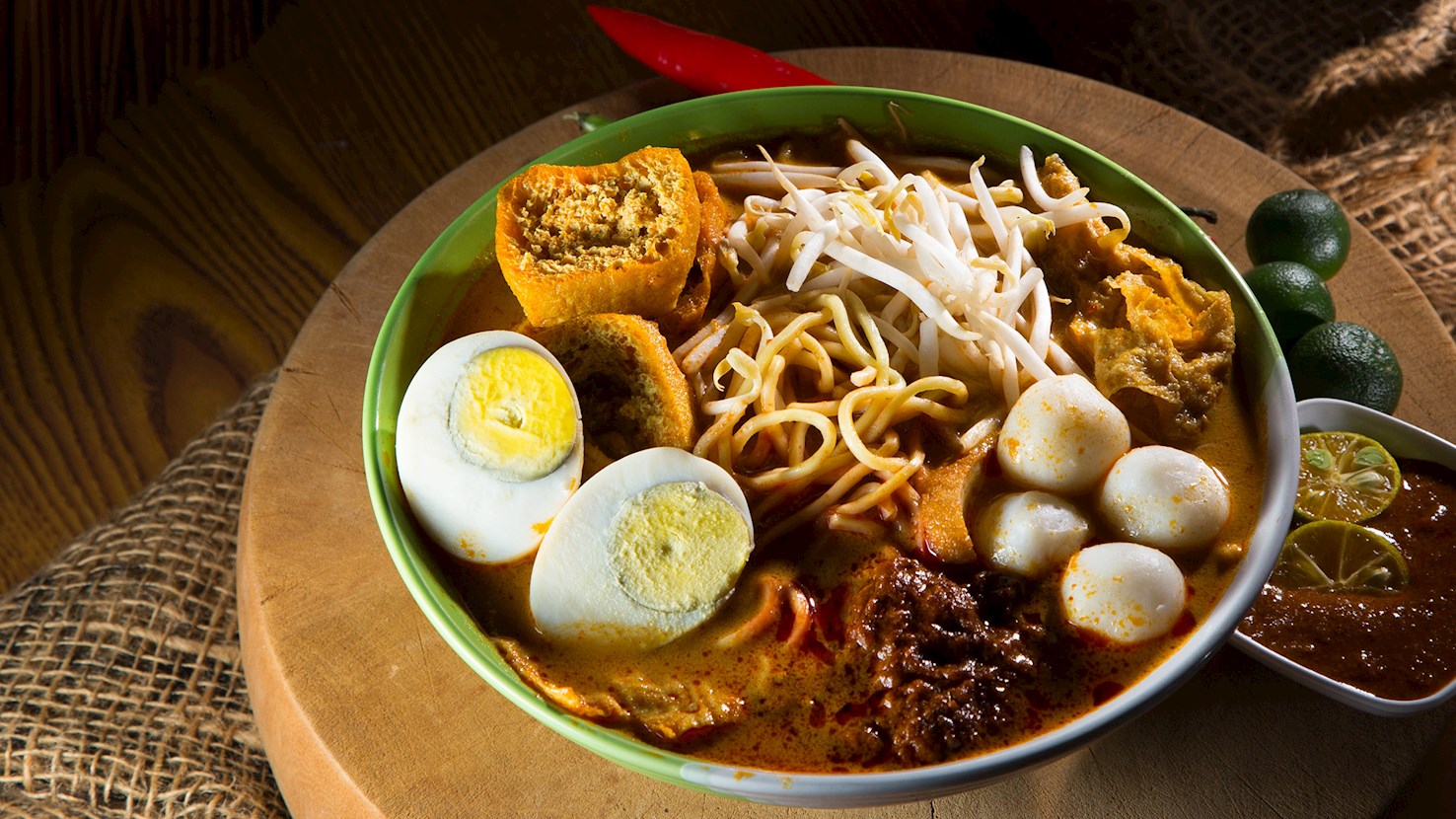
Characterized by its rich and spicy broth, this comforting noodle soup is one of the classic dishes found in many Southeast Asian countries. It was developed under the influence of different culinary traditions, which has led to the creation of numerous regional varieties that differ in flavors and ingredients. Two of the most famous versions are the sour, tamarind-based asam laksa and the creamy curry laksa. Especially favored in Malaysia, Singapore, and Indonesia, laksa is usually prepared and enjoyed at hawker centers as a hearty main course.
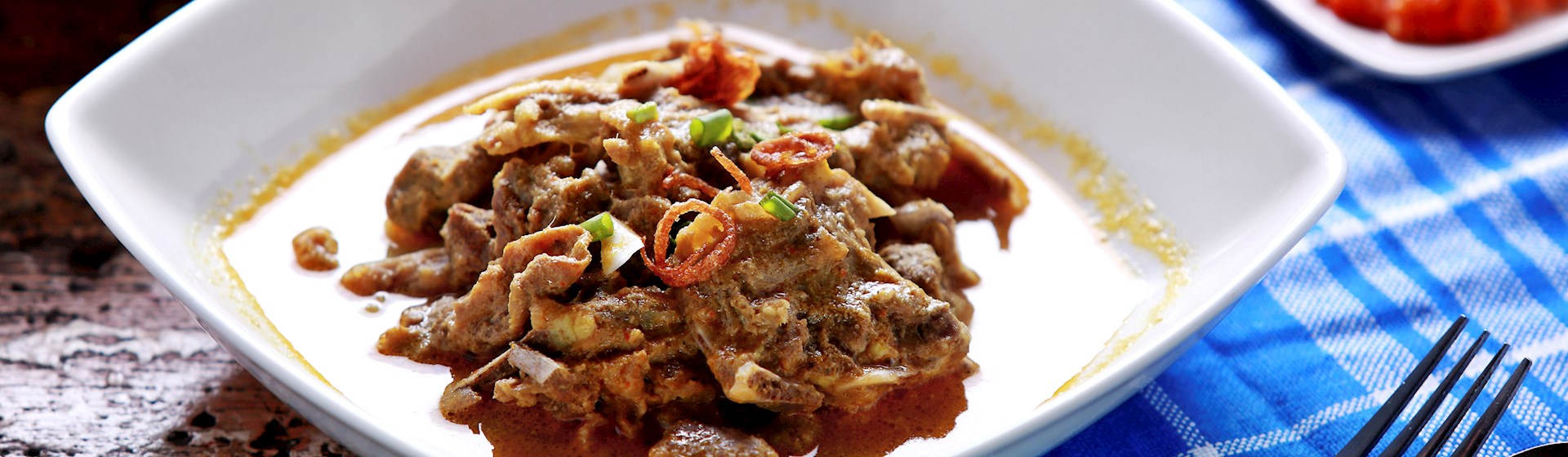
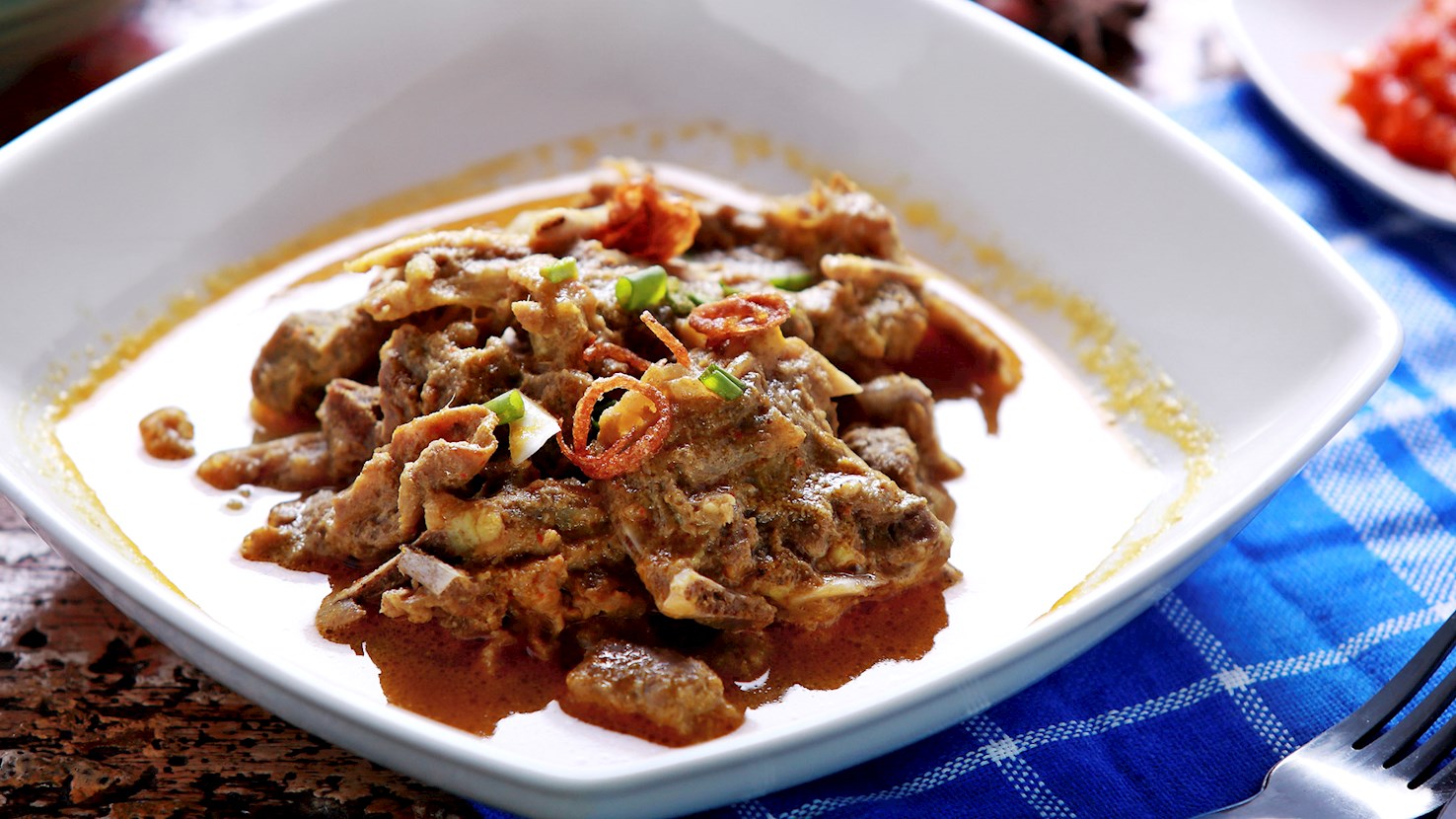
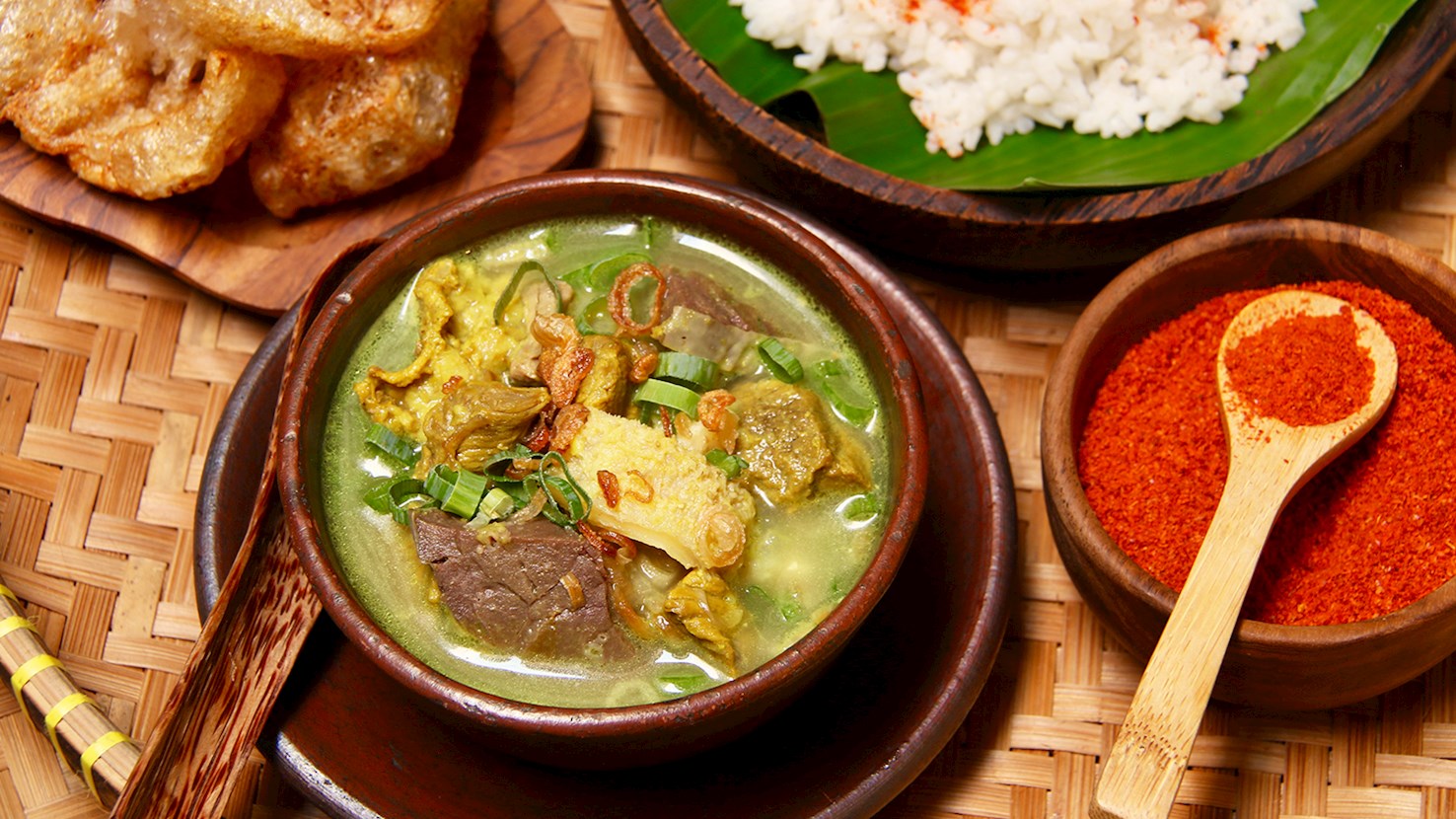
Empal gentong is a richly spiced beef soup hailing from the city of Cirebon in West Java, known for its deep, golden broth and ceremonial cooking method. At first glance, it may resemble other Indonesian meat soups such as soto or gulai, but empal gentong distinguishes itself through its use of offal, coconut milk, and a unique wood-fired clay pot that lends the stew its name. The word "gentong" refers to the large earthenware pot in which the dish is traditionally simmered over an open flame fueled by wood, usually teak or mango, which imparts a subtle smokiness to the broth. Inside this pot, chunks of beef and innards (typically tripe, intestine, or lung) are slow-cooked in a golden yellow broth infused with a spice paste made from garlic, shallots, turmeric, coriander, galangal, ginger, and candlenuts. The addition of coconut milk gives the soup its signature richness, while fried shallots and fresh chives sprinkled on top add brightness and contrast. Though traditionally served with steamed rice or lontong (compressed rice cakes), what truly defines the experience of eating empal gentong is the balance between earthy, creamy, and aromatic elements. Cirebon itself sits at a crossroads of Javanese and Sundanese culinary influences, and empal gentong embodies this intersection: complex like many Central Javanese dishes but with the spiced assertiveness and rustic charm of Sundanese foodways. Historically, empal gentong was a celebratory dish, served at gatherings, communal prayers, and significant events, where cooking over fire in a clay pot wasn’t just about taste but about togetherness and continuity. Today, it is a street food icon as well as a sit-down specialty, served from roadside stalls where the sight of bubbling gentong pots remains a familiar and comforting image. While modern vendors may replace the clay pots with metal pans and gas stoves, purists argue that the soul of the dish resides in its traditional form: smoke, clay, and time.
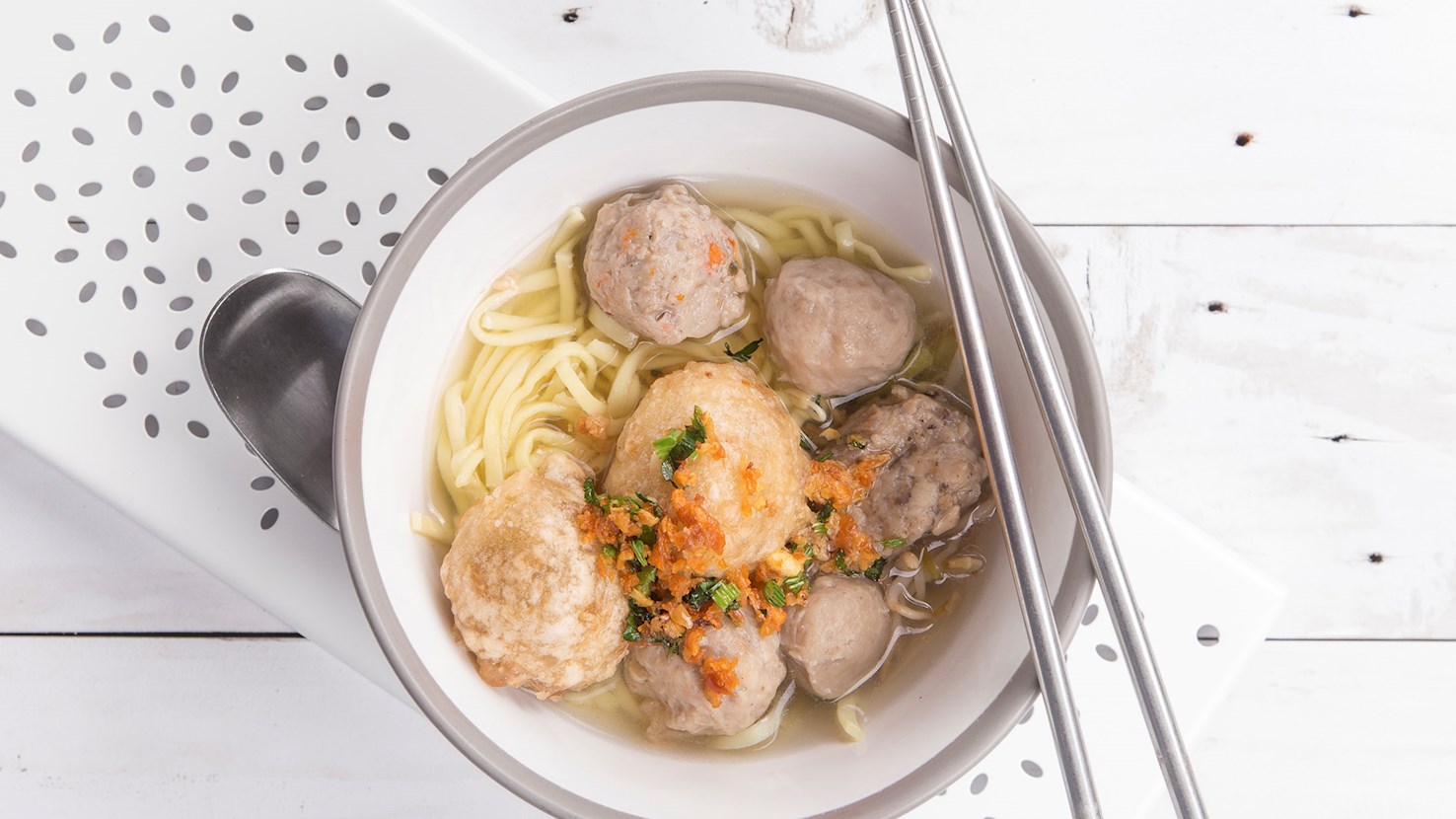
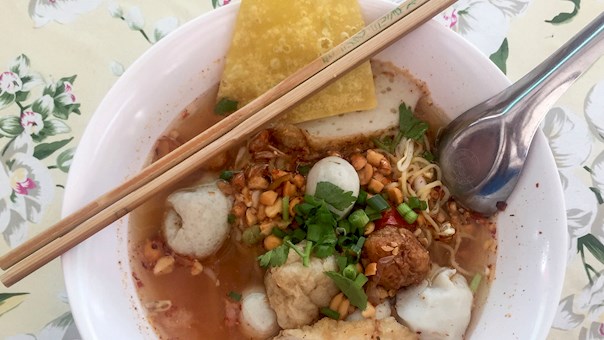
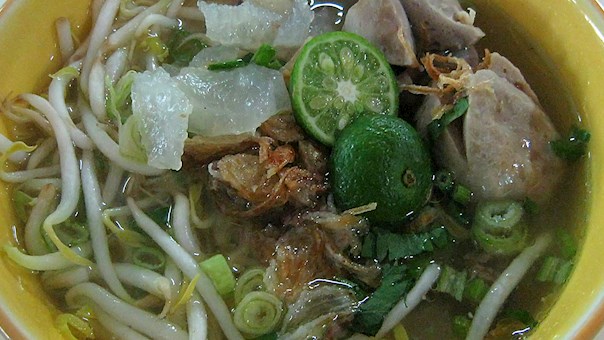
Bakso is a popular Indonesian meatball soup. Like many other dishes in Indonesia, it grew out of Asian and European influences in the country. Throughout Indonesia, there are many variations of bakso, but all of them include three main ingredients: broth, noodles, and meatballs. What distinguishes bakso from other Asian varieties is the consistency of the meatballs, which should have a springy texture. Although bakso is essentially street food, it can be found anywhere from outdoor eateries to elegant restaurants. The garnishes, which are additionally added, are usually wontons, hard-boiled eggs, or tofu. The dish is typically served warm with a splash of chili or soy sauce.
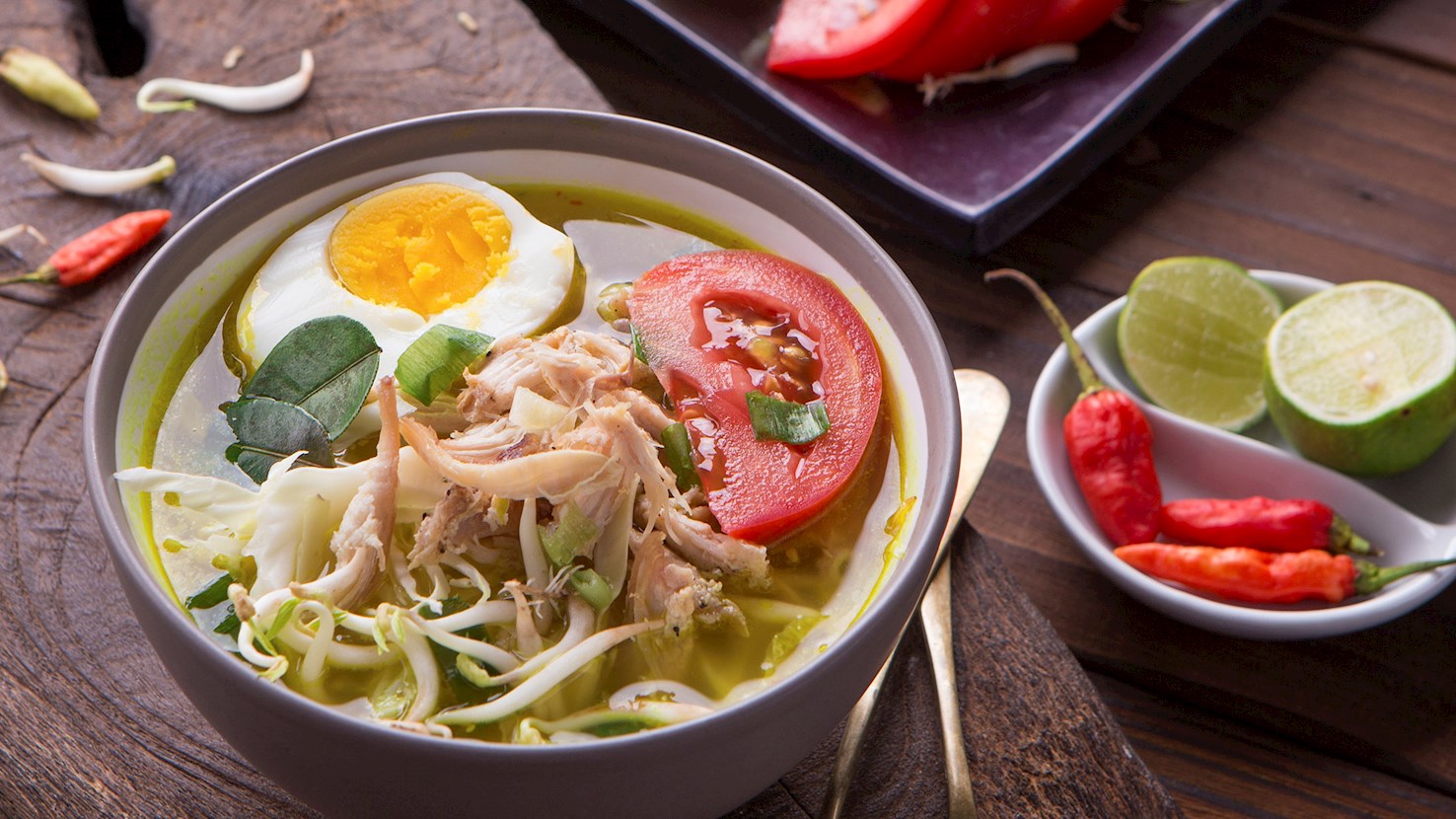
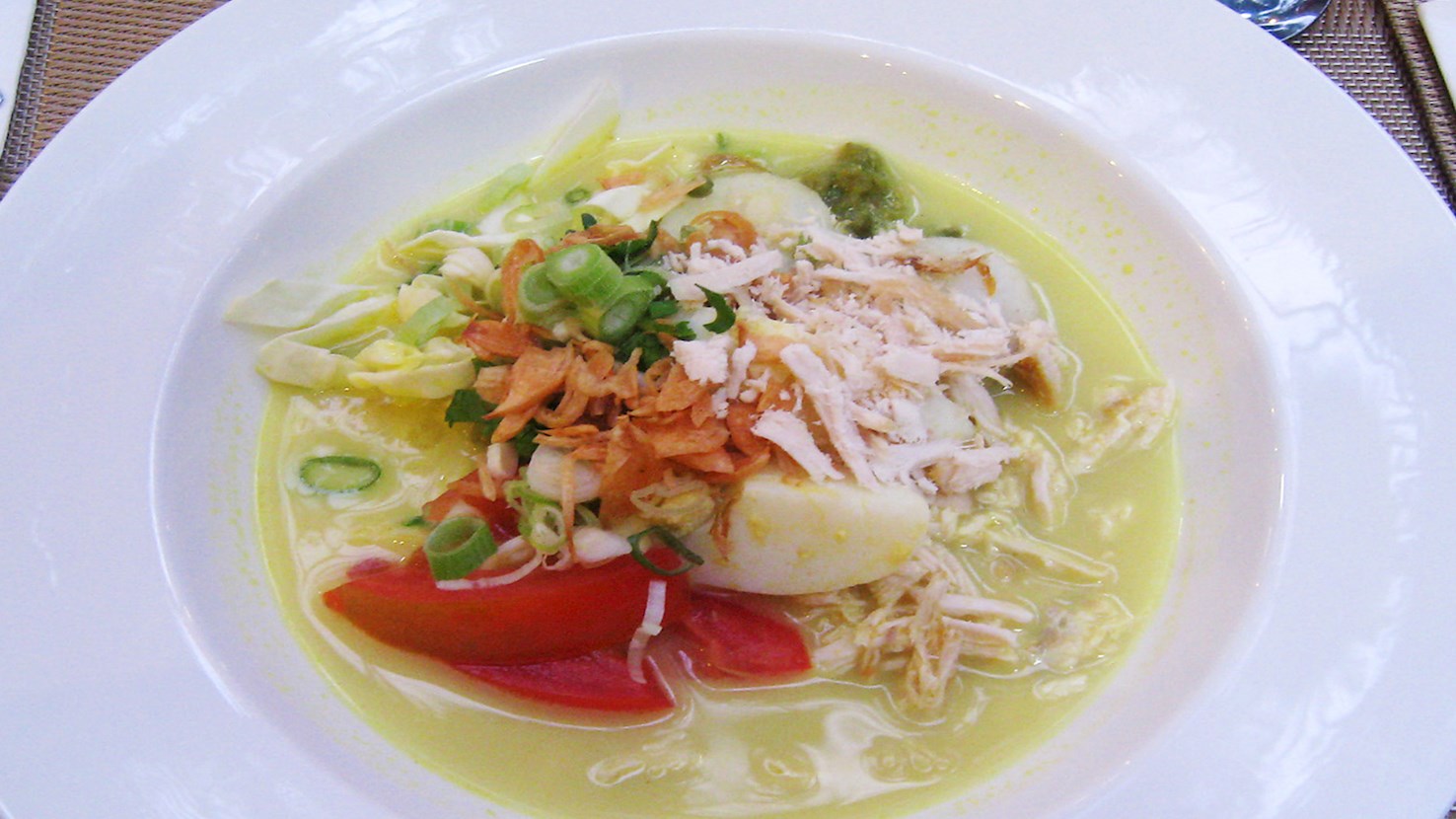
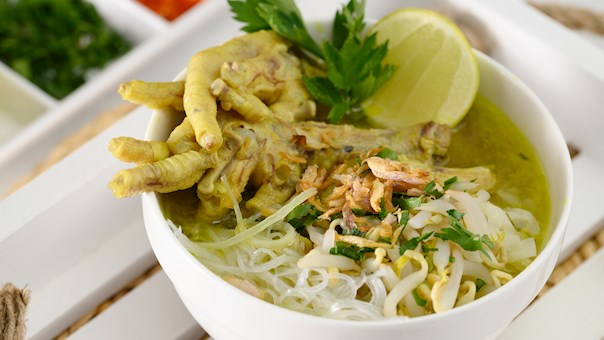
Soto Lamongan is a beloved Indonesian chicken soup that originates from Lamongan, a city in East Java. What makes soto Lamongan unique is its clear, fragrant broth infused with turmeric, and most notably, the addition of "koya" — a finely ground topping made from fried garlic and shrimp crackers (krupuk udang). Koya is sprinkled generously over the soup just before serving, adding a deliciously salty, umami crunch that elevates the entire dish. The soup itself is made by simmering chicken in a broth flavored with spices like garlic, shallots, coriander, turmeric, galangal, and lemongrass. The chicken is typically boiled, shredded, and added back to the broth or placed on top of the rice in the bowl. Unlike creamy sotos (like soto Betawi), soto Lamongan is known for its light, clear, golden-yellow broth, but it packs deep flavor. Traditionally, it’s served with steamed rice, often already placed in the bowl before the soup is poured over. Common accompaniments include boiled egg, shredded cabbage, vermicelli noodles (sohun), bean sprouts, fried shallots, lime wedges, and of course, koya. A side of sambal (chili paste) is usually offered for those who want extra heat. Soto Lamongan is commonly enjoyed for breakfast or lunch, served in humble warungs, roadside stalls, or at home.
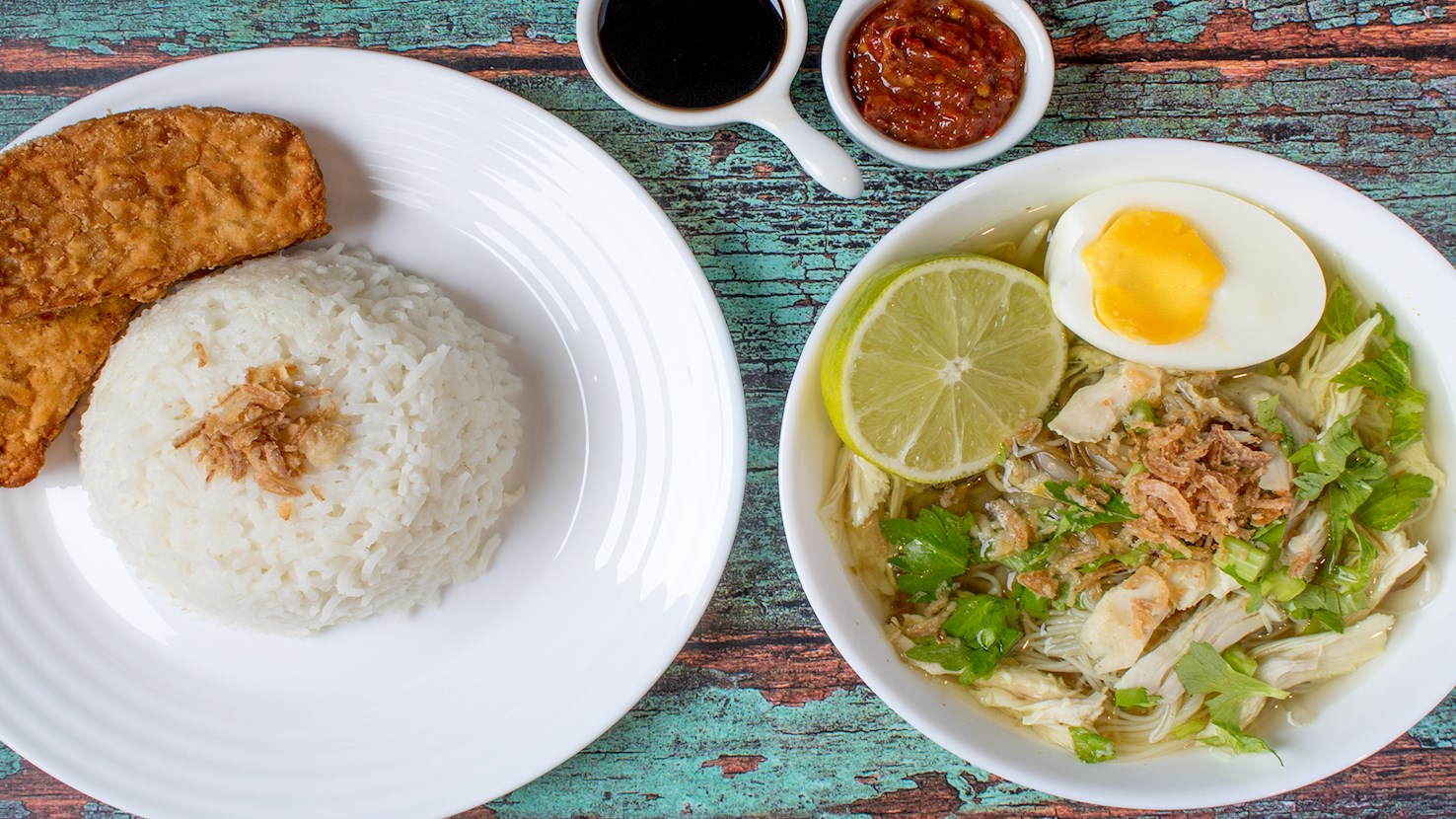
Soto ayam is possibly the most popular variation of the traditional Indonesian soto soup. This chicken-based version usually includes compressed rice cakes such as lontong, nasi himpit or ketupat, vermicelli or noodles, while turmeric gives it a specific yellow color. Other ingredients that may be used are onions and garlic, white or black pepper, ginger, cumin, lemongrass, coriander, and sometimes koya, a mixed prawn cracker and fried garlic powder. It is commonly served topped with boiled eggs, fried potato slices, Chinese celery leaves, and fried shallots. Sambal, a hot chili paste, krupuk, deep-fried crackers, or emping, traditional Indonesian chips may also be used as accompaniments to the dish.
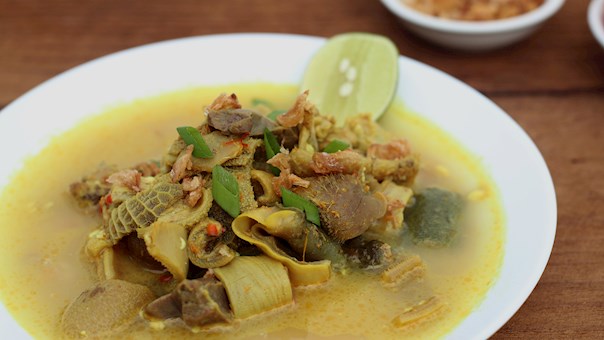
Coto Makassar is a rich and aromatic beef soup from Makassar, South Sulawesi, Indonesia, deeply rooted in the culinary heritage of the Bugis and Makassarese people. Traditionally made with beef and various innards such as tripe and liver, the meat is slow-cooked until tender in a spiced broth infused with peanuts, lemongrass, galangal, and other local spices. What sets Coto Makassar apart is its distinctive broth, which combines the savory depth of beef stock with a subtle nuttiness from ground roasted peanuts, creating a creamy, slightly oily texture that's both hearty and comforting. The soup is typically served steaming hot, accompanied by burasa or ketupat, which help balance the rich, spiced flavors of the broth. It is often garnished with sliced scallions, fried shallots, and a squeeze of lime, and diners can add chili paste or sweet soy sauce to adjust the heat and sweetness to their liking.
TasteAtlas food rankings are based on the ratings of the TasteAtlas audience, with a series of mechanisms that recognize real users and that ignore bot,
nationalist or local patriotic ratings, and give additional value to the ratings of users that the system recognizes as knowledgeable.
For the “Top 35 Indonesian Soups” list until September 15, 2026, 1,533 ratings were recorded, of which 923 were recognized by the system as legitimate.
TasteAtlas Rankings should not be seen as the final global conclusion about food. Their purpose is to promote excellent local foods,
instill pride in traditional dishes, and arouse curiosity about dishes you haven’t tried.



What People Say