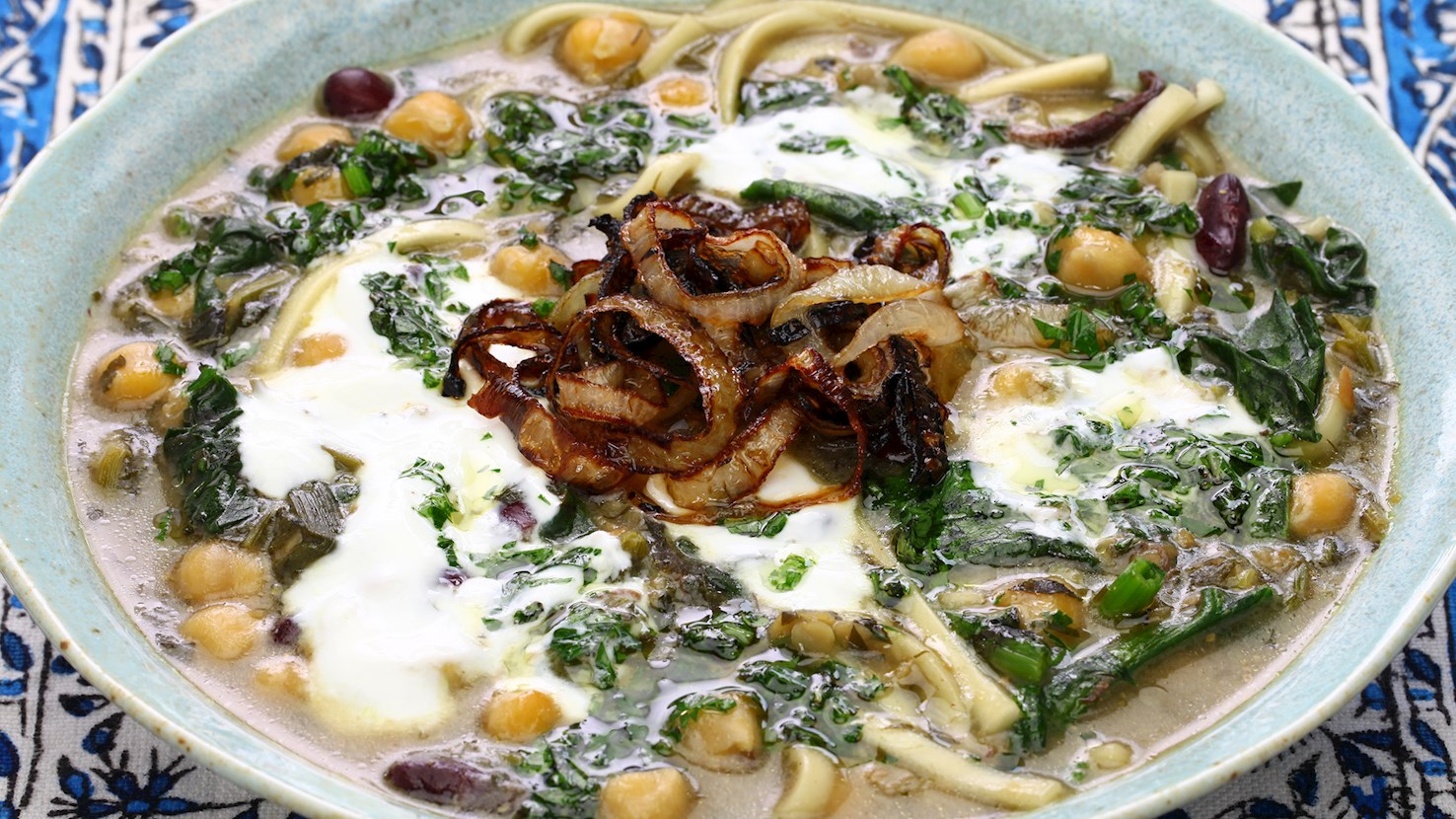
Ash reshteh is a thick Iranian soup originating from various regions across Iran, where it has been cherished for centuries as a nourishing meal especially enjoyed during colder seasons and festive gatherings. It is made with reshteh, which are Persian wheat noodles, combined with a blend of legumes such as chickpeas, lentils, and beans, as well as leafy greens like spinach, parsley, dill, and cilantro. The dish is further enriched with fried onions, garlic, turmeric, and a tangy topping of kashk, a fermented whey that lends a distinctive flavor and creamy finish. The origins of ash reshteh date back to the pre-Islamic era when similar thick soups were part of Persian culinary practices, evolving gradually as trade introduced new ingredients and regional cooking methods shaped its preparation. The widespread use of reshteh noodles symbolizes good fortune and longevity, which is why this dish is often served during Nowruz, the Persian New Year, and other communal celebrations. Over time, ash reshteh became a recognizable staple across Iran’s diverse provinces, embraced by both urban and rural communities. To prepare ash reshteh, cooks begin by simmering soaked legumes until tender. A separate pot is used to sauté onions and garlic with turmeric to develop a rich aromatic base. The greens are then added in stages to preserve their color and flavor. Reshteh noodles are broken into sections and cooked into the soup, thickening it as they release starch. Once assembled, the soup is topped generously with kashk, and finished with garnishes of caramelized onion, fried mint, and sometimes a drizzle of saffron-infused oil. Each serving balances earthiness from legumes, freshness from herbs, and tart creaminess from kashk. Beyond the home kitchen, ash reshteh is commonly found in Persian restaurants and at gatherings during significant holidays, religious events, or communal charity meals. It is served in deep bowls, often with flatbread on the side and extra kashk to taste.
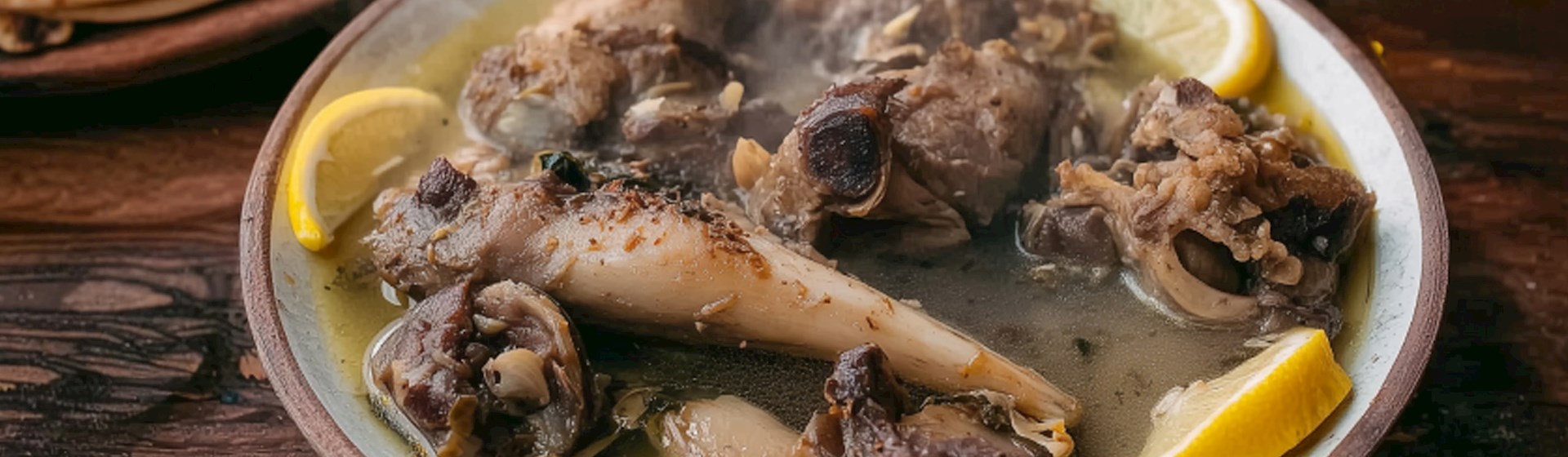
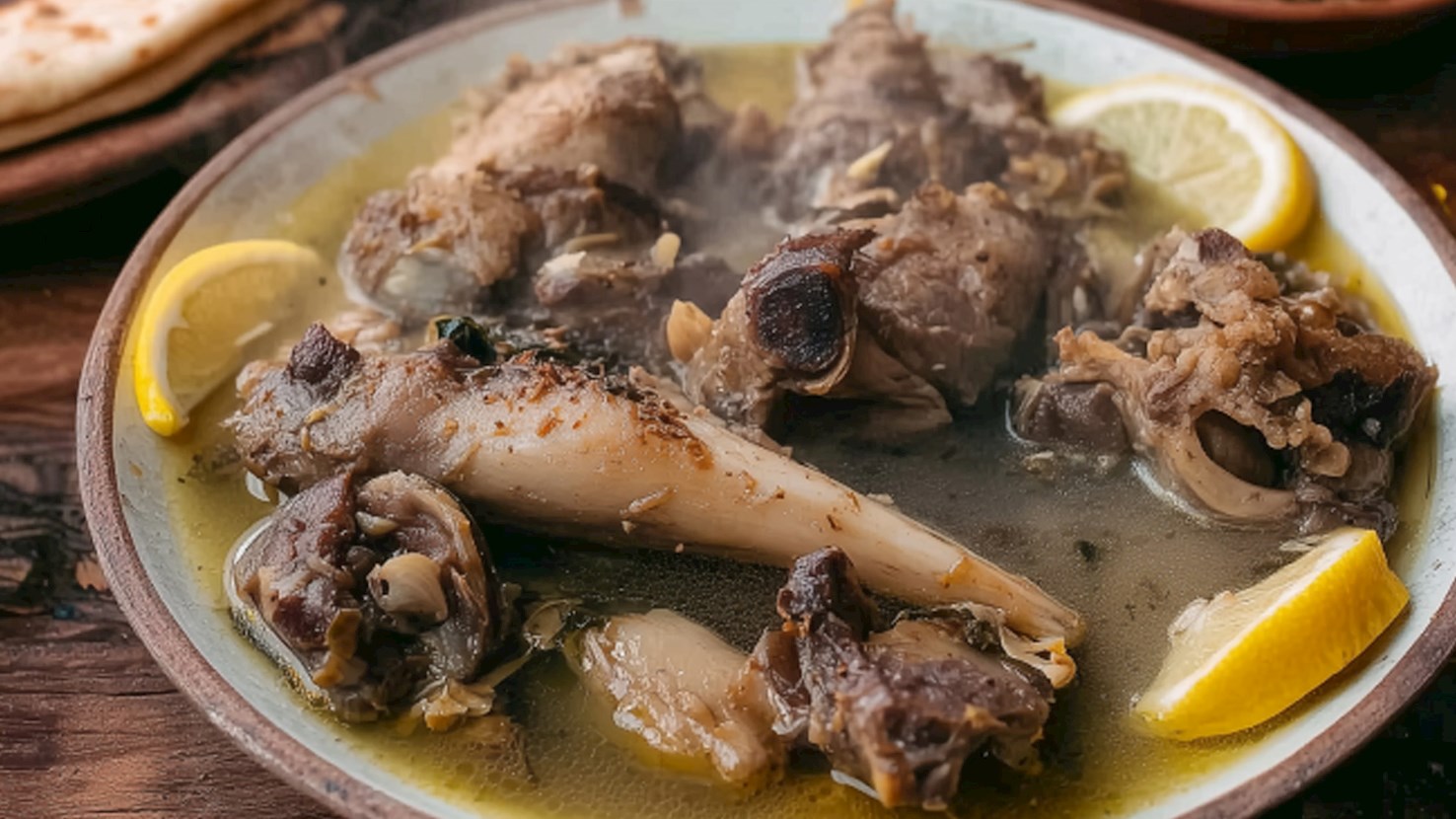
Kaleh pacheh is a hearty and richly flavored Iranian offal dish that originates from various regions across Iran, notably popular in cities like Tehran, Isfahan, and Tabriz. The dish is composed primarily of sheep’s head (kaleh) and trotters (pacheh), slow-cooked for hours until the meat becomes tender and the broth develops a deep, gelatinous texture. Kaleh pacheh is traditionally consumed as a breakfast or early morning meal, valued for its nourishing qualities and robust taste. This dish has been part of Iranian cuisine for centuries, reflecting a culinary tradition of utilizing all parts of the animal to create wholesome and sustaining food. The slow-cooking process extracts rich flavors and nutrients from the bones and connective tissues, resulting in a soup that is both filling and restorative. Kaleh pacheh has historically been favored by laborers and those seeking a substantial meal to start the day, and over time, it has become a cultural emblem of Iranian gastronomy. Preparation of kaleh pacheh requires meticulous cleaning of the sheep’s head and trotters, followed by a long simmering process that can take several hours. Spices such as turmeric, cinnamon, and dried lime are commonly added to infuse the broth with aromatic warmth. The resulting soup is served piping hot, often accompanied by fresh bread, raw herbs, lemon wedges, and sometimes chili for those who prefer an extra kick. Diners typically enjoy the tender meat alongside the rich broth, using bread to soak up the flavorful liquid.
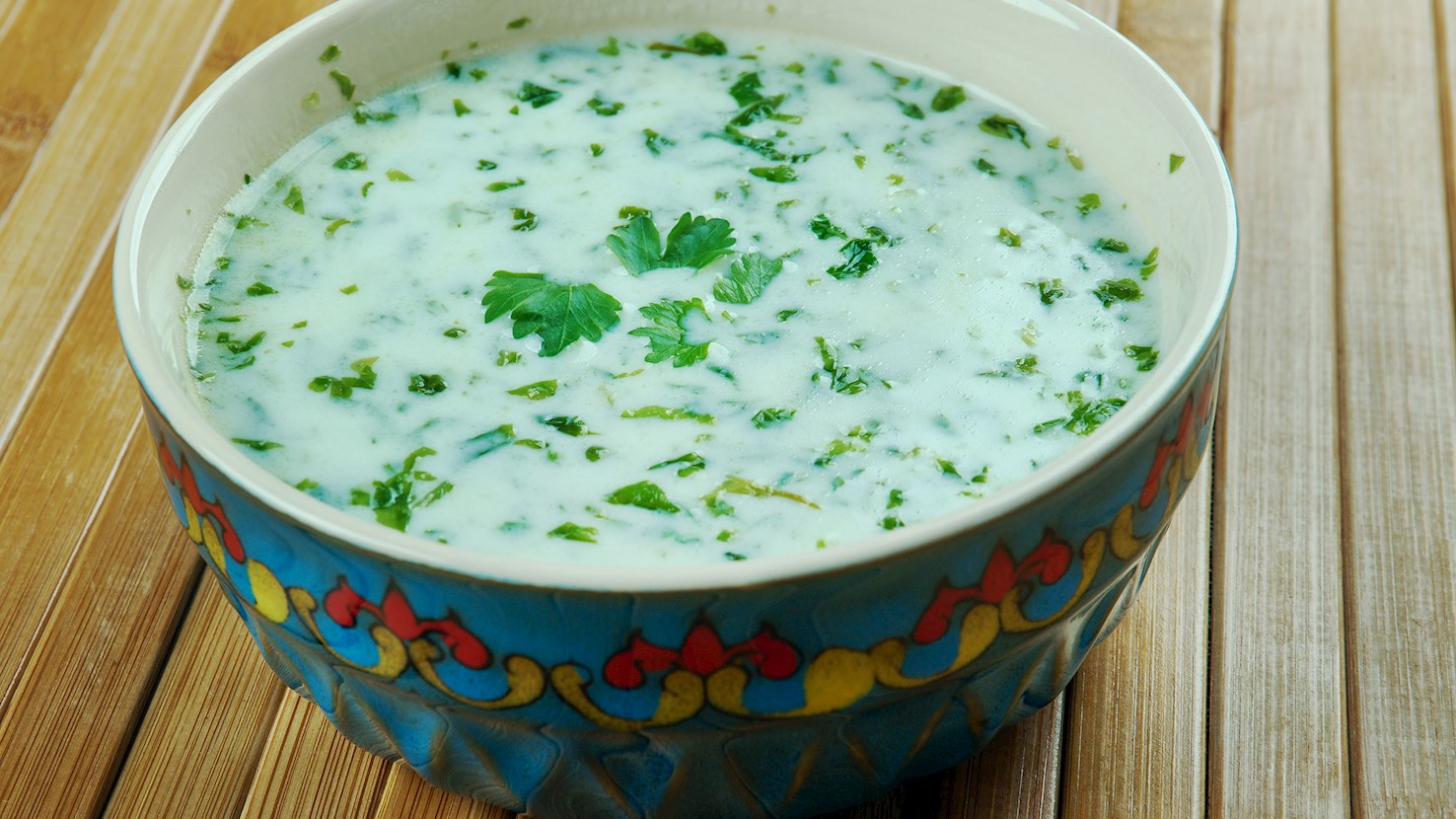
Ash-e doogh is a yogurt-based soup that comes from various regions in Iran, especially the northwest provinces such as Ardabil and Azerbaijan, where it is a familiar dish in both rural and urban homes. The name combines “ash,” meaning thick soup, and “doogh,” the Persian term for a fermented yogurt drink. This warm, tangy soup blends yogurt or buttermilk with herbs, legumes, and rice, creating a nourishing meal often enjoyed throughout the year but especially in cooler seasons. The origins of ash-e doogh are closely connected to Iran’s long history of dairy fermentation and the cultivation of fresh herbs. Yogurt has been part of Persian cooking for centuries, and the development of fermented doogh as a base for soups likely emerged in pastoral communities where dairy preservation was essential. Ash-e doogh shares similarities with other yogurt soups found across the Caucasus and Anatolia, reflecting the movement of culinary ideas across these regions. Over generations, Iranian cooks refined it into a thick, herbaceous dish that balances the sourness of yogurt with the aroma of mint, cilantro, and dill. To prepare ash-e doogh, yogurt or doogh is diluted with water and gently heated while being stirred constantly to prevent curdling. Chickpeas or small white beans are pre-cooked and added, along with rice or sometimes small pasta for extra body. A large quantity of fresh herbs such as parsley, dill, cilantro, and spinach is chopped finely and stirred into the soup. Small meatballs may be included in some regional styles. The mixture is simmered until the grains are tender and the broth develops a rich, creamy consistency. In the final stage, dried mint fried in oil is spooned over the surface as a garnish. A notable detail about this soup is that the yogurt must be carefully balanced in acidity and fat content so that it does not separate during cooking. Skilled cooks develop a sense of when to adjust heat and stirring to maintain a smooth texture. In many homes, the process becomes a communal activity, with family members gathering to clean herbs and shape meatballs while the yogurt broth warms. Ash-e doogh is usually eaten hot, served in deep bowls alongside flatbread, raw onions, and pickled vegetables. It is commonly offered at gatherings, festivals, or simply as a comforting everyday meal.
Ash is a category of thick, hearty soups and stews from Iran and Afghanistan that are prepared with a combination of noodles, vegetables, fresh herbs, and grains. Ash is often considered a cornerstone of Iranian and Afghan cooking and appears on tables both as an everyday meal and as a specialty dish during gatherings, celebrations, and religious occasions. The origins of ash go back centuries, with mentions found in historical Persian texts and cookbooks. Its role as a nourishing and accessible meal made it popular among communities across the Iranian plateau, where grains like wheat and barley and abundant garden herbs such as parsley, cilantro, dill, and mint provided the foundation. Over time, cooks developed countless varieties, such as ash reshteh, ash-e doogh, ash-e anar, and ash-e jo, each with its distinctive flavor profile and purpose. Some versions were linked to specific seasons or events, for example, ash reshteh is associated with Nowruz, the Persian New Year. To prepare ash, cooks typically begin by gently frying onions in oil until golden. Garlic and turmeric are often added, creating a fragrant base. Lentils, split peas, beans, or chickpeas follow, simmered with water or stock until tender. Fresh herbs and sometimes vegetables like spinach or pumpkin are stirred in later, giving the soup both vibrant color and layered taste. In ash reshteh, wheat noodles are added near the end of cooking, while in ash-e doogh, tangy yogurt is incorporated to create a creamy texture. Once ready, ash is topped with a garnish called “naná dagh,” a sizzling blend of fried dried mint and sometimes garlic or onions in hot oil, drizzled over each serving. Ash can be found everywhere from street food stalls to family kitchens, and it is served in large bowls accompanied by flatbreads such as sangak or barbari. In homes, it is often enjoyed communally, with diners gathering around a pot set in the center of the table. Some people prefer to drizzle vinegar or a splash of kashk, a fermented dairy product, over the top to enhance the flavor.
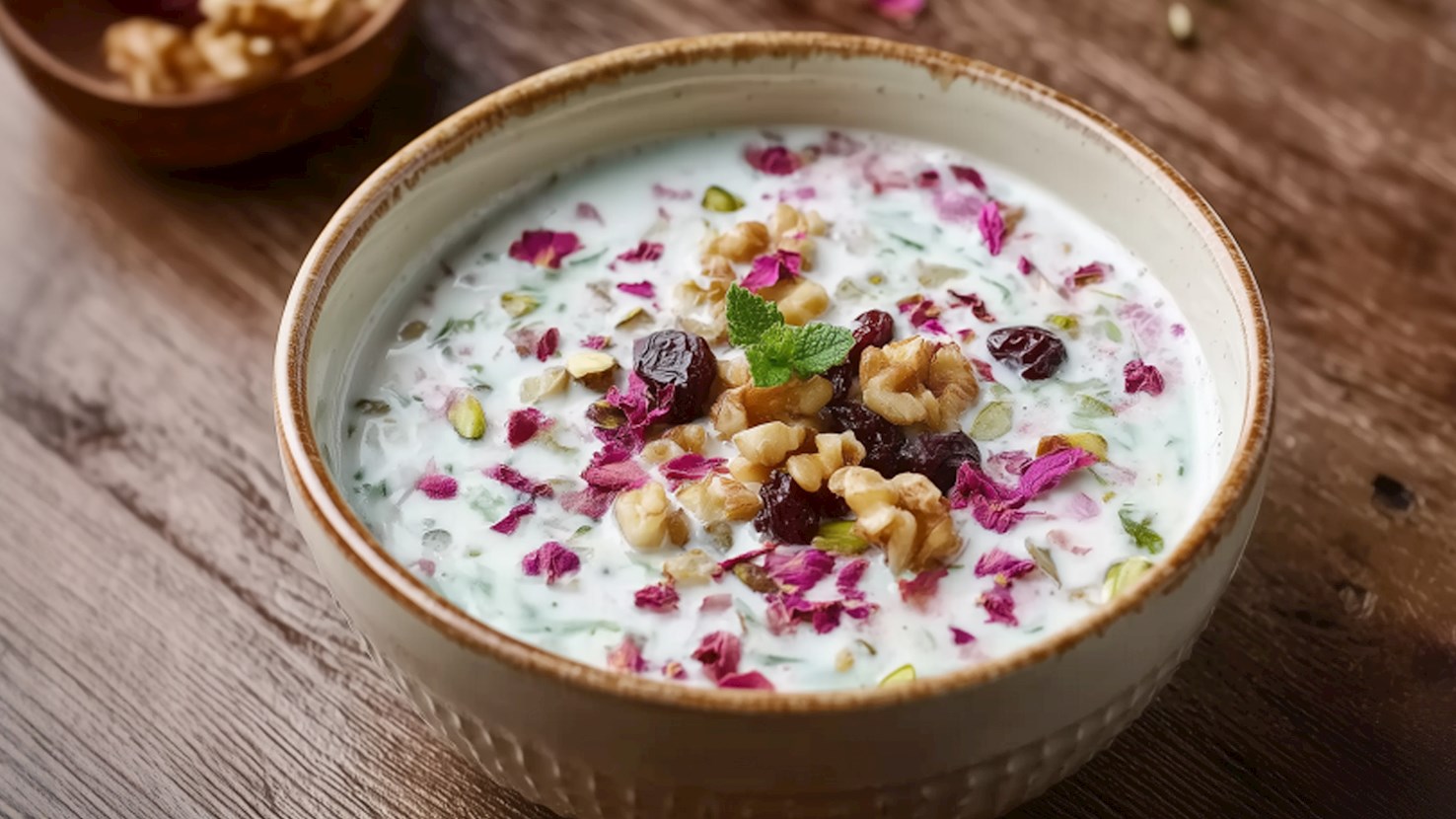
Ab doogh khiar is a cold Persian dish that originates from various regions of Iran, especially popular in the central and southern provinces where the summer heat inspires meals designed to refresh and hydrate. It is essentially a chilled yogurt and cucumber soup combining thick strained yogurt called mast or doogh (a diluted yogurt drink), finely chopped cucumbers, and an assortment of herbs such as mint, dill, and tarragon. Walnuts, raisins, and dried rose petals are often added to enrich the taste and texture. Its history goes back centuries, when nomadic groups and rural communities created light meals to sustain themselves in hot weather without requiring elaborate cooking. The practice of mixing yogurt with water and vegetables has ancient roots in Iranian cuisine, and over time the recipe developed to include additional flavorings and garnishes reflecting regional preferences and family customs. Preparation typically starts with blending thick yogurt or doogh with chilled water until smooth. Cucumbers are diced or grated, and herbs are chopped finely before being folded into the base. The mixture is seasoned with salt and sometimes crushed garlic, then topped with crushed walnuts, soaked raisins, and a sprinkle of dried edible rose petals. Occasionally small pieces of flatbread or ice cubes are stirred in just before serving. One detail that distinguishes ab doogh khiar is that it blurs the line between a soup and a beverage. It is often served in bowls or deep plates, but in rural areas it may be poured into large glasses and sipped directly. Ab doogh khiar is mainly eaten as a lunch or light dinner during warm months. It pairs well with flatbread and raw vegetables and is especially valued for its cooling qualities. Across Iran, you will find it in home kitchens, casual eateries, and picnic baskets, appreciated for its simplicity and ability to bring together fresh dairy and garden produce in a single dish.
Kaleh Joosh is a savory and tangy Iranian soup originating primarily from central Iran, with strong ties to regions such as Isfahan and surrounding provinces. This dish is recognized for its distinctive use of kashk, a fermented whey product that imparts a creamy and slightly sour flavor to the broth, which is enriched by sautéed herbs like parsley, cilantro, and mint, along with garlic and onions. The origins of kaleh joosh are closely linked to rural Iranian households, where resourcefulness with locally available ingredients has shaped the dish over generations. The use of kashk not only adds depth of flavor but also provides nutritional benefits, making the soup both satisfying and healthful. While the recipe varies from one family to another, the core components remain consistent, preserving its identity as a flavorful, herbaceous soup that balances richness with acidity. Over time, kaleh joosh has moved from home kitchens to local restaurants, becoming a recognized part of central Iranian cuisine. Preparation of kaleh joosh involves slowly sautéing onions and garlic to develop their sweetness before adding a generous amount of fresh herbs, which are cooked until fragrant. Kashk is then incorporated, blending smoothly with the sautéed mixture to create the soup’s signature creamy texture and tangy taste. Turmeric and dried mint are commonly added to enhance the aroma and complexity. The soup is usually served hot, garnished with fried onions or additional herbs, and accompanied by flatbread or rice to complement its robust flavors. Kaleh joosh remains a staple dish in the central regions of Iran, particularly enjoyed in Isfahan and nearby areas. It is often featured in family meals, local eateries, and during cultural gatherings, valued for its comforting qualities and distinctive flavor profile.
Ash-e jo is a barley-based soup from Iran, where it is widely prepared as a nourishing, slow-cooked meal often shared among families and neighbors. The name comes from the Persian word ash, which refers to thick soups or stews, and jo, meaning barley. The history of ash-e jo is closely tied to Iran’s agricultural heritage. Barley has been cultivated in the Iranian plateau for thousands of years, valued both as animal fodder and a staple grain in human diets. Recipes for barley soups appear in Persian culinary records that date back centuries, where they were recommended for their filling and restorative qualities. Over time, ash-e jo developed as a distinct dish, incorporating vegetables, herbs, legumes, and occasionally meat, making it a versatile preparation that could be adapted to seasonal produce and household means. Preparation begins by soaking barley to soften the grains. In many households, dried legumes such as lentils and beans are also soaked in advance to shorten cooking time. The base of the soup is built by gently frying onions, turmeric, and sometimes garlic in oil until aromatic. Chopped carrots, celery, and sometimes tomatoes are added for sweetness and depth. Water or meat broth is poured over the mixture, and the drained barley and legumes are stirred in. The pot simmers over low heat for several hours, allowing the barley to swell and release starch, which gives the soup a naturally thick consistency. Toward the end of cooking, generous amounts of chopped herbs, most often parsley, cilantro, dill, and spinach, are mixed in to brighten the flavor and add a green tint. Ash-e jo is typically seasoned with salt, black pepper, and occasionally a splash of verjuice or lemon juice to balance the richness. When served, the soup is ladled into bowls and often garnished with kashk, a tangy fermented whey sauce that is drizzled over the surface. Fried onions and dried mint in hot oil are also common toppings that bring aromatic contrast to the dish. While some variations include small pieces of lamb or beef, vegetarian versions are equally popular and widely consumed. Ash-e jo is most commonly eaten as a hearty lunch or dinner, particularly during colder months when warming foods are favored. It is served both at home and in small eateries specializing in ash, where pots of different varieties simmer side by side. In Iran, sharing ash-e jo is a gesture of hospitality, and it is often prepared in large quantities to offer to guests, neighbors, or during religious commemorations.
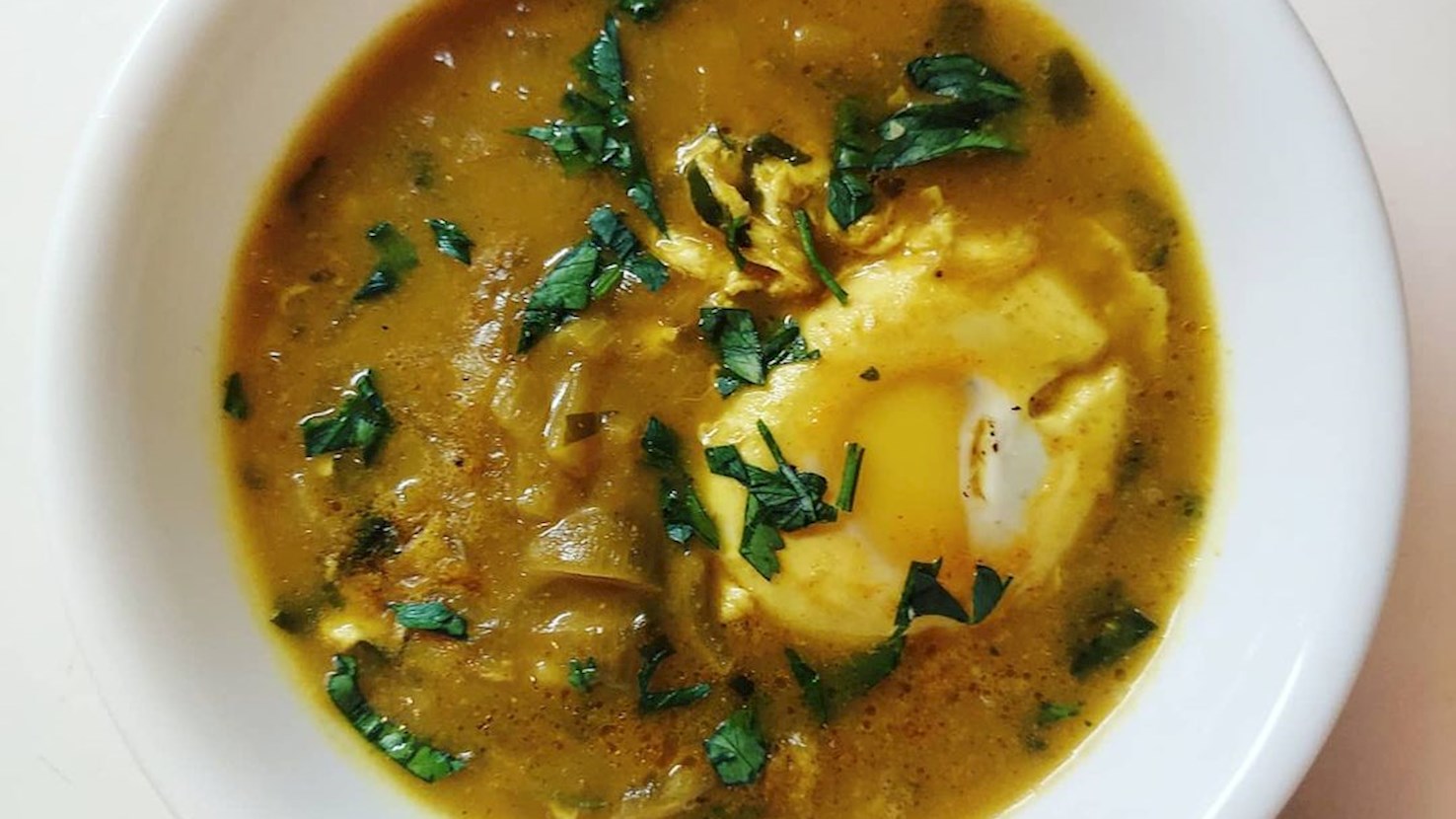
Eshkeneh is a hearty Iranian soup originating from the northern regions of Iran, primarily made with onions, potatoes, fenugreek, turmeric, and eggs, combining these simple ingredients into a nourishing and flavorful dish that reflects the culinary style of northern Iran. The soup’s distinct taste comes from the aromatic fenugreek and the subtle earthiness of turmeric, balanced by the creamy texture of eggs stirred into the broth. The roots of eshkeneh lie in the resourceful cooking practices of the Caspian region, where local herbs and vegetables are commonly used to create dishes that are both comforting and wholesome. Fenugreek, a defining ingredient, is valued for its unique flavor and health benefits, making it a staple in regional cooking. This soup has been enjoyed over generations, often prepared in homes as a nourishing meal suitable for colder weather or as a light yet satisfying dish any time of year. To prepare eshkeneh, onions and potatoes are first sautéed with turmeric to release their flavors. Water or broth is added and the mixture is simmered until the potatoes are tender. Dried fenugreek leaves are then incorporated, infusing the soup with their characteristic aroma. Eggs are added last, either gently poached in the hot soup or beaten and stirred in to create a silky texture. The soup is served hot, frequently accompanied by fresh bread or local flatbreads. Eshkeneh is widely appreciated in northern Iran for its simple ingredients and distinctive flavor profile. It is commonly found in households and local eateries, cherished as a meal that balances warmth, nutrition, and the unique tastes of the Caspian region.
TasteAtlas food rankings are based on the ratings of the TasteAtlas audience, with a series of mechanisms that recognize real users and that ignore bot,
nationalist or local patriotic ratings, and give additional value to the ratings of users that the system recognizes as knowledgeable.
For the “Top 8 Iranian Soups” list until July 15, 2026, 286 ratings were recorded, of which 182 were recognized by the system as legitimate.
TasteAtlas Rankings should not be seen as the final global conclusion about food. Their purpose is to promote excellent local foods,
instill pride in traditional dishes, and arouse curiosity about dishes you haven’t tried.