

shutterstock

Top 27 Korean Soups

Last updated on June 15, 2026
01

Yukgaejang

4.0 ·

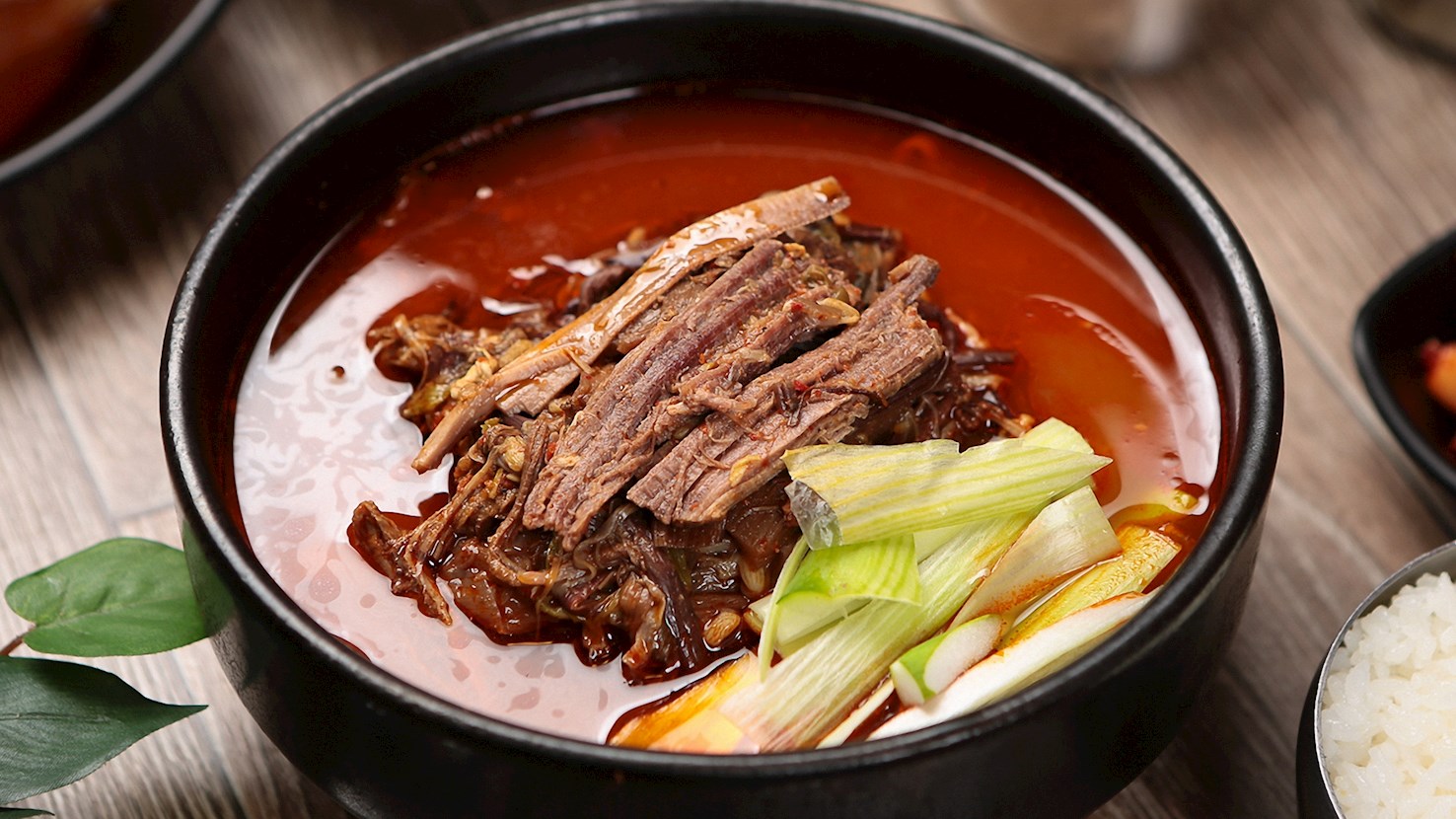
Yukgaejang is a spicy Korean soup consisting of shredded beef, preferably brisket, scallions, gosari (eagle fern), bean sprouts, leeks, or mushrooms. The soup is seasoned with chili paste, soy sauce, sesame oil, garlic, and chili flakes, while some versions may also include glass noodles. Yukgaejang is best served piping hot, with a bowl of rice on the side. The variation prepared with chicken is known as dakgaejang.

02

Dwaeji gukbap

4.0 ·

Dwaeji gukbap is a popular South Korean soup made with pork, soy sauce, miso, rice wine, sesame oil, and bone broth. When served, the soup is accompanied by a variety of side dishes such as rice, shrimps, onions, noodles, kimchi, garlic, and green peppers, which can all be added into the steaming bowl of soup. Dwaeji gukbap started as a poor man's meal, dating back to the Korean War in the 1950s, when refugees from North Korea used to prepare it with beef. Over time, the soup became a popular local dish, especially in Busan. Today, most people enjoy this unique dish while drinking liquor, and it is especially beneficial for women who are recovering from childbirth.

03

Gamjatang

4.0 ·

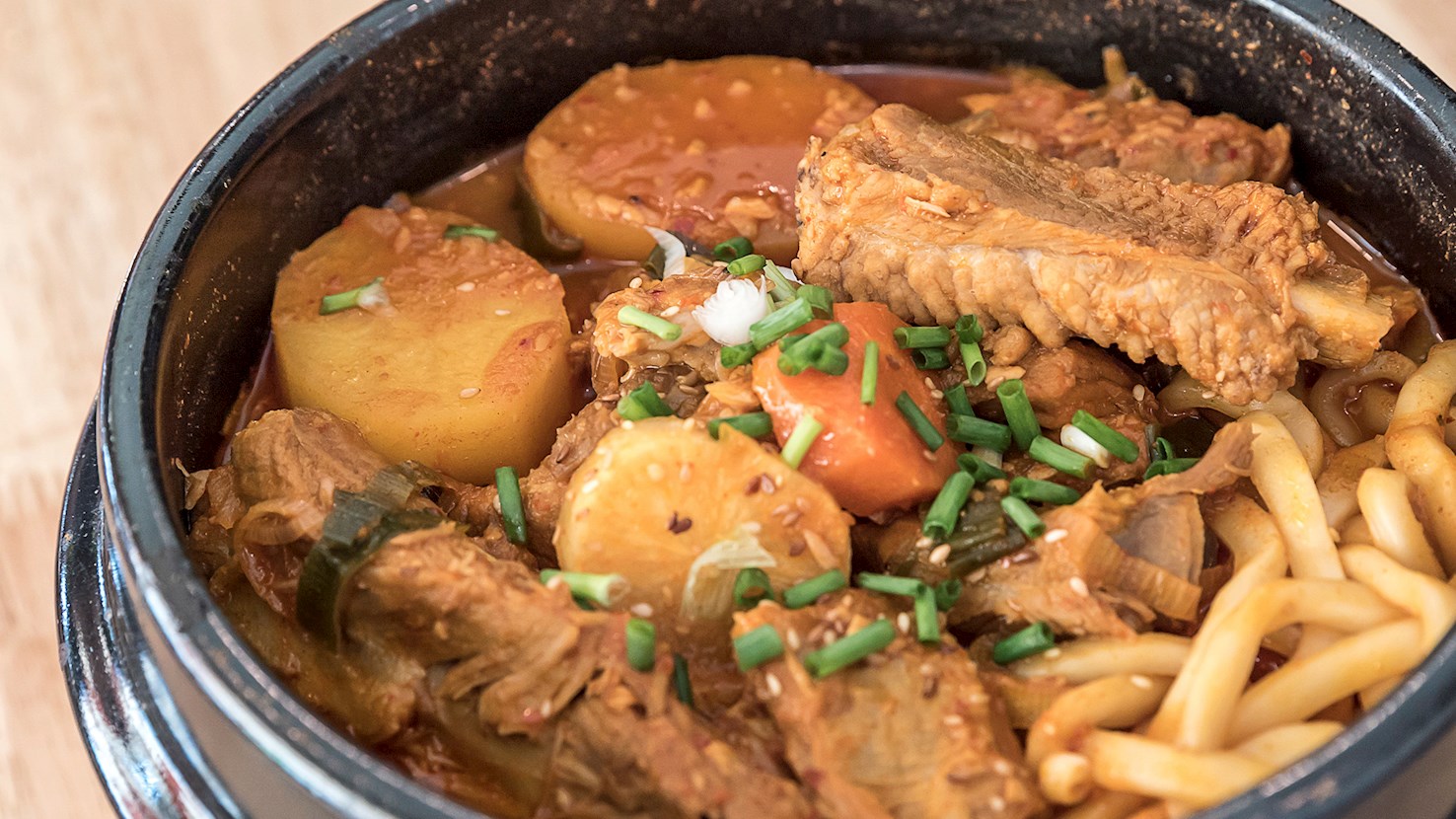
Gamjatang is a flavorful Korean stew made with pork spine and potatoes as the key ingredients, along with bean paste, chili powder, and garlic which are also simmered in the pot. The dish is usually topped with sesame leaves and served with a bowl of rice on the side. Gamjatang has origins in the Incheon area, famously full of construction workers who used to cook it throughout the day so it could be consumed when they would finish working. The stew would often be paired with a few shots of cold soju. Today, gamjatang is a popular hangover cure in Korea, and it has spread to other territories such as Europe, USA, and Southeast Asia.

04

Kalguksu

4.0 ·

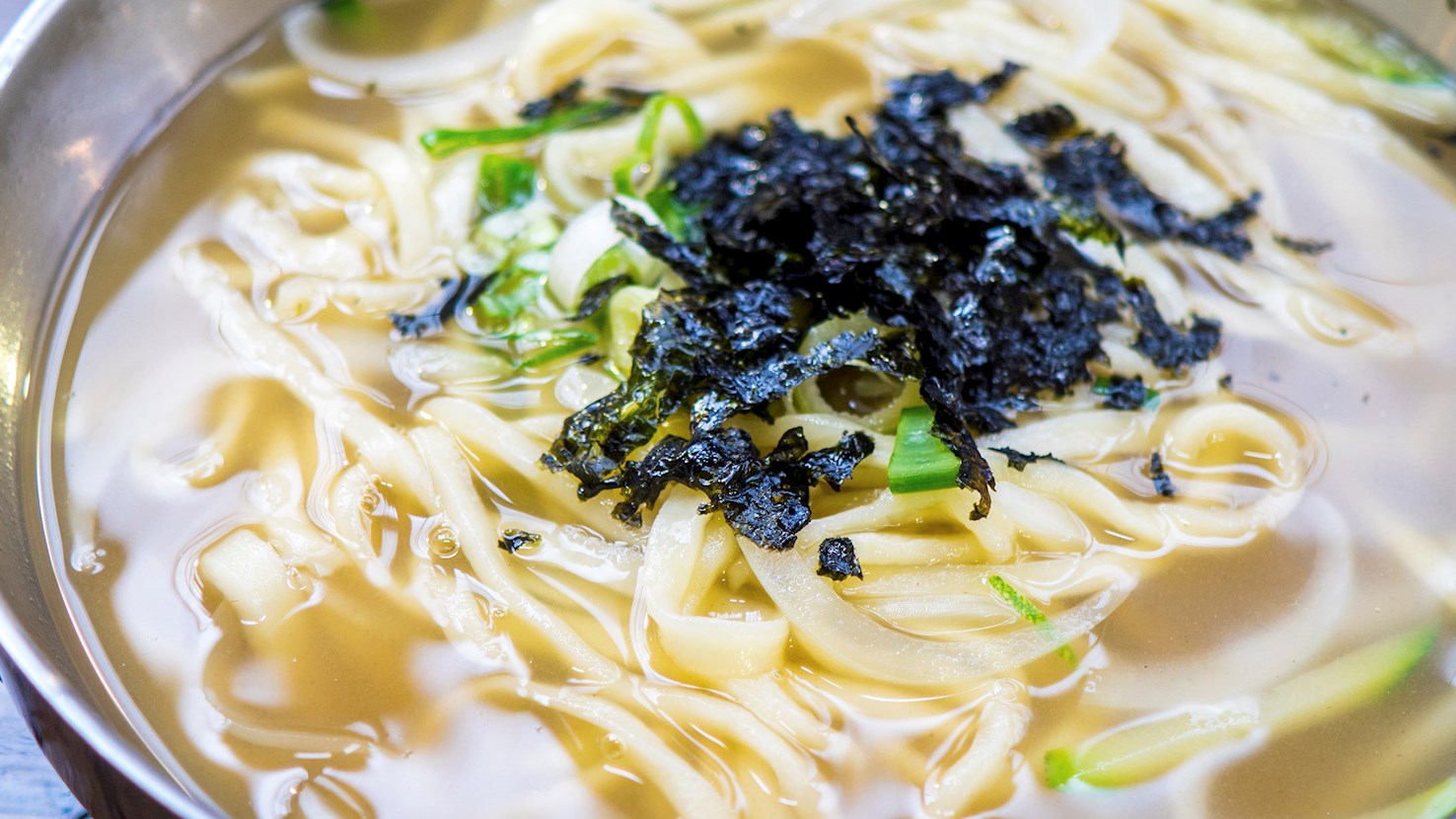
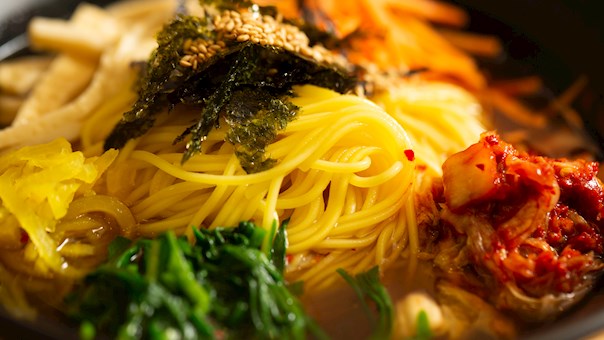
Kalguksu is a favorite summertime dish of many South Koreans, usually served during rainy seasons and on windy summer days. It consists of handmade wheat flour and egg noodles in a broth that is usually made with shellfish, dried anchovies, and kelp. The noodles are cut with a knife, giving the dish its name, kalguksu, which literally means knife noodles. Although seafood kalguksu is the most popular variety, there are other versions of kalguksu such as spicy (jjanppong kalguksu), chicken (dak kalguksu), and mushroom kalguksu (beodeot kalguksu). Typically, kalguksu is served with side dishes such as kimchi or barley combined with cabbage and soybean paste sauce. Kalguksu originated during the Joseon Dynasty era, and the first recipe for the dish was found in an old cookbook called Eumsik Dimibang, written by Lady Jang in 1670. Traditionally, kalguksu was consumed during the Yudu holiday, when barley and wheat were harvested. It was also a custom to serve the dish on a child's first birthday, as a sign of longevity, virtue, and health, but today, kalguksu is enjoyed by everyone as an inexpensive, hearty, and nourishing dish.

05

Seolleongtang

3.9 ·

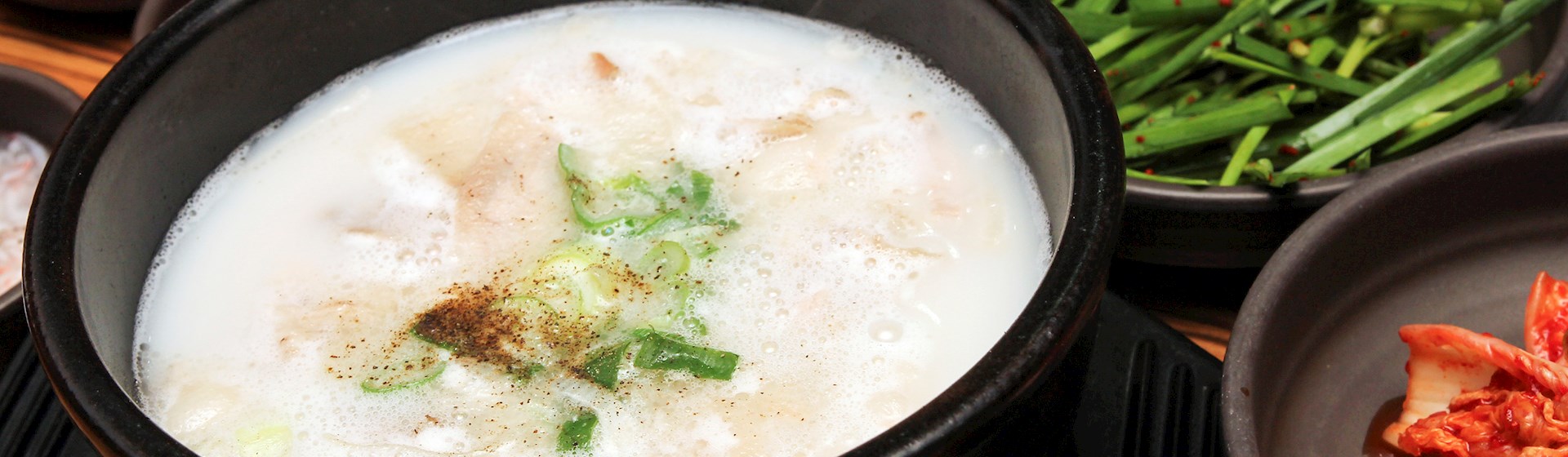
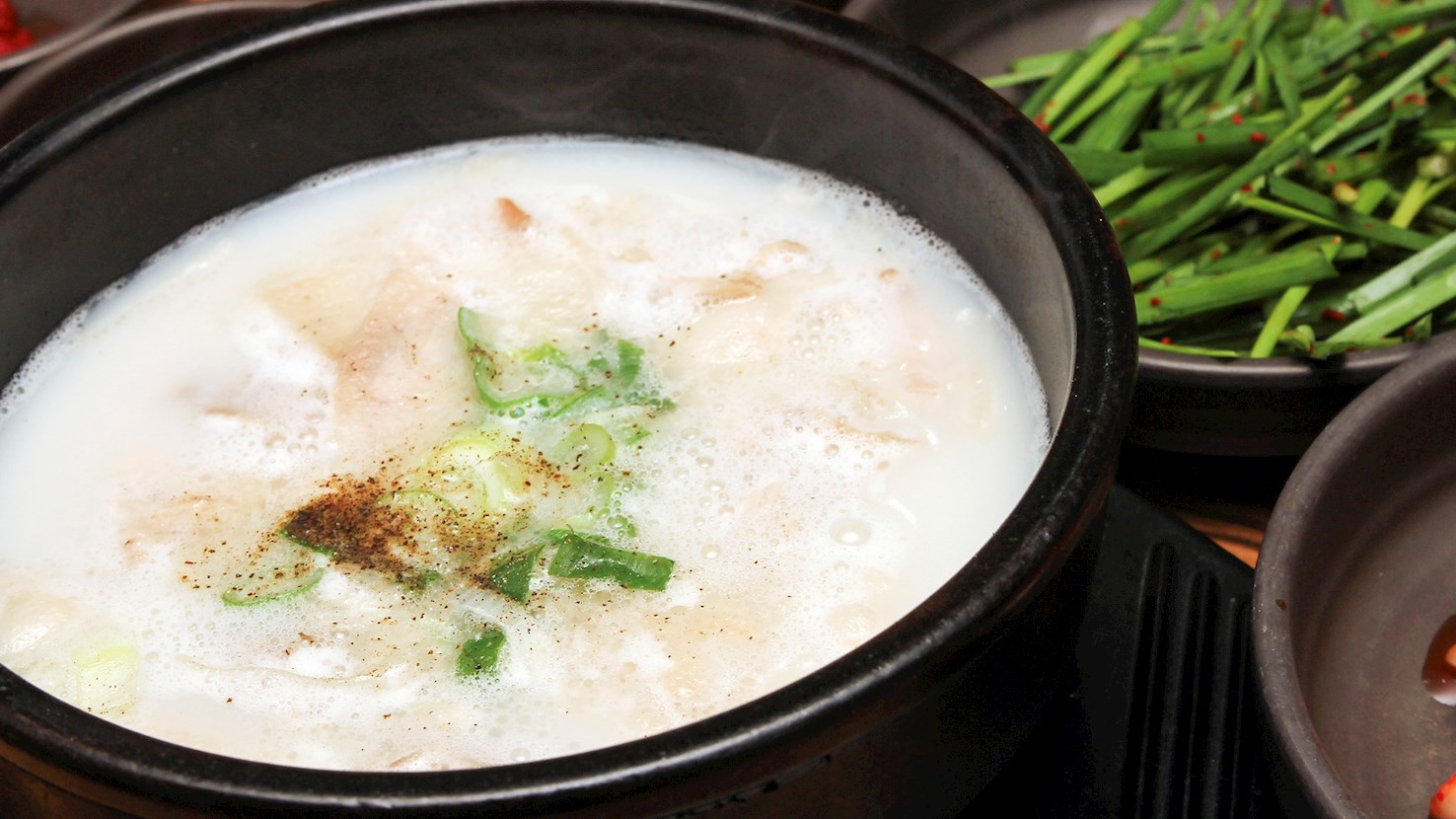
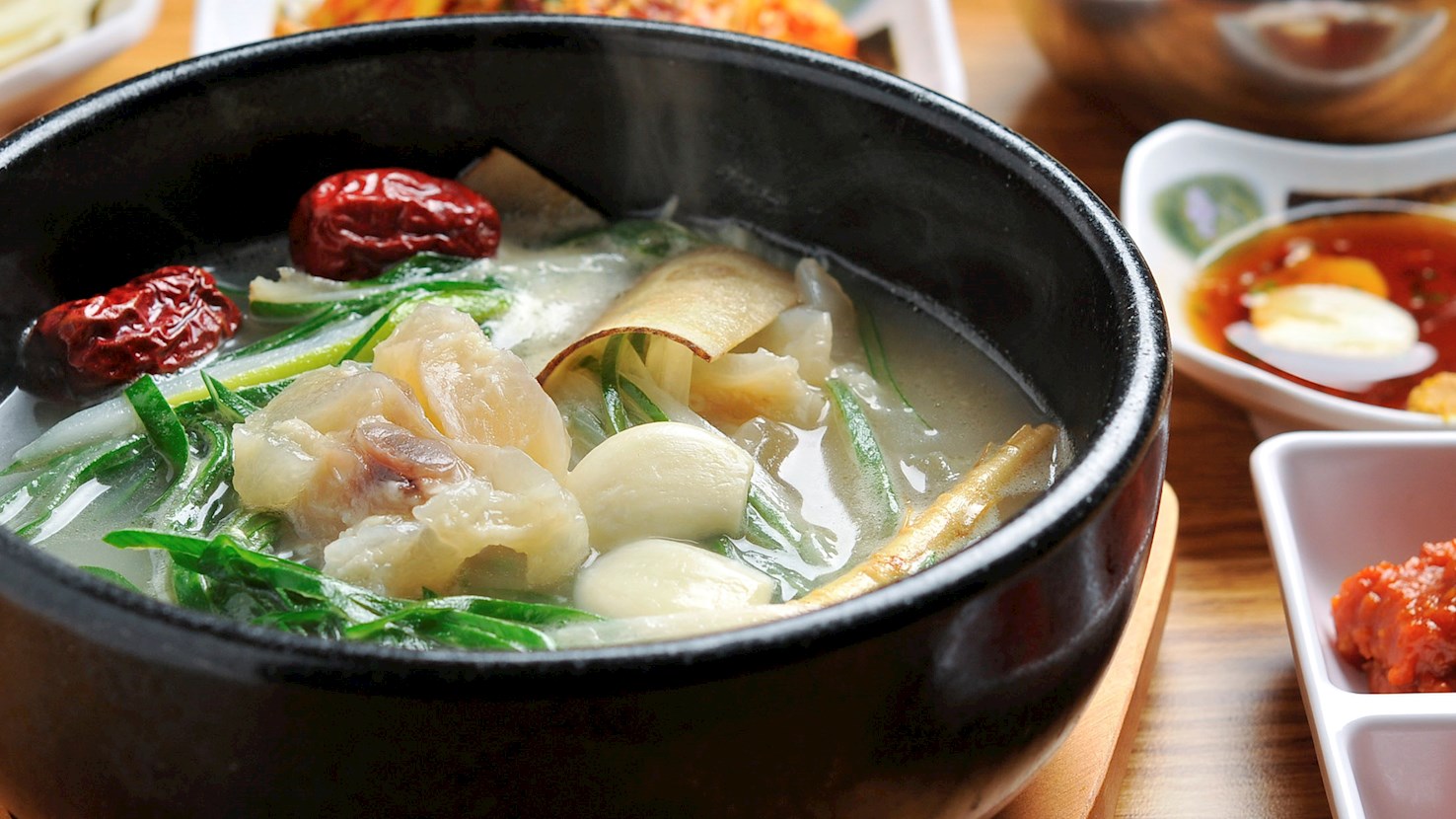
Seolleongtang is a hot, invigorating South Korean bone soup prepared by boiling cow's bones, feet, head, organs, brisket, and shank for a long time until the broth develops a creamy white color. The soup is a staple in numerous Korean households, especially during the cold winter months. It is believed that the soup was invented because King Seonjong of the Joseon Dynasty needed to feed a large number of people at a worship ritual for the god of farming, during which a cow would be sacrificed. The name of the dish is derived from the word Seonnongtang, meaning soup boiled at Seonnongdan, and later on, the word evolved into Seolleongtang. Nowadays, it is usually served with ripe kkakdugi (radish kimchi), and it is said to taste even better when accompanied by it, warming numerous consumers during the winter.

06

Galbitang

3.9 ·

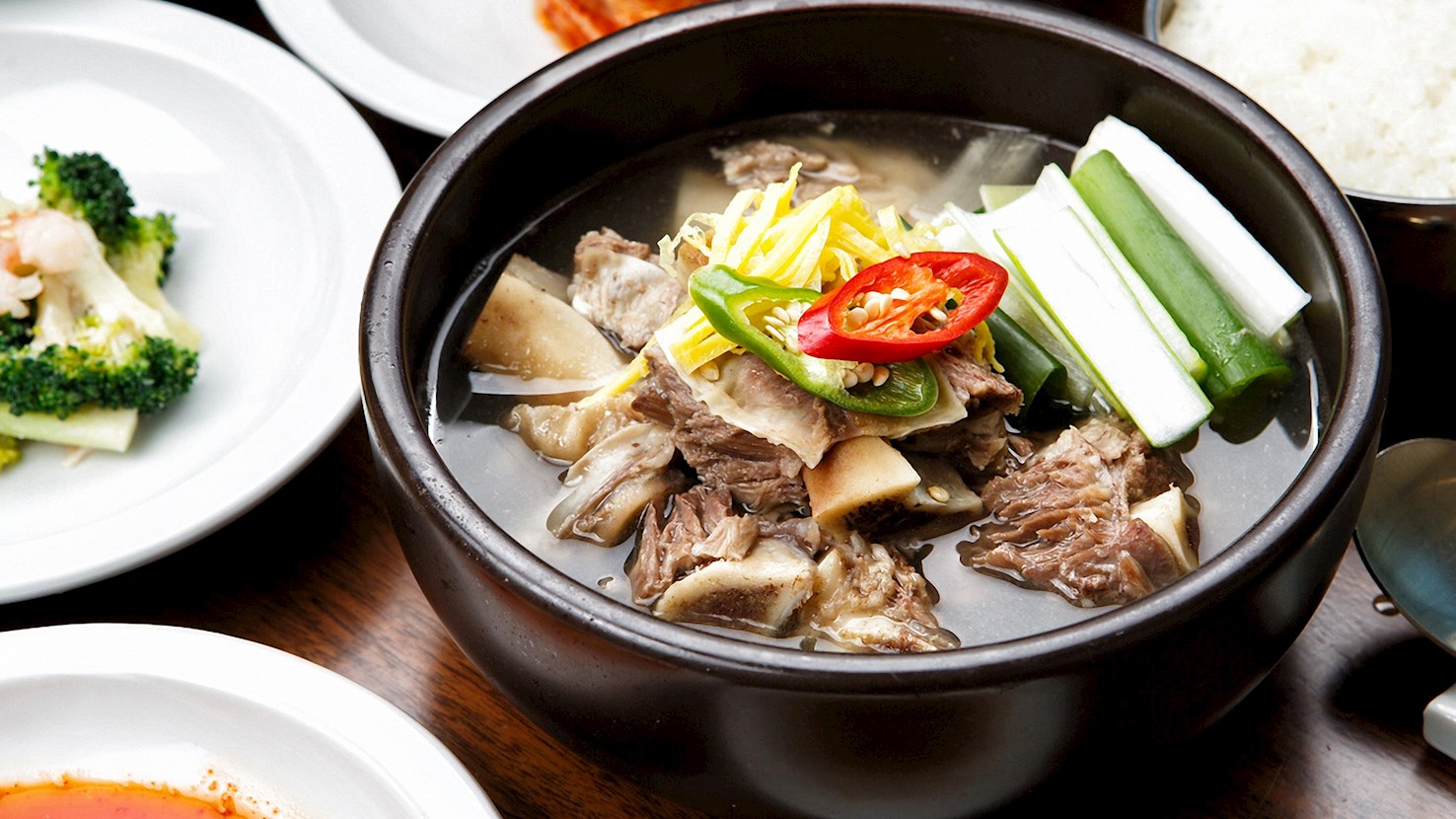
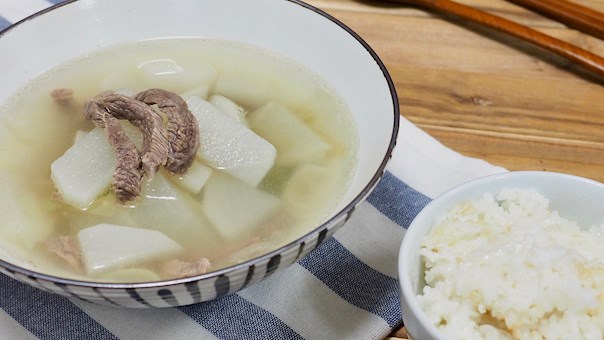
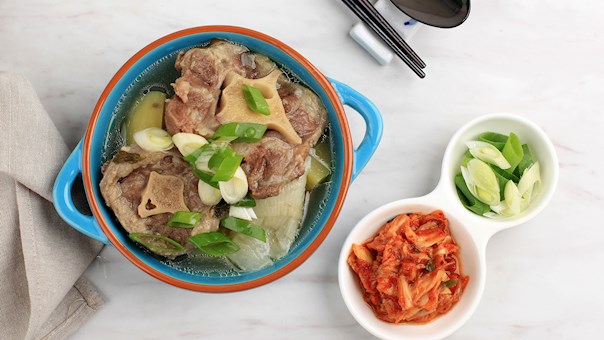
Galbitang is a Korean soup made with beef short-ribs. This delicious soup is eaten as a stand-alone meal, and it is prepared by boiling short-ribs and a whole radish for about 4 to 5 hours. When cooked, the meat is flavored with scallions, garlic, ground pepper, soy sauce, sesame oil, sesame seeds, and salt. It is then placed back into the broth along with the sliced radish. This soup is similar to seolleongtang, which is made with ox bones. Due to the fact that beef ribs are an expensive cut of meat, galbi-tang is considered to be a rather special dish, thus being served on special occasions, such as weddings and banquets.

07

Miyeokguk

3.9 ·

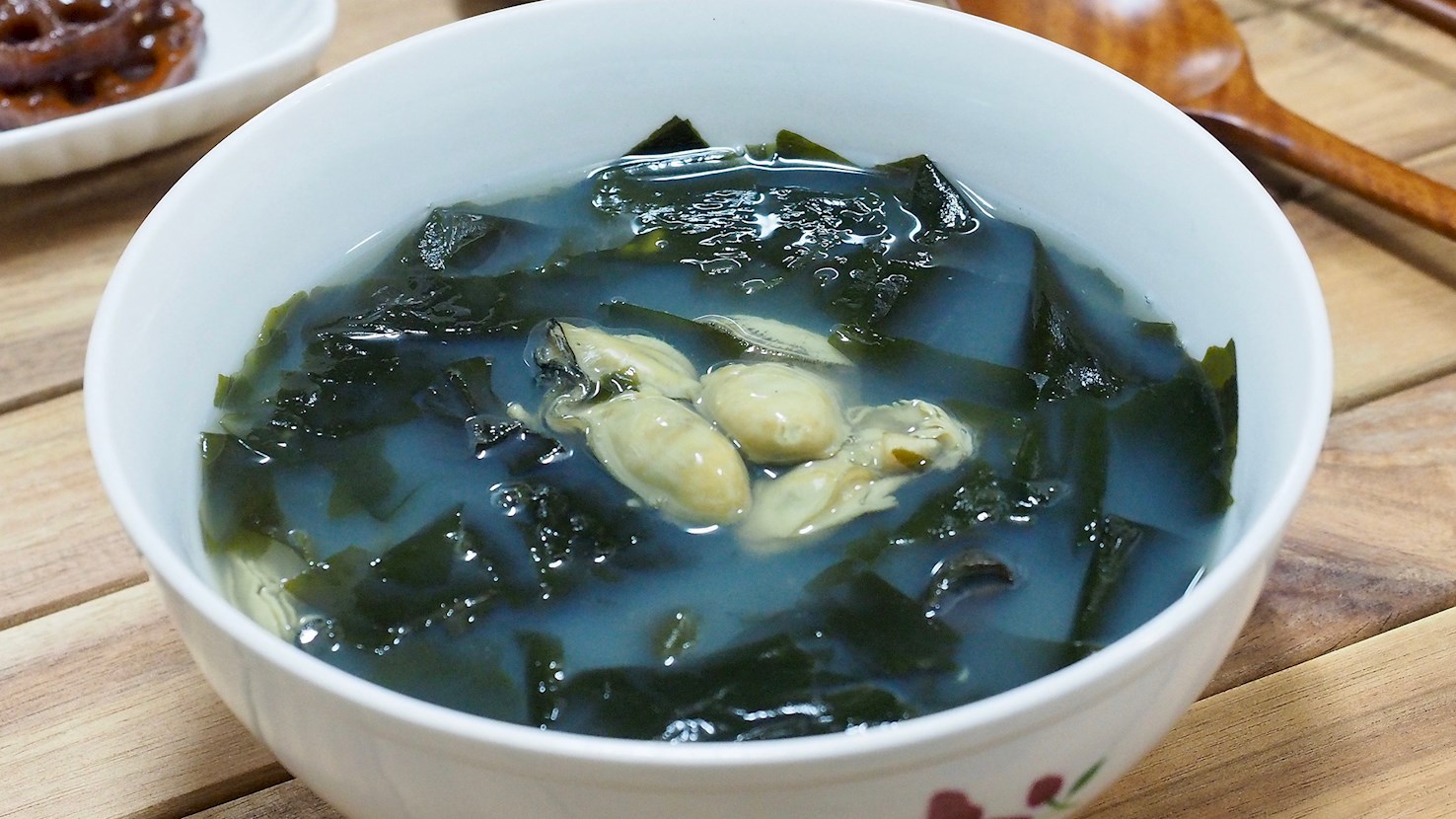
The star ingredient in this nourishing South Korean soup is dried seaweed, typically wakame variety that is known as miyeok in Korea. The soup consists of a hearty broth and a choice of protein that may include anything from beef, prawns, oysters, mussels, or tofu, while it is typically flavored with sesame oil and soy sauce. Interestingly, due to the beneficial properties of wakame, this soup is a staple dish enjoyed by women after they have given birth. Tradition also suggests eating it on birthday celebrations, but it is mostly is enjoyed as a comforting everyday dish that is served with rice and various Korean sides.

08

Manduguk

3.8 ·

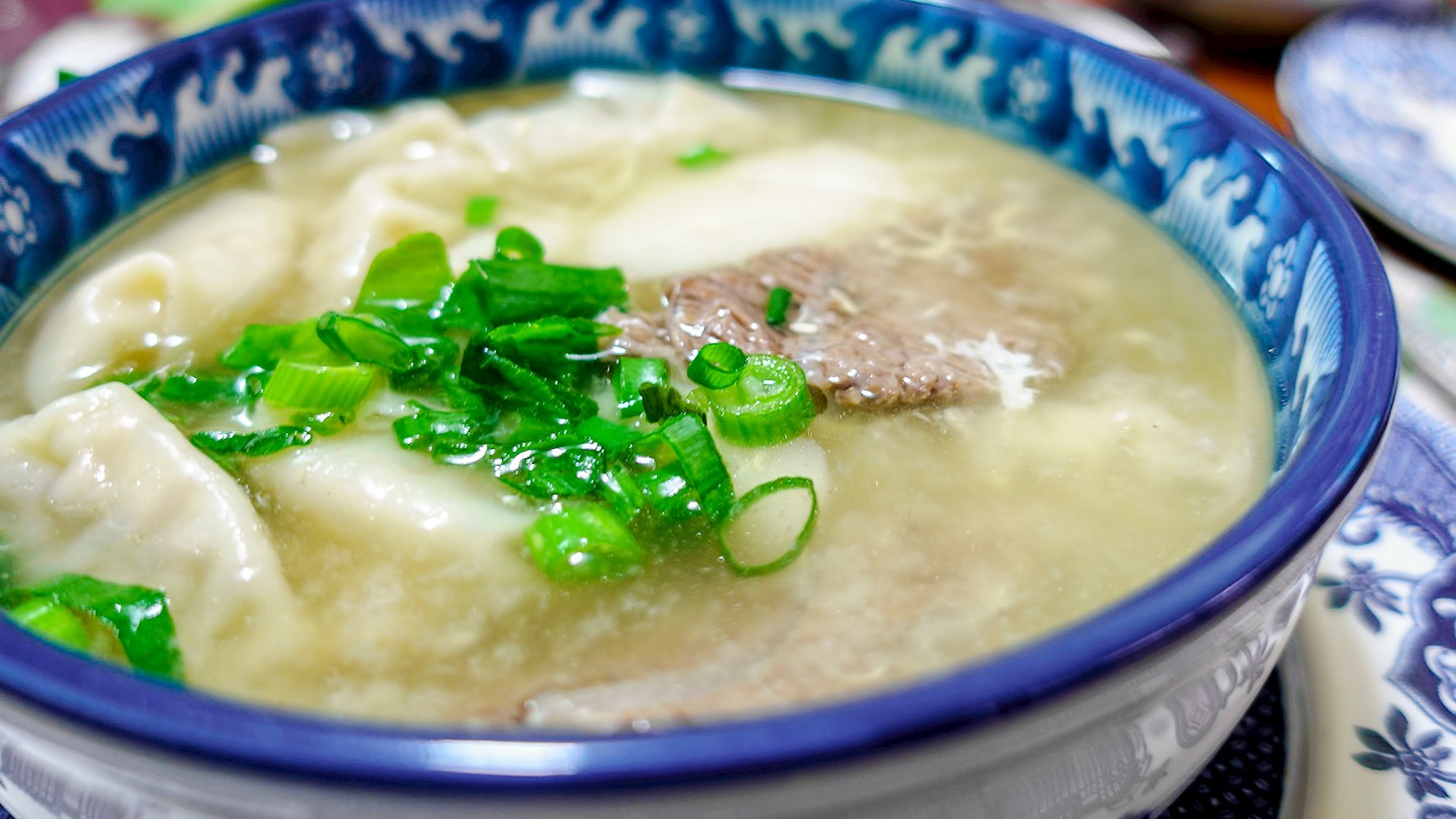
The base of this traditional Korean soup is made with anchovy or beef-based stock, but the star ingredients are mandu—traditional Korean crescent-shaped dumplings usually filled with beef and vegetables. The soup also mainly includes shiitake mushrooms and onions, or occasionally sliced tteok rice cakes. In some parts of South Korea, manduguk is served on the first day of the Lunar New Year, a tradition that is believed to stem from the ancient belief that happiness was securely wrapped inside these bite-size dumplings. The soup is typically served garnished with sliced scallions and thin strips of eggs, while the side dishes include kimchi and other types of pickled vegetables.

09

Samgyetang

3.8 ·

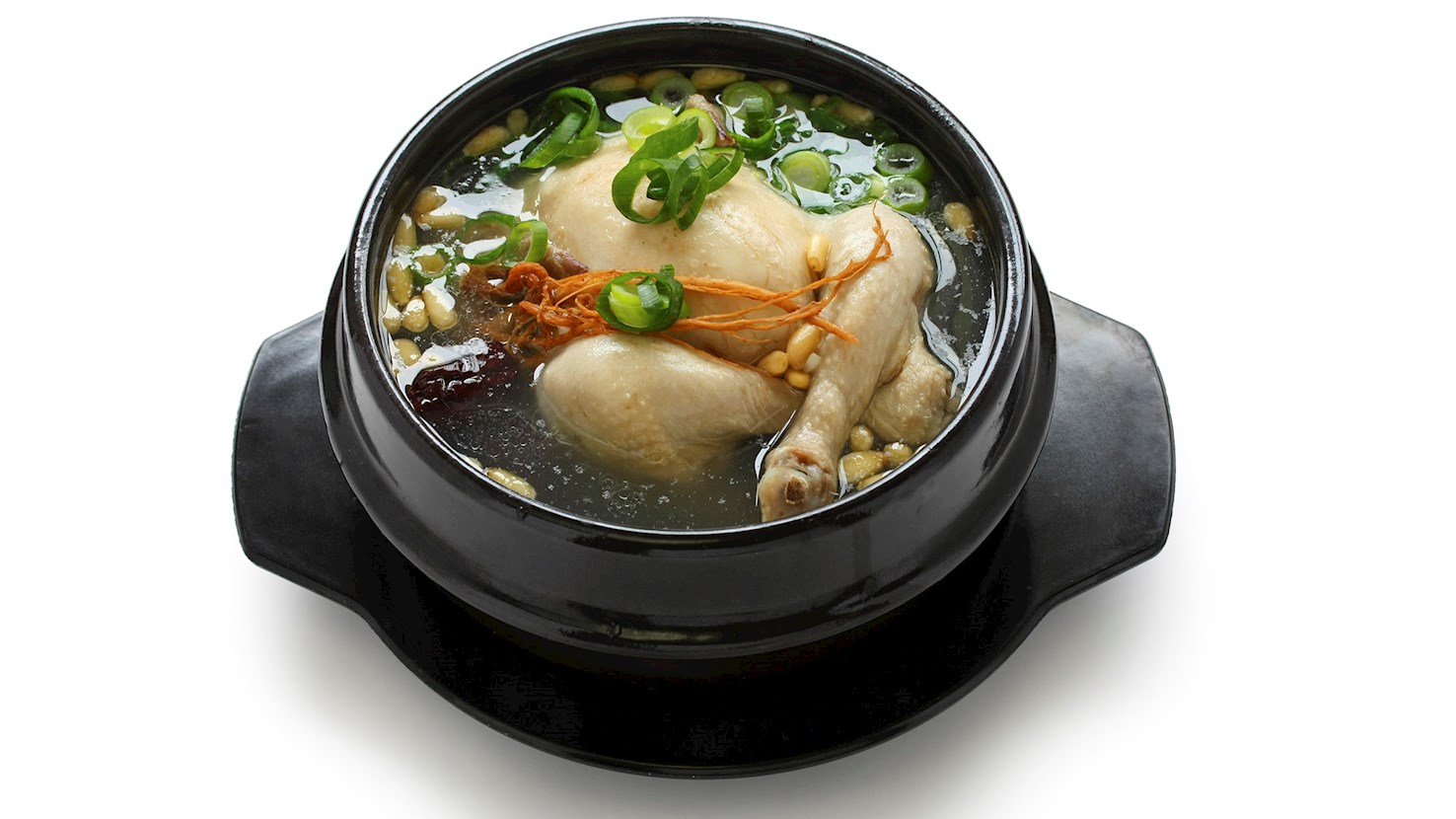
Samgyetang is a flavorful soup from South Korea, consisting of a whole young chicken cooked with ginseng, garlic, and rice. In Korea, ginseng is revered for its medicinal properties, as it lowers blood sugar and boosts the body's immune system and stamina, making samgyetang an ideal soup for hot summer days, when people fall into nutrition deficiency due to excessive sweating and loss of appetite. The flavors of the soup are somewhat milder than other Korean and Chinese herbal medicinal soups, and the key to its popularity during the summer may also be in its price, as it is generally pretty inexpensive. If consumed in a restaurant, there will often be a small bottle of insangju ginseng alcohol served on the side, believed to boost physical and sexual stamina.

10

Kongguksu

3.8 ·

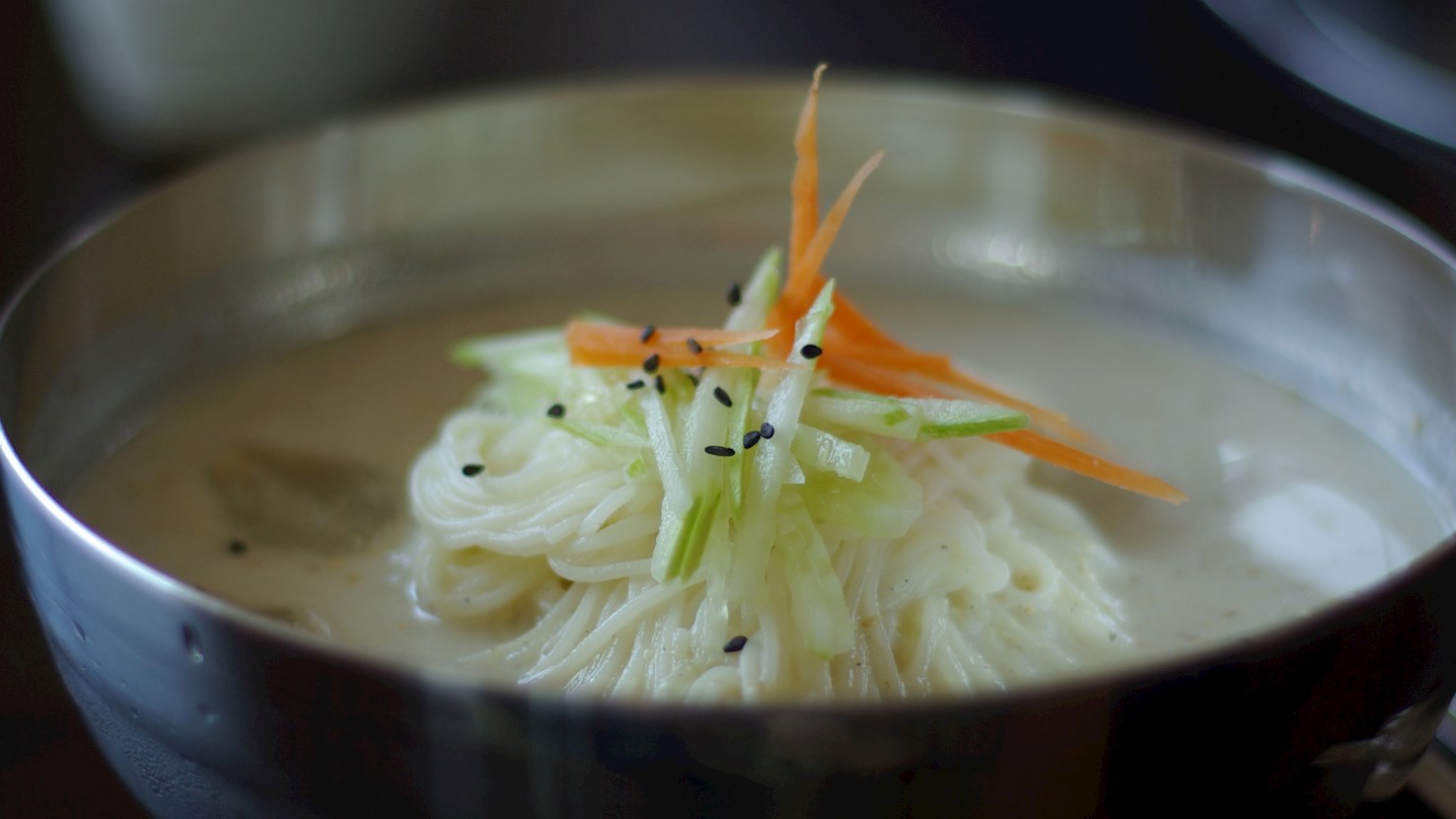
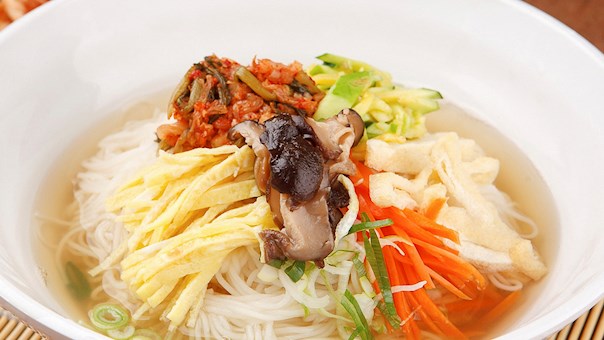
Kongguksu is a Korean summer classic that combines noodles and a cold, soy milk broth. Traditionally, the broth is made from scratch by cooking and puréeing soybeans, occasionally with the addition of sesame seeds or different nuts. The dish is usually prepared with somyeon noodles, and it is finished off with the addition of different toppings such as finely sliced cucumbers or tomatoes. Occasionally, ice cubes can be added to chill the soup.

11

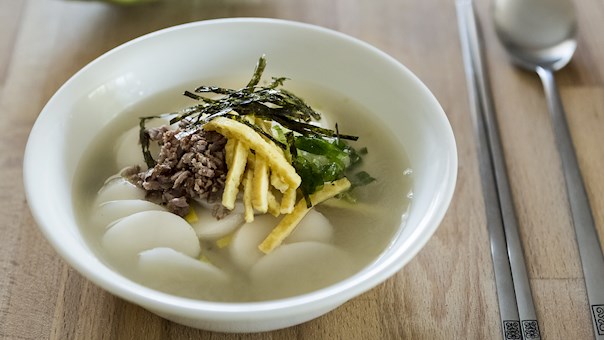
Tteokguk

3.6 ·
12

Janchi guksu

3.5 ·
13

Kimchi-guksu

3.5 ·
14

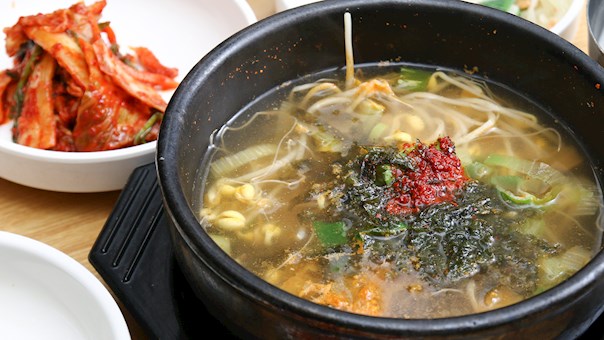
Muguk

3.5 ·
16

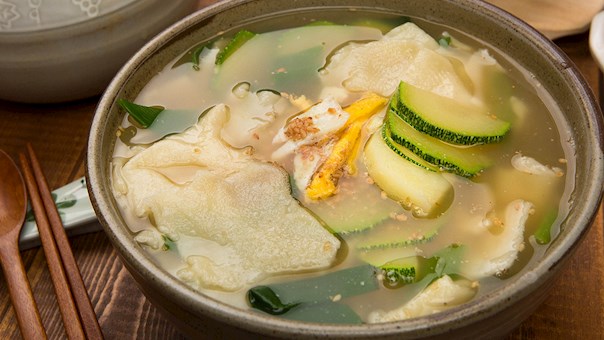
Sujebi

3.4 ·
17

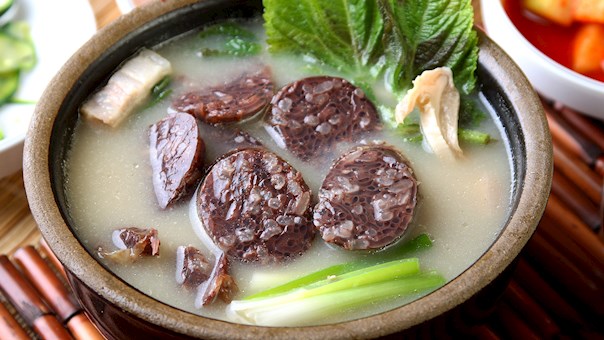
Sundaeguk

3.4 ·
18

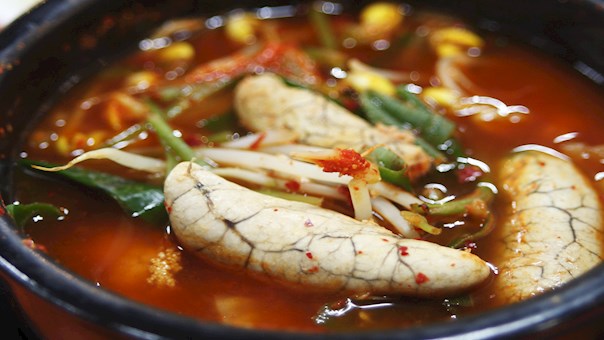
Altang

3.4 ·
20

Memil guksu

3.3 ·
Read more
View all
View map
About this ranking

TasteAtlas food rankings are based on the ratings of the TasteAtlas audience, with a series of mechanisms that recognize real users and that ignore bot, nationalist or local patriotic ratings, and give additional value to the ratings of users that the system recognizes as knowledgeable. For the “Top 27 Korean Soups” list until June 15, 2026, 595 ratings were recorded, of which 529 were recognized by the system as legitimate. TasteAtlas Rankings should not be seen as the final global conclusion about food. Their purpose is to promote excellent local foods, instill pride in traditional dishes, and arouse curiosity about dishes you haven’t tried.

Similar lists