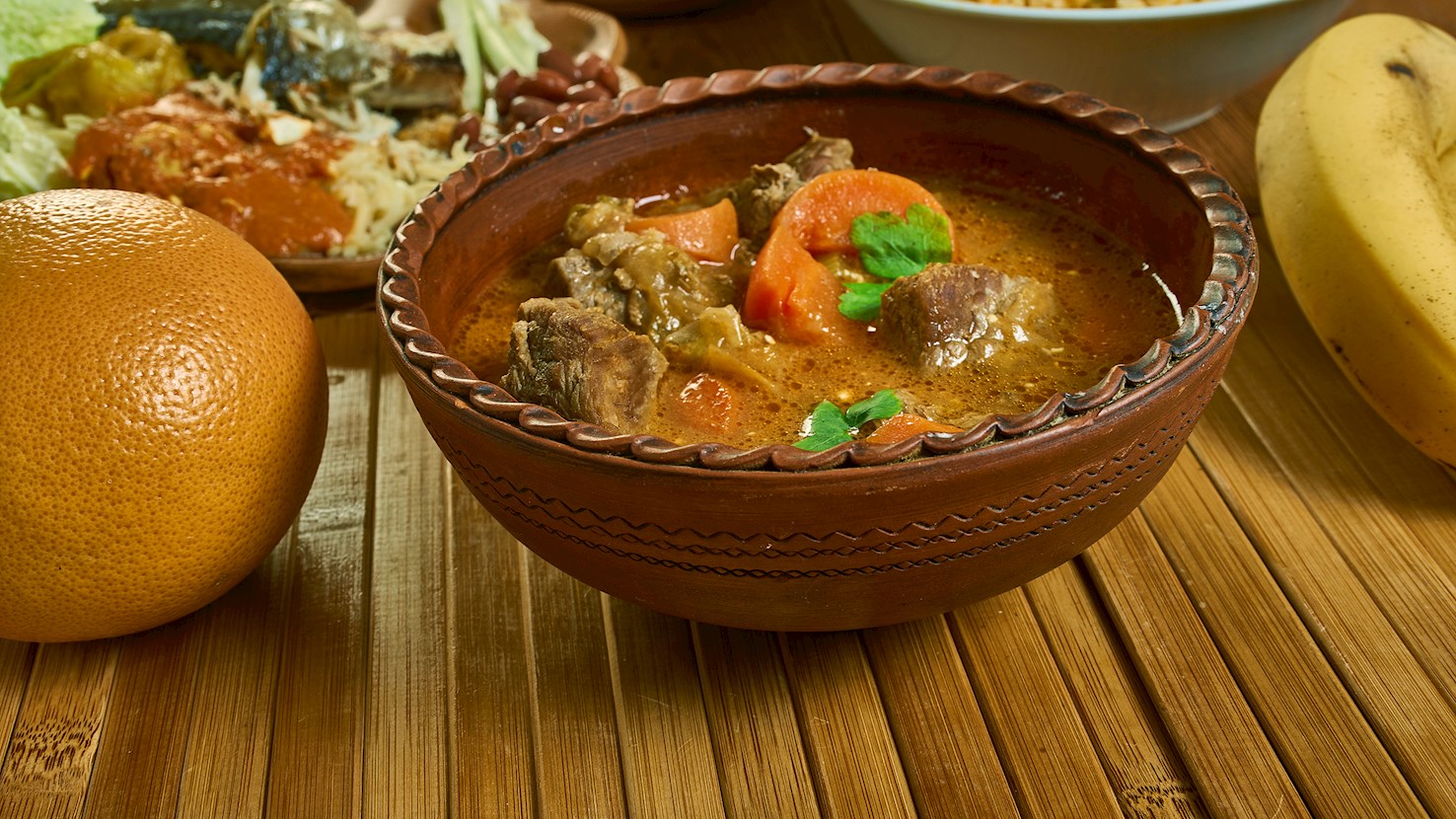
Pèpè soup is a traditional soup with intense aromas, made with njansa nut as the main ingredient. It is also popular in Nigeria and throughout West Africa. A spicy nut known as njansa is the key ingredient in pèpè soup, acting as a thickener and giving the soup its signature flavors. Other ingredients include meat or fish, garlic, ginger, hot peppers, onions, and water. The soup can be served on its own or it can be paired with yams, rice, and plantains when served as a main dish.
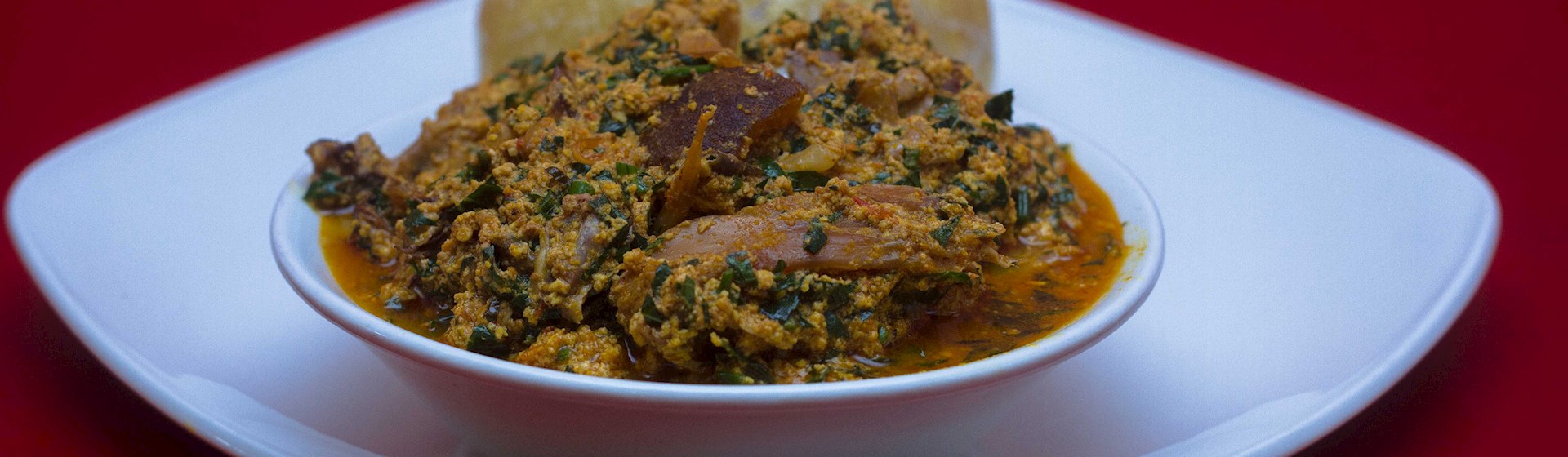
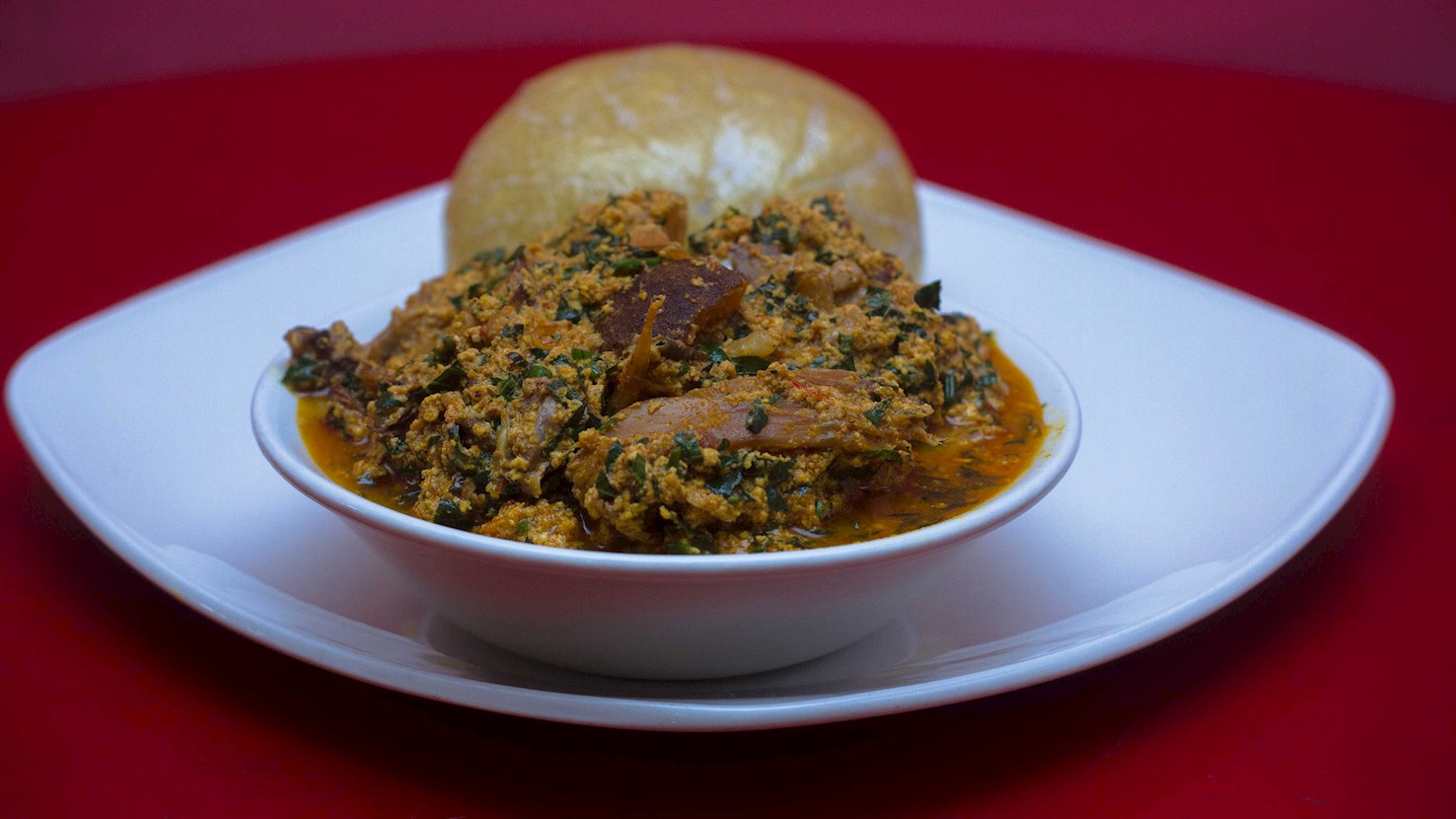
Egusi is a flavorful soup or sauce that is popular throughout West and Central Africa (most noteably Nigeria and Central African Republic) consisting of onions, tomatoes, hot chili peppers, and oil. It is traditionally thickened with flour that is made from seeds of gourds, pumpkins, melons, and squashes. The egusi is typically seasoned with salt, black pepper, and cayenne pepper. When the soup or sauce develops a smooth consistency, it is then usually served with boiled vegetables, rice, or a variety of grilled fish and meat dishes.
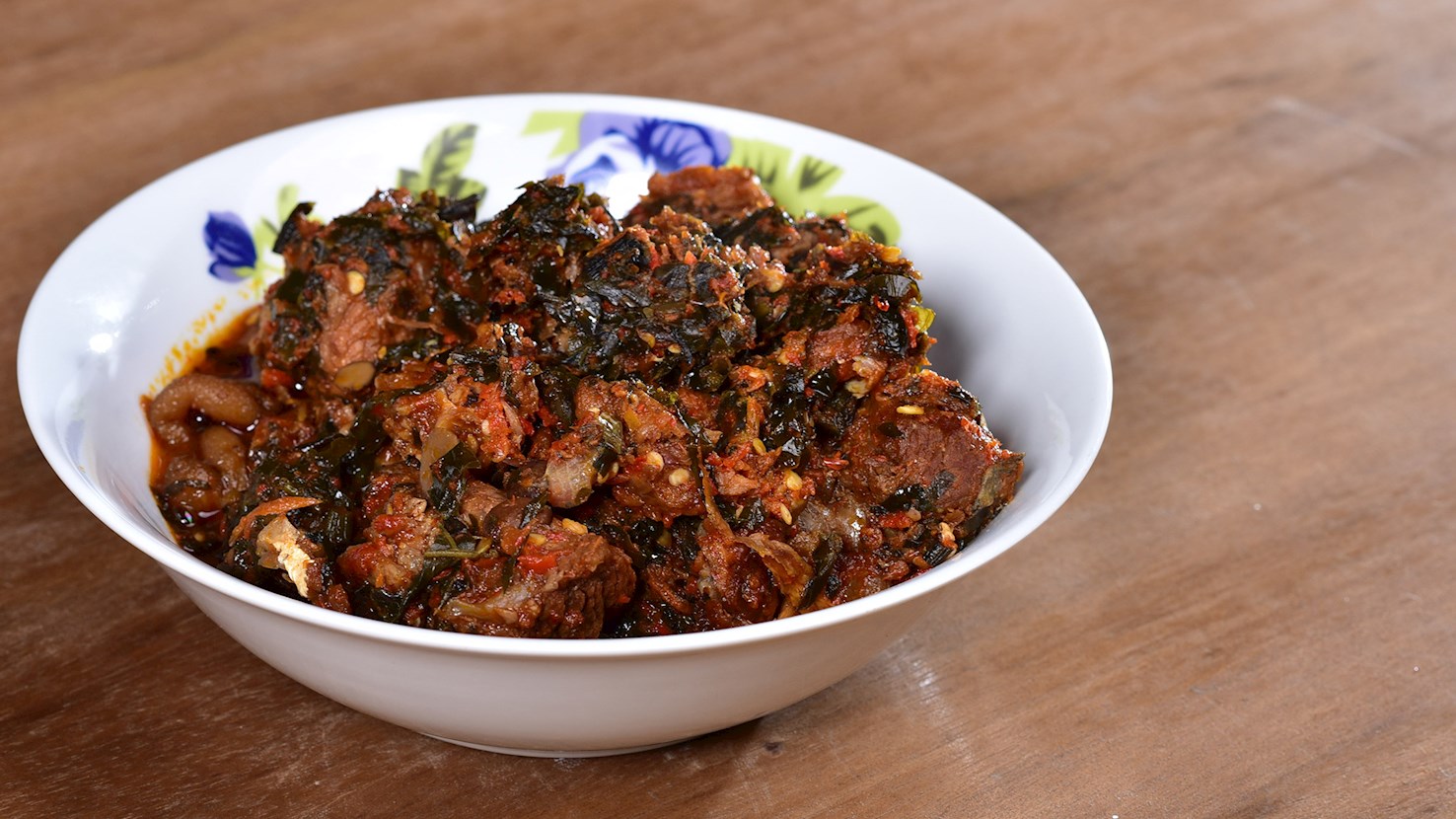
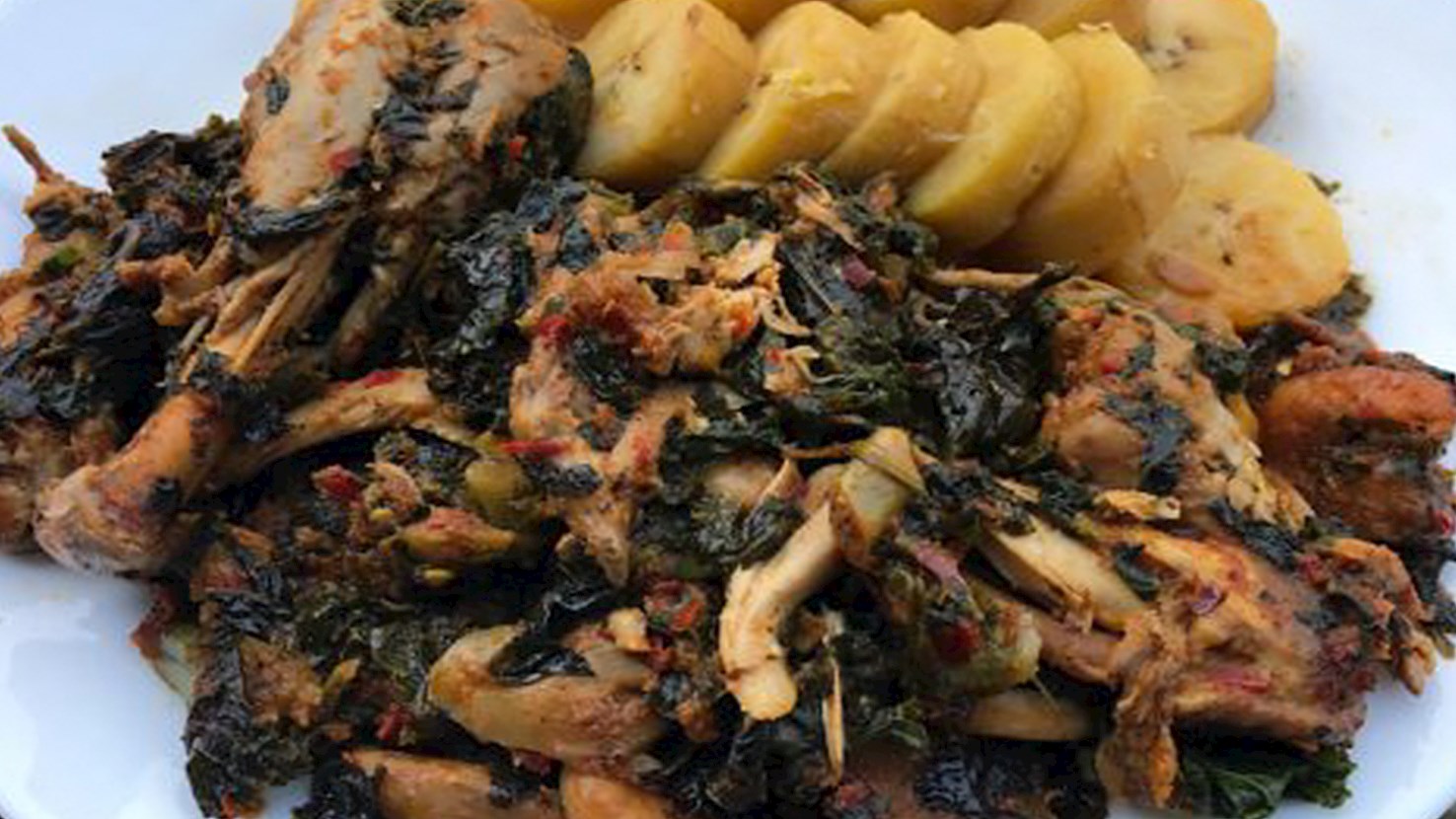
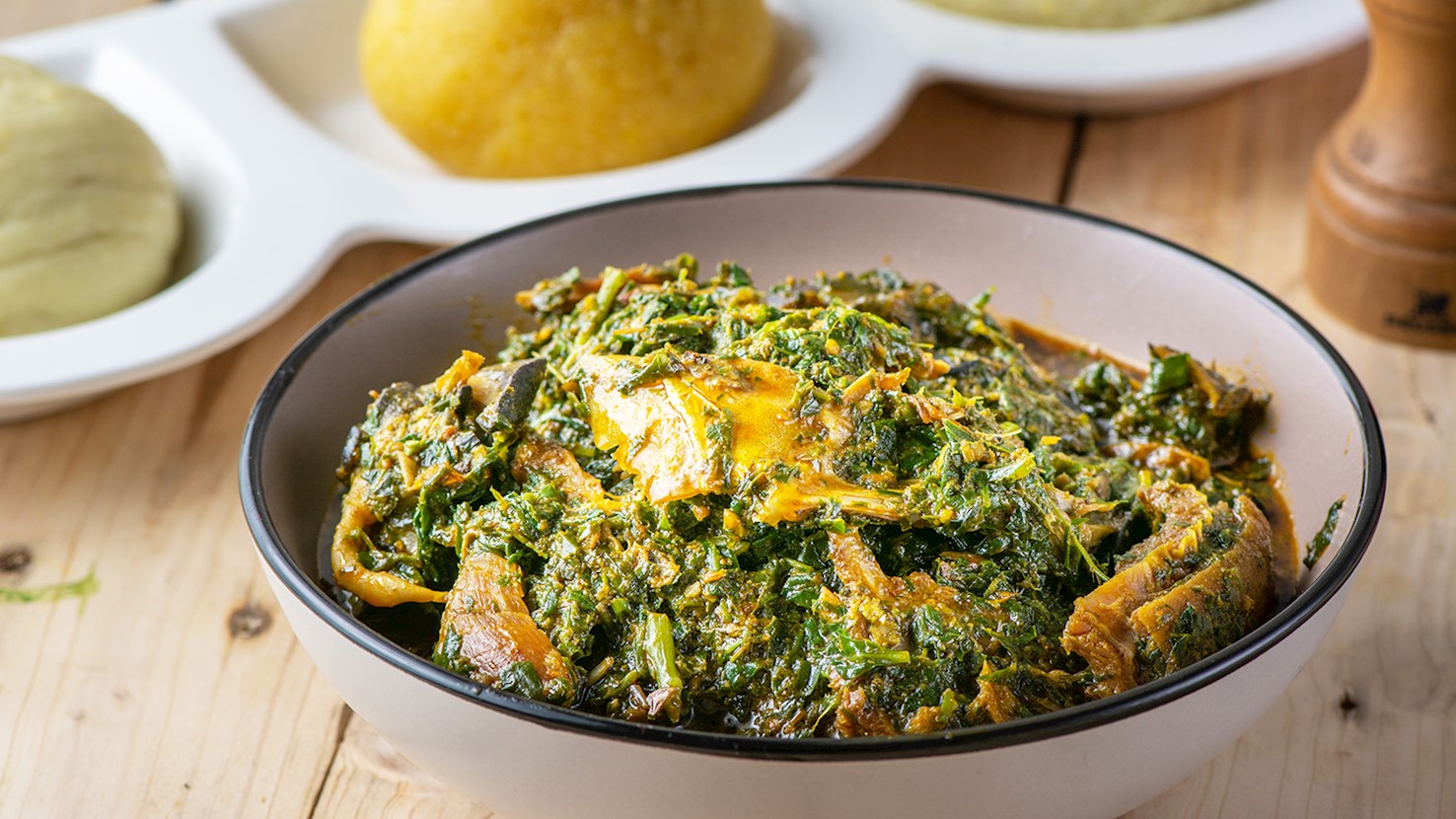
Efo-riro is a hearty Nigerian soup native to the Yorubas. It usually consists of stock cubes, pumpkin leaves, onions, tomatoes, and assorted meat or fish. The name efo-riro means vegetable soup, and it is recommended to serve it with fufu on the side.
Palm nut soup is a West African soup made from the extract of boiled and pounded palm nuts, producing a thick, reddish base with a rich, oily texture and a deep, nutty flavor. It is widely eaten in Ghana, where it is known as abenkwan in Akan languages, and appears in varying forms in Côte d’Ivoire, Liberia, Sierra Leone, and parts of Nigeria. The core ingredient is the pulp surrounding the nuts of the oil palm, a tree native to West and Central Africa and long used in local cooking for its oil, kernels, and fruit. The soup is considered one of the major palm-based dishes of the region and is prepared in both rural and urban settings. Its development is closely tied to the longstanding cultivation of the oil palm in West Africa, where the tree provided a reliable source of fat before imported oils became common. The process of boiling and pounding palm nuts to extract their pulp predates colonial influence and reflects practical methods for converting the fruit into a usable cooking medium. As communities across Ghana and neighboring countries incorporated palm products into soups and stews, palm nut soup emerged as a standardized preparation that made use of the fruit’s oil and natural thickness. Over time, local variations developed, but the essential technique of extracting pulp from the fruit and cooking it with protein and aromatics remained consistent. Preparation begins by boiling palm nuts until soft, then pounding them in a mortar with a small amount of warm water to separate the orange pulp from the fibrous husk and inner kernel. The mixture is strained to produce a thick, reddish liquid. This extract forms the base of the soup. Meat or fish is added, commonly goat, beef, chicken, smoked fish, or dried fish, along with onions, tomatoes, chili peppers, and seasonings such as ginger and local herbs. The soup is simmered until the oil naturally rises to the surface, and the protein becomes tender. Some versions incorporate garden eggs, okra, or mushrooms, and others focus on seafood, especially in coastal regions. The finished soup is rich, glossy, and full-bodied due to the palm fruit’s natural oil content. Palm nut soup is eaten throughout Ghana and across West Africa, commonly served with fufu, banku, rice balls, boiled rice, or sometimes yam or plantain. It appears at everyday family meals, weekend gatherings, and festive occasions. Beverages that pair well with it include water, palm wine, ginger drinks, and light lagers, all of which balance the soup’s richness. In coastal areas it is frequently served with seafood accompaniments, while inland regions favor smoked meats and bushmeat, giving the soup a flexible identity shaped by local ingredients.
Banga or ofe akwu is a flavorful Nigerian soup made with palm fruit, beef or dried fish, vegetables, and seasonings such as salt and chili pepper. The soup is traditionally paired with various fufu dishes. The name of the dish is derived from two words: ofe, meaning soup or stew, and akwu, meaning palm fruit. There are many variations of this soup, and is known under different names. For example, the Urhobo ethnic group of Delta State in the Niger Delta of Nigeria calls this soup oghwo amiedi, and they typically serve it with a cassava paste usi; the Isoko ethnic group calls it izuwo ibiedi; and in eastern Nigeria, banga soup goes by the name ofe akwu, where it's served with rice and yam.
Ogbono is a traditional soup made with a combination of ogbono seeds, red palm oil, onions, stock, seasoning cubes, leafy vegetables such as spinach, pumpkin leaves, or bitterleaf, and assorted meat and fish such as beef, tripe, shrimp, and crayfish. The ingredients are simmered in an uncovered pot until fully tender, and the soup is then traditionally served hot with fufu, because the soup's slimy consistency helps the lumps of fufu slide down. Ogbono has many versions, so it can also be made without vegetables.
Edikaikong is a Nigerian soup that is especially beloved because it is a valuable source of nutrition and vitamins. It is prepared with a combination of the following ingredients: crayfish, fish head stock, palm oil, ugwu leaves, waterleaf, Maggi cube, periwinkles, ofor, and onions. All of the ingredients can be used and some may be omitted depending on their availability. The name edikaikong means vegetable soup, and it is often served with eba, pounded yam, fufu, or wheat.
Afang is a traditional soup hailing from the southeastern parts of Nigeria. It's made with a combination of afang leaves, water leaves, dried fish, beef, onions, red palm oil, ground crayfish, and seasoning cubes. The afang leaves are ground or pounded and the onions are chopped before the beef is boiled with the onions and seasoning cubes in a small quantity of water. When done, the dried fish is added with the palm oil, ground pepper, afang leaves, and water leaves. Once the leaves become tender and the liquids evaporate a bit, the soup is simmered for a short while before it's ready to be served. Afang soup is typically served at festive events such as weddings and celebrations. It's especially popular among the Efiks, people of Akwa Ibom and Cross River states.
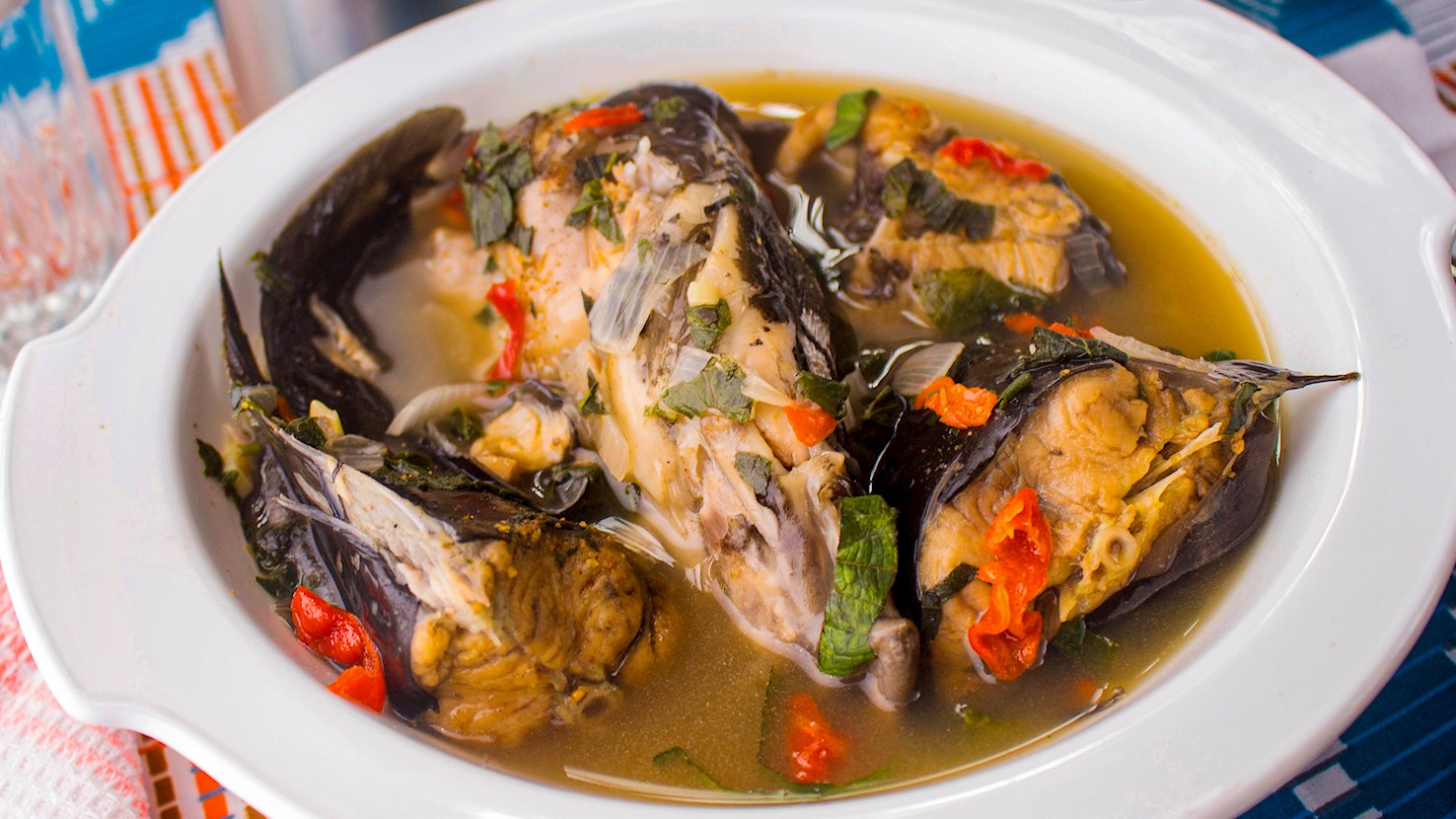
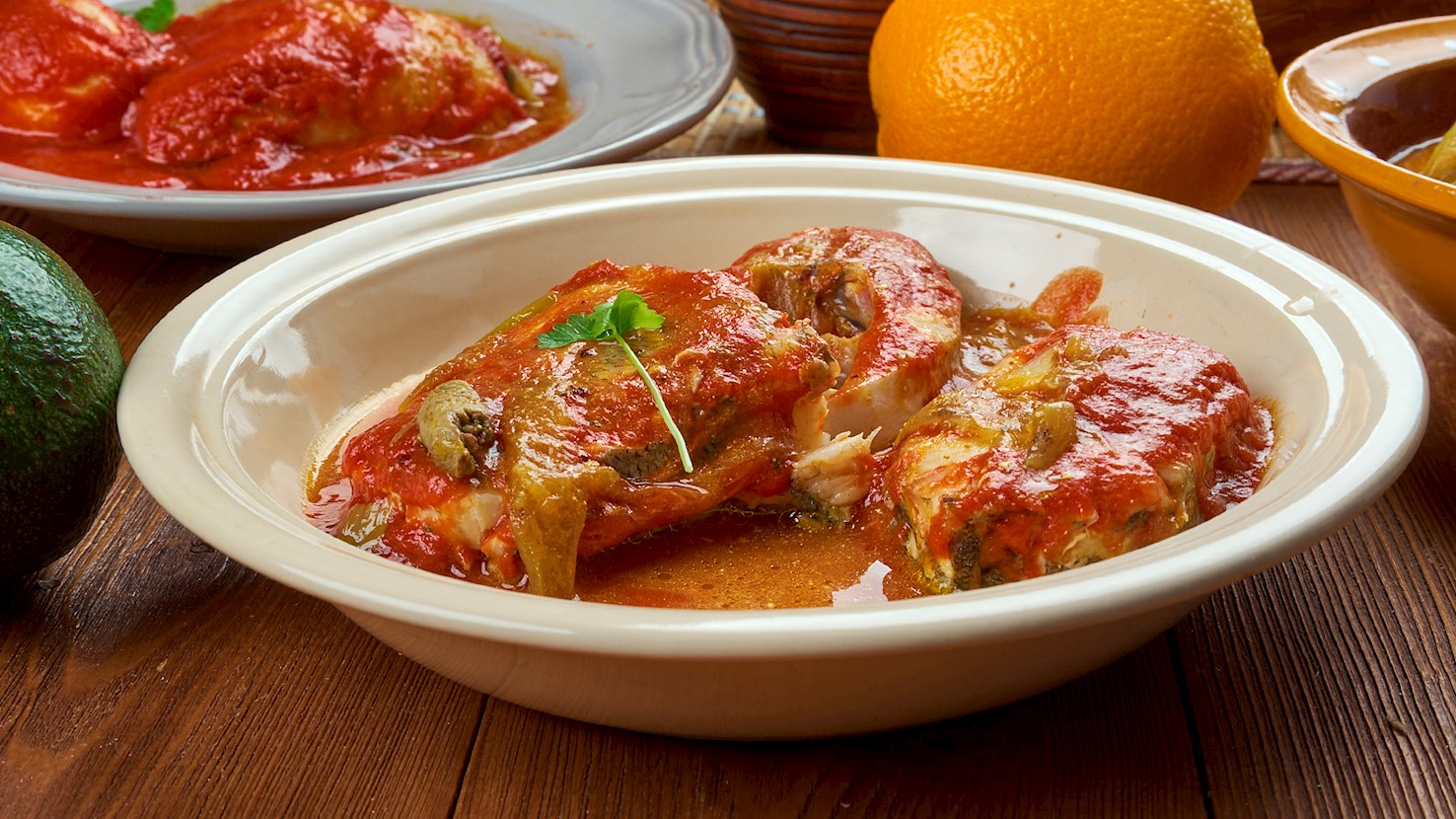
The intricately named point and kill is a traditional soup that's served in most restaurants and bars. It's made with a combination of catfish, pepper soup spices, onions, utazi leaves, fish seasoning, ground crayfish, seasoning cubes, paprika, salt, and ground pepper. The soup is usually prepared in a small pot – the catfish comes first, followed by salt, seasonings, crayfish, pepper, and water. Once done, the soup is usually served as it is or as a side dish. It can be accompanied by boiled plantains, potatoes, or yams. The name of the soup refers to the process of pointing out the exact live catfish a customer wants in the restaurant (they usually swim around in big tanks), and the cooks then kill the fish and make pepper soup out of it.
Miyan kuka is a traditional soup. It's made with a combination of dried and ground baobab leaves as the main ingredient. Although every Nigerian family has their own recipe, other common ingredients used in the preparation of miyan kuka include dried okra, onions, oil, ginger, dried fish, locust beans, hot chili peppers, and seasoning cubes. The soup is simmered until all the ingredients become tender, and it's then often served with tuwo shinkafa (Nigerian sticky rice balls).
TasteAtlas food rankings are based on the ratings of the TasteAtlas audience, with a series of mechanisms that recognize real users and that ignore bot,
nationalist or local patriotic ratings, and give additional value to the ratings of users that the system recognizes as knowledgeable.
TasteAtlas Rankings should not be seen as the final global conclusion about food. Their purpose is to promote excellent local foods,
instill pride in traditional dishes, and arouse curiosity about dishes you haven’t tried.







What People Say