

shutterstock

Top 56 South American Soups

Last updated on June 15, 2026
01

Vori-vori

4.7 ·

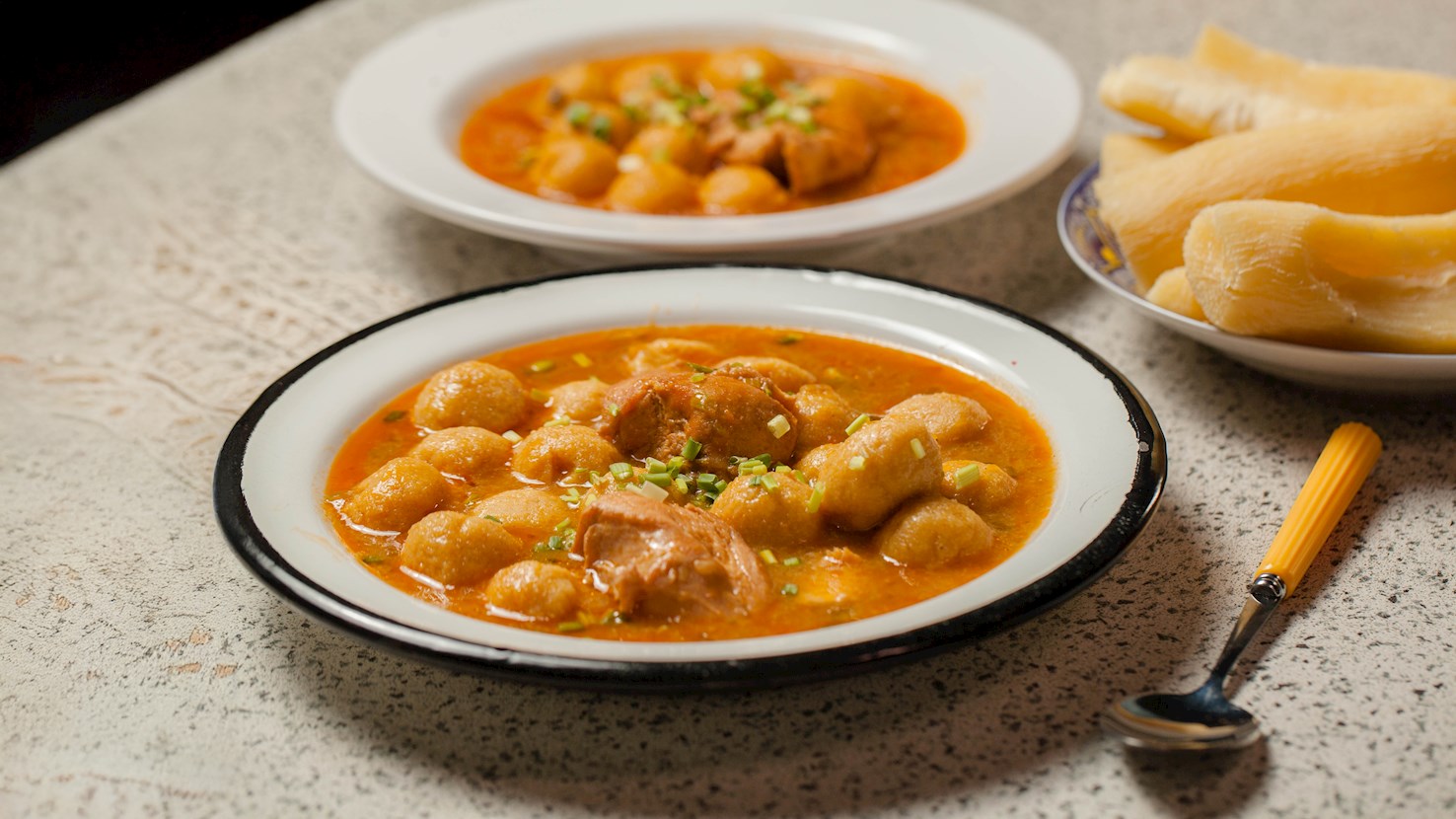
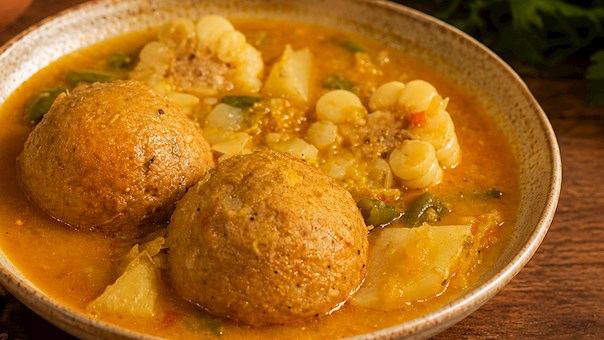
Vori-vori is a soup from Paraguay made with small balls of cornmeal and cheese cooked in a broth that often includes chicken, vegetables, and herbs, and it is recognized as a staple dish across the country’s rural and urban regions. Its development is linked to the long-standing use of corn and poultry in Guaraní and later mixed culinary practices documented in household cooking records and regional accounts from the eighteenth and nineteenth centuries, where corn-based doughs were shaped into dense dumplings to stretch ingredients during periods of limited supply. Preparation involves mixing finely ground cornmeal with grated cheese and a small amount of fat or broth to form a firm dough, shaping it into small spheres, and poaching them gently in a simmering broth until they swell and soften; the soup is seasoned with onions, garlic, parsley, and occasionally peppers, and served as soon as the dumplings reach a uniform texture. A notable feature is the density of the dumplings, which absorb broth while retaining their structure, giving the dish a thickened consistency without flour or other thickeners. Vori-vori is eaten throughout Paraguay in home kitchens, rural gatherings, and small restaurants, often as a main meal during cooler weather, and it pairs well with simple accompaniments such as mandioca, fresh salads, mild cheeses, herbal teas, and lightly flavored nonalcoholic beverages, with some households serving it alongside light beers or local wines depending on the occasion.

02

Chupe de camarones (Peruvian shrimp chowder)

4.3 ·

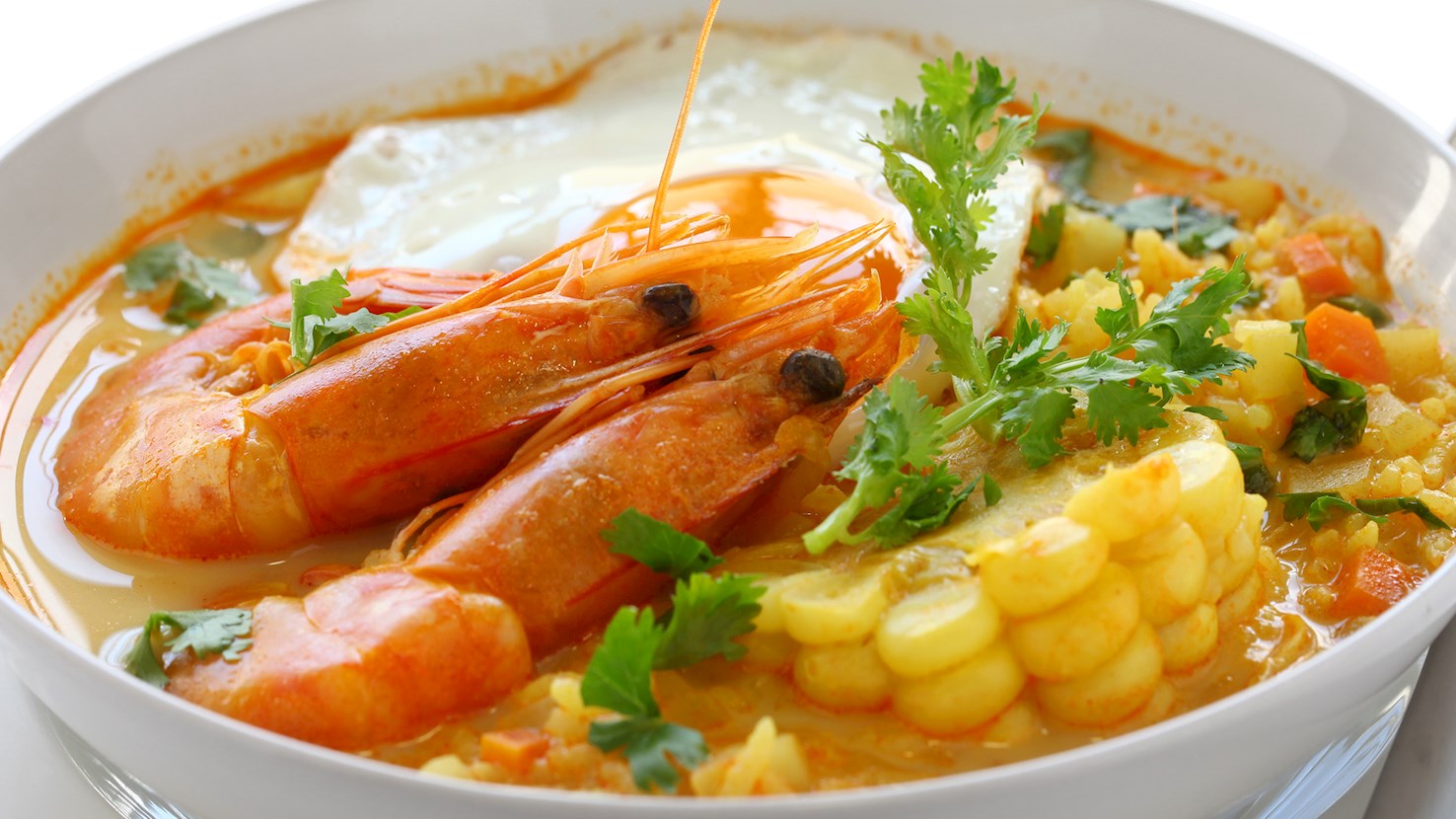
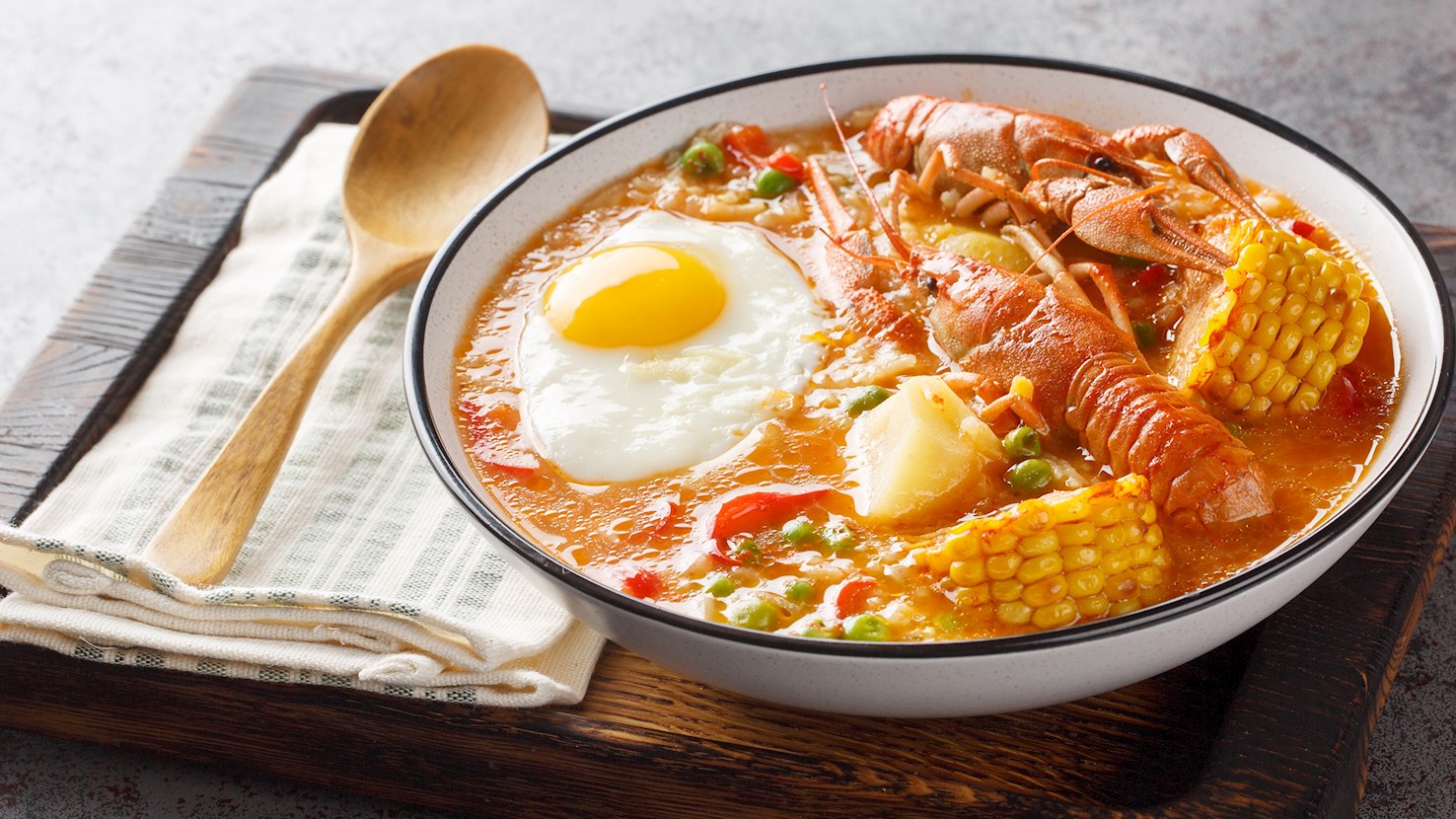
Chupe de camarones is a popular Peruvian shrimp (or prawn) chowder with a long and unusual history. The chowder is typically made with fish stock, fresh shrimps, onions, garlic, and yellow potatoes, while rice, beans, carrots, and peas are used often, but not always. The dish is traditionally served in deep bowls and garnished with parsley. In recent years, food historians have revealed that chupe de camarones actually evolved from a thick Arequipeño stew made with potatoes, llama meat, and herbs. The dish was called chuwa misa (lit. deep bowl) and was prepared before the 16th century. After the Spanish conquest, locals started to catch shrimps, preparing shrimp ceviche and shrimp sauteé in the process. The Spaniards brought some new ingredients to the region, such as milk and cheese, and added them to the shrimp sautée, resulting in the creation of chupe de camarones.

03

Tacacá

4.3 ·

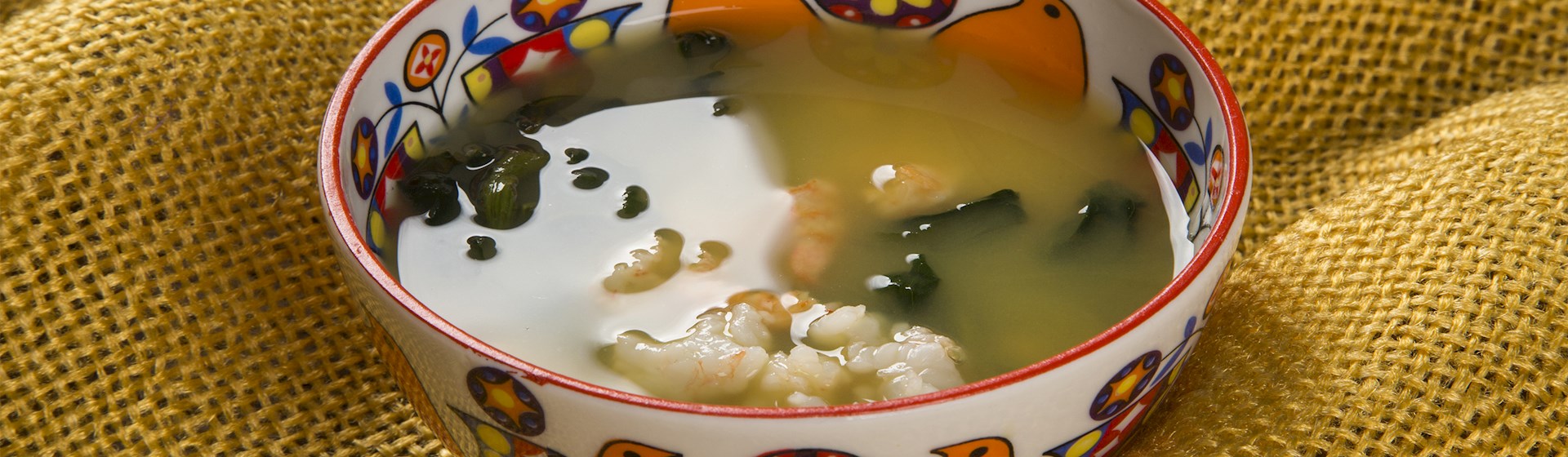
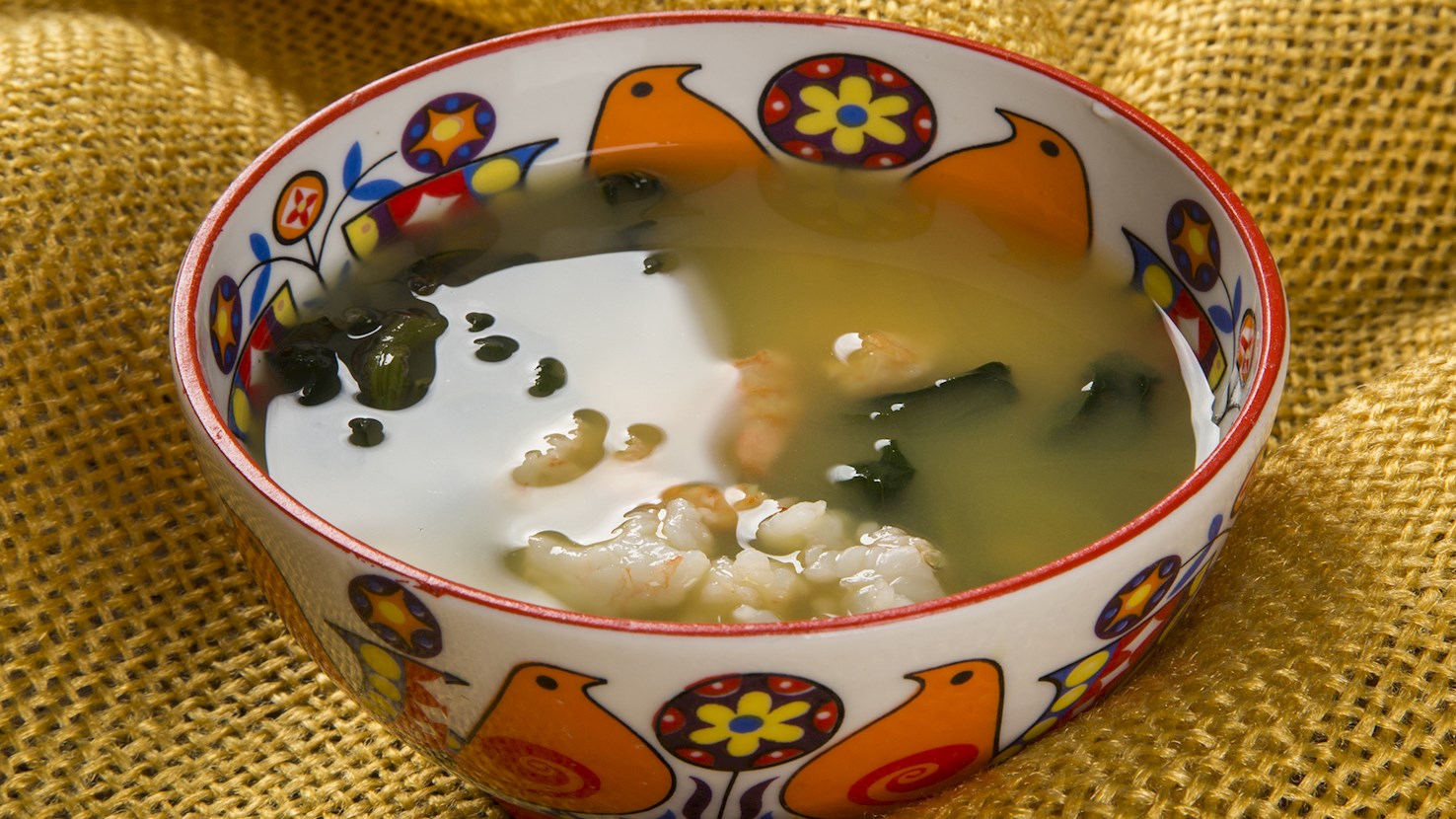
Tacacá is a mouth-numbing Brazilian soup made with large dried shrimps, tucupí (wild cassava byproduct), manioc starch, hot yellow peppers, and jambú – a leafy plant with anesthetic properties. To make tucupí, the juice extracted from a specific variety of sour cassava called mandioca brava (lit. angry cassava) is boiled, then left to ferment to eliminate the high levels of cyanide it possesses in its raw form. After the fermentation process is over, the resulting sauce is distinguished by a yellowish color and an intensely acidic flavor. The mouth-numbing sensation of the soup comes from the jambú plant, which apart from being used in cooking, has also had a long tradition as a folk remedy in northern Brazil, especially in the states of Pará and Amazonas. In northern Brazil, the soup is typically sold in the afternoon, usually by female vendors called tacacazeiras. It is traditionally served piping hot in hollowed-out gourds known as cuias, although some vendors offer it in ceramic bowls. No spoon is needed when eating tacacá as the traditional way of consuming it is by sipping straight from the bowl. Interestingly, most vendors who sell this delicacy have no idea about the quantities of ingredients used for the soup as they don’t use a fixed recipe.

04

Encebollado

4.2 ·

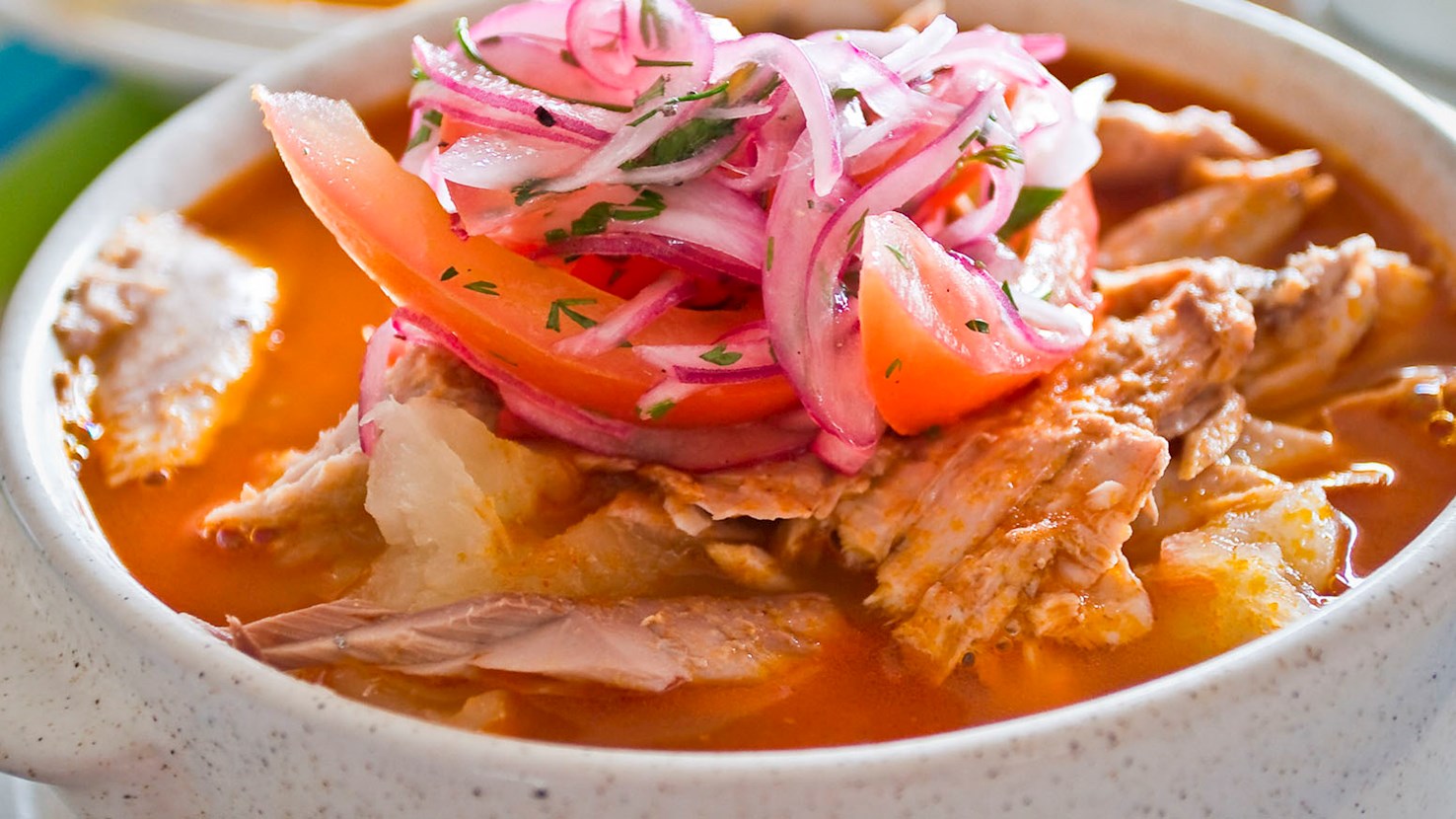
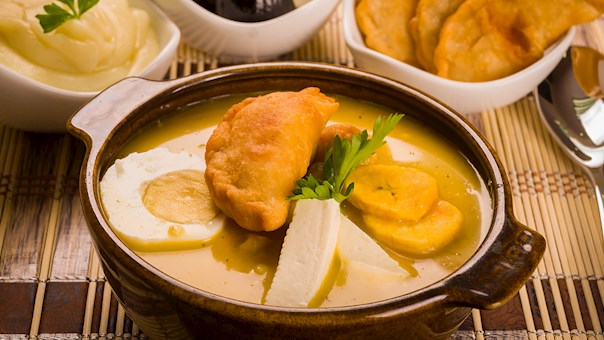
Encebollado is the national dish of Ecuador, a fish soup that is characterized by a large amount of onions. Very useful in curing hangovers, the dish is made with fresh tuna meat, cassava root, tomatoes, onions, coriander, and various spices. Tomatoes, onions, chili, coriander, and cumin form a pungent mix and a base for the soup, called sofrito, while pickled onions go either on top of encebollado or into it, giving it its name that is literally translated to onioned. The soup originates from Ecuador's coast during the time when the fishers were out at sea and made the soup out of necessity. As they had some spices, and fresh fish was readily available, encebollado was created and became widely consumed throughout the country. Today, consumers can choose their own condiments including toasted corn, banana chips, lime, mustard, and avocado. This traditional dish – a source of pride for the locals – can be found on various street corners, in small restaurants, hotels, and homes of people from various social backgrounds. Everyone eats it in Ecuador, that's just how good it is.

05

Sopa criolla

4.2 ·

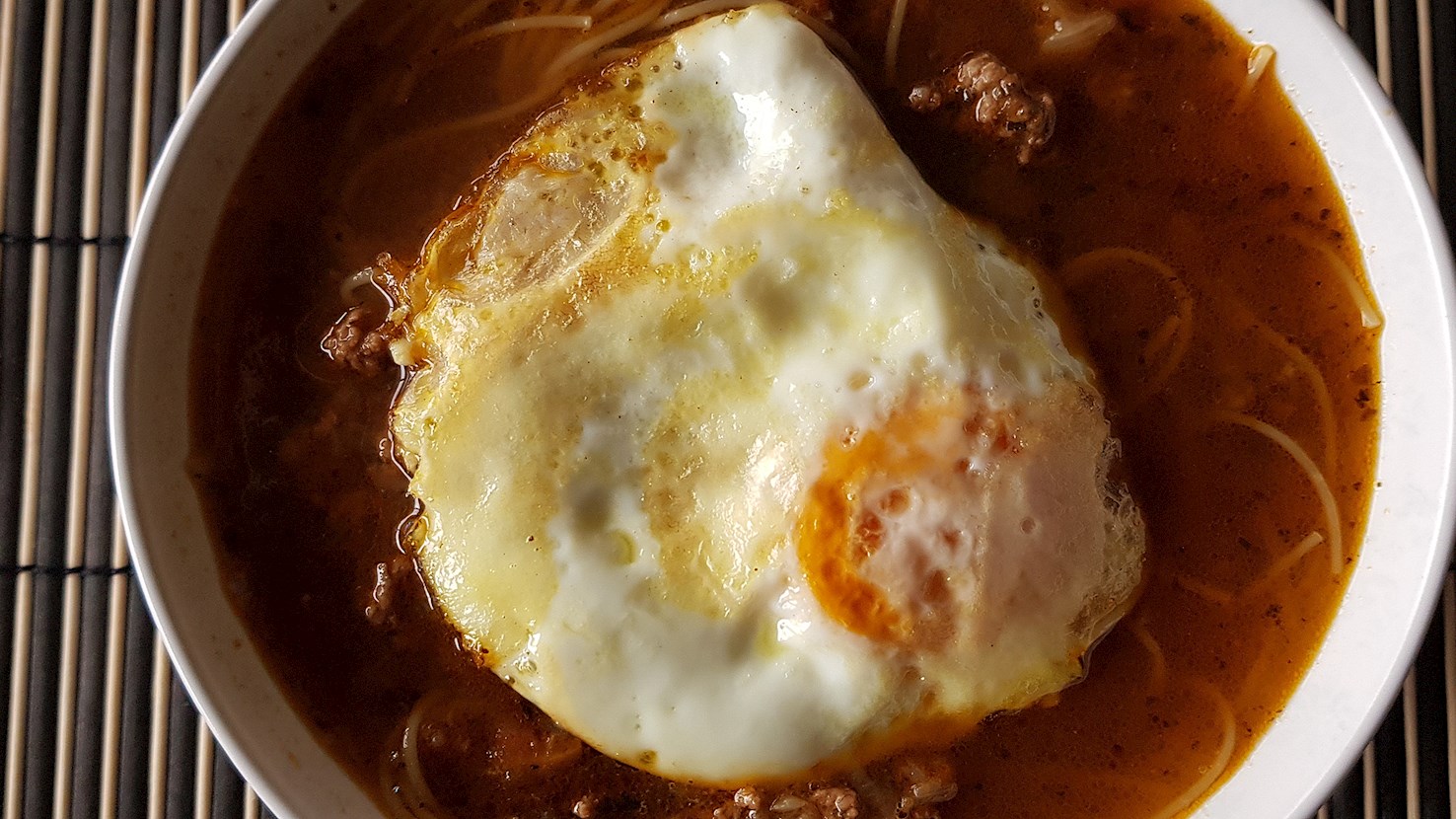
Sopa criolla is a comforting and filling Peruvian soup. It's made with a combination of beef, onions, garlic, aji panca paste, tomato paste, stock, potatoes, angel hair pasta, evaporated milk, oregano, and eggs. Once it has been cooked, the soup is typically garnished with homemade croutons. It is believed that sopa Criolla was brought to the country by Italian immigrants. For the best experience, serve it on a chilly winter day.

06

Chupe de mariscos

4.1 ·

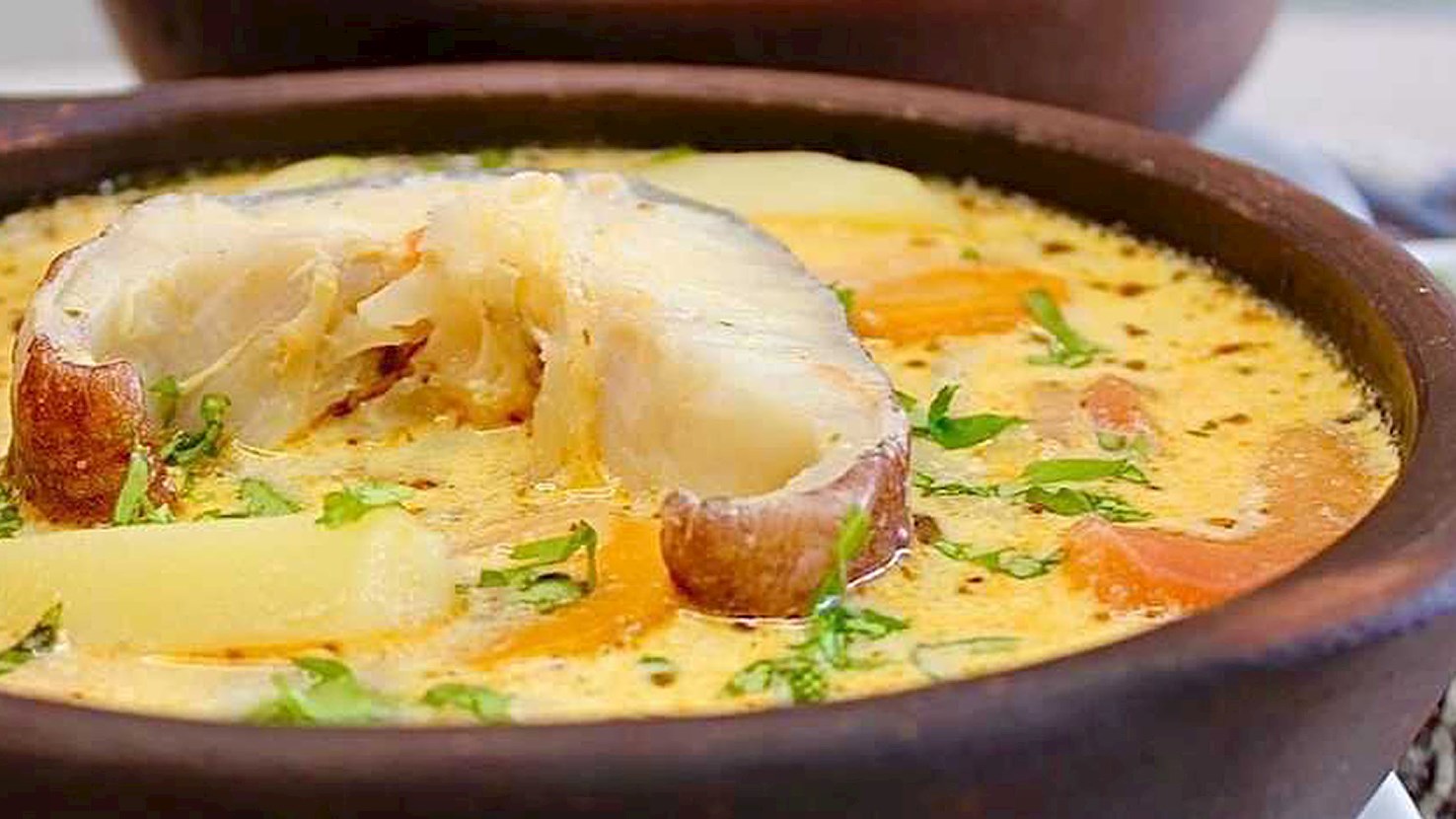
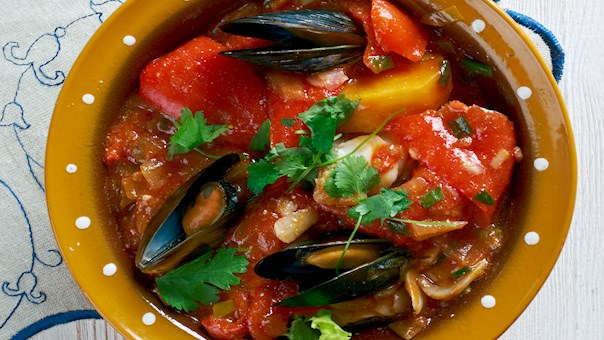
Chupe de mariscos is a traditional and Chilean seafood chowder that includes ingredients like shrimp, mussels, clams, squid, and sometimes fish. The choice and variety of seafood can vary based on availability and regional preferences. The broth is typically made from fish stock or the cooking liquid from the seafood. It's thickened with rice, while other common ingredients include potatoes, choclo, onions, garlic, tomatoes, and peas. What sets this dish apart from other soups is the addition of dairy. Evaporated milk or fresh milk is often added to give the soup a creamy consistency, and some versions might also have a touch of cheese, which is melted into the soup. Aji peppers, typically aji amarillo (a yellow chili pepper), give the chowder its characteristic color and a hint of heat. The soup is also seasoned with salt, pepper, cumin, and fresh herbs like coriander or parsley. Towards the end of the cooking process, eggs are usually cracked into the simmering soup, where they poach in the hot liquid. Chupe de mariscos is typically served hot, garnished with fresh herbs. Given its hearty nature, it's often enjoyed as a main dish rather than a starter.

07

Sancocho Colombiano

4.1 ·

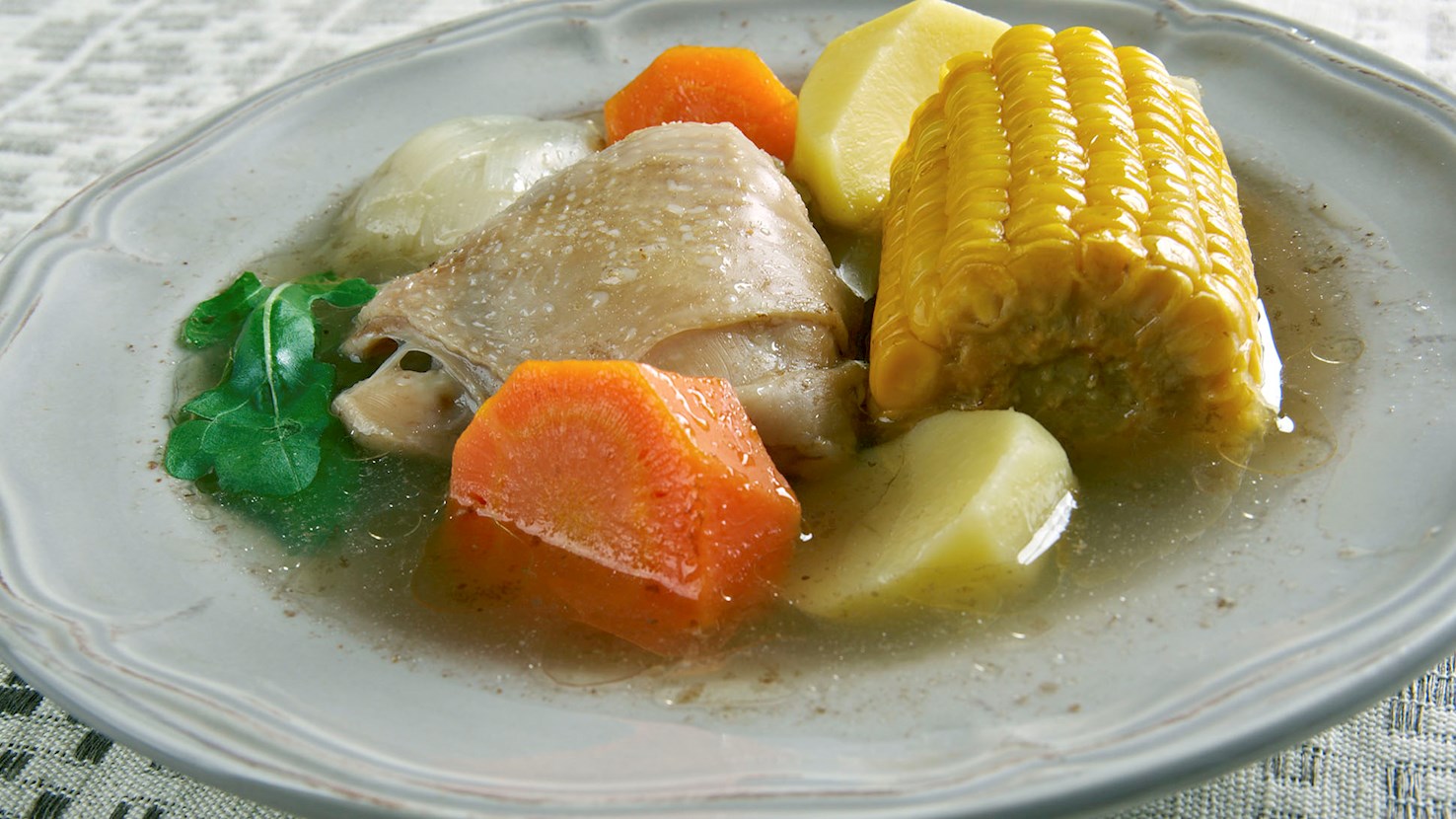
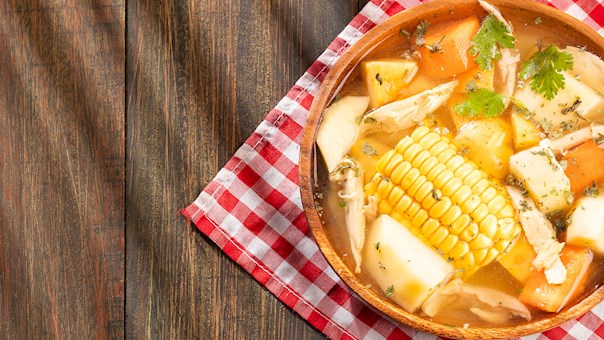
Served after most parties and also an ideal Sunday meal, sancocho is a Colombian chicken stew that can also be made with beef or pork. Originally from the El Valle region, it used to be made exclusively with hens. It is a hearty stew with the addition of potatoes, corn, and plantains. Traditionally, white rice, spicy aji sauce, and avocado slices are served on the side. The thick broth is very satiating and could easily feed a whole family, and what's best is that it can be cooked in just one pot. Some like to top the dish with fresh coriander, onions, and a squeeze of lime juice in order to enhance the flavors even further. Found throughout Latin America, its name stems from the Spanish word sancochar, which translates to parboil. Although the ingredients are basic, they all merge together to develop delicious flavors and aromas, and the best part just may be the corn – which has been soaking up all the flavors in its kernels.

08

Parihuela

4 ·

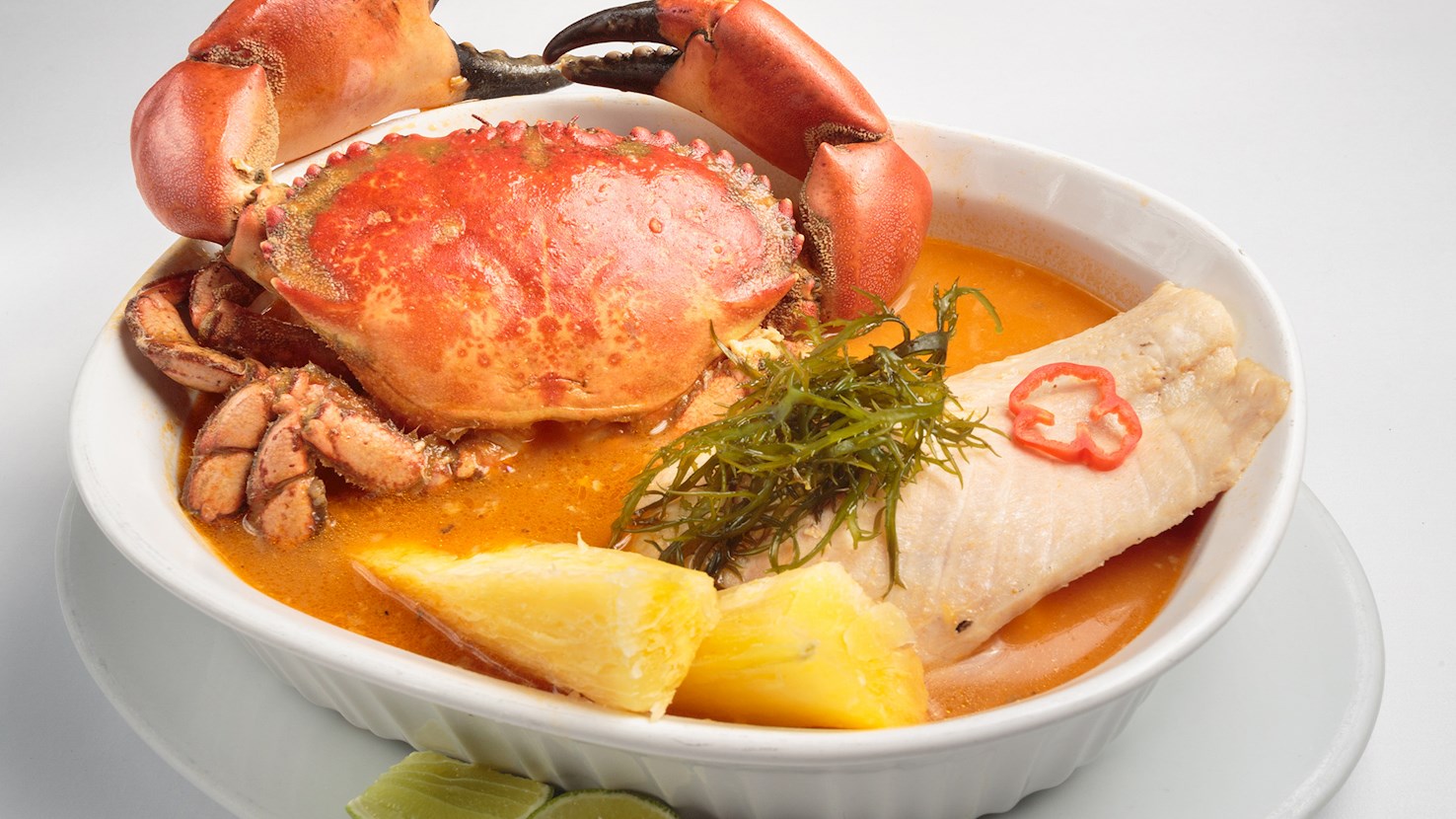
This hearty and spicy seafood soup whose flavors and ingredients are uniquely Peruvian originated in the fishing communities of Peru; it is what the fishermen would enjoy after a long day at sea, and it is now a popular dish all along the coast. Parihuela recipes traditionally use firm-fleshed white fish as the main ingredient, such as the center cut of a cod or sea bass, crabs, and a variety of other fresh seafood, while the signature flavor comes from ají panca, a Peruvian chili pepper variety which lends an amazing floral bouquet to the dish, even when used dried. Other seasonings include cumin, ginger, cilantro, and lime juice, making parihuela particularly invigorating.

09

Locro de papa (Ecuadorian potato soup)

4 ·

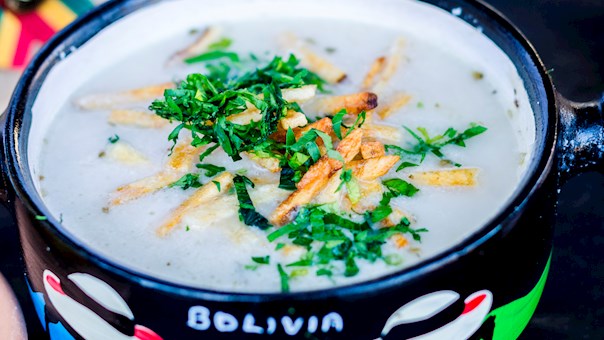
This classic Ecuadorian soup is made with a combination of onions, garlic, potatoes, annatto, cumin, milk, and queso fresco. The soup is simmered until the ingredients become fully cooked, and the cheese is then mixed in until it melts. Locro de papa is served hot, topped with chopped cilantro, diced avocado, and ají hot sauce, which is the reason why this hearty soup is especially popular on colder days. If desired, choclo corn can also be added to the soup for extra flavor. The word locro is derived from the Quechua word ruqru, which means stew, while papa means potato.

10

Aguadito de pollo

4 ·

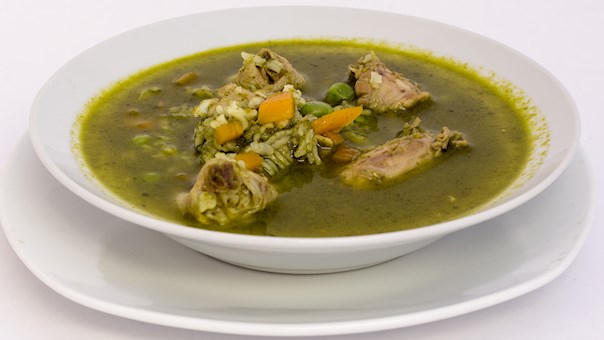
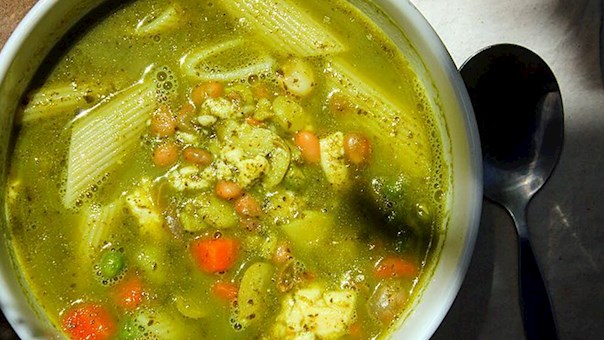
Aguadito de pollo is a traditional soup prepared with a combination of large chicken pieces, aji amarillo peppers, peas, corn, onions, yellow potatoes, rice, and cilantro, which gives the soup its typical flavor and green color. In the country, this soup is well-known as being a great hangover cure, but it is also often prepared as a flu remedy. Due to the fact that the soup is so popular in Peru, there are many variations, prepared with turkey, duck, mussels, fish, or scallops instead of chicken. Once done, aguadito de pollo is usually served in big bowls with lime wedges on the side.

11

Ajiaco

4 ·
12

Sancochado

4 ·
14

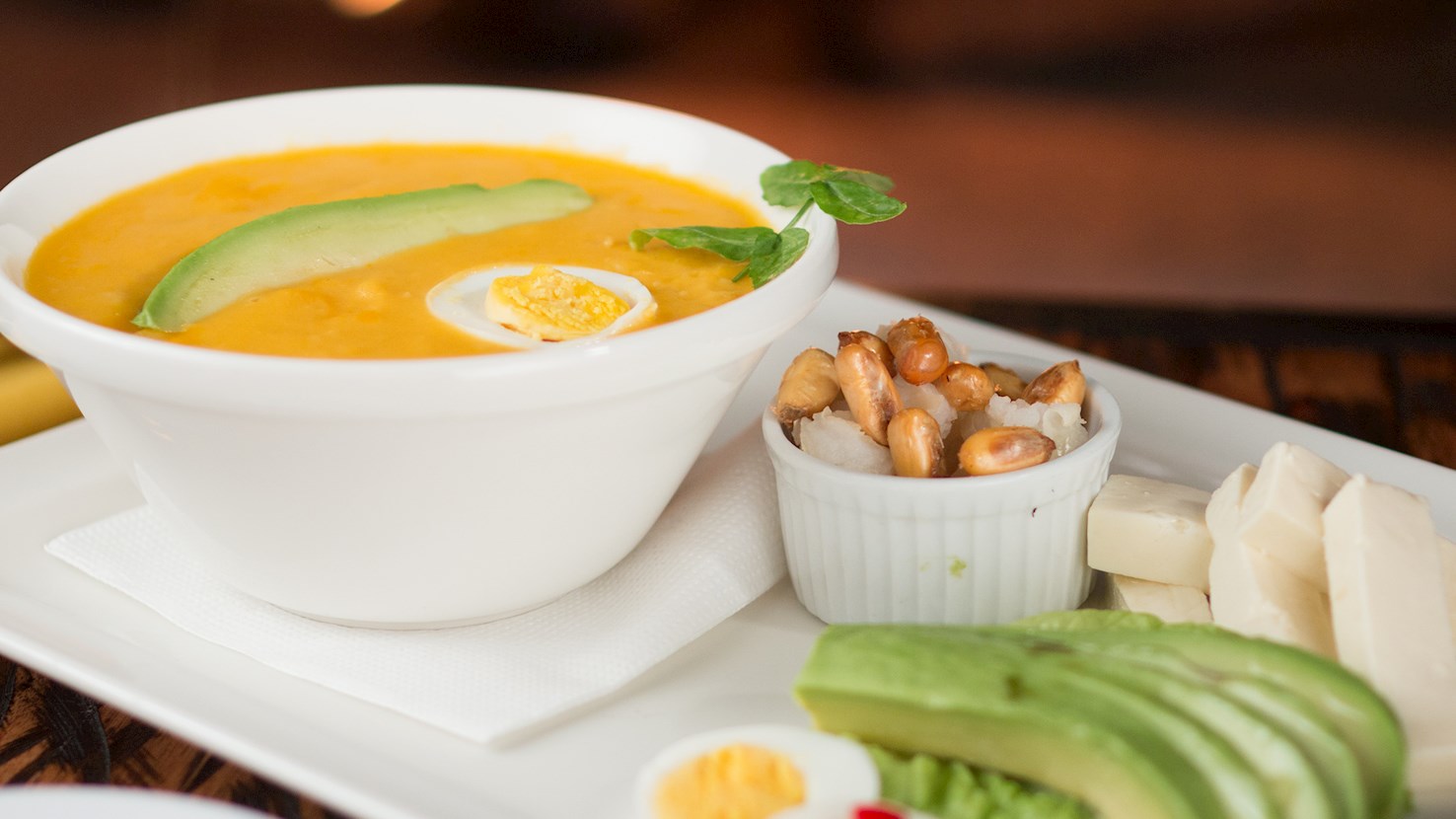
Fanesca

4 ·
15

Caldo de bolas

4 ·
19

Inchicapi

3.8 ·
20

Menestrón

3.8 ·
Read more
View all
View map
About this ranking

TasteAtlas food rankings are based on the ratings of the TasteAtlas audience, with a series of mechanisms that recognize real users and that ignore bot, nationalist or local patriotic ratings, and give additional value to the ratings of users that the system recognizes as knowledgeable. For the “Top 56 South American Soups” list until June 15, 2026, 4,997 ratings were recorded, of which 1,226 were recognized by the system as legitimate. TasteAtlas Rankings should not be seen as the final global conclusion about food. Their purpose is to promote excellent local foods, instill pride in traditional dishes, and arouse curiosity about dishes you haven’t tried.

Similar lists