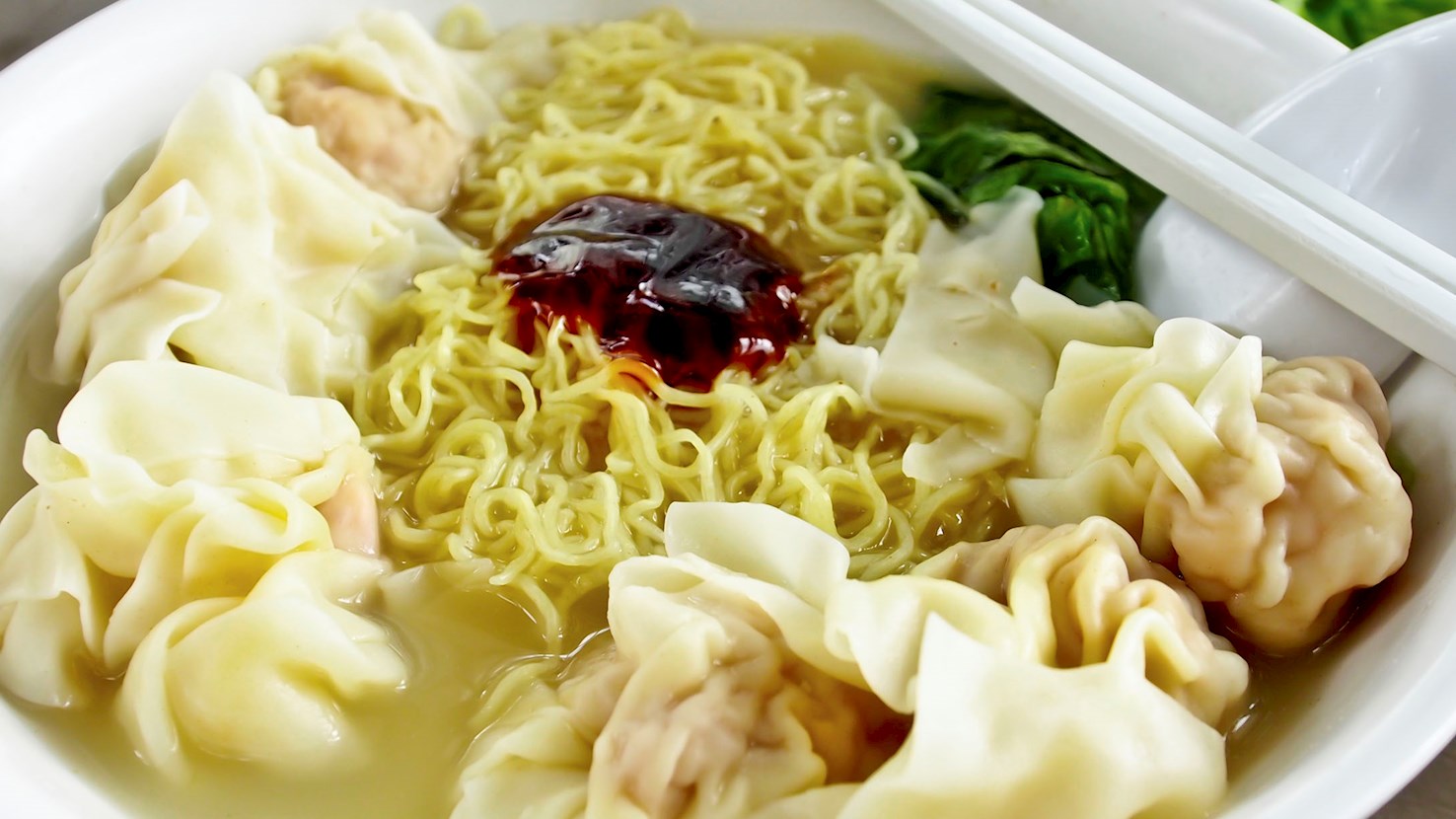
Wonton noodles is a popular Cantonese noodle dish with many regional varieties found throughout Southeast Asia. Traditionally, it consists of chewy egg noodles and wonton dumplings, combined and served in a flavorful chicken, pork, or seafood broth. The dumplings are usually filled with a combination of minced pork and shrimps, lightly flavored with sesame oil, soy sauce, and grated ginger. The stringy thin egg noodles are the most common variety found in many versions of the dish. The choice of garnishes is region-specific and is influenced by common culinary traditions of the particular area where wonton noodles are found. The traditional Cantonese version is typically served with sliced chives and scallions sprinkled on top of the assembled soup. In Malaysia, Singapore, and Thailand, slices of barbecued pork are the most common addition, usually placed on top of the soup. Malaysian versions are often adapted with the addition of green leafy vegetables and use pickled green chilis as a standard condiment. The dish is also widely popular in dry form, in which the noodles are drained and served alongside dumplings, meat, and vegetables, while the fragrant broth is served on the side. Whether it is favored as a clean and original Cantonese variety or the more nutritious version found in other Asian countries, wonton noodles is one of the classic dishes that is considered a staple of Chinese and Asian cuisine.
Slow-cooking is a Cantonese technique of cooking soups by slowly simmering meat and any other ingredients over low heat. The soups are often found at banquets, but are also consumed for their medicinal properties. In China, there is a soup for every season and every ailment, so winter melon soup is typically consumed when it's too hot outside, while spare rib and watercress soup is also consumed for its cooling effect on the human body. Traditionally, Chinese slow-cooked soups are made from lean meats, fish, vegetables, and natural flavorings such as fresh herbs. Since the soups are renowned for strengthening one's health, but take a long time to cook, soup chain stores have become fairly popular throughout Cantonese-dominated cities such as Hong Kong.
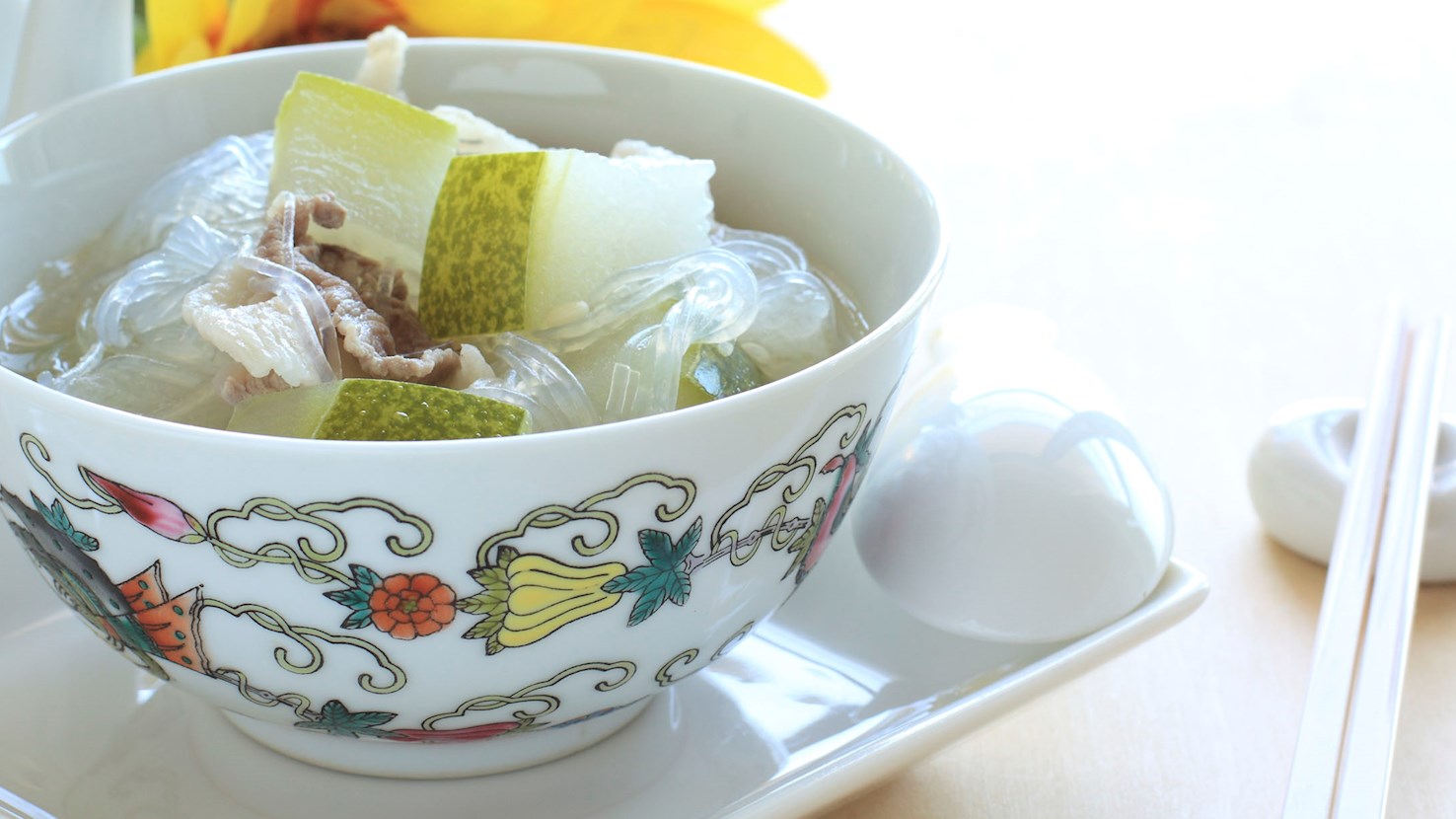
From the simplest versions prepared for weekday meals to the more elaborate ones served at various Chinese banquets and on special occasions, winter melon soup is a classic dish of Cantonese cuisine, popular throughout Southeastern Asia. Even though winter melons ripen in summer, they have a long shelf life and can be stored for up to a year, which is why this gourd is one of the few vegetables available during winter season. Apart from that, dong gua - as the Chinese call it - is particularly prized for its restorative, diuretic, detoxifying, and immunity boosting properties. And although the delicate flesh of dong gua has no distinct flavor of its own, the velvety, almost translucent cubes of this squash-like melon easily take on the rich flavors of pork or chicken broth used to make the soup. For a more wholesome meal, this versatile soup can be enriched with a wide variety of other ingredients: chicken meat, pork ribs, ham, bacon, dried shrimps or anchovies, crab meat, pearl barley, goji berries, lotus seeds, straw mushrooms, kombu seaweed, etc. Regardless of its name, winter melon soup is not only enjoyed as a heartwarming meal traditionally served in wintertime, but also as a refreshing dish which helps to bring down body heat during hot summer months.
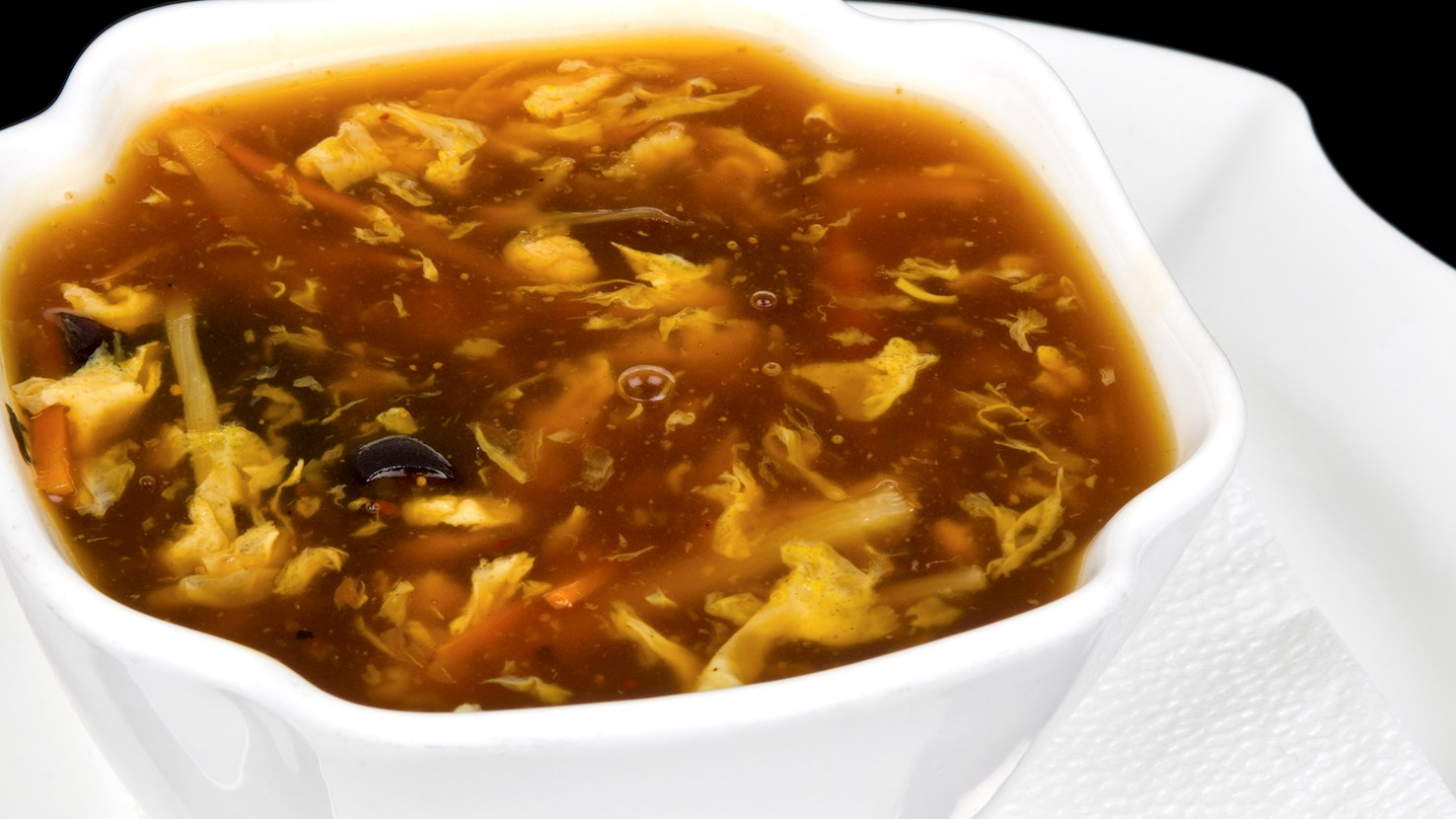
Hulatang is a soup with origins in the Henan region, although today it is a popular breakfast item in northern China. The soup usually contains ingredients such as beef, vermicelli noodles, ginger, vinegar, flour, and vegetables such as potatoes, carrots, zucchini, cauliflower, and spinach. Hulatang is characterized by its thick, sticky texture and its spiciness, which is imparted by large amounts of black pepper and chili powder. When served, hulatang is commonly accompanied by some kind of Chinese steamed flatbread on the side, intended to be torn into small pieces which are then placed into the bowl to soak up the flavors. Other accompaniments to the soup include green onion pie and deep-fried dough sticks, while some people like to sprinkle some coriander or drizzle sesame or chili oil on top of the soup before consumption. It is believed that the soup originated during the ancient dynasties of China, when a high-ranking official obtained a secret recipe from a Taoist and made it for Emperor Jiajing of the Ming Dynasty.
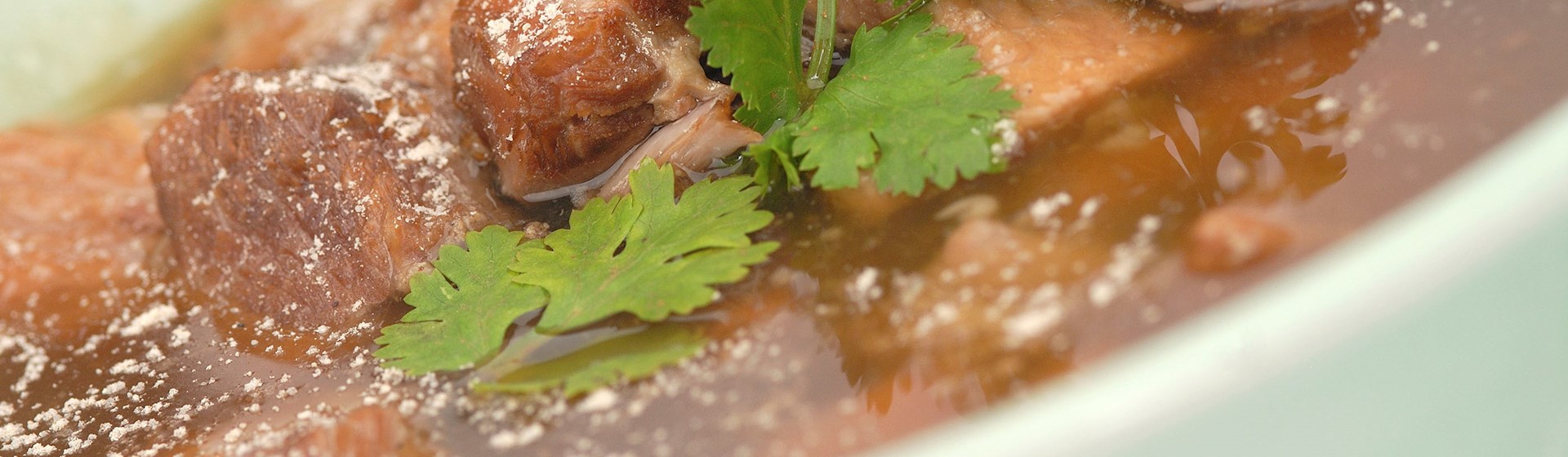
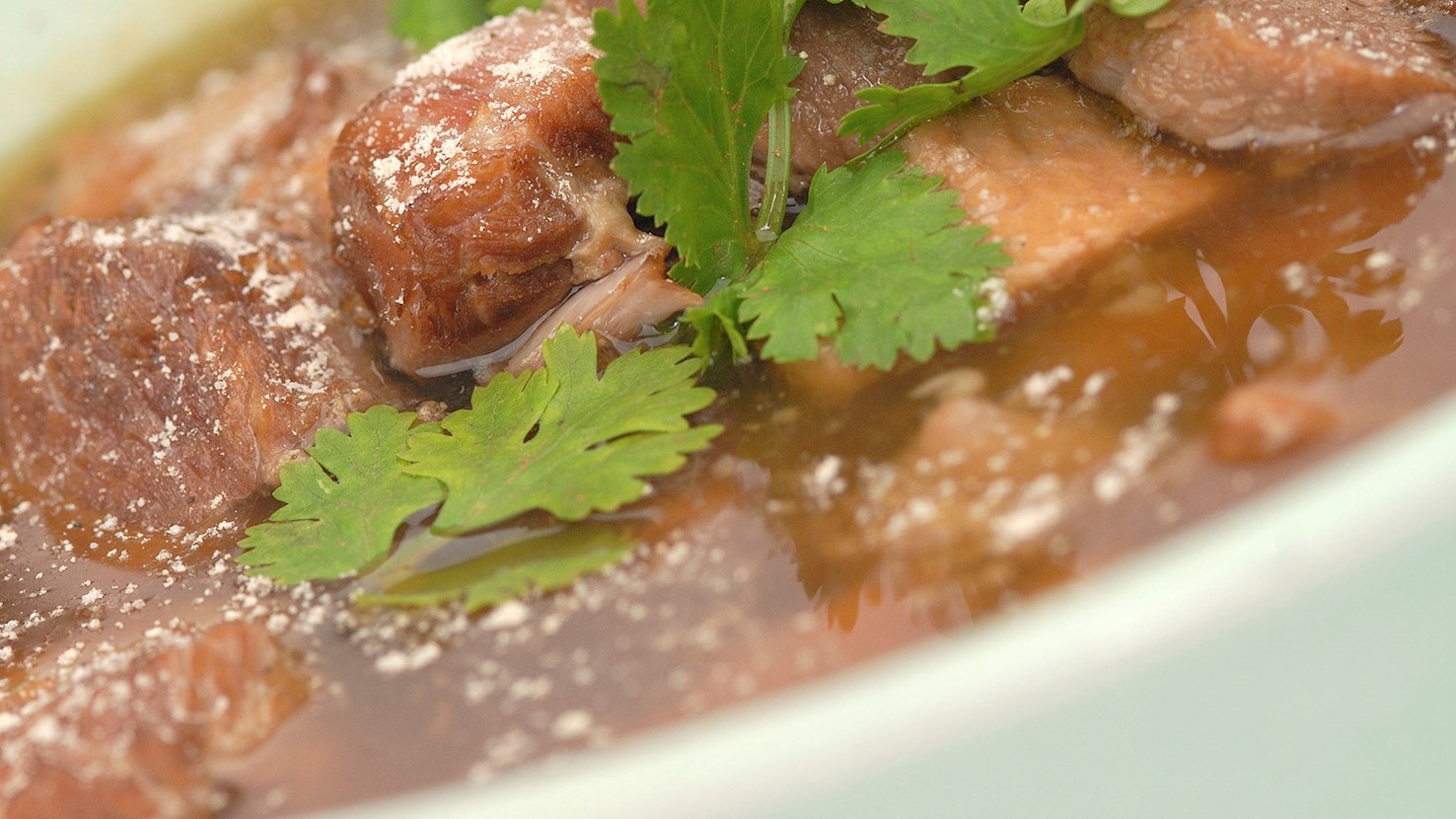
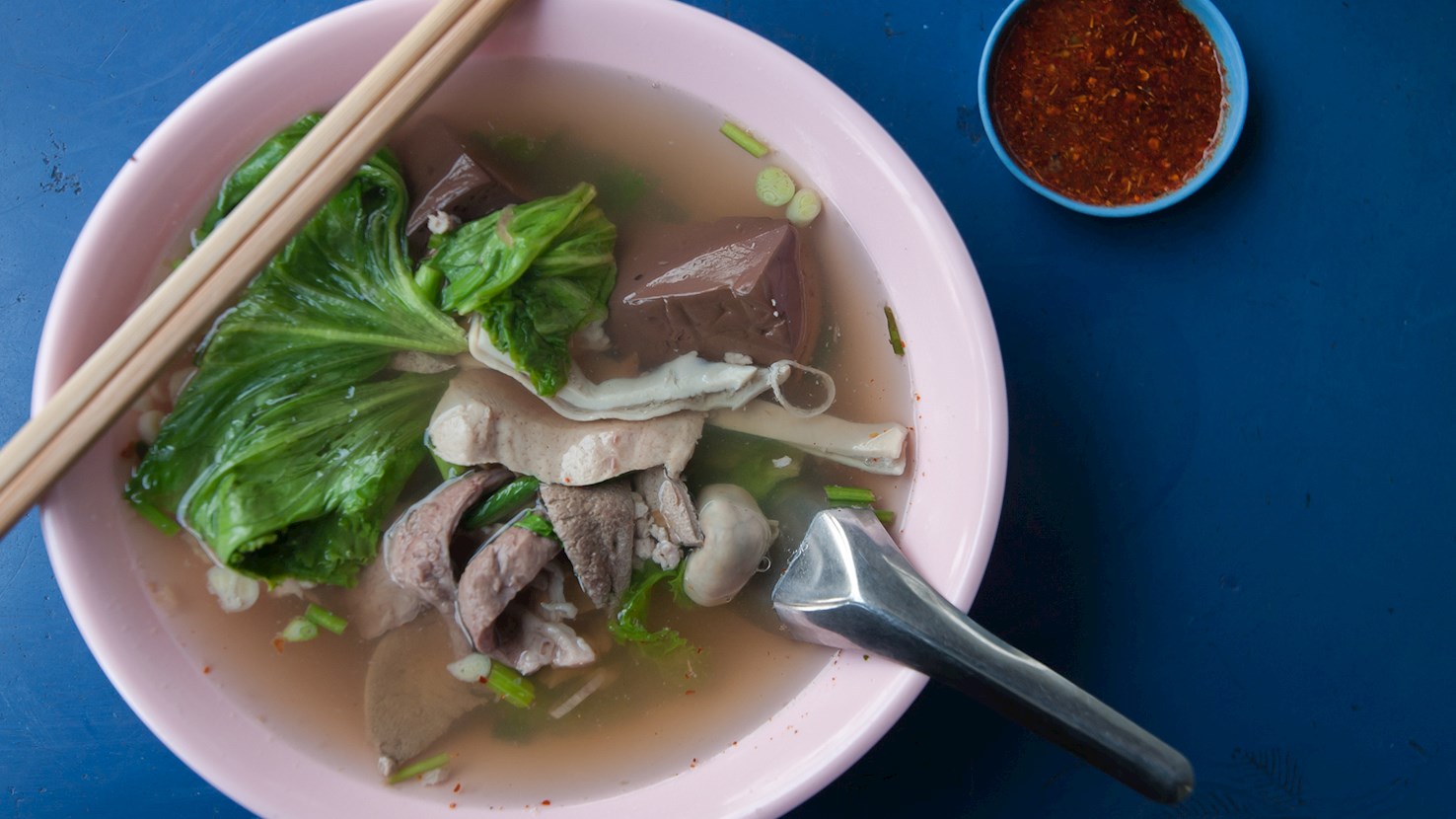
Although it originated from the Chaozhou province in China, pig’s organ soup is nowadays most popular in Singapore. The dish consists of pig offal, sliced pork, vegetable strips, onion leaves, and pepper. It is often served accompanied by eggs, rice, vegetables, braised tofu, or a special sauce prepared with a combination of soy sauce and chopped chili peppers. It is believed that the secret to a good broth is the combination of saltiness and sweetness coming from hours of boiling together pickled vegetables and pork bones.
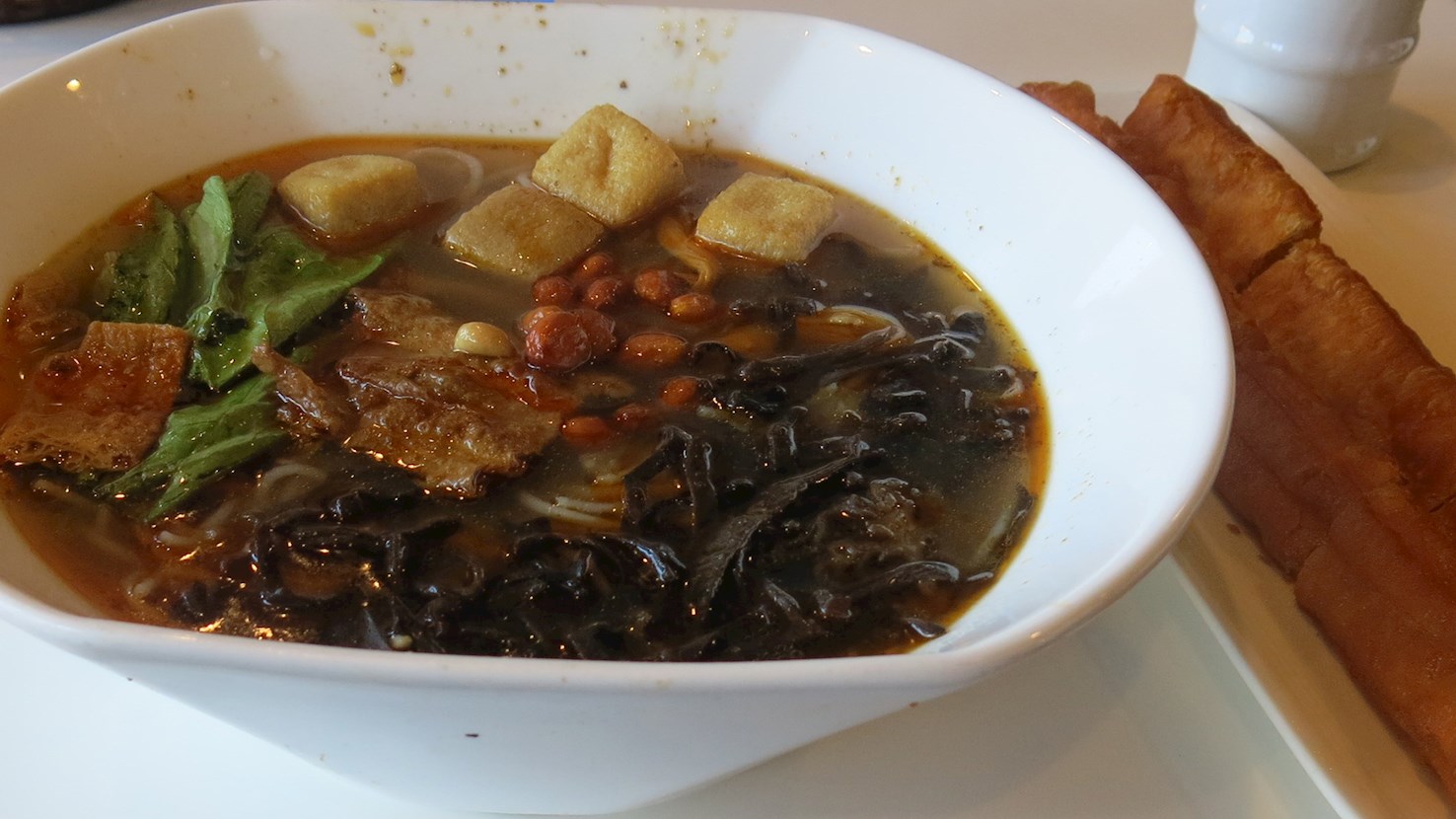
Luosifen, a native to Liuzhou in China's Guangxi province, is a dish consisting of a snail-based broth, rice noodles, and an array of additional ingredients, typically including pickled bamboo shoots, peanuts, tofu skins, and green vegetables. The hot and spicy taste comes from an elaborate concoction of spices and herbs that's used to make the broth, as well as a sizable amount of chili oil that's added to the finished soup at the end. Luosifen is typically sold by street vendors and only rarely served in restaurants, with each place having their secret recipe. Recently, specialized luosifen restaurants started to appear in numerous Chinese cities, but also abroad.
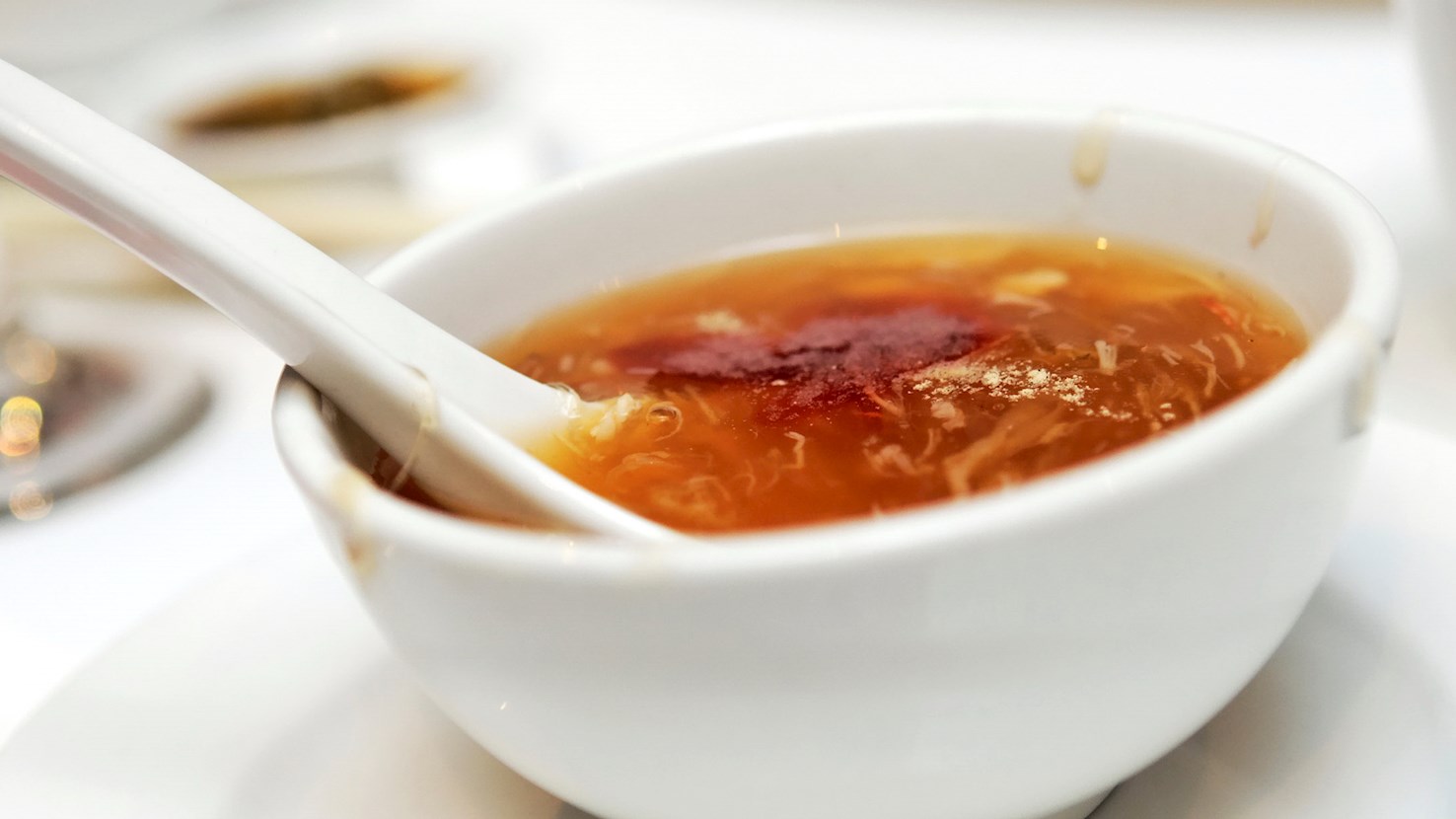
Shark fin soup is a controversial soup with Chinese origins, made with shark fins and flavored with chicken or another type of stock. Shark fin is slightly neutral in flavor, and is used in the dish to add texture. It is believed that the first shark fin soup was invented by an emperor during the time of the Sung Dynasty who wanted to show off his power, wealth, and generosity to his guests. Because of that, preparing and serving this expensive dish is now considered a sign of respect. Today, the soup is a part of the Big 4, dishes that represent health and prosperity in Chinese culture, which are usually reserved for special occasions, the other three being abalone, sea cucumber, and fish maw. Shark fin soup is also a status symbol, with bowls of it ranging from $5 to $2,000, depending on the type of shark fin served in the soup. However, due to the shark finning process and the inhumane treatment of sharks which are finned alive and left in the ocean unable to swim or survive, shark fin soup is considered one of the major threats to the world's shark populations, and some organizations are still actively discouraging the consumption of this flavorful, yet controversial Chinese delicacy.
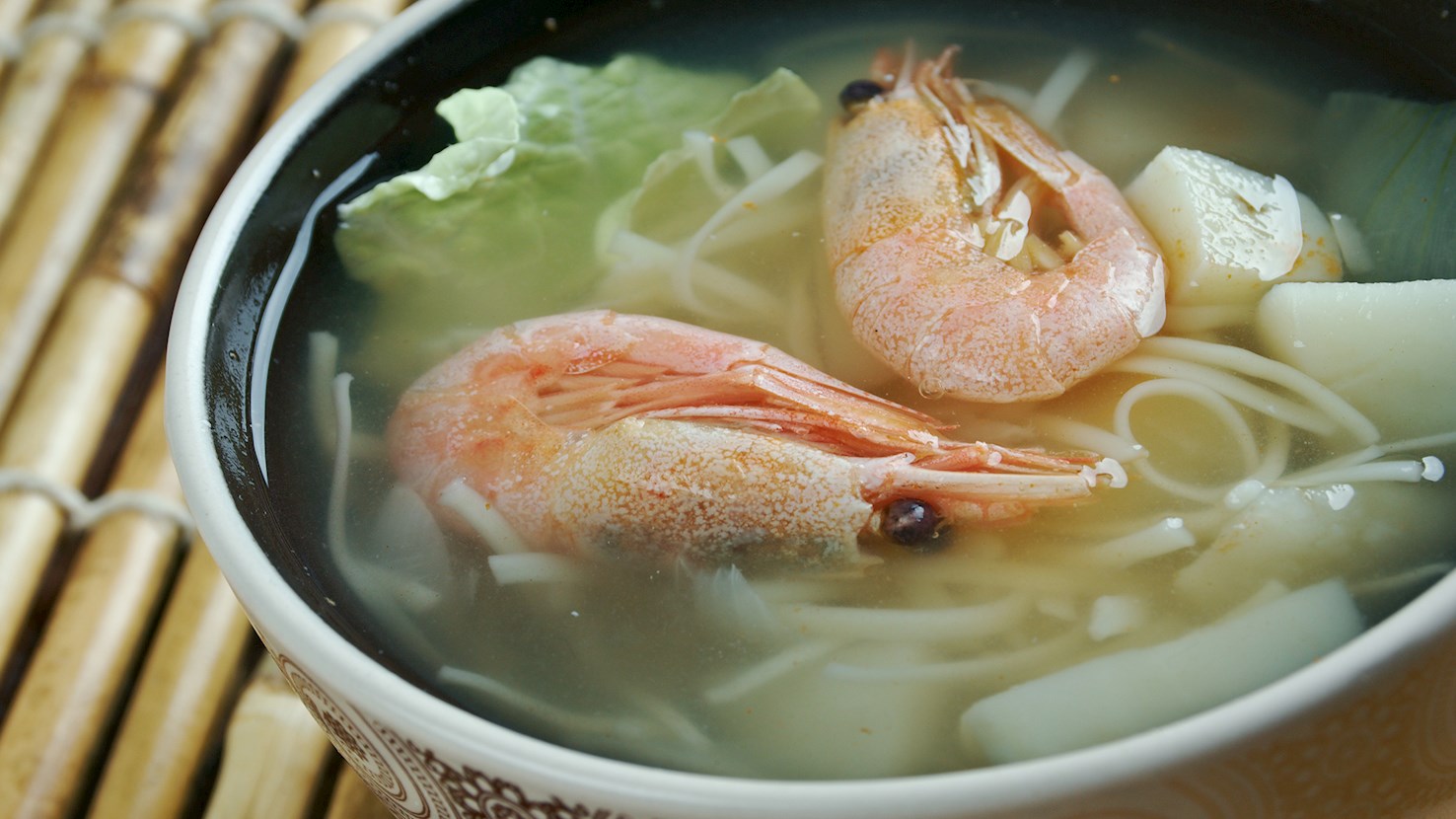
Cantonese seafood soup is a popular Chinese dish that is commonly served in upscale restaurants in China and Hong Kong. Although there are numerous variations of the soup, depending on the ingredients used in it, it typically has a smooth and thick texture and a white, slightly transparent visual appearance. The soup is often prepared with clams, shrimp, mussels, chopped fish, and seasonings such as ginger, garlic, lemongrass, oyster sauce, and rice wine.
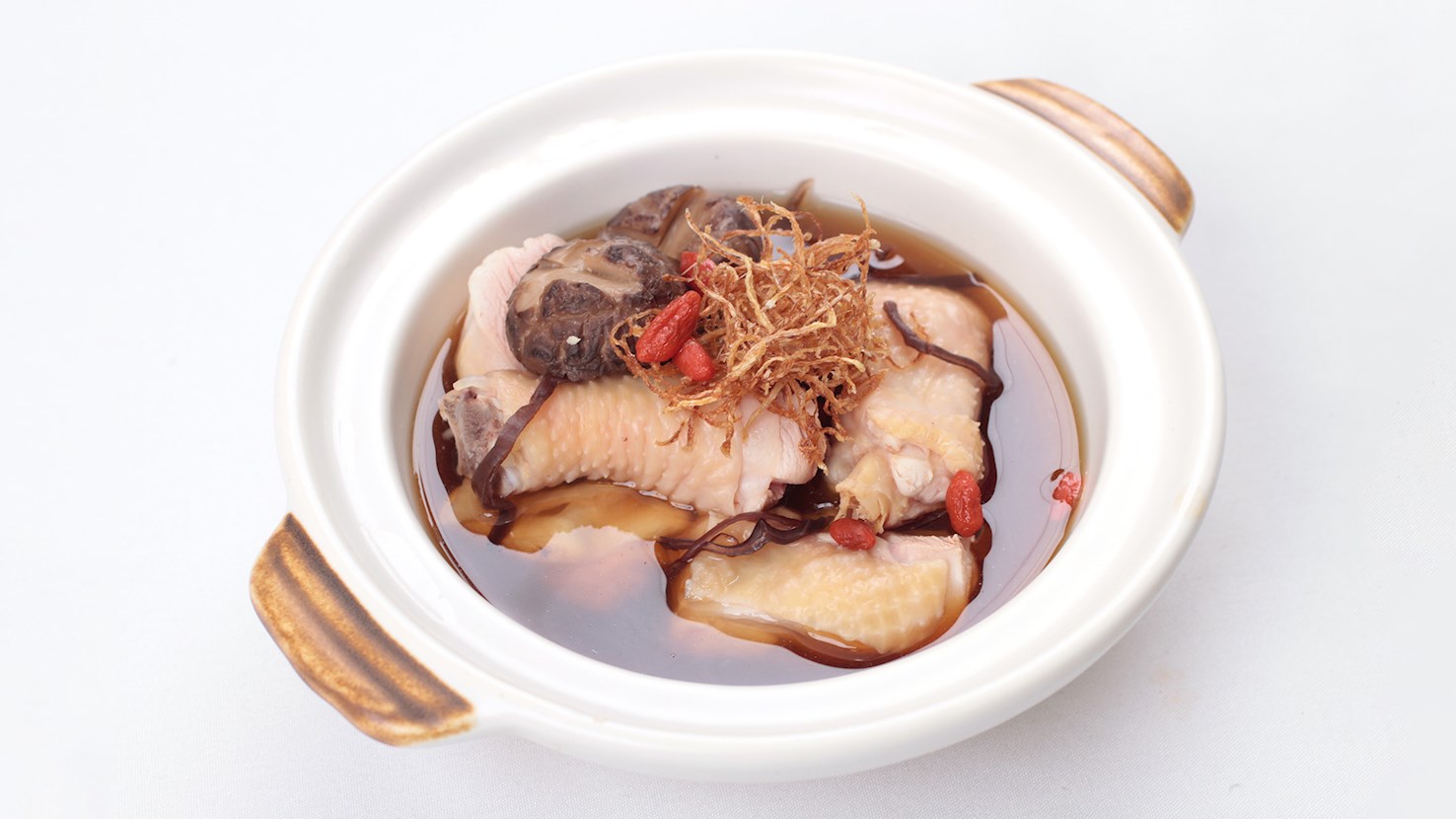
Dùntāng is a clear, slow-simmered soup from southern China, especially associated with Cantonese cuisine in Guangdong and Hong Kong, known for its emphasis on subtle flavors and nourishing qualities. It has long been part of home cooking in the region, rooted in a culinary philosophy that values balance, clarity, and the belief that food supports health as much as it satisfies appetite. This approach was shaped by the historical interaction of Cantonese cooking with classical Chinese medicine principles, leading to a preference for gentle cooking methods and ingredients that are believed to strengthen the body. Preparation begins with carefully selected main ingredients such as pork ribs, chicken, or duck, combined with dried seafood like scallops or cuttlefish, Chinese herbs such as goji berries or red dates, and vegetables including lotus root or winter melon. These components are placed in a clay pot or ceramic double boiler and simmered slowly, often for several hours, without boiling. The method ensures that the broth remains clear and concentrates delicate flavors while extracting nutrients from the ingredients. The resulting soup is light yet deeply savory, aromatic, and free of excess fat or heavy seasoning. It is typically served hot, either on its own or as part of a larger multi-course meal, often at family gatherings or festive occasions. Today, dùntāng is served in both home kitchens and Cantonese restaurants, often as the opening course of a banquet or a comforting dish during colder months. It pairs well with steamed rice, light vegetable dishes, or dim sum, and its clear broth is appreciated as a palate cleanser between richer courses.
Chángdé niúròu fěn is a beef rice noodle soup from Changde in Hunan province, known for its rich broth, tender beef, and smooth, slippery noodles. It is one of the most representative breakfast foods in the city and has become an essential part of the local food culture, often found in street stalls and small eateries that serve it from early morning until midday. The dish is deeply tied to Changde’s culinary identity and reflects the region’s preference for hearty, savory flavors balanced with spice and aroma. Its origins trace back to local noodle shops that began preparing beef noodles as a nourishing and affordable meal for workers and travelers in the early 20th century. Rice noodles had long been a staple in Hunan due to the region’s abundant rice cultivation, and beef became a favored addition as cattle rearing grew more common in inland China. Over time, cooks refined the recipe to highlight the beef’s flavor through slow cooking and seasoning techniques typical of Hunanese cuisine, which favors depth and intensity over subtlety. The dish’s popularity spread beyond the city, and it is now considered a benchmark example of how local flavors shape noodle-based meals in southern China. Preparation begins with the broth, which is the foundation of the dish. Beef bones and cuts with connective tissue are simmered slowly for several hours with ginger, garlic, scallions, star anise, and sometimes dried tangerine peel, creating a deep and aromatic stock. Thin slices of beef, often brisket or shank, are stewed separately with soy sauce, Shaoxing wine, and chili paste until tender and infused with flavor. The rice noodles, made from finely ground rice flour and water, are briefly blanched to maintain their delicate texture before being added to the hot broth. The stewed beef is then layered on top, and the bowl is finished with chopped scallions, pickled vegetables, chili oil, and occasionally a splash of beef fat to enrich the flavor. Chángdé niúròu fěn is most often eaten as a breakfast or lunch dish, commonly enjoyed at small family-run noodle shops where bowls are prepared to order and served steaming hot. It is sometimes paired with pickled side dishes or small plates of cold vegetables, and in colder months, diners may add extra chili paste or fermented bean sauce to increase the warmth and depth of flavor.
TasteAtlas food rankings are based on the ratings of the TasteAtlas audience, with a series of mechanisms that recognize real users and that ignore bot,
nationalist or local patriotic ratings, and give additional value to the ratings of users that the system recognizes as knowledgeable.
TasteAtlas Rankings should not be seen as the final global conclusion about food. Their purpose is to promote excellent local foods,
instill pride in traditional dishes, and arouse curiosity about dishes you haven’t tried.




What People Say